Contents:
Learn: Game Designer Profession from Scratch to PRO
Learn MoreFinal Fantasy is an iconic Japanese role-playing game series that began in 1987. To date, 15 main games and numerous spin-offs have been released. Each new installment in the main Final Fantasy series sets new standards in the gaming industry, influencing both Japanese and Western developers. The franchise's influence can be seen in games such as BioWare's Dragon Age and Bandai Namco's Tales of..., among other popular RPGs. Final Fantasy continues to be a milestone in the world of video games, inspiring new generations of developers and players.
On June 22nd, the long-awaited Final Fantasy 16 was released on PlayStation 5, a title fans had been waiting for for over seven years. Skillbox Media's editorial team shares tips on how to get started with the Final Fantasy franchise, which games you should play first, and why each new numbered installment has its own unique universe. Understanding the features of each game will help you better appreciate the rich world of Final Fantasy and its deep mythology.
Why the series was called "Final Fantasy"
In 1987, the Japanese corporation Square was on the verge of collapse. Despite striving to find its niche in the gaming industry, the company failed to achieve significant success in the first few years. Before finally leaving the market, Square decided to release its last role-playing game, the development of which was led by Hironobu Sakaguchi, a young and promising game designer who had not yet completed his studies. He had previously worked on several games for NEC 8-bit computers and NES consoles. His portfolio already included such projects as the text adventure The Death Trap, the platformer King’s Knight, and the racing game Rad Racer. This last game became the starting point for the company's future success, forming its reputation in the world of video games.
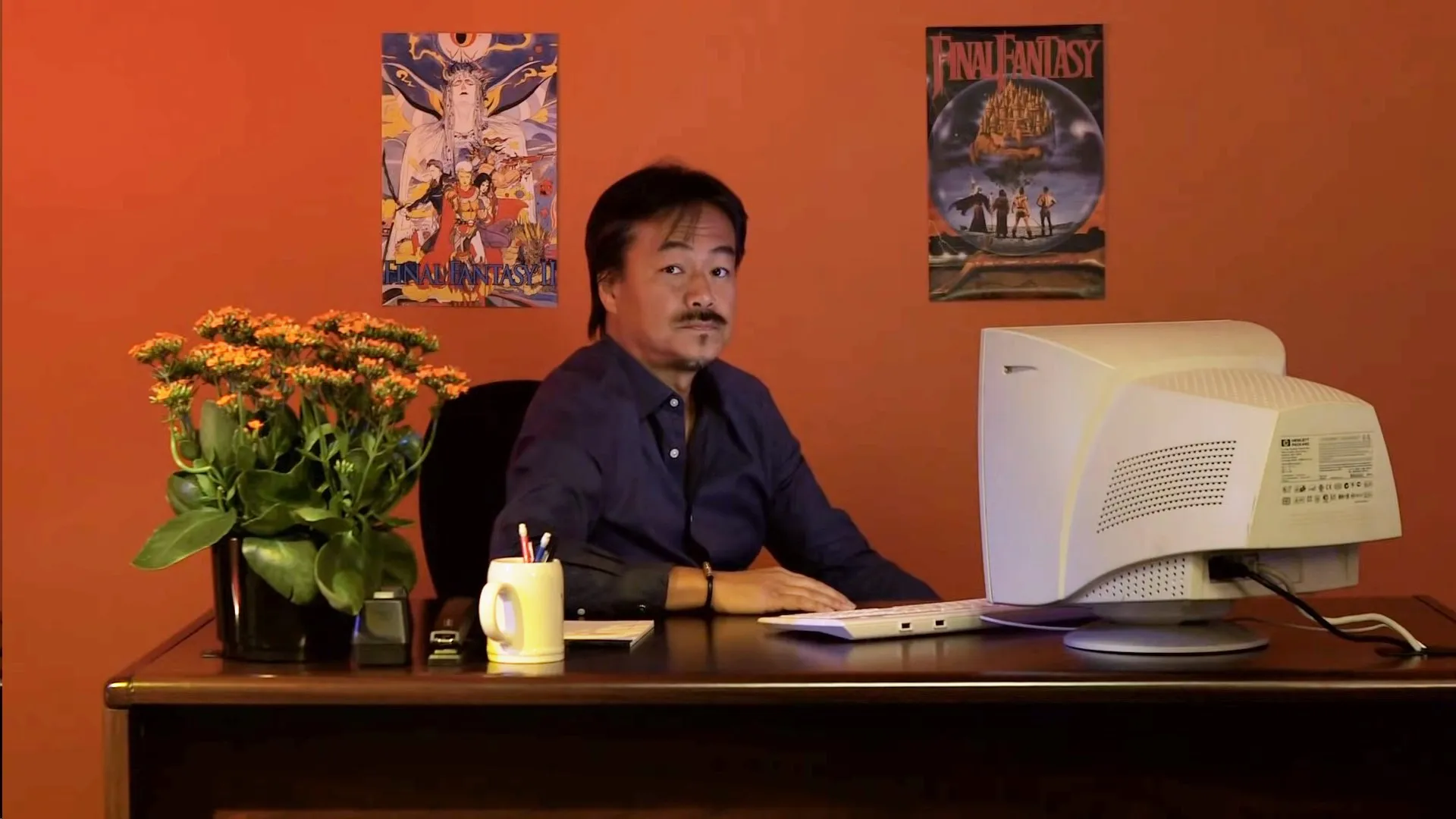
Sakaguchi later claimed that many employees at Square did not believe in the success of the JRPG genre. The project was originally called Fighting Fantasy, but the name was changed due to a conflict with the copyright holder of the board game of the same name. This change was an important step in the development of the game, which subsequently had a significant impact on the video game industry and the popularization of JRPGs.
Sakaguchi decided that his game would be called Final Fantasy. After the release of the game, which he expected to fail, the game designer planned to return to university to continue his studies and get a degree. He did not expect the game to ever have a sequel. The name Final Fantasy, in his opinion, most accurately reflected the essence of the project and its philosophy.
The creator of Final Fantasy was pleasantly surprised by the huge success of the game upon its release in Japan. Players praised the gripping storyline and exciting gameplay, especially noting the combat system and the variety of enemies. The project's success was so significant that Square quickly struck a deal with Nintendo to release the game in the United States. Sakaguchi, the franchise's creator, was quickly called upon to begin work on the next Final Fantasy installment. After successful sales of each new game, fans began eagerly anticipating the sequel. Sakaguchi was forced to abandon his plans for higher education and devote himself entirely to developing his flagship series, which ultimately led to the creation of an iconic brand in the video game world.
The main features of the series, as well as what the different parts of Final Fantasy
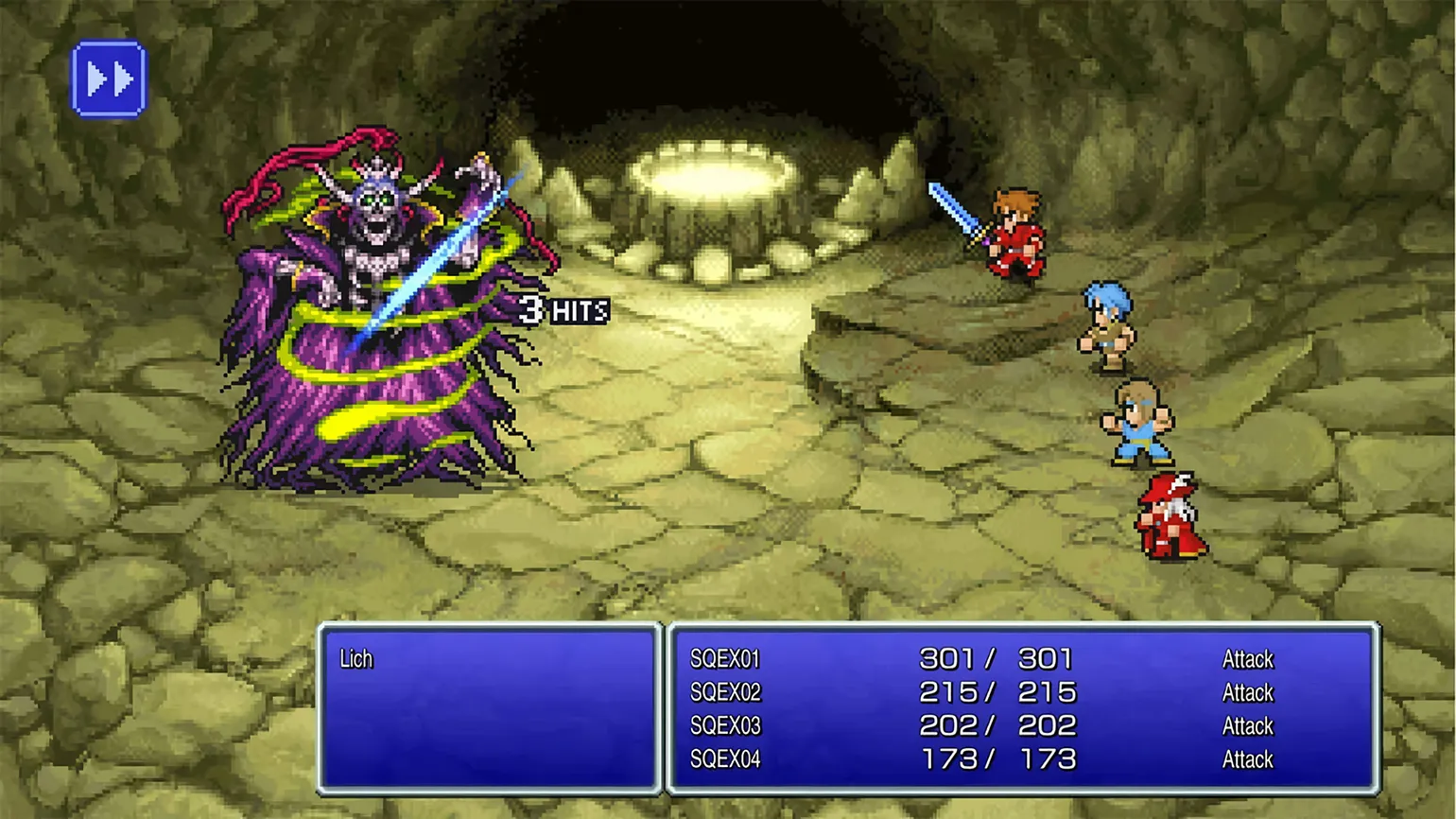
Each game in the Final Fantasy series has a unique universe, in which the developers create an original world structure, its history, key features, and magical elements. Some parts of the Final Fantasy series become the basis for separate subseries. For example, the first game, Final Fantasy, received a prequel reimagining called Stranger of Paradise: Final Fantasy Origin. In addition, Final Fantasy 13 developed into a trilogy, including sequels Final Fantasy 13-2 and Lightning Returns: Final Fantasy 13. These features make each part of the game unique and attractive to fans.
The complex divisions in the Final Fantasy universe can cause confusion for new players. With the release of Final Fantasy 16, the total number of main games in the series will reach 16. If you count sequels and spin-offs, the total number of games already exceeds ten. This multi-layered structure makes the series unique, but for newcomers, navigating such diversity can be challenging.
You can start exploring this series from any entry, as they are not directly connected to each other. Each numbered entry is a standalone story, making it easy to immerse yourself in the world of the series without having to study previous installments.
The closest analogues to Final Fantasy in the gaming industry are the Assassin's Creed and Call of Duty series, each of which includes separate sub-series. For example, the Assassin's Creed trilogy, centered on the character Ezio, only partially overlaps with mythological entries such as Odyssey and Valhalla. In the Call of Duty series, the Modern Warfare and Black Ops sub-series developed independently of each other, only connecting in 2020 with Black Ops Cold War. These examples illustrate the diversity of storylines and gameplay approaches that make each of these series unique and appealing to players.
The strict division into separate universes allows the Final Fantasy franchise to remain relevant even 36 years after the release of the first game. Many fans have their own favorite game in this iconic series, and often it is the one they first encountered. Final Fantasy 7, the first 3D game in the franchise, holds a special place in the hearts of many players. Fans remember the tenth game, released on PlayStation 2 in 2001, equally fondly. Each numbered game in the series has its own active communities where its features and impact on the gaming industry are discussed. Hironobu Sakaguchi, the series' creator, calls the ninth part his favorite, which emphasizes the diversity and uniqueness of each Final Fantasy game.
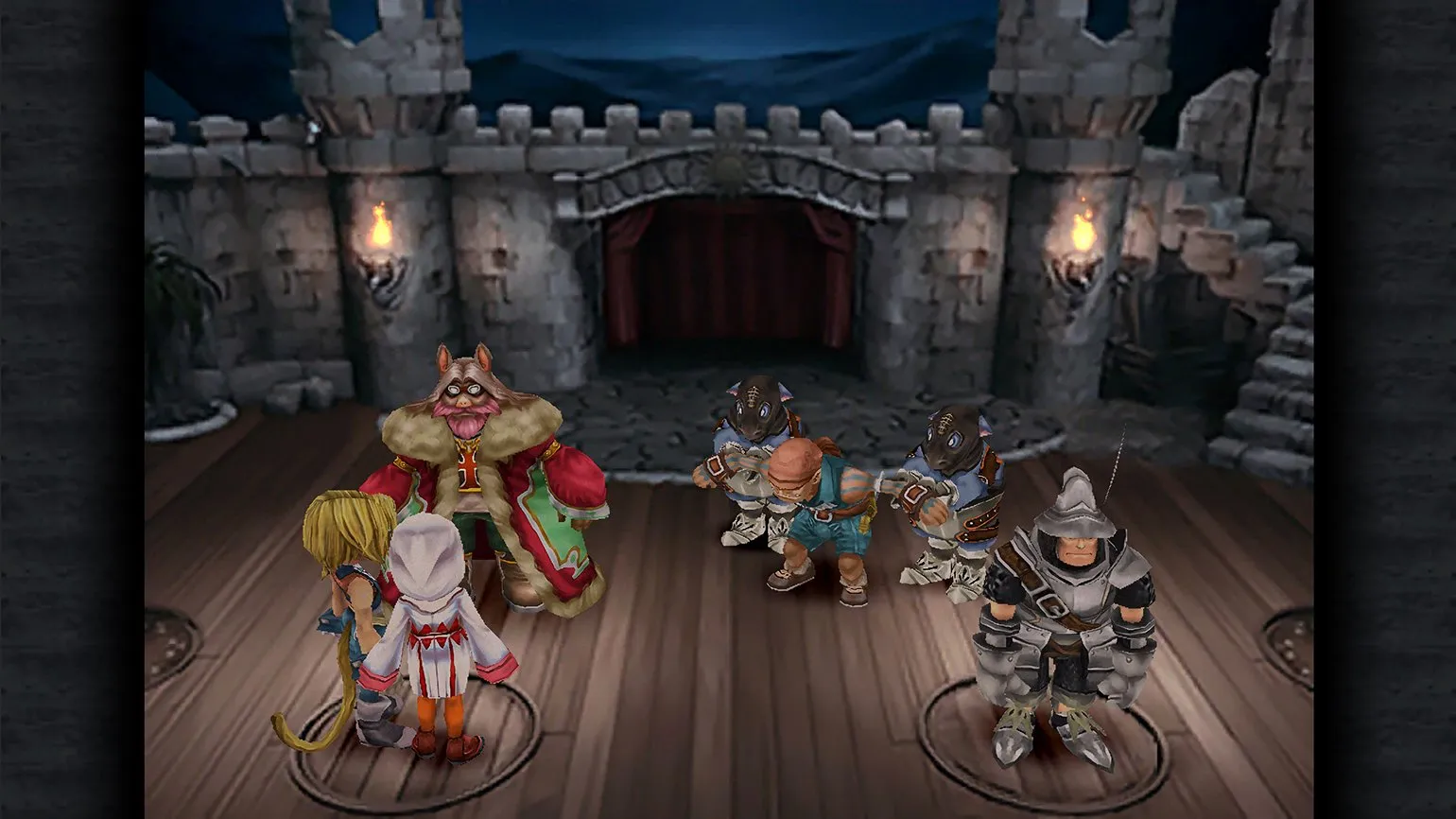
Final Fantasy possesses distinctive features that help players easily identify the series among numerous other games. These distinctive features include a rich storyline, developed characters, and a unique approach to gameplay. Each title in the series offers a deep mythology and original world, contributing to a memorable gaming experience. Furthermore, Final Fantasy is known for its outstanding musical compositions and visual design, which enhance the atmosphere of each game. These elements make the series unique and appealing to different generations of players.
- a dramatic story about saving the world from the forces of evil - with magic and other fantasy elements;
- a combat system using partners - turn-based until later parts, real-time in modern games;
- a visual series with a style reminiscent of anime - especially in cutscenes;
- arrangements of the main theme by Nobuo Uematsu, the composer of Final Fantasy from the first to the twelfth and fourteenth parts;
- covers and logos by Yoshitaka Amano, the main illustrator of the series;
- a large number of cinematic cutscenes, starting with the seventh part;
- the presence in every game of chocobo birds, resembling a mixture of ostriches and chickens, and moogles (since the third part) - small creatures with bat wings and antenna on his head.
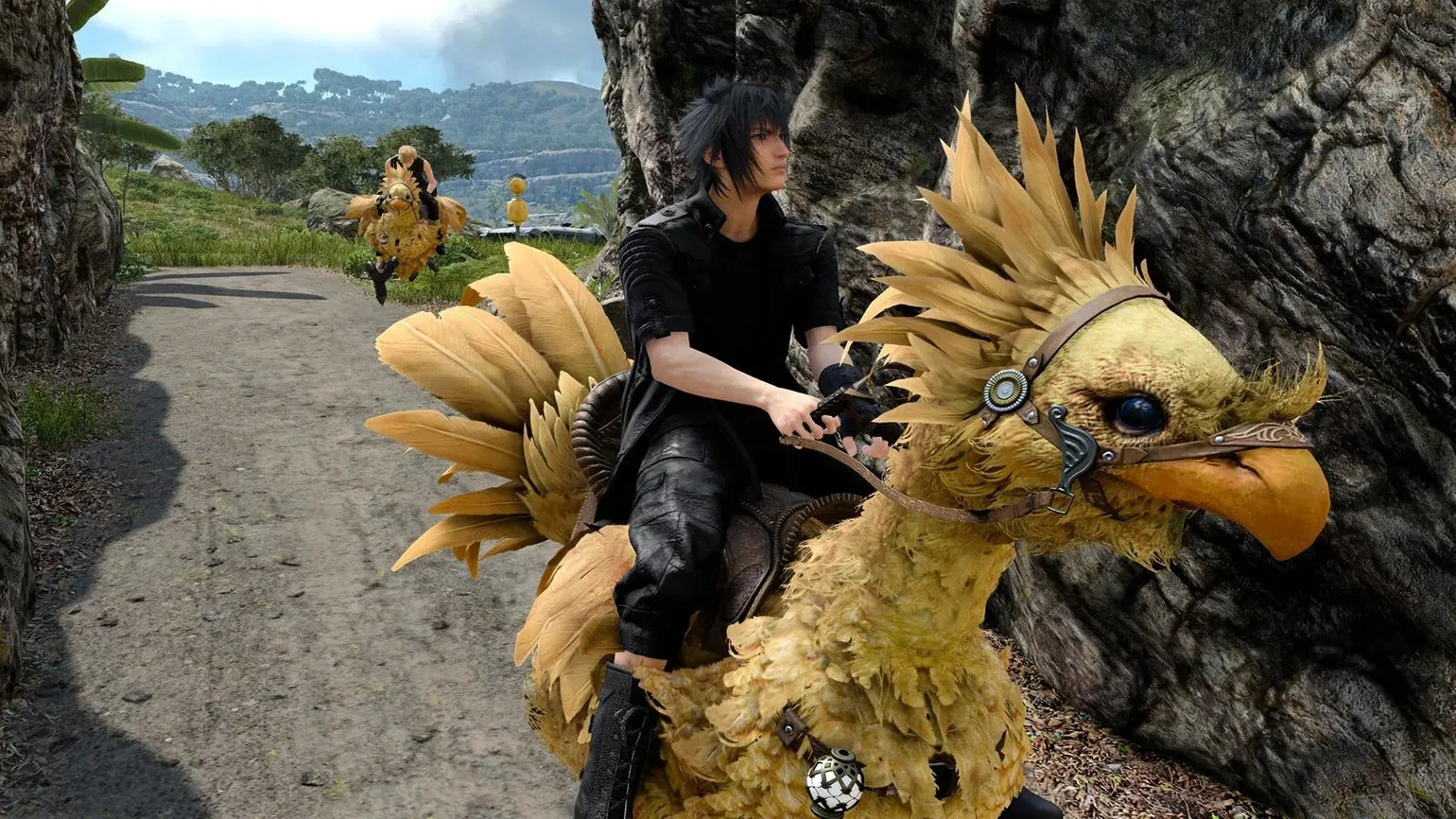
The Final Fantasy series typically combines elements of classic Epic fantasy, like "The Lord of the Rings," with modern technology. For example, in the first game, characters explore a medieval world on an airship. The fifteenth installment takes place in a world vaguely reminiscent of our own, where the heroes travel in cars but fight fantasy creatures with swords. This unique combination makes each game in the series not only captivating but also memorable, appealing to both fantasy fans and tech enthusiasts.
There are exceptions. For example, the sixteenth installment of the Final Fantasy series was conceived as a dark work inspired by the atmosphere of Game of Thrones.
How Final Fantasy Changed Forever After Part 10
Hironobu Sakaguchi led the development of the first five games in the Final Fantasy series. When work began on the sixth installment, he became executive vice president of Square. Although he continued to create unique game universes, his control over the projects was significantly reduced, and subsequent games were handled by other game designers.
Hironobu Sakaguchi, known for his achievements at Square, was involved in producing various projects and became the director of the animated film "Final Fantasy: Spirits Within". Unfortunately, the film failed to achieve commercial success at the box office. In 2001, Sakaguchi stepped down as vice president of the company and assumed the role of executive producer. In this new role, he ceased to be actively involved in the development of subsequent installments in the Final Fantasy series.
Oversight of the Final Fantasy franchise shifted to other specialists in the early 2000s. In 2003, Hironobu Sakaguchi left Square and founded a new studio. At this point, the series had undergone significant changes. The eleventh Final Fantasy game, released in 2002, was radically different from its predecessors. It was a large-scale online RPG inspired by games like Lineage and EverQuest, with a monthly subscription model. After the release of Final Fantasy 12, lead composer Nobuo Uematsu retired from composing the music for the series. He returned to work on the music only for the original version of Final Fantasy 14, which was released in 2010. These changes marked a significant milestone in the franchise's history and influenced its future development.
Tetsuya Sakaguchi's departure had a significant impact on Final Fantasy 13. The game's development was led by game designer Motomu Toriyama, producer Yoshinori Kitase, and scenario writer Daisuke Watanabe, who had previously worked on Final Fantasy 10. However, the new project was met with a lukewarm reception from both critics and fans of the series. Many noted that the game had lost the hallmark Final Fantasy charm and became one of the weakest entries in the franchise. Players' main complaints concerned the plot, characters, and combat system, as well as the boring presentation of the story, which significantly reduced interest in the game.
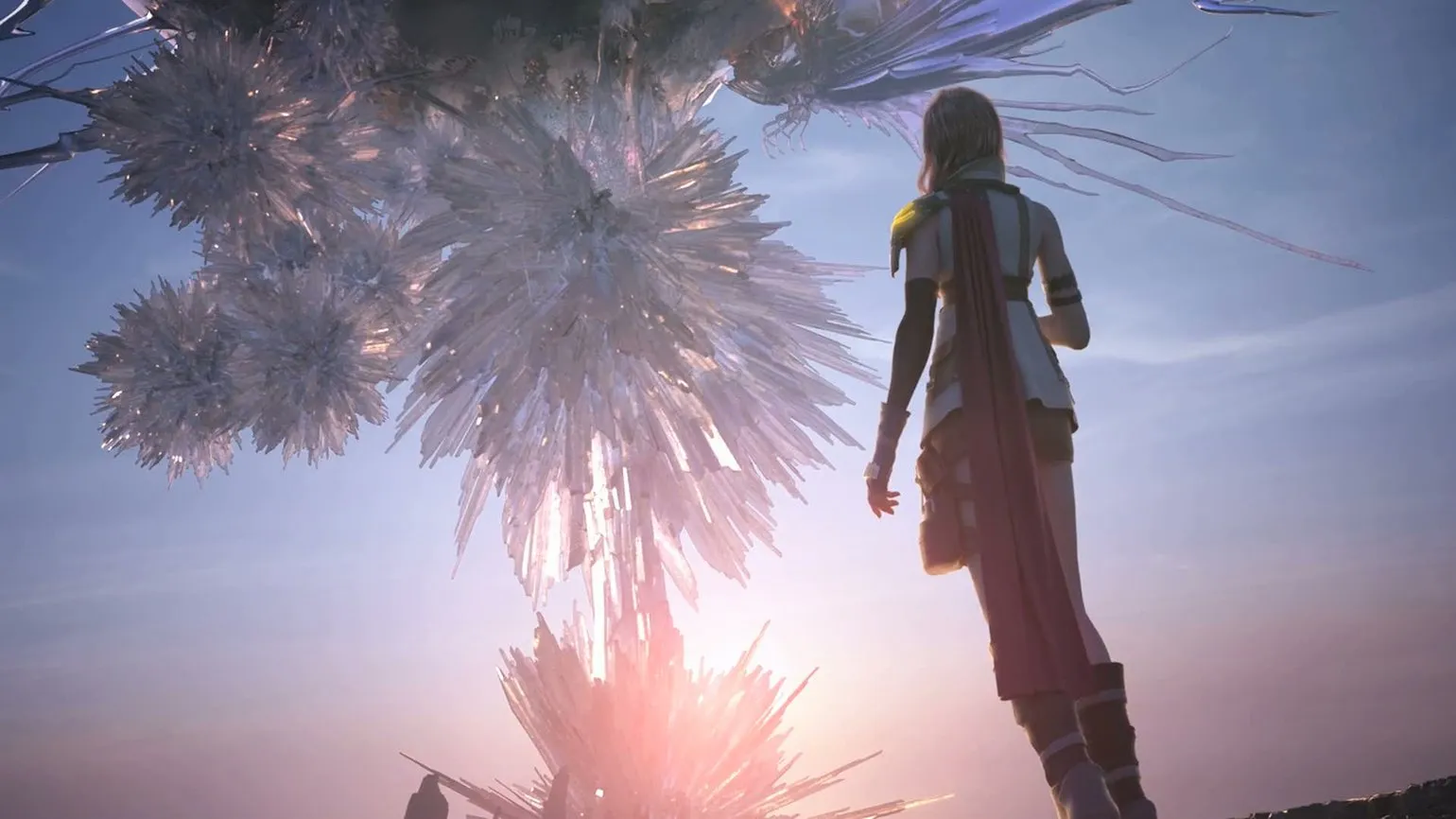
Since the thirteenth entry, the Final Fantasy series has increasingly drawn criticism from players. The original version of the fourteenth entry was particularly poorly received, receiving only a 49 out of 100 score. This was attributed to numerous bugs, a lack of content, and an unclear plot. The fifteenth entry, known as Final Fantasy XV, was received more favorably, but was also criticized for its disappointing main story and inconsistent combat system. Despite this, the series continues to be a significant force in the video game world, attracting both dedicated fans and new players.
Since Sakaguchi's departure in 2003, only three titles have been positively received: Final Fantasy 12, the remastered version of Final Fantasy 14, particularly its expansions Shadowbringers and Endwalker, and the remake of Final Fantasy 7 for the PlayStation and PC. The legendary series, each new game of which was once perceived as a significant event in the gaming industry, has partially lost its reputation. However, the next title could become a turning point for the franchise and return it to its former glory.
Why Final Fantasy 16 is called a return to form for the series
After the mixed reaction to the fifteenth part, Square Enix changed the strategy for the development of the Final Fantasy series. A special committee working on the franchise was divided into two groups. The first group, led by Yoshinori Kitase, is focused on developing sequels to the remakes of Final Fantasy 7. The second group, headed by producer Naoki Yoshida, who was previously responsible for the update of Final Fantasy 14, is creating new projects, including Final Fantasy 16. This game aims to restore the popularity of the franchise and return it to its roots, which should attract both old and new fans of the series.
Read also:
Final Fantasy 16 is a new part of the famous Japanese role-playing game series, which continues the traditions of its predecessors, offering players a fascinating storyline and exciting gameplay. In this game, players will be able to immerse themselves in a world filled with magic, large-scale battles, and unique characters. The developers have introduced numerous innovations, including a revamped combat system that combines elements of action and strategy.
Final Fantasy 16 takes place in the fantasy kingdom of Valisze, where players will meet diverse factions and face conflicts that threaten the world. The game incorporates exploration elements, allowing players to discover new locations and interact with NPCs, adding depth to the gameplay.
Furthermore, Final Fantasy 16 features impressive graphics and sound, creating an immersive atmosphere. This installment in the series promises to be not only a tribute to the traditions of Final Fantasy but also a step forward in the role-playing genre.
Dive into the world of Final Fantasy 16 and discover new adventures await.
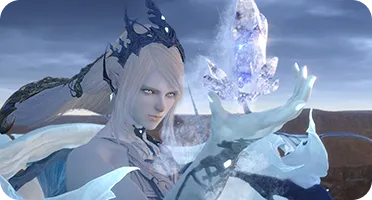
Final Fantasy 16 is the first mainline single-player game in the series since Final Fantasy 9, set in a medieval fantasy world. The protagonist is Clive Rosfield, Joshua's older brother and protector, who will become the ruler of the Rosaria Duchy in the kingdom of Valisthea. Joshua is imbued with the unique power of the Phoenix Eikon—a powerful creature that grants magical abilities upon birth. Players will experience a gripping story, explore vast environments, and battle a variety of enemies using unique combat mechanics and magical abilities associated with the Eikons. Final Fantasy 16 promises to be a milestone in the series' history, combining classic elements with modern innovations.
According to Western journalists, Final Fantasy 16 is a captivating and cinematic RPG that is a must-own for all fans of the series. Polygon described it as "an elegant modern epic in the spirit of the PS2 games," while a Eurogamer reviewer noted the exciting gameplay and deep drama. Particular attention is paid to the combat system developed by Ryota Suzuki, known for his work on Devil May Cry 5. Final Fantasy 16 promises to offer not only a rich story but also dynamic battles, making it a must-play title for fans of high-quality RPGs.
The Final Fantasy 16 demo made a positive impression on many players. Many of them claim that this is the next-generation Final Fantasy they have been waiting for. The game combines modern graphics technology and a deep storyline, making it appealing to fans of the series. In anticipation of the full release, players are discussing the innovations and features that Final Fantasy 16 will offer.
Game designer profession from scratch to PRO
A game designer creates the structure of a game. They think through the idea, rules, gameplay and decide what emotions the plot will evoke in players. You'll master game design principles from scratch and learn how to work with popular engines like Unity and Unreal Engine. You'll learn how to retain player interest and monetize games. And we'll help you start a career in the gaming industry.
Learn more