Contents:

Game Dev: Complete 3 professions and create a game in 30 days!
Find out moreGoals in games: how to avoid obstacles on the path to success
Matthew Krol emphasizes that when faced with uncertainty in a game, players can experience confusion and frustration. It's important to clearly articulate goals and objectives at every stage of gameplay to minimize these negative feelings and ensure a more enjoyable gaming experience. A clear understanding of goals helps players focus and improves the overall experience, which in turn promotes deeper engagement and increases gameplay appeal.
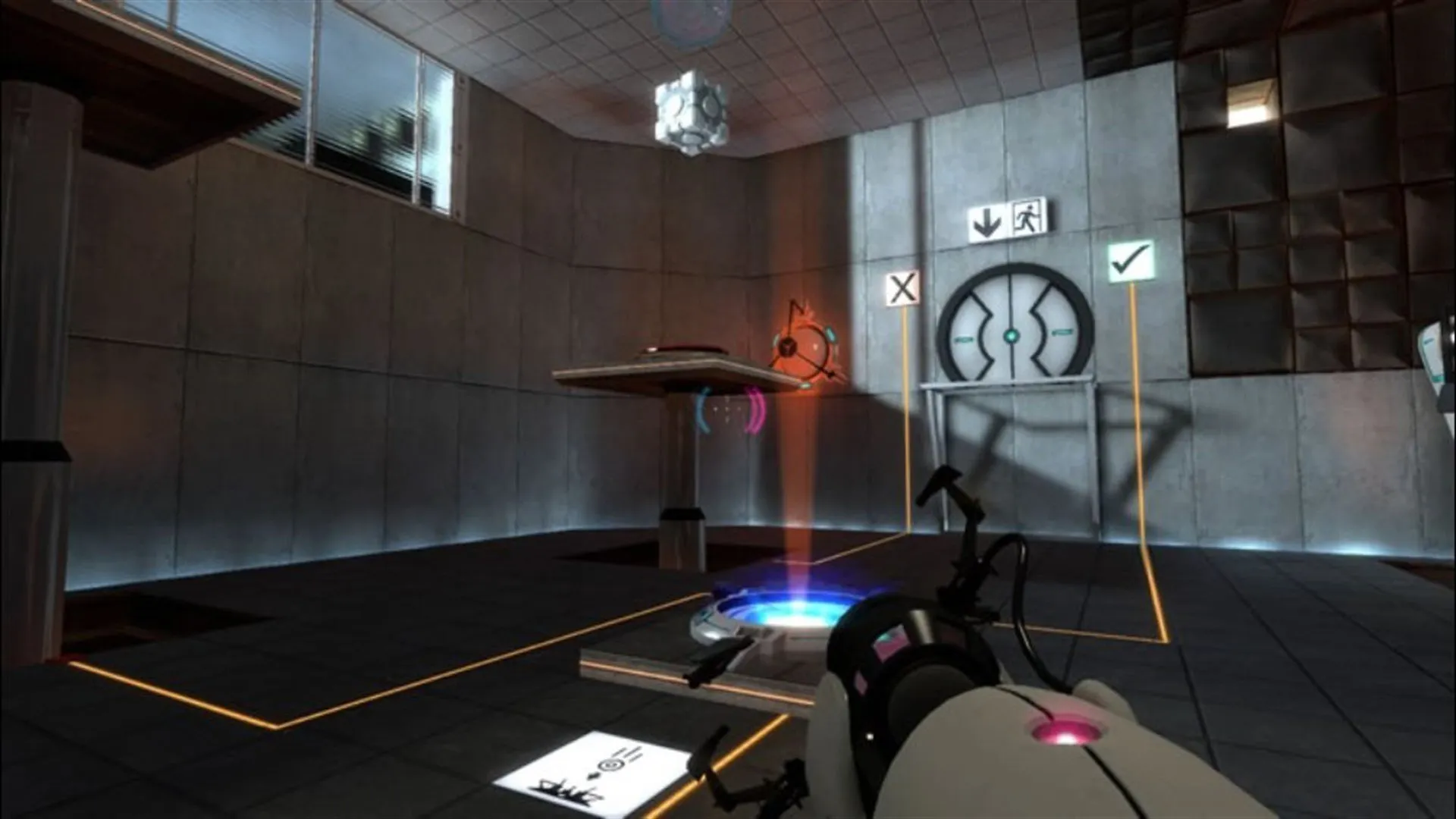
Geralt of Rivia searches for his adopted daughter Ciri, Mario attempts to save Princess Peach from the evil Bowser, and Chell strives to escape the Aperture Labs under GLaDOS's control. These storylines create a deep emotional connection with the characters and serve as motivation for players throughout the gameplay. Intriguing stories filled with adventure, exploration, and combat make every interaction engaging and memorable. Players are immersed in worlds where every decision affects the further development of events, which increases interest and involvement in the game.
Goals in games are not always directly related to the main plot. After the release of Call of Duty 4: Modern Warfare, many multiplayer shooters began to implement a leveling system, which created additional incentives for players. This system allows you to set an ultimate goal - reaching the maximum level, which significantly increases engagement and interest in the gameplay.
The long-term goal is broken down into many smaller tasks, including medium-term and short-term ones. For example, to reach the maximum level of leveling, the player must regularly gain levels. This, in turn, requires winning matches, which depend on performing certain gameplay actions, such as eliminating opponents and capturing control points. Successfully completing these tasks contributes to progress and allows the player to get closer to their ultimate goal.
The player must clearly understand their goals at every stage of the game. Mark Brown, author of the Game Maker's Toolkit channel, emphasizes the importance of regularly reminding the player of upcoming surprises and discoveries. These can range from solving plot mysteries to discovering powerful new weapons. Such elements maintain interest and engagement, promoting deeper immersion in the gameplay.
In the first Dark Souls, the player encounters the locked gates of Sen's fortress, symbolizing the presence of unexplored possibilities. The character selection menus in Injustice and Mortal Kombat feature locked characters, highlighting the potential for future discoveries. Each episode of Alan Wake and Quantum Break ends on a cliffhanger, heightening interest and the desire to continue the game's journey. These elements create a unique atmosphere of anticipation and exploration, encouraging players to delve deeper into worlds full of mysteries and surprises.
These hints can spark interest and motivate players to continue their adventure. However, to truly engage players, it is important to introduce a variety of game mechanics. Using different approaches and elements, such as unique quests, interactive characters, and dynamic events, allows you to deepen the gaming experience and make it more immersive. It is important to create a harmonious combination between the story and game mechanics to maintain a high level of engagement and interest in players throughout the gameplay.
Repetition is the mother of agony: how variety creates interest in games
In an essay on game cycles, Mark Brown shares his experience, admitting that he was unable to finish the 2016 Doom. He emphasizes that the game has excellent graphics and combat mechanics, which are some of the best in recent years. However, he lost interest and did not finish the game. This opinion raises an important question about the impact of monotony in gameplay mechanics on player engagement. This situation illustrates how even high-quality games can struggle to maintain interest if they fail to offer variety and novelty in gameplay.
Brown cites monotony as a key reason for his disappointment with the Doom series. Known for its intense gameplay, the game demands speed, precision, and spectacular finishing moves. This makes Doom an excellent choice for an evening of entertainment, but this approach prevents players from becoming deeply immersed in the story and atmosphere. Brown argues that this limits the game's appeal to a wider audience.
By contrast, the Uncharted series is worth noting. This game, along with The Last of Us, is renowned for its variety of gameplay elements: puzzle solving, platforming sections, stealth mechanics, and dynamic gunplay. Naughty Dog skillfully navigates the transitions between these elements, maintaining a high level of player engagement and interest while avoiding monotony. These features make the Uncharted series one of the most appealing to adventure game fans.
In Uncharted 2, the change of pace is masterfully executed: a calm exploration of an ancient temple suddenly transitions into a tense shootout in an urban setting, and then transforms into a thrilling, acrobatic chase along a fast-moving train. These elements combine harmoniously to create a unique gaming experience that holds the player's attention and immerses them in a world of adventure.
Keeping audience attention in games with a limited variety of gameplay mechanics is a challenge. The answer lies in the quality of the content. Despite lacking the many interconnected mechanics found in games like Assassin's Creed: Valhalla or Cyberpunk 2077, Hades managed to capture and retain players' attention thanks to its deep story and engaging characters. This game demonstrates that quality content and a compelling story can compensate for a lack of mechanical variety, creating a memorable and emotionally charged gaming experience.
Hades' protagonist, Zagreus, is the son of Hades, the god of the dead, and seeks to escape the underworld. Each time he fails, Zagreus returns, allowing players to re-explore the world and interact with new characters. This storytelling method keeps players engaged and motivated, allowing them to gradually learn more about the game's rich mythology and unique storylines. With a variety of interactions and dynamic story progression, Hades offers a captivating gaming experience that continually keeps the audience engaged.
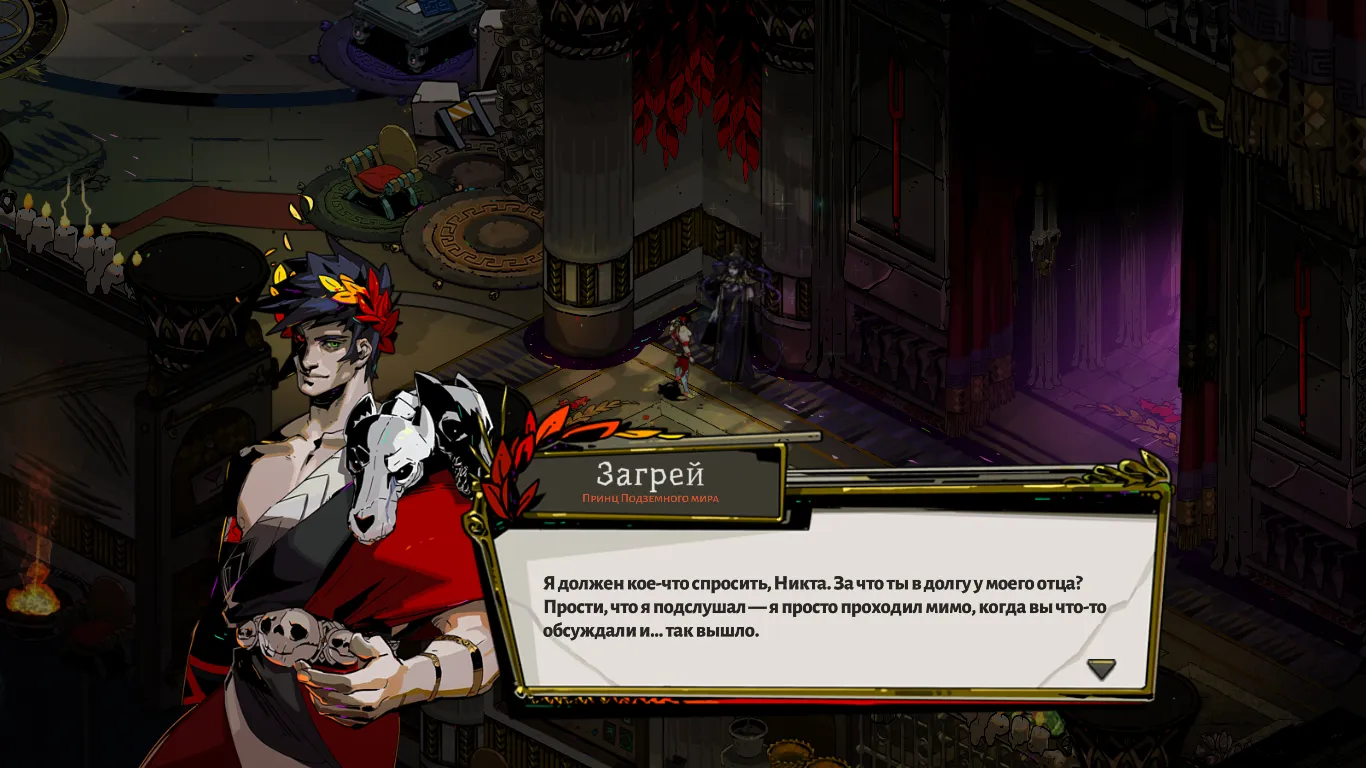
Composer and voice actor Darren Korb made a huge contribution to the creation of the game, recording over 20 thousand lines of dialogue. This impressive amount of content for the roguelike genre allows for a dynamically evolving storyline that keeps players engaged and motivates them to explore the game world further. This creates a unique experience, encouraging players to immerse themselves in its atmosphere and develop their skills.
The roguelike genre demonstrates how simple game mechanics can be effectively utilized to provide players with hours of engaging gameplay. Key characteristics of the genre include randomly generated levels, permadeath elements, and turn-based combat mechanics. These features contribute to a unique gaming experience, making each playthrough a unique experience. Roguelikes also often offer deep character customization and enemy variety, adding an additional layer of strategy and engagement. This genre attracts both new and experienced players, providing a high level of replayability and interest in new adventures.
- After death, the player starts from the first level.
- Levels are procedurally generated, meaning they are randomly generated.
To avoid boredom from constant repetition, developers enrich the game content with a variety of weapons, bonuses, unique bosses, and secret rooms. As a result, games like Synthetik and Dead Cells are capable of captivating players much more than many AAA titles. Completing all available options in these games becomes a real challenge, making them especially attractive to gamers seeking new experiences and complex challenges.
It is important not to overload the game with excessive mechanics or content. In an effort to attract an audience, it is easy to lose focus on the core of the gameplay. Success lies in maintaining a balance between depth and variety, which allows for the creation of truly engaging game projects. The right combination of gameplay elements and limited, yet high-quality content helps keep players interested and engaged. Creating a unique gaming experience requires a careful approach and meticulous attention to detail to avoid unnecessary complexity and maintain clarity in gameplay.
The Spore Controversy: When Ambition Meets Reality
In 2008, the world of gaming technology experienced a revolution with the release of Spore, an ambitious god simulator that allowed players to control the evolution of biological species. Designed by industry veteran Will Wright, the game offered a unique gaming experience where players could evolve their creatures from the simplest cells to complex galactic civilizations. Spore stands out for its innovative mechanics and creative possibilities, allowing players not only to control evolution but also to create their own worlds and ecosystems. This project became a significant event in the gaming industry, demonstrating how video games can combine art and science in an engaging format.
Despite high expectations, Spore's release received mixed reviews from both critics and players. Five years after its release, Soren Johnson, a seasoned developer and co-creator of Spore, decided to analyze the factors that contributed to its failure. In his analysis, he noted that the game failed to meet the expectations of users, who were looking for innovative gameplay and deep mechanics. Johnson emphasized that overly ambitious goals and a complex balance between various gameplay aspects may have contributed to the audience's disappointment.
Johnson noted that the main problem was the conflict between two core concepts: procedural content generation and multi-level gameplay. Procedural generation involves creating game content using algorithms, while multi-level gameplay divides the campaign into five evolutionary stages: Cell, Creature, Tribe, Civilization, and Space. These two ideas, each with its own characteristics and advantages, proved difficult to reconcile, which led to significant difficulties in the game's development.
Each stage had its own unique interface and controls, which limited the depth of gameplay. Johnson emphasizes that the team was simultaneously developing five different games, which negatively impacted the quality of each stage. As a result, players could not fully immerse themselves in the game world, which degraded the overall experience.
The game ended up feeling rather superficial, like a puddle, and its social aspects overshadowed the core idea – procedural content generation. The creature design, which was supposed to be a means of self-expression, did not have a significant impact on the gameplay. This resulted in players not being able to fully appreciate the uniqueness and variety that procedural generation could offer. It is important to emphasize that the harmonious combination of visual design and game mechanics can significantly improve the user experience, making it deeper and more engaging.
Similar problems can occur in other projects. Game designer Alex Jaffe of Riot Games describes this phenomenon as a "damned game design problem", citing Diablo III as an example. In the summer of 2012, the game introduced the Auction House, which allowed players to buy and sell items for real money. This feature caused numerous conflicts with core gameplay mechanics, negatively impacting the game's balance and overall experience.
Traditional Diablo gameplay focused on killing monsters and collecting loot. However, the introduction of the Auction House changed this dynamic by making these actions optional. This innovation sparked discontent among players, as many felt it lost the essence of the game's exploration and loot-gathering nature.
Developers Johnson and Jaffe agreed that being willing to abandon the original vision of a project is an important aspect of successful development. An example of this approach is Blizzard, which decided to remove the auction house from Diablo III in 2013. This change was positively received by the community and helped bring some players back to the game. It is important to take into account the opinion of the audience and be open to changes in order to achieve the best results in development.
Game Development for Beginners: Choose Your Profession in 5 Steps
Want to get into game development? Take our free mini-course and choose your role in the gaming industry! Find out more.
Find out more