Contents:

Game designer from scratch to PRO: 7 steps to success
Find out moreWhy are "game mechanics" more important than just "rules"?
The authors of the book "Game Mechanics: Advanced Game Design" emphasize that game mechanics are a more complex and multifaceted concept than just a set of rules. When starting a video game, a player does not need to know how to play it in detail. They can often quickly master the basic principles thanks to built-in tutorials, an intuitive interface, and hints that guide them through the game. These elements contribute to a more comfortable immersion in the gameplay and allow players to focus on exploring the virtual world, rather than on the complexities of controls. Thus, good game mechanics not only improve the player's interaction with the game, but also contribute to their involvement and enjoyment of the gameplay.
In board games, there are specific game mechanics that play a key role in the process, despite the presence of paper instructions with rules. A striking example is Monopoly, where interaction with the Chance and Community Chest cards introduces an element of randomness and unpredictability, significantly altering the gameplay. Game mechanics encompass interactions with multiple components, such as movement cards, tokens, figures, and in-game currency. These elements not only enrich the gameplay, but also create unique situations that require players to think strategically and adapt to changing game conditions.

Thus, we can conclude that the rules and mechanics of the game are closely interconnected, but mechanics cover more complex aspects of the gameplay. They are not limited to a set of instructions, but include the interaction of the game with the actions of the player, thereby forming a unique and memorable gaming experience. Mechanics determine how players can interact with the game world, how they perceive progress and what emotions the game evokes.
Variety of Game Mechanics
Game mechanics are the basis of video games, and their classification may differ depending on the source. In this article, we rely on the classification proposed in the book «Game Mechanics: Advanced Game Design». Five key types of mechanics are distinguished that play an important role in shaping the gameplay. Understanding these types of mechanics can significantly enrich your gaming experience and help developers create more engaging and immersive games. Learning game mechanics not only improves the player's experience but also contributes to the creation of innovative content in the industry.
Game Mechanics: How Do They Work?
Players actively strive to complete tasks, achieve goals, and develop their skills, while expecting rewards for their efforts. Several key factors, identified in Carlo Fabricatore's research, are essential aspects of gameplay. These factors influence player motivation and engagement, making understanding their significance important for game developers. Effective use of these elements can significantly improve the gaming experience and increase user satisfaction.
- Learning: Understanding the game mechanics to effectively utilize the features developed by game designers.
- Core Mechanics: The basic features of the game that do not require additional skills to master.
- Support Mechanics: Changes to the core mechanics, depending on external conditions, allowing the player to consciously choose actions and take into account the influence of the environment.
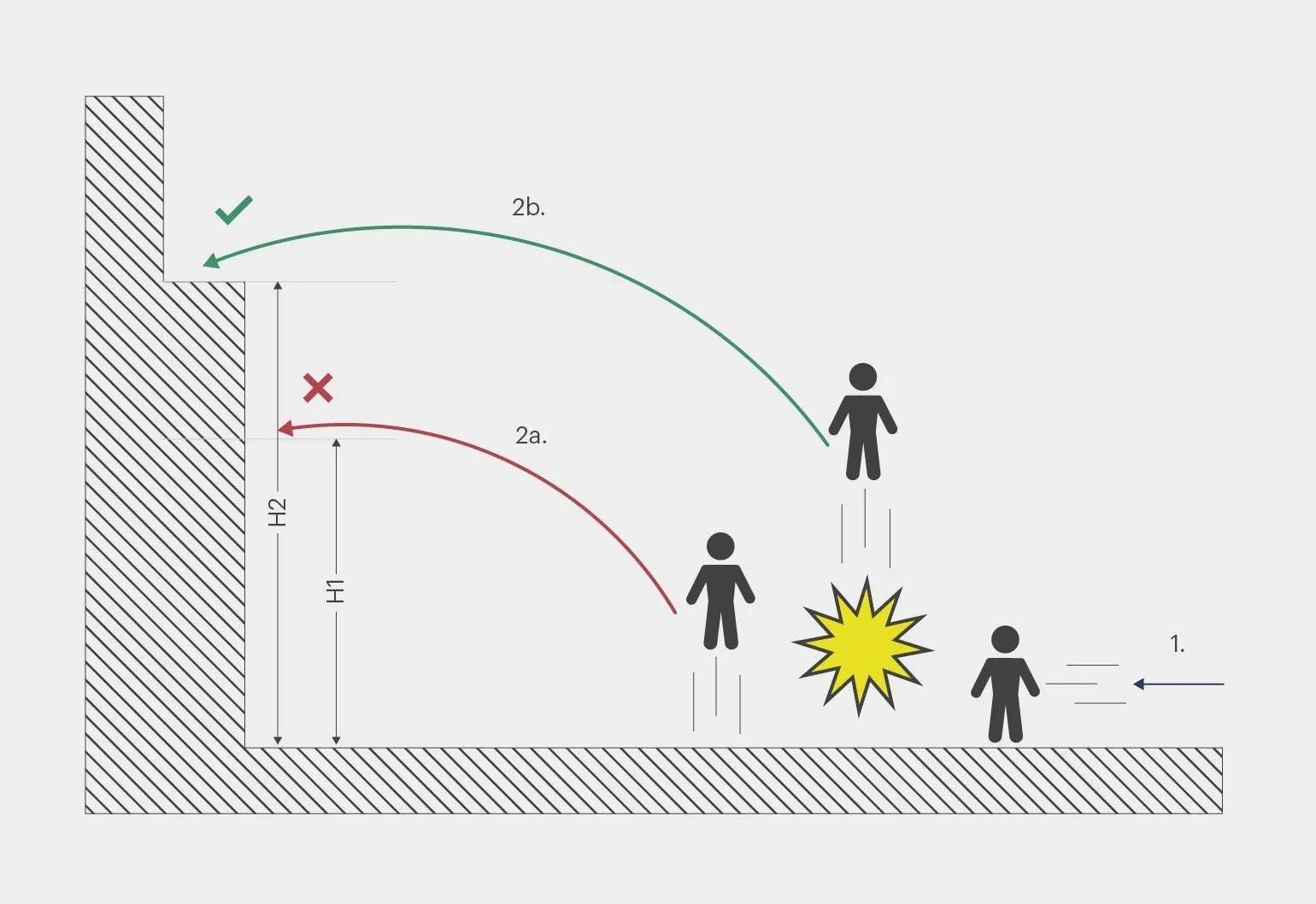
In Quake, jumping mechanisms play a significant role in gameplay. Jumping in place causes the character to rise vertically. If the player holds a directional key, the jump is performed in the selected direction. Pressing the jump key while moving performs a running jump, significantly increasing the dynamism of the gameplay. These mechanics not only make the game more engaging but also require players to use precision and coordination, adding a strategic element to mastering the game's maps. Fabricatore notes that after mastering the game's core mechanics, players may experience burnout and loss of interest. To avoid this, mechanics need to be updated to take external factors into account. For example, diversifying jumping mechanics can be achieved by adding elevators, catapults, or new physics features, introducing an element of unpredictability into the gameplay. A striking example is the rocket jump, which allows players to ascend to new levels and open alternative routes, which significantly enriches the gaming experience and maintains interest in the game.
These mechanics can be effectively applied as a supplement to core and metagameplay elements, creating a deeper and more engaging gaming experience for users. Their integration helps increase player interest and engagement, making the gameplay richer and more varied.
Supporting Mechanics in Games: What Are They?
The gaming industry offers a variety of supporting mechanics that significantly enhance gameplay and make it more engaging. Fabricator identifies three key categories of these mechanics. They play an important role in creating a unique gaming experience, allowing developers to introduce new elements and approaches that attract players and maintain their interest throughout the game. Each category includes a variety of tools and techniques that can be adapted to different game genres and styles, contributing to the creation of deeper and more layered game universes.
Power-up mechanics comprise two primary optimization methods that significantly increase player engagement. These methods enhance interaction with game elements and make gameplay more engaging. Proper application of power-up mechanics contributes to a deeper gaming experience, which in turn increases player interest and retention.
The first method involves adding new functionality. For example, in third-person shooters, attaching a scope to an automatic rifle may require the implementation of a sniper mode. Such changes not only improve weapon performance but also open up new opportunities for completing gameplay objectives, including more effectively eliminating enemies at long range. This promotes deeper immersion and enhances the overall strategic component of the game.
The second method involves optimizing existing game mechanics. For example, installing a silencer on an automatic rifle doesn't change its firing mode, but it does make the shots quieter, which can significantly impact gameplay tactics. This is exemplified by classic games like Quake, where improving the rock-jump mechanics dramatically changes gameplay, allowing players to reach new skill levels and unlock additional strategies.
Conclusion
Developing game mechanics is a complex and multi-stage process that requires a careful approach at the initial stages of game creation. Neglecting these aspects can lead to the failure of the concept, forcing the developers to start from scratch. A key element in this process is the balance of game mechanics. It is easy to upset it when adding new features or changing existing ones, which can negatively affect the gaming experience. Therefore, it is important to pay due attention to all stages of development to create an engaging and balanced product that can attract and retain players.
To determine how effectively the chosen mechanic aligns with the game's concept, several key aspects must be analyzed. First, it's important to evaluate how well the mechanic contributes to achieving the game's goals and engaging players. This can be done through testing and collecting user feedback. Second, it's important to determine how well the mechanic meets the target audience's expectations and supports the overall style and atmosphere of the game. It's also helpful to conduct a comparative analysis with similar games to identify the mechanic's strengths and weaknesses. Finally, regularly iterating and adjusting the mechanics based on the data obtained will help make the game more appealing and consistent with its concept.
The most effective way to determine product quality is to conduct a series of tests with external testers. This requires developing a prototype, the details of which we will discuss in the next article. Prototyping is an important development stage that allows you to identify both the strengths and weaknesses of mechanics before the full release of the product. This approach helps avoid errors at later stages and improves the overall user experience.
We also recommend that you read the additional materials:
Gameplay is one of the key components of video games, defining the player's interaction with the game world. It includes the rules, mechanics, and dynamics that make the gameplay fun and exciting. Key aspects of gameplay creation include designing mechanics, balancing game elements, and ensuring user-friendly controls.
When developing gameplay, it's important to consider the target audience and game genre. Each game requires a unique approach to mechanics to ensure player interest and retention. Innovative elements, such as an achievement system or multiplayer mode, can significantly enhance a game's appeal.
Atmosphere and visuals also play a crucial role in the gameplay experience. Graphics, sound, and story should harmonize with the mechanics, creating a holistic experience. It is important to conduct testing at all stages of development to identify and eliminate defects, improving the quality of the final product.
Thus, gameplay is the foundation of a successful video game, and its creation requires a careful approach to various aspects, from mechanics to visual design.