Learn: The Game Designer Profession from Scratch to PRO
Learn MoreDeveloping a high-quality game that will remain popular for many years after its release is a complex task. Creating a successful sequel to such a project becomes an even greater challenge. It's necessary to not only consider fan expectations but also introduce fresh ideas that will make the game unique and appealing to a new audience. Every element, from the story to the gameplay, must be carefully crafted to ensure player interest and long-term engagement. There are numerous examples of attempts to recreate the magic of the original that have only disappointed fans and damaged the reputation of the entire series. In this article, the Skillbox Media "GameDev" editorial team analyzes the reasons for these failures, using examples from sequels to three iconic RPGs: Deus Ex, Fable, and Dark Souls. By understanding these cases, we can understand what exactly leads to sequel failures and how to maintain uniqueness and quality in gameplay. Subscribe to our "Checkpoint" Telegram channel. Here you will find a comfortable space for discussion about the world of games and the process of their creation. We share valuable tips from developers and inform you about significant updates to popular software. The comments are open for your ideas and discussions on game development topics. Join us to stay up to date with the latest news and trends in the gaming industry.
Deus Ex: Invisible War (2003)
After the release of the first game in the Deus Ex series, Ion Storm Austin studio found itself in a unique situation. On one hand, its hybrid project, combining elements of a shooter, stealth, and role-playing game, became an unexpected success and received rave reviews from critics. For example, Eurogamer described it as a first-person game that truly speaks to the player with serious intentions. This success not only strengthened the studio's reputation, but also laid the foundation for further developments in the genre, contributing to the popularization of mixed mechanics in video games.
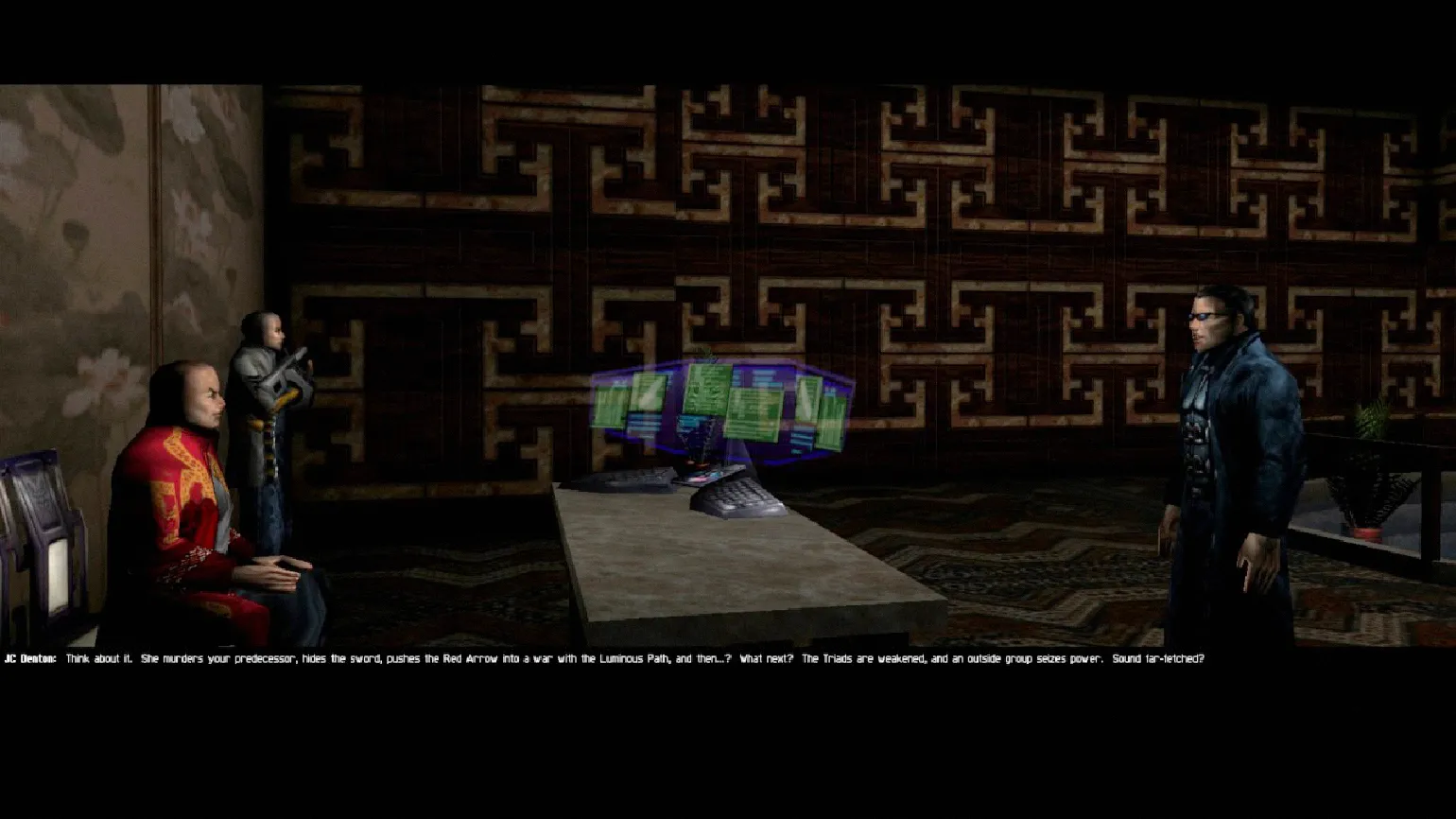
The Ion Storm team faced the challenge of creating a sequel that would not only preserve the atmosphere of the original but also attract more casual players. Warren Spector, game director of the first game, explained that to justify the budget of a game like Deus Ex or Thief: Deadly Shadows, relying solely on dedicated fans was not enough. It was essential to expand the audience and make the game accessible to a wider group of players, which required changes to the game design and mechanics.
In today's gaming world, to succeed, it is essential to attract a wide range of players, including those who are not familiar with the names of gurus like Warren Spector or Will Wright. The fame of developers no longer guarantees the profitability of a project. This trend became evident during the work on Invisible War and Deadly Shadows, when high development costs forced us to realize that focusing solely on a hardcore audience was impossible. It was too small to ensure financial success. The need to attract a wider audience has become a key factor in the creation of gaming projects.
Warren Spector is a renowned game designer who has had a significant impact on the video game industry. His work is characterized by an innovative approach to gameplay and a deep focus on creating detailed game worlds. Spector rose to fame thanks to projects such as System Shock and Deus Ex, which set new standards for the shooter and role-playing game genres. His development philosophy emphasizes player interaction with the environment and decision-making, making each game unique. Spector continues to inspire a new generation of developers and players with his commitment to quality and originality in video game creation.
Despite the successful sales of the first part of the series, it cannot be considered accessible to everyone. In an interview, Deus Ex designer Ricardo Bare told how his brother-in-law, without much gaming experience, tried the PlayStation version. As a result, he accidentally threw his weapon into the sea and drowned in just 20 seconds. This incident highlights the game's complexity and high level of involvement, which undoubtedly attracts dedicated fans, but can be intimidating for newcomers.
We create games that require deep immersion and genuine effort to master. This approach allows players to have a unique experience and develop their skills. We strive to create complex and engaging games that attract attention and make you think.
The controls in Deus Ex: Invisible War turned out to be overloaded, since the first game was originally developed for PC and later ported to PlayStation 2. To avoid similar mistakes, the developers decided to create the sequel for both PC and consoles. However, this choice caused many problems that players encountered in Invisible War.
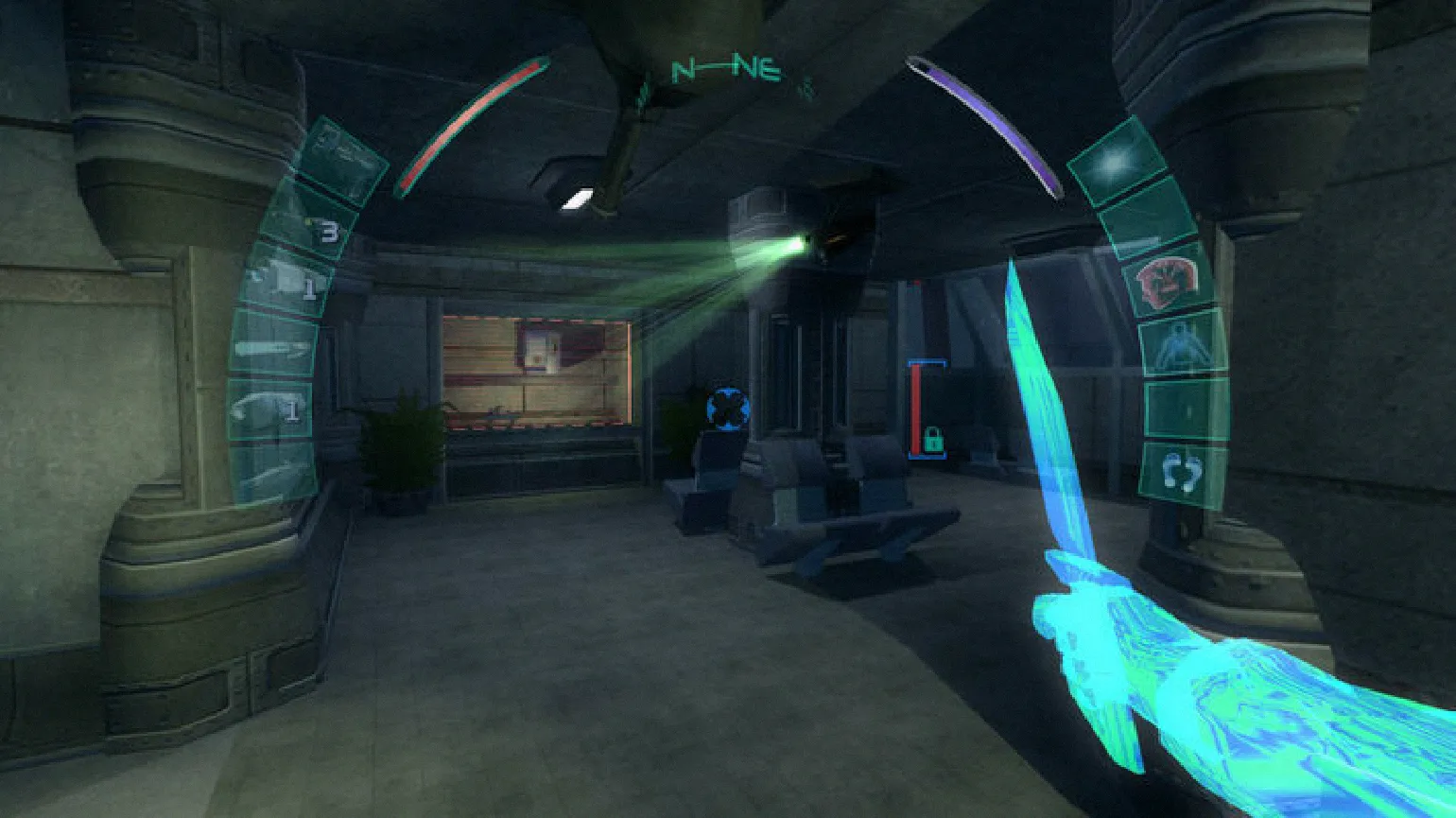
The developers underestimated the technical limitations of the Xbox, which was chosen as the main platform. This led to a number of compromises, the most obvious of which was the reduced size of the game maps. The platform limitations affected the overall gaming experience, forcing the team to rework many aspects of design and functionality. As a result, players were faced with smaller and less detailed worlds, which significantly affected the perception of the game.
The first part of Deus Ex did not have an open world, but players were able to explore certain areas of Hong Kong and Paris in a futuristic setting. In the second part, the hub cities were significantly reduced, reducing them to a few shops and a couple of blocks separated by loading screens. This change is particularly noticeable in the story mission levels, which create a sense of confinement and confinement.
The Invisible War team, led by the first game's designer, Harvey Smith, sought to compensate for the project's reduced scope with more detailed environments. However, this could not eliminate the main problems of the game.
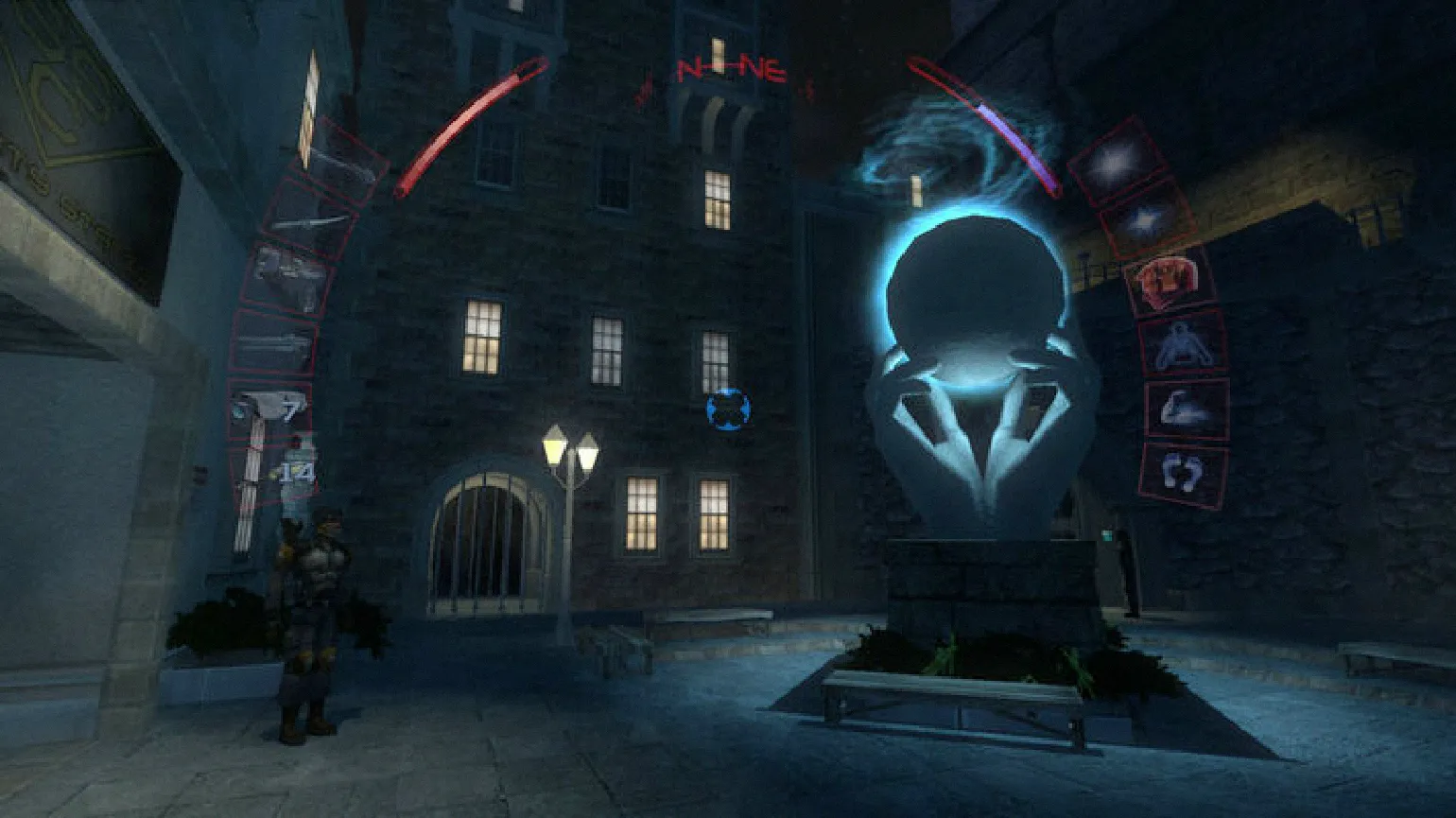
The second Deus Ex game lost its variety, as the level design became more linear. While players could still choose different routes during the gameplay, the limited space did not encourage gameplay improvisation. Furthermore, the sequel was significantly shorter than the first game: the game can be completed in just 14 hours, which is half the time of the original. This reduction in playtime negatively impacted the depth of the gameplay experience and the ability to explore the world.
The sequel to Invisible War faced many problems, including inadequate artificial intelligence and the loss of the dark cyberpunk atmosphere, replaced by a less impressive sci-fi style. Warren Spector, one of the key developers, admitted responsibility for this transformation. He noted that Ion Storm relied too heavily on player feedback, which led to unacceptable changes to the game's concept.
We conducted concept testing in focus groups, and as a result of these tests, I was recommended to move the game to the distant future and dress the main character in a purple jumpsuit. The participants claimed that people liked purple jumpsuits. Why did I follow this advice?
Warren Spector is a renowned video game developer who has made a significant contribution to the industry. He became famous for his work on such iconic projects as «System Shock», «Deus Ex» and "Thief". Spector has a unique approach to game creation, combining RPG elements with deep stories and moral choices. His work has influenced many modern developers, and many aspects of his games continue to inspire new generations. Warren Spector is also actively involved in educational initiatives, sharing his experience and knowledge with young professionals in the field of game design. His work reflects a desire for innovation and a desire to create unique gaming experiences for users.
Critical reviews for the sequel were lukewarm, though less enthusiastic than the first part. During the 2000s, Invisible War sold 1.2 million copies, outselling the original. However, it is worth noting that it was more expensive to produce, as the development team increased to 60 people, which is almost three times larger than in the case of the first game.
Over time, positive reviews of Invisible War from journalists gave way to criticism. In retrospect, it is often called a disappointment and the weakest part of the series, overshadowed even by the prequels developed by the Eidos Montreal studio. Harvey Smith, one of the key developers, also admitted that the team worked on the game inconsistently, and the technology used in the project did not meet his requirements.
Despite the contribution of talented developers, Invisible War foreshadowed the closure of the Ion Storm studio, which took place in 2005. This followed the financial failure of Thief: Deadly Shadows, which, while a higher-quality project, failed to gain popularity among console audiences accustomed to shooters like Halo and fighting games like Street Fighter.
Fable 3 (2010)
Deus Ex: Invisible War faced problems caused by trying to attract an audience with little interest in gaming. At the same time, Fable 3 and Lionsgate Studios failed due to the abandonment of ambitious ideas. This decision seems paradoxical, especially considering the studio was led by Peter Molyneux, widely known for his bright and innovative concepts. This approach to game development deprived the project of originality and depth, which negatively impacted the reception of Fable 3 by users and critics.
The first Fable game, released in 2004, introduced a unique leveling system that aged characters by one year with each level-up. This added an interesting element: while characters grew stronger, their vulnerability also increased with age. In Fable 2, released in 2008, players could become emperor by acquiring lands on the fantasy continent of Albion. The game also offered the opportunity to explore other players' worlds in co-op mode, a year before the release of the cult classic Demon's Souls. These innovative gameplay elements made Fable a milestone in the evolution of RPGs, giving players new ways to interact and develop their characters.
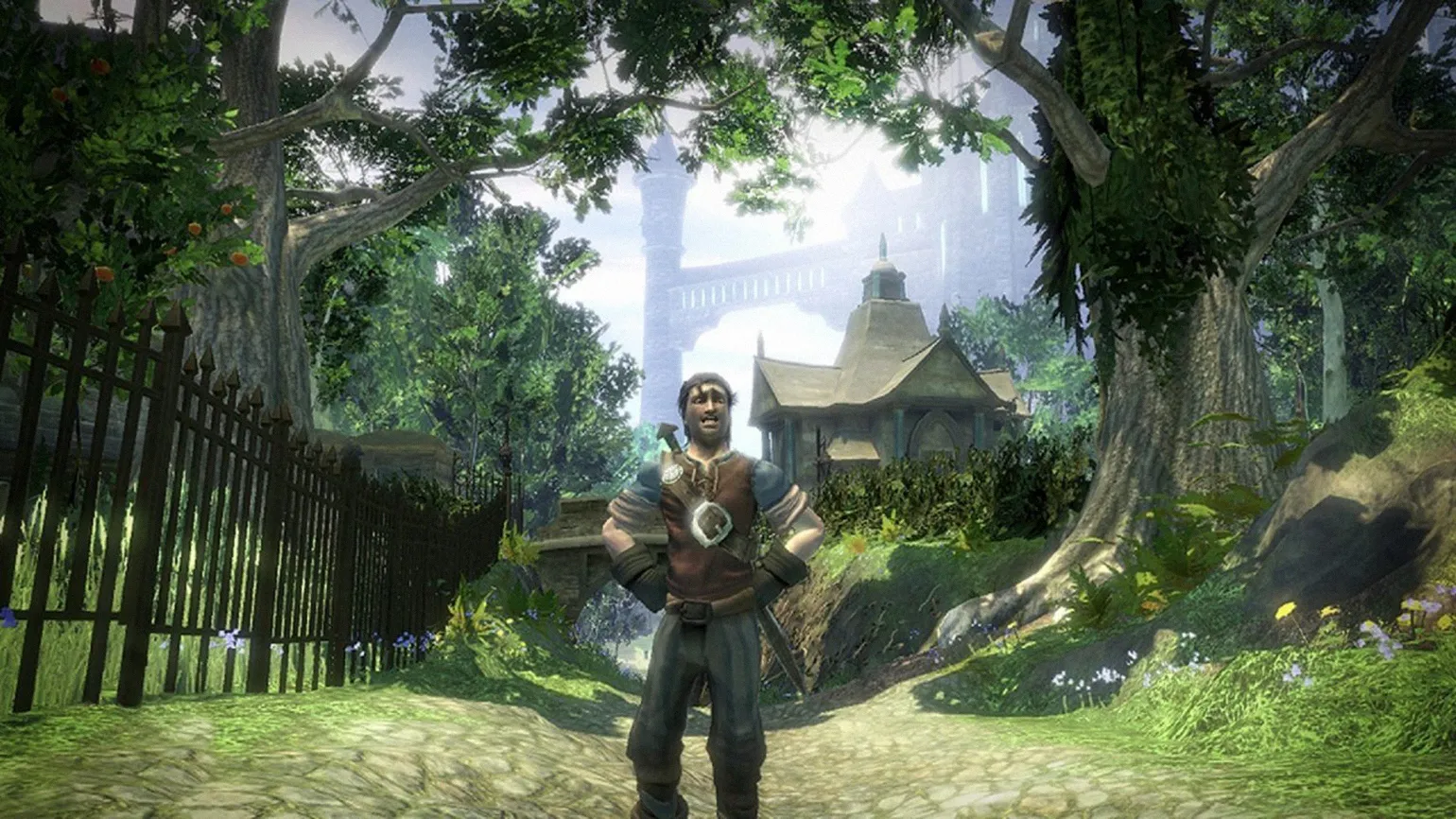
The abundance of content and unique RPG mechanics were highly praised in both previous releases, and Fable 3 was no exception. In this third installment, players return to Albion and take control of the Hero as they seek to overthrow a tyrant king and take his throne. However, the game doesn't end there, as the Hero must prove their leadership skills. Molyneux shared his vision, emphasizing the importance of leadership and the responsibility that comes with power.
We wanted to make players feel like they could be the ruler they wanted. Whether you want to starve people or live in a luxurious palace is your choice. If you prefer to give away your kingdom, that's fine too. Every action you take has consequences, just like the first two Fable games.
The first act was all about asserting your authority. The next two acts delve deeper into the nature of power and responsibility.
Peter Molyneux is a renowned game designer who rose to fame through his work on the Fable trilogy. Released for Xbox, the series brought a unique approach to gameplay and storytelling to the video game industry. Molyneux captivated players with his innovative ideas that created a world filled with moral choices and consequences. His contributions to Fable have had a significant impact on the role-playing genre, as well as the development of interactive storytelling in general. Thanks to his vision and creative approach, the Fable trilogy has become a cult classic, leaving a lasting mark on fans and gaming history.
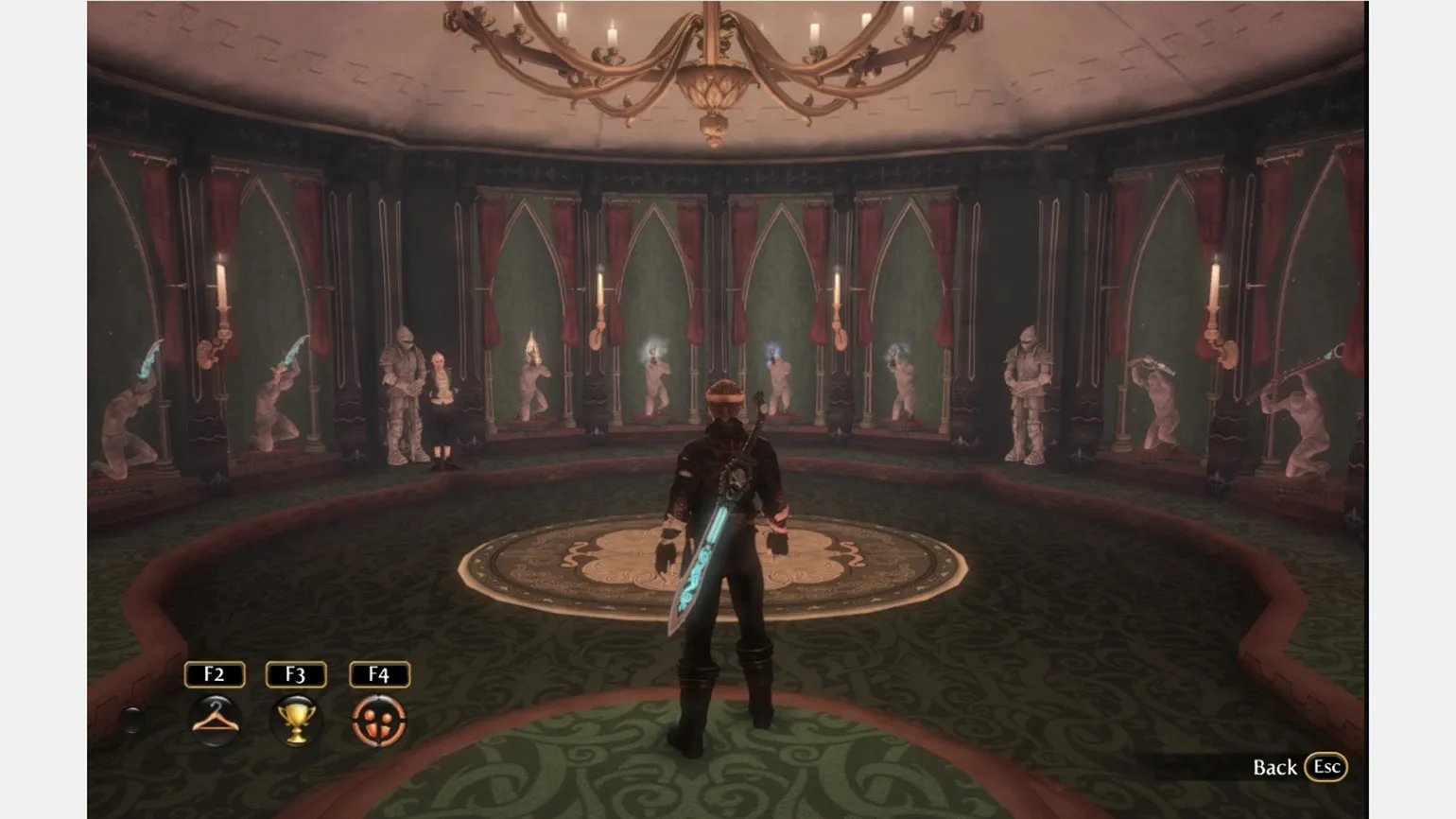
The developers significantly updated the game's inventory, transforming menu sets into a hub called the Vault. Players can now press Start or Esc at any time to access this space, where they can view the map or change armor. This approach was implemented almost a decade and a half before its appearance in Alan Wake 2. The implementation of such an intuitive interface improves the gameplay, making it more convenient and dynamic for users.
Bringing all of their plans to life faced one major challenge: the publisher's deadlines. After Lionhead missed the deadline for Fable 2, Microsoft offered the team an incentive: if they met the deadline, they would receive a significant cash bonus. This offer was intended to motivate the team and encourage more efficient work on the project.
Microsoft truly deserves recognition for its collaborative approach. As Molyneux noted, it never forced action, but rather offered enticing opportunities. Microsoft used a motivating strategy, offering attractive bonuses and opportunities in exchange for completing certain tasks. This created an atmosphere in which partners and customers could see the benefits of collaboration, which contributed to the development of innovative solutions and strengthened the company's position in the market.
The Lionhead team faced a difficult choice: months of intensive work at the risk of missing the release date, or cutting back on content. The developers chose the latter path and completed Fable 3 in just 18 months. This choice had serious consequences for the game.
"We only managed to deliver a third of what we planned," notes Molyneux.
The final act, reflecting the Hero's first year on the throne, boils down to several key choices. The player faces a crucial dilemma: whether to abolish child labor in the kingdom or maintain it to increase income in preparation for the decisive battle for Albion. These decisions significantly affect the development of the story and the moral aspects of the game, making the player's choices crucial for the future of the kingdom.
The developers of Fable 3 decided to abandon the storyline in which industrialization overshadows the traditional magic of Albion. Mini-games for Kinect were originally planned, but they were excluded from the final version six months before the game's release. In addition, the combat system underwent significant simplifications, which affected the overall gameplay.
The compromises in Fable 3 did not go unnoticed by critics. Journalists noted the flat characters, monotonous quest design, and numerous technical problems of the game. The Vault has become an annoying element that slows down gameplay and negatively affects the overall impression of the project.
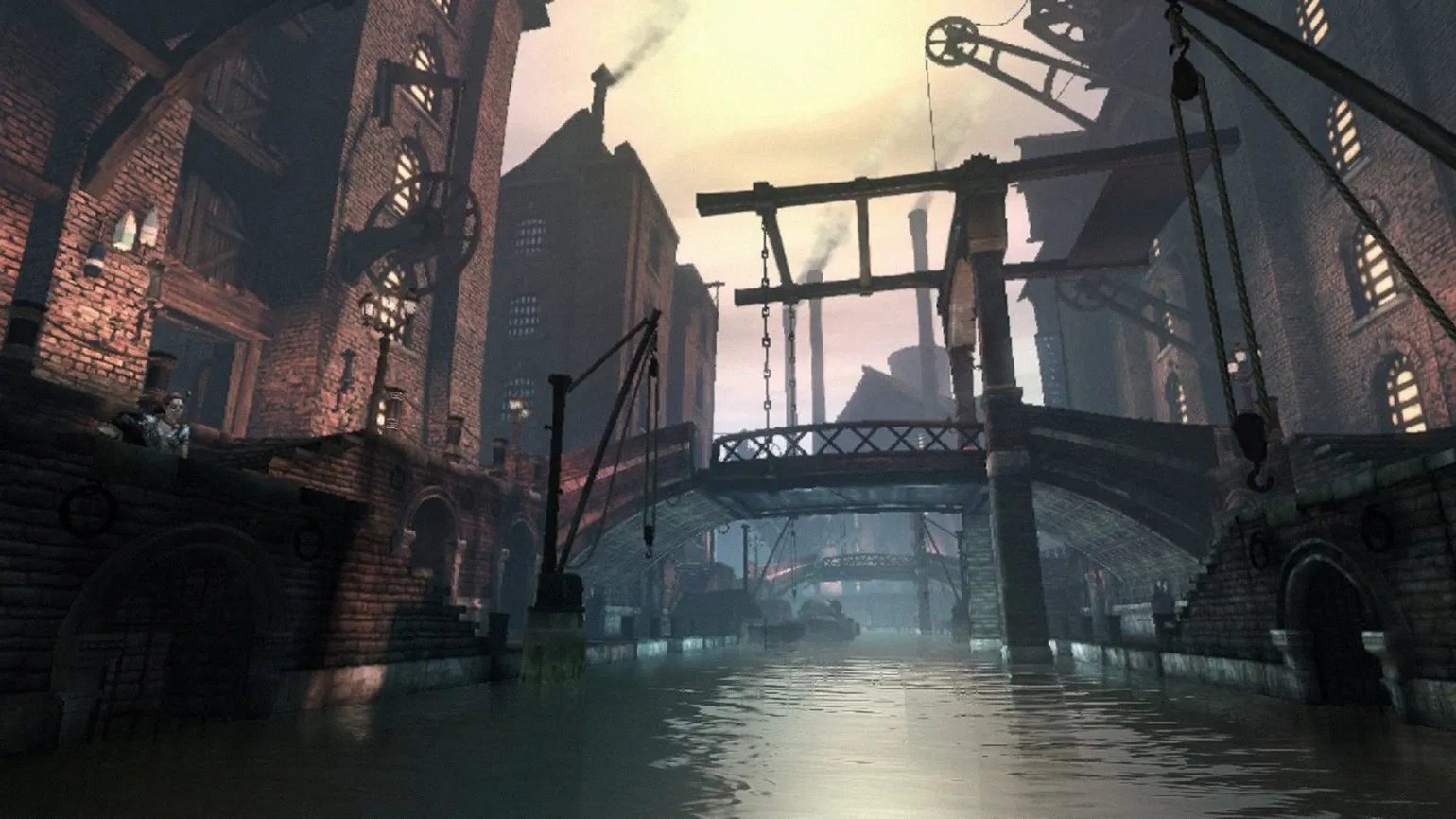
Despite generally positive reviews, Fable 3 became Lionhead's first significant failure and marked the beginning of a difficult period for the studio.
Lionhead Studios went on to create two additional games in the Fable series: the action game Fable: Heroes and the Kinect action game Fable: The Journey. Unfortunately, neither game achieved commercial success. The studio also attempted to develop another Kinect project, Milo & Kate, but it was canceled before Fable 3's release.
In early 2012, several experienced developers left Lionhead, a move Molyneux called "Black Monday." He also left shortly afterward, founding a new studio, 22cans. In April 2016, after years of uncertainty and attempts to create a live-service game in the Fable universe, Microsoft decided to shut down Lionhead. This event was a significant milestone in the history of the gaming industry, marking the end of an era for one of the most renowned developers in the world of video games.
Molyneux still regrets that he was unable to convince Microsoft to give him the necessary time to complete the threequel. This decision had a significant impact on the development of the project and its potential success.
I still like the concept. However, I am disappointed that we had such great potential and were unable to realize it. We did not communicate the need for an additional year and a half for revision, which is twice as much time as we originally had.
Peter Molyneux, a renowned game designer, became widely known for his work on the Fable trilogy. These games had a significant influence on the development of the role-playing game genre, offering players a unique experience of interacting with the game world and its characters. Molyneux brought to life ideas that redefined freedom of choice in games, allowing players to shape their own stories and moral dilemmas. The Fable trilogy boasts not only a compelling story but also deep character development, making it relevant today. Peter Molyneux's work continues to inspire new developers and capture the attention of gamers worldwide.
Dark Souls 2 (2014)
The sequel to Dark Souls stands out from other games because it is not a true failure. Following the success of the first game, FromSoftware faced high expectations, but the game received positive reviews from critics and demonstrated strong sales. Many fans of the series still appreciate and replay this game, which confirms its significance and influence on the genre.
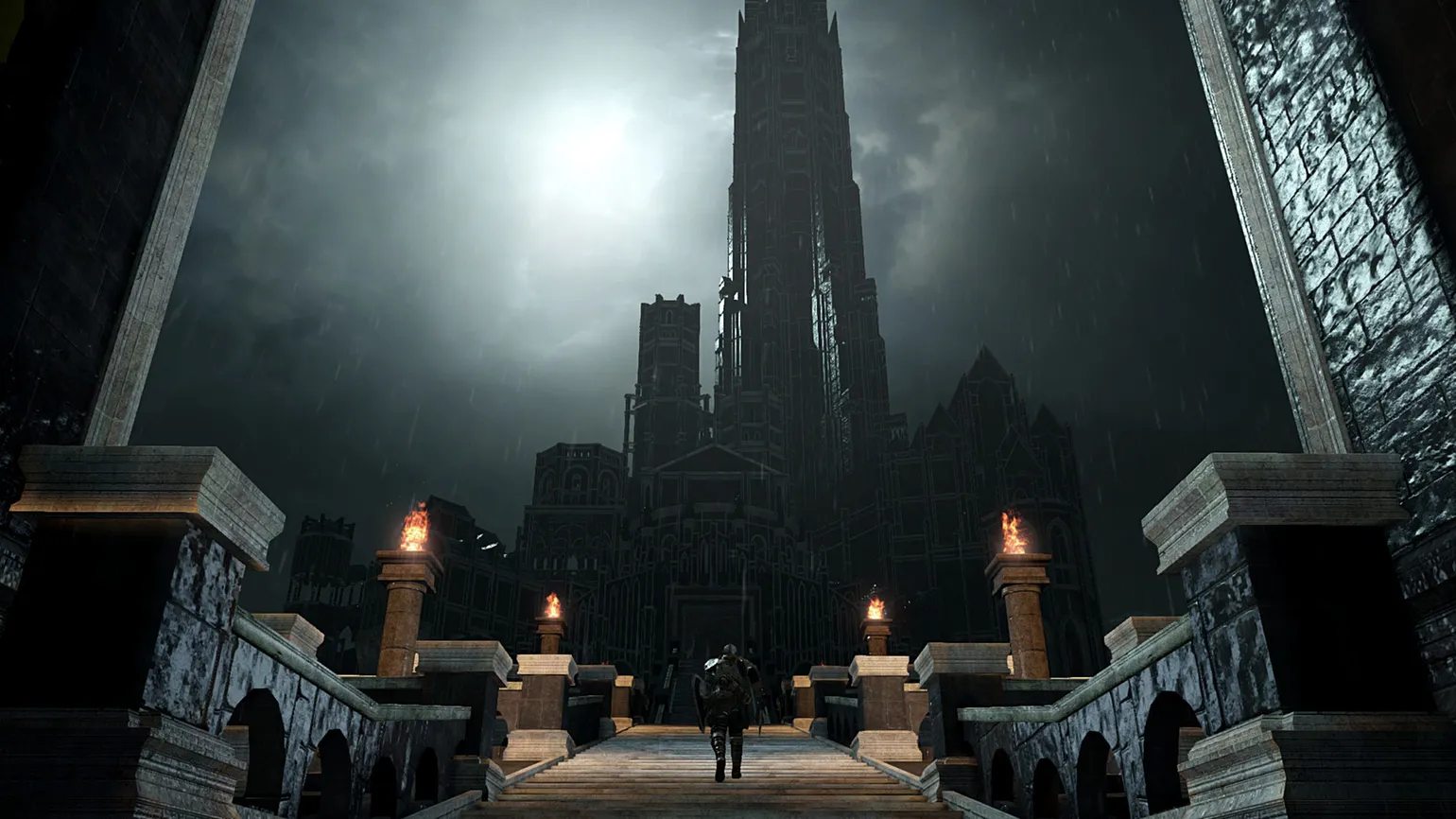
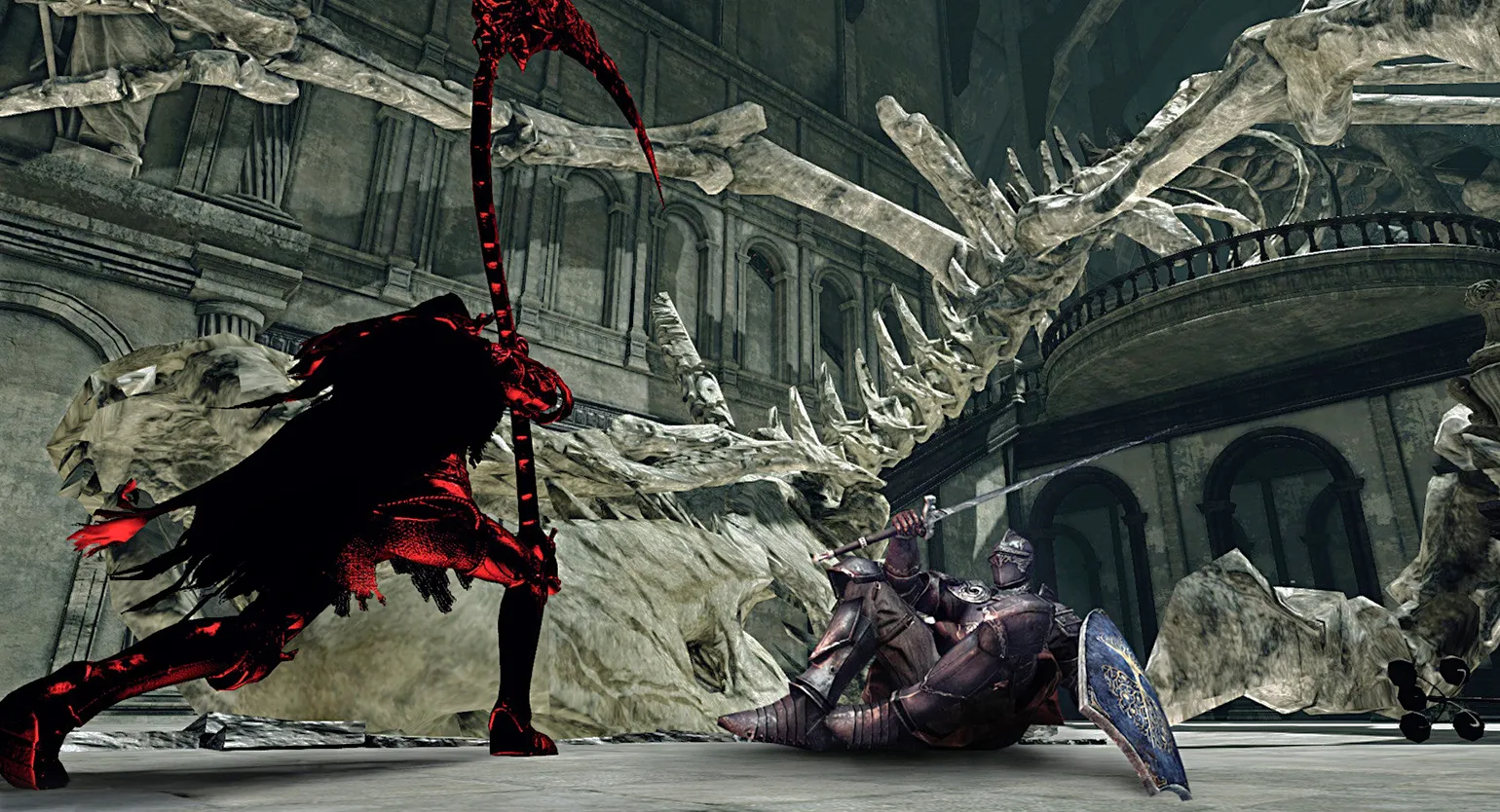
However, the title of the trilogy's weakest entry belongs to Dark Souls 2: Scholar of the First Sin. Even a cursory analysis reveals that the game feels less polished and more disorganized than other entries in the series.
Numerous boss fights lack a clear concept or backstory. Hordes of enemies lurking around every corner create artificial difficulties for the player, especially in locations like the Iron Citadel and the Temple of Amana. The game's visuals leave much to be desired: beautiful landscapes contrast with graphics reminiscent of a mid-2000s MMORPG. This creates a sense of inconsistency and detracts from the overall experience.
The map of the kingdom of Drangleic, where the game takes place, cannot compare to Lothric from Dark Souls 3 or Lordran from Dark Souls 1. Instead of a unified vertical world, we see a patchwork of biomes that do not fit together well, either aesthetically, lore-wise, or logically. This diversity can create interesting visual effects, but it sometimes disrupts the integrity of the game world and immersion in it.
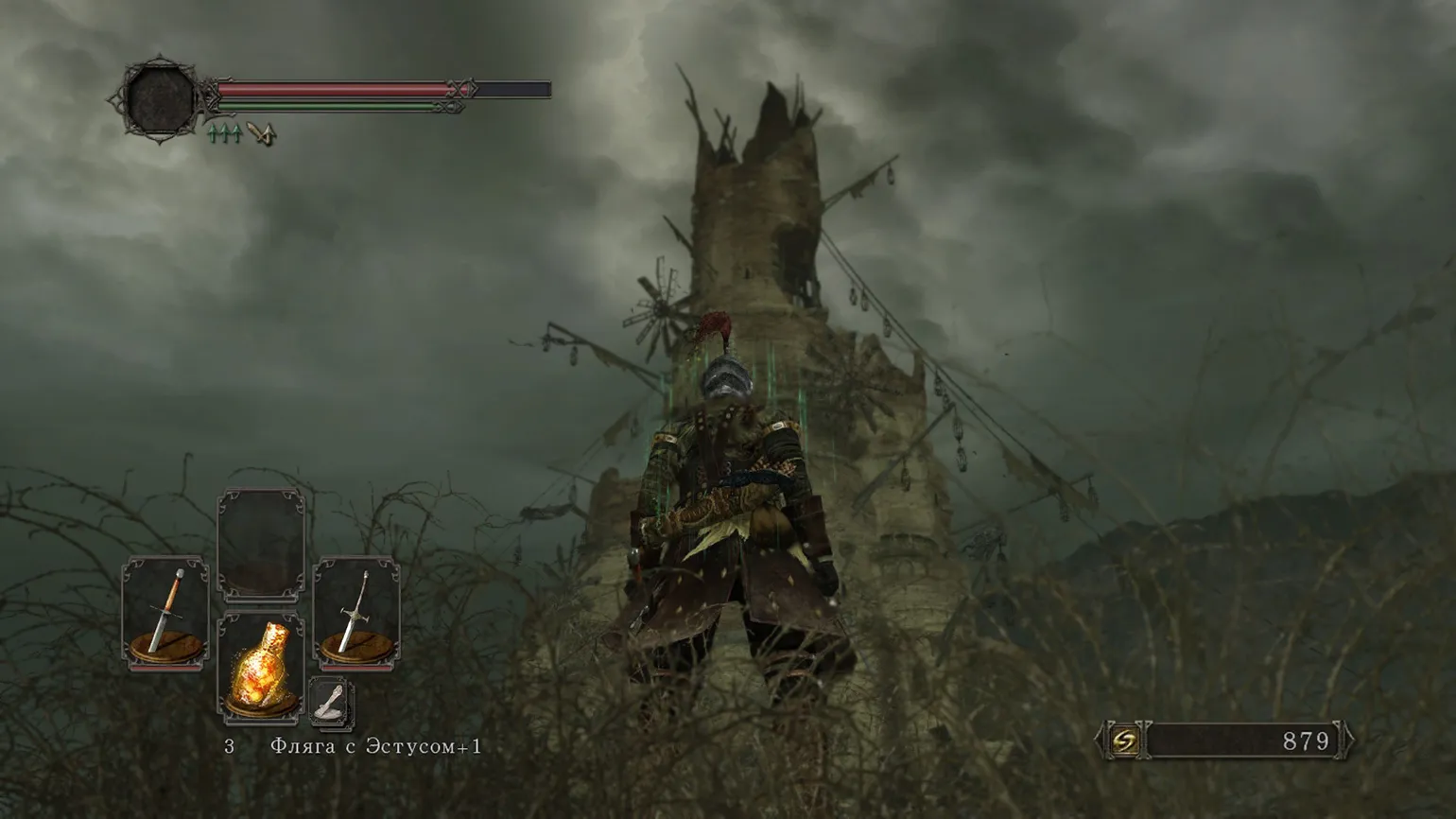
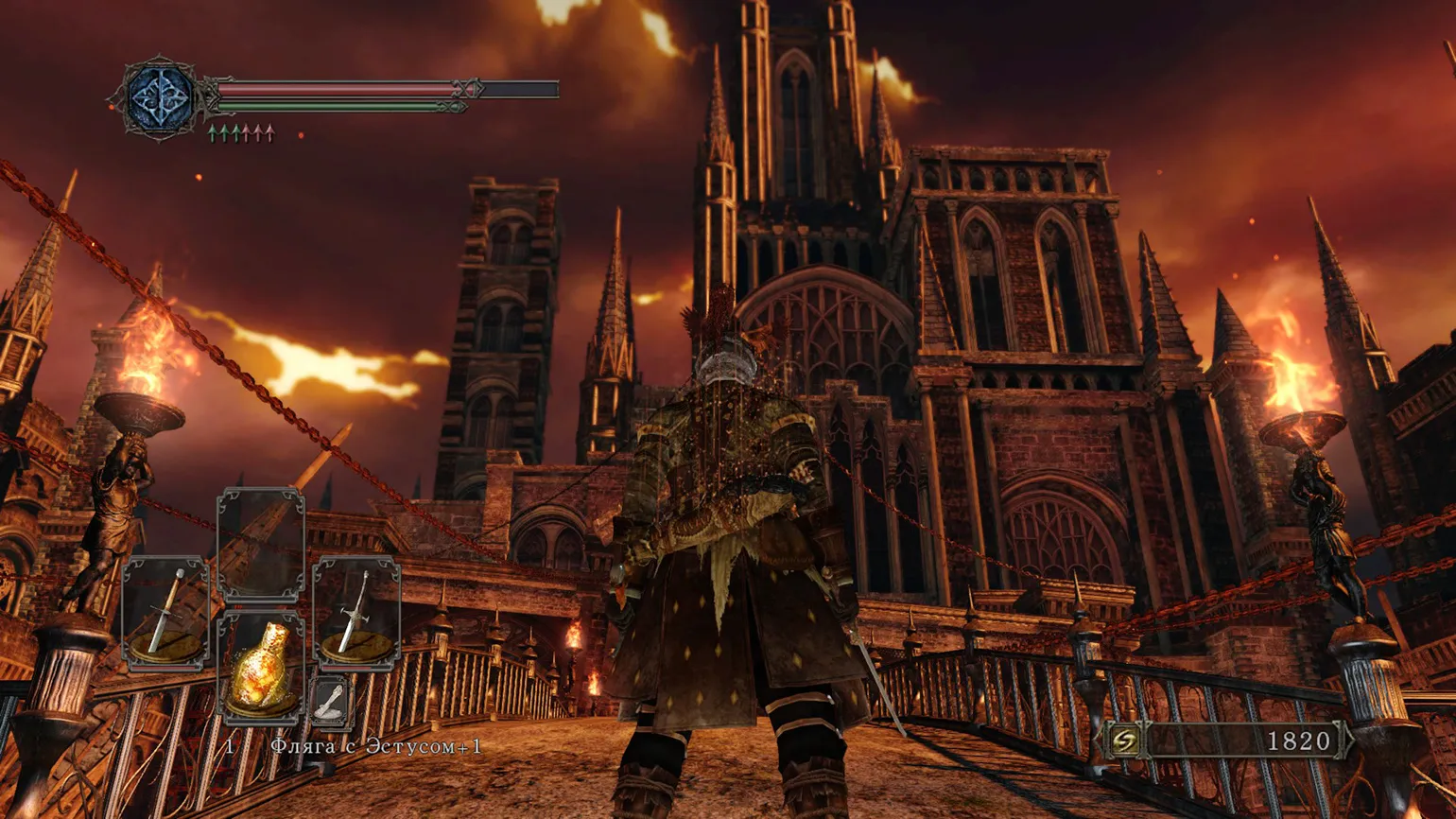
All of these shortcomings have a clear explanation: the game encountered serious difficulties during development, which can be attributed to production problems. Several factors contributed to this crisis.
A key moment in the sequel's development was the decision by Hidetaka Miyazaki, the creator of the first game, to hand over direct management of the project to his colleagues at FromSoftware, while he himself took on the supervisory role. Experienced specialist Tomohiro Shibuya was appointed director of the sequel, seeing this as an opportunity to radically revamp the series.
The game designer decided to upgrade the Dark Souls graphics engine to a more modern one developed with Shibuya's participation. He also decided that the second part of the game would take place in the same universe, but would offer a unique and independent story. This change will not only improve the game's visual perception but also deepen the story elements, offering players a new experience in a familiar world.
The new part of the Dark Souls saga provides a unique opportunity to update the gameplay design, create an original story, and expand the world with which players can interact. The development team is focused on turning Dark Souls 2 into a unique experience that retains the key elements of the series and continues to challenge players. This will not only attract new fans but also delight long-time fans, offering them fresh ideas in a familiar atmosphere.
Tomohiro Shibuya is the game director of Dark Souls 2. He played a key role in the development of this project, which became a continuation of the iconic Dark Souls series. Under his leadership, new mechanics and improvements were implemented that expanded the gameplay and deepened the storyline. Dark Souls 2 stands out from other games in the series thanks to its unique atmosphere and challenging combat, attracting the attention of both long-time fans and new players. Shibuya continues to influence the video game industry, and his approach to creating complex game worlds serves as an inspiration to many developers.
What went wrong? Graphically, the answer is fairly simple: the developers encountered the same problems as the creators of Deus Ex: Invisible War. They failed to take into account the technical limitations of consoles, which resulted in a deterioration in the quality of visuals and the game's performance. The gaming industry demands a careful balance between graphics and performance, and in this case, it was a missed opportunity that negatively impacted the overall experience.
The graphics that Dark Souls 2 showcased on PC proved too demanding for the Xbox 360 and PlayStation 3 consoles. Because of this, the developers at FromSoftware had to significantly reduce the level of detail and simplify the lighting system to ensure a stable frame rate on these platforms.
The developers did not take into account the amount of work required to create a new story in a larger setting. While details were kept under wraps, according to co-director Yui Tanimura, it became clear the game lacked a unified vision. As a result, during pre-release preparation, FromSoftware management decided to intervene to save the project.
Shibuya was removed as game director, leaving Tanimura as the sole team leader. He must unite the project's disparate elements into a coherent vision. This task is made more difficult by the fact that, as with Fable 3, development was not given additional time.
We were faced with the challenge of figuring out how to utilize existing visuals and locations. Ideally, we would have started from scratch, but due to time constraints, we had to adapt existing work. We made various decisions, including developing new roles for characters and finding suitable places on the map to integrate existing locations.
Yui Tanimura is the game director for Dark Souls 2. He played a key role in the development and creation of this popular RPG, which continued the tradition of the original Dark Souls series. Tanimura places special emphasis on a detailed world and complex combat mechanics, making the game unique and appealing to fans of the genre. His vision and approach to level design contributed to an atmosphere full of challenges and discoveries. Dark Souls 2 was an important step in the development of the series and left a significant mark on the gaming community.
Characters such as Lucatiel of Myrrah and the Guardian of the Belfry were originally conceived as references to Don Quixote and Sancho Panza. However, the comic nature of these characters did not fit with the dark atmosphere of the game, so they were reworked into tragic heroes. As a result, a significant amount of content was removed.
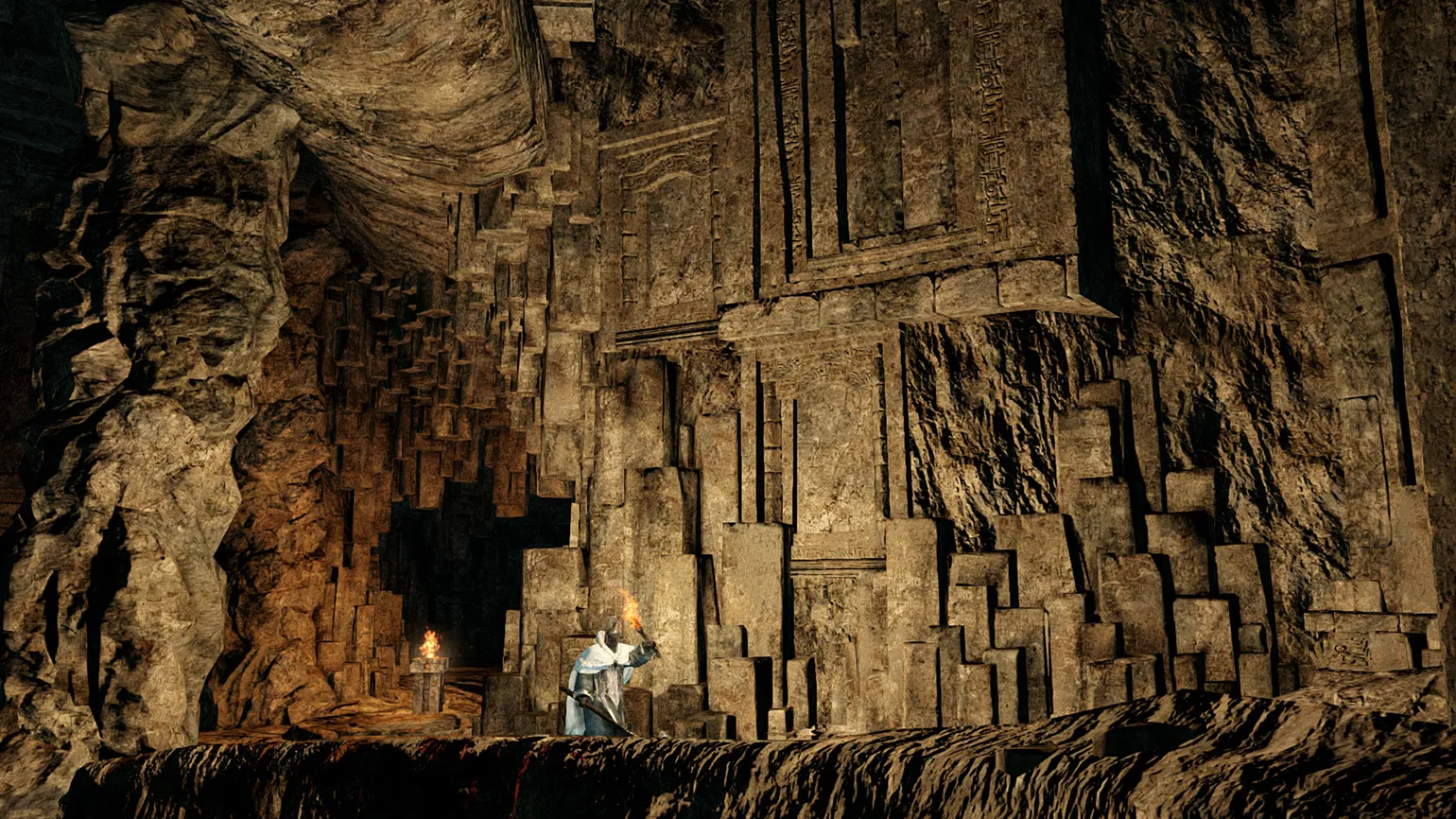
Tanimura emphasizes, that this process was accompanied by many difficulties. Artist Daisuke Satake also admits to having multiple doubts about the possibility of completing such a large-scale project within the established deadline. The project required significant effort and creativity, which further complicated its implementation.
Nevertheless, thanks to the hard work, Dark Souls 2 was successfully released, although some flaws can still be seen in the mechanics, story, and level design. The series' reputation was preserved, and Hidetaka Miyazaki soon returned to his created universe to triumphantly conclude its story in Dark Souls 3. This final stage became the culmination of the adventures and largely restored the original spirit of the series, bringing closure and satisfaction to fans.
The seams left by the development of the second part of the game continue to intrigue fans. Players actively explore the game files, extracting fragments of deleted content and creating their own imaginations of what the game Shibuya originally envisioned might have looked like. This process not only maintains lively interest in the project but also reveals new aspects that could enrich the gaming experience. Fan theories and reconstructions of removed content become an important part of community discussions, highlighting the richness and diversity of the game world.
Dark Souls 2 is a unique world that vividly reflects the style of FromSoftware games. This world, immersed in the sands of time, is a symbol of human ambition, which led to its destruction. As players explore the locations of Dark Souls 2, they encounter the consequences of humanity's aspirations, which makes the game not only captivating, but also deeply philosophical. Every corner and every element of the environment tells a story of decline and loss, highlighting the dark atmosphere characteristic of the series.
Game Designer Profession from Scratch to PRO
A game designer creates the structure of a game. They think through the idea, rules, gameplay, and decide what emotions the plot will evoke in players. You'll master game design principles from scratch and learn how to work with popular engines like Unity and Unreal Engine. You'll learn how to retain player interest and monetize your games. And we will help you start a career in the gaming industry.
Find out more