Narrative Designer: 5 Steps to a Successful Career
Learn MoreHow to Choose the Perfect Setting for Your Game
Choosing a setting is an important stage in video game development, which significantly affects the further development of the project. In the initial stages, many developers tend to use well-known and popular worlds, which allows them to save time on concept development. Common settings include fantasy, science fiction, post-apocalyptic, and historical eras, each with unique features and opportunities to create a compelling gaming experience. While using popular settings can help attract audiences and ensure game recognition, it's important to add original elements to stand out from the competition.
- real life
- fantasy
- sci-fi
- post-apocalyptic
- steampunk
- cyberpunk
- zombie apocalypse
- historical
Creating an original setting requires significant effort and time, making the process challenging for many teams. Because of this, some developers prefer a simpler approach: adapting existing ideas and incorporating new concepts. This method saves time and resources while maintaining the uniqueness of the project. Adapting proven ideas can lead to the creation of interesting and attractive content that will attract the attention of the audience.
According to Mikhail Kharkovsky, CEO of Bear Games, several key factors must be taken into account when choosing a setting. These aspects can significantly impact the success of the project. It is important to pay attention to the target audience, gameplay features, and the relevance of the theme. The right choice of setting can not only attract players' attention but also increase their engagement, which is the key to a successful game.
- Characteristics and coverage of the target audience
- Comparison with competitors' settings
- Possibilities of creating unique and combined settings
- Art team competencies
Let's consider each of these factors in more detail.
The choice of setting should correspond to the genre and interests of the target audience. Kharkovsky emphasizes that to achieve successful commercial results, developers must create a detailed "player profile", taking into account their gender, age, and preferences. For example, fantasy fans will be drawn to a detailed world with mysterious locations, while casual players may encounter difficulties due to excessive detail. By considering these aspects, developers can attract more users and increase engagement.
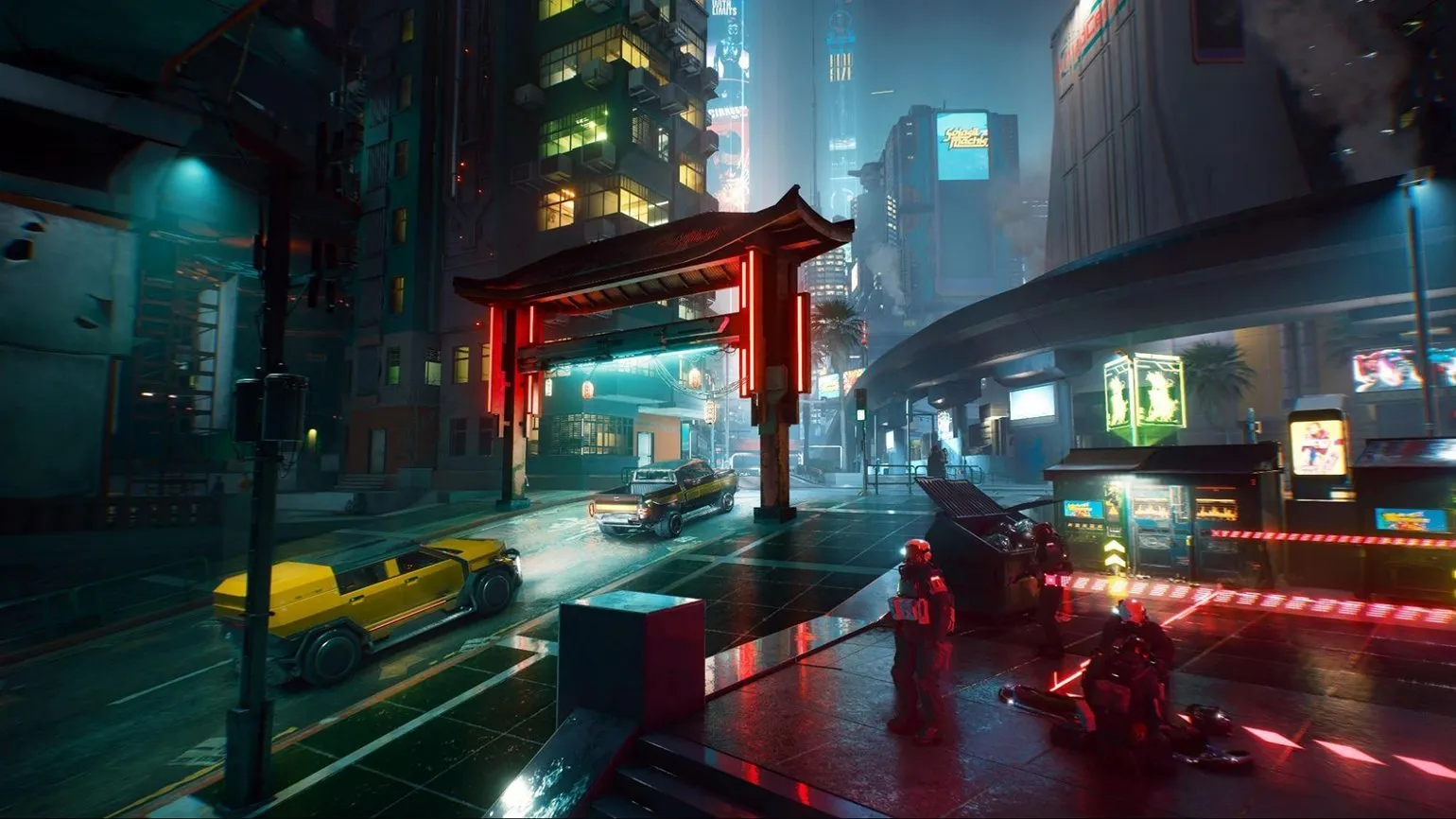
If your genre is characterized by the predominance of a certain setting, it's worth considering choosing a less common theme. For example, if cyberpunk is the leading open-world RPG, it might be worth considering steampunk as an alternative. This will allow you to stand out from the competition and carve out your own unique niche. By using less popular settings, you can attract the attention of an audience interested in new and original concepts. A unique theme will not only help you create original content but also increase your chances of success in a highly competitive market.
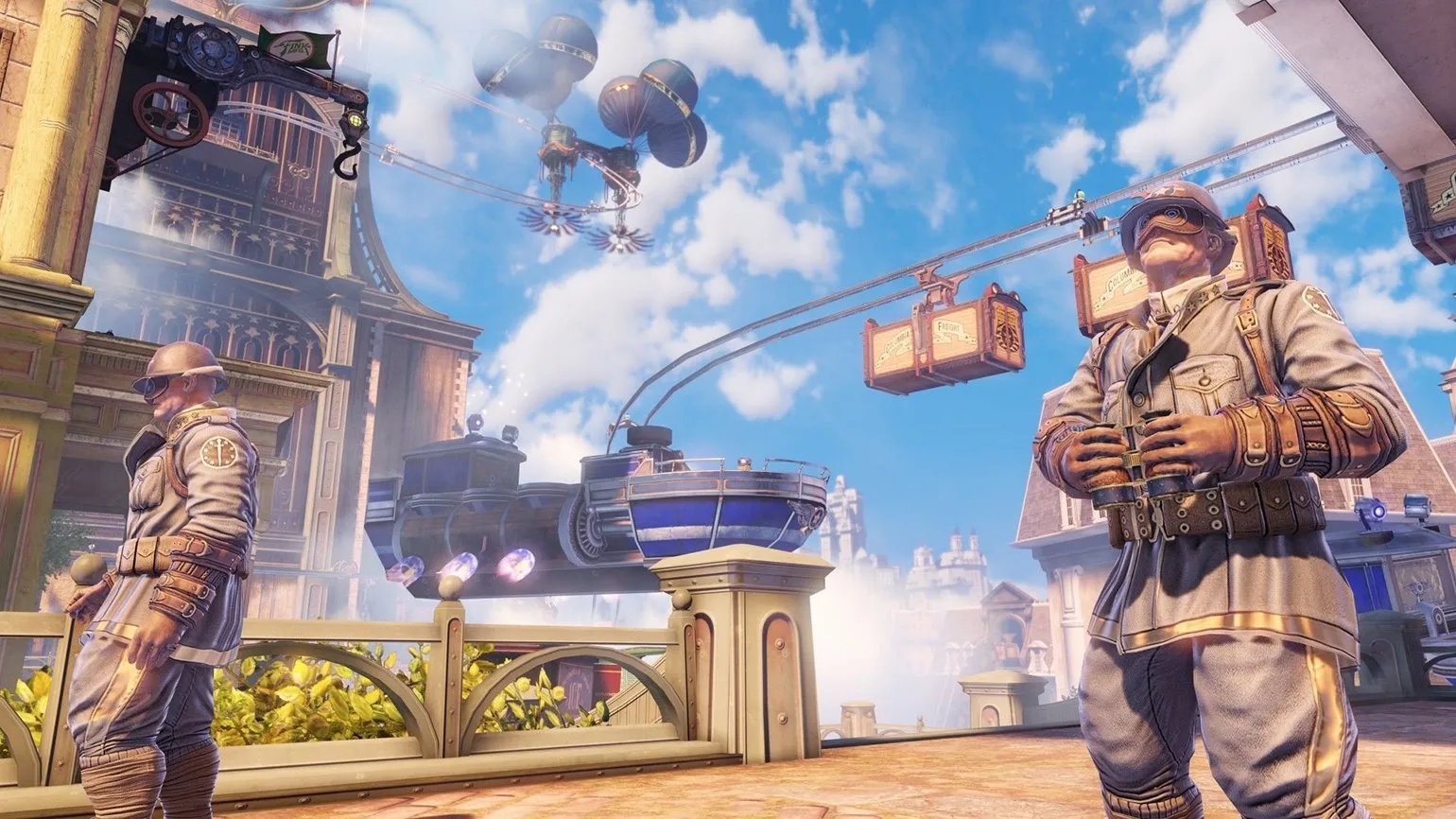
To attract a wider audience, it is worth considering the possibility of combining different settings. This approach may require additional time and effort to create a logically coherent and holistic world. Unique settings, while risky, can open up new horizons if the game resonates with its target audience. Integrating diverse elements can not only add variety to the gameplay but also increase interest in the product, increasing its chances of market success. Creating a unique game world is an important aspect of video game development. The success of such a project can lead to the establishment of new standards and trends in the industry, making it a role model. However, failure in this process can lead to serious financial losses and negative consequences for developers. It is important to carefully consider the concept and mechanics to achieve success and attract the audience's attention.
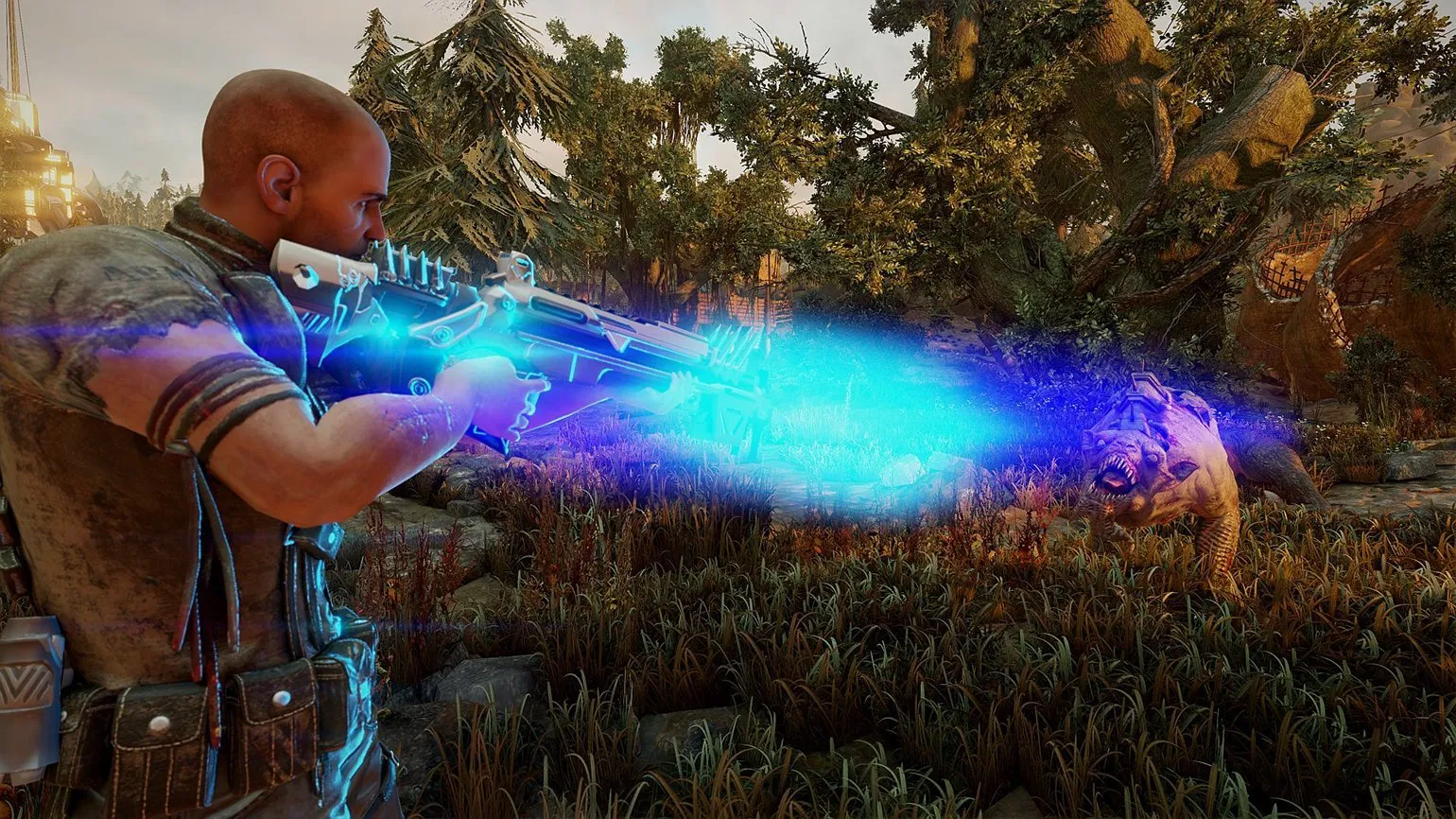
When choosing a setting, it is necessary to consider the capabilities of the art team. As Kharkovskiy emphasizes, artists have their own strengths and weaknesses, so it's important for the lead artist to be involved in concept discussions early on. This will help avoid situations where the team is unable to complete the assigned tasks. Aligning the team's ideas and capabilities from the outset will help create a more harmonious and effective working atmosphere, which will ultimately positively impact the quality of the final product. Complex and ambitious ideas can lead to failure if the team is unprepared to implement them. It's essential to find a balance between your team's creative aspirations and their actual capabilities. Effective implementation requires not only an innovative approach but also a clear understanding of the resources, skills, and time available for the project. Success depends on the team's ability to adapt its ambitions to reality, which will enable the creation of a sustainable strategy to achieve the set goals.
Basics of Creating Settings in Games
Setting development is a complex process that involves writers, concept artists, and game designers. The main task of these specialists is to create a unique universe with a consistent style. This allows for the formation of a coherent and compelling world in which players can immerse themselves. A well-developed setting not only enhances the gaming experience but also promotes user engagement by providing interesting storylines and a memorable atmosphere.
It is important to understand the difference between the terms "setting" and "lore." Setting describes the visual aspects and atmosphere of the world, while lore includes character biographies and the history of the universe. These two elements are interdependent and require simultaneous development, as lore details directly influence the design of the setting, including decorative elements, clothing styles, and vehicles. This approach allows for the creation of a deeper and more cohesive universe, in which each aspect supports and complements the other.
If the lore includes specific historical events, this is reflected in the architecture and culture of the game world. The setting becomes an important source of inspiration for game designers, allowing them to create more thoughtful and detailed worlds that immerse players in a unique atmosphere.
Space and time are key components of a game's setting. These elements form the foundation for creating compelling and engaging stories. Space defines the setting, its atmosphere, and features that influence the development of the plot and the personalities of the characters. Time, in turn, determines the chronological framework within which events take place and can significantly influence the perception of the story. The correct use of space and time allows authors to deeply immerse readers in the world of the narrative, creating unique and memorable locations and temporal contexts.
The timeframes of a game's setting define the historical context in which the main events unfold. They are divided into three categories: past, present, and future. Each of these timeframes has unique characteristics that influence the plot, characters, and atmosphere of the game. The past can include historical eras, the present reflects modern events, and the future opens up possibilities for fantastical elements and technologies. Understanding these timelines helps create depth and immersion in the game world and fosters a deeper appreciation of history.
When developing a historical setting, careful research into the chosen era is essential, requiring significant effort from creators. In this context, it is important to strive for an accurate recreation of reality, rather than relying solely on fictional elements. A proper understanding of the historical context and details allows for the creation of a compelling atmosphere that immerses the user in a world based on real events and cultures. This includes exploring the social, political, and economic aspects of the time, as well as paying attention to the cultural traditions and everyday lives of people of that era. Meticulous attention to detail not only enriches the setting but also makes it more appealing to the audience, which in turn can contribute to the success of the project.
A modern setting is most appealing to players, as they can easily associate themselves with the environment due to the presence of familiar elements. This promotes deeper immersion in the gameplay and improves the overall experience. A game based on current realities allows players to quickly connect with the story and characters, making the experience more engaging and memorable.
The future offers developers vast horizons of creative freedom, allowing them to implement concepts that may seem fantastical. For example, the idea of colonizing other planets and creating alternate realities is becoming increasingly relevant. Such innovative approaches can not only change perceptions of technology but also shape new worlds in which people can interact and evolve.
Alternate timelines offer exciting opportunities to explore altered worlds familiar to players. They allow players to consider how society might have developed if a key event had occurred that influenced its history. Such scenarios not only stimulate the imagination but also offer a unique experience, allowing players to see familiar elements in a new light. These concepts form the basis for captivating stories and intriguing gameplay mechanics.
Bioshock Infinite is set in 1912 in an alternate reality where Victorian-era elements intertwine with advanced technology. The game's developers explore a scenario in which humanity continues to develop steam-powered technology, leading to the creation of a unique world with unusual architectural designs and complex social structures. Bioshock Infinite invites players to immerse themselves in this captivating universe, full of intriguing storylines and profound philosophical questions about freedom, power, and destiny.
Bloodborne immerses players in a world inspired by Victorian and Gothic architecture. The city of Yharnam, with its tall buildings and gloomy atmosphere, creates a unique gameplay environment that promotes deep immersion in the story and atmosphere. The design of the city, filled with mysteries and dangers, plays a key role in creating a tense and engaging gameplay experience. Every corner of Yharnam hides its secrets, making exploring the world of Bloodborne a fascinating and immersive experience.
A game's setting plays a key role in its perception, as it determines the geography, atmosphere, and core characteristics of the game world. This can range from a single room to a sprawling planet, creating a unique environment for player interaction. A well-chosen setting fosters deeper immersion and forms the foundation for the story and mechanics.
Game settings can range from a zombie apocalypse in Ancient Egypt to cyberpunk megacities, opening up opportunities for creating unique game worlds. Such diverse locations allow developers to bring original ideas and scenarios to life. For example, a zombie apocalypse in Ancient Egypt can combine elements of history, mythology, and survival, creating a captivating experience for players. On the other hand, a cyberpunk megacity provides ample opportunities to explore future technologies and social conflicts. This approach to setting selection not only captivates players but also fosters deep, multi-layered narratives that enhance the overall atmosphere of the game.
- A world where a machine uprising has occurred.
- A society immersed in militarism or transhumanism.
- A planet devastated by a comet impact.
The post-apocalyptic setting significantly influences the lore and design of the game. Such worlds feature areas with radiation and limited resources, forcing players to develop survival strategies. Players must consider environmental hazards, adding depth to the gameplay. These elements make the game more realistic and engaging, creating a unique experience for each player.
The S.T.A.L.K.E.R. series is based on the real-life location of Chernobyl and invites players to immerse themselves in an alternate reality based on historical events. Players have the unique opportunity to explore the contaminated zone, full of dangers and secrets. Visually detailed locations convey the atmosphere of a post-apocalyptic world, making gameplay immersive and realistic. S.T.A.L.K.E.R. is not only entertaining but also provokes reflection on the consequences of man-made disasters, adding depth to the gaming experience.
In the MMORPG Lost Ark, players are immersed in vast regions, each embodying unique cultures and mythologies. This diversity of regions allows for the creation of captivating settings that range from classic fantasy to steampunk. Players can explore picturesque locations, encounter unique characters, and engage in epic adventures, making gameplay even more immersive.
Creating a setting is an important aspect of game development that significantly impacts player perception and interaction. A well-developed setting helps immerse players in the game, creating a unique world they can escape into. Setting elements such as locations, culture, history, and characters play a crucial role in creating an engaging gaming experience. An interesting setting not only attracts attention, but also helps create an emotional connection between the player and the game, which in turn increases engagement and time spent in the gameplay.
Narrative Designer: 5 Steps to Success in Game Development
Want to become a narrative designer? Learn 5 key skills for creating games and bringing your ideas to life!
Learn more