Contents:

Game Practitioner: 5 Steps to a Successful Profession
Find out moreEducational Games: What They Are and How They Function
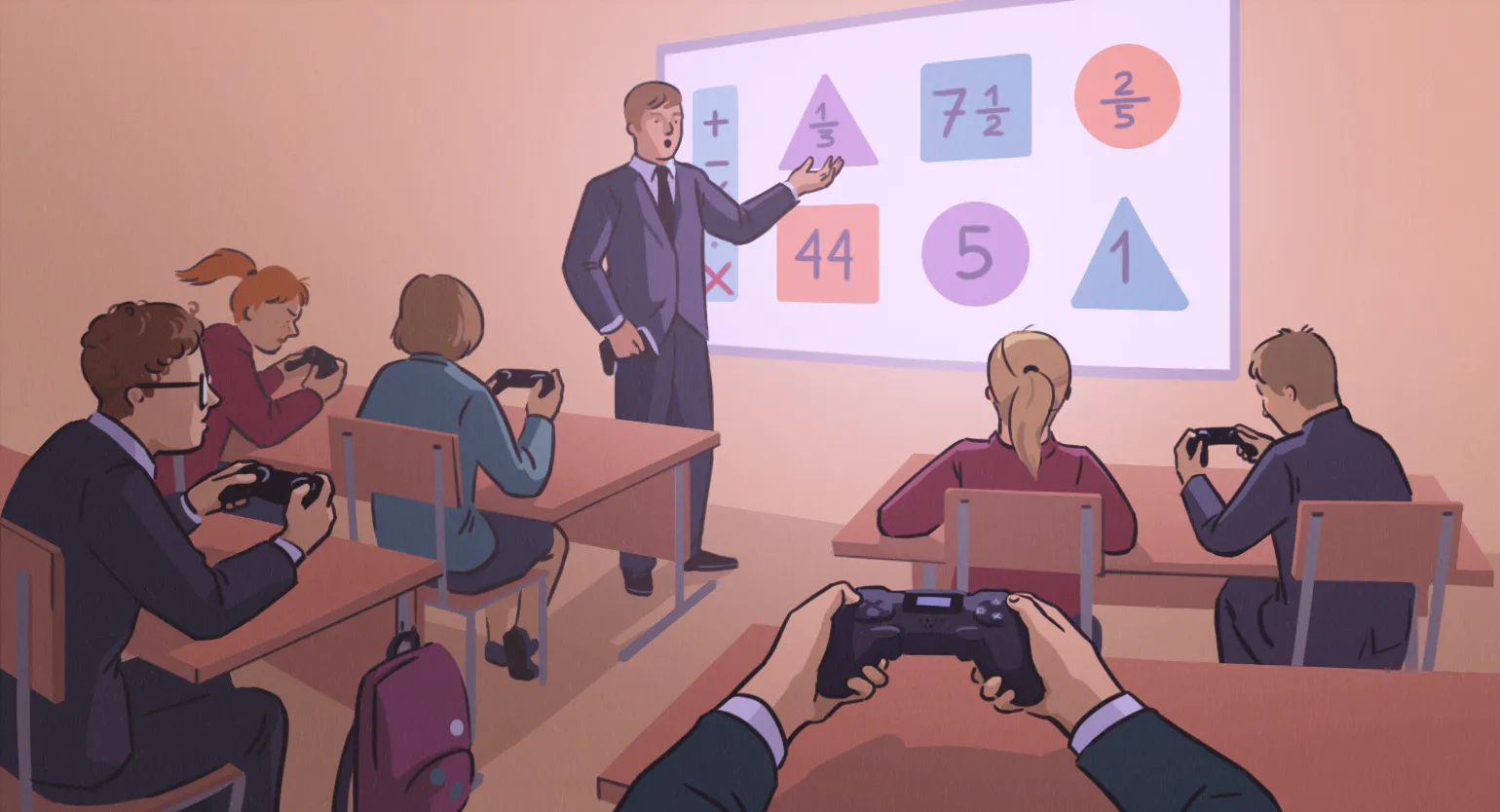
Educational games are an innovative learning format that uses the principles Gamification. This approach is being actively implemented in educational institutions around the world, making the learning process more engaging and effective. The use of educational games promotes critical thinking, improves collaboration skills, and increases motivation in students. These games allow for the integration of theoretical knowledge with practical skills, significantly enhancing learning. The introduction of educational games into the educational process opens new horizons for students and teachers, creating an interactive and dynamic learning environment. There are many educational game formats, including computer games, originally created for entertainment. For example, games like Red Dead Redemption 2 are effectively integrated into US history curricula, and Minecraft has become a universal tool for studying various school subjects. These games are not only entertaining but also promote the development of critical thinking and problem-solving skills in students. For a deeper understanding of the use of video games for educational purposes, we recommend reading our in-depth study. Serious games are a powerful tool in professional learning. They help students develop skills in various specialized fields, such as medicine, engineering, and other professions. These simulations create a hands-on environment where users can safely experiment and improve, making learning more effective and engaging. The use of serious games in educational institutions and businesses opens up new opportunities for training qualified specialists.
In this article, we will examine offline educational games designed for schoolchildren. These activities are led by experienced teachers and can take place both in classrooms and outdoors—in forests, parks, and other open spaces. Offline games not only promote learning but also develop team spirit, creativity, and critical thinking in children. Teachers who organize these activities create unique and engaging scenarios that help students learn material in an interactive way. A variety of game venues allows you to adapt the educational process to the specific needs of the group and make learning more engaging and effective.
Role-playing and metaphorical games are the most popular forms of interactive interaction, allowing participants to assume various roles. In such games, players follow established rules and strive to achieve predetermined goals. These games promote the development of creativity, communication skills, and teamwork. Role-playing games can be used in various fields, including education, training, and therapy, making them a versatile tool for personal and professional growth.
Key stages of the game include the beginning, entry, and exit. Entry into the game can be organized by creating a special space, for example, using an improvised "portal" assembled from furniture. This interaction helps engage participants and creates a unique atmosphere. Proper organization of these stages promotes deeper immersion in the game and improves the overall experience.
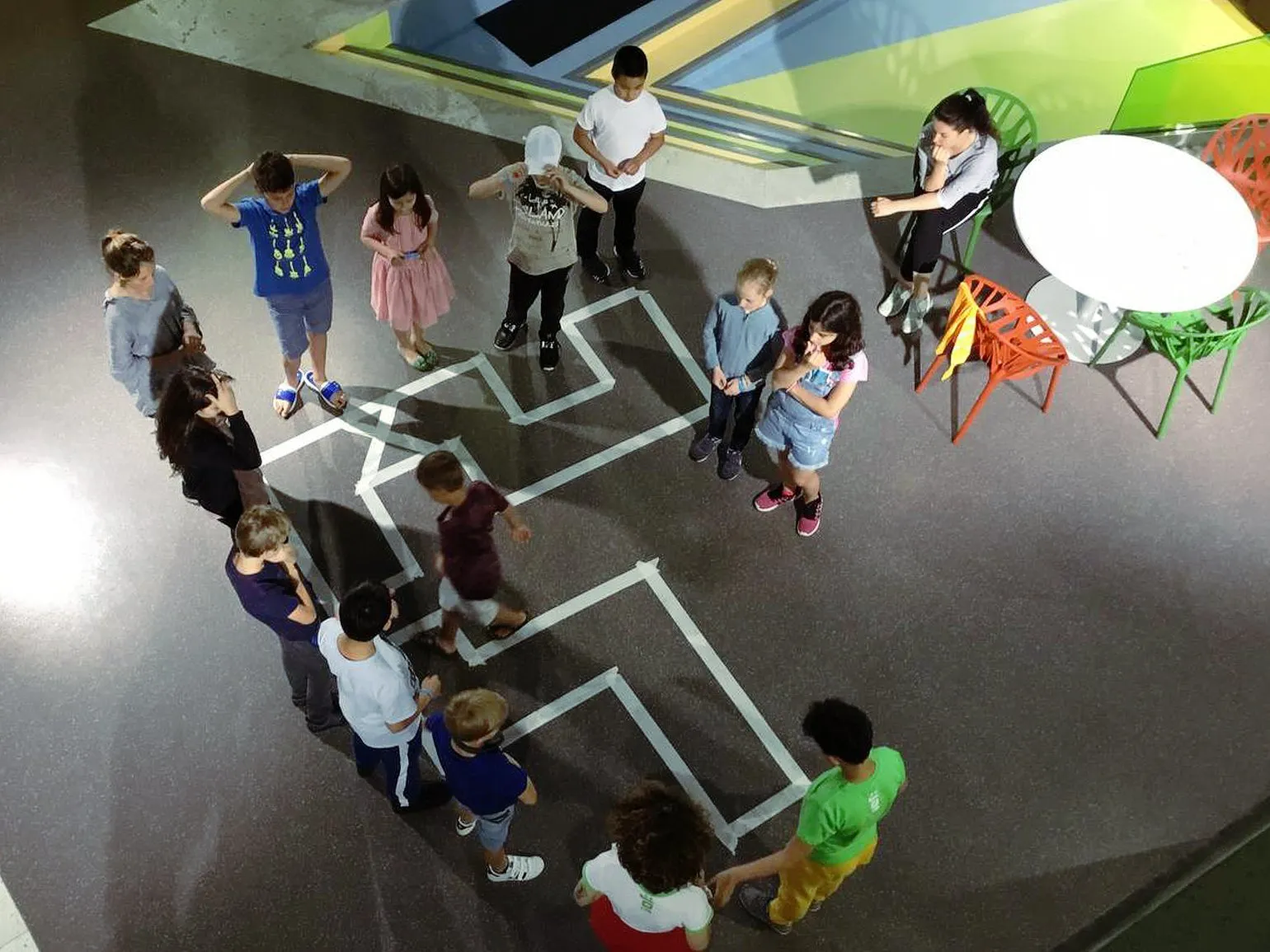
Exiting the game plays as important a role as other stages of the process. This moment can be implemented in several ways. Participants can, for example, symbolically burn their name tags, signifying the end of their participation. Exiting through a special "portal" is also possible, adding an element of closure and interactivity. Properly crafting the exit helps create a memorable ending and strengthen the overall experience for the participants.
For me, a game isn't just entertainment, but a ritual. The beginning of a game is an introduction to a mystical or even sacred act. The end of the game also has ritual significance. For example, we played out a scenario involving people with mental disorders, using envelopes containing briefcases. I played the role of someone suffering from panic attacks, and despite my difficulties, I successfully interacted with the other participants. After the game, we would gather together, introduce ourselves, and share our professional identities, thus completing this unique ritual.
The Importance of Concluding a Game Session and Effective Approaches to This Process
Concluding a game session is not just a formality, but an important stage that promotes a deeper understanding of the gameplay. At this stage, it is important to focus on reflection, where participants can share impressions, discuss their emotions, and the conclusions they gained during the game. Such an exchange of opinions not only enriches the players' experience but also helps identify key points that can improve future sessions. Reflection creates a space for analysis and self-awareness, which ultimately contributes to a deeper immersion in the gameplay and an improved quality of it.
Experts in the field of educational games emphasize that post-game reflection is a key element. This stage allows participants to analyze what happened in the game, assess their emotions, and understand how their actions influenced the final results. Reflection fosters a deeper understanding of the gameplay and helps improve future game sessions, making it indispensable for effective learning and skill development.
The final stage of the program aims to create an opportunity for participants to discuss their experiences, exchange thoughts, and ask questions. This open space promotes awareness and critical analysis, which is an essential element of the educational process. Discussion allows for a deeper understanding of the material being studied and develops analytical skills, which in turn enhances the overall learning process.
Reflection is a key element in the process of learning through play. Without it, the educational value of the game is significantly reduced. The opportunity to discuss one's thoughts and analyze the gameplay with other participants promotes a deeper understanding of the experience and improves skills. Gamification experts emphasize the importance of post-game interaction, as this allows participants to better retain the material and apply it in the future.
Benefits of Gamification in Education
Gamification methods are actively being introduced into the educational process, which helps students more easily grasp complex topics. The use of gaming practices in teaching subjects such as algebra and geometry can significantly simplify learning. According to expert Nikita Afanasyev, the use of gaming elements makes classes more engaging and effective, which contributes to a better understanding of the educational material. Integrating gaming methods into the educational program opens new horizons for student development and helps them achieve high results.
The lesson can take place in a school cafeteria, either real or created during the lesson, where students play the roles of seller and buyer. In this context, prices are presented as fractions, which allows students to learn how to calculate fractions through play. This method creates an active atmosphere that encourages student engagement and skill improvement. The game-based learning format makes the process more engaging and effective, helping children better absorb the material. Communication and interaction between students play a key role in the educational process. The game-based learning format promotes relaxation, allowing all participants to laugh, even when someone makes mistakes, for example, when turning in assignments or calculating. This approach not only helps students grasp fractions but also creates associative links with real-life experience, significantly enhancing the educational impact. Nikita shares his experience, emphasizing the importance of these aspects in the learning process.
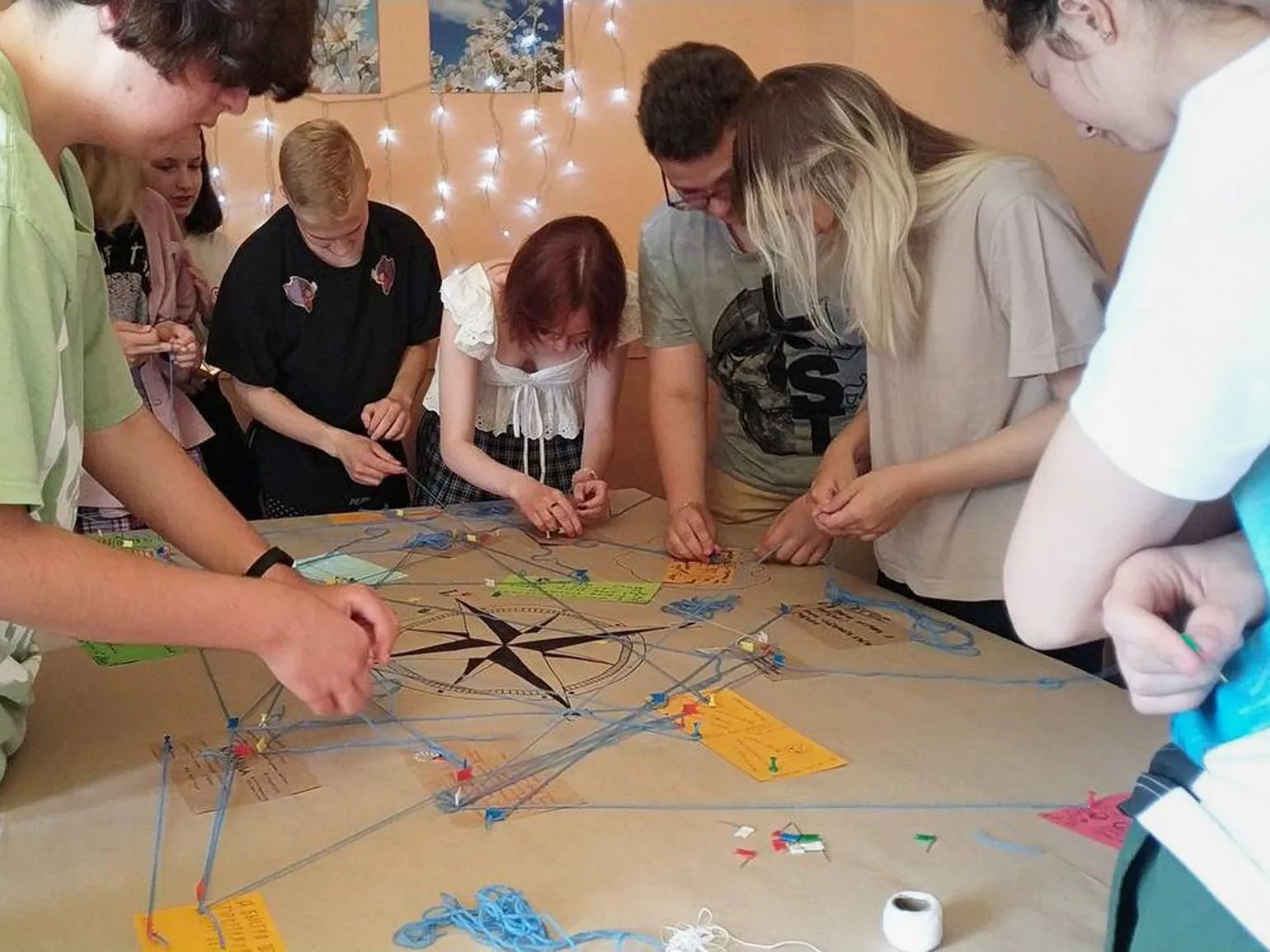
As an alternative example, consider a history lesson in which students take on the role of archaeologists. They go on a fascinating "journey" to research various historical facts. During this process, students use a "believe it or not" game, which allows them to verify information and develop critical thinking. This approach makes learning history more interactive and engaging, and also promotes better retention.
Scientific research shows that game-based interactions significantly improve retention. Participants actively discuss the facts they've learned, explore their relationships, and interact with each other, making the learning process more effective and engaging. Game-based methods promote critical thinking and improve communication skills, while also helping to create an atmosphere of collaboration and motivation, which in turn improves the overall educational process.
Setting educational goals is a key aspect of successful learning. Based on my experience, I'm confident that game-based formats significantly improve the effectiveness of the learning process and make it more engaging for participants. Integrating game elements into educational programs promotes better learning and increases student motivation.
How Games Help You Discover Your Inner Self
Participating in educational games offers unique opportunities for self-discovery and emotional connection. These games create an atmosphere conducive to sharing experiences and making new acquaintances. As a result, participants improve communication and interaction skills that are maintained and developed even after the game ends. Educational games not only enrich knowledge but also help create strong social connections, making them an important tool in the process of learning and personal growth.
It is important to note that not all participants feel comfortable in a game format. For example, introverts may find it difficult to adapt to interactions with strangers. The level of comfort depends on the group dynamics and the specific situation. Creating a supportive atmosphere and taking into account the individual characteristics of participants can significantly enhance the interaction experience and increase the effectiveness of games.
It's important to recognize that games are not always an effective means of socialization. For example, a new student in a class may feel uncomfortable when immediately asked to join a game. At such moments, they can feel vulnerable and insecure, especially if they are unfamiliar with the social norms and rules of the new environment. This emphasizes the need for a gradual approach to socialization, taking into account the emotional state and comfort level of each participant. A proper understanding of this process can help create a more comfortable atmosphere for the integration of new members into the team.
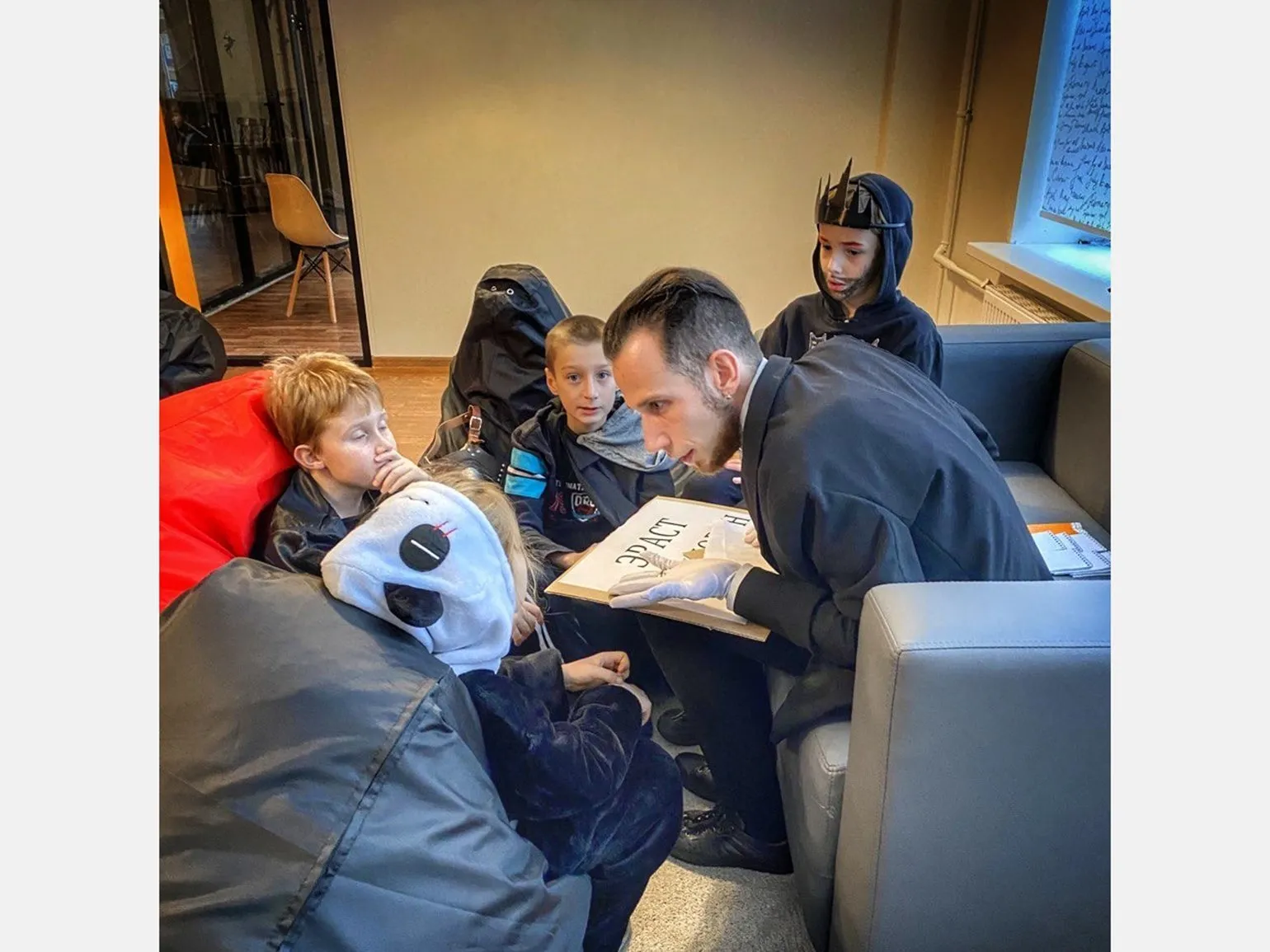
During game interaction, competition may arise, which sometimes leads to aggressive desire to win. This can negatively impact team cohesion. The success of socialization in the game is largely determined by how clearly the leader explains the rules and objectives. Effective communication and clarity in setting expectations help create a friendly atmosphere and increase the likelihood of successful interactions between players. Proper leadership helps minimize conflicts and promotes a harmonious game process.
During the game, controversial situations may arise, evoking emotions among participants associated with fictitious victories or defeats. It is important to realize that the game does not imply a clear division between winners and losers - each player has their own tasks and goals. One participant emphasizes the importance of communication between players in resolving tense situations: "Why are you reacting like this? How do you perceive this situation?" Open dialogue promotes better understanding and allows for compromises, which makes the gameplay more comfortable and engaging.
Cases in which participants completely stop communicating are extremely rare. Strong emotions and experiences contribute to the process of self-knowledge and personal development. One player notes: "I realize that I get very anxious when I don't achieve results, and it makes me think about myself. What else am I?" Such reflections help each participant gain a deeper understanding of their feelings and aspirations, which is an important step towards personal growth and improved interactions with others.
The game is not only a means of entertainment but also a unique opportunity for deep self-discovery through interaction with other participants. Even if you are not the center of attention during the game, this does not mean that the internal process is not taking place. Each interaction reveals new facets of your personality and contributes to its development. Thus, the game becomes a tool for self-exploration and the improvement of social skills.
How a Game Leader Develops Their Skills
In the process of organizing and conducting games, the leader not only shares knowledge with the participants but also gains new knowledge and experience. This emphasizes the importance of a two-way educational process in which both parties significantly benefit. Active interaction between the leader and the participants promotes a deepening understanding of the game topic and the development of skills in all involved. Thus, organized games become not only an entertaining event but also a valuable learning experience for everyone.
Each game session provides me with a unique opportunity to develop social and pedagogical skills. I constantly analyze the effectiveness of my methods, which allows me to identify successful and unsuccessful approaches. This continuous process of self-improvement encourages me to seek new strategies. For example, last week I taught seven lessons on the same topic for various classes. By the sixth lesson, I had significantly modified my methodology and ultimately found the optimal solution. However, I don't rest on my laurels—each new class requires an individual approach to achieve the best results.
Ask yourself key questions to achieve success. For example, consider: "What exactly is essential for my success?" or "How can I motivate participants to actively participate and think deeply?" These reflections will help you better understand your goals and how to achieve them.
Using a game-based approach to learning opens new possibilities for mastering the educational material. Gamification contributes to significant success by maintaining student interest and engagement. This method allows you to rethink the educational process, making it more dynamic and interactive. Incorporating game elements into learning helps motivate students and improve information retention, which ultimately leads to higher academic results.
This teaching method requires creativity in lesson development from the teacher. It is important not only to have a deep knowledge of the subject matter, but also to be able to make lessons engaging and interactive. Transforming the learning process into an engaging game promotes more effective learning and increases student motivation. Develop and experiment with individual learning strategies. This can significantly change your perception of the educational process. It's important to find approaches that suit your needs and learning style. Don't be afraid to try new things and adapt methods to achieve the best results.
Additional resources for deeper study of the topic.
- How are video games like Assassin's Creed integrated into the educational process?
- What are serious games and what skills do they develop?
- Unusual practices: why should humanities students develop games?
Game Practitioner: 7 Ways to Engage People Through Games
Want to learn how games can help in training and sales? Read 7 effective methods of game practice!
Find out more