Table of Contents:

Who are you in the world of game development? Learn more with a free course ➞ You'll experience three professions in action: game designer, 2D artist, and Unity developer. Create your first Mario-style game. Click here for details.
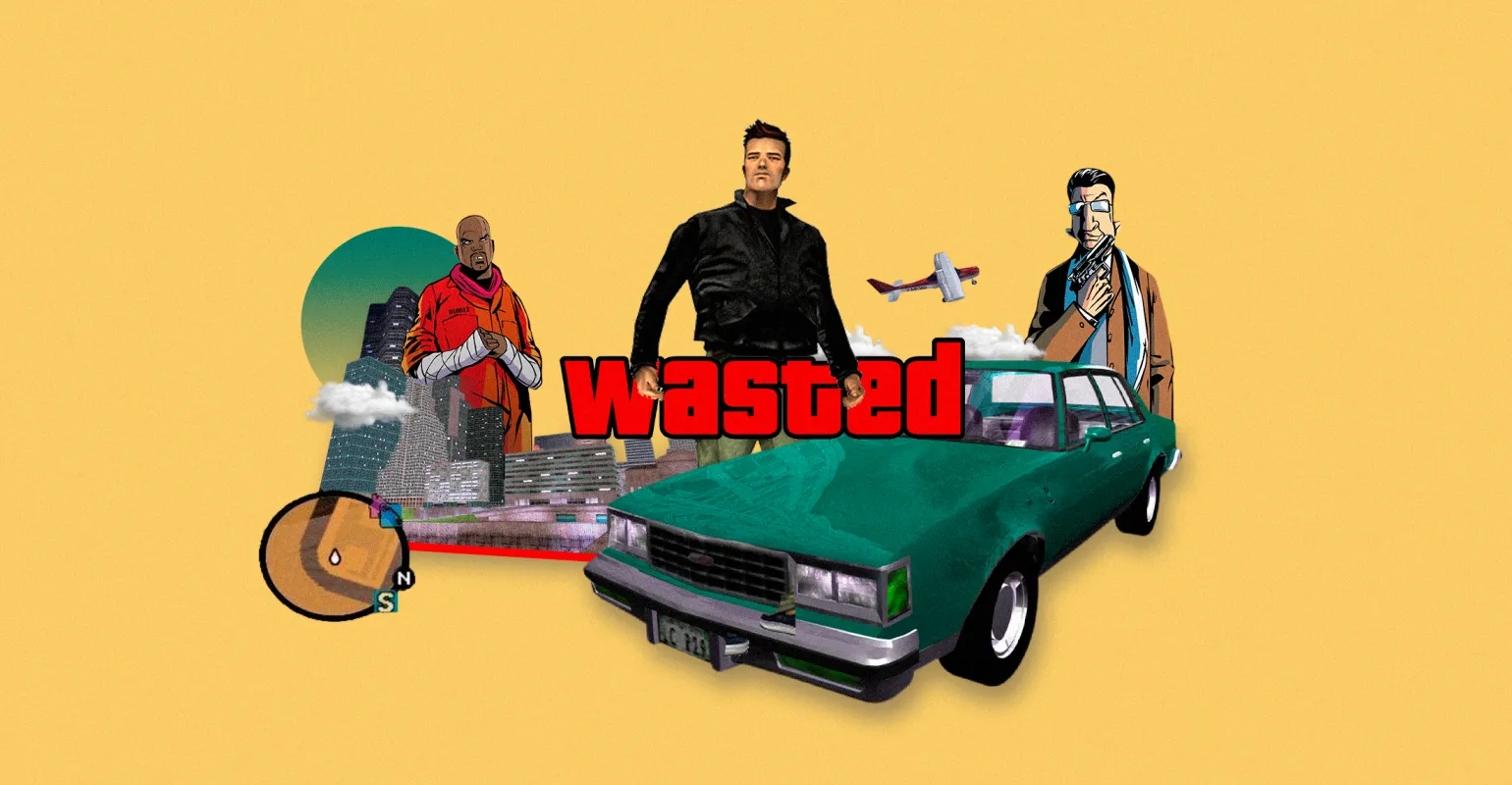
Learn moreTwo decades ago, millions of players first found themselves in Liberty City, immersing themselves in the unique atmosphere of the Grand Theft Auto game world. Created from the protagonist's perspective, this world combined cynical humor and unlimited freedom of action. Liberty City became a symbol of open spaces and adventure, captivating with its realistic environment and multi-layered storyline. Grand Theft Auto continues to be an iconic series, shaping modern gaming and influencing the development of the genre.
Released in October 2001, Grand Theft Auto 3 revolutionized the gaming industry. The game impressed critics and developers with its scale and quality, and attracted a wide audience with its bold and violent themes. Rockstar, the studio behind this iconic project, instantly became one of the most famous and talked about video games. Grand Theft Auto 3 not only set new standards for open worlds but also sparked a great deal of debate about the impact of video games on society.
With the release of GTA: The Trilogy — Definitive Edition, which includes the remaster of GTA 3, it is worth remembering how this journey began and what made players' first visit to the three-dimensional Liberty City unique. GTA 3 became a landmark in the development of the gaming industry, offering players an open world filled with events and opportunities. In this vibrant city, everyone could find their place - from street racing to completing challenging missions. The transition to 3D graphics opened up new horizons for gameplay mechanics and storytelling, making the game a true breakthrough of its time. GTA 3 not only set the standard for future games in the series, but also left an indelible mark on the hearts of players, inspiring numerous subsequent projects.
In November 2001, I walked into the Remedy offices with excitement and a little nervousness. It was my first day on the job. Inside the office, I noticed a group of employees gathered around a television. Some were laughing, while others were watching with bated breath. They were playing GTA 3 – a game that became a true breakthrough in the video game industry. GTA 3 was provocative, unexpected, exciting, and incredibly addictive. This project was a tectonic shift in the gaming industry and had a significant impact on my career, inspiring me to this day.
Mikael Kasurinen, Game Director on Remedy's Control, played a key role in the development of this unique project. His experience and vision made it possible to create a captivating game world that combines elements of psychological horror and science fiction. Under his leadership, the Remedy team was able to bring innovative mechanics and a compelling story to life, making Control one of the most talked about games of our time. Kasurinen continues to inspire developers with his approach to creating games that focus on deep player interaction and sophisticated gameplay mechanics.
- An Outsider's Perspective
- The Bad Guy Protagonist
- The Power of PlayStation 2
- The Worst Town in America
- Cinematic Storytelling
- "Realism, Realism, Realism"
- Emergent Gameplay
An Outsider's Perspective
One of the interesting paradoxes of the Grand Theft Auto series is that the most popular and iconic gangster franchise was developed by people who may only be vaguely familiar with the real-life American criminal underworld, drawing heavily from cinematic influences such as Goodfellas and The French Connection. This raises the question of how film and pop culture influence perceptions of the criminal underworld and create images that become the basis for video games. Grand Theft Auto successfully blends elements of reality and fiction, making it unique and appealing to players, despite the developers' lack of direct experience in the field.
Sam Houser, the future president of Rockstar, and his brother, screenwriter Dan Houser, grew up in an intellectual family. Their mother, British actress Geraldine Moffat, is known for her role in the cult crime film Get Carter with Michael Caine. Their father, Walter Houser, owned the renowned jazz club Ronnie Scott's, which significantly influenced their creative development and passion for art. This cultural and creative atmosphere helped shape their unique approach to video game creation, which ultimately led to Rockstar's success.
Sam first learned about Grand Theft Auto in the mid-1990s while working at BMG Interactive, the gaming division of the renowned music company. At the time, BMG signed a contract with David Jones, the founder of the Scottish studio DMA Design and the creator of the popular puzzle game Lemmings, which sold 15 million copies. This moment marked a significant milestone in the development of the gaming industry and laid the foundation for one of the most successful game series in the world.
The game he planned to release was called Race'n'Chase. In it, the player, playing as a police officer, had the opportunity to catch criminals in a large city. This city was created using an engine developed by programmer Mike Daly. Despite the high-quality simulation, the game prototype had one significant problem: the gameplay was boring.
The Protagonist is a Bad Guy
Race'n'Chase limited players' actions by prohibiting them from running red lights and imposing fines for hitting pedestrians. However, DMA Design soon realized that such restrictions were hindering the enjoyment of the game. This inspired the developers to take a bold step: they proposed changing the game concept. Instead of cops, players would control criminals, receiving bonus points instead of fines for hitting pedestrians. This idea significantly improved the gameplay and made it more engaging.
The Race'n'Chase project was canceled, and Grand Theft Auto was created in its place, in which players take on the role of a criminal who steals cars and kills people for personal gain. In 1997, when video game protagonists featured plumbers in love and soldiers saving the world, this concept was truly revolutionary. Grand Theft Auto offered a unique gaming experience, opening new horizons for a genre that would become the basis for many successful projects in the future.
Sam Houser shared his opinion on this issue in an interview with Spin magazine. He noted important aspects of the topic and shared his perspective. His comments highlight key points and provide an opportunity to better understand the context of the issue under discussion.
We create modern games that reflect current realities. Unlike fantasy adventures, in our projects, players can share their achievements in a more down-to-earth setting. For example, instead of talking about defeating a dragon, you can discuss the exciting moments associated with stealing cars and completing difficult tasks. This creates a unique experience that resonates with real life and engages players.
Sam Houser, president of Rockstar Games, has become known for his significant contributions to the video game industry. In David Kushner's book, "Wasted: The Unlimited History of GTA," he shares his insights on the development of the Grand Theft Auto series and its impact on gaming culture. Houser emphasizes how Rockstar's original ideas and innovations changed the perception of open worlds in video games, emphasizing player freedom and detailed environments. These aspects made GTA not only a commercially successful series, but also a cultural phenomenon that left a significant mark on the history of video games.
GTA freed its characters from the moral constraints typical of many other games, giving players a unique freedom of action. This allows everyone to choose how to behave in the game world, which makes the process even more immersive and interactive.
In the first two parts of the game, freedom of action was limited by the isometric format. While competitors were transitioning to full 3D, Rockstar faced a choice between graphics and gameplay. However, in GTA 3, this choice becomes less pressing, as by the turn of the millennium, technological advances finally meet the creators' ambitions, allowing for more complex gameplay mechanics and visual effects.
The Power of PlayStation 2
In October 2000, the first batch of Sony PlayStation 2 consoles, part of the sixth generation of gaming systems, appeared in the United States. The PS2's main competitive advantages were its extensive game library and the ability to play DVDs. These features contributed to the console selling over 157 million units over its 13-year lifespan, making it one of the most successful gaming platforms in history.
The Sony PlayStation 2 console was a breakthrough in the world of video games thanks to its built-in DVD player, which allowed players to enjoy games and movies simultaneously. This combination provided users with two devices in one: a powerful gaming platform and a video player. In addition, the PS2 used a unique central processor known as the "emotion engine", which provided high-quality 3D graphics and sound. This gave Rockstar the opportunity to realize their ambitious ideas without being limited by the technical capabilities of previous consoles. PlayStation 2 became not just a gaming system, but a full-fledged multimedia platform, which significantly expanded the horizons of the video game industry.
Game development on the PS1 platform was associated with many limitations. Every decision often became a difficult choice between graphical quality and gameplay mechanics. We expected that with the release of the PS2, this choice would become less painful. We hoped that games on the new platform would retain the spirit of freedom inherent in previous generations, but would become more dynamic and cinematic. The new capabilities of the PS2 opened the door to creating deeper and more immersive game worlds where graphics and gameplay could harmoniously coexist.
Dan Houser is a renowned screenwriter and a key figure in the development of the Grand Theft Auto series. His contributions to the stories and characters of this iconic franchise have had a significant impact on the video game industry. Thanks to his unique approach to writing, the Grand Theft Auto games have become not only commercially successful but also critically acclaimed for their deep world-building and relevant social themes. Houser focuses his efforts on creating compelling stories that address important aspects of modern society. His work at Rockstar Games left a noticeable mark and set the standards for many subsequent projects in the world of video games.
The Worst City in America
Liberty City, first introduced in the first game of the GTA series, is now perceived as a clear reflection of the real New York City. However, the developers at Rockstar initially planned to eliminate this similarity.
Liberty City in the third part of the game was conceived as a typical post-industrial American city, combining elements of Pittsburgh, Chicago, Detroit, and Philadelphia. However, the developers soon realized that in order to create a convincing game setting, it was necessary to use more recognizable locations. This decision helped create a unique atmosphere that made Liberty City a memorable place for players and contributed to a deeper immersion in the gameplay.
Dan Houser noted that basing the game world on real locations provides a rich foundation for the storytelling. This allows for more nuanced storytelling and enriches gameplay. Using real-world locations in the game not only makes it more engaging but also helps players better immerse themselves in the virtual world.
Liberty City is not an exact representation of New York City, but a distorted version of it. In this city, the radio plays advertisements for shoes made by children's hands, Italian arias are heard from the cars of the mafiosi, and on the streets you can meet prostitutes and police officers who have grown fat from fast food.
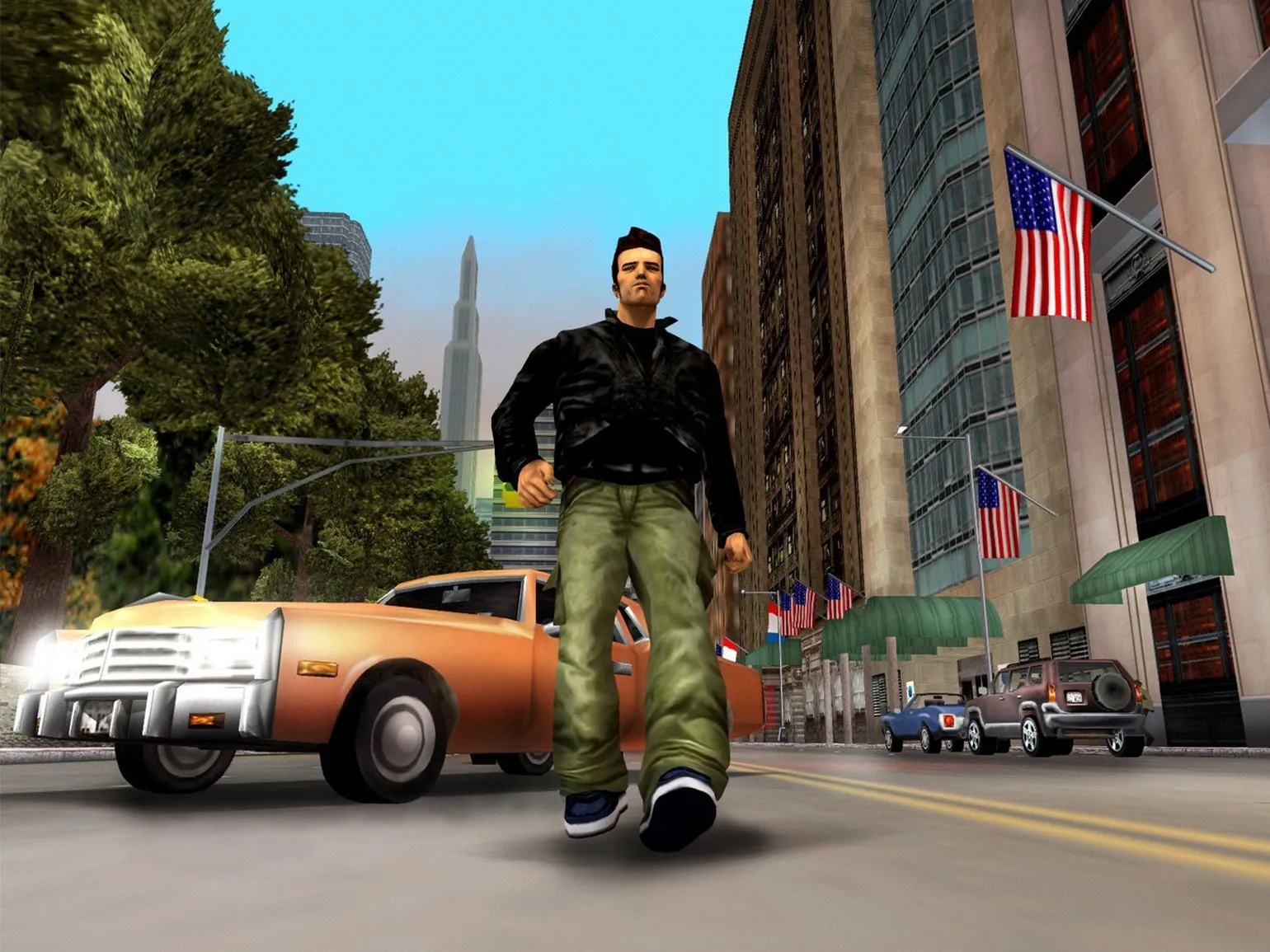
The humor of this series is largely due to its British roots. Although the Houser brothers moved to New York in the late 1990s, where Rockstar was headquartered, their original style and satirical approach to the story retained their British traditions. This mix of cultures and unique humor make the series distinctive and appealing to a wide audience.
Of course, I am ready to help you with text editing. Please provide me with the text you want to revise.
America is presented through the prism of cinema and the advertising industry. Our game does not seek to reproduce reality, but rather reflects the world created in cinema. The concept of the project is based on the perception of America through the eyes of a foreigner, which allows us to create a unique experience for players. This approach highlights how films and advertising shape our perceptions of a country, inviting players to immerse themselves in this interpretation.
Dan Houser is a renowned screenwriter who became a key contributor to the Grand Theft Auto series. His unique approach to screenwriting and deep understanding of the gaming industry made him a key figure in the development of iconic games. Houser has actively contributed to the creation of stories that not only entertain players but also address important social issues. Thanks to his talent and creativity, the Grand Theft Auto series has gained immense popularity and recognition worldwide. Dan Houser's work continues to influence the development of game design and screenwriting in the gaming industry.
Cinematic Storytelling
Grand Theft Auto III begins with a dramatic twist: a silent protagonist named Claude is shot by his girlfriend during a bank robbery. He is subsequently arrested and sent to prison, but along the way, Claude manages to escape and join the local mafia. He then begins to build a career in the criminal underworld of Liberty City, home to various criminal elements: Italian mafiosi, members of Colombian drug cartels, Asian triads, corrupt police officers, and unscrupulous businessmen. The game offers players a unique opportunity to immerse themselves in an atmosphere of urban crime and complex interactions, exploring a world filled with intrigue and danger.
GTA 3's plot, developed by Dan Houser, may seem like nothing more than a B-movie action movie today. However, in 2001, it created a real sensation among players thanks to its gripping presentation. It was the first Rockstar game in which the company fully realized its cinematic approach. Sam Houser even stated that the goal of the project was to create "the world's first interactive gangster movie." GTA 3 became an important stage in the development of game design and plot, setting new standards for future projects.

To achieve this goal, the developers used a number of methods.
- Cutscenes in the game engine, directed by Navid Khonsari using motion capture technology. While most open-world games limited mission explanations to a couple of lines of dialogue, GTA 3 accompanied each mission with stylish cutscenes that ironically played on gangster movie cliches.
- Voice acting: To emphasize the "cinematic" nature of the action, Rockstar invited its favorite actors to play the main roles: Michael Madsen, Kyle MacLachlan, Debi Mazar, and Frank Vincent.
- Cinematic camera angles, which could be activated while traveling in transport, made you feel like the hero of a cool action movie.
David Kushner's book "Wasted: The Unlimited History of Grand Theft Auto" takes a detailed look at the making of GTA 3. In it, the author emphasizes that the Houser brothers emphasized the importance of realism throughout their work on the project. Their mantra of realism became fundamental in development, which helped create a unique and immersive gaming experience for users.
"Realism, Realism, Realism"
The Grand Theft Auto series of games has never been known for a high degree of verisimilitude. The game's vehicle and weapon physics are simplified, and the characters are clearly caricatures. The protagonists, who commit numerous crimes, would likely be convicted and spend the rest of their lives behind bars in real life. In this context, GTA remains not only an entertainment product but also a satirical reflection of modern society, where the lines between good and evil are blurred.
The realism of GTA 3 is evident in the meticulously crafted Liberty City, made possible by the transition to full 3D graphics. This step has created a more vibrant and believable gaming environment, allowing players to freely explore the city, interact with its elements, and experience the atmosphere of the metropolis. 3D graphics significantly improved the game's visual appeal, making it more immersive and engaging for players.
The developers mastered the RenderWare engine, licensed from Criterion, allowing them to create vibrant seaside sunsets and a realistic atmosphere in Liberty City, including dense rain and fog. In the game GTA 3, for the first time in the series, a day and night cycle is implemented, which significantly affects the gameplay: some characters provide tasks only at certain times of the day.
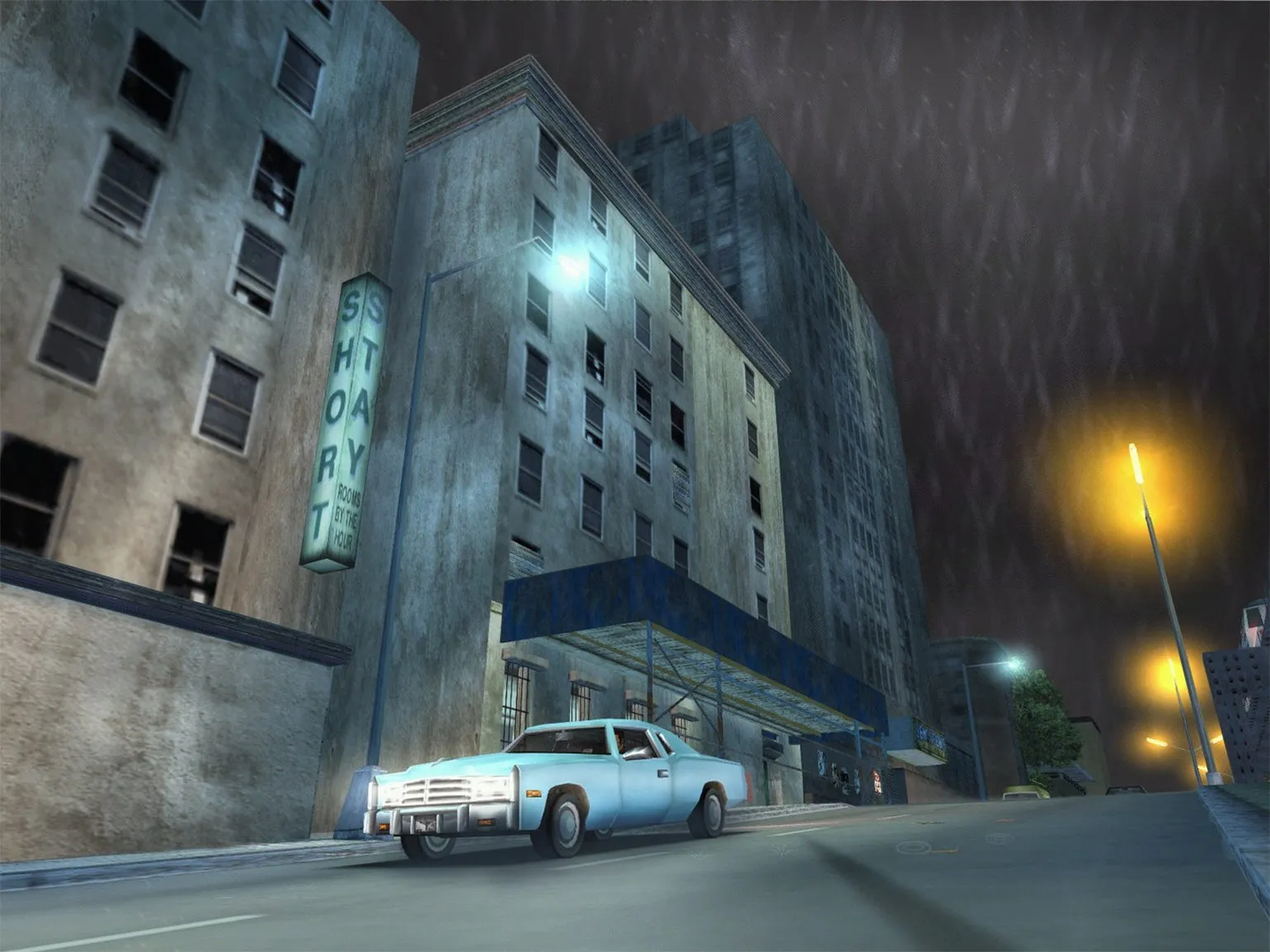
Citizens began to actively react The protagonist's actions were affected. Hitting a passerby risked a fight, and cutting off another driver resulted in a shout of "Learn to drive!" Cars in the game can now be spectacularly smashed, as each car is equipped with 18 points of deformation. These elements add realism and engage players, making each collision unique and exciting.
While driving around town, players could enjoy nine radio stations with a diverse music program, including underground hip-hop and opera. In addition to music, talk shows, commercials, and DJ commentary were also broadcast. Programmer Raymond Asher, responsible for the game's audio, noted that 18,000 lines of dialogue were recorded for the project, a significant achievement in the industry at the time.
DMA Design, later known as Rockstar North, made significant efforts to minimize the number of loading screens in their games. The developers sought to ensure that players encountered these screens only when changing locations and at the beginning of missions. This approach was aimed at maintaining the illusion of full immersion in the game world, which positively impacted the overall perception of gameplay and increased user engagement.
GTA 3 came at a time when the PlayStation 2 was just beginning to reach its full potential and linear game development was struggling. I was struck by the game's design, which boldly embraced the challenges of an open world without limiting gameplay for fear of glitches. The Japanese version of the game was published by Capcom, and I was pleased to know that we were working on the same team. GTA 3 was a significant step in the evolution of gaming, opening new horizons for gamers and developers alike, and its impact on the industry cannot be overstated.
Hideaki Itsuno, game director of Capcom's Devil May Cry 5, is a key figure in the development of the successful series. Under his leadership, Devil May Cry 5 became a landmark title that captured the attention of both franchise fans and new players. Itsuno contributed significantly to creating a unique atmosphere and dynamic gameplay, making the game one of the most anticipated in its genre. His experience and vision helped preserve the spirit of the original while implementing modern technology and mechanics, ensuring a high-quality gaming experience. The work of Itsuno and his team continues to inspire developers and players around the world, confirming Capcom's status as a leader in the gaming industry.
Emergent Gameplay
In his book, David Kushner describes how prostitutes were introduced into GTA 3, and testers quickly found a way to kill them after sex to get their money back. This provocative example clearly illustrates the emergent nature of the game, which could create gameplay situations unforeseen by the developers. This approach to gameplay highlights how interactive elements and freedom of action in a game can lead to unexpected and original scenarios, making GTA 3 a unique phenomenon in the world of video games.

The emergence of the GTA 3 world created a unique playground where players could immerse themselves in a variety of activities. This led many players to explore the open world and engage in side missions rather than focus on the main story. This diversity of content and freedom of action made GTA 3 a true phenomenon in the gaming industry.
We didn't play through the main story or side quests. We spent our time having fun, telling each other stories, creating chaos in the game world, and creating challenges for each other. What's especially amazing is that every time a new player joined our group, they were naturally drawn into the game: even if they weren't participating in the process, they would always comment on what was happening and suggest new ideas.
Dinga Bakaba is the director of Arkane Lyon, a studio known for its unique games and innovative approach to game design. Under his leadership, the studio continues to develop its iconic franchises and create new, exciting projects that attract the attention of both players and critics. Bakaba actively supports creative ideas and inspires the team to experiment, which contributes to the creation of original content and high-quality games. His experience and vision are key to Arkane Lyon's success in the video game market.
In his review for IGN, Doug Perry shared his impressions of the game's first hours, which are dedicated to flying cars off ramps, allowing him to test their durability. This writer also took the opportunity to test the cars, driving them onto an elevated subway overpass and witnessing the explosions that occur when they collide with a train. The game's core fun remains unchanged: running over pedestrians and escaping from the police. These elements make the gameplay exciting and varied.
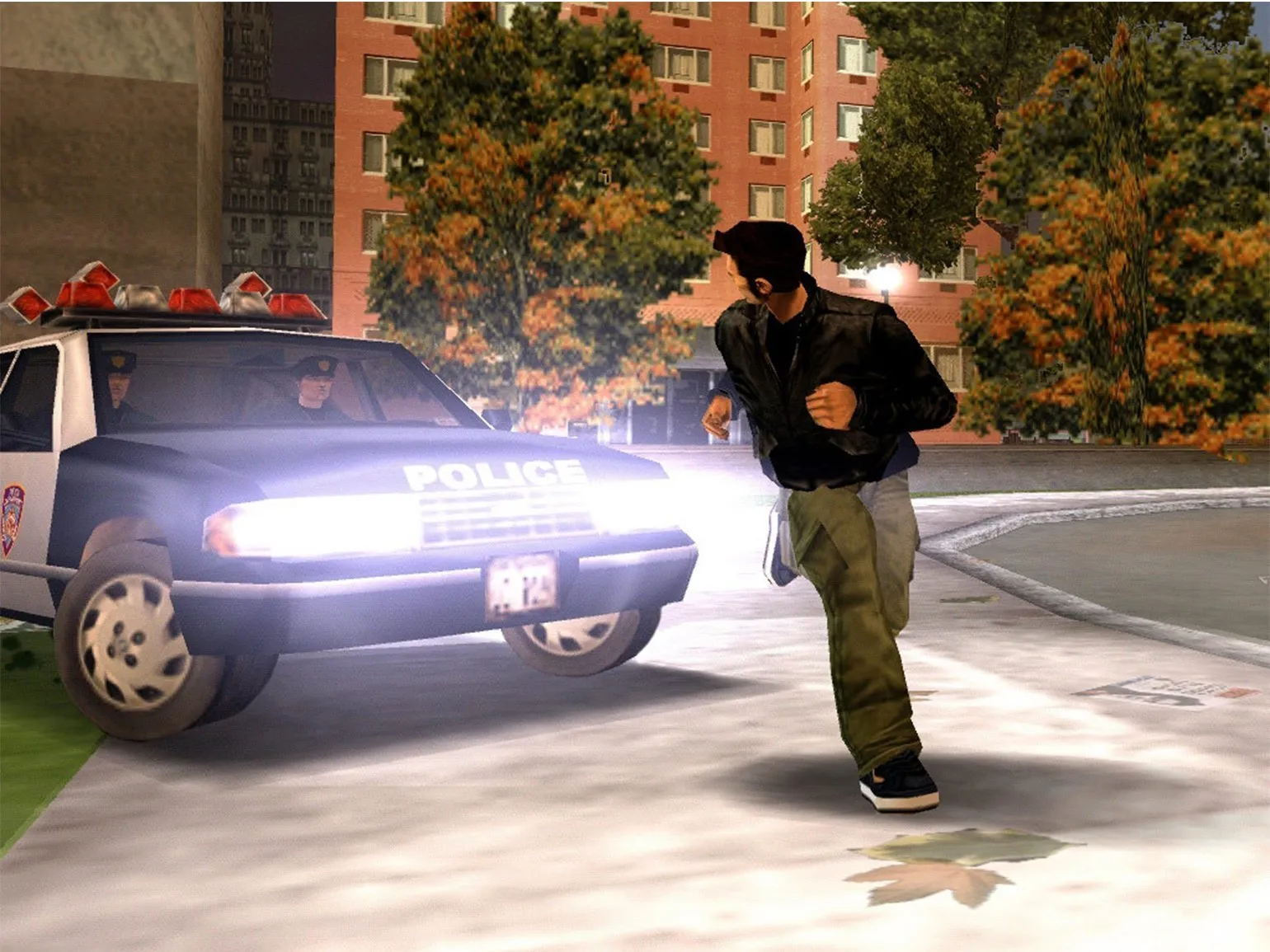
There is always work in Liberty City for those who do not seek violence and destruction. Here you can find part-time work in a variety of fields: become a taxi driver, work as a car dealer, firefighter, or ambulance worker. In addition, city residents can try their hand at being a vigilante, helping those in need. Liberty City offers many opportunities for earning money and self-realization, while remaining an exciting and dynamic place.
The spirit of freedom and creativity inherent in the GTA game won the hearts of millions of players and made it a groundbreaking work whose influence is still felt in every open-world project. Over the past twenty years, open-world games have become larger, more beautiful, and more detailed. However, few have been able to achieve the revolutionary significance that GTA 3 achieved in its time. This game set new standards and continues to inspire developers around the world, leaving an indelible mark on the video game industry.
When I was young, the concept of the open world was just beginning to develop. Experienced developers often argued that if a game offers complete freedom of action, it will be impossible to create quality content. However, the release of GTA 3 changed this perception. I was amazed that someone could create a game in which everything is possible and it is fun. I was also surprised when I learned that the name "Grand Theft Auto" translates as "car theft." Being from Japan, I expected the name to have a more comprehensive meaning. This discovery was a landmark moment for me, highlighting the uniqueness and creativity of video games that can evoke surprise and joy in players.
Katsuhiro Tsuchiya is a renowned producer at Capcom, who has played a key role in the creation of many popular video games. His contribution to the entertainment industry is invaluable, as he is actively involved in the development and promotion of projects that have won the hearts of millions of gamers around the world. Under his leadership, Capcom launched several successful series, such as Resident Evil and Street Fighter, which have become true classics. Tsuchiya continues to innovate in game mechanics and storytelling, making him one of the most influential figures in the world of video games. With each new project, he strives to improve the quality of content and satisfy the expectations of devoted fans.
Grand Theft Auto 3 had a revolutionary impact on the gaming industry, as confirmed not only by the developers who witnessed its release but also by the critical acclaim. 20 years after its release, this game continues to be one of the highest-rated games on the Metacritic platform, with a score of 97 out of 100. This underscores its significance and influence on the development of open-world games, as well as on setting the standards for future action and adventure games.
Who are you in the world of game development? A mini-course for those who want to make games.
In this free mini-course, you'll try yourself as a game designer, 2D artist, or Unity game developer and choose the profession that's right for you.
Find out more.