Learn: Profession Game Designer from scratch to PRO
Learn moreHorror games have steadily gained popularity in the gaming industry in recent years and continue to thrive. This genre is diverse and attracts different audiences. Some players prefer action-packed horror games, while others seek deep psychological subtext in horror. However, not every game in this genre is capable of truly scaring. The key elements of a successful horror game are atmospheric design, well-developed characters, and unexpected plot twists that create tension and fear. The variety of approaches to creating horror allows every player to find something to suit their taste, whether it's dynamic action or slow, atmospheric stories.
The degree of fear a player experiences in relation to a particular project is largely determined by their personal perception. Emotional responses can be influenced by various phobias, as well as individual fears ingrained in the subconscious. Each player perceives fear differently, making the gaming experience unique. Understanding these factors can help developers create deeper and more memorable projects that can touch players' deepest emotions.
Horror creators use universal techniques to create an atmosphere of fear that are based on the viewer's perception. In this article, we will look at these techniques and their impact on audience emotions.

Scarecrows
Among the most discussed techniques in horror filmmaking, the scare elicits a distinct response. This method is widely used not only in video games, but also in films, amusement park rides, and internet pranks. The primary goal of a scare elicits a fright in the viewer or player through the unexpected appearance of something frightening, whether it's a ghost suddenly appearing on-screen or a falling piece of furniture. Despite criticism, this technique remains popular because it effectively creates an atmosphere of tension and fear.
Scary stories in games and films are often accompanied by sharp sounds and aggressive music, causing the player or viewer to experience strong emotions and flinch in surprise. How does a scare elicit a frightening response? When we're in a comfortable environment, such as sitting in a chair, we feel safe. However, when a sudden change in scenery occurs on-screen that we're unprepared for, and the volume in the speakers or headphones increases sharply, it triggers a surge of adrenaline. This effect not only heightens tension but also creates an unforgettable gaming or cinematic experience.
Everyone reacts to fear differently: some simply flinch and jump, while others might throw a gamepad at the screen. These moments are incredibly powerful, which is why viewers find it so fascinating to watch streamers' reactions during horror game broadcasts. The emotions displayed by streamers create a unique atmosphere, allowing viewers to immerse themselves in the gameplay and experience the fear along with them. This makes streams not only entertaining but also engaging, attracting more and more fans of the genre.
A jump scare is one of the most effective methods of creating tension and fear in films and games. However, not all developers and directors know how to use this technique correctly. Frequent use of jump scares can lead to them losing their impact, becoming predictable, and irritating to viewers. To achieve maximum impact, this technique must be used sparingly and skillfully to maintain interest and tension throughout the entire work.
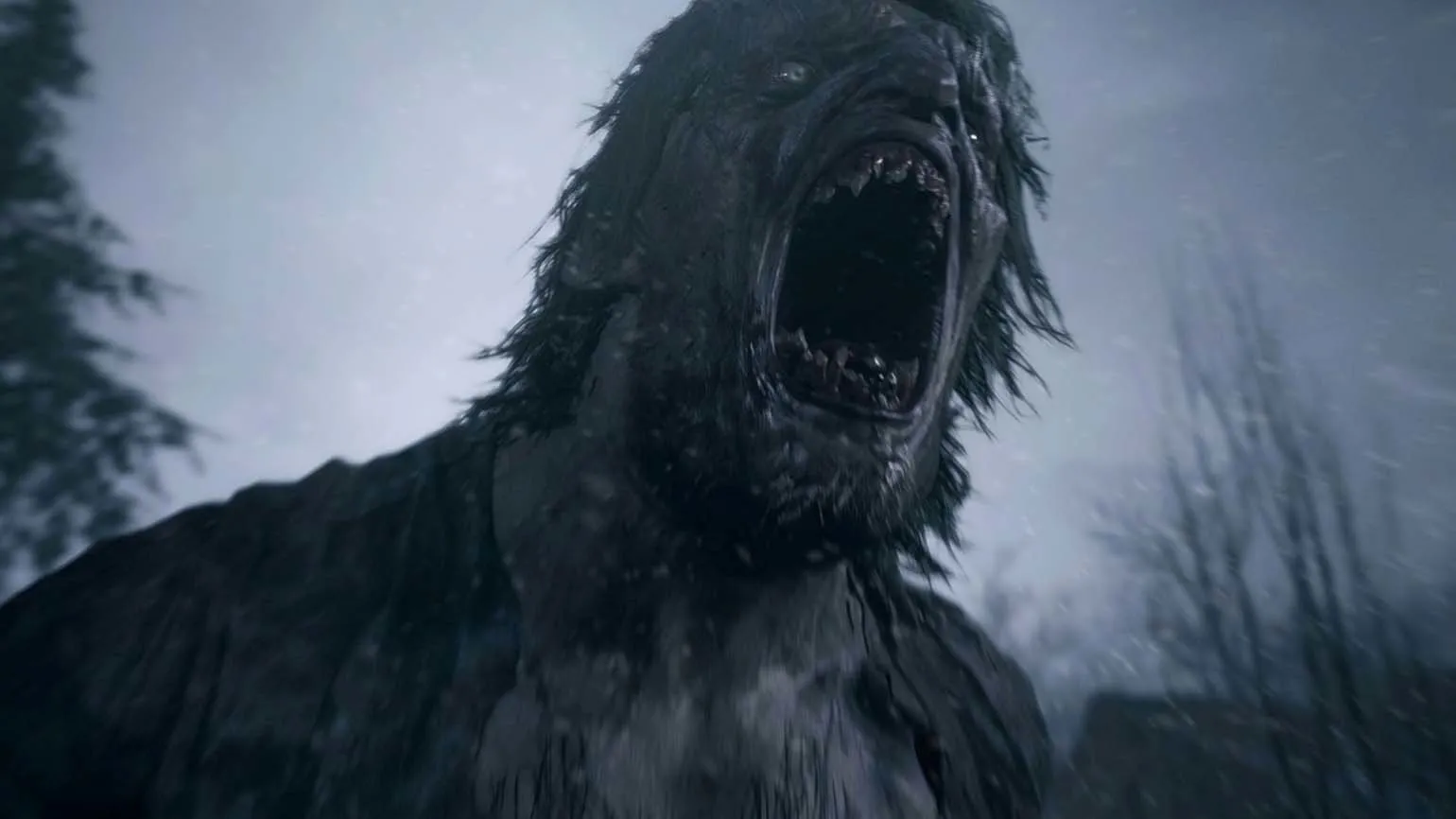
The question arises: how can hidden elements of fear be conveyed? In this case, a hidden jump scare comes to the rescue—an effective technique that builds tension. The player finds themselves in an unsettling situation and senses that something terrible is about to happen. Eerie background sounds enhance the atmosphere, evoking the very suspense that Alfred Hitchcock so masterfully used in his films. This method not only holds players' attention but also creates unforgettable emotions, forcing them to relive every moment. The introduction of hidden jump scares can significantly increase the level of engagement and intrigue in gameplay.
The player loses their sense of security and constantly expects to be startled at any moment, so they brace themselves for the jump scare. The brain is in a state of anxiety, preparing a person for possible surprises. As Sigmund Freud noted in his book Beyond the Pleasure Principle (1920), a state of anxiety has a defense mechanism against fright. The essence of this technique is to first create a sense of danger in the viewer or player, building tension to the limit, then calming them for a moment—and then suddenly introducing a jump scare. This method works flawlessly, creating a powerful effect of fear and tension.
In the game Layers of Fear 2, there's a moment when the player finds themselves in an all-white room with a black fireplace. Disturbing sounds echo throughout this space, a black liquid appears against the white background, and a mysterious figure crawls out of the wall. This creates an atmosphere of anticipation for something terrifying. However, everything suddenly goes silent, and the player finds themselves in a state of anticipation, but nothing happens. Frustrated, they head for the exit and encounter a banal jump scare, which without the initial building suspense would hardly have been frightening. This moment highlights the art of building tension in a game, where the anticipation of fear is often more frightening than the fear itself.
In the first game, Layers of Fear, there's a scene in a children's room where the player is immersed in a surreal performance and eventually returns to the starting point. Opening the door, the player encounters a giant doll head, which at first seems grotesque, but at this moment evokes a powerful sense of dread. This scene effectively utilizes the elements of surprise and visual shock, creating a memorable moment that enhances the game's terrifying atmosphere.
Creepy Dolls and Mannequins
Dolls and inanimate objects play an important role in horror film design, serving as effective means of creating an atmosphere of fear. Mannequins, statues, and robotic creatures cause anxiety in viewers for several reasons. First, they are inanimate objects with a human likeness, which can be confusing and create the illusion of a real threat in the dark. Second, there is a common phobia called pediophobia, which manifests itself in people as a fear of dolls, mannequins, and robots. Thus, the use of such objects in the horror genre not only heightens tension but also effectively engages the viewer's psychology.
In his article "The Uncanny," Sigmund Freud examines the phenomenon that explains why inanimate objects can evoke fear. Freud cites the opinion of psychiatrist Ernst Jentsch, who argues that humans develop a "doubt about the animateness" of objects that appear alive, and conversely, that lifeless things cannot be alive. Dolls, mannequins, wax figures, and robots, despite their resemblance to humans, possess a certain element that betrays their "non-human" and "inanimate" nature. This evokes discomfort and anxiety, based on the confusion of life and non-life. Understanding this effect helps us better understand how our emotions and perceptions interact with the world around us.
The "uncanny valley" theory is relevant in modern society and describes the phenomenon whereby artificial objects with human-like features evoke negative emotions in people, such as dislike and fear. This effect is often observed in the context of characters created using computer graphics, where their realism is excessive, leading to a feeling of discomfort. Understanding this phenomenon is important for developers creating virtual characters and technologies aimed at user interaction.
Developers often emphasize the symbolism of their creations. The mannequin in Silent Hill 2 consists of two halves of a woman's lower body, glued together. Its free limbs move erratically in the air. Fans of the game understand that all monsters, including this one, represent the protagonist's hidden desires. However, the realization of this meaning doesn't come immediately.
Upon first encountering the monster, a new player might notice a mannequin on the floor, seemingly a simple decorative element. However, just a moment later, this silent creature suddenly comes to life and attacks using its severed legs. This element of surprise makes the encounter with the monster exciting and tense, immersing the player in the game's atmosphere.

Animated statues in horror games are a fairly common occurrence. A striking example is a scene from the game 35MM, where bronze sculptures of people and animals in Revolution Square come to life to the sounds of a gramophone and begin to pursue the player. After such an encounter with animated statues, the desire to pass by them in real life, for example, on the subway, becomes highly questionable. Now, even simply touching the statues for good luck can cause anxiety. Animated statues in horror games create an atmosphere of dread and uncertainty, causing players to experience fear and tension.
An example of the effective use of creepy elements in the form of unexpected characters is the game Condemned: Criminal Origins. In one episode, plastic creatures secretly follow the protagonist, getting closer with every turn. A similar technique is observed in Layers of Fear 2, where horror elements also create a tense atmosphere. In the playable prologue of the upcoming game Don't Be Afraid, the player spends a significant amount of time surrounded by mannequins. These seemingly harmless figures behave strangely: they blow out candles, suddenly appear behind the player, or make frightening sounds while twisting their necks 180 degrees. These elements add intrigue and heighten the fear, immersing the player in the game's dark atmosphere.
The Right Set Design
For horror games, not only the monsters play a key role, but also the atmosphere created by the set design. What types of spaces are best suited for creating the best horror effect? Cramped and confined spaces, of course! Situations in which the characters cannot simply leave the ominous room effectively increase tension and help create the desired mood. Elements such as confined spaces and the absence of exits contribute to immersing viewers in fear and helplessness, making horror games more memorable and terrifying.
Why do players begin to feel uncomfortable in enclosed spaces? Humans are social creatures, and even without the desire to interact with others, they cannot remain alone for long. This is especially noticeable among expedition workers in remote parts of the world, who emphasize that one of the most difficult parts of their profession is isolation from society. In this context, it is no coincidence that players in horror games experience joy when encountering living NPCs, even if they are not always friendly or mentally unstable. This dynamic highlights the importance of social interactions and emotional support, which can alleviate feelings of anxiety and fear in gaming situations.
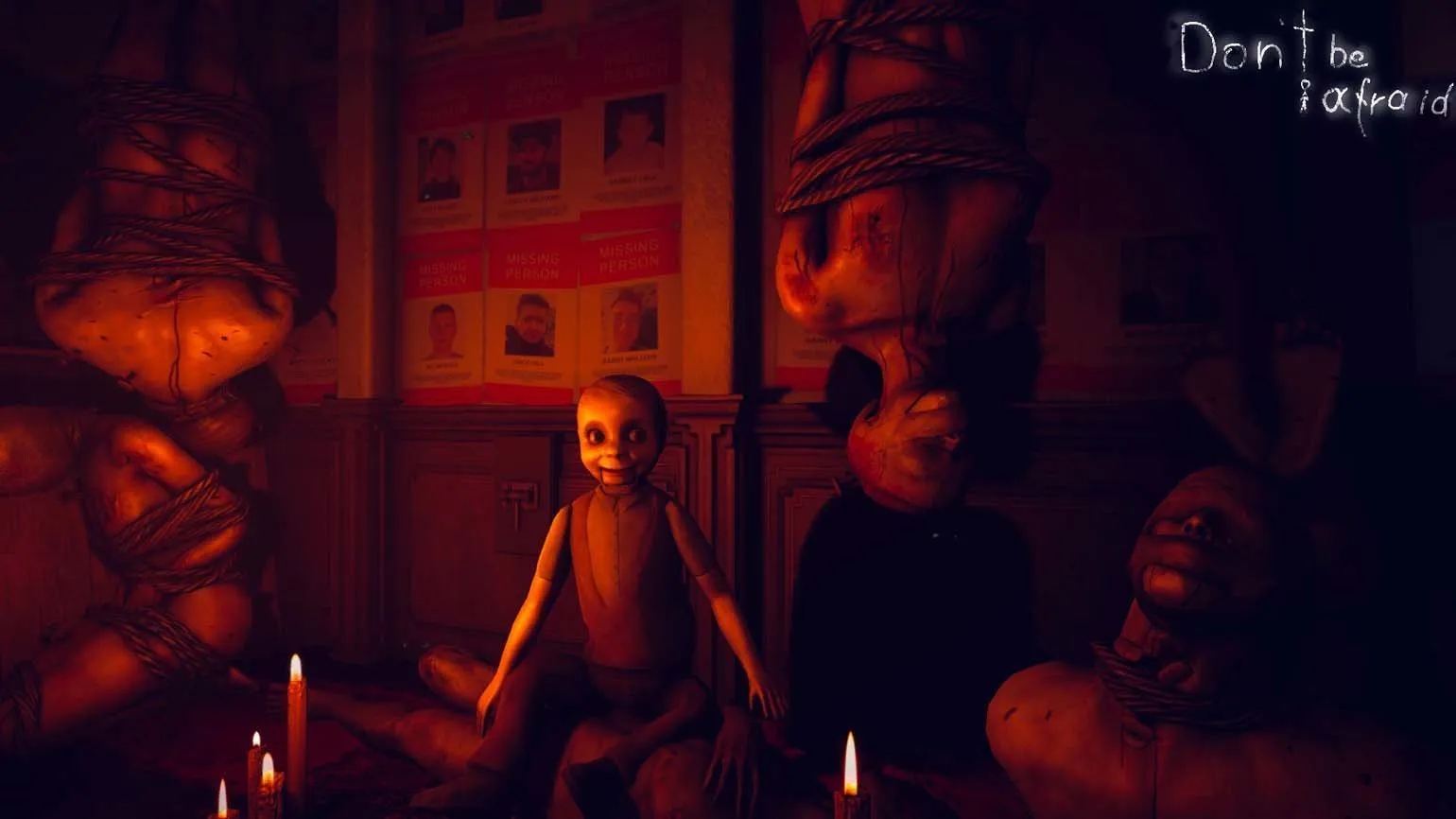
The impact of decorations on the human psyche is significantly increased in confined spaces. For example, solitary confinement in prisons can cause numerous negative psychological consequences for inmates. These consequences include increased anxiety, panic attacks, paranoia, and impaired cognitive function. Being in an isolated room without visual stimuli can lead to a deterioration in psycho-emotional state and a decrease in the ability to think clearly. Decorations and space design play a significant role in shaping the psychological climate, and their absence can negatively impact a person's psyche.
The theme of isolation becomes central to Silent Hill 4: The Room, where the protagonist, the melancholic introvert Henry, finds himself locked in his apartment. The door is chained, the windows are closed, and the telephone line is cut, leaving Henry completely alone. His cries go unanswered, and the only way to freedom is a hole in the bathroom that leads not to the neighboring apartment, but to other worlds. These alternate realities reveal the reasons why Henry found himself in such a strange and disturbing situation. Silent Hill 4 masterfully explores psychological isolation and fear of the unknown, creating an atmosphere of deep anxiety and tension.
Players can periodically peer through the peephole or spy on their neighbors through cracks in the walls. This is a natural reaction for people who find themselves in isolation. As the story progresses, the locked space ceases to be perceived as safe, and the apartment begins to take on threatening characteristics. The interior changes, a corpse is discovered in the refrigerator, and ghosts appear from the walls. This approach creates an atmosphere of tension and horror, enhancing the player's immersion in the game world.
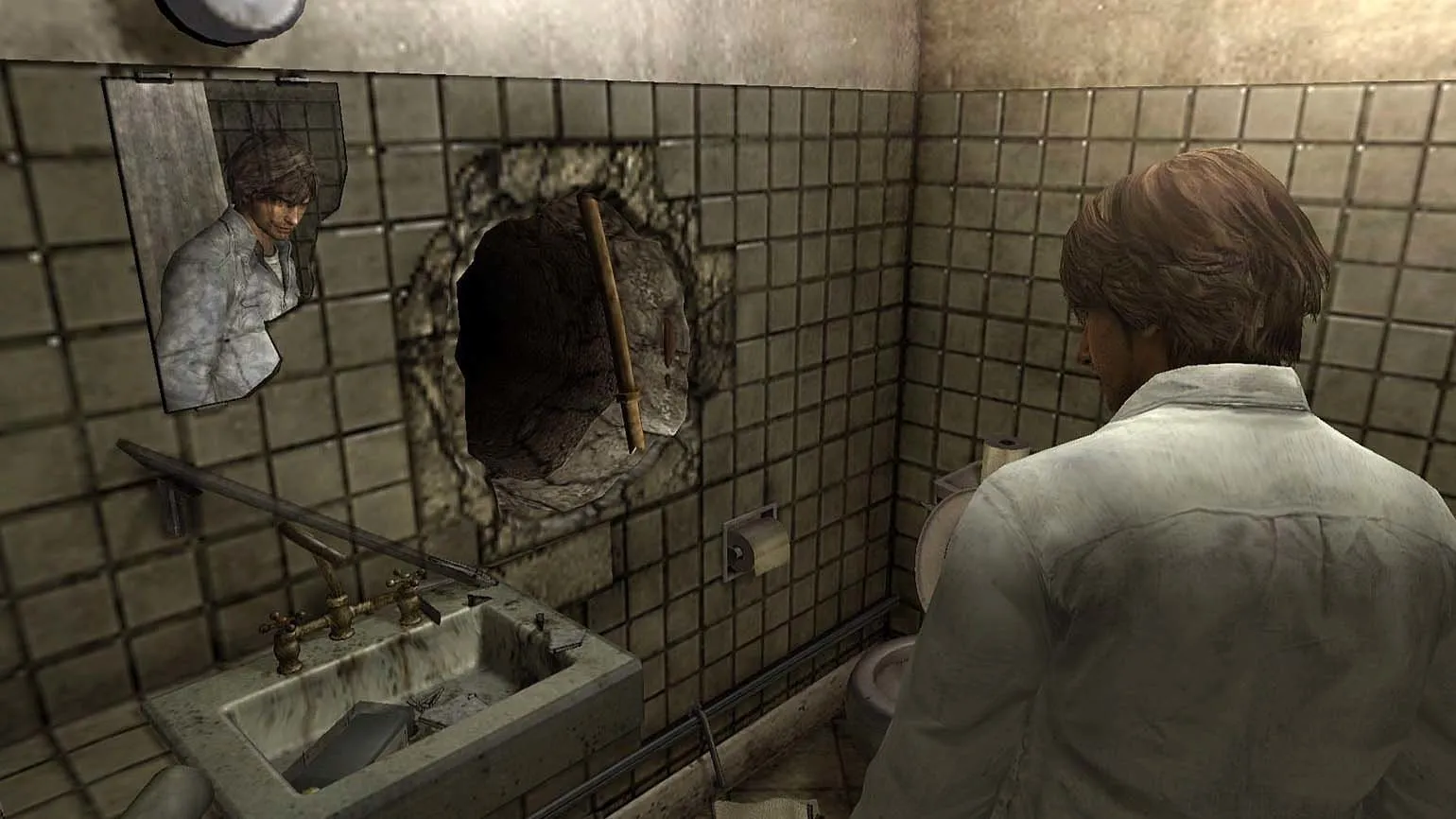
Techniques of keeping the player confined to a confined space, followed by visual transformation, have been used in previous installments of the franchise. For example, in Silent Hill 2, one can recall the small closet with bugs, and in Silent Hill 3, the room with the mirror. The player cannot remain in these places for long, but there is also no quick escape. These elements create tension and enhance the atmosphere of fear, making the game more memorable.
The indie horror game Isolation Simulator is a striking example of how confinement can affect the character's mental state. The game, currently in development, deeply explores the range of hallucinations that can occur in a person isolated for a long time. Through exaggerated imagery and sound effects, the project demonstrates how confinement can lead to a changed perception of reality. This approach creates a tense atmosphere, allowing players to immerse themselves in a world where the boundaries between reality and imagination are blurred.
Escape room games became popular thanks to reality quests and Hideo Kojima's Silent Hills Playable Teaser. This project emphasizes to the player: "If you want to leave, go ahead, no one's holding you here." However, in practice, the player finds themselves in a more complex and hopeless situation. These games attract attention with their atmosphere and puzzles, forcing participants to immerse themselves in a tense story and search for a way out of difficult tests. Interest in escape rooms continues to grow, as they offer a unique experience of interaction and teamwork, making them an ideal choice for entertainment and corporate events.
The player leaves the room, the door closes behind them, and they find themselves back in the same room. Escape from this vicious circle can only be achieved by performing certain actions. The game doesn't provide any hints, but if all steps are completed correctly, the room will begin to change with each new "loop." These visual changes impact the player, creating an atmosphere of tension and engagement.
Imagine a person becoming uncomfortable in a confined space. What would their condition be like if their personal space were further restricted? When a character moves through a narrow passage—whether on foot or crawling—maneuvering in case of danger becomes extremely difficult. In this context, the developer's imagination can run wild. Hallucinations, jump scares, ghosts, and even crawling creatures that can suddenly appear along the way are all appropriate here. All these elements serve to create an atmosphere of fear and tension, forcing the player to experience thrills and immerse themselves in the game world.
Uncomfortable camera
Limiting the field of view causes discomfort on a subconscious level, as the player loses control of the situation and sometimes finds themselves in a position where they are acting blind. One of the most common techniques used by developers is to use a fixed camera, which is placed in awkward places. The camera can be too far away, on the floor or the ceiling - anywhere, just so as not to show potentially dangerous areas in the frame, especially if threatening sounds are heard from there. This creates additional tension and enhances the atmosphere of fear, which makes the gameplay more exciting and tense.
This technique was first used in the horror genre in the game Alone in the Dark, released in 1992. In this game, three-dimensional characters moved around a pre-arranged background. At the same time, camera angles were used that created discomfort for the player, making it difficult to predict what would happen around the next corner. A similar approach to camerawork was used by the developers of the first three Resident Evil games, which we discussed in detail in another article. The technical solutions used in these games had a significant impact on the development of the genre and continue to be used in modern projects.

After this, the technique was widely used in games with 3D environments, such as Clock Tower 3, Rule of Rose, Kyon, Eternal Darkness: Sanity’s Requiem and, of course, Silent Hill. In recent years, the fixed camera has seen a resurgence in popularity, as evidenced by indie horror games such as Song of Horror and Dawn of Fear. In addition, many similar projects are in development, such as Vigil (formerly known as Residence of Evil), Simulacrum, Hollow Hills and Heartworm. These games emphasize a return to classic elements of game design that create a unique atmosphere of fear and tension.
To create the “awkward camera” effect in first-person games, it is necessary to limit the player’s field of view by adding elements of occlusion. This is achieved by darkening the environment, where dark areas are illuminated by light sources such as lanterns, lamps or candles. However, this approach only provides a partial view of what's happening in the room, heightening the sense of tension and uncertainty. The "awkward camera" effect makes the gameplay more immersive, immersing the player in an atmosphere of anxiety and suspense.
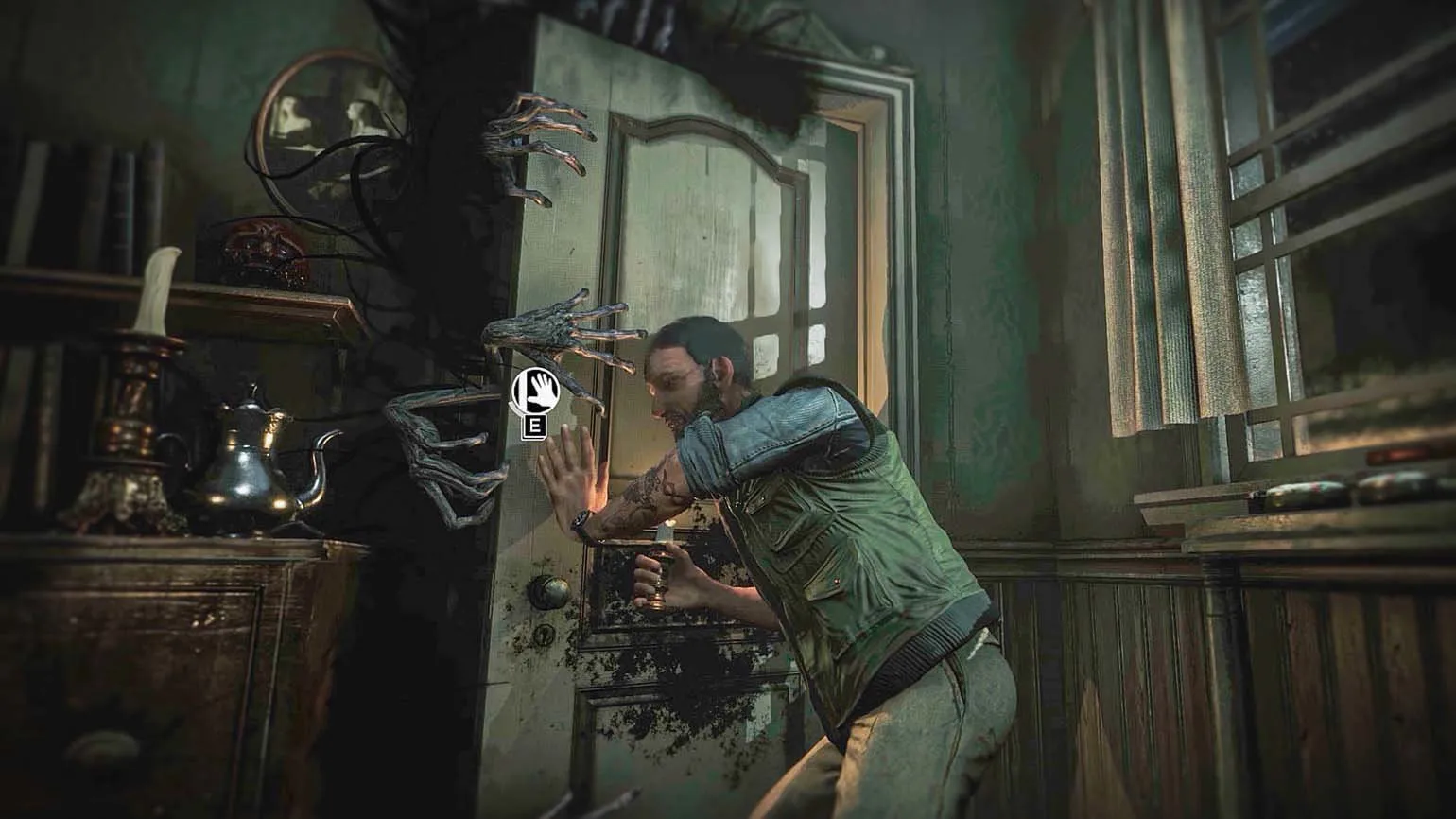
Rooms in video games can undergo visual changes, often related to the plot or characters' hallucinations. Portraits on the walls distort, furniture flips over, and the environment appears to melt. These elements aren't always frightening, but they effectively create atmosphere. In some games, such visual distortions become part of the overall design. For example, in Song of Horror, black spots on the walls serve as a signal to the player to urgently find shelter. Such details not only enhance immersion in the gameplay, but also help convey the emotional state of the characters and their interactions with the world around them.
Corridors
Corridors in horror games have long been a key element of level design. Roger Luckhurst, Professor of Modern and Contemporary Literature at the University of London, dedicated a book to this architectural element. The word "corridor" comes from the Latin currere, which translates as "to run." This is especially relevant given that the most tense moments in games, such as chases, often unfold in narrow, long passages. Corridors create an atmosphere of anxiety and enhance the feeling of isolation, making them an indispensable part of the horror genre.
The playable teaser for Silent Hills, created by Hideo Kojima, demonstrates a unique approach to creating an atmosphere of dread by focusing on exploring the same L-shaped corridor. This architectural technique is no accident. The curve of the corridor serves as a source of anxiety, as the player cannot predict what awaits around the next corner. The constant anticipation of encountering something terrifying heightens tension and creates a sense of hopelessness. This method of exploring the space allows for deeper immersion in the game's world and a more emotional experience of fear.
L- and T-shaped corridors are characteristic elements of the lower levels of the prison in Silent Hill 2. Players must navigate these maze-like paths to find the exit. However, getting lost in these corridors isn't the only challenge. An enemy can lurk around every corner, adding additional tension and requiring attentiveness. Understanding the prison's level structure and maintaining constant vigilance will help players successfully overcome the challenges that await in the dark corridors of Silent Hill 2.
A modern example of the horror genre is the game Song of Horror. It uses L-shaped corridors, a fixed camera, and procedurally generated events. These elements, combined with the lack of defensive and save options, heighten the atmosphere of fear and tension, making the gameplay more engaging.
If the player accidentally loses a police character during one of the episodes but decides to continue the game by switching to another character, they risk facing the threat of the dead cop. This may force them to restart the game from the beginning. Every run in this game presents a chance for an unwanted encounter with mortal danger, adding elements of tension and unpredictability to the gameplay. While controlling various characters, the player must be careful to avoid fatal consequences and successfully overcome all obstacles.
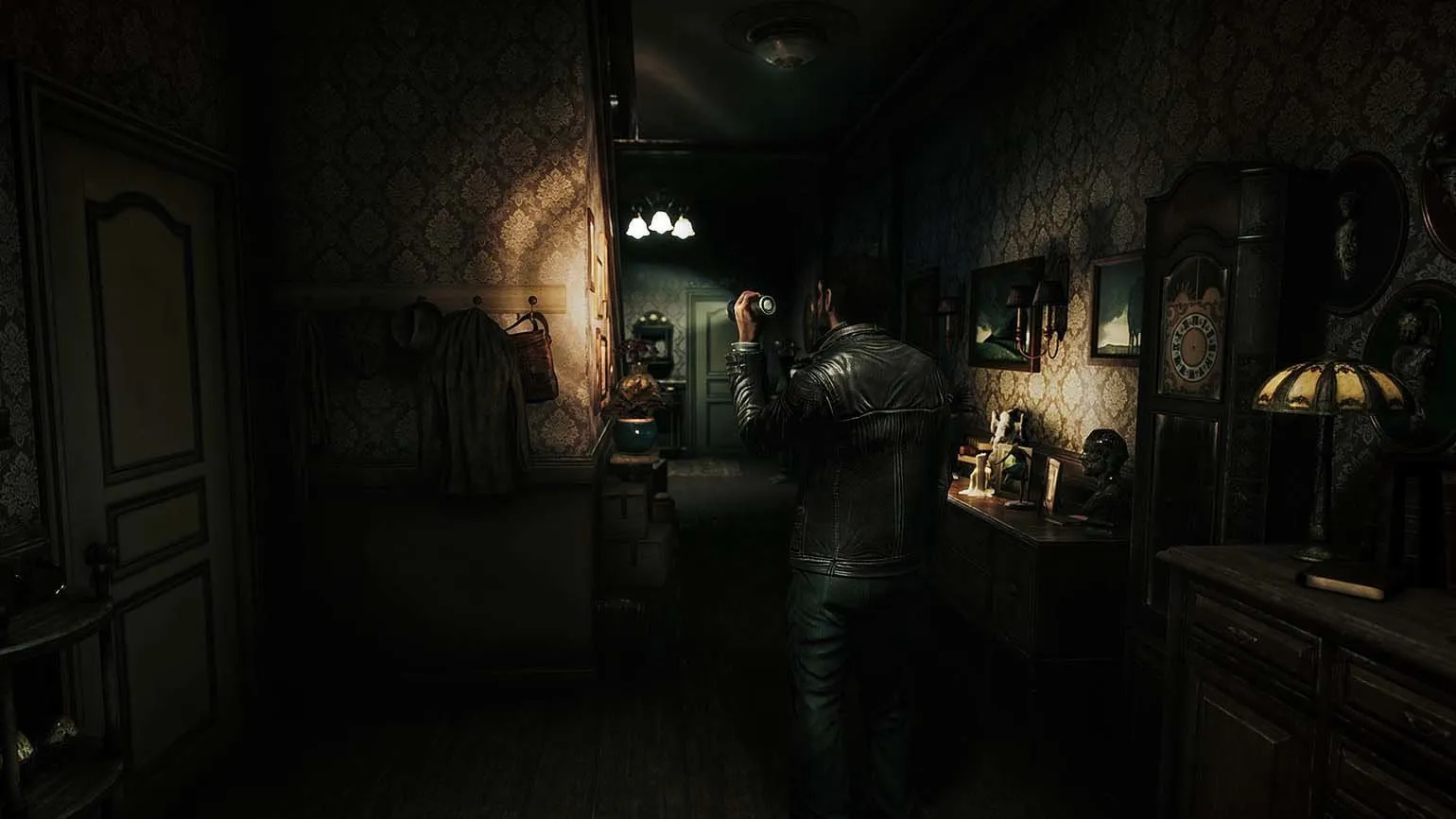
Straight corridors can evoke the same sense of dread in the player as L- and T-shaped ones. An endless horizontal corridor with no visible end point creates tension and anxiety. Luckhurst emphasizes that "anticipatory dread" occurs when the player passes side doors, heightening the sense of uncertainty and potential threat. Thus, even simple level architecture can serve as a source of psychological impact on the player, enhancing the game's atmosphere.
During sequences with straight corridors, slamming doors are often heard, and visual effects appear nearby, forcing the player to act with caution. Not everyone will dare to run forward without looking back, as there have been instances in games where a serious threat lurks at the end of such a corridor. Examples include Pyramid Head from the Silent Hill series and the naked twins from Outlast. These elements create tension and heighten the atmosphere of fear, forcing players to pay attention at every turn.
The horror genre boasts numerous elements that can influence player perception. However, the genre's success does not depend solely on these techniques. Competent game design, art direction, sound design, and writing are key to creating a tense atmosphere. Even the most original ideas can lose their effectiveness without professional execution and a harmonious blend of all aspects of the gameplay.
Developers must constantly seek innovative combinations of ideas. Overusing cliched elements from successful horror games can lead to players becoming mentally prepared for expected events, which in turn diminishes the overall impact of the game. To create a truly immersive experience, it is important to introduce original approaches and unexpected plot twists. This will help maintain player interest and make the gameplay more engaging.
In this article, we've repeatedly mentioned Silent Hill and the playable Silent Hills teaser, which are recognized as some of the best in their genre. However, who knows, perhaps a new project will emerge in the future that will set new standards of quality and offer unique mechanics for creating an atmosphere of fear and tension. Expectations for the next horror games are getting higher, and developers have the opportunity to introduce innovations that can completely change the perception of the genre.
Game Designer Profession from Scratch to PRO
A game designer creates the structure of a game. They develop the concept, rules, and gameplay, and decide what emotions the story will evoke in players. You'll master game design principles from scratch and learn how to work with popular engines like Unity and Unreal Engine. You'll learn how to keep players engaged and monetize your games. And we'll help you start a career in the gaming industry.
Find out more