Contents:
Learn: The Profession of Game Designer from Scratch to PRO
Learn MoreHellblade: Senua’s Sacrifice is deservedly considered one of the most significant games of 2017 and, perhaps, of the last ten years. Developers Ninja Theory aimed to convey the essence of psychosis to players and remove the stigma associated with this condition. The game offers a unique immersive experience, conveying the sensations of someone hearing voices in their head that question their every action and contradict each other. This project is not only entertaining but also provokes profound reflection on mental health and its perception in society.
The studio uses binaural sound in Hellblade, allowing players using headphones to immerse themselves in the game's atmosphere. The voices seem to surround the player, creating a unique and immersive sound experience. This significantly enhances the emotional load and immersiveness of the gameplay.
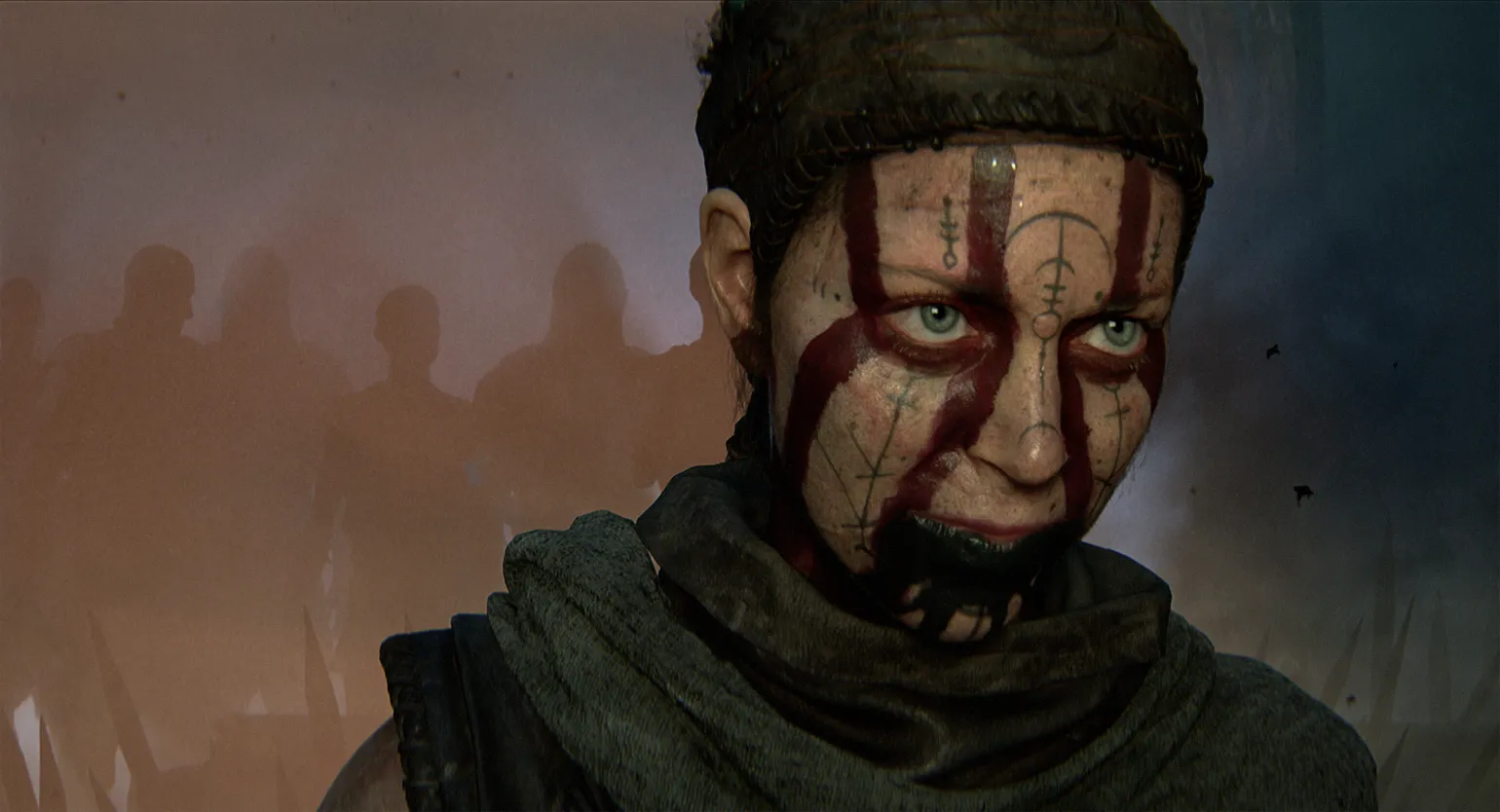
The plot centers on the protagonist Senua, who believes herself to be cursed and constantly hears voices accusing her of this. She travels to Hel with the head of her beloved, hoping for his resurrection. Her perception of reality differs from the objective reality, and she believes this is possible.
Subscribe to our "Checkpoint" Telegram channel. Here you'll find a comfortable space to discuss games and their development. We share helpful tips from experienced developers and inform you about significant updates to popular programs. The comments are open to your suggestions and discussions on topics related to game development. Join us to stay up to date with all the latest news and trends in game development.
Psychosis is an altered perception of reality that can significantly impact a person's life. According to psychiatrist Paul Fletcher, who collaborates with Ninja Theory, people suffering from psychosis have an imbalance between assumptions and evidence. The human brain operates relying not only on sensory perception, but also on assumptions, predictions, and expectations. To adequately understand the world, it requires patterns and associations. Their absence can cause feelings of anxiety and fear, which emphasizes the importance of mental health and a stable perception of the surrounding reality.
The balance of perception can shift toward assumptions, which is sometimes beneficial. However, if this shift becomes excessive, a person begins to construct their own reality, which does not correspond to objective reality. As a result, the perception of the world is distorted, and objective reality fades into the background. As Fletcher notes, psychosis can arise precisely under such conditions.
In her journey through hell, Senua relies on her own assumptions. She notices details that seem absent: signs in the surrounding space and faces appearing in the rocks. Senua also constantly encounters hallucinations, which become part of the real world for her. The voices in her head complement this dark and frightening experience, creating a unique atmosphere for her journey. This internal conflict between reality and perception makes her journey unique and filled with emotional experiences.
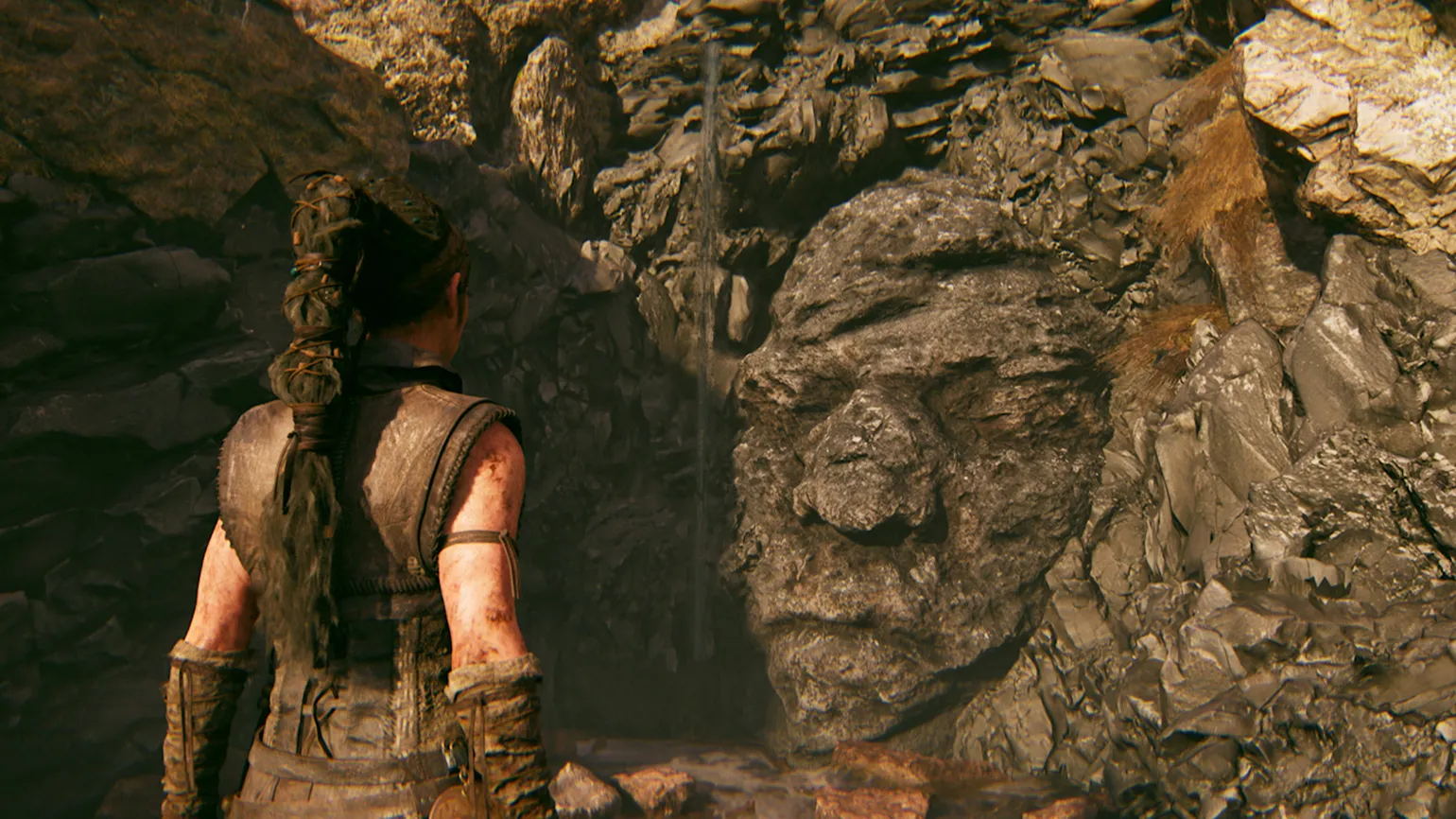
At the end of the first Hellblade, Senua's inner balance shifted in favor of objective reality. The heroine accepted the voices that haunted her, as well as what she calls the darkness. This process of purification helped her realize her true essence and understand her inner demons. Senua gained an understanding of herself and her place in the world, which became an important step on her path to healing and self-acceptance.
In the second part of the game, according to the game director, Senua stops being a victim of her psychosis and begins to accept it as part of her journey. She balances on the edge between objective and fictional realities, realizing the existence of both. This internal clash adds depth to her character and makes the plot more multi-layered, allowing players to better understand her experiences and internal conflicts.
Having studied the topic with the help of Professor Fletcher and a focus group of people experiencing psychosis, Ninja Theory successfully integrated symptoms into gameplay. However, experience has shown that not all symptoms easily translate into engaging gameplay. The first Hellblade was criticized for its puzzles involving finding hidden symbols. Players had to find specific viewing angles to spot the symbols, which caused frustration.
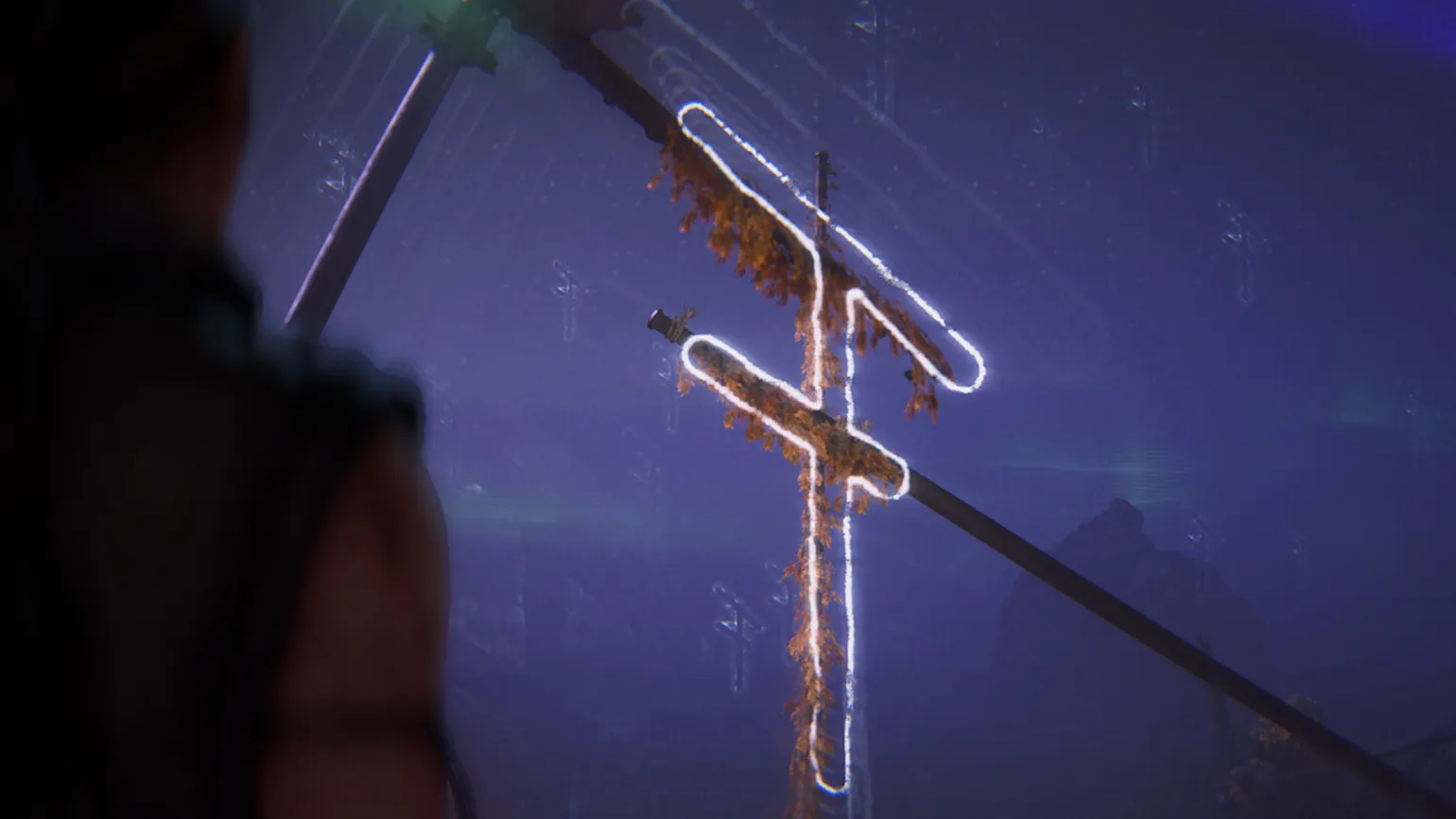
In the second part, Ninja Theory improved the puzzle mechanics. Riddles with secret symbols appear only three times and have become more engaging. Instead, the developers introduced new types of puzzles in which players must modify the environment to open passages. This approach makes the gameplay more interesting and more accessible compared to searching for hidden symbols in the environment.
The first part of the game was criticized for monotonous battles and a lack of enemy variety. In the second part, the developers decided to simplify the combat system even further. Now the player does not need to control the arena, as during the fight with Senua, the enemy enters the arena one at a time. The player can only alternate attacks, dodge, parry, and use special abilities. This change reduces the depth of the gameplay and makes battles less exciting.
In this game, fights occur less frequently than in the first part, but they are more intense and memorable. With high-quality animation and meticulously choreographed moves, players feel the weight and power of Senua's every move. She fights with all her might, creating the feeling that she's on the edge of her abilities. This makes every battle spectacular and tense, immersing the player in a cinematic atmosphere.
Hellblade 2 has an interesting feature: the gameplay has become less interactive compared to the first part. Players sometimes find themselves in a state of uncertainty, where it is unclear whether they need to press a button to move forward or whether the developers have taken control again, allowing Senua to move independently. This can cause mixed feelings among users, as the reduced control over the character affects the overall gaming experience.
Hellblade 2 has transformed into a walking simulator, and, unfortunately, the environments are not very diverse - they are mostly rocks and cliffs. Although visually impressive, this does not make the gameplay more engaging. Deviating from the main path is only worthwhile to find secrets that can reveal additional elements of the lore. Otherwise, the game boils down to simply moving around, listening to dialogue and voices.
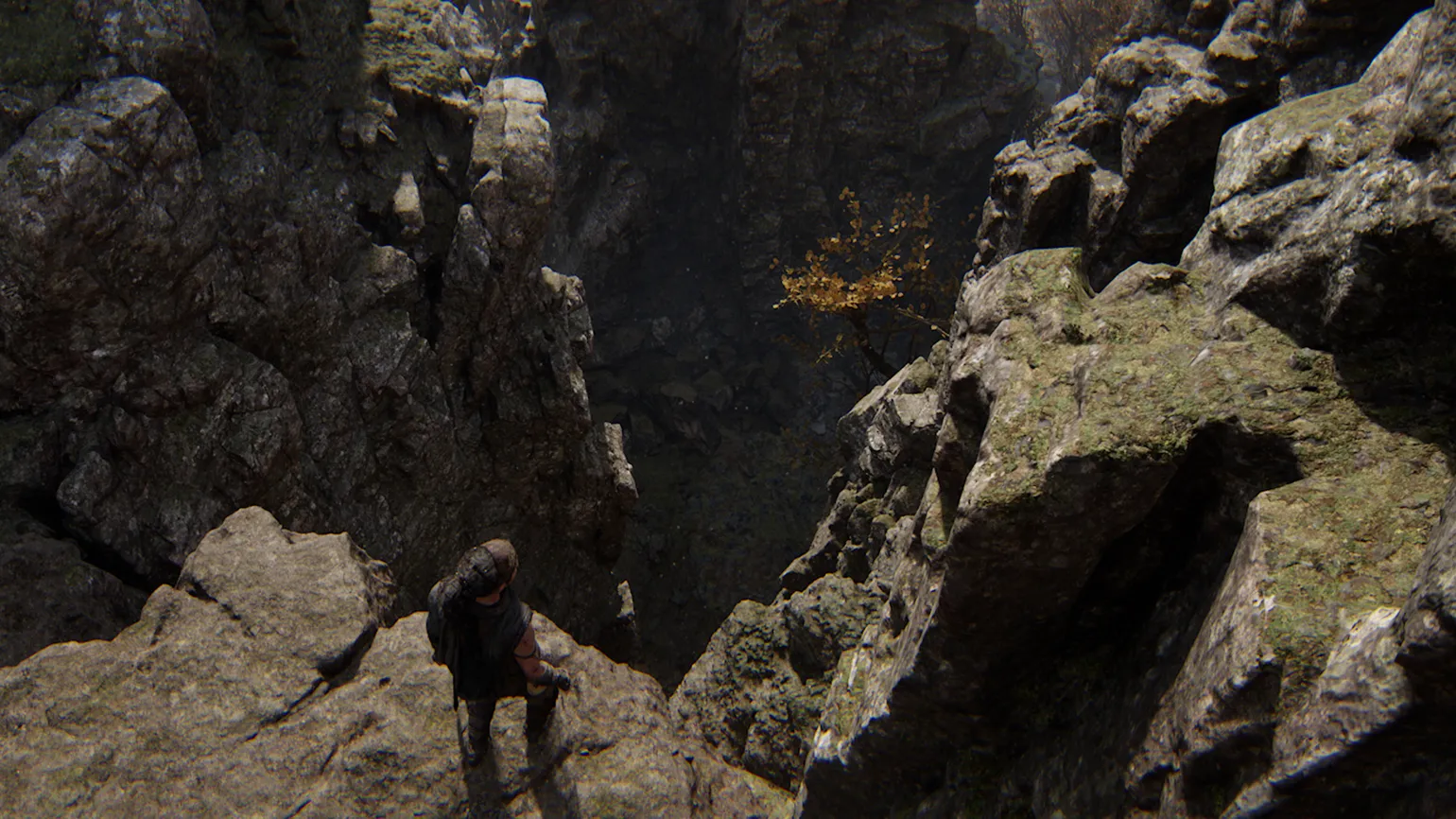
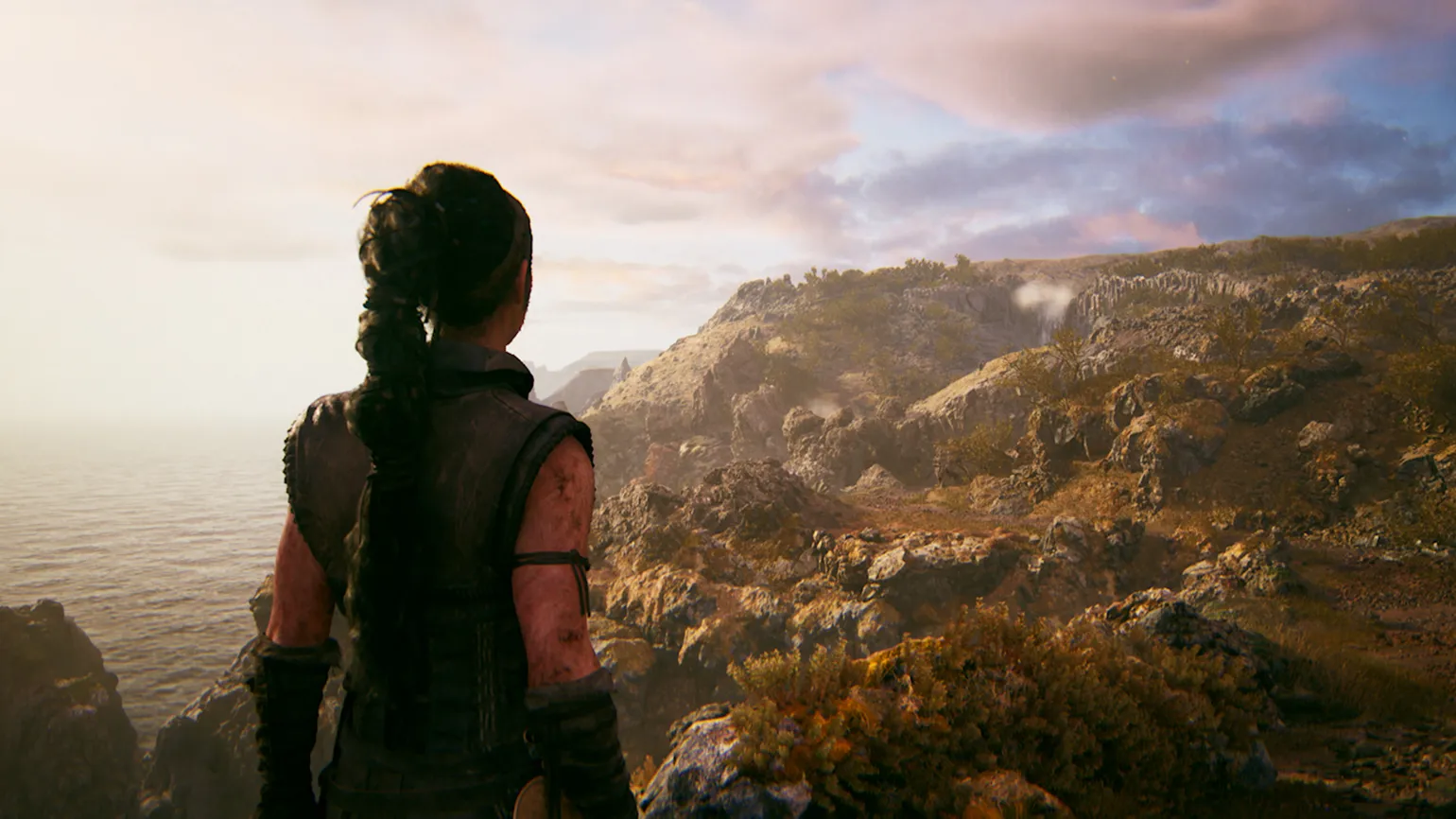
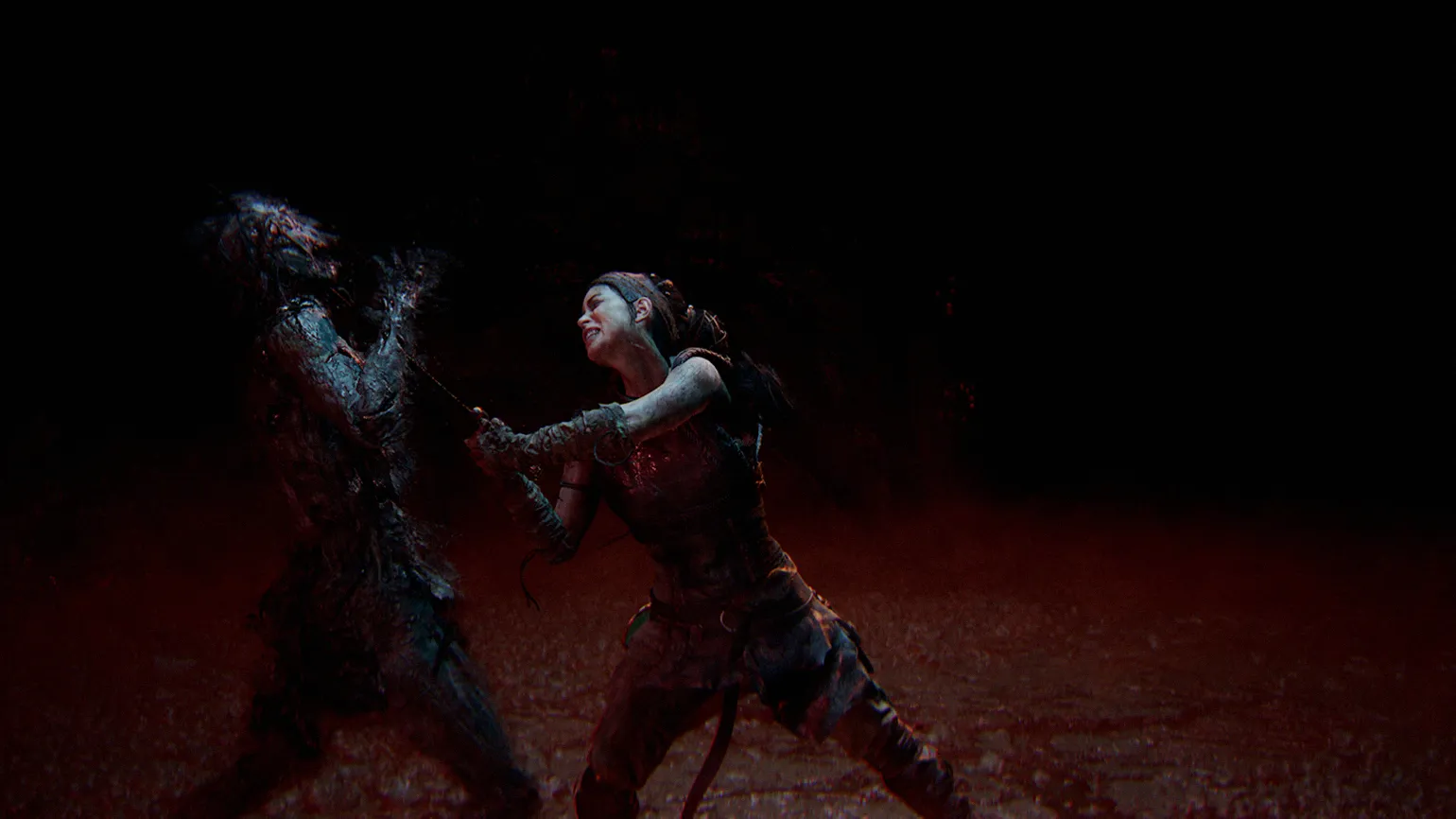
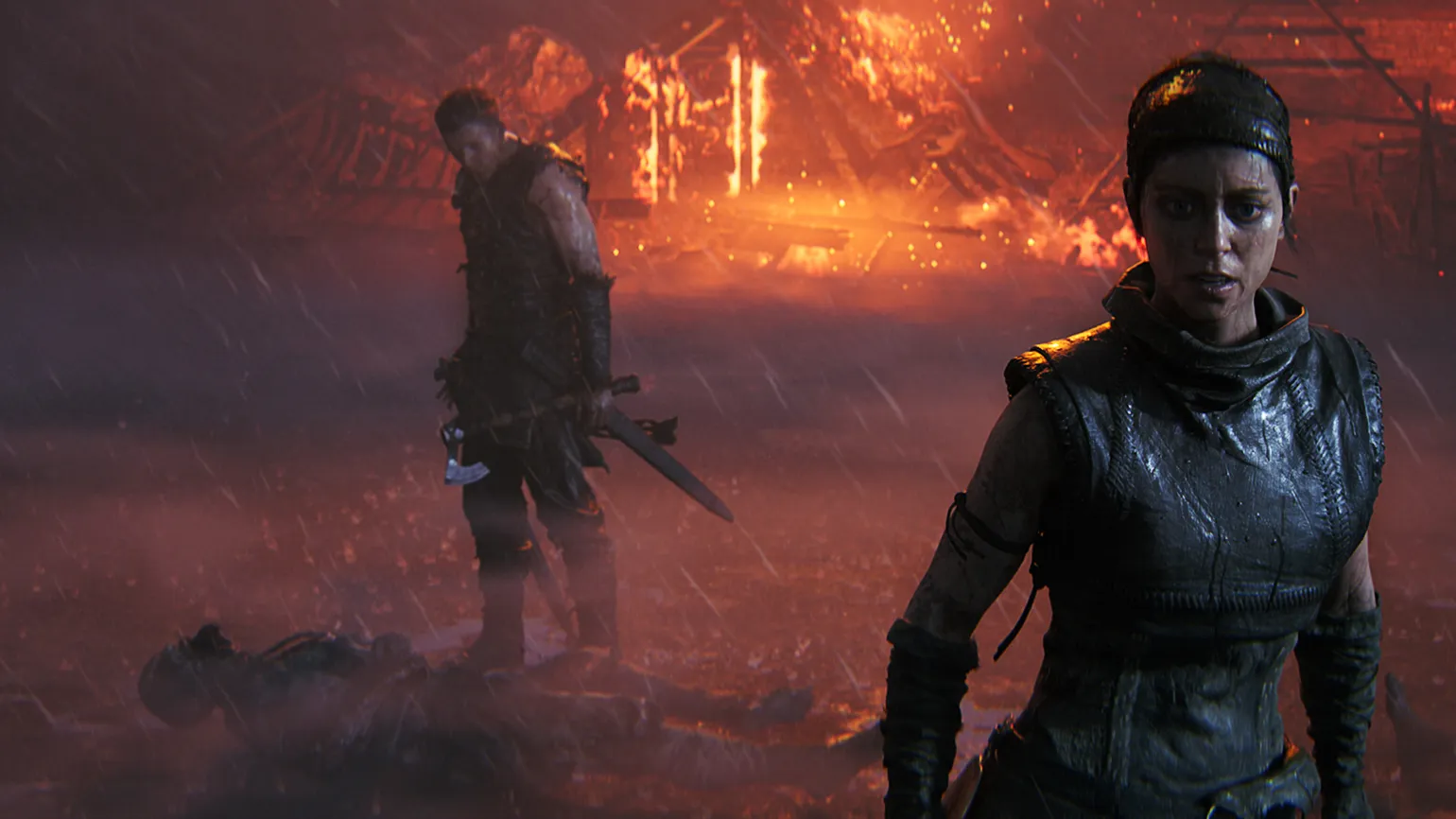
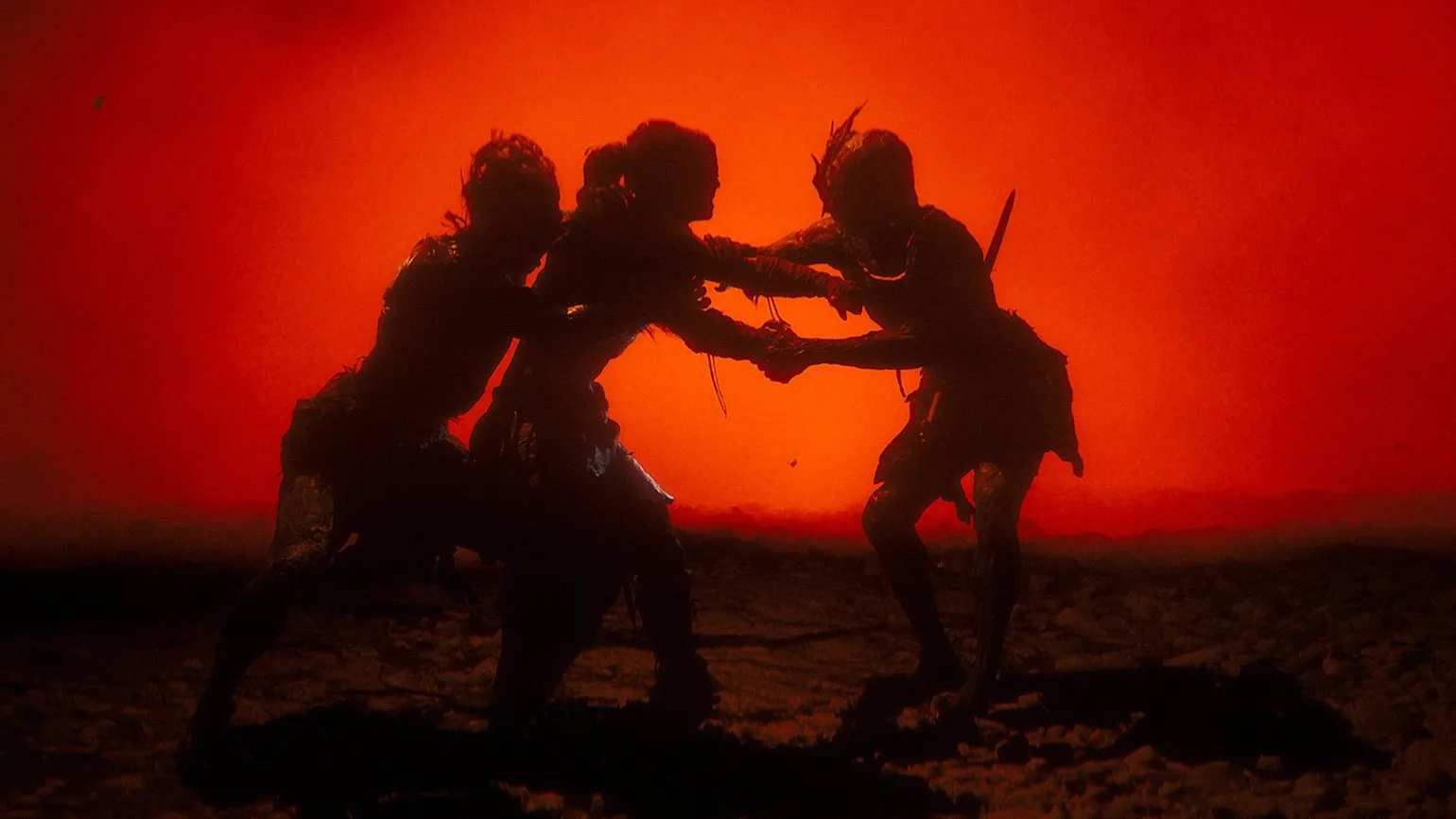
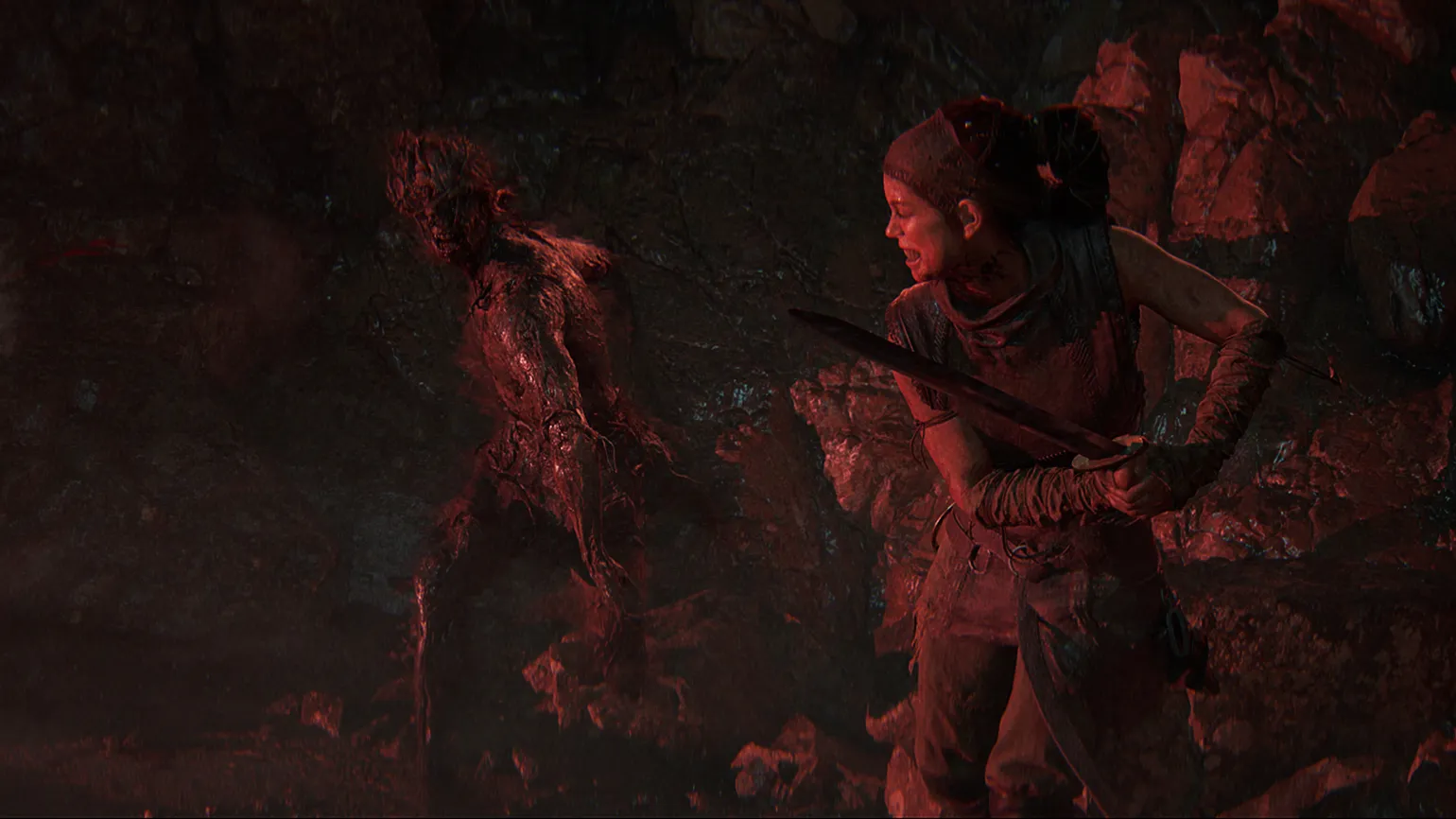
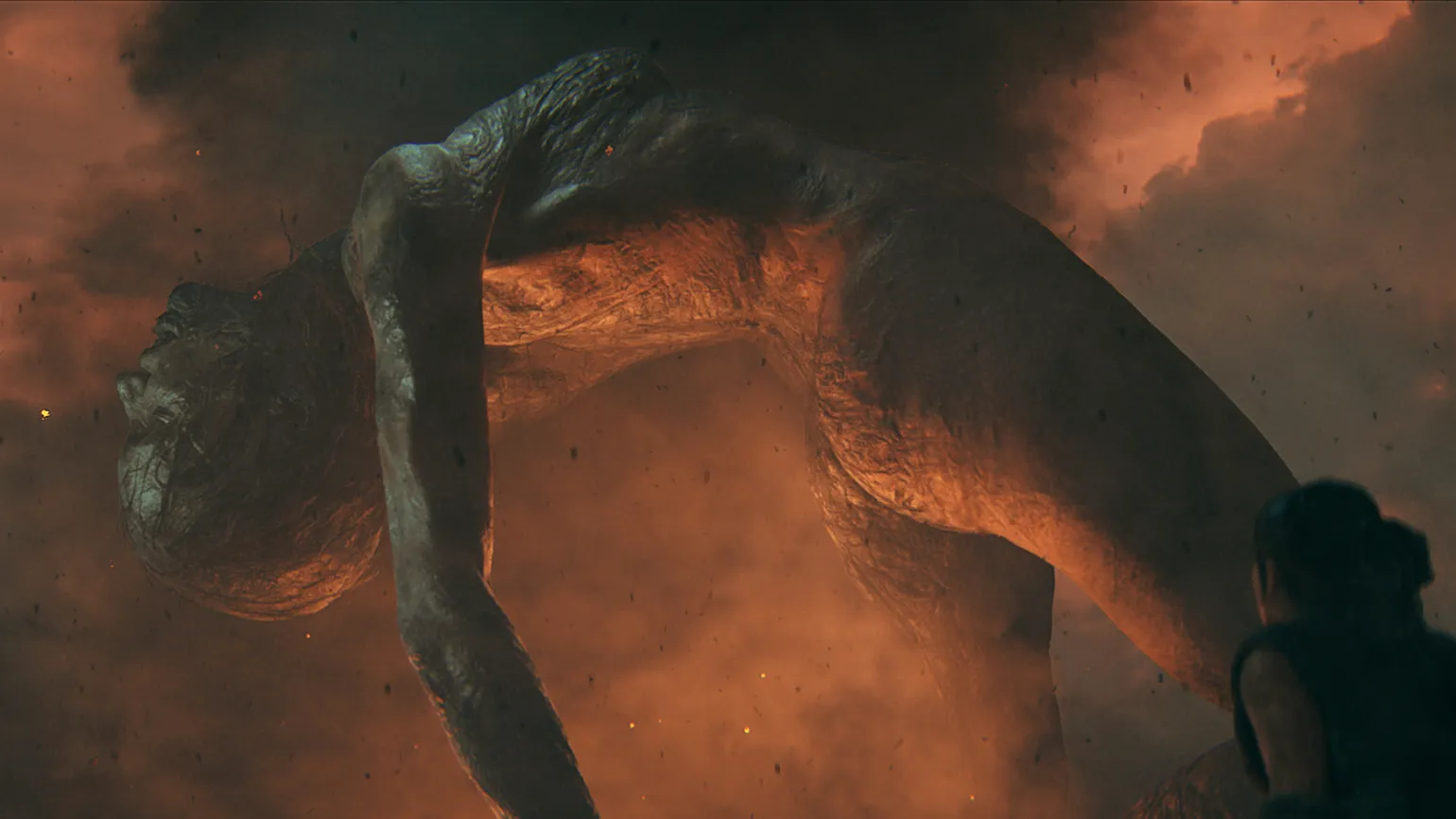
Ninja Theory chose a unique setting for its project – wild Iceland. This dead land, ravaged by giants from Jötunheimr, is ideal for conveying the detachment and inner reflection of the protagonist, Senua. The visuals are enhanced with fractals, emphasizing the duality of her perception of the world. However, it's worth noting that Hel, the character from the first game, was significantly more interesting and multifaceted.
Ninja Theory strives to create the right mood and convey the heroine's emotions in Hellblade 2, but it's important to remember that the game remains interactive. Players expect an engaging gameplay experience that includes active interaction and interesting control mechanics. The focus should be not only on the character's emotions, but also on creating an immersive gaming experience that will hold users' attention and ensure their engagement with the story and gameplay.
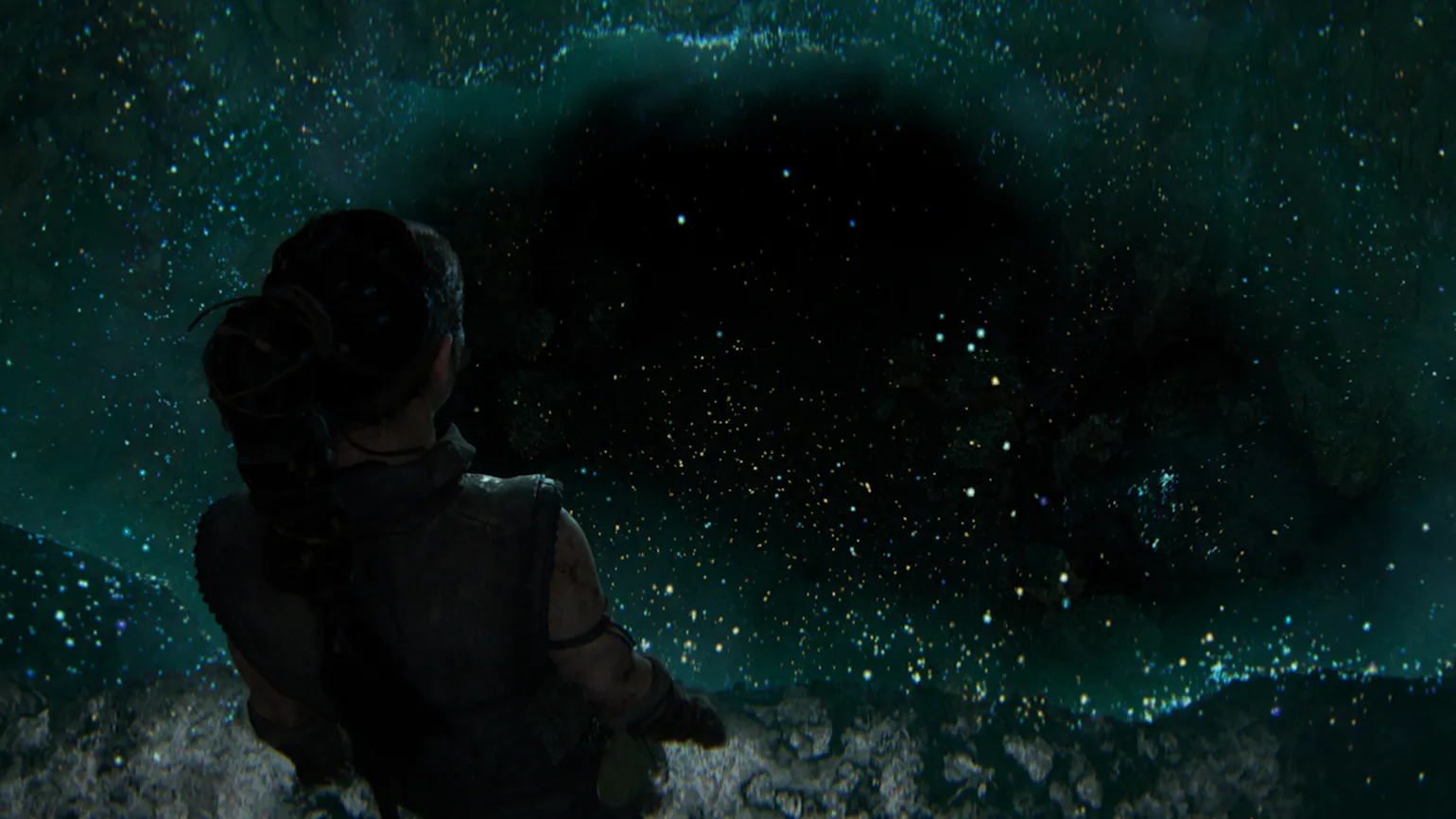
The main thing about the first part is that it is Senua’s personal journey deep within herself. She faces many internal conflicts and follows a clear path. Wearing the head of her lover, which contains his soul, Senua travels to Hel with the goal of reviving him. During her journey, she comes into conflict with herself, arguing with the voices that destroy her from within. Ultimately, her quest lies in self-acceptance and reconciliation with the Furies who constantly condemn her. This journey becomes not only physical, but also a deep emotional process of self-discovery and inner harmony.
The sequel lacks the depth of the original. In this part, Senua no longer faces her own internal conflicts, but rather solves the problems of other characters. Reconciling herself with the voices hasn't improved the gameplay. They mostly provide support to the heroine, only occasionally expressing doubts about her actions. Senua barely interacts with them, creating the impression that their presence is not all that significant. It's like those annoying moviegoers in the cinema, watching her adventures but not affecting the plot.
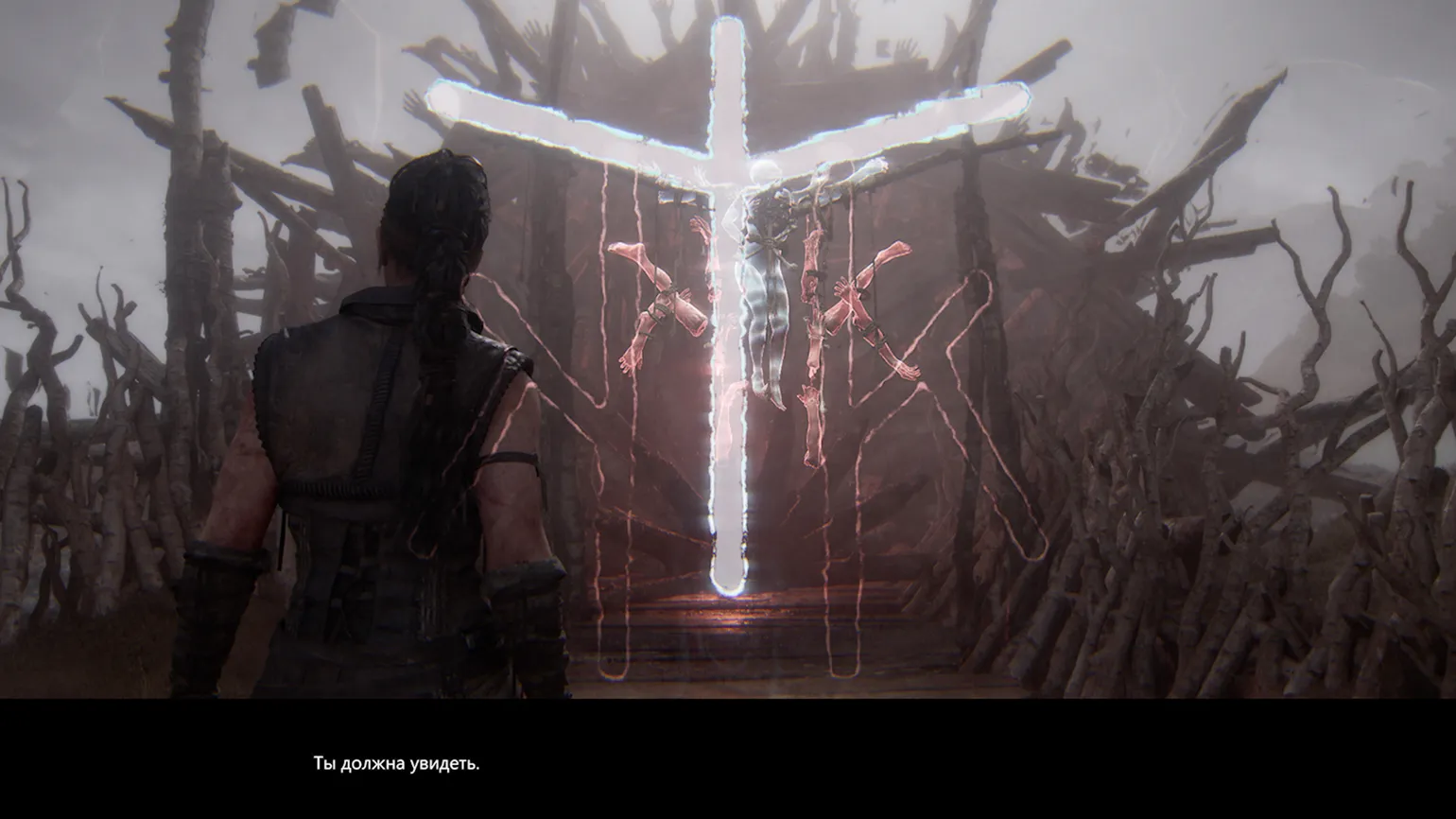
In Hellblade 2, Senua continues to feel deep self-loathing, believing that all the misfortunes happening around her are the result of her actions. However, in reality, she has no basis for such thoughts, as she actively helps those she meets along the way. Thus, the voices she hears represent false beliefs. Senua still faces the shadow of her father, but even this does not affect her internal struggle.
Senua faces new challenges in Hellblade 2, but her inner experiences and reflections seem less sincere, since she already overcame significant difficulties in the previous game. After experiencing hellish trials, Senua found a solution to her problems, and now her emotional reactions feel artificial. This creates a certain dissonance and makes it difficult to deeply understand her inner world in the sequel.
The first game had a coherent structure and meaningful social themes, which made it vibrant, despite some shortcomings. The storyline was clearly articulated and served as the foundation for everything that happened. In contrast, Hellblade 2 feels fragmented, as the story lacks a clear narrative core. Senua meets various characters, but none of them develop into interesting individuals. They are given insufficient time, and the conflicts feel simplistic and predictable.
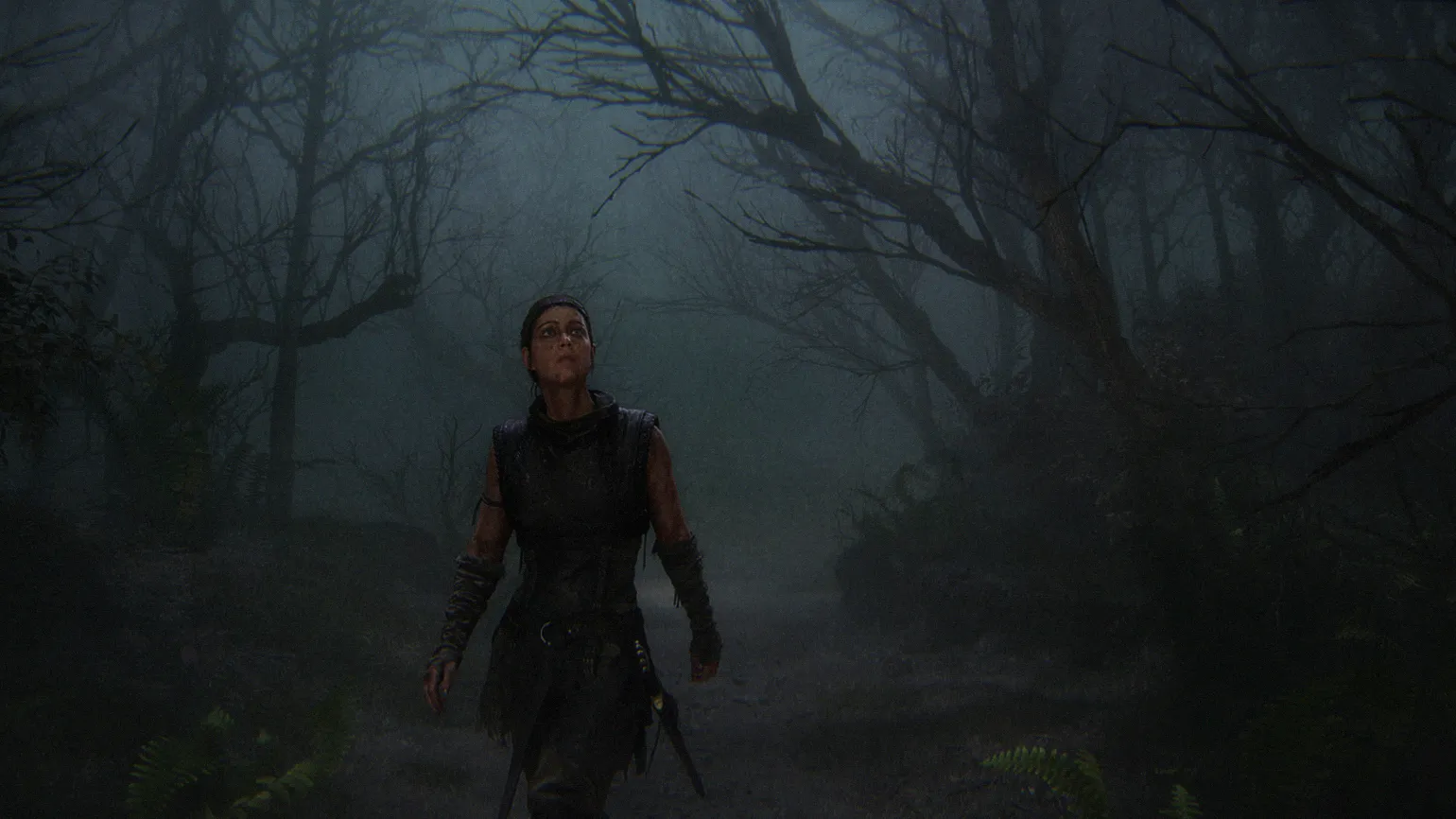
In the first half of the game, Senua seems to be wandering aimlessly through the world. Only later does she find her true purpose and inner motivation – to fight the giants. This transition from an aimless journey to a clear task creates tension and increases interest in the development of the plot.
The first part of Hellblade: Senua's Sacrifice presented a grand idea that allowed the game to forgive many of its shortcomings. Unsurprisingly, it occupied top positions in lists of the best games and was awarded various prestigious awards. Hellblade 2, however, lacks such a concept. It's simply a sequel that lacks the same social relevance and offers no new ways to portray Senua's psychosis.
It's a sequel that removes all the bad elements, leaving only high-quality direction. However, the game hardly deserves any awards, as it lacks novelty and original ideas.
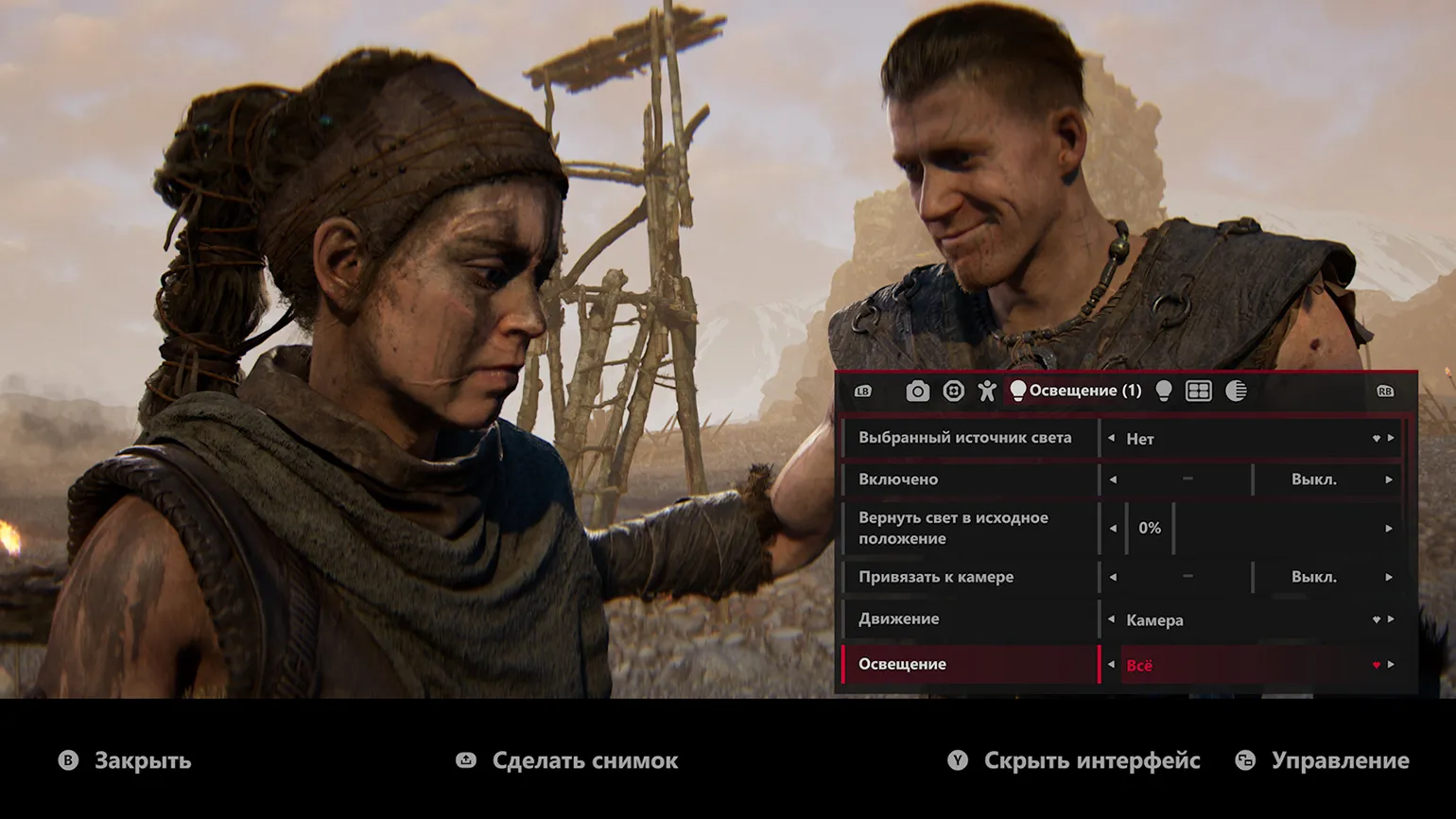
Hellblade 2 is an outstanding audiovisual work that captures attention even without the usual interactivity typical of video games. This project places an emphasis on exceptional sound work and masterful use of voices, which allows players to deeply immerse themselves in the game’s atmosphere. High-quality headphones are recommended for the full sound design. Professional production also contributes to a unique experience that surpasses many other games in the genre.
The second part of the game continues the tradition of the first, creating an atmosphere permeated with sounds and effects that deeply immerse the player in Senua’s psychosis. This fictional space becomes not only believable but also multi-layered, allowing for a better understanding of the heroine’s inner world. Her psychosis distorts her perception of reality, and the game masterfully immerses her in her unique universe, filled with guesses and symbols. For such people, this world becomes absolutely real, and the second part allows players to feel this connection on a deep level.
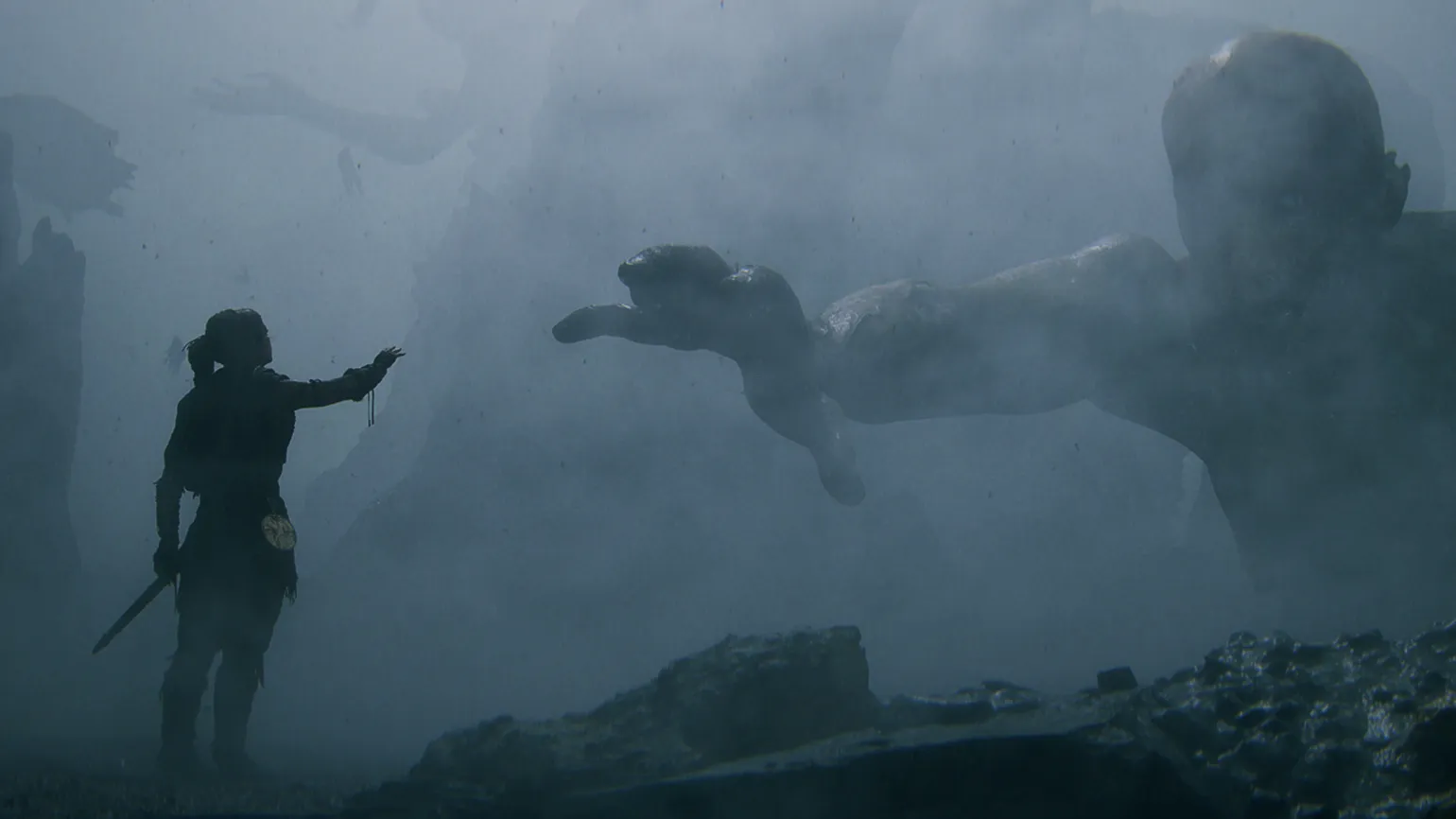
Senua’s Saga: Hellblade 2 tells the story of Senua breaking free from the grip of her psychosis and the whispering voices. She has learned to perceive fiction and reality with equal clarity. She now possesses the ability to choose her own path, which opens up new horizons on her journey. The game delves into psychological themes, showing how the heroine overcomes internal conflicts and finds strength within.
After the release of the first Hellblade, it’s unlikely that a simple sequel will be enough. Players expect novelty and bold ideas that can replicate the success of the original. Innovative approaches and creative solutions are needed to attract audience attention and create a truly unique gaming experience.
Subscribe to our Checkpoint Telegram channel. Here you will find interesting materials about games and their development, as well as useful tips from industry professionals. We regularly share the latest updates to popular programs and software. Your comments are always welcome: you can suggest ideas for new articles or discuss any game development topics. Join our community and stay up to date with the latest news from the gaming industry.
Game designer profession from scratch to PRO
A game designer creates the structure of a game. They think through the idea, rules, gameplay, and decide what emotions the plot will evoke in players. You'll master game design principles from scratch and learn how to work with popular engines like Unity and Unreal Engine. You'll learn how to retain player interest and monetize games. And we'll help you start a career in the gaming industry.
Learn more