
Who are you in the world of game development? Find out in the free course ➞ You will try out 3 professions in practice: game designer, 2D artist, and Unity developer. Create your first Mario-style game. Click here for more details.
Learn moreTechnical Implementation of Shooting
In modern shooters, there are two main approaches to implementing shooting: Hitscan and Projectile-Based. Hitscan involves using weapons without a physical projectile, with shots being detected instantly. In contrast, Projectile-Based uses physical projectiles that are subject to the laws of physics and have a flight time. Both approaches have their strengths and weaknesses, and the choice between them depends on the goals and concept of the game project. It is important to understand how these mechanics affect gameplay and the shooting experience in order to create an engaging and dynamic experience for players.
When a shot is fired in a game with the Hitscan mechanic, an invisible beam is created from the gun's barrel, which checks whether it intersects the enemy model. If the beam hits the target, damage is dealt instantly. This approach ensures high reaction speed and accuracy in dynamic games on small maps. The beam range can be limited, for example, to 100 meters. Hitscan is widely used in popular games such as the Counter-Strike series, Team Fortress 2, and Call of Duty, where fast and accurate shooting is essential.

Hitscan is rarely used in games focused on realism and scale. For example, if a sniper in the Battlefield series can instantly kill an enemy at a distance of 2000 meters, this significantly disrupts the game's balance. Such projects use a different shooting method that more realistically reflects the physics and range of weapons. This creates a deeper and more immersive gameplay experience, where players must consider bullet flight time and target distance, adding a strategic element and requiring greater precision.
Each shot generates a physical model of the projectile or bullet. Unlike Hitscan, these projectiles have mass and move through the game space at a set speed. They are subject to gravity and other physical effects, making gameplay more realistic and dynamic. Using physically based projectiles adds depth to the gaming experience, allowing players to consider trajectory and the impact of the environment on their actions.
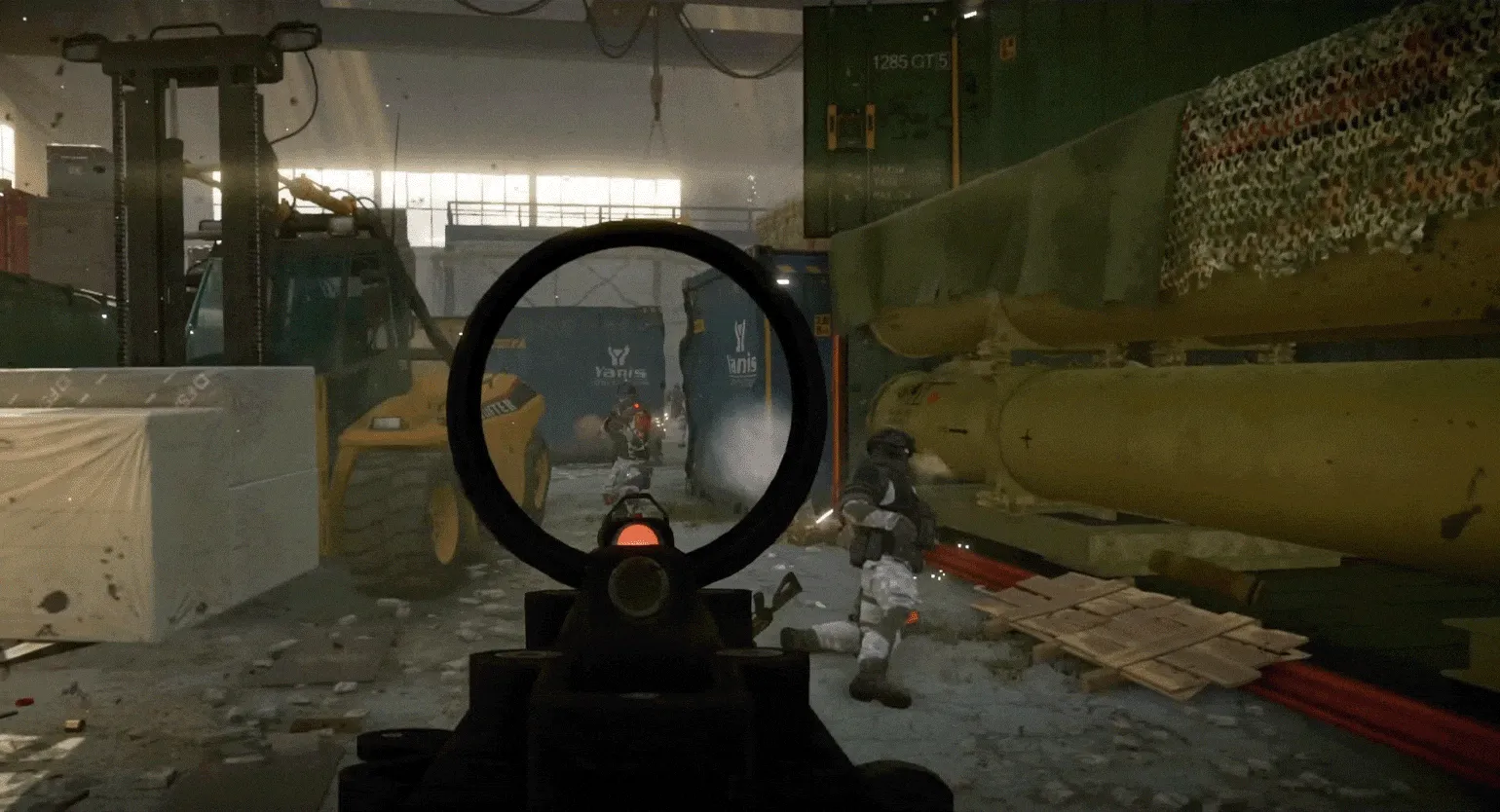
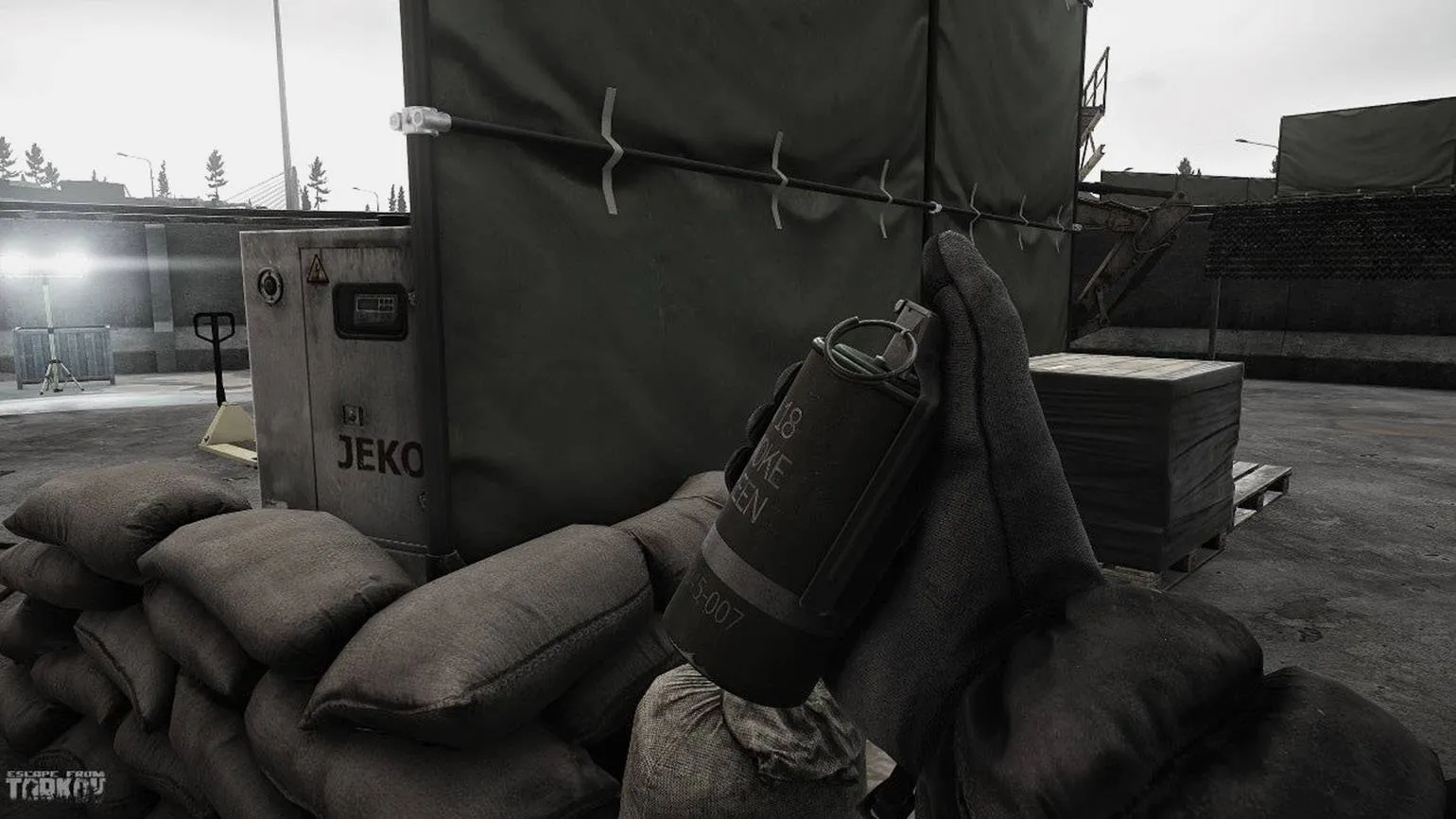
In Escape from Tarkov, players must carefully monitor weapon barrel wear and armor penetration. As the projectile flies, the game calculates its position every frame, taking into account various conditions, and checks for collisions with objects such as characters, walls, and other environmental elements. When a collision is detected, damage is inflicted or an effect, such as an explosion, is activated. This makes the gameplay more realistic and requires players to take a strategic approach to using weapons and interacting with the environment.
Advantages The advantages of this approach lie in its realism and wide gameplay possibilities. Players have the opportunity to learn to dodge missiles by precisely calculating the firing distance. They also have to consider more complex parameters when using different weapons, adding depth and strategy to the gameplay. This level of interaction increases player interest and engagement, turning each game session into a unique experience.
A sniper must not only accurately estimate the distance to a target but also consider its direction of movement and the bullet's angle of impact. These skills help players discover hidden gameplay possibilities that the developers may not have foreseen. Fans of the Battlefield series have shared videos of unique ways to destroy aircraft, for example, by jumping out of a flying plane and firing a flare gun at it in mid-air. Such creative approaches add interest and variety to the gameplay, emphasizing the importance of strategic thinking and precision in sniper actions.
This approach has several drawbacks. Each projectile requires specific calculations, which increases the server load and increases the technical requirements for the user's gaming hardware. These calculations can cause desynchronization between players, leading to situations where a character's elimination is registered after they take cover behind an obstacle. This creates the need for developers to carry out significant optimization, otherwise, players may experience dissatisfaction.
Many modern games integrate different approaches to game mechanics, due to their complexity and diversity. An example of such a game is the shooter Warface, which combines three main approaches, providing players with a unique gaming experience.
- The Hitscan approach. This includes projectiles and bullets that hit faster than the server can process the information. This is important, as many maps in the game are compact and the battles on them are extremely dynamic. To minimize the delay in recording shots, it is more logical to use an approach with a lower load. In this situation, an instant hit from a sniper rifle will not harm the gameplay, but on the contrary, will save it. Otherwise, the balance of game classes will be disrupted, and no one will be interested in playing as a sniper.
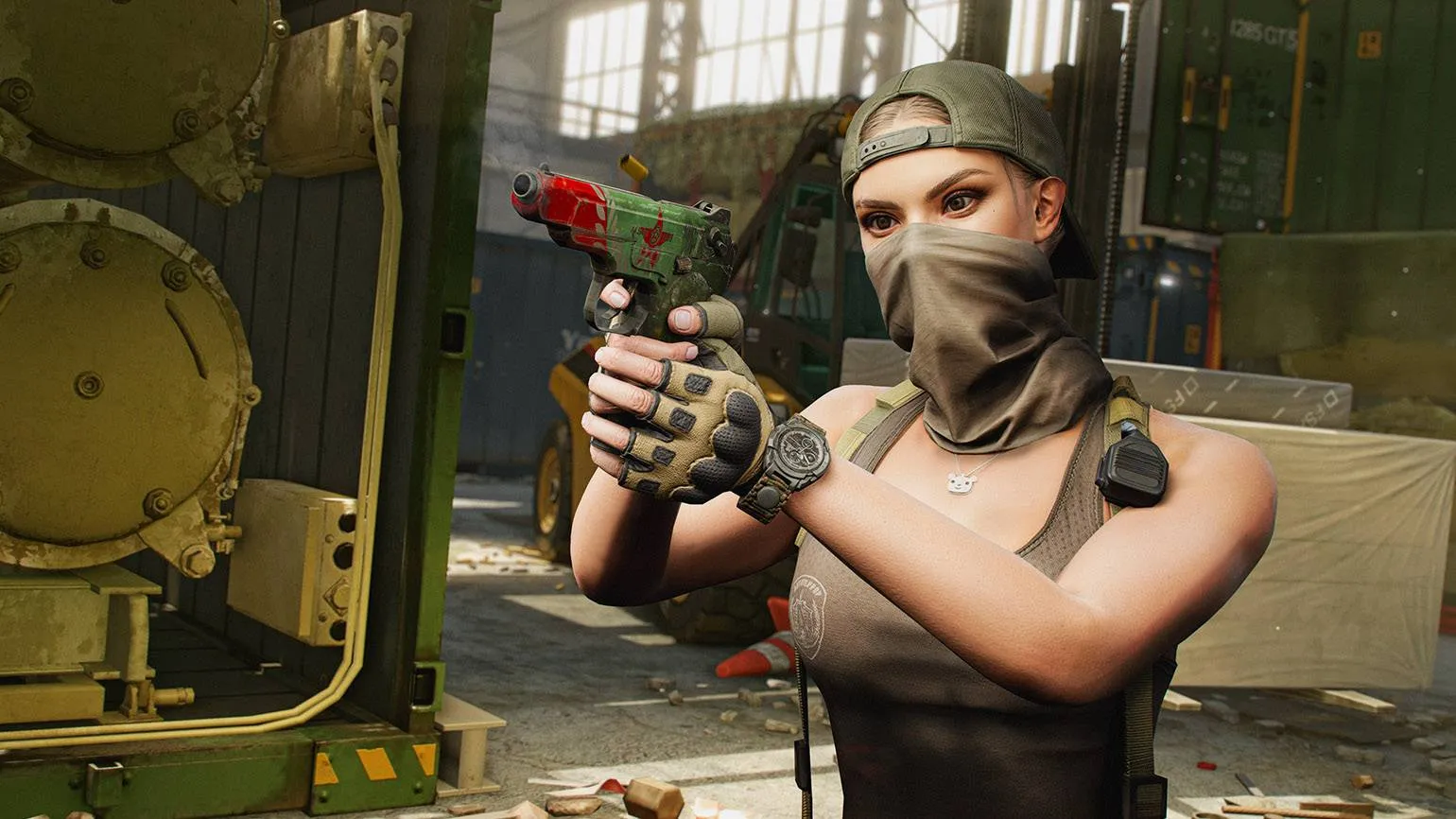
- Projectile-Based Projectiles. These include slow-moving projectiles, such as grenades. Their technical implementation works as follows: the projectile is generated locally (on the player's computer) and predicts its flight path, sending data to the server. The server verifies the information. If the trajectory it calculates differs from the player's information, the server's prediction will prevail. The server then sends feedback to the local version, which causes the player to experience various explosion effects.
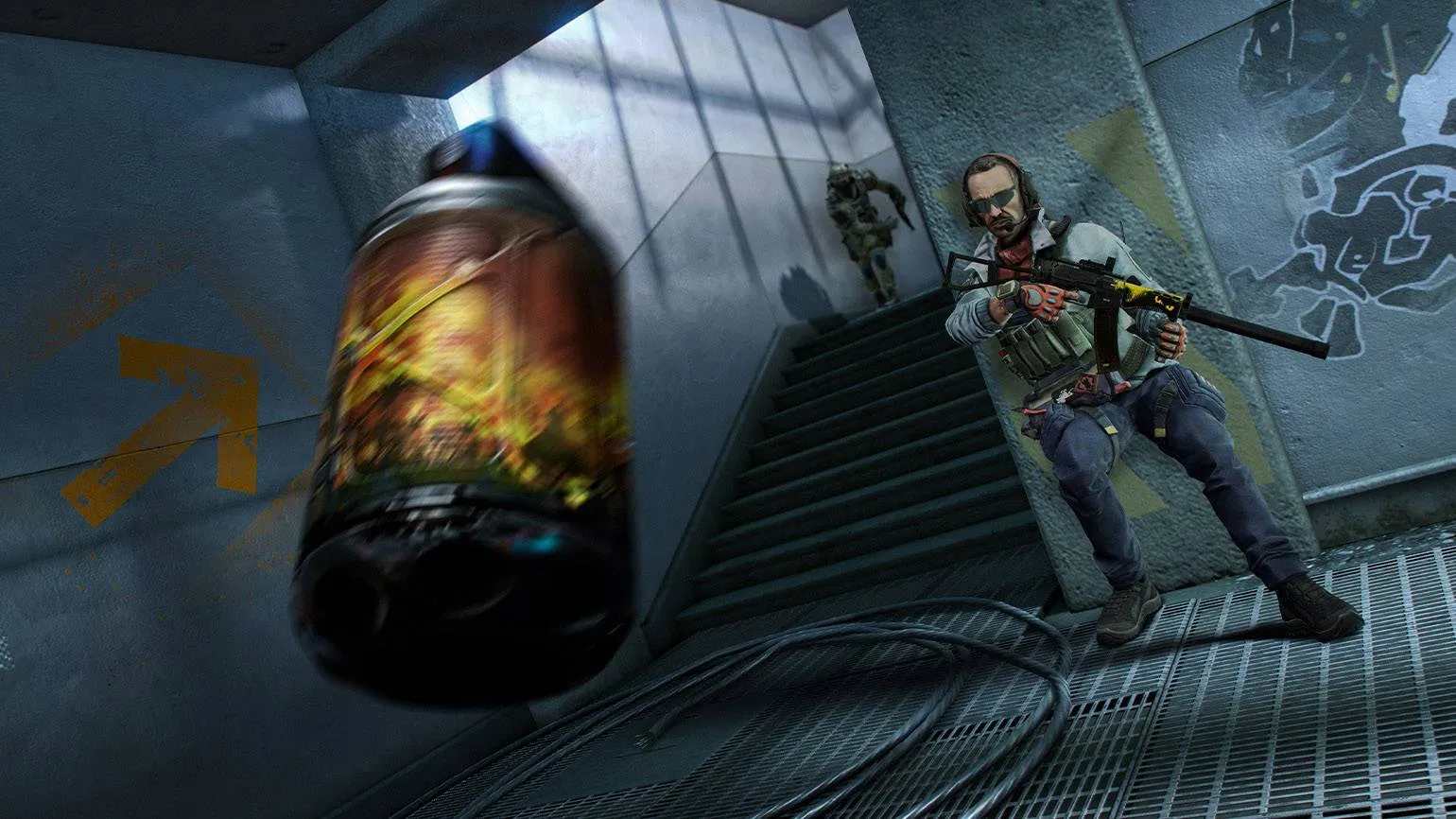
- Fast-flying projectiles. The most technically complex type of projectile, which includes, for example, the tomahawk. Due to their flight speed, they manage to hit their target faster than they are registered on the server. The approach to working with them is similar to the second type of projectile, but differs in the separate work of the client and server.
After the shot, the damage is recorded for the second player. To achieve this, the developers implement an invisible shell, known as a Hitbox, for each character model. The Hitbox has a shape similar to the model, but to improve the efficiency of interaction between the client and server, it is created from simple geometric objects such as cubes and polygons. This speeds up data processing and improves overall game performance. Hitbox optimization plays a key role in ensuring the accuracy and smoothness of gameplay.
Character damage zones are adjusted with the Hitbox in mind, and the damage amount can change depending on design settings. Limb hits deal 50% of base damage, body hits deal 100% (base damage), and head hits deal 200% (critical damage). The server records hits based on the projectile type, either directly or by comparing data received from the client. This approach allows for more accurate modeling of combat mechanics and provides variety in gameplay.
Aesthetic Implementation of Shooting
In the previous article, we discussed how developers create a comfortable environment for players by focusing on gameplay mechanics. Now we will turn our attention to the visual and audiovisual components of gameplay, which make up 99% of the player's experience. In this context, it is important to consider how to make weapons and interactions with them aesthetically pleasing. The aesthetics of weapons in a game not only influence the overall perception but can also significantly increase the level of player engagement. Design, textures, and sound effects must work harmoniously together to create a unique and memorable experience. Every element, from shape to color to the sound of a shot, must be carefully considered to ensure players feel satisfaction and enjoyment when using a weapon.
The process of weapon development in video games begins with concept art created by artists. This artwork plays a key role in shaping the weapon's visual identity, consistent with the game's style. Futuristic shooters emphasize elegant lines and advanced technology, emphasizing the high-tech nature of the world. In contrast, post-apocalyptic settings emphasize rust, worn parts, and improvised elements, reflecting the chaos and survival of a devastated world. Thus, concept art not only sets visual guidelines but also contributes to the creation of a unique atmosphere, immersing the player in the game's reality.
Based on concepts, 3D artists create highly detailed models, which are then optimized for the game engine. For example, the developers of Warface use open-source data to create weapon models. These sources include performance specifications, descriptions, official catalogs and manuals, as well as photographs and video footage. It is important to maintain a balance between the realism of the model and the requirements of gameplay. PBR (Physically Based Rendering) materials are used for texturing, which allows for realistic interaction of objects with light. During the texturing stage, special attention is paid to details such as scratches, engravings, chips, and other elements, which contributes to a believable visual experience in the game.
In Warface, new weapons are selected in advance, 9-12 months before their introduction. Designers rely on analysis of the existing arsenal and key concepts defined for the year. This allows you to create weapons that not only attract attention with their gameplay and design, but also harmoniously complement each other, providing a balanced gameplay.
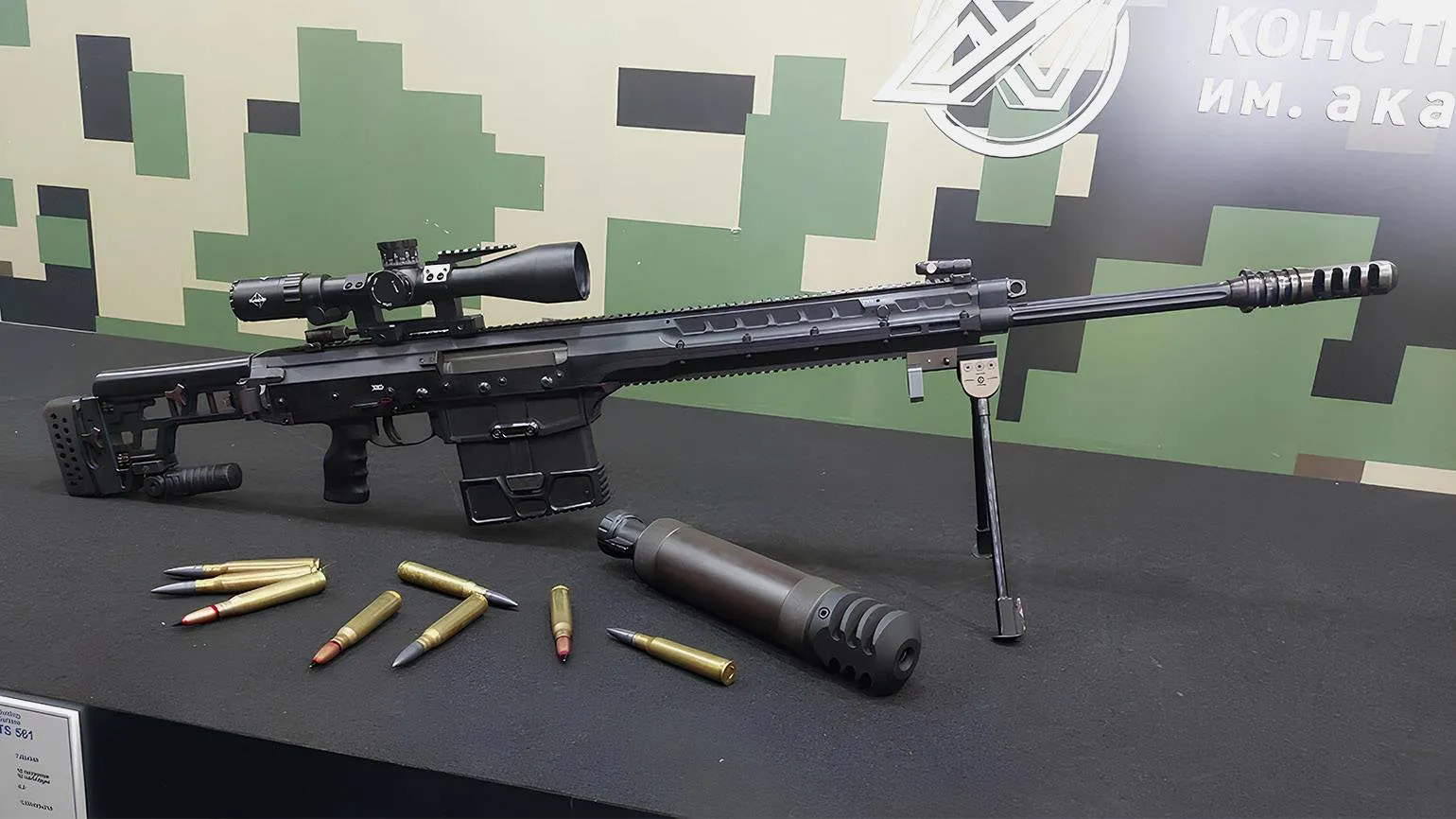

The images show the MC-572 Astarta semi-automatic sniper rifle. The developers chose identical camera angles to demonstrate their attention to detail in the model and textures. When transferring weapons into the game environment, we strive to accurately reproduce all elements, including the smallest details, such as the internal parts of animated objects such as magazines and ammunition. This allows for a more realistic gaming experience and emphasizes the high quality of execution.
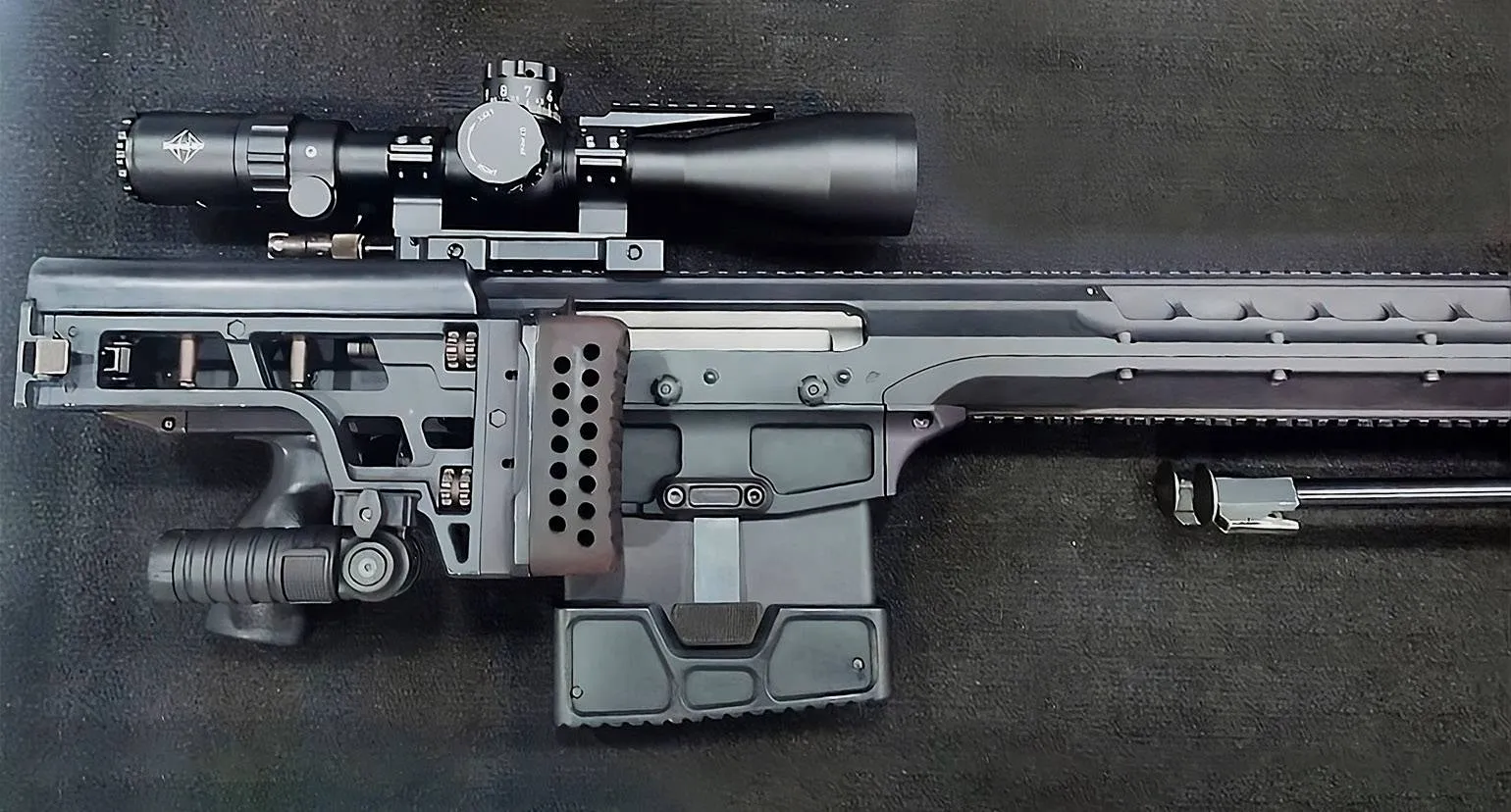
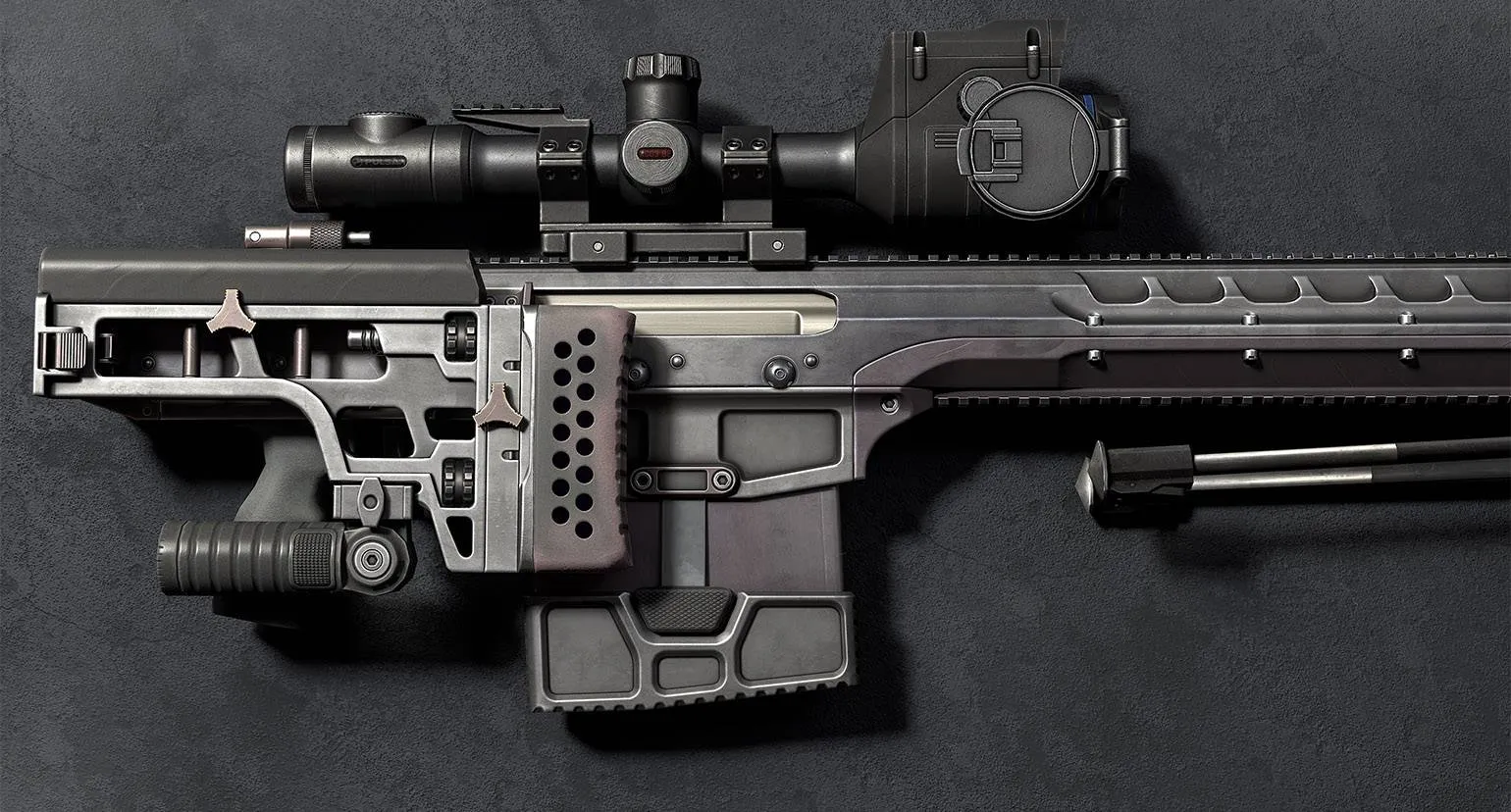
The production process of creating weapons in video games takes on average three months. This period encompasses all stages, from the development of technical specifications to testing the finished model in-game. During development, two 3D models are created for first- and third-person shooters, as well as texture sets. Integrating weapons into the game editor requires adjusting their characteristics, enabling visual effects, and creating icons for display in the game showcase. Additionally, a full set of animations is developed for each weapon, including character stances with weapons in the interface. This comprehensive approach ensures a high level of detail and realism in the game, significantly improving the user experience. Reloading, firing, and weapon handling animations play a key role in creating the unique character of each firearm. Heavy machine guns feature slow reloads and noticeable recoil, emphasizing their power and weight, while pistols are animated with fast and precise movements, reflecting their maneuverability and speed. These details not only enhance player engagement but also make gameplay more realistic and immersive. Proper weapon animation helps create an atmosphere where players can truly feel the differences between different types of firearms.
There are many approaches to creating animations in video games. When developers strive for maximum realism, as seen in series like Battlefield and Call of Duty, they often use motion capture technology. This method allows for the motion capture of real-world weapon models and characters, which adds life and believability to the game. In cases where the emphasis is on stylization, developers may create animations manually or adapt motion capture, as is done in Overwatch and Fortnite. This approach allows for the development of a unique style and adds artistic elements to the animation.
Animation plays a key role in games and must be synchronized with gameplay. It must match the firing delay and weapon behavior. For example, in Counter-Strike 2, the sharp jerk caused by the recoil when firing an AWP enhances the feeling of power and realism. Proper animation synchronization not only improves the visual perception of the game, but also affects gameplay, creating a deeper immersion for the player.
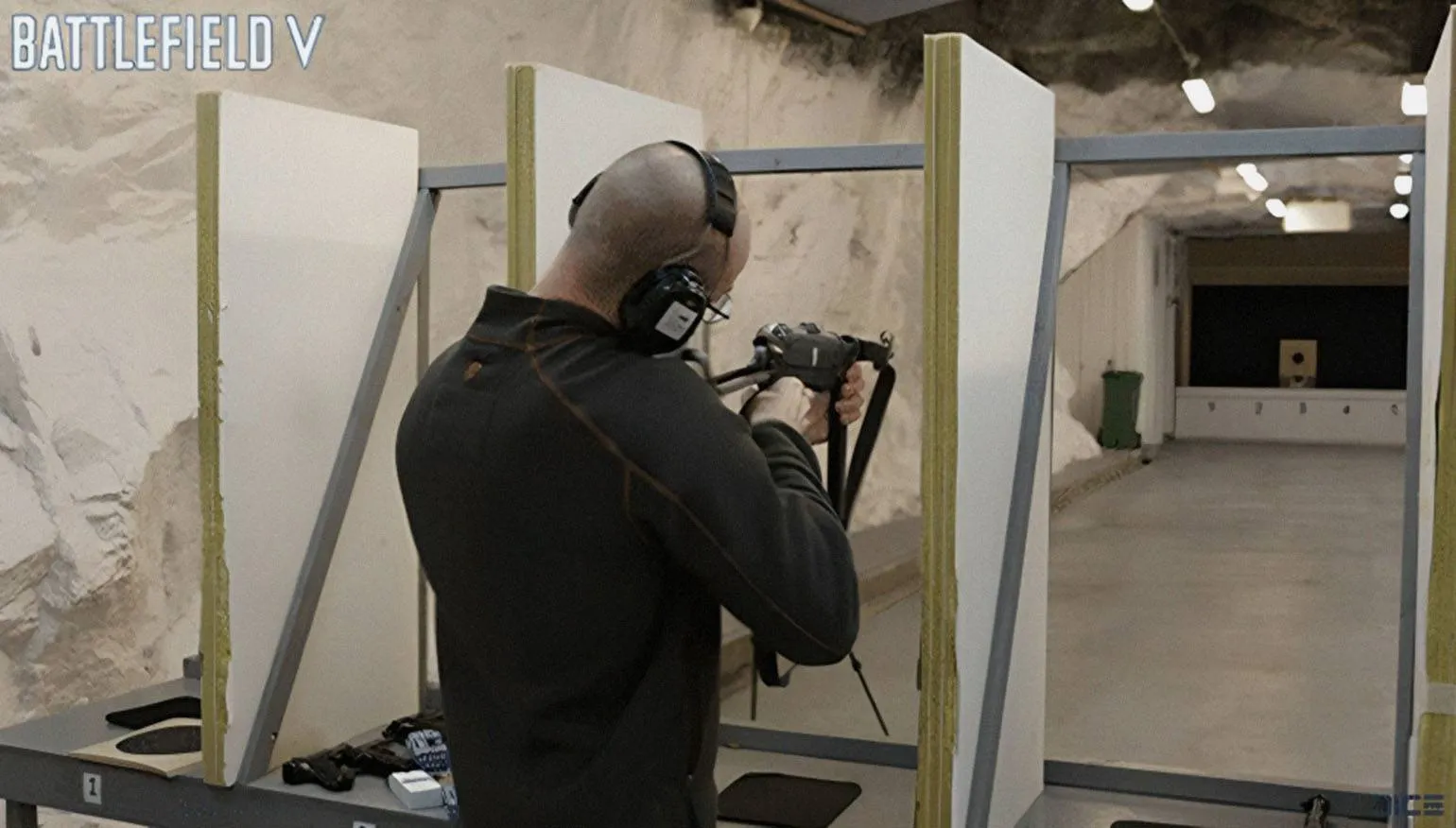
In realistic shooters, sound plays a key role in creating atmosphere and player engagement. Developers often use sounds based on real-life weapon prototypes and then adapt them for a specific project. The Warface team carefully adjusts the volume and timbre of sound effects to ensure maximum realism and immersion. When necessary, they enhance the sound, adding richness, allowing players to feel every detail of the gameplay.
In futuristic shooters, weapon sound design plays a key role. Using sound design tools like synthesizers, developers can combine various real-world sounds, creating a unique atmosphere for a fictional arsenal. This not only enhances gameplay immersion but also shapes the project's audio identity. In addition to the basic gunshot sounds, additional effects are often used, such as smoke from the barrel, sparks, the sound of falling shells, and other elements that enrich the sound palette and make the gaming experience more realistic and immersive.
Unique weapons allow online shooter fans to express their individuality, which is especially important in modern games. Recognizing this need among players, Valve has developed a vast marketplace for skins in the Counter-Strike series. Similarly, the developers of Warface offer players a variety of weapon skins, including anime-style ones, ensuring everyone can find something to suit their taste. Such features not only enrich the gameplay but also increase user engagement.
Weapon Balance
To maximize shooting enjoyment, it's important that each weapon offers unique advantages and complements one another. Shooter developers assign each weapon type its own role: for close-quarters, medium, and long-range combat. This diversity allows players to adapt their tactics depending on the situation and employ different strategies to achieve success in the game. The right combination of weapons not only improves gameplay but also makes it more engaging and exciting.
Shotguns offer high power at close range, but their effectiveness drops off sharply at medium and long ranges. Sniper rifles, on the other hand, require high accuracy but are capable of eliminating an enemy with a single shot at long range. Assault rifles have good accuracy and are effective at medium ranges, but are inferior to submachine guns in close combat. Each of these weapons has its own unique characteristics, making them suitable for different combat situations and tactics.
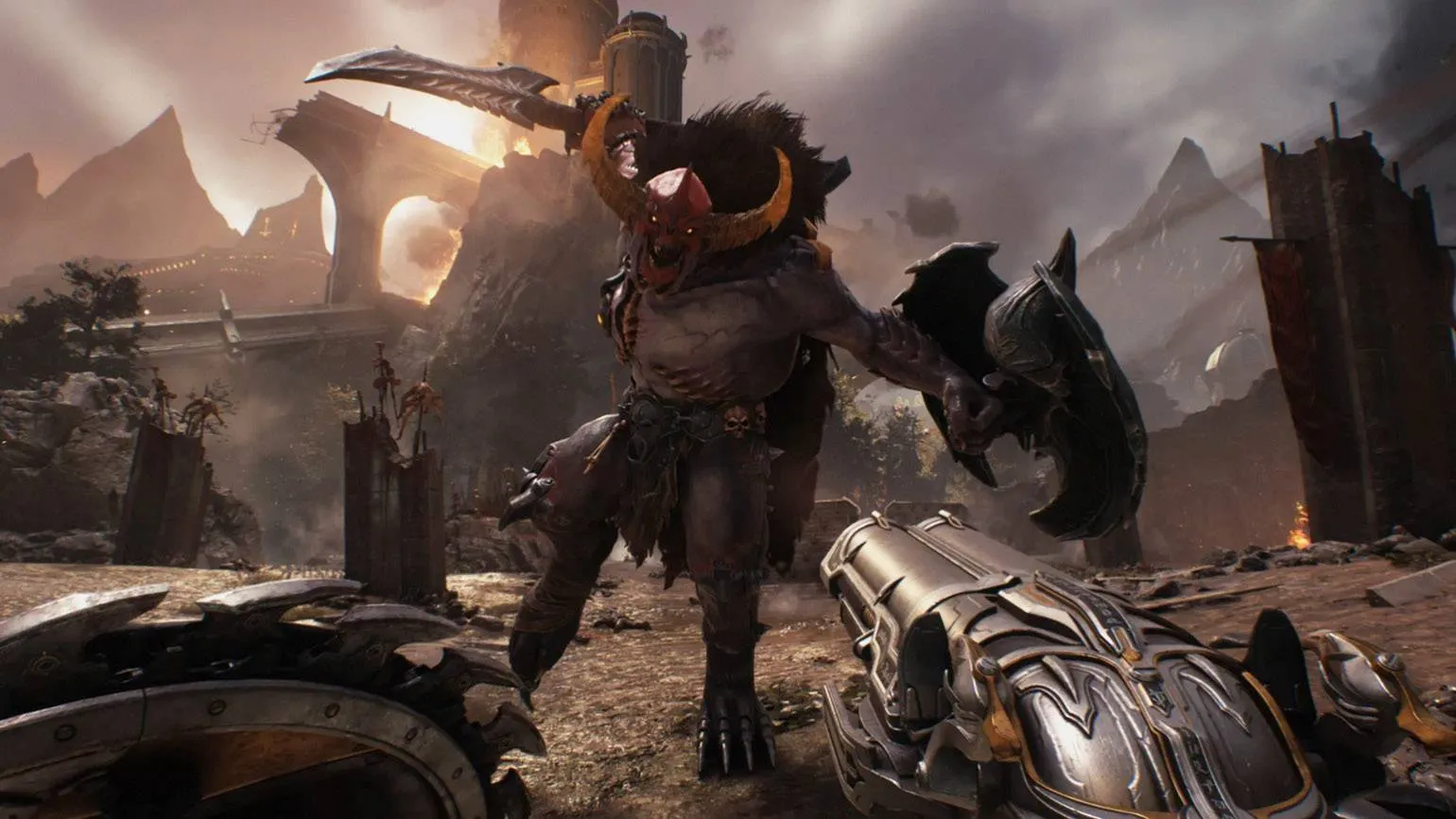
One of the key parameters of weapon balance is time to kill (TTK). This metric is calculated based on the rate of fire and the damage inflicted with each shot. High-damage weapons often come with increased recoil or reduced accuracy during continuous fire. Magazine capacity and reload time are also important factors, which can limit the frequency of use of powerful models. Effective balance of these characteristics creates variety in gameplay and ensures interesting combat dynamics.
Weapon balancing is an ongoing process that requires the attention of developers. They analyze game statistics, including average eliminations and losses, as well as other key parameters for various weapons. Based on this data, decisions are made about whether to buff or nerf specific weapons, which helps maintain a fair and competitive gaming environment. Effective balancing ensures engaging gameplay and helps players find optimal strategies based on changes in weapon characteristics.
Entertaining shooting in shooters is a unique combination of technical and creative solutions. Developers strive to find a balance between hardcore and arcade styles to achieve optimal gameplay. Aesthetic elements enhance player emotional engagement, while regular weapon balance updates and the introduction of new models create a variety of tactics and maintain long-term interest in the game. This makes shooters not only exciting but also strategically deep, attracting a wide audience.
The combination of precise mechanics, expressive visual and audio components, and thoughtful design makes shooting an essential element determining the success of games in this genre. These aspects interact with each other, creating immersive gameplay and providing players with a unique experience. Correct implementation of these components not only helps to increase interest in the game, but also to form a loyal audience.
Who are you in the world of game development? A mini-course for those who want to make games.
In this free mini-course, you'll try yourself as a game designer, 2D artist, or Unity game developer and choose the profession that's right for you.
Find out more.