Contents:

Learn: 3D Generalist Profession
Learn MoreLearning new skills can be challenging, especially as you get older. However, video games can be a helpful tool in the process. Journalist, game writer, and producer Vladimir Shumilov shares his experience with FromSoftware action games. He argues that certain games can not only help you develop new skills but also effectively achieve your goals. Games can stimulate thinking, develop strategic planning, and improve reaction time, making them a valuable resource for learning and personal growth.
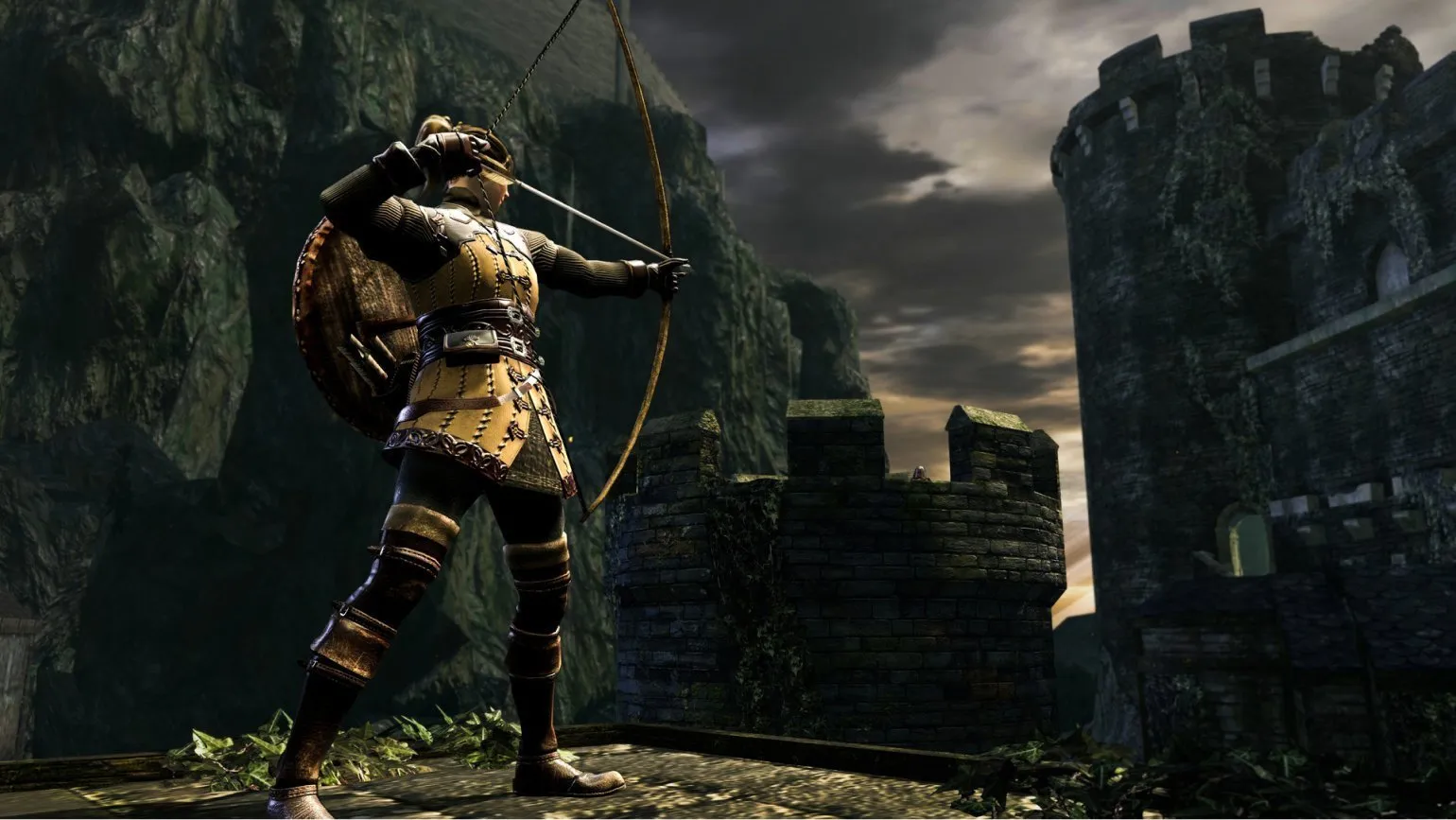
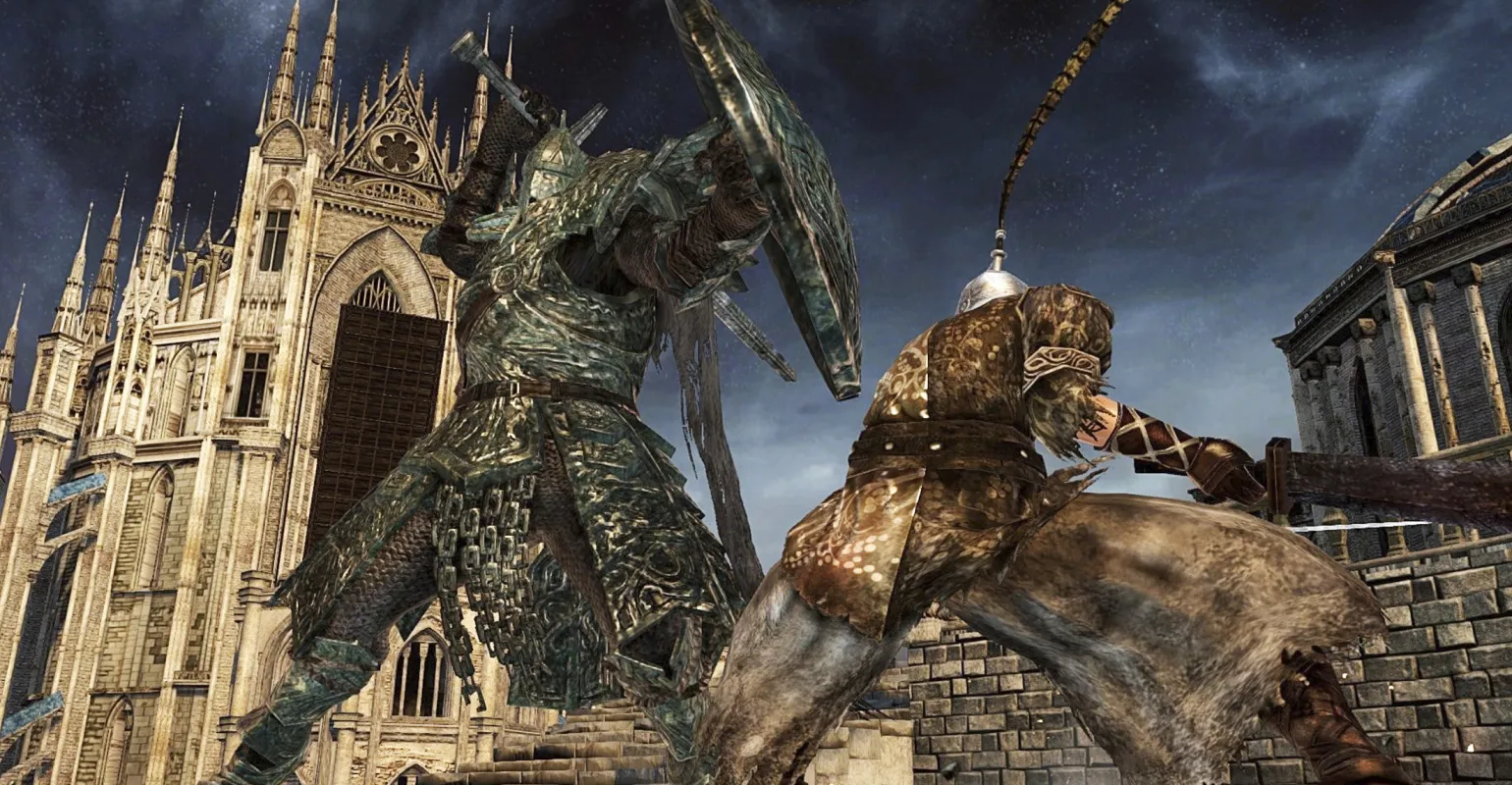
I was never a fan of FromSoftware's later work, but I always appreciated their contributions to the gaming industry and game design. Games like Dark Souls, Demon's Souls, Bloodborne, and Sekiro: Shadows Die Twice appealed to me in various ways: sometimes it was the impressive art, sometimes the interesting boss designs, and sometimes the unique narrative approach and captivating atmosphere. However, these games didn't come together as a cohesive experience because I didn't have a clear understanding of how to play them. I understood the mechanics, but I couldn't apply them. Every attempt to continue the game, despite the difficulties, only resulted in frustration and regret for the time wasted.
I've played all of FromSoftware's Soulslike games, as well as their successors, such as Lords of Fallen, The Surge, and Nioh, although the latter game didn't retain much of the "From method." None of these projects managed to fully engage me. Moreover, the gameplay left me uncomfortable, and each play session felt like hard work in a factory. Before the release of Elden Ring, I studied numerous materials, including analyses of the mechanics and lore of FromSoftware games. On paper, everything seemed logical and understandable, but my personal impressions didn't match the generally accepted assessments.
I'll say right away that Soulslike games have never been among my favorite genres. I prefer linear cover-based shooters, as well as hack-and-slash games like Bayonetta and Ninja Gaiden. I also enjoy beat-em-ups, like the older Yakuza and God Hand games. So, you could say I lean toward simpler games, but I also appreciate more dynamic and challenging titles.
Lastly, it's worth noting that the vanilla version of Ninja Gaiden 2 is significantly more challenging mechanically than any Souls game. This is due to the game's limited problem-solving capabilities and its more severe tolerance for mistakes. Even Hidetaka Miyazaki, known for his challenging games, is more forgiving of players than Tomonobu Itagaki, creator of the 3D Ninja Gaiden series, which is ironic but true.
I've always tried to understand the fascination of people who enjoy Soulslike games, and the enigma of FromSoftware's later projects only heightened that interest. I'd periodically try out the studio's new games and return to the old ones, hoping that someday I'd get the idea. But this epiphany never happened.
Having studied the famous book Mihaly Csikszentmihalyi's "Flow" left me thinking. On the one hand, the author provides numerous examples illustrating the flow state in various fields of activity, including video games. This emphasizes the universality of the concept of flow and its impact on productivity and creativity. Csikszentmihalyi analyzes how immersion in an activity can lead to maximum concentration and satisfaction, making his ideas relevant to a wide audience. Understanding the flow state can help people not only in their professional lives but also in finding hobbies and interests, making this book relevant for anyone striving for personal development and improving their quality of life. Mihaly Csikszentmihalyi doesn't devote much attention to practical methods for achieving the desired state, emphasizing that each person must determine their own path. He provides examples of various people, describing their approaches, and invites readers to seek their own unique way to achieve this state. It is important to emphasize that finding an individual pattern can be the key to successfully mastering practices that will help you enter the desired state.
The author of the book emphasizes the key stages of achieving a state of flow. The most important aspect is concentration, as well as the desire to learn and master new things. Setting realistic and achievable goals contributes to successful progress. It is important to enjoy not only the end results, but also the process of personal growth and development itself. This makes the path to a state of flow more meaningful and engaging.
Achieving a state of deep understanding and mastery is formed through learning new and exciting things, practically applying the acquired knowledge, and, ultimately, solving problems using acquired experience. This feeling is familiar to many fans of games such as Dark Souls, Bloodborne, and Elden Ring. These games provide a unique opportunity to immerse themselves in complex mechanics, where each overcoming of an obstacle enriches the player with new experience and knowledge, which increases engagement and satisfaction from the process.
After reading the book, I realized an important truth. My failures in Dark Souls were due to a reluctance to learn. I launched the game hoping to use the experience I had gained in other genres and played without strategy. The easiest way to make a mistake and give up on further attempts is by choosing familiar and habitual activities instead of learning something new.
The process of performing routine tasks is often devoid of pleasure. It is a mechanical repetition of established patterns. Even if there was once an element of creativity in this process, over time, especially in the absence of new and interesting challenges, this flow can dry up. While stability is an important goal for many, it alone does not bring depth and variety to life. Without this enrichment, it is difficult to open up to new ideas and set inspiring goals. Creating variety and finding new challenges become necessary to maintain interest and motivation.
My new task is to study the first part of Dark Souls. Instead of rushing and playing through the game at random, I decided to take a closer look at its mechanics and atmosphere. I strive to deeply understand the sound design and visual style to truly absorb everything the game has to offer.
I decided not to rely on my previous experience and start from scratch. My goal is to recreate the feelings I experienced as a child and teenager, when every game was unique and different from the others. I tried to explore each new game without comparing it to familiar titles, as it was difficult to draw such parallels back then due to my lack of experience.
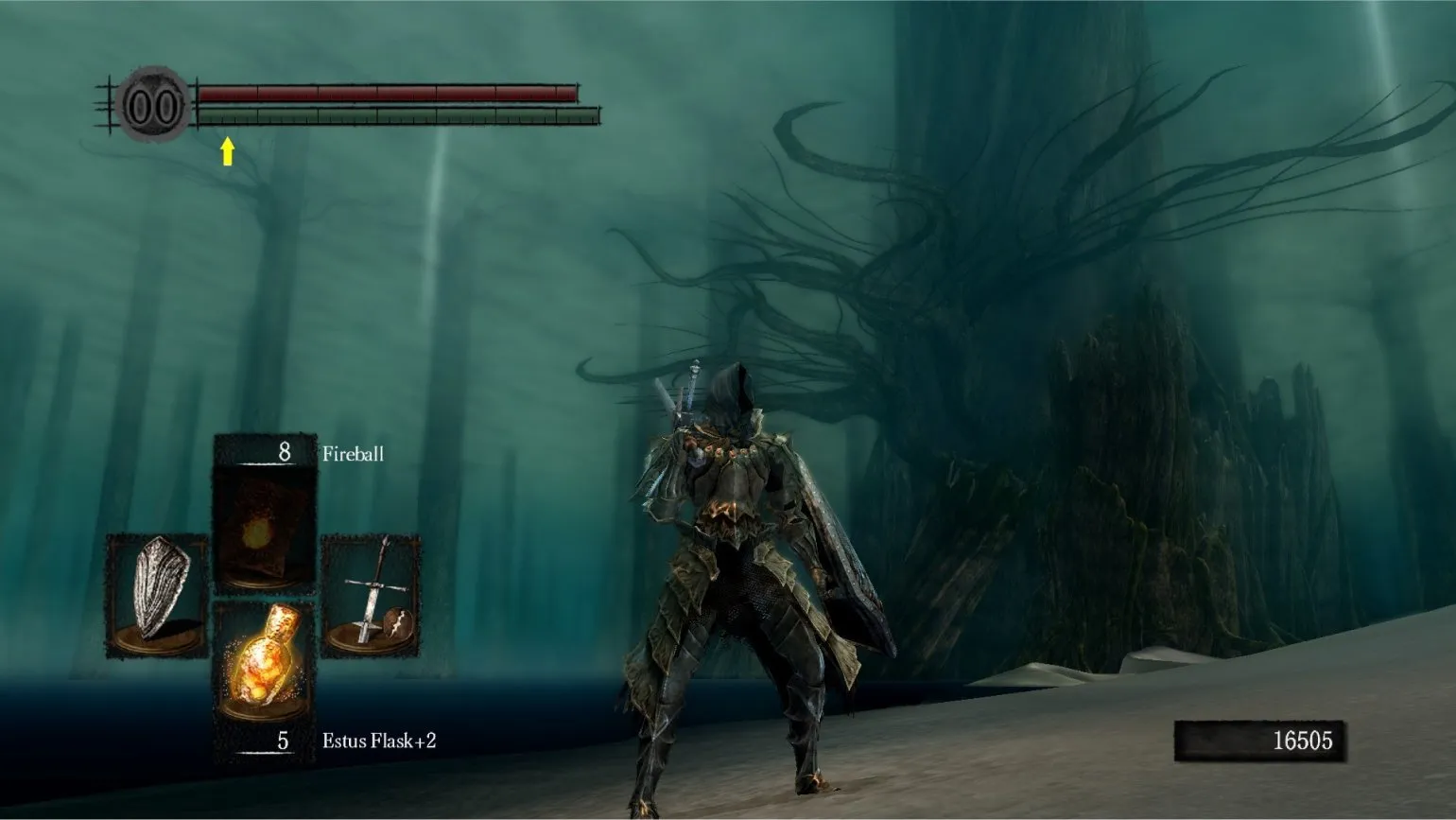
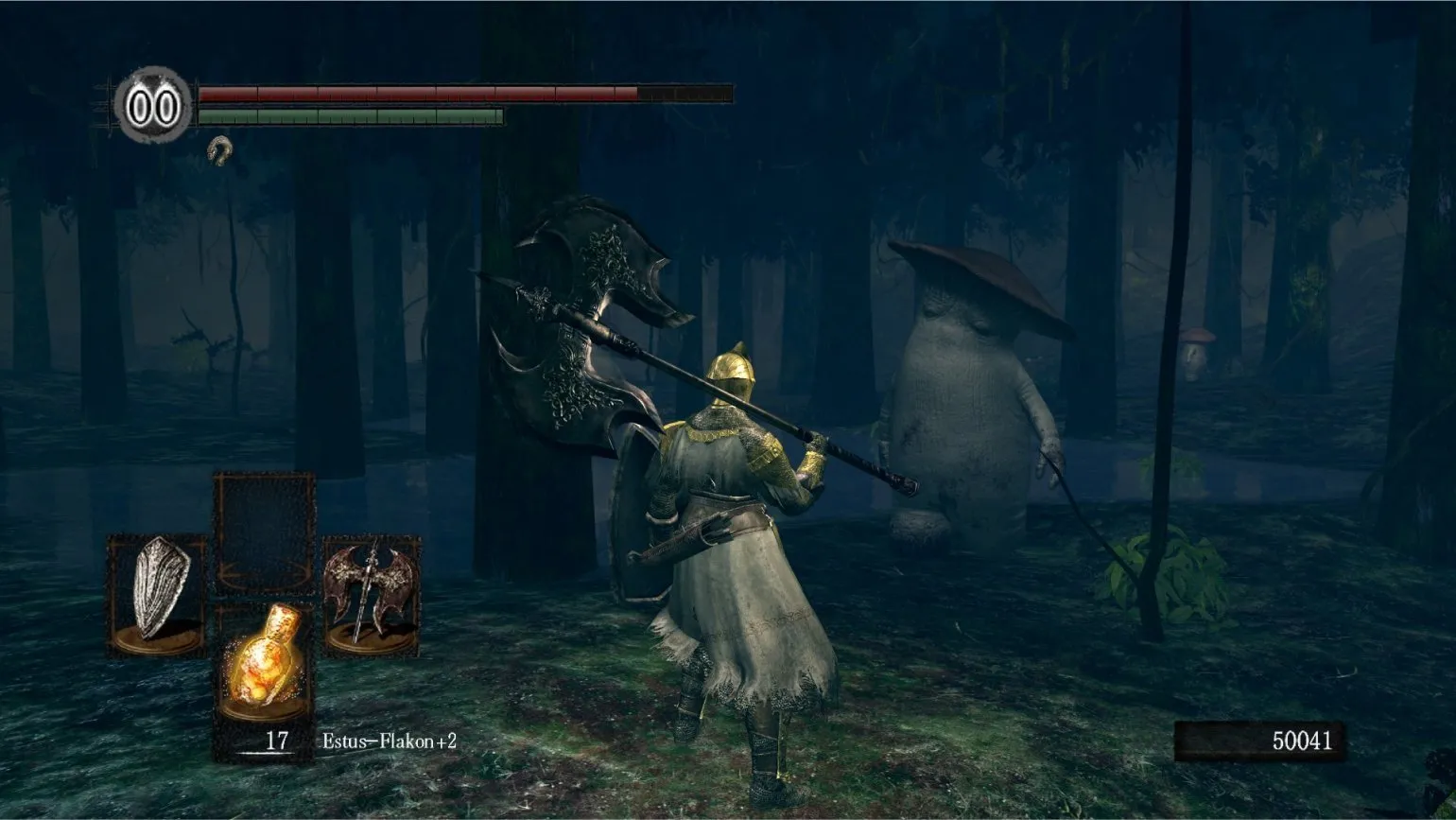
This approach proved effective. I learned to fight, explore the world painlessly, and defeat enemies, including bosses. When I got stuck, I consulted hints in a fan-made encyclopedia. This is how I successfully completed not only Dark Souls: Prepare to Die Edition but also Dark Souls 2: Scholar of the First Sin Edition. I found that very feeling of flow that Mihai mentioned, and I truly enjoyed it. The game was engaging, despite frequent deaths, endless attempts to overcome difficult bosses, and confusing labyrinthine locations. This experience confirmed that persistence and mastering a game's mechanics can lead to success and satisfaction.
The genius of FromSoftware's later games lies not only in their complexity, dark atmosphere, or intricate mechanics. The core value of these games lies in the process of exploring, understanding, and learning about the game world. It's similar to human relationships: you meet a new person, strive to understand them, share your experiences, and pay attention. If the character or story doesn't engage, interaction becomes impossible. FromSoftware games offer deep and multi-layered experiences that require engagement and a desire to understand the details, which makes them unique in the gaming segment.
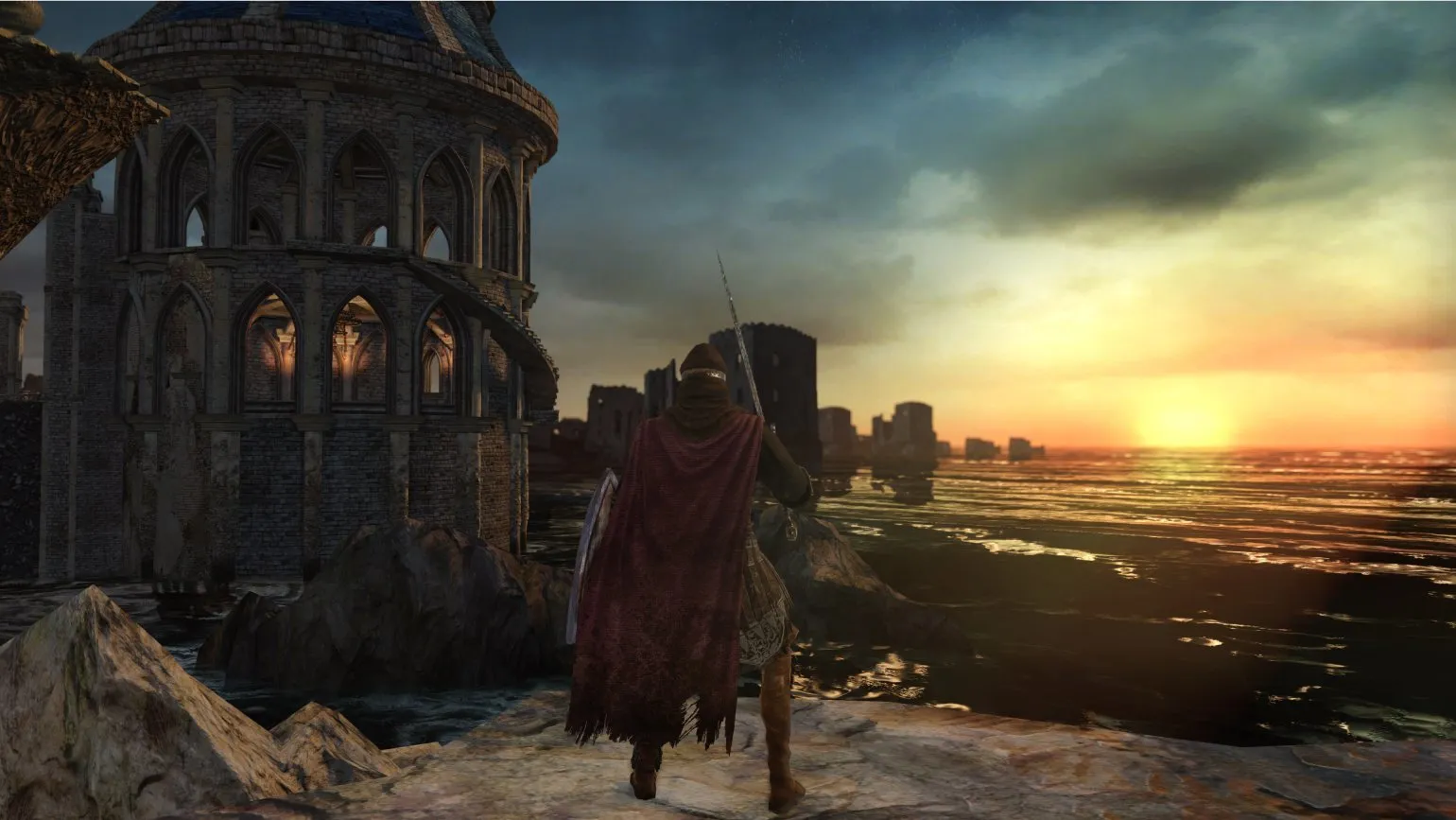
In my opinion, the first Dark Souls engages players' emotions in precisely this way. Discussing its difficulty is often dismissed as a myth, an effective marketing ploy in an era of games with a more user-friendly approach. Modern AAA titles often offer pre-selected options like infinite ammo or immortality, making the game more accessible. Dark Souls, on the other hand, offers a unique experience based on overcoming challenges and personal growth.
With the rise of the internet and streaming services, games and other forms of media have undergone significant changes. We increasingly access content passively, enjoying it while commuting or in our daily lives. We often listen or watch it in the background while doing other things. As a result, active content consumption is becoming less relevant, changing our approach to entertainment and information. This shift in media consumption requires adaptation from both content creators and users seeking to make the most of their time.
Modern popular AAA games are increasingly becoming movie-like games, with the primary focus shifting to story and visuals rather than interactivity. Games, like society, are becoming more passive, allowing more players to not only try them but also complete them without delving into complex mechanics and rules. If difficulties arise, there's always the option to reduce the difficulty or skip difficult sections by moving on to the next scene. Alternatively, you can simply watch a walkthrough from your favorite streamer. This shift in approach to gameplay reflects a trend toward simplification and accessibility, which, in turn, influences the perception of games as a form of art and entertainment.
Hidetake Miyazaki emphasized in an interview that he is not drawn to high game difficulty for its own sake. In one of his videos, Hieronymus Calavera pointed out that Miyazaki is interested in scenarios that can lead the player to unexpected death. These can include elements such as a monster hiding in a loot chest, a hole in a dark room, or a bridge collapsing beneath your feet. These elements also include surprise boss attacks that are unblockable and inflict massive damage.
In Dark Souls, the player's task is to engage in various scenarios, where death becomes an essential element of gameplay. Losses and death are not perceived as endings, but rather serve as tools for learning and improving skills. Death, as part of the mechanics of Miyazaki games, simplifies progression by helping the player recognize their mistakes and find new approaches. Despite penalties and the loss of accumulated "currency" for failure, death does not devalue the player. Players can make mistakes repeatedly, but each mistake must be paid for. Thus, Dark Souls offers a unique experience that balances challenge and growth, making every death a step toward success.
The first Dark Souls, like the recent Elden Ring, reminded players that video games can be active and engaging. Hidetaka Miyazaki demonstrates that the process of practicing, overcoming challenges, and achieving victory through your own efforts is more rewarding than watching lengthy cutscenes or traversing linear levels with explosive effects. These games emphasize the importance of experience and skill, which makes every victory especially valuable.
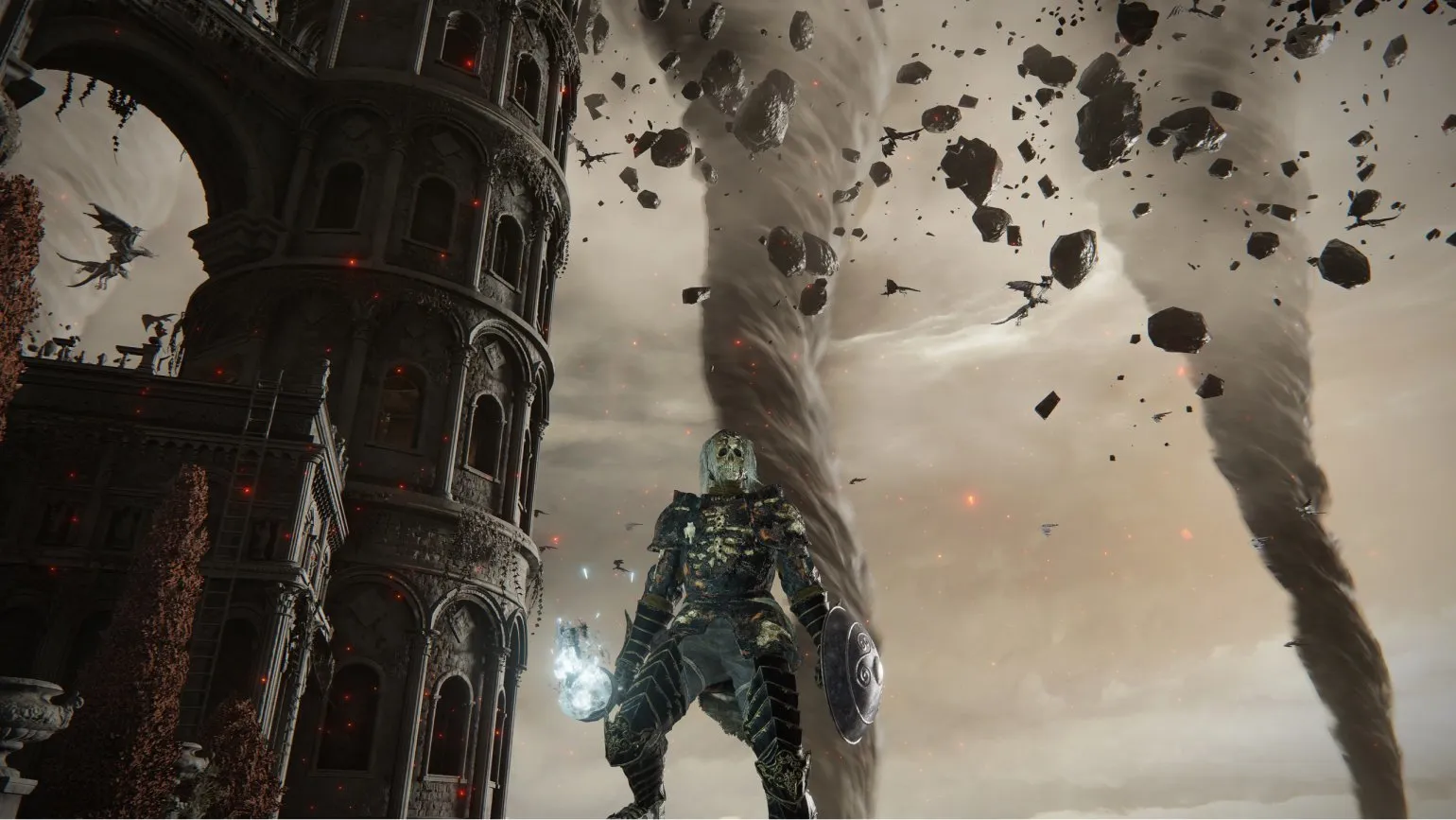
The game designer reiterates the importance of the player's active participation in game events and places a strong emphasis on the learning process. Instead of viewing the player as a simple performer who merely advances through levels and destroys enemies to earn rewards, it is important to create a deeper and more interactive experience. Player participation should be meaningful, engaging, and contribute to skill development, which ultimately increases the game's appeal and value.
I don't believe that a cinematic approach with minimalist gameplay and accessibility elements is negative. Games should diversify and offer a variety of experiences. Even projects focused on QTEs and high-budget cutscenes can be engaging. David Cage's works, such as Heavy Rain and Detroit: Become Human, as well as interactive horror games from Supermassive Games, including Until Dawn and The Quarry, are prime examples. These games demonstrate how cinematic elements can effectively blend with gameplay to create unique and memorable experiences for players.
During another Dark Souls gameplay session, I realized how relaxed I'd become and how accustomed I'd become to simple, familiar, effortless solutions. I'd forgotten how important and enjoyable it is to discover something new. Not only does this bring a boost of positive emotions, but it also creates a sense of progress in everyday life. You begin to understand that all difficulties and challenges have meaning. You see how the different stages of your journey come together, and you realize that each one contributes to your inner growth.
I've done a lot of research on the therapeutic effects of FromSoftware games. For some, they've become a tool for combating depression, for others, a means of overcoming serious illnesses and traumatic experiences, and for still others, a source of new life purpose. In most cases, like mine, these people immersed themselves in a state of flow, which allowed them to gain new experiences and, in turn, helped them cope with various problems. FromSoftware games can open new horizons and become an important part of recovery and self-development.
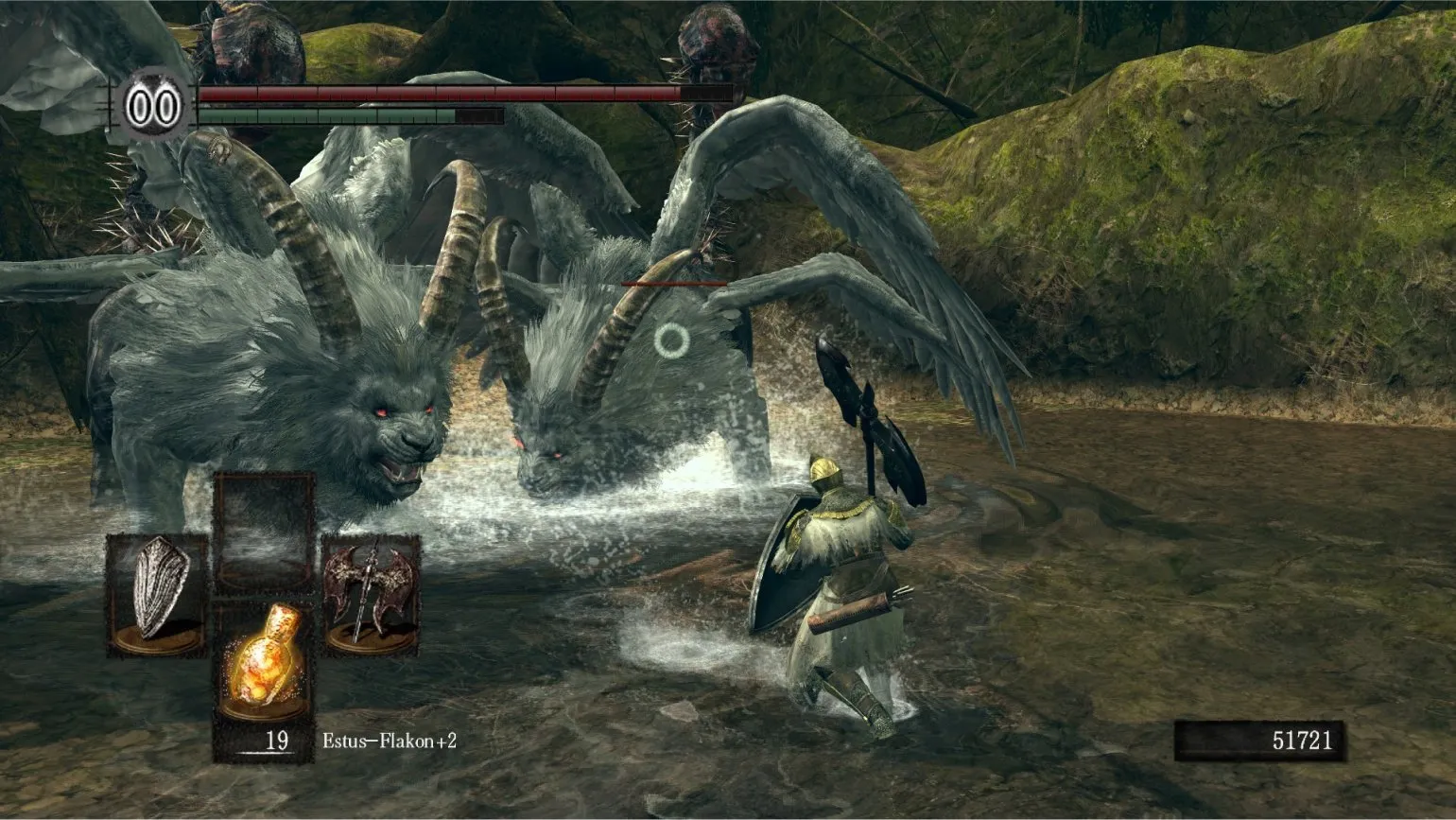
Based on my experience playing the first game, I realized I'd completed a project that had long been unclear to me. This prompted me to consider applying the same approach to learning new skills or rethinking familiar tasks. Sometimes, achieving success in something new is as simple as looking at a task from a different perspective and building on existing experience.
As a teenager, I enjoyed creating collages in Paint and Photoshop. The results weren't perfect, but I enjoyed it. Now I've decided to return to this hobby with a new approach. My plan is to think of Photoshop as the final boss in an imaginary game called Elden Ring 2, and the collages as levels with enemies and smaller bosses. In this way, I'm gradually mastering graphic design so I can create covers and cards for my texts. This not only allows me to develop my skills, but also improves the visual component of my works, which is important for attracting readers.
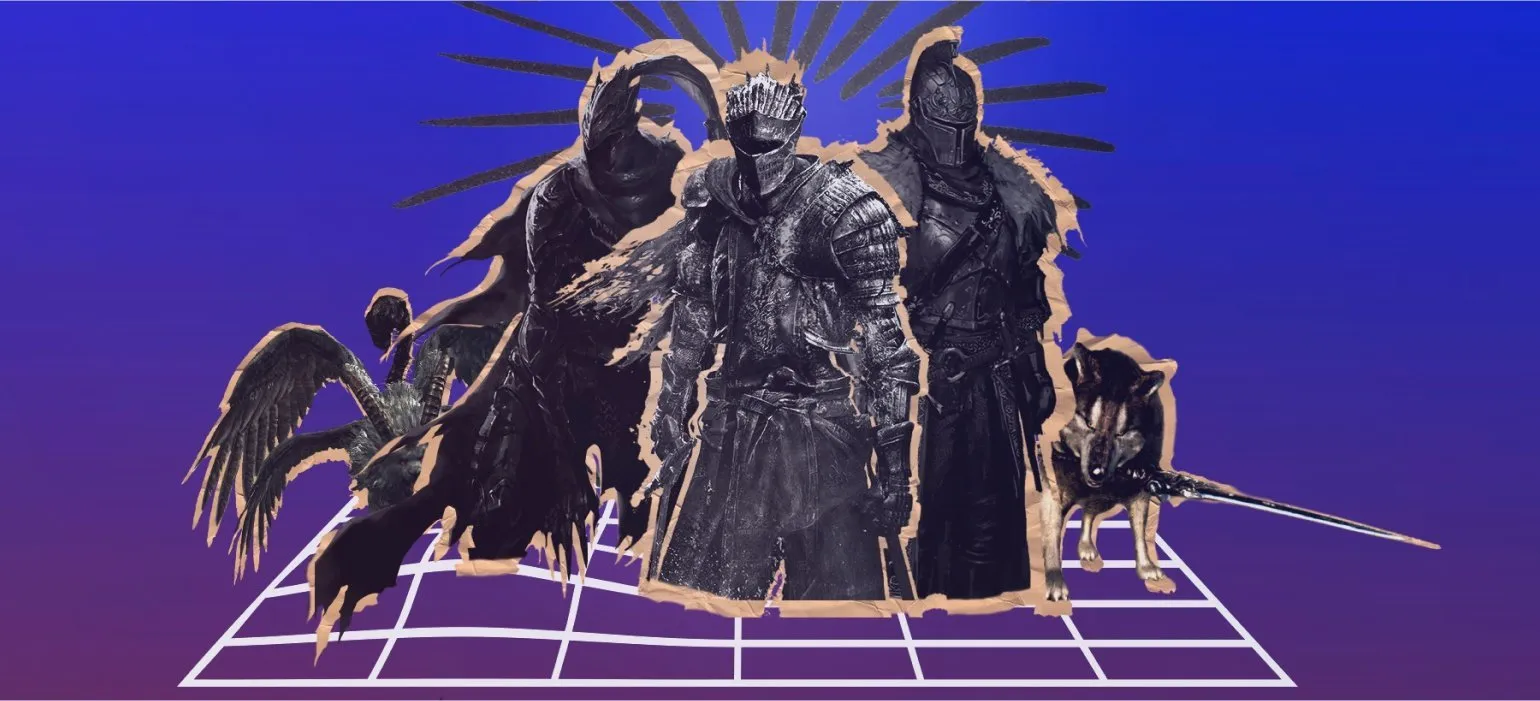
I used a pseudonym to separate this new phase of my life from my previous experiences and focus on learning new skills. At first, I copied the work of others, following simple YouTube tutorials, and also created cover art for my friends' videos. This approach helped me develop my skills and confidence, which became the foundation for further growth in this field.

Then I started working with more complex tasks and began to focus more on developing original ideas.
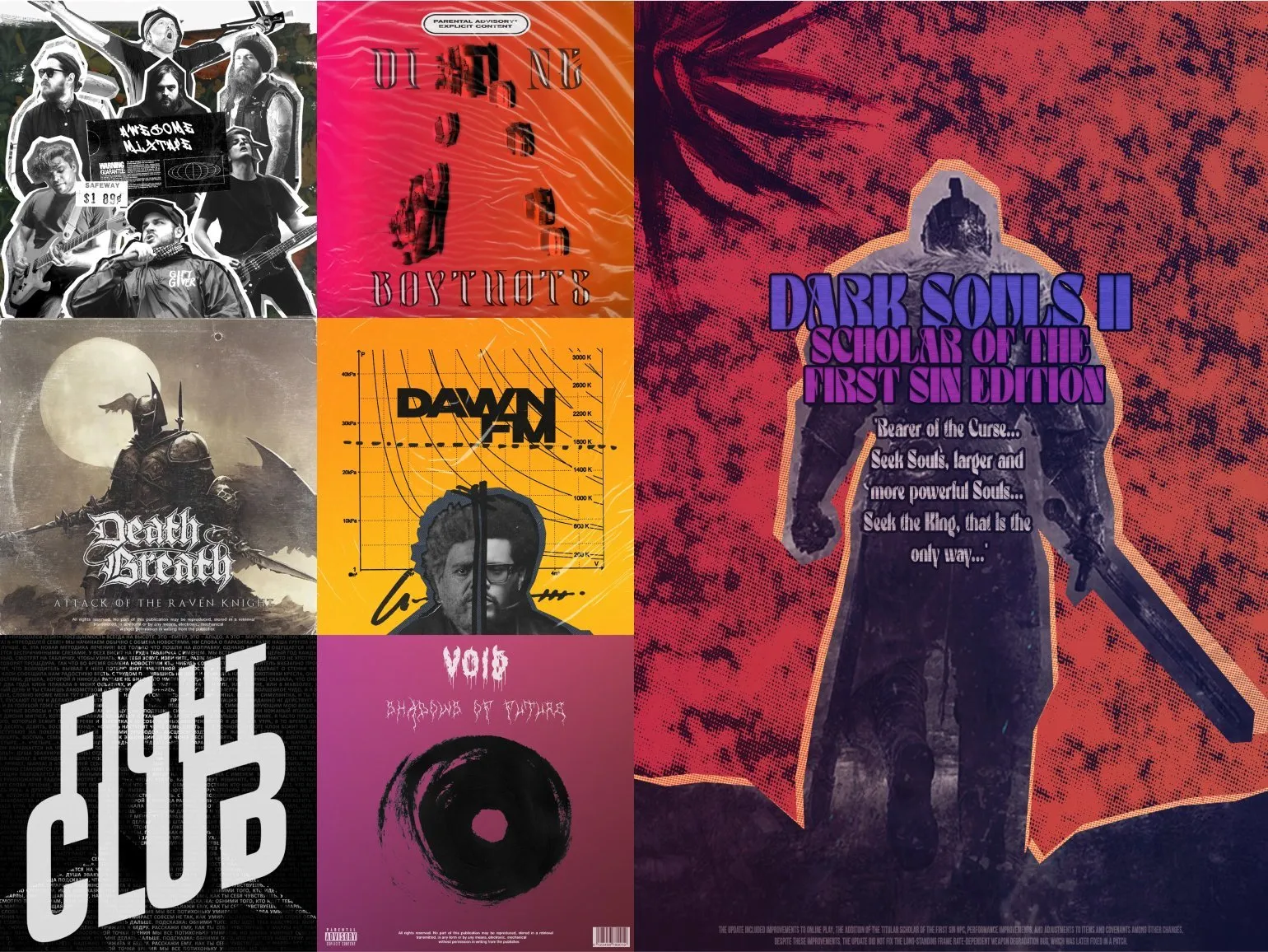
Although my designs are far from a professional level, they have noticeable problems with colors, lighting, and font choice. Even after two months of self-study, I did not reach the level of a beginner designer. However, my goal was not to become a leader in the field of design or to compete in the market. I sought to transfer the feeling of flow I experienced while playing Dark Souls to the process of learning a new direction.
I did not experience suffering, and I did not go through tears and pain. While working on the designs presented above, I felt complete freedom and received more pleasure than from writing some of my texts, especially the later ones. The creative process brought me joy and satisfaction, which emphasizes the importance of harmony between design and text in my work.
In conclusion, it is worth noting that if you have completed at least one part of the Dark Souls game, you can definitely learn new skills, such as graphic design, 3D modeling, game design, and even musical directions, such as singing or playing the guitar. The main thing is that this area is interesting to you or becomes interesting in the process of learning. It's important to transfer the feelings you experienced while playing Hideaki Miyazaki's works to a new activity: the sense of progress, the joy of overcoming challenges and solving complex problems. This will help you not only develop new skills but also enjoy the learning process.
Csikszentmihalyi argued that any activity, even the most unpleasant, can be turned into a game and made enjoyable. This may sound abstract, but there is a grain of truth in his words. Personal experience confirms that approaching tasks with a game-like mindset can truly change your perception and increase your level of satisfaction from even the most mundane tasks. Applying game elements to everyday life helps motivate yourself and find joy in what previously seemed boring or burdensome.
If I can do it, you can too. I'm sure many of you have encountered Dark Souls at least once. If you haven't tried this game yet, now is the time to start. The main thing is to take your time. The emotions and satisfaction from completing Dark Souls come to those who show patience and attention to detail.
3D Generalist Profession
You will become a universal specialist who can do everything in 3D: create objects and environments, adjust textures and colors, animate models and implement them in 3D scene. Master Houdini, Autodesk Maya, Blender, Photoshop, ZBrush, Marmoset 3D, Substance Painter, Marvelous Designer, Arnold, and Rizom UV. You'll be ready for work in advertising, games, or film. Pictured: course participant Evgeny Kuznetsov's work.
Learn more