Contents:

Who are you in the world of game development? Find out in the free course ➞ You will try out 3 professions in practice: game designer, 2D artist, and Unity developer. Create your first Mario-style game. Click here for details.
Learn moreA successful attack in games brings a unique satisfaction. The moment when you successfully parry an enemy's blow or overcome a strong defense can be much more memorable than the entire battle. Game developers recognize this and pay special attention to the details of combat mechanics, creating exciting and thoughtful battles. Each battle becomes more than just a confrontation, but a true test of skill and strategy, which makes the gameplay more engaging and memorable.
Combat system designers from well-known melee games met at the Devcom convention, where they discussed their role in the gaming industry, interactions with other teams, and the necessary skills for becoming a battle designer. We've adapted the highlights of the discussion for our Russian-speaking readers.
The panel discussion, "Killer Combat Design," featured industry experts Mihir Sheth, Head of Combat Design at Santa Monica Studios, and Jason de Heras, Design Director at Respawn Entertainment. These professionals shared their insights on current trends in combat design, discussed the key aspects of creating engaging game mechanics, and their impact on the overall experience of a game. The panelists emphasized the importance of balancing realism and gameplay, as well as the need to consider player preferences when developing combat systems.
Understanding Combat Design Mechanics
Before offering recommendations on the necessary skills for becoming a combat designer, the panelists explored the nuances of their profession. Combat design requires equal attention to both stances and movement. It's important to understand that a successful combat designer must combine creativity with technical expertise to create effective and visually appealing elements. Given the dynamic nature of combat, every aspect of the design must be carefully considered to ensure harmony and functionality. Animations in games are perceived by outside observers as a sequence of poses adopted by characters. However, to achieve successful progression, it is important to take into account key poses and moments that require careful consideration. When the player begins to notice these elements and incorporate them into their strategies, the combat system becomes significantly deeper and more engaging. Proper animation not only enhances visual perception but also impacts gameplay, allowing for more interesting tactical opportunities for players. In the field of combat design, a key concept is pre-positioning. This means that before initiating an attack, I adopt a certain form or pose that signals to you that I am preparing to attack. This phase is important for creating anticipation and understanding your actions. After the moment of attack, there is a recovery phase, which also has its own characteristics. Some of these poses can be truly memorable and impact the perception of a situation.
Mihir Sheth is a combat systems designer at Santa Monica Studios. In his role, he is responsible for developing and refining combat mechanics, which significantly impacts overall gameplay. His work includes creating unique combat styles, fine-tuning character interactions, and optimizing gameplay elements to maximize player enjoyment. Thanks to his contributions, the studio's games become more dynamic and engaging, attracting a wider audience and strengthening Santa Monica Studios' reputation in the video game industry.
Battles in games can be thought of as complex puzzles, where every element matters. Combat designers play a key role in creating these interactions, but they're not the only ones involved. Enemy encounter designers work closely with them. This collaboration allows for more engaging and dynamic gameplay, where every battle element fits harmoniously with the others.
When it comes to the concept of a "battle puzzle," it's important to understand that it's a player-centered approach that allows for deeper analysis of battles. While each encounter can be broken down into individual elements and aspects, most players don't think about this during gameplay. Understanding the structure of a battle can significantly improve strategic skills and increase your chances of victory. By approaching each encounter as a unique puzzle, players can effectively apply their knowledge and make more informed decisions.
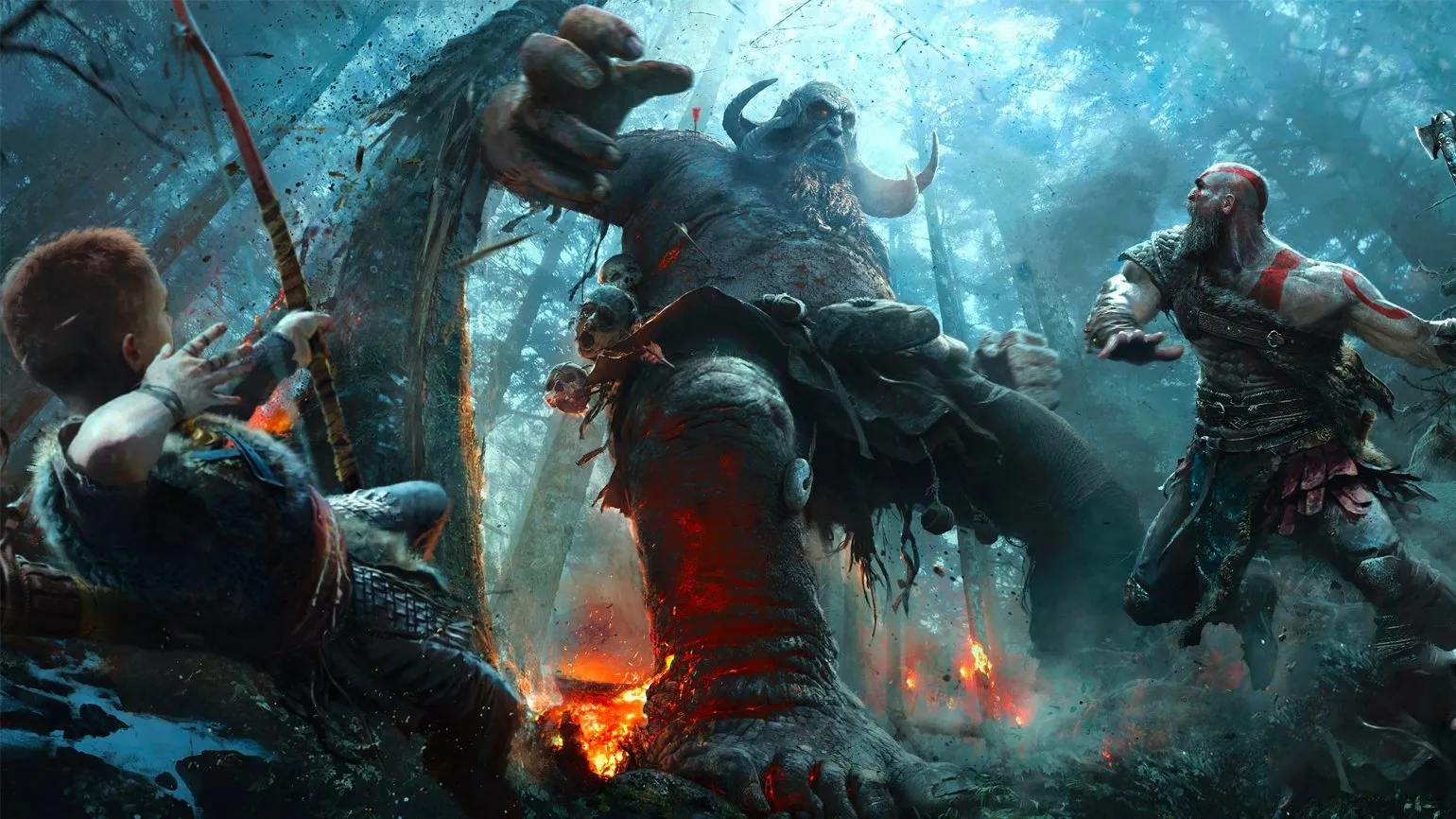
Fight scenes in movies often involve Question: "What would I do if I were the main character to survive?" Imagine this: you enter a room with six people. Two of them have crowbars, and one has a gun. At this moment, you begin to analyze what you need to do to cope with the threats. What challenges do the opponents have in store for you? The same emotions and thoughts arise in the player participating in the battle in the game. As we immerse ourselves in the gameplay, we are faced with the need to make quick decisions and develop strategies for survival, which makes the gaming experience exciting and tense.
Mihir Sheth is a combat systems designer at Santa Monica Studios, where he creates unique mechanics for video games. His experience and creative approach help shape the exciting gameplay experiences that form the foundation of the studio's successful projects. Working with a team of professionals, Sheth significantly contributes to the development of combat systems that provide players with unforgettable experiences and a high degree of engagement. The importance of their work lies in creating a balance between complexity and accessibility, making games more appealing to a wider audience.
Combat designers can be compared to the creators of individual chess pieces, while the rest of the developers act as creators of the chessboard. This analogy emphasizes the importance of collaboration between various disciplines during the development process. Designers focus on the unique characteristics and functionality of each piece, while developers provide the framework within which these pieces can interact. This synergy allows for the creation of effective and harmonious combat systems, where every detail plays a role in the overall strategy.
Combat designers create archetypes that the team then uses to interact with the game environment. Most often, these are enemies with which players are already familiar: ranged enemies positioned behind and melee enemies approaching at close range. These classic archetypes help shape dynamic gameplay and enhance player engagement with the game. Proper placement of such enemies can significantly increase the difficulty and variety of battles.
All of this is designed to create a unique puzzle that tests the player's abilities. The game poses questions about what kind of fight they will fight, what combat tools they will choose, and how they will solve the same puzzle in a new environment. This allows the player to demonstrate their strategy and adaptability, making the gameplay more engaging and interesting.
Battles become truly exciting when they come together like a puzzle. Only then does the outcome of the battle bring true satisfaction. If you plan to spend many hours playing an engaging game, you need incentive. It is in such well-thought-out battles that the true potential of the gameplay is revealed.
Mihir Sheth is a combat systems designer at Santa Monica Studios. He is responsible for the development and optimization of game mechanics related to combat, making him a key player on the team. His experience and creativity help create engaging and dynamic gameplay that keeps players engaged. Mihir's work involves analyzing and implementing new ideas, which contributes to improving the overall quality of the company's games. Santa Monica Studios is known for its high-quality projects, and Sheth's contribution to combat systems development is invaluable.
How to Become a Combat Systems Designer
The panelists offered helpful tips for aspiring designers interested in developing combat systems. These recommendations will help better understand the specifics and requirements of this field.
People aspiring to build a career in the gaming industry should be genuinely passionate about the process of creating games. It is important to develop a design mindset that is not limited to combat design alone. You need to find pleasure in assembling various game elements and be able to solve various problems. This will help not only in development but also in improving the user experience, which is a key aspect of a successful game.
Jason de Heras is the Design Director at Respawn Entertainment. His responsibilities include leading the video game design process and coordinating the work of the design team. Under his leadership, unique game mechanics and visual styles are created, which contributes to the quality and appeal of the company's projects. Jason de Heras is deeply involved in the creative thinking and innovation that makes Respawn Entertainment a leader in the video game industry.
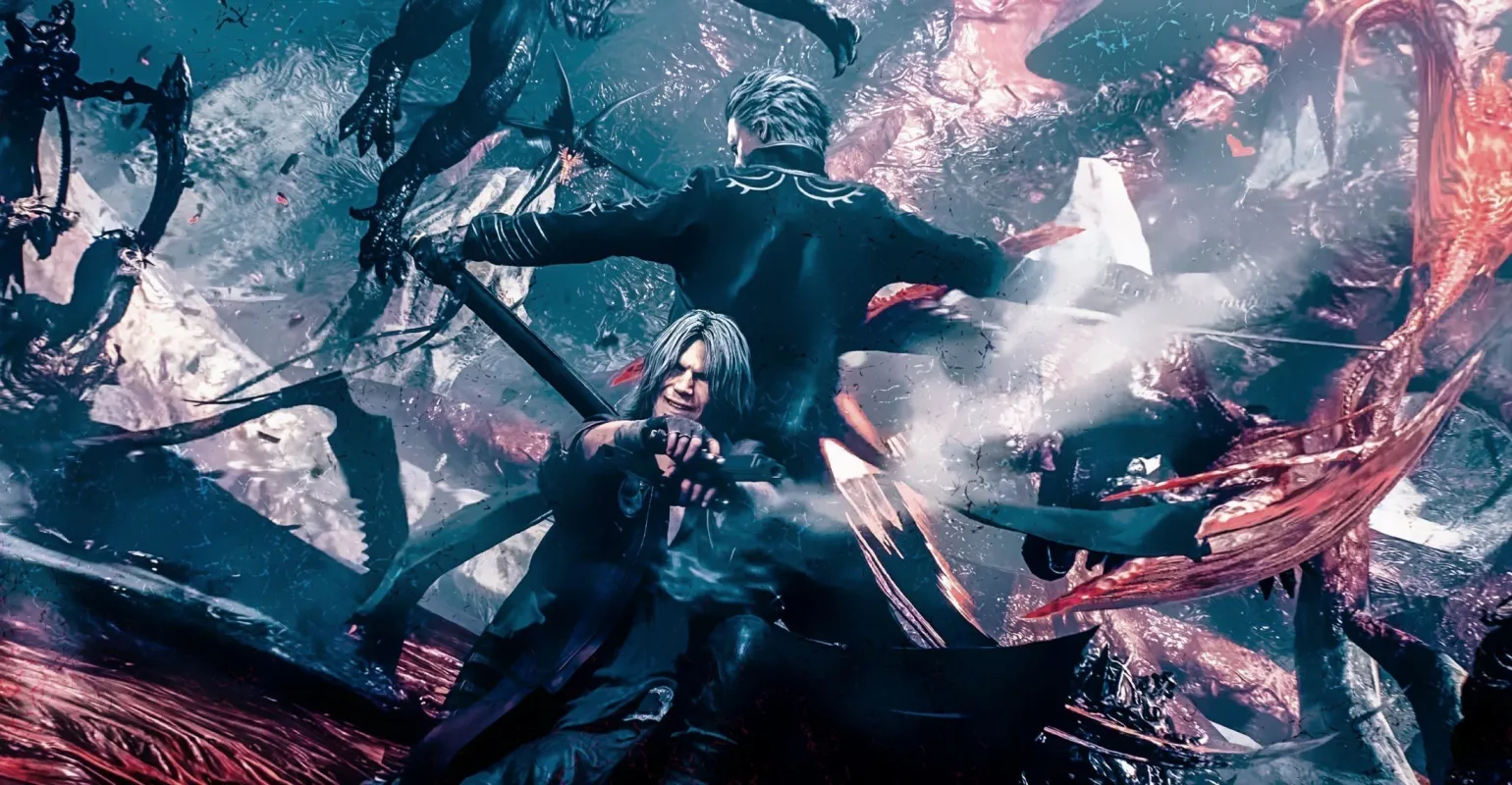
If you aspire to be a combat designer, it's important to answer a few key questions. Are you into character-focused action games? Pay attention to the details that make up the overall picture of battles. Do you enjoy fast-paced gameplay like Devil May Cry, with its emphasis on rapid animation changes? Is there an anime that inspires you, and can you identify its characteristics for analysis? How well are you able to extract personality from various concepts? These questions will help you determine your suitability for this profession and what aspects of design particularly interest you.
According to de Heras, the key aspect a combat designer must consider is creating an engaging experience in games. It's important to develop mechanics that will bring players pleasure and keep them coming back to the gameplay. Effective interaction between the character and the game world, as well as a variety of attacks and effects, can significantly increase interest in the game and improve the overall experience of players.
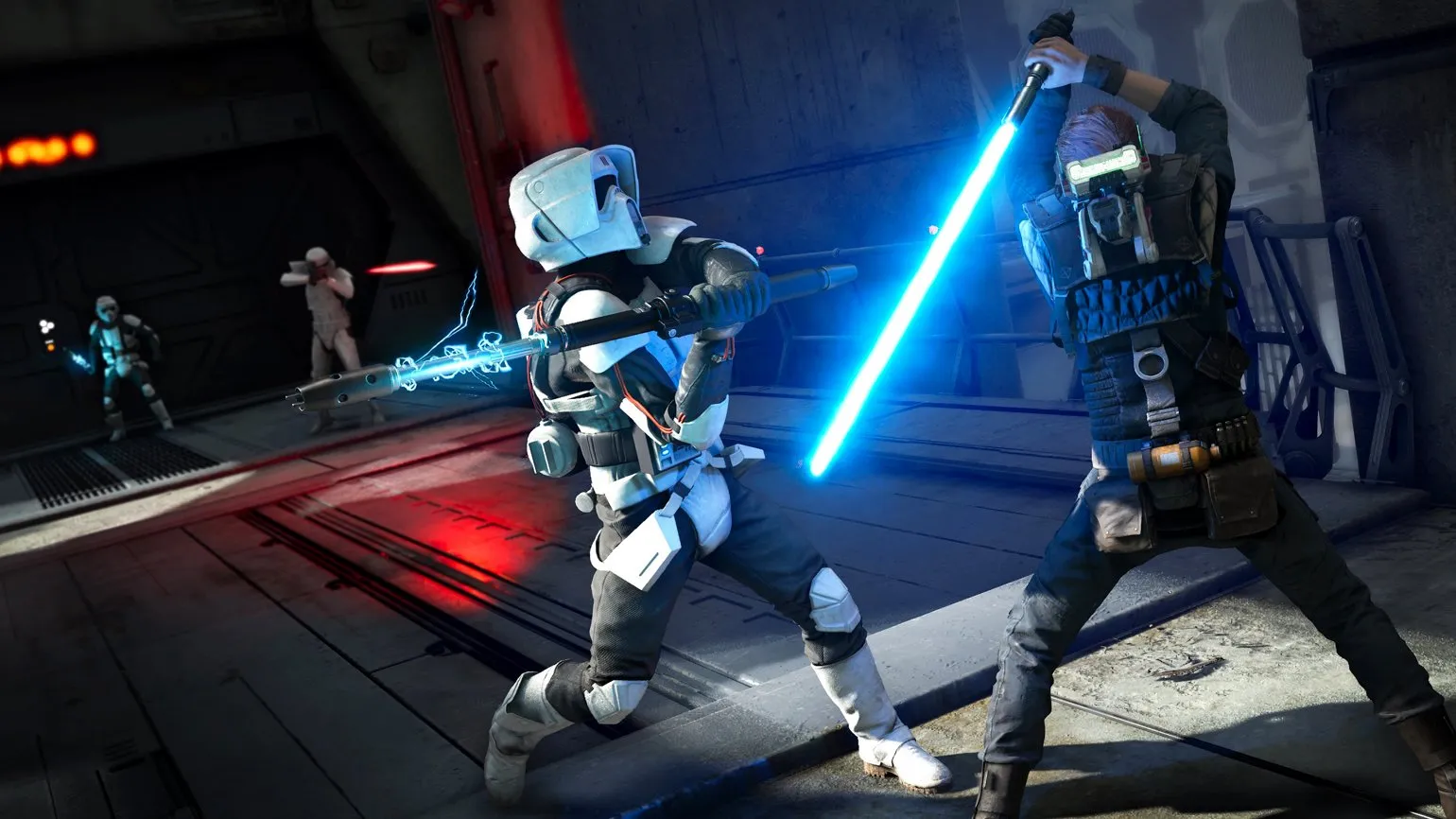
Many people don't realize How to create engaging combat in games. Game studios most often look for combat designers with a deep understanding of the interactions between characters, such as between the protagonist and the enemy. Furthermore, it's important for these specialists to understand the various mechanics of combat systems. This knowledge allows them to create dynamic and memorable gameplay moments that capture players' attention and make the gameplay more engaging. In practice, the process of creating animation and concept art is significantly more complex. Successful implementation requires knowledge of scripting languages, painting fundamentals, and animation principles. All these elements influence the overall visualization of combat scenes. The key question is whether the character looks convincing, whether they are capable of striking, and whether they are posing correctly. To achieve a high-quality result, it is important to be involved in all stages of development, which allows for more accurate and informed answers to these questions.
Character Development Step by Step
Combat designers must pay attention to detail and have a deep understanding of the game's internal mechanics. When applying for a Junior Combat Designer position, it is also important to be realistic about your expectations for the job. This position requires mastering the fundamentals, participating in a team, and gradually building experience, which will help in the future career development in the gaming industry. Understanding the nuances and a willingness to learn will be key factors in achieving success in this field.
You need to realistically assess your expectations for the upcoming action. I'll focus on what I know, which is modern AAA games that emphasize close-quarters combat.
Mihir Sheth is a combat systems designer at Santa Monica Studios. His work involves developing and optimizing combat mechanics, which significantly impacts gameplay. Thanks to his contributions, the studio's games become more dynamic and engaging. Mihir Sheth uses innovative design approaches, which allows him to create unique and memorable battles that engage players. At Santa Monica Studios, he actively works on projects that emphasize the quality and originality of the gaming experience.
You probably won't be given the opportunity to completely change the combat system right away when you start working on a new project. Most often, when talking about developing a combat system, it means refining the existing system and introducing enemies. It's better to focus on the aforementioned "chess pieces" and go through all the stages of development with them. This includes working on the narrative, creating concept art, 3D modeling, developing animations, and finally introducing the character into the game. This approach will ensure a more harmonious interaction of all elements and improve the overall gameplay.
I believe that the key advice for those who want to join the team is the ability to follow the entire process from start to finish. This approach not only allows for a better understanding of the work dynamics but also allows for effective collaboration with colleagues, which facilitates successful integration into the team.
Mihir Sheth is a combat systems designer at Santa Monica Studios. His work involves creating and developing combat mechanics that make gameplay more engaging and dynamic. Mihir's experience in this field allows him to implement innovative solutions that contribute to a better gaming experience. Santa Monica Studios is known for its high-quality games, and Mihir's contribution to combat systems development plays a key role in the company's success.
A deep understanding and knowledge of AI technology is valued in the professional environment. Familiarity with AI algorithms is a significant advantage when applying for a job. During interviews, employers pay particular attention to the number of technologies a candidate can work with independently. Therefore, it's important not only to study theory but also to gain practical experience in this field.
The key is to understand your role as a creator. You control the entire process and have the opportunity to shape the gaming experience. If you learn to enjoy the constant challenges and battles in the game, this will attract the attention and interest of other players. However, if you become mired in routine and lose enthusiasm, you risk disappointing your team. It's important to maintain an inspiring and motivating atmosphere so that everyone feels valued and involved in the overall process.
Explore our collection of resources and articles for useful information. We offer a variety of topics to help you expand your knowledge and improve your skills. Subscribe to our updates to stay up-to-date with new publications. Each of our materials is carefully prepared and adapted for your convenient and productive work.
- Thoughts on the Future of Interactive Characters in Video Games
- 7 Game Design Mistakes to Avoid
- How Level Design Motivates Players and Tells Stories — Using Half-Life and Dishonored as Examples
Who are you in the world of game development? A mini-course for those who want to make games.
In this free mini-course, you'll try yourself as a game designer, 2D artist, or Unity game developer and choose the profession that's right for you.
Learn more.