Contents:
- Two Harmful Myths About Design
- Choose an Interesting Direction
- Gather Information on the Topic
- Create a Study Plan
- Follow Your Plan
- Practice
- Master Professional Software
- If You Can't Draw Yet, Learn to Draw
- Create a Portfolio
- Don't Stew in Your Own Juice
- Don't delay looking for your first orders
- Learn English
- Experiment and don't stop!
Learn: Your Design Journey Starts Here
Learn MoreCreative professions are attracting more and more attention today, and the designer occupies a key place in this list. Many of those who dream of a career in design already have another profession and have even achieved some success in their field. However, the desire to change the direction of activity can cause apprehension, and therefore the dream of a career in design remains unfulfilled. It's important to understand that transitioning into the world of design is possible, and to do so, it's worth considering the steps that will help you make this step more confidently and safely. Starting from scratch is always difficult, especially if you don't have a relevant education. Many questions arise: Do you have enough talent? Will you be able to secure a job in design? These doubts are natural, but it's important to remember that success in design depends not only on education but also on perseverance and a desire to develop. The path to a career in design can be thorny, but with the right motivation and consistent practice, you can achieve the results you desire. It's important to study new trends, practice different styles, and find inspiration in the world around you. Gradually, you'll build experience and a portfolio, which will help you confidently step into the professional design field and start making a living doing what you're truly passionate about. There are many myths surrounding design. In this article, we'll debunk some of the most common misconceptions and share recommendations on how to become a successful designer. The presented scheme is universal and is suitable for any direction in design.
Two harmful myths about design
There is a common myth that is misleading. Many still believe that education is limited to obtaining a university degree. If a person does not have a "crust" of higher education in the field of design, they are perceived as an impostor. This idea prevents the realization that professional skills and knowledge can be obtained in other ways. Alternative forms of education, such as courses, trainings, and self-study, can be no less valuable. It is important to understand that in the modern world, experience and a portfolio are often more important than a diploma.
With the development of technology and the Internet, education has undergone significant changes. Now you can acquire the necessary knowledge and skills in a variety of ways - both independently and through a variety of courses, including free and paid programs. This has become possible thanks to online formats that allow learning from the comfort of home. Educational platforms offer a wide range of topics and areas, allowing everyone to find the right path for their development.
The story of a former Microsoft employee who mastered the design profession on her own is inspiring. She radically changed her career and now runs a blog in English filled with valuable advice for aspiring designers. In her blog, she shares her experiences, teaching methods, and recommendations that will help others successfully transition into the design field. This example demonstrates that changing careers is possible and accessible to anyone willing to learn and develop.
The lack of formal academic education is not an obstacle to a career in design. Many successful designers, including renowned fashion designers, have achieved high results without formal education. While a degree may be important in some specific fields, in most cases, practical experience and a creative approach play a more significant role. Thus, a desire for learning and self-development can be important factors for achieving success in the design field.
You can become a designer without a higher education, but this requires a serious approach to learning. It is impossible to become a successful designer without acquiring knowledge and its practical application. Constant learning and practice are key factors in developing professional design skills.
Strong motivation and an organized approach are key factors in mastering a new profession. Our students, who became designers from scratch, clearly confirm this. Let's consider several inspiring examples: the story of an orthopedic doctor who decided to change his profession and became a successful designer; the experience of a restaurant manager who went from business management to creating unique designer interiors; and the story of a person who used her scanning skills to create innovative visual solutions. These examples demonstrate that with perseverance and the right approach, you can succeed in any field.
Talent and inclination significantly simplify the path to success, but these qualities can be developed. In the design industry, talent isn't the only factor for success; without hard work and persistence, it won't lead to results. Many renowned designers emphasize the importance of knowledge, skills, and abilities in their interviews. Even if a project is completed quickly and easily, it often stems from years of professional development and accumulated experience. Success in design requires constant learning and self-improvement. Successful designers are distinguished by their persistence, systematic approach, and deep passion for their craft. They consistently continue to learn and develop, even after achieving significant success. This dedication to the profession allows them to remain competitive in the market and create unique solutions that meet modern requirements. Constant self-development and the desire to improve are key factors contributing to their success in the design world. Now that we've dispelled the myths, we present a universal and clear step-by-step guide for those who want to become a designer. The first step is learning the fundamentals of design, such as color theory, composition, and typography. Then, master in-demand programs such as Adobe Photoshop and Illustrator. Practice is key, so it's recommended to take on a variety of projects to gain experience and build a portfolio. Seeking criticism and feedback will help you improve your skills and develop your individual style. Don't forget about ongoing learning, stay up-to-date on new design trends, and participate in professional communities. This approach will help you become a successful designer and stand out in a competitive market.
Choose an Interesting Direction
Choose the direction that suits you best. There are many directions in modern design, each with its own characteristics. For example, the training of a future interior designer and a web designer differs significantly, as each profession requires unique knowledge, skills, and specialized programs. It is important to understand that the choice of direction will affect your career, so you should carefully study each field and determine which one matches your interests and goals.
Design can take many forms and styles, depending on its purpose and target audience. There are several main directions in design.
Graphic design involves the creation of visual elements, such as logos, posters, and advertising materials. It focuses on aesthetics and the transmission of information through images and text.
Interior design is focused on creating functional and pleasant spaces. Interior designers work with color, lighting, and furniture to create a harmonious atmosphere.
Web design involves developing interfaces for websites and apps. It's important to combine usability and visual appeal to ensure the best user experience.
Product design focuses on creating physical goods. Designers develop not only the appearance but also the functionality of the product, paying attention to its ergonomics and user preferences.
Fashion is also an important part of design, where styles and trends determine the appearance of clothing and accessories. Clothing designers create unique collections that reflect cultural and social changes.
Each of these areas requires a deep understanding of the target audience and current trends, making design an integral part of our lives. The right approach to design helps create attractive and effective solutions for various industries.
- Industrial design. Developing the shape of any manufactured product, from tableware to laptops and cars. To do this, you need an excellent understanding of the product's features and a good understanding of ergonomics. When it comes to convenience, reliability, and safety, there are no trifles.
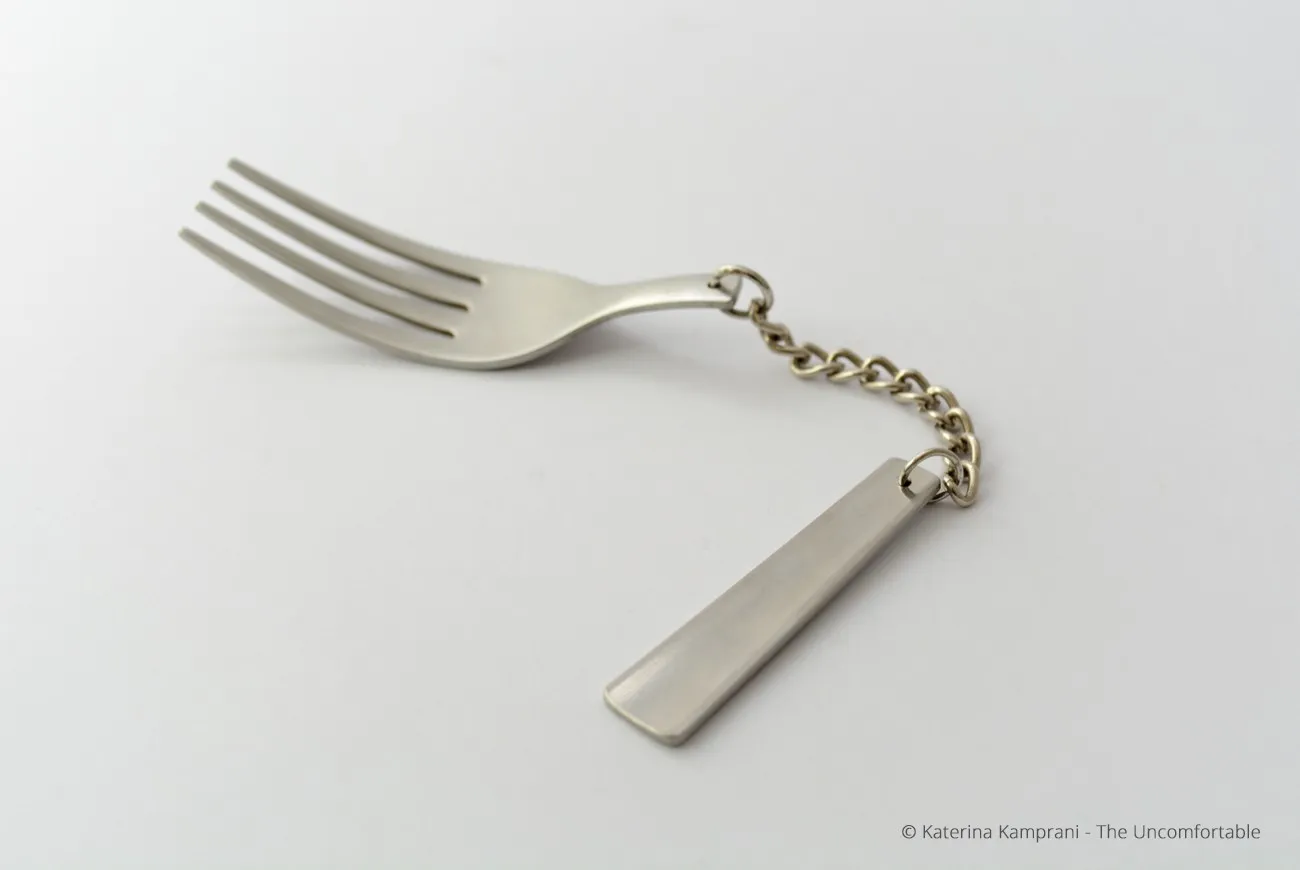
- User interface design (UX design). This is the design of the systems through which the user interacts with the product: for example, a program menu, a phone keyboard, a microwave program panel, and the like. A UX designer's job is to make using a device or program simple and comfortable.
- Mobile app designer. Developing the appearance of iOS and Android apps and designing mobile interfaces. A related field to UX design. Mobile phones and tablets are evolving and can do more and more, so this is a very promising area.
- Web design. Working with websites. They should not only be beautiful, but also convenient, have a clear structure, and the information should be easy to perceive. And there are many more subtleties that need to be taken into account.
- Graphic design. Development of logos and symbols, design of packaging, book covers, music CD covers, outdoor advertising banners, advertising blocks in print and online publications ... and much more.
- Game design. Creation of computer games - and not only thinking through their visual component, but also developing levels, reward systems, game mechanics, training. Complex and multifaceted work at the intersection of programming, design, and even management.
- Interior design. The interior design of spaces: residential, office, retail, industrial... How to zone the space? Can you install a partition? Or knock down a wall? How to arrange the furniture so that everything fits comfortably? How to think through the lighting? What style and color scheme to choose? An interior designer must find the answers to all these questions.
- Fashion design. Should clothes be comfortable? Or practical? Or maybe beautiful? Or all of this at the same time?.. These are the topics of fashion design.

- Landscape design. The art of decorating open spaces. This applies to both huge public spaces - parks, squares, squares - and private properties. Combines horticulture and botany, knowledge of architectural styles and movements, as well as aesthetics and psychology.
- Architectural design, or design of the architectural environment. The design of buildings and the spaces that surround them. One of the few fields where a specialized higher education is truly essential is architecture.
There are many design disciplines, including motion design, sound design, environmental design, and lighting design. Each of these disciplines plays a vital role in creating attractive and functional projects, pushing the boundaries of creativity and innovation. The diversity of these styles allows designers to find unique solutions to various problems, whether in advertising, architecture, or user interfaces. It's important to understand that each type of design contributes to the overall aesthetic and functionality, helping to create more harmonious and effective visual communication.
Gather information on the topic
When searching for information, it's important to use a variety of sources. Explore books, specialized websites, videos, and social media groups. A variety of sources will allow you to gain a more complete understanding of the topic of interest and expand your horizons. Don't limit yourself to one format - combine different types of content for the best results.
If you're new to design, we recommend choosing books not only on your specific specialization, but also on design in general. This will help you gain a broader understanding of the fundamentals of visual art, master the basic principles of composition, color theory, and typography. The right books on design will help develop creativity and improve the skills needed to succeed in this field. Start with fundamental works to build a solid knowledge base that will serve as the foundation for your future professional growth in design.
There are many useful books that can significantly expand your knowledge and improve your skills. These books cover a variety of topics, from personal development to professional advancement. Reading quality literature not only helps deepen your understanding of the subject but also inspires new ideas and solutions. Choosing the right book can be the first step to improving the quality of your life and increasing your effectiveness. Pay attention to works that have received positive reviews and recommendations from experts. Reading such books will be a valuable contribution to your education and development.
- Donald Norman. "The Design of Everyday Things"
- Michael Beirut. "Now You See It and Other Essays on Design"
- Robin Williams. "Design for Non-Designers"
- "A Word to a Designer". Collection
- Mark Monteiro. "Design is work."
Here are a few sites that might be helpful in your search for information. Don't limit yourself to this list; explore and find additional resources.
- Design & Illustration — lots of tutorials and useful materials on design.
- "Design Mania" — a website about web design. Lots of useful articles, as well as collections of icons, logos, fonts, and more.
- A List Apart — a collective blog. Articles on web design, written by different authors.
- noupe.com — another website for web designers.
- Logo Design Love — a treasure trove of inspiration for graphic designers. It contains a huge number of logos. Each logo has a short description, from which you can find out how this idea came about.
- I Love Typography — a website about typography. Useful for anyone who works with fonts.
- UX journal — a website about product design (UX/UI), branding, and analytics. Lots of materials on interface design.
- Elle Decoration is an interior design magazine website.
Explore designer groups on social media. These communities offer a wealth of interesting content, as well as opportunities to interact with professionals in your field. Networking with colleagues and exchanging ideas will help you expand your horizons and improve your skills.
Studying the portfolios of recognized professionals in your field is an important step toward improving your qualifications and career development. By analyzing the work of successful professionals, you can gain valuable ideas, inspiration, and an understanding of current trends. A portfolio not only helps you assess your skill level but also see a variety of approaches to problem solving. It can also serve as a basis for developing your own style and improving your skills. Don't miss the opportunity to learn from the best to advance in your professional career.
Such places are always a great source of inspiration—they offer fresh ideas and allow you to learn about current industry trends.
Study specialized blogs that match your area of interest. This will help you stay on top of the latest trends, receive helpful tips, and find inspiration for your own content. Industry-specific blogs are a valuable resource for professionals looking to develop and deepen their knowledge in their field.
Blog platforms often allow you to ask questions of the author and, if successful, receive answers.
Explore available courses in your area of interest.
There are offline and online courses, which can be both free and paid. At the initial stage, when you still have insufficient information, it is recommended to take free courses. This will allow you to understand what exactly interests you, and if it doesn't meet your needs, you can simply move on to another course. When choosing paid courses, focus on reviews, recommendations, and ratings. Be sure to review the course syllabus in advance to ensure its usefulness for you. Don't hesitate to ask the organizers any questions you may have before paying. This will help you avoid disappointment and make the right choice.
Create a study plan
After collecting a significant amount of information, it is important to organize your knowledge so as not to get lost in it. Create a clear study plan to avoid chaotic switching between books, websites, videos, and social media. This will help you not to miss important details and make the most of the collected data. A structured approach to studying will allow you to focus on key topics and achieve the desired results.
When creating a study plan, it is important to consider course and university syllabi that can be found online. You may need to adapt some elements to your personal goals and preferences. Determine which topics require more in-depth study and which ones can be covered superficially. This approach will help you optimally organize the learning process and achieve the desired results.
Plan not only the sequence of the material you study, but also the time when you will study. Set realistic deadlines for each stage of study and try to stick to them. This will help you organize your process, increase your efficiency, and achieve your goals.
Make time to practice and hone your design skills. Reading and watching videos about design are not enough to master it; you need to create projects yourself. The same applies to learning professional programs. Practice is the key to successfully mastering these tools.
Follow Your Plan
Study regularly, even if it may seem difficult. Stick to your planned study time. This will help you achieve your goals and improve your results. Consistency is the key to success in any endeavor.
Planning mistakes are common, so it is important to remain flexible. You are not in a free-for-all and can change your approaches. If you realize that you need more time, do not hesitate to add it or redistribute tasks. If some books or courses did not meet expectations, replace them with more suitable ones. At the same time, try to stick to the updated plan to achieve your goals.
Regular practice is the key to successful learning. If you are a beginner, try to avoid long breaks in training, as unreinforced skills can quickly disappear. This not only slows down your development but can also lead to a deterioration of the achieved level. Maintain activity and consistency to effectively develop and progress in your skills.
Practice
Regardless of the chosen direction in design, practice is key. Avoid focusing solely on theoretical knowledge; instead, solve real-world practical problems. If you don’t have clients yet, search for or create tasks yourself. Try developing a design layout for a website you don’t like, or redesign it. You can also create an interior design project for your apartment or the apartment of your loved ones, or perhaps even develop a design for a mobile app. Hands-on assignments will help you develop your skills, build a portfolio, and attract potential clients.
Design courses offer students the opportunity to not only gain theoretical knowledge but also complete practical assignments, which helps reinforce acquired skills. An important aspect of the training is the instructor's review of work, which provides high-quality feedback and opportunities for improvement. This approach promotes a deeper understanding of design and prepares you for real-world projects in this field.
Master professional software
Each design field has its own tools. For example, graphic designers often use Photoshop and Illustrator, which are among the most popular programs in this field. These applications are used in various aspects of design, but more specialized work may require mastering additional programs. When choosing software, it is important to thoroughly research the available options, comparing their advantages and disadvantages. An equally important criterion is the ease of mastering the program for beginners, which can significantly impact work efficiency and the speed of learning.
At the initial stage, you don't need to know a lot of programs. However, it is important to master the software you choose to a level of confident proficiency. You can learn software through books, specialized websites, training videos, and courses. This will help you significantly improve your skills and work efficiency.
If you don't know how yet, then learn to draw
There are designers who successfully complete their tasks without having drawing skills. However, the ability to draw significantly simplifies the work process. Most areas of design do not require a high level of artistic skill or academic education. However, it is useful to have the skills to quickly sketch and create expressive sketches, which allows you to effectively and clearly present your ideas to colleagues and clients. Developing these skills can significantly improve communication and speed up project approvals.
There are plenty of drawing videos and courses available online, but don't forget about books. They can be a great source of knowledge and inspiration. Consider the following books to help you improve your drawing skills and deepen your understanding of art.
- Dmitry Gorelyshev. "Simple Drawing";
- Mark Kistler. "You Will Be Able to Draw in 30 Days. A Simple Step-by-Step System, Proven in Practice."
Create a Portfolio
Don't put off creating a portfolio. A portfolio plays a key role for a designer when looking for work. It should include not only commissioned projects, but also works created on your own initiative. This will allow you to demonstrate your style, skills, and creative approach, which will significantly increase your chances of successful employment.
Focus on the quality of your portfolio, not its size. Include only those works that you are truly proud of and that demonstrate your professionalism. Update your portfolio regularly: add fresh projects and remove outdated works that no longer reflect your level of skill. This will help you keep your portfolio relevant and attractive to potential clients and employers.
You can post your portfolio on platforms such as Behance.net, Portfolios.ru, Dribbble.com, Deviantart.com, and Pinterest.com. Using multiple platforms is recommended for maximum reach, but is not required. Research which resources are most active in your design field to choose suitable options for showcasing your projects.
When publishing your own work, it's important to pay attention to the portfolios of other designers, photographers, and artists, as their work can serve as a source of inspiration. The concept of "visual awareness" is key for designers and illustrators, as without regularly reviewing the work of your colleagues, you risk falling behind current industry trends. Keep up with new trends and styles to stay competitive and develop your skills.
Don't get stuck in your own bubble
Join design communities and specialized groups. Actively participate in discussions to share experiences and gain new knowledge. This will help you expand your network of contacts and improve your professional design skills.
You will be able to gain new ideas and avoid common mistakes common to beginners. You can also receive valuable advice from more experienced colleagues, which will significantly increase your chances of success.
Don't hesitate to seek advice from others. People are willing to share their experiences and knowledge, and designers are no exception. Professionals are often willing to provide beginners with valuable information and recommendations that can significantly improve your skills and understanding of design. By seeking help, you not only expand your horizons but also establish useful connections in the professional community. Don't miss the opportunity to learn from those who have already achieved success in this field.
Don't be afraid of criticism. At the initial stage, your work cannot be perfect. Constructive criticism serves as an important tool for your professional growth. However, you should not take aggressive, obviously unkind, or incomplete feedback to heart. Such comments often reflect the problems of their authors rather than your abilities and the quality of your work. It is important to focus on the positive aspects and use constructive feedback to improve your skills and reach new heights in your professional work.
Don't delay in finding your first orders
Fulfilling orders provides an opportunity to gain practical experience in a new profession. This not only helps improve skills but also allows you to earn your first money, which is essential for the psychological perception of your new role. Even if your initial earnings are small, they validate your skills and demonstrate that clients are willing to invest in your work.
At the beginning of your career, it's especially important to focus on practice and gaining real-world experience. To achieve this, you can take on certain projects completely free of charge. This will not only allow you to improve your skills but also build a portfolio that will serve as an advantage when seeking more serious projects.
You can find your first clients on freelance platforms such as FL.ru and similar resources. It's important to decide on your future: will you continue freelancing long-term or will you prefer to seek permanent employment? Make your choice based on your experience and preferences.
Don't be afraid of failures and setbacks, as they are part of the path to success. Everyone faces difficulties, and you are no exception. The main thing is not to lose heart, but to analyze the situations and identify the reasons for failures. Keep in mind that you can always return to a failed project in the future with new knowledge and experience. While the client won't see the results, you'll gain valuable lessons that will help you in your future development.
Learn English
At the beginning of your career, you probably had enough information in Russian. However, many valuable books, websites, and blogs on design are available exclusively in English. Knowing English can significantly expand your professional horizons and accelerate your learning process. For example, English-language design blogs on Medium are an excellent source of up-to-date information and inspiration for design professionals. Using these resources will help you stay up-to-date on the latest trends and practices, which will positively impact your development in this field.
Experiment and never stop!
Use a variety of techniques and experiment with new tools. Even if the results don't meet expectations, it will still be a valuable experience. Sometimes unexpected effects may be unnecessary at the time, but can later be useful in other projects. Experimentation opens new horizons and promotes creative development. Don't be afraid to take risks and learn from your mistakes—they can lead to unexpected and interesting solutions.
Modern design is highly dynamic, which requires constant learning. This creates a common ground for beginners and professionals: both groups continue to develop, albeit in different directions.
Don't be afraid of experiments and new beginnings. Inexperience and failures are a natural part of the path to success. The key is to stay confident and keep moving forward. Bookmark this article for future reference.
Your design journey begins here
Stop putting up with routine and boring tasks — discover your inner creator and start a career in digital design! In this free online course, you'll learn in just 2 hours what this field is and which profession is best for you.
Find out more