Contents:
Learn: Game Designer Profession from Scratch to PRO
Learn MoreEvery compelling story needs memorable characters. Despite the many ideas that may arise during the creation process, in practice, character development is a complex task. This is especially true for video games, where the connection between the character and the player must be as deep and emotional as possible. Effective characters can capture attention, evoke empathy, and provide players with a unique experience. Therefore, creating expressive and multi-layered characters is key to successful game mechanics and narrative.
When Characters Are Not Necessary
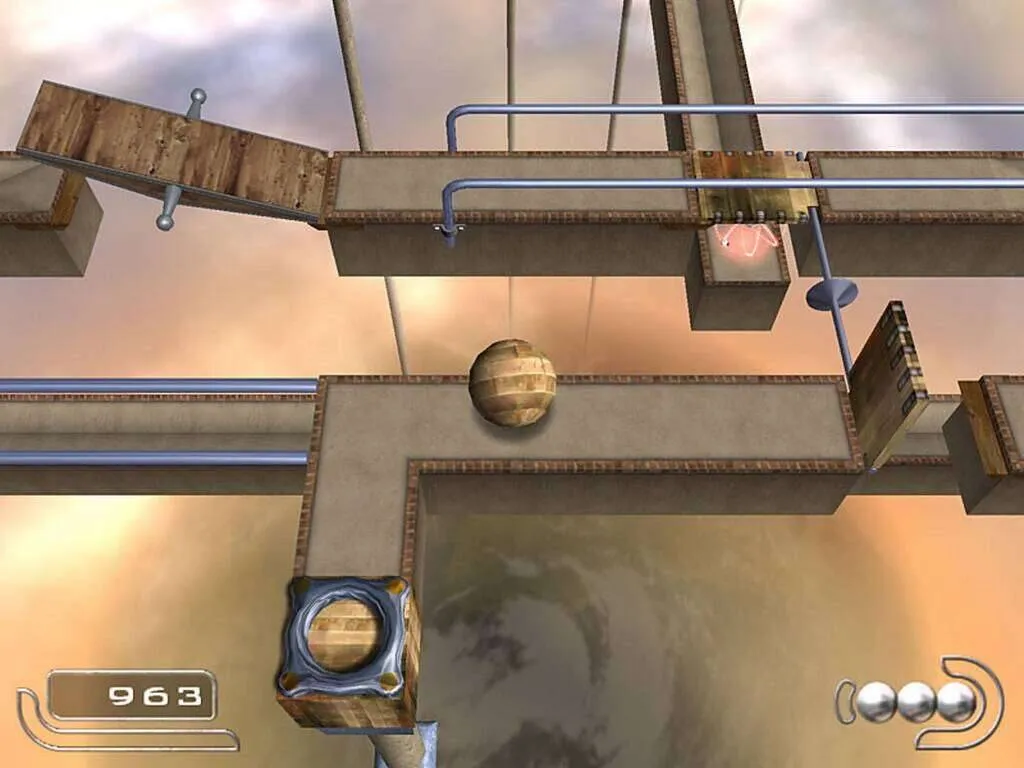
When exploring the world of video games, it's worth first eliminating those games that lack the ability to animate characters. Such games include Tetris, chess, dominoes, dice, and similar games like Ballance. These games focus on strategy and logic but don't offer players interaction with characters, making them less appealing to those seeking emotion and immersion. Instead, consider games that allow players to control living creatures, interact with them, and influence their development. Such games provide deep engagement and the opportunity to create unique game stories.
In this article, we will look at games with living creatures, focusing on the sandbox genre. In such games, characters may not be deeply developed, which allows players to enjoy the gameplay without having to follow a complex plot. Sandbox games offer freedom of action and creative expression, making them appealing to a wide audience. Players can explore the world, interact with the environment, and create unique stories without being constrained by a predetermined plot.
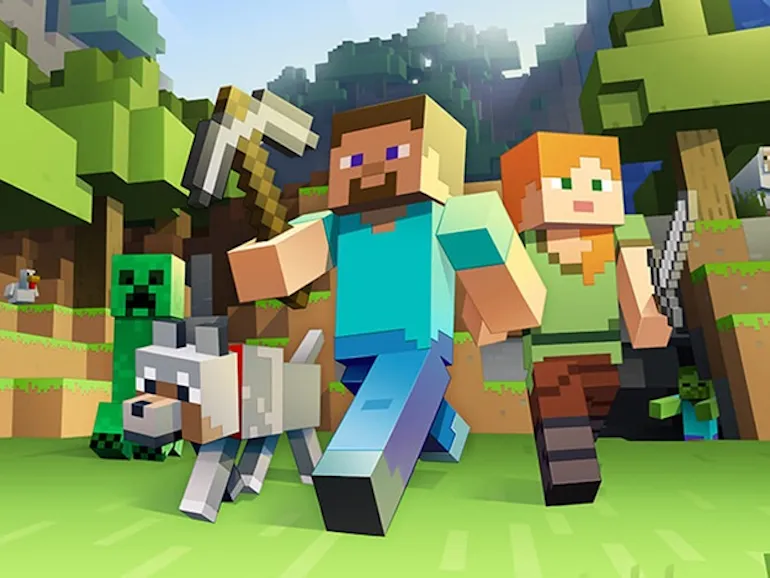
In sandbox games, players are empowered to define their own actions, making association with characters optional. In Minecraft, for example, many players are unaware that the main characters are named Steve and Alex. This doesn't affect their experience. Sandbox games offer creative freedom and individuality, allowing each player to focus on their own preferences and goals in gameplay.
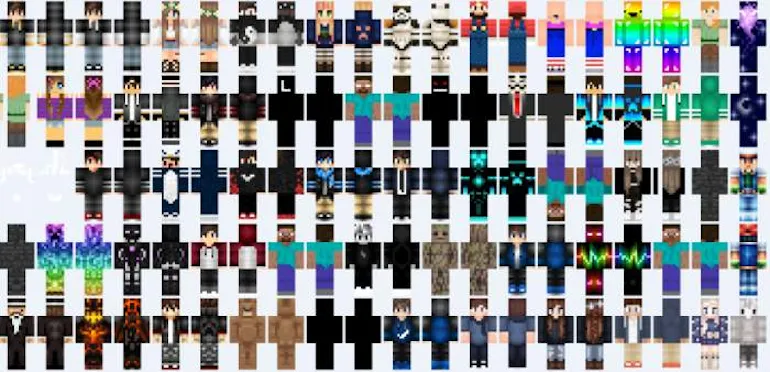
Players have the ability to upload any skins they want, allowing them to personalize their gaming experience.
A similar situation is observed with other "sandboxes". As a child, I could spend hours playing GTA: Vice City and San Andreas. Even though these games had a plot, it didn't matter to me - I created my own world and stories. Open-world games allow you to unleash your creativity and enjoy freedom of action, making gameplay unique and engaging.
If you have ideas for a compelling story, it's important to consider character development. Good characters are the foundation of a captivating narrative; they add depth and realism to the plot. Diverse personalities and their development can significantly enhance the perception of a story. Consider the motives, goals, and internal conflicts of your characters to make them more appealing to readers. Remember that strong characters can not only captivate but also evoke an emotional response, making your story more memorable.
What Should Any Character Be Like?
Characters are an essential element of any work. They should have a clear motivation that drives their actions and decisions. A character's personality determines their behavior, relationships with other characters, and perception of the world. Furthermore, character chemistry plays a key role in plot development, creating tension and interest for viewers or readers. Well-written characters are able to evoke emotion and leave a lasting impression, making a story more engaging and profound. Every aspect of a character, from their internal conflict to their interactions with others, contributes to the overall dynamic and appeal of a piece.
- Motivation gives a character's existence meaning.

- Character makes a character stand out from other characters or from a cardboard background (if a character is poorly developed, it is called cardboard).
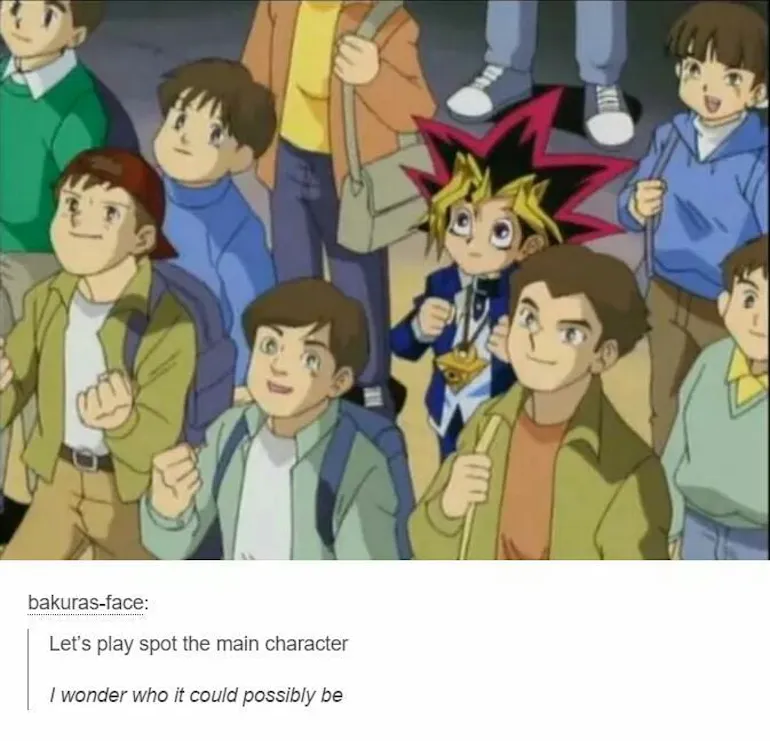
- Chemistry (relationships with other characters) makes him part of the story.
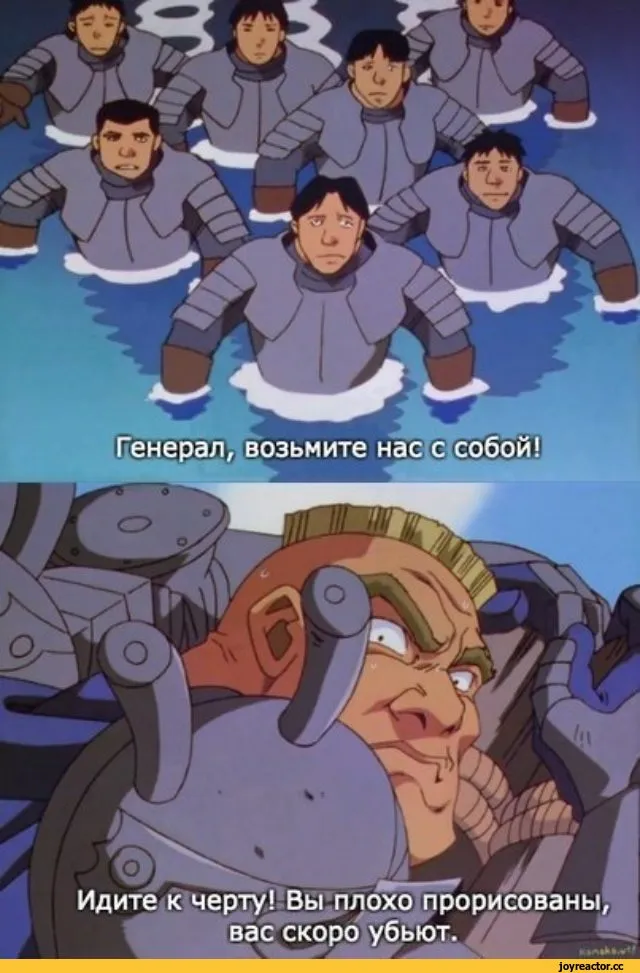
The themes of films, books, and games overlap, but in games this process is different. Creating an antagonist or companion is possible thanks to a variety of components. However, attempting to create an overly complex protagonist can make it difficult for players to connect with them. This can reduce engagement and hinder emotional connection. Therefore, it's important to find a balance between character depth and player accessibility.
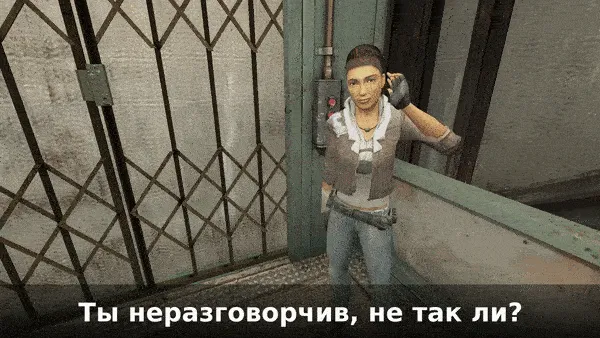
Agency in games plays a key role in character perception. Imagine that during a cutscene, the protagonist declares that they are not a murderer and have no intention of killing. If you're following the developers' intended script, you'll appreciate the importance of the character having their own values and beliefs. However, if you've killed numerous NPCs earlier in the game, their words may seem hypocritical and an empty promise. This discrepancy between the player's actions and the protagonist's declaration creates dissonance and can negatively impact the story. Therefore, the importance of freedom of choice in games lies not only in gameplay mechanics but also in the construction of compelling narratives.
Unlike films and books, where we cannot influence the development of the plot, in interactive games this opportunity is present. This creates a unique interaction experience, but can also cause dissonance. In non-interactive works, we can identify with various characters, including secondary ones, which makes the perception of the story more multifaceted. In games, however, the player is always tied to the main plot line and the actions of the protagonist, which limits the possibility of associating with other characters.
This problem can be solved in several ways. One is to create a character with whom most players can easily associate. It is also important to give players the opportunity to freely interact with the game world, which will allow everyone to find their own unique experience and approach to the game.
Player-created character
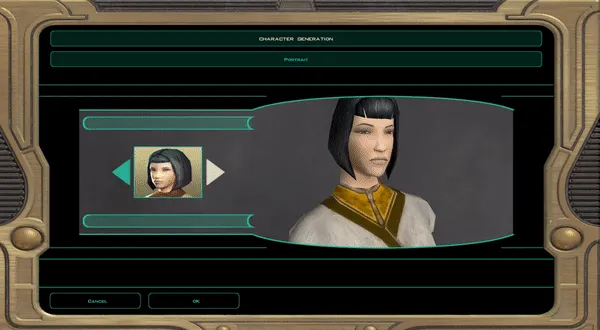
Creating your own Character customization significantly simplifies the process of immersing yourself in the game universe. In Star Wars: Knights of the Old Republic 2, players are given the opportunity to choose their character's appearance from a variety of pre-designed options. This allows each player to feel part of a unique story, fostering a deeper engagement with the game world.
In the first part of the game, players could choose the backstory of their character, determining his past and experience before the main events. This could be participation in military operations as a soldier or work in covert operations as an intelligence officer. Choosing a backstory not only enriched the story but also influenced subsequent interactions and character development throughout the game.
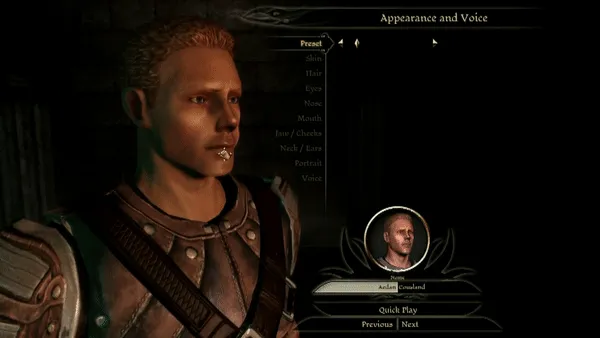
At the beginning of the game, you have complete freedom to choose your role: you can be a villain or a hero, interact with other characters, or ignore them. This freedom of choice is also present in Dragon Age: Origins, where you can choose a pre-made character or customize their appearance. The game features a variety of scenarios and options, allowing each player to create a unique experience.
Creating your own character is available in many games, including The Sims and World of Warcraft. Even if the game has an overarching goal to achieve, the character you create will always be closer to the player. Ultimately, when playing as Dovahkiin, you can become exactly who you want to be. Character personalization allows players to express themselves and immerse themselves in the gameplay, making it more engaging and memorable.
Game Designer Profession from Scratch to PRO
A game designer creates the structure of a game. They develop the concept, rules, and gameplay, and decide what emotions the story will evoke in players. You'll master game design principles from scratch and learn how to work with popular engines like Unity and Unreal Engine. You'll learn how to keep players engaged and monetize your games. And we'll help you start a career in the gaming industry.
Find out more