Learn: Game Designer Profession from Scratch to PRO
Learn MoreGames aren't just entertainment; they're a powerful tool for achieving goals, personal growth, and satisfying various needs. Their fascination lies in their ability to stimulate the development of skills and strategic thinking, as well as in creating unique emotional experiences. Games can develop creativity, improve concentration, and promote socialization, making them an important part of modern leisure.
In this article, we will discuss methods for motivating different types of players and how to meet their needs. The right approach to each type of player will help create a more engaging and interesting gaming experience. We will cover the key aspects that need to be considered to create a motivational environment that promotes engagement and meets the needs of all participants.
What motivates players to play
Motivation in games is divided into intrinsic, which comes from the player, and extrinsic, which is associated with the character. Furthermore, motivation can be classified by duration: short-term, medium-term, and long-term. These types of motivation are maintained through gameplay cycles known as OCR (objective, competition, reward). Gameplay loops provide players with clear goals, create competitive situations, and provide rewards, which helps maintain interest and engagement in the game.
Goal achievement and progress are what inspire us. We strive for results, especially when they are obvious and measurable. Trivial goals rarely capture our attention, and we are reluctant to invest either time or effort in them. It is important to set meaningful goals that will motivate and contribute to personal and professional development.
We prefer to avoid excessive simplicity and strive for proactive actions that give us a sense of effectiveness. The more complex the task, the more satisfaction we derive from its successful completion.
Rewards play a key role in goal achievement, as they confirm successful completion of the task. It is important that the reward is commensurate with the significance of the goal and the effort expended on achieving it. A well-chosen reward can not only motivate but also strengthen self-confidence, promoting further development and reaching new heights.
An example of external short-term optical character recognition (OCR) demonstrates the capabilities of technologies that convert text images into editable formats. External OCR systems can effectively process documents, scanned images, and photographs, ensuring high recognition accuracy. These technologies are widely used in various fields, including the automation of data processing processes, document archiving, and the creation of electronic libraries. Using external short-term OCR optimizes workflows and significantly reduces the time spent on manual data entry. Thanks to modern algorithms and artificial intelligence, such solutions ensure fast and reliable processing of text information.
- The goal is to defeat the enemy.
- The challenge is to use combat skills.
- The reward is experience and loot.
OCR is an ongoing process that does not end after achieving the first short-term goal. The player is constantly engaged in the action: fighting enemies, solving puzzles, interacting with NPCs, and performing a variety of other tasks. This constant cycle of activity creates a dynamic gameplay environment, where each new goal leads to new challenges and opportunities. Players are in a state of constant development and progression, making the gameplay engaging and intense.
The player or character achieves their goals and progresses, gaining new skills and improving their gameplay abilities. With each successful achievement, opportunities for more challenging tasks open up, creating a vicious cycle of progress. This process allows the player to continually raise the stakes and develop their skills, making the gaming experience more engaging and fulfilling.
It's important to remember that short-term gameplay loops should be varied. Allow players to not only use combat skills but also explore the environment, collect loot, interact with NPCs, or solve puzzles. Even the most engaging gameplay can quickly become boring without basic variety. Creating balanced gameplay moments will help keep players engaged and provide them with a more fulfilling experience.
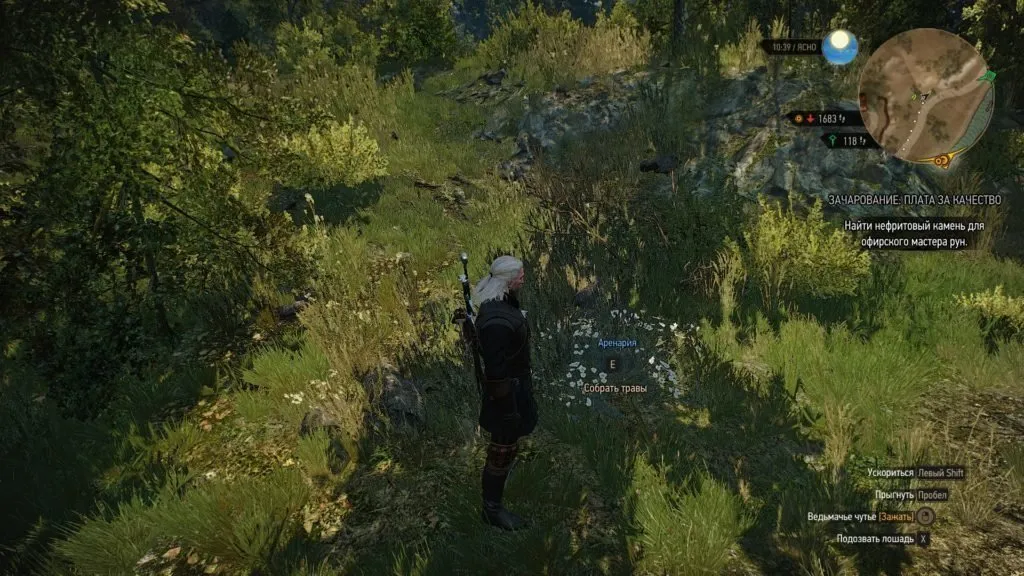
A short-term loop in games typically lasts from one to three seconds in casual titles and can reach up to one minute in high-budget games. Short-term goals are important because they help players achieve medium-term goals, such as leveling up, completing quests, or saving up for expensive armor. These gamification elements contribute to improved gameplay and retention.
Medium-term goals play a key role in achieving long-term objectives, such as defeating a major enemy, completing the game, or saving the world. Players typically achieve these goals within a few dozen hours of play. However, in the context of online games, long-term goals can take years. Therefore, it's important to set clear medium-term goals that serve as steps toward larger achievements.
People strive for development and self-improvement; they enjoy learning. In this context, games play an important role because they clearly demonstrate our progress. For example, if you become better at fighting, you gain the ability to defeat stronger opponents. If you become smarter, this helps you progress further in puzzle games. Games are not only entertaining but also contribute to skill development, making them a valuable tool for learning and personal growth. Extrinsic motivation in RPGs often manifests itself through player identification with the character. Players strive to develop their hero by reaching new levels and improving their stats. Classic examples are goals such as leveling up a character or acquiring new armor. These aspects not only increase engagement but also create a sense of achievement, making gameplay more engaging and exciting. Players must have intrinsic motivation to achieve goals in the game. The desire to become better or more experienced is one thing, but the need to save the world requires deeper consideration. It is important for game designers to create conditions that encourage the player to achieve their goals. Effective mechanics, a compelling story, and an emotional connection with characters can be key elements that inspire players to take action. Creating compelling challenges and meaningful rewards also plays a key role in motivating players to achieve goals and overcome challenges in the game.
Life is Strange's protagonist allows players to see themselves reflected in her or, conversely, feel distanced from her, which can influence how they experience the game. Understanding her motivations encourages empathy and a desire to help her in difficult situations. This emotional connection makes the game unique and memorable, allowing you to become more immersed in her world and experiences.
As you play, you will achieve short- and medium-term goals, caring for the protagonist and other characters as if they were your own. The game offers a unique opportunity to control events, something often unavailable in real life. While some players use this freedom to their detriment, they are generally in the minority. This approach allows for deeper immersion in the gameplay and creates an emotional connection with the characters, making the experience more rich and engaging.
You will face an important choice that will help you achieve your main goal - saving the city from a devastating storm. Which direction will you choose for the minecart?

Motivation in Different Types of Players
Different players have their own unique motivations. If you survey a significant number of people about what they look for in games, their answers can be classified into four main categories.
Richard Bartle proposed a taxonomy that is often used in multiplayer games but can also be applied to single-player projects. For example, the Witcher series focuses on explorers and achievers, emphasizing its deep storytelling and the ability to explore the world. This taxonomy helps developers better understand player motivation and create more engaging gaming experiences.
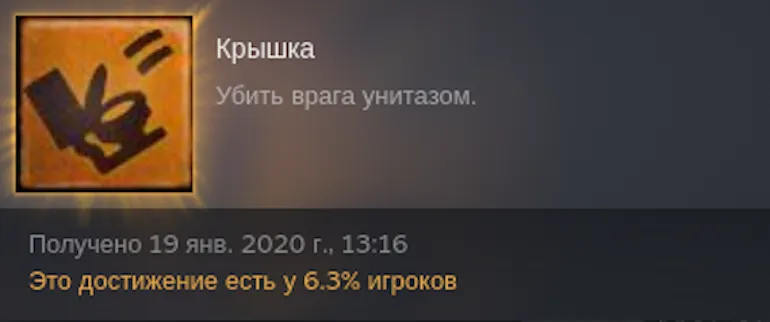
The world of Andrzej Sapkowski is a unique universe that is worth Explore more deeply. Delving into in-game books and notes, as well as interacting with characters, allows for a deeper understanding of the plot and the richness of the world. Every element created by Sapkowski imbues the story with new meaning and opens up new horizons for fans. By exploring this fascinating world, you can discover many hidden connections and nuances that make it even more exciting.

Achievers in games can set themselves Ambitious goals, such as defeating all opponents in a fistfight, obtaining the most valuable items, or winning the affections of all female characters. In the first game, players could earn special cards for completing these tasks, which added an additional incentive to achieve success. Such goals make the gameplay more engaging and motivate users to explore all aspects of the game.
Player Needs
In addition to gameplay loops, player needs should also be considered, such as the desire for status, power, self-affirmation, autonomy, belonging, and connection. These aspects play a key role in shaping the game experience and can significantly impact player engagement. Understanding these needs allows developers to create more engaging and satisfying games that meet audience expectations.
Games such as SimCity, Civilization, and Tropico give players the opportunity to manage resources, build structures, and make important decisions at the level of a city, country, or even an entire civilization. These games satisfy our need for autonomy and freedom of choice by allowing players to determine the direction of their own development. Participating in such simulations promotes the development of strategic thinking and planning skills, which makes them not only engaging but also beneficial for personal growth.
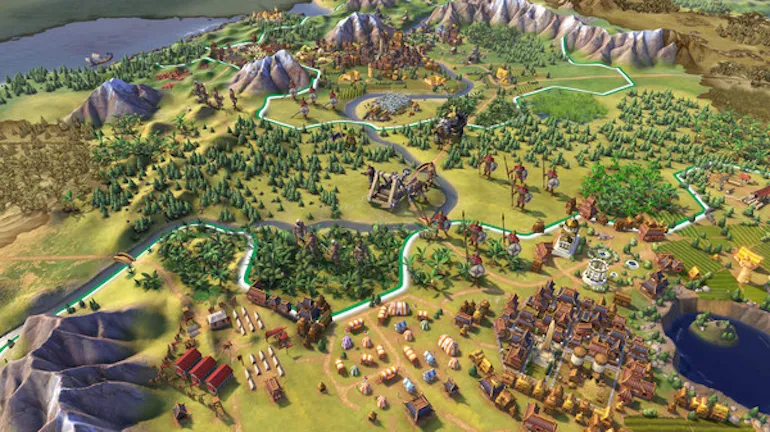
The Need for Autonomy isn't limited to city-building simulators. Life is Strange is a prime example of a game where players have the opportunity to make choices, and every decision matters. This underscores the importance of freedom of choice in games, where actions and consequences influence the development of the plot and interactions with characters. Thus, games that give players the opportunity to make meaningful decisions become an essential element in creating an engaging gaming experience.

Shooters and souls-like games like Dark Souls give players the opportunity to assert themselves and show off their skills. In these games, player skill is significantly more important than character stats, allowing each participant to demonstrate their true worth. The introduction of multiplayer opens up new horizons: players can join clans or form teams, creating a sense of community. We all strive to be a part of something bigger, and games like these provide that unique opportunity.
Self-affirmation is possible not only through demonstrating competence, but also through status. For example, in the first Witcher game, players could enlist the aid of influential figures, such as a priest or a city guard. These figures provided Geralt with special rings that opened access to new opportunities and locations otherwise inaccessible. In multiplayer games, a player's status is often indicated through leaderboards, as well as premium items and unique skins, which allows them to stand out from other participants and confirm their importance in the gaming community.
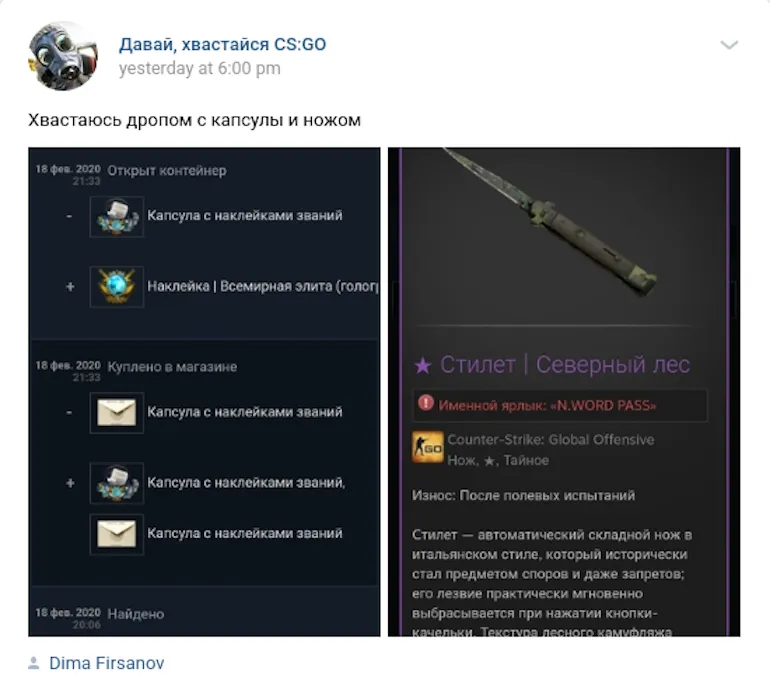
Players strive to demonstrate Their status not only in the gameplay but also beyond it. Such communities help attract new players, allowing game studios to significantly reduce marketing costs. This interaction between players and studios creates a unique ecosystem in which status becomes an important element of audience attraction and brand loyalty.
Game Designer Profession from Scratch to PRO
A game designer creates the structure of a game. They think through the idea, rules, gameplay, and decide what emotions the plot will evoke in players. You'll master game design principles from scratch and learn how to work with popular engines like Unity and Unreal Engine. You'll learn how to retain player interest and monetize your games. We'll help you launch a career in the gaming industry.
Find out more