Contents:

Who are you in the world Gamedev? Find out in our free course ➞ You'll experience three professions in action: game designer, 2D artist, and Unity developer. Create your first Mario-style game. Click here for details.
Learn moreCharacter creation is a complex and multifaceted process. The most important thing is not just to come up with a hero, but also to make them engaging and memorable for the player, so they can empathize with and care about their fate. Writers, screenwriters, and narrative designers often use various techniques and tricks to develop characters more deeply and add uniqueness. These techniques not only help create a vivid character but also make interaction with them more emotional and engaging.
Famous writer Neil Gaiman, author of such works as The Sandman and American Gods, creates "simple" characters and allows them to speak freely. Through unrestricted dialogue, unique traits are revealed, and sometimes entire scenes emerge. Gaiman's method, as well as the approaches of other popular authors, are detailed in The Book of Wonders by Jeff VanderMeer, known for his works Annihilation and Bourne.
Outrageous game designer and screenwriter Goichi Suda, also known as Suda 51, uses a unique concept known as the Star System. This idea was developed by the outstanding manga artist Osamu Tezuka, author of such works as Astro Boy and Kimba the White Lion. Like Tezuka's characters, Suda's heroes cross over between different games and stories. However, unlike traditional narrative, the authors do not seek to develop the storylines of these characters. Instead, they act as universal actors who take on different roles, moving from one story to another, while maintaining their faces, personalities, and names. This approach creates a unique atmosphere, allowing fans to see familiar images in new contexts and games.
He says he is drawn to the character development system because it allows him to reuse fictional heroes in different roles. In his imagination, these characters inhabit real individuals, and he simply provides them with opportunities for self-expression. This approach as a game designer helps make characters more multifaceted and interesting, adding depth to their personalities and stories.
We interviewed screenwriters, narrative designers, writers, and game designers to learn how to create compelling characters. The responses were diverse, which underscores their value. Each text in this collection represents personal experience, knowledge, and methods that the authors are willing to share. This collection will be a useful resource for those looking to deepen their character creation skills and improve their narrative approach.
Sergey Aksyonov
Creating a protagonist who will capture the player's attention requires creativity and the use of a variety of techniques. One effective way is to refer to the famous film quote, "Now everyone will want to kiss you, or be you." This thought, uttered by one of the characters in "The Hunger Games: Mockingjay," highlights important aspects: charisma and idealization. The first step is to create a compelling character that evokes sympathy and a desire to be like them. This can be achieved through developing their appearance, personality, and unique traits that make them memorable. The second aspect is creating deep, multi-layered personalities that players can understand and empathize with. It's important for the protagonist to have their own goals, motivations, and internal conflicts, which adds realism and makes them relatable to players. Therefore, a combination of charisma and character depth will help create a protagonist who will become the center of attention and engage players throughout the game.
If you clearly understand the type of game you're developing and the audience you're targeting, create a protagonist players can identify with. Give them the opportunity to become someone who experiences a unique experience, whether it's surviving a zombie-infested world like in The Last of Us, hunting demons like in Diablo, or becoming Batman like in Batman: Arkham. The "Be the Batman" tagline in Batman: Arkham Knight clearly emphasizes this idea. Creating a character that players want to become significantly increases engagement and interest in the game.
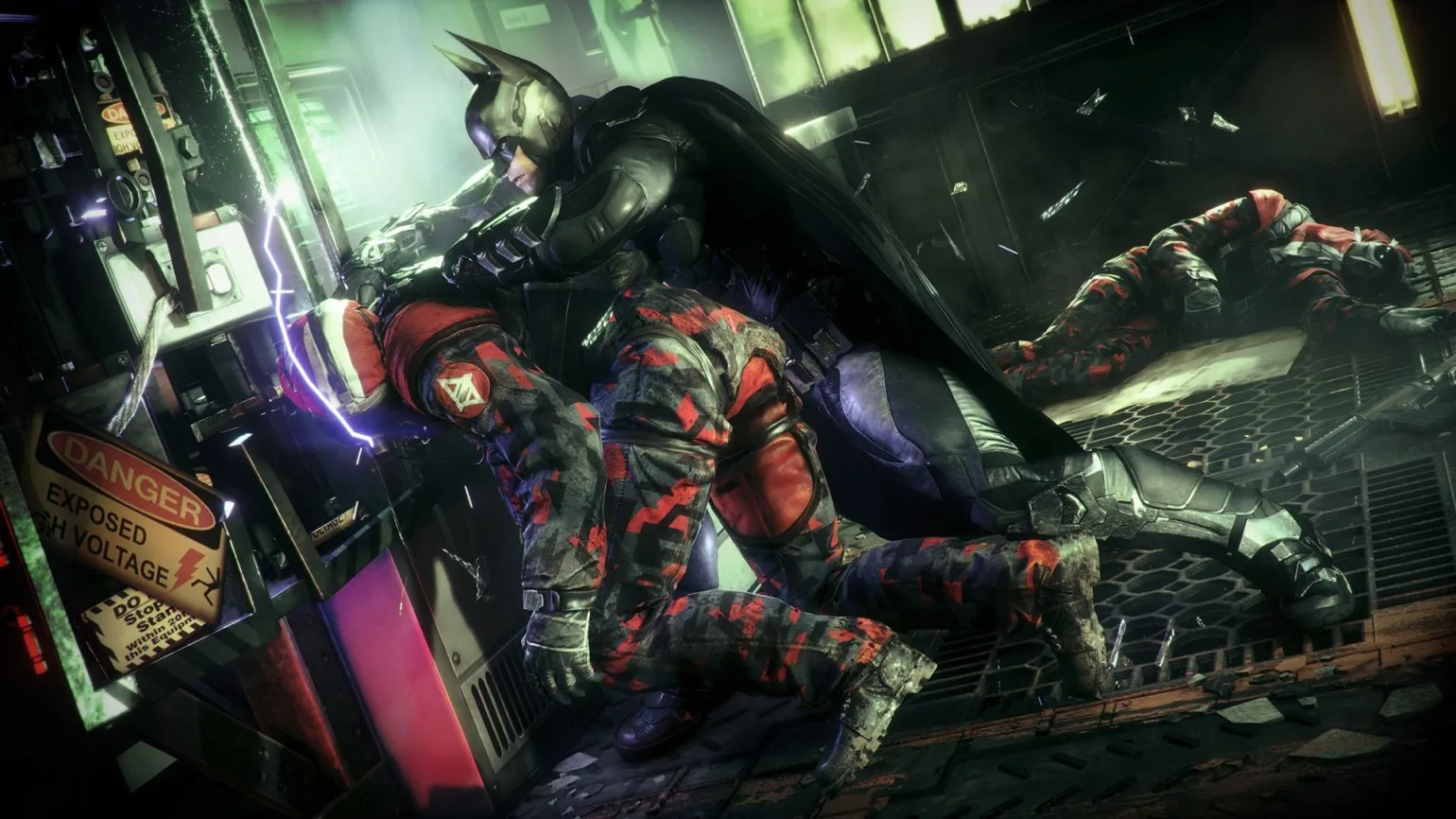
In space In a horror game, it's important to create an atmosphere of tension and fear. To achieve this, the character should be dressed in an impressive space suit and equipped with unique gadgets and specialized weapons. In an economic simulator, the player needs to feel like a successful entrepreneur, which will allow them to immerse themselves in the world of business. The rule "they meet you by your clothes" remains relevant, as the visual style influences the perception of the game. Creating a believable and engaging character from the very first frame will help the player believe in the realization of their fantasies and goals. When they first launch the game, the player should be confident that in a stylish space suit, they will be able to explore a unique space station. They should believe that they can make money by developing real estate. Putting on a pirate hat, they will feel like a captain ready to set off on an exciting sea voyage. With a mask, fins, and a breathing apparatus, they can dive into the uncharted depths of the ocean. It's important that the character's appearance reflects the gameplay possibilities, and that the gameplay itself facilitates the player's fantasies and dreams. Creating a character's visual image should inspire adventure and open up new horizons in gameplay.
In my personal experience developing a game that was later defined as a BDSM platformer, I encountered an interesting challenge. The technical specifications required the protagonist to wear a BDSM mask. However, I wasn't sure whether players were ready for such an element. I didn't want to risk them reacting with a "this isn't what I want right now" reaction. Therefore, a solution was adopted: at the beginning of the game, the character appears without a mask, allowing the player to more easily identify with them. We then quickly and dynamically explained the reason for the character's mask. This approach ensured sufficient immersion in the story, and players didn't wonder, "Why am I playing as a character wearing a BDSM mask?" This avoided unnecessary questions and made the character's outfit a hint at what would follow. Thus, we successfully integrated an important design element while maintaining player interest and engagement.
Character appearance plays a key role in setting player expectations for the gameplay. Visual elements can hint at the possibilities that will unfold during the game. The opening scene, in which a seemingly ordinary character with no special abilities dons a BDSM mask, effectively transports the player from a state of pre-game anticipation to an atmosphere where embracing the unusual, even the insane, becomes natural and engaging. This creates intrigue and immerses the player in a world full of unexpected twists and interesting events.
In the Resident Evil series, the player takes control of an extraordinary character—an experienced special forces soldier or his relative. In a zombie apocalypse, such a character is an ideal choice, as their skills allow them to effectively deal with threats. This approach reinforces the belief that they can destroy zombies with ease. Next, we will look at several more key aspects related to the gameplay and plot development.
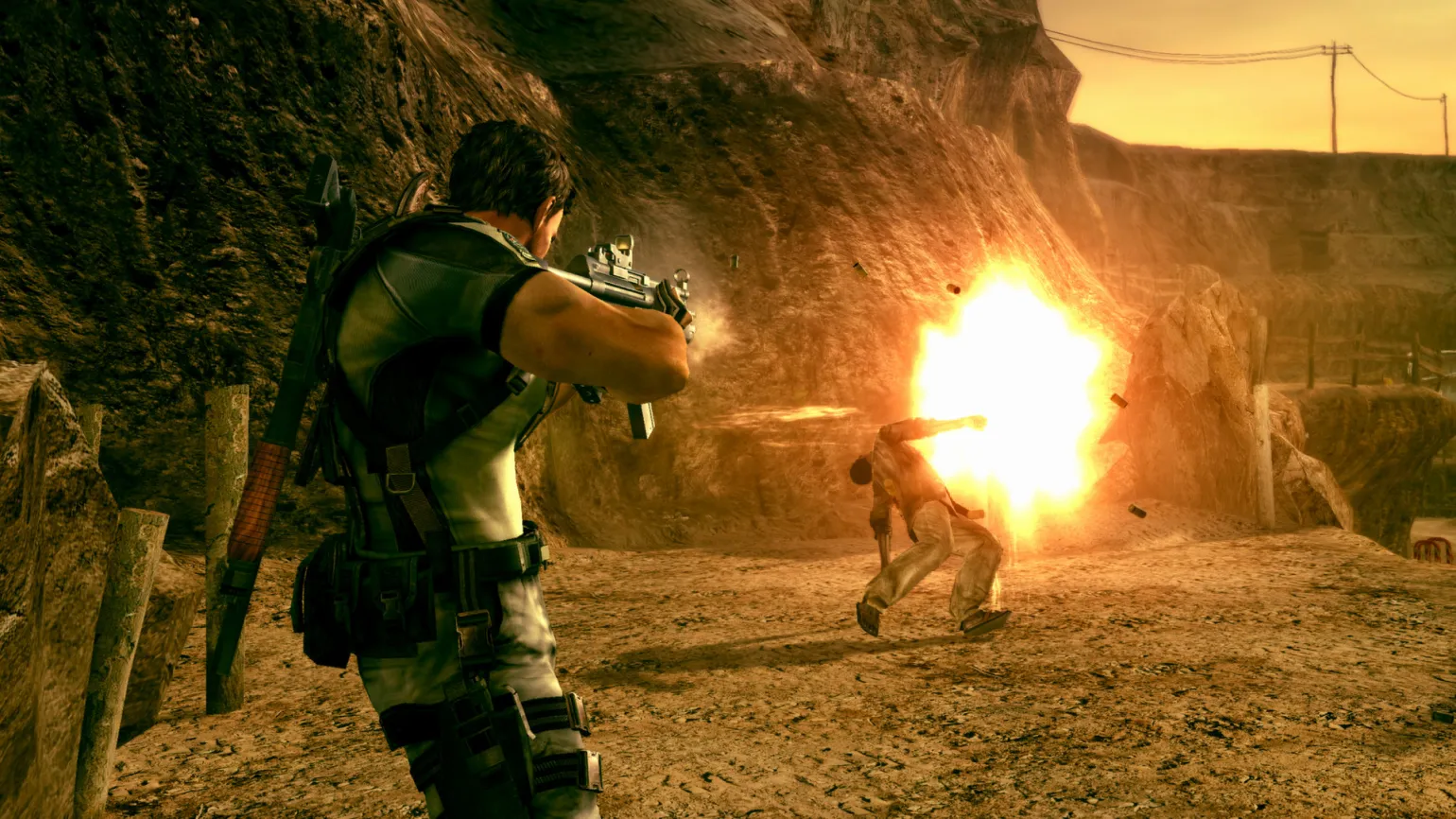
After acquaintance When introducing a player to a character, it's important to provide them with a simple and understandable first quest. The quest should be formulated so that even after a stressful day at work or school, the player can easily grasp its significance and the need to complete it. It should be natural and logical to avoid a sense of dissonance and questions about who exactly this quest is intended for—the player or the character. A quest for the character simultaneously becomes a quest for the player, blurring the boundaries between reality and the virtual world. After this, you can delve deeper into the plot, lore, and backstory of the character, which will help maintain player interest and engage them in the game in other ways. This approach helps create a deeper interaction and emotional connection between the player and the game world.
In Diablo 3, each of the main characters has a unique backstory, and as the game progresses, the player begins to understand their "chosenness" and "destiny." However, at the beginning of the game, the emphasis is on character design, and it is this that encourages the player to choose what kind of monster hunter they want to become. They can choose a character with a powerful axe for close combat or a marksman using a bow for ranged attacks. There's also the option to play as a necromancer, who can resurrect skeletons and use them as allies in battle. Personally, I preferred playing as a necromancer, enjoying the tactical possibilities this class offers. The character's appearance creates the expectation of engaging gameplay and deep immersion in the world the player seeks to explore. Thus, the right character choice not only determines the player's playstyle but also opens up new horizons for story development and interaction with the surrounding world.
As the player begins to feel their strength in fighting monsters, the plot, flashbacks, and new characters begin to immerse them in a captivating story using deeper narrative techniques. These techniques will be even more effective if the player can identify with the protagonist, which will strengthen the emotional connection and engagement with the gameplay.
Let's return to the main thesis. We discussed the part about wanting to be you. Now let's consider the next part of the aforementioned phrase: it's about a character "who people want to kiss." This aspect emphasizes the importance of attractiveness and charisma, which can generate interest in others. A character who evokes such desire usually possesses qualities that attract attention and evoke sympathy. This can range from physical attractiveness to inner qualities such as kindness, confidence, and the ability to listen. All of these factors play a key role in shaping a character's image and how others perceive them.
Let's recall how the creators of the original Tomb Raider game developed the character of Lara Croft. Initially, the main character was planned to be a man, but the developers noticed that in Mortal Kombat, players more often chose female characters. As a result, Lara Croft became a sex symbol of the gaming industry, gaining immense popularity among the male audience.
In the Resident Evil series, players have the opportunity to control not only experienced special forces soldiers but also attractive female characters. These heroines have the same skills and abilities as their male counterparts, but they perform their tasks with special charm and elegance.

It's important to emphasize that a character's appeal isn't limited to their appearance alone. Research shows that both men and women can be attracted to someone who doesn't spend much time exercising, but has a pleasant voice and the ability to express themselves beautifully. Goal-orientedness and self-confidence are also highly attractive qualities. Our perceptions are influenced not only by appearance but also by other personality traits. All the factors that influence our perceptions in life are also relevant in the world of games. While this may sound cynical, psychology, anatomy, and the author's skill are behind it. Create a character that will appeal to the player using not only their appearance but also their inner qualities.
I've described just a few techniques from an extensive list that help create a captivating character. But what exactly does a "compelling character" mean in a gaming environment?
An engaging character is one with whom the player enjoys interacting, whether in or outside of gameplay, although it's preferable for this to happen within the game. I use this definition when communicating with writers, narrative designers, and game designers. The main goal of an engaging character is to capture the player's attention and make them spend more time in the game. Time and attention are key resources we strive for when creating unique characters. The amount of time a player devotes to a character can serve as an indicator of their "compellingness." While it's impossible to create a character that will be engaging for everyone, it is quite possible to make them appealing to a specific target audience. In this way, a successful character becomes an integral part of the gaming experience, contributing to player engagement and retention.
In the world of literature and film, there are many protagonist archetypes that form the basis of plots and characters. These archetypes help create deep, layered stories that audiences and readers can easily connect with. If you'd like to dive into exploring these archetypes, grab a cup of tea and get ready for a captivating journey.
Protagonist archetypes not only enrich a narrative but also make it more engaging for the audience. They help create recognizable characters that can evoke a variety of emotions and reactions. Understanding these archetypes can significantly improve your writing skills and understanding of storylines.
Let's take a closer look at these basic protagonist archetypes to better understand how they influence the creation of memorable stories.
Archetypes have become increasingly popular recently, and their interpretations vary. You can even come across the concept of archetypes of archetypes. There are numerous lists and tables describing protagonist archetypes, and there are over two dozen of them, each unique. Despite this, these archetypes remain useful tools worth using in a variety of fields, from literature to psychology and marketing.
Read also:
Jung and Character Archetypes: A Deep Dive into Psychology
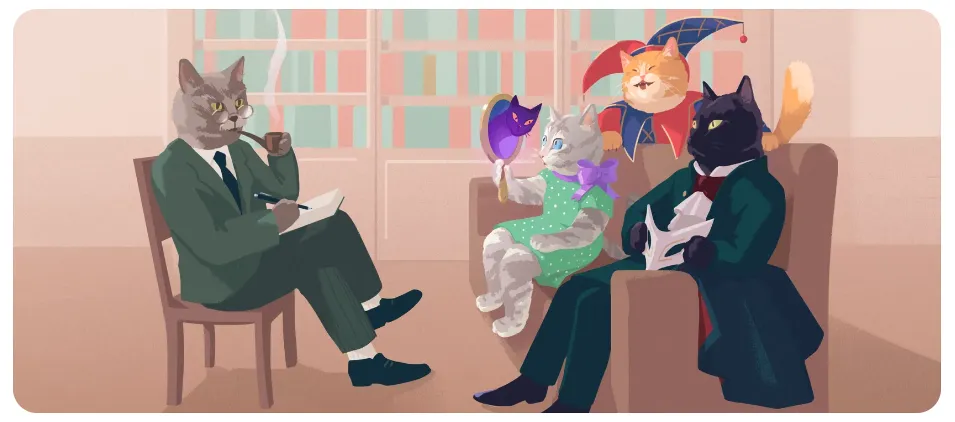
Character archetypes play a key role in creating compelling stories. These universal images, described by Carl Jung, help authors better understand the inner worlds of their characters and their motivations. Understanding archetypes allows them to create more believable and interesting characters that resonate with readers.
Each archetype represents a set of traits and behaviors that are easily recognizable across cultures and eras. For example, the Hero archetype symbolizes courage and the desire to achieve a goal, while the Sage archetype represents knowledge and wisdom. By using these archetypes, writers can not only develop a plot but also deepen an emotional connection with the audience.
The importance of archetypes cannot be underestimated: they serve as the foundation for building complex characters and help create multi-layered relationships between them. Понимание архетипов также способствует лучшему восприятию истории, позволяя читателям легче идентифицировать себя с героями и их переживаниями.
Изучение архетипов Юнга становится ценным инструментом для авторов, стремящихся создать запоминающиеся и значимые персонажи. Понимание этих психологических моделей обогатит как процесс написания, так и восприятие произведения читателем.
Обратим внимание на кинематограф: в играх действительно много общего с фильмами и сериалами, особенно в аспектах нарратива и сюжетного построения. В кино существует основная классификация архетипов главного героя, которая рассматривает их в контексте взаимодействия «герой — история». Эта классификация является фундаментальной, поскольку она в значительной степени формирует развитие всей сюжетной линии.
Вы можете воспользоваться любым списком архетипов для создания вашего персонажа, а затем при необходимости пересоздать его, если базовые архетипы покажут, что такая история не будет интересна вашей целевой аудитории. Архетипы «герой — история» гармонично сочетаются с другими списками и могут быть представлены в виде таблицы, где одна градация будет расположена по вертикали, а другая — по горизонтали. Это отличный способ систематизировать и визуализировать информацию для тех, кто ценит структурированные данные.
В нашем сегодняшнем обзоре все персонажи любых историй условно делятся на четыре архетипа. Это деление основано на методах, которыми они преодолевают препятствия в драматических ситуациях. Эти четыре архетипа помогают понять основные модели поведения героев и их роль в развитии сюжета.
Слышали ли вы, что у главного героя обязательно должно быть развитие? Это распространенное заблуждение. На самом деле, не все персонажи требуют значительной трансформации на протяжении сюжета. Главный герой может оставаться неизменным, отражая определенные идеи или тематические акценты произведения. Важно, чтобы его действия и мотивация были понятны и логичны для читателя. Иногда стабильность персонажа может даже усиливать воздействие истории, подчеркивая контраст с другими героями или окружающей средой. Таким образом, развитие персонажа не является обязательным элементом, а зависит от сюжета и целей автора.
Эти персонажи представляют собой обычных людей, как я, вы и ваши друзья. Их уникальность заключается в том, что они остаются неизменными на протяжении всей истории. Преодоление трудностей для них является сложной задачей, однако это не отражается на их внутреннем развитии. Несмотря на отсутствие изменений, такие персонажи, как герои сериала «Друзья», обретают огромную популярность. Аналогично, персонажи из «Теории большого взрыва» также завоевали сердца зрителей. Эти примеры показывают, что стабильность персонажа может быть привлекательной для аудитории, создавая сильную эмоциональную связь с зрителями.

Some characters remain unchanged in both the second and the two hundredth episodes. You could easily swap the series without noticing the difference. The action and plot are there, the adventures happen, but the character development is lacking. And, in essence, this isn't a problem. This is a typical type of hero who doesn't require development to win over the audience. They are attractive and interesting in their own right. This archetype is also successfully applied in video games, where such characters can become beloved by players thanks to their strong personality and charisma.
A dynamic character, who goes from unnoticed to outstanding hero, is a prime example of the rags-to-riches archetype. At the beginning of the story, they appear as a despised and unnoticed character, but by the end, they transform into a superhero with outstanding abilities and a powerful arsenal. This archetype is not essential for all plots, but it occupies an important place among the four basic character types. Its transformation reflects deep human values and the desire for self-improvement, which makes it relevant in various genres of literature and cinema.
The underdog niche includes many superhero origins and stories about the development of strong personalities, such as kings and outstanding leaders. More often than not, it is these stories that resonate with viewers and readers, as they evoke emotional attachment and empathy. Films featuring underdogs often become brilliant blockbusters, which confirms the popularity of this archetype. In this regard, the idea arose that characters should go through a path of development. A striking example is Christopher Nolan's film "Batman Begins", where the main character is a classic underdog, overcoming difficulties on the way to his goal. These stories are inspiring, demonstrating how even the most inconspicuous individuals can become great heroes.
In role-playing games (RPGs), the character development archetype is a key element. Players are immersed in a narrative where the character's growth and transformation occur through interaction with game mechanics. This allows for unique stories and deeper character exploration, making RPGs particularly appealing to fans of the genre.
The concept of the antihero, often used by YouTubers, should not be confused with their interpretation of a brutal superhero. In their interpretation, the antihero is an archetype with unique and distinctive traits. This archetype possesses a complex psychology and internal conflicts, making them a more layered and interesting character. It is important to consider that the antihero not only violates moral norms but also evokes sympathy through their human weaknesses and aspirations.
This character type demonstrates development over the course of the plot, becoming stronger and more self-confident by the story's conclusion. However, to achieve this power, he consciously commits acts considered immoral by society. It's a kind of reverse evolution. Examples of such "antiheroes" include Walter White from Breaking Bad and Michael Corleone from The Godfather. In contrast, Venom, played by Tom Hardy in the first film, is a standard "underdog." He does have brutality, but he is not a "lost soul" or an "anti-hero."

In In Christopher Nolan's The Dark Knight, the title character plays an antihero. He successfully battles the villain and protects the city's citizens from crime, but his methods involve deception and concealing the truth from those he saves. This complex moral choice raises important questions about the nature of heroism and the value of truth in a world where evil threatens society. Christopher Nolan's first and second Batman films represent distinct stories with unique archetypes. Batman in these films is essentially two distinct beings with distinct motivations and distinctive nuances. Despite the fact that the same character is played by the same actor, his facial expressions and costume remain consistent. This leads to viewers not always noticing the differences between these versions of the hero. We tend to assume that Batman's character has changed behind the scenes and are willing to justify these changes when the plot works effectively. Nolan truly deserves credit for creating such multi-layered and engaging stories.
The term "idol" accurately captures the essence of the archetype we are examining. This word avoids confusion with characters from the Marvel universe and better conveys the concept of an idealized hero. The idol embodies qualities that inspire and attract, creating an image to which one aspires.
The character does not demonstrate development throughout the story. At the end, he remains the same as at the beginning, unaffected by the obstacles overcome. However, unlike ordinary people, this "idol" initially possesses charisma and appeal. He confidently walks out of the burning building, slowly, holding a girl in one hand, a child in the other, and a suitcase full of money - let it remain in the same hand. This image symbolizes an idealized perception of strength and confidence that attracts attention and inspires admiration.
The idol archetype includes characters such as Indiana Jones and James Bond before the Daniel Craig era. In Casino Royale, Bond is portrayed as an underdog, a significant departure from his previous portrayal. Before Casino Royale, James Bond was the epitome of a superhero, symbolizing the ideal of strength and confidence. This shift in character reflects changes in the film industry and audience expectations.
Marvel characters such as Peter Parker demonstrate significant evolution over the course of the films. In Sam Raimi's first film, Peter is presented as an "underdog" struggling with internal and external conflicts. In the third film, his image is transformed into a "superhero" who becomes an idol for others. This dynamic of shifting archetypes among Marvel characters allows them to evolve, changing their motivations and goals, making them more layered and interesting to viewers. These changes highlight how characters can adapt to circumstances and personal growth while remaining relevant and appealing to a wide audience.

Four basic archetypes are present in narrative structure. Of these, two archetypes fall into the categories with character development, and two fall into the categories without significant change. Each of these archetypes is appropriate for a specific type of story and plays an important role in creating a gripping plot. The choice of archetype depends on the goals of the narrative and the desired impact on the audience.
To delve deeper into the study of archetypes and storytelling, it is worth paying attention to textbooks for filmmakers and screenwriters. Such sources outline proven methods and techniques that actually work in the film industry. Academic education in this field plays a role, as it is based on many years of experience and research. I recommend Alexander Mitta's book "Cinema Between Hell and Heaven", which contains useful tips and analysis. However, it is worth noting that the author's writing style may not be for everyone.
A Russian translation of the book "Slay the Dragon! How to Write Brilliant Video Game Screenplays." The phrase "Good drama is written backwards" is particularly noteworthy. This idea emphasizes the importance of dramatic conflict in a story, which is a key element in creating a compelling protagonist. Understanding this concept will help writers and game developers create deeper and more memorable characters, which in turn will increase interest in their work.
Create high-quality games and enjoy the gameplay. The question of character development in your story is up to you. However, in reality, this decision should be based on the target audience analysis conducted by the producer.
Thank you for your time. I hope you found my essay useful and interesting. In the near future, I plan to publish notes dedicated to game development on my VKontakte page. I'll be glad to see you among the readers.

Read also:
- Spirit website Riders
- Paradise Island 2 Group on VKontakte
Tatyana Michurina
In an interview, George Martin, author of the famous saga "A Song of Ice and Fire," shared his view of writers, dividing them into architects and gardeners. Architects carefully plan their works, laying out a clear path from the starting point to the end. Gardeners, by contrast, begin with only the seed of an idea. They understand what that seed is—be it "oak or elm, horror or science fiction"—but the true shape and development of the story unfolds through the creative process. This approach to writing highlights the different styles and techniques that authors can use to create their work.
If, like me, you consider yourself an architect, the most effective way to create a compelling character is to use methods proposed by renowned screenwriting experts. We recommend paying attention to the works of John Truby, Robert McKee, Christopher Vogler, Linda Seger, and other authorities in this field. However, it is worth remembering that certain nuances may be hidden behind the simplicity of these methods.
This theory is aimed at filmmakers, and you need to adapt it to the unique language of video games, taking into account the peculiarities of gameplay. I attempted to implement this in the "S.T.aN.C.ia" system developed by Russian screenwriter Alexander Molchanov. You can learn more about this approach in my longread, which is available at the following link.
Secondly, there is a phenomenon known as the "curse of knowledge." Many of us studying screenwriting have encountered this problem. The more we study the rules and techniques of scriptwriting, the more difficult it becomes to fit them into our ideas. This can lead to the feeling that our creative possibilities are limited and we can’t come up with anything new. The curse of knowledge challenges our ability to think and create originally, making the scriptwriting process difficult.
Once a project’s structure is established, it can be difficult to abandon it, even if subsequent iterations reveal its flaws. The effort and time invested create an emotional attachment, making it difficult to decide whether changes are necessary.
The architect’s approach to game creation becomes clear, and now I want to share my experience as a gardener who “grew” the characters in the game The 90s. Creating characters is not just about describing them; it’s a process that requires careful attention to detail and an understanding of their inner world. Each hero must be unique, have their own story and motivation so that players can empathize with them.
During the process, I used various techniques to develop the characters, considering their backgrounds, goals, and personalities. This helped create a deeper and more engaging story in which players can discover their own emotions and experiences. As a result, the characters don't just fill the space, but become important elements of the gameplay, significantly enriching the player experience in The 90s.
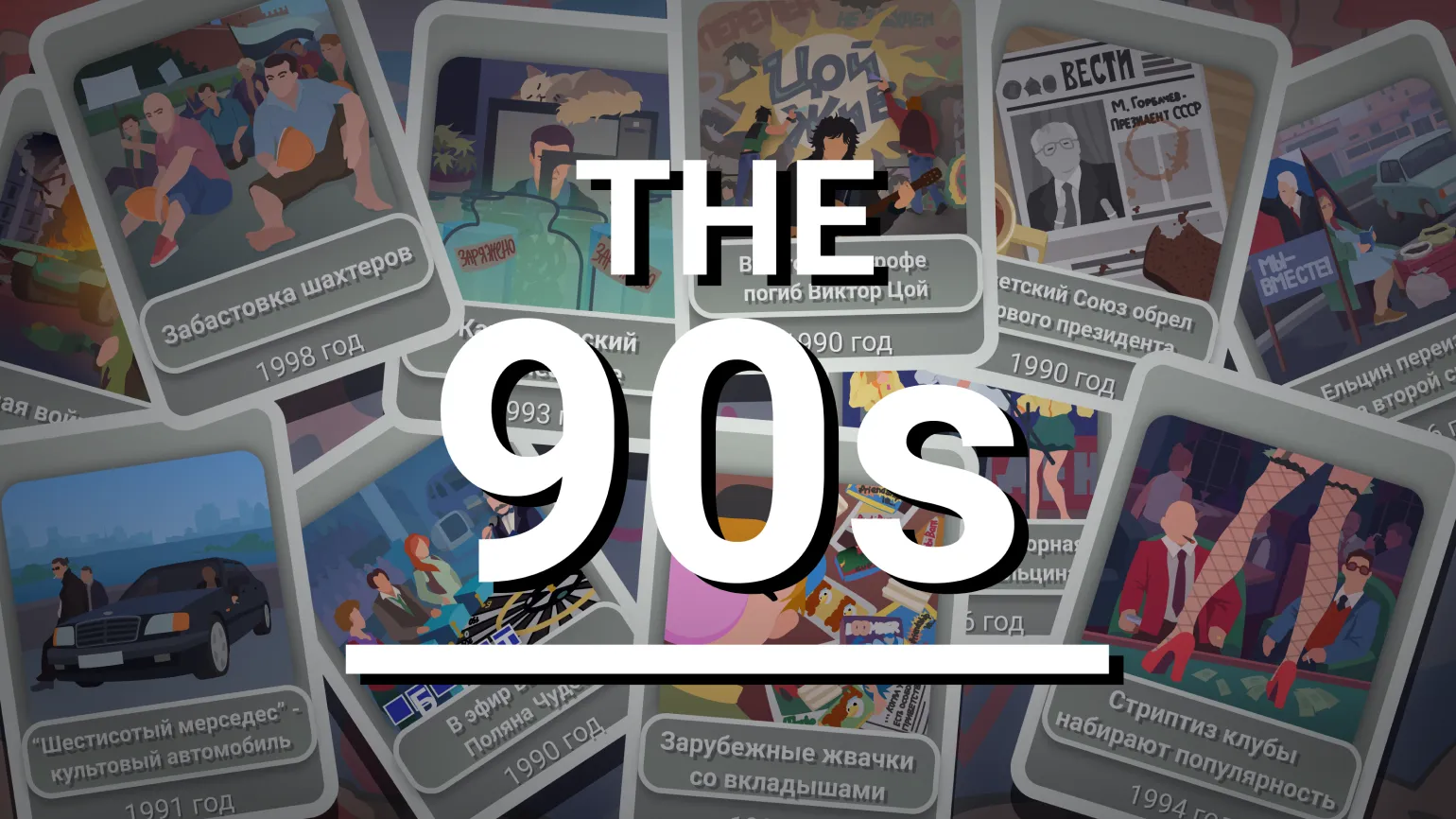
At IThub games, where I work, we were approached by a client with a request to develop a game dedicated to the 1990s in Russia. The main goal of the project is to attract the attention of young people to this historical period. The game should cover various aspects of life at that time and reflect the complexity of management decisions made by politicians. We strive to create an engaging and educational experience that will allow players to deeply understand the context and ambiguity of the events of the 1990s.
We were given a budget, which, of course, does not correspond to the level of AAA games, and 10 months for development. Given these conditions and the capabilities of our team, we decided to create a project in the style of the Reigns card games. This approach will allow us to use resources efficiently and create an engaging gameplay experience focused on the interests of our target audience.
The player assumes the role of the mayor of a small town in the 1990s. Various characters regularly come to his office, each of whom shares their problems and difficulties associated with city life. These requests require the mayor to make decisions that affect the balance of resources and the development of the municipality. The player's task is to find optimal solutions that will improve the lives of citizens and strengthen the city's economy. Now let's move on to the characters. The task requires exploring various aspects of life in the 1990s. Based on this, the main characters were chosen to be key figures reflecting the characteristics of that time. These include the chairman of the housing and utilities department, the head of the security service, the head of the culture committee, the chief engineer, and the chief physician of the city hospital. These characters not only illustrate the social and economic realities of the era but also provide a deeper understanding of the interactions between various spheres of life during a complex period of transition. We could not ignore important changes of the time, such as the development of the free market and the revival of religion. Therefore, our plot included an oligarch, an entrepreneur, and a metropolitan. As we worked on the project, it became clear that another character was needed to serve as a "bridge": in his case, the historical situation does not have a clear classification. Thus, the mayor's secretary became the final key character.
As a result, we formed a pool of nine characters, which is the optimal number. This number allows the player to enjoy a variety of events without becoming bored over several hours of gameplay. At the same time, the player will easily navigate the characters' roles and personalities, which contributes to a deeper immersion in the gameplay.
We moved on to game design and searching for the optimal way to present historical events. It is important to understand that if a game is not engaging, even the most fascinating characters will not be able to save it. As a result, we came to the conclusion that it is the method of presenting historical events that contributes to the development of the characters' personalities. Showing events from different points of view is an excellent approach. Different characters can express their opinions on events, which makes their opinions spontaneous and varied. This approach not only enriches the plot but also allows players to more deeply immerse themselves in the game world.
At first, we were cautious. Galina Glukhikh, head of the housing and utilities department, opposed the installation of a wall in memory of Viktor Tsoi at the city's main department store. However, it soon emerged that she had taken time off to work as a shuttle trader and then met the oligarch online. In addition, Galina trusts charlatans.

Anatoly Chelombitko, The secretary, who initially acted as the player's conscience and spoke out against dubious business proposals, became interested in computer games. В результате он даже взял больничный, чтобы заниматься выращиванием виртуальных питомцев «тамагочи».

Глава службы безопасности Ян Птичка, изначально верный идеалам коммунизма, в итоге начал принимать взятки и заниматься крышеванием торговых точек. Такой поворот событий свидетельствует о коррупции и утрате моральных ценностей в обществе. Эти действия подрывают доверие к правоохранительным органам и оказывают негативное влияние на бизнес-среду. Коррупция в системе безопасности становится серьезной проблемой, препятствующей развитию честного предпринимательства и справедливого рынка.

Анализ проекта выявил, что из-за ограничений на количество персонажей мы создали двух уникальных гениальных героев, обладающих выдающимися способностями в своих областях. Один из них — главный инженер Николай Безрук, названный в честь реального человека, который вдохновил команду на создание этого персонажа.
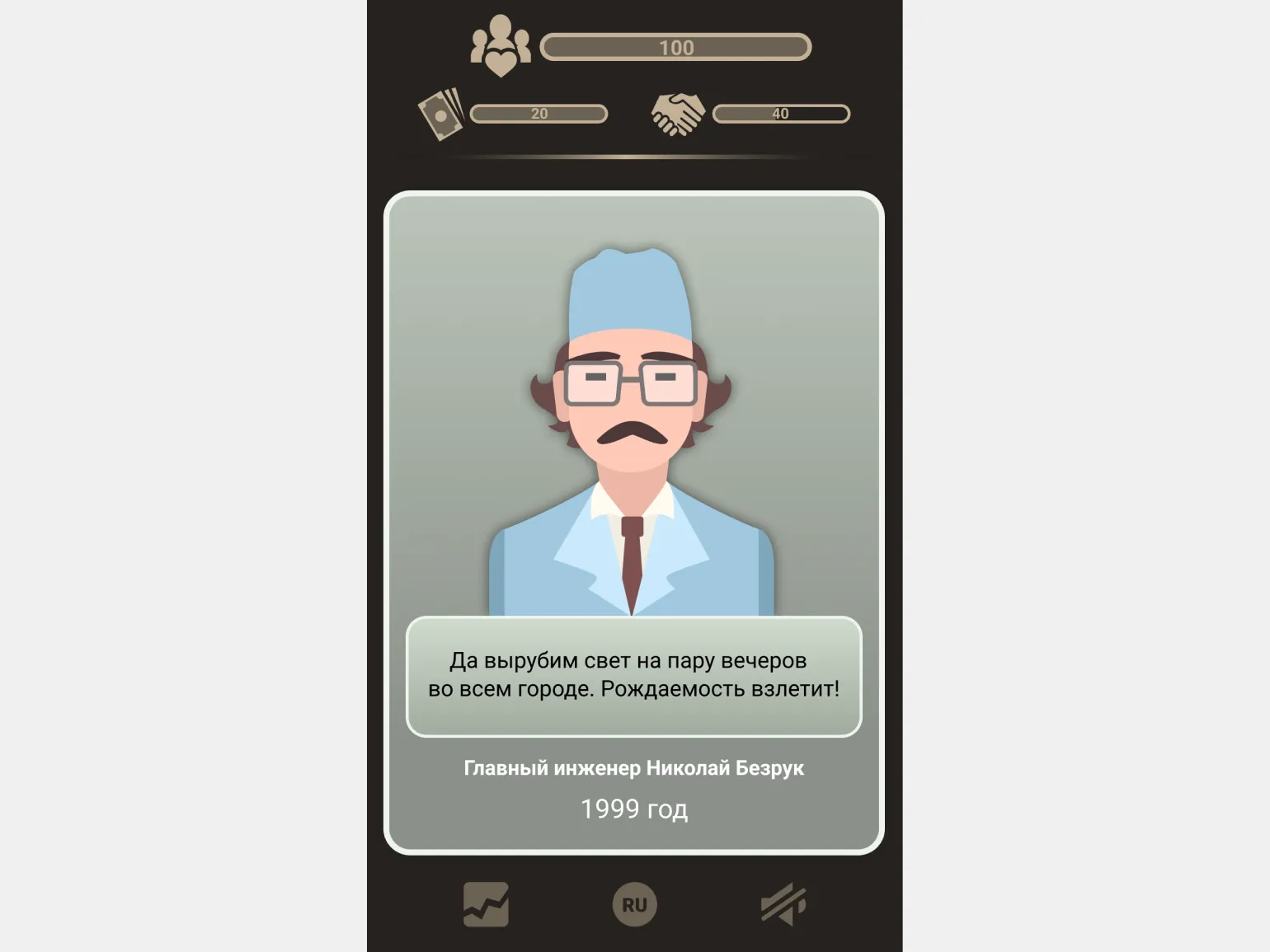
Он изменил направление работы ликёро-водочного завода, превратив его в предприятие по производству газированных напитков. Также он открыл цех по сборке отечественных стиральных машин и электрочайников, разработал автосигнализацию нового поколения и организовал выпуск лекарственных препаратов по западным технологиям на местном фармакологическом заводе. Кроме того, он запустил мини-завод по производству недорогих чипсов и, стремясь бороться с токсикоманией, изменил состав токсичного клея.
Второй выдающийся персонаж — предприниматель Жанна Жадобова. Она является примером гениальности в бизнесе, демонстрируя инновационные подходы и стратегическое мышление. Жанна привносит свежие идеи в свою сферу, а её опыт и способности вдохновляют многих. Основывая свой бизнес на принципах устойчивого развития, она активно внедряет современные технологии и стремится к социальным переменам. Жанна Жадобова — это не только успешный предприниматель, но и лидер, способный трансформировать индустрию и вдохновлять новое поколение предпринимателей.

In the turbulent 1990s, she was actively engaged in various activities that could bring profit. Her businesses included shuttle trading, speculating in cigarettes, books, and even illegal gas canisters. She also dabbled in down jacket manufacturing, non-ferrous metal sales, and freight transportation. In addition, she opened a car repair shop, a movie theater, and a computer club. These diverse enterprises reflected a desire to adapt to changing market conditions and exploit every available opportunity to achieve success.
A crucial element of the gardener's method in the game is a supporting character—Valery the ficus, affectionately known as Hypnoficus. This character brings unique aspects to the gameplay and player interactions. His presence enriches the plot and adds depth to the overall atmosphere of the game.

The idea for the character came after watching three seasons of Rick and Morty. The producer was slightly surprised by the inclusion of such an unconventional element in the game, but soon offered interesting references for the artistic design.
For those who consider themselves "gardeners" of words, I recommend reading books for general development, without limiting yourself to the strict framework of certain systems. Try writing as your heart tells you, and then test your texts using various methods. This will allow you to develop your skills and find your unique style without losing creative freedom.
Creating compelling characters is key for both "architects" and "gardeners." The main principle is that your heroes should reflect realism. They must be imperfect, possessing both weaknesses and strengths. Avoid creating flawless characters like Mary and Marty Sue, as they do not evoke interest and empathy in readers. Interesting characters are those who face internal and external conflicts, which makes them more relatable and understandable to the audience. Your characters should evoke emotion, allowing readers to see themselves reflected in them.

Remade text:
Check out more:
- The 90s page on Google Play
- The 90s official website
Ekaterina Parshintseva
I've only been working in game development for a year. Previously, I tried myself in various professions, while simultaneously blogging and striving to become a writer. Before joining the Rockstone studio, I managed to write one and a half novels and several short stories. When I started working on game scripts, I thought I had an idea of what needed to be done. But in practice, I realized that I actually knew nothing.
My experience in game development is limited to one roguelike created in three days at a game jam, as well as a year of work on mobile visual novels and chat novels. In this article, I'll share my observations and conclusions about recent projects in this field.
Creating a compelling narrative and interesting characters is a challenging task, especially with limited gameplay. Secret Chat is a collection of chat novels that recreate interactions with characters. At first glance, the goal is to write engaging conversations and dialogues about dating. However, there are certain nuances that must be considered.
The first important nuance is that you can't jump straight into writing a conversation without thoroughly developing the character with whom the player will interact. Even if the character already has a basic description, this is not enough. Of course, it is possible to create a conversation without in-depth development, but in this case, it will seem undeveloped and uninteresting. Why limit yourself and create low-quality content when you can make it deep and engaging?

In order for the character To transform a character from an abstract concept into something engaging and realistic, I divide the creation process into two main stages: "frontend" and "backend." During the frontend stage, I focus on visual design, working out details of appearance, animation, and user interaction. The backend involves creating the logic and functionality that brings the character to life, whether in the form of real objects or digital pixels. This approach allows for a harmonious combination of aesthetics and functionality, making the character more appealing and engaging for the audience.
A character's backend is their internal structure, hidden from the player's view. This includes their backstory, internal conflicts, and the development they will experience together with the player. Also important is the lore that can be presented in the game, especially if it includes fantasy elements. A properly developed backend allows for the creation of deep and multi-layered characters, which makes the gameplay more engaging and memorable.
This stage of character development can both significantly facilitate and complicate the process. On the one hand, the behavior of a typical hero from a fantasy world populated by elves and dragons seems easily predictable. On the other hand, if the character doesn't face problems that are understandable and relatable to the player, empathy will fail to develop. It's important to create situations and conflicts that evoke interest and empathy so that the player can become deeply immersed in the game world and identify with the hero.
The backend plays a key role in user retention. An attractive avatar can attract attention and encourage a user to start a conversation, but it's the content of the chat that determines whether the player remains active. Interesting interactions and rich communication are what retain users. My job is to carefully craft scenarios so that backend manifestations generate interest and engagement, creating a unique experience that will encourage active participation.
The frontend is the interface with which users directly interact. It is the visual part of the product where players can see and feel the game's atmosphere. Front-end examples include character profiles, scenario situations, and dialogue style. A mischievous student and a serious playwright will greet players differently: the former informally, with a touch of slang, while the latter is polite and formal. Characters such as foreigners may exhibit spelling errors, adding realism, while a demonic tempter should use their skills to tempt and attract players. This approach to front-end development creates a unique atmosphere and depth of interaction, making gameplay more immersive and engaging. "Voices" should be unique and diverse. An army of authors writing in the same style, even if they possess outstanding skills, will quickly lose reader interest. I, too, find it tiresome to create monotonous content. The uniqueness and diversity of the "voices" not only keep players engaged but also enrich the gaming experience, creating a deeper interaction with the story and characters.
The front-end plays a key role in creating an engaging user experience. Even the most carefully crafted story arc with interesting conflicts will fail to hold a player's attention if the interactions feel unnatural or monotonous. My goal is to create an atmosphere that makes players believe in the sincerity of their conversations, and that they feel real or entirely possible in real life.
There are several key aspects that are important to consider during the work process. I always try to follow basic principles that help achieve effective results and maintain high quality standards.
- The character has a goal. They don't just exist in a vacuum; they are always striving for something. Or striving for something is also an option.
- The character has both strengths and weaknesses. Beautiful righteous men and brutal sinners as heroes work only for a short, episodic perspective.
- There's a striking contrast! This is in addition to the previous point: the contrast can be in character and actions, or it can be in appearance. The main thing is that it still exists.
The second important aspect is the Main Character, or the character controlled by the player.
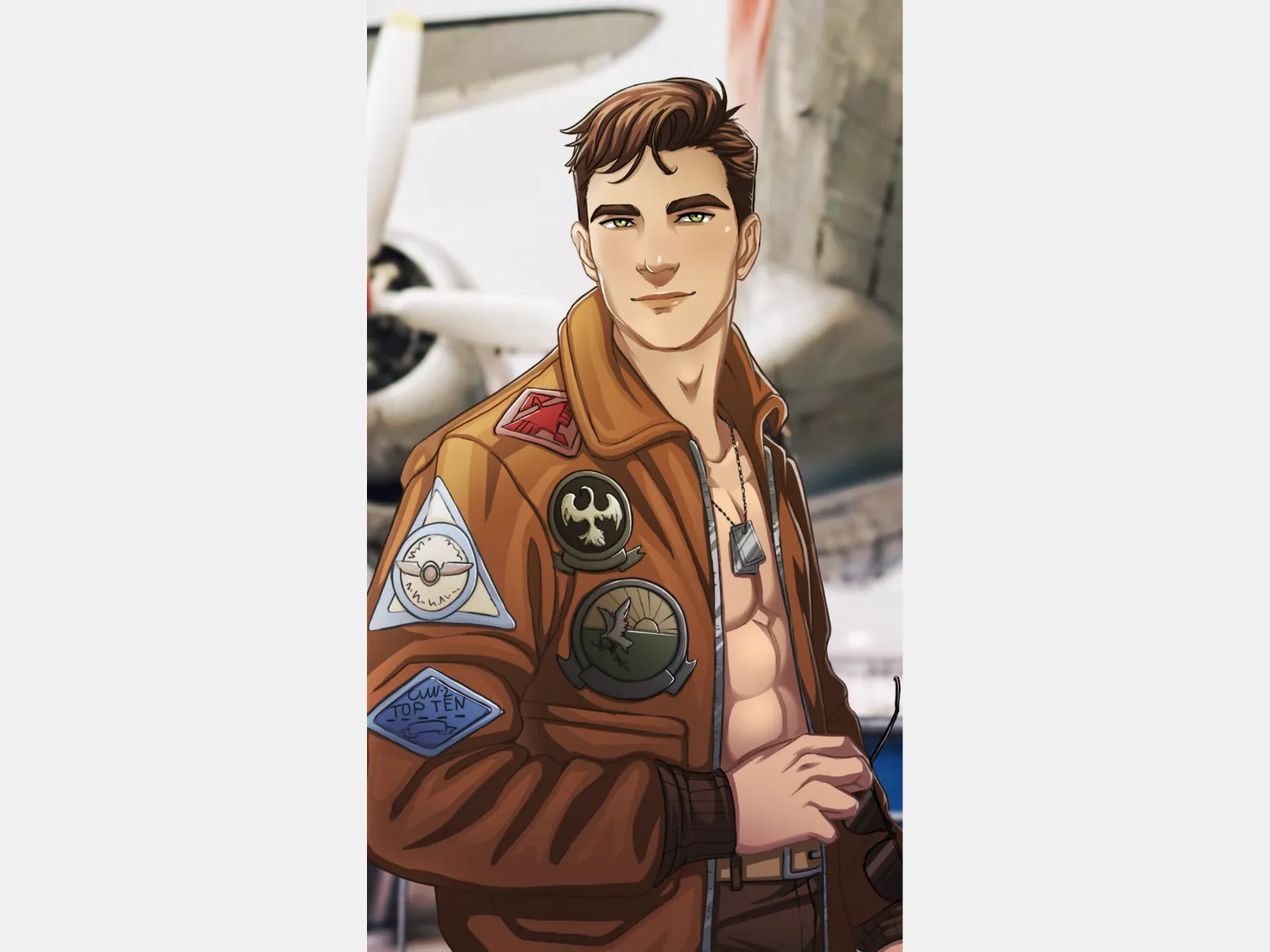
The player character differs from standard characters in that they don't have a clear role, such as "front" or "back." Ideally, the player character is a blank slate on which any story can be written. This creates a unique opportunity for the player, allowing them to shape their individual experience and develop their personality within the game. This approach helps create a deeper engagement with the game world and allows the player to fully immerse themselves in the experience.
Every person should see their own reflection in the hero. This means that the character should be as neutral as possible, without a predetermined backstory or lore. These elements will develop as you interact with a specific character. At the same time, the backstory will vary depending on the hero's choices, adding depth and personality to each interaction.
The character should be interesting to play, which implies a variety of dialogue choices. It is important to give the player the opportunity to make decisions that affect the plot and the character's emotions. These choices can range from serious and meaningful to stylistic. The player should be given the chance to try on different roles while remaining true to their original character. This approach will make the gameplay more engaging and multifaceted, which will attract attention and increase interest in the game.
Every player who downloads the game to their smartphone should feel a connection with the character. If the proposed answers don't meet the user's expectations, this connection will disappear, and the emotional impact will decrease. The main challenge lies in the contrast between the vividly developed characters and the faceless player character. Despite the lack of a clear personality, this character remains a key element driving the plot forward. Creating such a dynamic requires careful consideration of all aspects of interaction so that the player can immerse themselves in the game world and experience deep emotions.
I strive to write logically, realistically, and engagingly. While I've gotten better at this, I still need to perfect my skills at wrapping up an essay elegantly.
Learn more Materials:
- Secret Chat page on Google Play
- Rockstone group on VKontakte
Nika Miloserdova
In drama, the ideal protagonist is one who undergoes significant changes and has a powerful influence on the development of the plot. However, in video games the situation is different. Here we are faced with a unique feature of the gaming industry - the presence of the player. The player not only controls the character's actions, but also shapes his path, which makes interaction with the plot more dynamic and multifaceted. It is important to note that in games, the protagonist may not always change as much as in traditional drama, since his development often depends on the decisions and actions of the player. Thus, in the game, the protagonist becomes not just a carrier of the plot, but also a reflection of the player's choices, which creates a unique interaction between the character and the user.
Interactive games attract developers with the opportunity to give players freedom of action. However, budget constraints and modern technology make it impossible to account for every possible user response. Furthermore, the character's choice between remaining in their home village and fighting evil often depends on the game genre—be it an action game or a farming simulator. In some situations, developers are forced to make decisions for players, and false choices that result in a Game Over screen when the "wrong" choice is made are frustrating. This can be seen, for example, in Dreamfall: Chapters, where such situations undermine confidence in the gameplay. It's important to create meaningful decisions that genuinely impact the game so that players feel meaningful and engaged in the story.
A serious problem in games is the gap between player and character knowledge. This raises the question: what does the need to ask basic questions about the structure of the world say about the character's mental capacity? It's no coincidence that many characters experience memory problems and cognitive impairments. While such plot devices can be interestingly executed, as is done in Disco Elysium, the constant amnesia begins to wear on players. This problem requires a more thoughtful approach to storytelling to keep the audience interested and engaged.
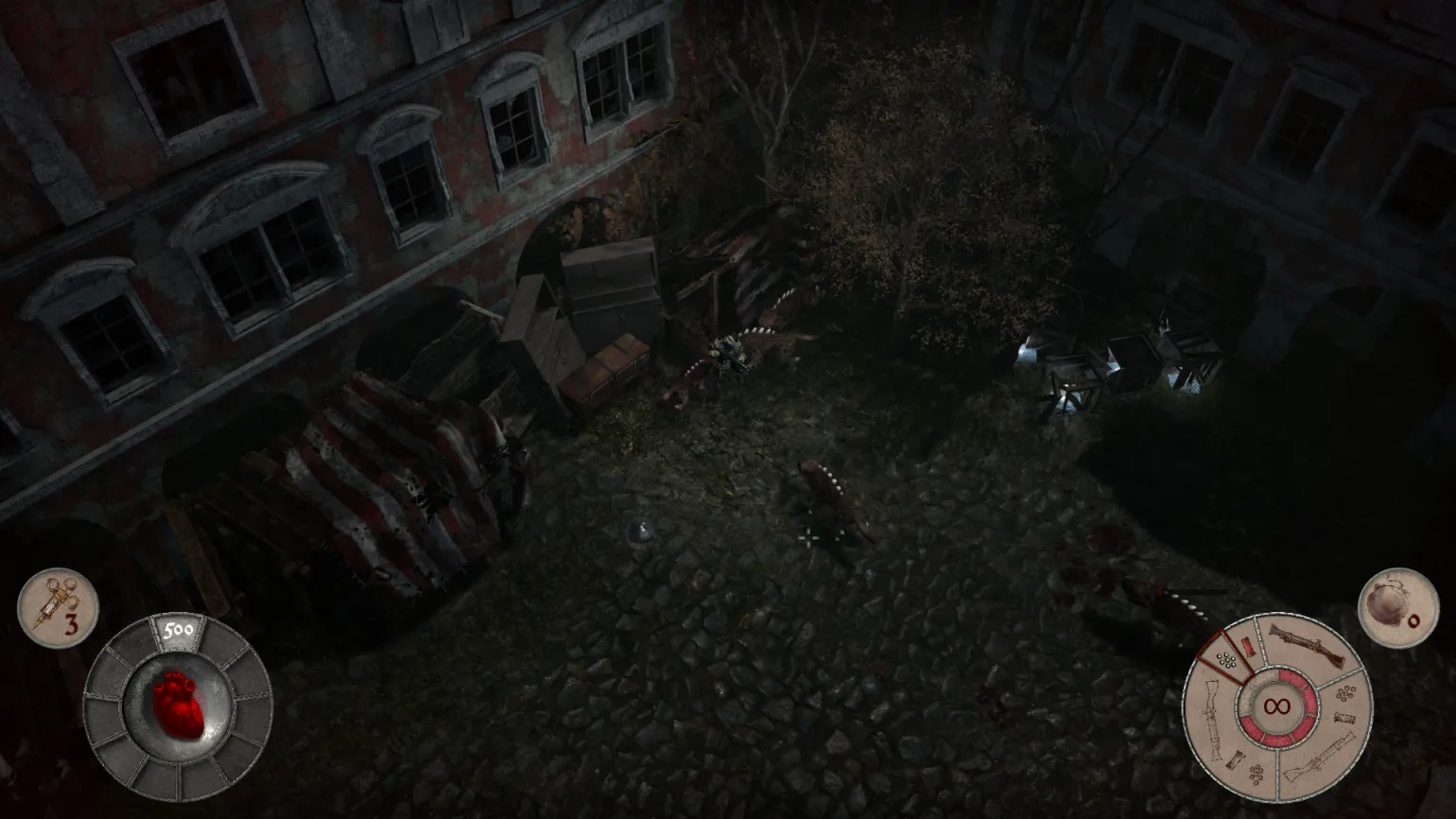
Motivation plays a key role in human behavior, especially in critical situations. Consider how the story of a parent saving their child loses credibility if, instead of taking action, they spend weeks building houses, as in Fallout 4. In real life, when the safety and life of a loved one are at stake, parents tend to act quickly and decisively. Waiting and inaction at such moments contradicts the natural instinct for self-preservation and the desire to protect their children. This makes the plot less compelling and raises questions about the characters' motivations. To create more realistic and emotionally charged stories, it is important to show how the parents' instincts and feelings drive them to immediate action rather than protracted preparation. The ideal protagonist must meet several key criteria. First, they must have a clearly defined motivation that drives them to action and allows them to overcome difficulties. Second, their ability to develop and change throughout the story is important, which makes them more realistic and relatable to the audience. Также герой должен демонстрировать моральные качества, такие как смелость, честность и сострадание, что позволяет ему стать примером для подражания. Наконец, наличие уникальных умений или характеристик может сделать героя запоминающимся и привлекательным для аудитории. Таким образом, сочетание этих факторов формирует идеального героя, способного вызвать интерес и симпатию у зрителей.
- Он должен получать львиную долю мотивации извне (от злодея, обстоятельств или начальства), но должен быть свободен в выборе способа решения возникших проблем.
- В самом начале истории он должен попасть в новое для себя окружение (попадает в новое место, занимает новую должность).
- Он склонен действовать в соответствии с механиками игры. Скажем, он любит драться, если речь идёт о файтинге. Или хочет найти пару, если это симулятор свиданий.
Игры с уникальным сюжетом и особенностями, безусловно, имеют право на существование. Однако формат, который мы обсуждаем, предоставляет наибольшую гибкость и удобство в разработке. Желаю вам удачи в поиске вашего идеального героя!

Чтение является важным аспектом нашей жизни, и оно открывает перед нами множество возможностей. Оно способствует развитию мышления, расширяет кругозор и помогает лучше понимать окружающий мир. Если вы хотите углубиться в изучение новых тем или повысить свои навыки, ознакомьтесь с разнообразными источниками информации. Книги, статьи и исследования могут стать отличным дополнением к вашему образовательному процессу. Не упустите шанс узнать что-то новое и расширить свои знания.
- Страница Remedium в Steam
- Группа Sobaka Studio во «ВКонтакте»
Антон Уткин и Ната Покровская
Мы занимаемся интерактивным кино и виртуальной реальностью более семи лет. За это время мы накопили значительный опыт и столкнулись с различными вызовами. Мы изучили, как создание увлекательных персонажей в кино может быть полезно для разработчиков игр. В данной статье мы делимся основными выводами и рекомендациями.
- Modern cinema, especially Hollywood, gravitates toward the character-driven narrative model. In this model, the plot doesn't drive the hero; rather, the hero, finding himself in specific circumstances, behaves in accordance with his developed character. The concept is not new (Stephen King writes his books this way, for example), but it differs significantly from the situation in the gaming market.
- The best examples of indie games (Firewatch, Kentucky Route Zero) and narrative-driven blockbusters (almost all of Quantic Dream's recent projects) follow this model. Perhaps focusing on characters, rather than plot twists, will help you make your next narrative hit.
- Here's the formula: "A complex hero in simple circumstances." At its core, the plot is simple: the heroine wants to save the child; will the lovers be together; will the hero win the battle/competition. Most players will easily identify with similar circumstances, even if they're packaged in a sci-fi or fantasy setting, which means they'll have greater empathy for the characters.
- How do we do this in movies? Research comes to the rescue. Life is far more bizarre and captivating than the inventions of even the most skilled and experienced screenwriter. Read biographies, look for character prototypes—and, of course, look around.
- We always gather facts, work with experts—psychologists, sociologists, and specialists in the subject area. We find prototypes of characters with similar fates and interview them.
- But what if your game is about a mutant from Sirius? No problem—we tend to anthropomorphize characters. Your game could just as easily be about a green dog or a talking cube on legs. The main thing is that the heroes are endowed with relatable human qualities: they love, feel sad, seek justice, miss loved ones, dream of friendship, and so on—then we can empathize with a mutant, a green dog, and even a block on legs.
- Finding real-life human stories about love, friendship, and betrayal is much easier than inventing them with all the nuances for your fantasy character.
- Again, a complex hero in simple circumstances. "Complex hero" doesn't mean "overloaded with backstory." There should be just enough of it to explain their in-game decisions and connect their character with internal logic. The story of a complex mutant will still be simple, which means it should be built on relatable human traits.
- Of course, psychology also comes to the rescue! One of us is in his third year of studying to be a psychologist, and understanding human nature and the psyche helps us create more accurate and compelling characters. If you're unsure where to start, we highly recommend Tatyana Salakhieva-Talal's book "Psychology in Film" and her training course. If that seems too much, you can always find a practicing psychologist and enlist their advice, which will help you refine your protagonist's personality and character system.
- The principles of classical theater and film dramaturgy also work beautifully in games.
- A hero must have a clear goal ("sit on the Iron Throne") and a stake ("if he does not reach the Iron Throne, the entire kingdom will be taken over by the White Walkers").
- The best stake is death, even symbolic ("lost the competition").
- Contrast is everything. If you're starting your project with worldbuilding, consider who would be most disadvantaged in this world and in what situations—that's where you'll find your heroes (example: the androids in Detroit: Become Human).
- It's good if your game has a theme and a thematic discourse—these are fairly complex concepts, but they perfectly anchor the central plotline and character arc. For example, the theme of A New Hope is "believe in yourself." Will Luke Skywalker believe in himself and that he can become a Jedi? This is what helps him blow up the Death Star at the end of the film. Other characters also embody different views on the theme: the antagonist approaches it in the opposite direction, someone else allows for compromise, and someone else may not believe in the theme's significance at all.
- Like film, games are a form of visual storytelling. Indirect storytelling (through mechanics) works better than any dialogue (Red Dead Redemption 2 or Death Stranding). In film scripts, dialogue is generally recommended to be written last, and the less of it, the better.
- Towards the climax of the second act in games, ludo-narrative dissonance arises: often at this point, mechanics drag the player on, while the plot cries out for a final boss fight and credits. A strong protagonist will help successfully resolve this problem (and again, Death Stranding): the player will feel how many more side quests they will want to complete before the final fight.
- And one last tip: immediately name all the characters of any significance. This will build your connection with them, and they will respond with developed personalities that will themselves drive the plot. By "living in" and loving your characters, it's easier to craft a vibrant and honest story.
Creating deep, multifaceted characters is one of the most challenging and important aspects of storytelling. To "inhabit" your characters, you must immerse yourself in their thoughts and feelings, imagining how they live and interact with the world around them. This may seem unusual to beginning playwrights, but this is how you can create truly memorable characters. By living their lives, even in your imagination, you allow your audience to experience captivating adventures alongside these characters, making the play more immersive and emotionally charged. It's important to remember that character depth affects the overall story's perception, so it's worth paying special attention to this aspect.

Read also:
- Lateral Summer Studio Website
- The book "White Mirror" in the Litres store
Ivan Ershov
Creating a character is not as difficult as it may seem at first glance. However, before starting this process, it is important to master the basics and understand key points such as "development budget", "lack of resources" and "deadline". Do not forget that time always comes at a price. In most cases, it is the lack of time and resources that becomes the main obstacle in the development process.
Self-preparation is an important stage in creating narrative content. I was able to make this process interesting and productive by applying it directly to the narrative battlefield. From the very beginning, I used pre-developed characters, including dialogue, skits, and jokes. The cost of developing these characters sometimes exceeds the education and healthcare budgets of some countries. This underscores the importance and expense of producing high-quality content in the entertainment industry.
Deviating from a character's official description required significant corporate approvals. Improvisation in dialogue was frowned upon, and any deviation from established procedures was harshly punished. I experienced difficulties at the time, but now I realize that this is part of the process. A game is a system where every element has its own significance. The more effort you invest in the preparatory stage, the fewer changes will be required in subsequent stages of development.
I learned the first rule: always think ahead. This is the foundation of successful planning and goal achievement. Applying this principle allows you to anticipate potential difficulties and find optimal solutions. Thinking ahead means making informed decisions that will help you avoid mistakes and speed up the process of achieving your desired result. It is important not only to formulate your thoughts, but also to analyze the possible consequences of each step, which ultimately leads to greater success in any endeavor.
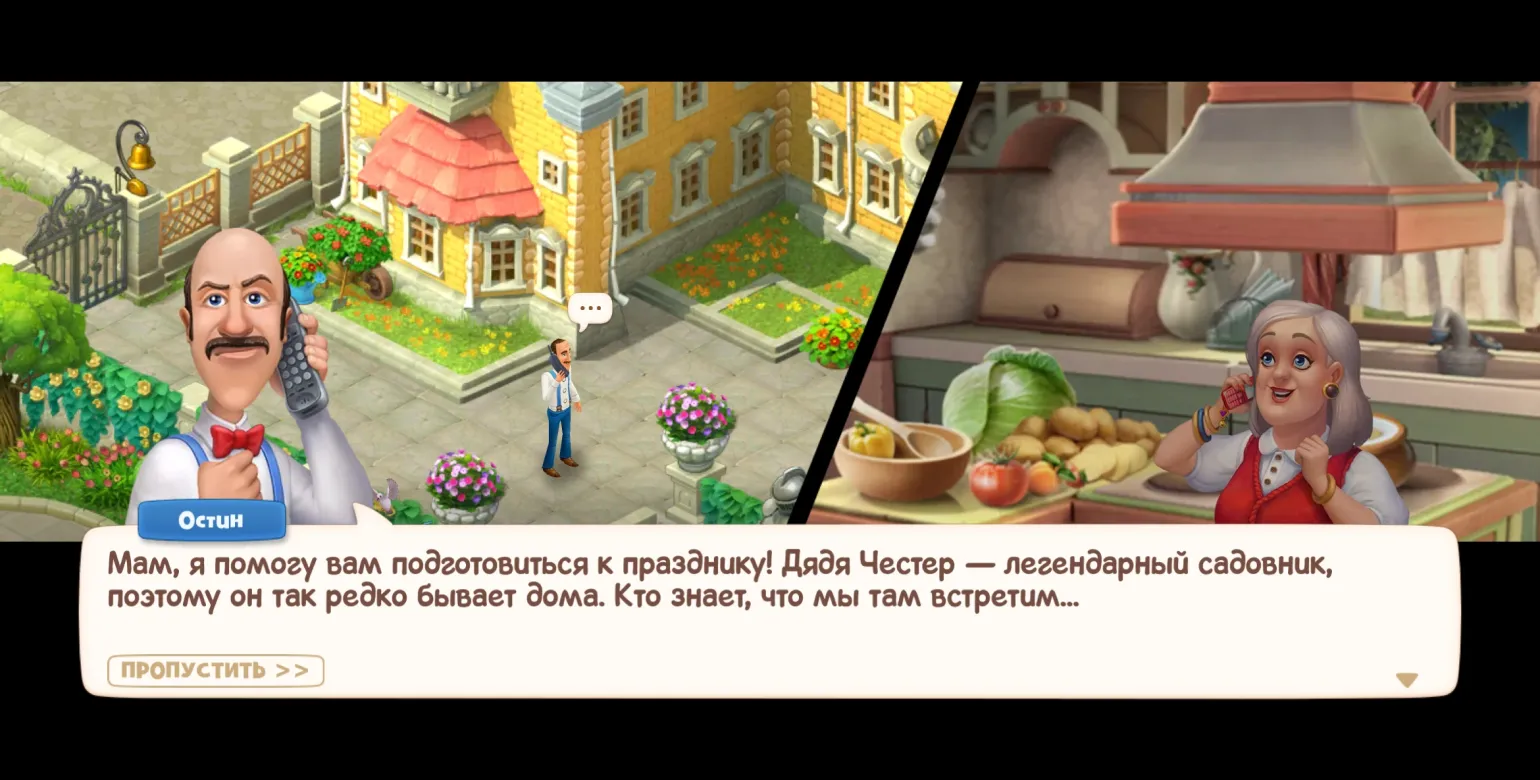
One game featured a character—an elderly Asian man with a distinctive Yoda-like manner of speaking. He had a thin mustache, a snow-white beard, and a black belt in martial arts, and wisdom radiated from every line. However, it turns out that in some Asian countries, such stereotypical images are perceived negatively and cause irritation. This raises an important issue about cultural sensitivity in the gaming industry and the need to consider the diversity of opinions and perceptions across cultures.
The second rule is to be mindful of your actions. Every step you take should be deliberate and purposeful. This will help you avoid mistakes and achieve the desired results. Remember that awareness of your actions is the key to success.
The main quality of a screenwriter and narrative designer is mindfulness. If you want to evoke strong emotions in your audience, do it. Enrage, surprise, and cathart players by any means necessary, but be mindful of the consequences of your decisions. Every action should be justified by a clear question: "Why?" A conscious approach to creating scenarios and narratives allows you not only to attract attention but also to hold it, creating a deep emotional response and a memorable experience for viewers.
Why do you want to annoy players? Will this lead to increased spending on your project? Will it increase installs? If the answer to both questions is no, it's worth erring on the side of caution and seeking advice from people raised in other cultures. Understanding different approaches and perceptions can help create a more engaging and successful gaming experience.
The third rule is to take action and make changes. This means not only starting new projects but also regularly reviewing and adjusting existing ones. Effectiveness is achieved through continuous improvement and adaptation to changing conditions. This is the only way to achieve success and improve your performance.
Each character has many characteristics that shape their individuality. Like people, characters have appearance, personality, communication style, past, and abilities or shortcomings in communicating with others. It is important to understand who this character is, how they arrived at their current state, and how this is reflected in their speech. How do they behave in conflict situations? Does they react to threats with a willingness to fight back or prefer to use preemptive aggression? These aspects help us understand the character more deeply and make them more realistic and multi-layered. This knowledge is essential for creating compelling and memorable images in literature and other art forms.
Each of these characteristics plays a key role: the manner of expressing emotions is a challenge for artists, while conflicts serve as a basis for screenwriters. All characters represent an interconnected system in the game; each of them, like a comet in space, influences the elements around it. Affecting one aspect can cause a chain reaction of changes. Rework will be inevitable, and that's natural until the budget runs out.
It's important to develop a character description system in advance. This will allow you to always have a clear idea of what characteristics need to be included and how to quickly make changes if necessary. Using tables will help structure the information and simplify the editing process. An effective character description system makes your content more consistent and easier to read, which will positively impact its SEO optimization.
Now we can move on to character development. Let me share an example. I once received an invitation to a project that already had a plot, setting, core gameplay, history, heroine, and several dozen well-developed characters with emotional expressions. I was instructed: "Do something to make this more interesting." I took the job.
One of the key rules to remember is this: do your job and accept the consequences. This simple but important truth implies responsibility for your actions and their results. Success comes to those who are not afraid to do their job, no matter the circumstances. Be consistent in your actions, and the results will surely follow.
Create, write, fail, and revise. That's exactly how I approached developing characters for my new project. This process requires courage and patience, because every mistake is an opportunity to learn and improve. Continuous editing and refinement will help you create deep and memorable characters that will capture the audience's attention. Don't be afraid to experiment with ideas and approaches, because this is the key to the success of your project.
A villain broke into the heroine's apartment. What might he look like? I'm looking through a folder of drawn characters, searching for a more suitable candidate. This man in a black suit perfectly fits the image of a fake detective, who was once a chemist and is now a mid-level gangster.
I developed the character's biography and the context of his life. This allowed me to understand what the conflict between him and the heroine would be. Understanding the conflict each character experiences with those around them is key to plot depth and character development.

The work began to develop rapidly. Time and budget constraints didn't restrain my creativity. One day, I ran out of characters. All I had left was a former student with two ready-made emotions. Time was tight and an artist's services were expensive, so I decided to transform her into both an emotionless psychopath and a villainous child prodigy.
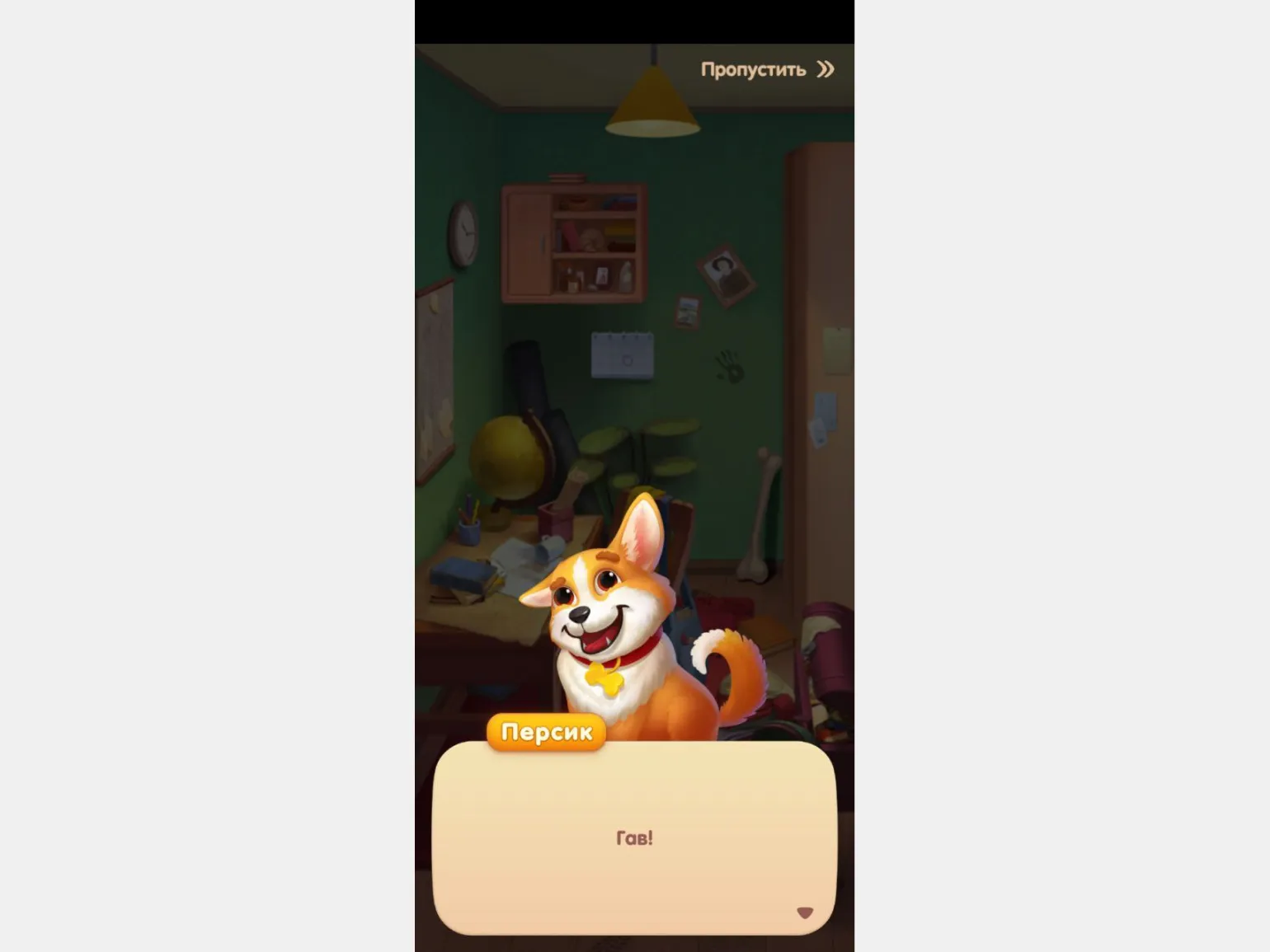
The first character I created was named Peaches. She's a corgi who, like Grimaud in Athos, is meant to fill in the gaps in the plot. Having the main character occasionally engage in internal dialogue can seem odd. However, conversations with dogs are perceived differently, especially if you believe popular TikTok trends. In addition, the game needed a good character who could participate in promotions and add an element of cuteness, softening the tension and enriching the gaming experience.
When developing characters, there's an important rule I always follow. This rule is the need to optimize development costs. By reducing costs, you can focus on creating higher-quality and memorable characters, which in turn will increase the appeal of your project. Effective character development not only saves resources but also improves the final product, making it more competitive in the market.
Character creation is a subtle and important art in game and narrative development. If you create a character that will appear in only one scene, you risk wasting resources. At the same time, if a character becomes too repetitive and causes player fatigue, this will also lead to negative consequences for the project. It is important not only to combine characters but also to think through their development and possible changes during the plot. Each character should have a purpose and function, and not simply fulfill an insignificant role, such as passing a salt shaker. Все действия персонажей должны быть осмысленными и обоснованными, что придаст глубину и реалистичность вашему повествованию.
Знай свой конфликт – это важнейшее правило в управлении конфликтными ситуациями. Понимание сути конфликта позволяет эффективно его разрешать, минимизируя негативные последствия. Для успешного разрешения конфликта необходимо проанализировать его причины, участников и возможные решения. Осознание своих эмоций и интересов, а также точное понимание позиций других сторон поможет найти оптимальный путь к разрешению. Практика этого правила способствует улучшению коммуникации и укреплению отношений, как в личной жизни, так и в профессиональной среде.
Конфликтология должна стать основой вашего подхода к анализу взаимодействий. Овладение принципами конфликтологии является важным навыком для понимания динамики любых отношений. Каждая сцена и взаимодействие между персонажами должны содержать элемент конфликта. Зачем нам показания свидетеля? Кто он на самом деле? Может, это портовый чиновник, оказавшийся в коррупционных схемах? Каковы его страхи и что удерживает его от раскрытия правды? Какова реакция его жены, хозяйки отеля, в котором останавливается главная героиня? Эти вопросы открывают новые уровни конфликта и помогают глубже понять мотивацию персонажей.
Мы подошли к заключительному правилу: на каждый вопрос должен быть ответ. Это важный аспект, который обеспечивает понимание и ясность в любом обсуждении. Наличие ответов на возникающие вопросы способствует более глубокому осмыслению темы и улучшает взаимодействие. Понимание того, что каждый вопрос заслуживает ответа, создает атмосферу открытости и доверия, что является ключом к эффективной коммуникации.
Умение задавать вопросы является ключевым компонентом профессии сценариста и нарративного дизайнера. Эти специалисты создают увлекательные истории, исследуя различные аспекты сюжета и персонажей через тщательно сформулированные вопросы. Правильные вопросы помогают глубже понять мотивацию героев и раскрыть сюжетные линии, что в свою очередь способствует созданию захватывающего и эмоционально насыщенного контента. Сценаристы и нарративные дизайнеры используют этот навык для разработки уникальных и запоминающихся историй, которые привлекают внимание аудитории и оставляют lasting impression.

Изучайте также:
- Страница Gardenscapes в Google Play
- Страница Travel Words в Google Play
Кто вы в мире геймдева? A mini-course for those who want to make games.
In this free mini-course, you'll try yourself as a game designer, 2D artist, or Unity game developer and choose the profession that's right for you.
Find out more.