Contents:

Learn: Game Designer Profession from Scratch to PRO
Learn MoreOur brain performs most of its tasks automatically. We walk without thinking about it, because the movement has become habitual. However, as soon as we begin to consciously think about how we walk, our gait changes, as if we have forgotten how to move our legs normally. It's similar with speech: we may think about what to say, but the actual act of speaking remains automated. This automation allows us to focus on more complex tasks, freeing our minds for analysis and creativity.
Our brains are driven to find patterns and recognize them in the world around us. This natural tendency can be effectively harnessed in game design. By understanding how players perceive and react to various game elements, we can create engaging rules and mechanics that will hold their attention and promote engagement. Using patterns in gameplay helps not only with level design but also with storytelling, which ultimately makes the game more engaging and memorable for users.
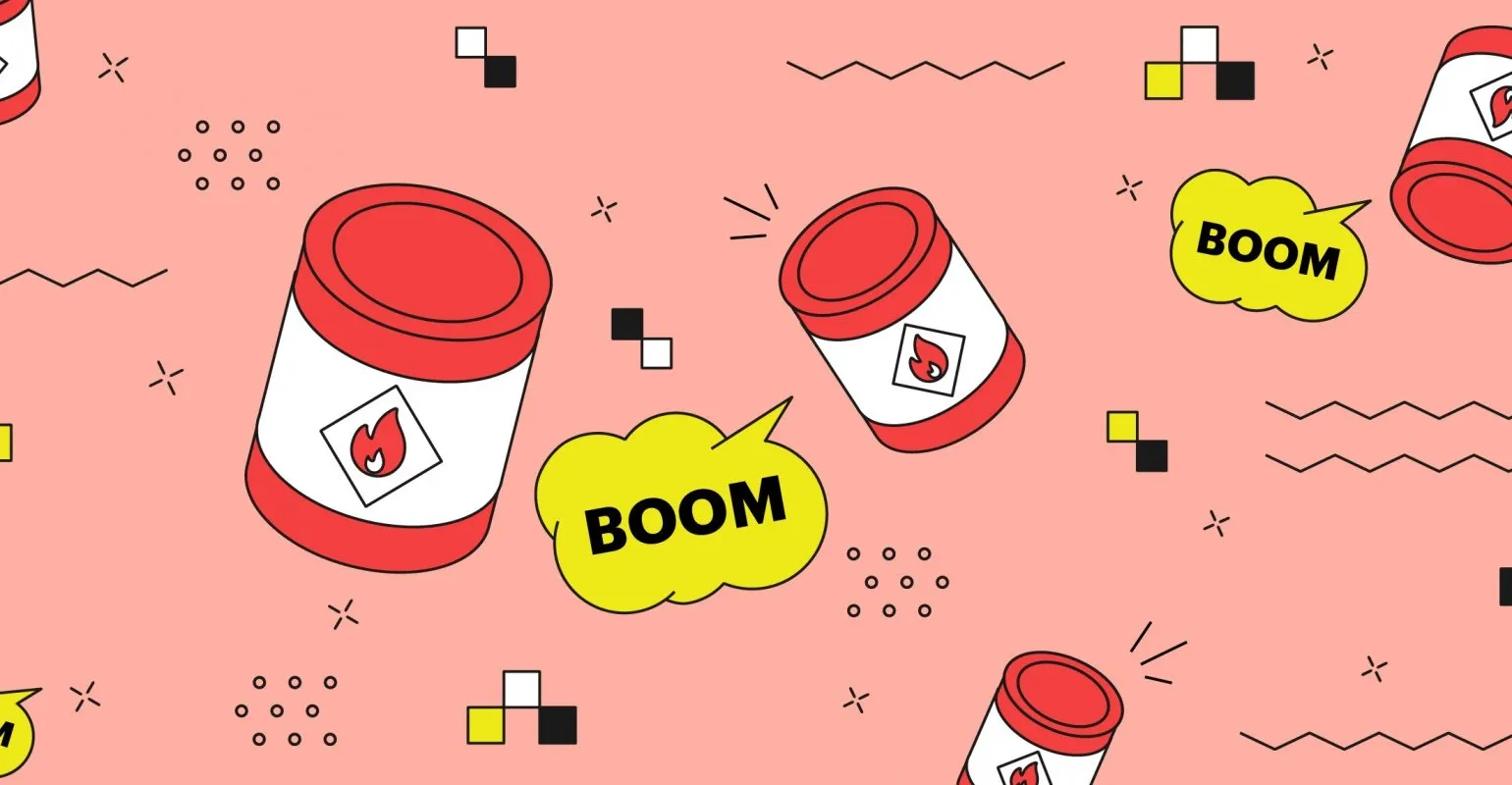
Take a little game literacy test: what happens if you shoot one of these barrels?

First it will catch fire, and then there will be an explosion. This example perfectly illustrates this rule and is familiar to many, not only to Half-Life players, but also to anyone who has ever been interested in shooters. The importance of this mechanism in games is that it creates tension and adds an element of surprise, which makes gameplay more exciting.
A game designer is responsible for developing game systems and rules that allow players to interact with the game intuitively and without unnecessary thought. The main goal of game design is to create a fun and accessible gaming experience where players can focus on the game itself, without being distracted by complex mechanics. Effectively implemented systems increase engagement and satisfaction with gameplay, making it more exciting and understandable.
How to Create Good Rules
There are certain criteria that a game rule must meet. Otherwise, the player may feel that the game is not functioning correctly. These criteria ensure that the rules are clear and understandable, which in turn contributes to a better gaming experience and increases user satisfaction. Failure to adhere to established standards can lead to confusion and negative feedback.
In Half-Life 2, you'll encounter numerous red barrels that explode when damaged. These explosive barrels add a dynamic element to gameplay, creating unique strategic opportunities. While gameplay can vary significantly across multiple modes, the core rule remains the same: damaged barrels explode. This makes environmental interaction an important aspect of the game and emphasizes the need to be mindful of how explosive objects are used.
In TES V: Skyrim, the Lightfoot ability is available, allowing players to step unhindered on traps while stealthed. This ability significantly simplifies the game, especially when exploring dangerous areas where traps can threaten the character's life. Leveling up Lightfoot opens up new tactical possibilities and makes gameplay more engaging, allowing players to focus on exploration and interaction with the world without the constant risk of being caught in traps.
By observing real life, we discover the world around us. From an early age, we understand that if you throw an object, it will invariably fall. This rule applies constantly and illustrates the basic laws of physics. Our experience and observations allow us to better understand how the world around us functions.
If an object released in mid-air begins to hover above the ground, it will cause shock and bewilderment. The same is true with video games. In such situations, we don't suspect ourselves of insanity; rather, we lose faith in the realism of what is happening on the screen. This underscores the importance of verisimilitude in gameplay, as players strive for immersion in a virtual world where every action has its logical consequences. If a game violates the laws of physics or logic, this can lead to a decrease in interest and trust in the project. Therefore, game developers must pay attention to detail when creating immersive experiences that will capture the player's attention and keep them engaged throughout the gameplay.
Zombies in Half-Life 2 have the ability to throw objects at the player. This mechanic adds an element of surprise and increases the level of difficulty, making the gameplay more dynamic and interactive. Players must exercise caution and strategy to avoid damage from attacking zombies.
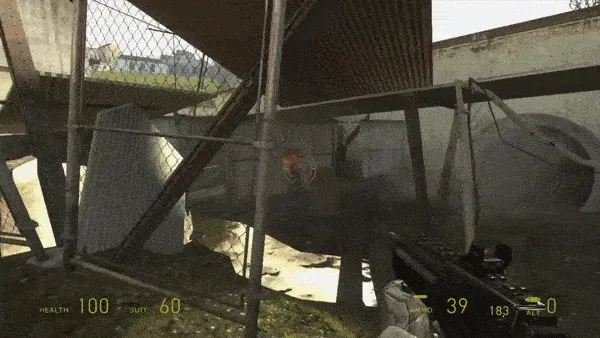
The player encounters a new type of enemy already at the first meeting. At this moment, he is safe, behind a fence, which allows him to observe the enemy's behavior. This gameplay element educates the player, allowing them to understand the mechanics without verbal explanations—everything becomes clear through the visual experience.
Nintendo often uses this technique to prepare players for expected events and game situations. This method helps create an atmosphere of anticipation and involvement, which significantly improves the gaming experience.

It would be unexpected to learn that the panels can turn over and fall into the abyss. However, underneath them is a safe zone that allows you to return to the panels. This creates a sense of reliability and security, ensuring that even in the event of an unpleasant situation, users will be able to regain access to the panel and continue working.
Game Designer Profession from Scratch to PRO
A game designer creates the structure of a game. They develop the concept, rules, and gameplay, and decide what emotions the story will evoke in players. You'll master game design principles from scratch and learn how to work with popular engines like Unity and Unreal Engine. You'll learn how to keep players engaged and monetize your games. And we'll help you start a career in the gaming industry.
Find out more