Learn: Profession Narrative Designer
Learn moreCharacters in video games are a key element of the narrative, on which the player's attention is focused. The protagonist becomes a point of identification for the player, which increases engagement in the gameplay. Antagonists, or enemies, drive the plot forward by creating conflicts and obstacles to overcome. Friendly NPCs (non-player characters) also play a vital role in establishing the atmosphere and developing the game world, providing quests, information, and interactions that enrich the player's experience. In this way, characters not only shape the plot but also make the game world more vibrant and engaging.
The Skillbox Media editorial team has prepared a list of the key stages that each character goes through during the initial development phase. Narrative designer Vitaly Aleksashin from Banzai.Games assisted us in creating this material. In this article, we will focus on the narrative component, while issues related to character design will be discussed in a separate article.
Character Type
Before delving into character development, it is important to complete a few initial steps. First, determine the character type based on their role in the game. This will help you clearly understand what qualities and skills you need. The choice of hero type affects how they interact with the world, other characters, and players, as well as the development of the game's plot and mechanics.
- playable / unplayable;
- friend / foe / neutral;
- designer-created / player-created.
Non-playable characters (NPCs) are classified into various categories. These characters play an important role in the development of gameplay and the player's interaction with the world around them. Depending on their functions, NPCs can be divided into the following groups: informants, merchants, quest givers, and enemies. Informants provide players with useful information and advice, merchants offer a variety of goods and services, quest givers assign tasks and missions, and enemies create challenges and obstacles in the player's path. Each of these NPC categories enriches the gaming experience, adding depth and variety to virtual worlds.
- Enemies: NPCs, mini-bosses, and bosses.
- Allies: NPCs who assist and accompany the player.
- Supplementary: NPCs who contribute to the narrative and create atmosphere. They can, for example, react to certain events and give quests that reveal the game's lore.
Knowing the character type allows the writer to determine in advance how much time and attention to devote to the hero, as well as determine their function in the plot. This allows for a deeper, more multifaceted character that will seamlessly fit into the overall narrative structure. Taking into account the character's characteristics helps in developing their motivations, goals, and interactions with other characters, which makes the story more engaging and memorable.
A game character often serves as a tool for the writer, conveying a specific message to the player. Character creation should begin with the question: "What does this character represent?" In some cases, video game heroes become personified expressions of the author's idea on a particular theme. This is where plot tropes come in handy, such as a knight rescuing a princess. The author analyzes what motivates the character within this trope. Focusing on a familiar situation helps players better understand and perceive the main concept. Thus, characters become not only participants in the gameplay but also bearers of profound ideas, enriching the gaming experience and making it more meaningful.
Vitaly Aleksashin is an experienced narrative designer at Banzai.Games. He is responsible for creating engaging stories and well-developed characters that immerse players in the world of video games. His creative approach and deep understanding of narrative structure make Banzai.Games' projects stand out from the competition. Vitaly works hard to ensure that each game is not only engaging but also memorable, which helps build audience loyalty and drive interest in the company's new games.
Brief Backstory
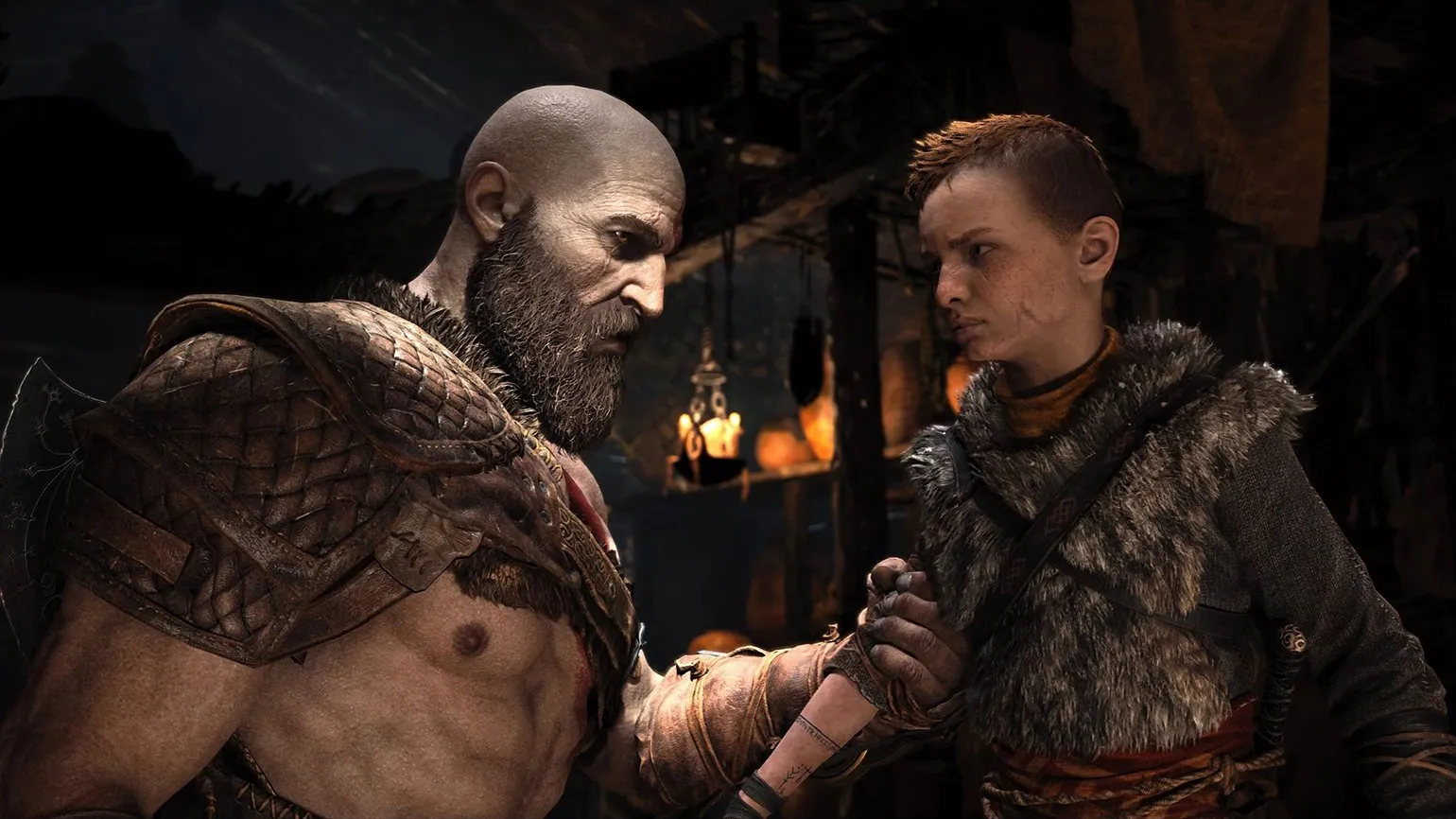
The next step is to provide a brief backstory and unique characteristics of the character. To do this, it is important to answer several key questions that will help us better understand their personality and motivations. This will create a more interesting and layered character that will attract attention and engage the audience.
- Where did they come from?
- What was their background?
- What does they believe in?
- What are their characteristics?
- What drives them and what is their motivation?
- What are their relationships with the other characters?
- How will the player meet the character?
- What will this meeting lead to?
This information allows us to gain a deeper understanding of the character's role in the world and plot, as well as carefully develop their functions and reactions to the events that take place. This approach helps create more complex and realistic characters, which in turn enhances reader engagement.
Key Character Traits
A character's personality is shaped by both their backstory and their role in the plot. Someone raised in difficult circumstances may be distrustful and emotionally unstable, while an only child from a wealthy family is often pampered and self-assured. Deep faith can lead to righteousness or, conversely, to intolerance. Each culture, as well as different eras and social strata, has its own mentality. Inner conflict reflects contradictory character traits, while harmony lies in the ability to find a balance between them.
The game's protagonist typically has a more deeply developed character, as they drive the plot. In contrast, NPCs often have a limited set of traits. Enemies don't always have to be unambiguous villains, devoid of personality and simply out to destroy the protagonist. On the contrary, their multi-layered nature and ambiguity add nuance and depth to the plot. At the same time, their negative traits can come to the fore, making the confrontation more interesting and multifaceted.
The character's personality determines the course of events and influences their reactions and actions. A cowardly hero will not mindlessly rush into a dangerous situation without serious motivation and internal conflict. An honest hero will be incapable of lying, even if it is a well-intentioned lie, as their conscience will not allow them to do otherwise. A merciful hero will likely show generosity and spare an unarmed enemy. Therefore, it is important to clearly define the key characteristics of each character at the outset, otherwise the script may encounter serious logical inconsistencies. Establishing such characteristics helps create compelling and believable stories that will hold the audience's attention.
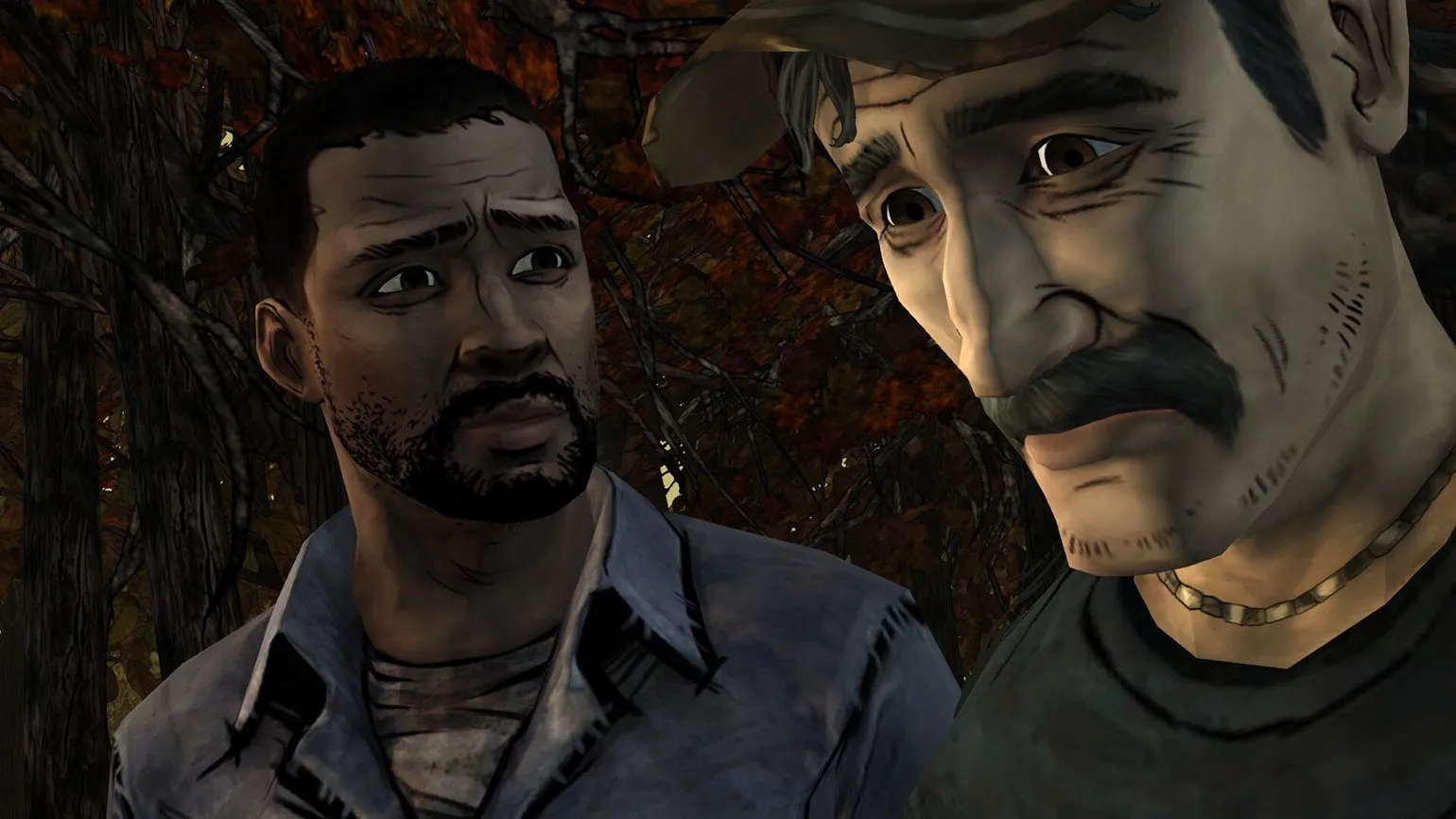
Choosing a Name
Not all character names require deep subtext, but hidden references and meanings, as well as wordplay, can significantly enrich their characterization. Such elements not only help players better understand the characters but also give them pleasure from the process of deciphering them. Interesting names with subtext make the gaming experience more engaging and memorable, adding an extra layer of interaction with the game.
Choosing a name is always a creative process. You can start by analyzing key factors, such as the goals, values, and characteristics of your project or business. Consider what associations you want your audience to evoke and what emotions you want to evoke. Use synonyms, metaphors, and phrases to create a unique and memorable name. It's also important to consider how the name will be perceived in different languages and cultures to avoid unwanted meanings or associations. Don't forget to check the availability of domain names and social media for your chosen option to ensure a consistent image of your brand.
- the theme of the project;
- the characteristics of the character: for example, a ninja nicknamed Lynx is fast, lightning-fast, and agile;
- the reference chosen for the character - a bandit nicknamed Herodotus or Philosopher can rob and sprinkle quotes along the way;
- their personality traits - if we meet a character named Dandelion, then he is clearly not a brutal man or a fighter.
Characteristic names are an important element in literature and art. They can convey the essence of a character, revealing their character and motivations much better than a multitude of words and dialogue. Such names help the reader or viewer quickly establish a connection with the character and understand their role in the plot. Using descriptive names enriches the narrative and makes the story more memorable by highlighting key aspects of each character.
Vitaly Aleksashin is a narrative designer at Banzai.Games. He is responsible for creating engaging and deep stories that engage players and create unforgettable experiences. Vitaly develops original stories and characters, allowing the company's games to stand out from the competition. His attention to detail and skill at constructing narrative structures are key to the success of Banzai.Games projects.
An archetype is an important characteristic of characters, reflecting their essence and role in the plot. Each hero can be represented through a generalized image, such as a warrior, traveler, thief, sage, or loyal friend. Some archetypes are more common in literature, film, and games, while others are less common, but they are always perceived on a subconscious level. Understanding archetypes helps us analyze characters and their interactions within a plot more deeply, and creates more resonant stories for the audience.
According to Carl Jung, archetypes are innate images familiar to every person, regardless of culture. These archetypes are a manifestation of the collective unconscious and have been formed over many centuries. In literature and other works of art, character archetypes play a key role in creating vivid and memorable characters. They help us correctly identify the characters’ functions in the plot, which avoids confusion and maintains connection to the main idea of the work. Using archetypes contributes to a deeper understanding of the characters and helps convey the main message of the work to the audience.
If an archetype has not been identified in advance, it will emerge after completing the four basic steps described earlier. The character’s personality and functions will help determine the right direction. For example, a ruthless antagonist, like Vaas Montenegro from Far Cry 3, will not be able to become a positive character; Dandelion from The Witcher universe is unlikely to be a mentor; Lara Croft can't be a jester. The right combination of character traits and functions is key to creating a compelling archetype.
In our special project "Jung to the rescue: understanding character archetypes," we explore in detail the key archetypes represented in the most famous characters. You will find information about each archetype, its characteristics and examples from literature and cinema, which will help you better understand their significance and influence on narrative structures.
- Hero
- Shadow
- Werewolf
- Trickster
- Persona
- Mentor
- Jester
- Ally
Profession: Narrative Designer
You will learn from scratch how to create game scripts, invent characters, write dialogue, and convey ideas through gameplay. You can earn money in game development and implement the game project you've always dreamed of.
Find out more