Contents:
Course with employment: "Game designer profession from scratch to PRO"
Learn moreA design document, or dzdok, is an important document that contains all the necessary information about the game being developed. It serves as the main guideline for the team working on the project and helps all participants clearly understand the end result. The design document includes such aspects as the game concept, mechanics, characters, levels, script, and visual style. A clearly written dzdok promotes effective communication within the team and minimizes the risk of misunderstanding, ensuring smooth work on the project.
A properly written design document (dzdok) helps avoid misunderstandings in game development, especially when it comes to creating an open-world sandbox. Without a clear and understandable design document, level designers may misinterpret requirements and propose locations for a corridor shooter that don't align with the intended concept. Such a document serves as a foundation for all project stakeholders, ensuring alignment and clarity throughout the development process. This significantly increases the chances of successfully completing the assigned tasks and achieving the desired outcome.
The game design document is prepared by a game designer—the specialist who defines the game's concept and mechanics. However, completing the document doesn't mean the game designer ceases to be important. They continue to monitor the development process, making adjustments and making new decisions as changes or new ideas arise. The game designer's role in this process is critical to the successful creation of a game, as their experience and vision help adapt the project to emerging challenges and improve the quality of the final product.
In this article, you will learn about the contents of a design document, as well as elements that should not be included. We will cover the process of its creation and useful tools to assist you. Learn how to create an effective design document that will serve as a reliable guide for your team.
We invite you to subscribe to our Telegram channel "Checkpoint", a great resource for aspiring developers. In our channel, you will find useful materials, including articles on game design, practical guides on various software, and interviews with successful developers who have already released their games. Join us to expand your knowledge and gain valuable advice from the world of game development.
What tools to use for creating a design document
Google Docs is one of the best tools for collaborative document collaboration. It is free and allows all users to have access to the latest version of the document in real time. Commenting and suggesting edits makes the editing process more convenient and efficient. Using Google Docs simplifies collaboration, which is especially important for teams and study groups.
I create a separate folder for each project where I place all necessary materials. This includes design documents, a folder with references, technical specifications, and other important files. This approach helps organize my workflow and easily find the documents I need.
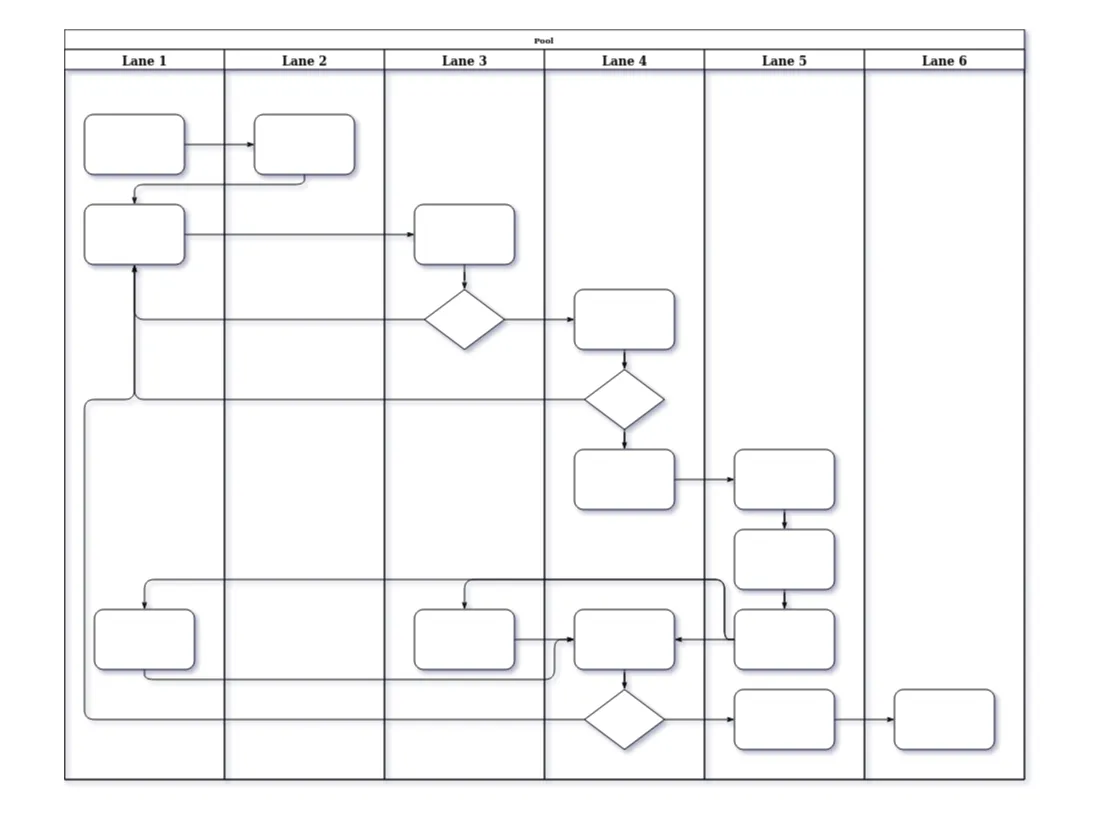
For creating diagrams, I use the free service draw.io. This tool makes it easy and convenient to develop various types of diagrams and charts. With its intuitive interface and many available features, draw.io is suitable for both professionals and beginners. You can create a variety of visual representations, such as flowcharts, organizational structures, and much more. The service also supports file export and import, making it convenient for collaboration and project sharing.
To create references, I use GIMP, an open-source graphics editor that allows you to easily edit images. In addition, I use the screenshot function and screen recording to obtain the necessary visual material. These methods ensure high-quality references and ease of working with graphics.
A design doc is not:
- a set of references;
- technical specifications;
- a game script;
- level and character sketches;
- phrases like "A combat system like Dark Souls, character creation like The Sims 4, destructibility like Minecraft."
A design doc is
A detailed description of all aspects of the game includes several key sections, such as general information, gameplay, plot, visual features, and other important elements. In the general section, it is worth pointing out that the game offers a unique experience, combining a captivating plot with high-quality graphics and interesting gameplay. Here, you can also highlight the target audience and the platforms the game is available on, which will help users better understand whether the product is suitable for them. It's important to emphasize that the game offers innovative mechanics and interaction opportunities, making it appealing to a wide audience.
- Platforms: PC, consoles, or mobile devices.
- Technology: will you use a ready-made engine or write your own?
- Language: Russian, English.
- Audience: a brief description of the people the game is being made for. A full description can be placed in a special section.
- Genre: non-linear 3D RPG with an open world.
- Mood: dark, light.
- Emotions: what feelings should the game evoke. At the same time, you can try to inspire players with a dark game or make them feel doomed in a light one.
- Age restriction: seeing that the game has an 18+ rating (or A in the ESRB system), the special effects designers will immediately understand that you expect blood from them, not rainbows.
- Number of users, mode: will the player be alone or in a team with other players. Is an internet connection required?
- Time, place, and duration of play: where and for how long should a person play your game to experience the emotions you want to convey. For example, you can play for three minutes on the subway or in a queue, or sit down for a few hours in the evening at home.
- Main game mechanics: a short but succinct description of what the player will be doing. In Mirror's Edge, the main mechanics are running and overcoming obstacles, and in Papers, Please, it is deciding destinies.
Description of game mechanics and controls
A precise description of game mechanics plays a key role in attracting an audience. For example, you can specify that players will participate in battles with enemies, destroy monsters, and capture castles. This description applies to both strategy games like Heroes of Might and Magic and MMORPGs like World of Warcraft, despite their significant differences in gameplay and genre specifics. A clear explanation of the game's features helps potential players better understand what to expect and facilitates more effective product marketing.
Castling castles in the game is a key element of gameplay, allowing players to expand their territory and strengthen their position. Players will seek to capture castles to gain resources, strategic advantages, and increase their influence in the game world.
The process of capturing castles will involve several stages. First, a player must carefully plan an attack, assessing the enemy's strength and determining the optimal strategy. The game will be controlled through an intuitive interface that allows you to select units, assign them to specific tasks, and organize attacks.
When capturing castles, players can use various tactics, such as sieges, maneuvers, and subversion. The success of the capture will depend on the level of army development, the chosen strategy, and the player's ability to adapt to changes in the course of the battle.
Furthermore, capturing castles will affect the overall dynamics of the game, creating new opportunities for interaction with other players and forming alliances. Players will be able to participate in cooperative attacks, which will add an element of teamwork and strategy.
Thus, capturing castles will become an important and exciting part of the gaming experience, offering a variety of opportunities for players and contributing to the development of strategic and tactical skills.
Problems in different areas of life can arise for various reasons. Poor health, low income, conflicts in personal relationships - all of this can negatively affect the overall quality of life. Understanding the causes of these problems and finding solutions are important steps to improving the situation.
Poor health is often associated with an unhealthy lifestyle. Lack of physical activity, poor diet, and stress can lead to serious illnesses. To improve your quality of life, it is important to monitor your health, exercise regularly, and eat a healthy diet.
Financial difficulties can be caused by both external factors and a lack of financial literacy. Budgeting, planning expenses, and investing can help improve your financial situation.
Conflicts in personal relationships can arise from misunderstandings and poor communication. Open dialogue and the ability to listen to your partner can significantly improve relationships and create a more harmonious atmosphere.
Therefore, it is important to recognize that problems exist, but they can be overcome. Understanding the causes and taking proactive action will help improve the quality of life and achieve harmony in various areas.
The optimal solution for improving the quality of a product or service is the constant pursuit of excellence. It's important to pay attention to detail, analyze customer needs, and adapt to market changes. Improvement should encompass both internal processes and the external perception of the product. Continuous innovation and innovation will help create competitive advantages and increase customer satisfaction. A key aspect is the understanding that the best quality is achieved through systematic work and user feedback.
The E button is used to interact with objects and characters in the game. It allows players to explore the world, interact with different elements, and perform actions such as communicating with NPCs, opening doors, or using items. Proper use of the E key significantly improves gameplay and allows for deeper immersion in the story and the environment.
The player interacts with an object or character by hovering the cursor over the object and pressing the E key. The type of interaction is determined by the type of object.
- Character — conversation (see the Dialogues section);
- Trader character — opens the trading window (see the Trading section);
- Item without an owner — pick up the item in the inventory;
- Item with an owner — steal (see the Thefts section);
- Interactive objects — trigger an event (see the Events section).
For ease of navigation through the document, it is recommended to attach links to sections. This will allow team members to quickly find the information they need in the design.
Interactions can be presented in a table format. This approach helps structure the information and makes the data easier to perceive. The tabular format of interactions facilitates faster analysis and comparison of different elements. Using tables in your content improves SEO by making information more accessible to search engines and readers.
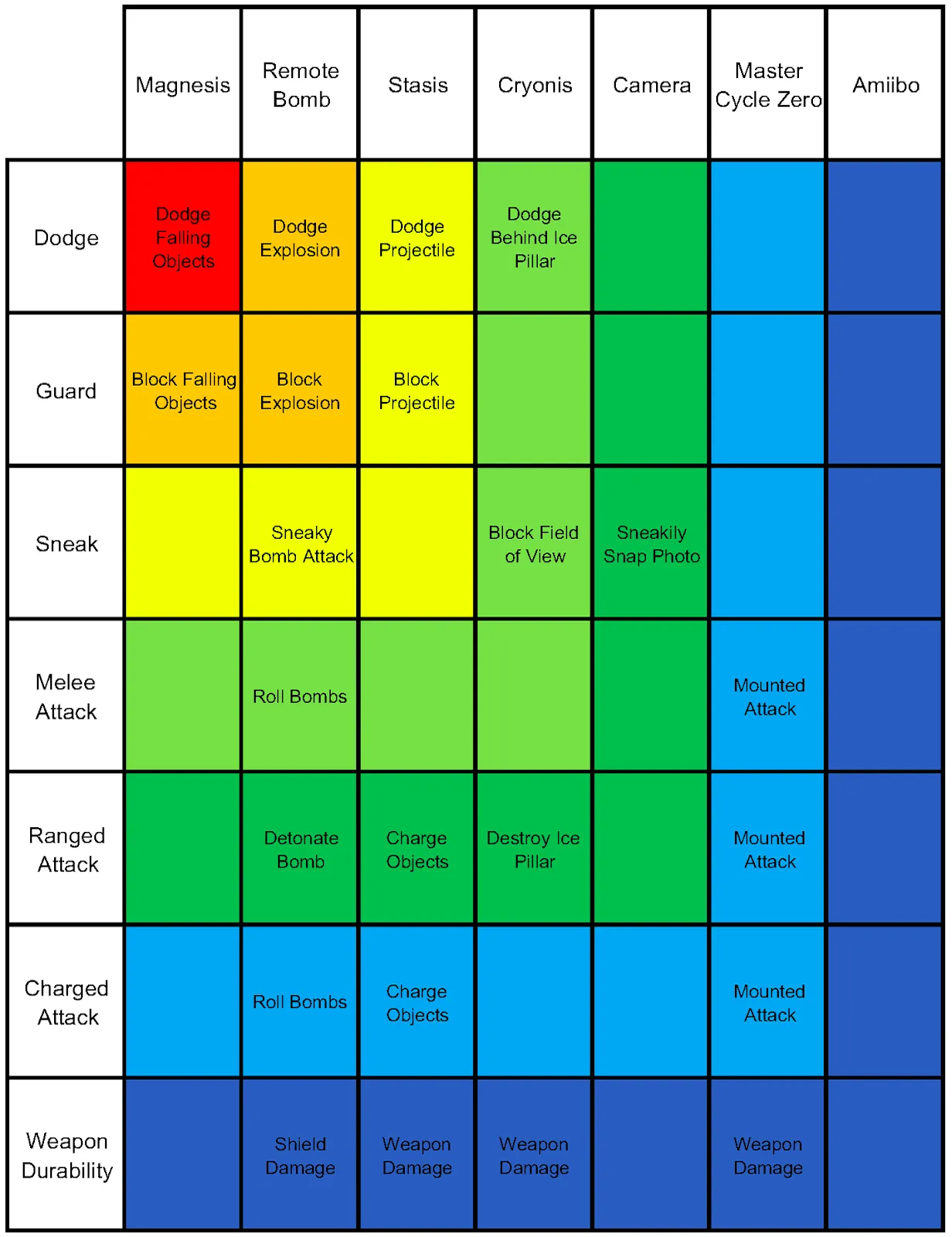
Gameplay Map
The map includes the actions that the player performs when starting the game. Diagrams are ideal for visualizing these actions. They will help to clearly represent the sequence of steps that the player goes through when starting the game. Diagrams can effectively illustrate player interactions with gameplay, highlighting key moments and choices. Using diagrams in the context of game mechanics helps improve the understanding and perception of the game experience, which can be useful for both developers and players.
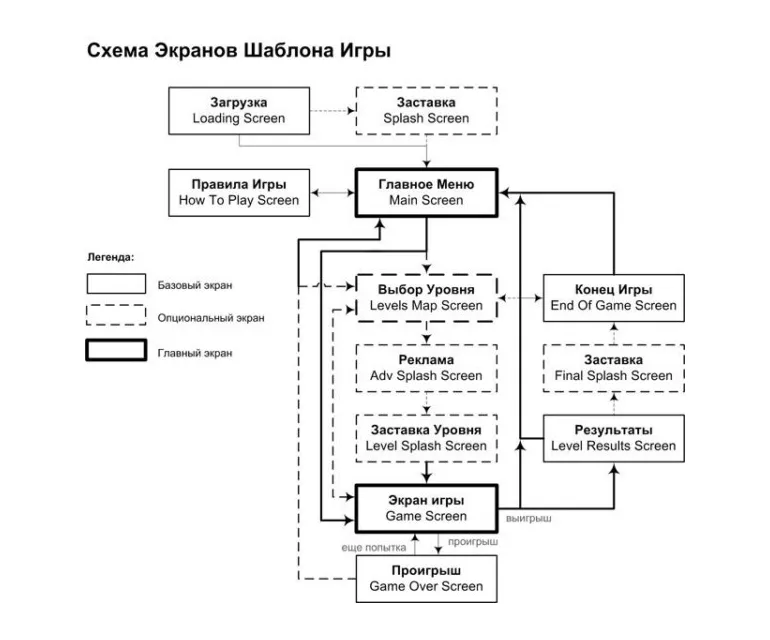
The map is convenient for marking places for collecting statistics, downloading additional data from the Internet, and displaying warnings. You can also create separate diagrams for each stage of the game, which will help you analyze the process more effectively and make informed decisions.
Visuals
In the visuals section, you should describe in detail your vision for the game, including the style of objects, textures, fonts, and effects. It is also important to indicate the results you are trying to achieve. For example, you can analyze the user interface, emphasizing its importance to the overall experience of the game. The aesthetics of the interface should be harmonious, intuitive, and contribute to the immersion of the player. Pay attention to the choice of color palette, fonts, and graphic elements, which should correspond to the overall concept of the game, creating a unique atmosphere and improving user interaction.
Poor content quality negatively affects user perception of information. Incorrect formatting, grammatical errors, and lack of structure can lead to a loss of interest in the material. To improve the quality of the text, it is necessary to pay attention to its readability, logical presentation, and the relevance of the information presented. Search engine optimization is also crucial. Keyword usage, proper formatting, and creating unique content will help improve your page's visibility in search results. Paying attention to these aspects can significantly enhance the overall impression of your content and attract more readers. Improving quality of life and optimizing processes are key to achieving successful results. It's important to focus on effective methods that can lead to significant changes. Implementing new technologies and approaches can increase productivity and create a comfortable environment for work and leisure. Openness to new ideas and a willingness to adapt to change are key to this process. Thus, a commitment to improvement and continuous development forms the basis for achieving high results in both personal and professional life. Game elements are key components that shape the structure and functionality of gameplay. They include characters, difficulty level, game mechanics, plot, visuals, and sound effects. Each of these elements plays a vital role in creating an engaging and immersive experience for the player.
Characters, as the main protagonists, determine the dynamics of the game and can be either playable or non-playable. Difficulty level provides a balance between challenge and accessibility, which affects player engagement. Game mechanics include the rules and systems that govern the interactions between players and the game world.
The story gives the game depth, allowing players to immerse themselves in the story and develop an emotional connection with the characters. Visuals and sound create atmosphere, enhancing immersion in the gameplay and making it more realistic.
Therefore, understanding and correctly implementing these elements are fundamental to developing a successful game capable of attracting and holding the audience's attention.
- Health bar - red bar with a resolution of 250 × 50 pixels. Located in the upper left corner of the screen.
- Energy bar - blue bar with a resolution of 250 × 50 pixels. English: Location in the upper left corner of the screen.
- …
The visual component of the game should immerse the player in a fairy-tale world, creating the atmosphere of a fantasy adventure. Interfaces should be immersive, for example, when opening the inventory, the character can remove the backpack from his shoulder and unzip it, allowing the player to see the contents. Graphics can combine elements of a cartoon style with realistic details, which enhances the overall impression of the gameplay and makes it more attractive to users.
- health indicator;
- energy indicator;
- overload indicator…
In the first case, designers do not have the opportunity to be creative, which results in them only following your instructions. This often leads to unsatisfactory results. In the second case, you formulate your goals, for example, striving for complete immersion, and provide examples, such as inventory. This allows designers to be creative and develop unique solutions. They may even forego traditional interfaces, using character animation to convey information: for example, if a character takes damage, they will limp, or if overloaded, they will slouch. This approach not only improves the game's feel but also creates a deeper user experience.
Describe your wishes in as much detail as possible, including links to examples you like. However, trust the design professionals: they typically have a more nuanced sense of style and aesthetics.
Level Design
The levels in your game should be carefully designed. Determine whether you want players to explore expansive worlds or focus on finding specific objects, such as doors. Study levels in other games to understand the experience they provide for players. Analyze how design elements, mechanics, and challenges affect engagement and enjoyment. This will help you create a unique and engaging gameplay experience that will attract players and keep them interested throughout the game.
In Hitman, each location has multiple exits, giving players the opportunity to choose their own path and strategies to achieve their goals. This creates a unique gaming experience, allowing each user to adapt their actions to their playstyle. Players can explore different routes, which adds an element of strategy and allows for creative solutions to each situation.
Balance
This part of the game development process is the most difficult, as the game designer must have a deep knowledge of mathematics. Balancing the gameplay is necessary to ensure that the game does not turn into a simple destruction of enemies due to finding an overly powerful weapon. It is also important that the player does not feel at a disadvantage due to the time spent developing non-combat skills. Proper balancing ensures an interesting and engaging gaming experience, allowing players to enjoy the game without feeling uncomfortable about the excessive strength or weakness of their characters.
During development, it may be necessary to reconsider the balance, as testing results may show that it does not meet your expectations. Be prepared for change to achieve optimal results.
Artificial Intelligence
This section should detail the game's artificial intelligence (AI), defining its behavior and functionality. The AI should demonstrate consistency and predictability in its actions so that players can easily interpret its behavior. Even if the game includes characters with unstable mental states who may start destroying the world around them, players should receive a clear explanation for these actions. This will help create a more engaging and immersive gameplay experience, where players can analyze and predict AI behavior, which will increase their engagement.
If you are developing artificial intelligence (AI) that must interact with other game systems, it is recommended to create a table similar to the one presented in the section on game mechanics. This will help structure the information and simplify the process of integrating the various components. Using a table will help you visually display interactions and dependencies, which is a key element in designing effective game AI.
Story
The design document is not the game's script. The plot section does not need to detail the history of the game world. It is important to focus on describing the setting and key features that will form the basis for the events of the game.
This section should detail the key characters and their development throughout the plot. A brief synopsis should be provided that reflects the main events and changes the characters go through. This will help readers better understand their motivations and interactions, and will also create a general idea of the work.
Of course, everything depends on the specific case: the plot of the game Pacman can be described in a design document, but if you are working on a David Cage project, you will need to be patient and prepare several terabytes of Google Drive for storing materials.
Profession Game Designer from scratch to PRO
A game designer creates the structure of a game. They develop the concept, rules, and gameplay, and decide what emotions the story will evoke in players. You'll master game design principles from scratch and learn how to work with popular engines like Unity and Unreal Engine. You'll learn how to keep players engaged and monetize your games. And we'll help you start a career in the gaming industry.
Find out more