Table of Contents:
Learn: Game Designer Profession from Scratch to PRO
Learn MoreThe central character in most video games is usually immortal from a game design perspective. This means that even if they die multiple times, their story doesn't end. The game simply returns them to the nearest checkpoint or level start. After that, the hero is once again alive and well, ready to continue their adventure. This mechanic allows players to explore the world, overcome challenges, and develop skills without the fear of ultimate failure, making gameplay more engaging and accessible.
The game creates the illusion that nothing happened. Did the villain successfully destroy the Earth? That's not the ending the writers intended—try again. Players have become accustomed to this convention: telling a story in which the protagonist can return to life is not easy, and it must be logically justified within the narrative. Creating a believable story requires a thoughtful approach that allows players to go back to the beginning and change the course of events. This makes the gameplay more engaging and promotes deep immersion in the story.
Some developers strive to integrate the hero's death into the plot and gameplay, even creating new genres, such as soulslikes. Although the result is not always successful, such experiments always generate interest and attract the attention of players.
In this article, we analyze how plot-based immortality of characters is used in video games, identifying best examples of its implementation and considering what opportunities for gameplay and storytelling the possibility of hero resurrection opens up. Immortality in games can serve not only as a mechanic, but also as an important element of narrative, allowing for a deeper emotional connection between the player and the character and the creation of unique gameplay situations. While discussing successful examples, we also pay attention to the influence of immortality on the development of the plot and interaction with the surrounding world.
Find out more:
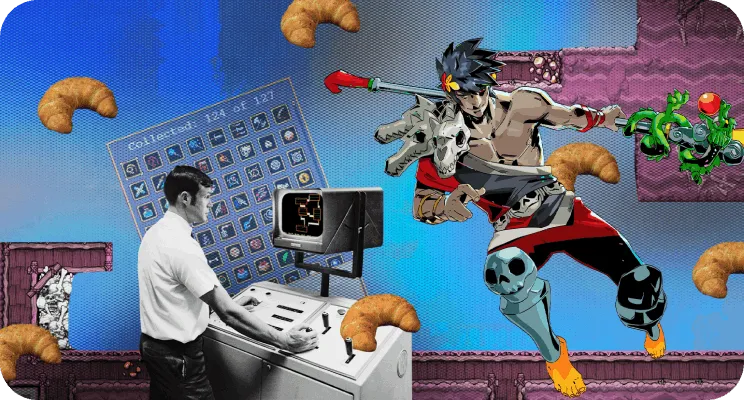
Secrets of roguelikes and Roguelikes: Why Hades, Spelunky, and Vampire Survivors Are Real Hits
The roguelike and roguelike genres attract players thanks to their unique mechanics and random elements. Games like Hades, Spelunky, and Vampire Survivors not only entertain but also create an immersive gaming experience. The main reason for their popularity is the combination of challenging gameplay and high replayability.
Hades offers players a dynamic combat system and a captivating story that unfolds as they progress. Each time they start a new run, players unlock new abilities and encounter different enemies, making each game unique.
Spelunky, meanwhile, stands out for its level of difficulty and platforming elements. Players encounter unpredictable levels that require strategic thinking and precision. This combination makes the game addictive and keeps you coming back for more.
Vampire Survivors offers an innovative approach to the genre, combining roguelike elements with survival mechanics. Players control a character who gradually grows stronger and faces hordes of enemies. Unique abilities and a leveling system create a sense of progression that keeps you engaged for a long time.
All of these games share one key element: they offer players the opportunity to improve their skills and discover new strategies. This makes roguelikes and roguelites appealing to a wide audience, providing them with a high degree of engagement and fun.
Reanimate This
The first attempt to transform the concept of the protagonist's death and subsequent rebirth into something more than a simple return to the starting point was made in 1978 in MUD1, a text adventure created by Roy Trubshaw and Richard Bartle. This project became an important milestone in the development of the genre, as it laid the foundation for further research into the mechanics of in-game death and its impact on the plot and gameplay. MUD1 opened new horizons for player interaction with the world, offering not only adventure but also deep philosophical reflections on life and death in virtual reality.
MUD1 stood out from similar games due to the possibility of cooperative exploration of the virtual world with other players. It is no coincidence that the abbreviation MUD stands for Multi-User Dungeon. The game, developed by Trubshaw and Bartle, laid the foundations for modern MMORPGs and introduced one of the genre's most popular game mechanics.
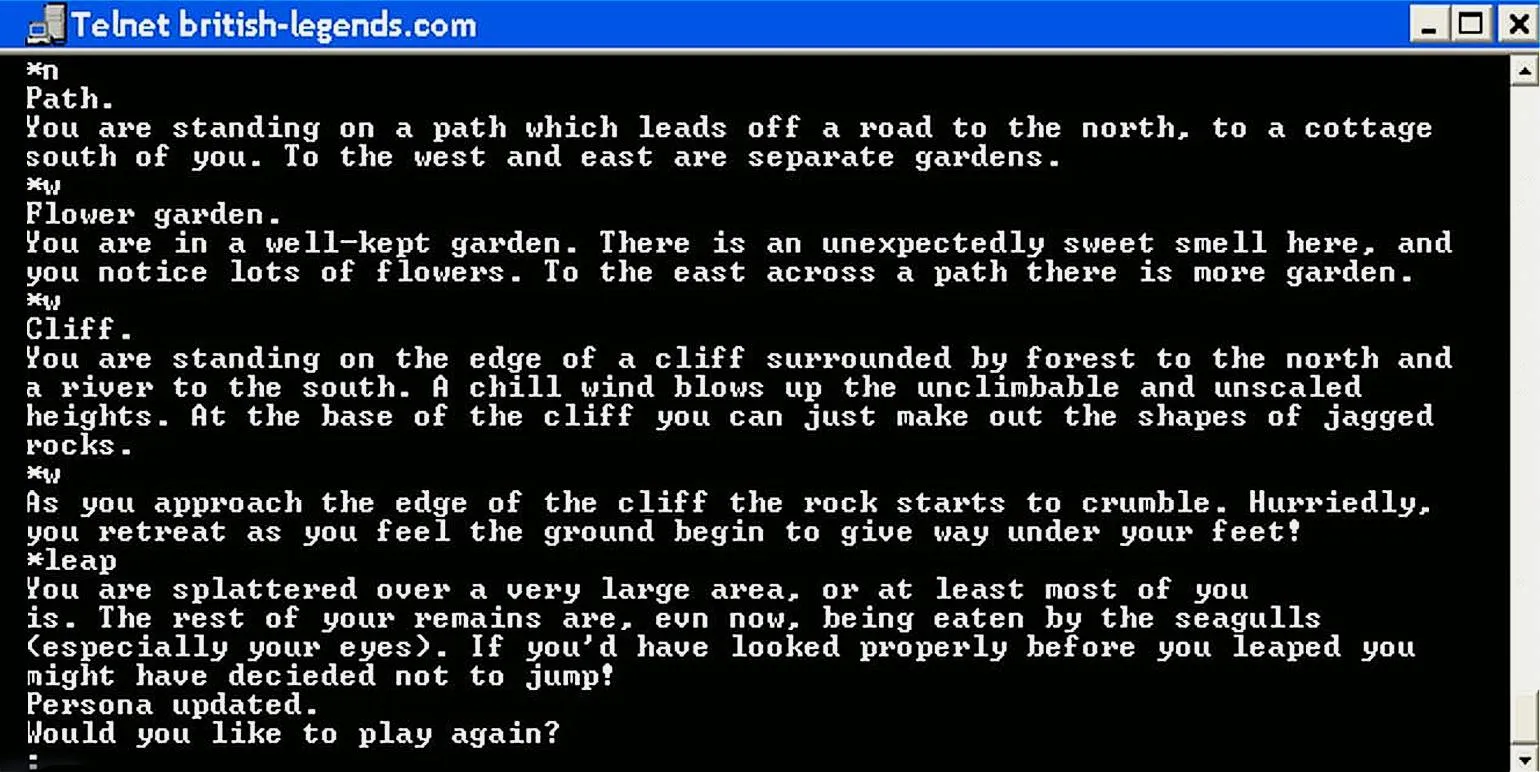
In a game world where there is no reset after character death, the developers implemented two types of death. If a character dies in combat, the player starts over from scratch. If the hero falls into a trap or falls off a cliff, their items remain at the place of death, allowing the player to return and collect them later. This approach adds an element of strategy and emphasizes the importance of caution in gameplay.
The creators of MUD1 implemented a mechanic known as corpse running, which involves the player returning to the place of the character's death to recover lost items or experience. This innovative game mechanic added an element of strategy and challenge to the gameplay, promoting deeper player engagement with the game world. Corpse running has become an important part of many role-playing games, creating a unique gaming experience and increasing the significance of player decisions.
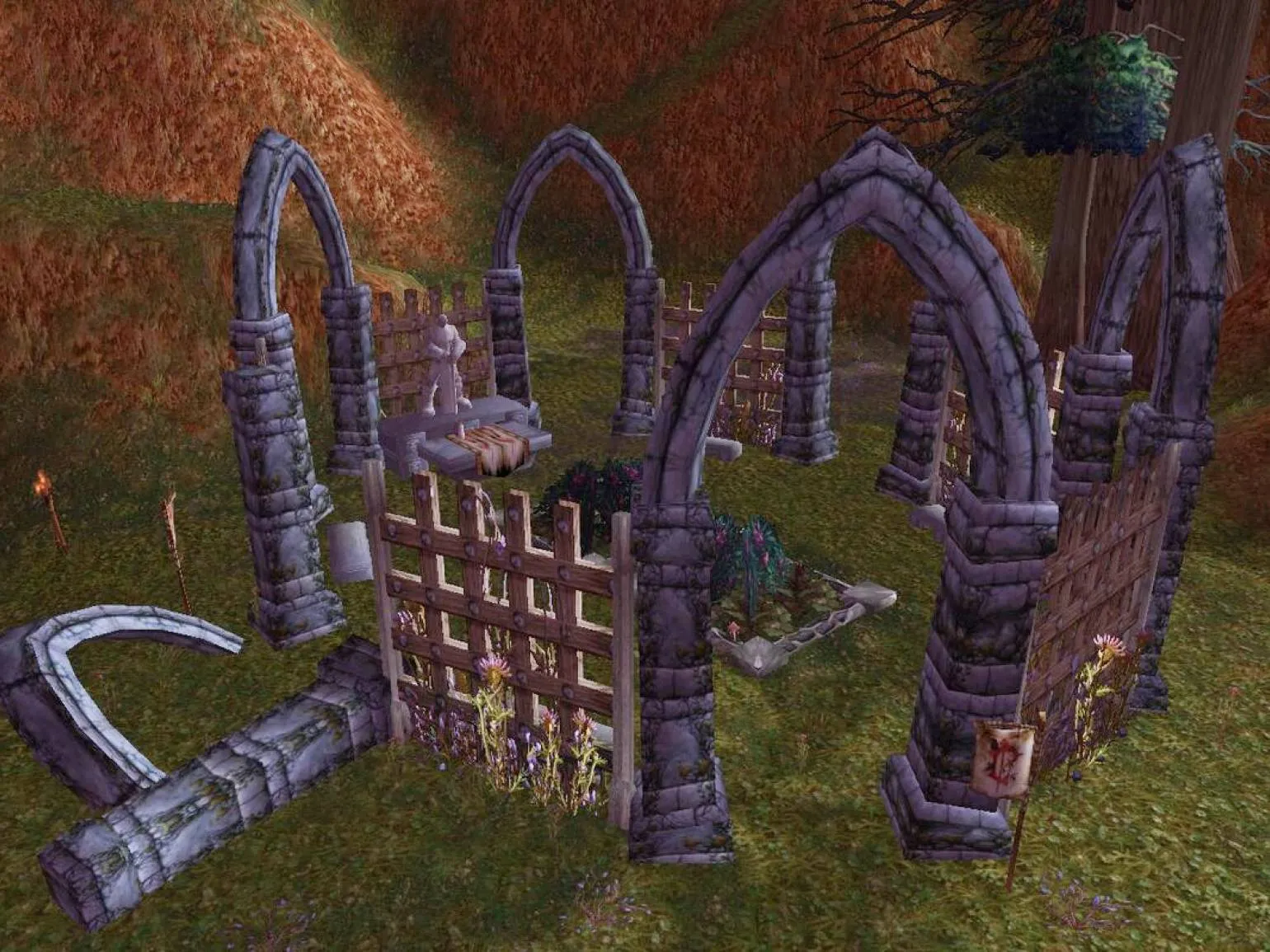
After the games of Trubshaw and Bartle, other multiplayer worlds emerged that became the basis for true MMORPGs. The "corpse run" mechanic found its way into games such as Ultima Online and World of Warcraft. In these games, players must run to their body as a ghost to be revived. This system became an effective way to penalize players for failure without forcing them to start the game from the beginning. Thus, "corpse running" added an element of strategy and challenge to gameplay, making multiplayer role-playing games more engaging and dynamic.
In some situations, corpse running can make the game easier. Since you are a ghost, you cannot be damaged, allowing you to reach your death site unhindered. This makes it possible to resurrect the character and continue the game without serious interference.
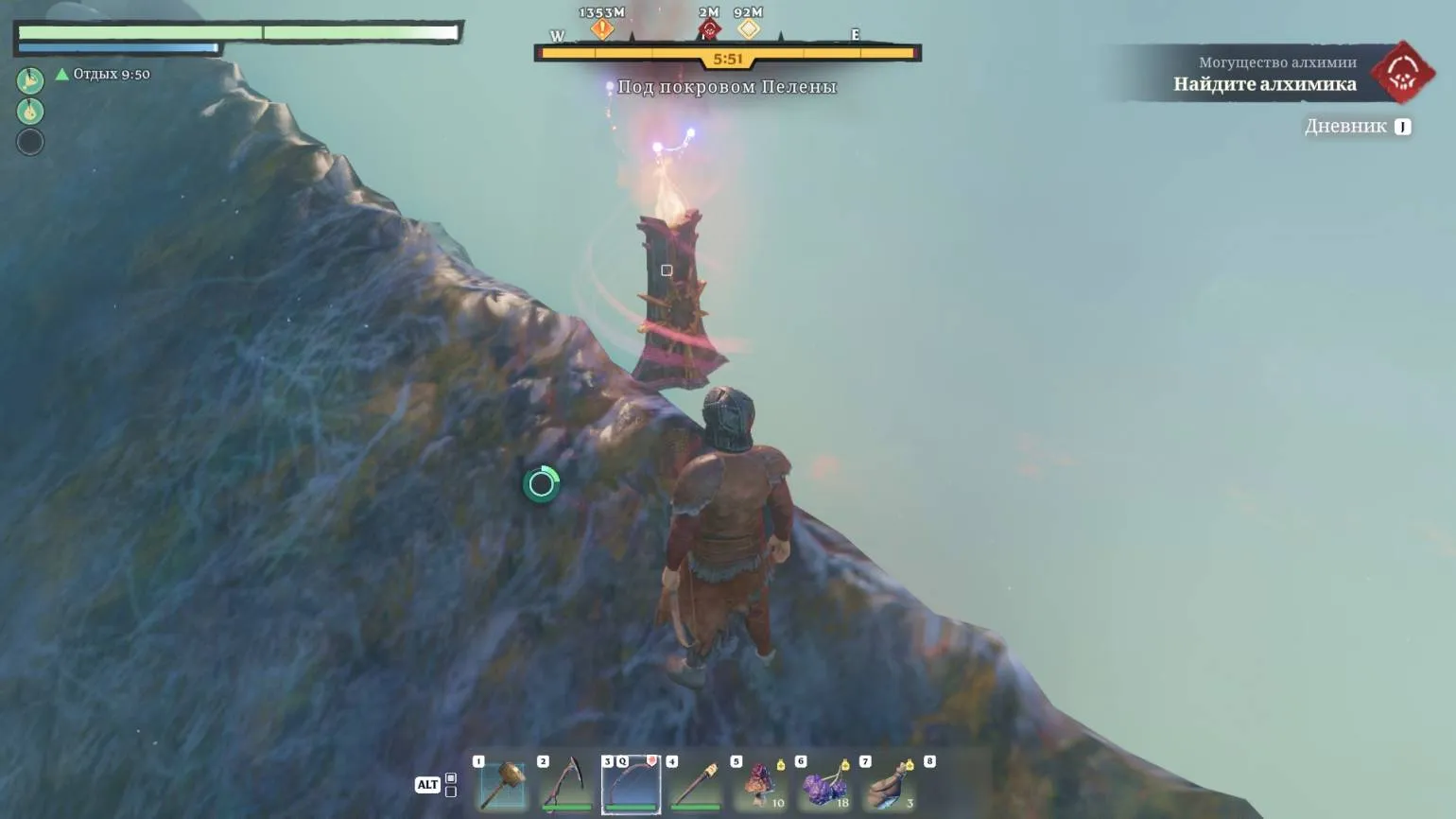
The death mechanic is actively used in survival games, where the player's primary goal is survival in a dangerous environment. The probability of character death in such games is usually high. Depending on the developer's concept and complexity, this mechanic is implemented differently. For example, in Minecraft and Valheim, a character loses all items from their inventory and some experience upon death, while in Enshrouded, the loss is limited to just a few materials. These differences in death mechanics impact the overall experience and survival strategies, making each game unique in its approach.
The corpse-hunting mechanic has its roots in tabletop role-playing games like Dungeons & Dragons, where players could pick up their companions' belongings or even return to retrieve the inventory of a previously deceased character. However, beyond tabletop games, an important precursor to this mechanic in modern video games were arcade cabinets, where a character had a limited number of lives, and losing all lives meant the end of the game. This concept, integrated into video games, creates a unique and addictive gameplay experience that attracts players to replay and explore the game worlds.
The first game in the Grand Theft Auto series, released in 1997, combined elements of two distinct genres: it offered a vast and detailed world typical of tabletop games as well as fast-paced arcade gameplay. The game responded to player mistakes accordingly, creating a unique experience. The GTA world consisted of six locations, and for completing each one, the player received five lives. If the character died, they lost all weapons and one life. If the player died five times, the level had to be restarted, adding an additional element of difficulty. This combination of factors made Grand Theft Auto a significant phenomenon in the gaming world and laid the foundation for subsequent parts of the series.
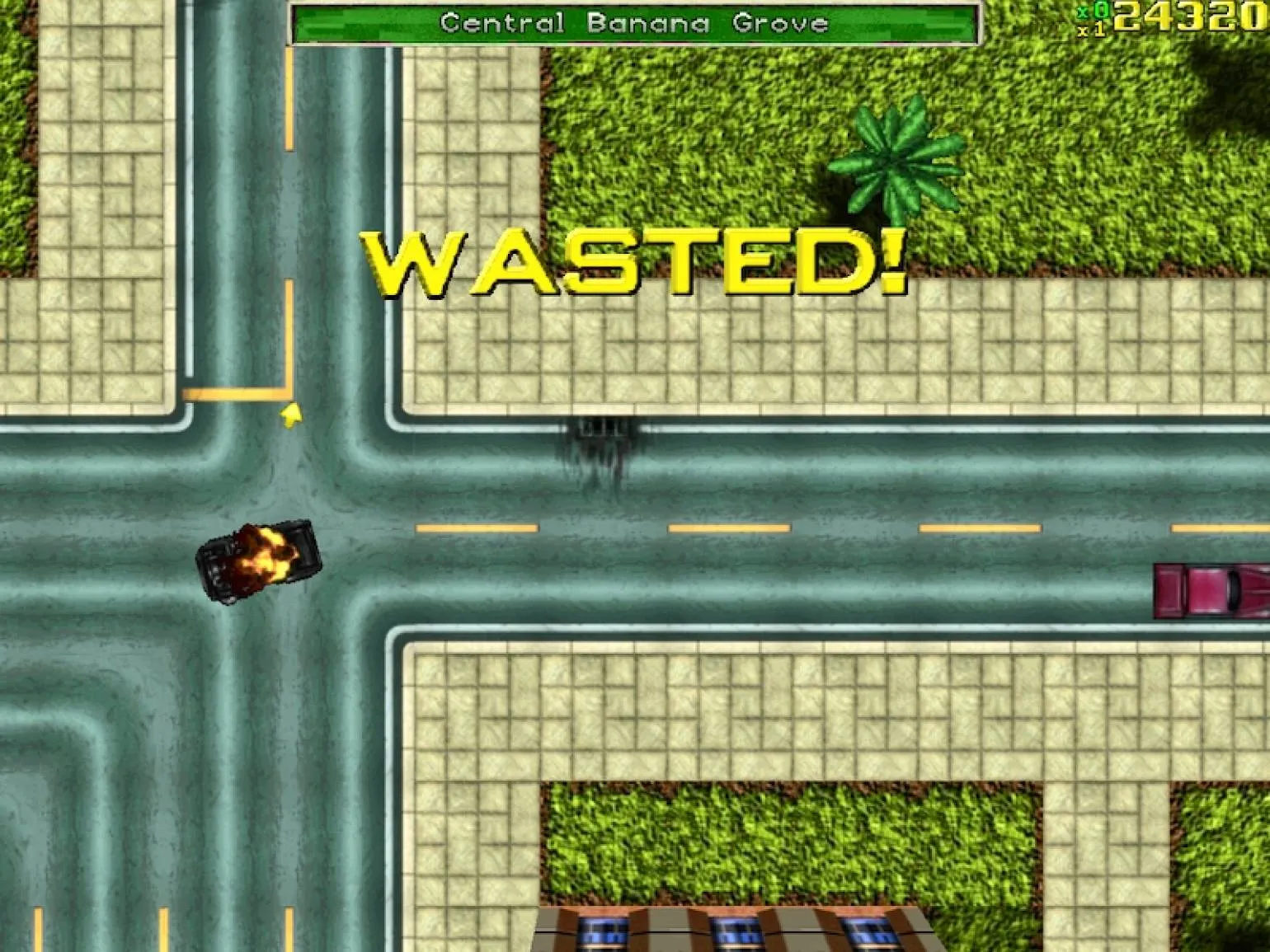
As the series' popularity grew and its stories became more complex, the penalty system was mitigated. For example, in GTA 3, protagonist Claude, faced with death by bullets or drowning, would respawn at a nearby hospital, losing only his weapon and a small sum of money—one hundred dollars. This approach allowed players to focus on exploring the world and completing missions without fear of serious consequences for mistakes.
In subsequent versions of the game, the developers significantly softened the penalties for players. In GTA 4, protagonist Niko leaves the hospital with a full arsenal, allowing him to continue the game without significant losses. In GTA 5, a system of checkpoints during story missions further simplifies the process, eliminating the need to return to the hospital and repeat tasks in case of failure. These changes make gameplay more comfortable and less frustrating for players, contributing to a positive perception of the Grand Theft Auto series.
The mechanics featured in the GTA games effectively fulfill their primary function—integrating gameplay conventions into the overall universe. For example, one can imagine the protagonist being picked up by an ambulance after the "Wasted" sign disappeared, and being saved at the hospital in time, even though they crashed after jumping out of a plane without a parachute. Similarly, the character's ghostly form in World of Warcraft feels natural, as it is a fantasy universe where a variety of events and phenomena are possible. Such elements not only enrich the gameplay but also create a deep immersion in the unique worlds of each game.
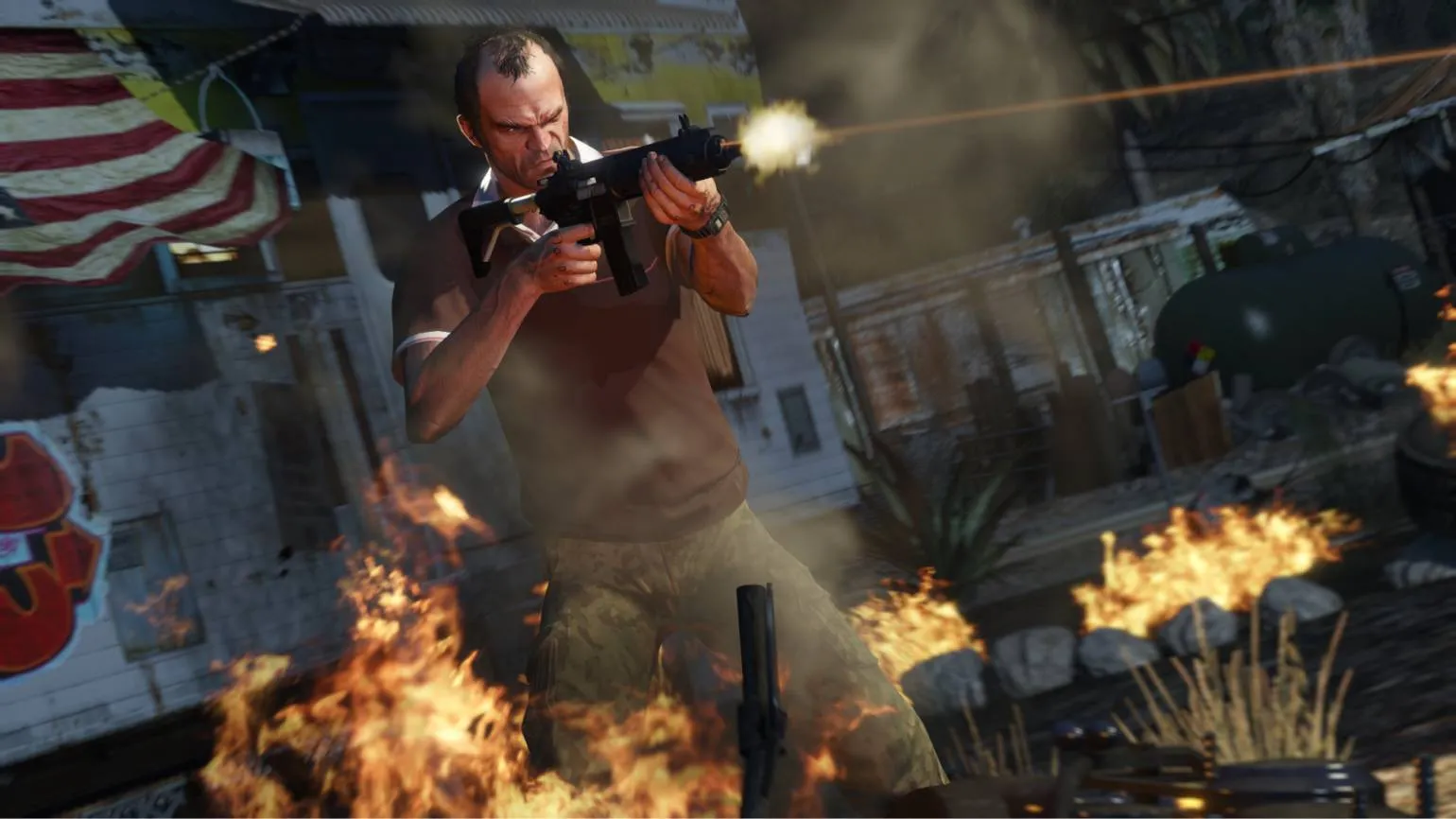
Both GTA and World of Warcraft effectively address the ludo-narrative dissonance that arises from the discrepancy between story and gameplay. On the one hand, these games acknowledge that the character you control is essentially immortal. On the other hand, the developers ensure that this aspect does not contradict the main story, creating a harmonious interaction between gameplay and narrative. This allows players to immerse themselves in worlds where storylines and gameplay organically complement each other, providing a deeper and more engaging experience.
Despite the diversity of gameplay, local stories do not employ unique respawn mechanics, which significantly reduces their appeal. Integrating such mechanics could enrich the gaming experience and add new layers of strategy and interaction. It's important to consider how the use of rebirth can change the dynamics of the story and increase player engagement.
Quantum Immortality
At first glance, the decision to make the protagonist immortal seems logical. However, if the game acknowledges their immortality, it could lead to a loss of interest in the story. The suspense would disappear, and the core logic of the narrative could suffer. The hero's immortality eliminates the element of risk, which is key to maintaining player attention and forming an emotional connection with the character. Therefore, it is important to carefully consider how the concept of immortality fits into the overall design of the game, so as not to lose the appeal of the story.
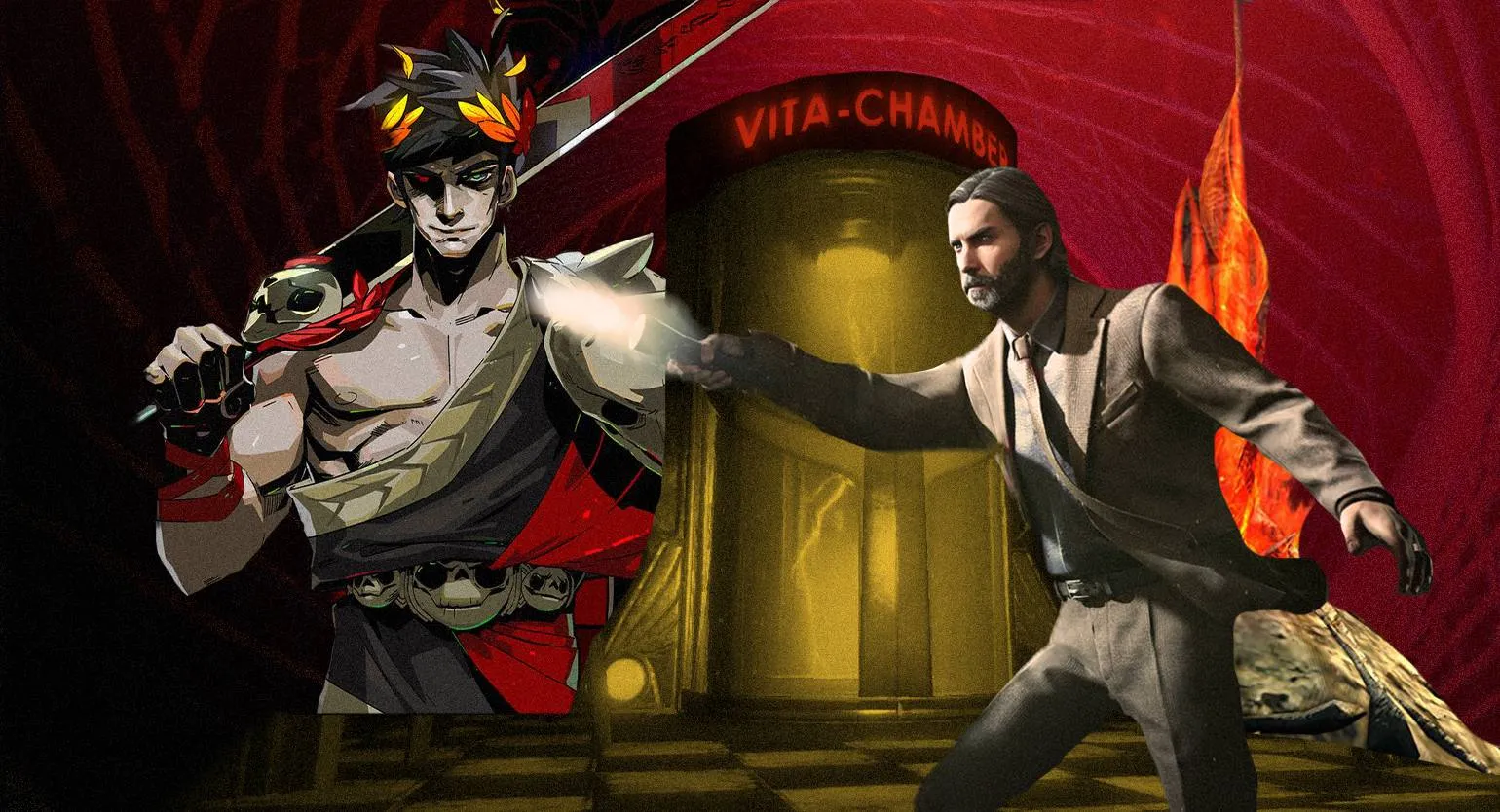
This happened with the first two BioShock games. Irrational Games, fearing that the Halo audience would not accept complex action games with RPG elements, introduced checkpoints in the form of Vita-Chambers into the underwater city of Rapture. Upon death, the protagonist would automatically respawn in one of these chambers with a limited supply of health and local mana. The game world would not reset, and fallen enemies would not return to life. These mechanics created a unique gaming experience while maintaining the tension and dynamism that made BioShock a memorable title in the genre.
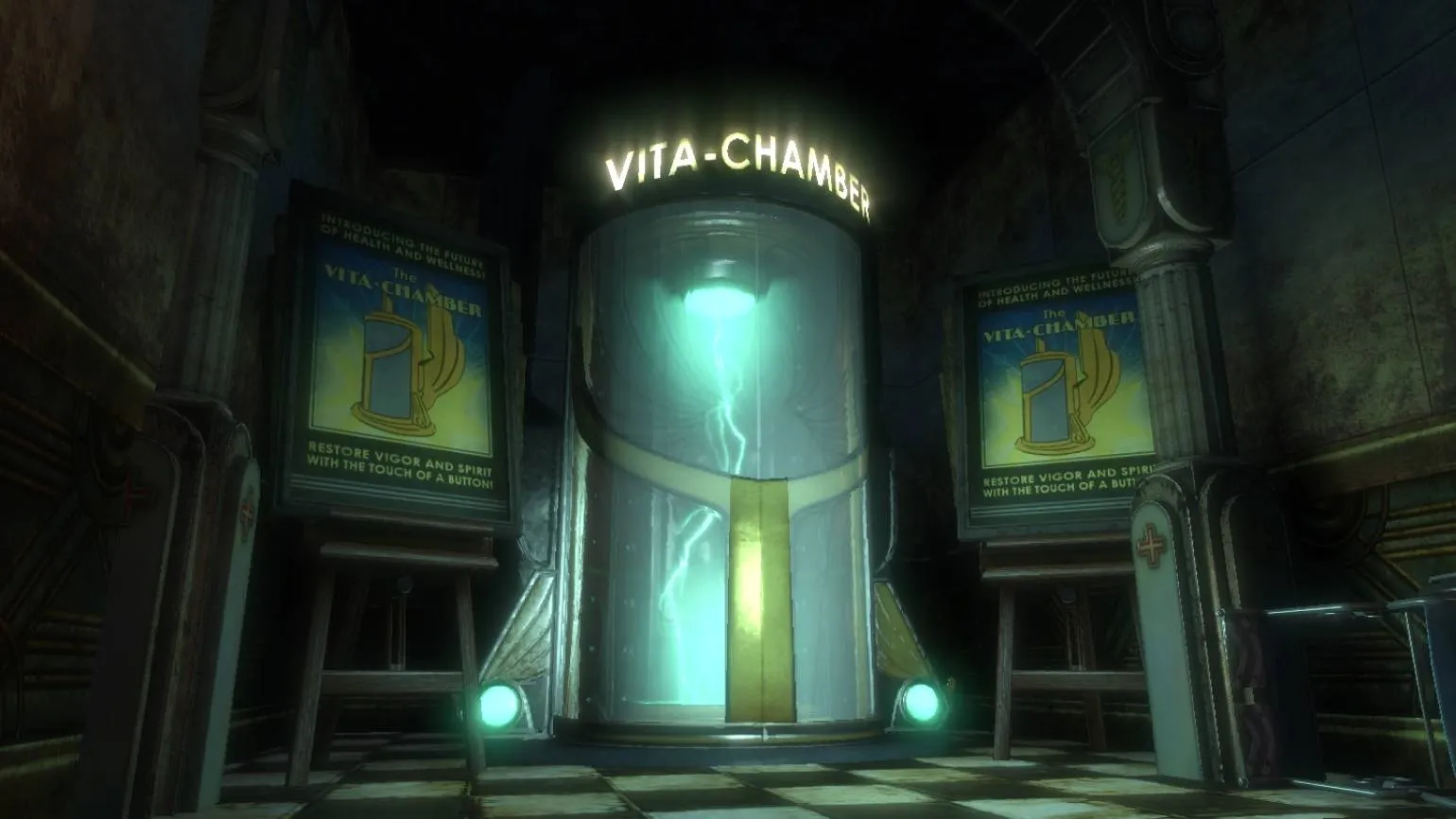
If you're familiar with action games, you'll understand that this mechanic significantly simplifies any challenge the game throws at you. Thanks to the Vita-Chambers, even formidable enemies like Big Daddies don't require complex tactical decisions. You can respawn endlessly and attack this iron giant with a wrench until its health is depleted. This feature makes the game accessible and allows you to focus on other aspects of the gameplay, such as exploring the world and interacting with characters.
Essentially, it's an analogue of a corpse run, but without the need to recover lost items.
The Vita-Chambers not only play a role in the gameplay, but are also carefully integrated into the world of BioShock under the direction of Ken Levine. This raises an important question: will the protagonist be able to escape the dying Rapture? The answer is obvious—yes, since the player has the opportunity to attempt escape multiple times. However, another interesting question arises: why didn't any of the antagonists bother to disable the Vita-Chamber or reconfigure it to their advantage? These aspects add depth to the game mechanics and open up space for analyzing the logic of events and character actions.
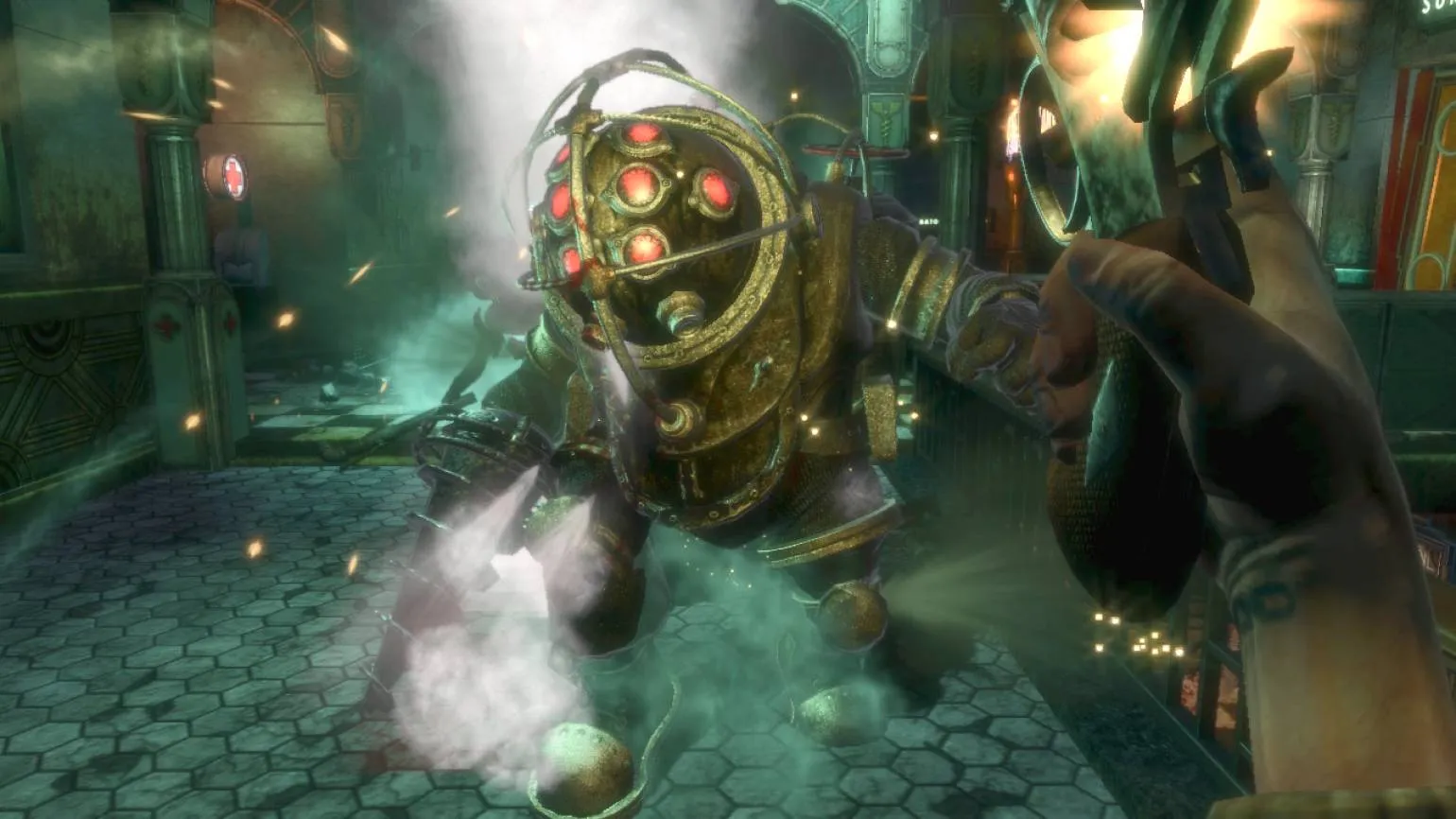
The high quality of the writing and the variety of gameplay options in the two BioShock games set in Rapture more than make up for their minor shortcomings. These games are excellent examples of why some gaming conventions are worth preserving. BioShock offers a unique experience that captivates players with its deep stories and atmospheric world.
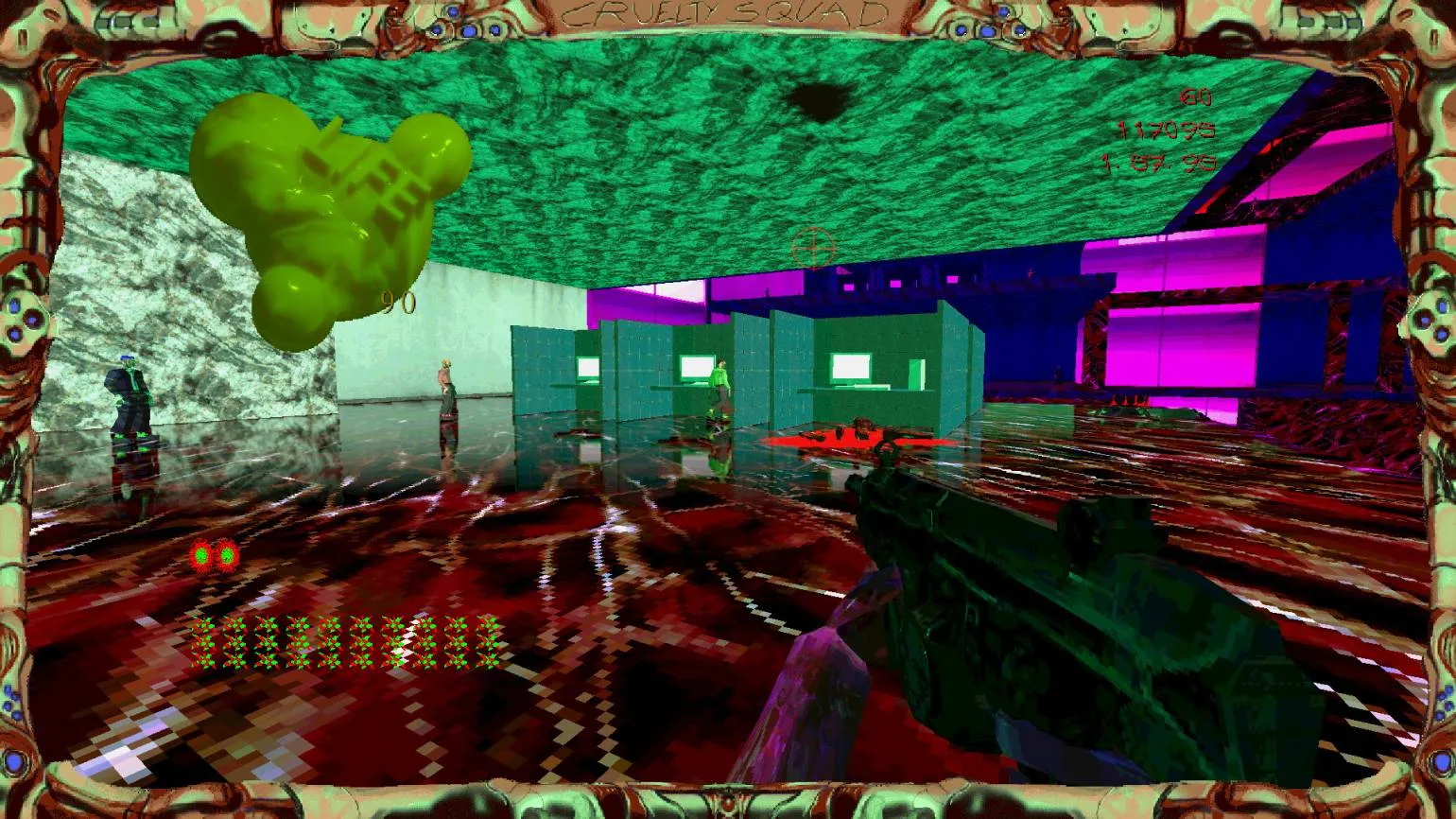
Cruelty Squad, a game immersive in the grim realities of capitalism, uses a unique tool that captures the essence of its events. The events take place in the distant future, where technology allows people to return to life after death. In this world, the loss of life is perceived as a minor inconvenience, and practices such as contract killing and organ trafficking become respected professions. Players are exposed to the brutal and absurd aspects of society, making the game not only entertaining but also crucial for understanding the modern world.
The death of the killer protagonist in Cruelty Squad results in only a small deduction from his bank account, while the deaths of innocent people go unnoticed. Their deaths can become an additional source of income, as organs can be harvested and sold on the black market. Thus, the revival mechanic in Cruelty Squad serves as another satirical tool, highlighting society's indifference to human life and the moral dilemmas in a world where money becomes more important than life.
The BioShock developers successfully integrated the concept of hero rebirth into the story, especially in BioShock Infinite. In this part of the game, the protagonist Booker dies, but his partner Elizabeth saves him, bringing him back to life. However, the player loses $57, which creates an interesting choice: returning to battle is instant, but comes at the cost of future character upgrades and consumables that could have been purchased with the lost money. This gameplay element adds strategy and forces players to think about their decisions in critical situations.
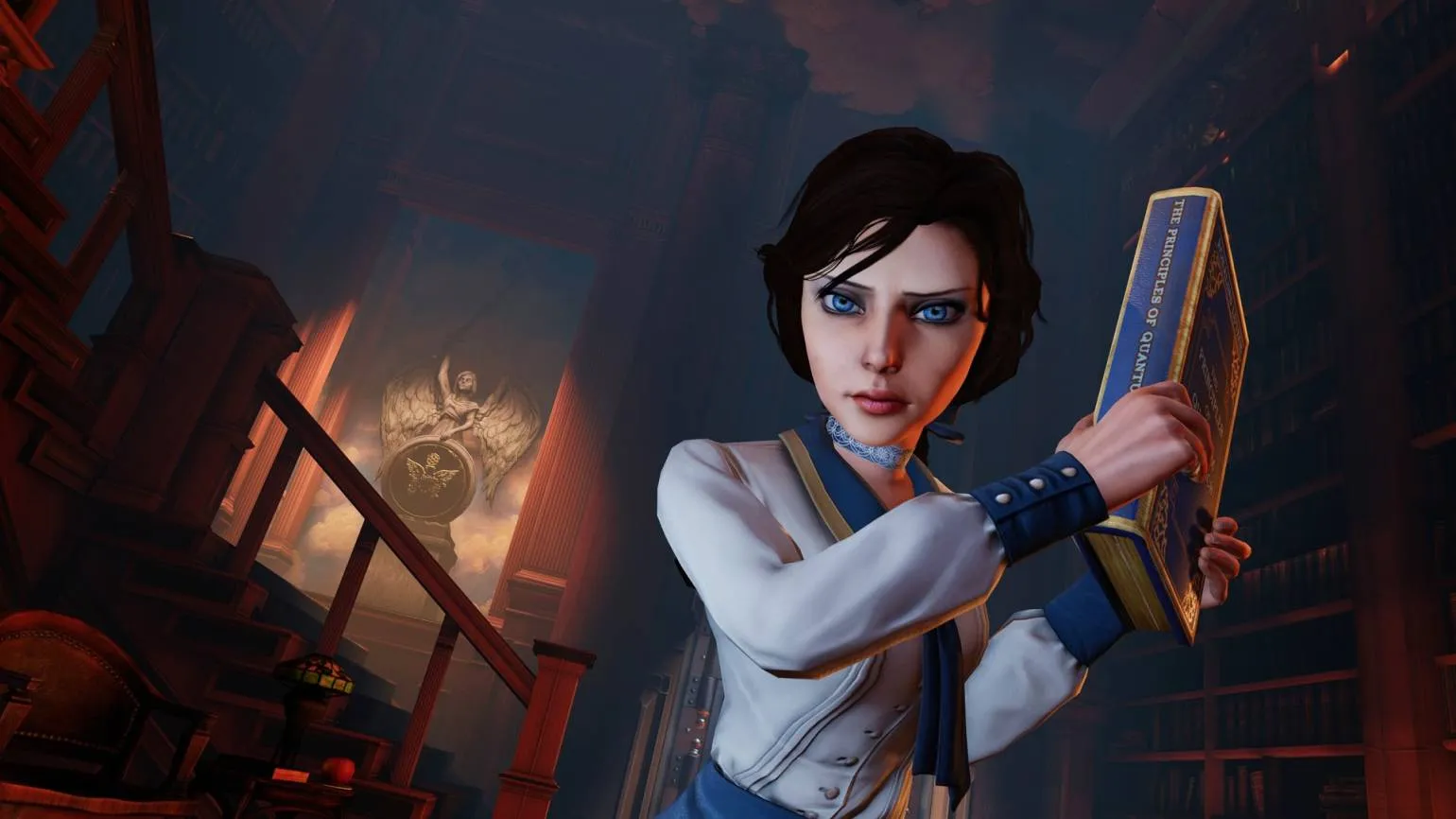
If Booker finds himself in a hopeless situation or Elizabeth is not nearby when he dies, the character will be returned to the nearest checkpoint. These events can be explained by the logic of the game universe, namely the multiverse. The plot of BioShock Infinite is based on the theory of the existence of an infinite number of parallel worlds. The game's main characters repeatedly travel between different timelines and even find themselves in a world where Booker has already died and become a symbol of revolution. This aspect of the game emphasizes the complex structure of Narrative, where every decision and action can radically change the course of events, offering players a unique experience of interacting with the world.
The death of the central character in this game can be perceived as an unsuccessful branch of the BioShock multiverse. This raises important philosophical questions that permeate the entire series: what is the meaning of the decisions we make? Is there true freedom of choice? These themes force players to consider the consequences of their actions and the extent to which they can influence the course of events in the game. BioShock not only entertains but also provokes deep reflection on human nature and moral dilemmas.
The fate of Booker and Elizabeth in the floating city of Columbia is irrelevant, as all possible scenarios are realized in the infinite multiverse. The stakes of the story are raised to a new level: the immortal heroes fight not only for survival but also for liberation from the cursed cycle they have fallen into through their own or others' fault. This opens new horizons for exploring themes of freedom and responsibility, and also makes you think about the nature of choice and its consequences in a world where each decision can lead to multiple alternative realities.
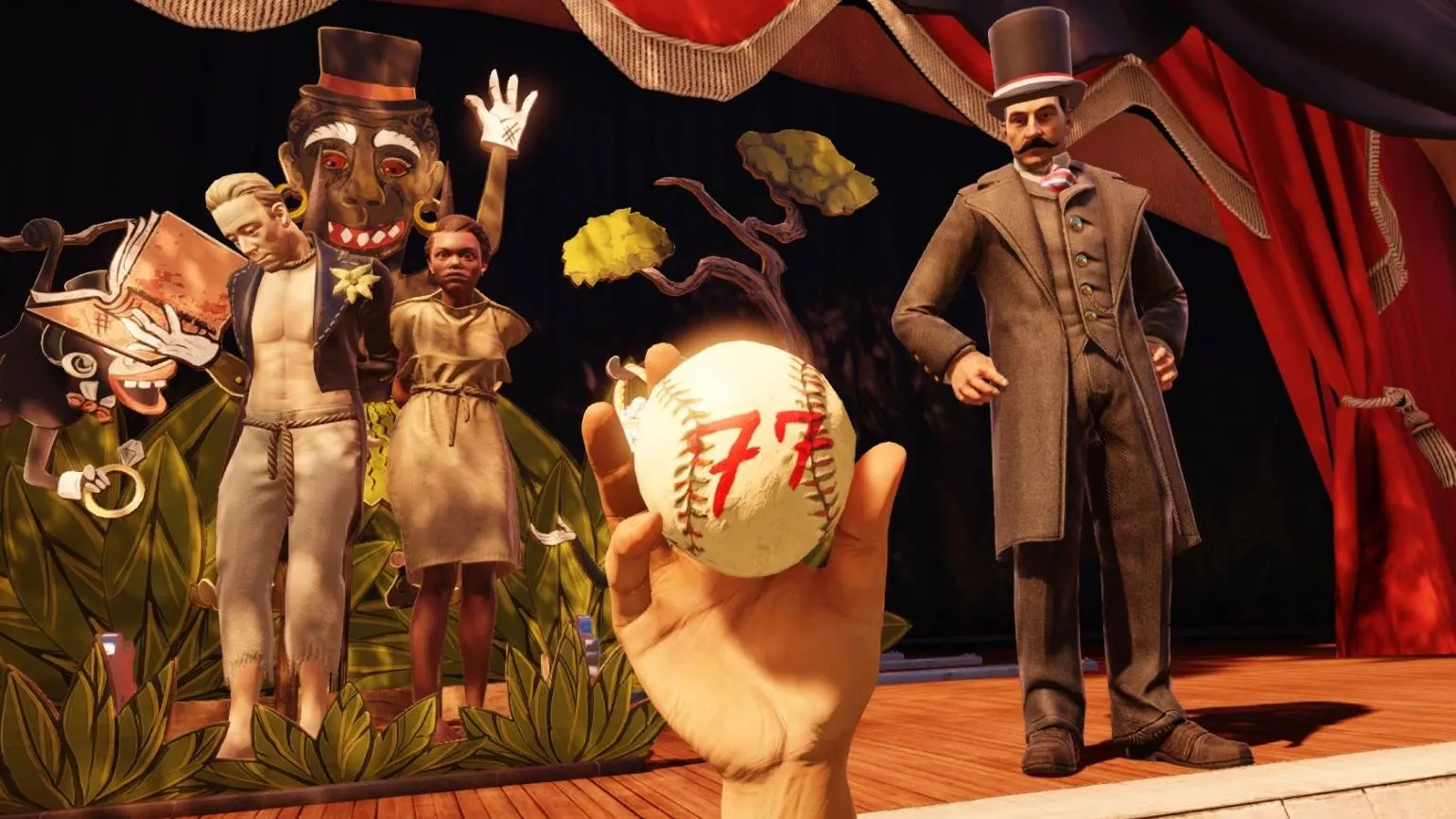
This theme is central to the plot and lore of the famous game series. Here it is presented through mechanics that were popularized in MMORPGs. These elements create a unique gaming experience and allow for deeper immersion in the game world.
Chosen Undead
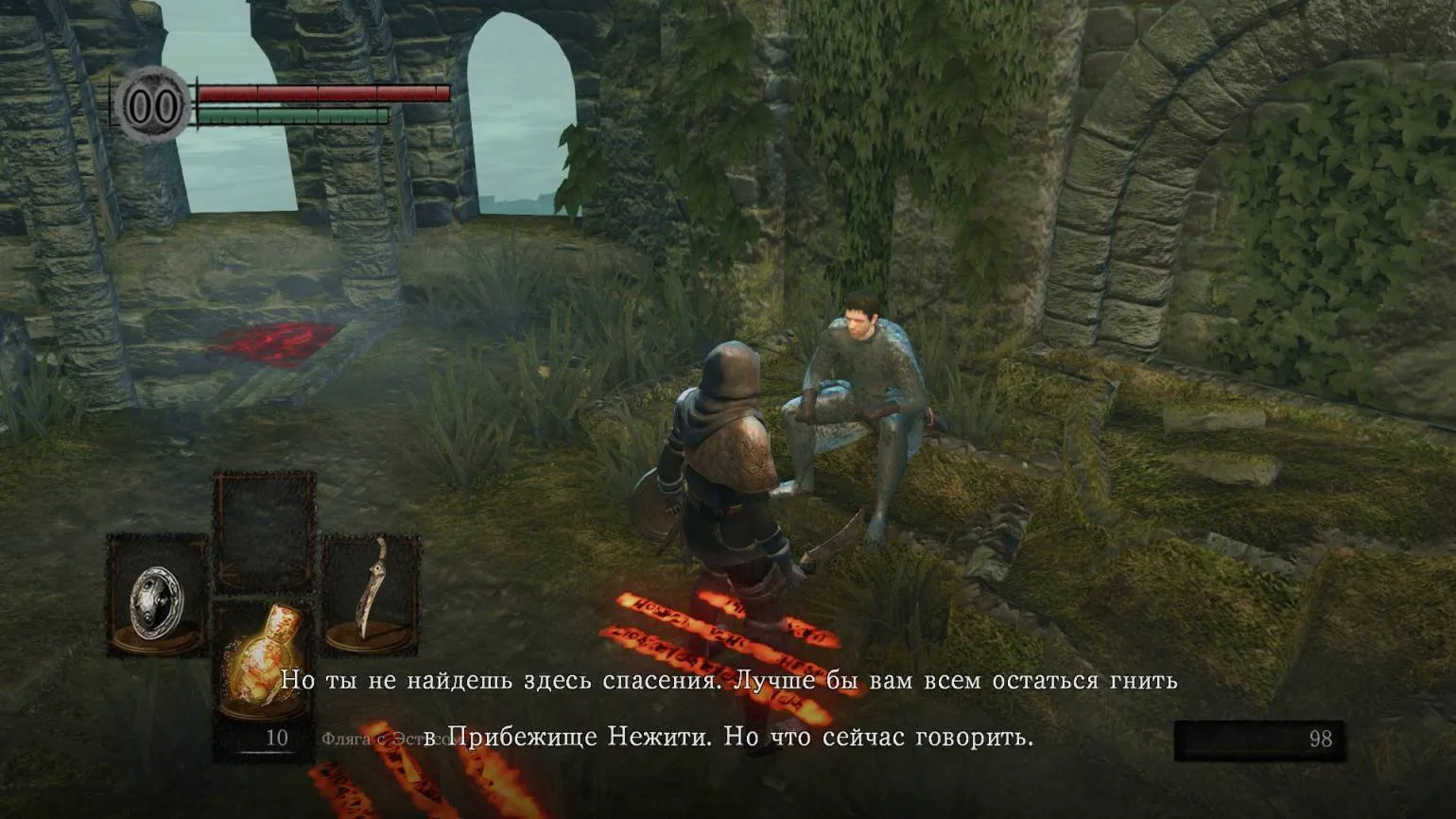
In 2009, the original Demon's Souls was released, which broke many established design traditions in the RPG genre. Particular attention was attracted by its unique leveling system, which deviated from the usual approaches. This system provided players with the opportunity to interact more deeply with the game mechanics, which significantly influenced the perception of the genre. Demon's Souls set new standards that inspired many subsequent games, emphasizing the importance of innovation in RPG development. Instead of traditional experience points, players collect souls dropped by slain enemies and bosses. These souls can be used to improve the character's stats. If the character dies before spending the souls, they remain at the scene of their death. The player has only one chance to recover the lost souls: they must reach the bloodstain left at the scene of their death, passing through an area full of respawning enemies. If the character dies again during this journey, the souls are lost forever. This gameplay element adds tension and strategy, forcing players to carefully consider their actions to avoid losses.
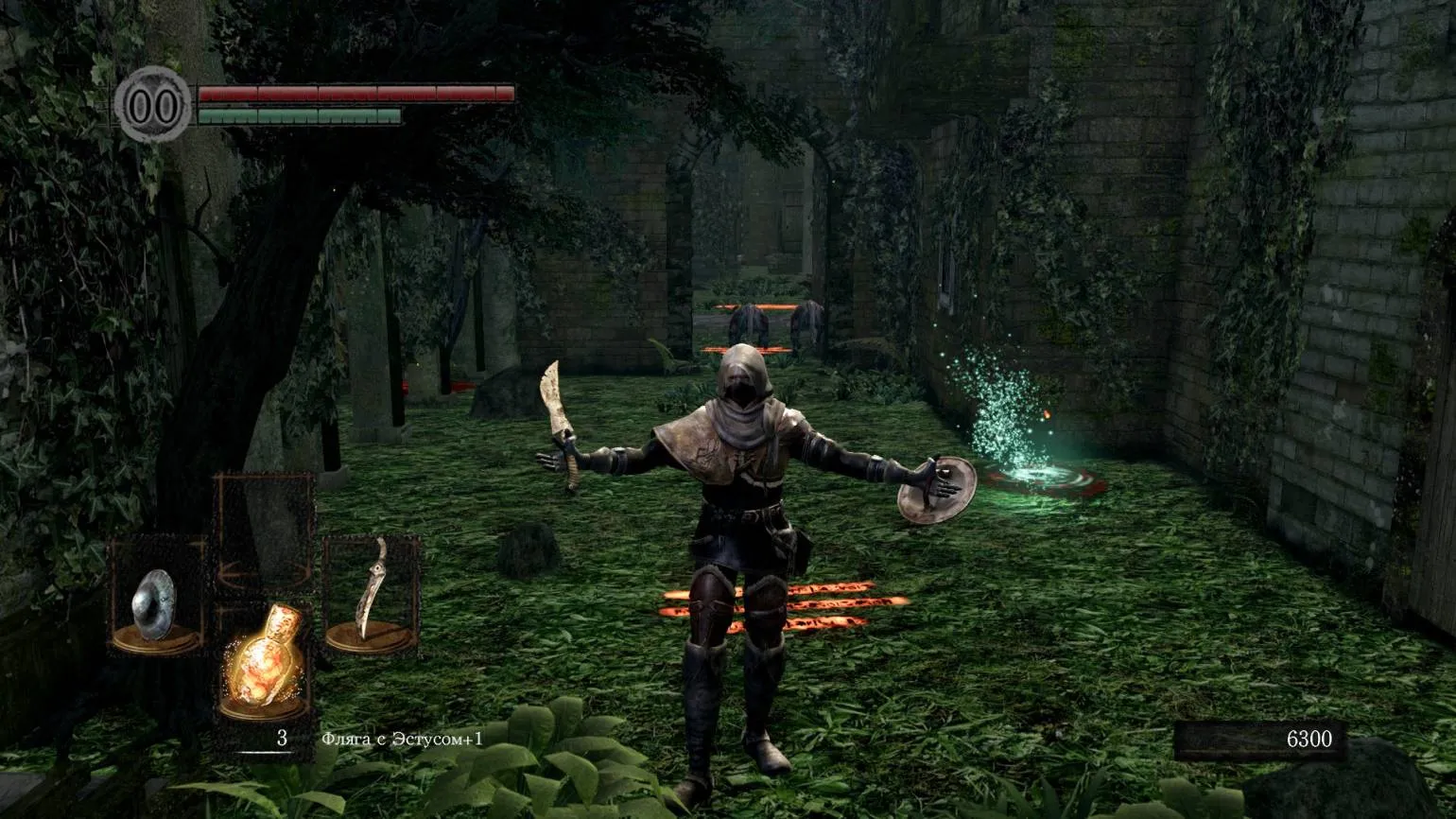
The return-to-the-spot-of-death gameplay loop has become a key element of Soulslikes. This approach initially puzzled some players, as FromSoftware integrated a well-known MMO element into a game of a different genre. However, this decision has its justifications. It creates a unique experience in which players can re-test their skills and strategy, and also heightens the sense of tension and responsibility for their actions in the game. These mechanics make Soulslikes more immersive and interesting, introducing elements of exploration and strategic gameplay.
The first of these was named by Hidetaka Miyazaki himself, who is the director of Demon's Souls. His unique approach to creating game worlds and complex mechanics made this game a cult classic in the action RPG genre. Hidetaka Miyazaki is known for his attention to detail and ability to create atmospheric environments, making each game in his portfolio truly unforgettable. Released in 2009, Demon's Souls set the stage for subsequent titles like Dark Souls and has had a significant influence on the development of game design.
We recognize that players may experience frustration with the bloodstain mechanic. However, the primary reason for choosing this system is that allowing players to claim souls at any time would have diminished the tension and sense of achievement in the game. We strive to give players a sense of responsibility: "I can't afford to die until I get my souls back" or "I did it! I reached the bloodstain!"
The corpse runs in FromSoftware games shape the unique Soulslike gameplay. Players constantly feel pressured to lose their souls, yet the game offers the opportunity for a second chance. This balance between fear and hope makes for a captivating and tense gameplay.
In Dark Souls, released in 2011, Hidetaka Miyazaki introduced mechanics like bonfires, which acted as checkpoints for players. Despite this innovation, the core essence of the game remained unchanged. In this RPG, players still strive to complete levels without losing earned souls. Dark Souls offers a unique gaming experience, combining challenging combat with a deep atmosphere, making it one of the most influential games of its genre.
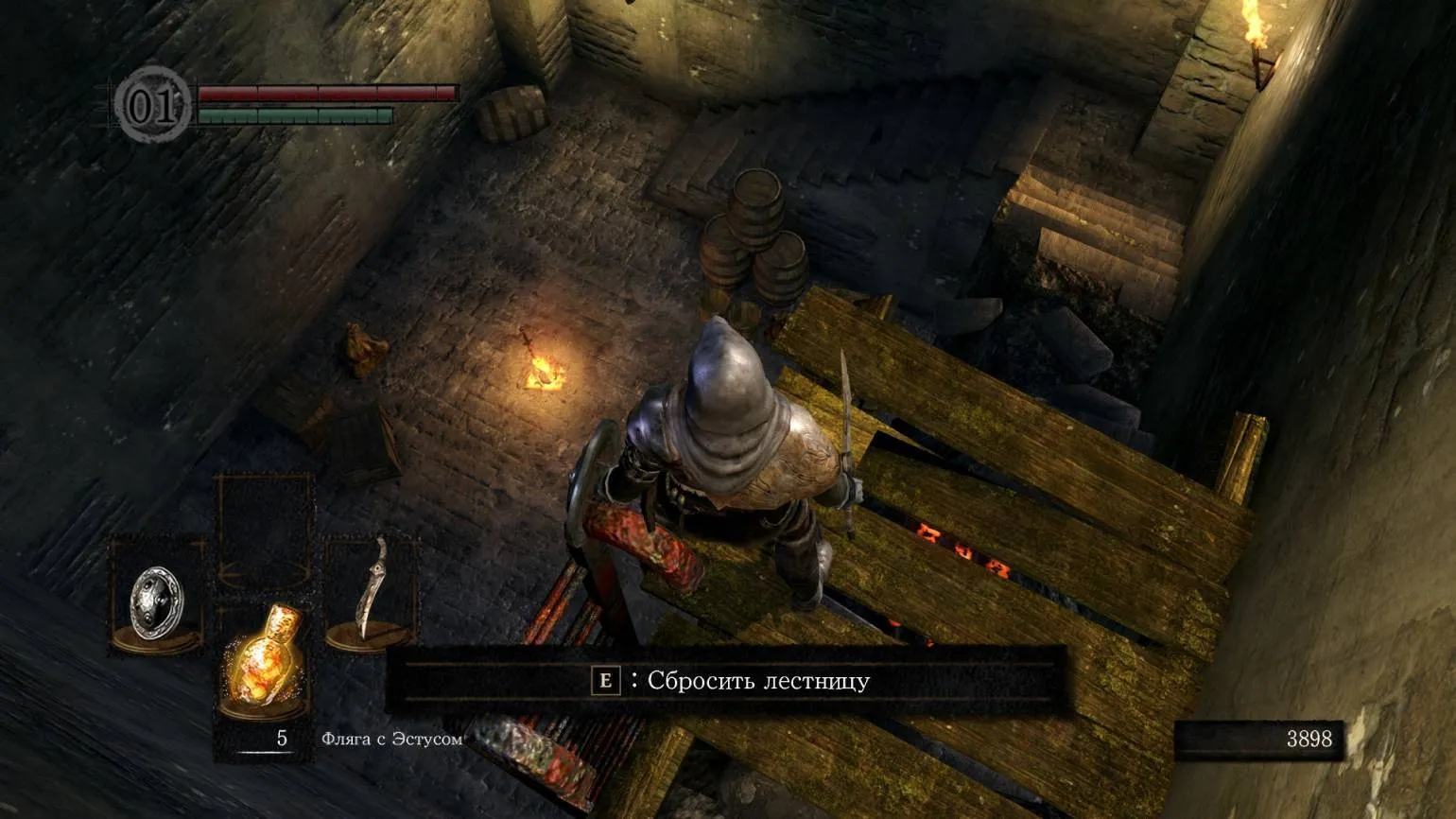
The bonfire in the world of Dark Souls represents a world trapped in a cursed cycle. In this universe, immortality applies not only to the protagonist, but also to the mundane zombies of the Undead Burg. These creatures became undead, or Hollows, as they are called, due to endless death and rebirth, which erased their minds and left only an empty shell. Thus, the bonfire not only serves as a source of light but also reflects the tragic nature of existence in the world of Dark Souls, where life and death are intertwined in an endless cycle.
Dark Souls reimagines the traditional fantasy plot, which typically asks the question, "How do we save this world?", and offers an alternative view: "Perhaps this world should simply end?" This concept forces players to consider the nature of life and death, cycles, and the consequences of their actions in a world filled with dark secrets and complex moral choices. In this context, Dark Souls becomes not just a game, but a philosophical exploration that challenges established notions of salvation and redemption.
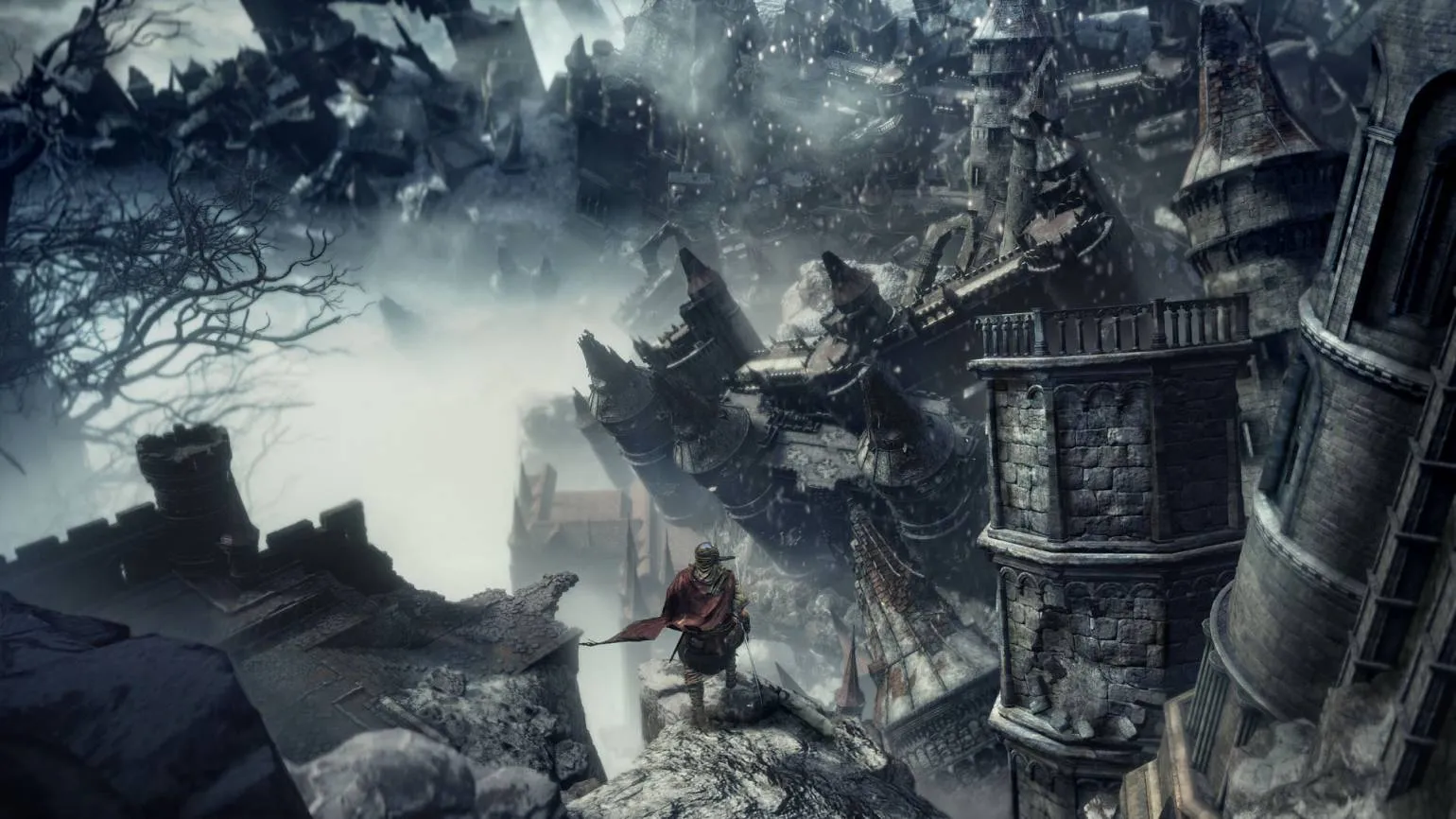
The mechanics of fires have found their application not only in games from FromSoftware, but also in projects from other studios, transforming into lanterns, places of grace, altars and various objects. This gameplay element not only serves as a storytelling device, uniquely conveying the story of video games, but also opens up the opportunity to explore themes and issues that are inaccessible to other artistic formats.
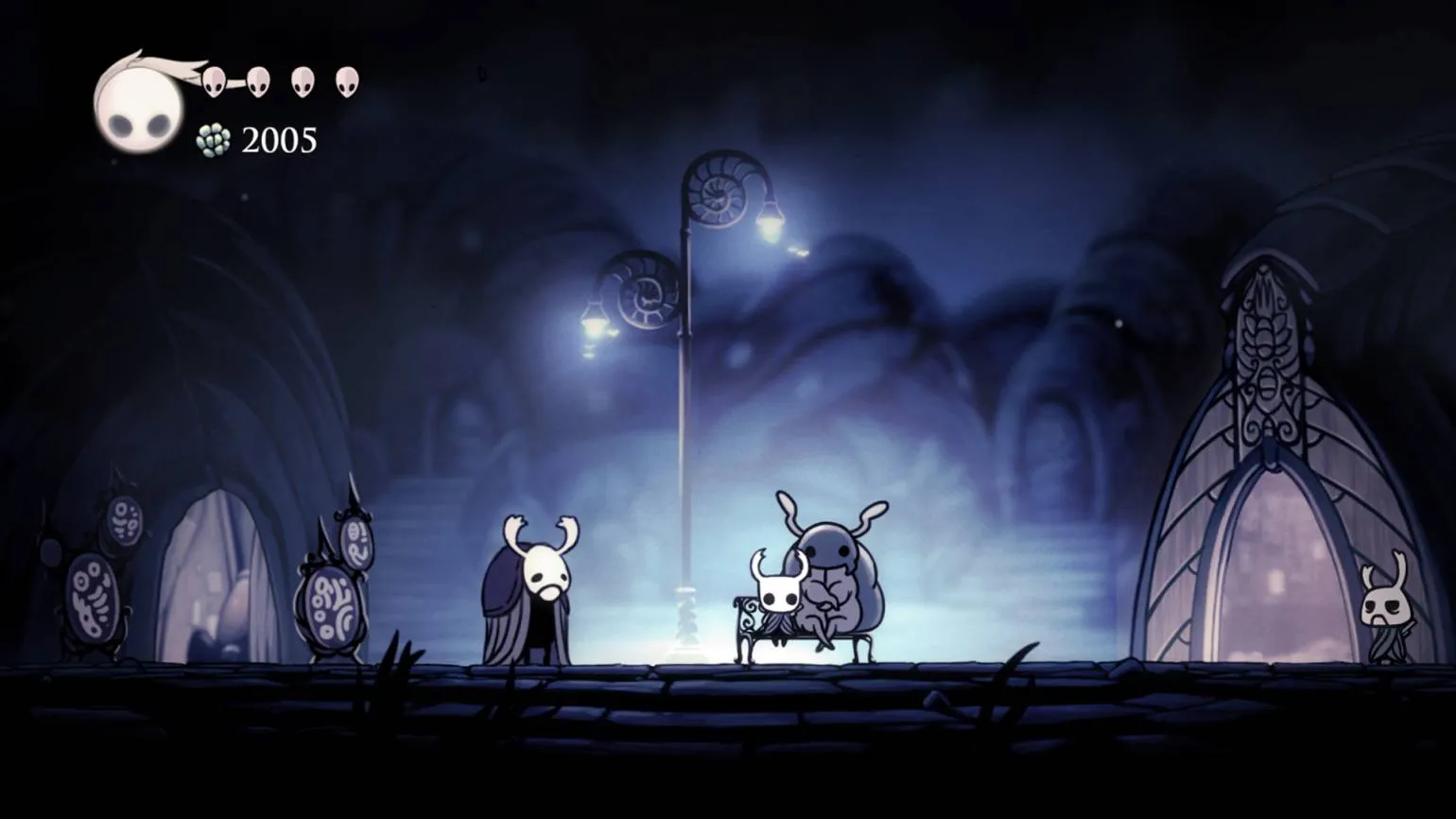
Repetition is the mother of agony
While Demon's Souls and Dark Souls were not the first games to implement the concept of a cycle of rebirth, they significantly influenced the development of the genre and popularized the idea among gamers. These games offered a unique approach to narrative and mechanics, allowing players to explore a world where death and rebirth are an integral part of the gameplay. It was thanks to these titles that the concept of rebirth was given new meaning and drew attention to deep philosophical themes related to life, death, and redemption.
In 2000, The Legend of Zelda: Majora's Mask was released, in which the protagonist Link finds himself in a gripping time loop. Each loop ends with the falling of the moon and the inevitable destruction of the kingdom of Termina. This unique time mechanic adds strategic elements to the game, requiring players to carefully plan their actions to save the world. Majora's Mask attracted attention not only for its original concept, but also for its deep storyline, atmospheric graphics, and memorable characters. The game is rightfully considered one of the best in the Zelda series and left a significant mark on the history of video games.
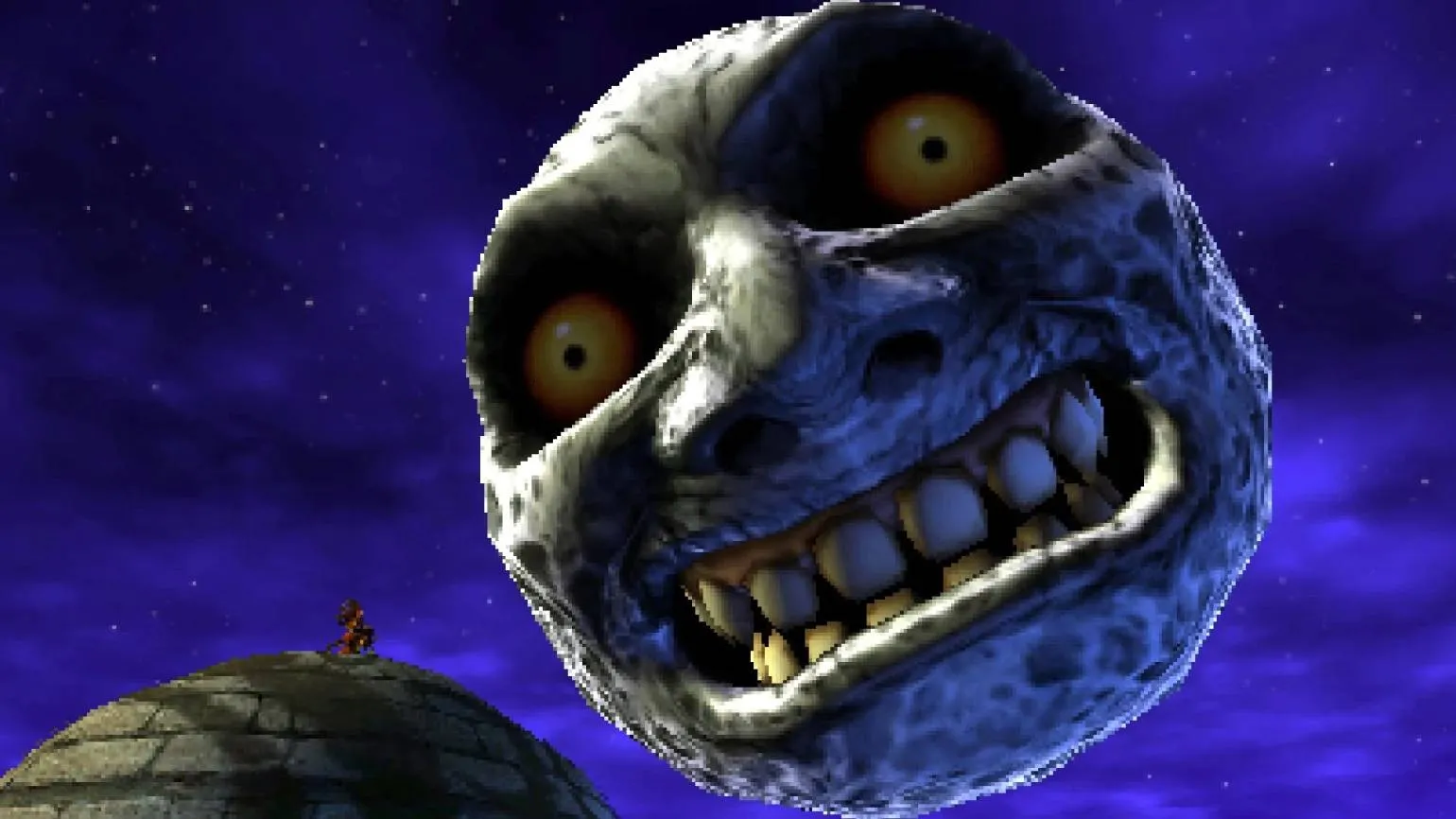
Designers Eiji Aonuma and Yoshiaki Koizumi drew inspiration for the plot from the film Run Lola Run, in which the main character repeatedly relives the same 20 minutes while trying to save herself and her partner. However, in a video game format, this idea is developed much more deeply, allowing players not only to experience tense moments but also to make decisions that influence the outcome. This creates a unique gaming experience that combines elements of drama and strategy.
Majora’s Mask immerses players in a unique experience, creating the atmosphere of a personal Groundhog Day. With each falling moon, most quests are reset, but the cyclical structure of the game allows for the accumulation of knowledge about the world, puzzle solutions, and quest methods. This ability to accumulate information allows the player in one of the game's loops to successfully avert disaster.
The time loop concept didn't gain popularity immediately after the release of Majora's Mask. However, in recent years, we've seen growing interest in games with a similar structure. Examples of such successful projects include Outer Wilds, The Forgotten City, and Deathloop. These games demonstrate how time loop mechanics can be effectively used to create engaging gaming experiences and deep storytelling.
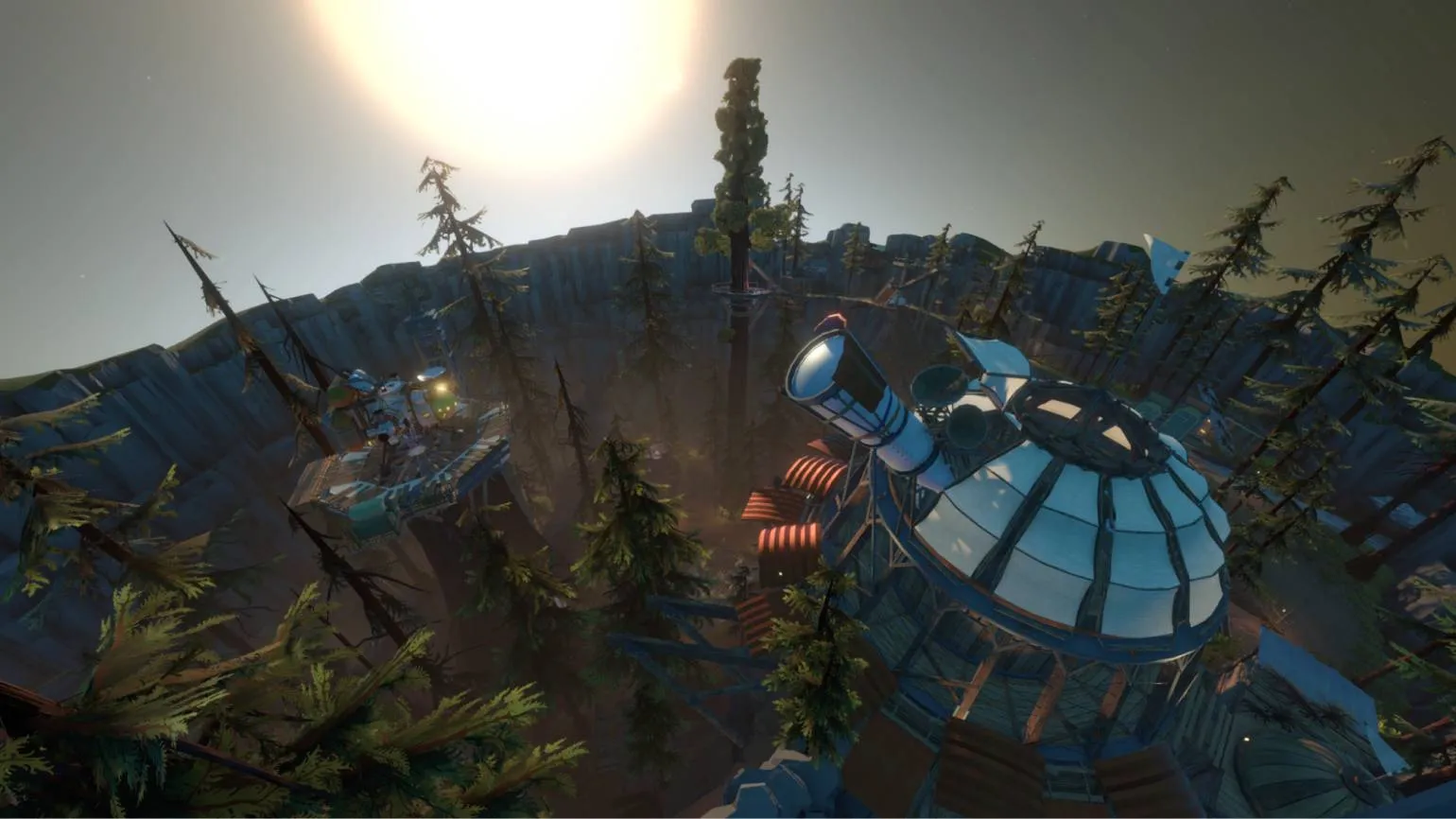
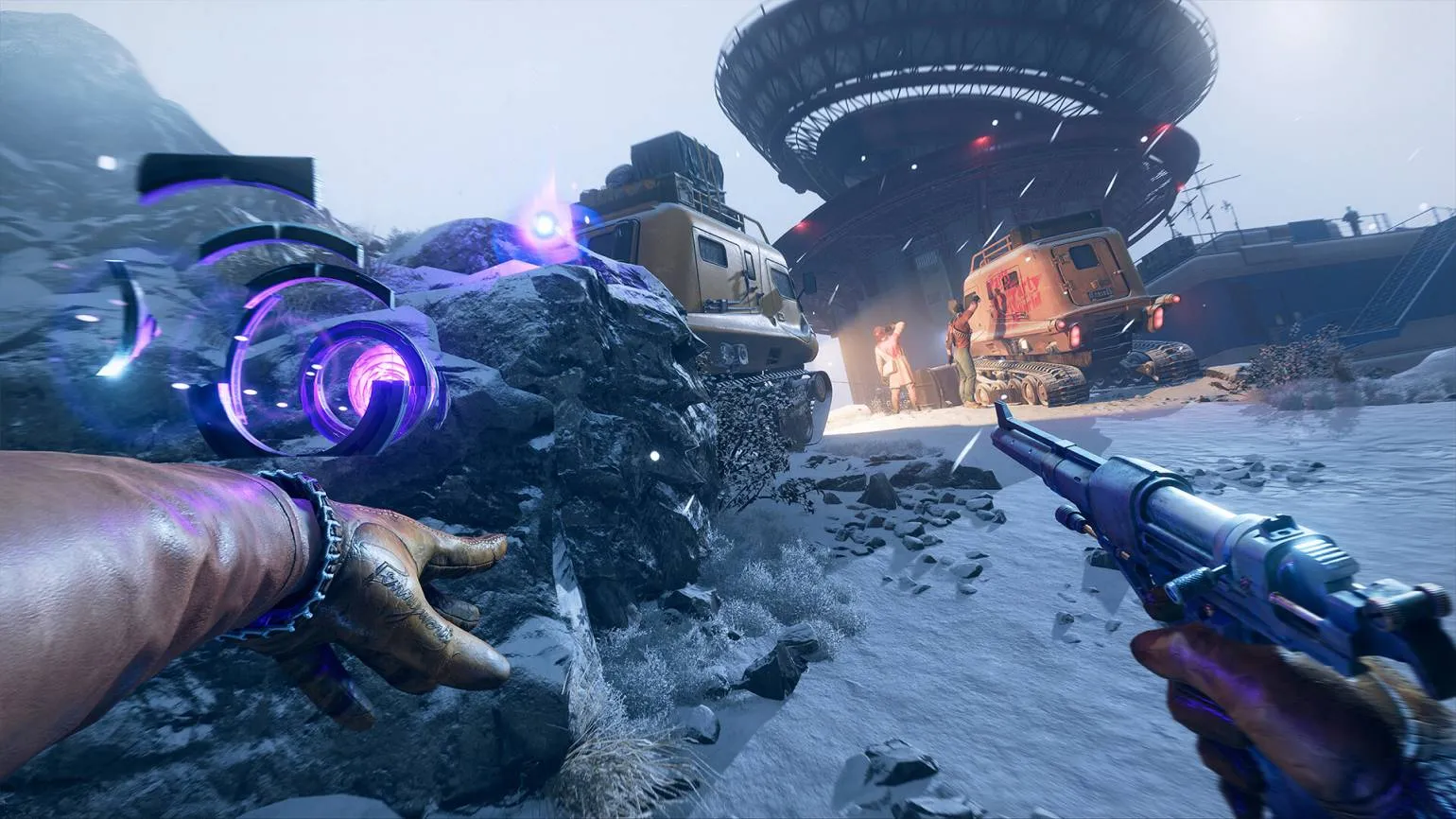
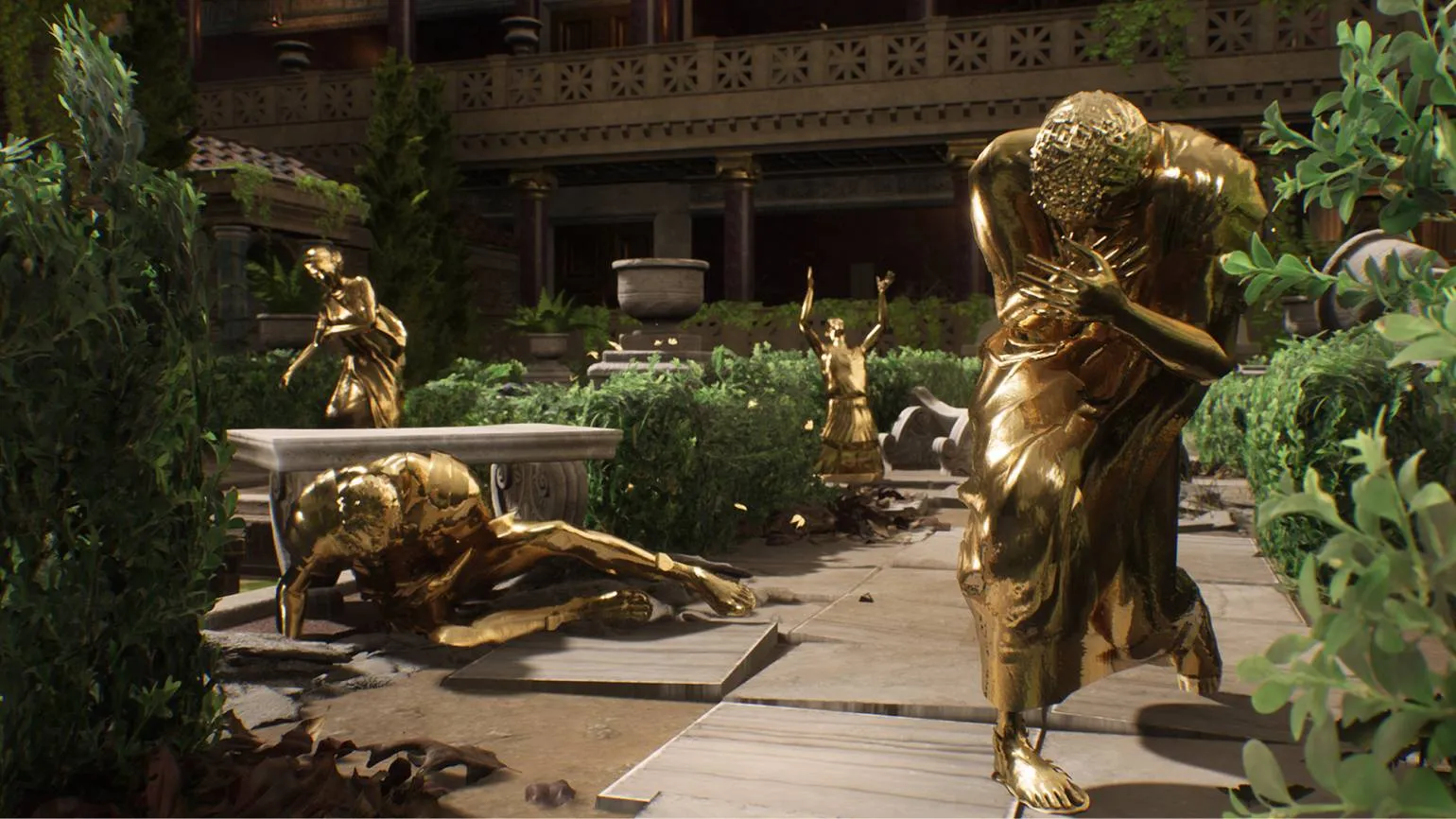
The stakes in the games vary: in Outer Wilds, the player must prevent a supernova, while in Deathloop, the protagonist strives Escape from an isolated island. However, the general principle is similar to Majora's Mask. In all of these games, players repeatedly experience a time loop to explore it, learn to use it to their advantage, and ultimately escape the cycle. This time loop element creates a unique gaming experience, allowing for immersion in exploring the world and uncovering its secrets.
Alan Wake 2, released in late 2023, is formally set outside the time loop. However, one of the main characters, Alan Wake, finds himself trapped in the Dark Abode, which has the power to trap people in an endless cycle. This game continues to explore the dark themes and psychological horror inherent in the original, creating a tense atmosphere and forcing players into a world where reality and illusion intertwine. Alan Wake 2 offers a unique gaming experience, combining elements of thriller and investigation, making it appealing to fans of the genre.
Alan, a writer with 13 years of experience, is constantly working on drafts of a novel about returning home. However, under the influence of the Dark Abode's magic, he abandons his previous work and begins writing anew. As a result, his manuscripts are filled with unfinished plots and failed ideas, including variations on his own deaths. This cycle of creation and oblivion leads to Alan losing touch with the original idea, which makes his work unique, but at the same time confusing.
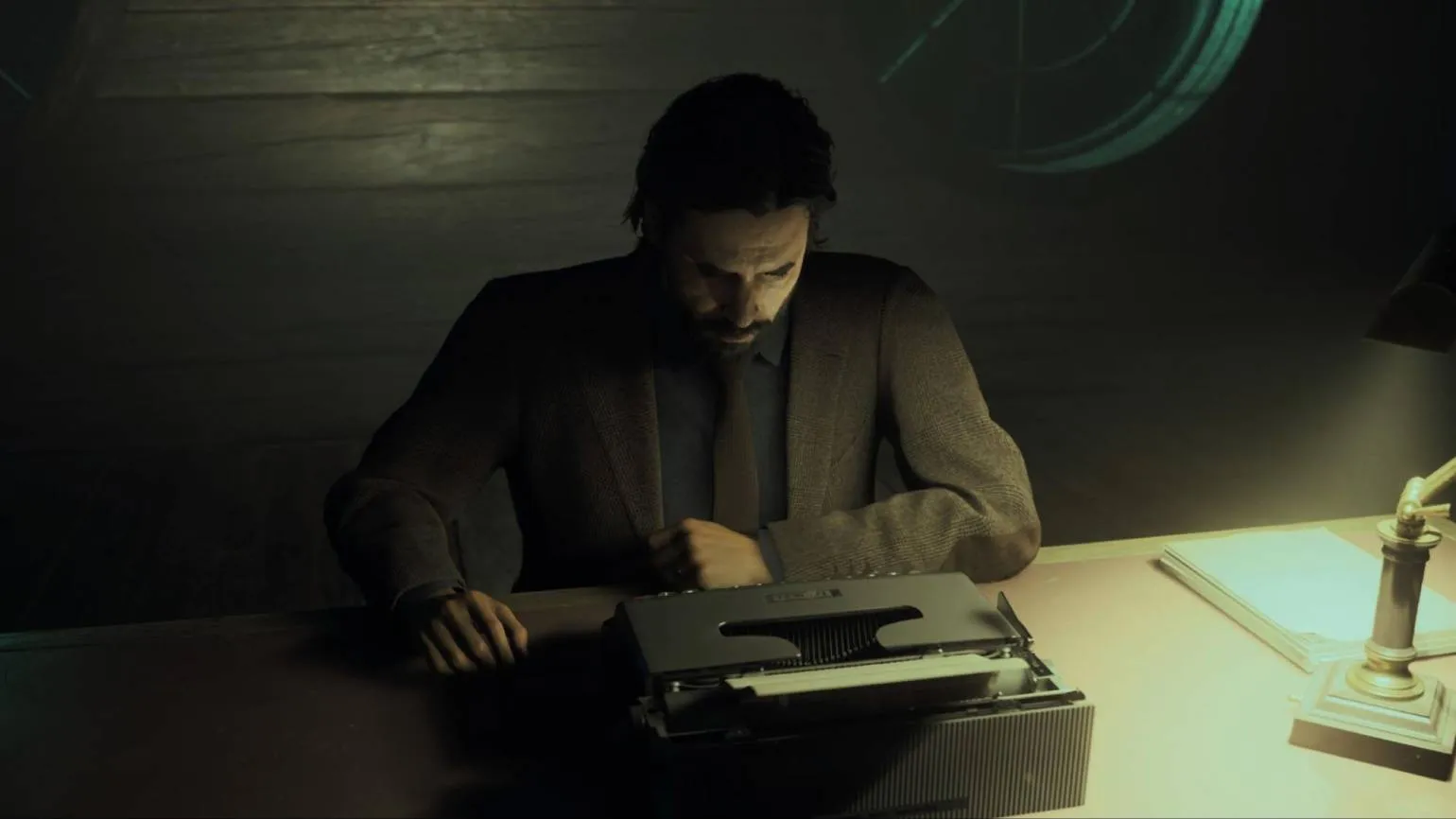
After the scene depicting Alan's death, he instantly awakens at his writing desk. This moment symbolizes his return to life and his desire to escape from darkness into light. In this context, the allusion to the struggle with inner demons becomes obvious, emphasizing the importance of finding a way out of difficult situations.
A spoiler is information that reveals key plot points of a work, film, or TV series. Most often, spoilers concern unexpected turning points, endings, or the fate of characters. They can significantly affect the perception of the story and reduce the level of interest of viewers or readers. Therefore, many prefer to avoid spoilers in order to maintain intrigue and enjoyment of watching or reading. It is important to remember that everyone perceives information differently, and what is a spoiler for one person may not matter to another. With this in mind, it's important to be considerate and respectful of others' preferences when sharing information about works.
While the bullet fired into the writer's forehead at the game's conclusion seems fatal, this is only the beginning of his new story. The first playthrough is a rough draft that lays out the basic elements of the plot. Now, armed with all the knowledge, the writer is ready to return to his desk and create a final draft, where he will correct the mistakes made and ultimately save all the heroes. This process not only allows him to improve the plot but also reveals the depth of the characters, giving their actions new meaning.
Alan Wake 2 raises an important theme of the strength of the human spirit when faced with seemingly insurmountable circumstances. This story of immortal heroes not only explores their internal conflicts but also shows how perseverance and determination can overcome any obstacle. The protagonists, faced with grim challenges, demonstrate that even in the most difficult situations, hope and the desire to win can be found.
Not a Circle, but a Spiral
When the hero is deprived of the opportunity to die, despair becomes their most serious threat. This emotional struggle can lead to an internal conflict, where the hero faces emptiness and the loss of meaning in life. Despair, as the opposite of hope, becomes the main antagonist that tests the hero's strength. In such circumstances, the hero is forced to seek new sources of inspiration and motivation to overcome the dark moments of their life. Thus, the absence of death does not free the hero from suffering, but, on the contrary, presents them with new challenges that require deep self-knowledge and inner strength.
In Dark Souls, the concept of death plays a key role in the gameplay mechanics and story. Each time a character dies, they gradually lose their humanity, approaching a Hollow state. This results in the loss of not only their appearance but also access to important gameplay elements, such as cooperative modes. This approach creates a unique atmosphere and heightens the sense of threat, making each death meaningful and burdensome.
A theory among fans of the game holds that the protagonist finally loses their sanity after the player encounters a difficult moment in the game and decides to quit. This character's state of mind may be related to the fates of other heroes in the series, who also faced similar trials.
In the melee action game Sifu, the protagonist's fundamental desire to achieve his goal becomes a key element of the plot. The game tells the story of a kung fu master whose teacher is killed by a villain. The protagonist, surviving thanks to a magical talisman that revives him after death, loses several years of his life in the process. With this unique ability, the hero embarks on a journey of vengeance to deal with his teacher's killer and his associates. Sifu not only offers gripping gameplay but also delves into themes of revenge, lost time, and self-sacrifice.
The aging mechanic makes Sifu unique among games featuring immortal characters. With each passing year, the protagonist becomes increasingly vulnerable, but his physical strength and attack power increase significantly. This dynamic creates an interesting balance between fragility and strength, which adds depth to the gameplay and offers players new strategies for overcoming challenges.
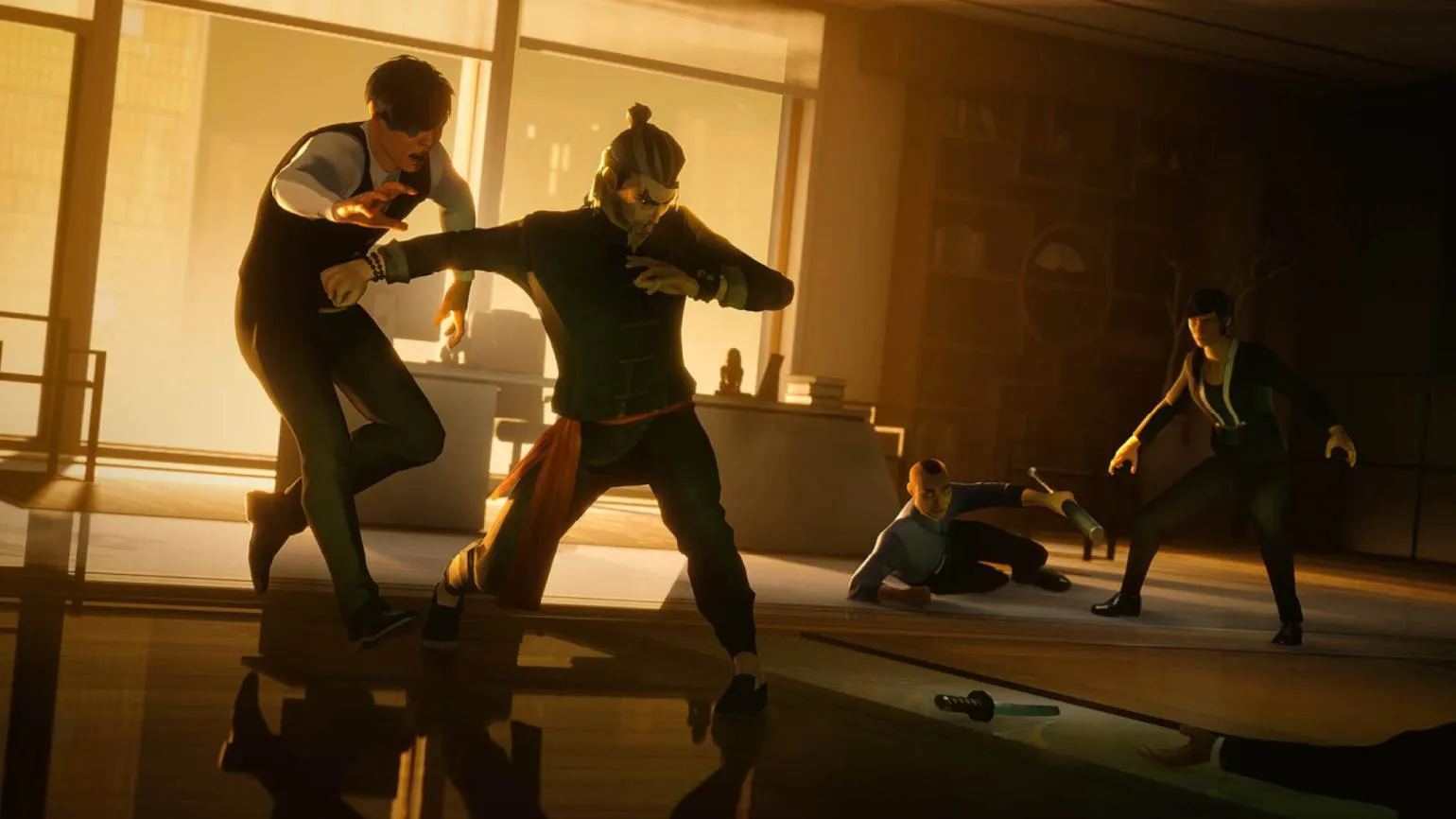
Over time, your hero will reach an age where he can no longer undergo another rebirth, and you will start the game from scratch. However, even in this case, the character will retain the knowledge accumulated during previous adventures. This knowledge will allow you to unlock new areas and secret passages in already explored locations, which will make new runs unique and interesting. Each new start will bring fresh opportunities and surprises, avoiding the feeling of repetition.
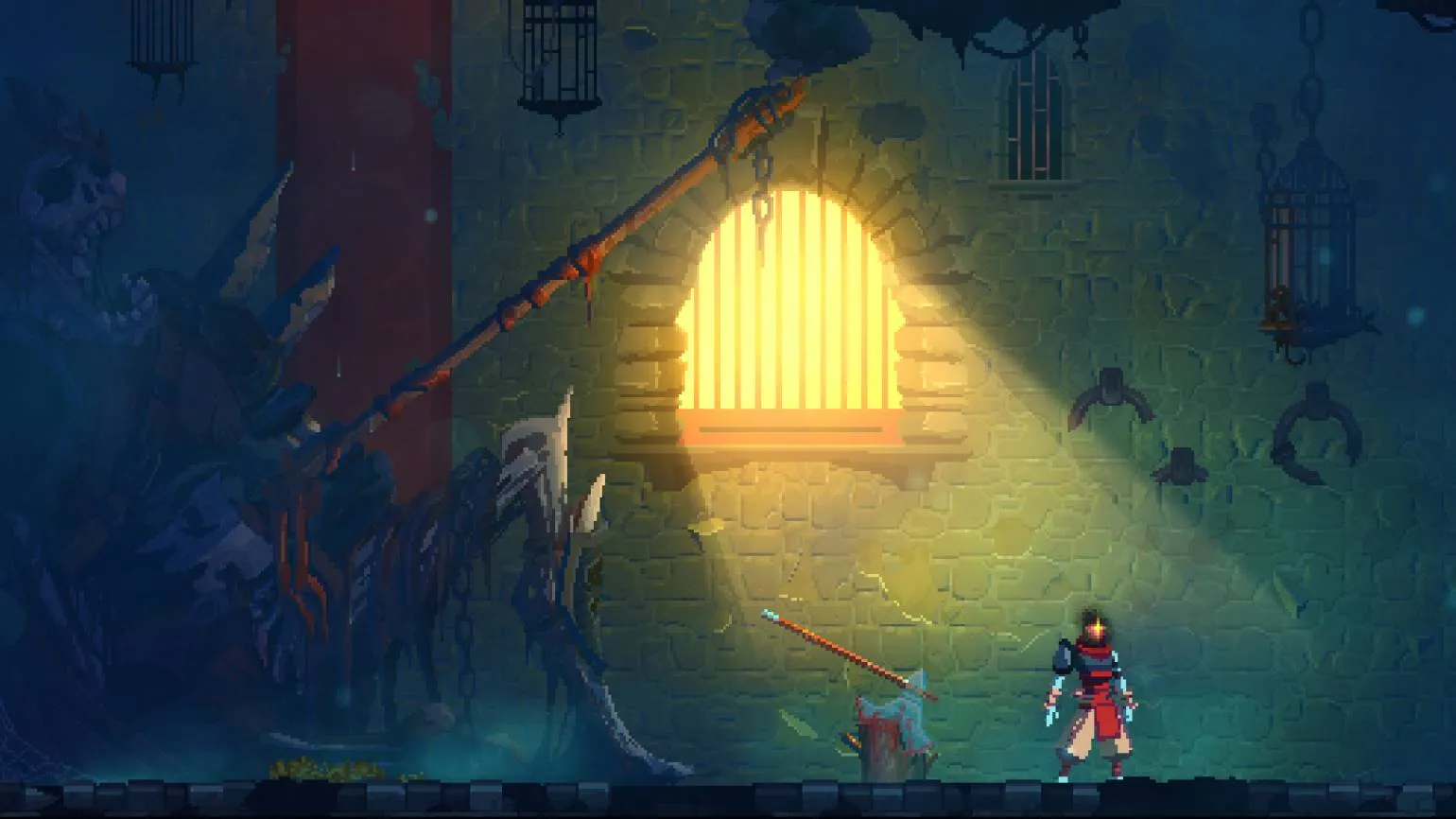
Sifu shares features with roguelikes, a genre that originated with the game Rogue (1980). In these games, the character starts over after death, and levels are randomly generated using procedural generation. Creating a coherent narrative within this kind of gameplay is challenging, which is why even modern roguelikes like Dead Cells and Loop Hero often offer abstract stories that mostly serve to explain the game's mechanics.
However, as with any rule, there are exceptions.
In the world of roguelikes, the Hades duology, developed by Supergiant Games, occupies a special place. In the first part of the game, Zagreus, the son of the god of the underworld Hades, tries to escape from the Underworld. In the sequel, his sister Melinoe seeks to penetrate the center of the Underworld in order to destroy the titan of time, Kronos. Both games offer unique gaming experiences, combining a gripping storyline and dynamic gameplay, which makes them outstanding representatives of the genre.
The setting of ancient Greek mythology allows for questions about the logic of the plot, as it features gods and other beings who are not subject to final death. Supergiant Games' designers masterfully utilize this aspect to present the story in an original and engaging format. Their approach to storytelling creates a unique atmosphere in which mythical characters come to life, and their interactions imbue the plot with deep meaning.
Each time Zagreus and Melinoe return to the central hub after another death, they are greeted by both familiar and new faces with a variety of dialogue. Allies can tease them about their recent deaths or share important plot secrets. These interactions not only add depth to the gameplay but also enrich the story, revealing new aspects of the world. Each dialogue creates a unique atmosphere, allowing players to delve deeper into the characters' stories and emotions.
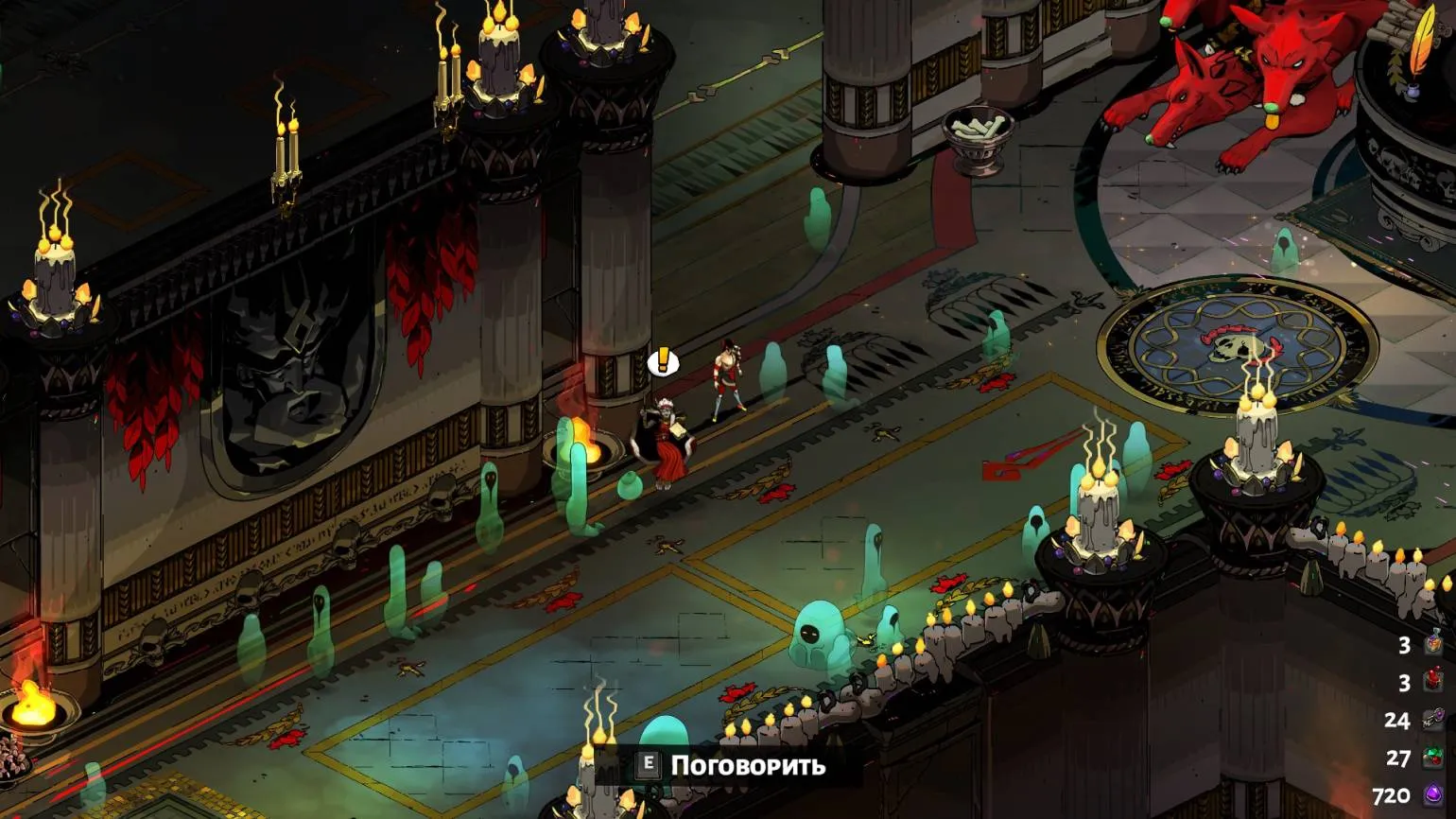
During runs, you'll be immersed in a cyclical narrative where you meet the gods of Olympus and other mythical creatures of ancient Greek mythology. As you progress, you'll receive gifts and upgrades from them, and develop relationships with them, allowing you to gain a deeper understanding of the events unfolding. This unique mechanic makes every interaction meaningful and engaging, giving players the opportunity to more actively engage with the story and their characters.
The creators of Hades understand that a strong script is only part of success. Therefore, they employed procedural storytelling techniques. For this game, the developers created a complex system that ensures dialogue remains relevant in the right context and prevents repetition, even after many hours of play. This approach helps maintain player interest and makes each session unique, which significantly enhances the overall experience.
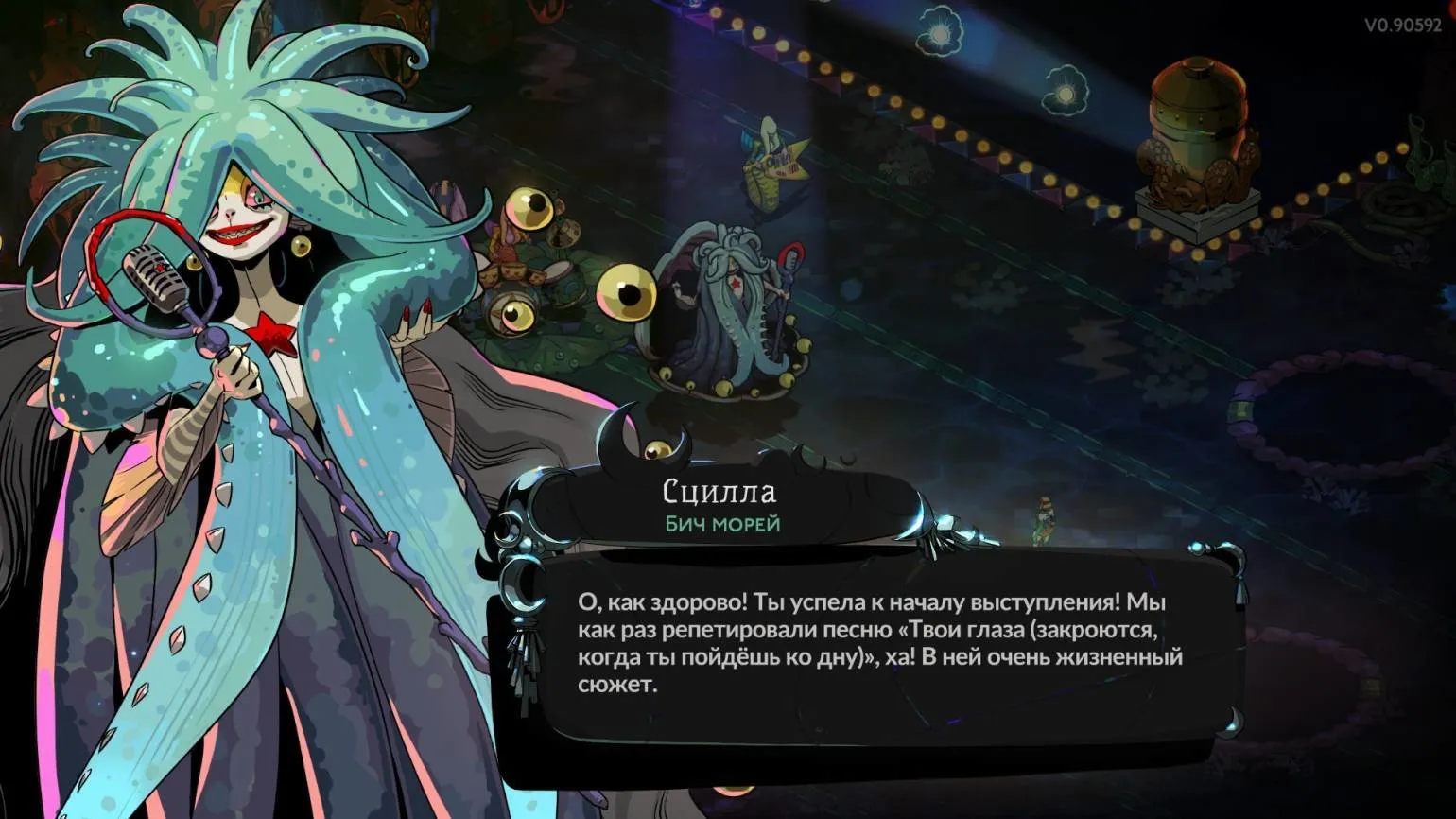
Hades's narrative isn't flawless, with the pacing slowing noticeably at times in both games. However, its original approach to storytelling draws players in and evokes emotions rarely found in other games. This makes Hades a unique experience, capable of holding attention and immersing you.
Imagine this: you walk into the office of your boss, who has repeatedly embarrassed you, and he sarcastically says, "Have you come to fail again?" In that moment, you feel a surge of emotion and decide to fight to prove your worth and avenge past humiliations. This scene illustrates how negative comments can provoke the desire to resist and achieve success.
The Middle-earth series, which includes Shadow of Mordor and Shadow of War, has attracted attention thanks to its unique procedural narrative and immersive gameplay. The protagonist, Talion, battles the orcs in Mordor, ultimately seeking to confront Sauron. These action games immerse players in Tolkien's world, offering not only dynamic combat but also a deep storyline rooted in feelings of vengeance and justice. The duology has established itself as a significant action title, attracting both fans of the original works and new players.
To achieve this goal, you must destroy the enemy army's command, consisting of unique orcs created using the Nemesis system developed by Monolith Studios. This system generates special orcs with unique characteristics and abilities, making every encounter unique. Destroying these orcs not only weakens the enemy, but also opens up new opportunities for development and strategy in the game.
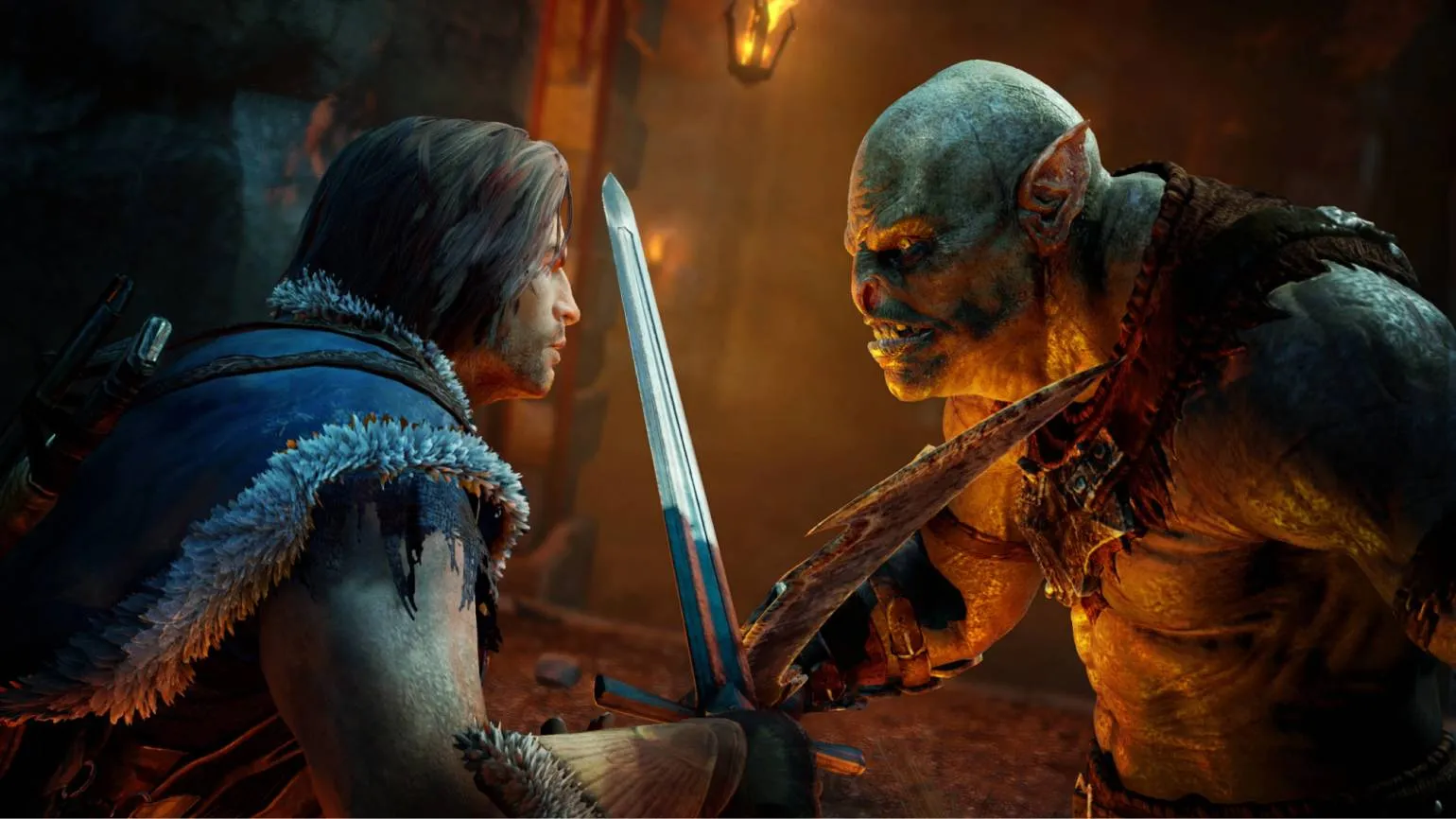
Many factors influence the functioning of this system, but for now, we are only interested in the fact that both the protagonist and their opponents have the ability to respawn after death. Using this fact, the Nemesis system generates unique and memorable situations, adding depth to the gameplay and making it more engaging for players.
An orc whose head you cut off just an hour ago might return with his head reattached and a thirst for revenge. If he kills you, he will become stronger and perhaps decide to overthrow his commander and take his place. Thus, even your failure can lead to significant changes in the game world. These dynamic interactions make the gameplay more engaging and unpredictable, as your every action can impact the storyline and the characters' fates.
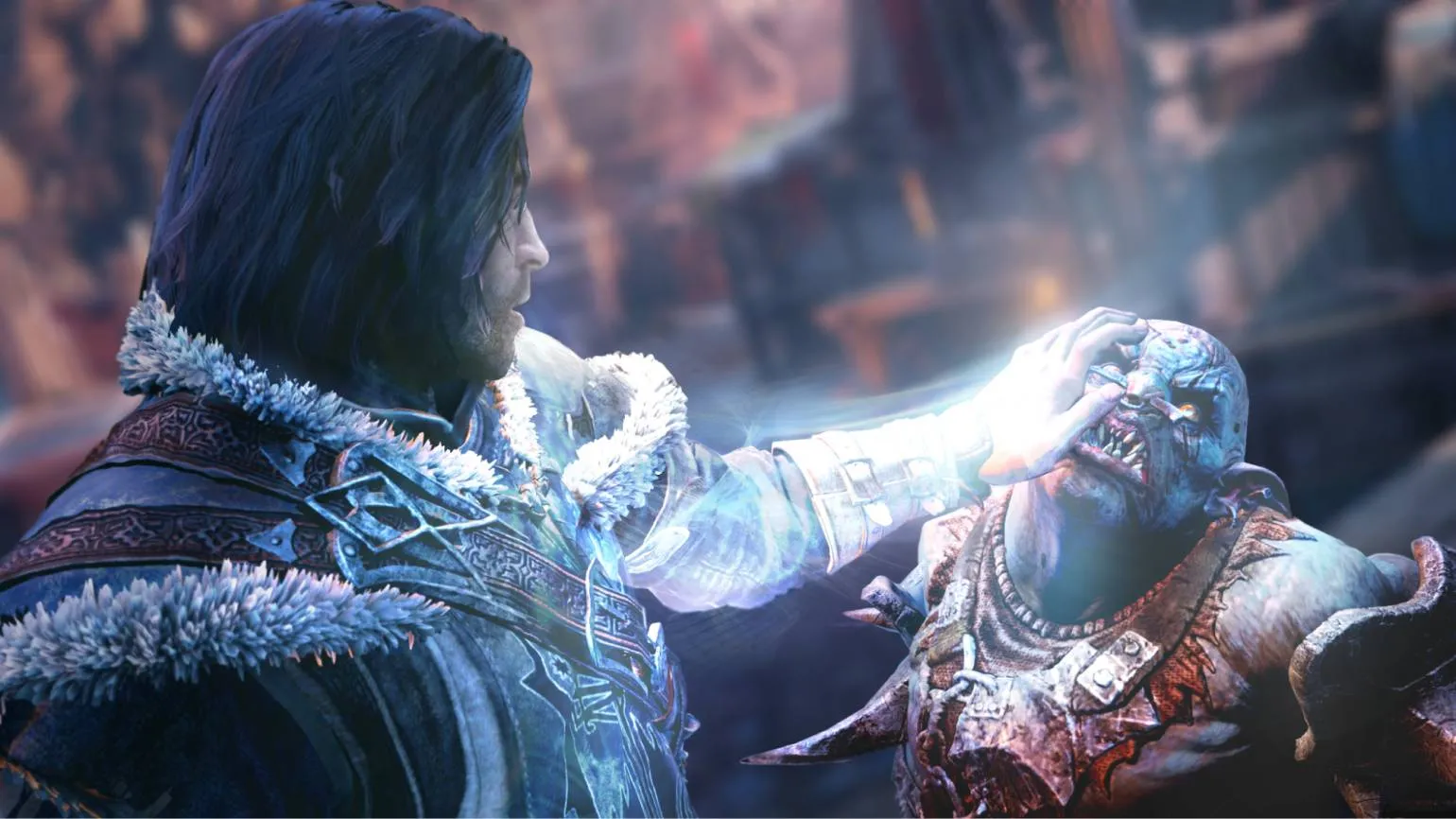
The Middle-earth duology, along with the other games mentioned, demonstrates that the death of a protagonist does not always mean the end of the plot. On the contrary, this moment can mark the beginning of a new stage in the development of the story. As Alan Wake noted at the end of the second part: "It's not a circle. It's a spiral." This approach to storytelling opens up opportunities to further reveal the characters and their stories, adding depth and layering to the gameplay.
In literature and film, we can find characters such as Gandalf and Sherlock Holmes who were able to cheat death. In video games, such heroes open new horizons, providing players with unique opportunities that are unavailable in traditional forms of entertainment. These interactive stories invite players to immerse themselves in gripping adventures where they can not only observe events but also actively participate, changing the course of the plot. Video games become a platform for creative expression and exploration of themes that previously existed only in the imagination.
In-game death can be more than just a convention. Changing the perception of this element can create engaging mechanics and scenarios. For example, instead of perceiving death as an end, consider it as an opportunity for a new beginning or a unique experience. Introducing elements such as rebirth or the ability to learn new skills after death adds depth to the gameplay. This way, in-game death becomes an integral part of the plot and mechanics, and not just a misfortune.
Reworked text:
Study additional materials:
Palworld, Lethal Company and No Rest for the Wicked - How Game Clones Flooded the Market
In recent years, there has been a clear trend of clone games, such as Palworld, Lethal Company, and No Rest for the Wicked. These projects have significantly influenced the gaming market, offering players similar gameplay but with unique mechanics and elements.
Palworld is an interesting mix of genres, combining elements of survival and adventure in an open world. Players explore a colorful world, collect resources, and interact with various creatures, making the game appealing to a wide audience.
Lethal Company, meanwhile, offers an exciting horror experience where a team of players must cope with threats and unravel the mysteries lurking in abandoned buildings. This game attracts attention due to its tense atmosphere and the need for teamwork.
No Rest for the Wicked combines elements of strategy and action, giving players the opportunity to control characters in dynamic battles. Storylines and vibrant characters make games engaging and foster a loyal community of players.
Thus, Palworld, Lethal Company, and No Rest for the Wicked demonstrate how clone games can carve out a niche in the market by offering unique mechanics and engaging content that attracts players.
Profession Game Designer from scratch to PRO
A game designer creates the structure of a game. They think through the idea, rules, gameplay, and decide what emotions the story will evoke in players. You will master the principles of game design from scratch and learn how to work with popular engines like Unity and Unreal Engine. You will learn how to retain player interest and monetize games. And we will help you start a career in the gaming industry.
Learn more