Table of Contents:
Game designer from scratch to PRO: 7 Steps to Game Success
Learn MoreA Flashlight in Horror Games: Key to Atmosphere
A flashlight in horror games plays a key role, providing illumination in a gloomy atmosphere. However, this illumination often doesn't reflect the actual physics of light. In reality, when a light source is turned on in a dark room, its beams bounce off the walls, creating a diffused light effect and illuminating not only the immediate area but also surrounding spaces. This approach to lighting can significantly increase the level of immersion in an atmosphere of fear and tension, making the action more believable and immersive. The proper use of lighting in horror games and films helps create a sense of uncertainty and unease, an essential element of the genre.
In game worlds, especially in horror, lantern light often creates a bright circle, beyond which lies pitch-black darkness. This approach may be due to technical limitations, as not all graphics engines are capable of adequately reproducing the physics of light rays. The limited lighting area also heightens the player's sense of disorientation, which in turn increases tension and immersion. Lighting plays a key role in creating an atmosphere of fear and uncertainty, making it an essential design element in horror games.

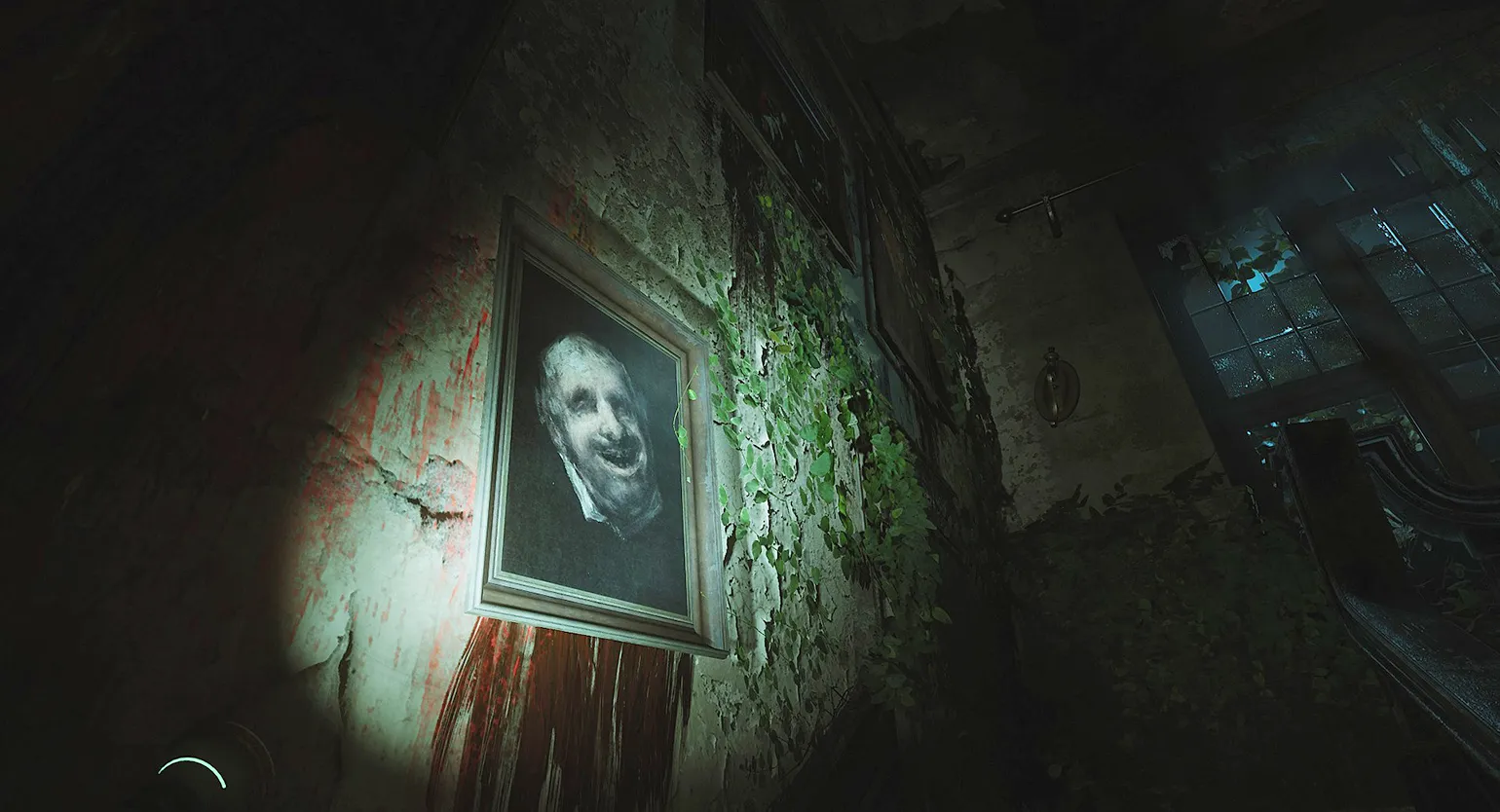
In the original Layers of Fear, the darkness was so thick that getting a good screenshot required increasing the brightness in the settings. The new version, developed with Unreal Engine 5, eliminates this issue by using ray tracing and Lumens technology. Light is now evenly distributed across less illuminated areas, preserving the atmosphere of mystery while simultaneously improving visual perception. This update significantly improves the graphics quality and immersion in the gameplay, making it more immersive for players.
In one scene of The Final Note, a lantern illuminates a hallway, creating dark areas and heightening the atmosphere of uneasiness. The Victorian mansion, richly detailed with 19th-century interiors, encourages the player to explore the space thoroughly for a deep immersion in the story. Every detail of the interior plays an important role in revealing the story, which makes exploring the mansion not only fascinating, but also necessary for understanding what is happening.

Towards the end of the game, interaction with the lantern loses its significance, as the gameplay is transformed into an art performance, in which the focus shifts from exploration to perception. This change emphasizes the importance of the emotional and aesthetic experience, allowing players to focus on the depth of visual perception and artistic interpretation of the world around them.
In the second part of the game, dedicated to the story of the Movie Star on an ocean liner, the lantern loses its central role. Instead, the locations emphasize contrasting light sources, and darkened areas are used as level design elements. This creates a unique atmosphere and enhances visual perception, allowing players to more deeply immerse themselves in the story and environment.
Layers of Fear 2, built on Unreal Engine 4, remained visually virtually unchanged after the transition to the new version. However, the lantern again plays a vital role in dark scenes, such as in Chapter 2, when the protagonist, Movie Star, explores the gloomy hold. This mechanic adds atmosphere and heightens tension, making the gameplay more immersive.
Finding Clues: How Lighting Affects Gameplay
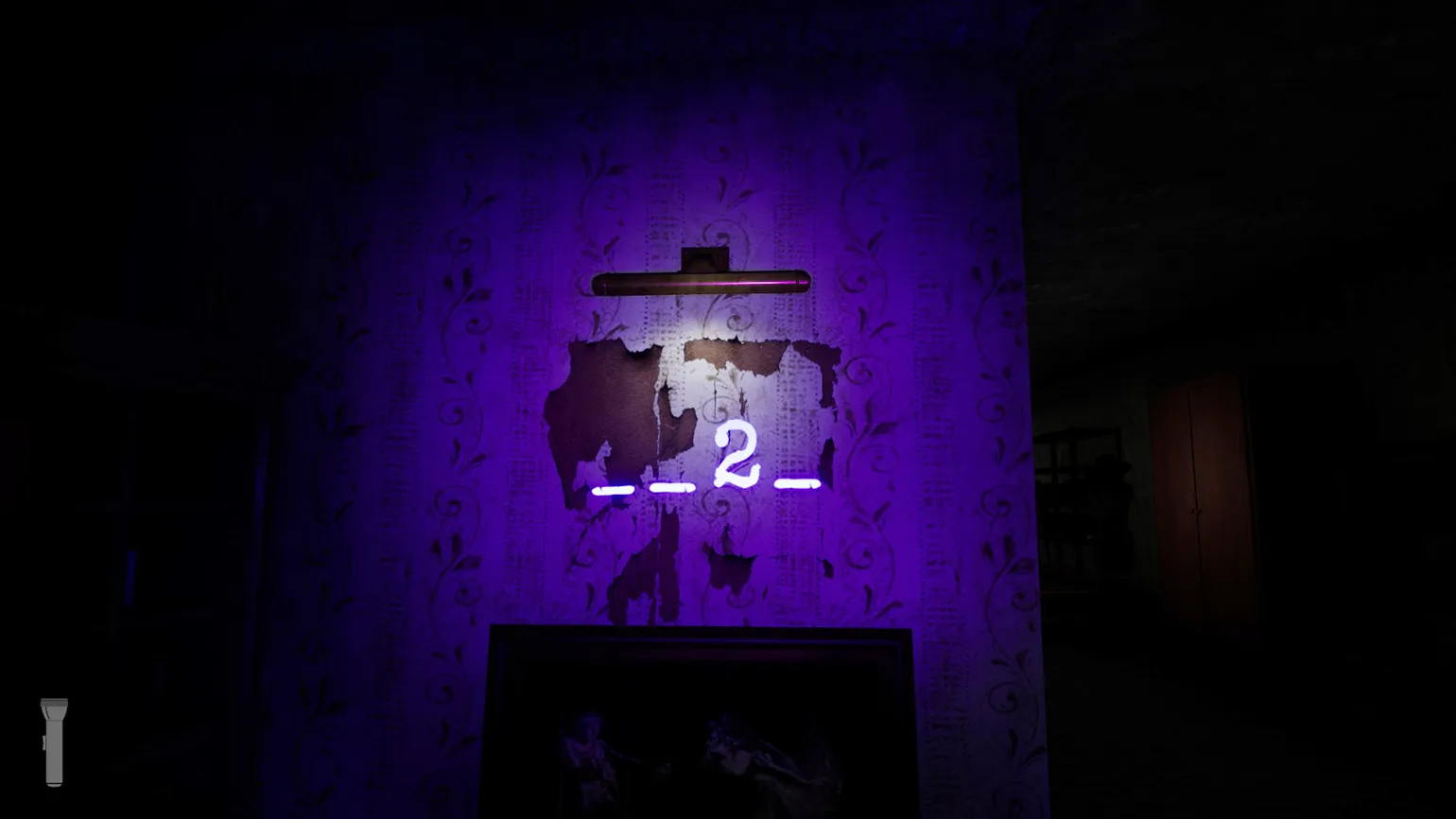
In The Artist, lighting plays a central role in the story's development. The lamp serves not only as a source of light but also as a significant narrative element. In the latest update, players discover hidden messages that become visible on walls and floors when certain areas are illuminated. This innovation adds depth to the gameplay and encourages exploration of the surrounding world. Learning to use light to reveal secrets makes the game more engaging and interactive.
Lighting plays a key role in the game and can reveal many secrets. In the chapter called "Brush", players will have to explore a labyrinth consisting of similar rooms. In this space, you can choose a free route or use a lamp to detect a mark on the floor that indicates the correct exit. Proper use of light not only facilitates navigation but also helps reveal hidden plot elements, making the gameplay more engaging and interactive.
Using light to reveal clues has become a key element in game design. For example, in "Westwood Shadows," a detective's flashlight with a UV filter allows players to discover invisible clues, creating a unique gaming experience. In "Blair Witch," hidden messages become visible on a video camera screen, heightening the atmosphere of tension and intrigue. These approaches demonstrate how light can serve not only as a tool for uncovering the plot but also as a way to create unique game mechanics that engage players.

Interactive elements in Layers of Fear
In Layers of Fear, released in 2016, players explore every shelf and drawer in search of key items and notes, which can influence the story's ending. However, the abundance of drawers in the 19th-century interior makes this process difficult and drawn-out. Many users noted that they often found nothing useful, which led to criticism of the game's design. This aspect of the game raises questions about the balance between exploration and progression, which may affect the overall experience of the game's plot and atmosphere.
The updated version of the game has significantly reduced the number of interactive drawers, but introduced new elements called "echoes of the past." These mysterious substances, which can be detected using light, play a key role in unraveling the plot and achieving game objectives. In the original version, the location of echoes was indicated by the sound of whispers, perceived as background noise. In the reimagined version, they have become more noticeable thanks to improved visual effects, a pulsating camera focus, and the character's increased heartbeat, making them much easier to find. This way, players can interact with the game world more effectively and better understand its story elements.
In the second episode of Layers of Fear, which largely follows the original 2019 version, players will not need to "cleanse" objects with light. Instead, the developers implemented a new feature for the Movie Star's lantern, adding variety to the gameplay. Players can now activate objects themselves using the lantern, which, by holding the left mouse button, transforms into a portable film projector. This innovation not only expands the possibilities for interaction with the surrounding world but also deepens the game's atmosphere, allowing players to explore plots and details that might have previously been missed.
This new feature significantly improves interaction with the surrounding world and adds variety to the moments when the Movie Star is haunted by her greatest fear, the Formless. This creates elements of tension and dynamism in the game, contributing to a deeper immersion. Such changes not only enhance the emotional load, but also make the gameplay more engaging, attracting the attention of users and holding their interest.
The updated version of the game offers more intuitive controls and rich interaction with objects. These improvements allow players to not only explore the expansive world but also delve deeper into the story, a key aspect of a successful gaming experience. Now, every element of the game contributes to the creation of a unique story, increasing user engagement and strengthening their connection with the gameplay.
Overcoming Obstacles with Light
In both stories, the lantern plays a key role in supporting the heroes in their fight against opponents. The Painter uses light to overcome abstract obstacles, while the Movie Star "brings to life" mannequins with a lantern. These mannequins are more than just statues—they become active assistants to the actor: they open doors, lift boxes, and even fall to clear the way of obstacles. Thus, the lantern not only illuminates the space, but also creates a dynamic of interaction, which emphasizes the importance of light as a tool in struggle and creativity.
Interactive elements in the game greatly simplify the process of passing, especially in difficult moments associated with bright light in the second part. In certain scenes, it is enough to activate the mannequin, which automatically blocks open areas, creating temporary cover for the characters. This allows players to effectively plan their actions strategically and minimize risks during trials.
The flashlight resource has its own limitations. Using a light for a long time can cause the lamp to overheat, which can lead to it suddenly shutting off at the most unexpected moment. Restoring the light will take several seconds, and this delay can be crucial, especially if an enemy is in close proximity to the hero. Therefore, it is important to consider the flashlight's usage time and plan ahead to avoid unpleasant situations at critical moments.
Confrontation Tactics: Light vs. Darkness
In the psychological horror genre, where tension and fear are key elements, the tactics for confronting ghosts in games like Layers of Fear are a topic of much discussion. Approaches to combating otherworldly entities can vary greatly, and players must consider many factors to survive. Effective strategies include careful examination of the environment, analysis of auditory and visual cues, and the use of psychological aspects to create atmospheric tension. Anticipating ghosts' actions and adapting to changing gameplay conditions is also key to success. It's important to remember that in psychological horror, physical strength isn't always the key; sometimes the best way to survive is to keep your cool and use your wits.
When the player encounters a ghost in the stories of the Artist and the Pianist, their only chance of survival is to use a light fixture. A bright light can temporarily paralyze the enemy, giving them a few precious seconds to maneuver. It's important to note that both the protagonist and the ghost move slowly, requiring the player to deftly maneuver between abstract obstacles to avoid certain death. Effective use of light in the game not only increases the chances of survival but also adds a strategic element, requiring quick reactions and precision from the player. Using the light fixture at the right moment can not only save you but also help you find ways to progress further in the game.
Ignoring the ghost and attempting to quickly destroy the obstacle will result in failure. According to the scenario, the ghost appears in the hallway and moves faster than normal. The optimal strategy is to lure it into a corner, allowing the player to overcome the obstacle with a temporary advantage. This approach increases the chances of success and is a key element of the game's strategy.
Comparisons with classic games like Silent Hill 2 highlight the importance of an atmospheric balance between light and darkness in creating a sense of vulnerability. In Silent Hill 2, players encounter less aggressive monsters in the dark, but using a flashlight draws their attention and changes the dynamic of gameplay. This mechanic significantly increases tension and fear, forcing players to carefully consider their actions and use light sparingly. Thus, the interplay of light and darkness becomes an integral part of the gameplay experience, adding depth and tension to the story.
Unlike Layers of Fear, where the ghost-burning mechanic feels out of place, Silent Hill 2 applies it more organically. In this world, monsters like Mannequins do not attack until the player gets too close. This creates an atmosphere of tension, forcing the player to remain constantly vigilant. Such gameplay elements enhance the psychological aspect of the game, making it more engaging and memorable.
In Layers of Fear, despite the ability to counter enemies with light, players may experience a feeling of vulnerability. The main characters are an artist with physical limitations, including a limp due to a prosthetic, and his wife, who suffers from the effects of her injuries, are unable to effectively fight the ghosts. This dynamic significantly impacts the atmosphere and immersion of the gameplay, forcing players to focus not only on confronting fears but also on the characters' internal struggles.
In later games, such as Movie Star, the lighting mechanic was changed: the movie projector lantern now freezes enemies rather than destroys them. This innovation gives players the opportunity to employ avoidance strategies instead of directly engaging enemies. This approach adds depth to the gameplay and requires players to make more thoughtful tactical decisions.
The approaches to lighting mechanics and interactions with ghosts in these games emphasize the importance of character physics and atmosphere in creating a memorable and frightening experience. This is an important lesson for both developers and players in the context of the horror game genre. Successful use of lighting and environmental design can significantly increase tension and engagement, making them key elements in the development of games in this genre.
Reading is an important part of personal and professional growth. It not only develops thinking, but also enriches vocabulary, improves writing skills, and improves critical analysis. Books, articles, and research help you understand the world around you deeper, expanding your horizons of knowledge. It is important to choose a variety of topics to gain a more complete understanding of various aspects of life. Regular reading fosters creativity and helps you form your own opinions. Don't forget the value of quality sources of information, which can enrich your experience and help you make informed decisions.
Read also:
Compact Nightmare: The Genius of P.T. Horror
P.T. is a unique project in the world of video games, which has become a symbol of a new approach to the horror genre. Developed by Konami and credited to Hideo Kojima, this interactive experience stands out for its tense atmospheric tension and innovative gameplay. P.T. uses confined spaces to create a sense of claustrophobia and dread, immersing the player in a twisting and eerie corridor that becomes the game's centerpiece.
One of P.T.'s key features is its ability to create tension without overt threats. Players encounter psychological horrors that manifest through sound effects, visual elements, and unexpected plot twists. Each passage through the corridor becomes a new attempt to solve the riddles that lead to the unraveling of the mysterious story. This interaction between the player and the environment creates a unique, unforgettable experience.
P.T.'s graphics and sound design also play a vital role in creating atmosphere. Realistic details and thoughtful sound effects immerse the player in a dark world where every rustle and every shadow can signify danger. This thoughtful implementation makes the game not only captivating but also extremely tense.
P.T. is not just a game, but a work of art that explores fear, the psyche, and the perception of reality. Its influence on the horror genre is still felt today, inspiring developers to create new, deeper, and more emotional stories. This is precisely the genius of P.T.: the ability to turn simple interactions into a powerful tool for creating fear and tension.
Critic Rating: New Horizons in Layers of Fear
In Layers of Fear, the new lighting mechanics have become a major topic of discussion in specialized publications, highlighting their impact on gameplay. A reviewer for Rely on Horror noted that while the innovations don't fundamentally change the gameplay of the first game, they allow the game to move beyond the traditional walking simulator. This innovation adds depth and atmosphere, which makes the gaming experience more immersive and engaging.

On the WCCFTech portal, a reviewer shared his opinion on the lamp-based combat scenes, noting that they may not satisfy true fans of the genre. However, the game's innovations bring more positive impressions than negative ones. The rare moments based on this mechanic resemble puzzles and add an element of tension that enhances the atmosphere of horror. This combination of dynamism and strategy makes the gameplay more engaging and intriguing for players who appreciate high-quality mechanics and an immersive story.
The Gamer emphasized the importance of the lantern in the second part of the game. The reviewer noted that the projector light, activating the mannequins, creates more thoughtful chase scenes. Unlike other horror games that lack active action, these scenes are significantly more exciting and tense. The flashlight not only enhances the atmosphere of fear, but also adds a strategic element, making the gameplay more engaging and interesting for players.
An IGN reviewer noted that in previous versions of the game, players had to constantly run away from enemies, and any delay could lead to a level restart. The new version introduces a mechanic that allows players to delay enemies, which significantly changes the gameplay. The rapid recharge of the flashlight gives players a significant advantage, making enemies less threatening. Now they resemble "the hapless ghosts from Luigi's Mansion," which reduces the psychological pressure on players and allows them to focus on strategy and exploration of the game world.
Overview of new mechanics in Layers of Fear
More than seven years have passed since the release of the first part of the game Layers of Fear, and during this time the world of horror has undergone significant changes. P.T.-inspired games remain popular among streamers and Let's Players, but they've begun to lose their former relevance. Therefore, Bloober Team and Anshar Studios' decision to adapt the series' gameplay to modern standards seems justified. However, reviews on Steam indicate that not all fans of the original have responded positively to these changes. This underscores the importance of considering fan feedback when creating new horror titles.
The use of lighting fixtures such as lamps and lanterns in the new Layers of Fear demonstrates how well-chosen lighting can significantly enrich gameplay and deepen exploration of the game world. Lighting elements not only create atmosphere but also help the player navigate the space, highlighting key objects and hidden details. The correct use of light can evoke a sense of anxiety or, conversely, safety, heightening the emotional impact of the game. Lighting can also serve as a storytelling tool, revealing plot details and adding depth to game locations. As a result, lighting fixtures become an integral part of the gameplay experience, allowing players to more fully immerse themselves in the world of Layers of Fear.
- To find hidden objects in the dark and to explore locations in detail.
- As an element of the narrative and puzzles, allowing you to find hidden messages and clues.
- To interact with the environment, adding depth to exploration of the world.

Lighting plays an important role in the game, providing not only atmosphere but also protection. However, to achieve the optimal balance, it is necessary to consider various factors that can affect the gameplay. Proper use of lighting can improve security and create a more engaging experience for players.
When creating quality content, it's important to consider several key factors. First, conduct keyword research to understand which queries are most relevant to your target audience. This will help you optimize your text for search engines and increase its visibility.
Second, organize your text structure so that it is logical and easy to read. Use subheadings, lists, and paragraphs to make the information easier to digest. It's also important to keep the text unique and informative, which helps build trust with users.
Don't forget the importance of meta tags, such as titles and descriptions, which help search engines better index your content. Also, consider the mobile responsiveness of your site, as more and more users access the internet from mobile devices.
Finally, update your content regularly to keep it relevant and interesting for your visitors. This will not only improve SEO positions, but also attract new users who will return for fresh information.
- Increased attention of enemies to the light source.
- Resource consumption (batteries or fuel) and recharge time.
- Limited mobility when using light, which can slow down the character.
- Other conditions set by game designers.
The overall concept and dynamics of the game play an important role in creating atmosphere. In the horror genre, which includes survival elements, lighting devices can be used as a means of protection from enemies or to perform exorcisms, depending on the specific game world. The use of light in such games not only increases tension but also adds a strategic element, allowing players to make informed decisions in critical situations.
In less dynamic games, such as Layers of Fear, the use of light may seem unusual to players seeking deep exploration and immersion in the story. Unlike Slender: The Arrival, where light serves as a defense mechanism and an interaction tool, Layers of Fear focuses on creating atmosphere and revealing the story. This difference in the use of light highlights the different approaches to gameplay, with Layers of Fear emphasizing emotional content and psychological tension over player agency.

Despite the introduction of new mechanics, it's hard to say that the core concept of Layers of Fear has suffered. The game has the potential to attract a new audience who prefer active interaction with lighting over traditional passive exploration. For dedicated fans, there are also positive changes: new technology and additional episodes significantly enrich the story. If the new gameplay elements don't satisfy players, they can use Safe Mode, which allows them to avoid encounters with ghosts, or revert to the original version of the game. This makes Layers of Fear more accessible and diverse for a wider audience.

Reading is an important aspect of development and learning. It opens new horizons, allows you to deepen your knowledge and broaden your horizons. By immersing yourself in books, articles, or research, you not only enrich your vocabulary but also improve your critical thinking skills. Reading allows you to access a variety of opinions and ideas, which helps you shape your own worldview. Therefore, regular reading not only entertains but also promotes personal growth. Remember the importance of quality content and choose materials that align with your interests and educational goals. The Silent Hill series evokes fear not only through its atmospheric storyline but also through its unique approach to creating feelings of anxiety and unease. This game became a foundational element of the psychological horror genre, inspiring modern developers to create similar works. The deep character development, their internal conflicts, and psychological trauma make the plot more realistic and frightening. Visual imagery, such as fog and distortions of reality, enhances the sense of uncertainty and dread. The musical score and sound effects also play a key role in creating an eerie atmosphere. Silent Hill demonstrates the importance of not only visuals but also psychological aspects, which resonates in modern games. Developers inspired by this series strive to create a unique experience, exploring themes of fear, guilt, and loss, which makes horror games deeper and more memorable.
Game designer from scratch: 7 steps to a PRO profession
Want to become a game designer? Learn 7 steps to success and start a career in the gaming industry! Read the article.
Find out more