Table of Contents:
- The Role of Level Design in the Game Industry
- Level Designer: Architect of the Game Space, Not an Environment Artist
- Key Responsibilities of a Level Designer in Game Projects
- The Role of Level Design in the Narrative Art of Games
- Necessary Skills for a Level Designer: From Theory to Practice
- Resources for Studying Level Design: Books, Videos, and Podcasts

Game designer from scratch to PRO: 7 steps to success
Find out moreThe Role of Level Design in the Gaming Industry
Level design plays a vital role in creating an engaging gaming experience. According to Mikhail Kadikov, a renowned level designer at Crytek, in his book "Designing Virtual Worlds," gameplay is divided into two key components: core gameplay and level gameplay. Core gameplay includes the fundamental mechanics and rules of the game, while level gameplay is responsible for how these mechanics are implemented in specific game levels. The correct combination of these elements helps create an immersive atmosphere and maintain player interest throughout the game. High-quality level design not only enhances the player's experience but also promotes deeper interaction with the game world.
Core gameplay consists of a set of mechanics that function independently of the context of a particular game. For example, football has strict rules: players must score goals and defend the goal, handball is prohibited, and the match is divided into halves. These mechanics form the foundation of the gameplay experience, providing players with a clear understanding of the game's objectives and limitations. The application of game mechanics varies depending on the conditions in which the match is played. For example, playing on a farm pitch and at Wembley Stadium differs not only in style but also in dynamics. The unique characteristics of each venue influence the teams' strategy, interactions, and tactics. A farm pitch encourages a more free-flowing and improvisational approach, while Wembley Stadium requires disciplined tactics and a well-organized game. Thus, understanding these differences can significantly improve a team's effectiveness in different conditions.
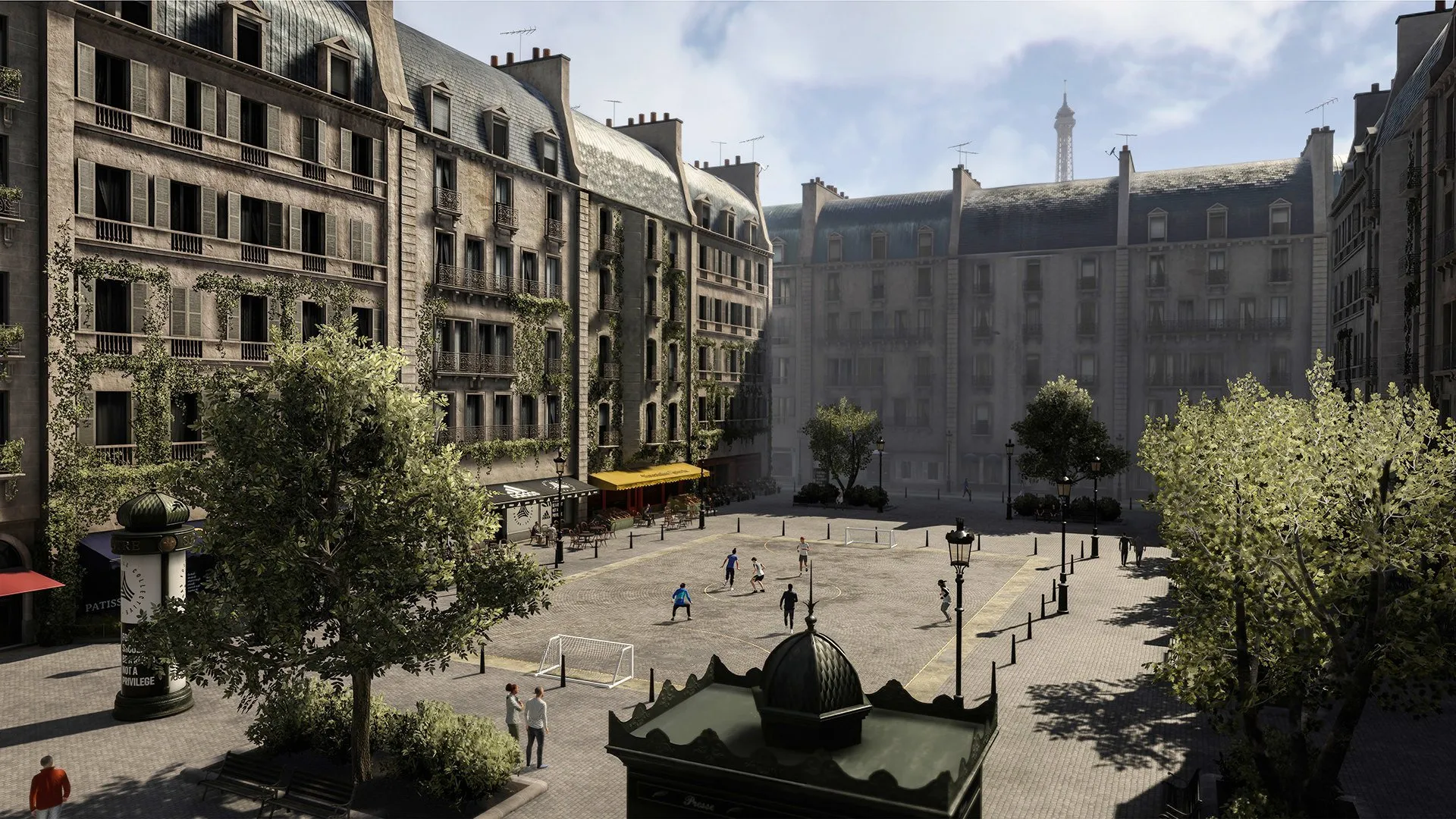
A football pitch is a clear example of how various factors, including goal size, surface type, and weather conditions, affect gameplay. These elements shape the player's experience by determining how game mechanics are applied in a specific environment. Understanding these aspects is important for analyzing game strategy and tactics, as well as improving overall team performance.
A level designer is responsible for developing game environments that create a variety of engaging situations for applying core game mechanics. This can manifest itself in a variety of forms: from racing tracks to strategy maps and entire cities in open-world games such as Liberty City and Skyrim. High-quality level design not only enhances gameplay but also contributes to player immersion in the world, creating unique scenarios and opportunities for interaction. It is important that each game location is well thought out and consistent with the overall concept of the game, as well as providing a balance between challenge and enjoyment for the player.
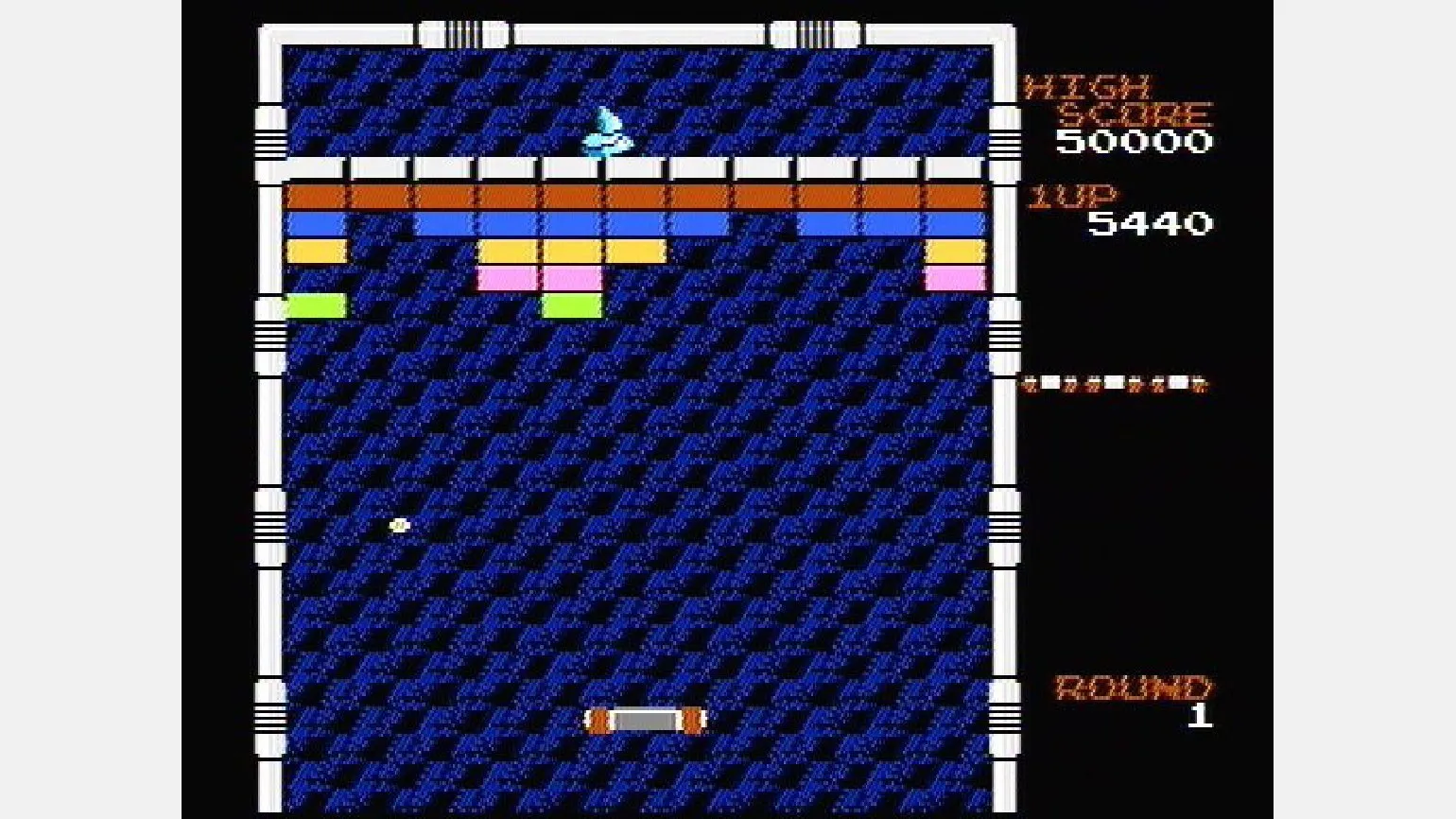
Game designer Christopher Totten, in his book "An Architectural Approach to Level Design," emphasizes that level design is the meaningful implementation of gameplay in a game space where players will interact with the environment. It is the process of creating levels that take into account not only the game mechanics, but also the emotional experience of the user. Good level design promotes immersion, creates atmosphere, and influences the dynamics of gameplay. Creating high-quality levels requires a deep understanding of player needs and their interaction with the game environment.
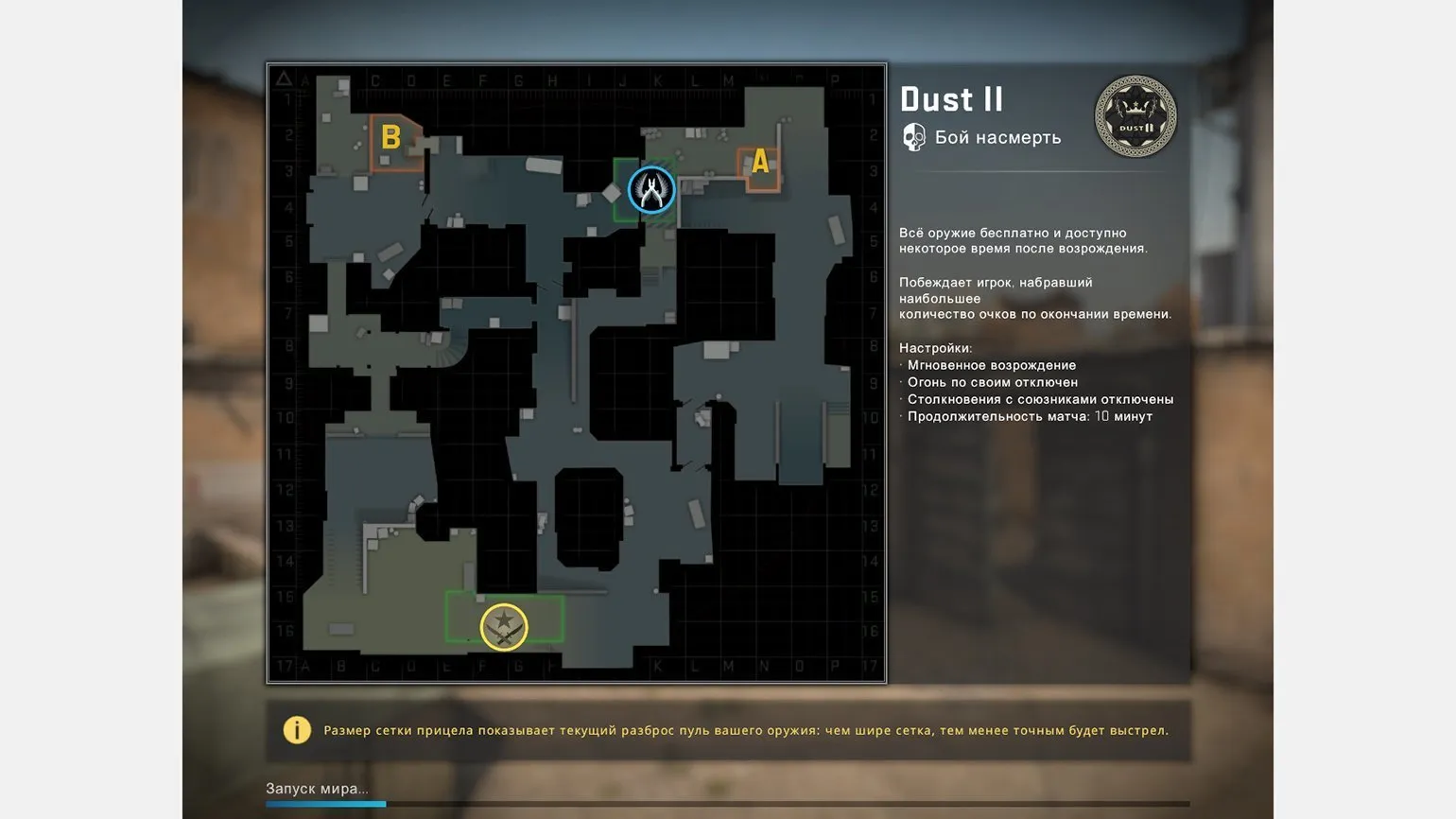
The Dust 2 map from Counter-Strike is a prime example of successful level design due to its variety of gameplay situations. It combines narrow streets suitable for close-quarters combat with open spaces that are great for snipers. This diversity creates unique tactical possibilities and makes every game on this map unpredictable and exciting. Dust 2 attracts both beginners and experienced players, which confirms its status as one of the most popular maps in the history of shooters.
A key aspect in Kadikov and Totten's definitions is the lack of emphasis on visual elements. This emphasizes that level designers are focused on gameplay, ignoring the graphical components, which are developed by other specialists. Focusing on game mechanics and player interactions becomes the main priority for level designers, which allows them to create fun and exciting levels. Thus, their work is aimed at improving the gaming experience, while visual design remains outside of their responsibilities.
Level designer: an architect of the game space, not an environment artist
In game development, it is important to understand the differences between level art and environment art, which translates as "artistic design of the environment." These terms refer to the creation of visual elements of game locations, including style, color palette, and 3D models. Level art focuses on the design of specific levels and their architecture, while environment art involves the creation of broader visual aspects of the environment, such as natural landscapes, urban elements, and atmospheric effects. Both areas play a key role in creating an immersive gaming experience and determine the look and atmosphere of the game. Environment artists develop the visual aesthetics of game worlds by creating detailed backgrounds, applying textures, and adjusting lighting. Their work aims to make virtual worlds more appealing and immersive for players. They consider composition, color schemes, and atmosphere to ensure that each environmental element contributes to the overall experience of the game and enhances gameplay. Level designers, as Mikhail Kadikov noted, compare their profession to architecture, focused on the design of functional spaces. Their primary goal is to create engaging and immersive gameplay experiences that transcend mere visual appeal. In this context, the importance of gameplay mechanics and player interactions becomes a key aspect of the level designer's work, enabling the creation of unique game worlds that captivate and sustain player interest. Steve Lee, an acclaimed level designer who has worked on games such as BioShock Infinite and Dishonored 2, emphasized the difference between level design and level art in his tutorial video. He noted that level design focuses on how elements interact in gameplay, while level art focuses on the visual presentation of those elements. This distinction is important for understanding the level designer's role in creating an engaging gaming experience.
Modern examples of "speedy level design" can be misleading, as they often feature static but visually appealing spaces rather than fully playable locations. This shifts the emphasis from functionality and player interaction to aesthetics. It's important to understand that successful level design must combine both an attractive visual style and well-designed gameplay mechanics to provide players with an engaging and engaging experience.
Classic games like Grand Theft Auto 3 and The Legend of Zelda continue to captivate players despite their dated graphics. This is because they create a unique sense of exploration and reward curiosity, which is one of the key goals in game design. Modern titles, even with impressive graphics, sometimes fail to offer the same depth of interaction and exploration. That's why classic games remain relevant and beloved by players of all ages.
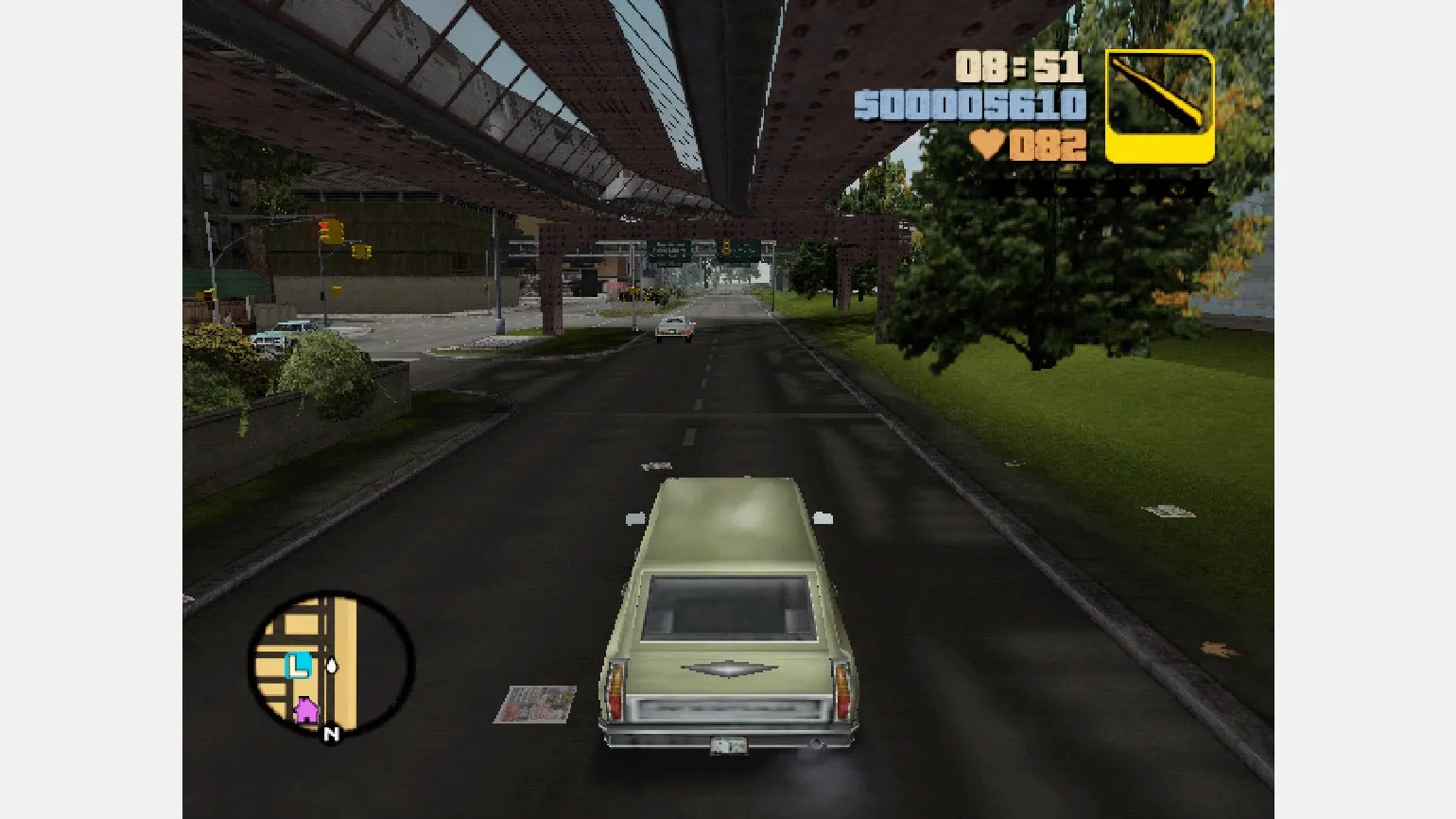
For a level designer, aesthetics play an important role, but they perceive it through the prism of gameplay, rather than through the emotional perception of the player. This makes collaboration between level designers and environment artists critical to the creation of high-quality game levels. The interaction of these specialists allows for the effective integration of visual elements and gameplay, which ultimately creates a deeper and more engaging gaming experience.
The Main Responsibilities of a Level Designer in Game Projects
According to expert Mikhail Kadikov, a level designer performs important tasks that are crucial in the video game development process. They are responsible for creating engaging and harmonious game levels that provide players with an interesting and immersive experience. Level designers develop level architecture, environmental interactions, and the placement of game objects, which directly impacts the overall gameplay and user satisfaction. A high-quality level designer's work contributes to increased interest in the game and its commercial success.
- Development of design documentation. At the initial stage, the level designer creates a detailed description of the mechanics and features of the location, including sketches of its layout.
- Creating a graybox is a 3D prototype of the level, created using simple geometric shapes, without textures, allowing for quick testing of ideas.
- Setting up the logic of game events. The designer is responsible for writing scripts for key gameplay moments, for example, when the player activates a lever and enemies burst into the room.
- Collaboration with artists. It's important to ensure that a level remains playable even after changes to the environment design. Optimizing the gaming experience means eliminating distractions and immersion. It's important to emphasize the last two points, as the visual style of a location can significantly impact game balance and player behavior. Using different design solutions and color schemes can change the perception of space, which, in turn, affects game mechanics and strategy. Proper location design not only enhances aesthetics but also creates a unique atmosphere that encourages player engagement.
The updated Inferno map in Counter-Strike: Global Offensive is a prime example of the importance of aesthetics in gameplay. The changes made to the decor have significantly altered the atmosphere of the map. The truck, previously used as a ramp, has been replaced with a hay wagon, which adds visual interest and improves the perception of the environment. In addition, the canopy at site A has been removed, which also impacts gameplay and tactical options for players. These changes demonstrate how aesthetic decisions can enrich the gaming experience, creating a more immersive and engaging atmosphere for players.
While the changes may seem minor, they play a key role in increasing map readability and improving gameplay. Optimization of visual elements and the interface facilitates a more convenient perception of information, which in turn makes the game more engaging and accessible to users. It's important to remember that every improvement, even the smallest one, can significantly impact the overall experience of the game.
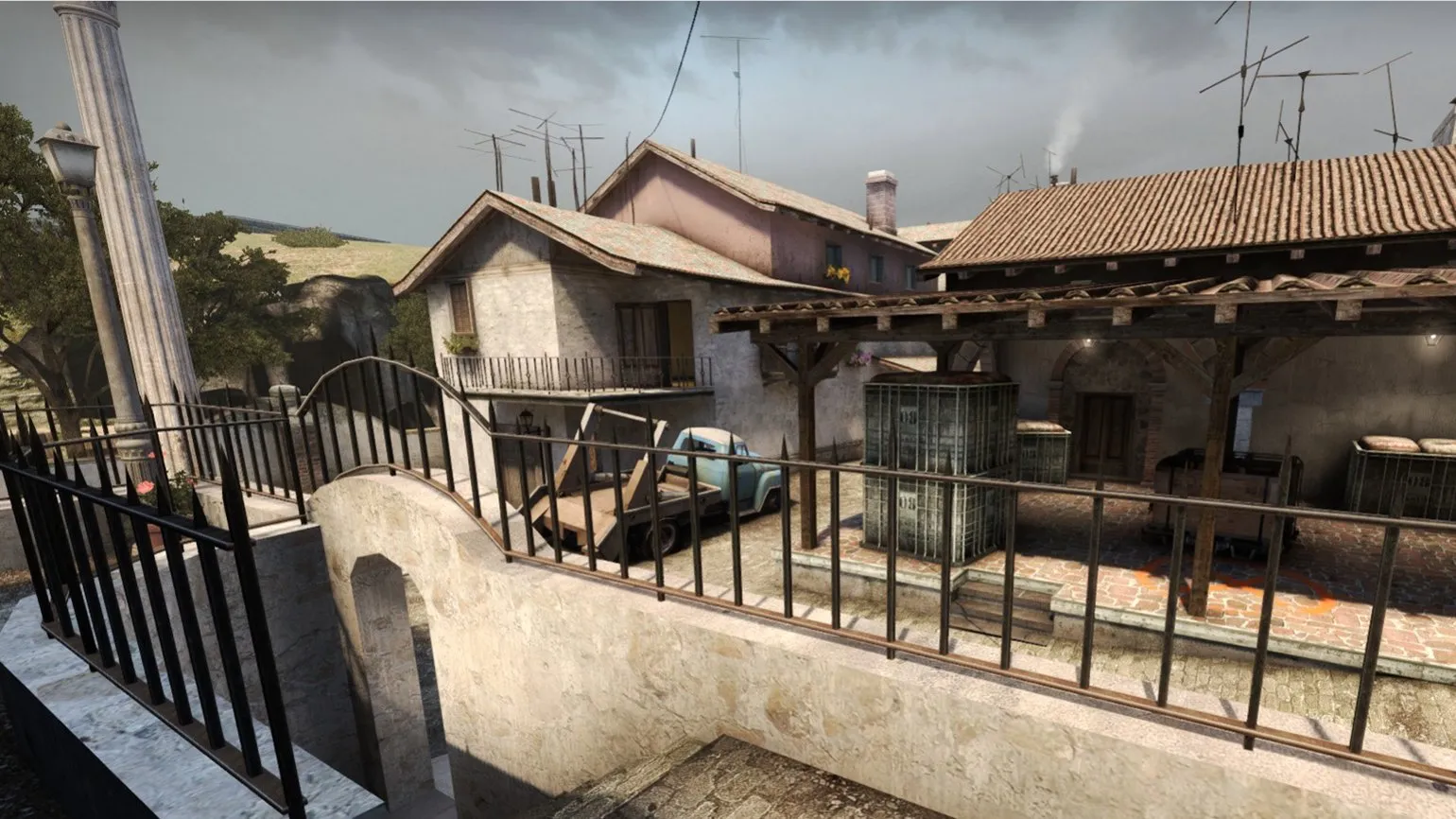
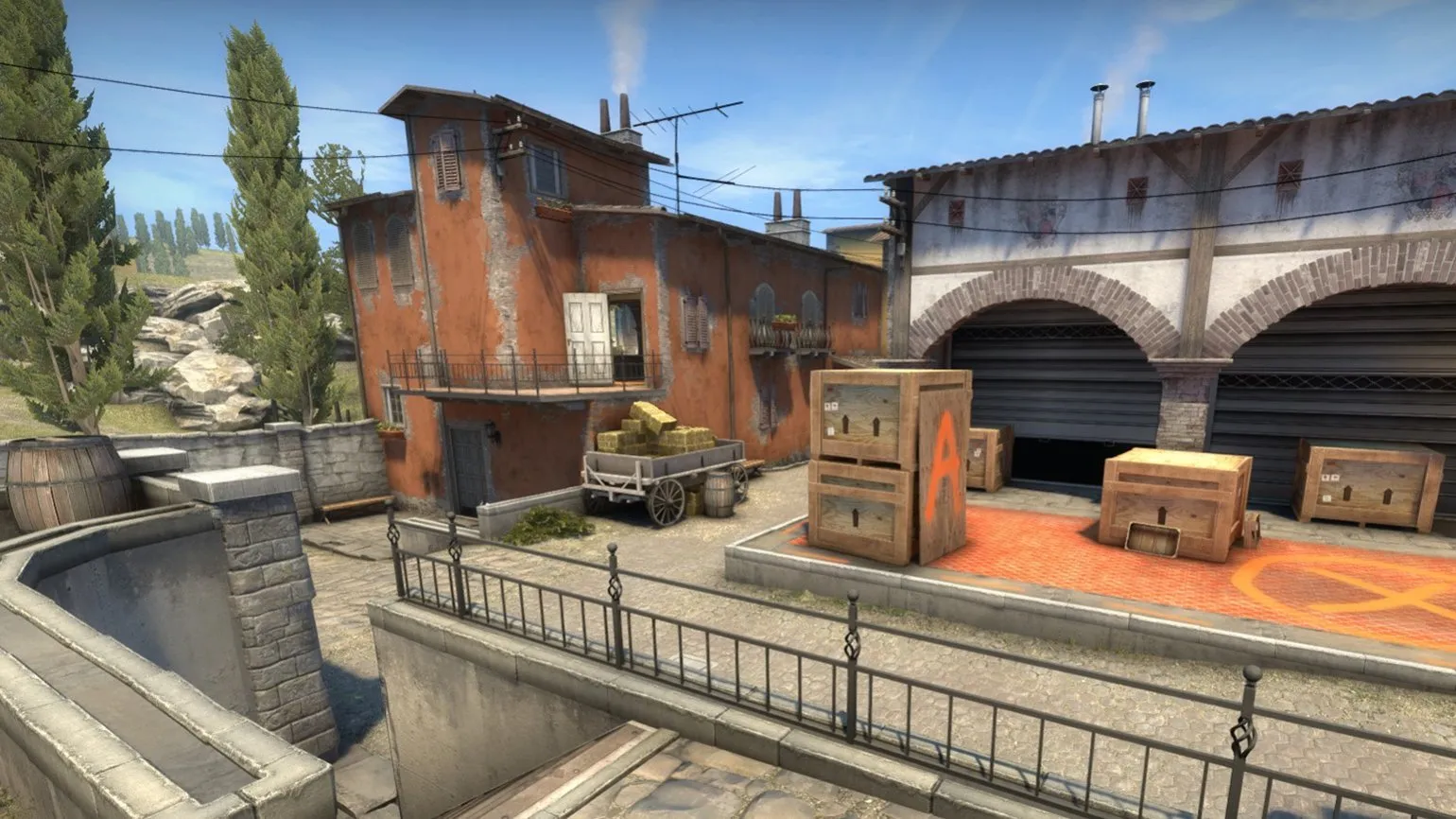
The new hay cart more clearly demonstrates the ability for new players to jump onto the balcony, improving their gameplay experience. The removal of the canopy roof at site A has increased the lighting level, giving players more tactical options. These changes contribute to a more dynamic and strategically rich gameplay experience, allowing players to better navigate the game space and utilize new approaches in combat.
The Inferno map is a striking example of how a level's visual style can integrate aesthetics and gameplay mechanics. When developing levels, level designers must consider not only the visuals but also the storylines, lore, and soundtrack to create a cohesive and engaging gaming experience. This approach helps immerse players in the game world and makes interactions with it more intense.
A successful level in a game is the result of the collaboration of various specialists, such as level designers, narrative designers, and environment artists. This emphasizes the importance of teamwork in game development, where each expert contributes to the creation of an engaging and memorable gaming experience. A well-coordinated team effort ensures high standards of quality and immersion, which is critical for attracting and retaining players.
The Role of Level Design in Game Narrative
Level designers play a key role in game development, creating not only gameplay but also managing various elements that influence the atmosphere, lore, and narrative of a project. Using a variety of techniques, such as spatial planning, the use of color and light, and object interaction, they create a unique gaming experience that immerses players in the game world. These specialists carefully consider each level to ensure harmony between mechanics and storytelling, which ultimately contributes to the creation of memorable and engaging gaming moments.
Game design expert Christopher Totten emphasizes that level design methods include two main components: the overall structure of a location and the design details of individual spaces. Effective level design plays a critical role in creating an engaging gaming experience, ensuring a harmonious interaction between the player and the environment. It's important to consider not only visual aspects but also mechanics that encourage exploration and interaction. The right combination of these elements contributes to the creation of memorable gameplay moments and enhances the overall appeal of the project.
Game levels can vary greatly, from a simple corridor with a few branches to a complex labyrinth or a vast open space. Players have the opportunity to explore not only individual buildings but entire cities, interacting with a variety of environmental elements. This creates a unique gaming experience and promotes immersion in a virtual world, where every detail can impact the development of the plot and gameplay.
Video game levels can range from realistic, like in the Hitman series, to abstract, like in platformers like Super Meat Boy or arcade racing games like TrackMania. These differences in level design have a significant impact on the player's perception and gaming experience. Realistic levels immerse players in the atmosphere of reality, creating a sense of presence, while abstract levels offer unique mechanics and original approaches to gameplay. Using different level styles allows developers to expand gameplay horizons and appeal to different audiences, making each project unique.
Experienced level designers actively utilize the unique features of the game world to deepen the narrative. In particular, the verticality of Dark Souls creates a cohesive and dramatic gameplay experience, lending each session emotional intensity. This structure allows players to not only explore the world but also immerse themselves in its story, creating a deeper connection with characters and events. Using such design solutions not only helps enhance the game's perception but also increases its value for players seeking a full narrative experience.
The character's journey in Dark Souls is filled with numerous trials, where triumph unexpectedly gives way to despair, and success turns to danger. This dynamic creates a deep emotional connection between the player and the gameplay, allowing for immersion in the atmosphere of the Dark Souls world. Players feel every victory and defeat, making their experience unique and memorable.
Games like Journey and Celeste employ similar storytelling techniques, in which characters encounter unexpected challenges on their path to success. These sudden setbacks create moments of crisis, adding emotional weight and deepening the gameplay experience. Elements like these help players empathize with the heroes and enhance the overall experience, making every victory feel more meaningful.

The level structure in Dark Souls emphasizes the social injustice of the game world. The gods dwell at the heights, while commoners are forced to suffer in the dungeons. This contrast not only enhances the game's atmosphere but also allows the player to more deeply understand and analyze the surrounding reality. Gameplay becomes not simply a test of skill but also an exploration of complex themes such as class struggle and moral dilemmas.
A level can serve as a reflection of the antagonist, as seen in Jindosh's Clockwork Mansion from Dishonored 2. This level is a complex mechanism that highlights the extraordinary intelligence and narcissism of its creator, making it not only visually impressive but also conceptually profound. This approach to level design allows players to better understand the antagonist's character and motivations, creating a unique experience interacting with the game world.
While the mansion's design focuses on creating an immersive gaming experience, its intricate architecture also emphasizes the antagonist's personality. Every detail of the structure contributes to the formation of a unique atmosphere, enhancing the player's interaction with the environment and revealing the enemy's character.
The same principles that apply to the overall structure can be effectively adapted to individual rooms or arenas. A slight difference in height can create a feeling of superiority in the player or, conversely, evoke a feeling of powerlessness. Such nuances in spatial design can significantly impact gameplay and the perception of the environment, which makes them essential for creating effective gaming locations.
Lighting and spatial proportions are crucial elements in creating atmosphere across various game genres. In horror games, darkness heightens feelings of anxiety and fear, creating tension and unpredictability. In stealth action games, on the contrary, shadows can serve as protection, providing the player with a sense of safety and allowing them to hide from enemies. The proper use of light and space helps developers convey emotional states and enhance immersion, making the gaming experience more memorable.
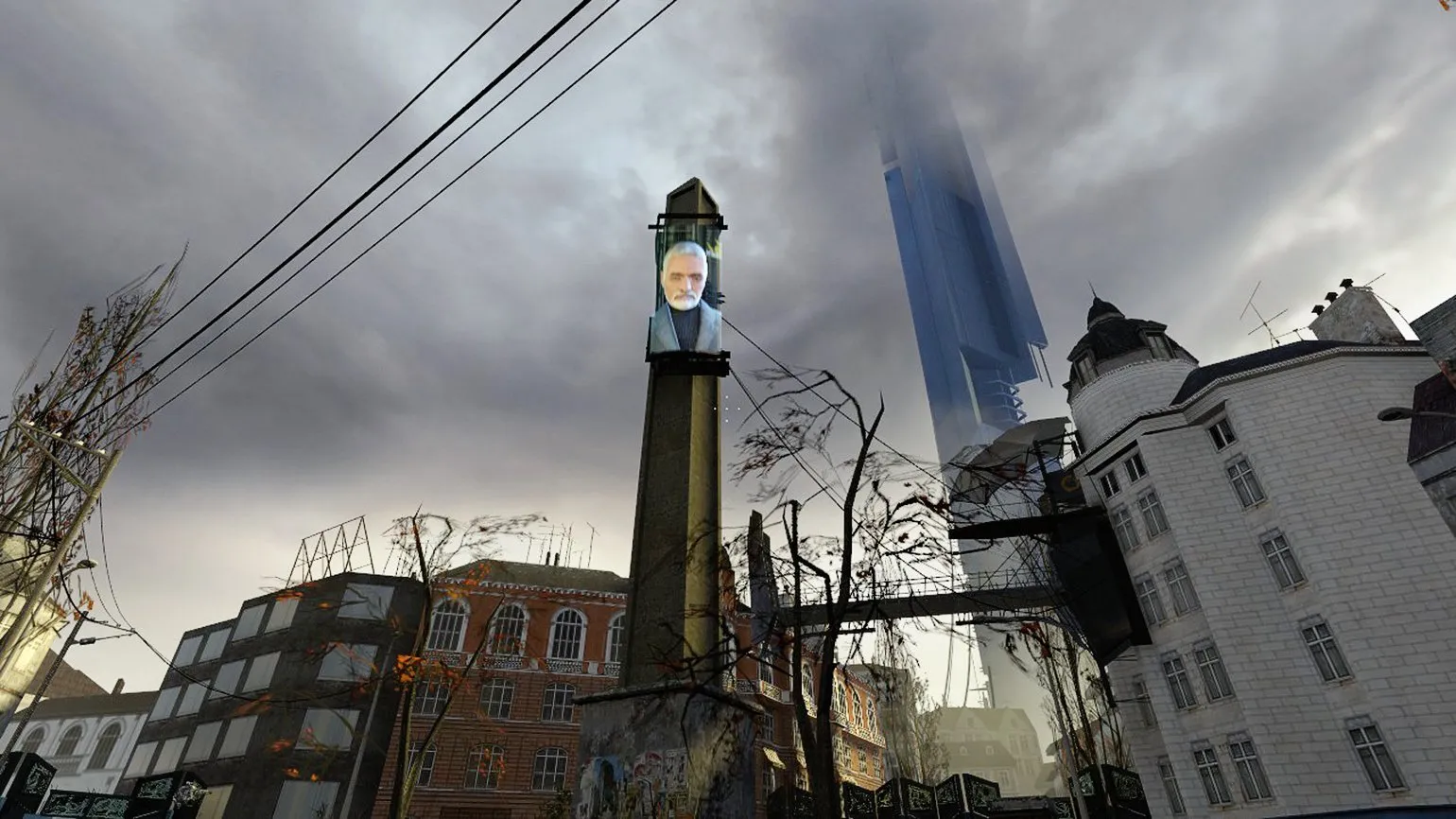
Space proportions can evoke a variety of emotions in players. In Half-Life 2, tall buildings create an atmosphere of surveillance and tension, while the open environments of Elden Ring encourage exploration and adventure. The correct use of space in video games influences the player's perception and creates a unique experience of interaction with the game world.
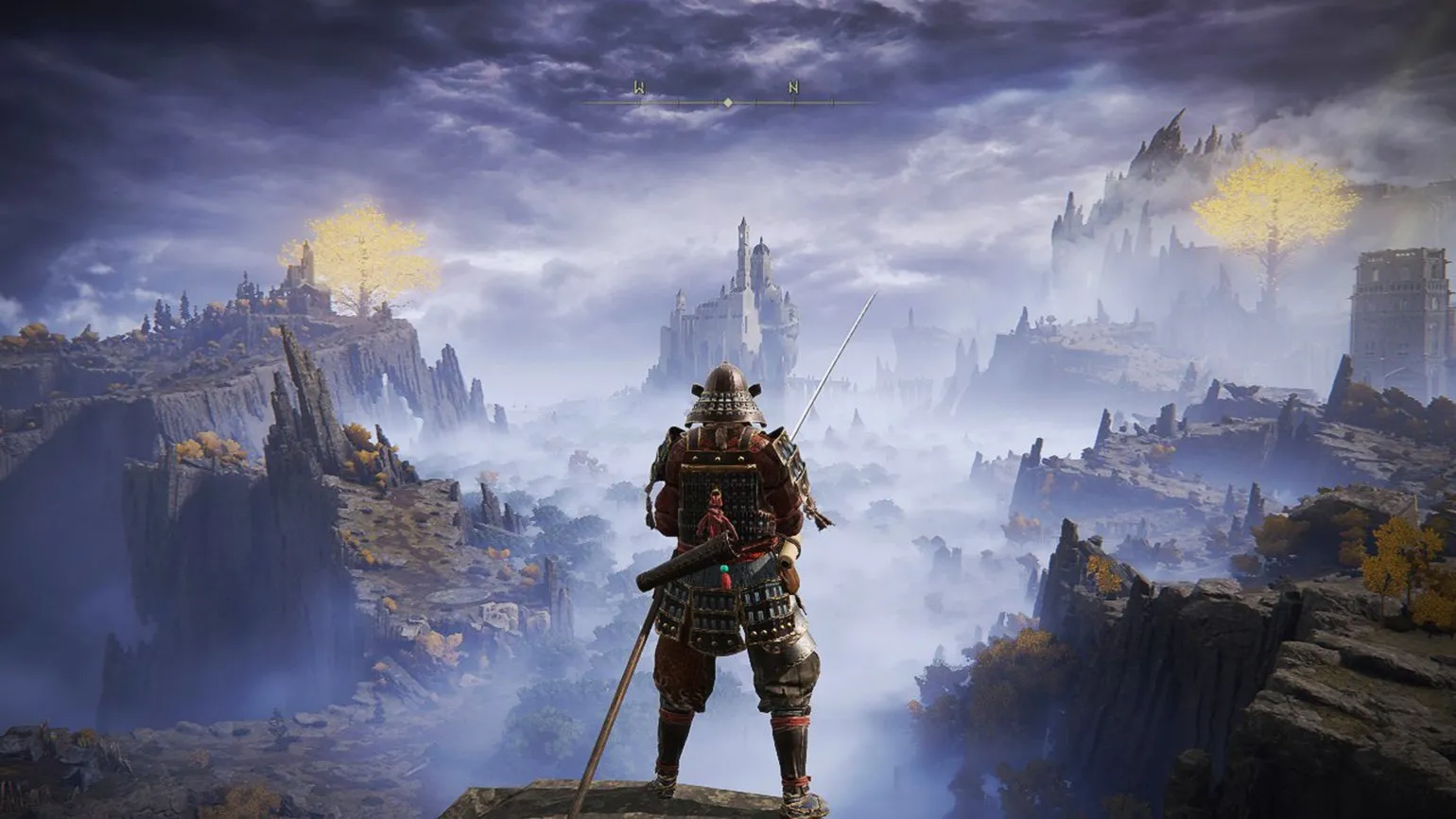

Game designers like Naughty Dog's Emilia Schatz demonstrate how to effectively use enclosed spaces in video games to create powerful emotional moments. When the player overcomes adversity and reaches freedom, they are confronted with an open world that evokes a sense of triumph and satisfaction. This approach not only enhances player engagement with the gameplay but also creates memorable experiences that foster deep immersion in the game's story and atmosphere. Using enclosed spaces as a mechanism for increasing tension and anticipation makes the gaming experience more engaging and dynamic. The concept of environmental storytelling allows for the conveying of a story through environmental details. Elements such as signage, objects, and architectural features can significantly enrich the narrative. Using environmental objects for storytelling helps create a deeper engagement with the audience, enhancing emotional connection and immersion in the story. Each environmental element can serve not only as a backdrop but also as an active participant in the story, revealing it through visual cues and context.

Level designers, collaborating with environment artists and scriptwriters, develop interactive forms of storytelling. These forms activate players' imaginations and enhance their engagement with the gameplay, reducing dependence on expensive cutscenes. Well-designed levels not only enrich the gaming experience but also make the narrative more natural and organic, which in turn helps retain players and increase interest in the project.
Essential Skills for a Level Designer: From Theory to Practice
According to expert Mikhail Kadikov, a level designer plays a vital role in video game development, combining the knowledge and skills of various specialists to create unique game locations. This professional is responsible for designing levels that not only attract players but also create an engaging gaming experience. Level designers work closely with artists, programmers, and game designers to ensure the harmonious interaction of all game elements, which ultimately impacts its success.
To succeed in this profession, it is important to develop a variety of skills and knowledge that encompass both technical and creative aspects. Mastering these competencies will not only improve your professional level, but also improve the quality of your work, which in turn will have a positive impact on your career.
- Architectural principles and urban planning skills: important for creating atmospheric and believable game spaces.
- Fundamentals of fine art: knowledge of composition, color and light theory, and the psychology of perception will help you create attractive and memorable locations.
- Working with game scripts: the ability to prescribe events at the level (for example, opening doors or activating cutscenes) is necessary for creating dynamic gameplay.
- Game design: it is important not only to study the theory, but also to actively play other games in order to analyze successful and unsuccessful decisions.
- 3D modeling: basic skills in working with software for creating 3D objects will help you in prototyping levels.
For beginner level designers, an important aspect is mastering software for developing game locations. Steve Lee notes that many studios have stopped releasing level editors due to a shrinking user base. This highlights a trend of changing approaches in the gaming industry, where the emphasis is shifting to more complex tools and technologies. Level designers must be ready to adapt to new conditions and master modern platforms to create unique and engaging game spaces.
Steve Lee advises beginners to avoid using powerful game engines such as Unity or Unreal Engine. These platforms require a basic understanding of game development and don't offer ready-made tools for quickly creating levels. Beginning developers are better off choosing simpler and more accessible solutions that will help them master basic skills without unnecessary complications. Beginning level designers can use time-tested tools for creating levels. One such tool is the Source SDK, which is available for free download on Steam. This development kit provides the ability to work with classic games like Half-Life 2 and Portal 2. The Source SDK offers a wide range of options for creating unique game levels and add-ons, making it an excellent choice for those new to level design. If you're into classic games like Doom, you should consider the Doom Builder and GZ Doom Builder editors. These tools have an intuitive interface and offer a wide range of options for level development. Additionally, the TrackMania series of games features built-in editors that make it easy to create and edit race tracks, making them ideal for practice and experimentation. Both types of editors are suitable for both beginners and experienced developers looking to improve their skills in creating game worlds.
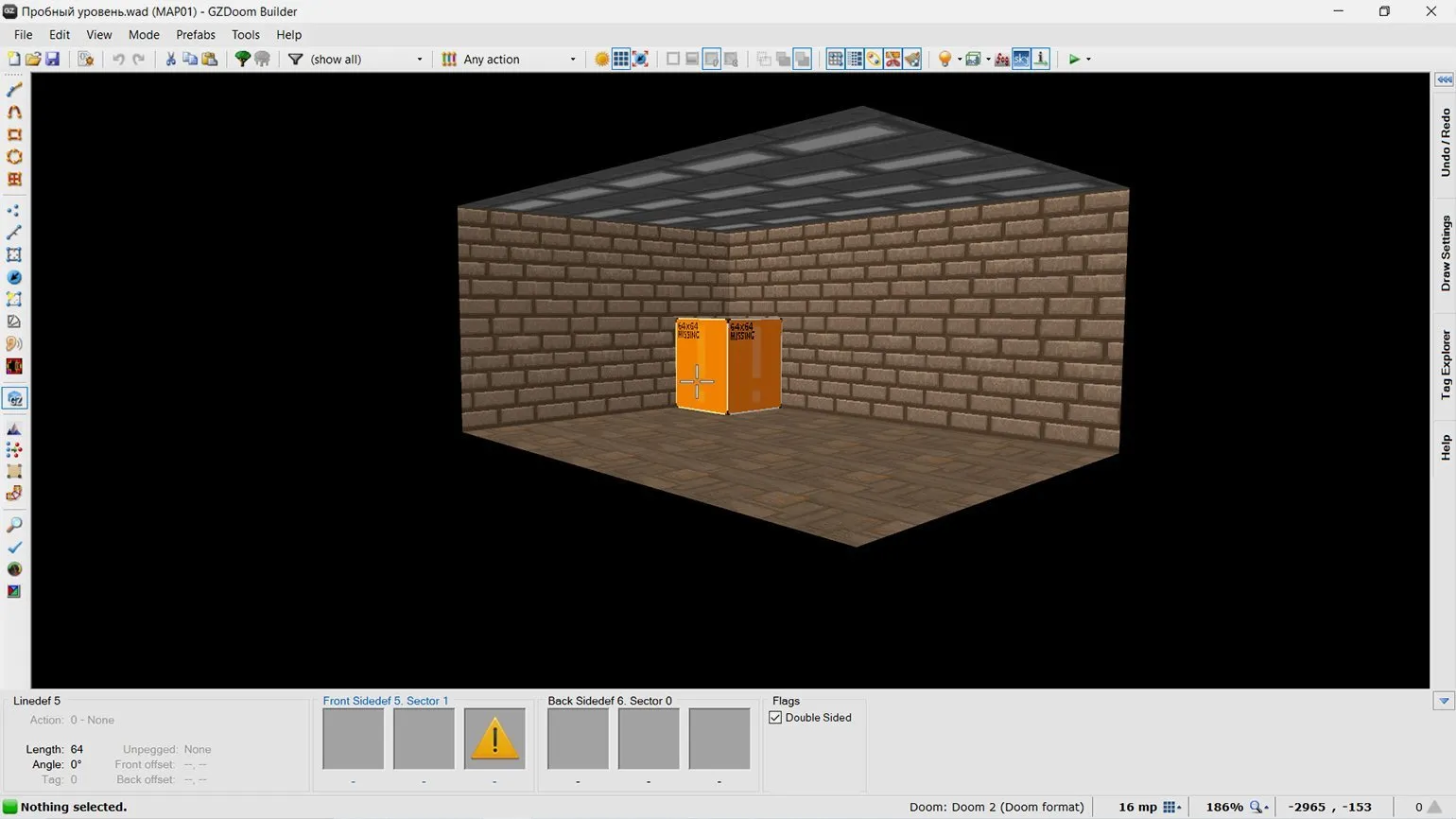
Using these tools, you can effectively create working levels and gain valuable practical experience. In practice, this experience can be important when looking for a job. For example, a level designer who passed a test at Arkane Studios used the Half-Life 2 editor. Knowledge of popular level development tools and skills significantly increases your chances of successful employment in the gaming industry.
Resources for studying level design: books, videos, and podcasts
Level design is a complex and multifaceted discipline, covering many aspects of game level creation. A complete understanding of this topic is impossible within the framework of a single material. We have prepared a variety of resources for you to help deepen your understanding of level design. These resources also proved useful in our own research, providing valuable insights and examples of best practices in game level design.
- "Designing Virtual Worlds" by Mikhail Kadikov, a talented level designer at Crytek. This textbook offers a clear and accessible presentation of the basics of level design theory and is available for free on the author's personal website.
- "An Architectural Approach to Level Design" by Christopher Totten, a game designer and professor at the University of Kent, offers a unique blend of architectural principles and the design of game spaces. Unfortunately, this book has not been published in Russian.
- The YouTube channel of Steve Lee, who previously worked at Irrational Games and Arkane Studios, offers practical advice on creating levels and shares mistakes to avoid.
- The Level Design playlist from Game Maker's Toolkit, created by popular blogger Mark Brown, includes detailed analyses of unique game worlds and interviews with renowned level designers.
- The GDC Level Design Workshop lectures, regularly held at conferences, provide access to expert presentations. While some materials are available only by subscription, many lectures can be found on YouTube and the official GDC website.
- The Level Design Lobby podcast features Max Pierce, a level designer for Tom Clancy's Division and Cyberpunk 2077. He analyzes current trends in level design and interviews industry colleagues.
Game designer from scratch to PRO: 7 steps to success
Want to become a game designer? Learn 7 steps to a successful career in the gaming industry!
Learn more