Contents:
- The History of Mafia's Development
- The Influence of Cinema on Gameplay
- The History of Mafia: The City of Lost Heaven
- What Engine is Used in Mafia: The City of Lost Heaven
- The Unique Atmosphere of the World of Mafia: The City of Lost Heaven
- Gameplay and Realism in Mafia: The City of Lost Heaven
- Why Mafia Became a Cult Game

Game designer from scratch to PRO: 7 steps to success
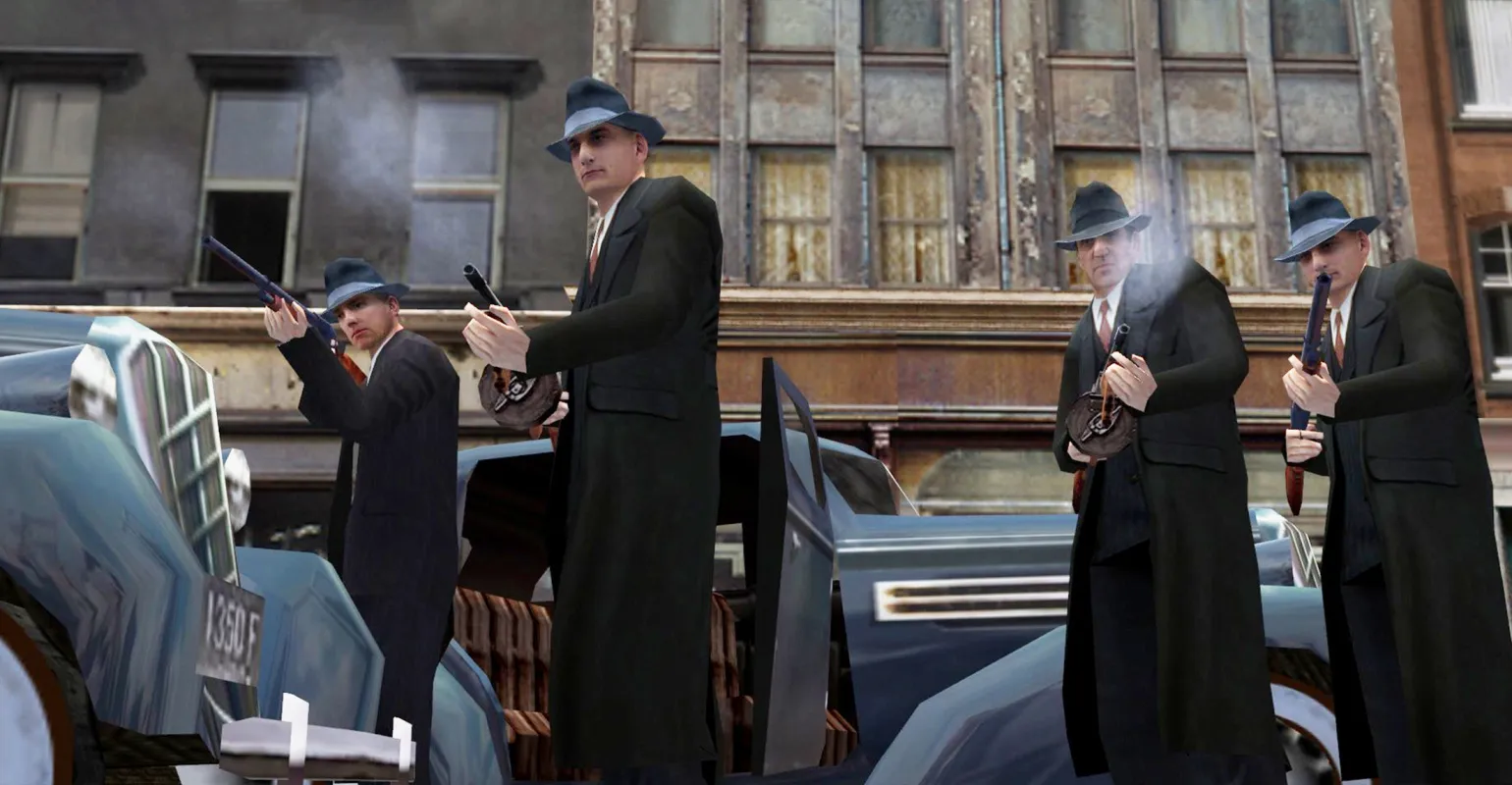
Find out2022 marked the 20th anniversary of the iconic action game Mafia: The City of Lost Heaven. Released in August 2002, the game continues to evoke nostalgia among many fans, despite the release of a full-fledged remake in 2020. The original Mafia is rightfully considered one of the most atmospheric games, with a unique storyline that attracts players with its depth and sophistication. This game left a significant mark on the industry and continues to inspire developers to create new projects.
In connection with this important event, the editorial team of Skillbox Media's Gamedev decided to examine in detail the development process of Mafia and its impact on the gaming industry. We will look at the key aspects of the creation of this iconic game, as well as how it changed the approach to development and concepts in the genre.
The History of the Development of Mafia
The creation of Mafia: The City of Lost Heaven was an important event for the Czech studio Illusion Softworks, founded in 1997. Before the release of Mafia, the development team released several projects, among which the tactical shooter Hidden & Dangerous, released in 1999, stood out. The success of these games laid the foundation for further achievements of Illusion Softworks and strengthened its reputation in the video game market. Mafia Not only did it bring a unique story and atmosphere to the genre, but it also showcased a high level of graphics and sound design for its time.
Daniel Vavra is a central figure in the development, having begun his career as a 2D artist creating textures for Hidden & Dangerous. He soon transitioned to the role of writer and became one of the project's directors. His creative vision and original ideas formed the basis for the game's unique story and atmosphere, making it stand out from other projects in the industry. Vavra's influence on the development is felt in every detail, which confirms his importance in the creation of high-quality game content.
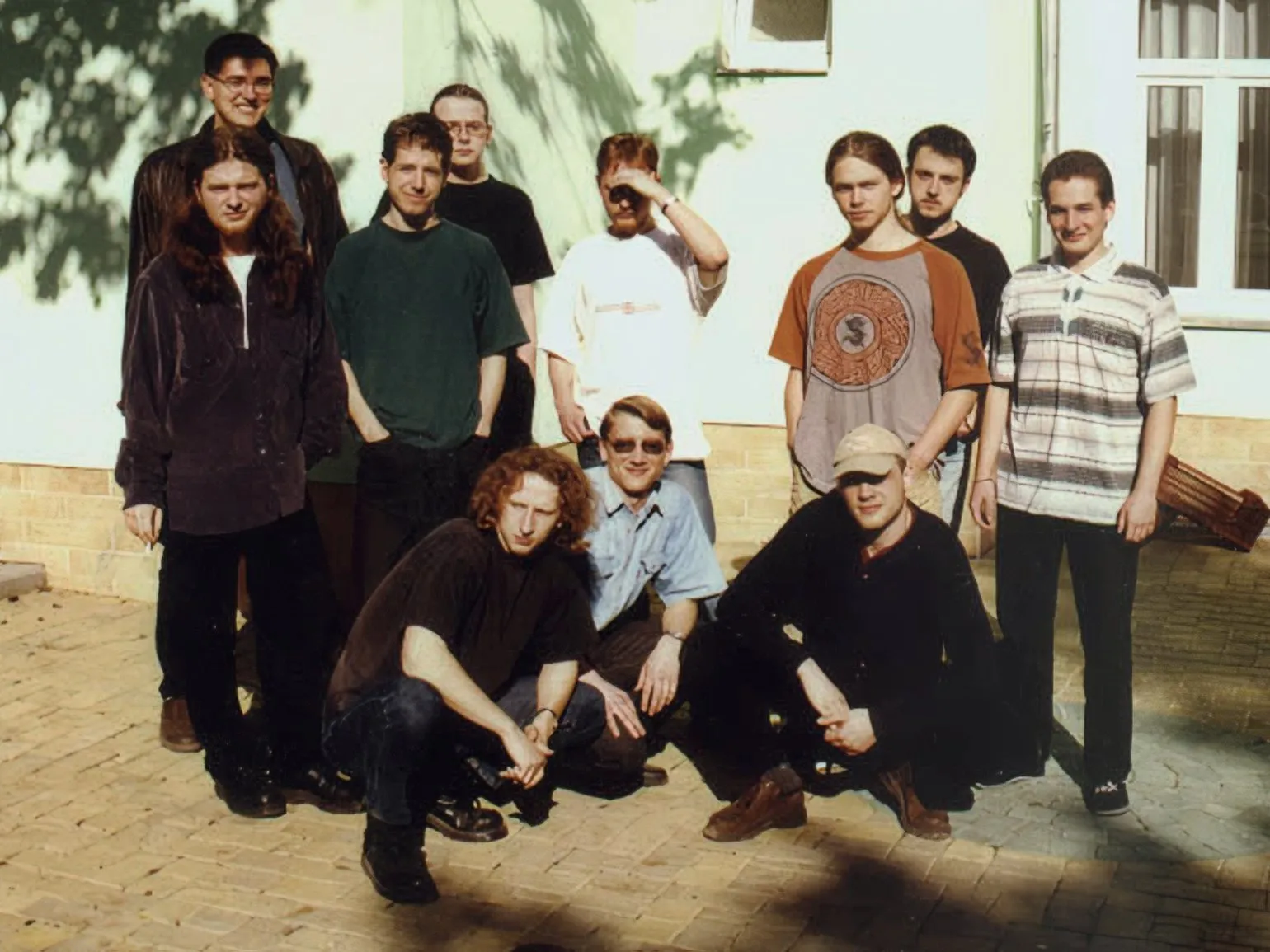
Mafia's character art director, Roman Hladik, shared that at the initial stage of development, the team consisted of only five people. Initially, they planned to create a fantasy RPG, but investors did not support this idea. Media director Tomasz Hřebíček noted that the concept of a game about gangsters was proposed by Daniel Vávra, which became a key moment in the development of the project. This change in direction had a significant impact on the future of the game, turning it into a cult product that has gained popularity among players.
The influence of cinema on gameplay
Mafia: The City of Lost Heaven is not just a video game, but an entire gangster story, immersing players in the atmosphere of America in the 1930s. The developers at Illusion Softworks drew inspiration from cult crime films to create a detailed and believable world that reflects the realities of the Great Depression. The game offers a unique experience, combining elements of a crime story with deep interaction with the environment, making it one of the most memorable in its genre.
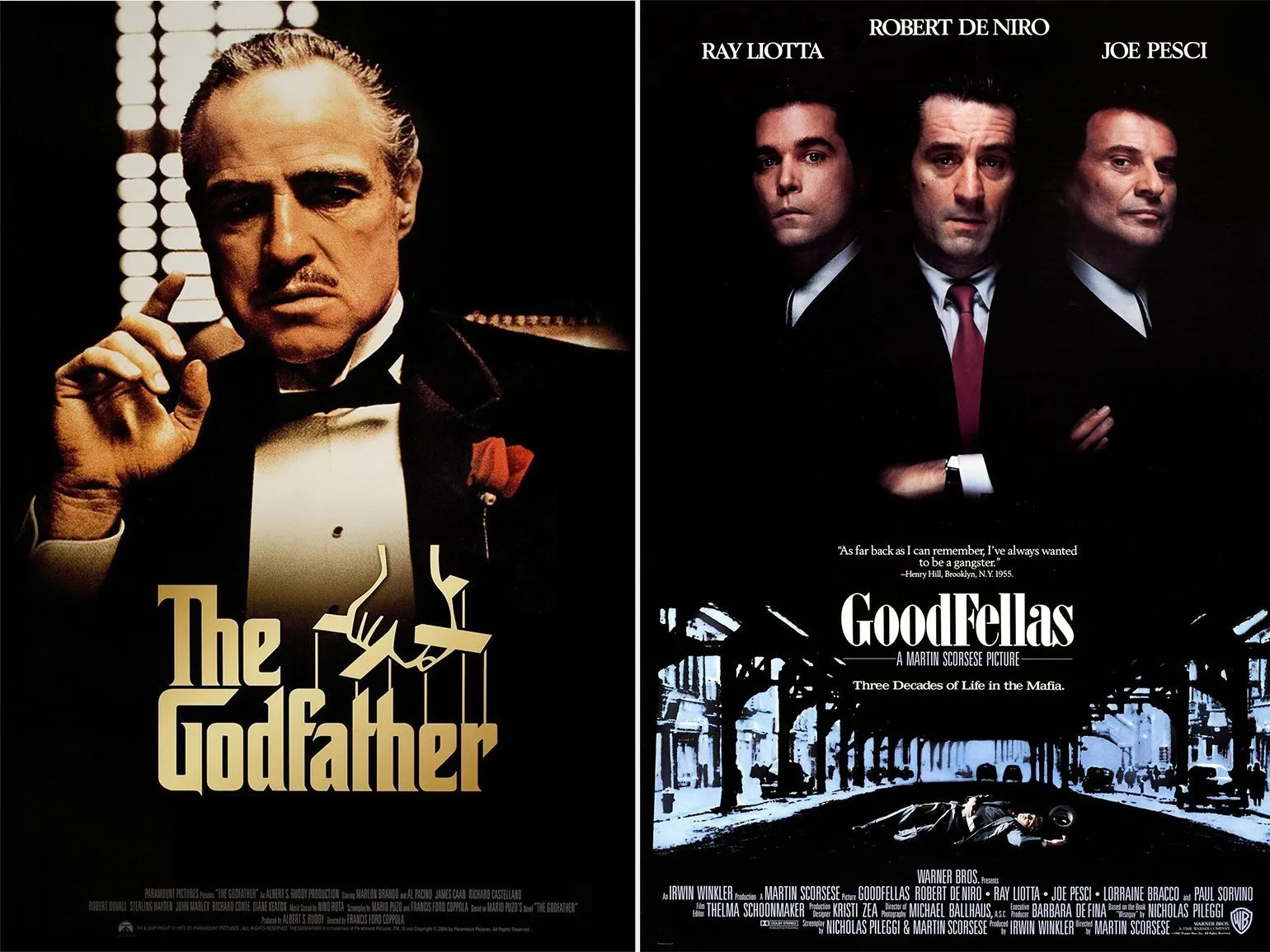
The developers wanted to create a game where players could relive moments familiar to them from iconic films and pay homage to masterpieces like Goodfellas and The Godfather. Along the way, they realized that gangsters are not just villains, but complex characters striving for freedom and power. This game allows for a deeper understanding of the characters' motivations and their internal conflicts, creating a unique experience that combines elements of drama and a tense storyline.
The plot of the game "Mafia: The City of Lost Heaven" reveals the real life of a gangster, which turns out to be far from romantic. It is not only glamour and money, but also the grave consequences associated with criminal activity. Daniel Vavra, the development director and screenwriter of the game, notes that he studied the biographies of many mafiosi. His research shows that few of them survived to old age, and even fewer found true happiness. The game emphasizes that life in the criminal underworld is fraught with danger and tragedy, making it far less appealing than it might initially appear.
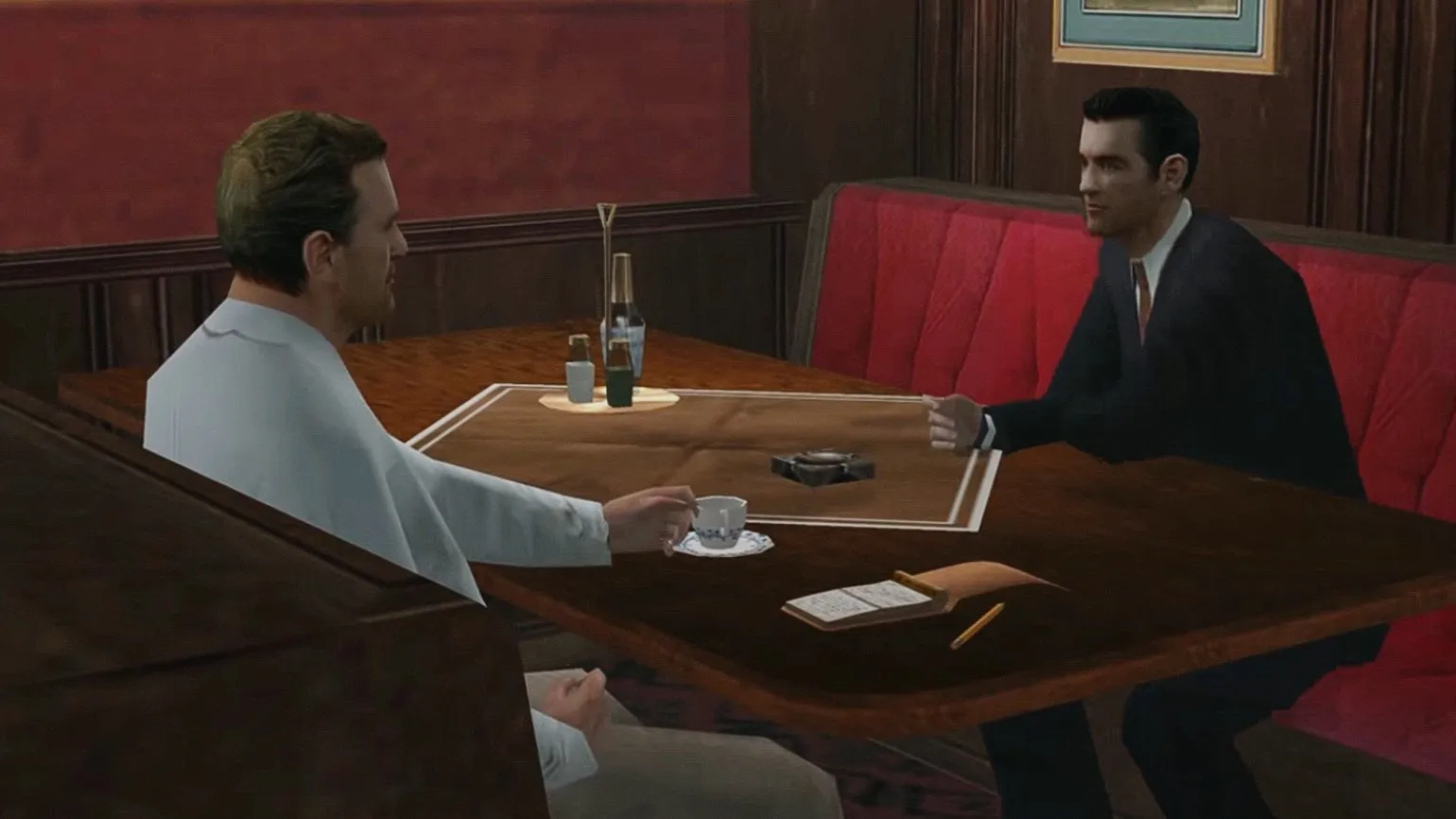
The game's plot opens with a gripping encounter between protagonist Tommy Angelo and an FBI agent. This scene, like the opening scene from Goodfellas, creates a connection through dialogue in which the protagonist shares his mafia life. Using flashbacks, the game immerses the player in the atmosphere of the 1930s, which allows for a deeper understanding of the world of crime and its impact on the lives of the characters.
The game's story arc includes elements borrowed from classics like The Godfather. In one mission, "Happy Birthday!", the protagonist disguises himself as a sailor to board a steamship undetected, where an important meeting is scheduled. This technique is reminiscent of the famous scene from the film in which Michael Corleone uses the toilet to obtain a weapon. This approach emphasizes the connection between the gameplay and iconic cinematic moments, creating a deeper immersion in the story.
Despite the overall gloomy atmosphere, Mafia: The City of Lost Heaven also has an element of humor that plays an important role in the plot. As developer Vavra emphasized, "every good gangster film has its own special, sometimes strange, humor," and the team strove to reflect this in their dialogue. This balance between seriousness and lightheartedness makes the game more multifaceted and engaging, allowing players to immerse themselves in a unique world of gangster showdowns with a touch of irony.
We're sure our discussions will evoke associations with the striking moments of the film Pulp Fiction, notes Vavra.
Mafia: The City of Lost Heaven is more than just a video game, but a cultural phenomenon that combines elements of cinema and interactive storytelling. This creates a unique experience for players, immersing them in a 1930s atmosphere full of criminal intrigue and gripping stories. The game attracts attention not only with its plot, but also with detailed graphics, a well-developed world, and memorable characters. All of this makes Mafia: The City of Lost Heaven an important element in the history of video games and culture as a whole.
The Story of Mafia: The City of Lost Heaven
Mafia: The City of Lost Heaven offers players a unique opportunity to immerse themselves in the atmosphere of organized crime, following the fate of taxi driver Tommy Angelo. The game explores how unexpected events can radically change a person's life. Tommy finds himself drawn into the criminal world when his taxi is picked up by gangsters Paulie and Sam, who are rushing to escape pursuit from the Morello mafia family. This turn of fate marks the beginning of his journey into the world of crime, where he faces moral dilemmas and dangers. The game's storyline immerses you in the realities of the 1930s, demonstrating how the protagonist's choices influence his future destiny and the world around him.

After the incident, Tommy finds refuge in Don Salieri's bar, and his life changes dramatically. He is offered to join the crime syndicate, and although he initially refuses, he soon faces threats from Morello. This forces him to rethink his priorities. After accepting the offer, Tommy is immersed in the world of crime, where his every action can lead to unexpected consequences. In this dangerous environment, he must make a difficult choice between loyalty and survival, realizing that life in the criminal underworld is full of risks and unpredictable twists.
Tommy, although not committed to violence, finds himself involved in a series of murders, finding various justifications for his actions. Some of his victims, according to Salieri, deserve punishment, while others become victims of his personal conflicts. The protagonist often faces moral dilemmas, forced to choose between loyalty to the bandit brotherhood and his own sense of humanity. These conflicts highlight the complexity of his character and make the story deeper and more layered.
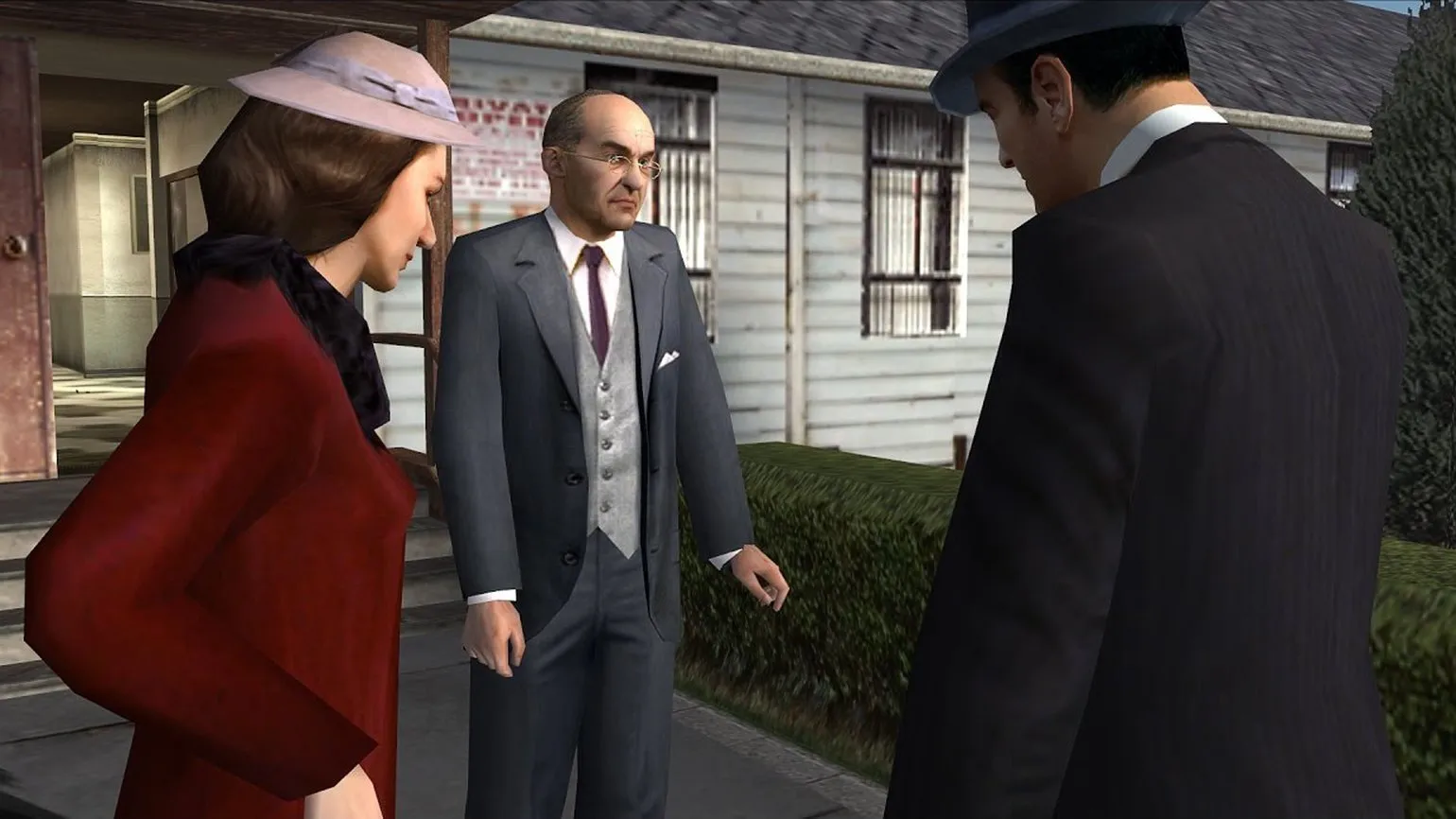
Key missions, including the elimination of a prostitute and the traitor Frank, vividly illustrate Tommy's internal conflicts. In both cases, he demonstrates mercy, and, as it turns out later, another part of the gang takes over these tasks. These moral dilemmas reach their climax in the game's finale, when Tommy faces a difficult choice - to kill his former partner. This moment highlights the complexity of his character and the influence of the environment on his decisions, which adds depth and multifacetedness to the game.
The final scene of the game demonstrates that the life of a mafioso is a path with no escape. Even those characters who strive to atone for their mistakes face tragic consequences of their actions. Daniel Vávra, lead developer, emphasizes that the game's goal is to present an authentic portrait of existence in the criminal underworld, where every choice has consequences. This deep exploration of characters and their moral dilemmas not only makes the game engaging but also makes you think about the challenges faced by those on the edge of the law.
Vávra aimed to create a multi-layered scenario that blends various genres, including drama and romance. He is proud that players can engage in activities not found in most games, such as dating and preparing for a heist. "I aimed to combine action, drama, and humor to reflect the reality of life," he notes. This approach allows players to become more immersed in the story and engage in unique gameplay moments, making the experience more rich and memorable.
This game not only offers engaging gameplay but also challenges players to consider complex moral questions. It is a true work of art in the world of video games, combining a deep storyline and developed characters. The inclusion of these elements makes the game unique and memorable, giving players the opportunity not only to have fun but also to analyze their actions and choices.
What engine is used in Mafia: The City of Lost Heaven?
Mafia: The City of Lost Heaven was originally scheduled for release in 2000. Development of the game began using the Insanity 2 engine, but due to its limitations, the Illusion Softworks team decided to switch to the more advanced LS3D engine. This change affected the development timeline and delayed the release of the game by two years.
The LS3D engine was designed from the ground up and offers many advantages for game developers. It provides fast collision detection and offers rich visuals, which significantly improves the gameplay. LS3D's modular architecture allows for easy updates and adaptation to various platforms, making it a more convenient and flexible tool for game development. Using LS3D helps developers optimize performance and improve the quality of their final product, contributing to a successful launch of their games.
Daniel Vavra, development director, claims that LS3D delivers the same speed as Insanity 2, but its functionality significantly exceeds that of the previous engine. LS3D offers improved technology and expanded developer capabilities, making it an ideal choice for creating modern games.
One of the game engine's key features is its highly advanced physics model, which provides realistic effects, including bullet holes on various objects. Players can actively interact with the environment, flipping over trash cans and manipulating other objects. Vehicle physics are also highly detailed, making shooting at enemy tires an effective way to slow them down during chases. These aspects significantly increase the level of immersion in the game and create a unique gaming experience.
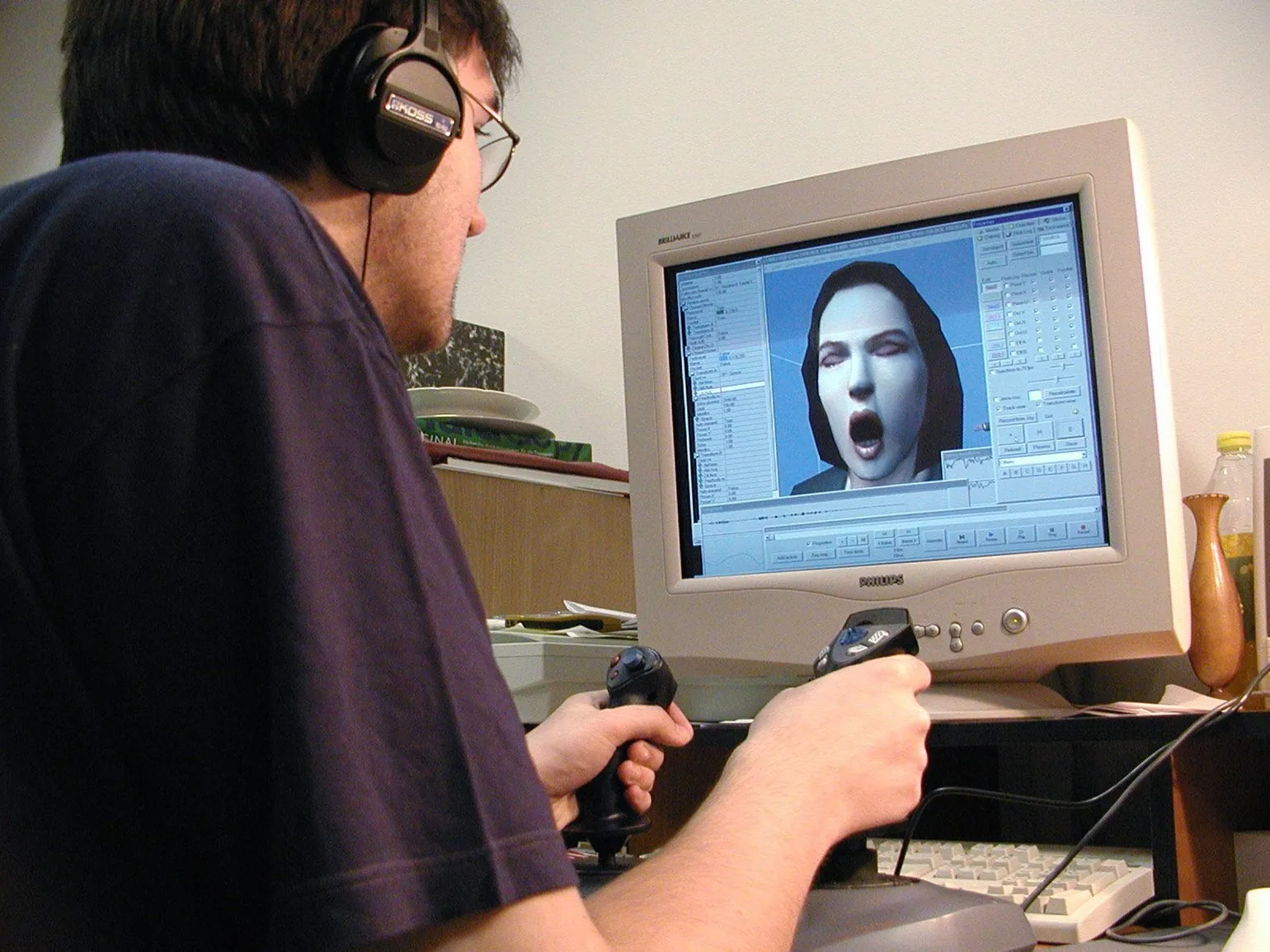
A unique technology using joysticks was used to animate the characters. Character art director Roman Khladik noted that this solution allowed for high precision in creating facial expressions. The joystick became a convenient tool for controlling morphing, making the animation more realistic and lively. This innovative technique significantly improved the quality of the animation, adding depth and emotional expressiveness to each character.
The game features approximately two hours of cutscenes, rendered in real-time. The development team developed a unique video editing program and utilized one of the best motion capture systems, which enabled high-quality animation. This ensures a spectacular perception of the gameplay and creates a sense of immersion in the story.
The open world of Mafia was developed using 3ds Max, which made it possible to do without the traditional cubic grid inherent in many games of the early 2000s. This made it possible to create realistic landscapes with hills, winding roads, and a variety of architectural structures. The city in the game includes 400 unique structures, among which you can find skyscrapers, government buildings, and churches. This architectural diversity makes the game world memorable and impressive, significantly enhancing players' immersion in the Mafia atmosphere.
The Unique Atmosphere of the World of Mafia: The City of Lost Heaven
Mafia: The City of Lost Heaven takes place in the fictional city of Lost Heaven, a combination of American metropolises of the 1930s. This city clearly displays the influence of major cities such as Chicago and San Francisco, creating a unique atmosphere and immersing the player in the world of gangsters. With its detailed streets and historical architecture, Lost Heaven allows players to experience the spirit of the times, where criminal showdowns and the struggle for power in the criminal underworld take place. The game offers not only an engaging storyline but also the opportunity to explore this fascinating and dangerous world, making it an integral part of the genre.
The developers aimed not only to create an accurate replica of the real city, but also to create a fictional space in which the player could immerse themselves in the atmosphere of the criminal underworld. Lead writer and project manager Daniel Vavra noted that "our goal was to unfold the story in a typical American city of the 1930s, but we aimed to make it fictional, since replicating a real city would have been impractical." This approach contributed to a deeper and more detailed gaming experience, allowing players to better experience the uniqueness and atmosphere of the game.
While the game does not belong to the traditional sandbox genre, it places an emphasis on a well-developed storyline and a unique atmosphere. The developers strove to create an opportunity for the player to experience the life of a gangster, and the city plays a key role in this process. Lost Heaven becomes your territory, where the main part of the narrative unfolds, enhancing immersion in the game world and interaction with the environment.
Gameplay and Realism in Mafia: The City of Lost Heaven
Mafia: The City of Lost Heaven is not just a video game, but a deep simulation of the 1930s criminal underworld. Every gameplay element is designed with maximum attention to detail, creating a unique atmosphere of that time. One of the most memorable missions is a race through the city streets, where realism is evident in every aspect, from the car physics to the police response to violations. This game offers players not only exciting missions, but also the opportunity to immerse themselves in a historical era and experience all the nuances of life in the criminal world.
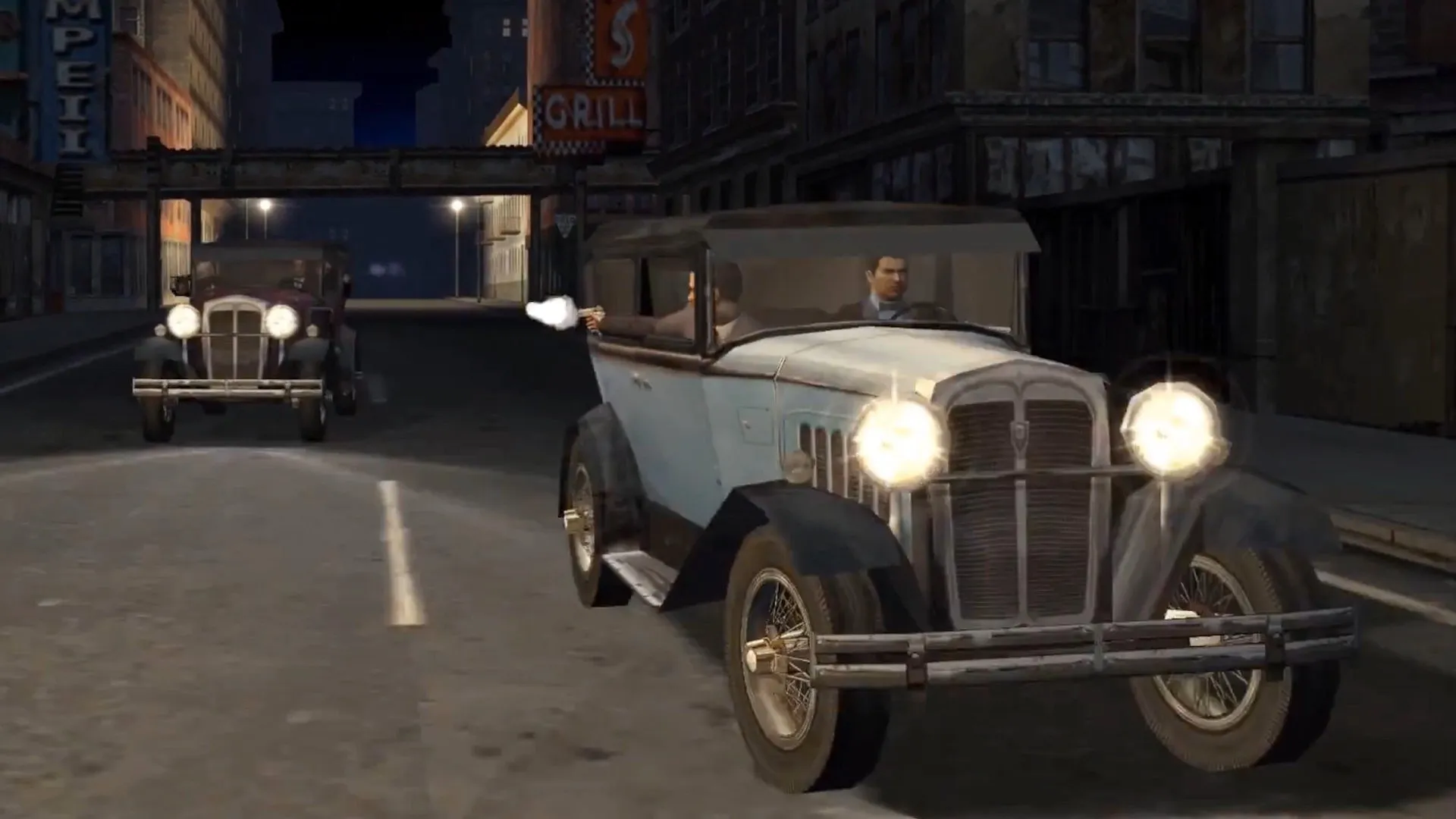
In this game, shootouts require careful tactical planning. The protagonist, Tommy Angelo, can't rely on quick health regeneration, as first aid kits are extremely rare, and enemies have limited ammunition. This creates a tense atmosphere in every shootout, where the slightest mistake can lead to serious consequences. Players must think through their actions, use cover, and choose the optimal moment to attack to survive in the brutal world of the game.
Daniel Vavra, development director, emphasizes that Mafia: The City of Lost Heaven features a lot of violence, but the team tried to minimize the body count. The main goal was to create a high-quality gaming experience where enemies always have a compelling reason to appear. This philosophy gives the game its uniqueness and distinguishes it from other representatives of the shooter genre.
Multi-genre is one of the key features of Mafia: The City of Lost Heaven. In a number of missions, the game takes on stealth action elements, significantly adding variety to the gameplay. For example, in the steamship mission, Tommy disguises himself as a sailor, requiring players to employ cunning and strategy to successfully complete the mission. This combination of genres makes the game more engaging and allows each player to tailor their playstyle.
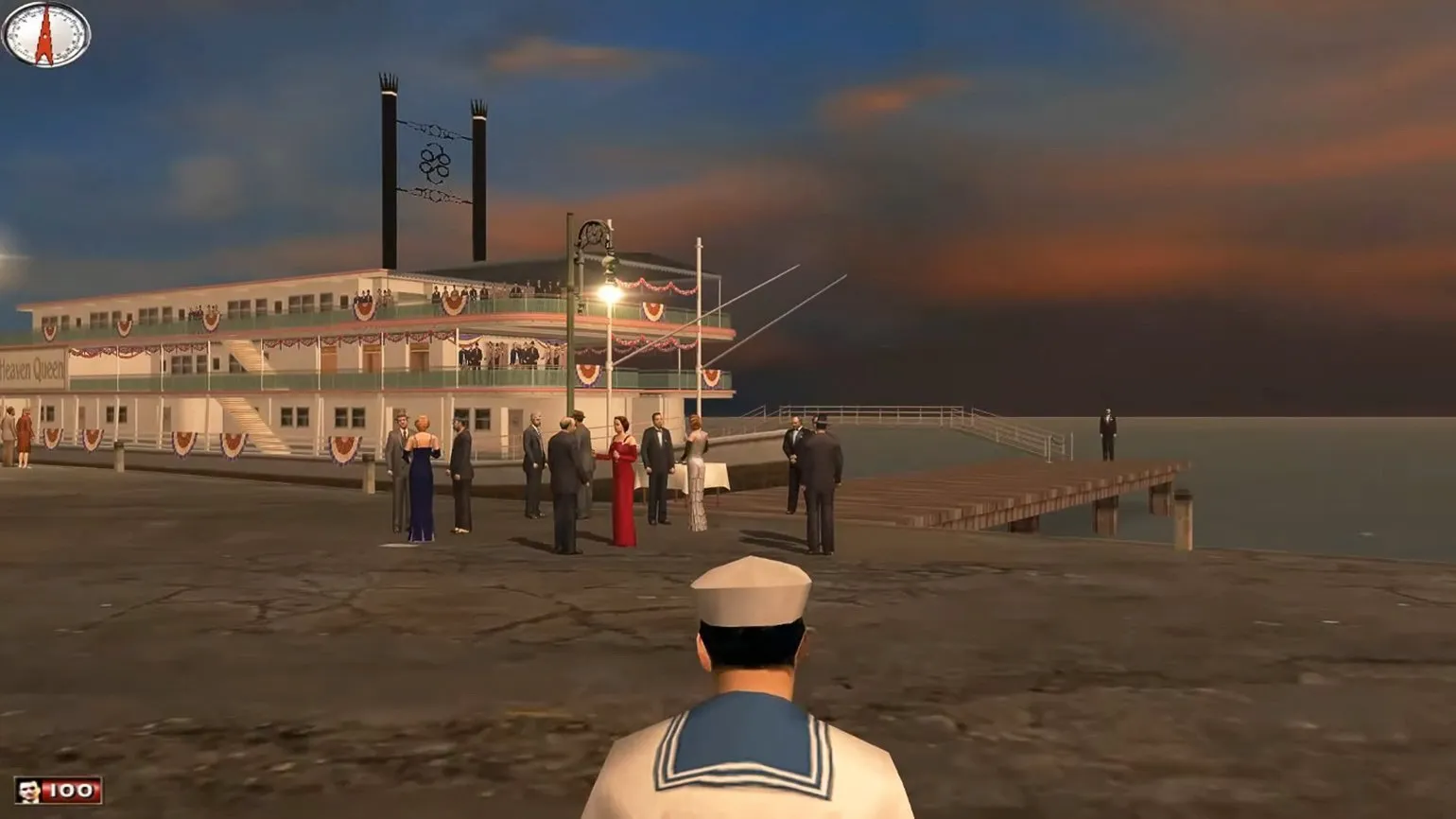
The variety of missions in Mafia: The City of Lost Heaven creates a unique immersion in a multi-layered story. Players encounter a variety of contrasting events that help to deeper understand the characters and their motivations. Each task is an important element of a single narrative, which makes the gameplay unforgettable. The variety of missions not only enriches the gaming experience, but also promotes emotional engagement, allowing players to fully experience the atmosphere of the criminal world.
Why Mafia became a cult game
The success of Mafia: The City of Lost Heaven is due to the innovative approach of the developers, who sought to offer players a unique experience and deep emotions not previously seen in other projects. At the time, the gaming industry was just beginning to explore complex narrative structures, making Mafia a pioneer in this field. The game attracted attention thanks to its well-developed story, vibrant characters, and atmospheric world that immerses the player in the criminal underworld of the 1930s. Not only was the project commercially successful, but it also had a significant influence on the genre, setting new standards for future games. Daniel Vávra, the game's lead developer and writer, shares his memories: "I had no experience, but the desire to create something unique inspired me. The lack of anything else inspired my creativity. I was proud to have completed the project, and even prouder that the final product almost perfectly matched the original concept." His words emphasize the importance of creativity and perseverance in the gaming industry, as well as the significance of implementing original ideas.
Mafia gained popularity thanks to its unique gameplay and captivating storyline inspired by classic gangster films. Each episode immerses players in different aspects of the criminal underworld, combining tense shootouts with comedic dialogue and romantic moments. This multi-layered approach makes Mafia not only a captivating entertainment, but also a true work of art that leaves a lasting impression and is remembered for a long time.
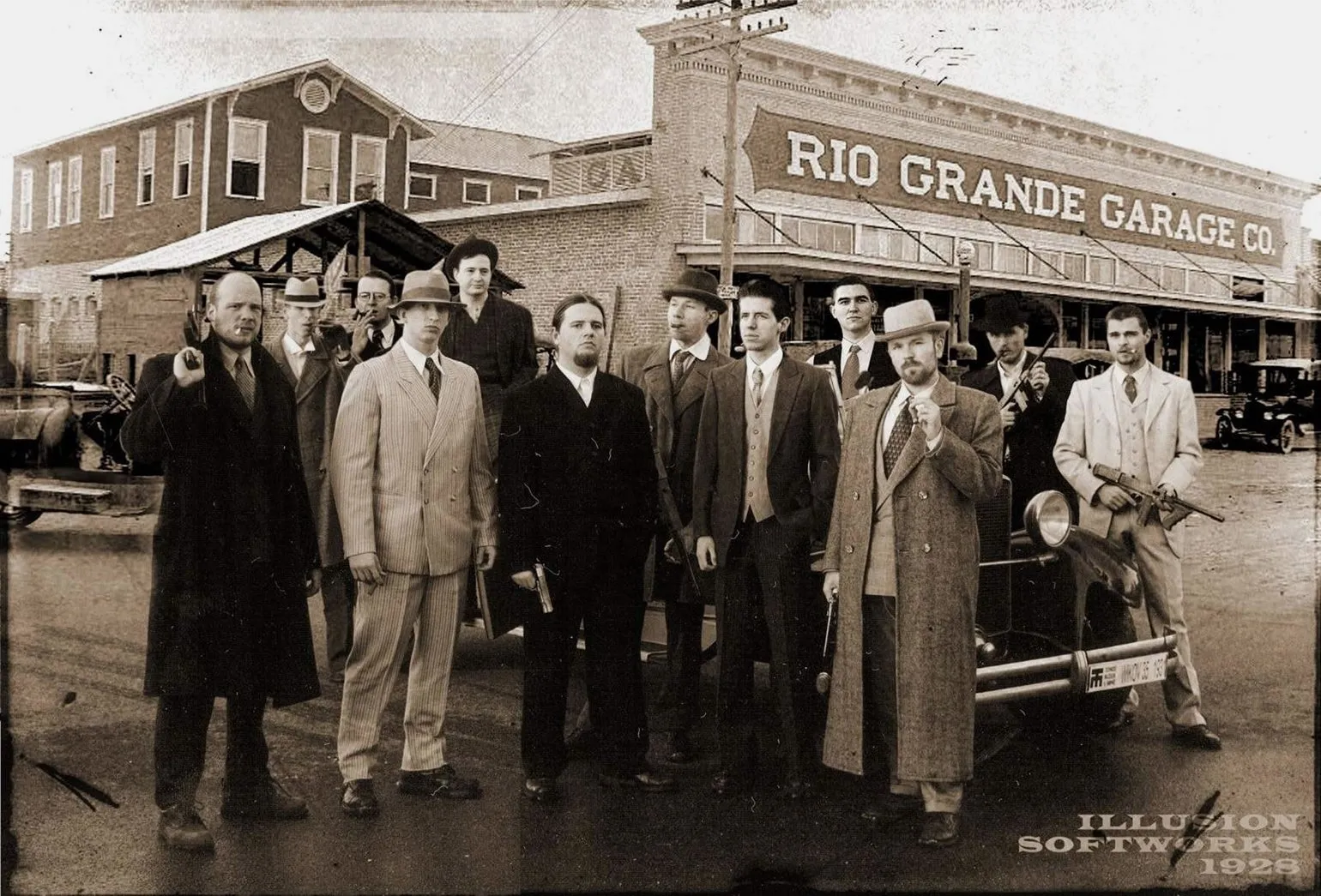
One of the main aspects that sets Mafia apart from other projects is its dark and realistic approach to the criminal underworld. Unlike many gaming titles, where the main characters often escape punishment, the plot here ends tragically, emphasizing that crime always entails consequences. Players observe how their decisions and actions directly affect the fates of characters, which adds depth and emotional richness to the gameplay. This makes Mafia not just an entertainment product, but a true exploration of moral dilemmas and responsibility for one's actions in the world of crime.
The game Mafia: The City of Lost Heaven forms a holistic perception with a dark atmosphere, evoking a deep sense of sadness and a bitter aftertaste in players after a tragic ending. These rare emotions are masterfully conveyed through the story and gameplay mechanics, creating a unique experience that lingers in the memory.
"I continue to receive letters from devoted fans who have played the game many times and still love it. This game truly has a soul, and I am truly grateful to everyone who feels that,” Vavra says.
Read also:
Noir in video games: the influence of mid-20th-century films on L.A. L.A. Noire, BioShock, and Max Payne
Noir as a style has had a significant influence on video games, particularly in titles like L.A. Noire, BioShock, and Max Payne. These games not only adopted elements of the visual style and atmosphere of classic film noir but also integrated them into their narratives and mechanics.
L.A. Noire is a prime example, immersing players in post-war Los Angeles while investigating crimes and solving mysteries. The use of lighting, shadows, and realistic graphics creates a film noir feel, making the game unique. The deep story and developed characters evoke classic film noir stories, where moral dilemmas and the dark side of human nature play a key role.
BioShock also draws inspiration from noir culture, combining elements of science fiction and detective fiction. The atmosphere of an underwater city, rife with corruption and moral conflict, creates a sense of hopelessness characteristic of film noir. The characters, with their internal conflicts and complex motivations, make the game a truly profound work.
Max Payne, in turn, uses elements of film noir to create a dark story of revenge and lost hope. The comic book style and dialogue typical of the genre underscore the tension of the plot. Max Payne's antihero character embodies all the hallmarks of film noir, immersing players in a dark world of betrayal and loss.
Thus, the influence of film noir on video games helps create an unforgettable experience where elements of film and literary genres combine to form unique and memorable stories.
Want to become a game designer? Learn 7 key steps to launching your career and mastering popular engines! Read the article!
Find out more