Contents:
Learn: Level Designer
Learn MoreHide Game Map Contents
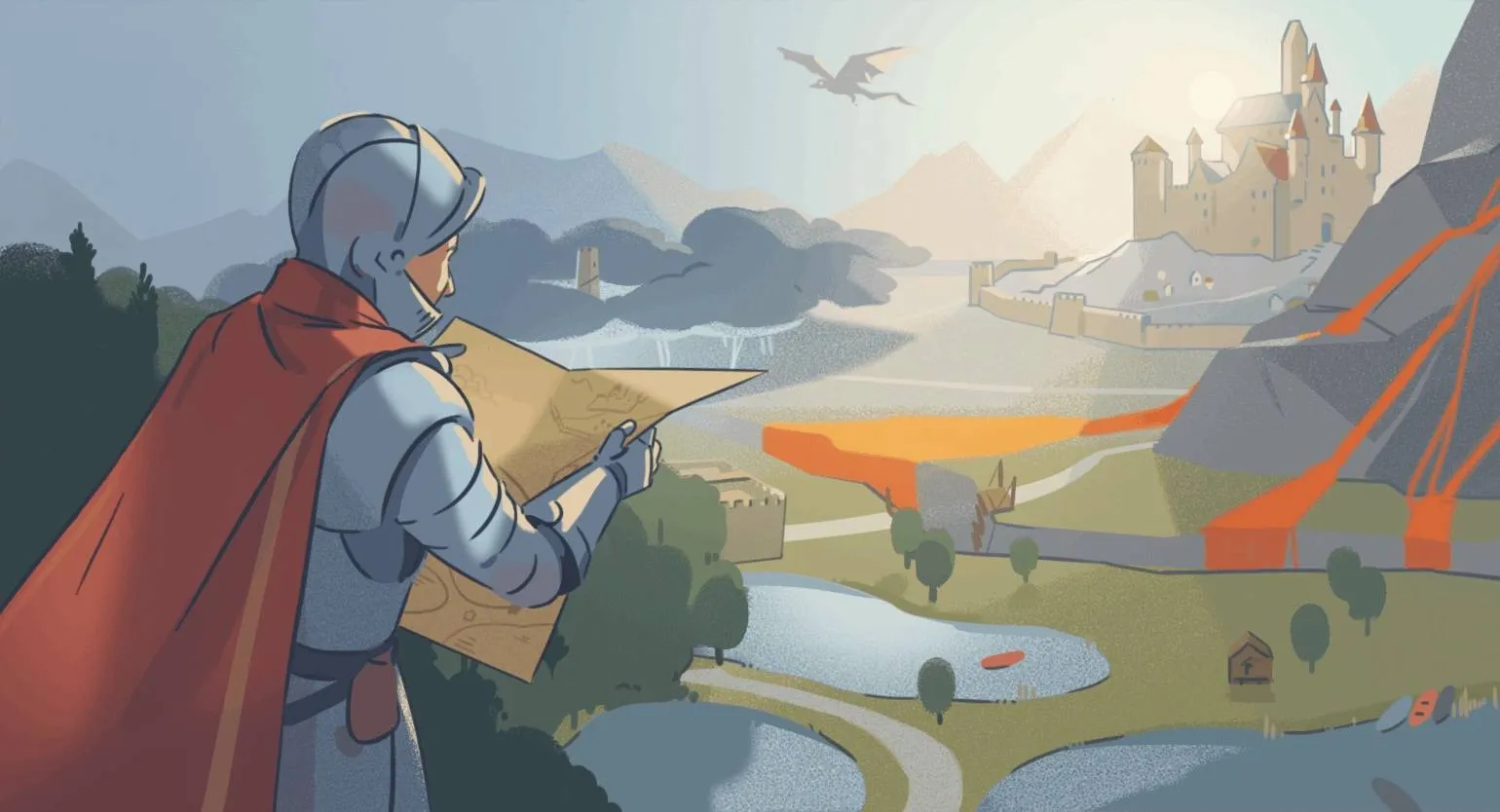
Open worlds in games serve several key functions that significantly enrich gameplay and player interaction with the virtual environment. Adam Robinson Yu, creator of A Short Hike, best emphasizes the importance of an open world, arguing that it gives players freedom of exploration and expression.
Open-world games create a unique atmosphere, allowing players to immerse themselves in vast locations where they can choose their own route and playstyle. This not only increases engagement but also allows each player to create their own experience, making every gaming session unique.
Furthermore, an open world promotes deeper engagement with the story and characters. Players can explore details of the world that emphasize and expand on the main story, allowing them to better understand the motivations of the characters and the context of events.
Thus, an open world in games is not just a design element, but an important aspect that influences the perception of the game and interaction with it. It provides players with freedom and choice, which in turn makes the gameplay more engaging and rich.
The freedom to choose the direction in the game gives it a unique atmosphere. Each unfamiliar path promises new adventures and opportunities. I aimed to create a feeling in players that every step forward opens the way to new discoveries and surprising moments.
Adam Robinson Yu is the developer and creator of the popular indie game A Short Hike. Released in 2019, this game attracted players with its unique style and atmospheric gameplay. In A Short Hike, players explore picturesque landscapes, interact with various characters, and enjoy a peaceful atmosphere. Adam Robinson Yu's work and approach to game creation emphasize the importance of simplicity and expressiveness in game design, making his projects particularly appealing to a wide audience. Open-world games are designed to awaken the player's instinct to explore. To achieve this, the game world must be expansive and filled with secrets. Every detail, every corner of the game should encourage exploration and discovery, creating a sense of endless possibilities. It is important that players feel like they are part of a living world, where every step can lead to an unexpected discovery.
In order for the player To create a sense of immersion, it's important to conceal open-world elements. It's recommended to avoid activity icons and GPS navigation, which have been so frequently used by game developers over the past two decades. If the player knows in advance where they should go and what awaits them there, discoveries and secrets lose their appeal, turning into a simple checklist. Creating intrigue and an element of surprise in gameplay fosters deeper engagement and improves the overall experience.
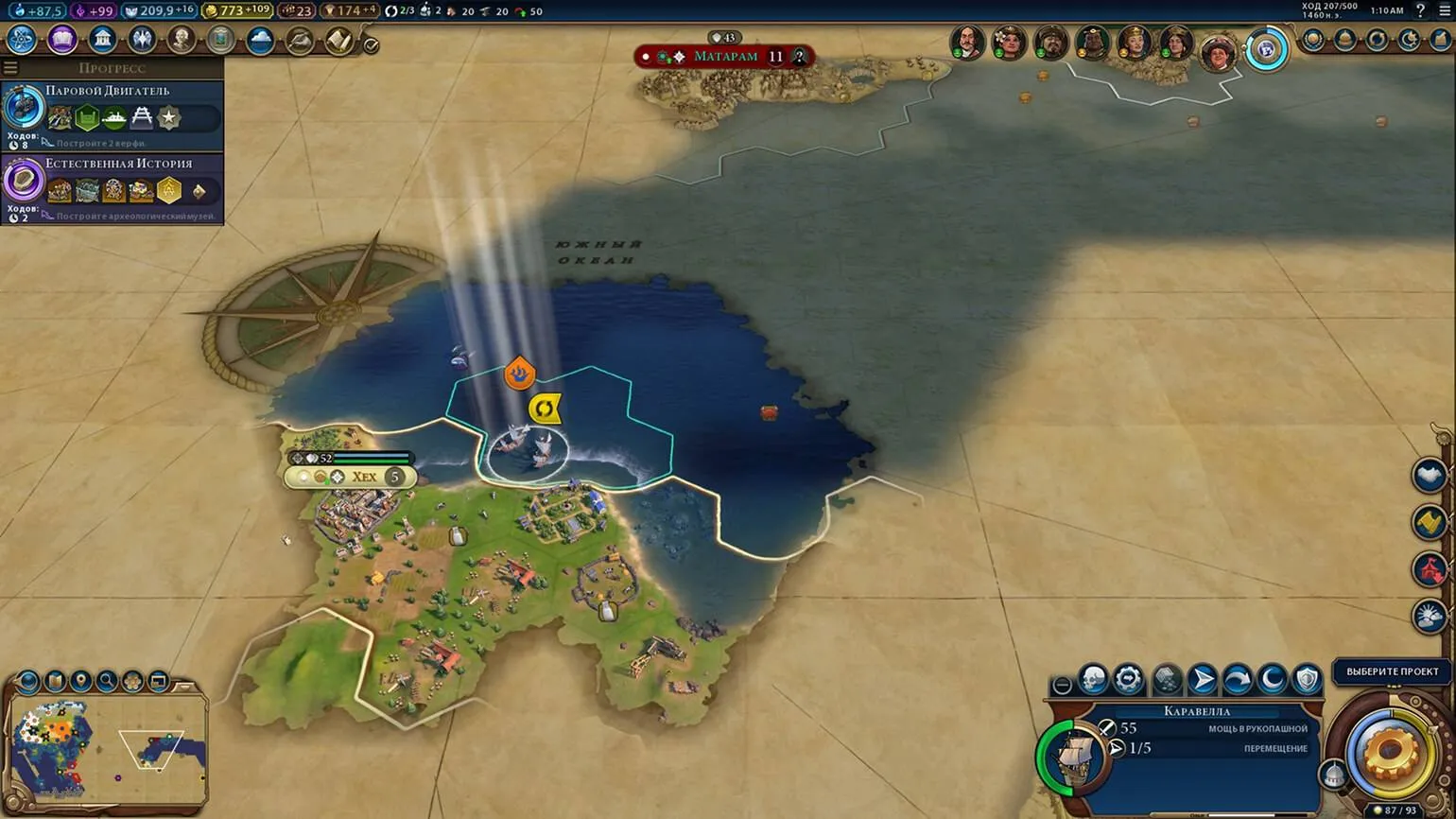
You can delve deeper into the use of a gameplay element known as fog of war, popularized by strategy games like Sid Meier's Civilization. This element adds intrigue and tension to gameplay by concealing unexplored areas of the world. The fog of war not only enhances the strategy elements, but also provides players with the opportunity to explore and discover new areas, making the gaming experience more immersive and engaging.
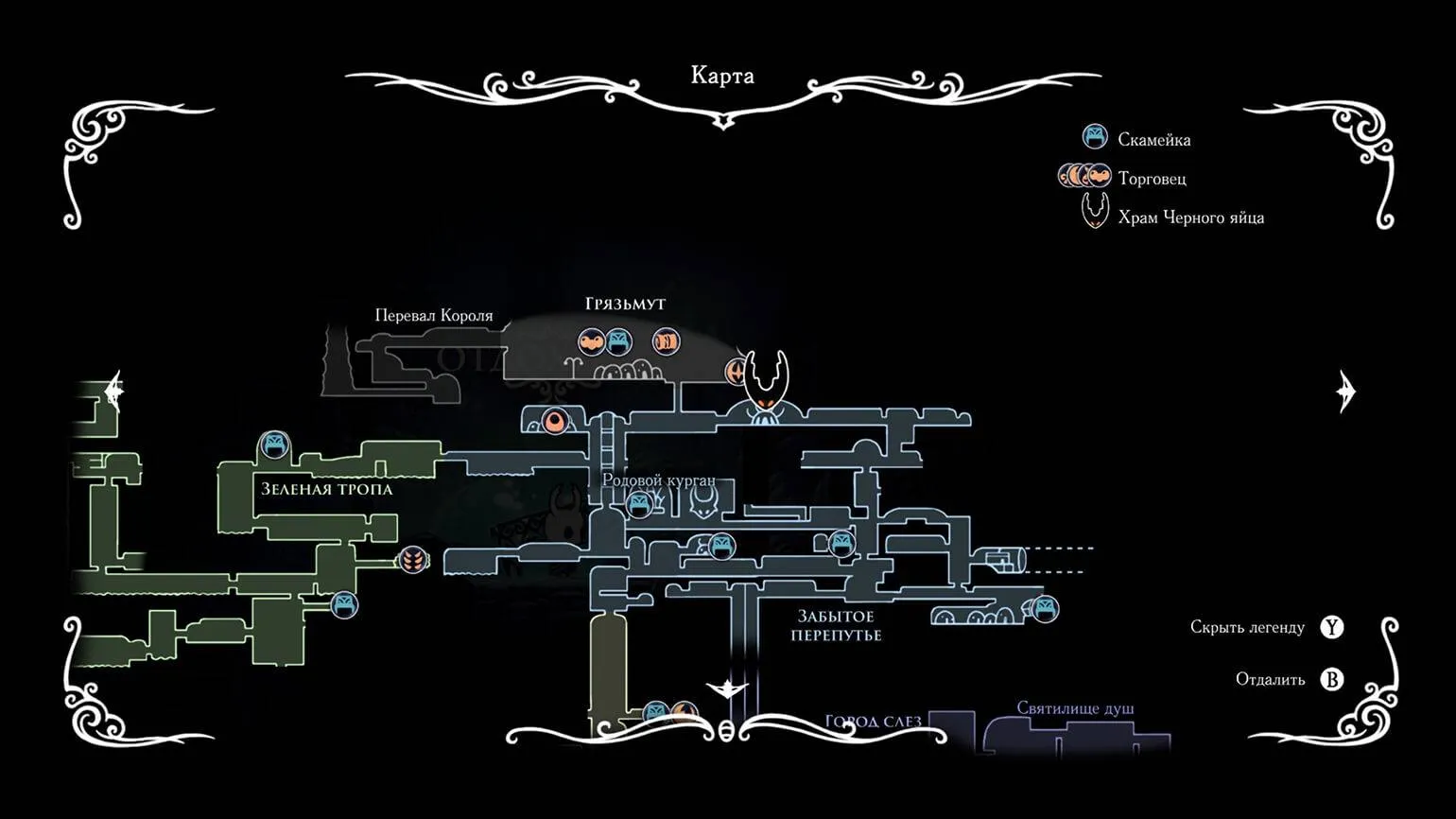
In the hands of an experienced developer, this mechanic can be an effective tool for increasing player engagement. For example, in the Metroidvania Hollow Knight, players enter new areas without a map. To access a map, they must find a cartographer and purchase a blueprint of the area, which will be filled with details as they explore. This approach not only enhances the sense of adventure but also encourages players to thoroughly explore the surrounding world, discovering new secrets and possibilities.
The game mechanics may seem complex and frustrating for some players, but they also spark curiosity and create intrigue. Through this gameplay, players can gradually uncover secrets and explore the hidden dimensions of the kingdom of Hallownest, making the gaming experience more immersive and engaging.
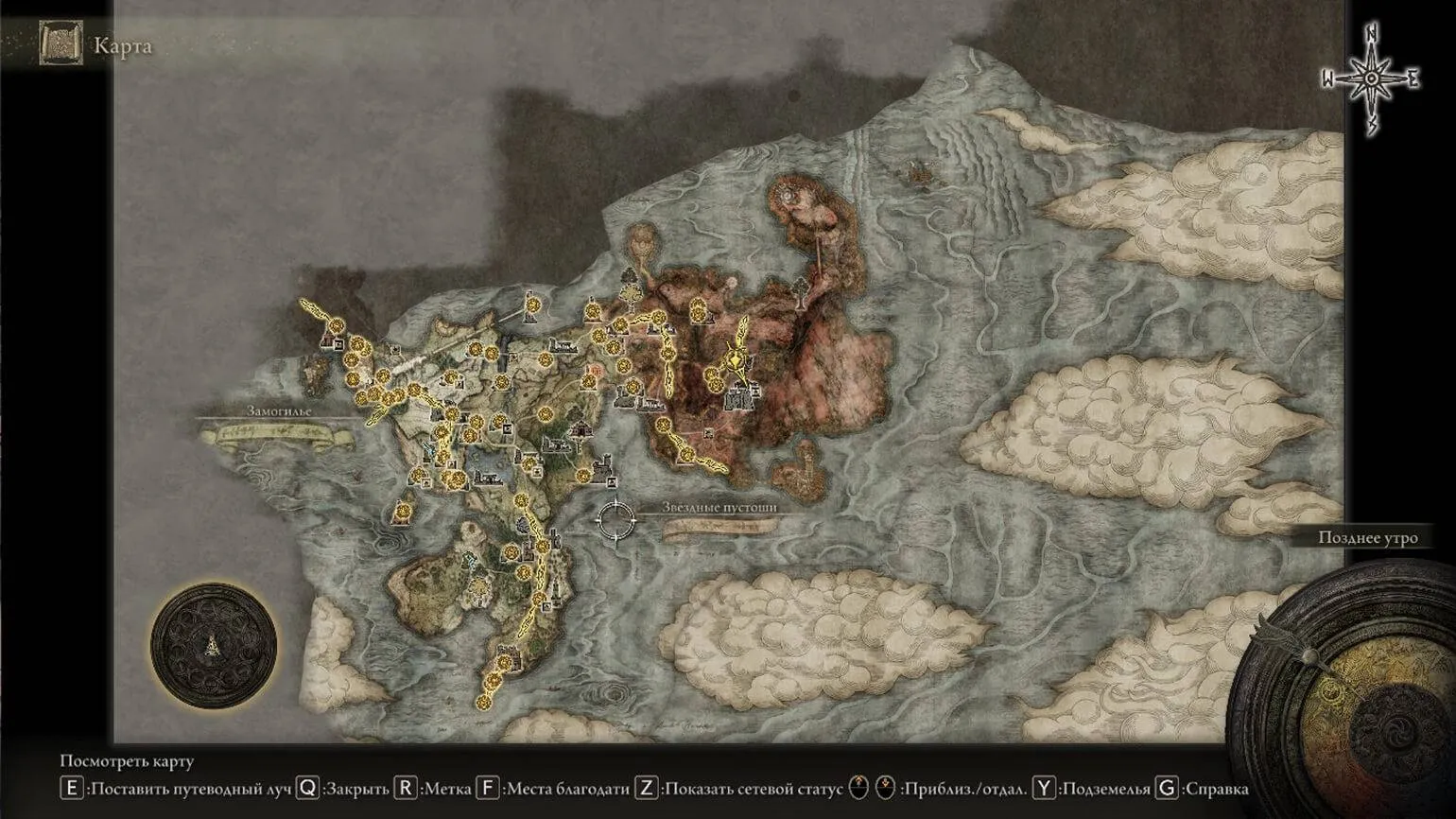
In Elden Ring, the fog of war manifests itself in particularly creative ways. The game may not seem like much at first glance: the starting area is spacious but unimpressive. However, the fog of war, which obscures significant sections of the map, is easily traversed. Map fragments can be found at nearby waystones, clearly visible on the map. This adds an element of exploration and encourages players to delve deeper into the world, discovering new locations and opportunities.
The surprises begin the moment players encounter the first portal. It may look like a teleporter or be hidden under a regular loot chest, but either way, it will transport you to an unexplored part of the game world. At this point, the map dramatically increases in size—doubling, tripling, or even quadrupling it. You realize that the previously explored area represents only a small part of a vast world, and familiar lands are hidden behind thick fog. These unexpected discoveries add elements of adventure and exploration, encouraging players to delve into new locations and uncover their secrets.
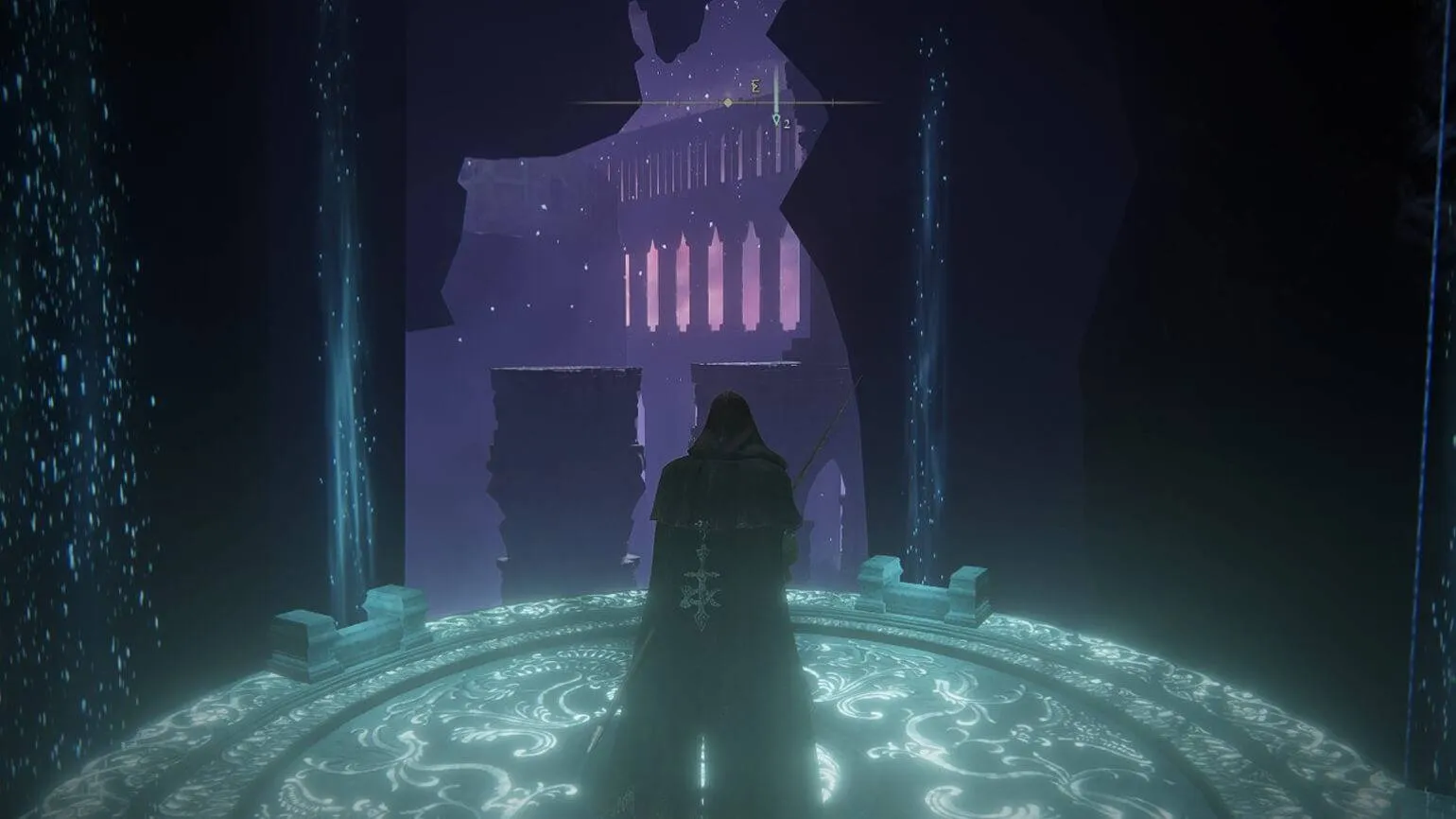
Elden Ring turns a simple exploration mechanic into a captivating adventure. When you reach the edge of the map, it unexpectedly expands. You might discover a new portal or passage to another location, or stumble upon an elevator that takes you deep underground. At that moment, you realize that beneath your feet lies a vast underground world full of secrets and mysteries. This surprising interaction with the game space creates unique moments and heightens the desire to explore every detail of the surrounding world.
The game's distances may be small, but the trick creates the impression of a large-scale and convincing fantasy universe. Game director Hidetaka Miyazaki explained that this effect is achieved through masterful design and attention to detail, allowing players to become completely immersed in the world and believe in its endless possibilities. This illusion is an essential part of the gameplay, fostering deep interaction with the environment and characters.
Creating adventures and memorable moments requires an element of the unknown. The unknown inspires exploration, fosters discovery, and allows for unique emotions. It is this unknown that makes each adventure special, filling it with unexpected twists and vibrant experiences. Without this element, it is difficult to imagine a truly exciting journey that will leave a deep imprint on memory.
Main The idea behind Elden Ring and most of the games discussed in this article is to create a sense of discovery in the player. To achieve this effect, the developers intentionally conceal information and elements that the player is about to discover. This creates an atmosphere of mystery and exploration, which significantly increases engagement and the desire to see the game through to the end.
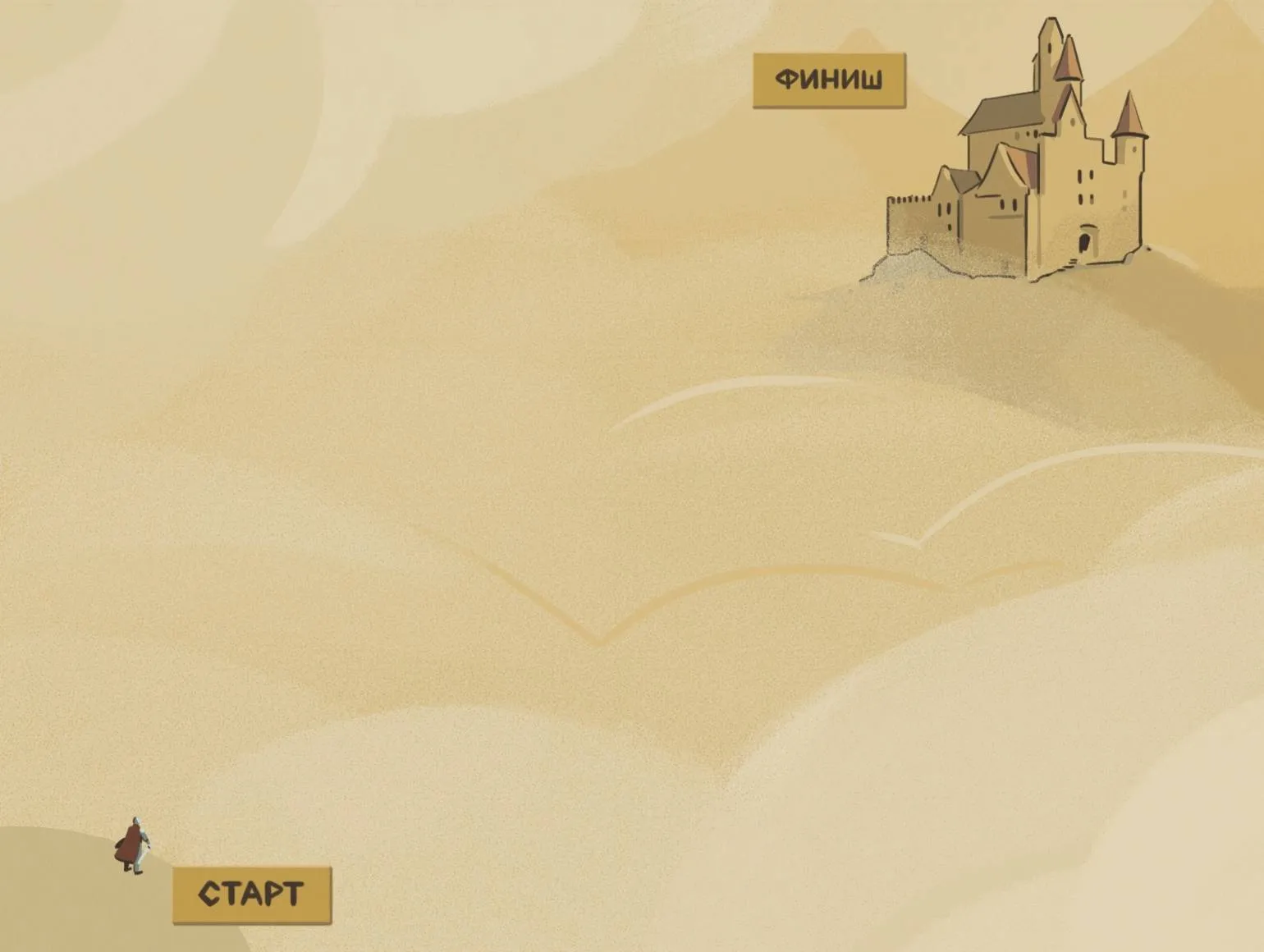
Limit the player's field of view.
The triangle rule, developed by the Nintendo team when creating The Legend of Zelda: Breath of the Wild, is an important aspect of the landscape design of the kingdom of Hyrule. According to this principle, the landscape should include triangular shapes, such as hills, cliffs, and mountains. This creates visual harmony and contributes to a better perception of the game world. This approach allows players to more easily navigate space and immerse themselves in the atmosphere of adventure, which makes the gameplay more engaging and interesting.
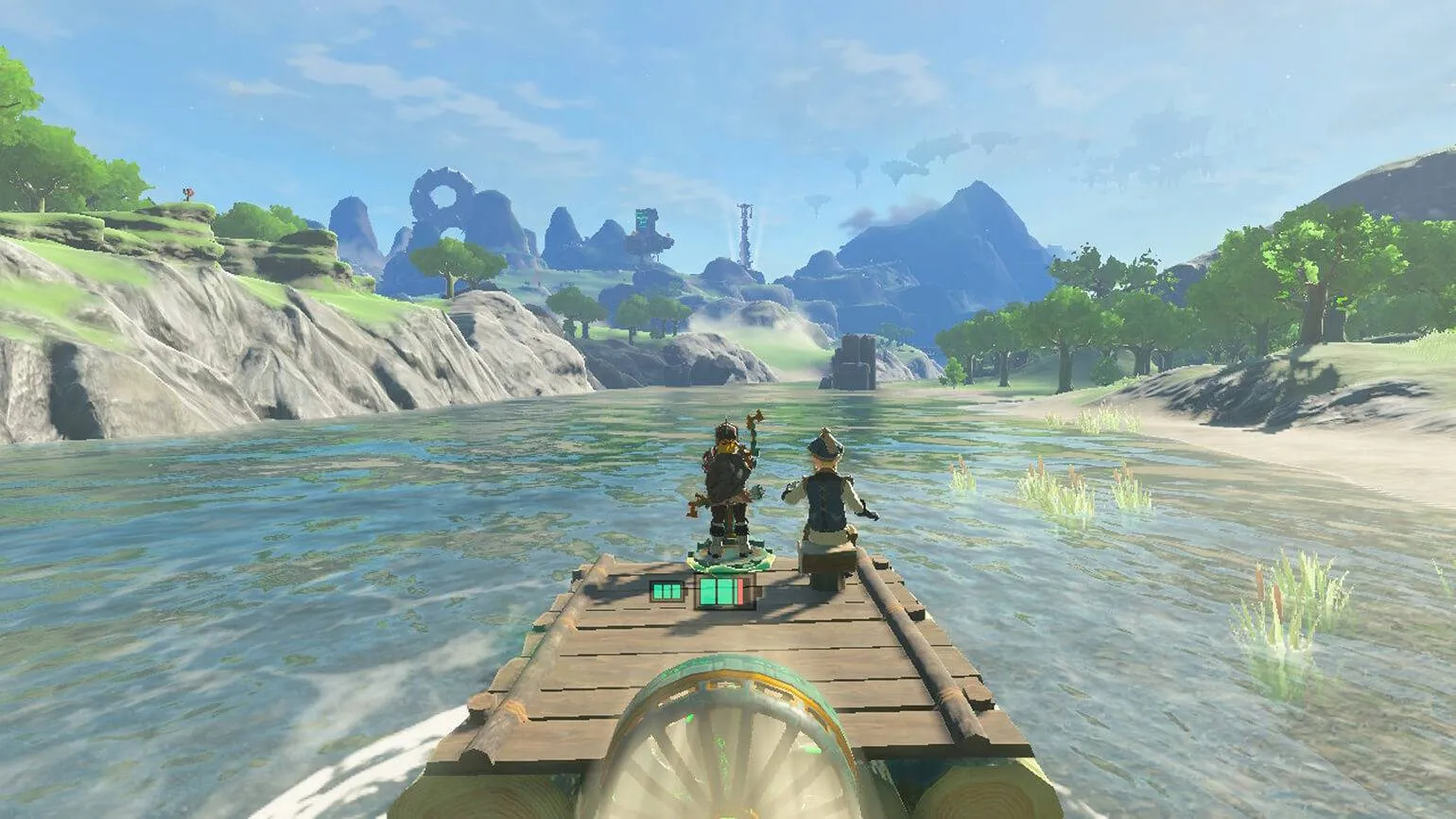
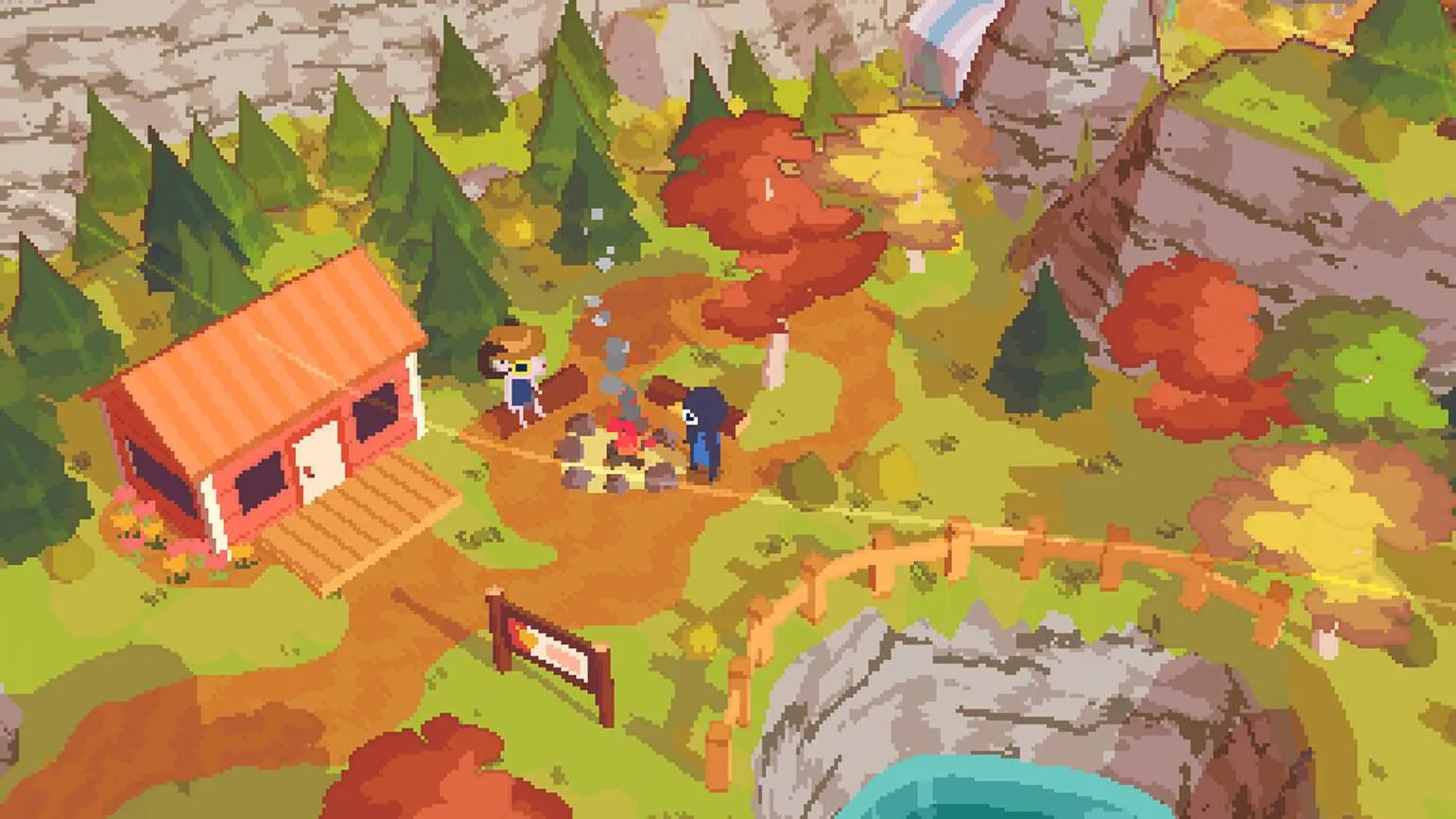
Mountain landscapes are an important element of open-world games. They create a unique atmosphere and immerse players in exciting adventures. Games such as The Elder Scrolls 5: Skyrim, GTA 5, Far Cry 4, and Elden Ring cannot do without picturesque mountain landscapes. In particular, the map of A Short Hike is located entirely on the slope of a single mountain, which emphasizes the importance of mountain elements in the design of game worlds. These natural formations not only add aesthetic appeal but also influence gameplay, providing players with new opportunities for exploration and interaction with the environment.
Mountains not only add verticality to the game landscape but also limit visibility, hiding part of the location from the player. This creates intrigue and piques interest: what awaits those who dare to cross the slope? Secrets and unexpected discoveries become an important part of the gaming experience, encouraging players to explore and discover new horizons.
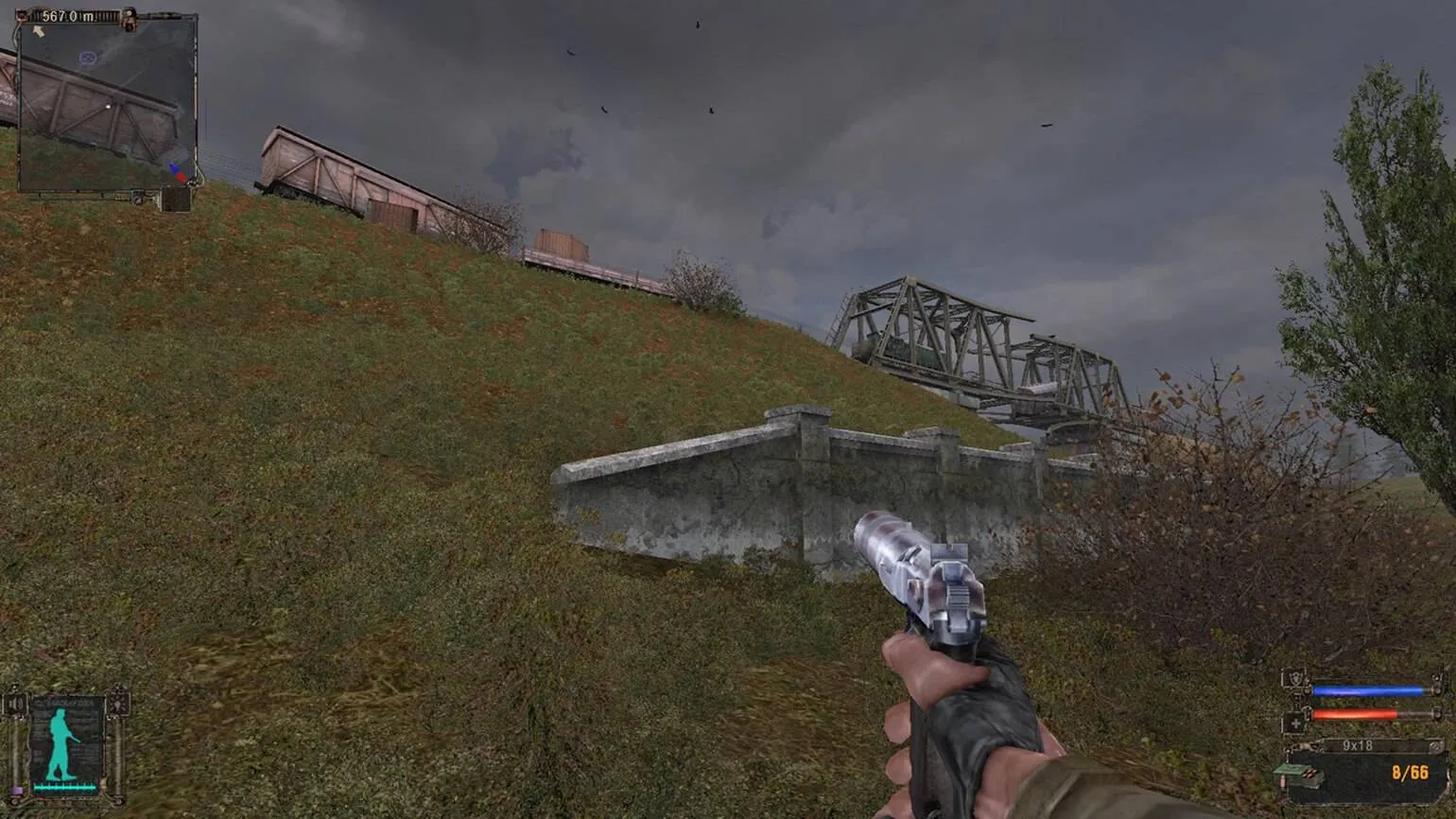
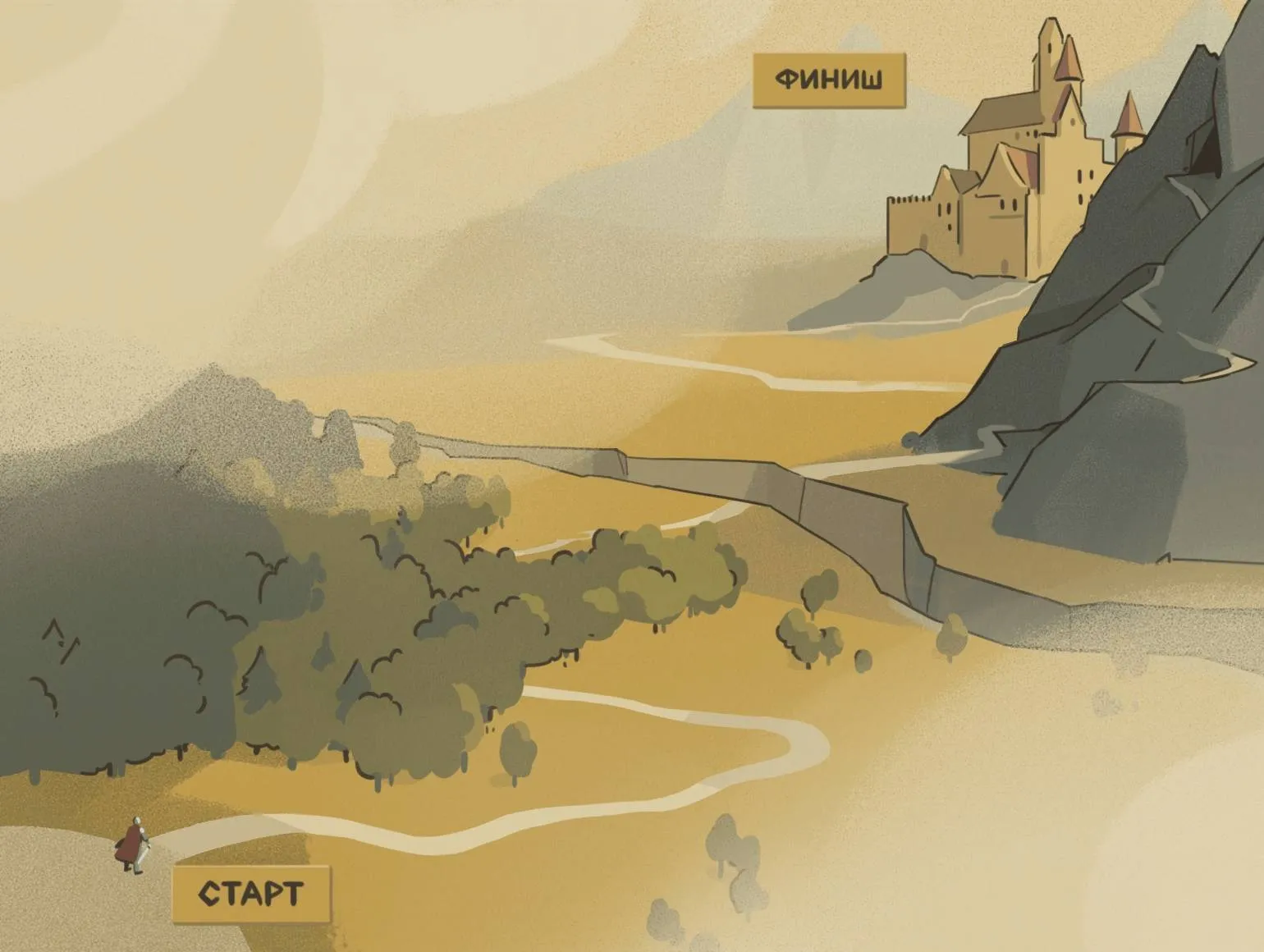
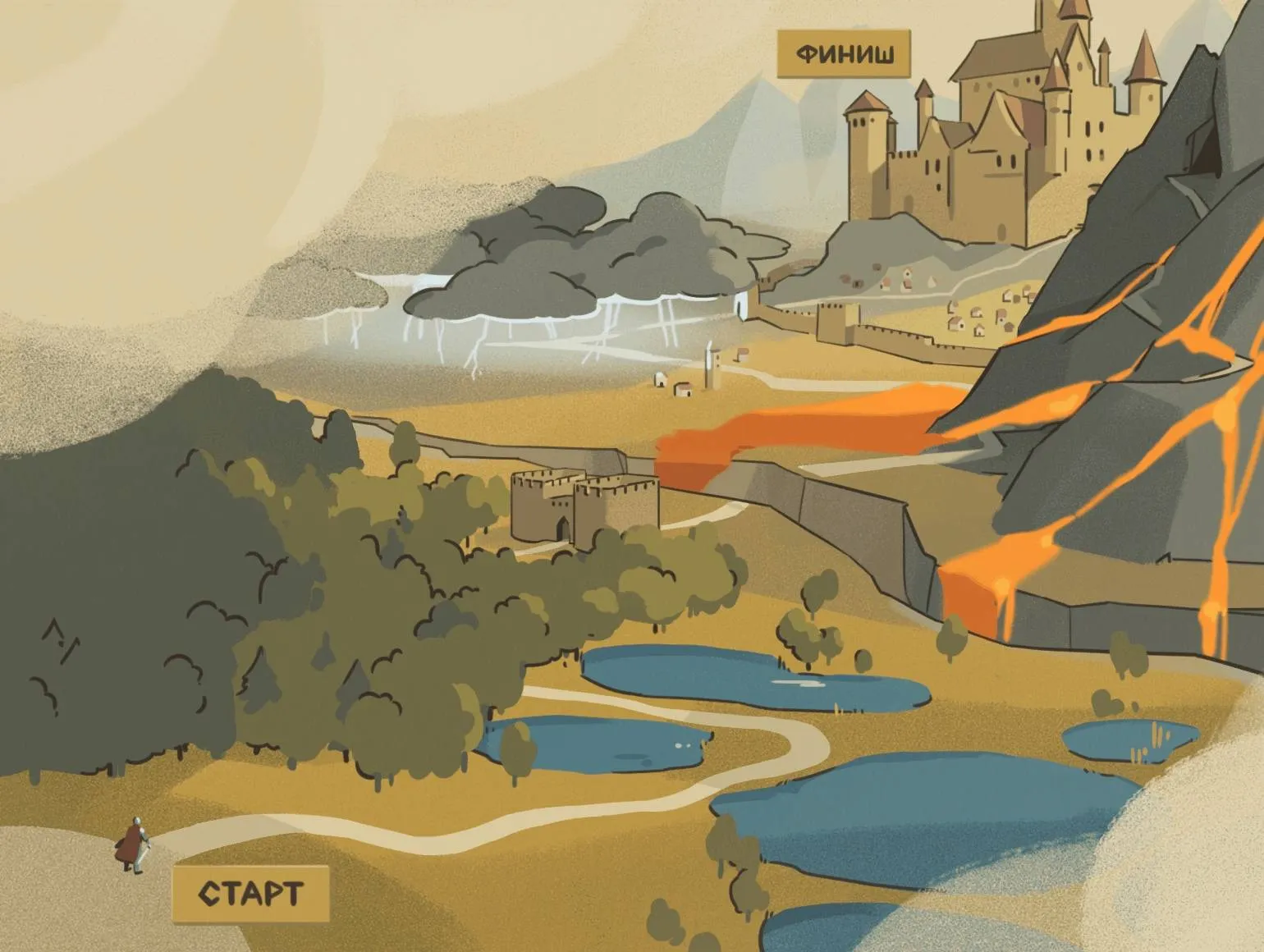
It is important to note that mountains are not the only obstacles that can be used. Tree groves, canyons, and railroad embankments can also act as barriers, obstructing a direct route to the finish line. These objects alter the route from point A to point B, turning it into a winding path where it's easy to get lost. Experienced travelers understand that such natural and artificial obstacles require special attention and navigation skills.
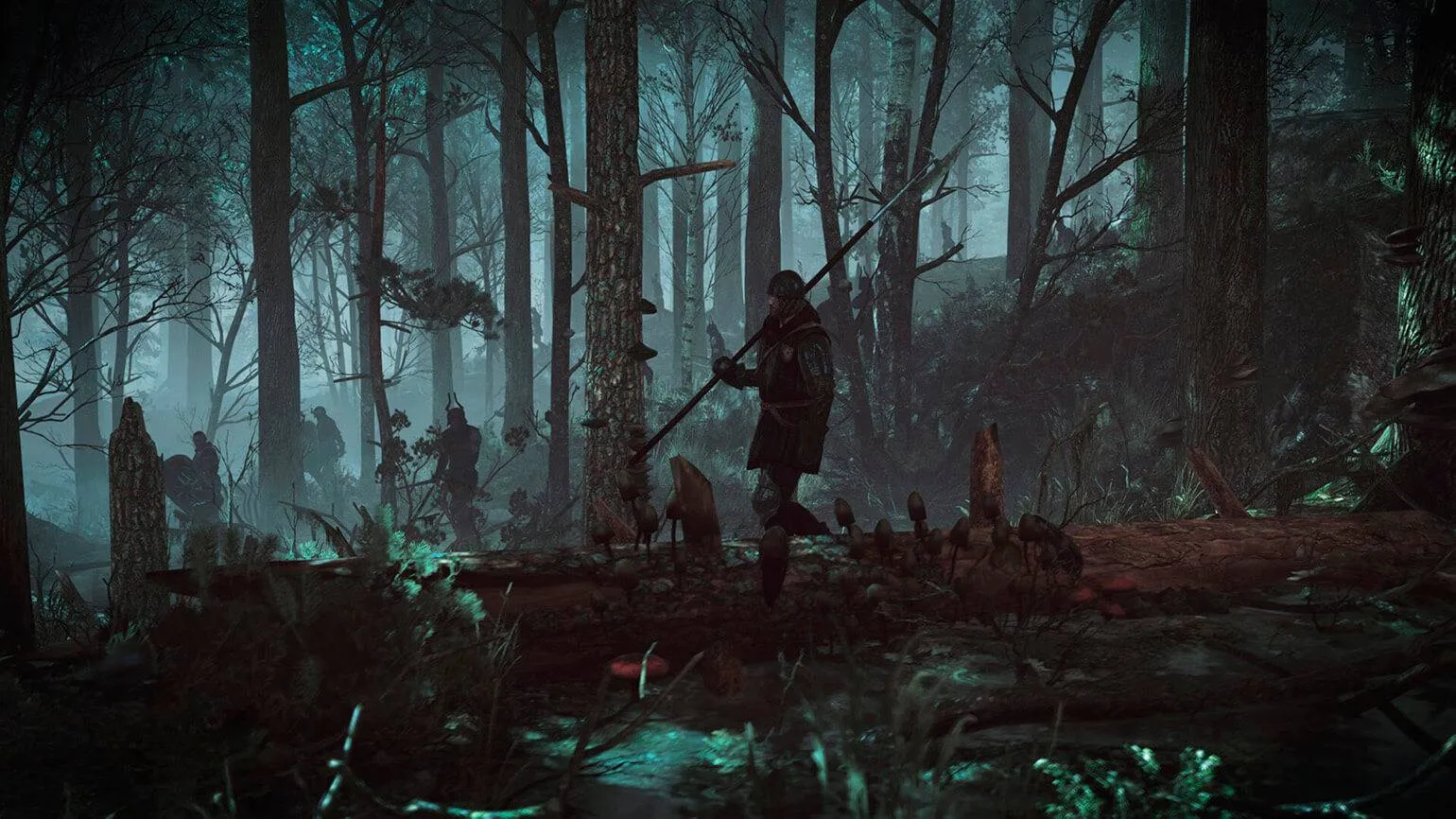
In an interview with Noclip, Miles Tost, level designer on The Witcher 3, shared the CD Projekt RED team's experience creating atmospheric, dark forests. He noted how important this element was for immersing players in the game's world. Tost described how the team experimented with lighting and environmental detail to create a sense of mystery and danger inherent in forest locations. These efforts not only improved visuals but also deepened the game's atmosphere, allowing players to feel the tension and beauty of the surrounding world.
We used the complex forest environment to create a unique gaming experience. The open world is designed so that, starting their journey, for example, from a village, the player can see the castle they are aiming for. However, halfway through, unexpected turns and difficulties await them that can lead them astray. This adds an element of exploration and adventure, making the gameplay more exciting.
In In Dredge, the game's limited field of view is created using simple weather effects. This project combines elements of a fishing simulator and Lovecraftian horror. Gameplay is divided into two distinct halves—daylight and night. During daylight hours, players can enjoy fishing and exploring the world, while nighttime brings an atmosphere of tension and unexpected dangers. This contrast creates a unique experience, forcing players to adapt to changing conditions and think strategically.
During the day, a light haze forms over the sea, increasing the visual distance between islands. At night, the fog thickens, significantly limiting visibility and creating conditions where only a few meters ahead of the ship are visible. Such atmospheric phenomena not only affect navigation, but also create a unique atmosphere, attracting the attention of sailors and tourists.
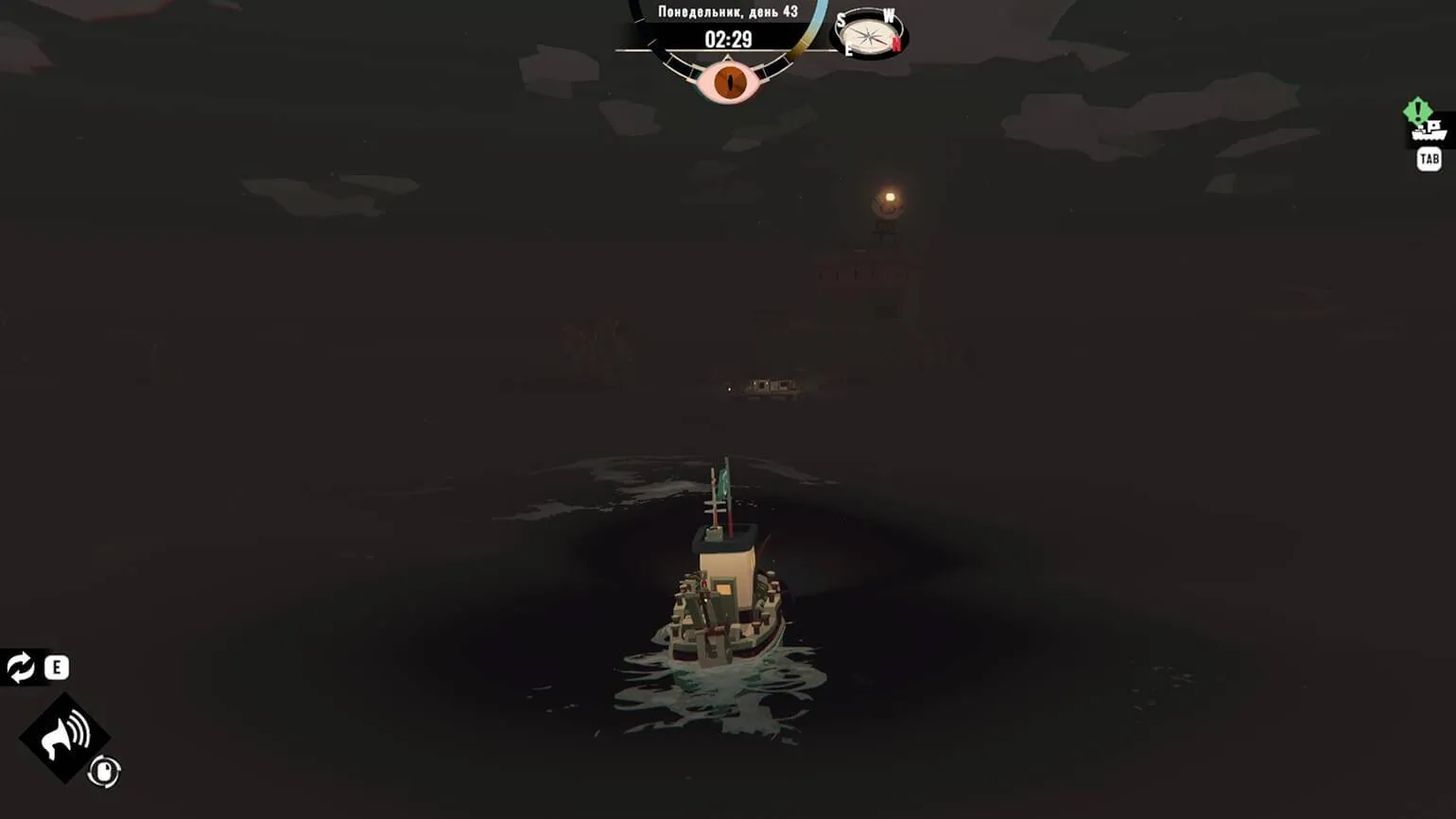
The game's art director, Michael Bastiens, emphasizes that it is difficult to judge distances and navigate in thick fog. Even with the ship's safety just a minute away, players have a hard time getting their bearings.
Make Key Locations Larger
As the landscape of your world becomes more complex, it becomes critical that objects don't get lost in the background. An effective solution to this problem is the use of gigantism. This technique allows you to highlight elements, making them more noticeable and eye-catching. Correct use of gigantism will help create a harmonious and attractive space, where each object plays its role without getting lost among the many details.
You can again turn to the example of Elden Ring. Despite the compact locations in this game, key objects are significantly larger than their real-life counterparts. This creates a unique sense of scale and immersion in the game world, captivating players and making each location memorable.
Storm Curtain Castle is the first key dungeon in the game and is an impressive architectural structure. According to Addypalloza, its main tower is 170 meters tall, making it taller than the Great Pyramid of Giza. This not only emphasizes the castle's grandeur but also creates a unique atmosphere for players exploring it. Storm Curtain Castle is not only important to the storyline, but also offers many quests and opportunities to interact with the world around you.
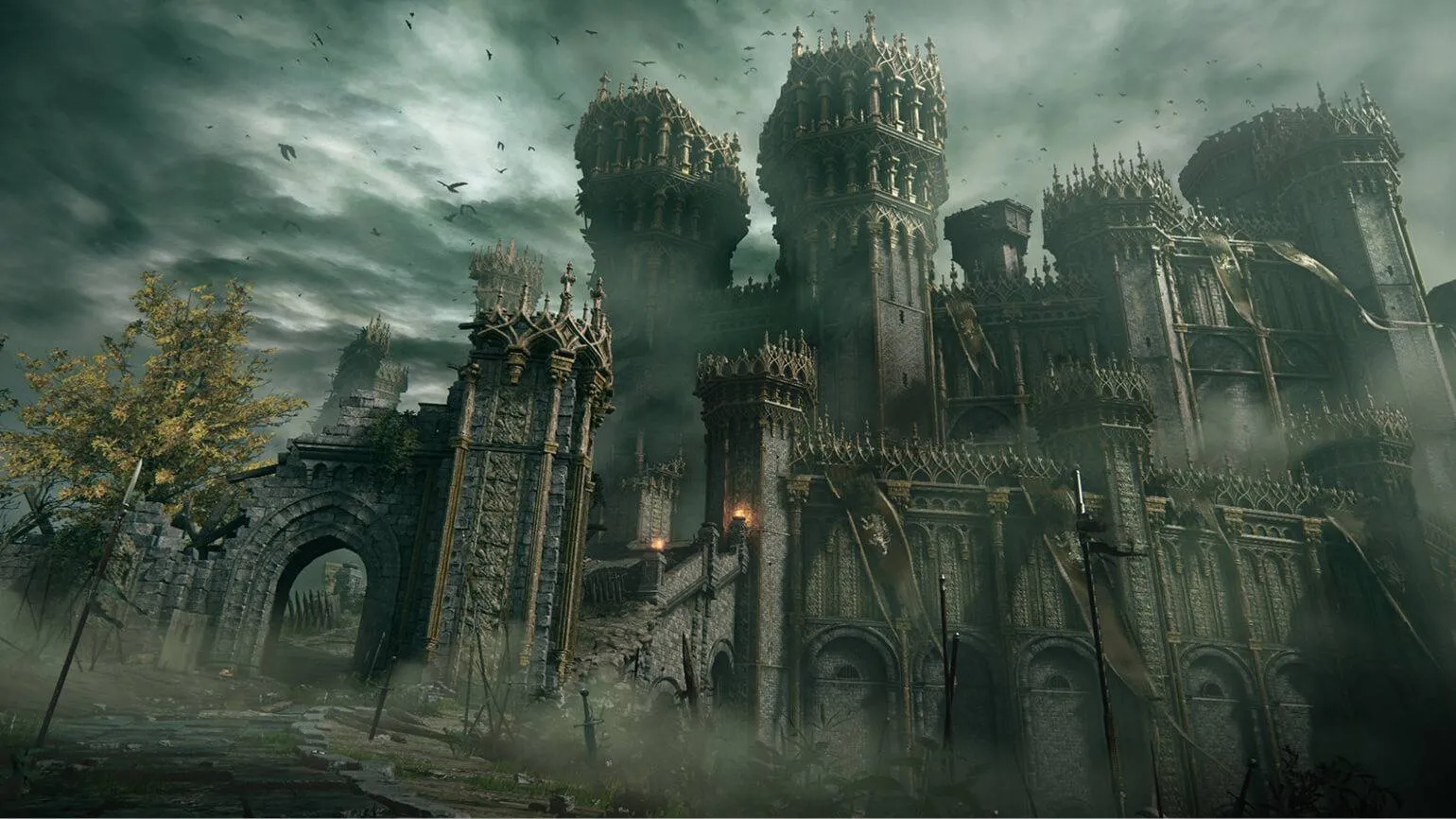
Lyndell, the capital of the Betweenlands, is impressive in scale. The city's fortified walls reach 265 meters in height, a significant architectural achievement in themselves. However, even these imposing walls cannot overshadow the majesty of the Erd Tree, located at the edge of the city. Its golden trunk and crown rise to a height of 4.5 kilometers, creating a mesmerizing sight. This unique natural feature attracts the attention of both locals and tourists, highlighting the beauty and grandeur of Lyndell.
It is important that key objects serve as noticeable visual landmarks. In this context, how their size affects the player's perception and interaction with the game environment is critical. Proper use of scale can enhance the gameplay experience and direct the user's attention to significant elements.
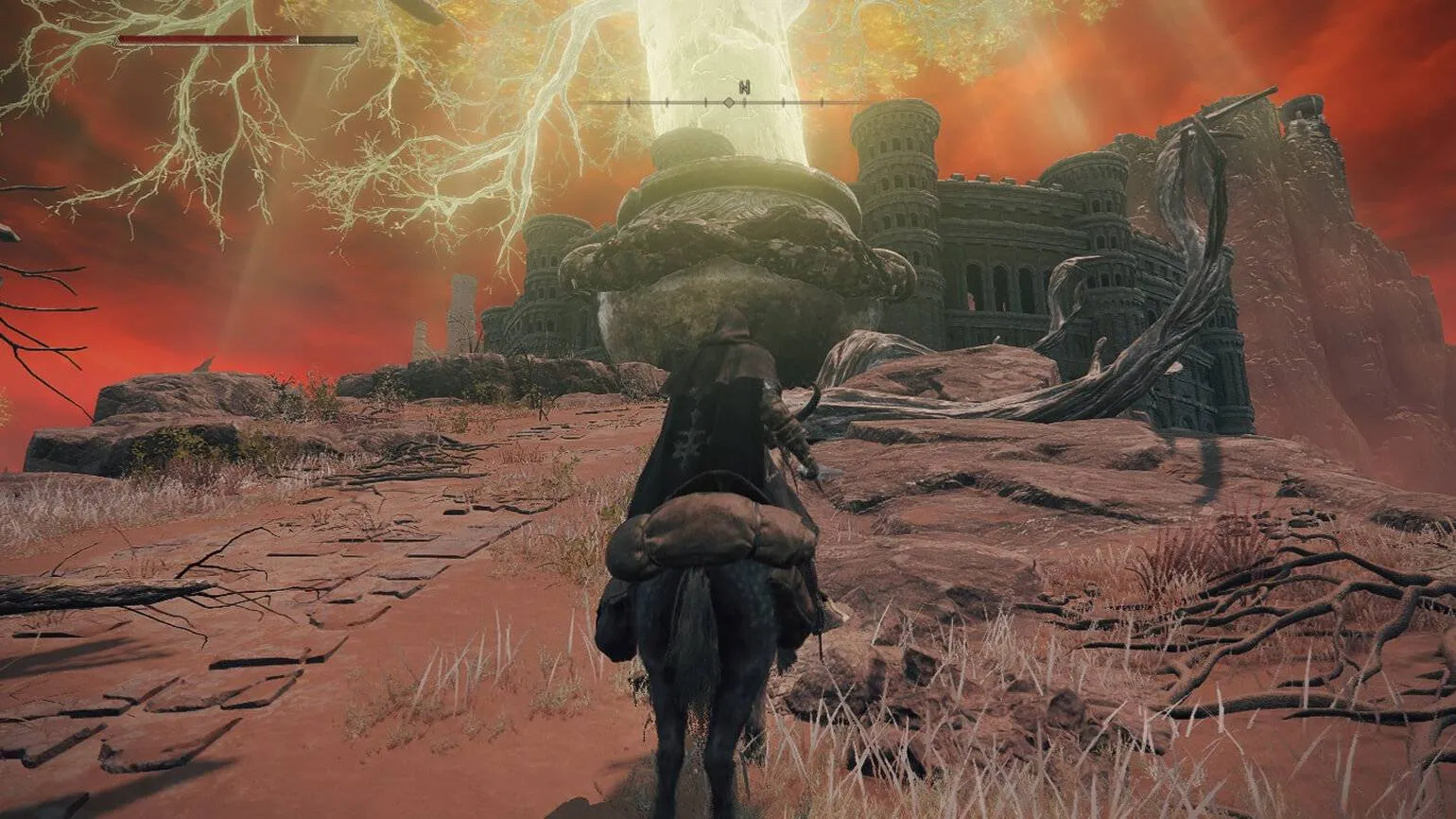
We are faced with an optical illusion similar to Titchener's circles. Everything around us appears so grandiose that we feel not just like ants, but more like grains of sand. Our brains struggle to accept the reality that these stunning landscapes are part of a relatively small map. This illusion highlights how the perception of scale can distort our understanding of the world around us and its structure.
Landell, despite its size, is an impressive medieval metropolis. Its houses, temples, and palaces create the atmosphere of an ancient city, yet all these architectural features could easily fit within the boundaries of a small European town. This combination of grandeur and compactness makes Leindell a unique place where history and architecture intertwine, creating a special atmosphere that attracts tourists and historians.
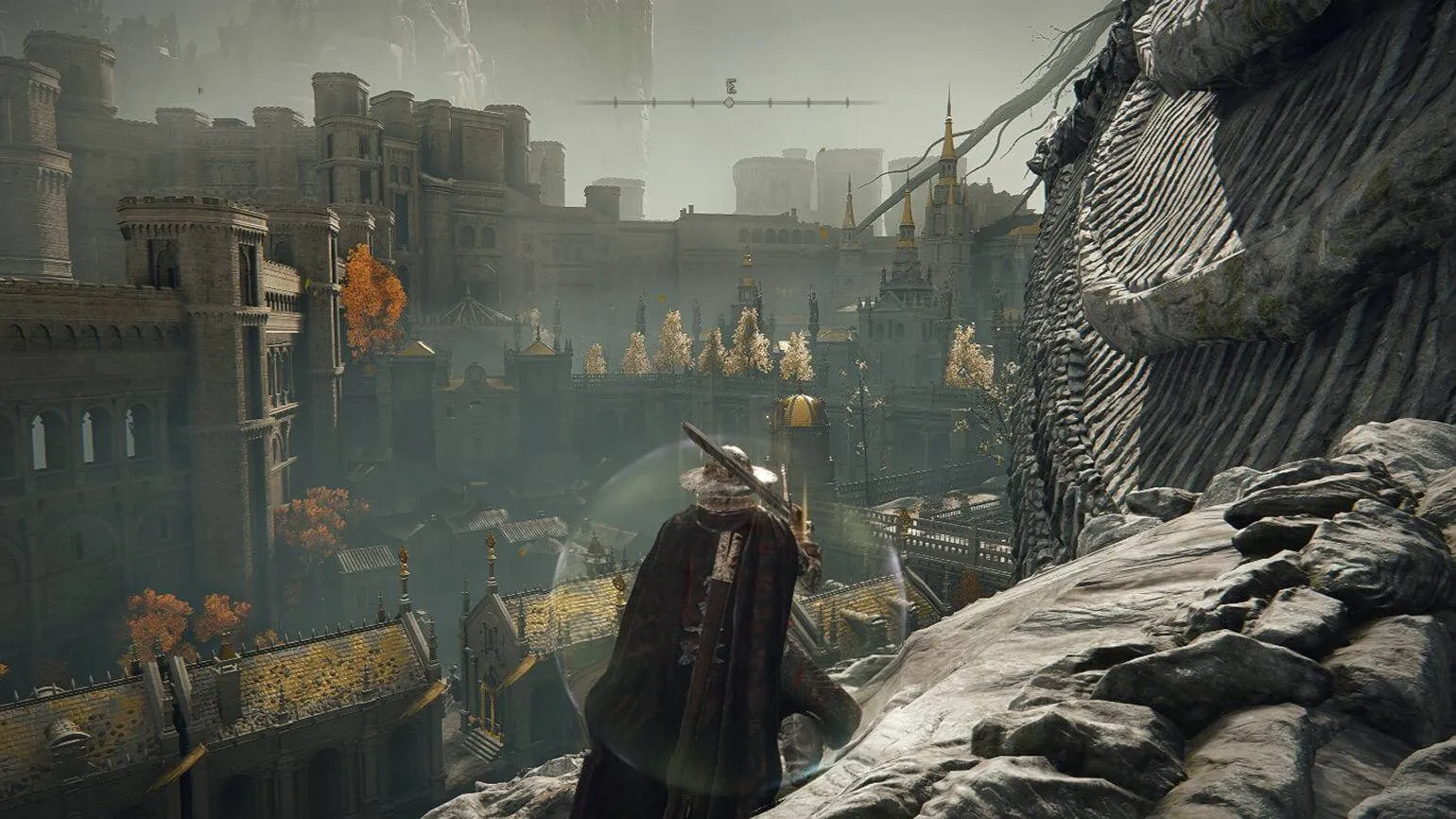
This technique most effectively demonstrates the scale of an object through comparison. Using comparative characteristics allows you to better appreciate the size and significance of an object in the context of its environment. This helps create a more vivid image and makes information more accessible.
The picturesque landscapes of Red Dead Redemption 2 often feature trains, wagons, and horse caravans, dwarfed by the grandiose wilderness. While the colossal zoomorphic robots in The Legend of Zelda: Breath of the Wild are so large that their appearance can trigger dust storms, floods, and volcanic eruptions. These contrasting elements emphasize the scale of the game worlds and their impact on the atmosphere and player perception.
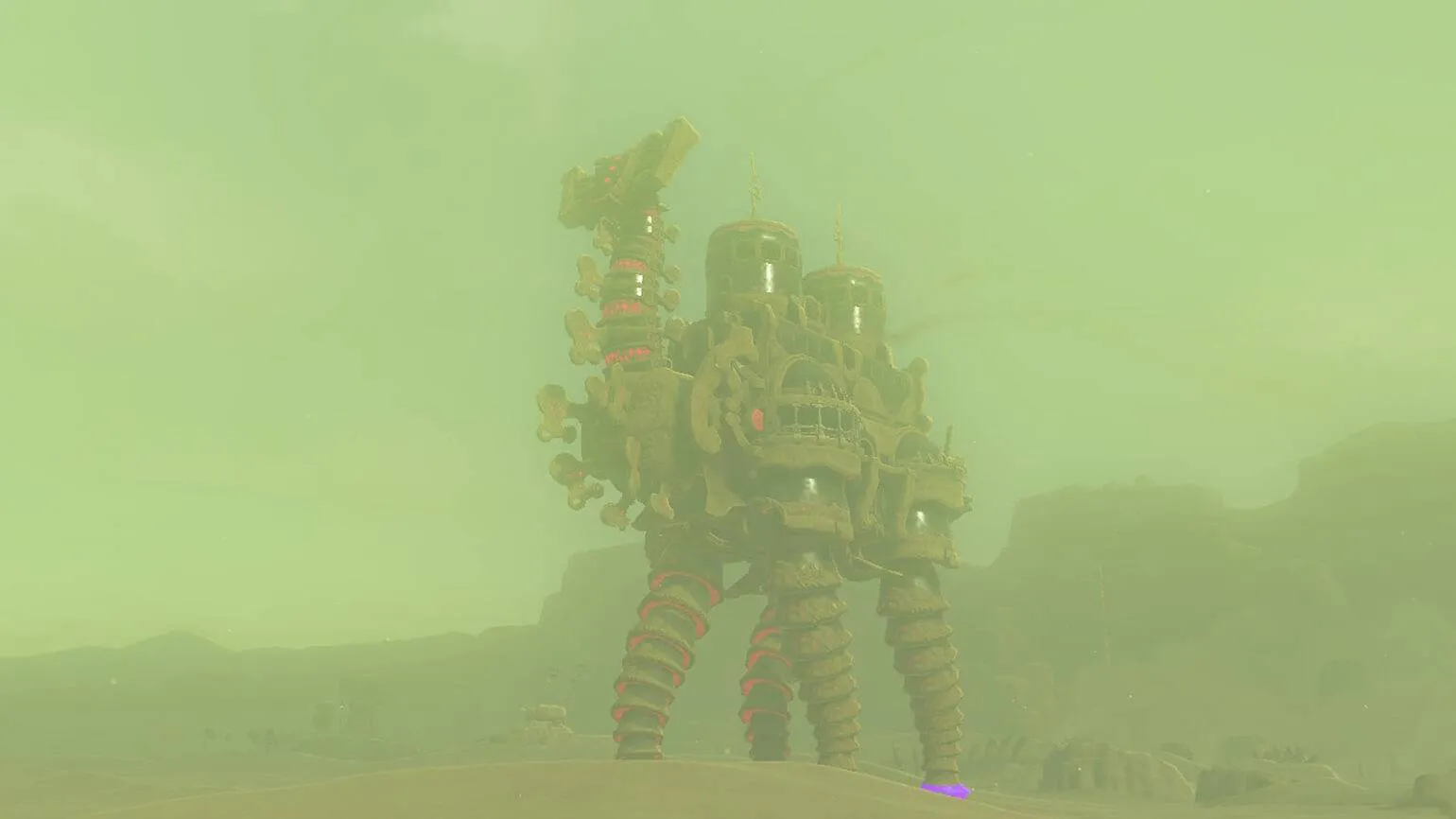
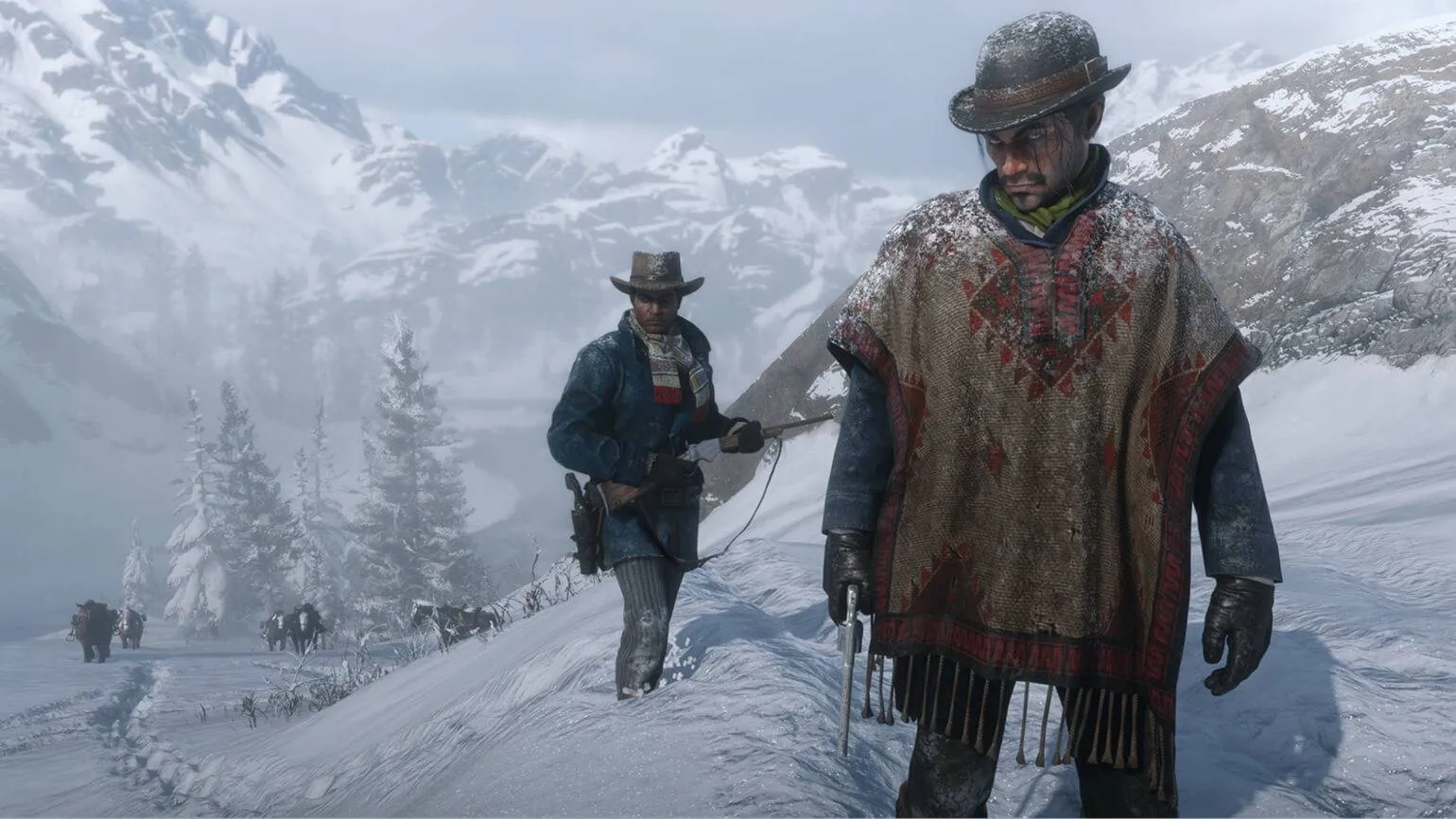
This technique in video games is borrowed from cinema. Like films, video games face limitations in depicting the scale of a fictional universe. Therefore, developers often use visually impressive elements, such as the city of Minas Tirith from The Lord of the Rings, to stimulate players' imaginations and create the feeling of a vast world that exists beyond the screen. This approach allows for a deeper immersion in the gameplay and makes it more engaging.
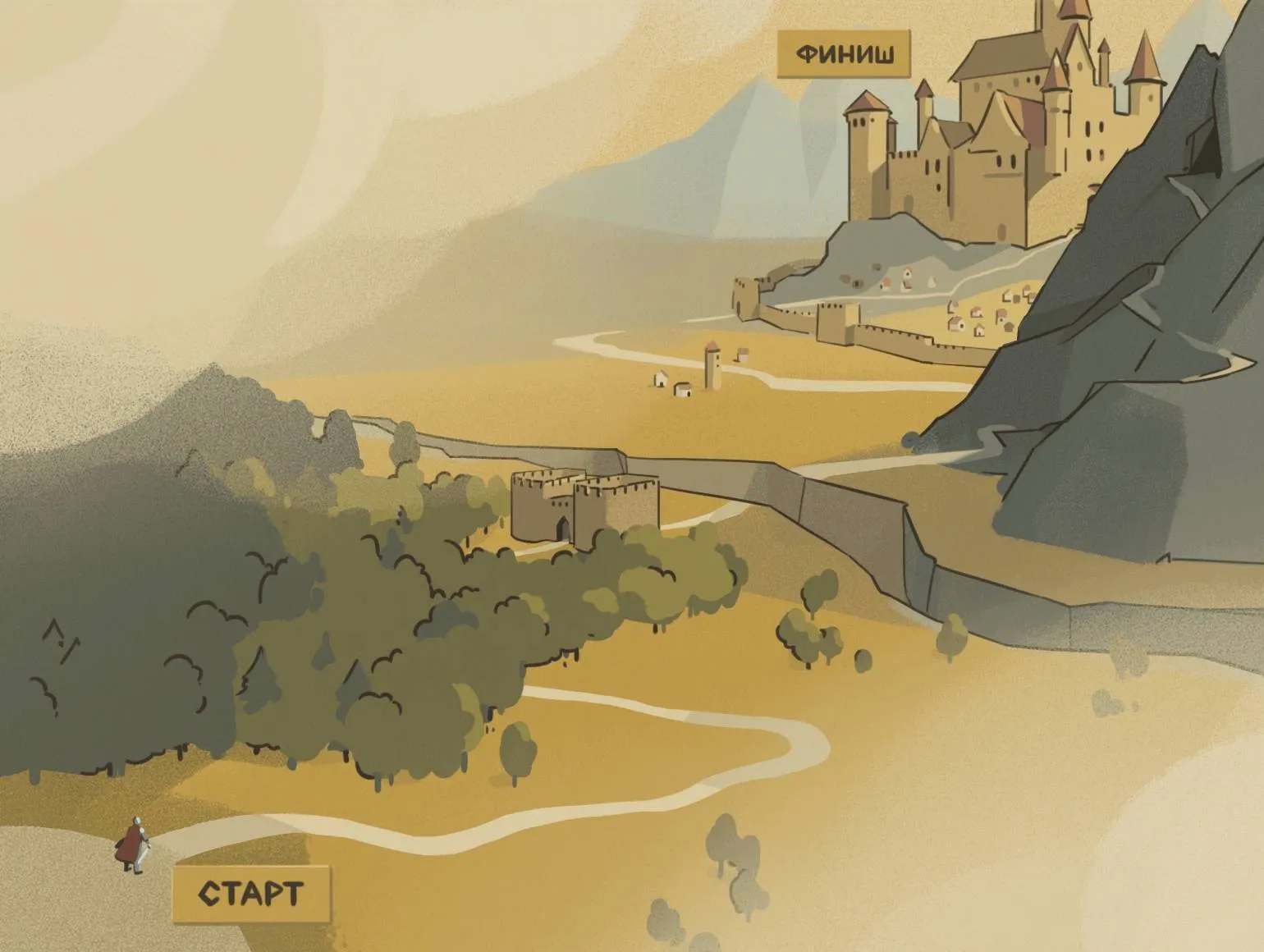
This trick isn't suitable for all game settings. Cozy games like A Short Hike or Alba can't use cyclopean architecture, so they use other techniques to create atmosphere.
Add More Biomes
The creators of Dredge acknowledge that the game's open world includes familiar elements of video game design, such as jungles, volcanoes, and swamps. In one of the expansions, players will also be able to explore a winter location. Although these biomes have already appeared in other games, their presence in Dredge is justified, as they contribute to the variety of gameplay and prevent boredom. Each of these unique landscapes offers new opportunities for exploration and interaction, creating a captivating experience for players.
Black Salt Games' game stands out from other blockbusters thanks to its unique approach to open-world creation. While the world in Dredge is significantly smaller than in games like Ghost of Tsushima, each region offers distinct differences. This diversity makes the game engaging and prevents monotony. Thanks to its compact size, players experience new sensations and emotions every few hours. The contrast between locations creates interest and maintains curiosity, making players eagerly anticipate what surprises the next region will bring. Dredge offers a fresh take on the genre, delivering an immersive gaming experience.
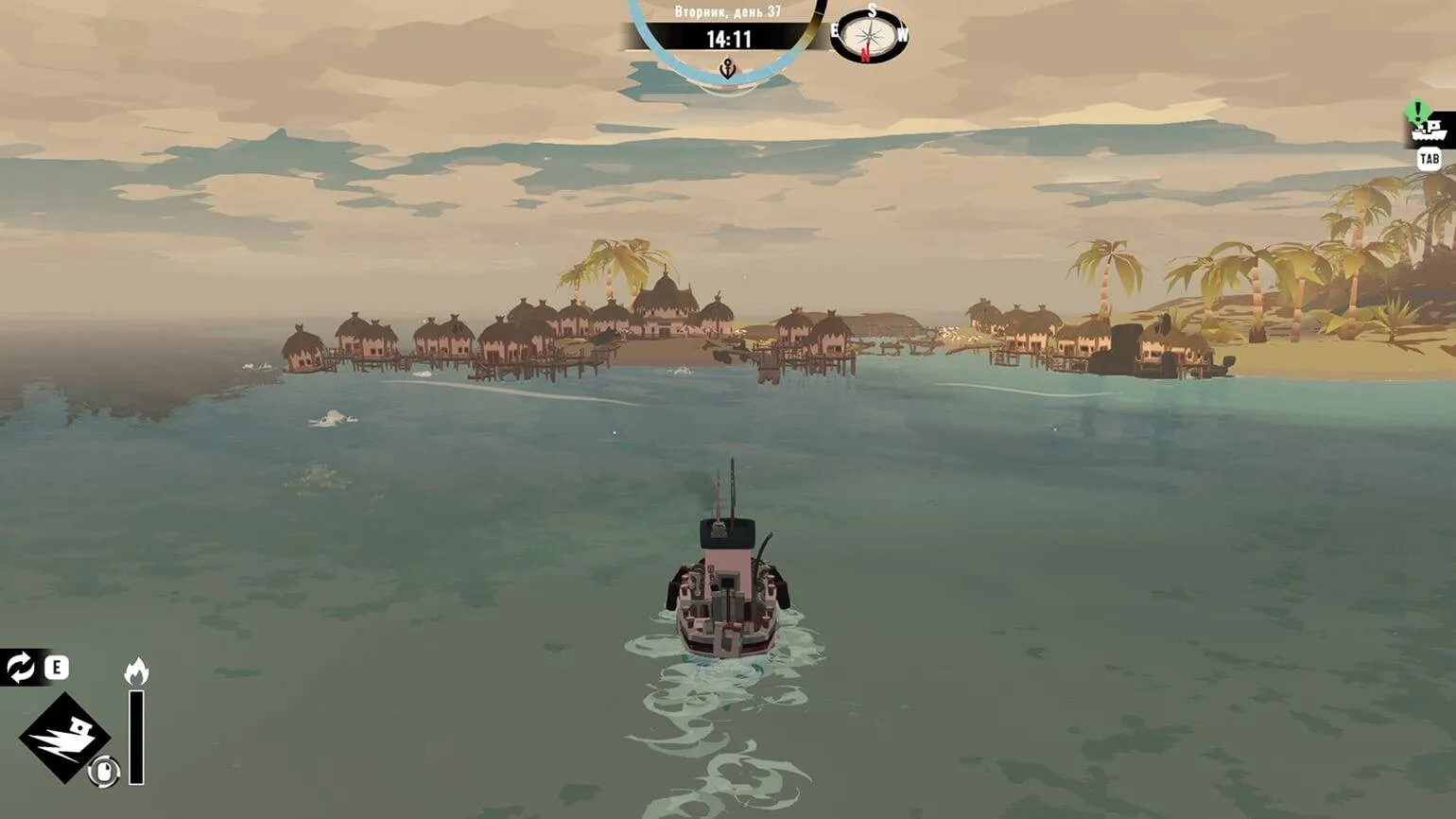
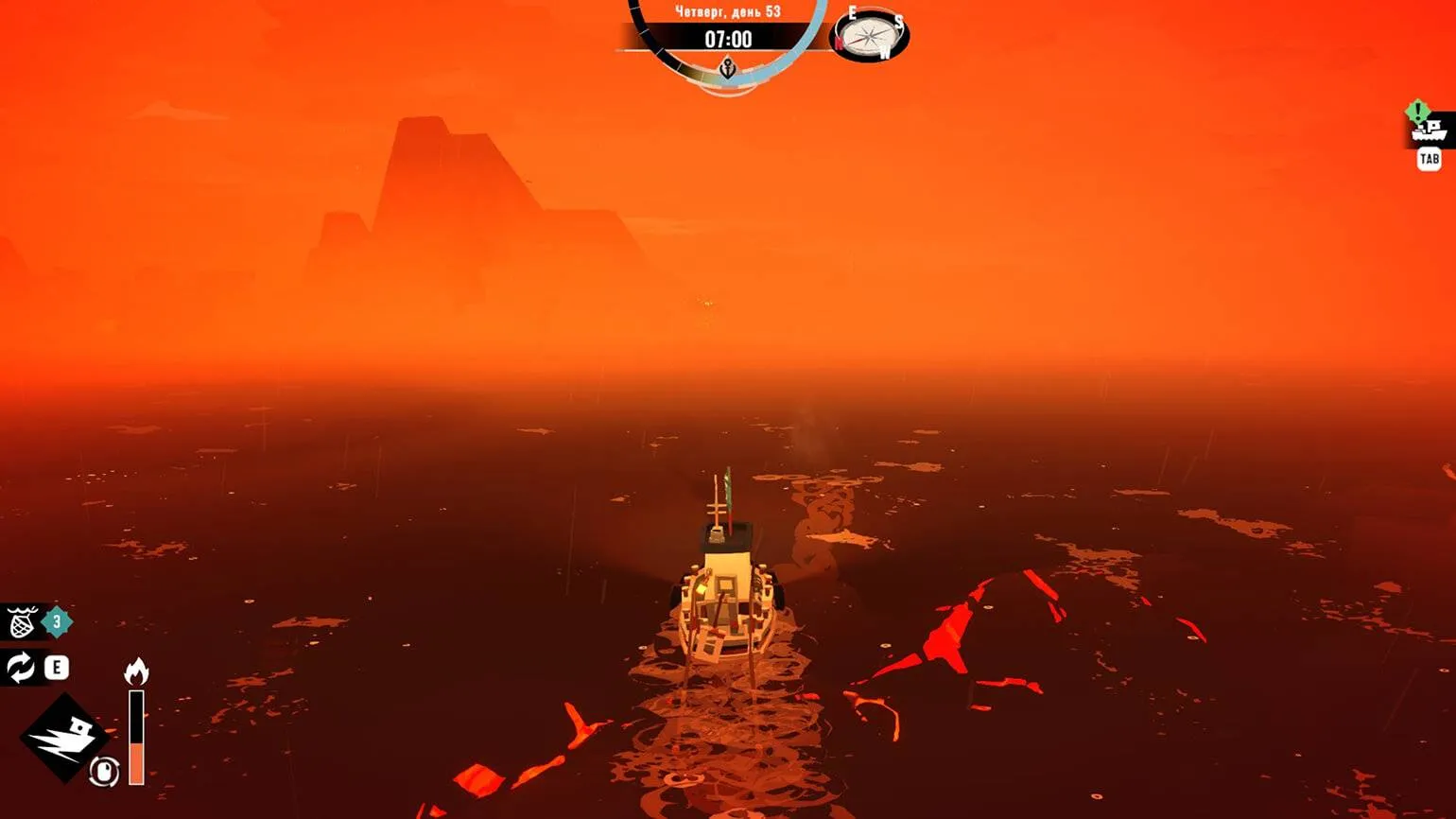
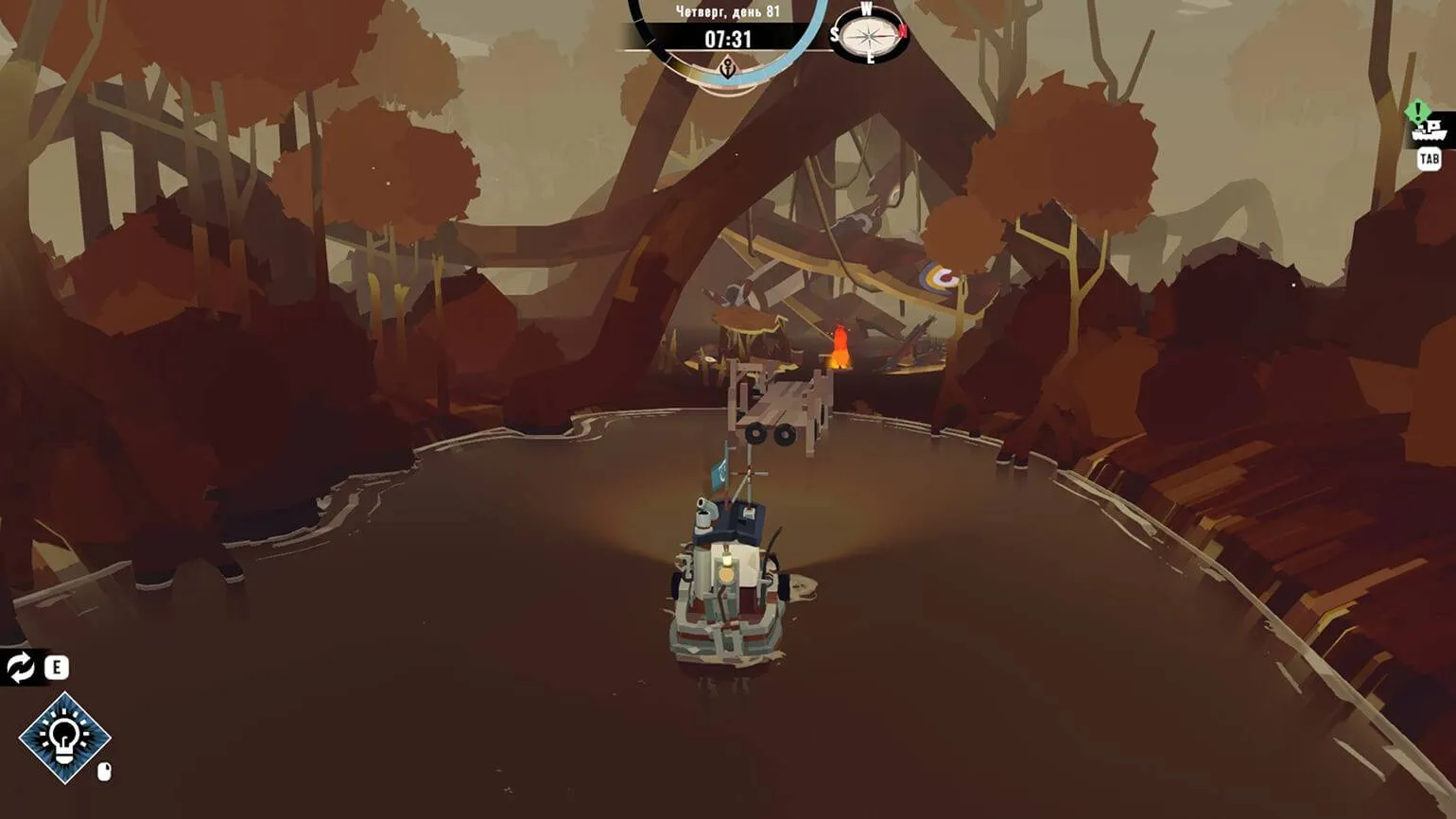
Not every gaming environment allows for a wide variety of biomes, as the combination of jungle and polar ice may look out of place in realistic games. However, a game biome differs from a natural one, and developers have the opportunity to utilize various terrain features to create unique and memorable game zones. This allows players to immerse themselves in captivating worlds that are not constrained by the laws of nature, but rather open up new horizons for exploration and interaction.
The world of A Short Hike consists of three unique biomes: a beach at the foot of a mountain, slopes with rivers and pine forests, and a snow-capped peak. S.T.A.L.K.E.R.: Call of Pripyat features three key biomes: the swampy terrain of Zaton, the industrial landscapes around the Jupiter plant, and the urban areas of Pripyat. Each of these biomes has its own characteristics, creating an exciting atmosphere and a unique gaming experience.
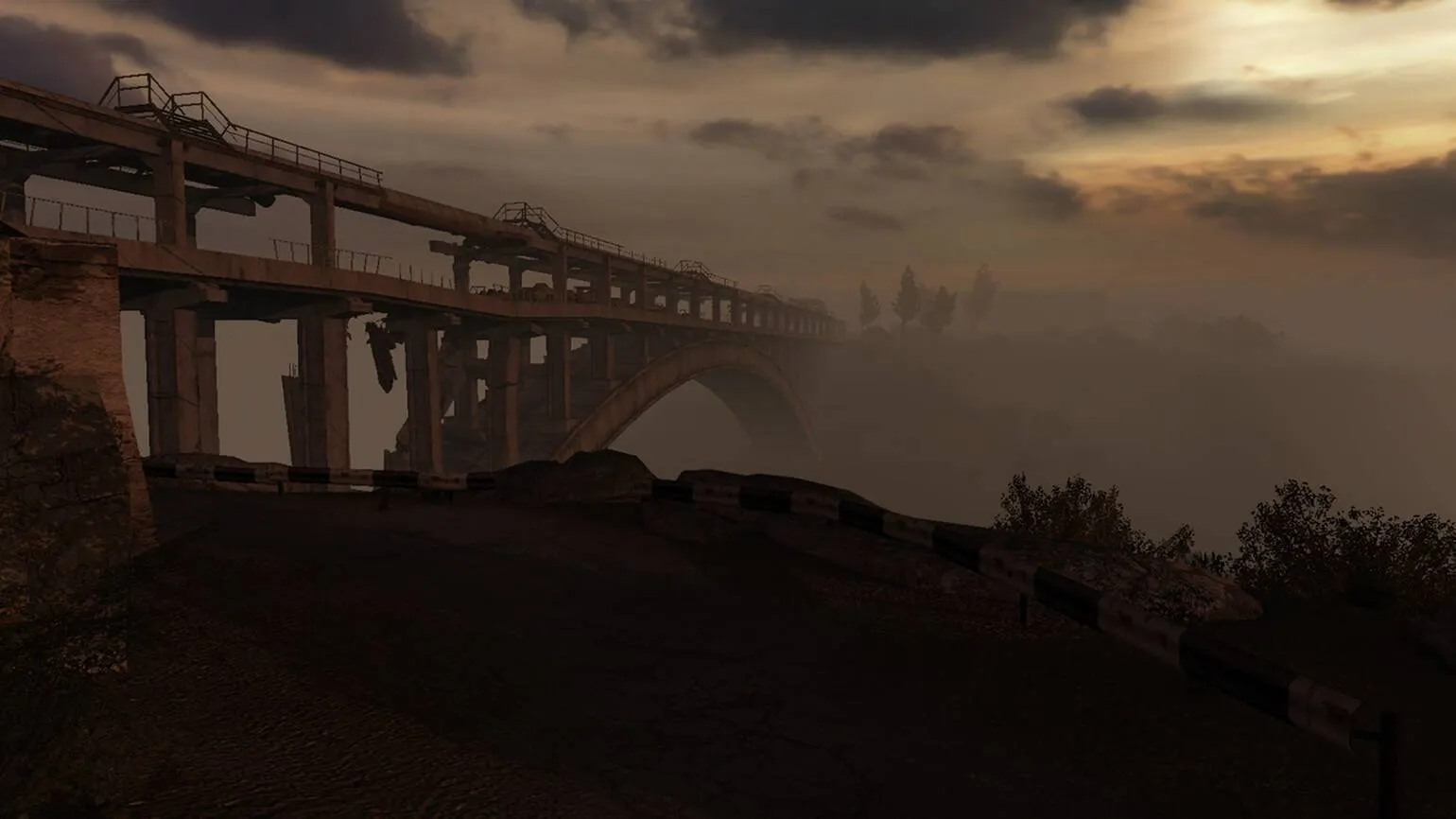
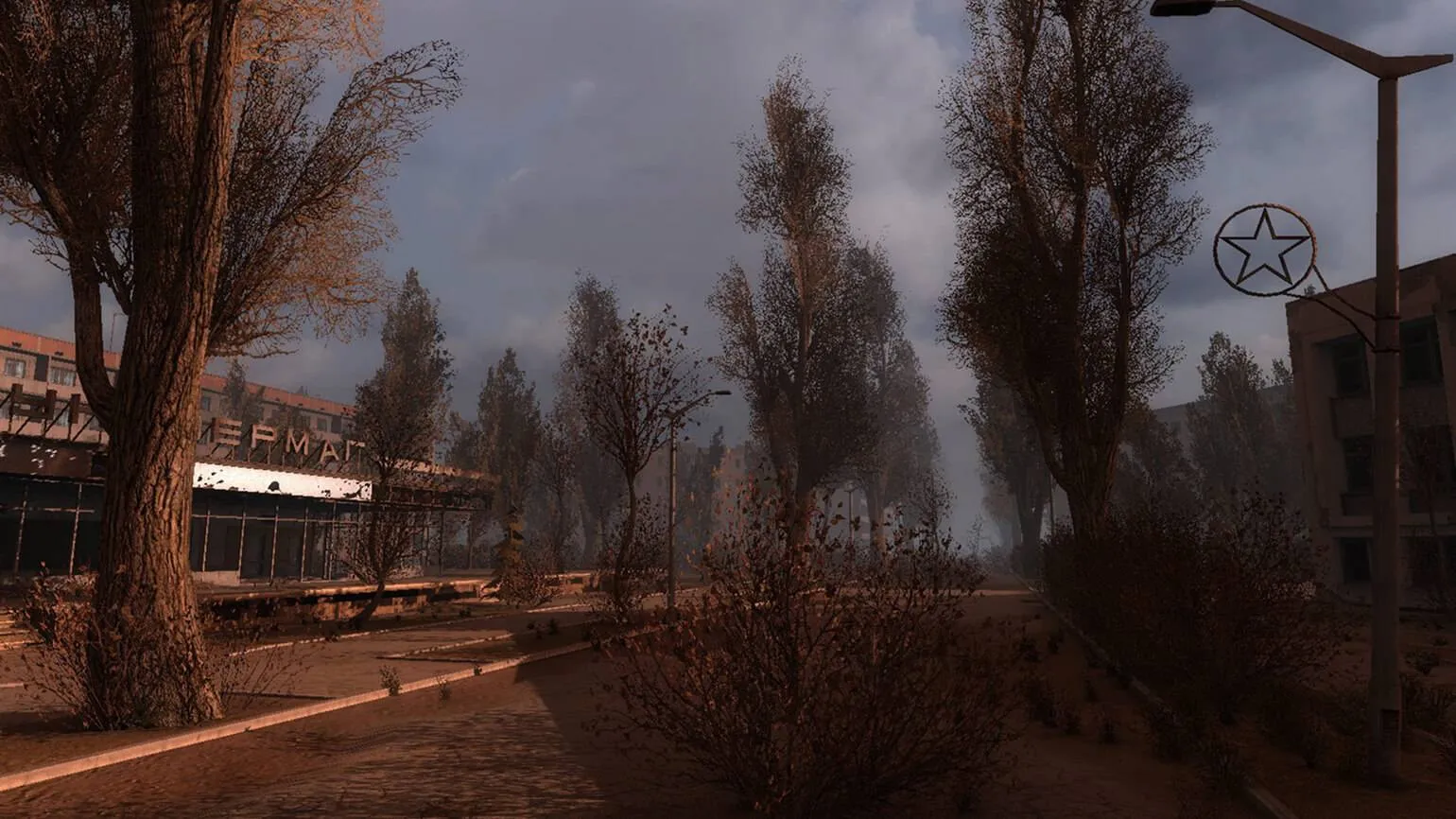
В In both cases, we're talking about regions with unique characteristics. To simplify the process of creating such zones, Steve Lee, level designer on Dishonored 2 and Alba: A Wildlife Adventure, developed a method known as the Friends Test. This method helps better understand how players interact with the environment and what elements make the gaming experience more engaging and memorable. Using the Friends Test allows for the creation of more thoughtful and interesting levels, which ultimately increases the appeal of games and player satisfaction.
In the sitcom Friends, episode titles clearly reflect their content, for example, "The One with Ross's Sandwich" or "The One Where Nobody's Ready." This helps viewers easily remember what to expect from each episode. Lee suggests using a similar approach when creating game areas and locations: each biome should have a unique characteristic that makes it memorable and distinguishable from others. This approach enhances the user experience and strengthens the connection between players and the game world.
The island where Alba takes place features several beaches, each with its own unique features. These beaches may seem similar at first glance, but distinctive features help differentiate them: on one beach, vacationers lounge on sun loungers, soaking up the sun, while on another, a majestic withered tree or a picturesque scattering of coastal rocks can be seen. Each of these locations creates a unique atmosphere and adds variety to the island's exploration.
Biomes in games should not only have a distinctive visual style but also bring variety to gameplay. A prime example of this is Hollow Knight, where each location offers unique elements: new enemies, mechanics, and traps. For example, in the Green Path, players encounter exploding beetles and mossy knights, requiring extra attention. The Fungal Wastelands surprise with springy mushrooms and dangerous acidic swamps. Crystal Peak is filled with deadly laser traps, while Deep Nest is immersed in a dank, dim light, creating an atmosphere of danger. This approach makes each area unique and memorable, which significantly enriches the gaming experience.
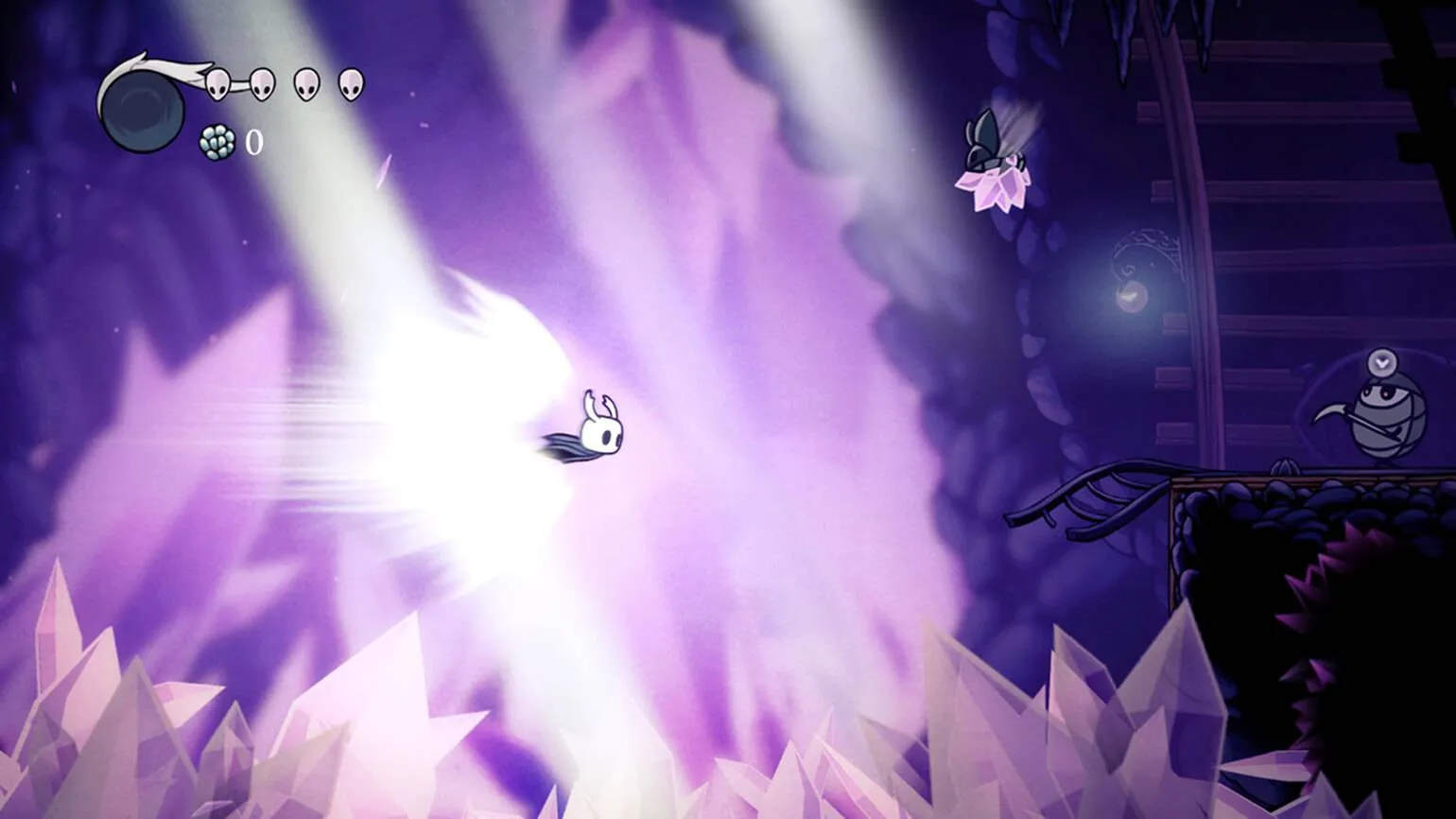
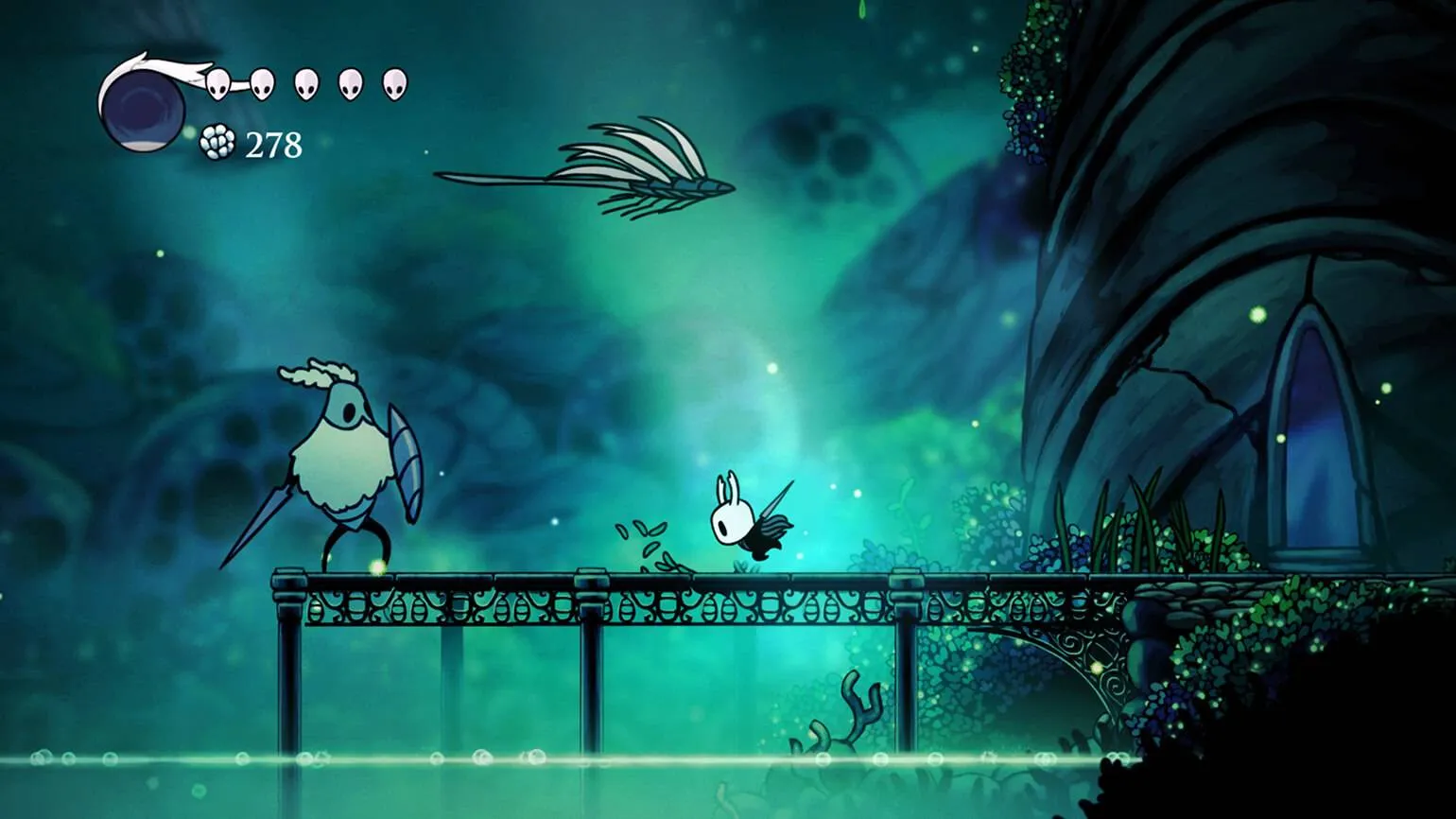
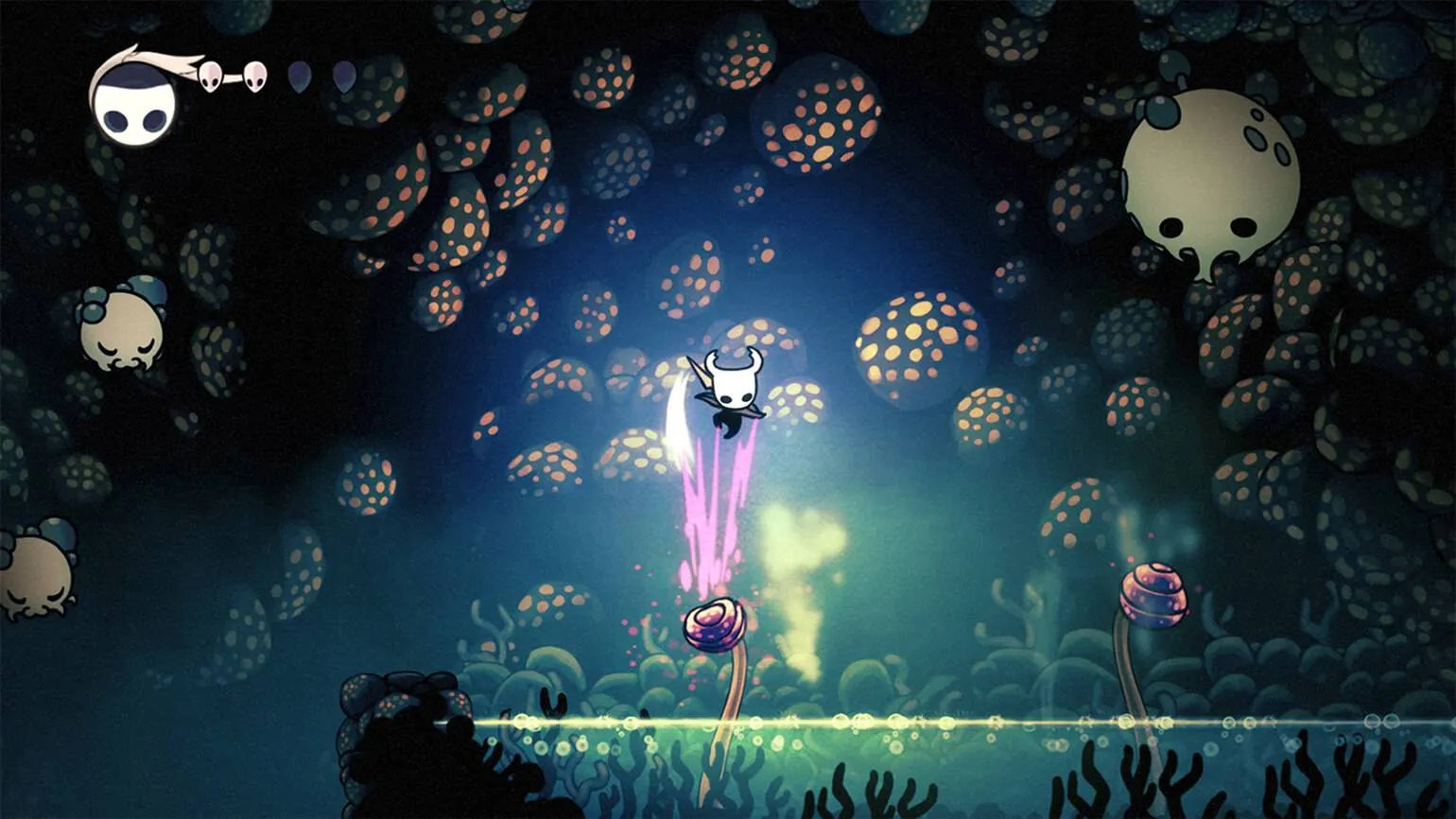
These features not only change the visual perception of the game, but also require the player to adapt tactics and learn new techniques. Thanks to this, different regions of the game really are perceived differently. This is an important aspect that is often ignored in open-world games.
Make the player interact with the game world
If the GTA 5 game world existed in reality, it would include the smallest desert in the world – Grand Senora. This unique location attracts the attention of players and explorers with its atmosphere and diversity. Grand Senora is an important part of the gameplay, providing opportunities for adventure and exploration. The desert is characterized by picturesque landscapes and interesting natural features, making it the perfect backdrop for many in-game missions and activities. In the context of GTA 5, Grand Senora becomes more than just a geographical feature, but an important element that enriches the gameplay experience.
This zone stands in stark contrast to the surrounding areas and the neighboring city of Los Santos. Instead of luxurious villas and high-rise buildings, old trailer homes stand here. Instead of modern interchanges and manicured gardens, dusty dirt roads, sand, and rocks reign. Despite this, the unique landscape has no impact on gameplay.
The desert will be more challenging for the player than Los Santos, but adaptation isn't required. GTA 5's open world allows for easy exploration: immediately after completing the prologue, you can steal any car and drive across the entire map. This allows you to quickly become familiar with the variety of locations and gameplay features. Explore the world of GTA 5 and enjoy the freedom of movement and discoveries it offers.
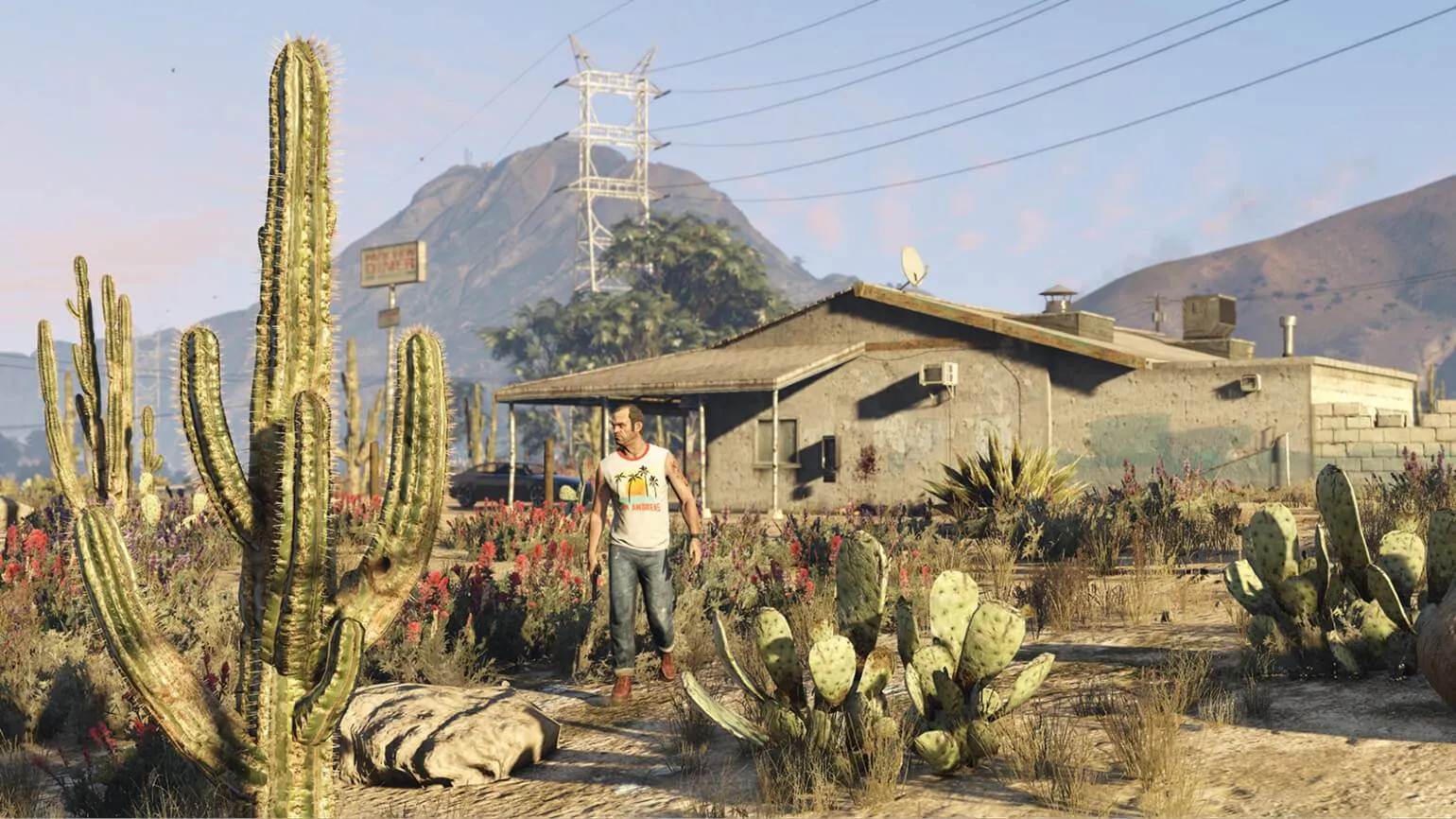
In As a result, you quickly realize the limits of this world, and travel begins to feel routine. Local locations, despite their amazing detail, become merely a backdrop for linear story missions and minigames.
The Gerudo Desert from The Legend of Zelda: Breath of the Wild and its sequel, Tears of the Kingdom, is a unique and exciting location in the game world. It is a vast desert with distinctive landscapes, where players can meet many interesting characters and solve various puzzles. The desert is filled with secrets and mysteries waiting to be discovered, making exploration of this region especially captivating. Visual effects and atmospheric design highlight the harsh beauty of the Gerudo, attracting players and creating an unforgettable experience.
In the desert, it is impossible to avoid sunstroke during the day by staying in the shade. Specialized clothing and potions provide salvation from the scorching heat. Transport here is not by horses, but by sand seals, which are perfectly adapted to the conditions. Sandstorms create significant interference and make it difficult to navigate the terrain, but treasure chests can sometimes be found under layers of sand, making desert exploration especially exciting.
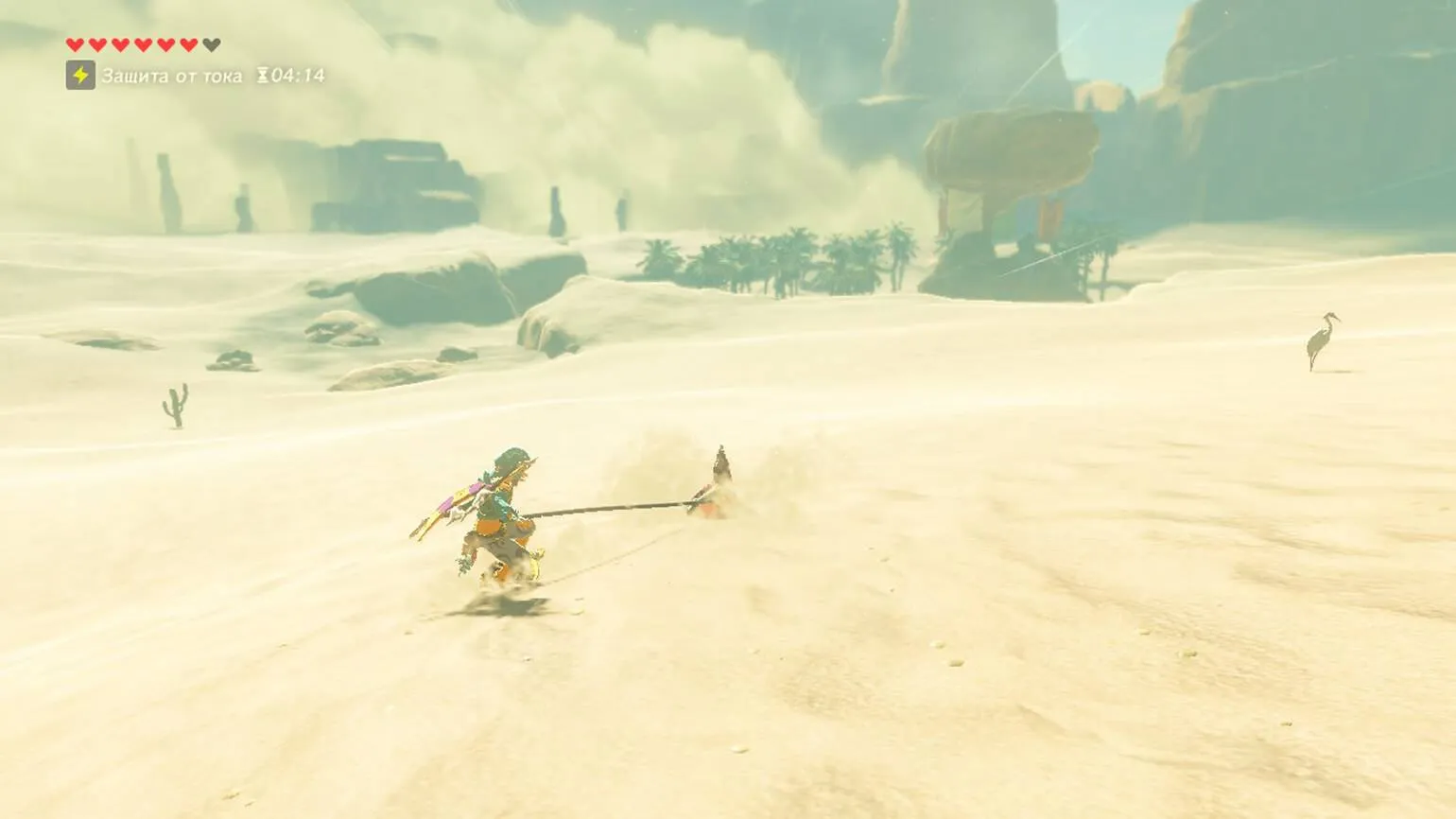
The Gerudo Desert differs from Grand Senor in that it does not allow you to traverse its vastness on autopilot. This place requires active interaction with the open world. While the GTA series does not need survival mechanics, it clearly lacks incentives for a more careful examination of the environment. The desert offers unique opportunities for exploration and immersion, which makes the gameplay more engaging and immersive.
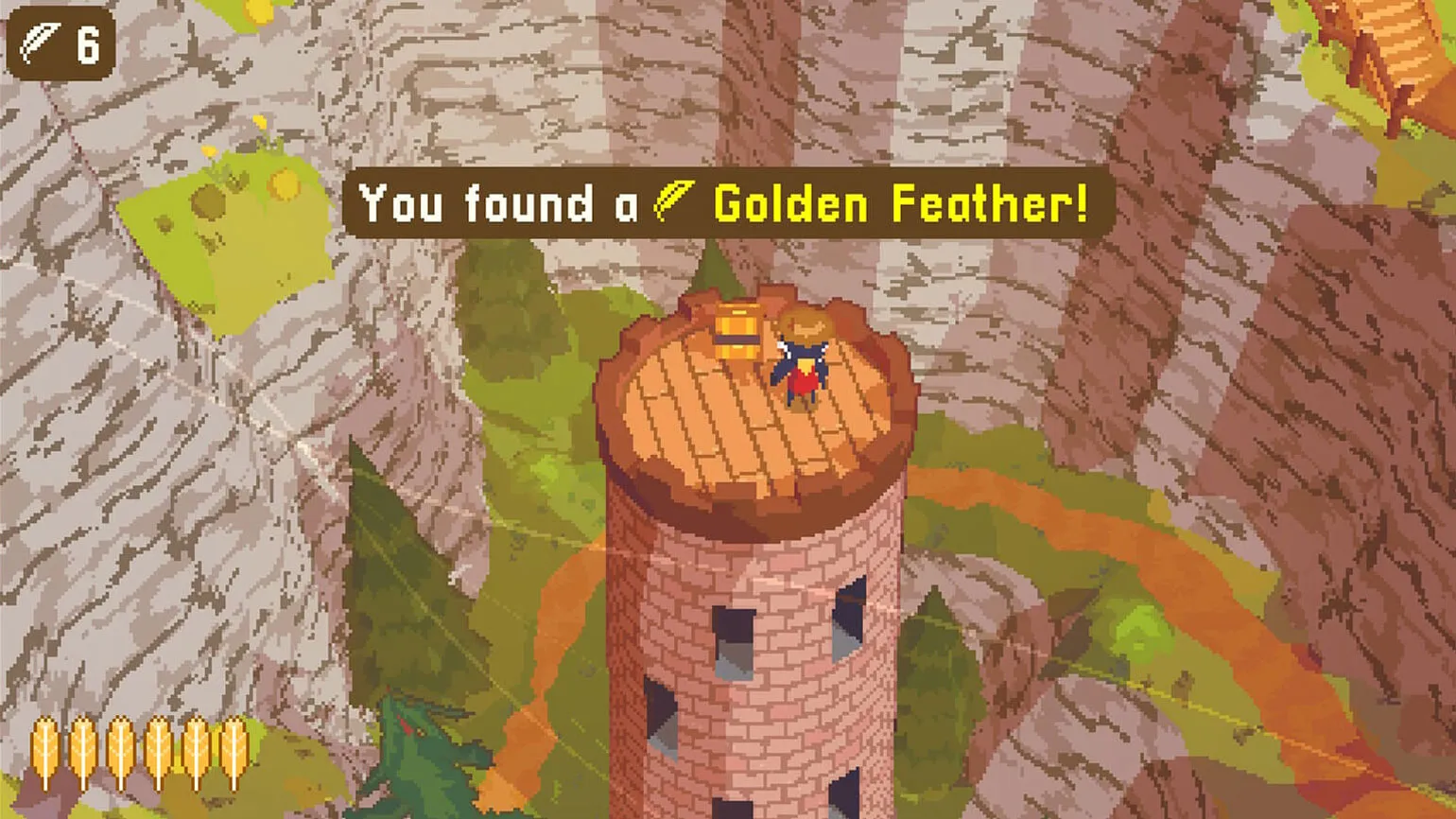
Incentives in games can take many forms. For example, traversing the game map can be transformed into an engaging task. In A Short Hike, players are asked to collect feathers, which give the main character the ability to climb higher cliffs. This creates an additional gameplay element, encouraging players to explore the surrounding world and reach new heights.
Dredge requires careful planning of forays taking into account the time of day. At night, your movement is significantly limited by fog and the panic effect, which is especially noticeable early in the game when powerful engines and searchlights are not yet available. It's important to take these conditions into account to successfully complete missions and avoid dangers lurking in the darkness. The right strategy will help you effectively use available resources and increase your chances of survival.
In modern games, fast travel mechanics are often used to simplify movement across vast game worlds. However, developers can limit its use, as is the case in The Witcher 3. In that game, players can only teleport between specific waypoints located at road intersections. This not only adds a strategic element but also promotes deeper immersion, encouraging exploration and route planning. Such restrictions can make the gaming experience richer and more engaging while maintaining a balance between convenience and realism. As you travel the world, you gain a better understanding of its scale. This opens up opportunities to encounter fascinating events and take a break from your current quest. Each new experience enriches your adventures and makes them more memorable. By exploring the world, you not only immerse yourself in new places but also expand your horizons, making every journey unique.
Miles Tost is a renowned level designer who made significant contributions to the critically acclaimed Witcher 3. His level design work made the game's world more vibrant and engaging for players. Tost used innovative approaches to location development, which allowed him to create unique and memorable locations filled with detail and interactive elements. Thanks to his efforts, Witcher 3 became one of the best representatives of the RPG genre, receiving acclaim from both critics and fans. The importance of Miles Tost's work in the context of game development cannot be overstated, as he helped shape the unique gaming experience so highly valued by the community.
Interaction with the surrounding world is stimulated by the sense of the unknown, which we discussed earlier. This feeling is the basis for most of the tricks mentioned. It encourages us to explore, discover, and expand our horizons, creating the motivation to actively participate in life.
The elevator that leads to the underground world of Elden Ring is striking not only for its size, but also because it can be found in an inconspicuous pavilion located in a quiet grove. This discovery adds interest to the exploration of the game, emphasizing the contrast between the ordinariness of the surrounding world and the grandeur of the underground locations.
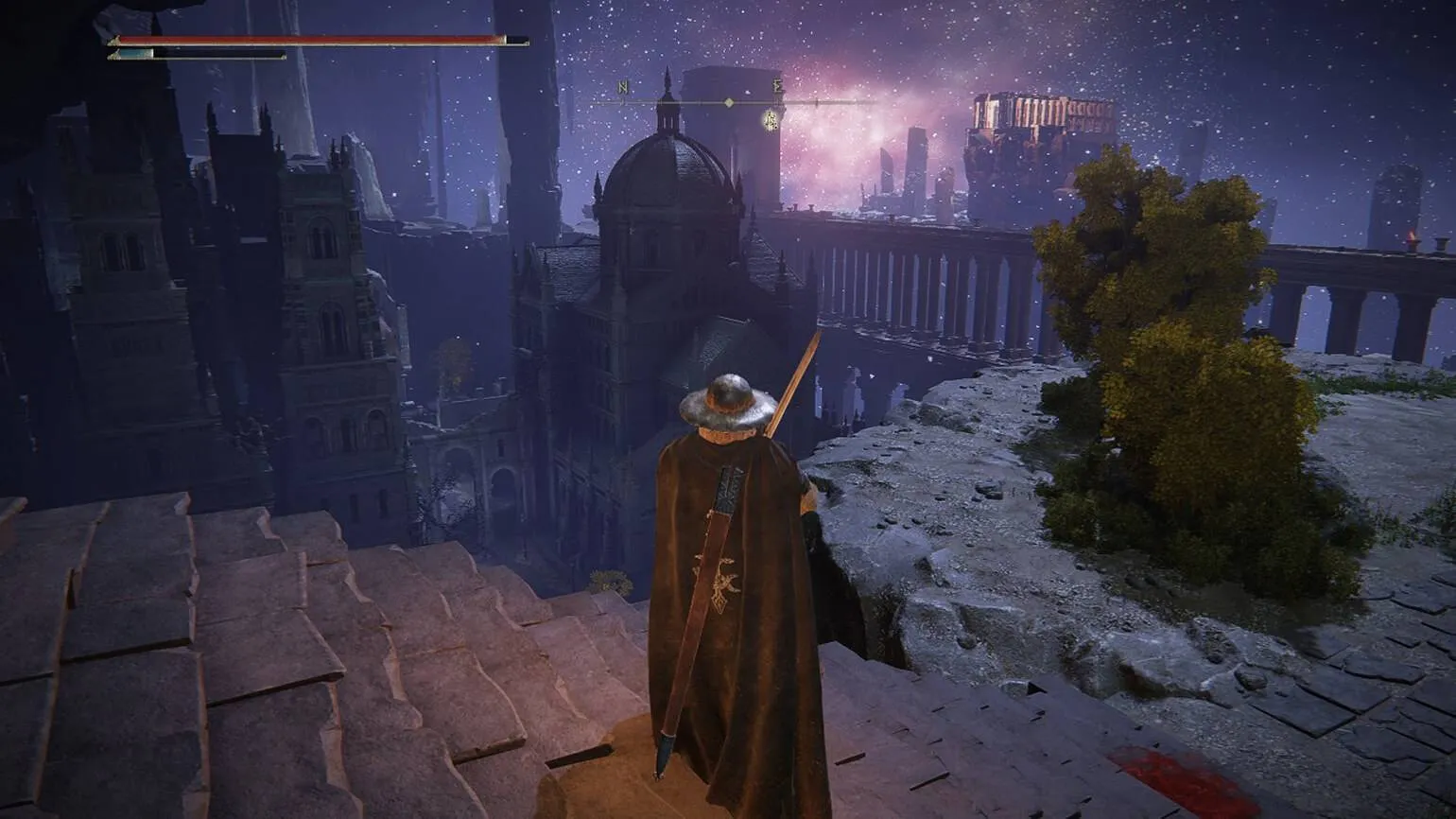
The game's secrets have long been known to a wide audience, but players who explored the world blind often encountered this place, driven by a desire to unravel the mysteries of the Betweenlands. They realized that the game generously rewards those who show curiosity and a desire to explore.
In Hollow Knight, player curiosity plays a key role. Many regions and even the path to the true ending are hidden behind inconspicuous passages, which can leave part of the world of Hallownest unnoticed on the first playthrough. The creators of the game are confident that this only adds depth and mystery, which stimulates the desire to explore and discover new locations.
The presence of hidden locations that are not visible to most players significantly enlivens the game world. These unexplored locations create a sense of constant anticipation for new discoveries. In these depths, players will encounter not only formidable enemies and strange characters, but also new areas, powerful items, and a host of other surprises. Each time they explore these uncharted corners, players can encounter unique challenges and discoveries, making the gameplay more engaging and varied.
Team Cherry is an independent development team known for their work on Hollow Knight. Based in Australia, the team strives to create unique and engaging game projects. Released in 2017, Hollow Knight became a hit with players and critics alike thanks to its deep atmosphere, challenging gameplay, and exquisite art style. The game's success has allowed Team Cherry to continue to develop the world of Hollow Knight, releasing add-ons and expansions that add new levels, characters, and mechanics. The team actively engages with the player community, which helps them improve their projects and offer players exactly what they want to see. Team Cherry continues to work on new projects, maintaining its commitment to quality and originality.
These words, echoing the ideas of Adam Robinson Yu, best capture what players expect from open worlds. Players aren't so concerned with the size of the map as they are with the feeling that they can stumble upon something exciting in any direction. Open worlds should offer variety and opportunities for exploration, so that every step brings new discoveries and experiences.
Games don't need to create illusions or pretend. It's enough to design a captivating open world so that fans willingly immerse themselves in it and believe in its reality. An interestingly designed game world can attract attention and retain players for a long time, providing them with a lot of positive emotions and new impressions.
Level Designer
You will learn how to create a layout and location for a game level. Learn how to work with a camera in a scene, prototype locations, and manage player attention. You will be able to create atmospheric and functional levels for different genres.
Find out more