Contents:
- Contents
- How the pixel emerged thanks to the Chairman of the Supreme Soviet of the RSFSR
- The history of the first pixel on the screen
- Pixel games: from slot machines to digital art
- The evolution of pixel games: from black and white to color masterpieces
- The crisis of the gaming industry: how pixels defeated vector graphics
- The evolution of PCs and consoles: The impact on pixel games
- The decline of pixel art and the rise 3D Graphics in the Gaming Industry
- The Revival of Pixel Art in the Modern Gaming Industry

Pixel Art: 7 Steps to Mastery
Find out morePixels are the basic element of all raster images, representing small square units that form images on the screen. When an image is enlarged, it is the pixels that become noticeable. While pixel art can technically be defined as any image created on a screen, in a modern context, the term refers to a specific style reminiscent of ancient Greek mosaics. Interestingly, this style emerged in an era of limited computing power, but has now gained popularity among artists and gamers. Pixel art attracts attention with its unique visual language and simplicity, making it popular in video games and digital art. In this article, we explore the history of pixels, their alternative names, and discover which game was the first to target a female audience. We will also discuss the demise of vector games and how the crisis in the gaming industry contributed to the rise of pixel games. In addition, we will consider the influence of Japanese writing on the creation of visual novels.
Contents
- How the pixel arose thanks to the Chairman of the Supreme Soviet of the RSFSR
- The appearance of the world's first pixel on the screen
- The first pixel games: it all started with slot machines
- The first evolution of pixel games: color, volume and character design
- The crisis of the gaming industry and the triumph of pixels over vector
- The development of PCs and consoles and their influence on pixel games
- The decline of pixel art and the transition to 3D
- The revival of pixel games in a modern context
How the pixel arose thanks to the Chairman of the Supreme Soviet RSFSR
Pixels and the digital revolution rely on complex physical and mathematical concepts. These ideas are explored in detail in the book "Pixel: The History of a Single Dot" by Alvy Ray Smith, one of the founders of Pixar. In this article, we will try to explain the basic principles in an accessible way without delving into scientific details. Understanding the nature of pixels and their role in digital technology is important for understanding how modern images, videos, and graphics are formed on the screens of our devices.
The first important step in understanding the visual world was the contribution of the French mathematician and physicist Jean-Baptiste Joseph Fourier in the early 19th century. He developed the theory that the visual world can be described using waves, similar to sound waves. This discovery implies that any image can be represented as a combination of two-dimensional waves. This approach became the basis for further research in image processing and signal analysis, significantly expanding capabilities in various scientific and technical fields.
To reproduce an image with grayscale bands of varying brightness, a single wave can be used, where the amplitude is responsible for the brightness level, and the frequency is responsible for the degree of detail. This allows for the creation of visual elements with the desired characteristics by controlling them through the wave parameters.
In 1933, Soviet scientist Vladimir Kotelnikov presented the sampling theorem, which became the foundation of digital signal processing. This theorem demonstrates how Fourier waves can be represented through discrete points, which effectively correspond to pixels. The sampling theorem is key to the development of methods for processing and transmitting digital information, ensuring the efficient representation and analysis of signals.
Kotelnikov hypothesized that digital reproduction of an analog wave does not require complete preservation of all information. It is sufficient to use sets of points, known as samples. This simplifies the process of representing information, allowing its essential content to be preserved. This approach became the basis for the further development of digital technologies and signal processing, ensuring high-quality reproduction while minimizing the amount of data.
The modern perception of pixels as small squares can be somewhat simplified. As Smith notes, pixels are abstract dots that do not have a specific shape. However, for the purposes of our discussion, we will rely on the familiar definition of pixels. This will help better understand their role in digital images and graphics. Pixels serve as the basic units of measurement for image quality and are key elements in working with digital media.
The third key step in the development of computing technology was made by the English mathematician Alan Turing, who introduced the concept of calculating machines in 1936. These machines became the basis for all modern computers and laid the principles on which modern computing is based. It is important to note that the contribution of Charles Babbage, who created the Analytical Engine in the 1830s, is also significant. This machine is considered the prototype of modern computing systems and played a decisive role in the history of computer science. Turing and Babbage's research continues to inspire scientists and engineers, shaping the future of technology.
According to Smith, three brilliant minds—Fourier, Kotelnikov, and Turing—had a significant influence on the development of the pixel concept. However, the process of transforming the theoretical foundations into the practical application of pixels took more than a decade. These scientists laid the foundation for modern image processing technologies, which ultimately led to the widespread use of pixels in digital graphics and video.
The History of the First Pixel on a Screen
The first pixel on a screen was recorded in 1947 thanks to Alvy Ray Smith, who was working with the Manchester computer, known as the Baby. This computer was the world's first electronic device capable of storing programs in its memory, unlike its predecessors, which used physical media such as punch cards. At the time, "Little Boy" weighed a full ton, was over two meters tall, and had a RAM of only one kilobit. This historic moment marked the beginning of the digital era and laid the foundation for further developments in computing and computer graphics.

Pixels initially had many names, such as "dots," "dot arrays," "raster elements," and "picture elements." These terms were used until the name "picture element" became established. As terminology became simpler, abbreviations emerged, and while large corporations like IBM and AT&T tried to use the term "pel," the younger developer community chose the more common abbreviation "pixel." Interestingly, the first part of this word, written as pix, is an informal version of the word "pics," which refers to photographs and videos. Understanding the history of the term "pixel" helps better understand its meaning in today's digital world, where pixels are the basic units of display on screens.
Pixels first appeared on screens in 1947, but the first pixel game didn't appear until more than 20 years later. This period was essential for the development of digital technology and gameplay, although the concept of digital games began to take shape long before that. The development of pixel art was a crucial step in the history of video games, opening up new horizons for design and player interaction.
Pixel Games: From Slot Machines to Digital Art
The history of the first digital games begins with the curiosity and experiments of engineers. Initially, these games were perceived as academic projects devoid of practical value. However, it is worth emphasizing that they cannot be called true pixel games, as they used vector graphics instead of raster graphics. Vector graphics made it possible to create images that could be scaled without loss of quality, which opened up new possibilities for developers. Over time, digital games evolved, and vector technologies gradually gave way to raster ones, which led to the emergence of more complex and visually appealing games. Thus, the first digital games became the foundation for the development of an industry that today encompasses millions of users worldwide.
Graphics are divided into two main types: vector and raster. Vector graphics create images based on mathematical equations that define lines and shapes. In contrast, raster graphics are formed from many pixels, which are tiny dots. This technique has become a staple in modern games, where images are made up of millions of pixels displayed line by line. The differences between vector and raster graphics determine their applications in a variety of fields, such as web design, animation, and game graphics, making understanding these types of graphics important for industry professionals.
One of the first examples of vector games is considered to be "Tennis for Two", developed in 1958 by physicist William Higinbotham. This game was created to attract attention to an open house at Brookhaven National Laboratory. "Tennis for Two" was a simple tennis simulator in which players could pass the ball to each other without the possibility of losing. The game was a significant step in the history of video games, demonstrating the potential of interactive entertainment and vector graphics.

Tennis for Two quickly became popular among high school students, but its existence lasted only two years. The game was dismantled due to the need to use the hardware for other purposes. This project was an important milestone in the history of video games, demonstrating the potential of interactive entertainment and laying the foundation for future developments in game design.
Tennis for Two is considered the first video game with a graphical interface and the first multiplayer game in history. The game used vector graphics, which distinguishes it from the traditional pixel games that appeared later. Tennis for Two was developed in 1958 by physicist William Higinbotham and introduced a new level of interaction for players, allowing them to compete against each other in a tennis match on an oscilloscope. This project laid the foundation for future video games and became an important stage in the development of the computer gaming industry.
1971 marked a significant milestone in the history of video games with the release of "Computer Space", developed by Nolan Bushnell and Ted Dabney. Based on the concept of "Spacewar!", this game marked the beginning of the use of pixel graphics in arcade games and was the first commercially available video game machine. In "Computer Space", players controlled a spaceship trying to destroy opponents, which laid the foundation for the further development of the genre. The release of this game opened new horizons for the video game industry and marked the beginning of the era of arcade machines, which continues to influence modern gaming.
"Spacewar!" was created for the PDP-1 computer and offered players a duel between two spaceships. In contrast, "Computer Space" ushered in a new era in game design by allowing players to control a single spaceship. Players had to shoot down flying saucers and dodge their attacks, making the game more dynamic and engaging. These two projects became significant milestones in the history of video games, marking the beginning of the development of the space arcade genre.
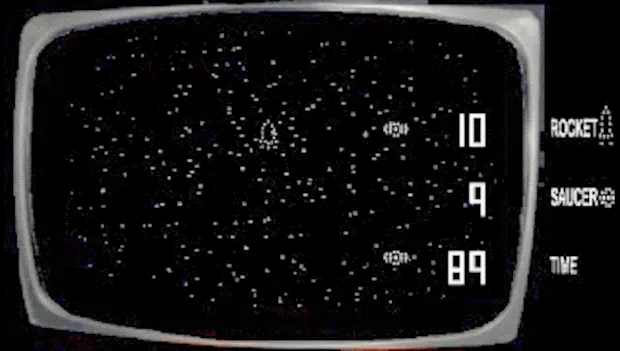
Computer Space became the founder of the commercial video game industry and the first pixel game. The first arcade machine was installed in the Dutch Goose bar, where it quickly attracted the attention of students. This led to the production of 1,500 machines. However, the game failed to gain popularity among a wider audience, as its complexity discouraged many players.
Despite the initial difficulties, Bushnell continued towards his goal. He soon founded Atari and released Pong, which became the first commercially successful video game. This success led to the golden age of arcade games and marked the beginning of a new era in the entertainment industry. Pong Not only did Atari gain popularity among gamers, but it also opened the door for countless other video games, changing the landscape of the gaming industry forever. By 1984, arcade revenues in the United States reached $250 million annually. During this time, Atari was actively expanding its international operations, opening a branch in Tokyo. This branch was later sold to the Japanese company Nakamura Manufacturing, which was subsequently renamed Namco. This move was a significant milestone in the history of video games and contributed to the further development of the entertainment industry in Japan and around the world.
In the early 1970s, when "Computer Space" opened up new horizons in the gaming industry, video games faced severe hardware limitations. Early arcade machines, computers, and game consoles had limited RAM and storage capabilities, which significantly impacted the design and functionality of games. These technical limitations required developers to creatively create engaging gameplay, which laid the foundation for the subsequent development of the gaming industry. Games of this era laid the foundation for future technologies and genres, paving the way for more complex and varied gaming experiences.
Low screen resolutions and limited computing resources forced developers to create simple graphics and animations. This resulted in the pixel art style, which has become iconic and continues to be actively used in modern video games. Pixel graphics not only preserve a nostalgic atmosphere but also allow developers to limit resource costs while maintaining a unique visual style. This design approach appeals to both developers and players, proving its relevance over the years.

As technology advances, pixel art continues to evolve while maintaining its relevance in gaming culture. Originally originating in the era of 8-bit and 16-bit consoles, this graphic style is now finding new uses in independent games and mobile apps. Pixel art not only expresses nostalgia for times gone by, but also serves as a means of self-expression for modern artists. Thanks to its unique aesthetic and ability to convey emotion through limited resources, pixel art remains an important part of both the video game industry and the broader art scene.
The Evolution of Pixel Games: From Black and White to Color Masterpieces
In the 1970s, video games were in their infancy, focusing on functionality over visuals. Most games of the time were black and white, which limited the design possibilities for characters and game worlds. Aesthetics were driven by the design of slot machines, which attracted players with vibrant graphics. Strips of colored cellophane were used to create the illusion of color, adding a subtle layer of variety to the visual experience. This period laid the foundation for the subsequent development of the industry, where technology and graphics gradually began to play a key role in creating an engaging gaming experience. In 1978, Japanese developer Tomohiro Nishikado introduced the arcade game Space Invaders, which became the starting point for a revolution in the gaming industry. Using modern microprocessors, he was able to implement smooth animation and develop the concept of a shooter in which players battle aliens. Nishikado initially planned to create a game with human characters, but at the insistence of Taito's president, he chose alien imagery, inspired by the works of H.G. Wells. Space Invaders not only gained popularity but also had a significant influence on the development of video games, setting new standards for the genre. This game has become a classic that continues to inspire developers and players around the world.
Space Invaders not only introduced players to colorful characters but was also the first game to feature a full, continuous in-game soundtrack. This innovation added tension and dynamism to gameplay. Studies have shown that musical accompaniment significantly increased players' heart rates, which contributed to the effect of immersion and heightened emotional responses to the events of the game. The influence of music on gameplay has become an important aspect in the development of subsequent video games, making gameplay more immersive and interactive.
The game quickly gained popularity, and within a few years of its release, 100,000 machines were produced in Japan and 60,000 in the United States. The success of Space Invaders triggered a shortage of 100-yen coins, which in turn led to an increase in their production in the country. The launch of the Atari 2600 version in 1980 quadrupled the console's sales, proving the game's influence on the video game industry.
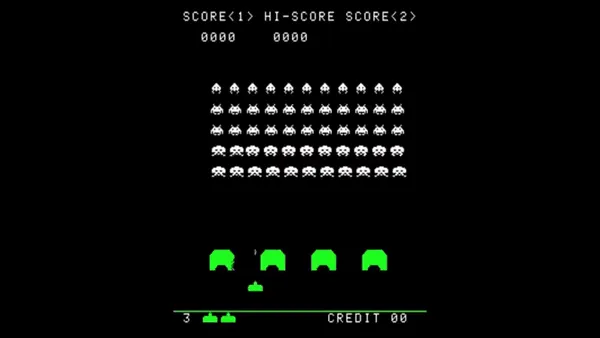
The success of Space Invaders had a significant impact on the video game industry, setting new standards for future projects. The game earned over $500 million, and its alien became an iconic symbol. However, the game's creator, Nishikado, was critical of the quality of the hardware on which Space Invaders ran, emphasizing the need for improved technology to achieve a higher level of gaming experience.
Galaxian, released in 1979 by Namco, was a commercially successful game that used true RGB colors. This game was a reaction to the popularity of Space Invaders and implemented more advanced technology, allowing for the display of multi-color animated sprites. Galaxian significantly improved the visuals of games of the time and ushered in a new era in video game development, providing players with a more vibrant and immersive experience.
Galaxian's developers drew inspiration from the success of Space Invaders but made significant changes, adding dynamics to the gameplay. Alien enemies were given unique behavior patterns, making the game more engaging and unpredictable. A scrolling background enhanced the effect of depth, creating a more realistic atmosphere. Furthermore, the musical theme was carefully crafted by the designers, adding emotional richness and memorability to the game. Galaxian was a significant step forward in the arcade game genre, combining innovation with a proven formula for success.
Galaxian set new standards in the gaming industry, and by 1980, color graphics had become the accepted norm. This game demonstrated the potential of new hardware capable of displaying and animating individual elements, which significantly improved the quality of gameplay. With the introduction of color graphics and animation, Galaxian influenced the further development of video games, setting the direction for future developments and innovations in graphic design.
In the late 1970s, the video game market was oversaturated with violent shooters, making them less appealing to female audiences. Toru Iwatani, the creator of Pac-Man, noticed this imbalance and decided to create a game specifically aimed at women. He concluded that a game theme related to food would attract more players. This innovation was a major step in the development of video games, opening the door to more diverse concepts and stories, which further contributed to a wider audience and increased popularity of games among various groups of users.
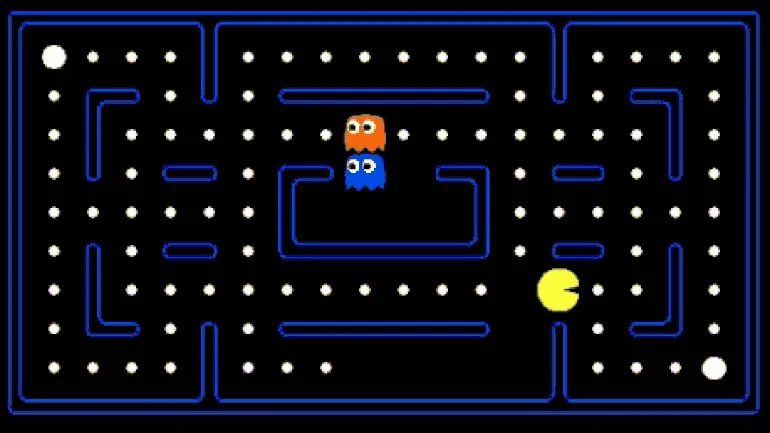
Pac-Man has become a cult phenomenon in the world of video games. Although the game failed to generate significant interest in Japan, it gained immense popularity in the United States and became the first best-selling game by 1981. Interestingly, Pac-Man attracted a female audience, and by 1982, 20% of arcade visitors were women who chose this game. This helped change stereotypes about video games and expand their audience.
Pac-Man's popularity has led to the development of extensive merchandise, the creation of an animated series, and even the release of pop songs. The game was originally called Puck-Man, but this was changed due to concerns that players might replace the letter P with an F, which would cause negative associations. Pac-Man has become not only a video game icon but also a vital part of pop culture, as evidenced by the multitude of merchandise and media products associated with the character.
Early arcade games were limited to fixed screens, which affected their gameplay. However, in 1974, developer Nishikado introduced Speed Race, which was the first game to feature vertical scrolling. This innovative approach opened up new horizons for gaming, creating the illusion of an endless track and improving player interaction. Speed Race paved the way for the further development of the genre and influenced the creation of many subsequent scrolling arcade games.
The next major milestone in video game history was the release of Defender in 1980. It introduced side-scrolling and significantly improved graphical capabilities, making gameplay more engaging. Defender demonstrated how to effectively combine action elements with screen scrolling, adding dynamism and depth to the game. This game not only expanded the horizons of the genre, but also marked the beginning of a new era in video game development, influencing many subsequent projects.
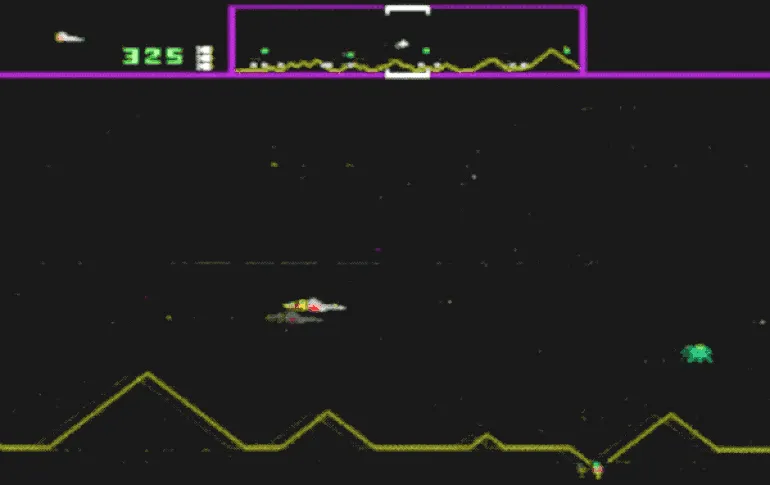
Parallax scrolling technology, first used in video games such as Moon Patrol and Jungle Hunt, has played a significant role in the evolution of graphics. This technique creates the effect of depth on the screen, improving visual perception and making game worlds more realistic. Parallax scrolling allows for multi-layered scrolling of images, which adds dynamism and atmosphere to gameplay. As a result, this technique has become a basis for many modern games, improving user interaction with content and enhancing immersion in virtual reality.
In 1982, Sega introduced Zaxxon, which was the first video game to feature an isometric perspective. Zaxxon offered players a unique experience interacting with the game space, allowing them to change the altitude of their spaceship and use shadows to improve orientation. Zaxxon's innovative graphics and mechanics made it a milestone in game development and launched a new genre that continues to inspire developers to this day.

Zaxxon was praised for its graphics and unique gameplay mechanics. This success marked a milestone in the development of 3D graphics in video games and had a significant influence on subsequent projects in the industry. The game demonstrated new possibilities for visualization and interaction, which contributed to the expansion of genres and the improvement of the quality of gaming products.
The Crisis of the Gaming Industry: How Pixels Defeated Vector Graphics
1983 was a key moment for the video game industry in the United States, when the market faced a serious crisis. The departure of investors from Atari, the oversaturation of the market with game consoles and games, and the general economic downturn were the main reasons for the sharp decline in interest in video games. As a result of this crisis, industry profits fell by almost 97%, leading to the destruction of the console market: revenues fell from $3.2 billion to just $100 million in three years. This situation became a lesson for many companies and determined the future path of the gaming industry.
The market crisis called into question the future of vector graphics in the gaming industry. These technologies required expensive hardware and significantly increased power consumption. Vector games faced several limitations: backgrounds often remained black, and the color palette was very limited. In contrast, raster graphics, although not characterized by perfectly clear lines, opened up the possibility of creating more complex and expressive game scenes. Raster technologies provided greater flexibility in design and visual effects, making them more attractive to game developers seeking variety and depth.
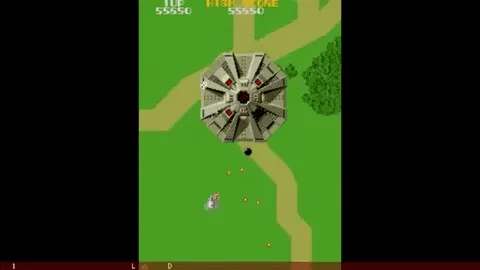
Games such as Namco's Xevious became a symbol of the transition to pixel art and had a significant influence on the development of video games. Developer Masanobu Endo created not just a game, but an entire novel, deepening the plot and infusing it with depth. Xevious, a vertically scrolling shooter with dynamically changing landscapes, set a new standard for the genre and influenced many subsequent games. The pixel art aesthetic and addictive gameplay have made Xevious a classic that continues to inspire developers and players around the world.
While the United States was experiencing an economic crisis, Japan was experiencing a renaissance in the gaming industry with the release of Nintendo's Famicom console. This console, later known as the NES, was the result of an effort to create a technologically advanced and affordable solution that could compete with other gaming systems such as the Epoch Cassette Vision. The Famicom not only improved the quality of games but also laid the foundation for Nintendo's future success, dramatically changing the video game landscape in Japan and beyond.
Engineer Masayuki Uemura, who changed the original plans to incorporate a keyboard and disk drive, developed a cartridge-based game console that revolutionized the video game industry. The Famicom quickly became the market leader, selling 500,000 units in just two months, and within a year, that figure had surpassed one million. The Famicom's success marked a significant milestone in video game history, setting trends and standards for future consoles.
The Famicom not only brought classic arcade hits like Donkey Kong to the console but also opened up new opportunities for game developers. With the ability to load games from cartridges, the Famicom facilitated the creation of more complex and varied titles with improved graphics and sound effects. This evolution in the gaming industry opened the door to innovative projects and new genres, making the Famicom a milestone in video game history. Nintendo president Hiroshi Yamauchi radically shifted the company's business strategy by allowing third-party publishers to develop games for the Famicom console. This move contributed to the emergence of successful franchises such as Dragon Quest and Final Fantasy, and also laid the foundation for the creation of Super Mario Bros. This game not only strengthened Nintendo's position in the market, but also became a symbol of a new era of platform games, setting high standards for developers around the world.
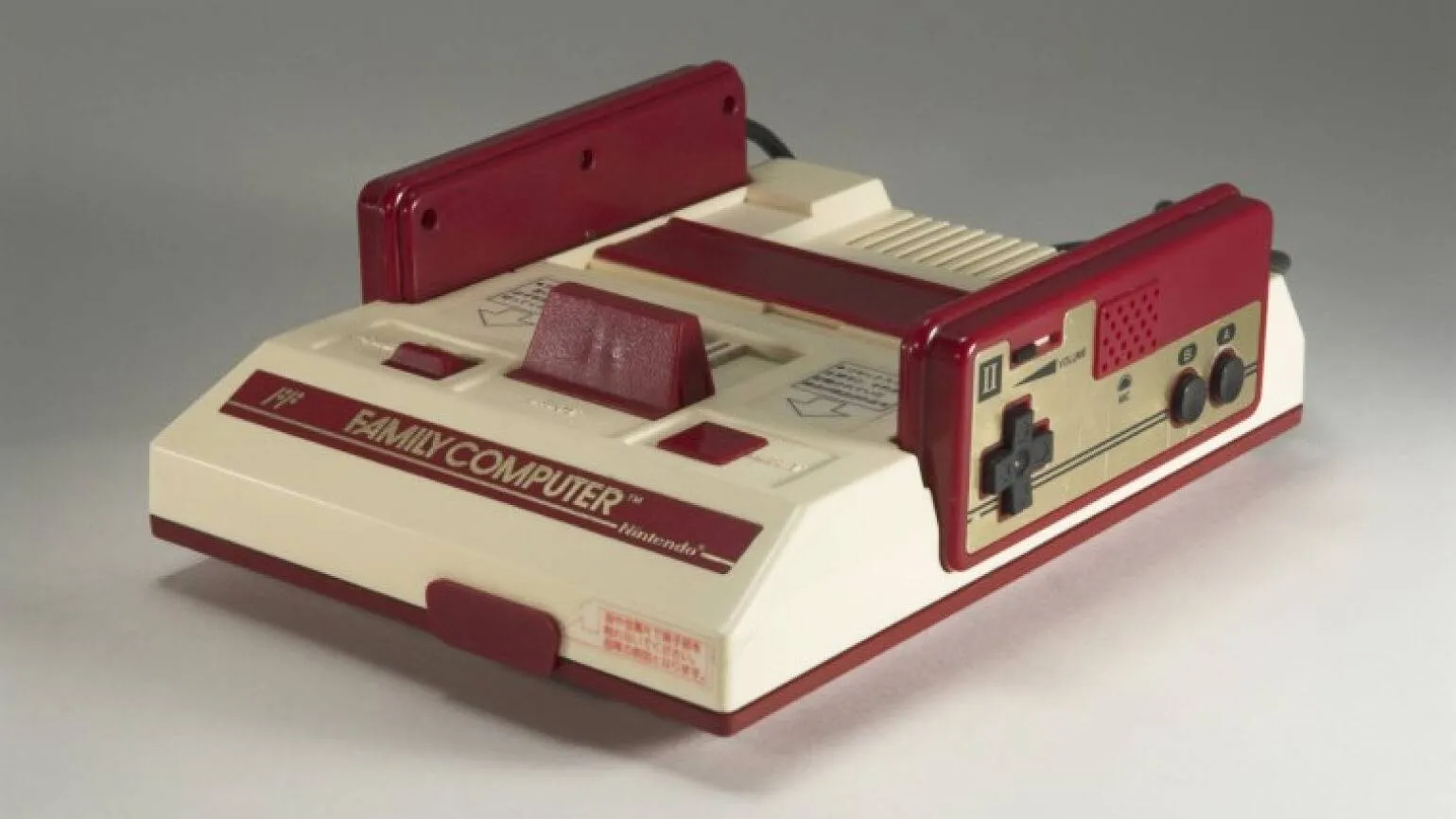
By 1989, Nintendo controlled 23% of the toy market in the United States, and the Famicom console played a key role in reviving interest in video games. Thanks to this, the company's revenue grew from $100 million to $4 billion by 1991. Consoles once again became popular in homes, and pixel graphics laid the foundation for the creation of new gaming masterpieces.
The Famicom not only revived the video game market, but also completely changed the industry, setting new standards of quality. Nintendo's strict requirements for the absence of bugs in games contributed to significant improvements in the development process. This period laid the foundation for the subsequent growth of video games worldwide and the formation of high expectations for games. The result was the emergence of many iconic titles that influenced generations of gamers and set the tone for future developments in entertainment.
The era of pixel graphics, which began with the successful launch of the Famicom console, continues to have a significant influence on modern video games. These aesthetics and mechanics, formed at that time, remain relevant and in demand. Pixel graphics not only inspire developers but also attract players with their unique style and nostalgia for past years. As a result, the legacy of pixel art lives on in new games, shaping their visual identity and gameplay mechanics.
The Evolution of PCs and Consoles: The Impact on Pixel Games
With the development of technologies used in gaming platforms, user expectations for the quality of video games have significantly increased. This change has led to game development becoming more expensive and resource-intensive compared to the 8-bit era, when the creation process was simpler and more affordable. In today's environment, developers are faced with the need to implement complex graphics technologies, advanced artificial intelligence, and multiplayer modes, which, in turn, increases the time and financial costs of game development. Users expect not only immersive gameplay but also high-quality graphics, realistic sound, and deep storylines. This requires developers to constantly improve their skills and master the latest technologies, which is an important aspect in modern game development.
Companies are increasingly focusing on developing visually appealing games, which has become a necessity in the modern gaming industry. Complex animations and detailed graphic elements have become the standard, leading to the creation of more vibrant and impressive pixel games. This significant improvement in visual design contributed to their growth in popularity among players who value the aesthetic component of gameplay.
In the period before and after the advent of the Famicom, Japanese developers were actively working on creating games for home PCs with the MSX architecture. These systems supported a resolution of 640x215x200 pixels, which significantly exceeded the capabilities of most Western systems, which had a resolution of 320x215x200 pixels. The MSX's high resolution allowed for more detailed graphics and a variety of gameplay mechanics, which in turn contributed to the popularity of video games in Japan and beyond. Game development for this platform was a significant milestone in the industry's evolution, opening up new horizons for creativity and technology in entertainment.
High resolution became critical for the Japanese market due to the nature of the written language. As a result, the MSX, PC-88, and PC-98 computers took leading positions, offering improved resolution and increased RAM up to 64 KB. These features made these systems the standard for users in Japan, providing a more comfortable experience with text and graphics, which contributed to their popularity and widespread adoption.
In 1985, new MSX models with sprite mapping were released, revolutionizing the world of video games and introducing brighter and more varied colors. The system gained popularity among renowned Japanese companies, such as Konami, which used it to develop the iconic game Metal Gear. This game became the basis for one of the most famous game series in history, having a significant influence on the development of the stealth action genre and video games in general.

Japanese developers chose these systems because of the optimal balance of performance and affordable price. This decision contributed to the emergence of visual novels, which first became available on the PC-88 platform.
In 1985, the Amiga PC was released in the United States, which became an important milestone in the development of graphics technology. This computer was equipped with chips capable of displaying thousands of colors simultaneously, which was a real breakthrough in the world of computer graphics. Amiga significantly improved visualization capabilities and opened new horizons for game and multimedia developers, which made it popular among users and technology professionals.
The first game from Cinemaware, Defender of the Crown, was released in 1986 and became a shining example of the capabilities of the Amiga computer. Players had the opportunity to immerse themselves in the atmosphere of medieval England, where their task was to conquer territories and rescue princesses. The game attracted attention thanks to its colorful graphics and dynamic cutscenes, which allowed it to take a firm place in the hearts of gamers and become a cult hit of its time. Defender of the Crown not only showcased the technological advancements of its time, but also set high standards for future adventure games.
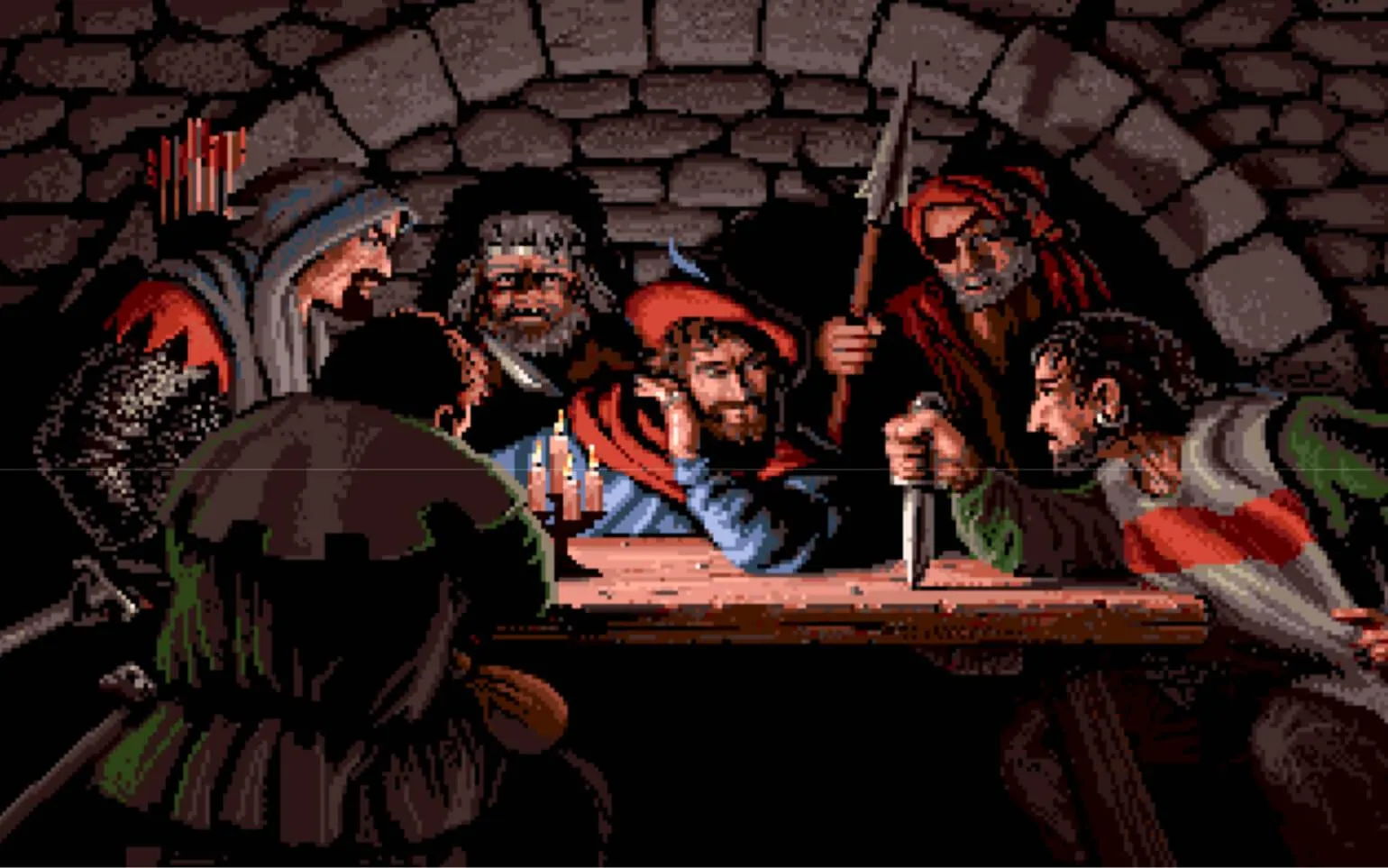
Amiga game developers began to actively apply film industry techniques to their projects, including rotoscoping. A prime example is Karateka, created by Jordan Mechner in 1984. This innovative technique significantly improved character animation and enhanced the visual quality of games, marking a significant step in the development of gaming technology.
Inspired by his success, Mechner released Prince of Persia in 1989. In this game, he used rotoscoping, which allowed him to achieve realistic character movement despite the limitations of pixel graphics. This innovative solution made Prince of Persia one of the most memorable games of its time and had a significant influence on the development of video games.

The technique of digital sprites, which gained widespread popularity with the release of Mortal Kombat in 1992, significantly influenced video game graphics. Developers sought to stand out from the competition by creating photorealistic images of characters and environments. This approach not only improved the visual quality of games but also opened up new possibilities for creating unique game worlds. The digitization of sprites became an important stage in the evolution of graphics, inspiring many other projects and changing the perception of video games.

Since the 1980s, with the advancement of computer technology, pixel art graphics editors have undergone significant changes. Previously, creating sprites was done on paper, which was time-consuming and labor-intensive. Modern graphics editors offer users convenient tools for creating and editing pixel art, significantly speeding up the process and improving the quality of work. The evolution of software has made it possible to use layers, palettes, and various effects, opening up new horizons for artists and game developers. Pixel art continues to be popular due to its unique aesthetic and ease of learning.
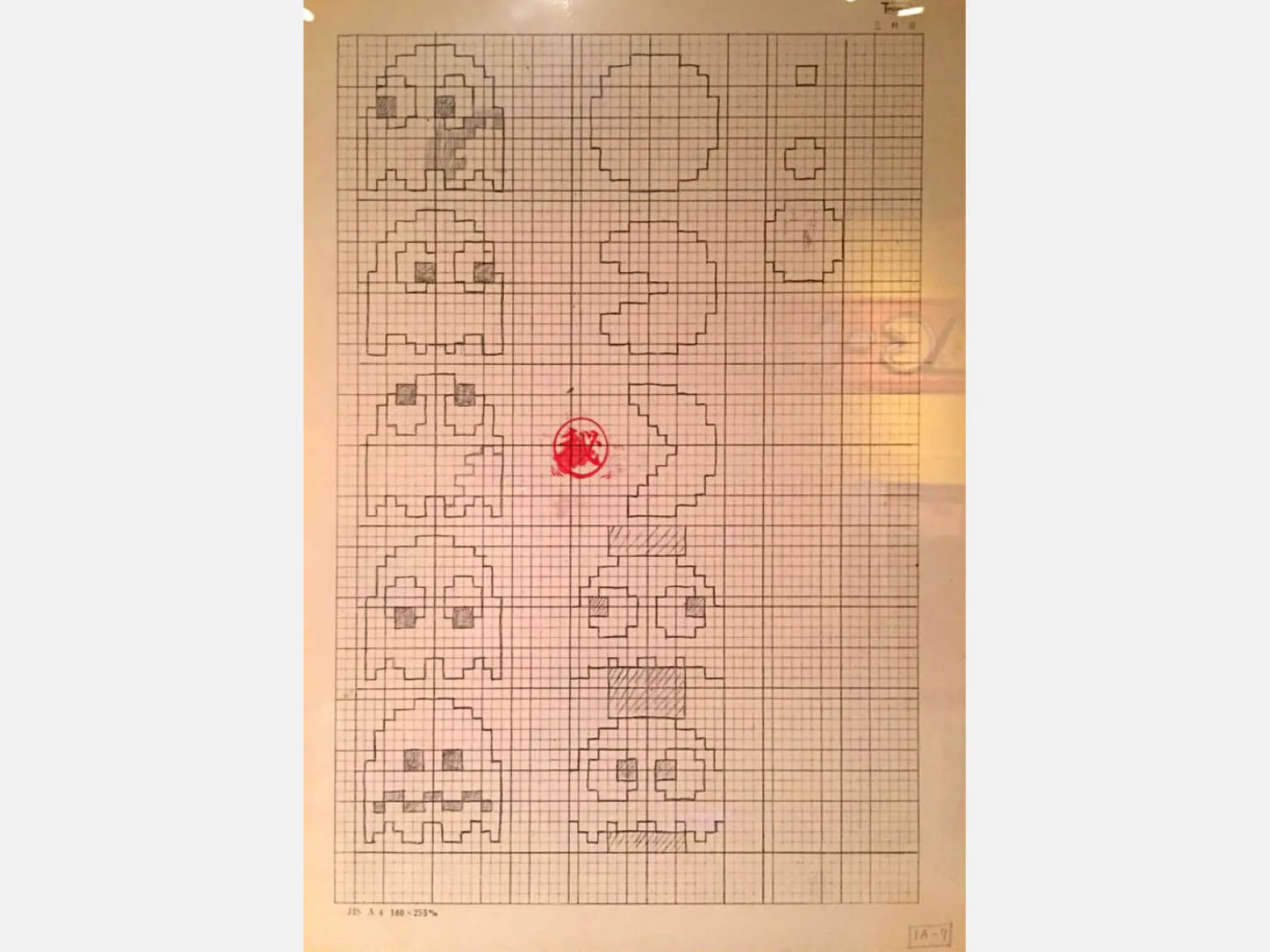
The release of the Amiga introduced Deluxe Paint, which quickly gained popularity among pixel artists and became an industry standard. This editor supported color indexed images, which significantly simplified and accelerated the process of creating graphics. With an intuitive interface and powerful tools, Deluxe Paint opened up new possibilities for artists, allowing them to create vibrant and detailed pixel images. Since then, this editor has remained an important milestone in the history of computer graphics.
Deluxe Paint provided the ability to use all the colors available on personal computers and consoles of its time. This graphics editor was actively used for creating visual materials until the mid-1990s, including popular games such as Sim City 2000 and Doom. With its features and user-friendly interface, Deluxe Paint has become an essential tool for game developers, allowing them to create vibrant and memorable graphics.
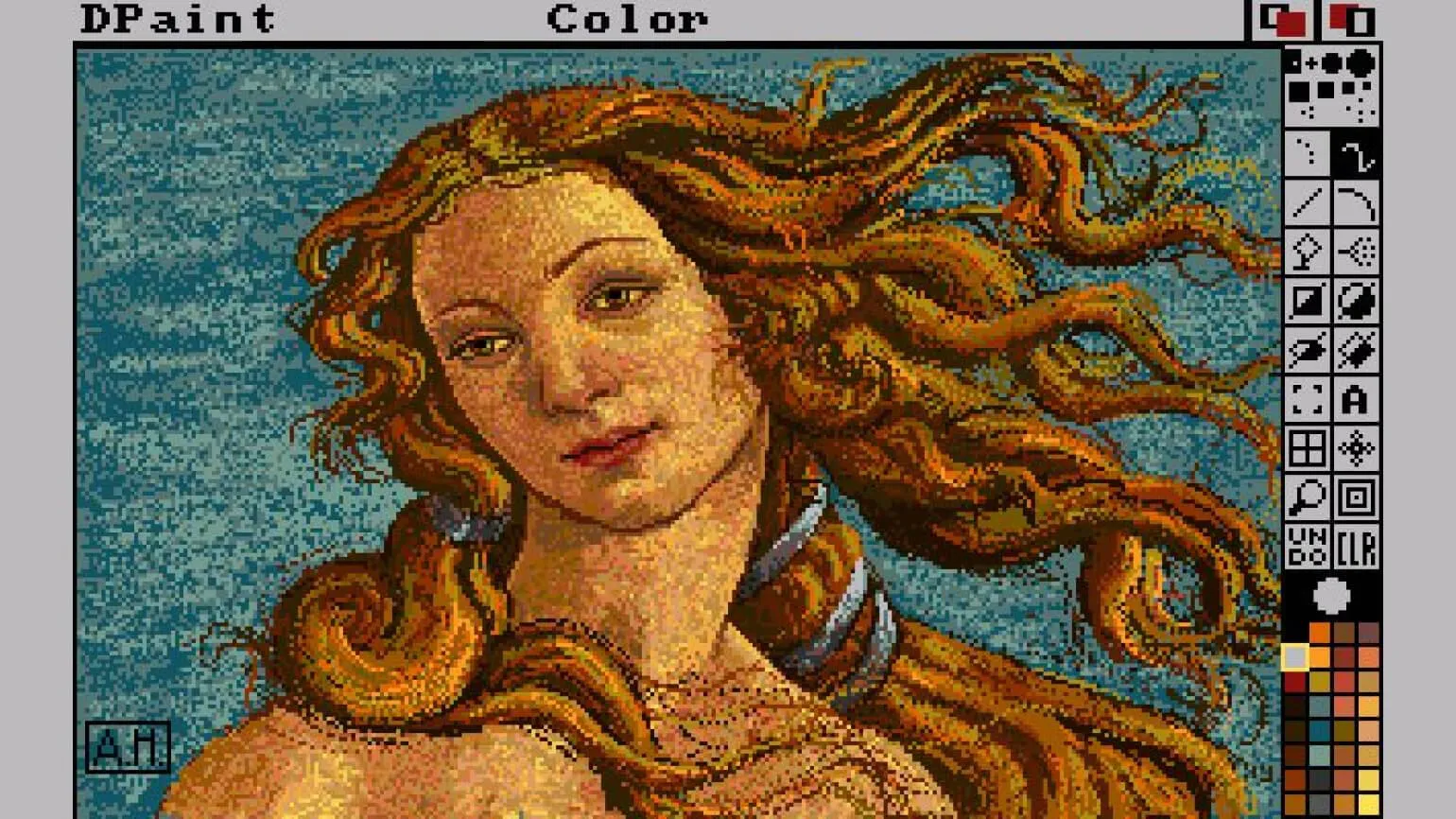
Today, creating pixel art has become accessible thanks to a variety of graphic editors. There are many specialized programs that help artists realize their creative visions. These tools offer a wide range of functionality for working with pixel art, allowing users to easily create, edit, and optimize images for various platforms.
The Decline of Pixel Art and the Rise of 3D Graphics in the Gaming Industry
By the mid-1990s, pixel art began to lose its popularity. With the release of the PlayStation and Nintendo 64 consoles, 3D models rapidly developed, which contributed to a decline in interest in two-dimensional graphics. The gaming industry was actively transitioning to new technologies, and 3D animation became a defining factor in video game development. However, pixel art still maintained its niche, especially among indie developers who appreciated its unique style and nostalgic aesthetic. This genre continues to attract attention today, inspiring new generations of artists and gamers.
Despite changes in game design, pixel games remain relevant. During this period, they gained diversity, showcasing improved animations and rich color palettes. A prime example is the shooter Metal Slug, released in 1996 during the 3D revolution. Set in 2028, the game's protagonists, Captain Rossi and Lieutenant Roving, fight against the army of an evil general bent on world domination. Metal Slug has become a cult classic that continues to inspire developers and players, highlighting the enduring appeal of pixel art in video games.
Metal Slug has become a cult classic, gaining widespread popularity and spawning a successful series spanning multiple platforms. The series boasts a unique graphics style, engaging gameplay, and diverse cast of characters. Metal Slug continues to attract new players and classic fans alike with its nostalgic atmosphere and innovative approach to the genre. Metal Slug games remain popular, confirming their importance in the world of video games.

Pixel games of the time were actively developing their visuals, becoming increasingly detailed and spectacular. In 1997, Castlevania: Symphony of the Night was released, radically changing the approach to character design. Instead of muscular heroes, the game offered more slender and graceful images, which became the basis for the formation of the new Metroidvania genre. This transition not only enriched the visual style of the games but also had a significant influence on the development of game mechanics and storylines in subsequent projects.
Since its debut in 1986, the Castlevania series focused on the vampire hunters of the Belmont clan. However, Koji Igarashi, the game's producer, initiated significant changes, striving to create unique characters that would more deeply reflect the themes of blood and darkness. This innovative approach allowed for a more diverse storyline and enriched the game universe, introducing elements of mythology and psychological depth. The development of characters and their motivations has become a key aspect that sets the series apart from other games in the genre, attracting the attention of both old and new fans.
Koji Igarashi emphasizes that his goal was to significantly change the game's image compared to previous installments in the series. To achieve this, a new visual concept was necessary. Igarashi aimed to emphasize themes of blood and darkness, as well as to create a unique vampiric aesthetic, which was intended to bring a fresh perspective to the game series.
Inspiration for the new visual style came from a bookstore where the author studied the work of illustrator Ayami Kojima. This talented self-taught artist mastered the art of drawing through her passion for artistic materials. Her unique approach and style became the foundation for the new visual direction.
Castlevania: Symphony of the Night has earned a cult status thanks to its high level of detail, expressive characters, and meticulously crafted environments. The game stands out for its unique combination of platforming elements and role-playing gameplay, making it one of the most memorable in the series. The aesthetics and musical score also contribute to the unique atmosphere, attracting both new and veteran players.


Symphony of the Night gameplay harmoniously combines elements of previous games with innovative mechanics, including non-linear progression, which gives players the opportunity to explore the world more freely. This innovation became a key factor in the formation of the Metroidvania genre, along with the iconic Super Metroid. Interactive elements and a detailed map make the game unique, providing choice and variety in the course of the game. This approach not only enriches the gameplay but also creates a deep atmosphere, drawing players into an exciting adventure.
At the time of its release, the game did not achieve commercial success, despite its now recognized cult status. Sony and Konami did not believe in its potential, as a result of which only a limited number of copies were released. This occurred at a time when 3D games were already gaining a dominant position in the market.
3D graphics offer many advantages. Despite the high demands on computing resources, objects in the game are formed using mathematical equations. This allows for the dynamic resizing and positioning of objects based on player actions, significantly improving gameplay and creating a more realistic atmosphere. Three-dimensional graphics are becoming an essential tool for developers seeking to create engaging and interactive games.
Game creation is based on mathematical equations, allowing the software to recalculate the position and size of each polygon in real time depending on the player's location in the virtual world, according to Tristan Donovan, author of "Play! The History of Video Games." This approach ensures dynamic and realistic gameplay, allowing players to interact with the environment more naturally.
The first 3D games appeared in the 1970s, but a real revolution in this field occurred in the early 1990s with the release of Wolfenstein 3D in 1992. This project by id Software became a significant event that changed the video game industry. The company offered its cutting-edge technologies to other developers, which radically changed the approach to game creation and opened new horizons in game design. Wolfenstein 3D not only set new standards for graphics, but also inspired many subsequent projects in the first-person shooter genre, which contributed to the further development of 3D technology in games.
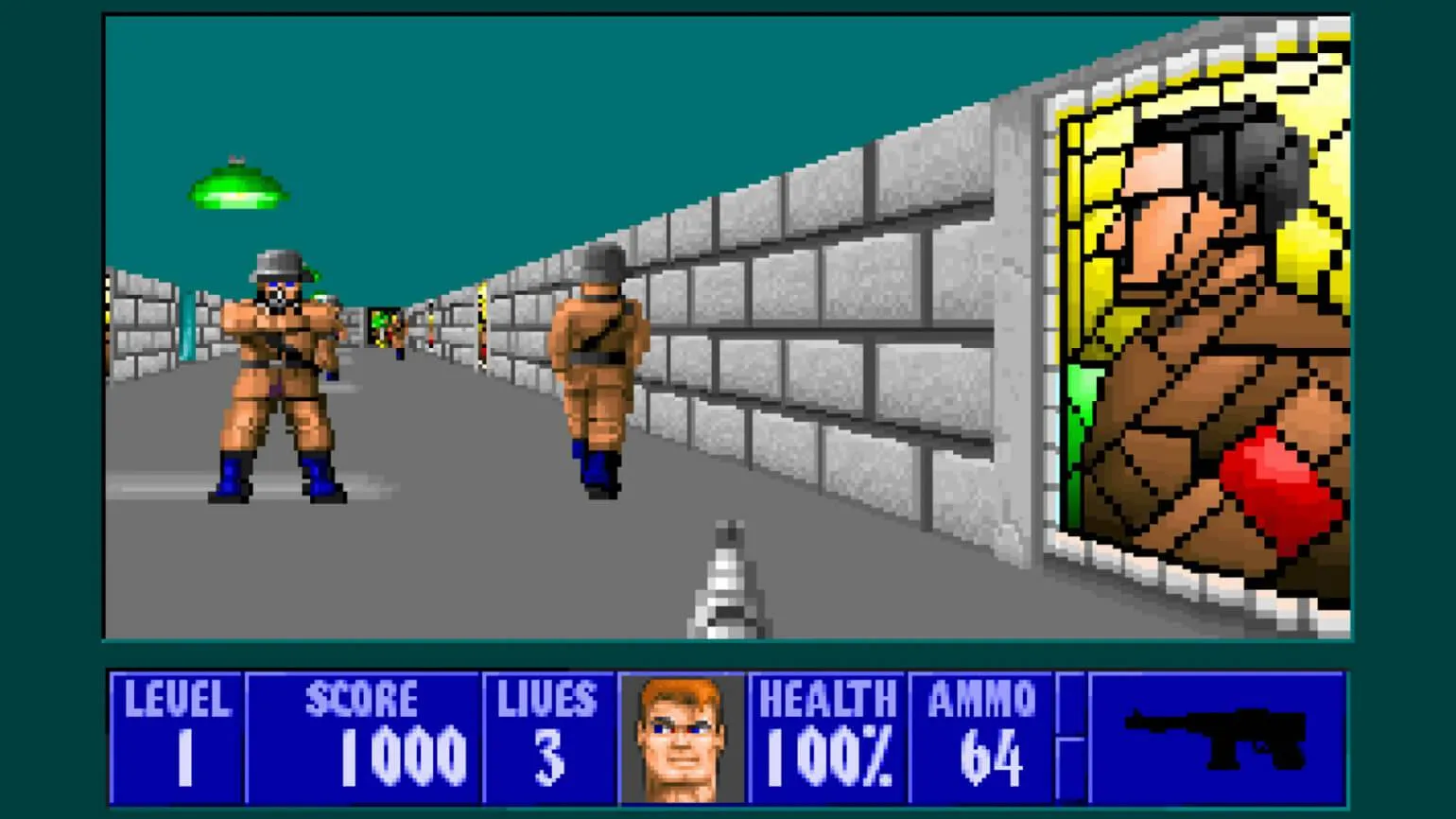
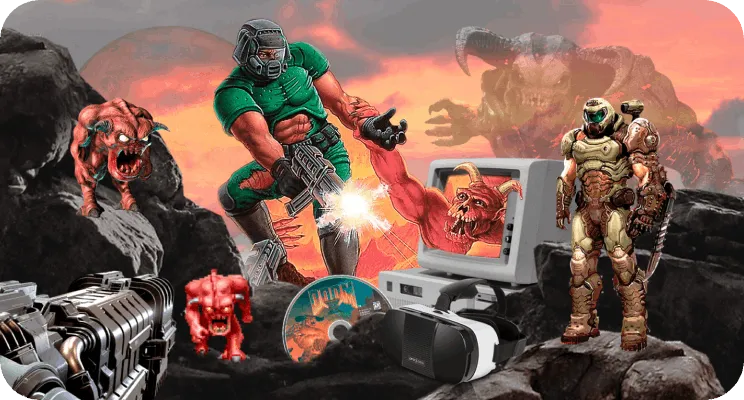
Released in 1993, Doom marked a milestone in the development of 3D graphics and had a significant impact on the first-person shooter genre. Not only did it set new standards for game graphics, but it also inspired many players to upgrade their computers to comfortably run 3D games. Doom became a benchmark for game developers in the years that followed, contributing to the evolution of computer technology and gaming.
In the console gaming market, 3D graphics have made significant progress thanks to Sony PlayStation, which introduced the compact disc as a storage medium and implemented modern 3D technology. As the computing power of gaming devices increased, companies began actively developing visually realistic games, which contributed to the rapid transition from 2D to 3D graphics. This breakthrough opened new horizons for gamers and developers, significantly improving the quality of the gaming experience and expanding the possibilities for creating exciting content.
The Revival of Pixel Art in the Modern Gaming Industry
Despite the prevalence of 3D graphics, pixel art not only survived but also took a significant place in contemporary art and the gaming industry. At the beginning of the 21st century, it experienced a rebirth, turning into an independent aesthetic direction filled with nostalgia for the era of 8-bit gaming. Pixel art has returned in a variety of forms, including indie games and modern visual works such as pixel 3D. This style attracts attention for its uniqueness and ability to evoke emotion, confirming its popularity in various fields of art and entertainment.
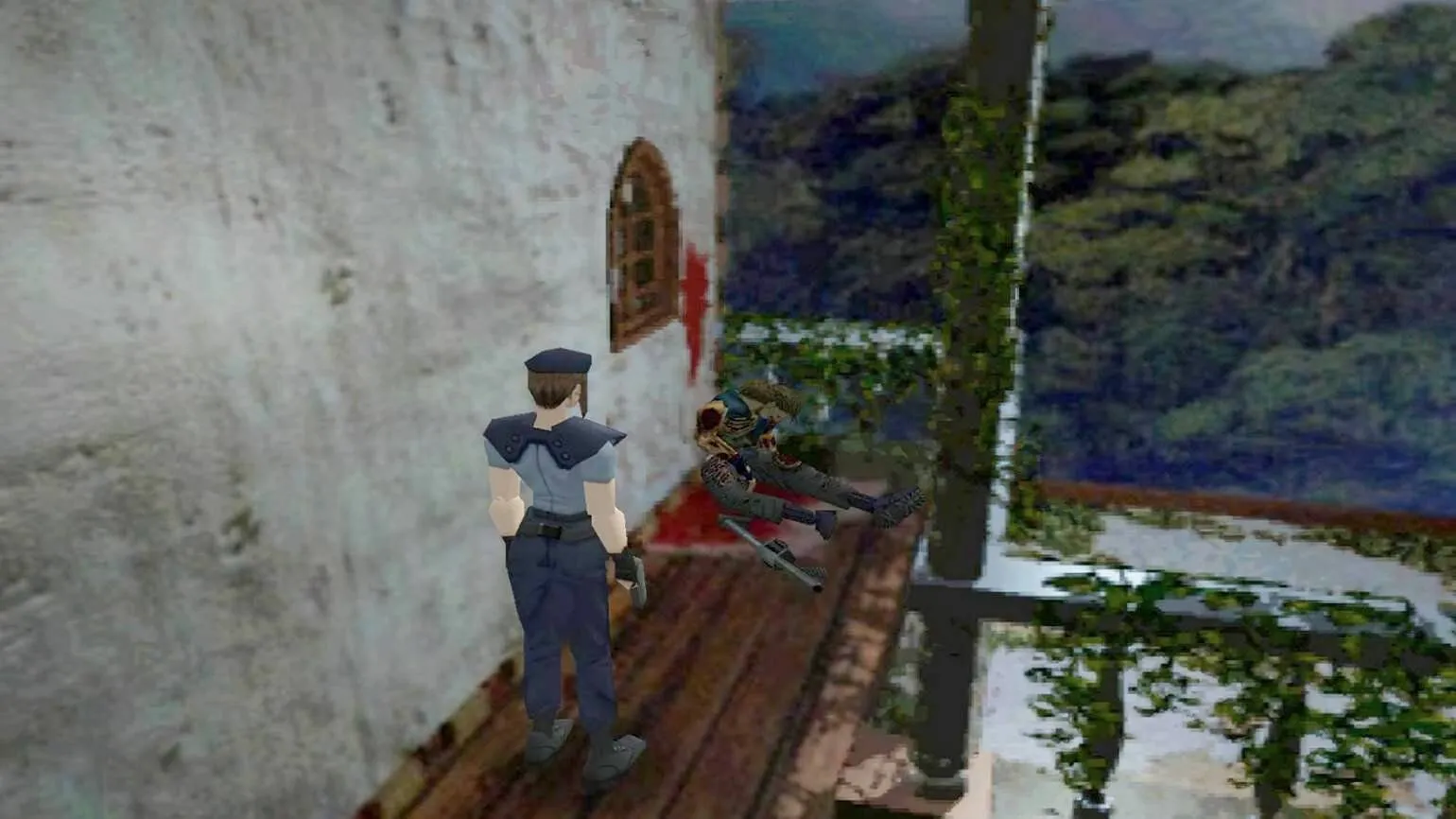
The late 1990s and early 2000s marked a key period in the development of pixel games. Developers sought to find the optimal balance between 2D and 3D graphics. Although many studios were already capable of creating impressive 2D projects, they felt pressure from new 3D technologies. As a result, some companies began to adapt their 2D skills to create unique 3D games, such as Heavy Metal: Geomatrix and Resident Evil. This period marked a significant milestone in the evolution of video games, as it was then that new game mechanics and aesthetic approaches began to emerge that would later have a significant impact on the industry.
One of the key stages in the revival of 2D games was the release of the free-to-play Metroidvania Cave Story in 2004. Developed by sole creator Daisuke Amaya, Cave Story brought attention to the pixel art style and demonstrated that indie teams could create high-quality projects without significant financial investment. Cave Story became a symbol of a new movement in the gaming industry, inspiring numerous developers to create unique 2D games and contributing to the popularity of indie games in general. Cave Story established itself as a cult classic and became the starting point for the indie era, significantly influencing the genre's development. This success paved the way for projects like Undertale and Shovel Knight, each of which, in their own way, popularized the pixel art style. Cave Story inspired countless developers, proving that independent games could be successful and memorable, which in turn led to a flourishing indie gaming scene.
By 2010, interest in pixel games had grown significantly thanks to tools like RPG Maker. This program gave developers the opportunity to create their own projects with distinctive isometric views and distinct characters. This contributed to the emergence of unique stories like those presented in To the Moon. Pixel graphics and ease of development attracted the attention of both indie developers and players, which gave new impetus to the growth of the genre.
In recent years, there has been a strong trend towards pixel art, which has become especially noticeable in the gaming industry. Many developers began creating games adapted for older consoles such as the NES and Dreamcast. A striking example is Paprium, a beat'em up released in 2020 that harks back to classic titles and uses a visual style characteristic of retro games. This renewed interest in pixel art not only attracts nostalgic players but also opens up new opportunities for creative developers seeking to combine modern gameplay with the aesthetics of the past. Pixel art has gained popularity not only in the gaming industry but also among artists such as Evgenia Goncharova and waneella. They create impressive pixel animations and paintings that draw inspiration from urban architecture and post-Soviet reality. This artistic approach allows for the conveyance of a unique atmosphere and aesthetic, captivating viewers and creating a new visual experience. Pixel art has become an important element of contemporary visual language, fusing traditional and modern techniques. Pixel art and voxels have become important elements of contemporary art. Voxels, which represent three-dimensional pixels, are actively used in video games such as No Man's Sky and Minecraft. This art form continues to evolve, attracting the attention of both artists and gamers. Advances in technology and the rise of indie gaming are fueling interest in voxel graphics, creating new creative opportunities. Pixel art, in turn, retains its appeal thanks to its unique style and 8-bit nostalgia, making it relevant today. Pixel art has evolved from a necessary format to a distinct style that continues to be popular in the modern world. The use of pixels and voxels in video games has become more than just a trendy phenomenon; it's a recognized art form. This style inspires new generations of developers and artists, allowing them to create unique visual solutions and immerse players in the atmosphere of retro gaming. Pixel art not only remains relevant but is also actively evolving, bringing fresh ideas and creative approaches to the industry. If you're looking to dive into the world of pixel art, consider games like Hyper Light Drifter, Fez, Stardew Valley, and Celeste. These titles not only inspire but also delight players worldwide with their unique style and engaging gameplay. Each offers a unique experience that combines the aesthetic appeal of pixel art with deep immersion. Pixel art continues to be a relevant and popular genre, attracting both old fans and new players.
Pixel art: 7 inspiring ideas for creativity
Want to create unique pixel art? Find out 7 interesting ideas!
Find out more