Table of Contents:
Learn: Profession Game Designer from Scratch to PRO
Learn MoreCreative block is a serious problem for any artist, and for a game studio, it can lead to production hell. When a team faces a lack of ideas or inspiration, it not only hinders the development process but can also negatively impact the game's release timeline and quality. It's important to find ways to overcome such situations to maintain creativity and productivity. Effective methods such as brainstorming sessions, collaboration with other specialists, and changing the work environment can help restore motivation and refresh the approach to the project.
The gaming industry has repeatedly faced situations where long-awaited projects hit the market after a difficult development. Recent examples include the zombie action game Dead Island 2 and the vampire shooter Redfall. Both games endured numerous difficulties during development, but their final results turned out very different. Dead Island 2 unexpectedly gained popularity and positive reviews, while Redfall failed to live up to expectations, forcing Xbox CEO Phil Spencer to publicly apologize for its failure. This contrast highlights the importance of high-quality development and attention to detail in the modern gaming business.
Development hell: where does it begin, and how can you escape it while preserving the project's original ideas? To understand these issues, Skillbox Media's Gamedev team spoke with Maxim Fomichev, executive producer at Owlcat Games, known for projects such as Pathfinder: Wrath of the Righteous and Warhammer 40,000 Rogue Trader.
First, it's important to understand the term "development hell." What are its characteristics, and how does it differ from the usual difficulties that arise during development? Understanding this difference can be helped by learning from the development of a game that underwent at least three changes – Resident Evil 4. Development hell is characterized by extended deadlines, inefficient processes, and constant changes to the project's concept. This condition, unlike typical problems, leads to significant losses of time and resources, as well as a decrease in the quality of the final product. Therefore, it is important to study examples such as Resident Evil 4 to understand how to avoid similar situations in the future.
What is Development Hell
Today, Resident Evil 4, released in 2005, is a classic of the survival horror and third-person action genre. The game was ported to all popular platforms and inspired the creation of a successful remake. However, in the early 2000s, when development of the fourth part was just beginning, the team did not have a clear idea of \u200b\u200bwhat the game should look like. This period was a time of experimentation and exploration, which ultimately led to the creation of one of the most influential and acclaimed projects in the gaming industry. Resident Evil 4 not only redefined the genre but also set new standards for future games, combining horror and action elements in a unique format.
The developers decided to take a different approach to creating the new game, seeking to eliminate outdated elements of the series, such as a fixed camera, zombie battles in confined spaces, and searching for keys to solve puzzles in complex environments. To implement these changes, they needed to develop innovative mechanics and gameplay elements. As a result, they began to actively experiment, hoping to find fresh solutions and offer players a unique experience that meets modern requirements and expectations.
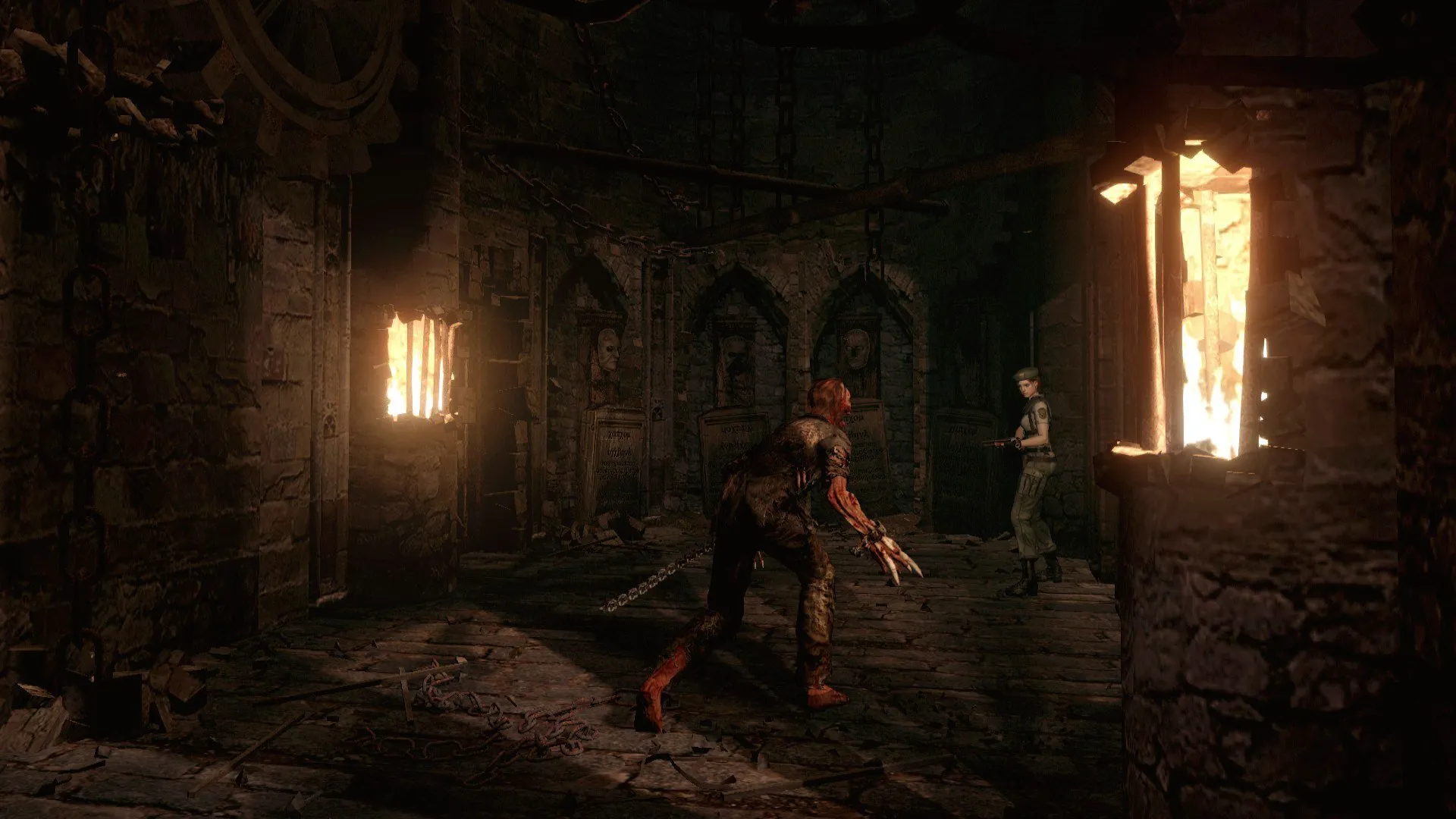
The first version of the game, developed by game designer Hideki Kamiya, transformed Resident Evil into a stylish action game, and did so so successfully that it practically eliminated elements characteristic of its predecessors. Franchise founder Shinji Mikami convinced the development director to change the project's name and sever all ties with Resident Evil, which ultimately led to the creation of the cult slasher series Devil May Cry. This game became a landmark work in the genre, defining new standards for action games and leaving a noticeable mark on the gaming industry.
After this first attempt, the so-called Fog Version was released, the trailer for which players saw in late 2002. This video demonstrated two new locations: the inner chambers of the castle and an airship. The trailer also hinted that Leon Kennedy, one of the main characters of the series, had become infected with a virus developed by the villainous Umbrella Corporation. This information created anticipation among fans and increased interest in the game universe, which intertwines elements of horror and action.
The third version of the game introduced a new concept, more reminiscent of the atmosphere of Silent Hill than Resident Evil. In this update, the protagonist, Leon, encounters hallucinations, including a mysterious ghost with a hook, which increases the feeling of anxiety and uncertainty. This transformation in gameplay introduces elements of psychological horror, making the game more tense and memorable.
At the 2003 E3 exhibition, a demo and trailer for the new version of the game were presented. Before the demonstration, Shinji Mikami assured the audience that development was going well and that Resident Evil would be the scariest game in the series. However, in reality, the team working on the fourth part had still not decided on the direction in which to develop the project.
Mikami was convinced that the introduction of a mystical plot did not correspond to the concept of the series, which had previously focused on zombies and biological experiments of sinister corporations. As a result, the creator of Resident Evil himself took over the direction of development and removed Yasuhisa Kawamura, the author of the previous version, from this role, who still regrets this incident. This decision became key in forming the unique style and atmosphere of the game, which allowed Resident Evil to maintain its popularity and attract new fans.
By 2003, the development of Resident Evil 4 was in a state of production hell. The creators of the game faced two key problems that distinguish this process from the usual development difficulties. These issues complicated the project's implementation and required significant effort to resolve, making the game's development process particularly complex and confusing.
- Lack of a clear vision. The developers don't have a clear concept for the game they want to see at release, and the ideas they have are constantly changing.
- Going in circles. The developers repeatedly return to previous stages, but their efforts fail to produce results or, on the contrary, create new difficulties.
According to Maxim Fomichev, production hell in business is primarily due to planning errors. Such errors lead to the need to adjust the project vision mid-progress and cause the team to waste effort. The causes of these errors can be varied and require careful analysis to eliminate them.
Why Games End Up in Production Hell
The first signs of a creative crisis often appear at the beginning of development, when the game is in the pre-production stage. During this period, the foundation is laid and the direction of the future project is determined, which makes it especially vulnerable to creative difficulties. It is important to recognize these signs in time to successfully overcome the crisis and ensure the further development of the game.
During the pre-production stage, it is necessary to clearly define two key questions: "What kind of project are we creating?" and "How will we develop it?" This includes technology analysis, workflow development, art creation, and other important aspects that affect the success of the project. A proper understanding of these issues allows you to lay a solid foundation for the subsequent stages of game development.
When developing 3D models, several key aspects must be taken into account. It's important to define the pipeline used for model creation, as well as establish the required polygon count and texture resolution. At the same time, the creative director works to shape the overall vision of the project, while the producer is responsible for its market appeal and budgeting. These elements must be carefully balanced to achieve a successful game.
Maxim Fomichev is the executive producer at Owlcat Games. Under his leadership, the studio has developed a number of successful game projects that have received acclaim from both critics and players. Thanks to his experience in the gaming industry and leadership skills, Owlcat Games continues to create high-quality RPGs that attract a wide audience. Maxim is actively involved in the development process, ensuring high standards of quality and innovation in each project.
Properly organized development processes allow the studio to answer key questions during the pre-production stage, before it begins devoting resources to content creation. If this stage is neglected, a crisis can arise, influenced by various factors. Effective pre-production management helps minimize risks and optimize costs, ensuring the successful completion of the project.
The development of Resident Evil 4 began with an ambitious goal to reimagine the entire series, although specific plans were lacking at the time. Typically, such projects start with a clear idea, but in this case, the concept proved too abstract or subject to frequent changes, making its implementation difficult.
This is precisely what happened with Mass Effect: Andromeda. The game's creators, BioWare, decided back in 2013, long before the announcement of Starfield, to combine elements of a cinematic RPG with a large-scale open world. The result is a vast world made up of hundreds of procedurally generated planets, allowing players to explore unique locations and immerse themselves in exciting adventures.
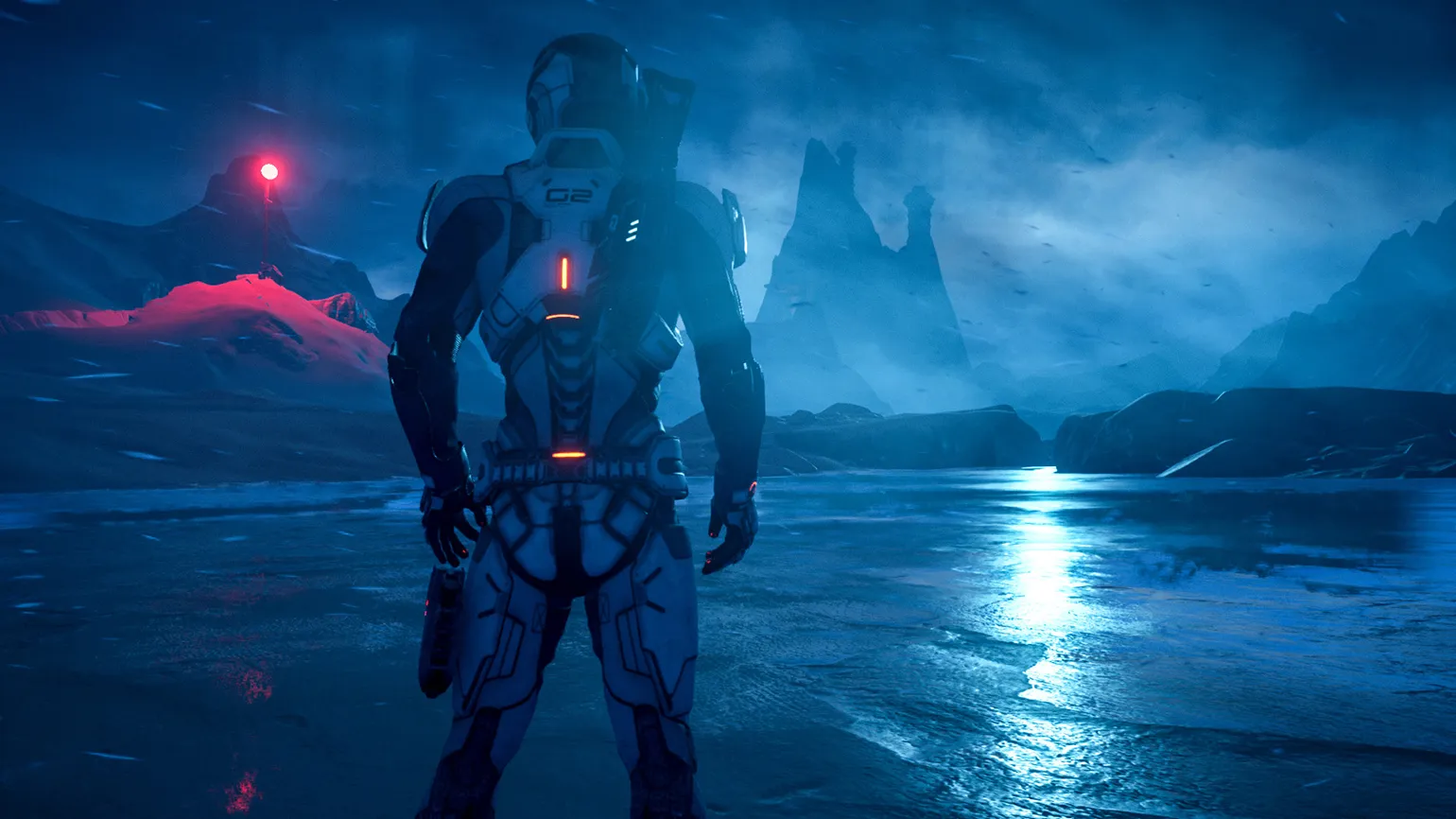
The idea looked promising, opening up new horizons for players to explore. The developers had mastered algorithmic planet generation and built a prototype of the Nomad rover to explore them. However, the team lacked a clear vision of how to make this process engaging and how to integrate the complex narrative that had become the hallmark of the Mass Effect series.
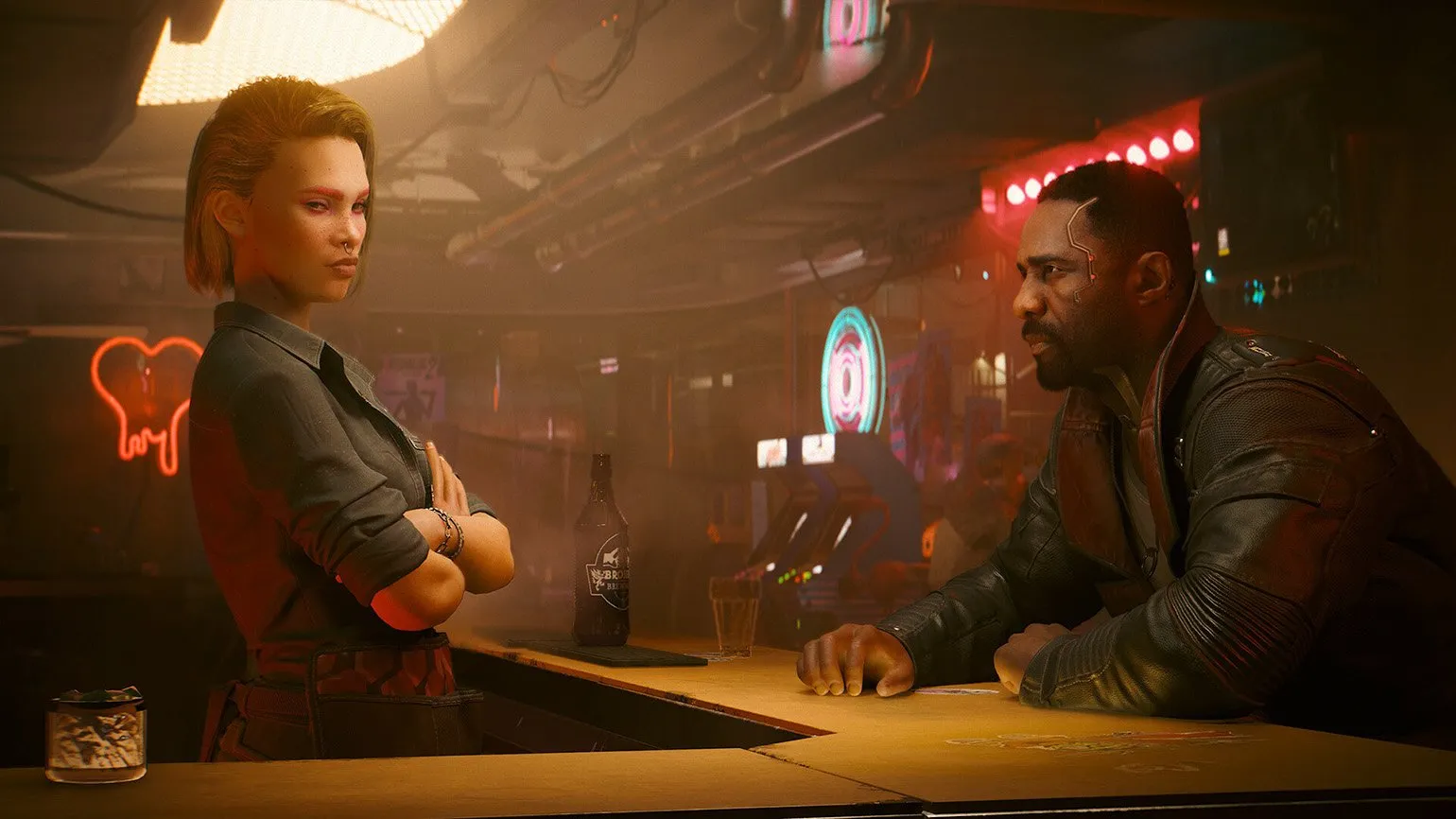
The Cyberpunk 2077 team faced unique challenges during development. Although work on the game began in 2012, the project was effectively restarted in 2016 after Adam Badowski, head of CD Projekt RED, took over development and initiated significant changes. One of the key decisions was switching from a third-person to a first-person view, which had a significant impact on the gameplay and perception of the world.
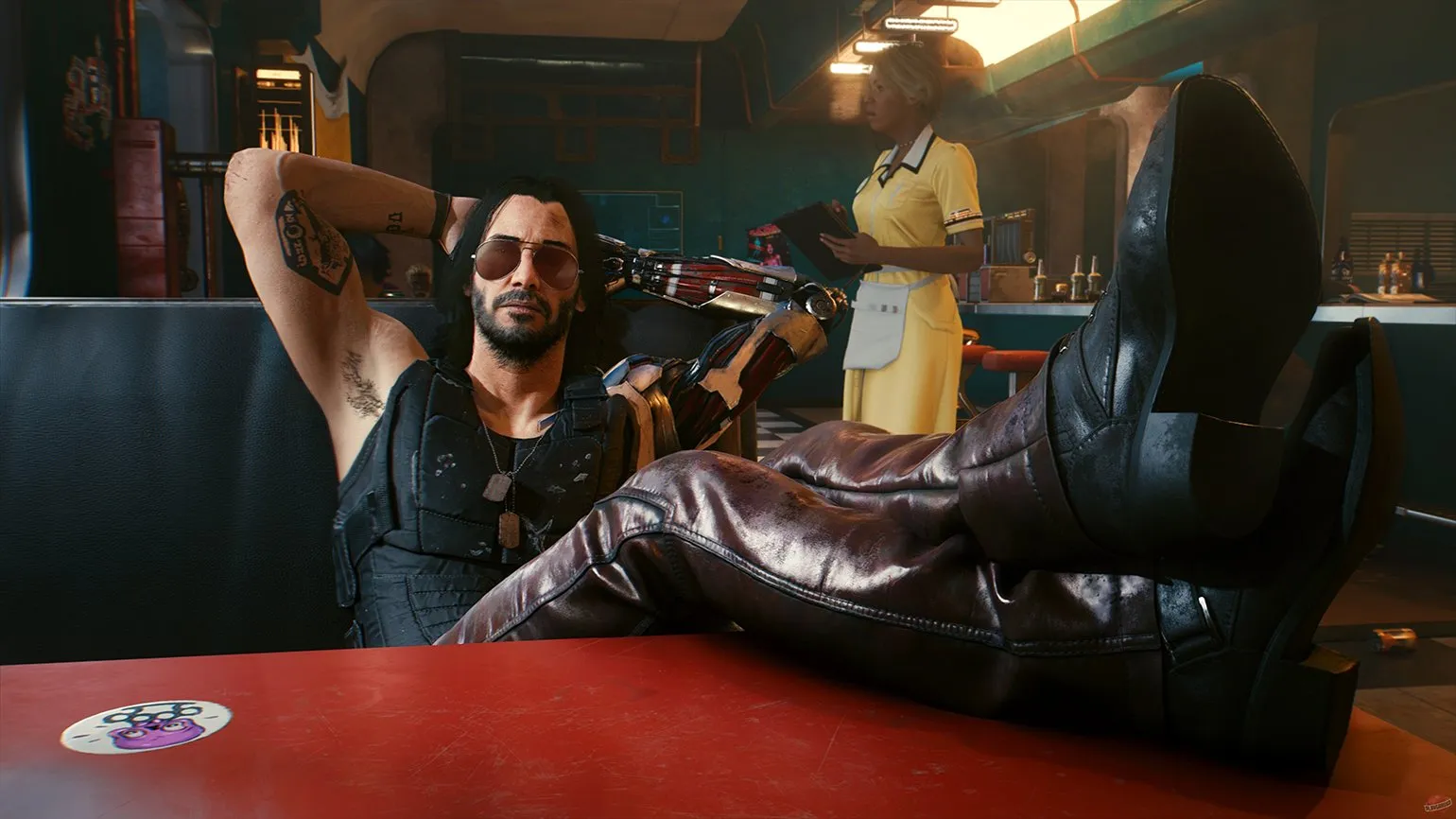
In both cases, despite a lengthy pre-production phase, the developers began production with only a general idea of the desired outcome. The team working on Andromeda didn't have time to prepare a vertical slice of the game, which led to various difficulties, compounded by additional factors.
In the gaming industry, an engine is software designed to integrate various game elements, such as combat systems, inventory, and cutscenes. The primary purpose of an engine is to make life easier for developers by eliminating the need to build everything from scratch. However, choosing the wrong engine, as demonstrated by Mass Effect: Andromeda, can lead to serious problems during development and negatively impact the final product. A key aspect of successful game development is carefully choosing an engine that meets the project's requirements and allows for the implementation of the intended ideas without significant difficulties.
The game was developed using the Frostbite engine, which was originally intended for the Battlefield series. When BioWare began creating a large-scale RPG using this engine, it turned out to lack key features necessary for the genre, such as an inventory system and an animation system that meets the requirements of Mass Effect. This created significant challenges during development and impacted the game's final product.
Maxim Fomichev emphasizes that when transitioning to new technology, teams need time to master it and, if necessary, develop tools to adapt it to their specific needs. However, in the case of Andromeda, this process was not implemented, which led to the game entering production with numerous unresolved issues. This underscores the importance of thorough preparation and testing of new technologies before implementing them in projects.
Interestingly, another game from BioWare, Anthem, faced similar difficulties around the same time. This looter shooter is remembered by players for the ability to fly in exosuits and for the lowest rating in the company's history. At launch, loot collection in Anthem played a secondary role, as the game was a survival action game on a hostile planet. Players had to avoid electrical storms and fight enormous monsters. Despite innovative elements like flight mechanics, Anthem failed to live up to expectations and demonstrated the difficulties common to many modern games attempting to combine elements of different genres.
The developers created numerous prototypes to prove the viability of their ideas, but it soon became clear that the Frostbite engine was unable to support the intended mechanics. For example, it could not simulate the day-night cycle, and it took a full day of real time to bake the lighting. This circumstance forced BioWare to gradually abandon its initial plans and begin borrowing elements from looter shooters such as Destiny.
Creating a video game is a complex process, as one of the Anthem developers noted in a conversation with journalist Jason Schreier. The need to overcome the difficulties associated with using in-house developed tools can complicate the task. Effective tools are crucial for streamlining your workflow, and their insufficient functionality can significantly slow down development. It's important to remember that successful game development requires not only a creative approach but also a high-quality technical foundation.
The problem with game engines is nothing new to the industry. In the early 2000s, Troika Games chose the Source engine for its vampire RPG, which at the time was only available to developers at Valve. The decision to use an unfamiliar technology was one of the reasons that led to the studio's closure. This underscores the importance of choosing the right engine for successful game development.
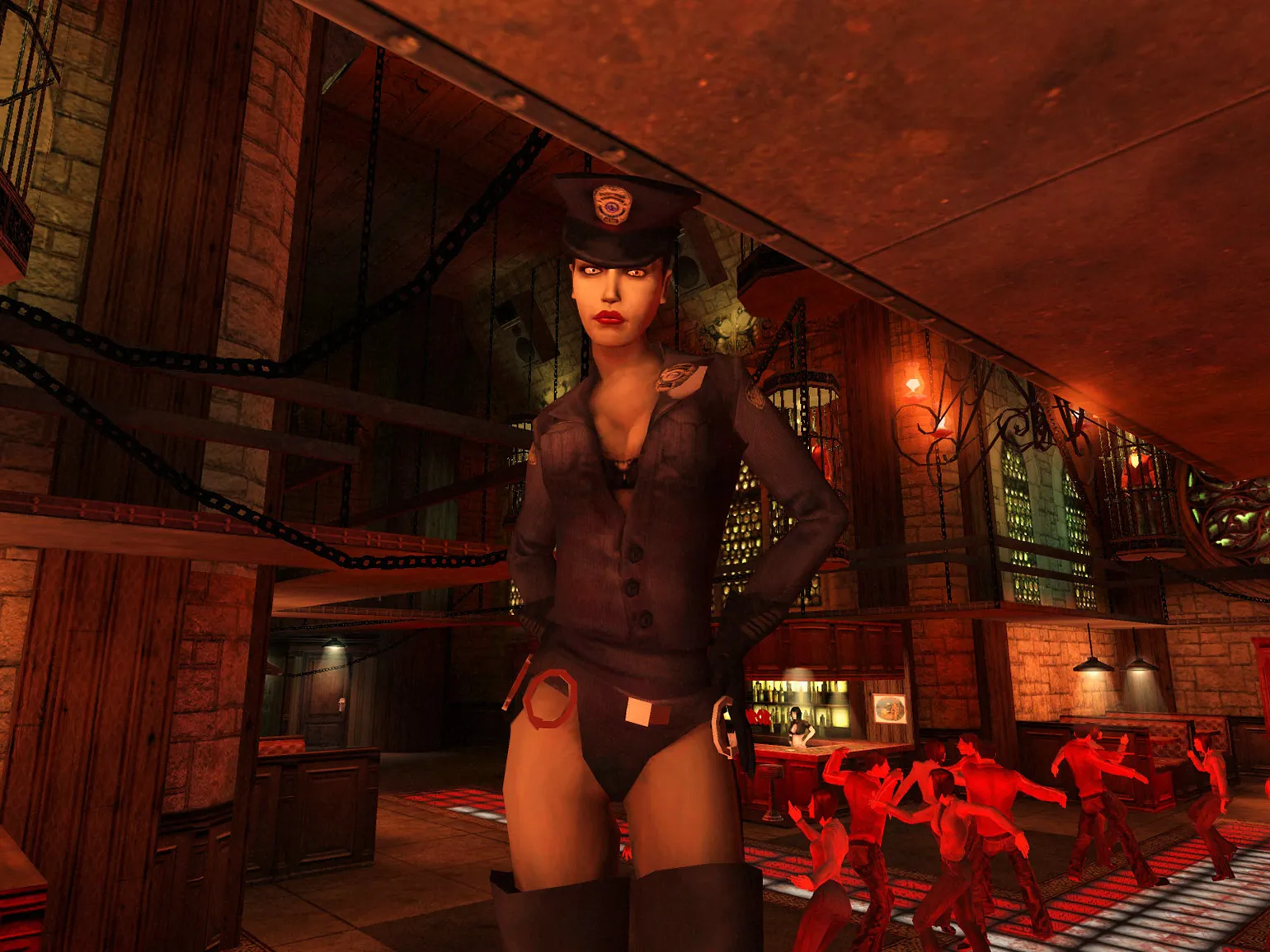
While you may overestimate your capabilities, you'll struggle to reach the level of the creators of Vampire: The Masquerade — Bloodlines, released in 2004. The game's concept is perfectly captured by its writer, Brian Mitsoda, who described it as "kitchen sink game design," implying that everything should be in the game, including the kitchen sink. This speaks to the scale and diversity of the game's content, making it unique in its genre.
Bloodlines perfectly aligns with this approach, offering a complex and multi-layered narrative. The game features seven classes with diverse attributes and roleplaying options. It offers a rich combat system encompassing both melee and ranged combat, as well as stealth elements. All these aspects were implemented by developers on a complex game engine created by a small team of 32 people.
A lack of personnel on a team often leads to project development being halted. A prime example of this is the creation of the co-op vampire shooter Redfall. After the release, which was extremely unsuccessful and received negative reviews from both players and critics, Arkane Austin studio lost approximately 70 percent of its staff. This underscores the importance of a stable team for the successful completion of game projects.
The Bloodlines project did not experience any staff turnover, but the small team lacked the resources to implement the ambitious plan and work with the Source engine. As a result of three years of development, Troika Games was unable to achieve significant results. Publisher Activision refused to provide the studio with additional time for improvements, and when the game was released, it was unfinished, with numerous bugs and serious gameplay issues.
The game's release coincided with the release of Half-Life 2, which dealt a serious blow to its popularity. As a result, the game failed to compete with the competition, selling fewer than 100,000 copies. Troika Games closed shortly thereafter.
Vampire: The Masquerade — Bloodlines 2, announced in 2019, repeated and even exacerbated the mistakes of its predecessor. Publisher Paradox Interactive handed over development of this ambitious RPG to Hardsuit Labs, a studio previously focused on engineering support and porting shooters. This decision raised questions among fans, as Hardsuit Labs' experience in developing complex RPGs was limited. As a result, the project encountered various difficulties, leading to delays and changes to the planned release date. It's important to note that the original game gained a cult following for its deep story and atmosphere, and many expected the sequel to not only preserve but also expand on these elements. However, development issues have raised concerns about whether Bloodlines 2 will be able to live up to fans' high expectations.

Brian Mitsoda, the writer of the first game, was appointed narrative director of Bloodlines 2. However, in 2020, he lost this position. In 2021, it became known that publisher Paradox Interactive took the project from Hardsuit Labs and handed it over to other developers, whose names are still unknown. The release date of Bloodlines 2 remains uncertain. At the moment, we only have new screenshots and a promise from the developers to share additional information about the game in September 2023. Interest in the project is still high, and fans are hoping for an update soon.
In this case, the crisis is not caused by the indifference or incompetence of the developers, but, on the contrary, their desire to achieve the highest quality of the final product. However, in practice, this leads to a vicious circle, where constant refinements and improvements prevent the project from being completed on time. Developers find themselves trapped in trying to meet high standards, which prolongs the process and can negatively impact the final product.
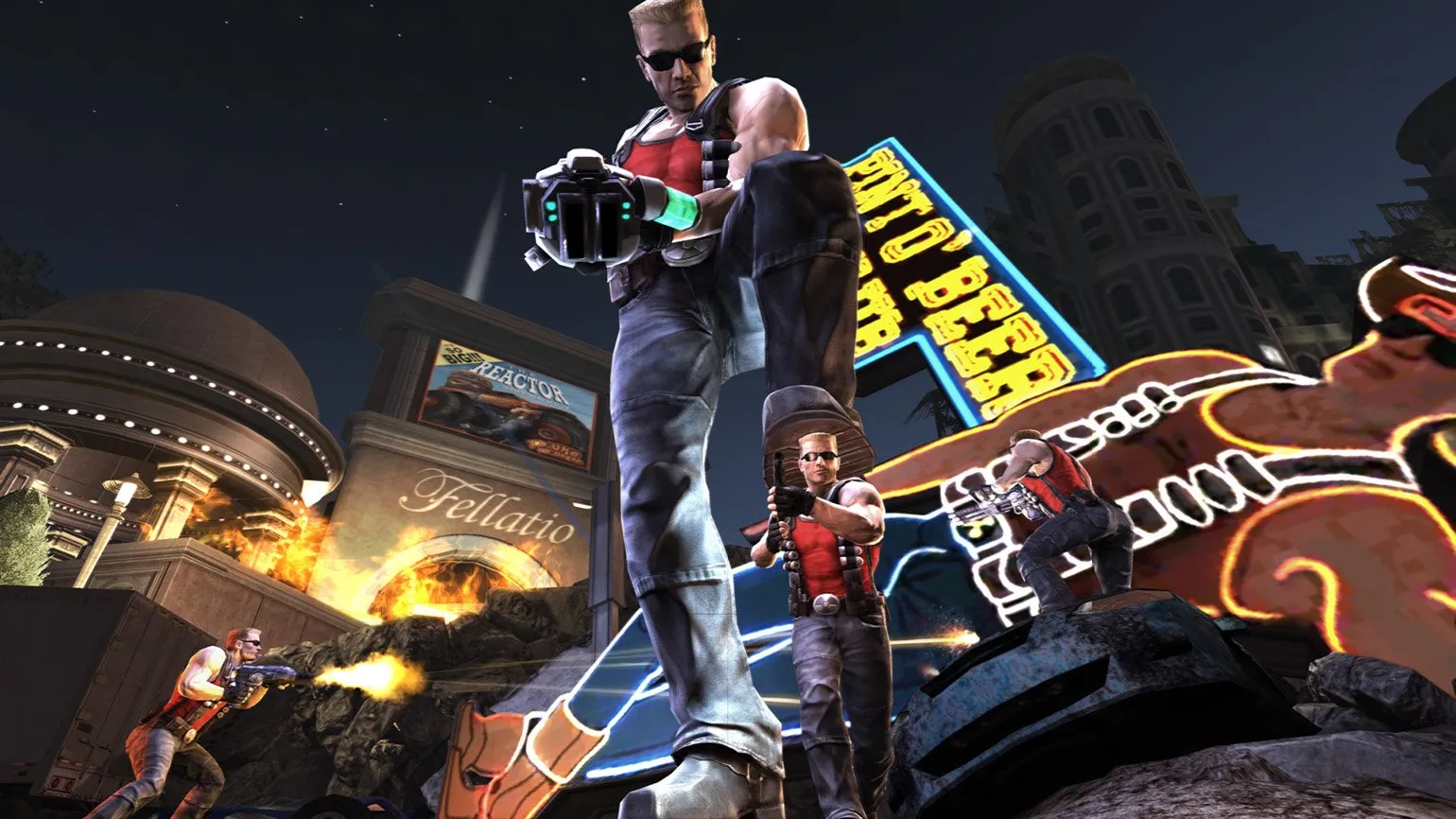
The 2011 shooter Duke Nukem Forever exemplifies a long and arduous development process, spanning over 15 years, beginning in 1997. Project director George Broussard was unwilling to let competitors in the genre overtake his team, leading to constant changes to the game. During the development of Duke Nukem Forever, the project migrated from the Quake 2 engine to Unreal Engine, and interactive elements were added, such as a train ride sequence inspired by Half-Life. These changes significantly delayed production, resulting in the game being released late and not as successful as expected.
Ken Levine, the creative director of BioShock Infinite, persistently pushed his team to rework the same sections of the game throughout development. This was driven by a desire to achieve a high level of quality and adhere to the project's vision. This approach to development emphasizes the importance of constant improvement and meticulous design of game elements to create a unique and immersive gaming experience.
Infinite is not the only project by Ken Levine to face development difficulties. His new project Judas also found itself in production hell. Even earlier, in the first half of the 2000s, the first BioShock game experienced similar problems. Ken Levine is a prime example of a game designer whose perfectionism significantly slows down the game creation process. This highlights the complexity of development in the video game industry, where high expectations and the pursuit of perfection sometimes lead to delays and uncertainty.
All participants in the stories presented in this text unanimously noted the lack of a person in their team capable of timely recording of key mechanics and other elements of the project. This specialist had to make the final decision and transfer the project to production.
Brian Mitsoda expressed dissatisfaction with the fact that the team working on Vampire: The Masquerade - Bloodlines did not remove unnecessary mechanics and did not limit the amount of content in the game. Ken Levine, inspired by new indie hits such as Dead Cells, regularly suggested adding new features to the Judas project. Meanwhile, the game Skull & Bones has undergone many changes, gradually transforming from a cooperative action game into a session-based PvP and then into a survival game.

Anthem's leadership continued to iterate on the project throughout development. One BioWare employee described this process this way: "They never said, 'This isn't working, let's fix it.' Instead, they'd say, 'This isn't working, let's start over.'" This approach to development highlights the team's commitment to creating a high-quality product, but the constant changes also led to significant delays and issues in the final version of the game.
The confusion that arose during development led to the exosuit flight mechanic, a key feature of Anthem, being removed from the game several times, as the developers could not find a way to make it engaging. The game's name was chosen just a week before the gameplay demonstration at E3 2017, when publisher Electronic Arts was unable to secure the rights to another brand, Beyond.
Creative block can have a significant impact on a project, and unfortunately, it can be difficult to recover from. When a team faces such a slump, they risk not completing the project before its release. This stagnation often leads to missed deadlines and a decrease in the quality of the final product. To avoid this, it is important to anticipate potential challenges in advance and develop strategies to overcome them. Effective creative process management will help maintain high productivity and ensure a successful project launch.
How Production Hell Ends: A Bad Ending
The main threat of production hell is that, once it starts, it turns into an evil perpetual motion machine that generates constant problems. These difficulties drag the project into a bottomless swamp from which it is extremely difficult to escape. Therefore, it is important to promptly recognize and resolve the causes of production difficulties in order to prevent their further development and minimize the negative impact on the project.
The Mass Effect: Andromeda development team ultimately decided to abandon the idea of procedurally generating many planets, settling on the creation of only seven carefully designed locations. However, this decision was made during the game's development, which forced various departments of the studio, including narrative and animation, to make changes to the completed content and adapt their plans. This circumstance impacted the quality and overall perception of the game, as the team had to quickly respond to the emerging difficulties.
In such situations, we are essentially talking about creating a new game, which means abandoning all previous work and starting the process from scratch. Meanwhile, the release date remains unchanged, and the budget remains unchanged. This creates significant difficulties for the team, leading to demoralization and causing problems with reworking, redesigning content, and other aspects of development.
Maxim Fomichev is the executive producer at Owlcat Games. Under his leadership, the company has developed numerous successful games that have won acclaim from both players and critics. Owlcat Games is known for its attention to detail and quality, which allows it to create unique game worlds and captivating stories. Maxim is actively involved in the development process, ensuring high standards and innovative solutions. His experience and professionalism contribute to the studio's growth and development, making Owlcat Games a prominent player in the video game market.
Many games have endured a complex development process, comparable to production hell. One Cyberpunk 2077 developer described this experience as trying to lay tracks in front of a moving train. This approach illustrates the difficulties teams face when trying to deliver ambitious projects with limited time and resources.
Constant attempts to speed up development often lead to crunch—extended periods of overtime that are supposed to help make up for missed deadlines. For example, a former CD Projekt RED sound programmer shared with journalist Schreier that he had to work 13-hour days while working on Cyberpunk 2077. The developers of Mass Effect: Andromeda also faced a similar situation, having to spend nights at the office and work on weekends. These conditions negatively impact employee health and the overall team atmosphere, which can ultimately affect the quality of the final product.
Crunch in the gaming industry often leads to employee burnout, which, in turn, causes valuable talent to leave studios en masse. Those who remain face an increased workload, which negatively impacts the development process. As a result, the final months, typically reserved for finalizing and polishing the game, are spent rushing to complete the project in an acceptable state for release. This not only reduces the quality of the final product but also negatively impacts the studio's reputation.
In Cyberpunk 2077, many ambitious ideas, such as detailed NPCs with schedules and the monorail line shown in promotional materials, were scaled back or completely eliminated from the final version of the game. Minor bugs that go unfixed become potential issues that can damage the project's reputation after its release. An example of this situation is the game Andromeda, where cutscene animations became a major target of criticism and ridicule. It's important to remember that flaws in implementation can seriously impact the game's reception by players and critics, so it's crucial to pay attention to detail at all stages of development.
In this situation, the staff shortages that forced BioWare to outsource coincided with a lack of storyboards due to a delayed script. As a result, the game's characters look like a cross between silicone dolls and the animatronics from Five Nights at Freddy's. These shortcomings led to lukewarm reviews for Andromeda, which received an overall score of 72 on the aggregator Open Critic.
Other projects mentioned in this material also faced unfavorable fates.
Updates for Anthem were canceled two years after its release, which was a serious blow to the game as a service. This decision effectively became a death sentence for the project. Duke Nukem Forever, developed by a new team without the involvement of original developer Broussard, released with outdated graphics and gameplay mechanics. Skull & Bones, after numerous delays, remains without a clear release date, raising further doubts about its future. Cyberpunk 2077, despite initial problems, has managed to restore its reputation and is preparing for the release of the Phantom Liberty expansion in September. However, this restoration required significant effort from the team and only occurred after the game launched.
Despite the many stories of failed projects, not all of them end in failure. Some developers have successfully pulled their games out of creative slump by demonstrating a willingness to put aside their ambitions and critically evaluate their creation. This approach not only allows for the project to be saved, but also significantly improves its quality, which can ultimately lead to successful completion and positive feedback from players.
How Production Hell Ends: A Happy Ending
Several years before BioWare's design team conceived of the multi-planet Mass Effect, Finnish studio Remedy had already faced a similar challenge. They needed to combine their familiar cinematic storytelling with significantly larger-scale game worlds. This required a creative approach to storytelling and deep development of gameplay mechanics to preserve the unique style of their games without losing the ability to explore vast environments.
During this period, the studio was actively working on the mystical thriller Alan Wake, which was originally planned as an open-world game. The gameplay was focused on survival elements, with the protagonist exploring the town of Bright Falls and its surroundings during the day, collecting the necessary resources, and facing off against the creatures of darkness at night.
This concept was a complete contrast to the studio's earlier projects, such as the linear shooters Max Payne, which emphasized dramatic storytelling and non-stop action. The developers strove to preserve these important aspects in the new game, their main goal being to combine an innovative approach with the key elements characteristic of Max Payne.
In the process of searching for a compromise, the developers created numerous prototypes, one of which was presented at E3 2005. They also tried various creative ideas, among which were portal enemies capable of transporting the protagonist to a dark dimension, as well as a version in which the character could summon a tornado. These experiments reflect the developers' desire to innovate and create a unique gaming experience.
All attempts did not bring results, and Remedy, like other studios facing a creative crisis, began to miss the development deadlines set by publisher Microsoft. After three years of unsuccessful pre-production, the developers realized that they were facing serious problems. At this point, the studio's management decided on the necessary measures to save the Alan Wake project.
Remedy's management created the "Sauna" group, consisting of the lead Alan Wake developers, to thoroughly review every element of the game and resolve the accumulated problems. For two months, the team worked intensely in a conference room, resulting in the room resembling a mad scientist's lab, filled with notes and notes. This intensive approach to development proved effective and contributed to a significant improvement in the game's quality.
In Alan Wake, the central element of the plot is the protagonist, writer Alan Wake. Arriving in the mystical town of Bright Falls, he encounters a dark force that compels him to create a horror novel, the events of which begin to materialize in real life. The horrors described in Wake's works manifest through people and ordinary objects engulfed in darkness, which acts as a protective barrier. To overcome this defense and confront evil, Wake uses a flashlight beam, which becomes a key element of the gameplay. This unique mechanic not only enhances the atmosphere of dread, but also emphasizes the struggle between light and darkness that permeates the entire plot of Alan Wake.
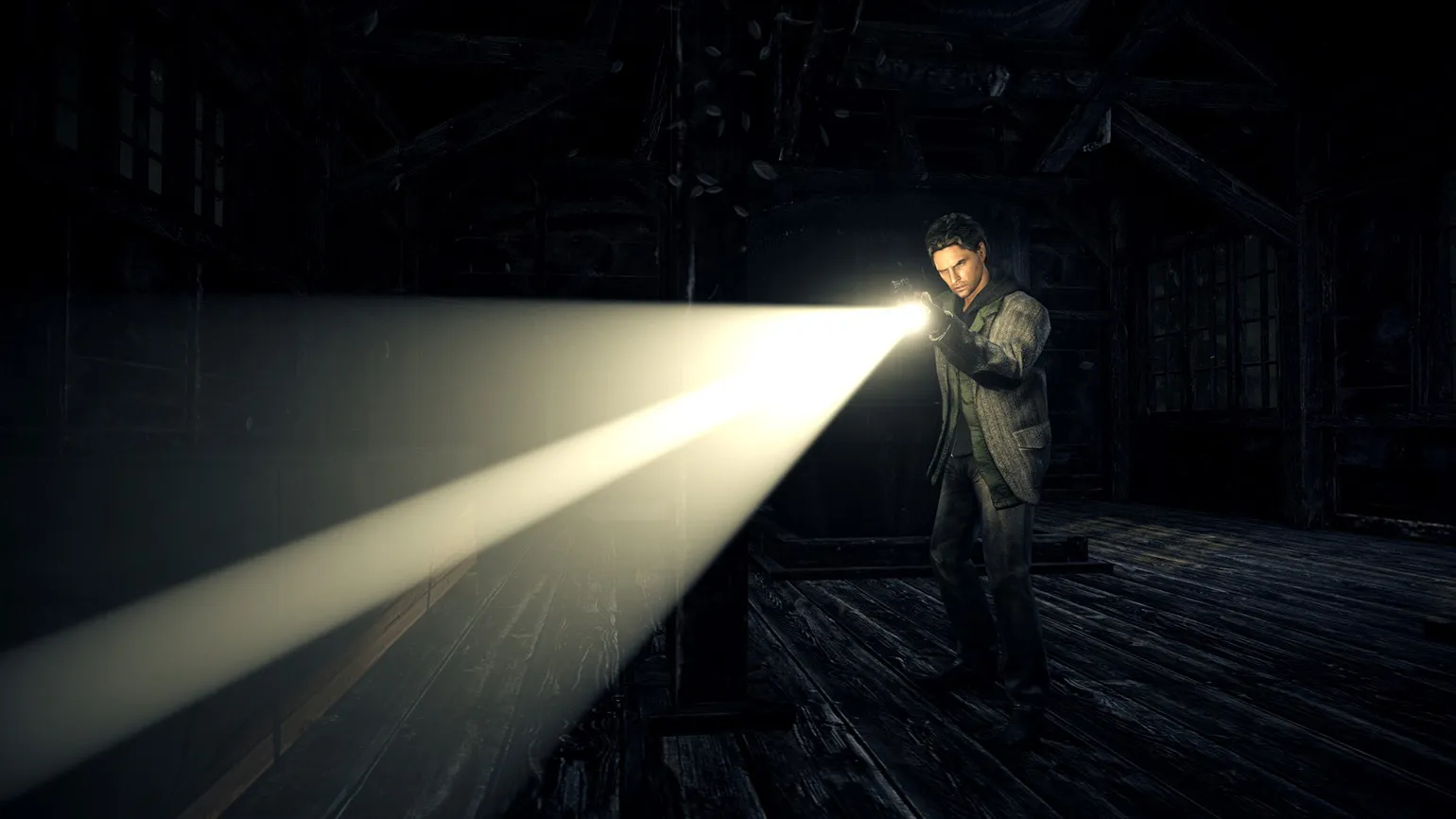
Remedy has returned to its traditional genre of linear, cinematic third-person action, abandoning the open world. The new game concept incorporates an episodic structure, reminiscent of a television series. This solution allows for a deeper exploration of the story and characters, creating an engaging gaming experience.
A general vision alone is not enough to successfully implement a project. It is important that this vision encompasses all design elements and is detailed enough to ensure their harmonious interaction. Each idea should not only attract attention, but also contribute to the creation of a unified whole. Your vision should demonstrate how these diverse aspects connect and reinforce each other, forming a high-quality and cohesive result.
Sam Lake serves as Creative Director at Remedy Entertainment. He is known for his contributions to video games such as Max Payne and Alan Wake. Lake is actively involved in creating unique stories and characters, which makes Remedy's games appealing to a wide audience. His approach to storytelling and attention to detail helps create immersive experiences for players, which contributes to a high level of engagement and interest in the company's projects. Sam Lake continues to influence the gaming industry, inspiring new generations of developers to create original and memorable games.
The approach used by Dambuster Studios in developing Dead Island 2 proved highly successful. The project was initially launched by another team, but Dambuster was able to bring their ideas and vision to the game. The designers identified three key elements that formed the basis for the project's development: a vibrant setting of sunny Los Angeles devastated by a zombie apocalypse, the ability to creatively dismember zombies in melee combat, and a tongue-in-cheek approach to the story. These components formed the foundation of Dead Island 2's concept and defined its unique style. The team focused on creating an engaging gameplay experience that combines elements of action and dark humor, making the game appealing to a wide audience.
Focusing on core ideas means abandoning some promising concepts. For example, Alan Wake eliminated the open world, which allowed the focus to be placed on story depth and atmosphere. Similarly, the developers of BioShock Infinite decided to cancel the multiplayer mode that was originally planned for the project a year before release. These decisions demonstrate the importance of focus in achieving a high-quality gaming experience.
Remedy's management found a way to minimize the losses from changes to the project. Specifically, the developers used fragments of locations from the open world to create linear levels. A dynamic day/night cycle was also used to introduce daytime sequences in which protagonist Alan Wake explores Bright Falls and interacts with its unusual inhabitants. This solution not only enriched the gameplay but also made the world more vibrant and atmospheric.
Sam Lake emphasizes that a key element of a successful project is having a clear concept. It's important that all lead developers not only understand your vision but are also motivated to realize it. This includes the ability to communicate your ideas to other team members across the studio. Effective communication and alignment between developers and other project participants contribute to the creation of a high-quality product.
Sometimes, external support is necessary for success. For example, six months before the release of BioShock Infinite, Irrational Games brought in Jordan Thomas, creative director of BioShock 2, and producer Rod Ferguson, who gained fame thanks to the Gears of War series. These professionals helped realize Ken Levine's vision by turning his ideas into a clear action plan with deadlines. They were able to clarify the tasks for the entire team, which contributed to a more efficient development process.
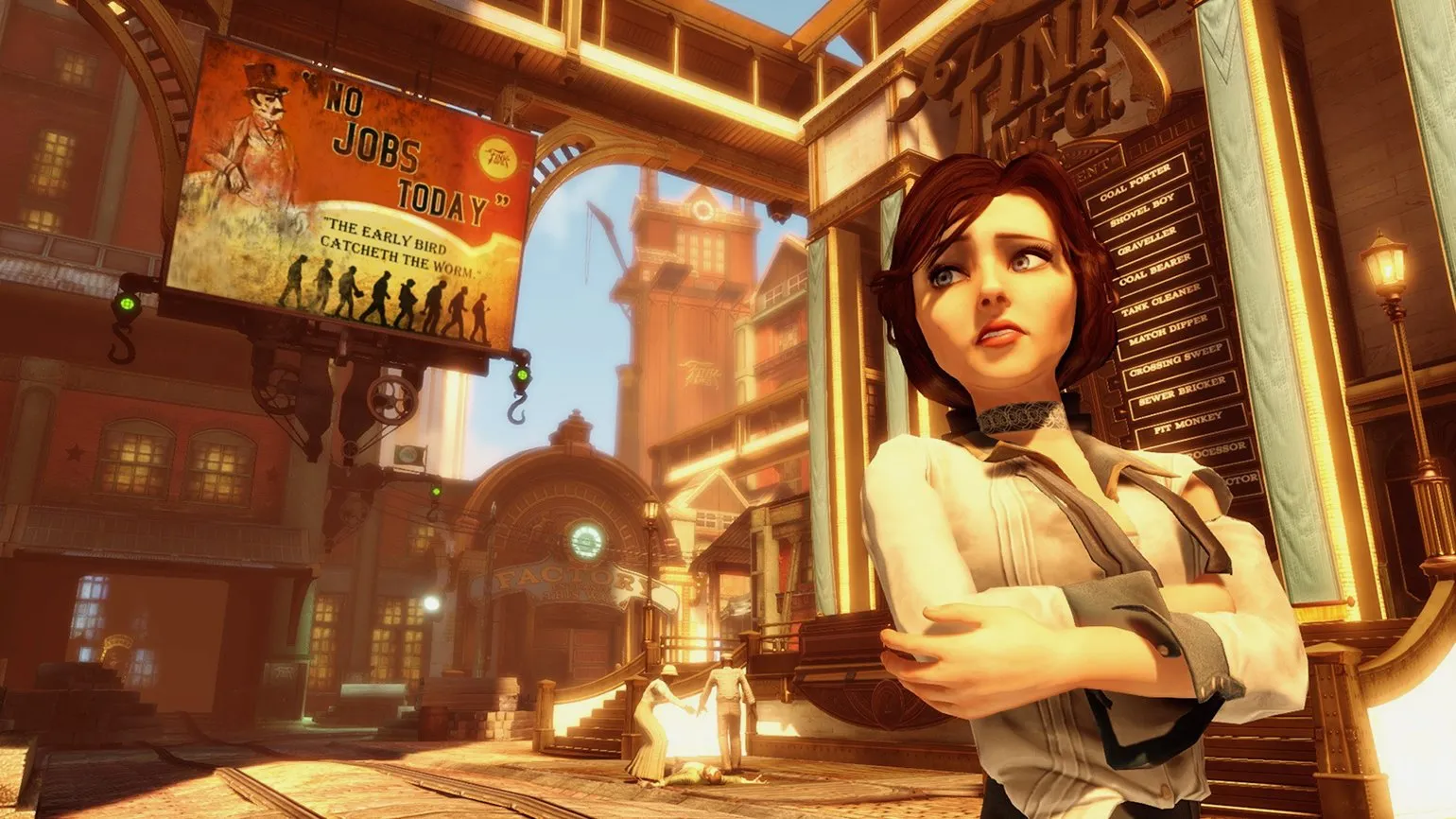
The development team's work speaks to the game's high quality: it received an average score of 94 on Metacritic and sold 11 million copies in a year. Alan Wake wasn't as successful, but over time it gained many devoted fans. Many of them are now involved in the creation of the sequel, which will be released in October 2023.
It's difficult to determine whether Shinji Mikami strictly followed the intended plan when developing Resident Evil 4, but the final version of the game shows that the game designer took a number of steps to get the project back on track. In particular, Mikami decided to retain the third-person gameplay mechanics and the storyline related to Leon's infection, which were already present in an earlier version called "Hookman." However, the new iteration of the game implemented fresh concepts that simultaneously continued the ideas of previous parts of the series and changed its core principles. Resident Evil 4 thus marks a significant milestone in the franchise's evolution, introducing innovative elements while maintaining the spirit of the original.
In the new installment, Leon is no longer a rookie cop, but a seasoned agent who travels to the Spanish outback to rescue the US President's daughter from a mysterious cult. The plot of the new installment once again focuses on a dangerous virus, but instead of turning enemies into mindless zombies, it creates quick-witted and fast Ganados, who can easily surround the protagonist. This dynamic adds tension and makes the gameplay more exciting.
This story fits harmoniously with the changed gameplay, which, instead of focusing on resource conservation and puzzle solving, emphasizes vibrant and intense battles with numerous enemies and monsters reminiscent of the creatures from the film "The Thing." The dynamics of battles attract the attention of players and create an atmosphere of constant tension, which makes the gameplay more exciting and thrilling.
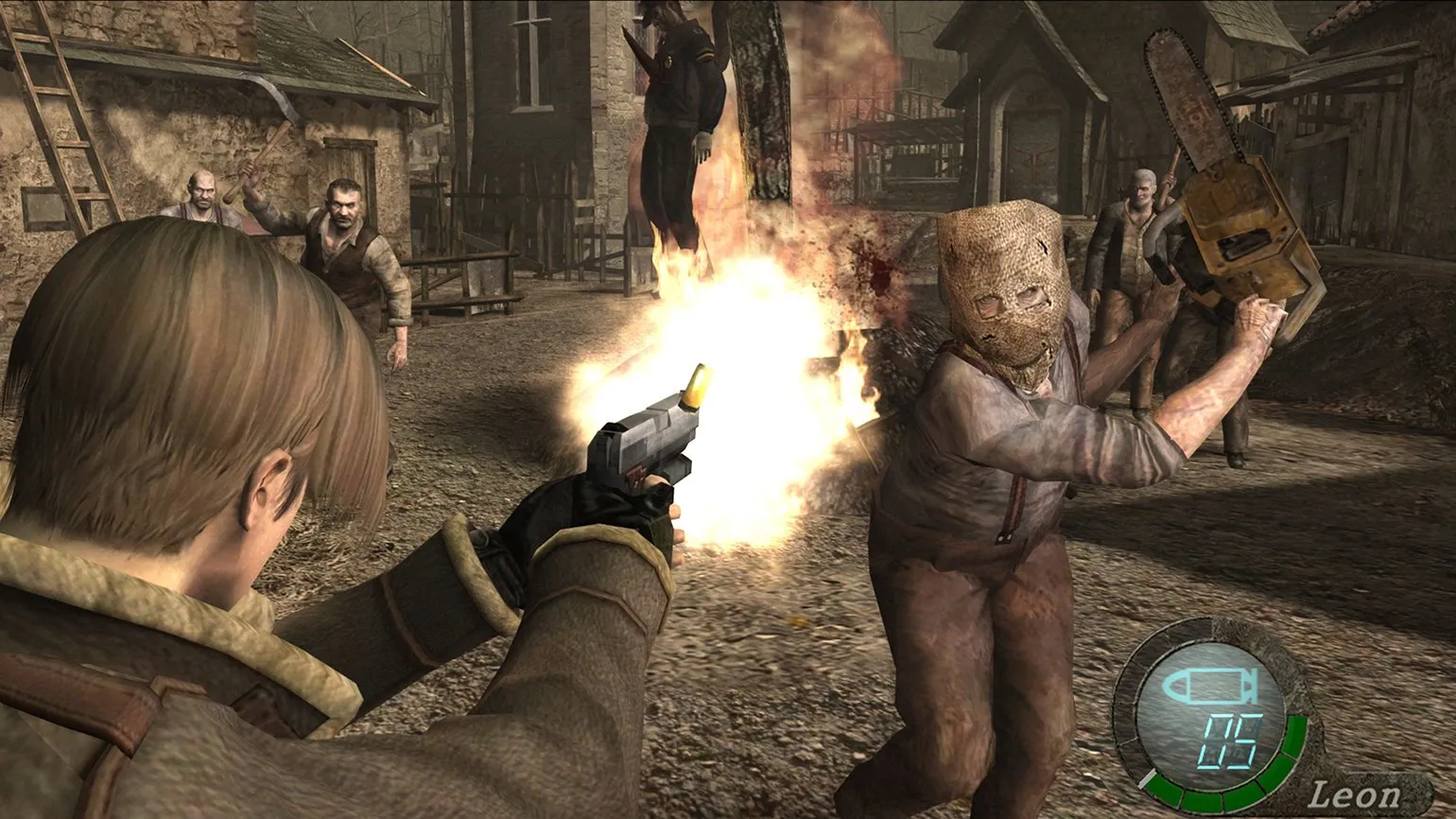
Most of the team supported Mikami's vision, and a year later, the new version of the game was unveiled to the public in a trailer at E3 2004. Resident Evil 4 was released in January 2005, receiving high critical acclaim and selling over 3 million copies in its first year of sales. This game had a significant influence on game designers who later made important contributions to the action and horror genres. Resident Evil 4 was not only a commercial success but also set new standards in game design and storytelling in video games.
This game illustrates that production hell is a serious challenge, but not a final verdict. However, it requires honest communication and a commitment to process improvement from management and the entire team. Otherwise, projects like Anthem and Duke Nukem Forever can result. If developers are willing to work on their mistakes, the final version of the game can exceed initial expectations and even be better than the planned initial result.
How to Avoid Production Hell
Maxim Fomichev shared useful tips to help avoid production problems and chaos in the workplace. These recommendations are aimed at optimizing processes and increasing team efficiency. Proper work organization and consideration of key management aspects will help create a comfortable and productive atmosphere conducive to the successful completion of tasks.
Iteration is the process of repeating certain actions with the aim of achieving an improved result. In the context of software development and project management, iteration involves sequentially completing tasks, analyzing the results, and making necessary changes. This approach allows for flexible adaptation to changes and improves the quality of the final product. Iterative methods are widely used in Agile approaches, which emphasize continuous improvement and responsiveness to user needs. Using iterations promotes more thorough testing and identifying flaws, which ultimately leads to more efficient and reliable solutions.
Regular project checkpoints are essential for its successful development. It is recommended to conduct such checkpoints at least every four months, rather than every six. This allows you to monitor ongoing changes and the project's status. While this practice can complicate the development process, as it requires stabilizing the build before each delivery, it also opens up new opportunities for receiving feedback on the project's quality. Thus, frequent checkpoints help improve the final product and meet user needs.
The pre-production stage offers a unique opportunity to solicit feedback. When you don't yet have a finished product, it is important to hear from experts and potential audiences. For example, you may encounter a recommendation: "Instead of a third-person action game, try creating an isometric RPG based on the same franchise." This approach will help you adapt the concept and make the project more successful, taking into account the preferences of the target audience.
Develop the game concept on paper. This will allow you to thoroughly develop the mechanics, story, and rules before moving on to the digital version. Start by creating core elements like characters, environments, and objectives for players to complete. Think about interactions between players and how they will impact the gameplay. Take notes, draw diagrams, and create charts to visualize your ideas. This approach will help you create a more structured and engaging game that will appeal to your target audience.
Our project development follows a clear process, which I believe is effective. We begin by creating a concept document in which we detail the core idea of the game. For example, in Gears of War 5, we are working with a third-person action game, where shooting elements and character abilities are distributed roughly 80/20 in the gameplay. It is important that the narrative also explores themes of friendship and family relationships, which adds depth and emotional weight to the game. This approach allows us to clearly define the goals and directions of development, which contributes to the creation of a high-quality product.
The next document to prepare is the feature list. It is a mid-level listing of all the elements present in the project. For example, our game will have weapons. How many types of weapons do we need? Let's say forty. The game will also have armor. How much do we need? Let's say fifteen. The feature list will help organize ideas and identify the key elements necessary for the successful completion of the project.
At the initial stage, it is important to form a general understanding of the project to create a foundation for further work. It is important to remember that no plan can be final and immutable. As development progresses, new ideas will arise, and they should be consistent with the scope and budget of the project. Constant adaptation and flexibility will help you effectively move towards the goal without losing sight of the main tasks and resources.
Controlling the scope of the project is an important aspect of management that helps ensure the successful completion of tasks and the achievement of the set goals. Effective scope monitoring helps avoid resource and time overruns and minimize the risks associated with changing requirements. To achieve optimal results, it is necessary to regularly evaluate current project parameters, analyze them in the context of the original plans, and adjust the team's actions as necessary. Using modern project management tools will help simplify this process and improve communication between all participants. Thus, monitoring the project's scope helps increase its efficiency and success in achieving the stated results.
Once the concept has been developed and a feature list has been compiled, along with a budget estimate, the producer's work begins. The producer's primary responsibility is overseeing the project's budget. It is important that no feature be added without prior evaluation and approval by the creative director. This avoids waste and ensures that all elements align with the overall project concept.
When a new feature is introduced, it is important to discuss its implementation with the creative director. It is essential to ask the question: "If we decide to implement this new feature, what can we exclude to ensure the game remains high-quality?" With a limited budget and strict deadlines, it is impossible to add all features at once. Careful consideration is needed in choosing features to maintain balance and ensure a high-quality product.
After the concept is finalized and the feature list is compiled, a milestone list is created—a development plan with set deadlines for interim builds. After each release, it is necessary to conduct a re-analysis: evaluate the feature list, reconsider the scope of the project, analyze the budget and, unfortunately, reduce the functionality.
The profession of Game Designer from scratch to PRO
A game designer creates the structure of the game. They develop the idea, rules, and gameplay, and decide what emotions the story will evoke in players. You'll master the principles of game design from scratch and learn how to work with popular engines like Unity and Unreal Engine. You'll learn how to keep players engaged and monetize games. And we'll help you start a career in the gaming industry.
Learn more