
Who are you in the world of game development? Find out in the free course ➞ You will try out 3 professions in practice: game designer, 2D artist, and Unity developer. Create your first Mario-style game. Click here for details.
Learn moreGame remasters have a long history. In the 1980s and 1990s, they were mostly ports of the same title for different platforms. Nowadays, this phenomenon has become a separate trend in the gaming industry, with a special emphasis on remasters and remakes of classic games. Remasters offer improved graphics and audio while preserving the original gameplay, while remakes recreate old games with changes to mechanics and design, which attracts both old fans and a new generation of players. This trend not only revives nostalgic memories but also allows developers to showcase new technologies and approaches to game design.
The number of classic games has increased, as many players familiar with them from childhood and adolescence have expressed a desire to return to their favorite projects. They want games that are adapted to modern requirements: convenient, attractive, and compatible with current operating systems. Developers have taken this request into account and have begun actively creating updated versions of classic games, confirming the interest in retro content in the gaming community.
In this article, we will examine the different types of video game remasters and explain the difference between remasters and remakes. We will also discuss why some studios are more successful at updating games than others. Remasters can include improved graphics, updated audio, and bug fixes, making them appealing to both new players and fans of the originals. Remasters are typically enhanced versions of the original games, while preserving their original gameplay and content. In contrast, remakes can include significant changes to mechanics, design, and story, creating a new experience based on the classics. The success of remasters depends on the studio's approach to development, the level of attention to detail, and the ability to adapt old concepts to modern standards.
Vague Terminology
First, let's look at what a game remaster is and how it differs from a remake. These terms often cause confusion among players, and developers do not always clarify. Instead, they add various words and confusing subtitles to the names of remasters. For example, we have Metro Redux, Warcraft 3: Reforged, Dishonored: Definitive Edition, and even «NieR Replicant ver.1.22474487139…». Understanding which of these is a remaster and which is a remake can be difficult. A remaster typically means improving the graphics and sound of the original game without changing the gameplay. A remake, in turn, is a complete reimagining of the game with new mechanics, graphics, and sometimes even a plot. Therefore, it is important to carefully study the information about each specific re-release in order to classify them correctly.
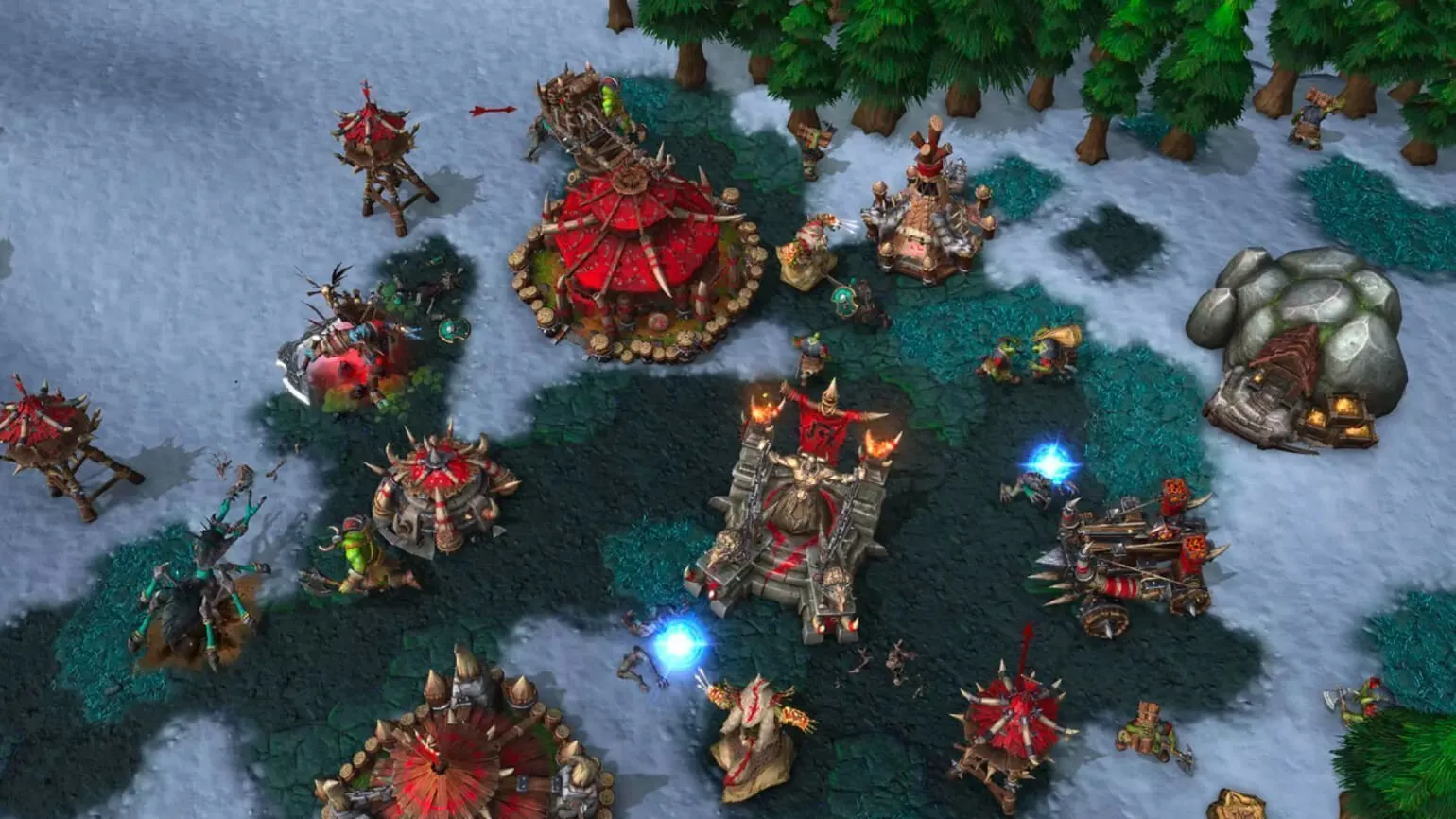
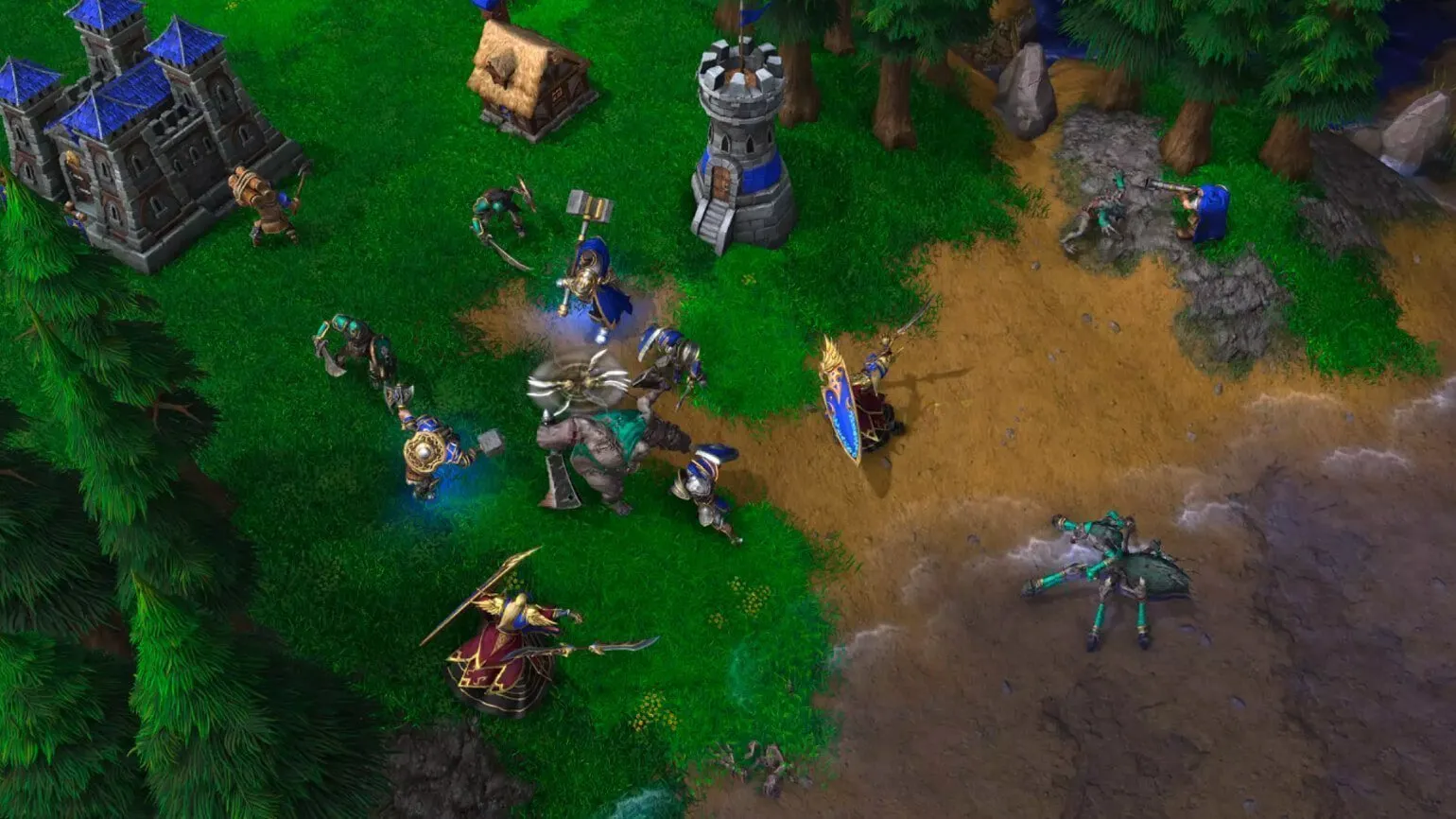
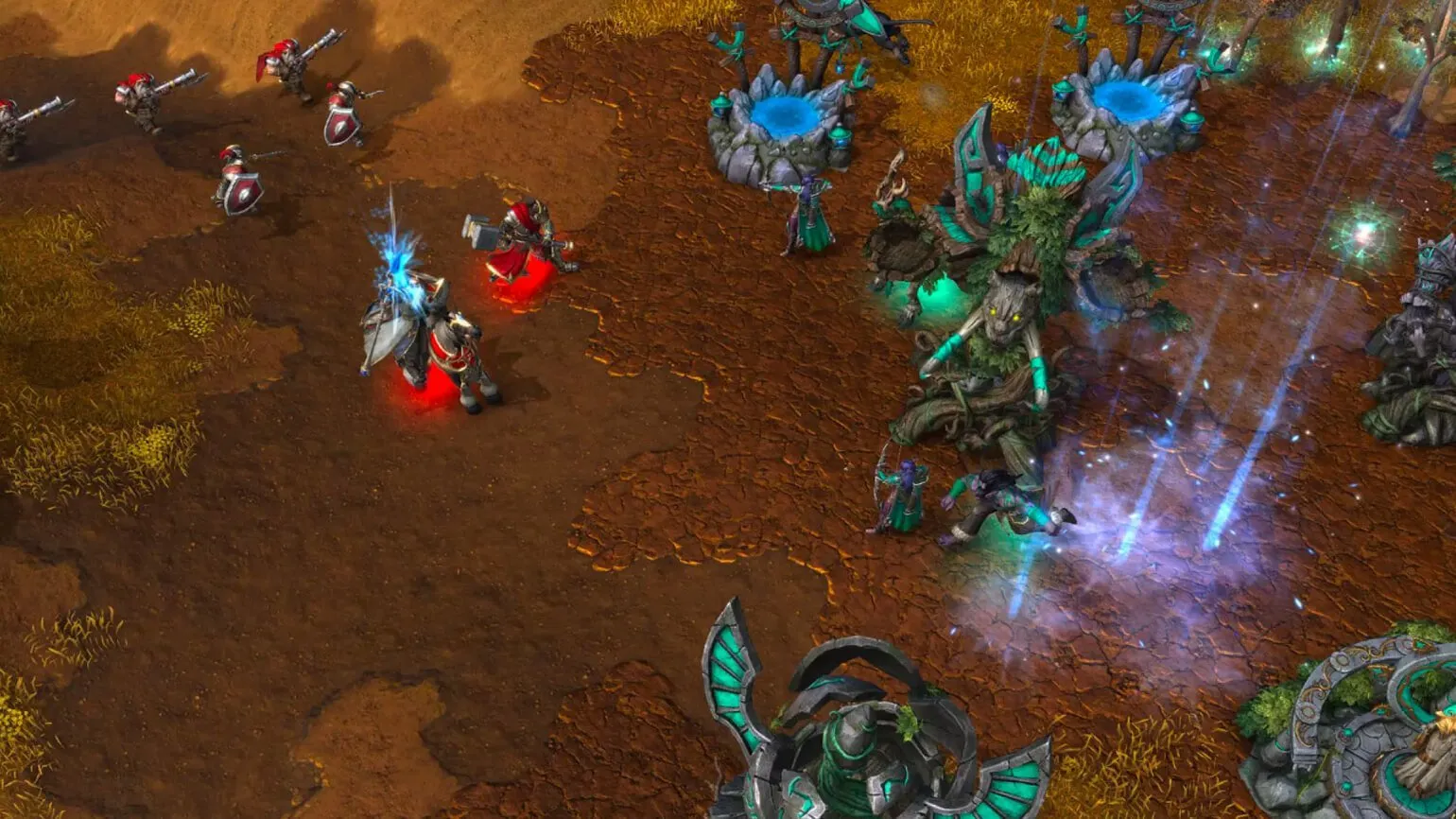
Understanding the differences between a remaster and a remake isn't as difficult as it seems. The main difference lies in the development approach. A remaster is an updated and improved version of the original game, where the old game is rebuilt, cleaned up, and sometimes modernized. A remake, on the other hand, is a new game that is inspired by the original, may borrow elements from it, but rarely reproduces it exactly.
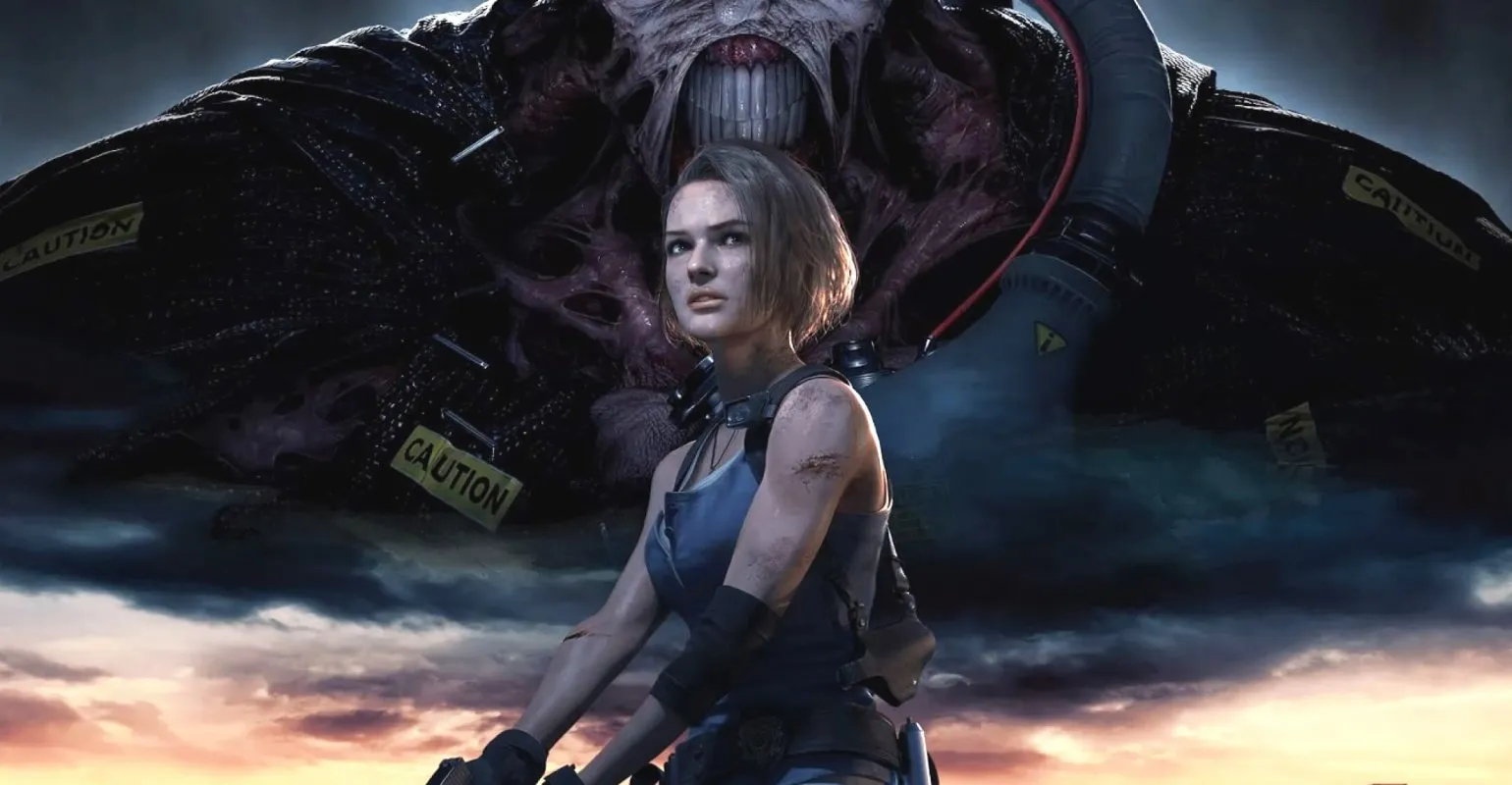
The recent remakes of Resident Evil 2 and Resident Evil 3 represent new takes on the original games. In creating the updated versions, we drew inspiration from the classic stories and atmosphere, but the goal was not simply to reproduce the originals, but to reimagine them. These remakes offer players a fresh experience while preserving the key elements that made the original games iconic.
Peter Fabiano is a renowned video game producer who worked on Resident Evil 3. His responsibilities included overseeing the development process and coordinating the team's work. Fabiano played a key role in creating the remastered version of Resident Evil 3, ensuring high-quality graphics and engaging gameplay. Thanks to his experience and vision, the game managed to preserve the spirit of the original while incorporating modern gameplay elements. Resident Evil 3 became one of the most anticipated games of its time, and Peter Fabiano's contribution to its success cannot be overstated.
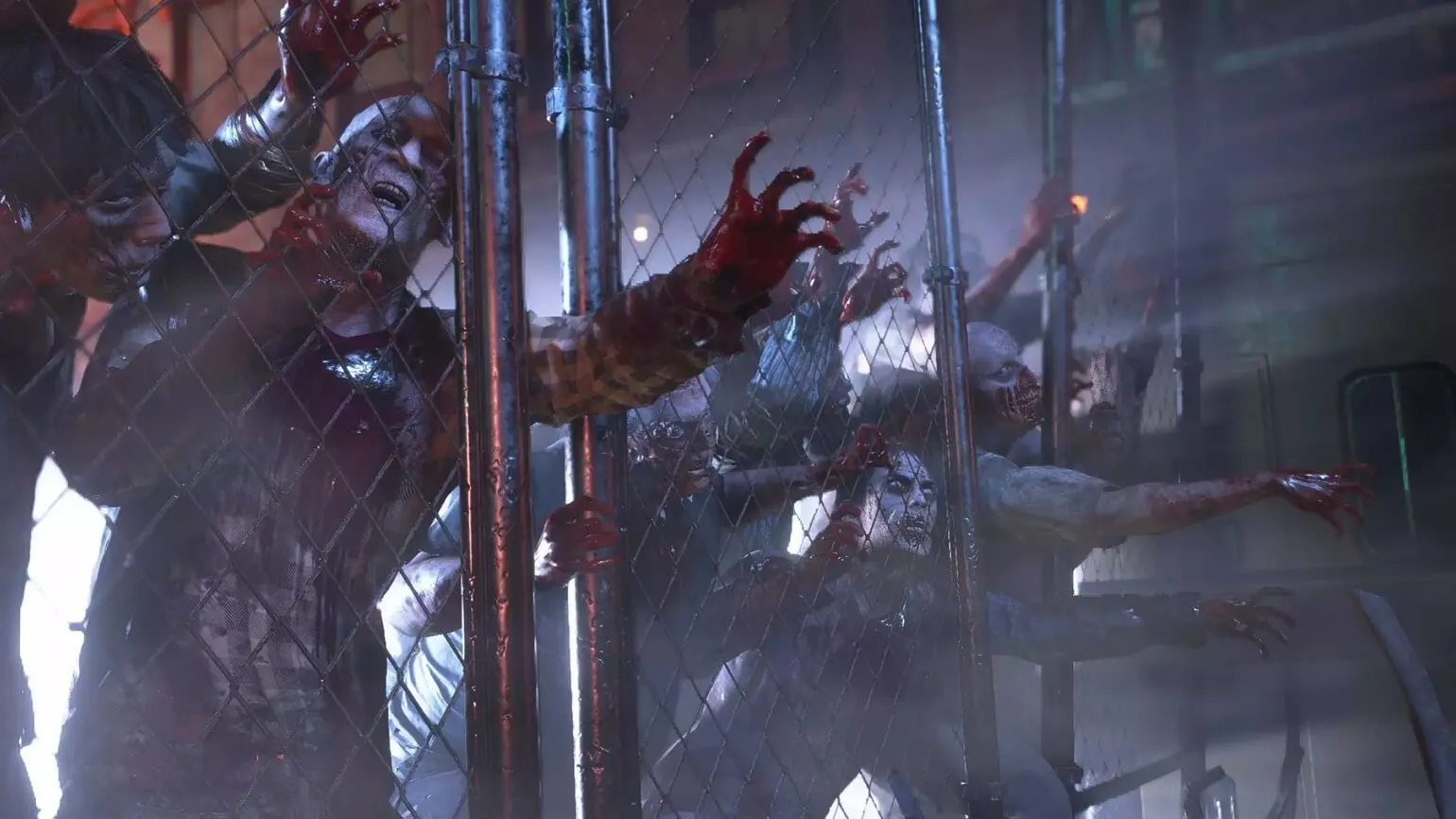
The technological base is an important marker in determining the type of game update. If the new version of the game is developed on the same engine as the original, it is most likely a remaster. In the case where the updated version is created on an entirely new engine, it is more correctly classified as a remake. Understanding these differences helps players better navigate the world of video games and choose the most appropriate versions of their favorite projects.
A remaster or remake is usually created for several main reasons. First, it is a way to update outdated content to make it more relevant to a modern audience. Second, remakes often allow developers to use modern technology and improved graphical capabilities, which significantly improves the quality of the product. Third, remasters can draw attention to the original work, sparking interest in both new and old fans. Thus, remakes and remasters play an important role in the preservation and development of cultural heritage.
Final Fantasy VII has been a beloved game for 23 years. However, I believe a reboot is essential to maintain that love and the game's relevance into the future. This will allow the game to continue to delight fans not just for the next 20 years, but for 50 years and beyond. A reboot will update the classic story and gameplay, making them more appealing to new generations of players.
Yoshinori Kitase is the renowned producer of the legendary Final Fantasy VII: Remake. His contributions to the game's development have had a significant impact on the modern video game industry. Kitase not only oversaw the remake's development but also brought new ideas to the project while preserving the spirit of the original version. He worked actively to improve the graphics, combat mechanics, and story, which helped attract both new players and long-time fans of the series. Thanks to Kitase's efforts, Final Fantasy VII: Remake was not only a commercial success but also received high critical acclaim, confirming its importance in the context of gaming culture.
Remakes and remasters are safer investment projects compared to the creation of new intellectual properties, since older games already have their own established audience. Using nostalgia in the marketing of such projects can be a profitable solution. In addition, the costs of developing an updated version are often significantly lower than those of creating a completely new AAA game. This makes remakes and remasters attractive for developers and publishers looking to minimize risks and ensure a stable income.
Releasing a new version of a classic game can significantly re-energize audience interest before the release of the next part of the series or retain existing fans. For established franchises like Resident Evil or Final Fantasy, remasters and remakes serve as an important tool. They lower the barrier to entry for newcomers, allowing them to more easily familiarize themselves with the game's world and mechanics. This not only increases player numbers but also strengthens the community around the series.
When developing remasters and remasters of games, the challenge arises of satisfying the expectations of existing fans, which is not always possible. The project's core audience consists of the most devoted, but also the most demanding fans. They rarely forgive the authors for changing key aspects, inaccuracies, and even small deviations from the original. Even if the developers make these changes with good intentions, seeking to improve the gameplay, fans may perceive them negatively. Therefore, creating updates requires a careful balance between new ideas and respect for the original material.
Publishing a game, whether it is a new franchise seeking attention or a classic with high fan expectations, is always a challenging task. Having a solid foundation is certainly an advantage over starting from scratch. However, the main challenge lies in meeting and, if possible, exceeding fan expectations. This requires careful consideration of audience needs and meticulously crafting every aspect of the game to ensure a positive player experience. Scott Amos, Executive Producer at Crystal Dynamics, plays a key role in video game development. His experience and leadership skills contribute to the creation of high-quality projects that win acclaim from players and critics alike. Under Amos's leadership, the Crystal Dynamics team continues to build on successful franchises, innovating, and enhancing gameplay. The importance of his contribution to the gaming industry is difficult to overestimate, since it is thanks to professionals like Scott Amos that new masterpieces appear that define modern trends in the world of video games.
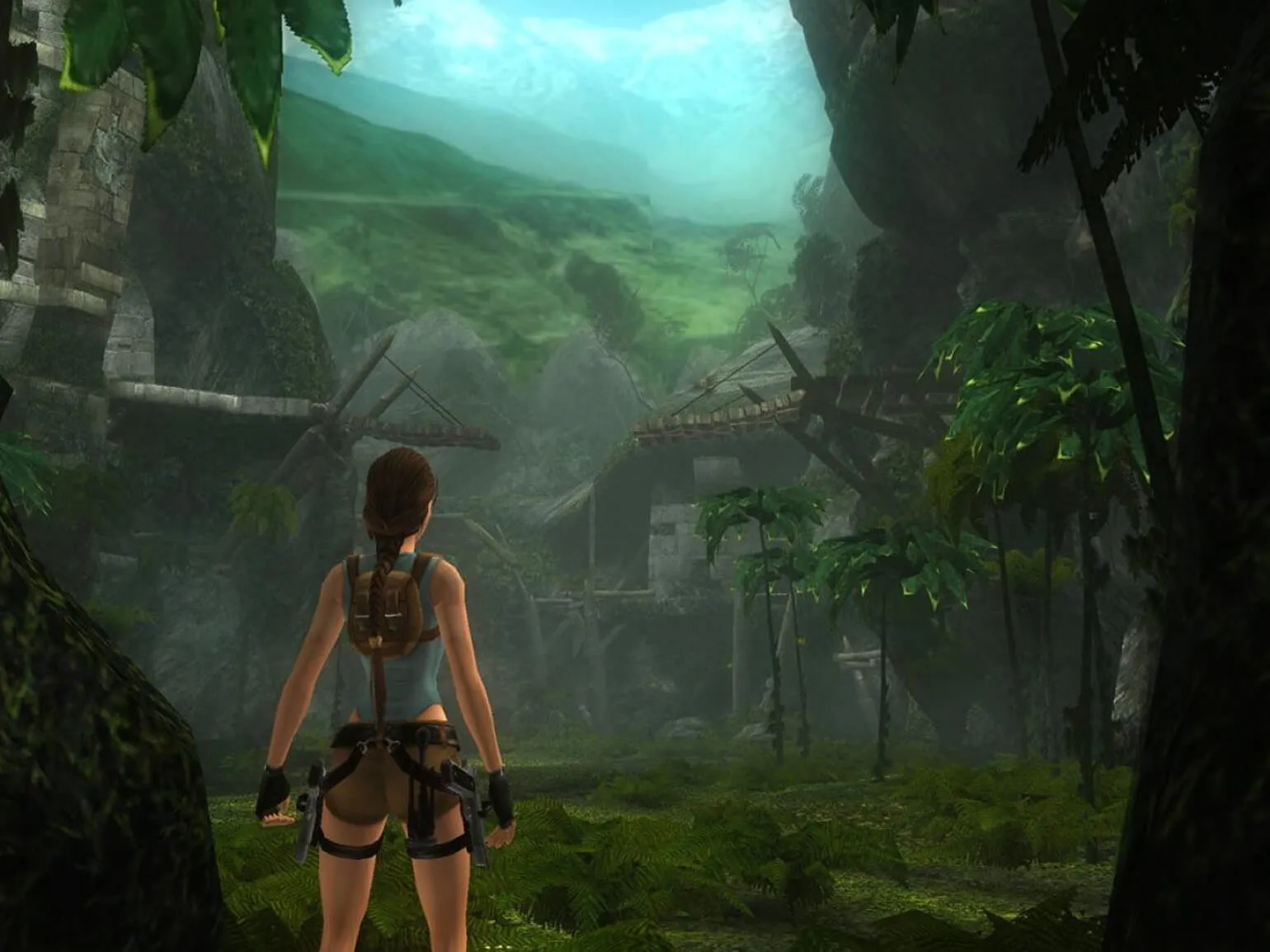
Indeed, high-quality and fan-acclaimed remasters and remakes of games are quite common. Developers have many tools to address the shortcomings of the original, satisfy the wishes of one audience, attract a new one, and please investors at the same time. Remakes allow you to update the graphics and gameplay, which makes them attractive to both old and new players. This approach not only preserves the spirit of the original but also introduces fresh ideas, which contributes to increased interest in the games and their commercial success.
How Good Remasters and Remakes Are Made
Often, remasters of games are created by third-party outsourced teams, although this is not a strict rule. For example, Bluepoint Games has gained recognition for remastered versions of popular titles such as Metal Gear Solid HD Collection, Uncharted: The Nathan Drake Collection, 2018's Shadow of the Colossus, and 2020's Demon's Souls. These remasters help bring classic titles back into the marketplace by offering improved graphics and optimization for modern platforms, allowing new players to experience these games while satisfying the nostalgia of longtime fans.
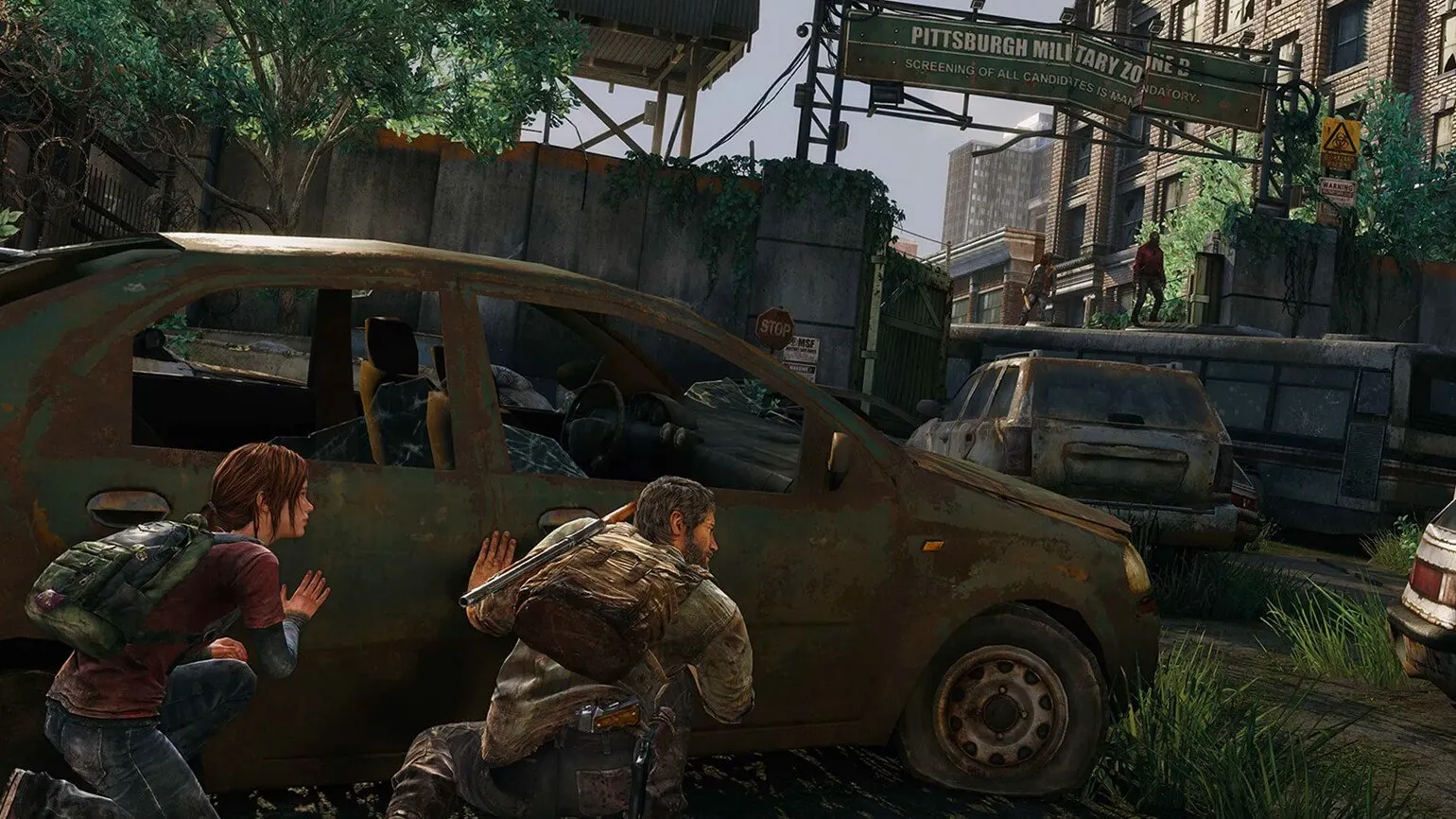
The core team that developed the original game may be busy with other projects, or, in some cases, the studio itself may cease to exist. In such situations, remastering is often outsourced to third-party studios. However, the original creators may also contribute to the remastered versions. For example, The Last of Us: Remastered was developed by Naughty Dog, the studio responsible for the original game. This underscores the importance of the original developers' involvement in the update process, ensuring the spirit and quality of the original is preserved.
The creation of remakes and remasters always begins with reverse engineering, during which the authors carefully analyze the original. The team deconstructs the game to understand all the interrelations, code logic, and identify key metrics important for gameplay. This stage allows them to identify the strengths and weaknesses of the original, which subsequently contributes to the creation of a higher-quality and more attractive product for players.
Without deconstruction, it's impossible to simply rebuild a game "by eye." Despite unified development tools and proven pipelines, the approach to solving local problems varies from one team to another. Furthermore, during the reverse engineering process, the creators of the remastered version may discover outdated elements and unsuccessful mechanics in the original that should be eliminated or reworked to improve the gameplay. This emphasizes the need for careful analysis and planning at every stage of development to create a high-quality product that meets modern standards and player expectations.
Creating a remaster has its own characteristics that distinguish it from developing a new game. Key design elements and assets already exist, simplifying the process. However, as the experience of developing The Last of Us: Remastered showed, significant challenges arise, especially for programmers. The main problem was adapting the engine to the PlayStation 4 architecture. The code, originally optimized for the PlayStation 3, contained many hidden and complex optimizations. As the team transitioned to the next generation of consoles, they had to carefully address these nuances to ensure maximum performance and game quality.
Anthony Newman is a renowned game designer at Naughty Dog. His contributions to video games have had a significant impact on the industry. Newman worked on critically acclaimed and award-winning titles like The Last of Us and Uncharted. His creativity and attention to detail have made Naughty Dog games a benchmark for quality and innovation in game design. Newman continues to develop in this field, contributing to the creation of fascinating and immersive game worlds.
It's important to determine the platform the game will be developed for and how exactly all the elements obtained in the previous stage will be assembled. At this stage, the technological foundation of the future project is formed. Developers address issues related to the uneven load on modern hardware, adapt controls for new input devices, and select the necessary tools for the job. This stage of development is complex and critical, as the usability, speed, and quality of the game depend on it.
There are examples of studios making poor decisions during the game development stage. One such case is the creation of Crysis Remastered. Crytek failed to take into account one of the key changes in computer processor architecture over the past decade—the development of multithreading. In the updated version of Crysis, as in the original, all calculations were performed on a single core, while modern systems are equipped with six-core, eight-core, and even twelve-core processors, often with low clock speeds. This led to the fact that even owners of powerful gaming machines could not achieve a comfortable frame rate in the Crysis remaster.
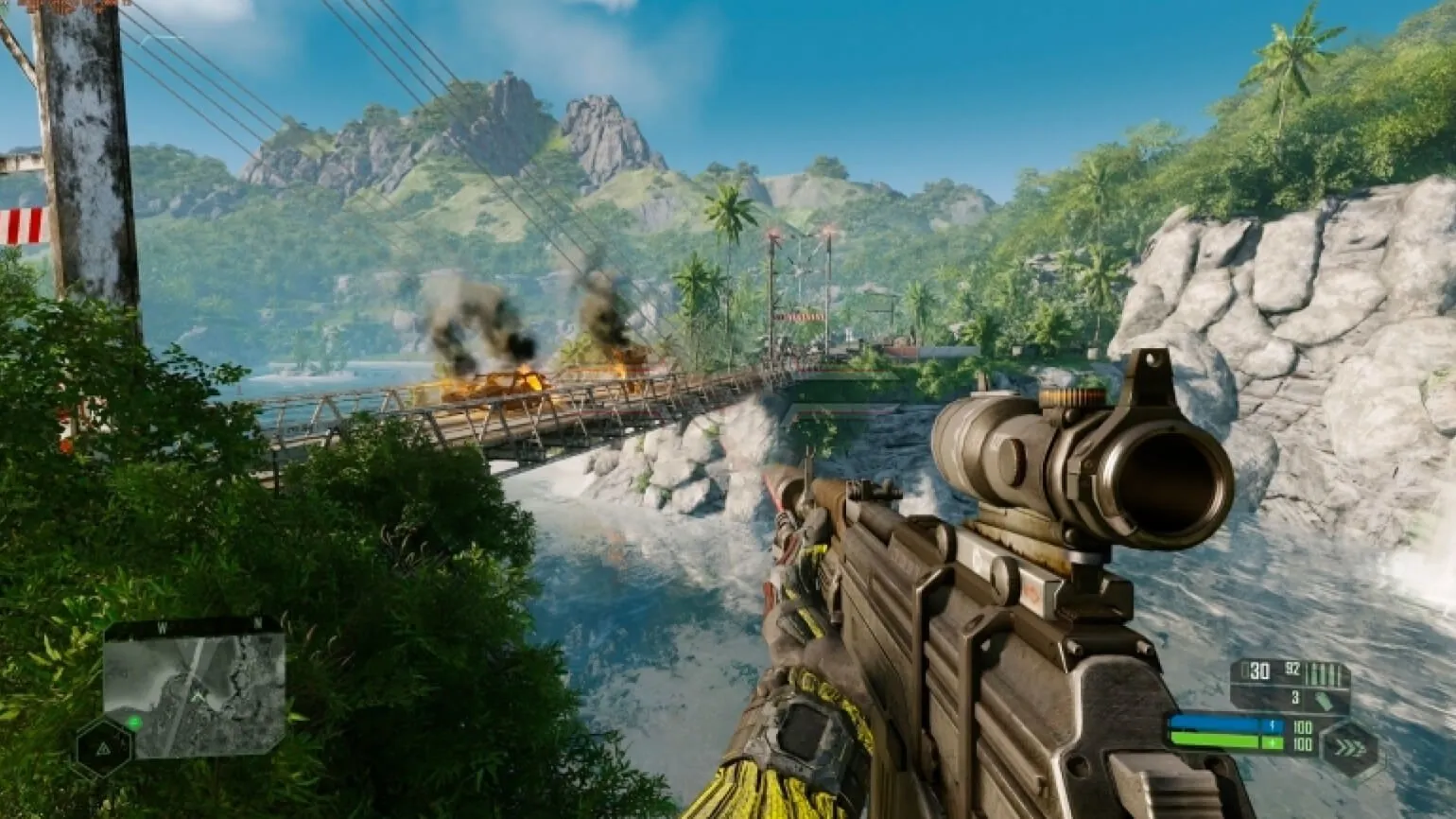
High-quality optimization begins at the earliest stage of development. During the polishing stage, specialists still have methods for effectively distributing the load on the hardware. However, if critical errors in the technological base are present at this stage, no amount of detail adjustments, batching, or fine-tuning of shaders will be able to eliminate the problems. It is essential to conduct a thorough audit at the early stages to ensure stable and productive operation throughout all subsequent stages of development.
Developers must not only update the technological base but also thoroughly analyze the gameplay core and the mechanics that complement it. In the case of a careful remaster, the emphasis should be on restoring the gameplay. This means preserving the best elements of the original, correcting problematic aspects, and respecting the integrity of the entire work. This approach will attract both new players and fans of the original, providing a high-quality gaming experience without losing the unique character of the classic game.
The developers of the updated version of NieR Replicant, Toylogic, implemented the ability to use hero abilities while moving, significantly improving the gameplay experience. This change to the combat system transformed the entire gaming experience. At the same time, Creative Assembly faced challenges adapting the interface of the remastered Total War: Rome to modern standards. New players complained en masse about the fonts being too small, while veterans of the original expressed dissatisfaction with the illogical simplification of the game's structure.
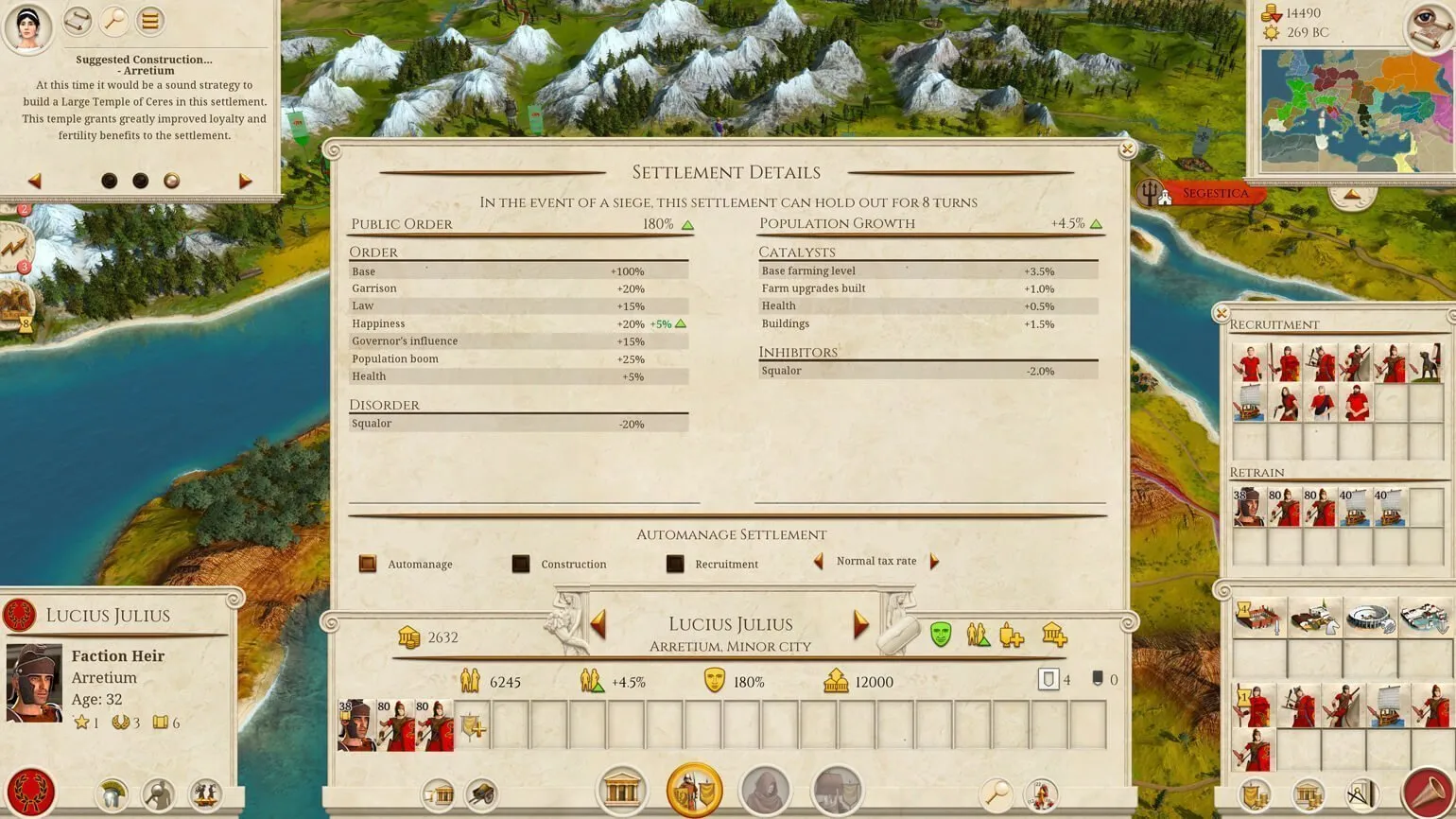
Creating a remake is a complex process that requires a lot of room to maneuver. It's important not to simply reproduce the successful elements of the original, but to reimagine it so that the remake feels like a modern game, while still preserving the key features of the original. The main challenge is finding a balance between relevance and legacy to satisfy both new and loyal fans.
Modern technology has significantly helped us realize the ideas of the original Resident Evil 3, which were previously limited by technical capabilities. To update the game for existing fans, we made changes that harmoniously fit into the modernized gameplay, while remaining true to the spirit of the original.
Peter Fabiano is the producer of Resident Evil 3. His responsibilities include coordinating development and managing the team, which allows us to create a high-quality product that meets the expectations of fans of the series. Resident Evil 3 is a remake of the classic game that preserves the original spirit while incorporating modern technology and gameplay mechanics. Fabiano is actively involved in enhancing the visuals, characters, and story to offer players an unforgettable experience in a world of horror and survival. Thanks to his vision and leadership, Resident Evil 3 has become one of the most anticipated releases in the horror genre.
Capcom boldly updated the classic games Resident Evil 2 and Resident Evil 3, preserving the spirit of the original 1990s projects. This decision allowed them to attract both loyal fans and new audiences. In contrast, the developers of the MediEvil remake took a more cautious approach, aiming to recreate the original game with minimal changes. As a result, the remake turned out to be niche and only attracted fans of the original. In contrast, the next-gen version of Demon's Souls, released in 2020 on PS5, offered only minor tweaks to the gameplay, but this did not deter the hardcore audience, who were satisfied with the update.
Unfortunately, there is no universal recipe for a successful remaster or remake, nor is there an ideal balance between "old" and "new" in the re-release process. Each case requires consideration of the context, genre, current trends, and the needs of the target audience. These factors play a key role in creating a high-quality product that will satisfy the expectations of fans of the original and attract new users. The success of a remaster or remake depends on the ability to balance nostalgia with modern requirements, as well as the ability to adapt the content to current trends while preserving its original essence.
This delicate balance is made possible by the existing community that has formed around the original. Feedback from this community can be translated into technical specifications for the development team. A thorough analysis of player experience reveals which elements of the game proved successful and which were overlooked or provoked a negative reaction. This knowledge helps improve the project and create a more appealing product for the audience.
Community engagement can be enhanced by paying attention to fan creations and user modifications. The Nexus platform, one of the largest mod hubs, features a wide variety of mods that can help developers understand what improvements their game requires, where refinements are needed, and where gameplay should be developed and deepened. Furthermore, some fan-made creations serve as valuable references for official patches, expansions, and re-releases. The modding community also represents a source of talented, engaged, and motivated professionals who can make significant contributions to game development.
Moderators play an important role even at large companies like CD Projekt RED. For example, the next-gen version of The Witcher 3: Wild Hunt will be improved in collaboration with independent modder Halk Hogan PL, known for his HD Reworked Project graphical enhancement pack. This collaboration highlights the importance of modding in the gaming industry and the developers' commitment to improving the quality of their products.
Content and Niceties
When re-releasing games, it is important to include all the additional content that was available in the original version, including large additions, DLC, and texture packs. If the old game had a multiplayer mode, but it stopped functioning, it must be restored in the updated version. Otherwise, players will not be able to fully enjoy the gaming experience and features that were available previously. Ensuring complete content and functionality is the key to a successful re-release and meeting the needs of the audience.
One of the successful examples of the revival of online functions and the integration of all previously released content is the remaster of the first part of Dark Souls. Following its release, the Souls series' vibrant community of fans began filling the game world with notes and engaging in PvP combat with renewed enthusiasm. This revitalization not only attracted old players but also brought new participants into the unique atmosphere of Dark Souls, which contributed to strengthening the community and increasing interest in games in this cult series.
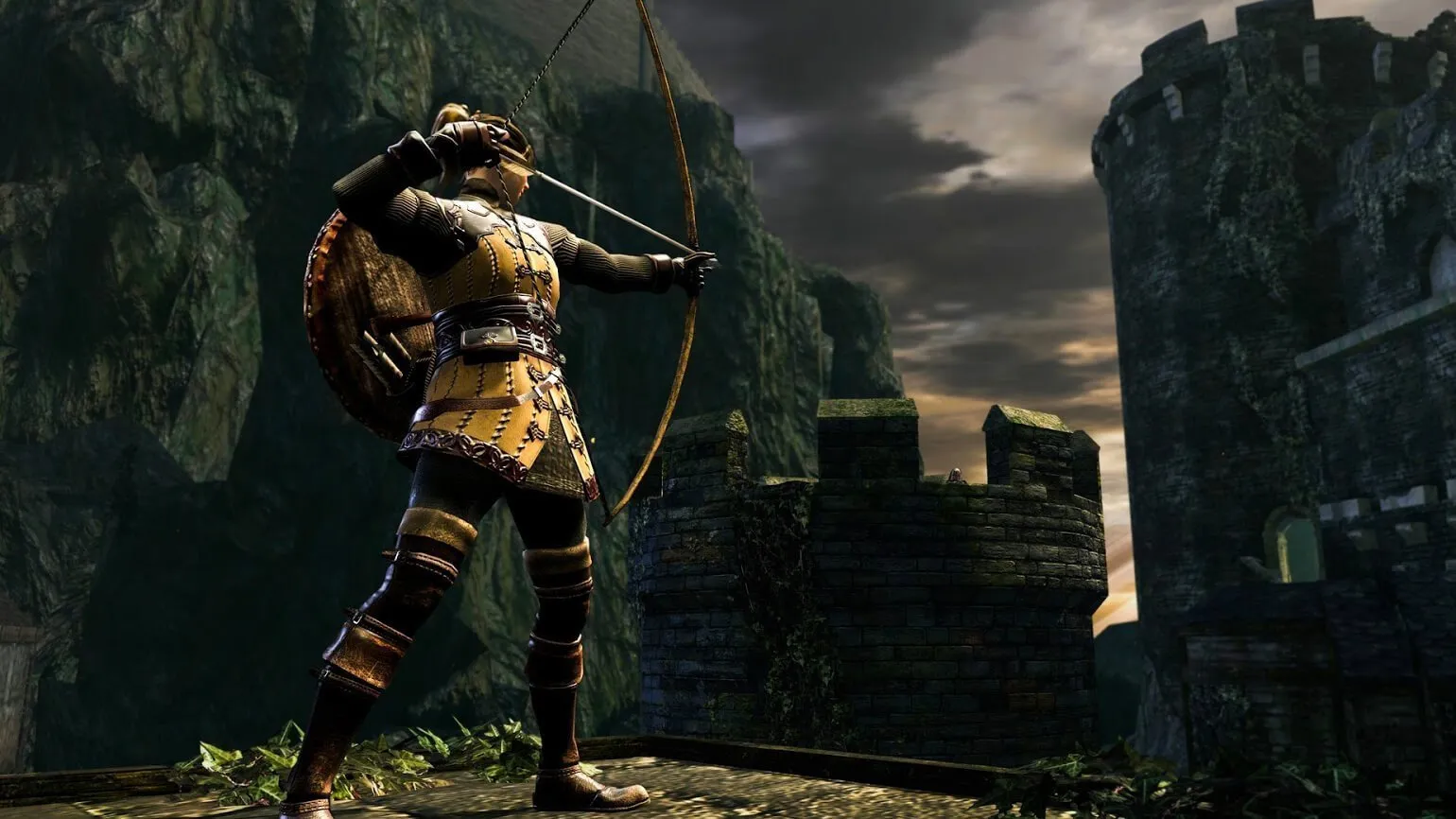
Small graphical enhancements like additional particles, reworked shaders, and new animations can significantly update even the most traditional remaster. It's also important to consider the unique features available on certain platforms. For example, the developers of The Last of Us: Remastered significantly improved the feedback in the PS4 version with a few targeted changes. These improvements not only make the game more attractive, but also increase player engagement.
We aimed to make several improvements to ensure the PS4 remaster of the game retains the recognizable feel of the original. The flashlight sound played through the controller speaker or the red bar changing when a character's health is low are small details that we believe allow us to take advantage of the new features of the PS4 without disrupting the original gameplay.
Anthony Newman is a game designer at Naughty Dog. He has made significant contributions to popular video games such as the Uncharted and The Last of Us series. Newman is known for his ability to craft compelling stories and nuanced characters, making the studio's games particularly engaging for players. His experience in game design and passion for creating unique game worlds help Naughty Dog remain one of the leading companies in the video game industry. Anthony Newman's contributions to the studio's projects continue to inspire both players and future developers.
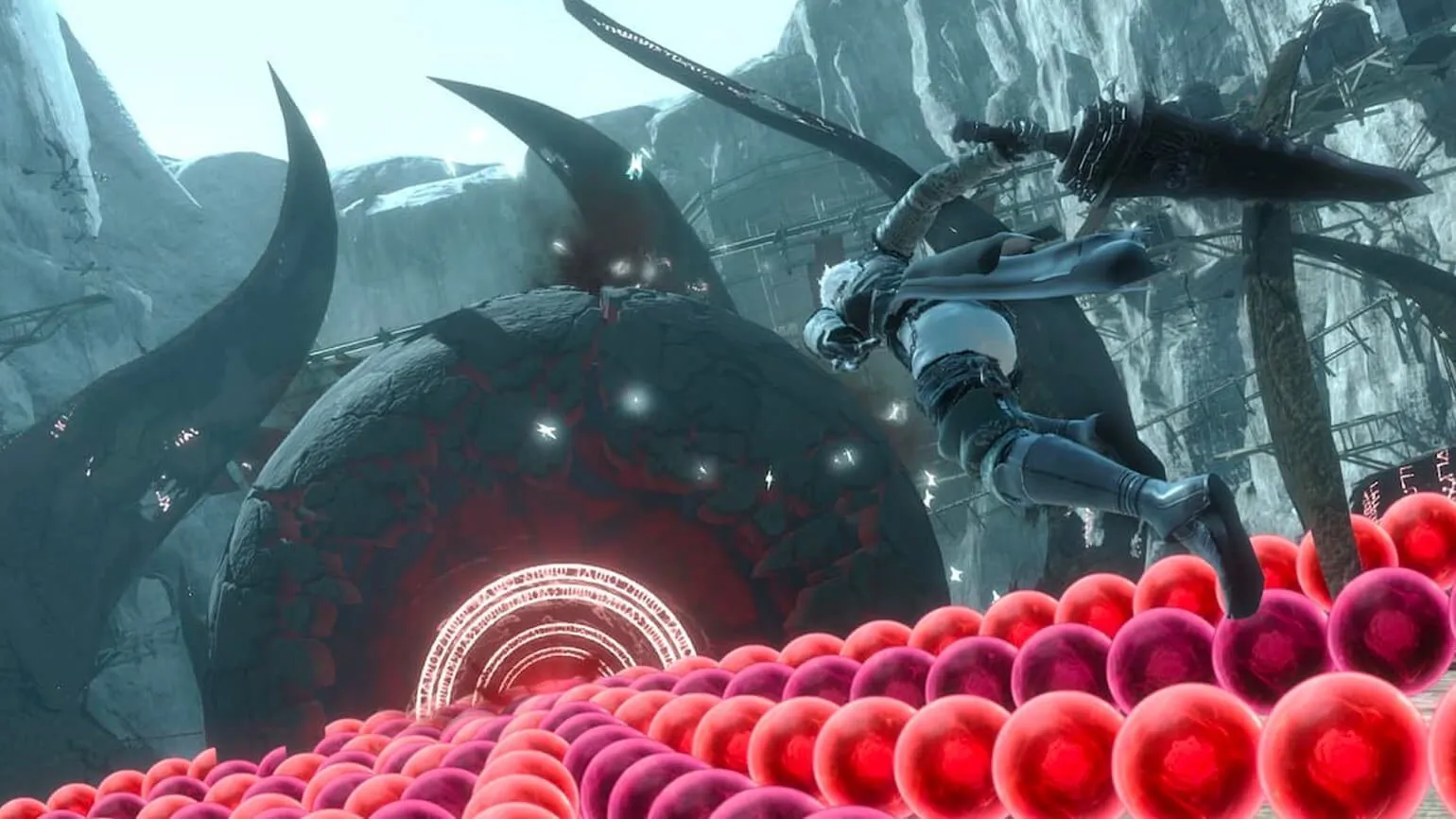
Many players believe that the growing number of remasters and remakes is due to a lack of creativity on the part of developers. This viewpoint is controversial, as market trends are largely determined by consumer preferences. Developers respond to demand by creating updated versions of popular games to satisfy audience interest. Remasters and remakes not only offer modern graphics and improved gameplay but also allow new players to experience gaming classics. Thus, the increasing number of such projects can be seen as a response to players' desire to return to their favorite games in a new format.
The modern gaming industry demands remasters. Remasters and remakes have become an integral part of this process. It is important to support high-quality remasters that genuinely improve the original games and provide players with a new experience. Such projects can attract both existing fans and new players, providing a fresh take on familiar stories and gameplay. High-quality remasters and remakes not only preserve the spirit of the original, but also adapt it to modern requirements, which makes them an important aspect of the development of gaming culture.
Who are you in the world of game development? A mini-course for those who want to make games.
In this free mini-course, you'll try yourself as a game designer, 2D artist, or Unity game developer and choose the profession that's right for you.
Find out more.