Contents:
Narrative Designer: 5 Steps to a Successful Career
Learn MoreArchetypes are an important tool for creating vivid and multifaceted characters in storytelling. They help players easily perceive the heroes' roles in the unfolding story, which ensures a deep emotional connection with the plot. Using archetypes allows game developers and writers to create memorable characters that engage and engage audiences. Understanding archetypes also helps them better develop character traits, making stories more engaging and rich for players.
Skillbox Media conducted a detailed study of character archetypes to analyze their impact on the perception of video games. Archetypes are universal images that shape player emotions and behavior. In this article, we focus on the most common and significant archetypes that play a key role in gameplay and story development.
What is an archetype?
Archetypes are universal images and behavior patterns characteristic of human culture. These typical heroes are reflected in various forms of art, including literature, film, painting, theater, and video games. The term "archetype" was coined by Swiss psychiatrist Carl Gustav Jung, who studied the deep structures of the human psyche and their influence on behavior and perception. Understanding archetypes helps us gain a deeper understanding of characters and plots, as well as their connection to human experience and emotional perception. Incorporating archetypes into works of art enriches their content, creating resonant and memorable images that resonate with viewers and readers.
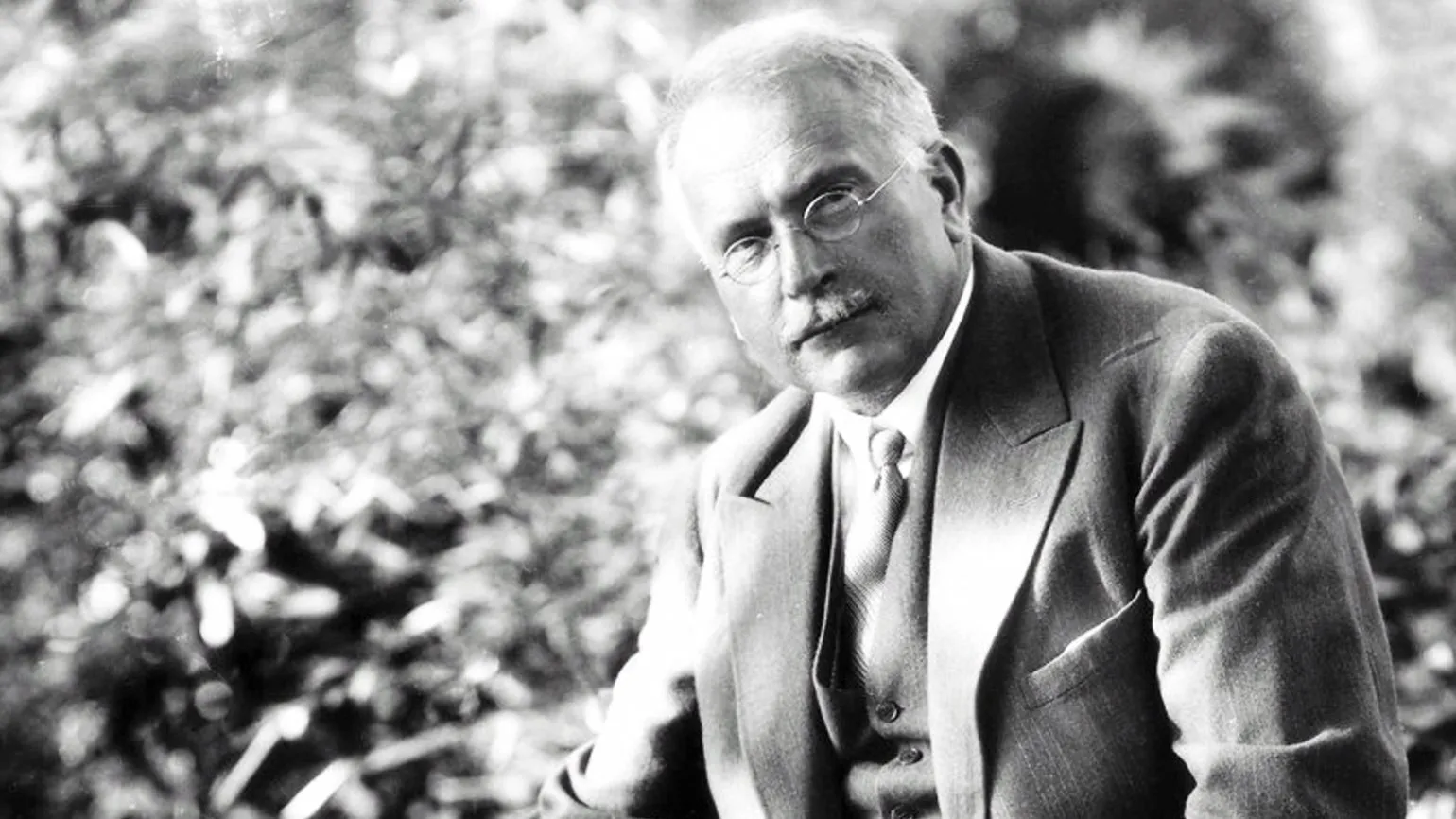
Carl Jung explored the concept of the collective unconscious, a shared psychic structure beyond conscious control. An important aspect of this concept are archetypes—innate images and behavior patterns that appear in cultural myths, fairy tales, and dreams. These archetypes form a common foundation for human experience and influence our perception of the world. Understanding the collective unconscious and its archetypes is of significant importance to psychology because it helps explain common traits of human culture and behavior that cross the boundaries of different societies.
Archetypes such as the femme fatale, the wise teacher, and the rebel have deep roots in the cultures of various peoples throughout the centuries. These universal images continue to exert a significant influence on popular culture, including film and video games, where scenarios and characters are often built around these common archetypes. Importantly, understanding these archetypes helps us better analyze storylines and character development, making them an integral part of contemporary art and entertainment.
The Relevance of Jung's Ideas in the Modern World
Carl Jung's ideas continue to be relevant and in demand in modern society. In fields such as film, gaming, and the visual arts, we can see many references to his analytical psychology. The archetypes proposed by Jung serve as the basis for developing complex and multi-layered characters, which allows for the creation of deeper and more emotionally rich narratives. Using Jungian concepts in creativity helps authors better understand human nature and convey universal themes, which makes their work more resonant with the audience.
Jung emphasized that the number of archetypes corresponds to the number of typical life situations, while their boundaries are often unclear. This demonstrates that the same archetype can manifest itself in diverse ways depending on the context and plot. Thus, archetypes become flexible tools for analyzing human behavior and cultural phenomena, emphasizing their importance in psychology and literature.
Archetypes should not be viewed as rigid models for creating characters. They provide a foundation upon which narrative designers and writers can build multifaceted characters that naturally fit into the plot. This allows developers to effectively convey the desired emotions to players and creates a deeper engagement with the game story. Using archetypes helps create vibrant characters that not only attract attention but also leave a lasting impression on the audience.
Archetypes are not only tools but also important links between myths and modern narratives. They play a key role in our understanding of ourselves and the world around us, allowing us to gain a deeper understanding of human experience. Understanding archetypes helps us interpret various aspects of life and identify common themes that connect different cultures and eras. These universal symbols serve as the basis for creating stories that resonate with our inner essence and promote self-knowledge.
Frequently Asked Questions about Archetypes
Archetypes are universal images and symbols found in myths, dreams, and fiction across cultures. They serve as the basis for shaping collective consciousness and help people understand the world around them. Archetypes can take many forms, including characters, plots, and motifs that are passed down from generation to generation. Understanding archetypes allows for a deeper understanding of human nature and cultural traditions, as well as the common threads and themes that unite different societies. In psychology, archetypes play a vital role in analyzing dreams and personal identity, and in literature, they help authors create deeper, more multilayered works. Studying archetypes can also be useful in marketing and branding, as they can evoke emotional responses and form lasting associations in consumers. Archetypes represent universal images and behavior patterns found in myths, legends, and fairy tales across cultures. These symbols and scenarios help people better understand themselves and the world around them, as they reflect common human experiences and emotions. The study of archetypes reveals key aspects of culture and psychology, making them an important tool in literature, art, and psychology. The use of archetypes in modern narratives continues to inspire authors and researchers, opening new horizons for interpretation and analysis.
Archetypes play a key role in character development in games. They represent universal images and behavior patterns that help players quickly understand the motivations and personalities of heroes. Using archetypes allows developers to create deeper and more memorable characters, which in turn improves the overall experience of the game.
Each archetype, whether hero, villain, sage, or trickster, brings its own unique dynamic to the plot. Characters based on archetypes are easily understood by players, making them more relatable and interesting. For example, a hero, following an archetype, might be portrayed as brave and decisive, while a villain might embody fear and manipulation.
Furthermore, archetypes help in creating conflicts and interactions between characters. These archetype-based interactions add depth and depth to the story. Players can see how different archetypes collide and evolve throughout the game, adding depth to the experience. Ultimately, archetypes not only simplify character creation but also enrich the gaming experience, making it richer and more emotionally meaningful. Using archetypes in games helps create memorable stories that stay with players for a long time. Archetypes play a key role in creating multi-layered characters, which fosters a deeper understanding of their motivations and roles in the plot. Using archetypes helps game developers and writers create characters that are easily understood by players and readers. They create familiar patterns, allowing audiences to quickly identify characters' emotions and intentions, making the story more engaging and memorable. Archetypes not only enrich characters but also enhance the interactions between them, ultimately leading to a more fulfilling gaming or literary experience.
Archetypes play a key role in character development, as they help shape characters that are easily perceived and remembered. Archetypes represent universal patterns that reflect common traits and motivations inherent in humanity. Using archetypes in character development allows authors to create deeper and more multifaceted characters.
When working with archetypes, it's important to understand that each character can combine multiple archetypes, which adds complexity and realism. For example, a hero might be both a protector and a seeker, giving them a unique identity and making the story more engaging.
Also, keep in mind that archetypes can change depending on the context of the story. A character who initially seems villainous may reveal their true motives and become more sympathetic over time. This allows for a dynamic and engaging narrative.
When creating characters using archetypes, it is important to balance their characteristics. For example, if a hero has strong leadership qualities, it is worth adding vulnerabilities to make them more human and relatable to the audience.
Thus, the competent use of archetypes not only helps in creating interesting characters but also contributes to the development of the plot, making it more rich and memorable.
Archetypes are an important tool in character development, as they contribute to the creation of emotionally deep and believable images. Using archetypes helps authors form characters that are easily understood and evoke strong feelings in the audience. Incorporating archetypes into the character creation process allows for a deeper understanding of the motivations and inner world of the heroes, which makes them more memorable and interesting to readers.
What is an archetype? Understanding and Meaning in Culture
Archetypes are universal images and concepts found in myths, legends, and works of art around the world. In literature, film, theater, and video games, archetypes play a vital role, serving as fundamental building blocks for creating vibrant characters and compelling plots. They help viewers and readers more quickly perceive and understand characters and their motivations, creating an emotional connection with the work. Using archetypes allows authors to convey profound ideas and themes, resonating with audiences. From hero to villain, these images shape the structure of stories and make them more accessible and relatable to a wider audience.
You can read more about the topic by delving into the details and exploring various aspects. This will help you gain a complete picture and better understand the subject matter. Detailed information will allow you to identify key points and main ideas, which in turn will significantly enrich your knowledge. Don't miss the opportunity to get the full context and draw informed conclusions based on the data presented.
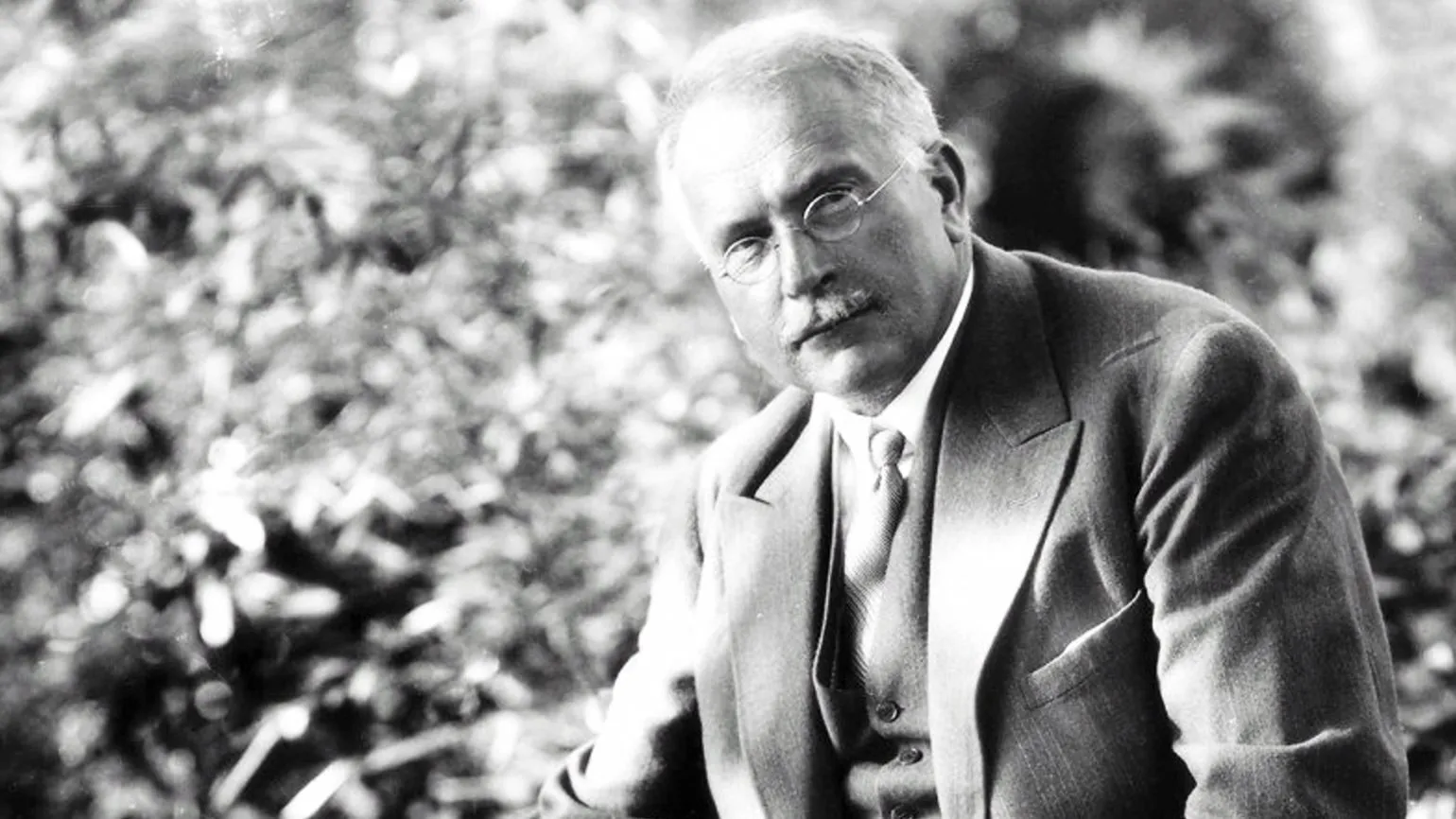
Carl Gustav Jung introduced the concept of the collective unconscious, describing it as a common psychic structure inherent in all people. This unconscious contains archetypes that influence our behavior and perception of the world around us. Archetypes are reflected in the culture of different peoples, from ancient myths to modern works of art. Understanding this phenomenon helps to deeper understand how cultural and psychological elements shape our identity and behavior in society.
Archetypes, according to Carl Jung's theory, are innate patterns of behavior and ideas that manifest themselves in various cultural forms, including fairy tales and dreams. These universal images can include such archetypes as the femme fatale, the wise mentor, and the rebel. Archetypes play a vital role in shaping human experience and understanding of the world. They help us make sense of our own feelings and actions, as well as interact with the surrounding reality. Studying archetypes provides a deeper understanding of the psychological processes and cultural traditions that influence our behavior and perception. According to Carl Jung and his followers, archetypes have been classified in many ways. However, Jung noted that these classifications are arbitrary, as there is an infinite number of archetypes, and the boundaries between them are often blurred. This emphasizes the complexity and diversity of the human psyche, where archetypes can manifest themselves in different cultures and historical contexts, influencing people's behavior and perceptions. Understanding archetypes is important for psychology, literature, and art, as they help us gain a deeper understanding of the universal themes and motifs inherent in humanity. Archetypes can be compared to the variety of typical situations we encounter in life. These repeated experiences shape our psyche, preserving them not as specific images with content, but as forms without content. They represent the possibility of a certain type of perception and behavior. Thus, archetypes play a vital role in understanding human psychology and interaction with the surrounding world, allowing us to recognize how different situations influence our perceptions and actions. Archetypes are not strict templates for creating characters, but rather a powerful tool for narrative designers and screenwriters. They help create multi-layered and complex characters that resonate with audiences. By using ancient images, authors establish a connection between heroes and the collective unconscious, which helps evoke the desired emotions in viewers and players. Understanding archetypes allows for a deeper development of characters and plots, making them more engaging and memorable. Archetypes play an important role in the modern world, remaining in demand in the film industry, video games, and the visual arts. Research shows that over 70% of successful films use archetypal structures to create their plots. This confirms the importance of archetypes in creating an emotional connection with audiences and ensuring memorable works. Using archetypes helps authors develop characters more deeply and make them more relatable, which in turn contributes to the successful perception of the content.
The Shadow Archetype: Psychology and Mythology
The shadow archetype symbolizes the dark sides of the human psyche, including repressed emotions, fears, and mental disorders. In myths and legends, these internal conflicts often take the form of monsters or villains who oppose the heroes. Understanding one's shadow allows people to better understand their inner demons and effectively cope with life's challenges. This understanding promotes personal growth and mental well-being, allowing one to integrate repressed aspects of one's personality and achieve harmony.
Senua, the central character of Hellblade: Senua's Sacrifice, illustrates the struggle with mental illness through her own example. On her journey to the goddess of death, Hel, she seeks to reclaim the soul of her lover, Dillion. Along the way, she is haunted by shadows—voices, traumatic memories, and hallucinations that symbolize her inner fears and feelings of guilt. The game takes the player deep into a world of mental anguish, showing how Senua copes with her own demons and tries to overcome the dark moments of her life.
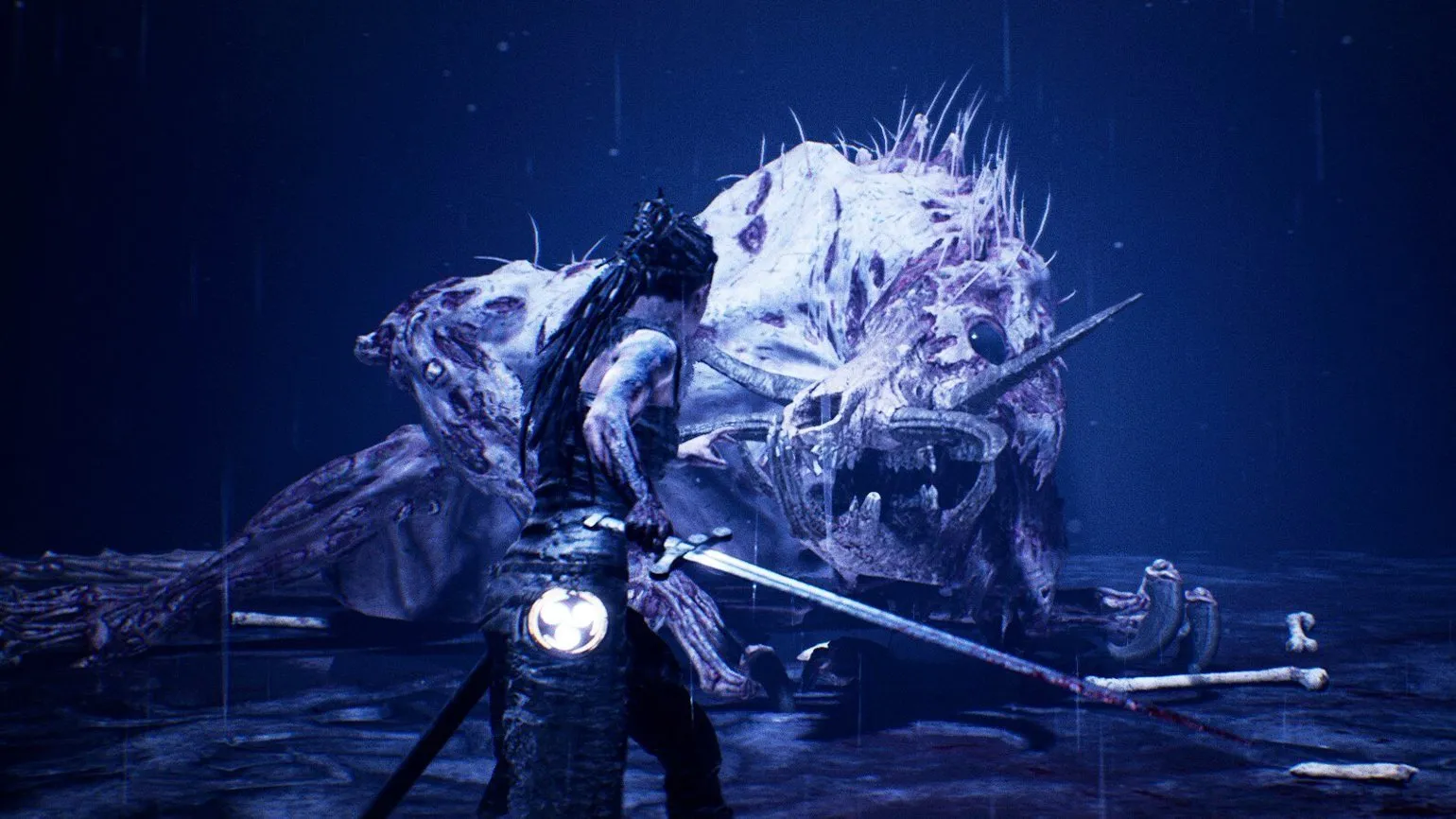
Senua's internal conflict reaches a new level of intensity when she becomes her primary adversary. This highlights the complexity of her struggle: the enemy has no physical form, and at times the feeling of hopelessness becomes overwhelming. This approach is often seen in psychological thrillers, where the viewer or player realizes they are fighting illusions rather than real opponents. This aspect heightens the emotional load and immerses the viewer in a world of internal struggle, making the plot more engaging and multi-layered.
In Celeste, the shadow represents an inner saboteur who challenges the protagonist, Madeline,'s confidence. Her dark counterpart, Badline, acts as an obstacle to reaching her goal—the mountaintop. This interaction symbolizes the internal conflict that can lead to self-acceptance and self-understanding. The game deeply explores the theme of fighting your own fears and doubts, showing the importance of overcoming internal barriers to achieve success.

In Celeste, climbing a mountain is not only a physical challenge but also a profound metaphor for coping with internal conflicts. The character Madeline doesn't view Badlyn as an enemy, but rather as an important part of her journey to self-discovery. Instead of suppressing her dark side, Madeline learns to embrace it, which ultimately leads to harmony and success. This process reflects important aspects of psychology and personal growth, emphasizing the importance of self-acceptance in the fight against inner demons.

Carl Jung noted that meeting oneself involves confronting one's shadow. This process of self-discovery can be difficult, but it is necessary for profound change and the realization of one's true self. Recognizing one's shadow sides opens the way to inner growth and harmony. Understanding one's emotions and motives helps one better cope with life's difficulties and build conscious relationships with others. Accepting one's shadow is key to personal growth and a better quality of life.
Christopher Vogler notes that the dark force plays an important role in creating contrast, highlighting the hero's strengths. Confronting one's own fears can be a powerful source of inner strength and contribute to character development. This confrontation not only shapes character but also deepens the plot, allowing readers or viewers to better understand the hero's journey. It's important for the dark elements of the story to serve as a catalyst for growth and transformation, making the narrative richer and more engaging.
Reworked Text:
Note the importance of choosing quality content for your website. Well-written text not only attracts visitors but also contributes to better search engine rankings. Using topic-relevant keywords helps improve SEO. Don't forget about the structure of the text: headings and subheadings make the content more readable. Regularly updating the information on the site is also key to maintaining user interest. Use unique materials and avoid plagiarism to increase the credibility of your resource.
Read also:
Character archetypes play a key role in video games, forming emotional attachments with players and enriching the narrative. Consider two striking examples: Aloy from Horizon Zero Dawn and Joel from The Last of Us.
Aloy is a classic hero who confronts external threats and strives to uncover the secrets of her world. She embodies the ideals of courage, determination, and intelligence. Over the course of her journey, Aloy overcomes numerous obstacles, including battles with mechanical creatures and conflicts with other people. Her character development emphasizes the importance of self-knowledge and the willingness to sacrifice for a greater goal.
Joel, on the other hand, represents a more complex hero archetype. His journey is filled with internal conflicts and moral dilemmas. Unlike Aloy, Joel faces the consequences of his actions, and his decisions evoke ambiguous feelings. He becomes Ellie's protector, but his methods and motivations are not always transparent. This character demonstrates that a hero can have a dark side, and sometimes their actions can only be justified in the context of love and protection.
Both character archetypes, represented by Aloy and Joel, demonstrate different facets of heroism and allow players to gain a deeper understanding of the complexity of human nature in times of crisis. Exploring their stories not only enriches the gaming experience, but also raises important questions about morality, choice, and human relationships.
Narrative Designer: 5 Steps to Success in Game Development
Want to become a narrative designer? Learn 5 key steps to creating games and bringing your ideas to life!
Learn more