
Contents:
- Sid Meier created the iconic concept of historical strategy
- Brian Reynolds proposed a classic sequel
- Jeff Briggs introduced the cultural influence of civilizations
- Soren Johnson added religion and the paradigm system
- John Schafer made battles interesting and tactical
- Ed Beach introduced the district system and the cultural research tree
- The same Ed Beach divided the game into eras

Learn: The Game Designer Profession from Scratch to PRO
Learn MoreSid Meier’s Civilization is an iconic series of strategy games, known and loved by players all over the world. It captivates players for hours with its turn-based gameplay and clear goal: build a civilization superior to other nations or artificial intelligence. Despite being in existence for 34 years, the series continues to grow in popularity. In February 2025, Sid Meier's Civilization 7, developed by Ed Beach, was released. This new version promises to improve the gaming experience and offer players fresh mechanics while maintaining the core elements that made the series so successful. This break with the Civilization franchise's creators was noticeable, as previously, each new installment was led by a new team lead. Despite the presence of Sid Meier's name in the title of each game, this iconic developer created only the first installment in the series, which became the foundational one. All subsequent games in the franchise were developed by different teams and leaders. In this article, we'll analyze the creative team behind the various Civilization games and the innovations they brought to the game.
Sid Meier Created the Iconic Concept of Historical Strategy
In the 1980s, Meier's company, MicroProse, gained popularity thanks to its creation of combat simulations. The developer, passionate about history and board games, decided to create a project dedicated to the history of civilizations. However, MicroProse's management didn't appreciate this ambitious idea, as they were focused on developing military simulations. However, the project received approval when the developer changed its genre from RTS to turn-based strategy. This solution allowed players to think more carefully about their actions, freeing them from time constraints, which made the game more engaging and strategically deep.
The game in the past resembled SimCity, where players could place buildings and objects, saying, "I want the village here, and the farm here." In this case, the emphasis was on observing the development of events, rather than on active actions. Players were more passive participants, watching their subjects gradually complete tasks and develop settlements.
Sid Meier is a renowned video game developer who gained worldwide recognition as the creator of the Civilization series. His contribution to the gaming industry cannot be overstated, as Civilization has become one of the most influential strategy games in history. Inspired by history and strategic thinking, Meier created a unique gameplay experience that allows players to manage a civilization from ancient times to the modern day. Thanks to his innovative approach and attention to detail, Sid Meier's games attract millions of fans around the world. His work has had a significant influence on the strategy genre and continues to inspire developers and players.
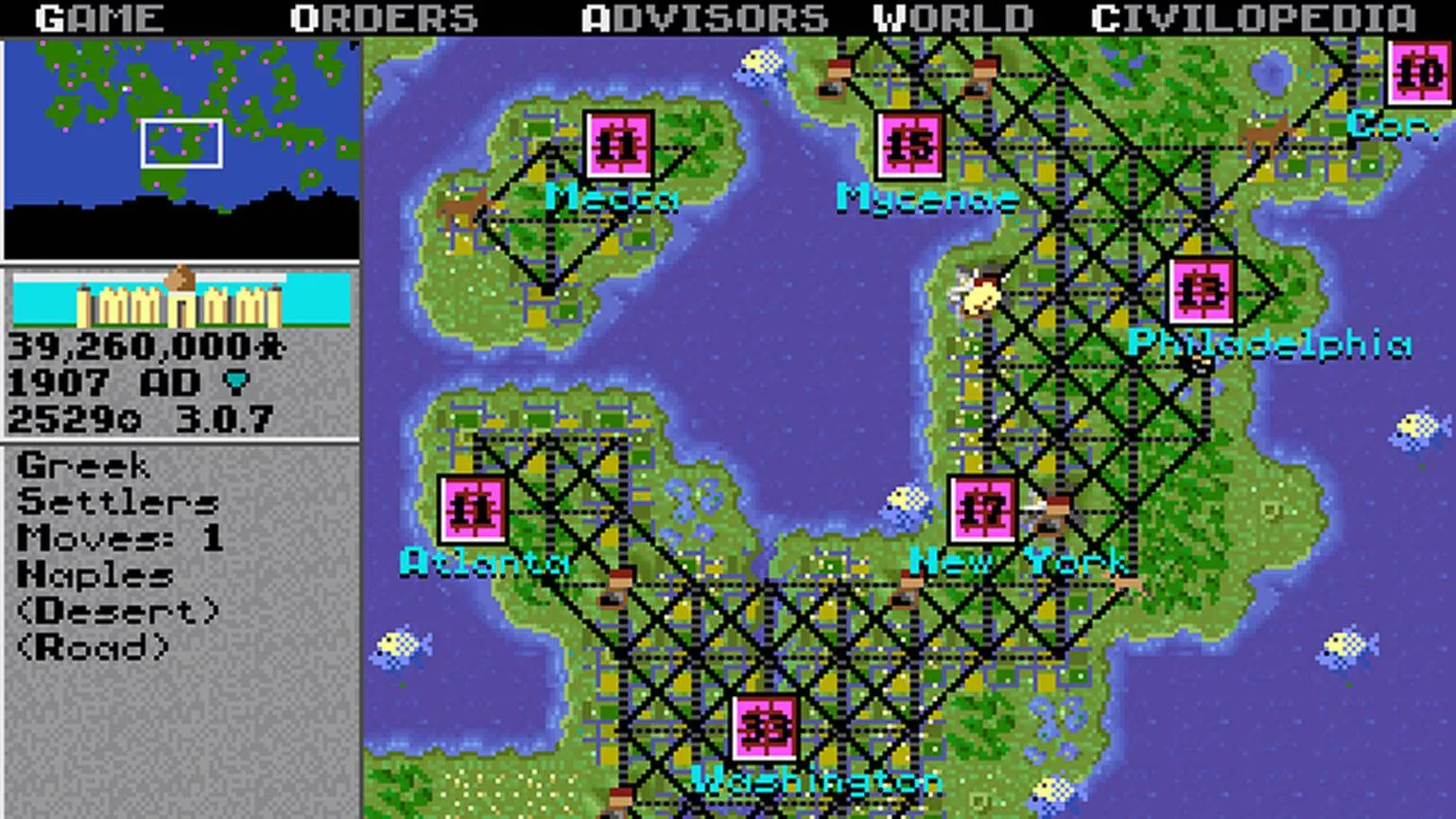
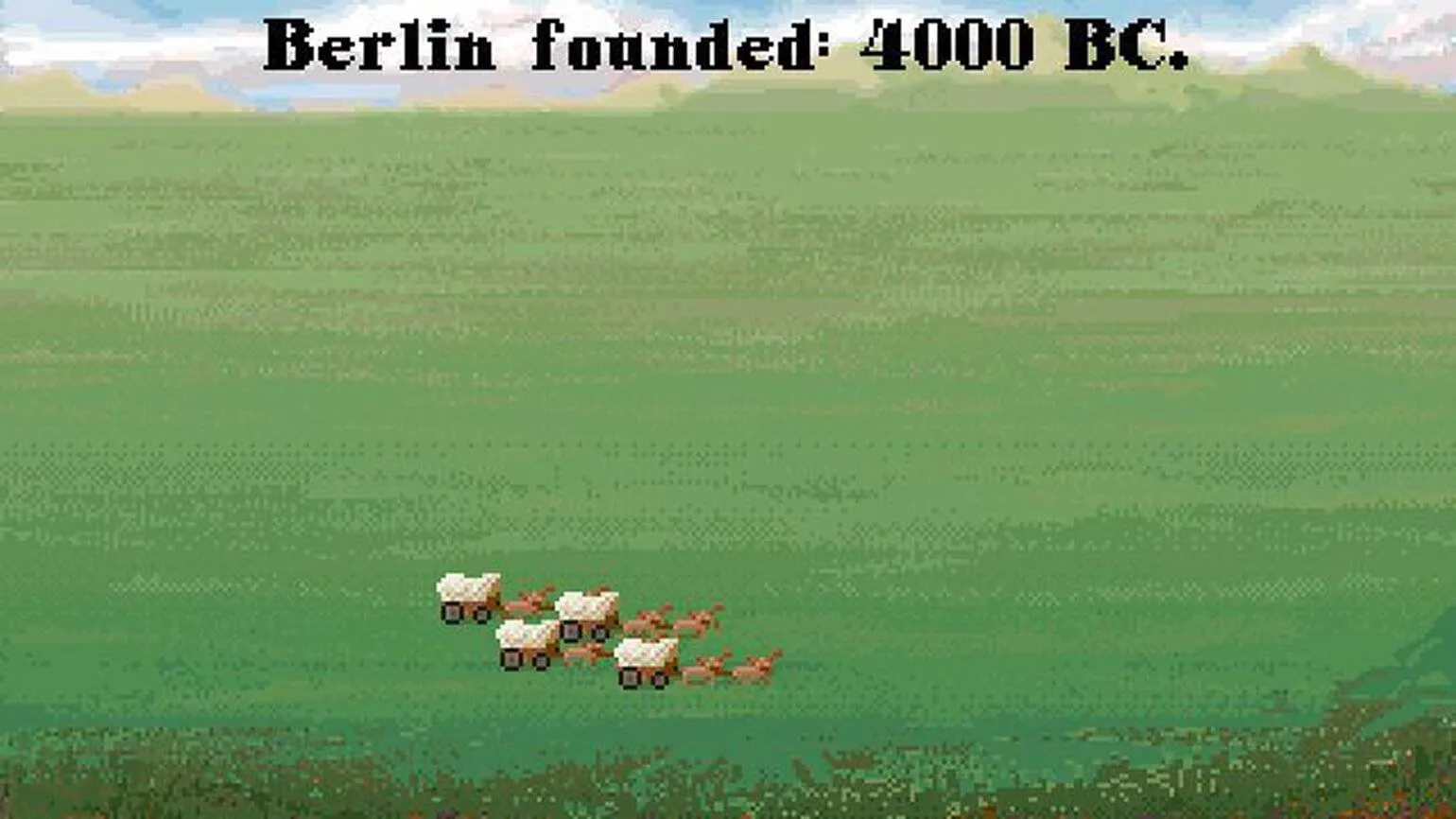
Released in 1991, the game won the hearts of many gamers and became a classic of the genre. The strategy game attracts players with its scale and historical accuracy. The game begins four millennia BC, with players choosing a civilization to develop over the centuries before the space age. Players place settlers in the chosen location, found cities, explore the surrounding area, search for resources, battle barbarians and other civilizations, and develop technologies. With a variety of strategic options and a deep historical context, this game remains relevant and beloved among strategy fans.
The choice of civilization was primarily cosmetic, but at the time, it was already led by famous historical figures such as Napoleon, Gandhi, and Stalin. These leaders played a significant role in shaping the historical context and influencing the future development of their countries and world events.
One of the key reasons for the popularity of Civilization is the recognizability of the civilization leaders. Players are already familiar with historical figures such as Napoleon or Gandhi, whose vibrant personalities are memorable. These famous figures evoke associations and emotions in players, making the gameplay more engaging and visual. Knowledge of real historical events and their participants creates a unique atmosphere, allowing for deeper immersion in the game world and a sense of connection with the past.
Sid Meier is one of the most famous video game developers, particularly for creating the iconic Civilization series. First released in 1991, this strategy game has won the hearts of millions of players worldwide. Meier developed unique game mechanics that allow players to build and develop their civilizations from ancient times to the future. His approach to game design inspired many other developers and became the foundation for the turn-based strategy genre. Sid Meier continues to influence the gaming industry, and his work remains relevant and in demand. Cities play a key role in production, shaping output based on their size. The surrounding territories provide essential resources such as food, currency, production, science, and culture. Each of these resources directly impacts the speed of city development and improvement. Important processes occur within cities: new units are created, buildings are constructed, and wonders of the world are erected. Optimizing resource use contributes to the successful development of urban infrastructure and the economy.
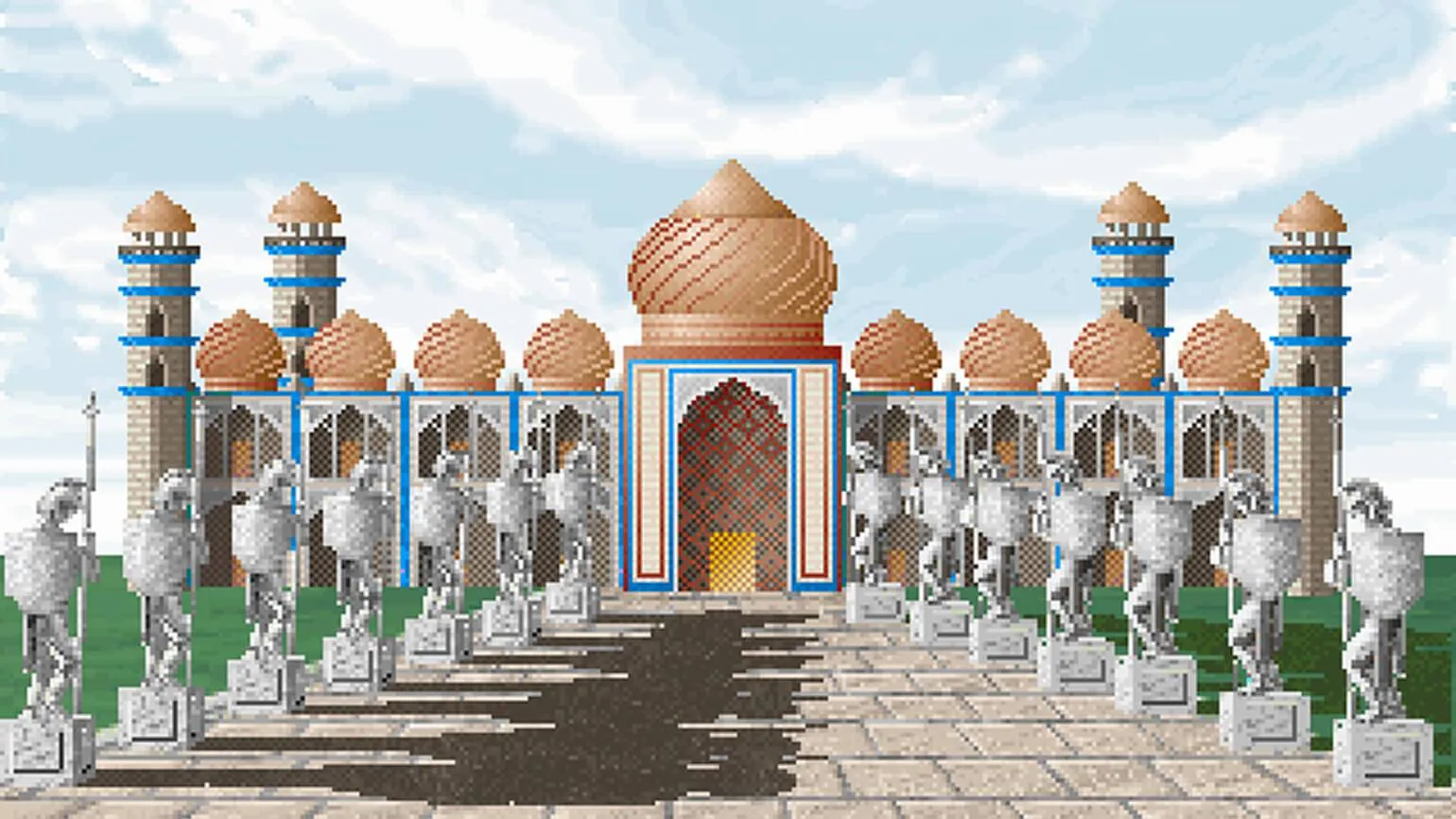
The game features various political regimes, such as monarchy, republic, despotism, communism, and democracy. Each of these regimes has a significant impact on the population and production processes. Depending on the chosen political direction, players can observe changes in the social structure, economic indicators, and the level of well-being of society. These factors play a key role in the development of strategy and decision-making in the game.
In Civilization, the technology tree plays a key role in the development of a nation. Throughout the game, players choose from a variety of technologies, which determines their strategy and playstyle. Initially, the choice is limited to technologies such as wheel creation and pottery, but as players progress, they can move on to more complex achievements, such as launching a spaceflight program and nuclear fission. Access to many buildings and units depends on the discovery of certain technologies, emphasizing the importance of strategic choice. In addition, players can exchange technologies with other nations, which adds an element of interaction and diplomacy to the gameplay.
An important feature of the game are the Great Wonders of the World. Each wonder can only be built once per game, and doing so requires a significant amount of resources and time. However, constructing these wonders provides unique benefits and helps bring your civilization closer to victory. The game has three main conditions for achieving victory: conquering all territories, flying a spaceship to Alpha Centauri, or accumulating a certain number of points, reaching the year 2100.
Elements of the first Civilization became the basis for the creation of a cult game, which won numerous awards, including Game of the Year, and achieved impressive sales for its time. Despite the success and demand, Sid Meier did not plan to continue the series and focused on other projects, such as the music game Sid Meier’s C.P.U. Bach.
Brian Reynolds proposed a classic sequel
Reynolds began his career at MicroProse as an adventure game programmer. He later led the development of Sid Meier’s Colonization, a spin-off of the famous series dedicated to the colonization of America. Although the visual style of Colonization is not much different from Civilization, the gameplay introduced a number of notable innovations. The game introduced elements of advanced trade, specialists, and religion, albeit at a basic level, which would later become important aspects of other games in the series. Thus, Reynolds' appointment as lead game designer for Civilization 2 was no surprise to his colleagues. However, the developer himself initially felt unsure of his abilities. Creating a sequel to Civilization, or any other MicroProse game, presents a unique challenge. How do you design a sequel that covers the entire history of humanity and retains player interest? This requires a careful approach to gameplay, balancing new elements with the classic mechanics that made the original successful. Key aspects include expanding the historical context, implementing innovative technologies, and improving the user experience. It is also important to consider community feedback and adapt the game to modern requirements to attract both new players and fans of the first game. Brian Reynolds, the lead game designer for Civilization 2, is a key figure in the video game industry. His contributions to strategy games have had a significant impact on the genre. Reynolds not only led the project but also actively contributed to the development of its mechanics and gameplay, which made Civilization 2 one of the most popular games of its time. Thanks to his vision and creativity, the game captured the attention of millions of players worldwide and left an indelible mark on video game history.
Reynolds's wife went to England for a year on an exchange program, and Brian decided to accompany her. MicroProse management agreed to let the young developer go on the condition that he work on the game and provide regular updates on its progress. As a result, a significant part of the conception and development of Civilization 2 was done in North Yorkshire.
There was no single "killer feature" on our team. We took an approach that involved analyzing every aspect of Civilization and improving it. Sometimes the changes were subtle, and sometimes they were radical. It's important to me not to be associated with the person who ruined Civilization. We strived to qualitatively develop the game, to make it even more exciting and interesting for players.
Brian Reynolds, the leader of the Civilization 2 development team, is known for his contributions to the creation of strategy video games. Under his leadership, the project became one of the most popular in its genre, which allowed it to attract the attention of a wide audience. Reynolds proved himself as a talented designer and developer, which contributed to the successful development of the franchise. His ideas and approaches to gameplay remain relevant today, inspiring new developers.
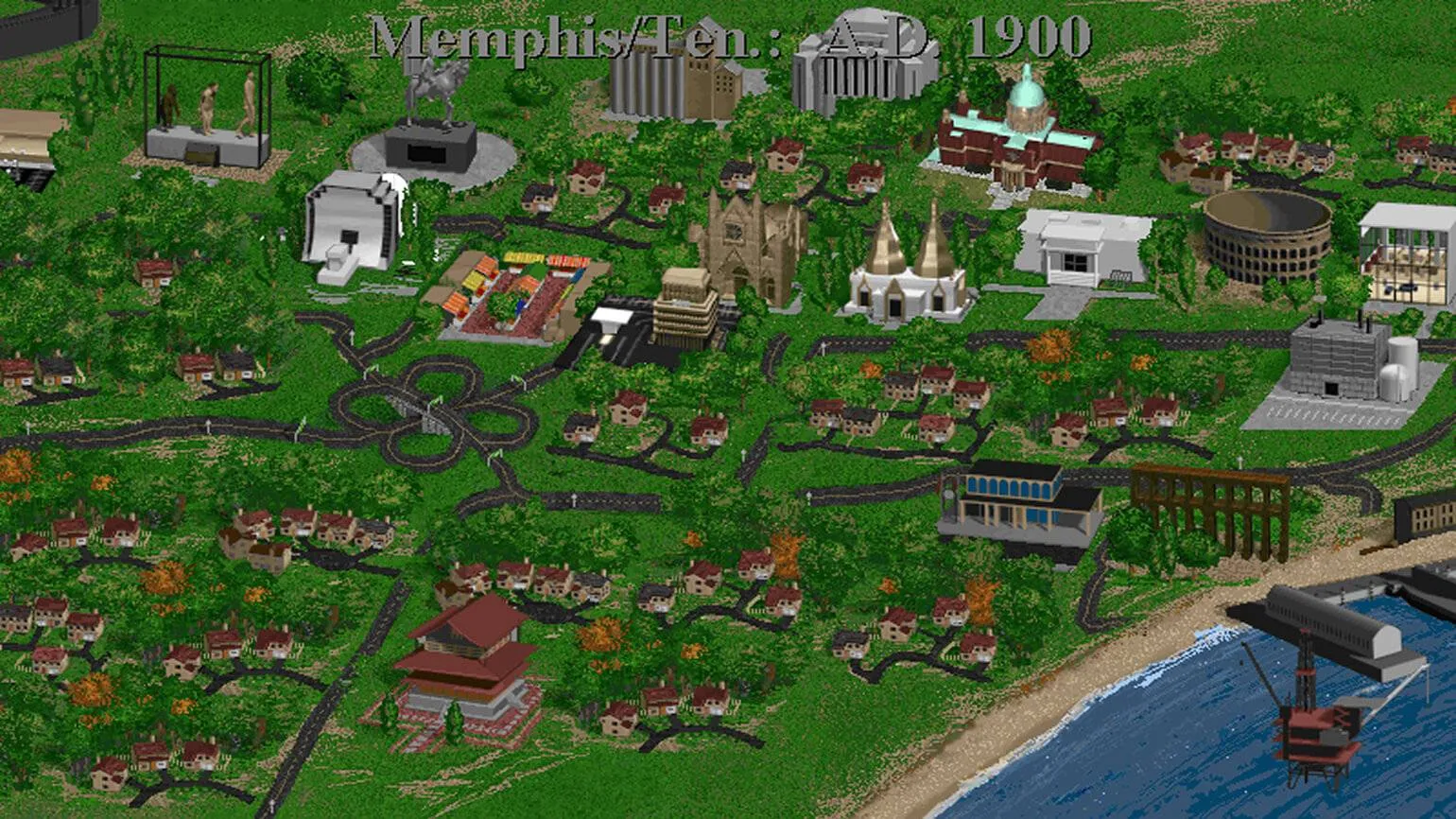
The head of development for the sequel did not plan to radically change the foundations of the game; his main goal was to improve and update the original in a modern way. The game was developed for Windows 95, which allowed for the creation of a modular user interface. The release of the new product took place in 1996 and marked a significant step forward in graphical performance: the color palette was expanded, videos with advisors and new animations were added. One of the main visual innovations, which has remained relevant to this day, was the change of camera to isometric projection, which gave the image the impression of volume.
The developers sought to diversify gameplay, focusing on diplomacy and improving artificial intelligence. AI is now capable of forming alliances and withdrawing troops from occupied territories. One of the key innovations is the Supreme Council—a video prompt system represented by five advisors who provide guidance throughout the game. Each advisor oversees their own area of civilization development, covering military and cultural aspects. When advancing to a new era, advisors change their appearance, which brings an element of authenticity and humor to the gameplay. For example, a military advisor, starting as a legionnaire, can transform into a drunken knight, and then become a cartoonish American general. This adds originality and depth to the gameplay, making each era unique and engaging.
The first game in the Civilization series attracted players with random battles, which made the gameplay unpredictable. In the sequel, the developers implemented a health point system for units, significantly increasing the fairness of battles. Units from different eras now have more balanced chances of victory, and ancient armies are no longer able to easily destroy modern warriors, providing a deeper strategic component to the game.
For the first time, the game supports user-created modifications and scenarios. These preset modes allow players to immerse themselves in historical, fictional, and other unique situations. The sequel features scenarios dedicated to events such as World War II and the expansion of the Roman Republic. This feature significantly expands the gameplay and allows users to create their own stories, adapting the game to their interests.
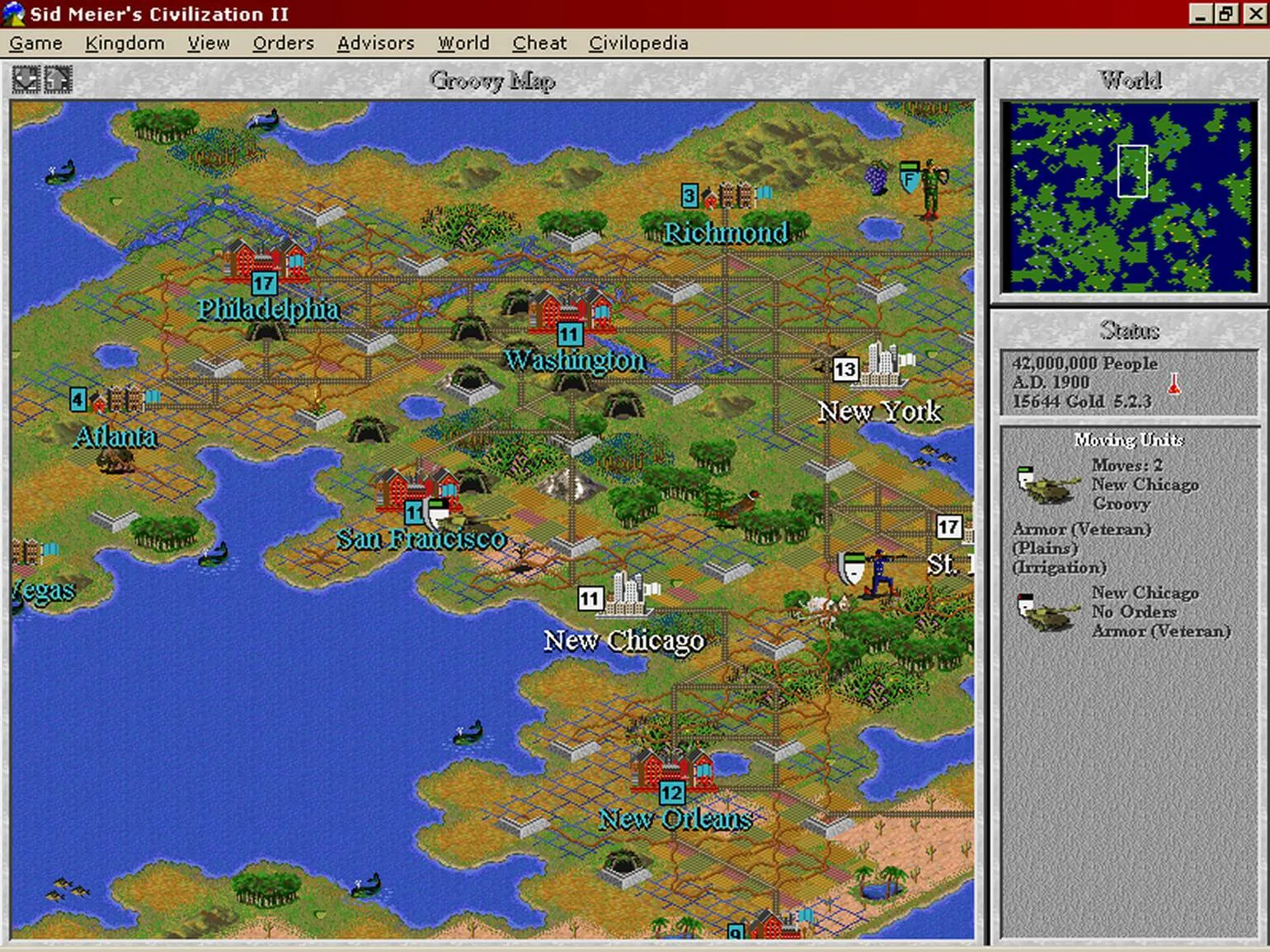
Reynolds recognized that his work was making small but significant improvements to the gameplay of Great Wonders of the World. Despite this, he was satisfied with the results achieved. In his description of the mechanics upgrade, he emphasizes the importance of each change, emphasizing how even minor tweaks can enrich the gameplay and increase player engagement.
This installment of Civilization was interesting, but it had its shortcomings. The enemy AI sometimes demonstrated unfair practices, failing to build wonders in real time. In the new version of the game, we not only added additional wonders but also improved the AI to ensure it builds them fairly. We also implemented notifications when the AI begins building a wonder, creating a sense of racing and competition. Furthermore, cinematics featuring wonders have been added, allowing players to earn more meaningful rewards for their achievements.
Brian Reynolds, the lead of the Civilization 2 development team, played a key role in the creation of this iconic strategy game. His experience and vision helped shape the unique gameplay that continues to captivate players worldwide. Under his leadership, the civilization management system was developed, significantly expanding the possibilities for strategic thinking. Reynolds continues to influence the video game industry, and his contributions to Civilization 2 remain an unrivaled example of outstanding game design and innovative game development.
The game achieved commercial success, selling 3 million copies in five years. The sequel was warmly received by both critics and players, and for a long time entered various ratings of the best video games of all time.
Reynolds continued to demonstrate his talent by developing a number of successful strategy games, among which Sid Meier’s Alpha Centauri and Rise of Nations stand out. These projects became significant in the industry and brought new ideas to the strategy genre.
Jeff Briggs introduced the cultural influence of Civilizations
MicroProse management for many years doubted the success of historical strategy games and showed no interest in promoting the Civilization series. This attitude caused discontent among the lead developers, and after the release of Civilization 2, Sid Meier, Brian Reynolds, and Jeff Briggs decided to leave the studio. They founded Firaxis Games, which became the new home for all future Civilization games, ensuring the growth and success of the series.
Brian Reynolds was initially tasked with developing the sequel, but he left the studio before active development began. As a result, seasoned series veteran Jeff Briggs assumed the role of lead game designer. Beginning his career in the early 1990s as a composer, Briggs gradually expanded his horizons to include writing and design. He also produced Civilization 2 and served as executive producer on the Alpha Centauri project.
Sure, please provide the text you want me to revise and optimize for SEO.
The project turned out to be quite exciting. We had a strict deadline and needed to almost completely renew the development team. I found myself in a unique situation. Sid Meier and Bruce Shelley led the development of the first version of Civilization, and Brian and I were developing the second. I had the deepest understanding of the game's mechanics and features of anyone at the company.
Jeff Briggs is the team lead for Civilization 3. His experience and leadership were key to the development of one of the most popular strategy games in history. Under his leadership, the team was able to create a unique gameplay experience that attracted millions of players worldwide. Jeff Briggs was actively involved in shaping the game's concept and mechanics, making Civilization 3 a significant milestone in the development of the strategy genre.
Briggs decided to follow the "rule of thirds" in the development of the new Civilization. According to this principle, one part of the game will remain unchanged, the second will be completely new, and the third will focus on improving existing elements. This approach gives the studio the opportunity for creative experimentation and innovation in game mechanics.
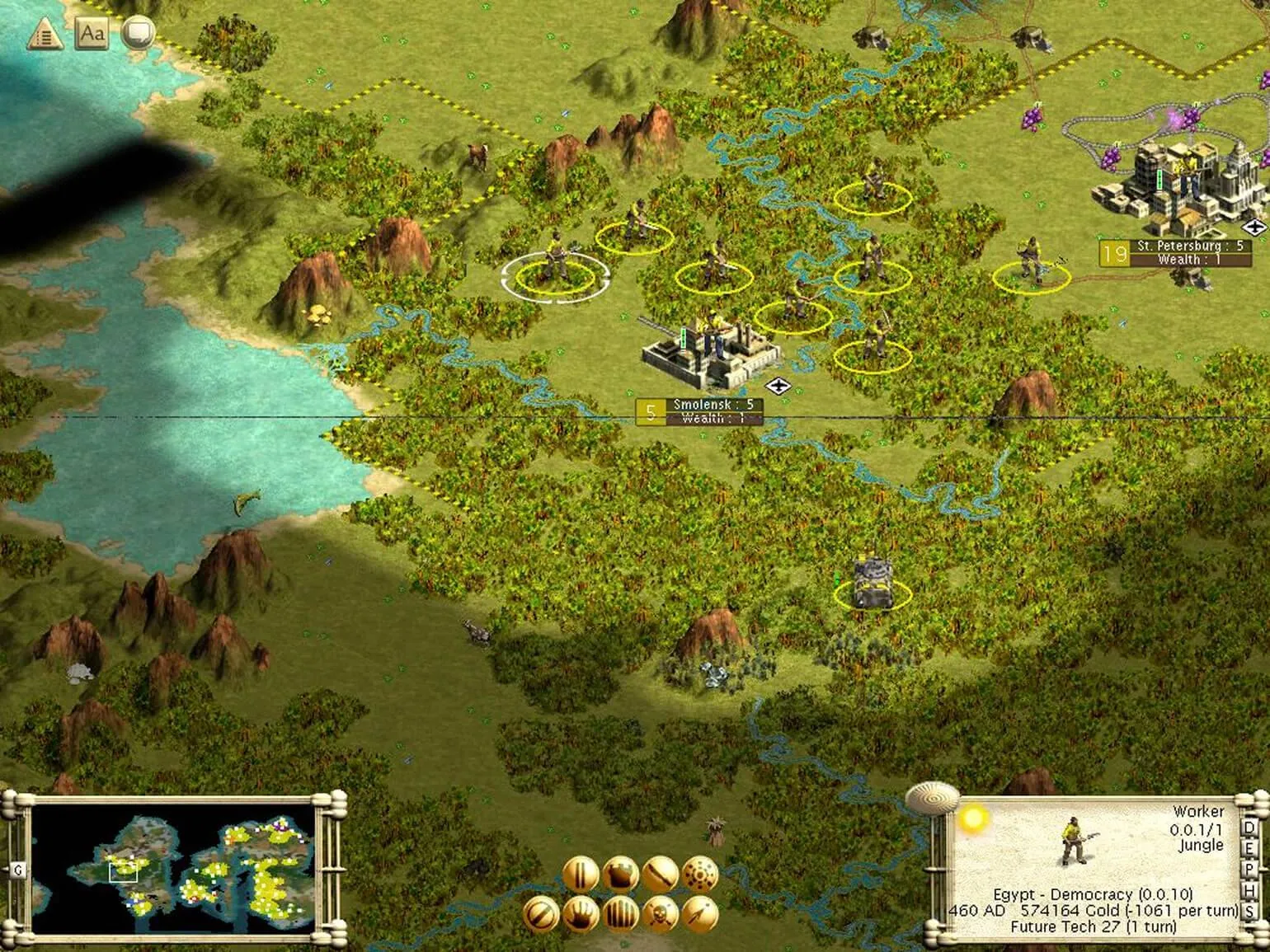
Briggs made significant changes, adding new victory paths to the game. The Civilization series has always emphasized alternative paths to victory. The original Civilization was arguably one of the first popular games where it was possible to win without destroying all opponents. In this new version, the team went even further, making peaceful victory as important and exciting as traditional military conquest. New strategies have been added to the three classic victory conditions: Domination, Cultural Victory, and Diplomatic Victory, expanding players' tactical options and adding more variety to the gameplay.
Cultural Influence has become a key element of Civilization 3. Now, each settlement earns cultural points each turn, allowing players to increase this stat by constructing certain buildings and, especially, World Wonders. Civilizations have unique cultural influence that expands over time, facilitating the absorption of cities from rivals with less advanced cultures. In this way, the developers emphasize that art and science can serve as a peaceful tool for influencing other nations, allowing them to become part of a more advanced civilization.
Investing in art and science brings tangible results that become visible on the map. People can directly see the fruits of their investments, emphasizing the importance of such investments for the development of society. This interaction contributes not only to economic growth but also to cultural enrichment, making art and science important aspects of the modern world.
Soren Johnson, the lead programmer of Civilization 3, made significant contributions to the development of the series. His work on this strategy game influenced the gameplay and mechanics, making Civilization 3 one of the most popular games of its time. Johnson was also actively involved in the design and development of new game elements, which helped improve player interaction with the world. Thanks to his efforts, Civilization 3 has become a role model in the strategy genre.
Briggs introduced strategic resources into the game, which now play a key role in the development of a civilization. While resources were previously used primarily as bonuses to boost population happiness, today they have become essential for the creation of units and weapons. For example, saltpeter is essential for producing muskets, while aluminum and uranium are needed for the development of the atomic bomb. These changes add depth to the strategy and require players to carefully manage their resources to progress successfully in the game.
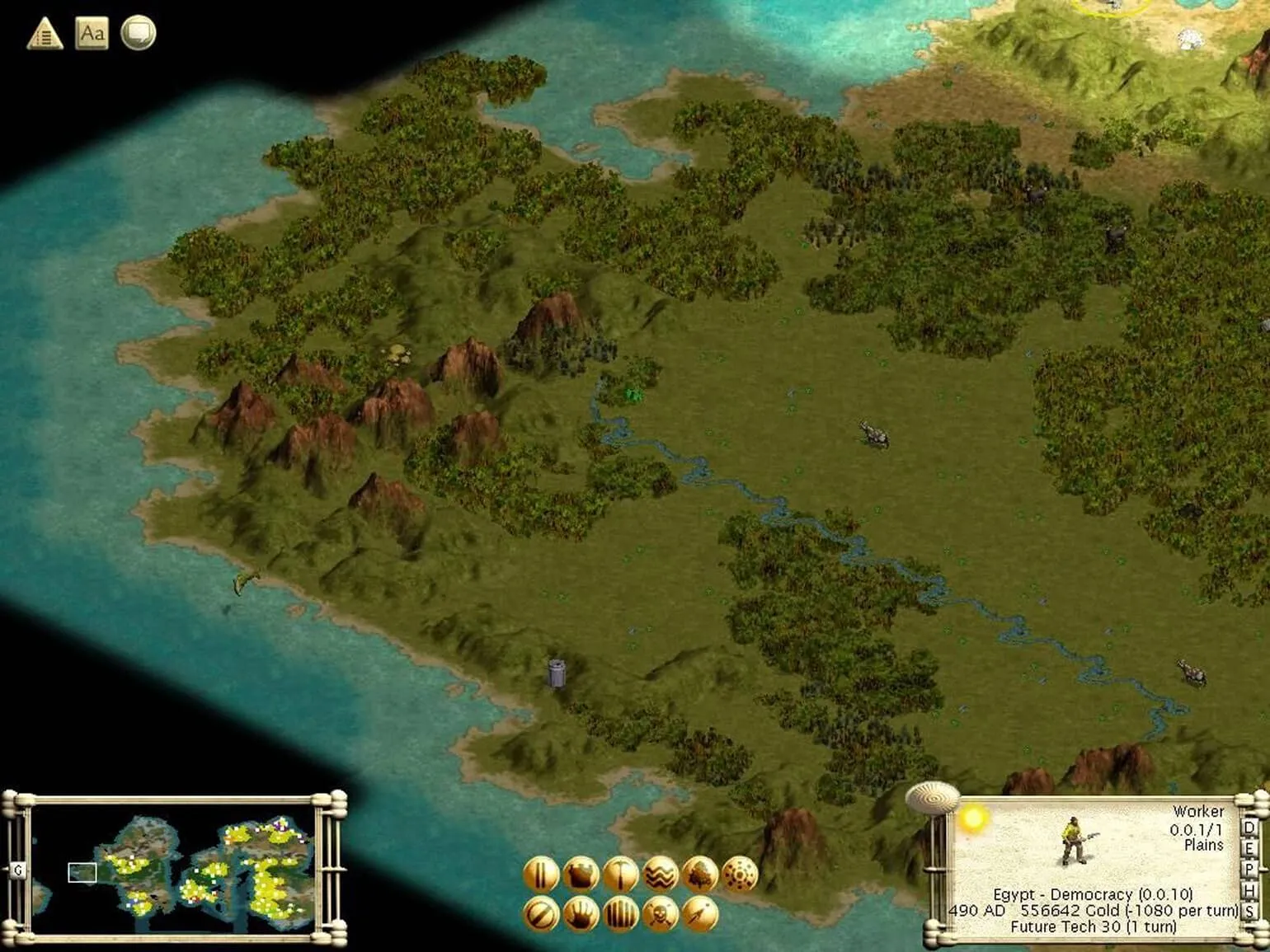
In the game, the player faces a choice between diplomacy and war. Obtaining the necessary resources is possible both through exchange with other civilizations and by conquest. War in this context becomes an extension of political strategy, as it allows access to vital resources by weakening neighboring nations. Another important element is the new road system, which connects resources to your cities. Without a developed network of roads and ports, trade with other nations is impossible, making infrastructure a key aspect of successful development in the game.
Briggs strives to make the civilizations in the game more unique, which will diversify gameplay for different peoples. The game features six key traits: scientific, industrious, religious, commercial, militaristic, and expansionist. Each civilization has two traits that reflect its historical characteristics. This adds depth and strategic layering, allowing players to choose the most appropriate playstyle depending on their chosen civilization.
Russia is presented as a scientific and expansionist civilization, which, upon advancing to a new era, receives a significant scientific achievement at no cost. This allows its units to gain combat experience faster, increasing their effectiveness in battle. In addition, each civilization has a unique unit that replaces a standard unit. For example, the samurai replaces the knight in Japan, and the hoplite replaces the spearman in Greece. These unique units appear in different historical eras and have specific advantages over units of other civilizations, adding additional strategic depth to the gameplay.
I examined the historical period in which each civilization reached its peak dominance and attempted to identify the units and abilities that contributed to this success. As a result, all civilizations will receive a slight advantage during their historical heyday. This can significantly impact player strategies, allowing them to leverage the strengths of their civilizations to achieve victory. Analyzing the historical context and unique characteristics of each civilization adds depth and makes gameplay more engaging.
Jeff Briggs is the team lead for Civilization 3. In his role, he oversaw the development of one of the most acclaimed turn-based strategy games. Under his leadership, the team created a unique gaming experience that has attracted millions of fans worldwide. Jeff Briggs played a key role in shaping the game's mechanics and concept, making Civilization 3 a significant milestone in the history of the gaming industry. His contribution to the project left a noticeable mark and continues to inspire strategy developers to this day.
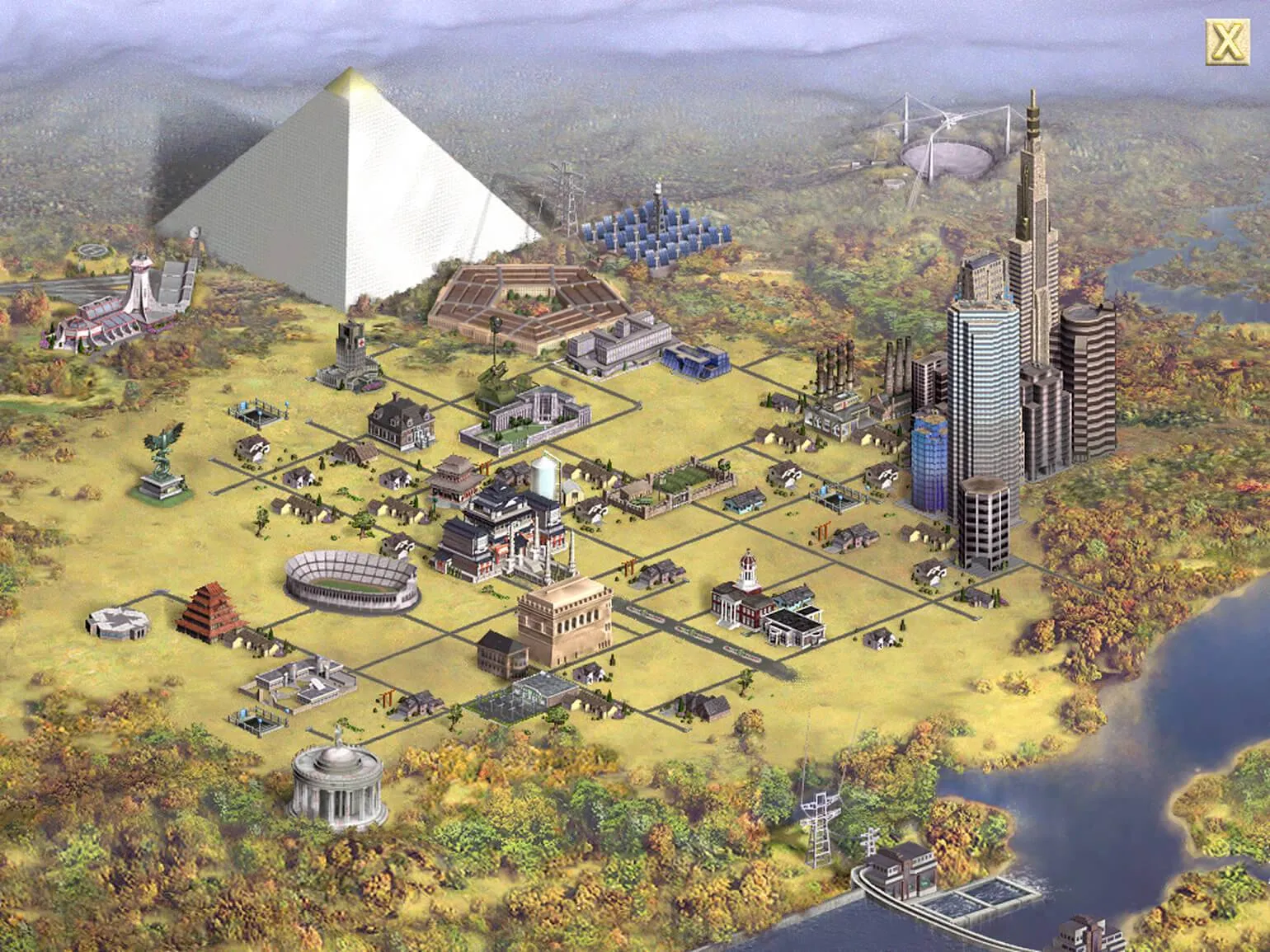
The strategy game, released in 2001, won numerous awards, including the title "Game of the Year", and received a high rating of 90 points on Metacritic. Despite the recognition and success, the release version of the game did not have a multiplayer, and its technical state left much to be desired.
After many years of working in the gaming industry, Briggs created the soundtrack for the game Civilization 4. After completing this project, he decided to leave the gaming industry and devote himself entirely to creating non-commercial orchestral music.
Soren Johnson added religion and the paradigm system
After an internship at EA, Johnson continued his career at Firaxis Games, where he took part in the development of the new part of the popular Civilization series. As a young programmer, he significantly influenced the creation of Civilization 3, developing the artificial intelligence and assisting Briggs in creating the diplomacy system. His contributions to the project were a crucial step in evolving the gameplay and improving player interaction.
Soren Johnson's work led him to the position of lead game designer on Civilization 4. He sought to implement his ideas and approaches without fear of criticism from previous games. Johnson openly called some aspects of the previous games boring and ineffective. His goal was to start from scratch and determine which elements of the Civilization engine truly mattered to the gameplay. Ultimately, he decided to rewrite the entire code, which allowed him to create a fresh and innovative experience for players.
Sure, but I need the text you want me to rework and optimize for SEO. Please provide it.
I was sure that we would not borrow elements from previous games by default. This may not seem like the most noble approach, but it meant starting from scratch and reimagining every aspect of the game. This approach allowed us to create a unique product that focuses on new ideas and mechanics without relying on outdated concepts.
Soren Johnson, the lead designer and team leader of Civilization 4, has had a significant influence on the development of the strategy game series. His work led to the creation of one of the most popular and highly acclaimed projects in the turn-based strategy genre. Under his leadership, numerous innovative mechanics were introduced that changed the way players approach strategy and resource management. Johnson was also actively involved in discussions and concept development, contributing to the creation of a unique gaming experience. His contributions to Civilization 4 remain important and inspiring to developers and players around the world.
The game designer rejected the idea that Civilization couldn't function in multiplayer mode. He believed that it was much easier to allow another player to perform the actions the player expected from artificial intelligence and then integrate the AI into the game than to try to implement a full-fledged multiplayer mode.
The Civilization series has a history full of problems in the area of multiplayer. One of the key features of Civilization IV is that it was designed from the ground up as a multiplayer game, not a single-player one. This decision allowed the developers to consider all the aspects necessary for successful multiplayer work from the outset. Thus, every system in the game was optimized for cooperative play, making Civilization IV a unique experience for players seeking interaction with other users.
Soren Johnson is the team lead for the development of Civilization 4. He played a key role in the creation of this strategy game, which has gained popularity among gamers all over the world. Thanks to his leadership and vision, Civilization 4 offered players new mechanics, enhanced graphics, and a compelling story, making it one of the most successful installments in the series. Johnson was actively involved throughout the development process, contributing innovative ideas and concepts that helped shape a unique gaming experience. His contributions to the video game industry continue to inspire developers and players, emphasizing the importance of creativity in creating quality content.
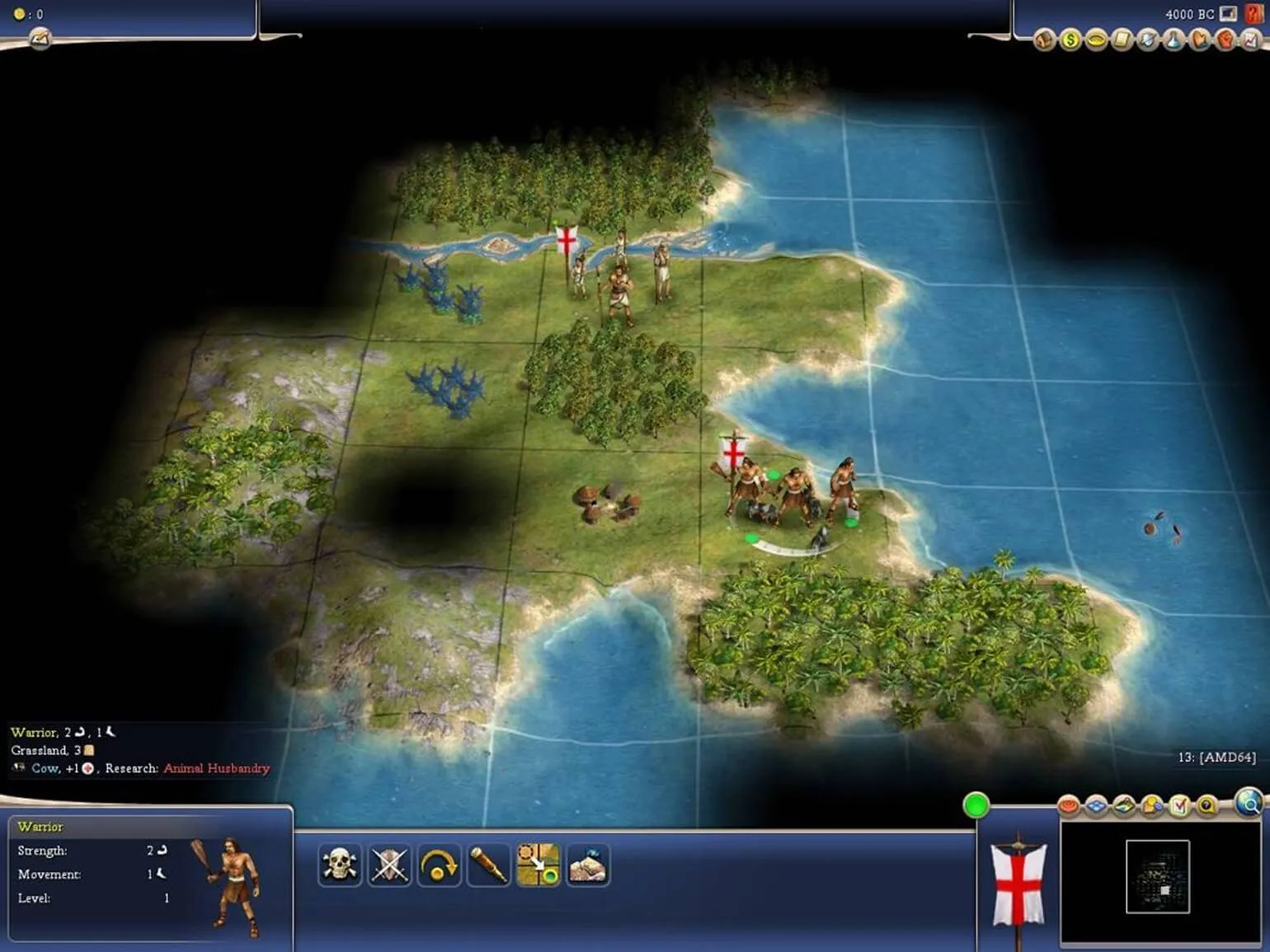
The series debuted 3D, allowing players to explore the world in greater detail. Players can now zoom in to see the swaying canopies of trees and the waves crashing onto the shore. Animations have increased in number and become more realistic. Scaling the map allows you to view it from a bird's eye view, as well as from much greater distances, allowing you to examine the entire planet.
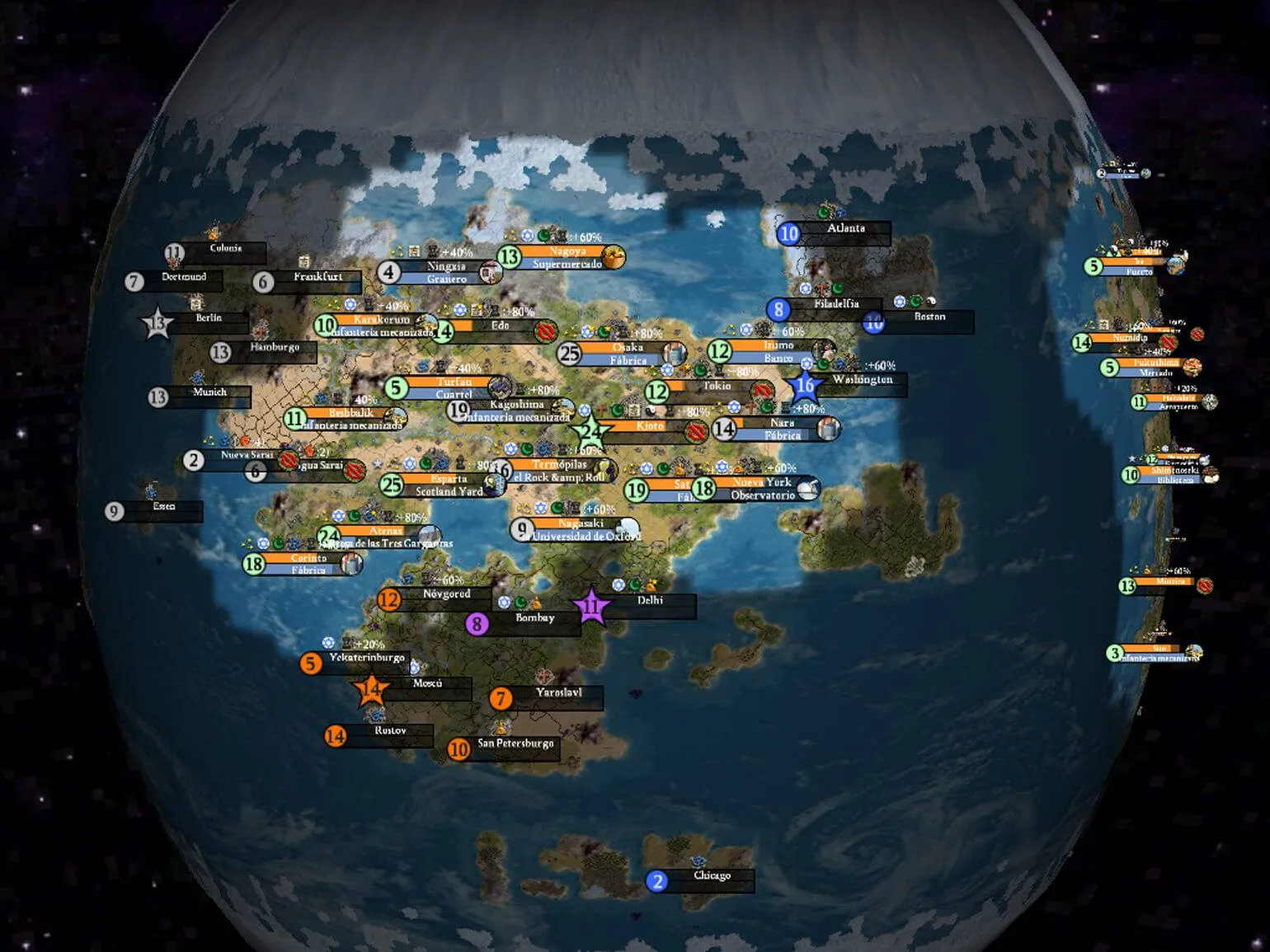
The creators of the Civilization franchise have always been cautious when discussing controversial topics and violence. The series still lacks depictions of blood, although it is easy to imagine the many casualties in battles over the centuries. Perhaps this is why religion was underrepresented in the early games. However, Johnson sought to make religion a more significant element in Civilization 4. The main goal was to integrate it into the gameplay without offending believers. Therefore, the idea of a religious victory was quickly rejected.
The developers decided to integrate real religions into the context of technological discoveries. Each faith can be spread by missionaries, allowing civilizations to adopt state religions. This creates opportunities for cities adhering to these beliefs to develop, without limiting other cities in their choice. This approach promotes diversity and harmony in gameplay and emphasizes the importance of cultural and religious interaction in the development of civilizations.
Civilization attracts players with its deep and believable presentation. The game features real historical figures and events, allowing players to immerse themselves in the atmosphere and feel a connection to the past. This unique opportunity to call a spade a spade makes gameplay not only engaging but also educational. Players can interact with famous historical figures, which adds an additional layer of interest and involvement to the game.
Soren Johnson, the lead of the Civilization 4 development team, made significant contributions to the creation of one of the most popular strategy games in video game history. His unique vision and approach to gameplay allowed Civilization 4 to set new standards for the genre. Under his leadership, the team developed innovative mechanics that enriched the gameplay experience and made it more engaging for players. Johnson also actively participated in the discussion of ideas and concepts, which contributed to the creation of a deep and multi-layered game universe. His work not only cemented the reputation of the Civilization series but also left a significant mark on the video game industry. Johnson believes that previous games did not offer sufficiently engaging options for developing the terrain and managing citizens. He strove to ensure that each new gameplay experience was unique. To achieve this goal, Johnson implemented a system in which many resources are hidden behind various technologies. Now players will have to decide for themselves when and how they will access certain resources, as well as how to develop their empire. This innovation adds depth and variety to the gameplay, making each session unique and interesting.

The complexity of gameplay has increased significantly. Increasing a civilization's food supply directly improves health, which has become an important indicator of well-being. The presence of stone or marble deposits doubles the speed of building construction.
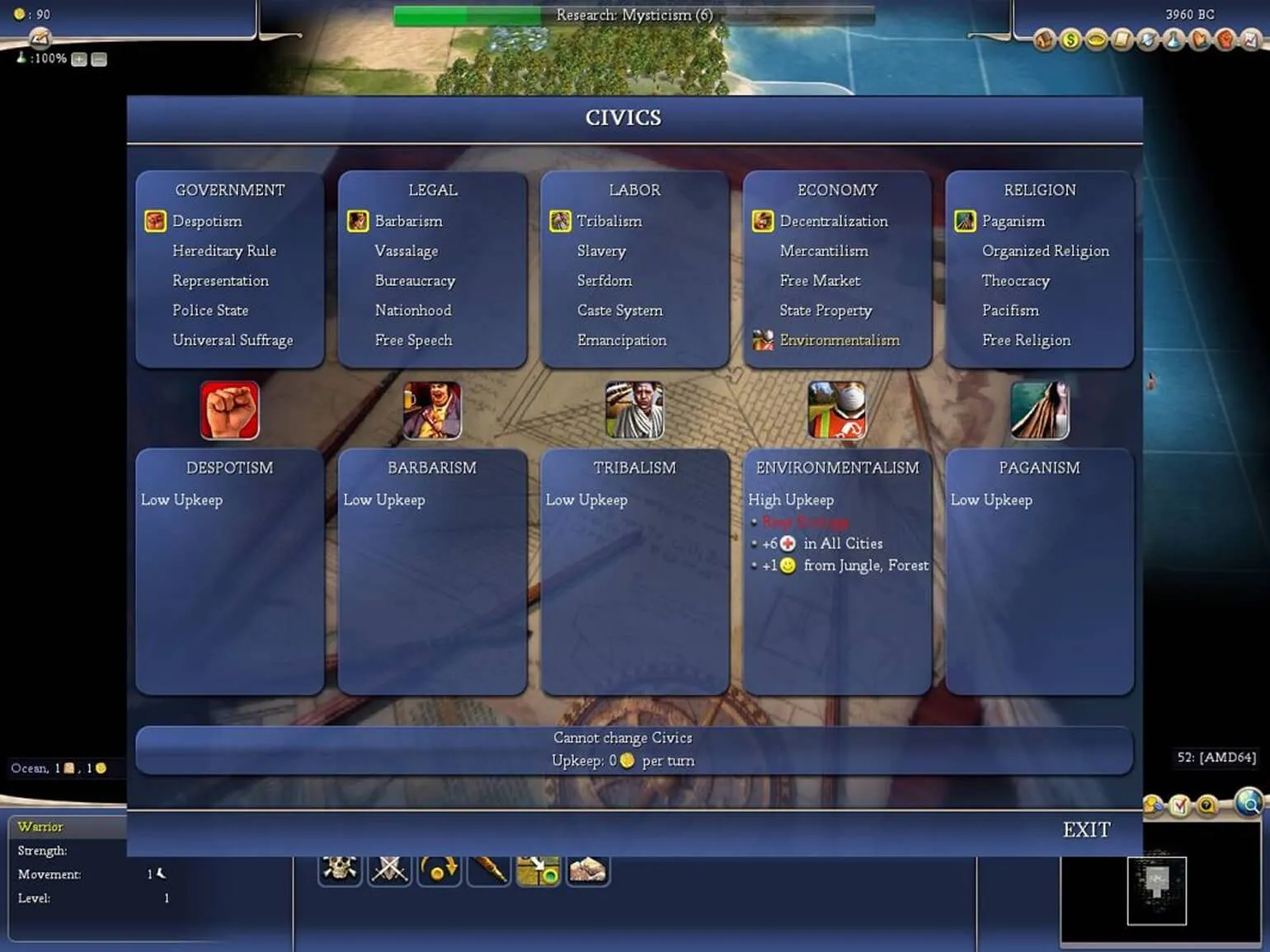
Johnson developed a paradigm system representing a variety of ways of life and government. The first games in the series were criticized for their simplified government models and prevalence of democracy. However, the new version gave players access to a significantly more complex system of paradigms that could be combined and adapted to specific conditions. This expanded the possibilities for interaction and strategic thinking in gameplay, making it more engaging and multifaceted.
Each paradigm provides unique advantages and mechanics, such as the ability to summon military units in cities. Switching between paradigms leads to anarchy and production suspension, which adds an element of strategy to the game. Paradigms allow for the mixing of various concepts such as the police state, the national idea, equality, mercantilism and theocracy. This system significantly increases the game's replayability, allowing players to experiment and find new tactics.
Released in 2005, Civilization 4 was a breakthrough in the strategy genre and won the hearts of millions of players. With a Metacritic score of 94 and sales reaching 3 million copies in its first three years, the game left a significant mark on the gaming industry. Soren Johnson, the project's lead designer, emphasizes the significance of Civilization 4 for the entire franchise, arguing that it became the foundation for further development and innovation in the series.
Even without its sequels, Civilization remains a landmark project in the world of video games. Even if Civilization II had failed, the first part would still have played a significant role in the history of the gaming industry. However, it was with Civilization IV that the true evolution of the franchise began, as it laid the foundation for the creation of subsequent sequels. Civilization V and VI continued this tradition, offering a significant amount of new content and emphasizing the importance of expansions (DLC) in expanding the gaming experience. These elements contributed to the development and continued success of the franchise, making it one of the most popular and influential strategy games in the genre.
Soren Johnson, the game director on Civilization IV, played a key role in creating one of the most acclaimed strategy games in video game history. Under his leadership, the project became a benchmark for the genre, offering players a deep and engaging gameplay experience. Johnson is known for his approach to balancing mechanics and innovative ideas that made Civilization IV unique and memorable. His contributions to the gaming industry continue to inspire new developers and players around the world, and the game itself remains relevant and popular even years after its release.
Soren Johnson left Firaxis several years later to join the Spore development team. He later founded Mohawk Games, where he developed the real-time strategy game Offworld Trading Company and the turn-based strategy game Old World. These projects highlight his talent for creating unique game mechanics and deep gameplay.
John Schafer made battles interesting and tactical
The development of the fifth part of the franchise was entrusted to John Schafer, who at the beginning of work on the project was a rather unusual candidate - he was only 21 years old. Nevertheless, John has already established himself as a talented specialist in the gaming industry.
While still in high school, he began creating popular modifications for the game Civilization 3, and later became a beta tester for the Conquests add-on. With his skills in the Python scripting language, Schafer successfully completed an internship at Firaxis and became a programmer for Civilization 4. He later took a position as a game designer for two expansions to Civ 4. Schafer's ideas were highly valued by the studio's management, which paved the way for him to lead the Civilization 5 project.
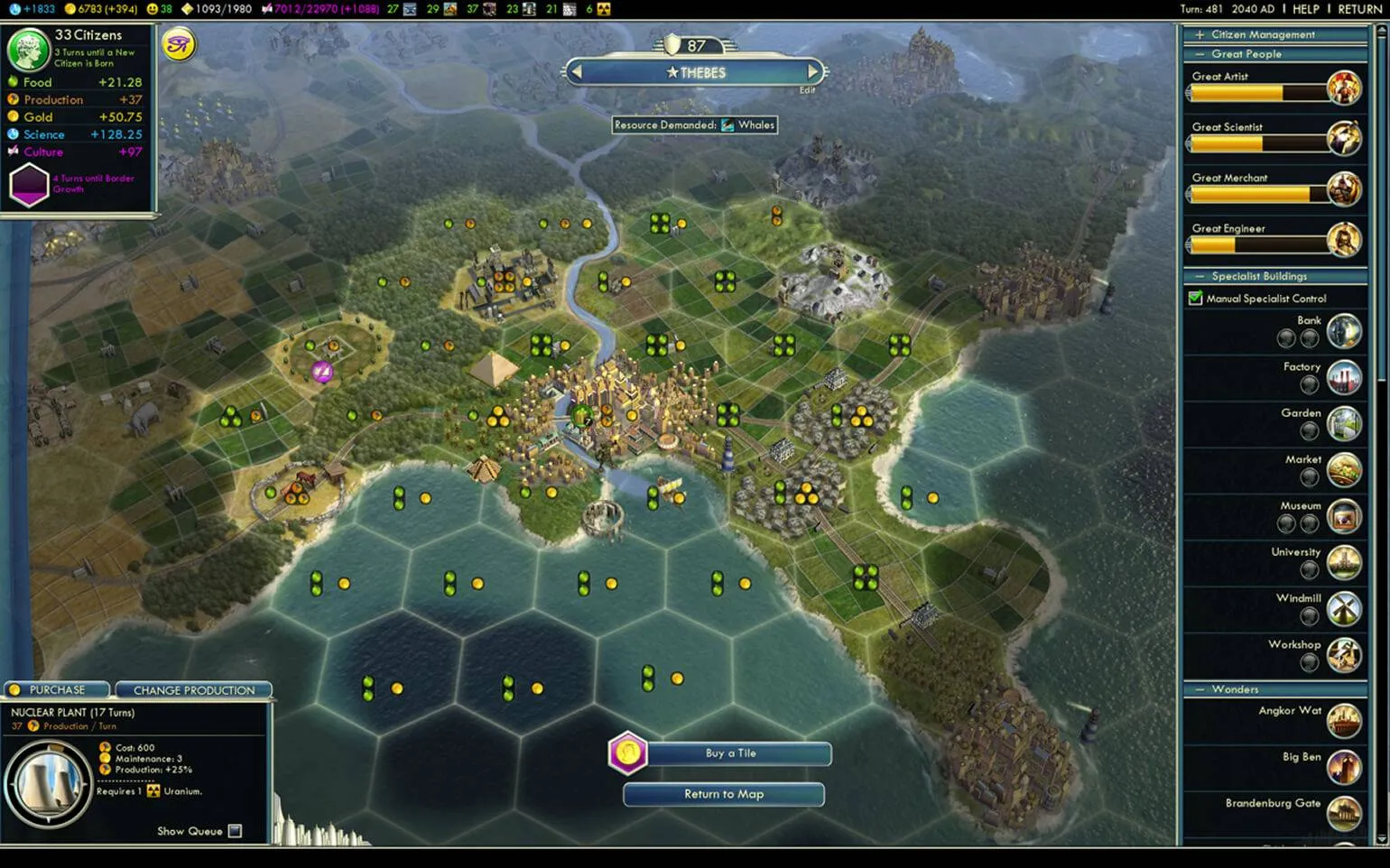
He started by breaking the square system used in the first game. Hexagons, or hexes, were replacing them. At the time, hexagons were becoming increasingly popular in wargames and 4X strategy games. Schafer, a fan of Panzer General, saw this as a natural evolution of the well-known series.
Civilization 4 was an outstanding game, and we decided to change the direction of development. We realized that our choice would be controversial and that not all players would like the new approach, but it was necessary for the evolution of the series.
John Schafer, the lead developer and team leader of Civilization 5, is a key figure in the video game industry. His contribution to the creation of this strategy game had a significant impact on the turn-based strategy genre. Schafer not only led the team but was also actively involved in the development of game mechanics and the script. Under his leadership, Civilization 5 received numerous awards and critical acclaim, confirming its status as one of the best games of its time. John Schafer's experience in game design and his vision made Civilization 5 an outstanding project that continues to inspire developers and players around the world.
This major update was successfully implemented thanks to the new LORE game engine. This engine provides realistic graphics, rich in visual effects and animations. The artists working on Civilization 5 significantly raised the aesthetic bar for the entire series. One of the team's top priorities was to create a "living world" with an abundance of detail. The game map also deserves attention – it is highly legible, simple, and beautiful. According to player feedback, the realistic visual style of Civilization 5 is receiving more recognition than the artistic solutions in other parts of the series, which underscores the success of the new approach to design and visualization.
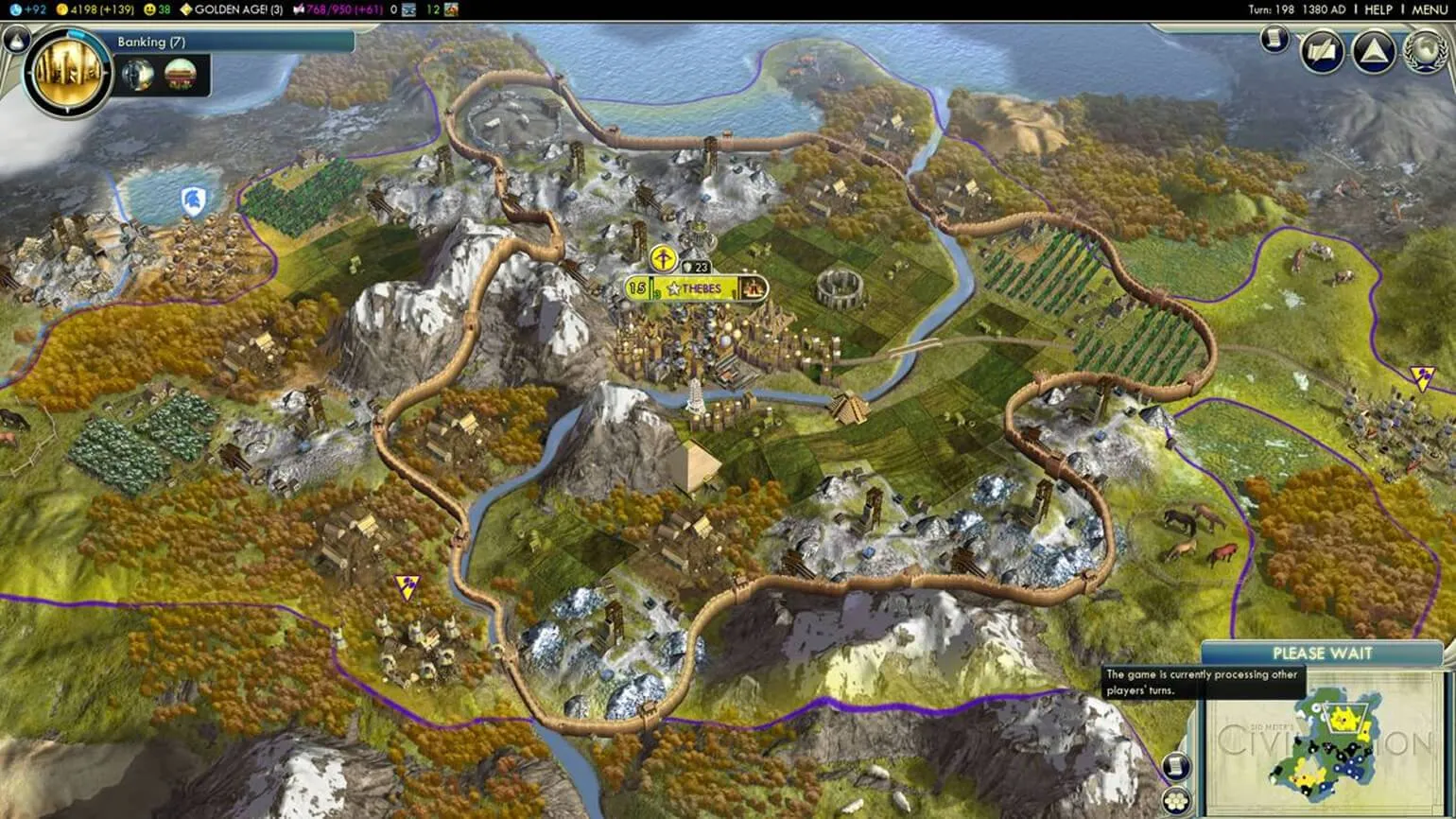
One of the most significant changes to the game was the removal of the "doomstack" mechanic. Previously, players could concentrate a large number of warriors on a single hex and send them to attack with the press of a button. However, Schaefer sought to deepen the combat system and achieved this goal with a simple yet effective solution. Now, only one combat unit can be located per hex. This innovation radically changed the course of battles: now, not only the number of units, but also their placement, strength, and the logistics of waging war become important factors. This change brings strategic depth to the gameplay, forcing players to carefully plan their actions and take into account a multitude of new factors.
Players began actively experimenting with a variety of tactics, seeking to encircle the enemy and maximize the environment, as well as the bonuses of their units. Military operations became interesting and unpredictable. Interestingly, Schafer himself, many years later, expresses a mixed opinion about this mechanic. This underscores the importance of strategic thinking in modern games and demonstrates how innovations can impact the perception of gameplay.
We tested many different systems, but none of them showed the expected results. I doubt that the "one unit per hex" system is as effective, although you may find it strange to hear this coming from me. This experiment had a significant impact on the series. However, a stacking model is likely a more suitable solution, as it better suits gameplay on the scale of Civilization.
John Schafer, the lead of the Civilization 5 development team, is one of the key figures in the video game industry. His experience and leadership qualities played a vital role in the creation of this popular strategy game, which has won the hearts of millions of players around the world. Under Schafer's leadership, the team was able to introduce innovative mechanics and improve gameplay, making Civilization 5 one of the best games in its genre. His contributions to the project and his ability to inspire the team continue to influence the development of strategy games and the formation of the gaming experience.
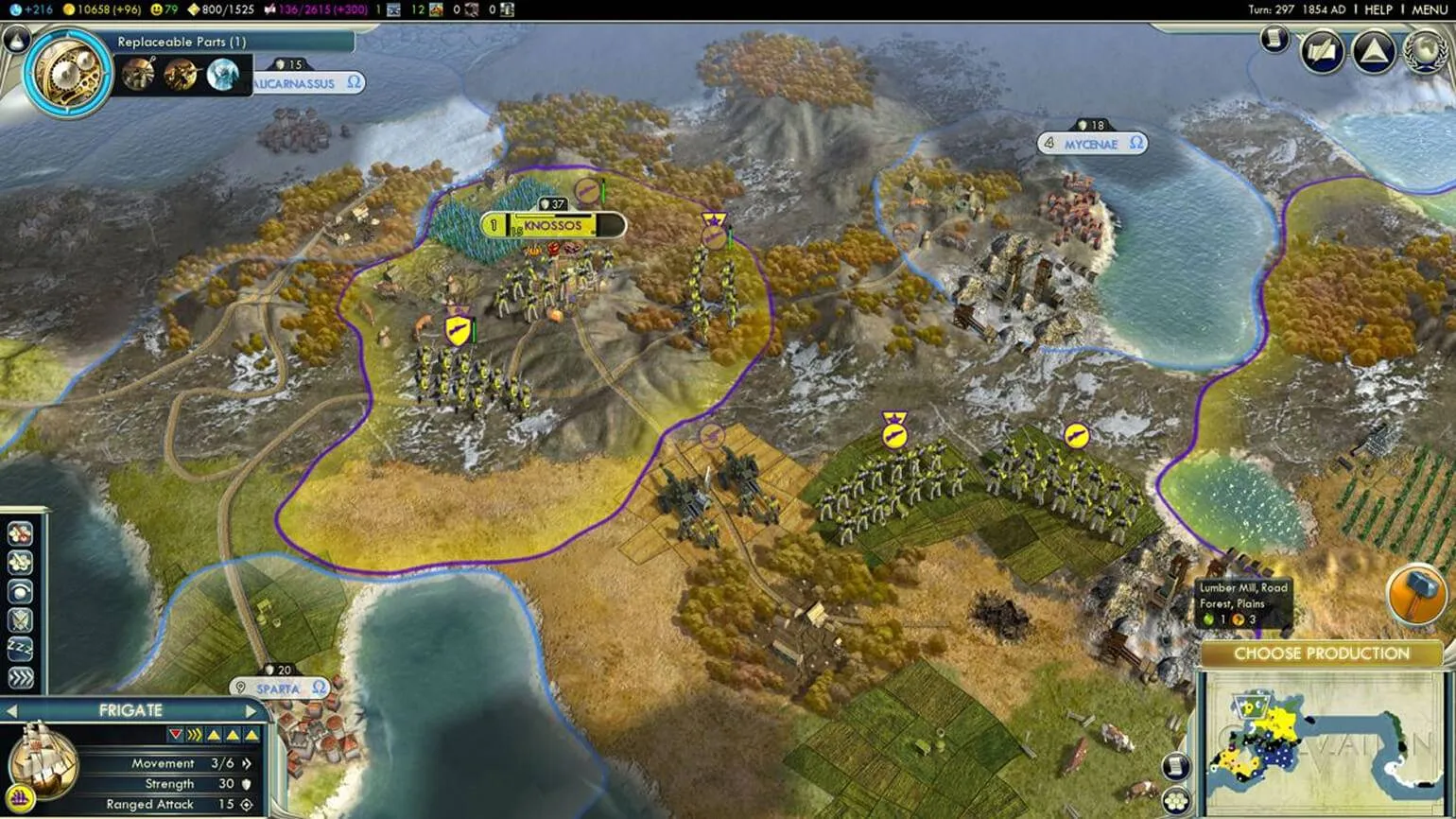
Minor civilizations have disappeared, giving way to city-states, which now occupy key positions on the map. These neutral settlements offer opportunities for trade, alliance formation, or capture. City-states have a significant impact on diplomatic relations and strategic actions, as they can act as both enemies and allies, providing various bonuses. The barbarian mechanics have also been changed: they now spawn from camps and are unable to found new civilizations. These innovations significantly alter the gameplay and open up new strategies for players.
The game has a new option for capturing other people's cities. Players can annex a city, but this will significantly decrease the happiness of the population. An alternative is to turn the city into a satellite city, which allows for stable citizen happiness but limits city management, including the choice of production types. Options for liberating and razing captured cities are also available. Additionally, cities became much more defensible, which fundamentally changed the defensive strategy in the game.
Released in 2010, Civilization 5 won acclaim from critics and players alike, earning a Metacritic score of 90. By 2018, the game had sold over 8 million copies. Despite its success, the game had its flaws, including the lack of religious and espionage mechanics, weak diplomacy, and some issues with artificial intelligence. These aspects sparked debate among players and became the subject of discussion in the gaming community.
I don't regret experimenting and innovating. In my opinion, the only way to make games is to ask, "What's the boldest thing we can do?" This approach may not appeal to everyone, but the Civilization series is already vast, and I'm confident it will continue to expand in the future. Innovation and boldness in game development can attract new players and maintain interest in a series.
John Schafer, the lead of the Civilization 5 development team, is a key figure in the video game industry. His experience and leadership qualities helped create one of the most popular strategy games of all time. Under his leadership, the team was able to implement innovative mechanics and engaging gameplay, which led to high recognition and numerous awards. John Schafer continues to influence the development of the genre and inspire new developers, making a significant contribution to gaming culture.
Schafer founded Conifer Games and spent many years developing the 4X strategy At the Gates.
Ed Beach implemented the district system and the cultural research tree
Ed Beach began his career developing software for the Hubble Space Telescope. Over time, he switched to the video game industry, being a big fan of historical strategy games. Like many talented developers, Beach led the creation of two expansions for Civilization 5, where he implemented a number of innovative ideas, including the tourism system. His contributions to the development of game mechanics and storylines were significant for fans of the genre and contributed to the game's popularity.
We don't simply introduce new systems; we create interactions between them. We don't limit ourselves to simply improving the existing Civ formula—we introduce significant changes, starting from the ground up.
Ed Beach is the team lead for the Civilization 6 development team. Under his leadership, one of the most popular strategy games was created, which continues to attract the attention of gamers around the world. Thanks to his vision and experience, Civilization 6 has received numerous updates and expansions that have improved the gameplay and expanded the possibilities for players. Ed Beach actively participates in the discussion of new ideas and directions for the game, which contributes to its constant improvement and maintains audience interest. His contributions to the video game industry and passion for innovation make him a key figure on the Civilization 6 development team.
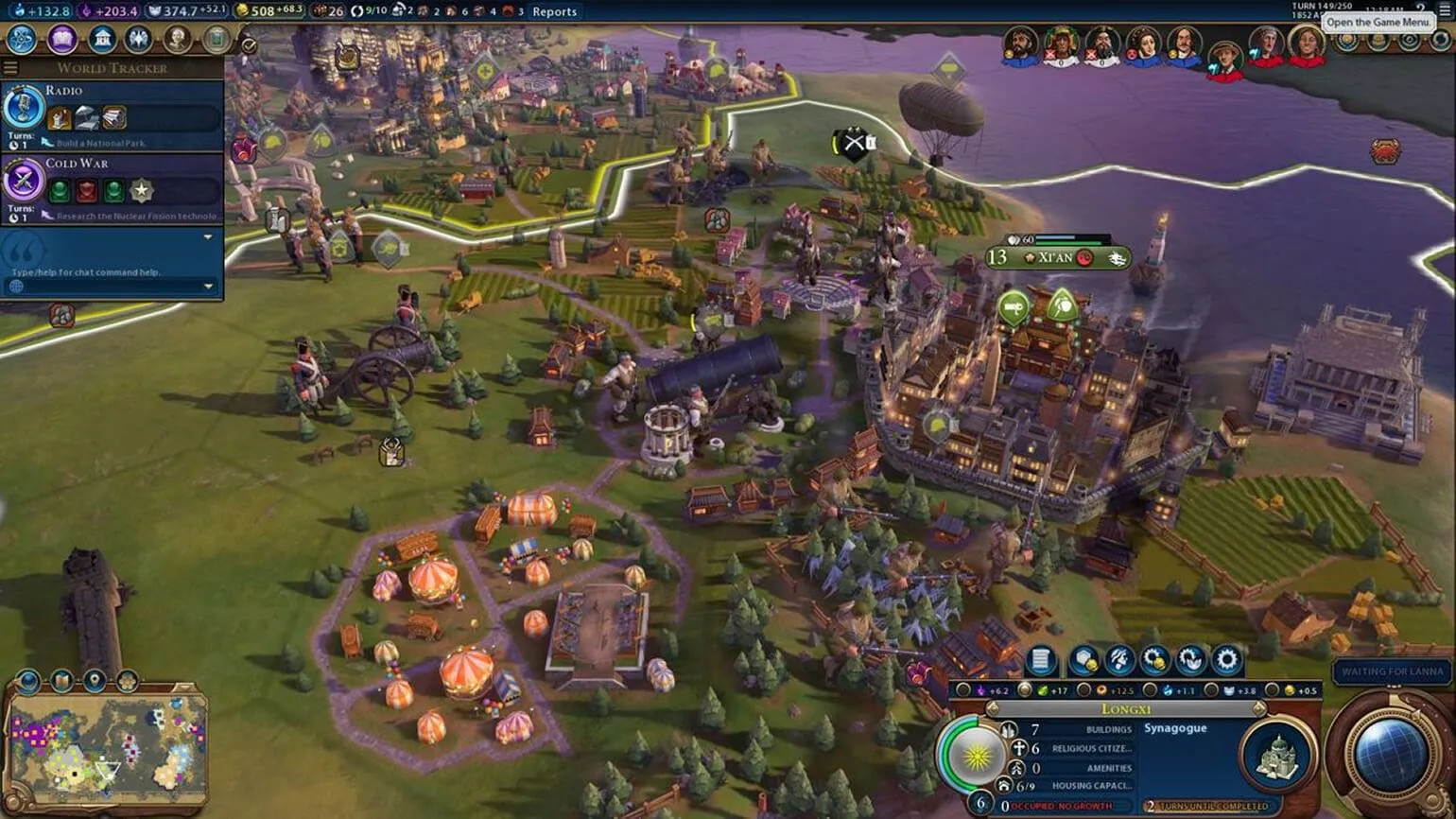
The main innovation in the game Civilization 6 is An innovative district system. The developer aimed to make the game map more meaningful, with player choices having a lasting impact spanning millennia. Each city no longer occupies a single hex, but expands across the map, like a modern metropolis. This mechanic allows players to more strategically develop their cities, considering the location of districts and their interactions with the environment. The result is a deeper and more engaging game.
As technology advances, players create industrial, entertainment, commercial, and military districts within the city territory. Within these districts, buildings are placed that provide bonuses, unique units, and Great People points. A key aspect is not only the construction time of a district, but also its location. The correct choice of location for district construction significantly affects the overall effectiveness of the strategy and the development of the city.
Scientists play an important role in the development of science on campuses, but their effectiveness is maximized when campuses are located near mountains. Early in the game, it may seem more rational to use a given hex for other purposes, such as building a mine. However, in Civilization 6, it's important to plan ahead, considering long-term strategies and the advantages mountainous regions can provide for scientific progress.
Choosing the location for your next building may seem ideal at first glance, but it's important to consider the long-term consequences. As you delve deeper into the game, you'll begin to understand how different regions can impact your future. As you explore the terrain, you must carefully weigh all possibilities and potential changes to make an informed choice. This will avoid unwanted consequences and improve the results of your project.
Ed Beach, the lead developer of Civilization 6, is a key figure in the creation and improvement of this popular strategy game. Under his leadership, the project has achieved significant success, attracting the attention of both new and experienced players. Ed Beach is actively involved in the development of new features, updates, and expansions, making Civilization 6 one of the most sought-after games in its genre. His experience and leadership qualities contribute to creating an engaging gameplay experience and maintaining a high level of interest in the game.
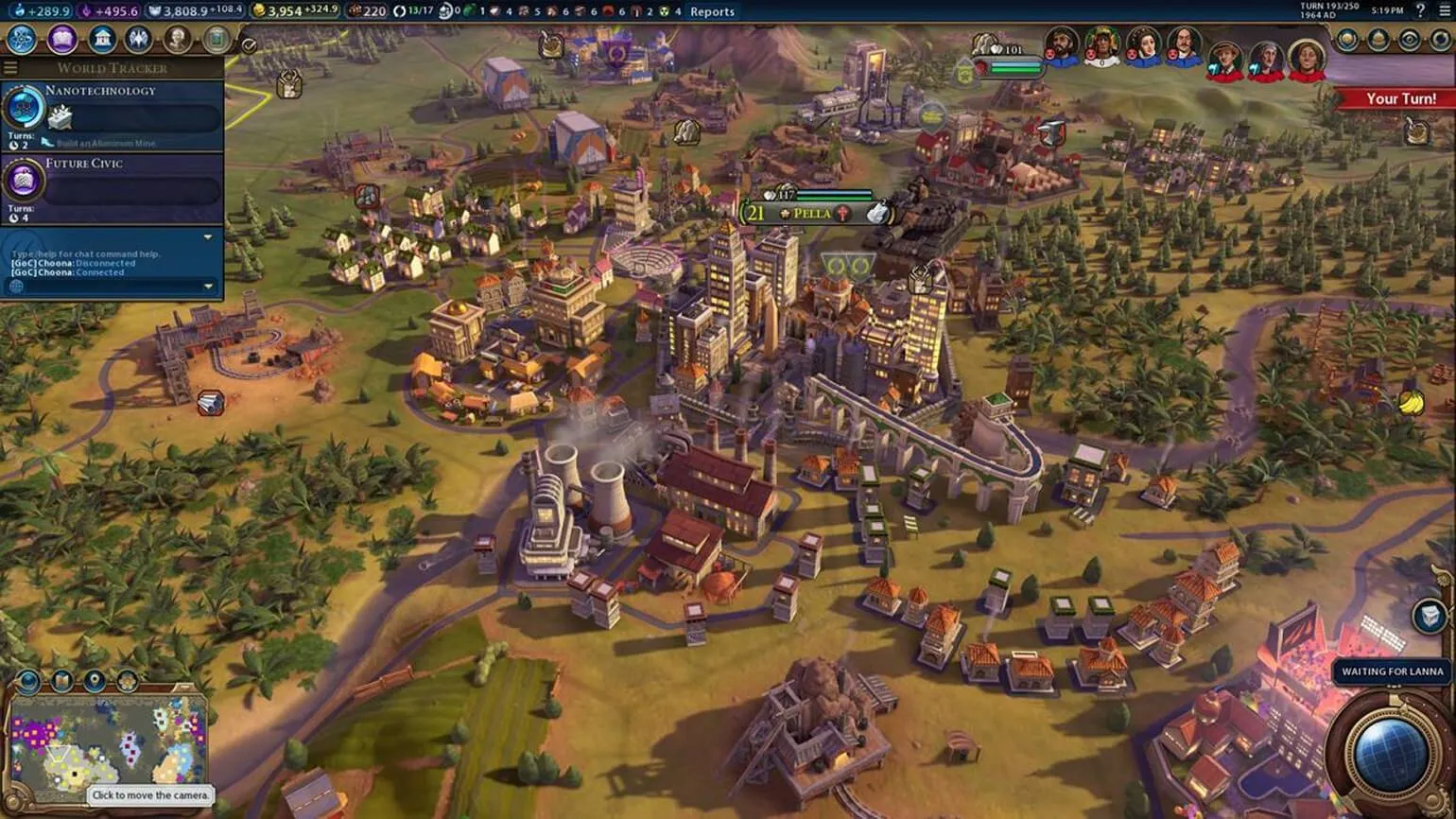
The idea of dividing a city into sections arose long before the release of Civilization 5. The developers discussed the visualization of wonders in the game and came up with the idea of moving these objects outside of cities to make them look more impressive and majestic. However, John Schafer rejected this concept, likely due to the redundancy of new mechanics and decisions in the game. Unlike the previous team, the developers of Civilization 6 emphasized this idea, implementing it in their game, which added depth and strategic complexity to city management.
I am a board game designer and prefer games that emphasize positional strategy and interaction with the map during gameplay. We aimed to create a game in which the map is used not only for initial exploration, but also becomes a vital element on which you leave your mark as you move through the hexes. With this in mind, we've developed a system that allows you to platoon cities and gain adjacency bonuses, adding depth and interest to the gameplay.
Ed Beach, the lead of the Civilization 6 development team, is actively involved in the creation and improvement of this renowned strategy game. Under his leadership, the project has become even more engaging and deep, attracting the attention of both new and experienced players. Ed Beach is known for his unique approach to game design, which combines innovation with respect for the classic elements of the series. His experience and vision allow the team to realize ambitious ideas, making Civilization 6 one of the most popular strategy games on the market.
The strategy has become more peaceful with the addition of a second research tree—cultural. Culture has always played an important role in the series, and in Civilization VI, it is now on par with science. Both research trees have a similar structure, but the cultural tree emphasizes social policies, which provide cards for political policies. Every few turns, the player can adjust priorities, allowing them to decrease unit maintenance, increase production, or gain additional Great People points. This adds flexibility to strategy and fosters deeper engagement with game mechanics. Traveling the world and experiencing different cultures opens new horizons and deepens their understanding of the values of different civilizations. Understanding that each culture strives to preserve its traditions and customs helps us understand the importance of interaction between peoples. This is especially true in the modern world, where cooperation and exchange of experiences are becoming key factors for harmonious coexistence. Understanding cultural differences and shared values helps not only in peaceful relations but also in joint development. Ed Beach, the lead developer of Civilization 6, is a key figure in the creation of this popular strategy game. Under his leadership, the development team implemented many innovative ideas and mechanics that made the game unique. Thanks to his experience and vision, Civilization 6 continues to attract the attention of both new and experienced players. Ed Beach actively participates in discussions with the community, which allows him to improve the game and take into account user feedback. Its influence on the development of the Civilization series cannot be overstated, and with each new update, players can expect even more interesting features and deep gameplay.
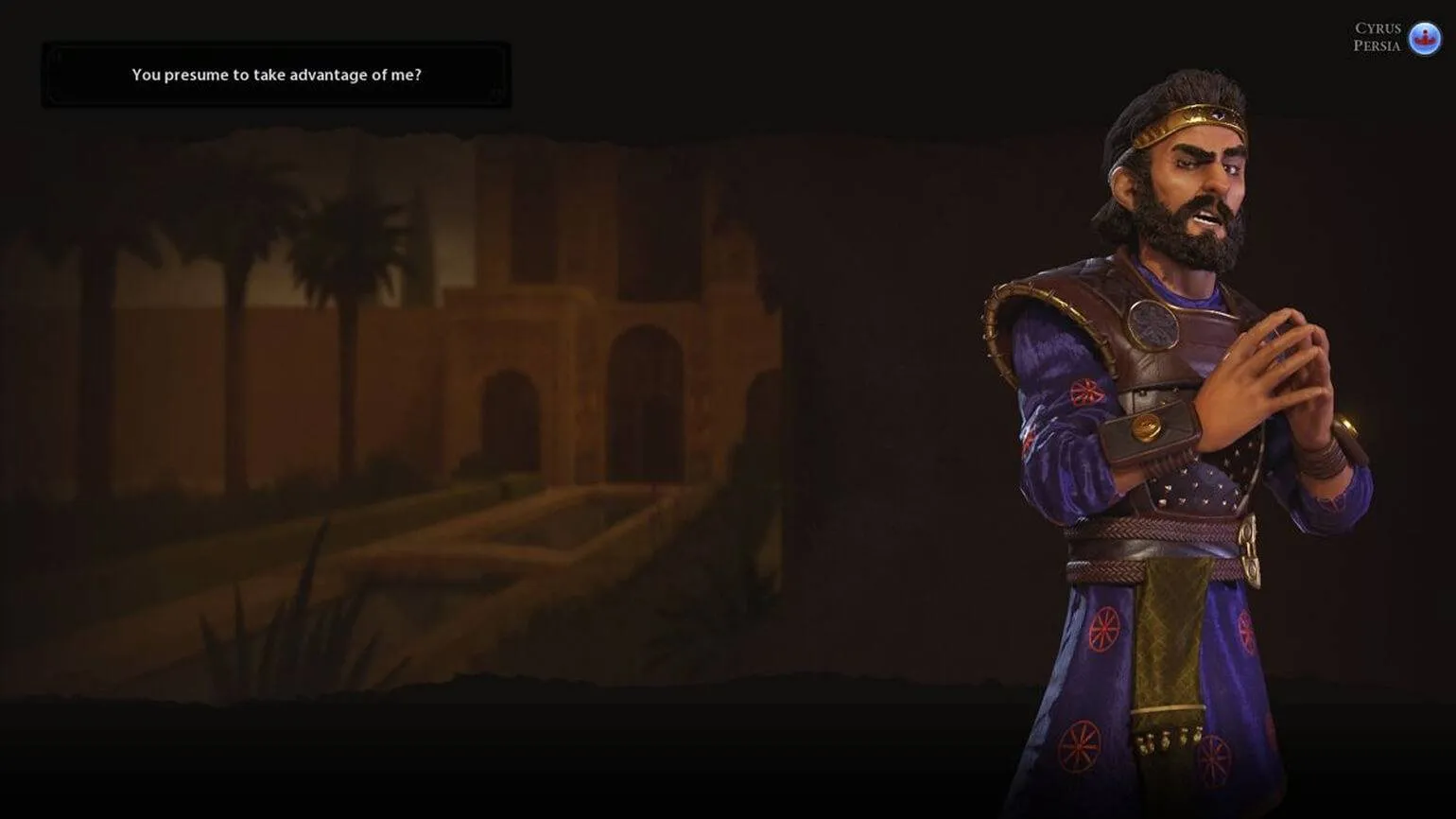
Civilization VI's visual style has undergone significant changes. The game now features bright, cartoonish graphics, and the design and behavior of civilization leaders are reminiscent of classic Disney cartoons. Artists developed the new graphical style with the goal of improving the perception of units and buildings at a distance, which should make the game easier to play. However, many fans of the series had a hard time accepting these changes. As a result, one of the most popular modifications is a version that returns to the visual style of Civilization V.
The strategy game Civilization VI was released in 2016 and received a high score of 88 on Metacritic. During the first week of release, the game sold more than one million copies. To date, Civilization VI has sold over 11 million copies worldwide, confirming its popularity among players and critics alike.
The Same Ed Beach Divided the Game into Eras
The latest installment in the Civilization series has been anticipated by fans for nearly nine years. Development was led by Ed Beach, a studio veteran who aimed to make radical changes to the game. Instead of creating a typical sequel, he sought to rethink the core mechanics and principles laid down in previous versions. This promises to bring fresh ideas and new strategies to the classic game formula.
In this game, civilizations and their leaders are selected independently. The leader no longer controls the same civilization throughout the entire game, but rather switches civilizations throughout three eras: Antiquity, Exploration, and Modernity. This innovation adds variety to game strategy and allows players to adapt to changing conditions.
In the past, we have often faced the creative challenge of determining which "version" of empire to choose as a symbol throughout history. This task is complicated by the presence of civilizations that did not exist in 4000 BC, such as the Americas. It is important to consider the diversity of historical contexts and the development of civilizations to create a complete picture of the world's heritage.
The era system is a key tool for understanding historical development. By dividing history into distinct game chapters and associating each era with specific time periods, we can select civilizations that existed during these periods and analyze how empires rise, fall, and develop. For example, the Songhai civilization, although little known in modern culture, played a significant role in its time. It is an excellent representation of West Africa during the Age of Exploration, allowing for a deeper understanding of its influence on historical processes.
Ed Beach is the team lead for Civilization 7. He plays a key role in the development and management of the team responsible for creating the latest installment of the popular strategy game. Under his leadership, the team is focused on introducing innovative mechanics and improving gameplay to provide players with an engaging and immersive experience. Ed Beach has extensive experience in the gaming industry and is committed to preserving the spirit of the series, while adding fresh ideas that will make Civilization 7 unique and appealing to both old and new fans of the game.
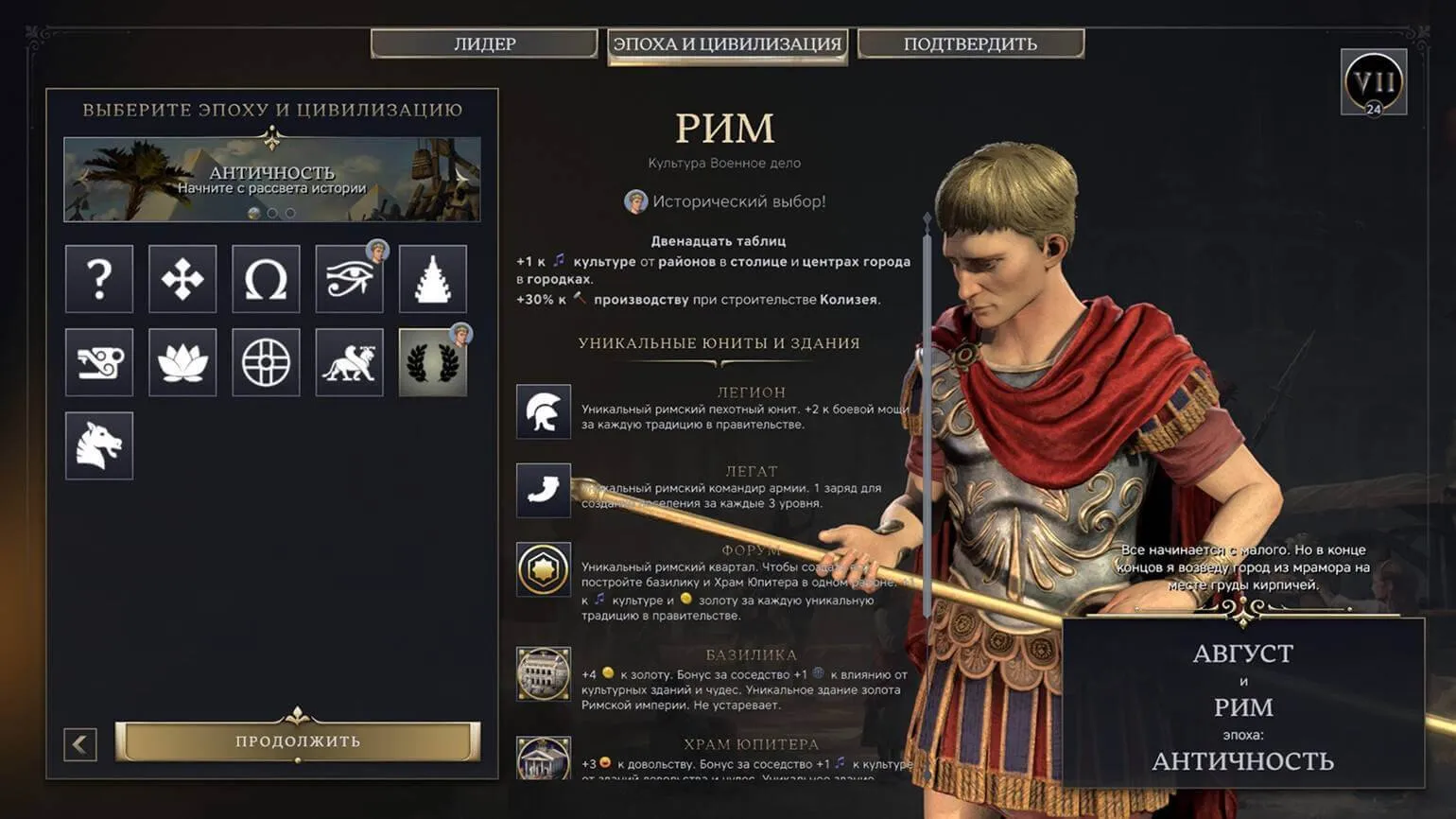
Beach analyzed the structure of previous games in the series and concluded that each one represented a long-term entertainment, requiring 10-20 hours to complete without a clear climax. The game designer decided to change this approach, and in Civilization 7, he implemented multiple objectives for each era, allowing players to always have specific tasks. In addition, the length of games can now be significantly shortened if necessary.
The era structure allows for a better understanding of historical context and the dynamics of change. I am particularly interested in exploring regions like Britain, where you can feel the traces of different civilizations. For example, when I think about how the Romans once inhabited this land, then the Anglo-Saxons, and later the Normans, I realize how each of these peoples left their mark on history. Ultimately, English culture and identity have been shaped by this multilayered heritage.
Ed Beach, the team leader for Civilization 7, plays a key role in the creation of the latest installment of the popular strategy game. His experience and creative approach help bring unique ideas to life, making the game engaging and exciting for players. As team leader, Beach is responsible for coordinating the team's work and implementing innovative mechanics and concepts that will distinguish Civilization 7 from previous installments in the series. Thanks to his efforts, the project promises to be a significant step forward in the strategy genre.
The strategy game has shifted direction, focusing on simplifying gameplay. Workers and hex-based building options have been eliminated, simplifying resource management. The research tree has been shortened, allowing players to achieve key technologies faster. The number of interaction options with city-states has also been reduced, making the game more accessible. Religion has been simplified, facilitating its integration into tactical strategies. These changes are aimed at improving the gameplay experience and attracting a wider audience.
The district system has been revamped: numerous specialized districts have been replaced by a new structure consisting of neighborhoods and rural areas. A neighborhood is formed by placing several buildings within a single hectare. This transformation is aimed at simplifying urban planning and improving the quality of life of residents.
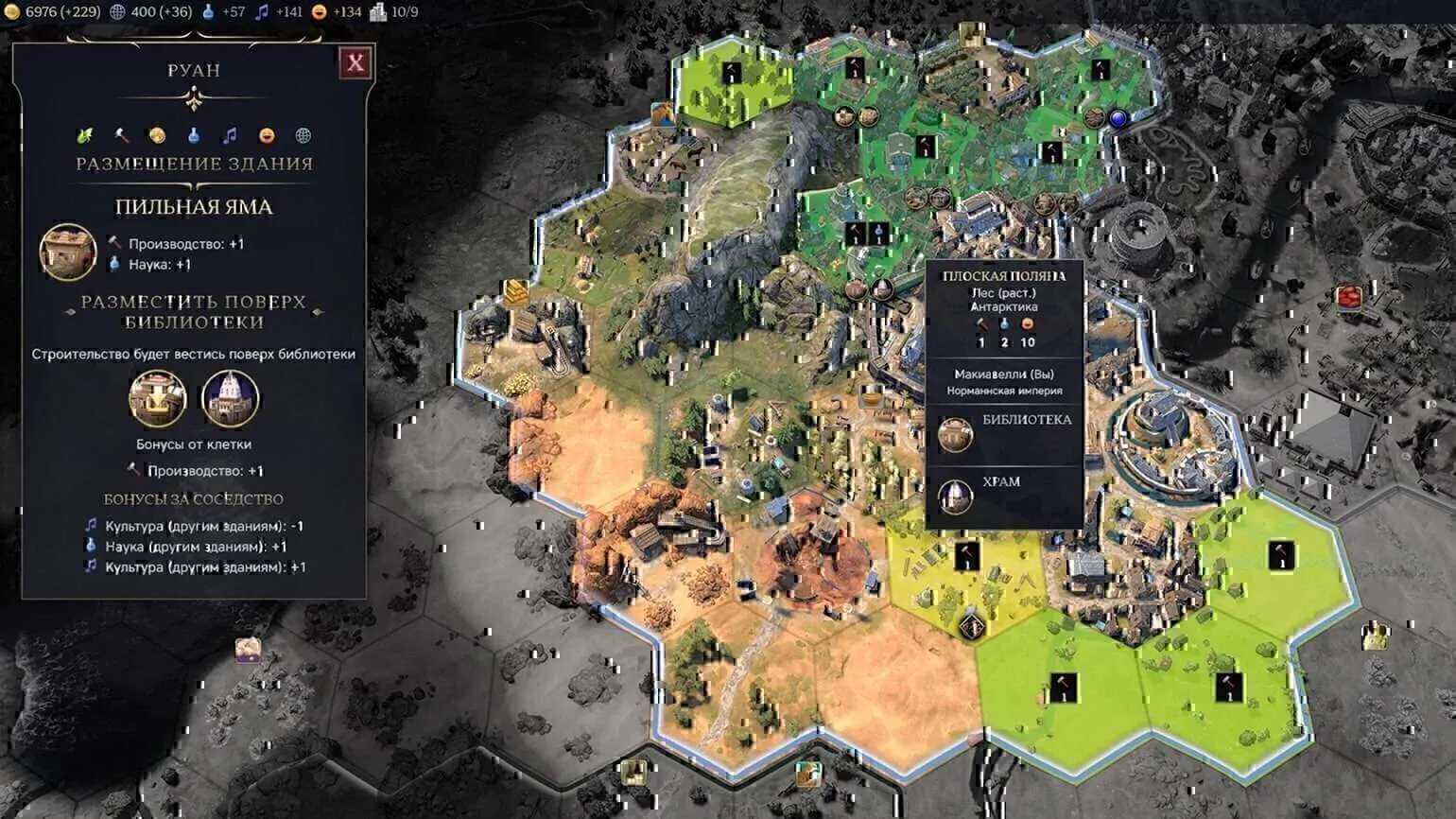
Studio representatives claim the changes are aimed at eliminating unnecessary micromanagement, allowing players to focus on more significant strategic decisions. However, there are many dissatisfied players. The release of the seventh Civilization game in February 2025 was accompanied by a low Metacritic score of just 80, as well as poor user reviews—just 49% positive ratings on Steam.
Firaxis Games' response to the criticism will become clear with the release of future DLC, which will likely restore the game's familiar features and mechanics. In keeping with the tradition of the Civilization series, a new game designer will be responsible for the expansion's development. The name and area of work of this specialist will be revealed in the near future, which will allow us to understand how the key elements of the 4X strategy will develop.
Read also:
Civilization 7 Review: The Most Bold and Controversial Changes in History
Civilization 7 is not only a continuation of the renowned strategy game, but also a bold step in a new direction for the entire franchise. The developers have introduced a number of innovations that are both exciting and controversial among fans. One of the key changes is updated gameplay mechanics, which offer deeper strategy and interaction between civilizations.
Furthermore, the game emphasizes environmental and social aspects, reflecting modern global challenges. This decision, on the one hand, enriches the gaming experience, but on the other, raises questions about how well these ideas are implemented within the context of the classic formula of the series.
The graphics and sound in Civilization 7 have also undergone significant changes, providing players with a more immersive experience. However, not all changes have been met with approval. Certain mechanics and decisions have drawn criticism from dedicated fans, who fear the game could lose its identity.
Thus, Civilization 7 is not just a new release, but an important experiment that could change the perception of the strategy genre. It will be interesting to see how fans of the series will accept these innovations and how well the developers will manage to balance tradition and innovation.
Game designer profession from scratch to PRO
A game designer creates the structure of the game. He thinks through the idea, rules, gameplay and decides what emotions the plot will evoke in players. You'll master game design principles from scratch and learn how to work with popular engines like Unity and Unreal Engine. You'll learn how to retain player interest and monetize games. And we'll help you start a career in the gaming industry.
Learn more