Contents:

Who are you in the world Game development? Find out in our free course ➞ You'll experience three professions in action: game designer, 2D artist, and Unity developer. Create your first Mario-style game. Click here for details.
Learn moreSouth Korea is one of the world's leading content producers. The country is known for its TV series (dramas), films, K-pop music, and street fashion. Even the original cakes that have become popular on Pinterest originated in Korea. Gaming development also makes a significant contribution. According to various estimates, the annual revenue of the Korean gaming industry is approximately $7 billion, and its total value in 2022 exceeded $16 billion. This is only $3 billion less than the similar industry in Japan, which was estimated at $19 billion in 2022.
A few years ago, it was difficult to name even ten South Korean games familiar to every gamer. However, the situation is gradually changing, and in recent years, several projects have emerged that have gained popularity not only in South Korea but also abroad. Interestingly, some of these games did not achieve hit status in their home country. For example, Stellar Blade, which was actively discussed in the global gaming industry, failed to win the title of "Game of the Year" at the Korea Game Awards, losing to the mobile project Solo Levelling: Arise. This underscores the dynamic development of gaming culture in South Korea and the growing interest in Korean games on the international stage.
In this article, we explore the evolution of the South Korean industry and the current interests of Koreans in the entertainment sector. This applies not only to popular games such as "Squid", but also to other cultural phenomena that shape public consciousness and the interests of young people. We will consider the key aspects that influenced the development of the Korean gaming industry, and also learn what modern trends and preferences define the leisure time of Koreans today.
How Gaming Culture Was Formed
The tastes of Korean gamers have remained unchanged over the years: multiplayer games continue to lead the sales on all platforms. Koreans explain this trend with the concept of "nunchi". Nunchi is a cultural phenomenon that includes, among other things, the desire for collective interaction. In its basic meaning, nunchi denotes the ability to perceive the feelings and thoughts of the interlocutor. Koreans see it as an internal compass that helps them effectively communicate and interact in society. This cultural aspect influences game selection, as multiplayer formats promote social interaction, which is especially important for Korean gamers.
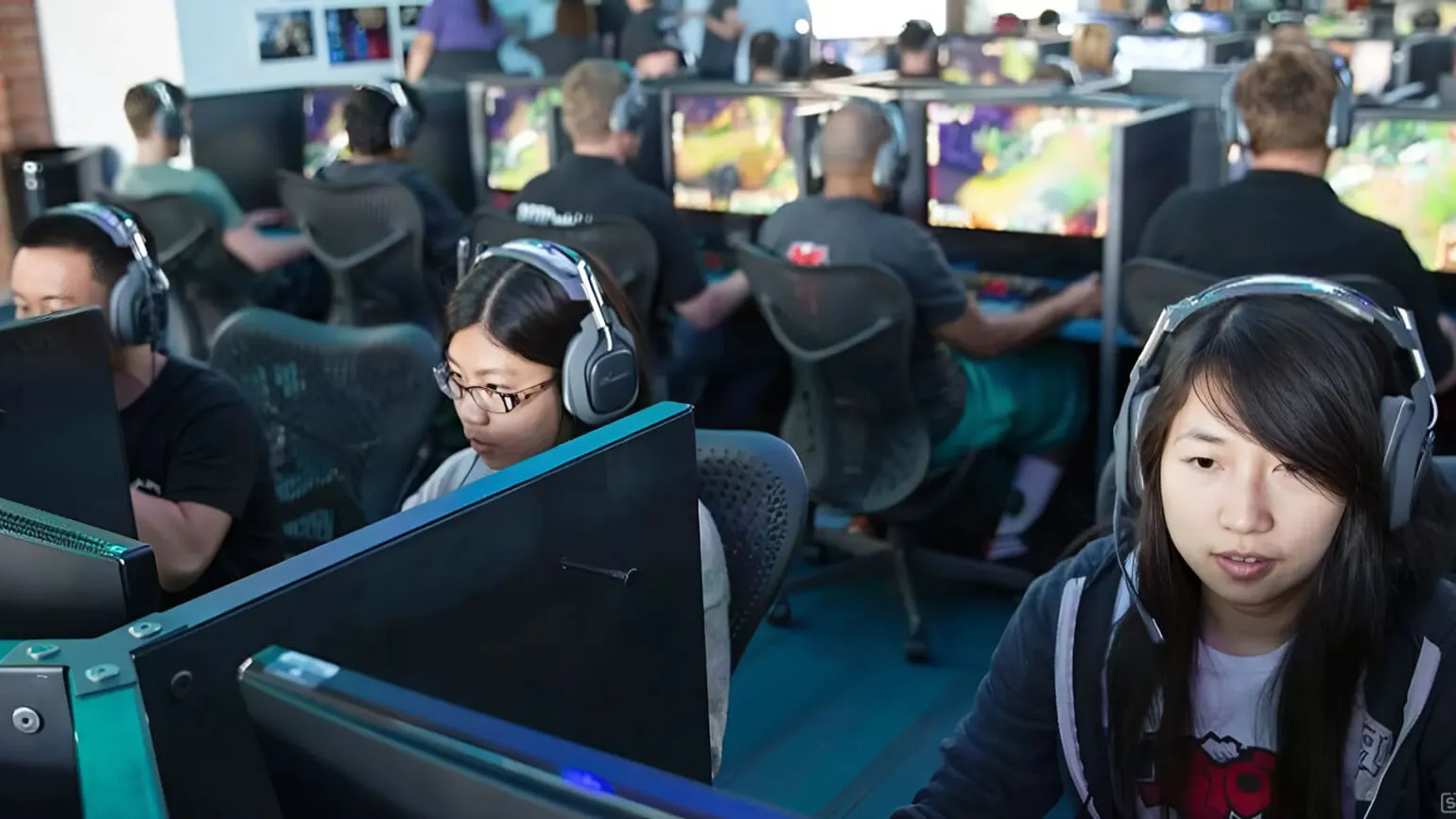
At the end of the last century, PC bans, or "PC rooms," became an important element of gaming culture in Korea. These small internet cafes brought players together and became hubs for social interaction. It was here that the evolution of Korean gaming culture began, leading to the emergence of esports. This phenomenon has determined the direction of development of the global gaming industry, having a significant impact on the popularity and formation of professional gaming around the world.
Consoles vs. PCs
The conventional division of gamers into "console players" and "PC players" has created a significant gap between fans of different platforms, especially in South Korea. In this country, the differences between console and PC gamers are more pronounced than anywhere else. Console games and PC gaming have their own unique characteristics, preferences, and communities, which increases competition and diversity in gaming culture.
In the early stages of the video game industry, when Nintendo gained popularity with its early consoles such as the Famicom, NES, SNES, and GameBoy, South Korea remained on the sidelines of this global craze. The reasons for this were historical and cultural. At the time, the country faced economic and political difficulties, limiting access to new technologies and entertainment. This influence played a significant role in shaping South Korea's unique gaming culture, which later became known for its achievements in eSports and online gaming.
Political relations between Japan and Korea in the late 20th century were characterized by high levels of tension. From 1910 to 1945, Korea was a Japanese colony. Historians interpret the consequences of this occupation differently, but for Koreans, this period remains a symbol of suffering and loss. The experience of the colonial past has had a profound impact on the modern perception of each other by both nations. Although efforts have been made in recent years to improve relations and bring people closer together, historical memory continues to exert a significant influence on the political atmosphere between Japan and Korea.
After independence, the Korean government decided to ban everything related to Japanese culture, including manga and music. This policy of severe restrictions persisted until the 1990s, when the first Japanese game consoles began appearing on the Korean market. However, they were burdened with high taxes, making them unaffordable for most families. Console gaming thus remained a luxury, and the number of children raised on Japanese gaming systems was extremely small. This situation began to change only with the gradual easing of restrictions and the growing interest in Japanese culture on the Korean Peninsula.
South Korea became one of the first countries to actively develop internet technologies. This process developed rapidly and continued until the late 1990s, when the country was engulfed by a major economic crisis known as the Asian financial crisis. The impact of this crisis on the country's economy and technology sector was significant, but South Korea was able to recover and take a leading position in digital technology and internet infrastructure.
The crisis, which began in Thailand in 1997, quickly spread throughout Asia and then engulfed the world. One of the main causes of this crisis is believed to be the rapid development of the "Asian Tigers"—countries and administrative regions that demonstrated the greatest economic growth in the post-war period. These regions include Hong Kong, South Korea, Taiwan, and Singapore. This rapid development led to the accumulation of financial risks, which ultimately became a catalyst for global economic instability.
The crisis had a serious impact not only on the government and various industries, but also on ordinary citizens. Thousands of Koreans lost their jobs and stable income. At the same time, they gained a lot of free time, which they can use for personal growth, learning new skills, or running a business. This period also opens opportunities for rethinking careers and finding new paths to financial independence.
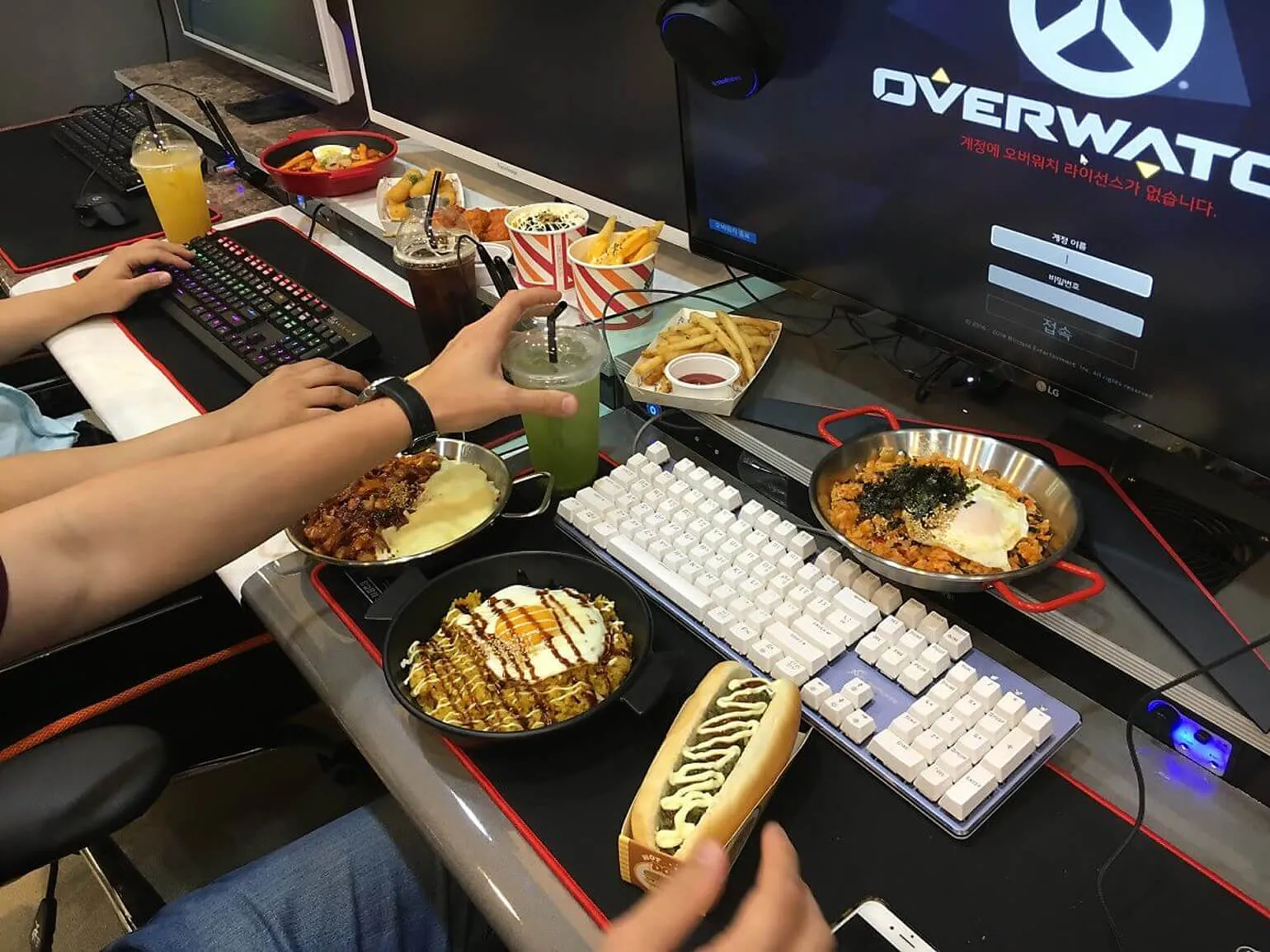
PC ban culture emerged in response to the growing interest in video games, turning internet cafes into veritable cultural centers. In Korea, where collectivism is an important part of society, such establishments have become places of active social life. Young people from all over the country began to gather in PC bars, where games ceased to be just entertainment for children and became an important part of leisure, uniting people and forming new communities.
In South Korea, a love of gaming consoles has yet to take root. Currently, consoles account for only 1% of the global market. Nevertheless, the country's gaming industry ranks fourth globally, behind only the United States, China, and Japan. Considering that South Korea is the smallest country among these leaders, with a population of just 51 million—compared to 1.4 billion in China, 334 million in the United States, and 124 million in Japan—per capita spending on video games in Korea remains among the highest in the world. This demonstrates the high interest of Korean players in gaming projects, despite the low popularity of consoles.
Much time has passed since the release of the first Japanese gaming consoles, and government policy towards this industry has significantly softened. The Nintendo Switch, unlike its predecessors, has received positive reviews in the market. The console attracted the attention of both gamers and critics thanks to its unique hybrid design and variety of games, which contributed to its successful launch and popularity among users.
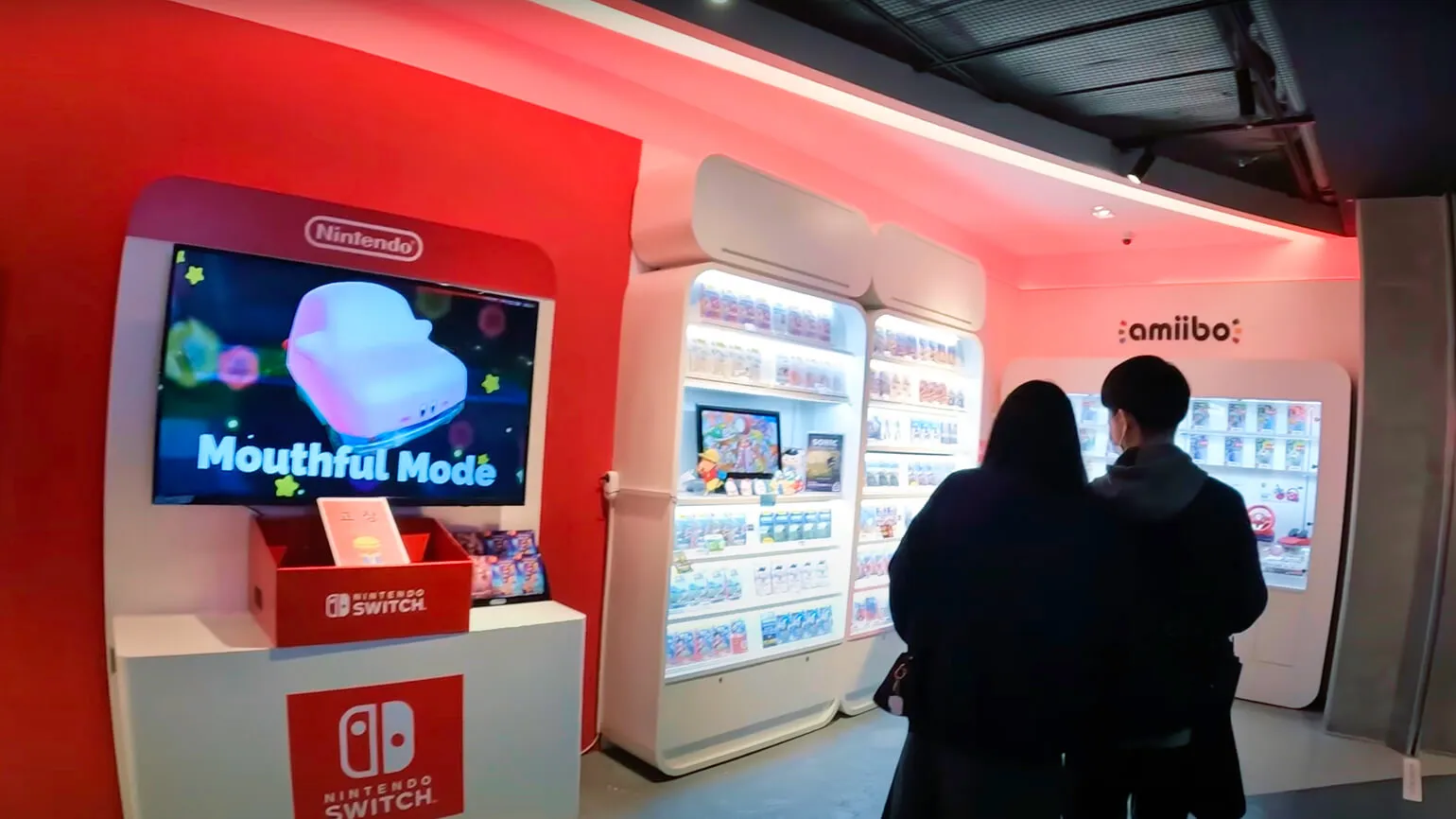
Nintendo exclusives occupy the top positions in the lists of best-selling games. Competing with such titles is extremely difficult. However, Korean developers are actively starting to catch up, rediscovering iconic series such as Mario and The Legend of Zelda. However, there are some exceptions in this segment, which demonstrate that other games can achieve significant success in the market.
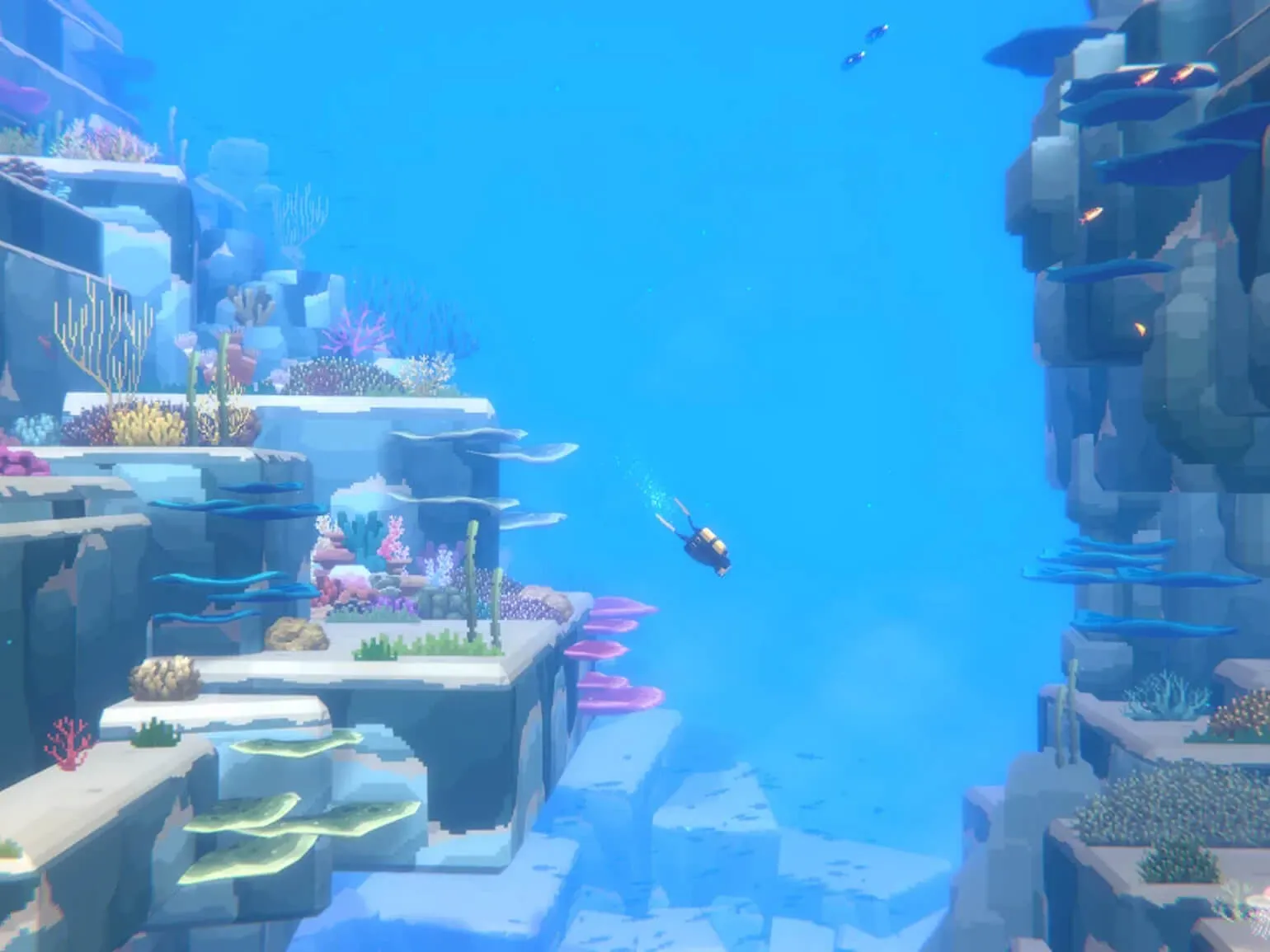
In 2024, the game Dave the Diver entered the top ten best-selling games on the Nintendo Switch console in Korea. It is one of the few Korean titles that managed to take the top positions in the Korean Nintendo eShop. Developed in Seoul, the game is based on the true story of the owner of a seafood restaurant located on the Korean island of Jeju. Dave the Diver combines elements of adventure and resource management, making it appealing to a wide audience of players.
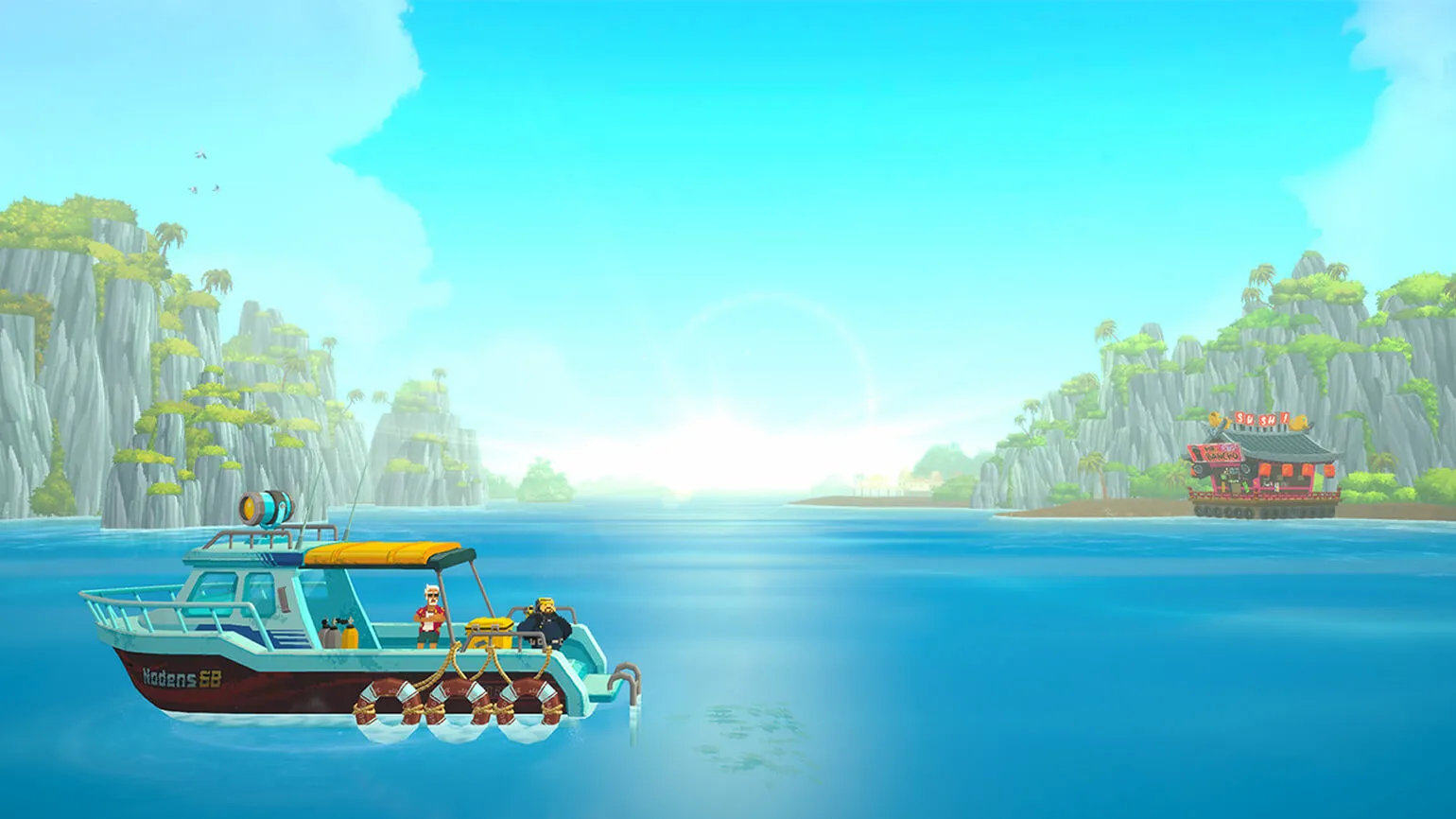
Dave the Diver has achieved worldwide popularity and has been nominated for prestigious industry awards, including BAFTA, The Game Awards, and the Golden Joystick Award. Its success is particularly significant because it has drawn the attention of Korean developers, publishers, and players to independent projects. In September 2024, publisher Nexon announced the spin-off of Mintrocket into a separate division. While Mintrocket will remain under Nexon's control, this decision is aimed at stimulating the development of smaller games for the international market.
Esports
For over 20 years, eSports in Korea has been more than just a hobby, but a recognized official sport. The country boasts active eSports leagues with dozens of teams participating. The number of players representing various teams significantly exceeds this number, underscoring the popularity and development of eSports in the region. Korean eSports athletes are renowned for their high level of skill and professionalism, making them among the best in the world.
In 2000, the Korean Ministry of Culture and Sports established the Korean eSports Players Association (KeSPA), an organization dedicated to the development of esports. KeSPA organizes championships, resolves disputes, and protects players' rights, marking an important step toward the official recognition of esports as a profession. Today, KeSPA continues to host major tournaments in popular games such as League of Legends, Dota 2, and Counter-Strike, contributing to the growth and popularization of esports as a significant and respected field.
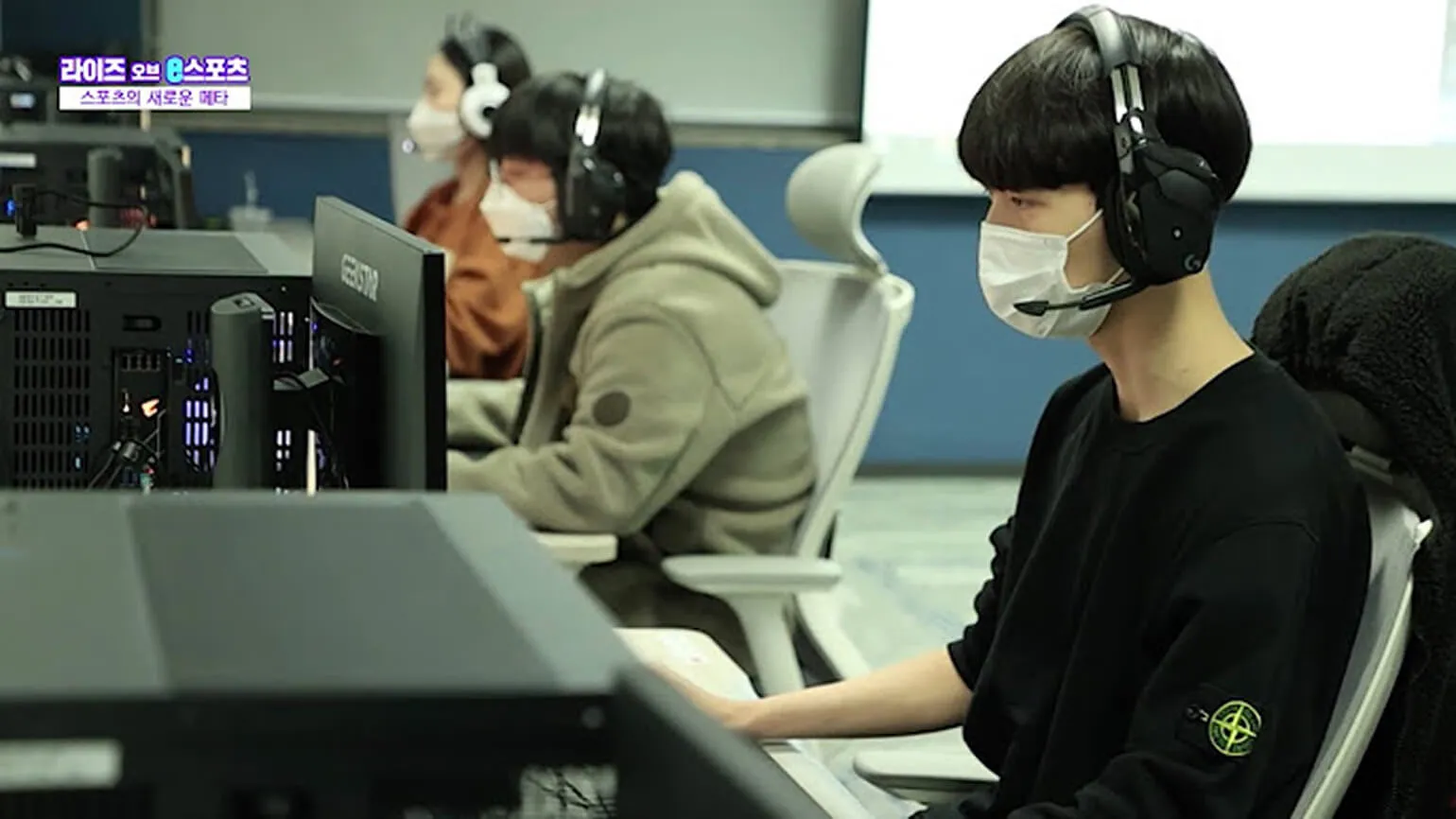
The Wired's Jonathan Lee interviewed several current and former esports players and coaches to find out how esports became a social asset for young people in Korea in the early 2000s. Many professional players admit that their passion for esports began in computer clubs, which became an affordable entertainment option for children from working-class families. For a small fee, they could not only spend time with friends but also develop important professional skills such as strategic thinking and teamwork. These clubs became a place where young people could not only have fun but also prepare for future careers in esports, making the sport particularly attractive.
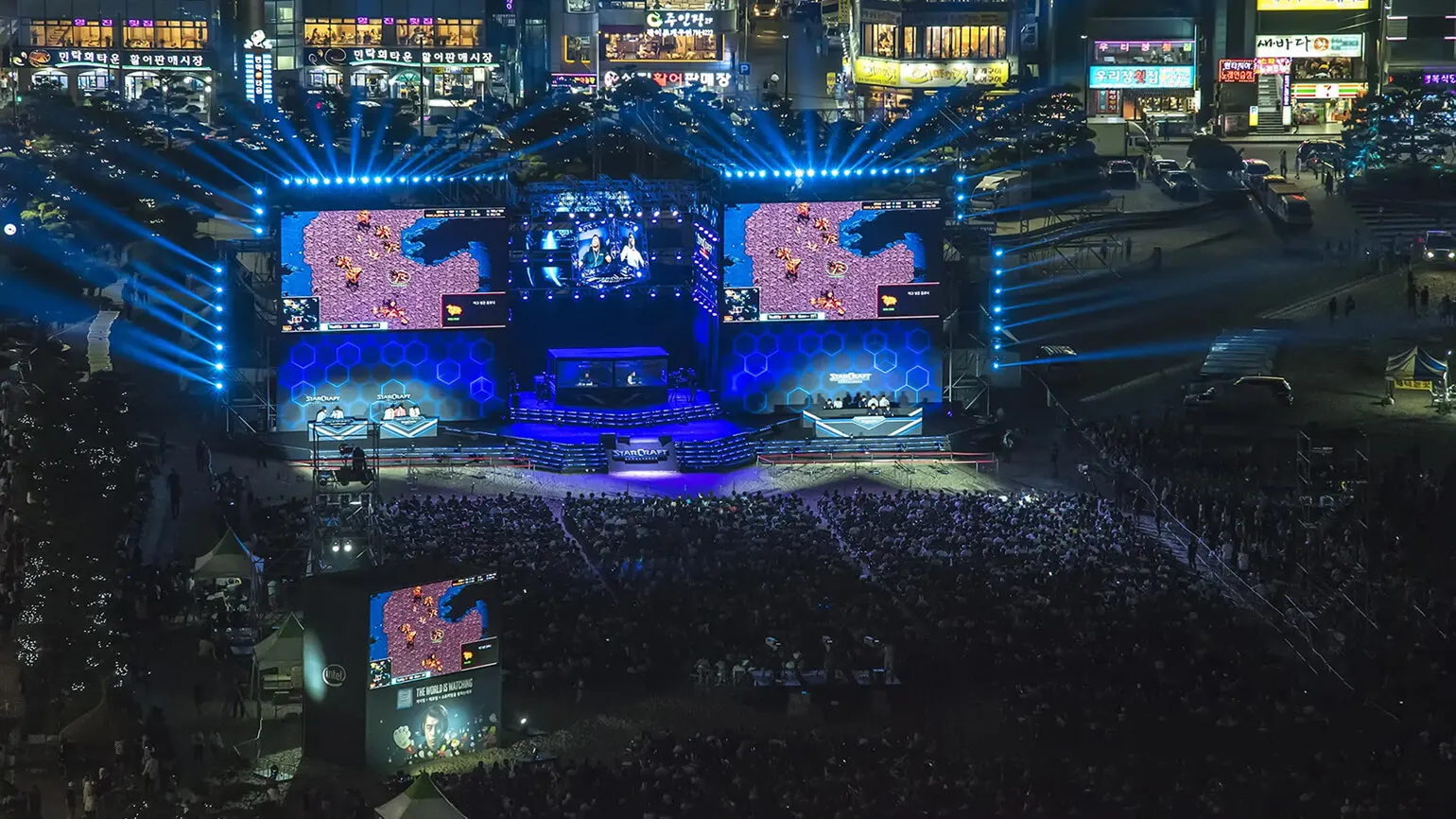
StarCraft, when it was released, created a real sensation among young people. In the decade following its release, approximately 10 million copies were sold, and approximately half of these were sold in South Korea. It's worth noting that not every family could afford a computer, so many players enjoyed StarCraft for a long time without their own copy. This circumstance led to the introduction of PC bans that regulated access to the game. StarCraft not only formed an entire community but also became a cult phenomenon in the world of esports, setting the standard for future real-time strategy games.
The game gained immense popularity in Korea, becoming a cult phenomenon. Computer clubs began to attract not only amateurs but also serious competitors eager to test their skills in competitions. Fan clubs gradually formed, and matches began to be broadcast on television. This led to the esports movement gaining mass appeal, with the 2002 SKY Cup OnGameNet Star League championship final attracting 25,000 spectators. Interest in eSports continues to grow, attracting the attention of both players and spectators around the world.
Mobile Sector
South Korea stands out as one of the first countries where mobile gaming became a mass phenomenon. High internet speed, widespread smartphone penetration, and the rapid development of the gaming industry have made the country a leader in this segment. Nowadays, on the way to school, university, or the office, most Koreans prefer hardcore games. Role-playing games (RPGs) and strategies account for 40% of total sales, while puzzles account for only about 12%. For comparison, in Russia, casual games account for 35% of sales, while RPGs account for only 9%. This contrast highlights the unique preferences of Korean players and their penchant for more complex game mechanics.
Mobile games in South Korea generate significantly more revenue than console and PC games combined. По данным отчёта Министерства культуры, спорта и туризма Республики Корея и Корейского агентства креативного контента, в 2021 году общий объём рынка видеоигр в стране достиг 20,99 триллиона вон. Из этой суммы 57,9%, что составляет 12,14 триллиона вон, пришлось именно на мобильные игры. В то же время, доход от компьютерных игр составил 5,63 триллиона вон, а от консольных игр — всего 1,52 триллиона вон. Эти цифры подчеркивают растущую популярность мобильных игр среди корейских пользователей и их значительное влияние на рынок видеоигр в целом.

With the development of smartphones, Korean developers quickly adapted to new market conditions. Companies previously focused on creating online games and MMORPGs for PC began transferring their successful projects to mobile platforms. During this period, major players such as Netmarble, Nexon, and Com2uS emerged in the mobile gaming market and continue to be leading companies in this field. These developers not only transferred their developments to mobile devices but also introduced innovative mechanics and technologies, which contributed to the growth of mobile games' popularity and expansion of their audience.
A striking example of a successful transfer to mobile platforms is the game Lineage M. Today, it is considered one of the most profitable games in the region, according to various analytical data. The top ten grossing titles also include Lineage W, Lineage2M, and titles from other Korean developers, such as Odin: Valhalla Rising and EA Sports FC Mobile Soccer. These games demonstrate high user interest and stable financial performance, confirming the growing popularity of mobile gaming.
The mobile game KartRider Rush+ has gained immense popularity in South Korea. In the first weeks after its release, it took the lead in active players, surpassing popular titles such as Brawl Stars, PUBG, and Roblox. The game has gained attention for its unique gameplay and captivating graphics, making it one of the most sought-after mobile games in the region.
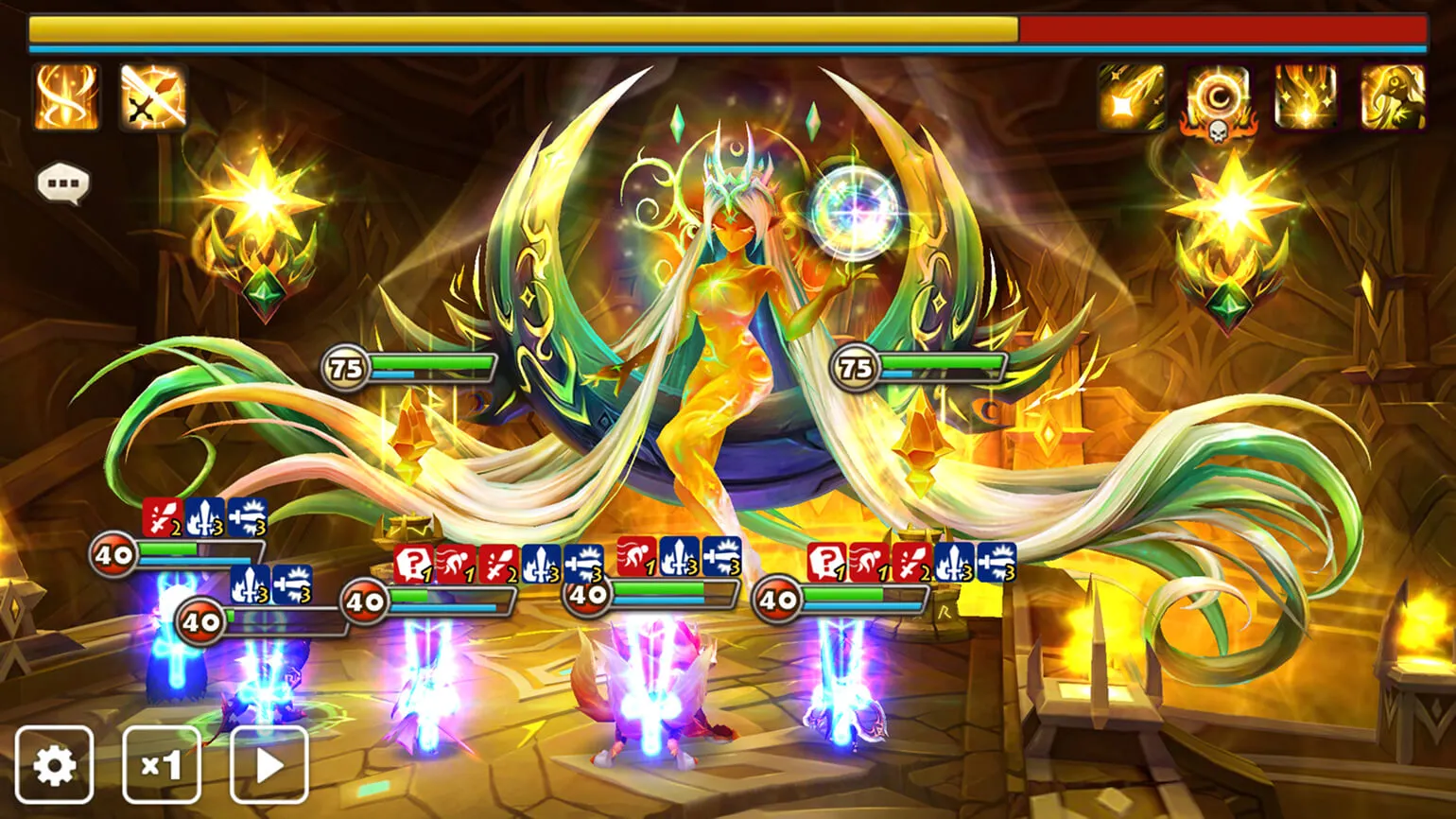
In 2024, Solo Levelling: Arise was named the best game of the year at the Korea Game Awards. On the day of its release, this action game, based on a well-known animated series, which in turn draws inspiration from a popular Korean webtoon, took first place in global stores. Over the next six months, the game earned its creators over $40 million in South Korea alone.
In 2023, the popular game Stellar Blade, which won the love of critics and players, was in contention for the main prize of the award ceremony. When insiders announced the victory of Solo Leveling: Arise in advance, many were skeptical. However, in the end it turned out that the rumors were true, and Solo Leveling: Arise really was the winner.

The Role of the State
From the very beginning, the Korean government has closely monitored the development of the gaming industry, recognizing its potential and significance. This has allowed it to actively influence the direction of its growth. Over the past twenty-five years, the country has seen many events, including successful investments in esports, the adoption of controversial laws, and conflicts with game developers. These factors have become decisive in the formation of a unique gaming space in Korea.
The government actively promotes video game exports by providing subsidies and organizing international events, including G-Star, the largest gaming exhibition in Asia. This event serves as a launching platform for Korean developers and their projects, contributing to the development of the gaming industry in the region. State support helps create competitive products and expand the presence of Korean games in the global market.
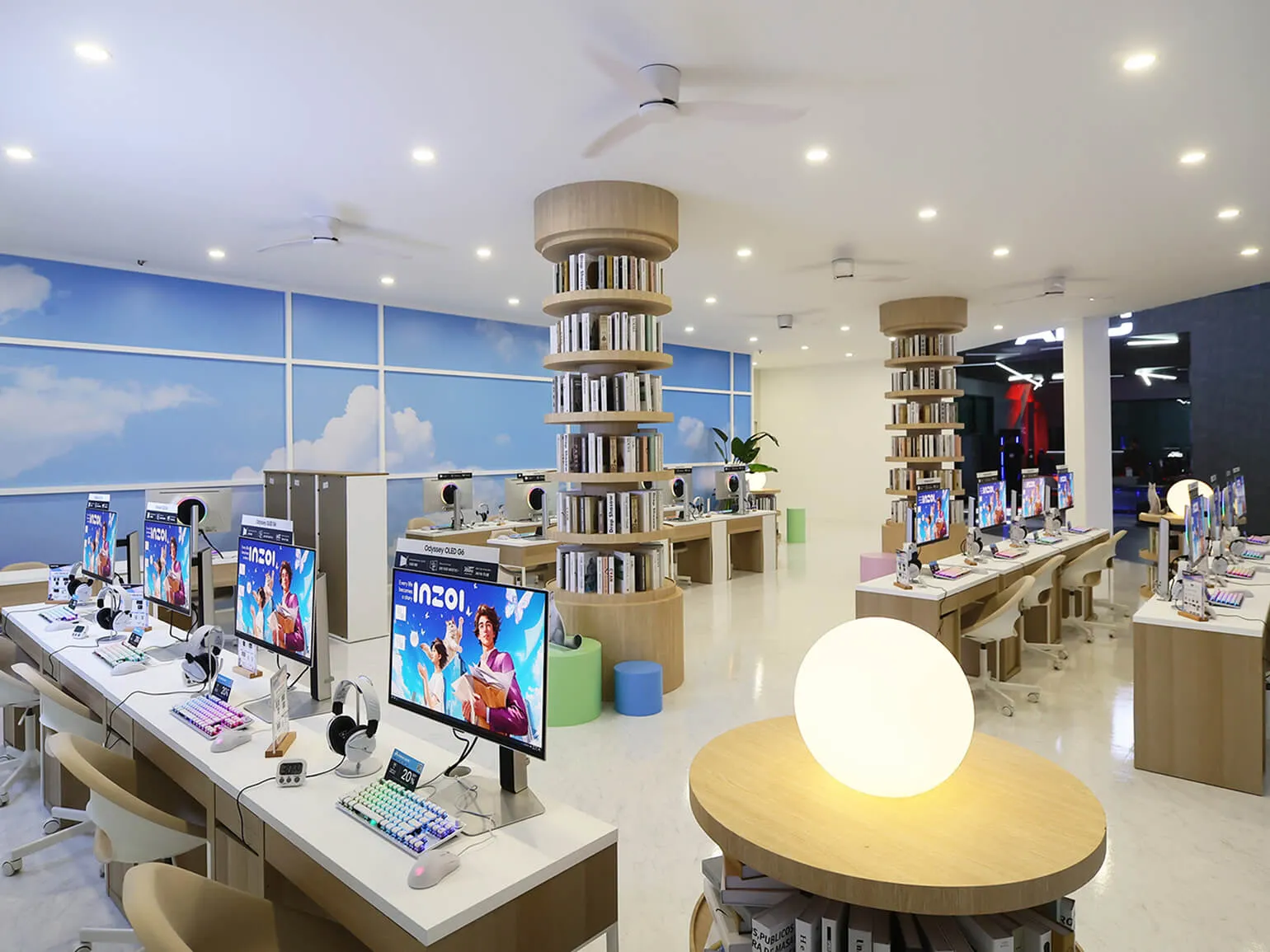
In 2022, the government initiated programs to support independent studios and actively expand into the console market. The state promises assistance to developers creating games for consoles, which underscores the desire to reduce dependence on the mobile market and online gaming. This initiative is aimed at producing high-quality content in collaboration with large companies such as Sony, Microsoft, and Nintendo, which, in turn, should contribute to an increase in the share of domestic video game exports. Support for state programs will be an important step in the development of the gaming industry, increasing its competitiveness on the international stage.
The state has been supporting the domestic industry for a long time. In 2008, a conflict occurred between KeSPA and Blizzard regarding the rights to broadcast StarCraft matches. Blizzard attempted to circumvent the government organization and realize the broadcast rights independently. To protect the interests of Korean companies, the government threatened to assign an 18+ rating to the game StarCraft, which would automatically ban its broadcast on television. As a result, the conflict was resolved peacefully.
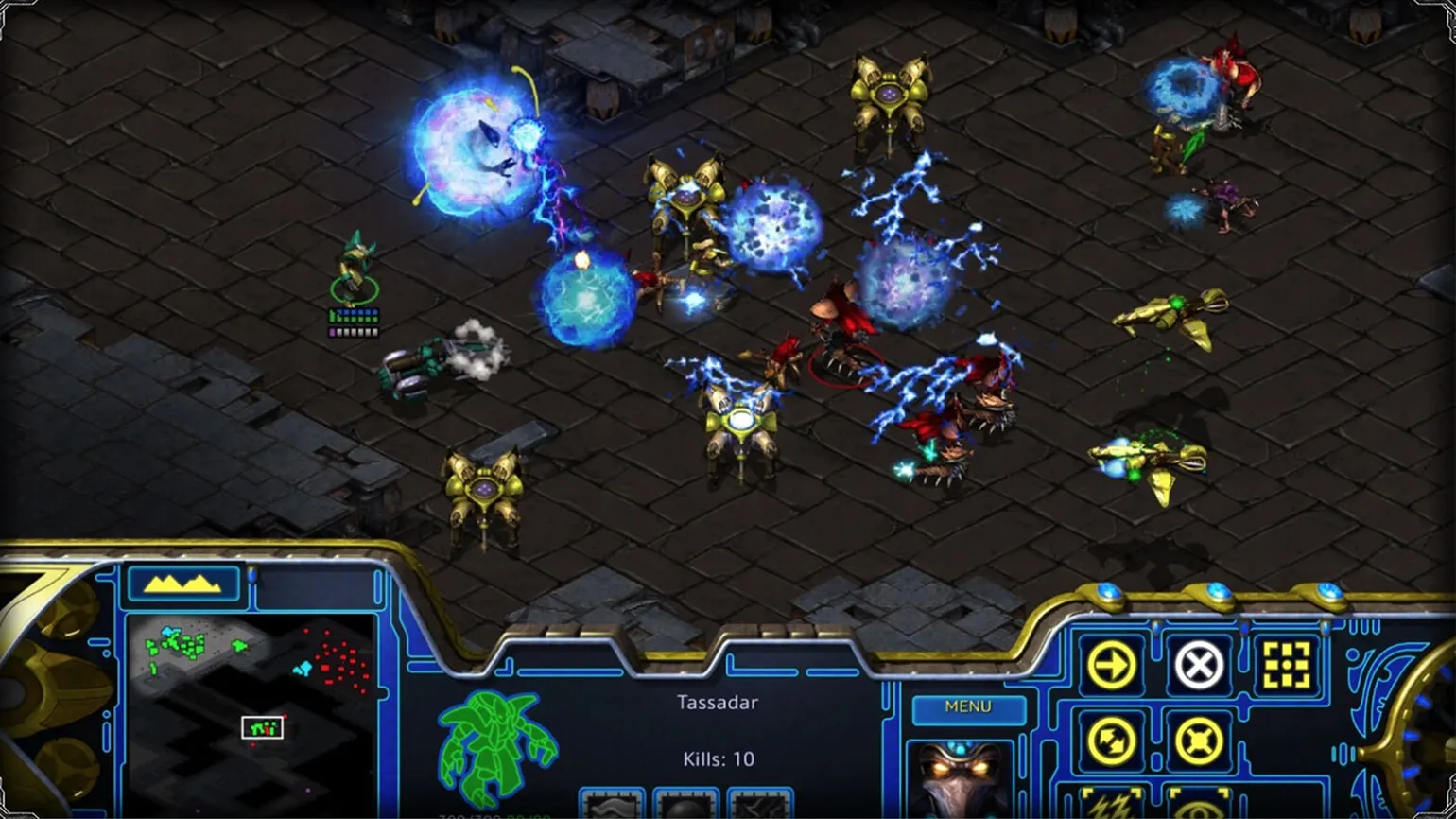
Government control extends beyond business to the daily lives of citizens. In 2011, a law was passed prohibiting gamers under 16 from playing games between 12 midnight and 6 am. This restriction was introduced to ensure children get at least six hours of healthy sleep. Such measures are aimed at protecting young people and regulating their time spent, which contributes to a more responsible approach to gaming and maintaining a daily routine.
During the law's period, users faced online account bans. This restriction affected not only computer games but also console platforms, forcing Sony to block PS Store accounts. Violating the "quiet hours" period carried fines of $8,000 or up to two years in prison. However, in 2021, ten years later, the law was repealed thanks to the efforts of the Ministry of Culture and the Ministry of Family and Gender Equality. The main arguments for the cancellation were convincing: video games play an important role in the socialization and education of children, and also contribute to the development of professional players necessary for the country's competitiveness on the international stage.

The country's authorities have made several attempts to regulate the gaming industry. In 2012, a bill was developed that covered both children and adults. It proposed the implementation of a special program capable of monitoring the duration of a gaming session and interrupting it every two hours. Players were allowed to continue playing only after a short break. After the second gaming session, access to games was blocked for 24 hours. However, this bill was never implemented.
Since 2018, the South Korean government has implemented strict anti-cheat laws, regulating the use of mods in online games. Since registration in most online services, including gaming platforms, is carried out using an ID card, cheating in games can be classified as cheating in real life. This also applies to loot boxes, which are subject to additional scrutiny. Starting in 2023, developers are required to disclose the drop rates of various items, which is aimed at increasing transparency and protecting player rights.
History of Korean Development
The Korean entertainment industry has evolved in line with the preferences of the population, allowing it to adapt to changing trends. South Korea actively invested in the development of online genres in the 1990s and 2000s, which contributed to the country's strong position on the global stage in digital entertainment. Over decades of accumulated experience, Korean developers have not limited themselves to just one genre, which has paved the way for the emergence of innovative projects – from urban horror to rhythm games. Today, the Korean industry continues to amaze with the diversity and quality of its content, strengthening its position in the global online segment.
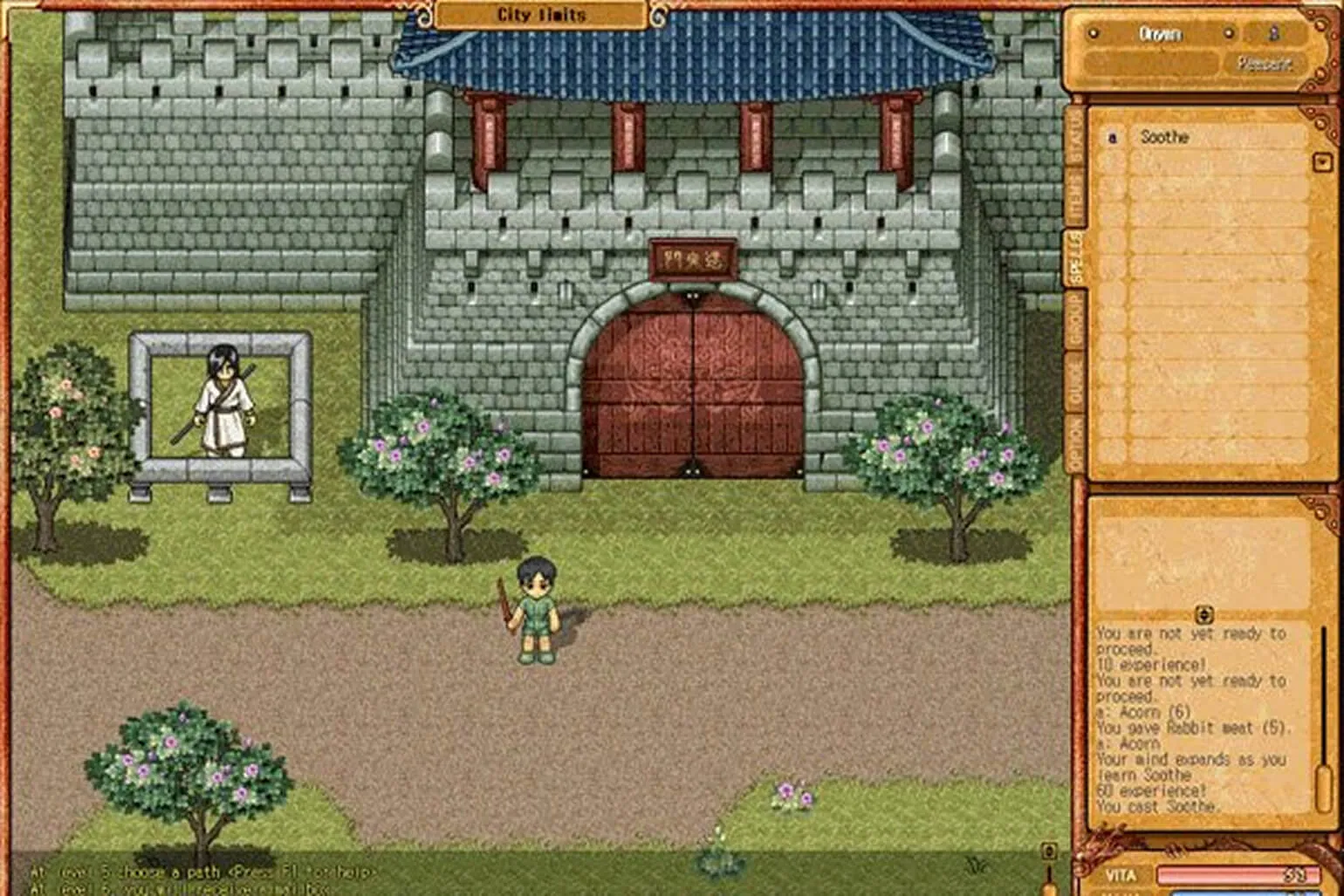
The history of the MMORPG begins in 1996 with the release of the Korean game The Kingdom of the Winds (바람의 나라, Baram-ui Nara). This game, developed by the young designer Son Chae-kyung, better known outside of Korea as Jake Son, was one of the pioneers of its genre. While still a student, Son Chae-kyung became fascinated by the possibilities of online games and created a unique project. The Kingdom of the Winds offered players an isometric fantasy world based on Korean folklore and played a significant role in the development of the MMORPG genre, opening new horizons for future developers.
In 1998, Nexon, the renowned publisher of The Kingdom of the Winds, adapted it for the North American market. The game was renamed Nexus: The Kingdom of the Winds and was unofficially known among players as NexusTK or Baram. A subscription model, popular at the time, was used for monetization.
In 2005, Nexon founded KRU Interactive, responsible for the game's support and development. In 2011, Nexus: The Kingdom of the Winds was listed in the Guinness Book of World Records as the longest-running online game. This status confirms not only its popularity but also its significance in the video game industry. KRU Interactive continues to work to improve gameplay and user interaction, which fosters long-term player loyalty.
At the end of 2024, almost 30 years later, a sequel to the popular game was announced. Little is known about the project yet, but the developers emphasized their commitment to preserving the nostalgic style of the original, combining pixel art with an isometric camera. This promises to bring back a memorable atmosphere for players and attract a new generation of users who appreciate unique graphics and gameplay.
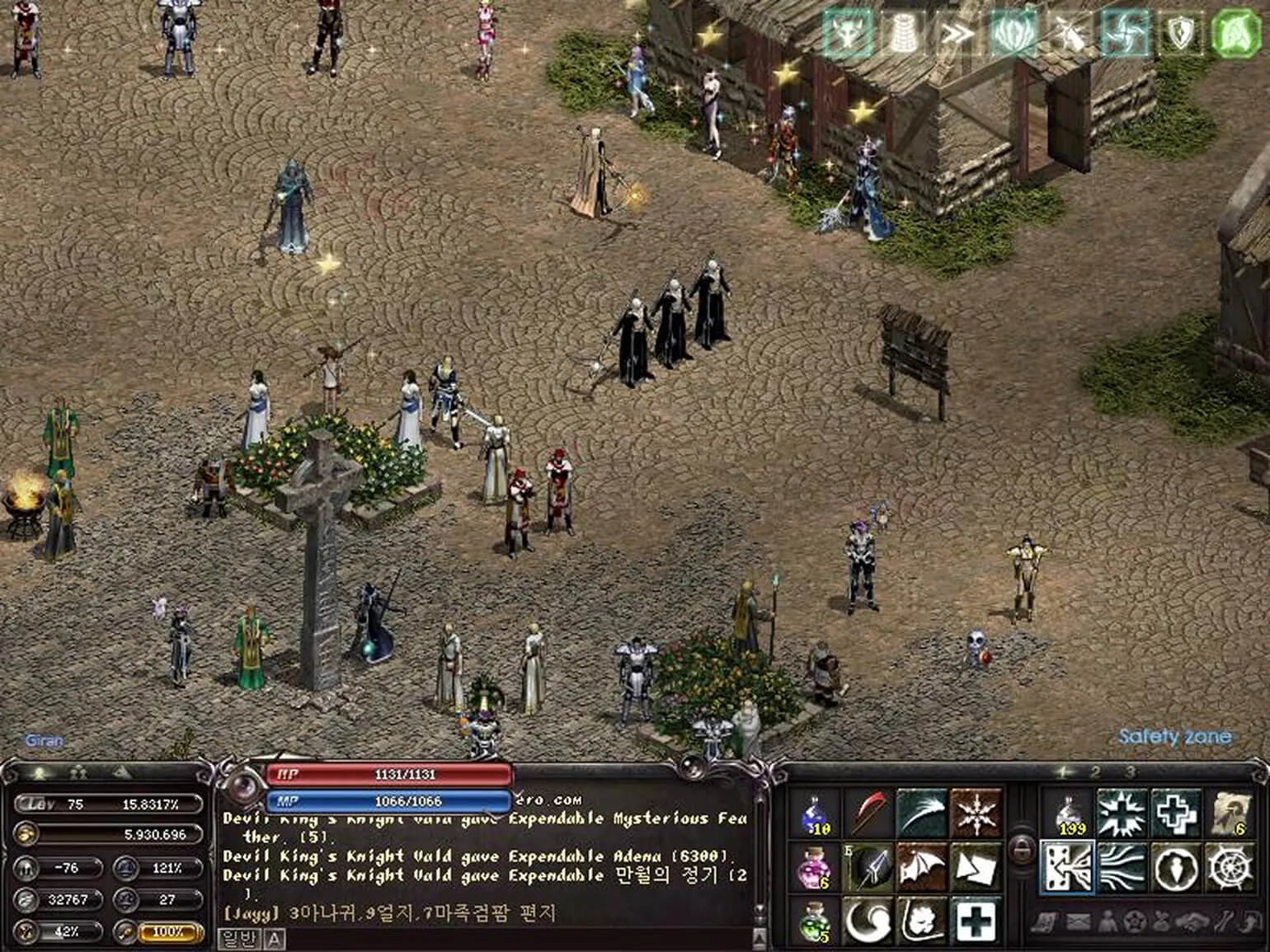
In 1998, NCSoft released Lineage, a game that quickly became one of the most influential MMORPGs in the world. Inspired by Western role-playing traditions, the developers used ideas from Ultima Online but adapted them to an Eastern style of gameplay. Lineage's core features were large-scale PvP battles for castles, an advanced clan system, and a deeply developed social component. This game not only popularized the MMORPG genre in Asia but also had a significant influence on the development of subsequent online games, introducing elements of teamwork and strategic planning. Lineage continues to be relevant in the modern gaming world, confirming its importance and legacy in the industry.
Interesting fact: both Lineage and The Kingdom of the Winds were developed by the same game designer, Son Chae-gyeong. However, due to internal conflicts, he was forced to leave Nexon just a few months before the release of The Kingdom of the Winds. Son then joined NCSoft, where he achieved considerable success. He is now a respected game designer in Korea, though his reputation is sometimes tarnished by controversial statements. Son Chae-kyung rarely gives interviews, and in 2012 he came under fire in Korea for saying that "consoles have no future."
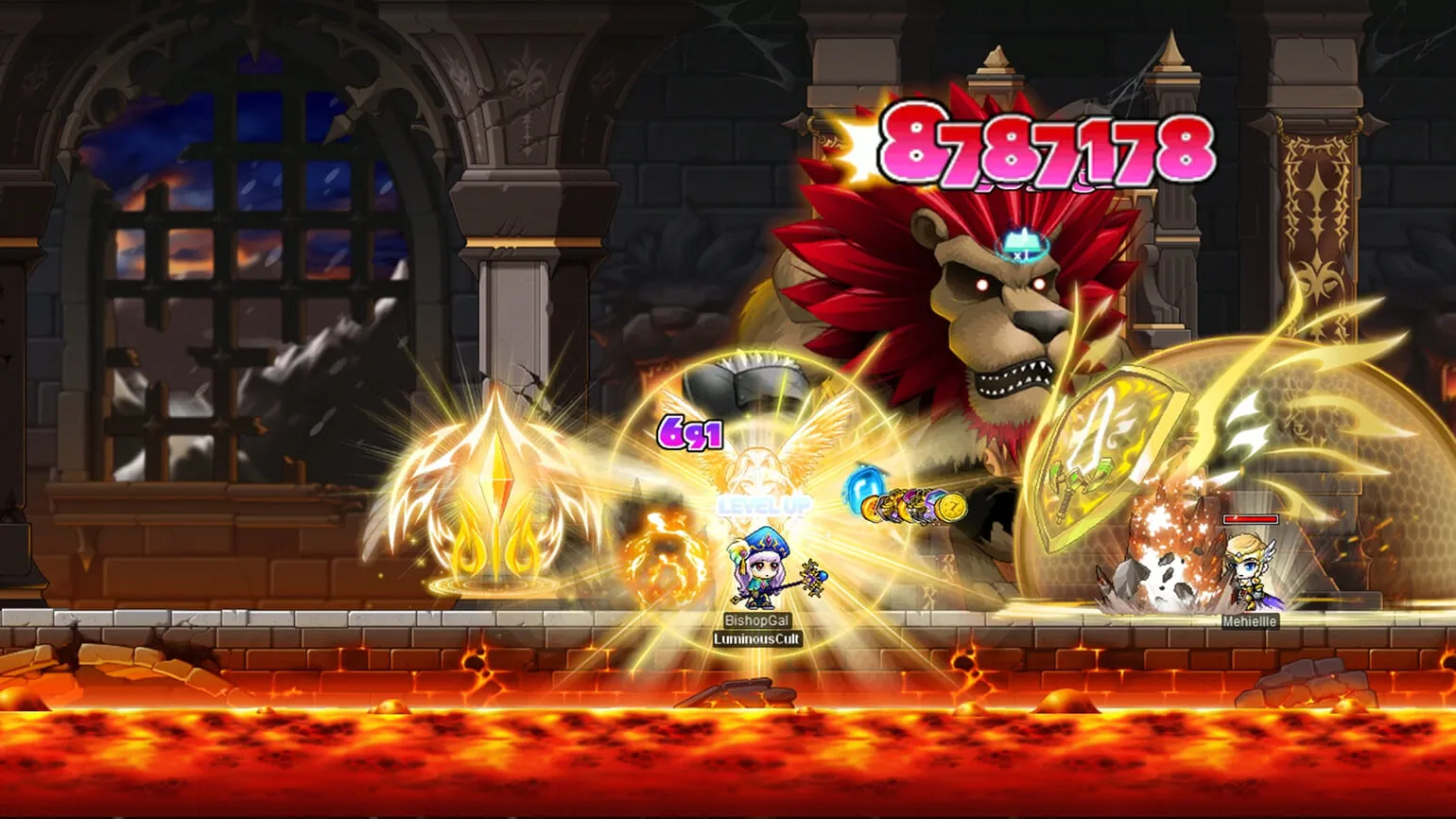
In 2003, following the success of Lineage, Lineage 2 was released. This project was larger in scale, more detailed, and technologically advanced. Lineage 2 quickly expanded beyond the Korean market and began to gain worldwide popularity. Russian players also actively joined this phenomenon, which contributed to the growing interest in MMORPGs in the country.
"Lineage," as Lineage 2 is often called, officially appeared in Russia in 2008. However, by this time, the game had already acquired cult status thanks to pirated servers that provided free access to game content. These servers played a significant role in the development of online gaming in Russia in the early 2000s, building a devoted audience and popularizing the MMORPG genre. Lineage 2 marked a milestone in the history of computer gaming, leaving a significant mark on gaming culture and continuing to attract new players even years after its official release.
Besides the Lineage series, Russian players are also likely to remember Ragnarok Online, released in 2002. This MMORPG stood out for its vibrant cartoon style and unique combat system, which set it apart from other games of its time. Key factors in Ragnarok Online's popularity were its diverse quests and its accessibility for players of all ages. Thanks to these features, the game has won the hearts of many gamers, creating an active community and remaining in the players' memories for a long time.
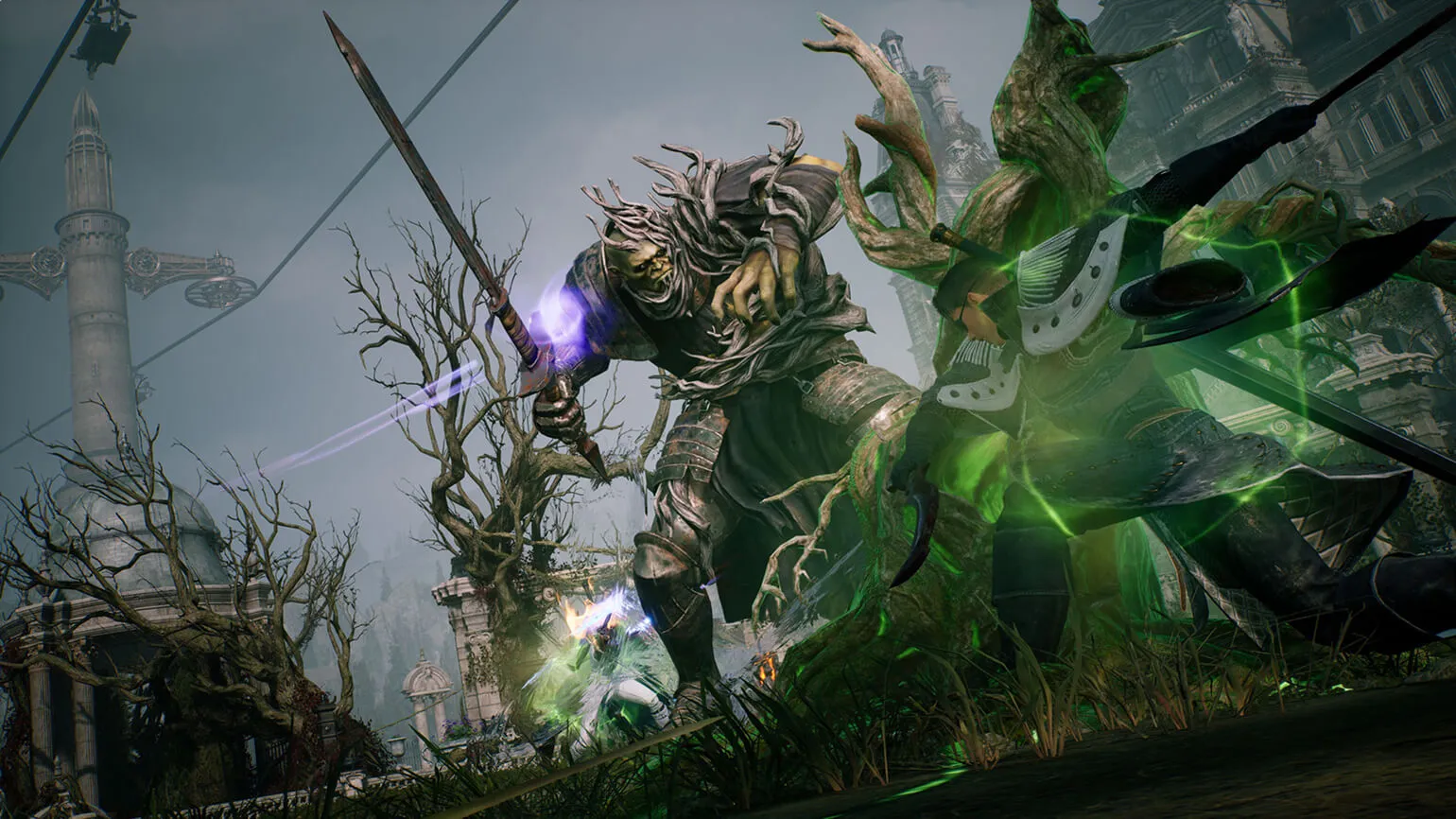
With players' growing interest in the genre, developers began actively competing for audience attention. Gaming companies consistently announced their projects, seeking to attract attention to their games. In search of success, some studios resorted to questionable methods to stand out from the competition.
The success of Lineage was not only a significant achievement for NCSoft, but also a complex legacy. In 2011, the studio released Lineage Eternal, a sequel to the famous MMORPG. However, the project's development was plagued by serious difficulties, delaying its implementation and raising numerous questions among fans of the series.
NCSoft found itself at the center of a high-profile scandal, where several employees were accused of stealing source code and attempting to sell it to competitors at Bluehole, now part of Krafton. According to preliminary estimates, the damage from this leak could have amounted to at least a billion dollars. В 2012 году суд признал виновными сотрудников Bluehole, которые перешли в компанию сразу после начала расследования. Однако, несмотря на это, проект так и не смог восстановиться. Концепция игры претерпела множество изменений, в конечном итоге разработчики решили отказаться от первоначальной идеи, сменили движок и полностью переработали игру с нуля.
В это время в компании Bluehole активно шла разработка MMORPG TERA, анонсированной в 2008 году. Несмотря на то что суд установил факт кражи исходного кода и приговорил нескольких сотрудников к тюремным срокам и штрафам, представители Bluehole уверили, что это не окажет влияния на разработку их ключевого проекта. В результате компания не понесла никаких санкций после завершения разбирательства.
Перед релизом в Северной Америке NCSoft America подала иск против En Masse Entertainment, подразделения Bluehole в этом регионе, с требованием запретить выход игры из-за обвинений в краже ассетов. Однако суд вновь встал на сторону Bluehole, и игра была выпущена в установленный срок. В результате компания не понесла никаких убытков.
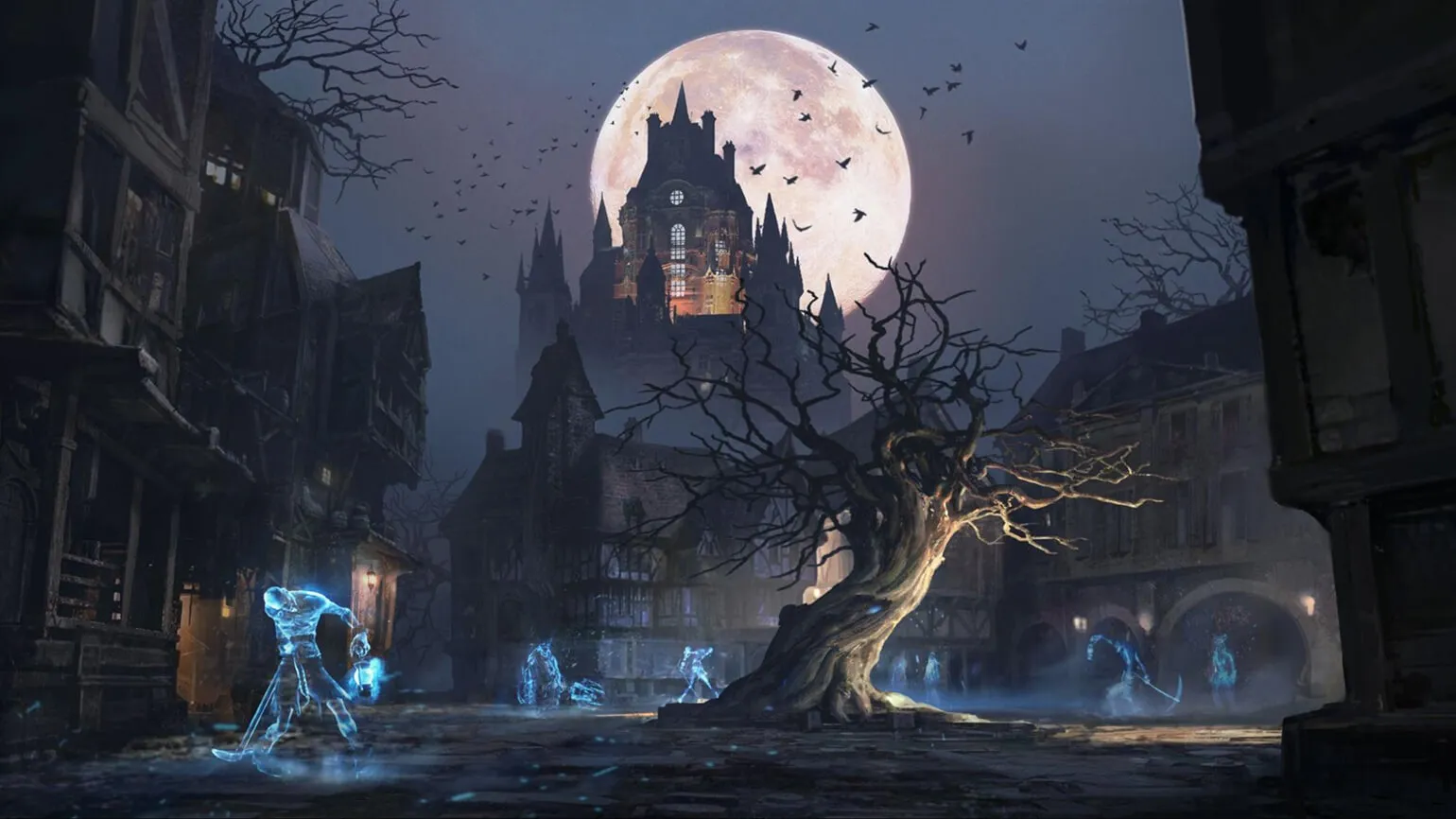
In 2024, NCSoft released Throne and Liberty, a game that was supposed to become the company's new flagship. After the beta version was released, the project received mixed reviews from players. The graphics and performance were highly praised, but the combat system and PvP balance drew criticism. However, despite the criticism, Throne and Liberty registered over 3 million players worldwide in the first week after release, indicating high interest in the game and its potential in the MMORPG market.
In 2012, Pearl Abyss announced that it had begun work on its flagship MMORPG, Black Desert. This game stands out from the competition thanks to its use of its own game engine, while projects like TERA, Throne, and Liberty are based on Unreal Engine 3 and 4, respectively. Creating a custom engine significantly slowed down the development process, a fact acknowledged by the company's CEO, Kim Dae-il. However, this step proved necessary to achieve further success and improve the game's quality. Black Desert has become a role model in the MMORPG genre, offering players unique graphics and a deep interaction system.
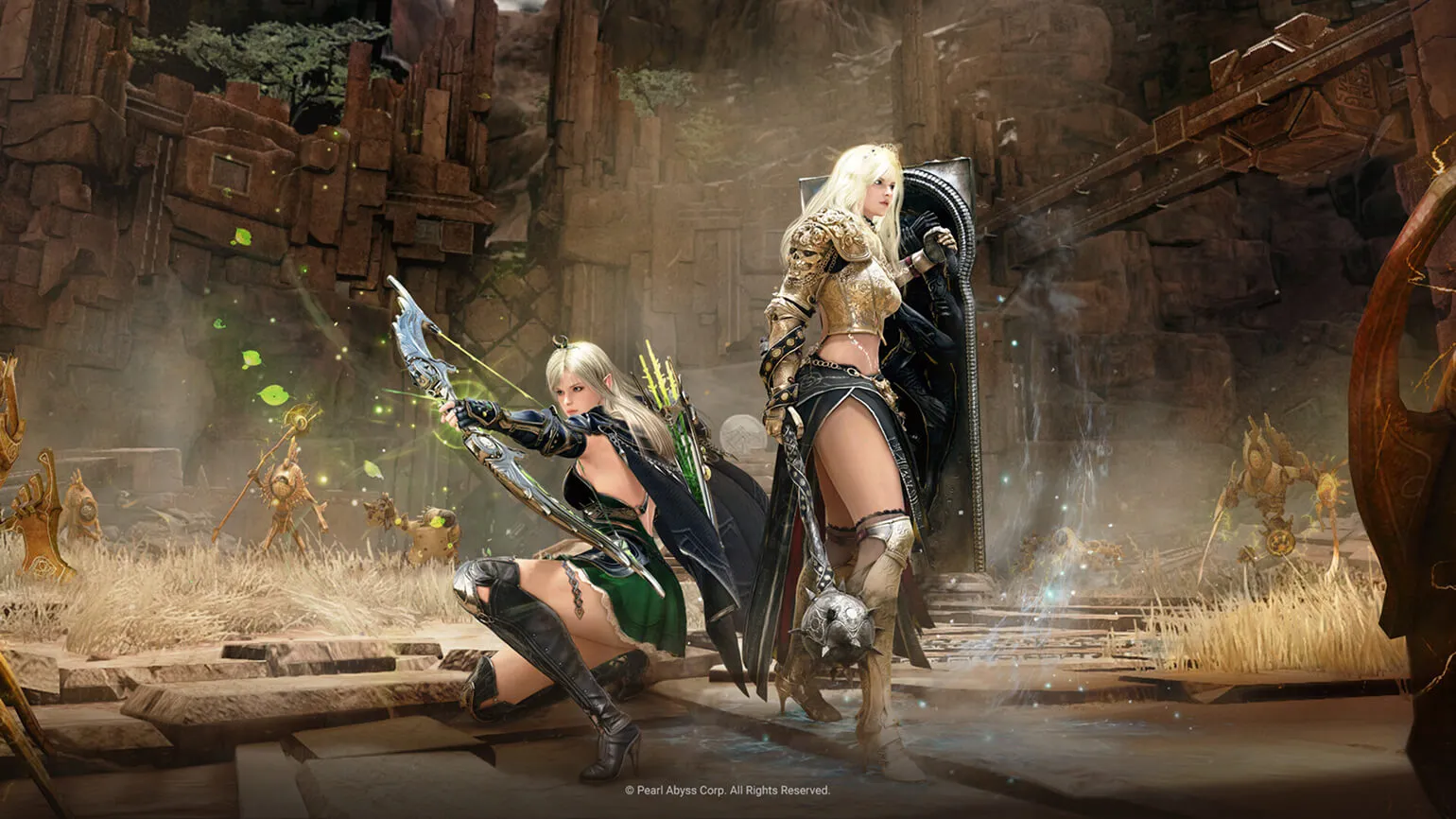
Black Desert is not just an MMORPG, but one of the most expansive sandboxes in the genre. Unlike traditional MMORPGs that emphasize grinding, Black Desert Online offers players the opportunity to immerse themselves in crafting, trading, and naval adventures. This unique approach has yielded impressive results: by 2020, five years after its release, the game had attracted more than 40 million players and generated $700 million in revenue. Of this, 40% of revenue came from North America and Europe, and 26% from South Korea. This success confirms Black Desert's growing popularity among both experienced players and newcomers to the world of MMORPGs.
In 2014, Smilegate Studio released an ambitious project, Lost Ark. The game's development lasted over seven years and required an investment of $100 million. While Lost Ark's plot may seem standard, the game offers engaging gameplay and a wide range of options for players. Players can enjoy diverse character classes, deep combat mechanics, and a vast world full of adventure and mystery. Lost Ark attracts attention not only with its high-quality graphics but also with its well-thought-out system of interaction with other players, making it one of the most engaging MMORPGs on the market.
Lost Ark's financial success was immediate. Just a few months after its Western release, the game reached over $1 billion in revenue. Smilegate actively supports the project, introducing new classes, dungeons, and regions, which helps increase interest and retention. Constant updates and content expansions help maintain Lost Ark's popularity in the MMORPG market, making it one of the leading games in its genre.
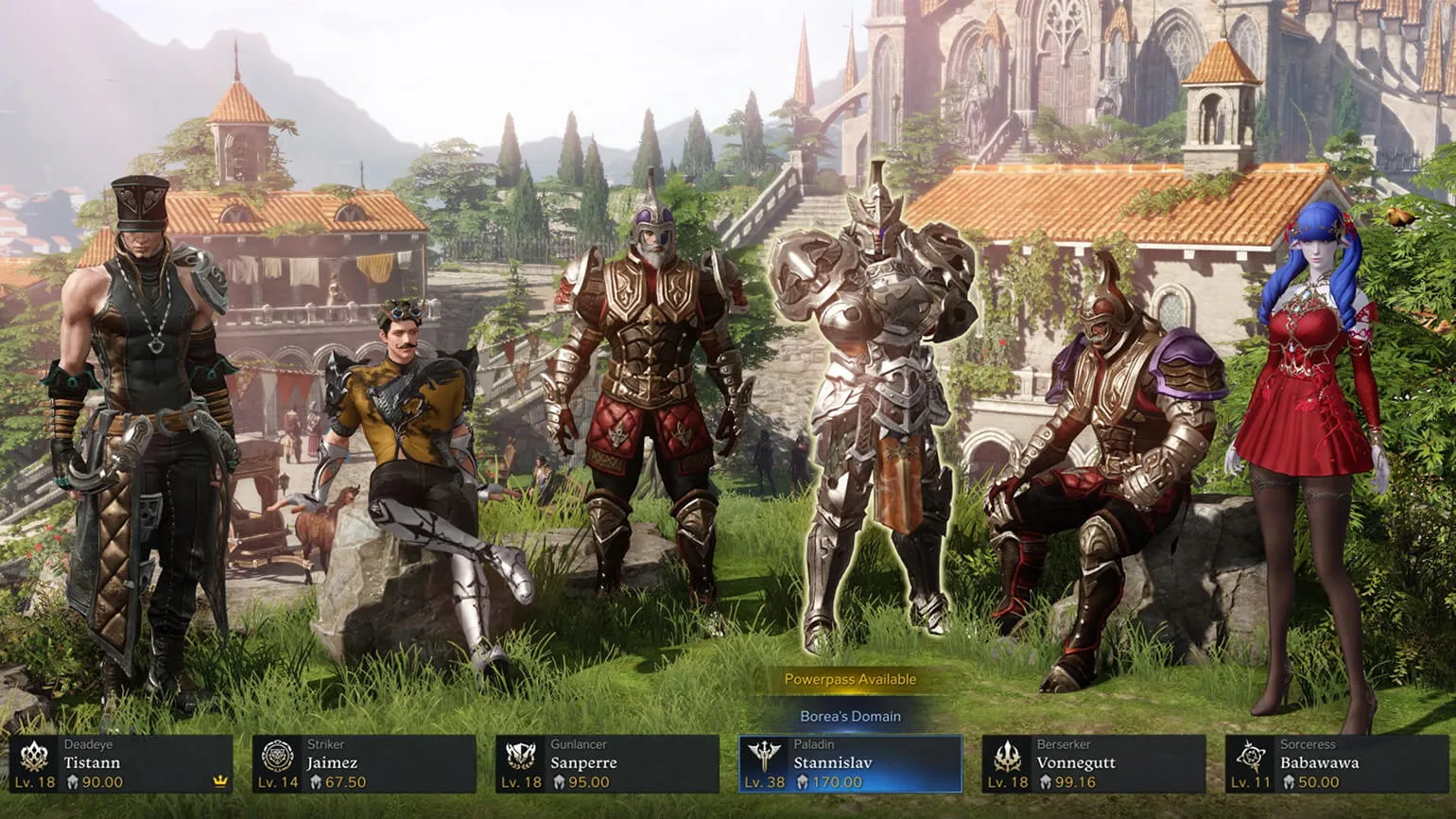
In the world of Korean games, in addition to popular multiplayer projects, there are lesser-known, but nonetheless commercially successful titles. Western players may be unfamiliar with them, but in Asia, these games earn developers billions of dollars and have already achieved cult status. These projects demonstrate the diversity of the Korean gaming industry and its ability to engage audiences by pushing the boundaries of what games are usually thought of as.
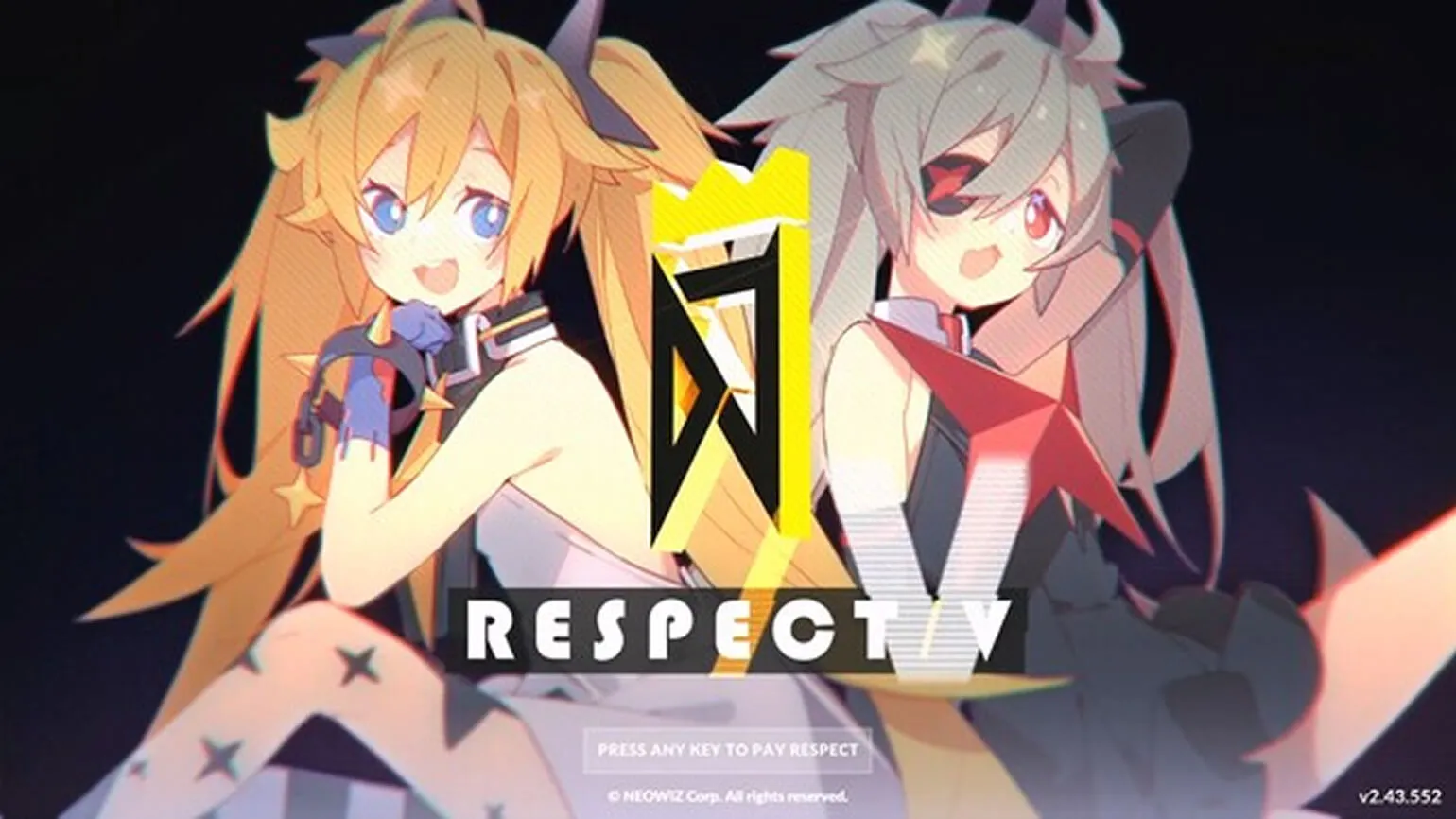
Since 2004, Neowiz has been publishing the DJMax series of rhythm games, originally developed by Pentavision. DJMax has gained popularity among hardcore fans of the genre worldwide, especially in Asia, where the game continues to hold a strong audience. The series comprises over 15 games available on various platforms. The longevity of this franchise can be attributed to the deep love of rhythm games in Korea. Initially, DJMax featured tracks by experimental musicians from Korea and Japan, but the developers are now focusing on genre diversity to attract a wider audience of players.
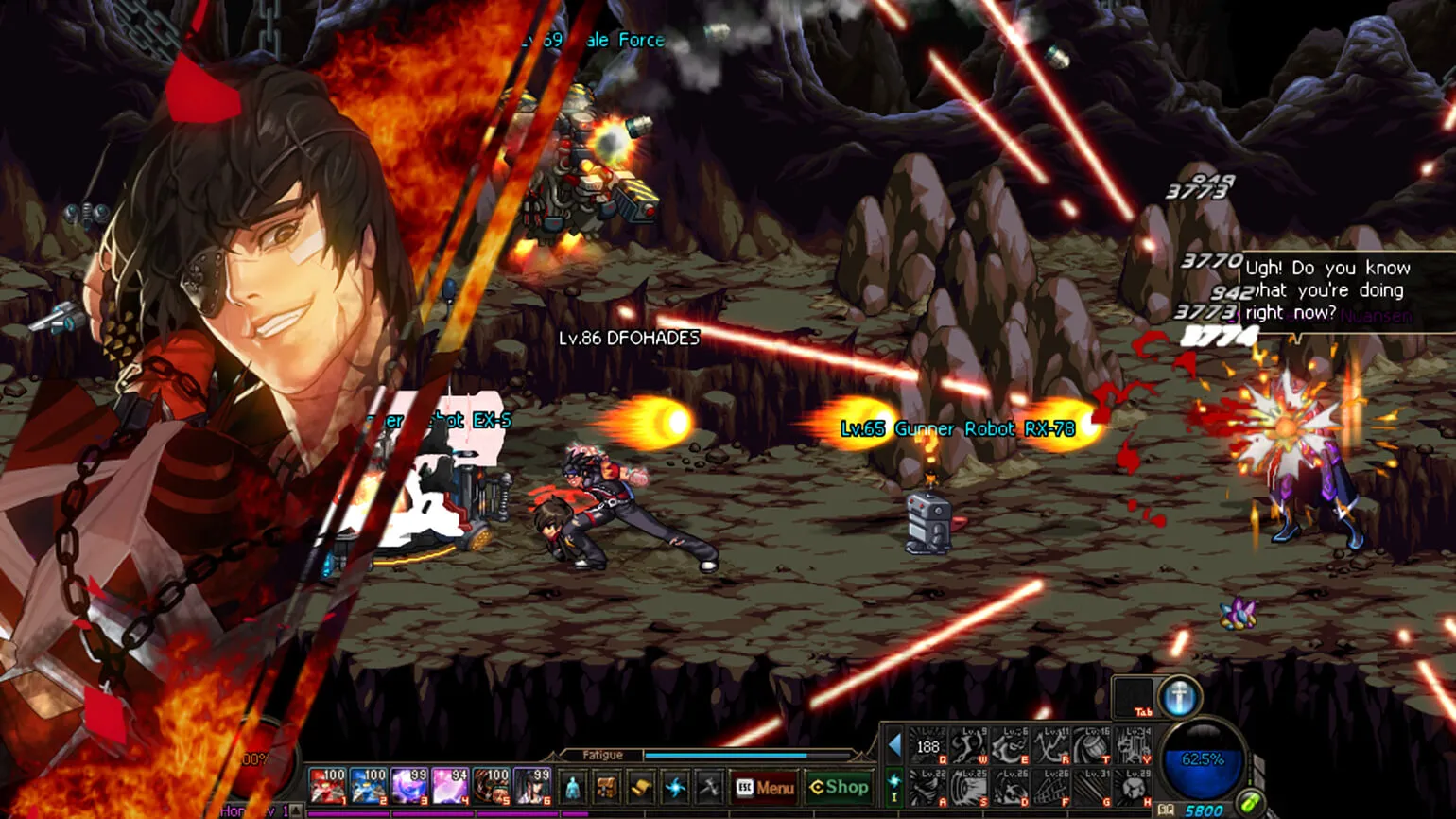
In 2005, Nexon released Dungeon & Fighter, a classic beat 'em up inspired by the arcade games of the past. It features nostalgic graphics and online play elements. A unique fighting-style control system allowed players to use key combinations to perform combos, reminiscent of Street Fighter mechanics. This made gameplay not only challenging but also competitive. Additionally, the integration of RPG elements provided users with a completely new gaming experience, combining dynamic battles with character development and deep immersion in the game world. Dungeon & Fighter was a significant step in the development of the genre, attracting the attention of both arcade and role-playing game enthusiasts.
In 2008, Nexon, in collaboration with Tencent, launched the game in China, a move that proved to be quite successful. In its nearly 20 years of existence, the project has attracted 850 million users and generated $18 billion in revenue, according to Nexon's 2022 report. These figures are impressive and significantly exceed the combined box office receipts of all Star Wars films, underscoring the game's success in the market.
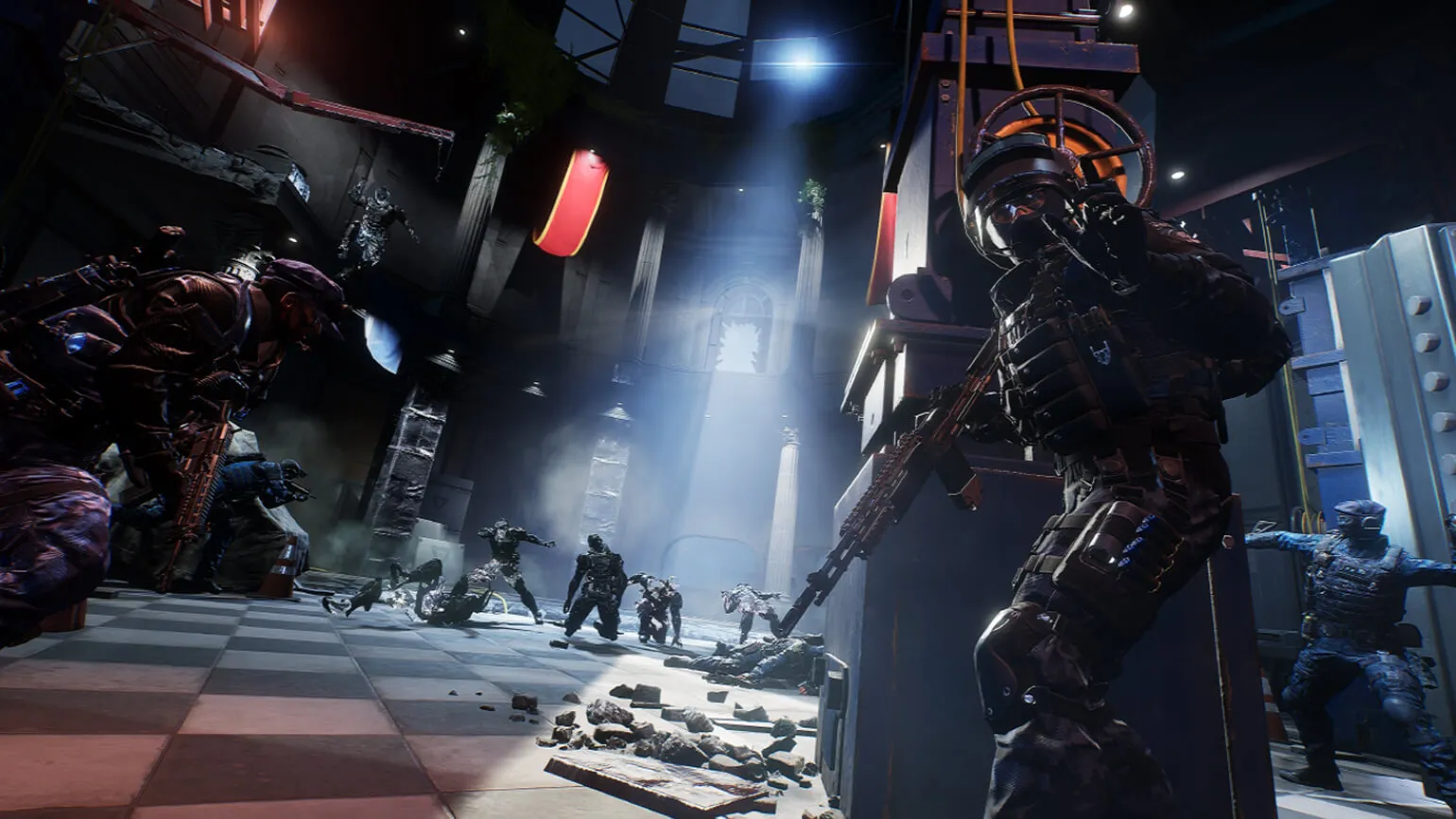
The shooter genre also has its share of successes, and one of the most prominent representatives is Crossfire. This tactical online shooter was developed by the Korean company Smilegate and released in 2007. The game appeared in response to the growing popularity of Counter-Strike, but with an emphasis on the Asian market and the free-to-play model. Crossfire quickly gained success in Asia, amassing 1.1 billion registered users, and continues to be one of the most popular online games in the region. It offers players a unique gaming experience and a variety of modes, making it attractive to a wide audience.
In 2022, a reboot of Crossfire X was announced, with a story campaign developed in collaboration with the Finnish studio Remedy Entertainment. The game was released exclusively on the Xbox platform and immediately became available on the Game Pass service. However, after its release, the project faced criticism, with users noting numerous shortcomings, such as unfinished work, awkward controls, and a weak plot. As a result, the game's servers were shut down in 2023, and players were offered partial refunds. Crossfire X became an example of how even renowned studios can face difficulties when launching ambitious projects.
Crossfire continues to be one of the most successful Korean games, especially in Asia, and is considered Smilegate's main commercial success. This is primarily due to the shooter's popularity as an esports discipline. The annual CrossFire Stars tournament has been held since 2013, and last year its prize pool was $1.43 million. In 2018, the Russian team ruLegends took second place, earning $200,000. Crossfire's popularity in esports confirms its impact on the gaming industry and the growing interest in competition among players.
Against the backdrop of giants like Lineage and Dungeon & Fighter, an independent gaming scene has begun to actively develop, offering players unique and fresh ideas. This new wave of developers strives to create original content that deviates from established formats and gameplay mechanics. Independent games are becoming increasingly popular due to their creativity and innovative approaches, attracting audiences seeking variety and new experiences in the world of video games. Early Korean indie projects faced numerous challenges, including a lack of funding, competition from major publishers, and low recognition in the domestic market. Piracy also negatively impacted the development of the indie industry. However, beginning in the 2000s, experimental projects began to emerge that would later achieve cult status. These early indie games laid the foundation for the dynamic growth of the Korean gaming industry and inspired a new generation of developers. The development of technologies and platforms for distributing games has contributed to the increased interest in indie projects among both players and investors.
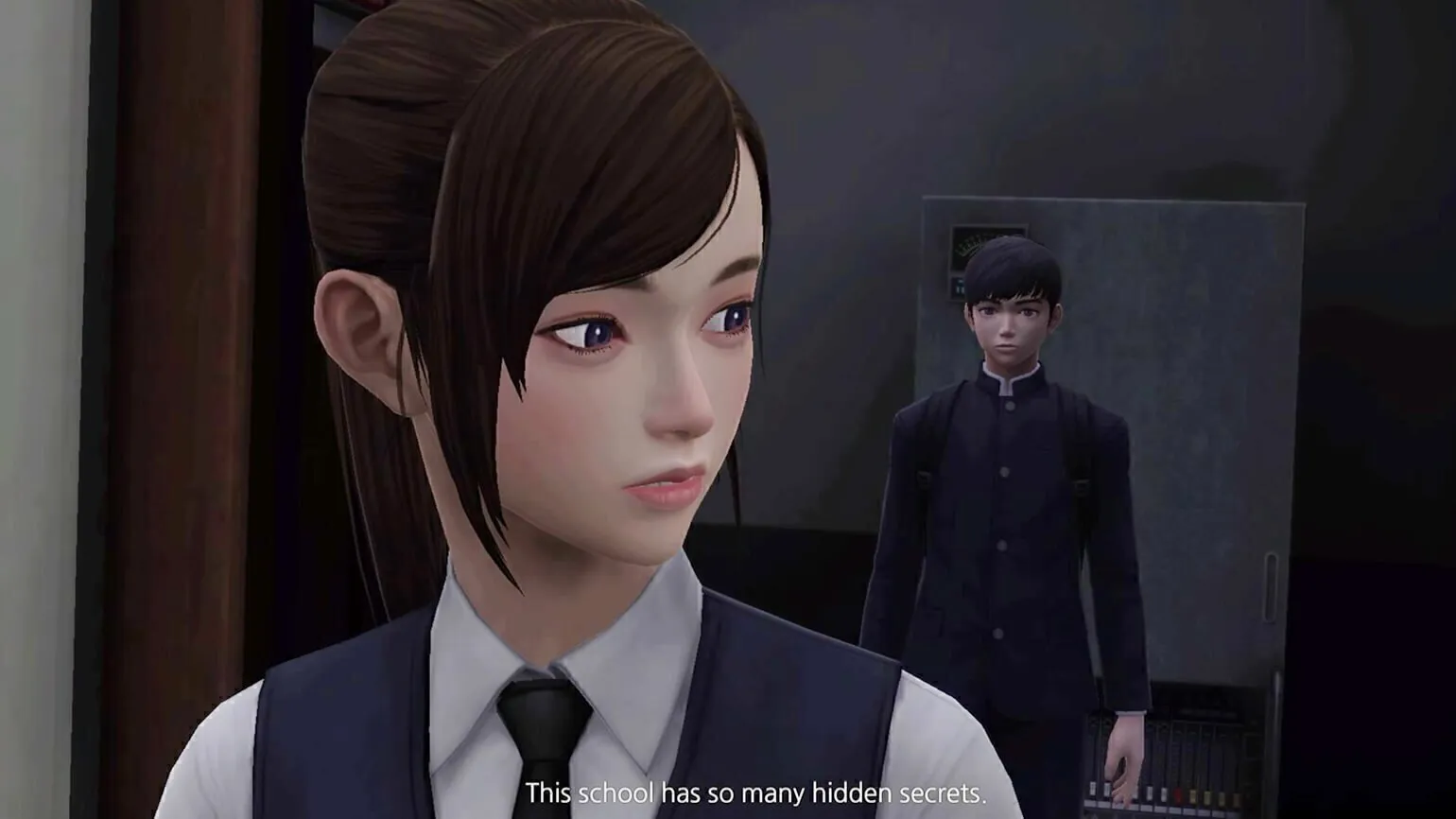
In 2001, Sonnori Studios released the horror game White Day: A Labyrinth Named School. The game tells the story of a high school student who finds himself trapped in a school at night, filled with ghosts and dark secrets. Despite an interesting plot, the project did not achieve commercial success, as piracy at the time had a negative impact on sales. However, years later, amid the increased popularity of horror games such as Amnesia (2010) and Outlast (2013), White Day gained cult status. The re-release of the game confirmed that it was ahead of its time, offering a unique and immersive gaming experience.
The Resident Evil-inspired horror game long remained relatively unknown outside of Korea. However, after the release of the mobile version in 2015, interest in the game increased. A remake was released in 2017, which received acclaim from Western publications such as Kotaku, which described it as a masterpiece. Later, the mobile re-release was adapted for PC and consoles, which allowed even more players to enjoy this exciting project.
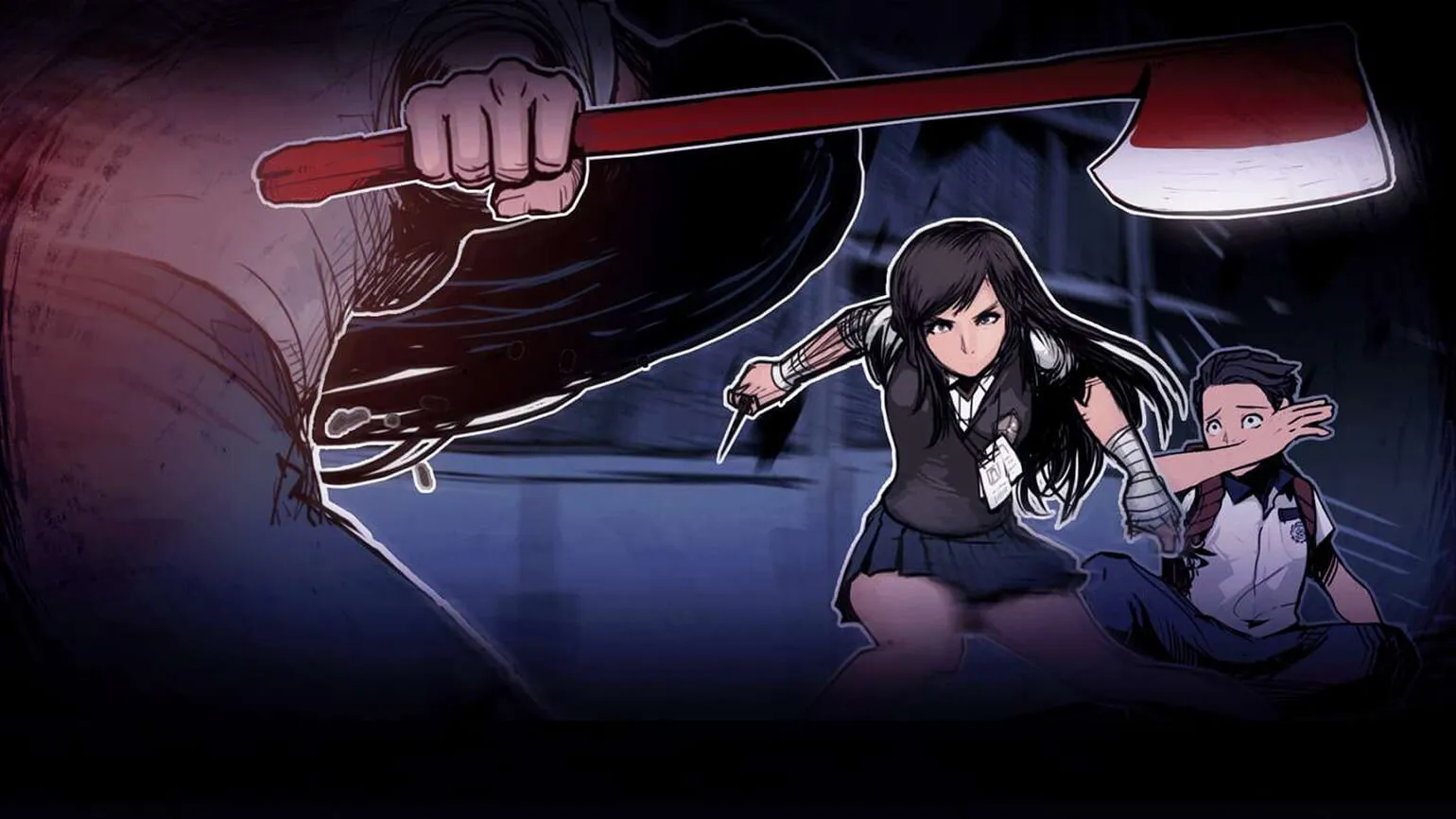
Independent studio Devespresso Games, now known as Dvora Studio, released The Coma: Cutting Class in 2015. This side-scrolling horror game is inspired by Korean urban legends and offers a unique gaming experience. The game stands out for its comic-style design and a gripping, atmospheric storyline that immerses players in school life full of mysticism and danger. The game's title symbolizes fears associated with academic stress and pressure on students in South Korea, making it relevant and resonant with real-life student experiences. The Coma: Cutting Class is not only entertaining but also raises important questions about mental health and pressure in the educational environment.
The game's visual style has received positive reviews from users. Particularly praised are the engaging level design and high-quality cutscenes, which evoke childhood nostalgia. These elements contribute to immersion in the game's atmosphere and create an unforgettable experience.
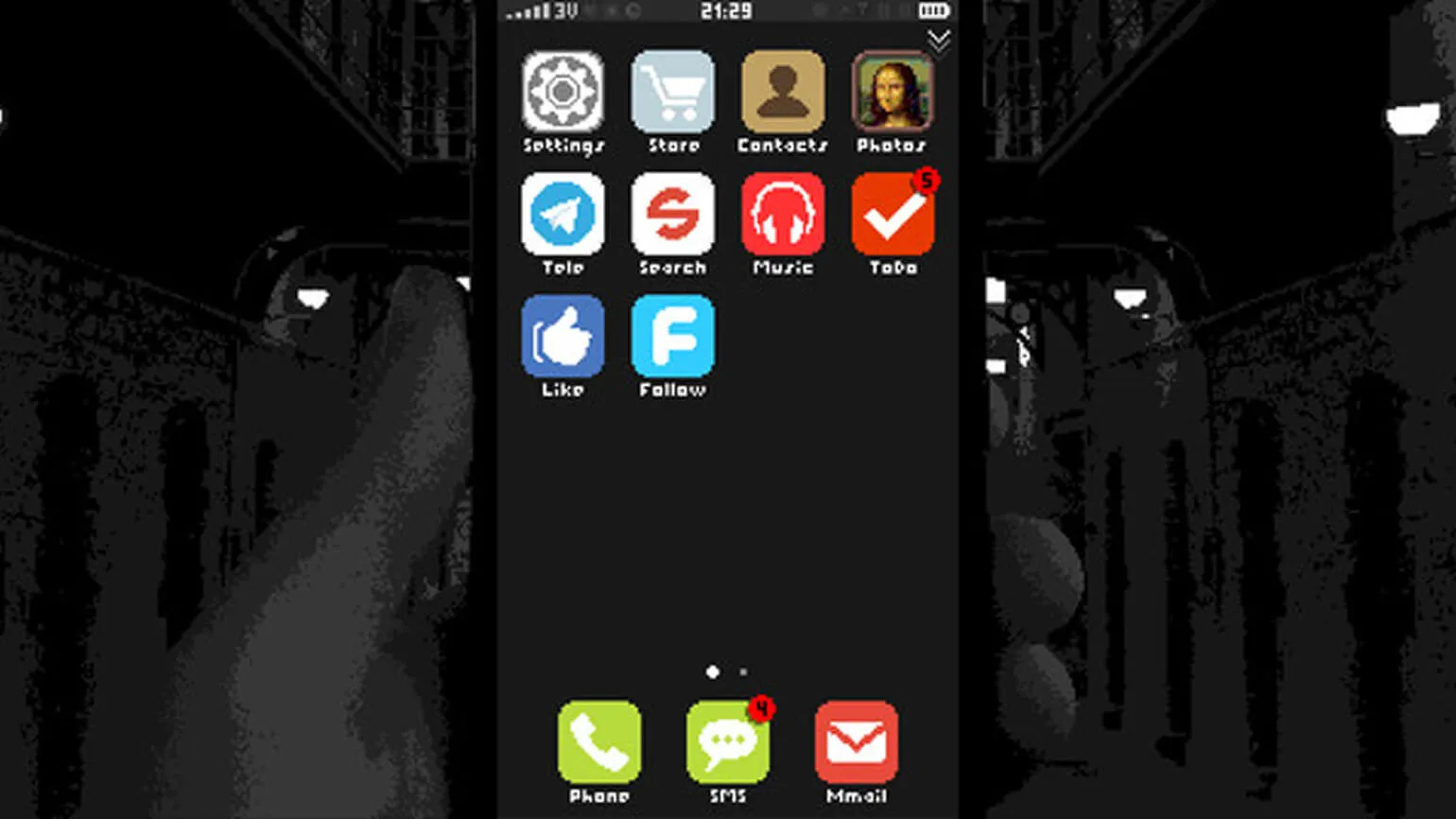
In 2016, the iconic indie game was released Replica, a visual novel designed for mobile devices, explores the important themes of surveillance and privacy, exploring how much information can be gathered about a person through their smartphone. Replica is often compared to the cult classic Papers, Please, sharing not only their visual style but also their deep social underpinnings. This novel provokes reflection on modern technology and its impact on personal privacy, making it relevant and engaging for a wide audience. Replica has established itself as a significant indie game from Korea, demonstrating that the country has a space not only for MMORPGs and shooters but also for in-depth, original projects. The game has received high praise at international festivals, including IndieCade and the Independent Games Festival, demonstrating its uniqueness and artistic merit. Replica attracts players not only with its engaging storyline but also with its original style, making it an important part of the modern gaming landscape.
Korean Games Today
The Korean gaming industry is currently experiencing significant growth and attracting attention worldwide. More and more Korean games are entering international markets, demonstrating the developers' desire to take a leading position in the global industry. Korean studios are actively experimenting with new genres, allowing them to successfully compete with international players. This approach is already bearing fruit, and Korean games are becoming increasingly popular on global platforms.
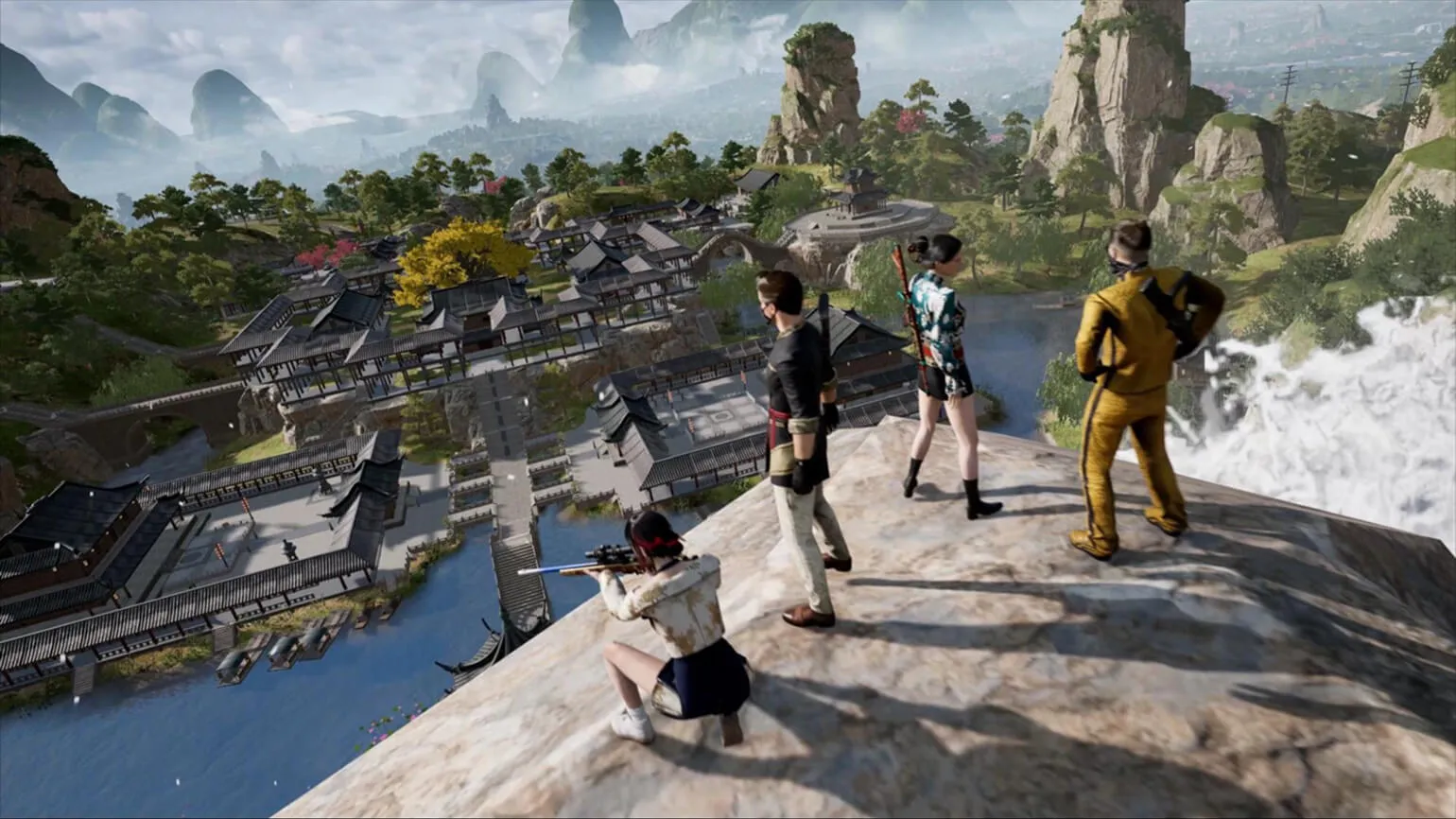
PlayerUnknown’s Battlegrounds (PUBG) is the premier battle royale game in South Korea and has become a true cultural phenomenon. Developed by Bluehole, now part of Krafton, the game entered early access in 2017 and immediately made a splash in the gaming industry. PUBG can be considered revolutionary, as it significantly changed the multiplayer shooter market and paved the way for many similar projects. Thanks to its unique mechanics, large-scale maps, and immersive gameplay, PUBG has attracted millions of players worldwide and remains popular even years after its release.
PUBG was created by Brendan Greene, who previously worked on mods for Arma 2 and H1Z1. He became a central figure in shaping the battle royale genre in the video game industry. His successful projects attracted the attention of Bluehole Studios, which invited him to lead the development of a new game project, which ultimately led to the creation of PUBG and its worldwide popularity.
PUBG was the culmination of a vision I had been developing for three years. I always thought I would never have the opportunity to realize this project, but fortunately, it was possible. The game embodied all the ideas and concepts I had been nurturing for a long time.
Brendan Greene, the creator of the popular game PUBG, is a key figure in the video game industry. His work on the project redefined the battle royale genre, introducing unique elements of gameplay and strategy. Under Greene's leadership, PUBG quickly gained a huge audience worldwide, becoming one of the best-selling games of all time. Innovative mechanics, realistic graphics, and immersive gameplay made PUBG not only a commercial success but also a cultural phenomenon, significantly influencing the development of online multiplayer games. Брендан Грин продолжает активно участвовать в разработке игр, стремясь создавать новые миры и увлекательные игровые опыты для пользователей.
Идеи, предложенные Грием, стали основой для королевской битвы, воплощенной в PUBG. Успех этой игры превзошел все ожидания: в 2018 году она установила рекорд, достигнув 3,2 миллиона одновременных игроков в Steam, что до сих пор остается непревзойденным достижением. PUBG не остановилась на достигнутом: мобильная версия, PUBG Mobile, преодолела отметку в 2 миллиарда загрузок. В настоящее время игра вновь набирает популярность, что позволило компании Krafton зафиксировать рекордную выручку за 2024 год. Этот успех подтверждает, что PUBG продолжает оставаться одной из ведущих игр в жанре королевской битвы, привлекая внимание как новичков, так и ветеранов.
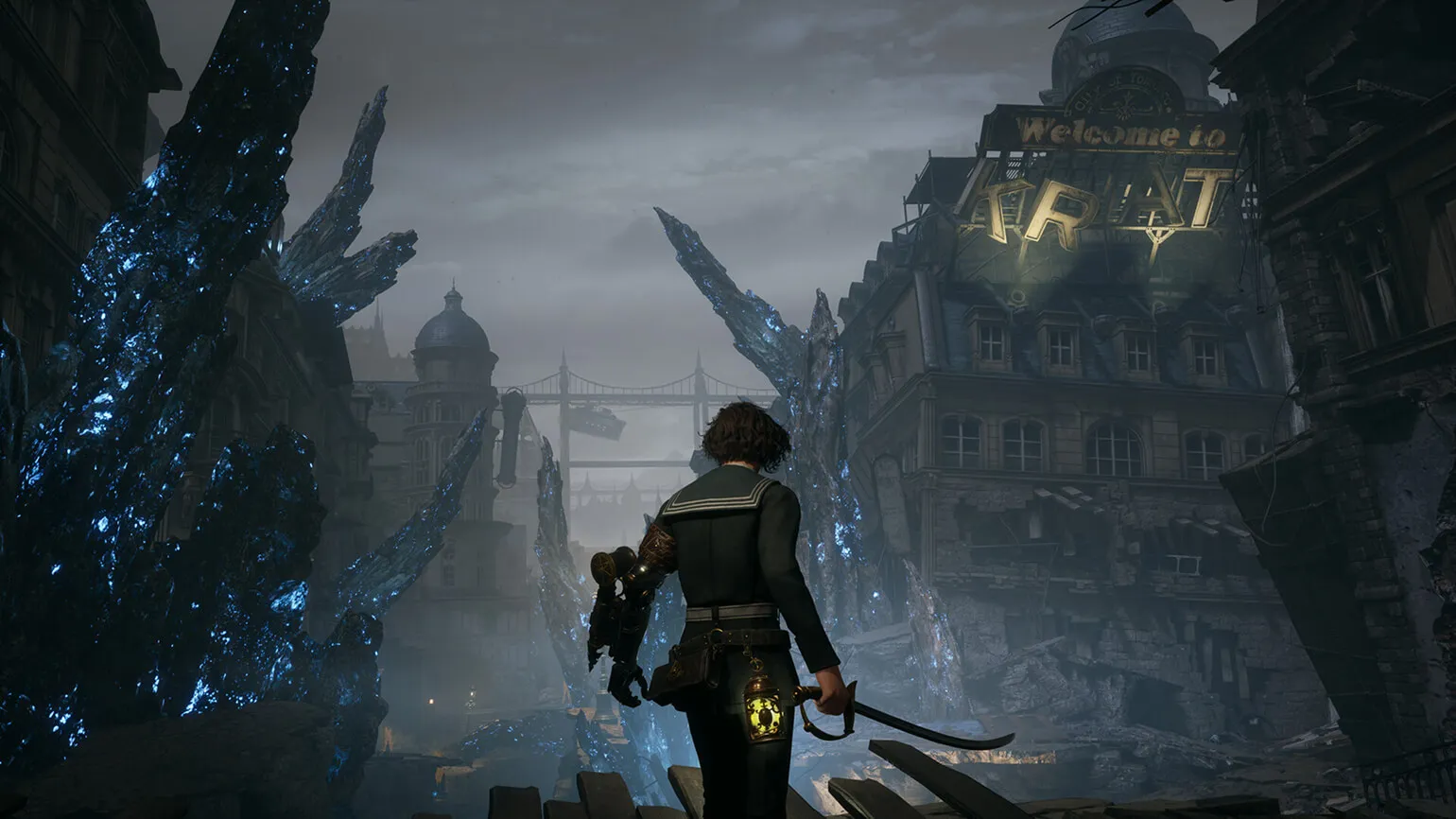
In 2023, the game Lies of P was released, inspired by the works of the FromSoftware studio and the genre "Soulslike." The game received positive reviews for its combat system, gameplay mechanics, atmospheric environment, and visual style. Critics noted that Lies of P offers a fresh take on familiar elements and gameplay experiences, making it unique in its genre.
The game centers not only on combat but also on a lie mechanic that allows the character to change the course of events. Pinocchio, as in the original fairy tale, strives to become human, and his actions, as well as lies, significantly influence his development, relationships with other characters, and perception of the world around him. The player must make important decisions about when to tell the truth and when to resort to deception, adding depth and intrigue to the gameplay.
Lies of P has achieved significant success outside of South Korea and has been nominated for a number of prestigious awards. It became the first Korean game to win three awards at Gamescom. This success confirms the high quality of the game and its popularity among players around the world.
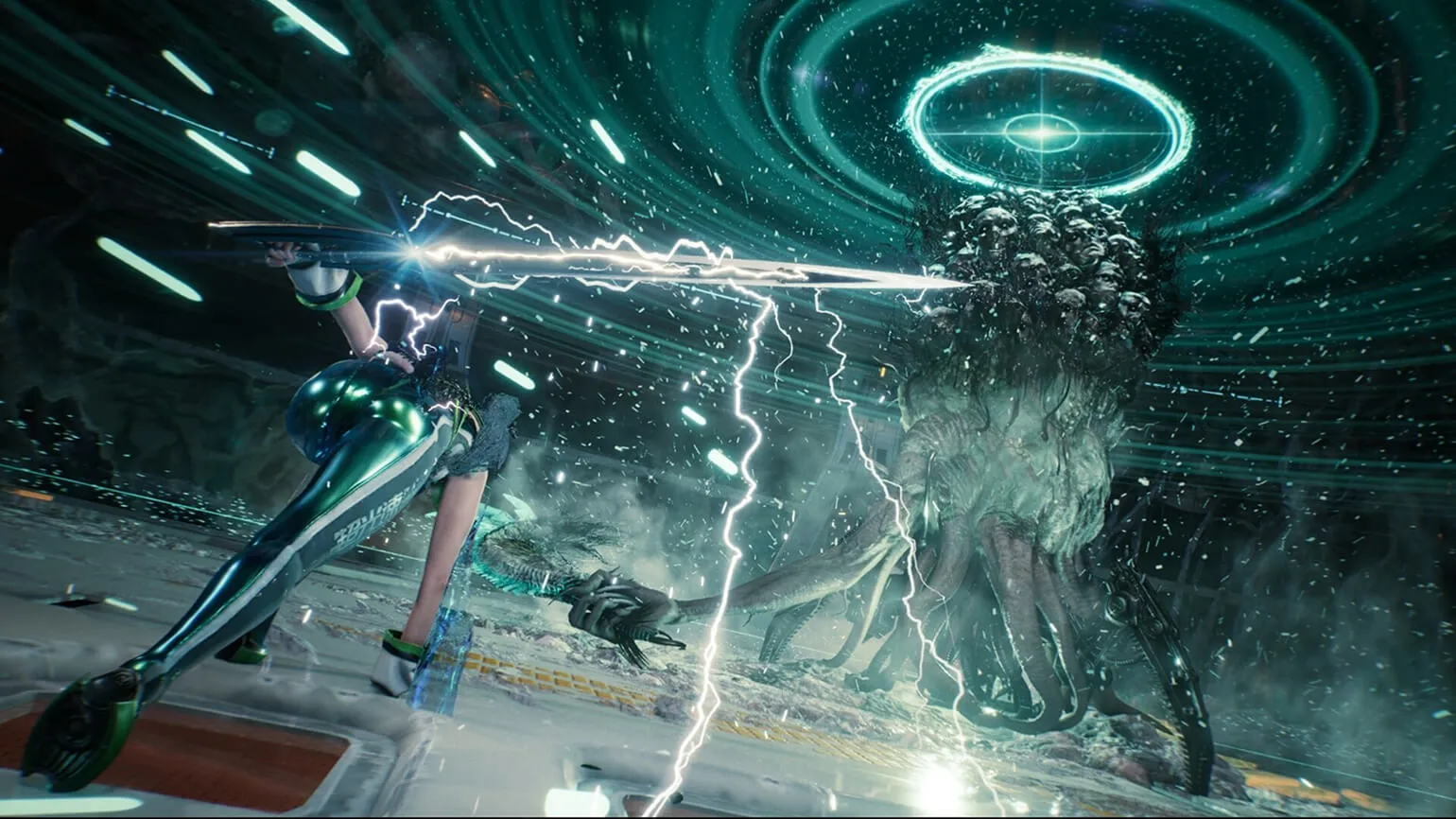
Stellar Blade, developed by Last year, Stellar Blade, a game developed by Shift Up, attracted significant attention in the gaming industry. Initially, the developers faced criticism for the excessive sexualization of the main character. However, after the release of the first previews, it became clear that the game has many aspects worthy of attention beyond the character's appearance.
Stellar Blade's main advantage is its dynamic and engaging combat system, which journalists have compared to the mechanics in NieR: Automata and Bayonetta. The variety of skills and combos makes battles exciting and multifaceted. High-quality graphics and detailed design, as well as cinematic cutscenes with artistic lighting and reflections, make Stellar Blade one of the best games for PlayStation 5. This game attracts attention not only for its mechanics but also for its visuals, making it a must-have for fans of the genre.
The studio is actively working on the release of the PC version of Stellar Blade. Initially released as a Sony exclusive, the game earned over $40 million in less than a year. The developers predict that the PC launch will significantly increase revenue, as sales in South Korea account for only 5% of the game's total. This opens up enormous potential for further growth and expansion of the game's audience.

Skul: The Hero Slayer is a striking example of experimentation in various genres. This 2D action roguelike is often compared to such popular projects as Dead Cells and Hollow Knight. Skul: The Hero Slayer stands out among indie games due to its unique style and mechanics, making it one of the few successful indie projects from South Korea. Players can enjoy dynamic gameplay and a variety of characters, which adds depth and replayability.
Despite a limited budget, Skul: The Hero Slayer quickly attracted the attention of players thanks to its unique transformation mechanics and an original combination of a funny and dark style. The game has proven itself on Steam and Nintendo Switch platforms, receiving high ratings and positive reviews from users. Innovative gameplay and an interesting art style make Skul: The Hero Slayer one of the most notable indie games on the market.

Indie developers are quite rare in Korea. Large publishers such as Krafton, Neowiz, NCSoft, Netmarble, Smilegate, and Nexon dominate the market. According to research, independent studios earn no more than $87,000 per year, highlighting the highly competitive nature of the sector. To improve their chances of success, many independent studios choose to partner with large publishers, which allows them to receive the necessary support and resources for game development.
Dave the Diver, despite its popularity among indie projects, is not one. Mintrocket, the developer of the game, belongs to the major publisher Nexon and was founded within the corporation in 2022 as an experiment. This experiment proved successful, and now Mintrocket plans to become an independent company. However, in 2024, the game was nominated for an award in the "Best Indie" category, which caused discontent among some users. This raises questions about what truly counts as an indie game in today's gaming world.
Tripearl Games, the studio that presented the soulslike game V.E.D.A at the G-Star exhibition in 2023, has signed a contract with Smilegate. This is a significant event for the Korean gaming industry. Publishers are beginning to show interest in new genres and invest in them. As a result, profits from successful games contribute to the development of new and promising projects.
Revenue from PUBG has given Krafton the opportunity to actively acquire game studios around the world, similar to the actions of the Chinese holding company Tencent. One of the recent and significant acquisitions was the Japanese studio Tango Gameworks, famous for games Hi-Fi Rush and The Evil Within. Krafton effectively saved this studio after its closure by Microsoft. In addition, the South Korean company owns the American studios Striking Distance Studios, which developed The Callisto Protocol, and Unknown Worlds Entertainment, known for the Subnautica series. These acquisitions not only strengthen Krafton's market position but also expand their portfolio of successful gaming projects.
In recent years, there has been active collaboration with Western companies. For example, EA Sports FC Online, formerly known as FIFA Online, has become the most popular sports simulator in the country. In this regard, EA formed a partnership with the Korean studio Nexon, which led to the release of FIFA Online 4, developed directly in Korea. Thanks to this collaboration, the game received unique features adapted to the local market, which contributed to its popularity among players.
The American company Amazon Games has been the publisher of the MMORPG Lost Ark in the West since 2022. Previously, the company had failed to achieve success in developing its own multiplayer projects, such as the canceled game based on the Lord of the Rings universe. However, noticing the popularity of Lost Ark in Asia, Amazon Games entered into a partnership with the developer Smilegate. As part of this collaboration, Amazon Games is responsible for the distribution, localization, and player support of Lost Ark. This strategy proved successful: just 24 hours after its release in the West, the game attracted more than 1 million concurrent players, taking second place in this indicator on the Steam platform.
The Future of the Industry
Predicting the future of the Korean gaming industry, which is experiencing rapid and large-scale development, is quite difficult. However, by analyzing current trends, we can identify some areas that will be relevant in the near future. Given market dynamics and technological innovations, it is important to monitor changes that may affect the development of games and player preferences.
The use of artificial intelligence in game development is becoming increasingly relevant. Large studios are not only investing in the creation of their own AI models but are also actively integrating them into the development process. For example, media giant Kakao announced a collaboration with OpenAI, which will undoubtedly have a significant impact on Kakao Games projects. This partnership opens new horizons for improving game mechanics and user experience, enabling the creation of more intelligent and adaptive game systems. AI technologies not only help optimize processes but also implement innovative solutions, which makes games more engaging and interactive.
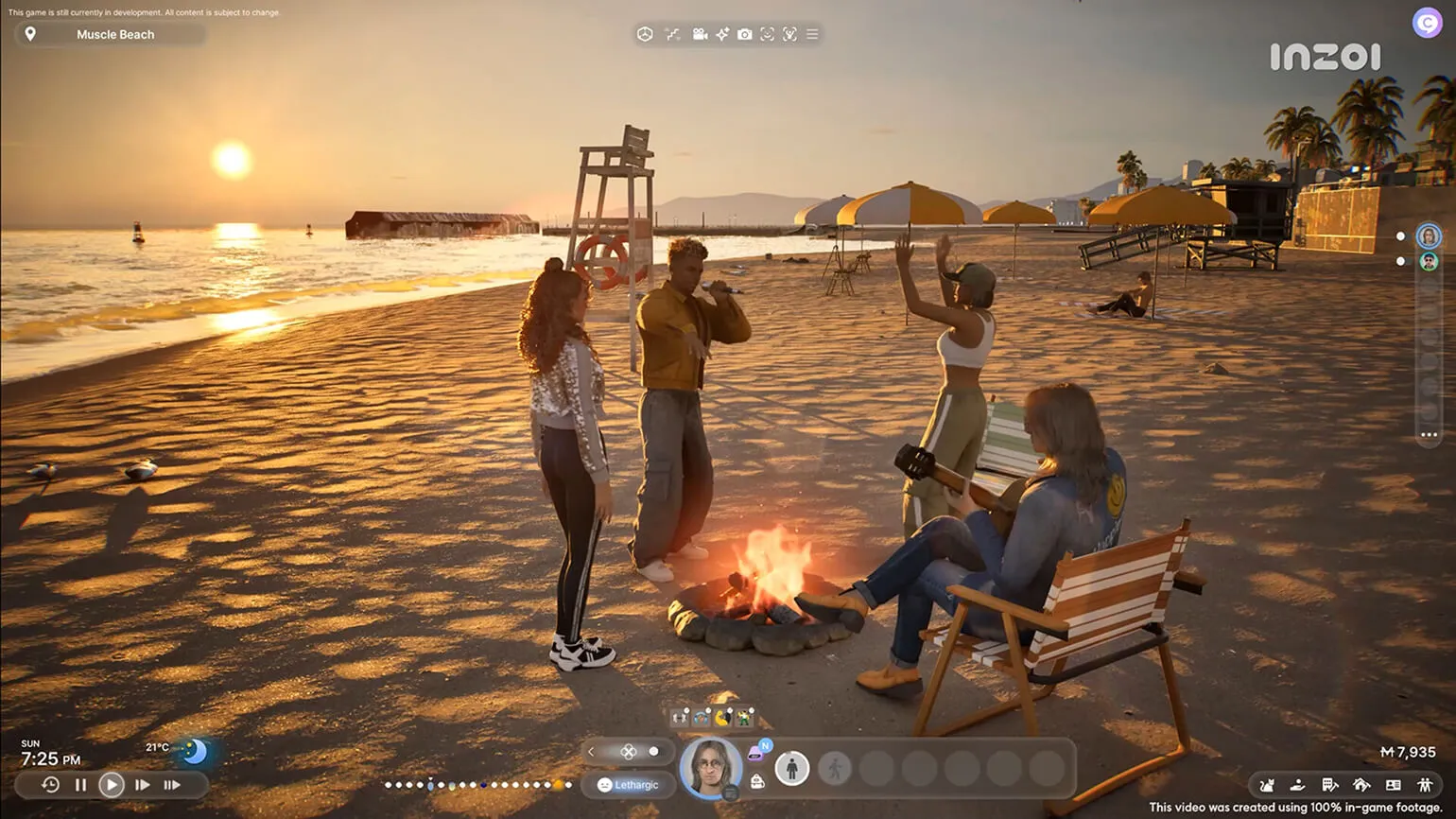
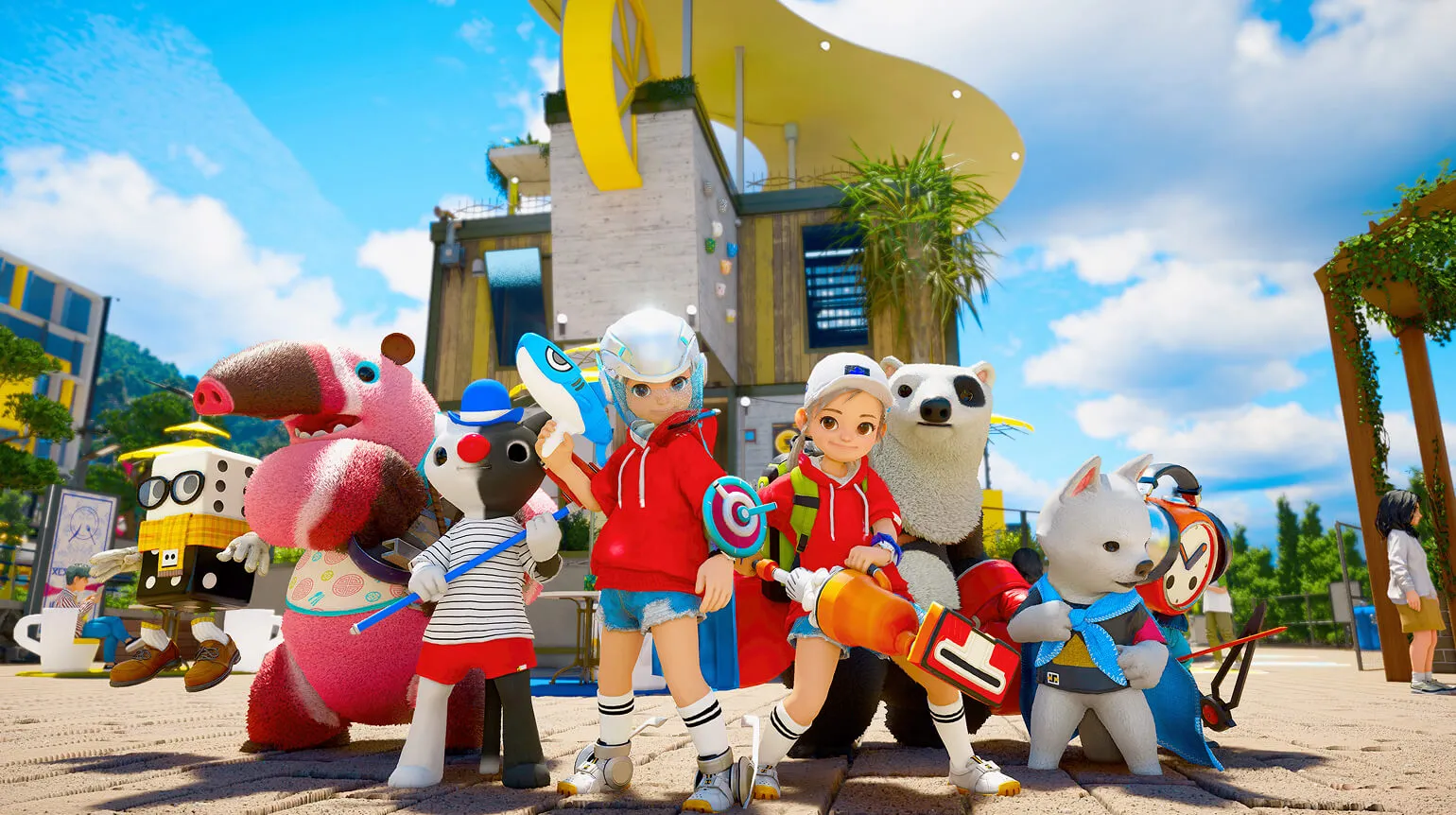
The creators of the life simulator InZOI from Krafton openly declare the use of artificial intelligence in the game. Generative AI is used not only during the development stage but is also actively integrated into gameplay, which helps create a unique and dynamic gaming experience.
Currently, narrative is receiving significant attention in the gaming industry. Korean players note that they are increasingly choosing story-driven games. This is due to the fact that players are beginning to tire of the free-to-play model and its fierce competition within games. Story-driven titles offer deeper immersion and an emotional connection with the characters, which is becoming an important factor in choosing games.
Wesley LeBlanc's article for the latest issue of Game Informer presents a variety of opinions from representatives of the gaming industry. A consensus on current trends in South Korea was not reached. Some experts argue that MMORPGs will always be popular in the country, while others note that young people are increasingly interested in single-player and console games. Interestingly, the popularity of service-based games is linked to an aging population: older people have the financial means to play games. South Korea is currently facing a demographic crisis, with an aging population and a continuing negative birth rate. These factors could significantly impact the future of the country's gaming industry.
The developers are targeting Western markets. Round 8 Studio CEO Jason Park noted in an interview that Lies of P was export-oriented. The studio recognized the game's potential in the domestic market. Former Pearl Abyss America CEO Chunghee Chin is confident that the future belongs to consoles. South Korea is developing rapidly, and recent successful games are opening new horizons for the industry.
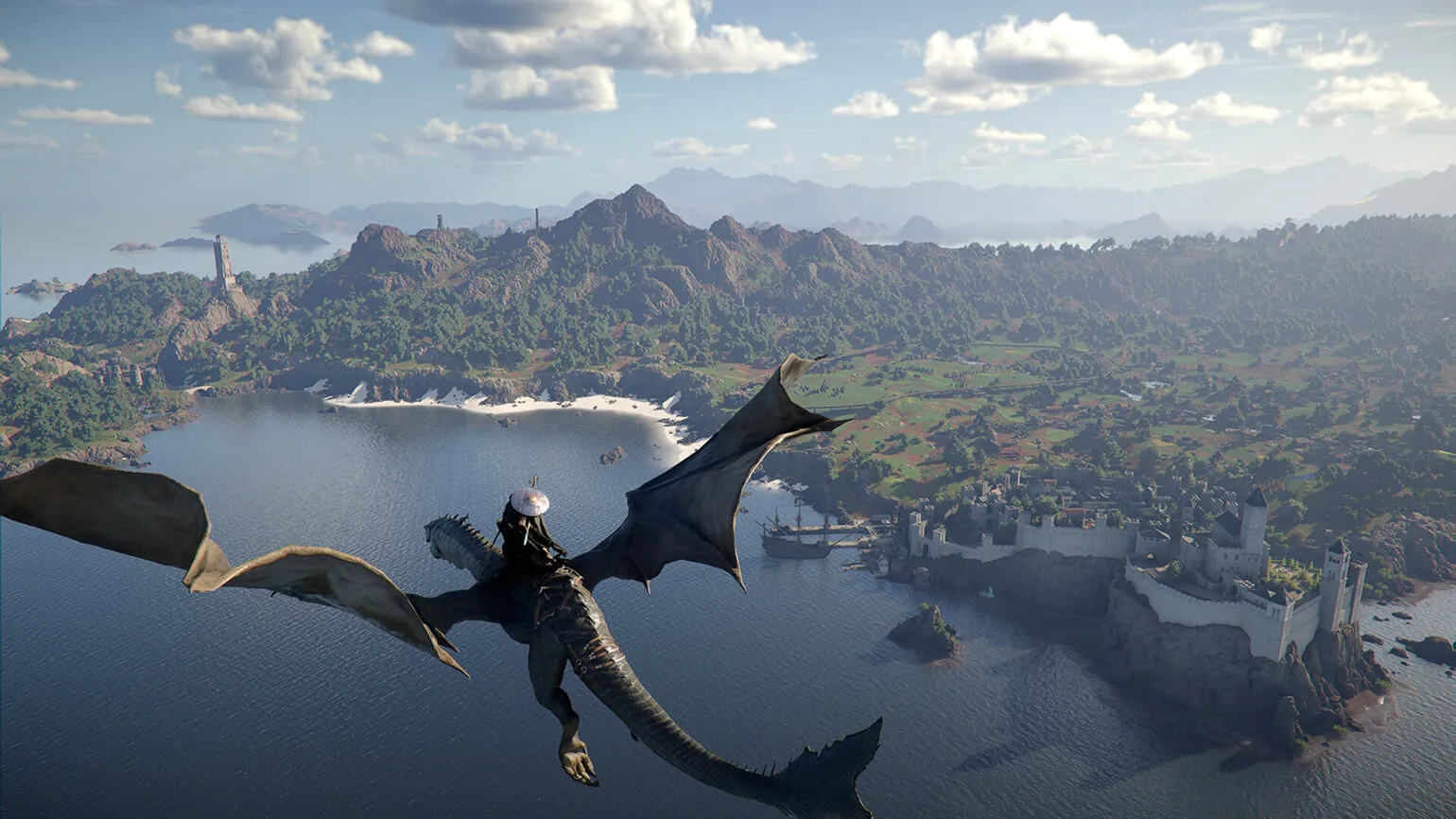
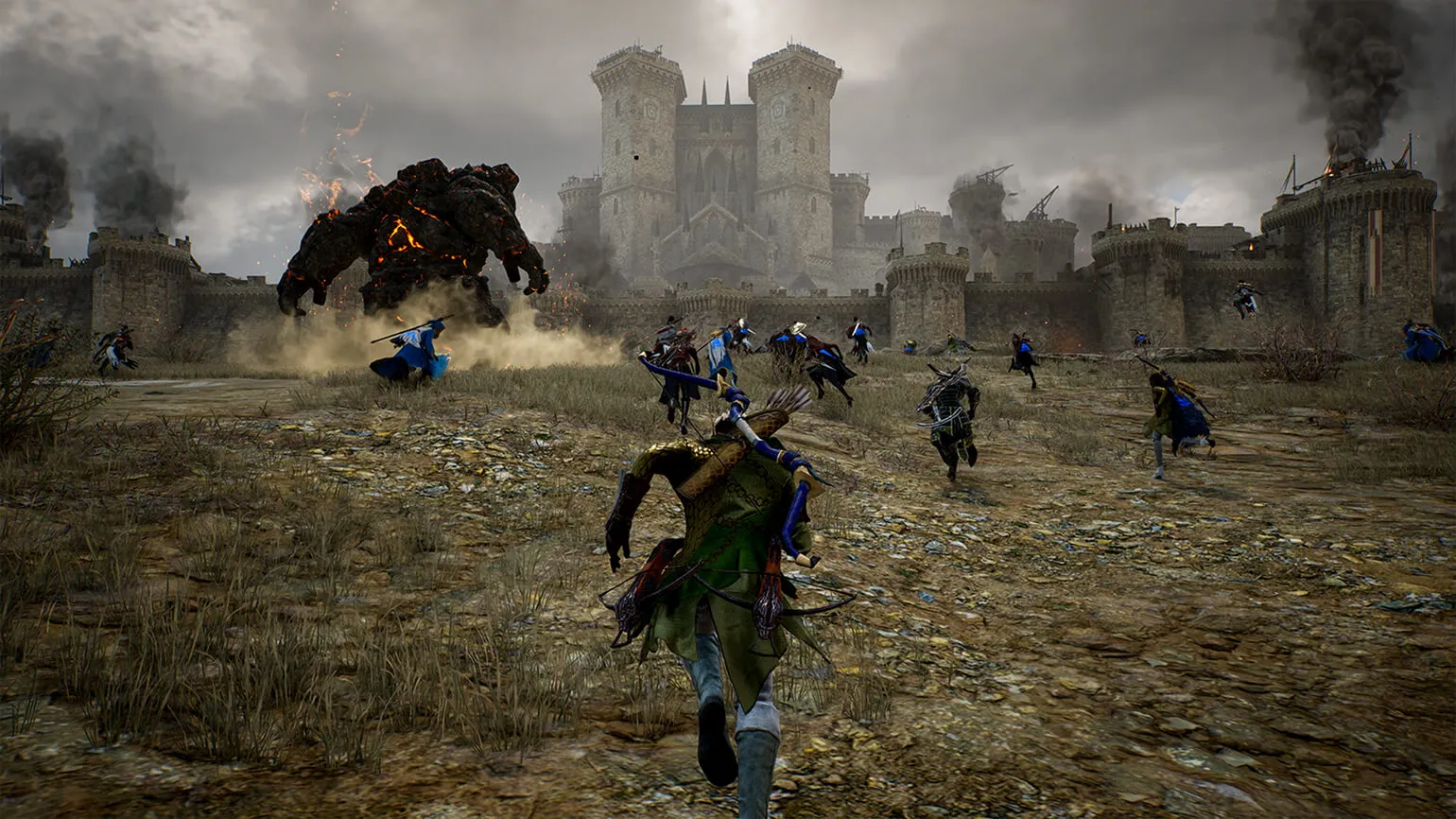
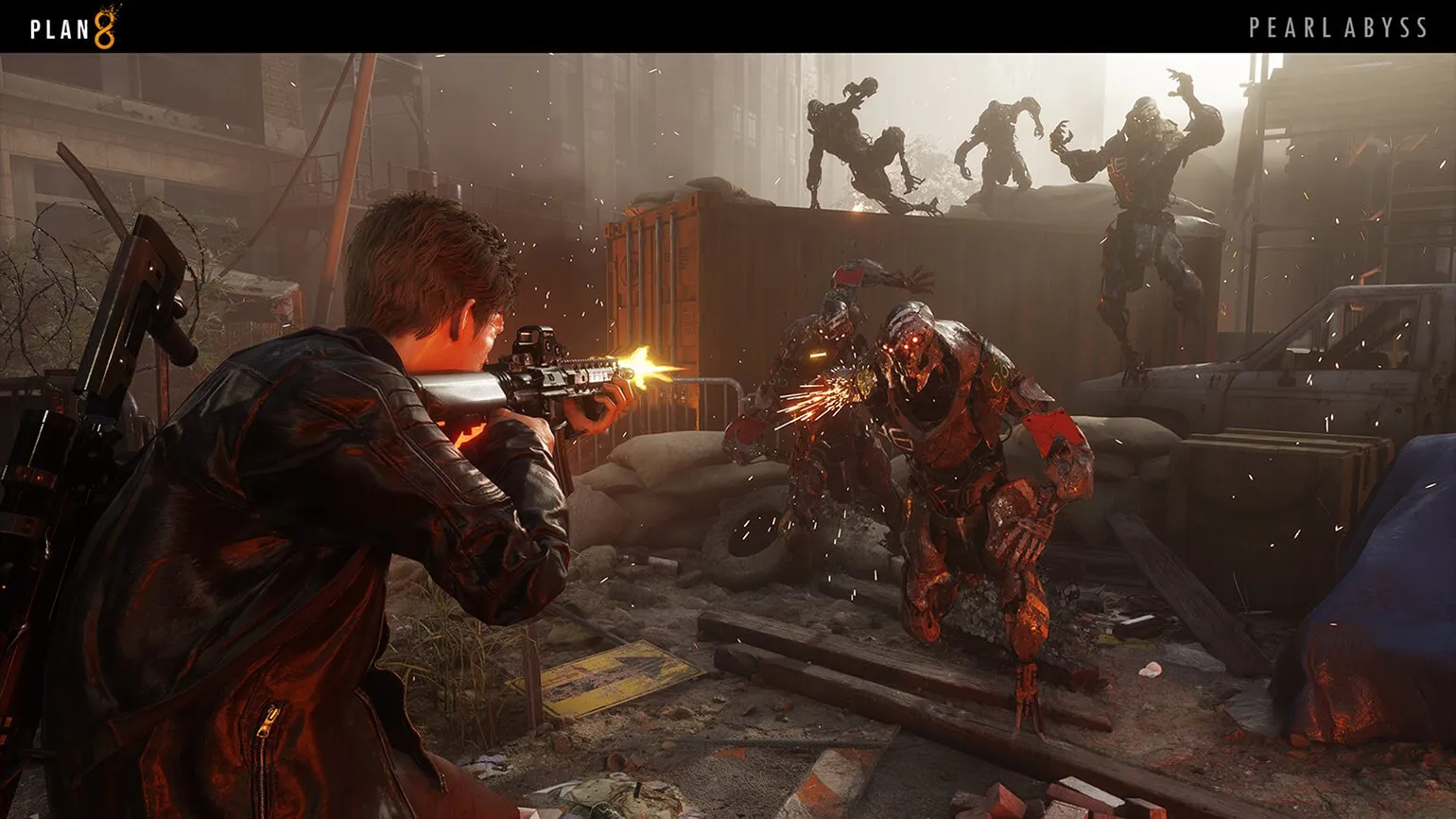
The financial success of Black Desert Online became the foundation for Pearl Abyss, allowing the company to modernize its game engine. Currently, all of the developer's projects are built on the Black Space Engine platform. These include games such as DokeV, Plan 8, and Crimson Desert. The latter game was originally conceived as a prequel to Black Desert, but over time, it evolved into a standalone project that promises to offer players a unique single-player action RPG experience.
The studio currently has no plans to license its engine to third parties. Currently, the team is focused on developing a new version of the engine, which will ensure the creation of virtual spaces as close to reality as possible, as well as a metaverse, integrating it with modern technologies.
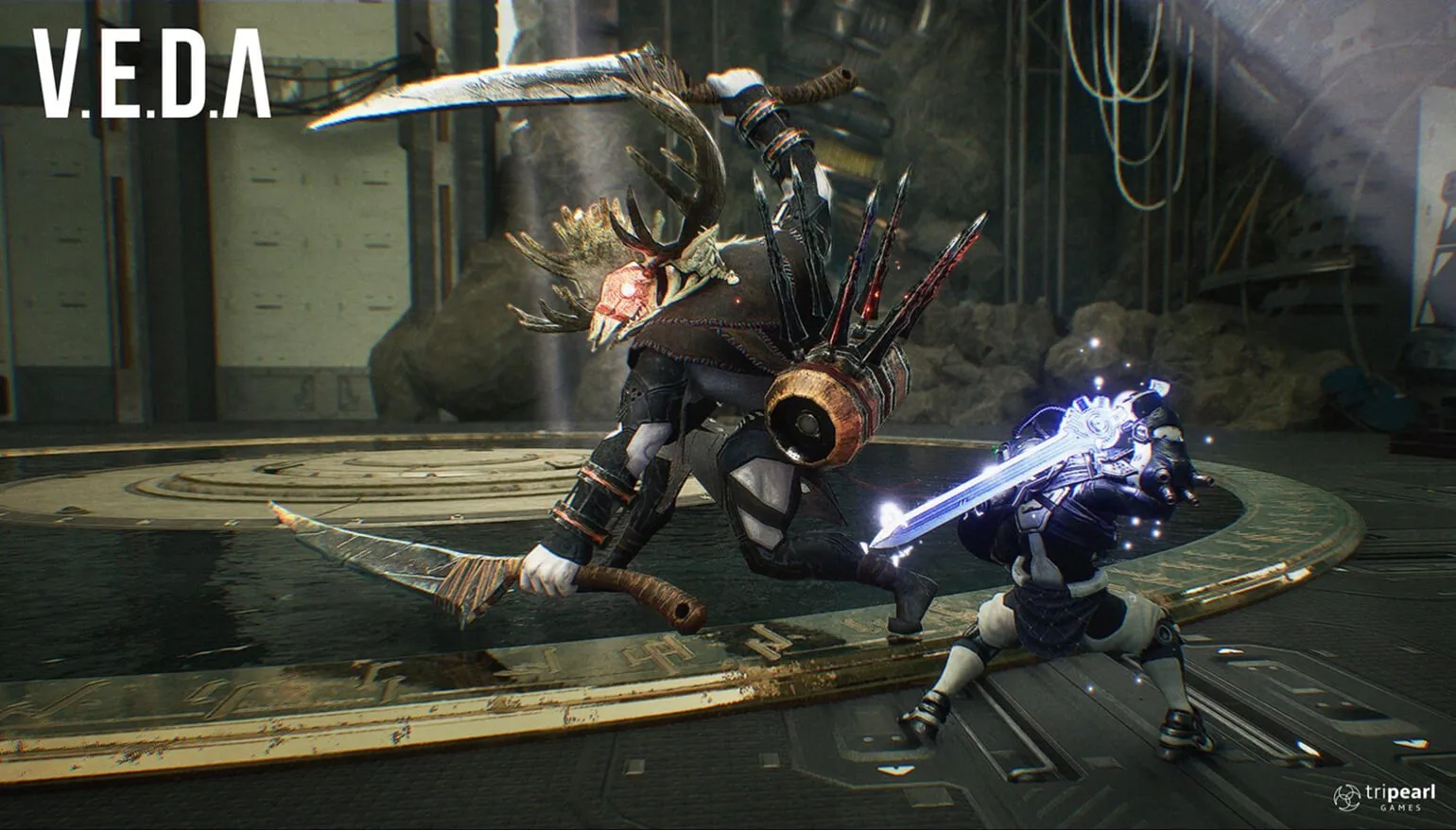
In 2023, Tripearl Games announced its new project, V.E.D.A., which combines elements of soulslikes and roguelikes. The studio's head shared in an interview at Gamescom 2024 that the team is actively engaging with the gaming community. As a result of feedback received at one of the festivals, 70% of the game's content was reworked. Although the soulslikes genre is still unpopular in Korea, the success of Lies of P paves the way for the developers to reach a Western audience. V.E.D.A. promises to provide players with a unique experience combining complex mechanics and dynamic gameplay, which could be a key factor in its success in the international market.
At this time, the game's exact release date has not been announced, but it is already available on the Steam platform. Users can follow updates and news about the project on this page.
In South Korea MMORPGs remain as dominant as they were a quarter of a century ago. However, with shifting priorities and developers' increasing focus on Western markets, Korean players are beginning to explore new genres. They are increasingly seeking projects that go beyond traditional mechanics like grinding and PvP, opening up new horizons for the country's gaming industry.
Developers enjoy government support, advanced technology, and significant budgets. However, global competition remains the primary driver for change, pushing Korean companies to seek new avenues of development. Currently, there is growing interest in single-player games and the active use of artificial intelligence in development. This allows not only to improve game quality but also to create a more unique gaming experience for users.
The Korean industry will continue to evolve, preserving its unique features while adapting to modern market demands. In the near future, we can expect ambitious projects capable of competing with global hits and setting new trends in the industry. This demonstrates dynamic development that will inspire creators and attract the attention of viewers around the world.
Who are you in the world of game development? A mini-course for those who want to make games.
In this free mini-course, you'll try yourself as a game designer, 2D artist, or Unity game developer and choose the profession that's right for you.
Find out more.