Contents:
Game designer from scratch to PRO: 7 steps to success in the industry
Find out moreThe evolution of the Need for Speed series: from experiments to arcade
As of 2024, the Need for Speed gaming franchise, owned by Electronic Arts, includes 25 main games, including adaptations for handheld devices. The series began in 1994 with the release of the landmark game The Need for Speed, developed by EA Canada, formerly known as Distinctive Software. This studio has already established itself in the market with successful racing titles such as Test Drive and Stunts. Need for Speed continues to be one of the most popular and long-running racing series in the world of video games, attracting both new and loyal fans.
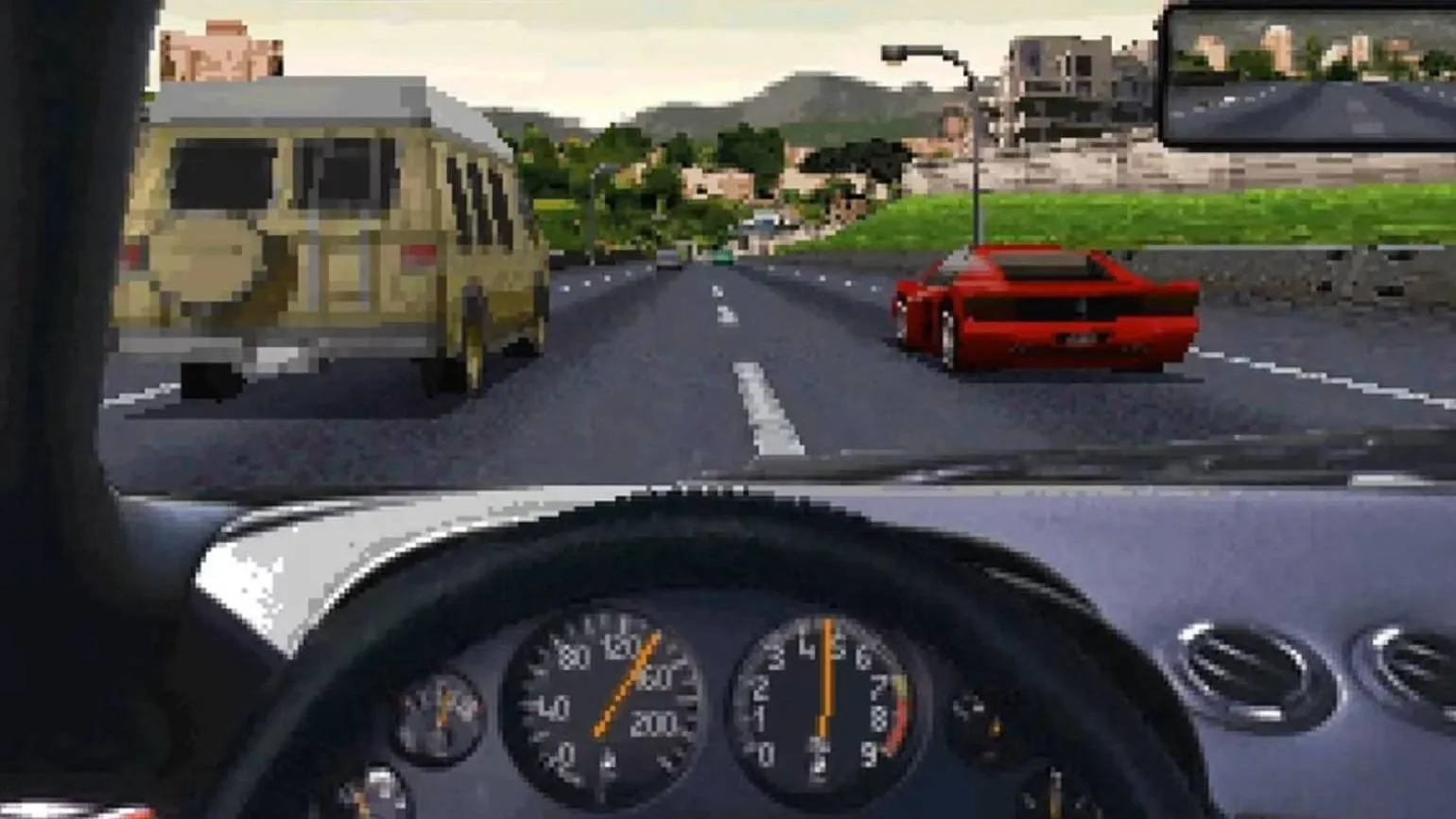
The first game in the series did not include the arcade mechanics that would later become the hallmark of the franchise. It was more reminiscent of a racing simulator with an emphasis on realistic car control, although it had some simplifications, such as the lack of a damage system. The developers focused their efforts on creating impressive 3D graphics for its time and offered the option of playing from a first-person perspective, which allowed players to immerse themselves in the atmosphere of driving a sports car. This approach became the basis for the further development of the series and laid the foundation for new gameplay mechanics that appeared in subsequent installments.
At the beginning of the game, players were offered three tracks and eight cars, including such legends as the Lamborghini Diablo VT and Honda NSX. Although most of the cars were available immediately, this did not detract from the enjoyment of realistic physics and authentic sound. The game also featured police chases, which added tension and dynamism to the gameplay. These elements made the game more immersive and engaging for racing fans.
The release of Need for Speed 2 in 1997 marked a significant milestone in the series' development, marking a shift to a more arcade-style of gameplay. Controls became more intuitive, tracks became more accessible, and players were given the ability to drive off-road. Despite criticism surrounding the simplified mechanics, this new approach formed the foundation for the franchise's continued development throughout the decade. Realistic racing returned in 2007, though many fans still debate the legacy of Porsche Unleashed, which remains iconic for the series.
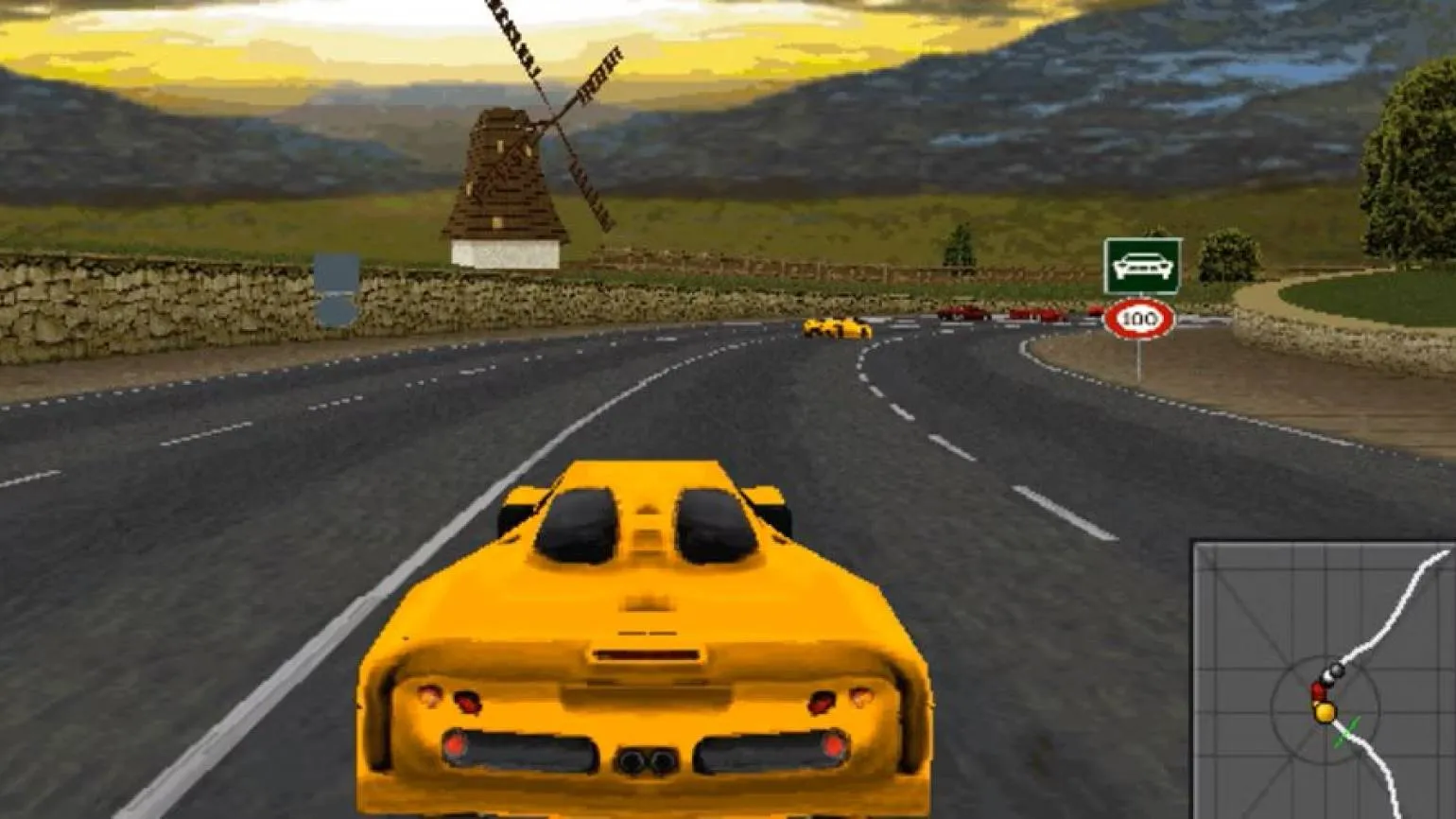
In Need for Speed 2, players can discover rare cars, including the Ford Indigo and concept cars, as well as a variety of supercars. The game offers new features such as tracks outside the US and Canada, including fictional locations in Australia, Nepal, Mexico, and Germany. Unlike previous installments, Need for Speed 2 removes police chases, adding a new layer of gameplay. The introduced Knockout mode allows players to be eliminated after each race if they finish last, making competitions more intense and exciting.
Released in 1998, Need for Speed 3: Hot Pursuit was a significant milestone in the series’ development and won acclaim among both players and critics, receiving an 88 on Metacritic. Journalists praised the high-quality graphics, thoughtful track design, and exciting police chases. In this game, the developers from EA Canada focused on interaction with the cops, which added an element of strategy to the gameplay. The unique balance between speed and tactical action made the game a cult classic and left a significant mark on the arcade racing genre.
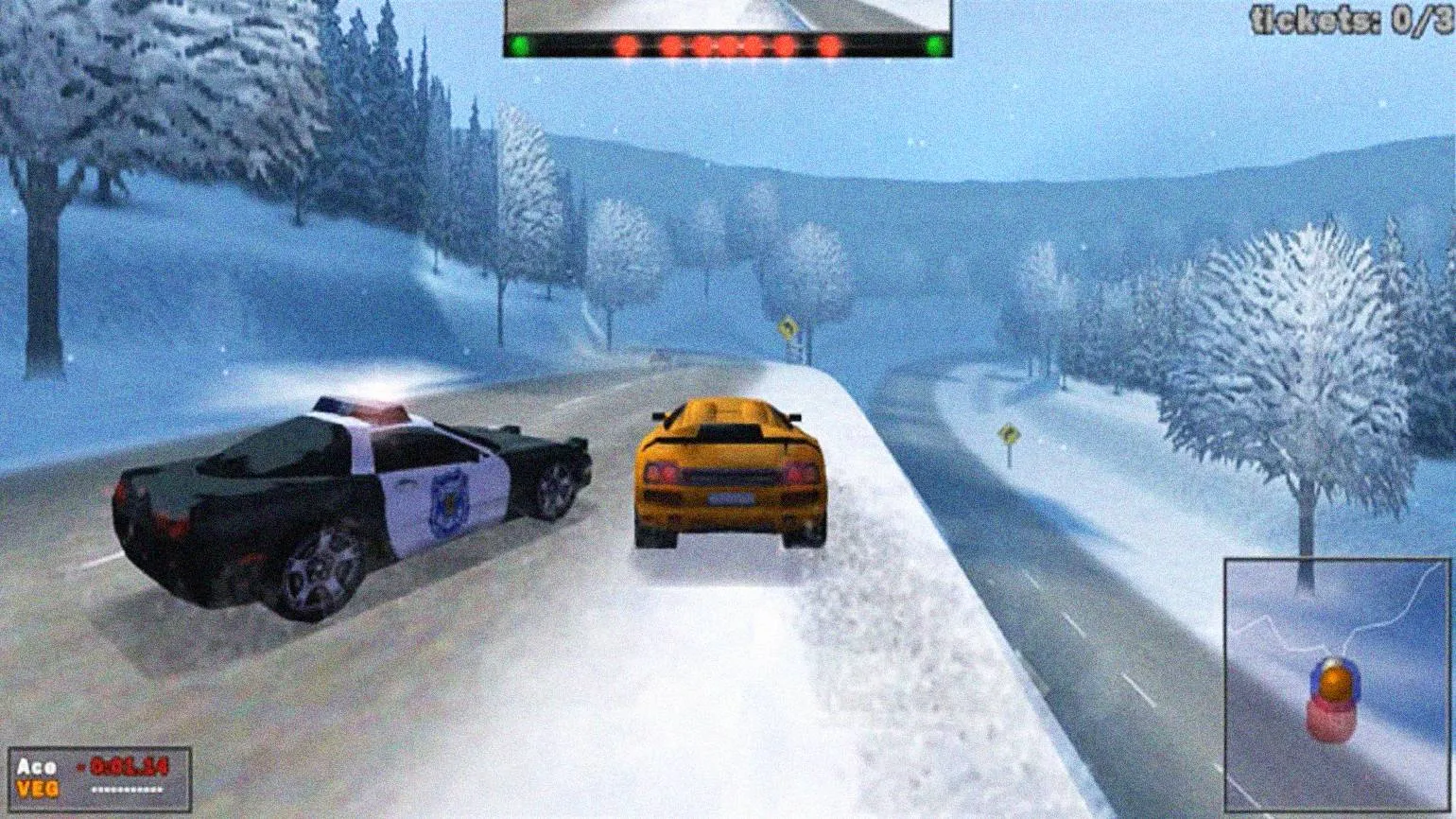
In Hot Pursuit, police became significantly more intelligent, using spike strips and barriers, increasing the tension of racing. Players now have the opportunity to act as the police, apprehending racers, which added an element of variety to the gameplay. Driving physics have been optimized, maintaining the balance between the first and second parts of the game. Car customization has been significantly expanded, providing a choice of 65,535 colors. These improvements make Hot Pursuit more exciting and engaging for players seeking dynamic racing and tactical maneuvers.
Following the PC release, a free update was released that added new cars, inspiring modders to create their own models using the tools available on the CD. Many of these cars boasted high performance, providing players with engaging and dynamic gameplay. Released in 2000, Need for Speed: Porsche Unleashed served as a unique advertisement for the Porsche brand in honor of its 50th anniversary. The game gained popularity and remains one of the best in the series. In Evolution mode, players have the opportunity to drive Porsche cars from various eras, from the 1950s to the 2000 models. New cars are unlocked by achieving high results on the tracks, which adds an element of competition and excitement to the gameplay.
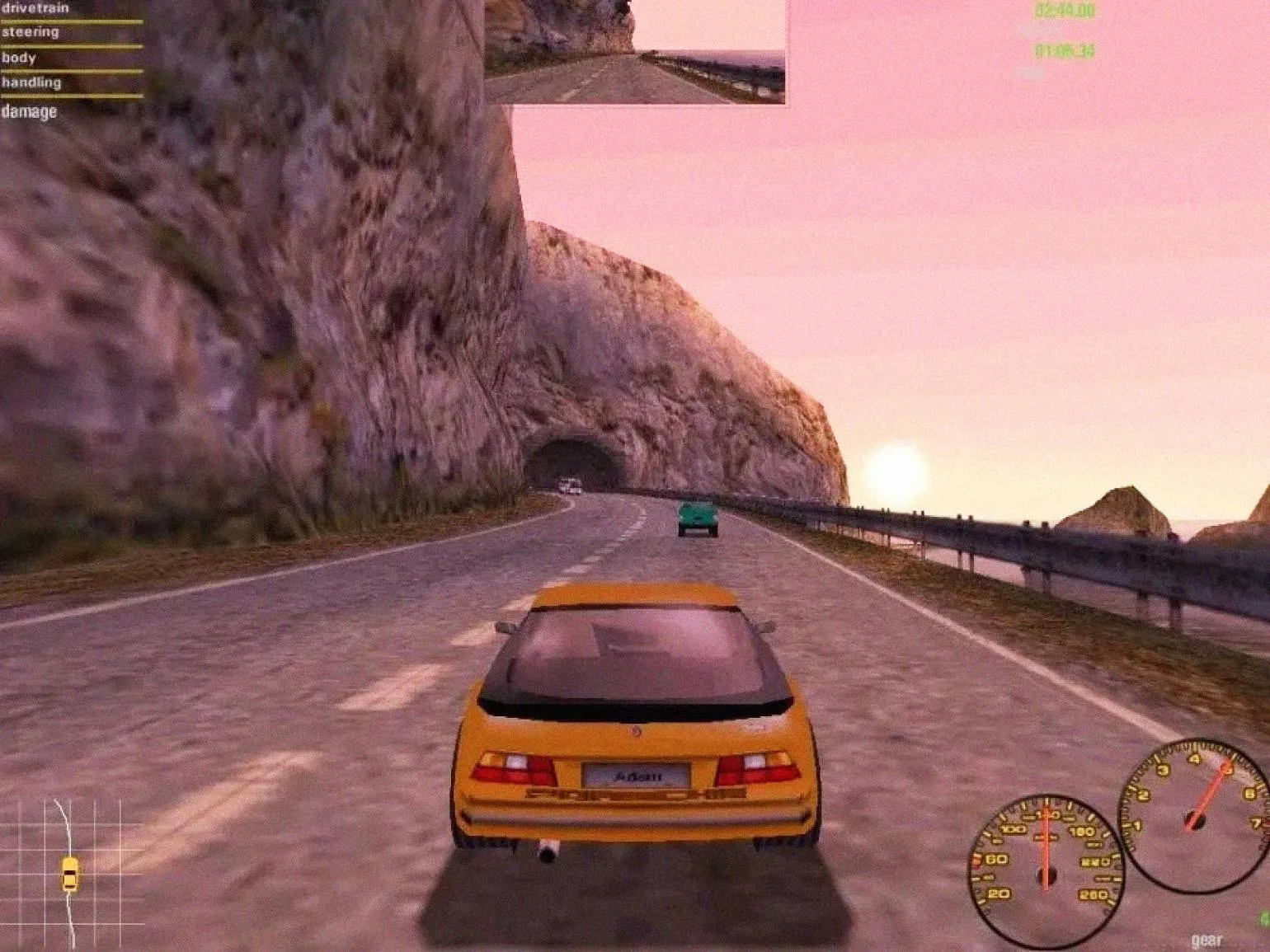
Porsche Unleashed lacked cross-brand cars and a split-screen mode, which was disappointing for players. The PlayStation version also featured simplified physics compared to the PC version, which negatively impacted the quality of controls. This limitation impacted the overall gaming experience, reducing the level of interaction and realism that players expected.
Sales of the series began to decline. Need for Speed: Porsche Unleashed sold only 1.1 million copies in the United States. In response, Electronic Arts decided to bring in a new studio, Black Box Games, which was renamed EA Black Box, to revamp the franchise. Their first project was Need for Speed: Hot Pursuit 2. The game received positive reviews but did not offer anything fundamentally new, resulting in similar average sales figures as Porsche Unleashed.
The Evolution of Street Racing: From Underground to Most Wanted
Since the release of the first game in the Need for Speed series, EA Black Box has strived to innovate the racing genre. Inspired by the success of The Fast and the Furious, the developers decided to create a game that would immerse players in the world of illegal street racing. In 2003, Need for Speed: Underground was released, instantly gaining popularity and selling 15 million copies. This success confirmed its status as a cult title in the world of video games. Need for Speed: Underground not only became a landmark, but also set new standards for racing games, introducing elements of car customization and realistic driving physics.
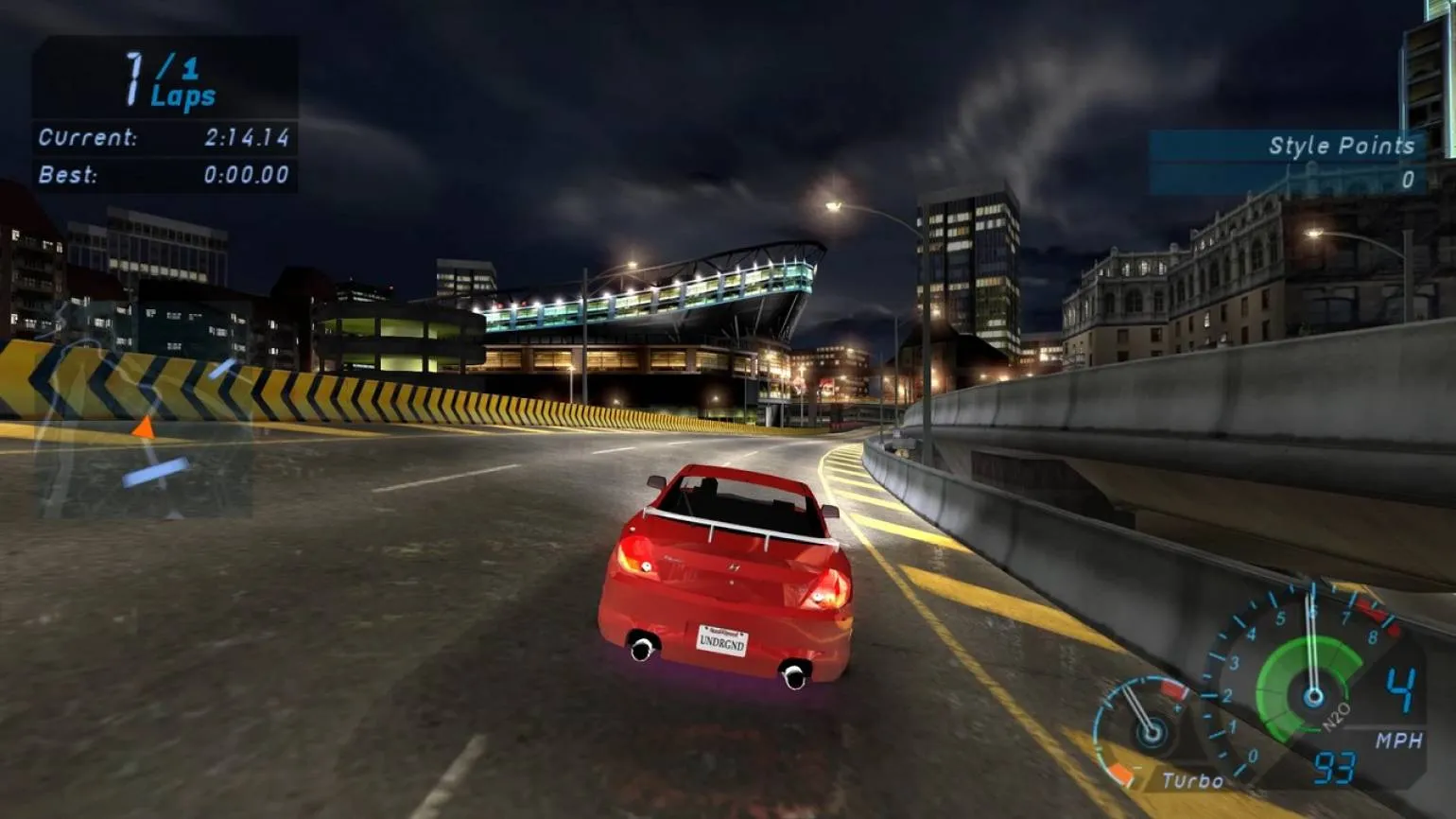
Despite its successes, the game had its shortcomings. The opponent AI was often perceived as overly challenging, and the limited number of tracks contributed to repetition. Furthermore, the lack of a police force was a disappointment to longtime fans who were expecting exciting pursuits. Some critics pointed to the simplified physics, but many players enjoyed the driving experience, especially while drifting.
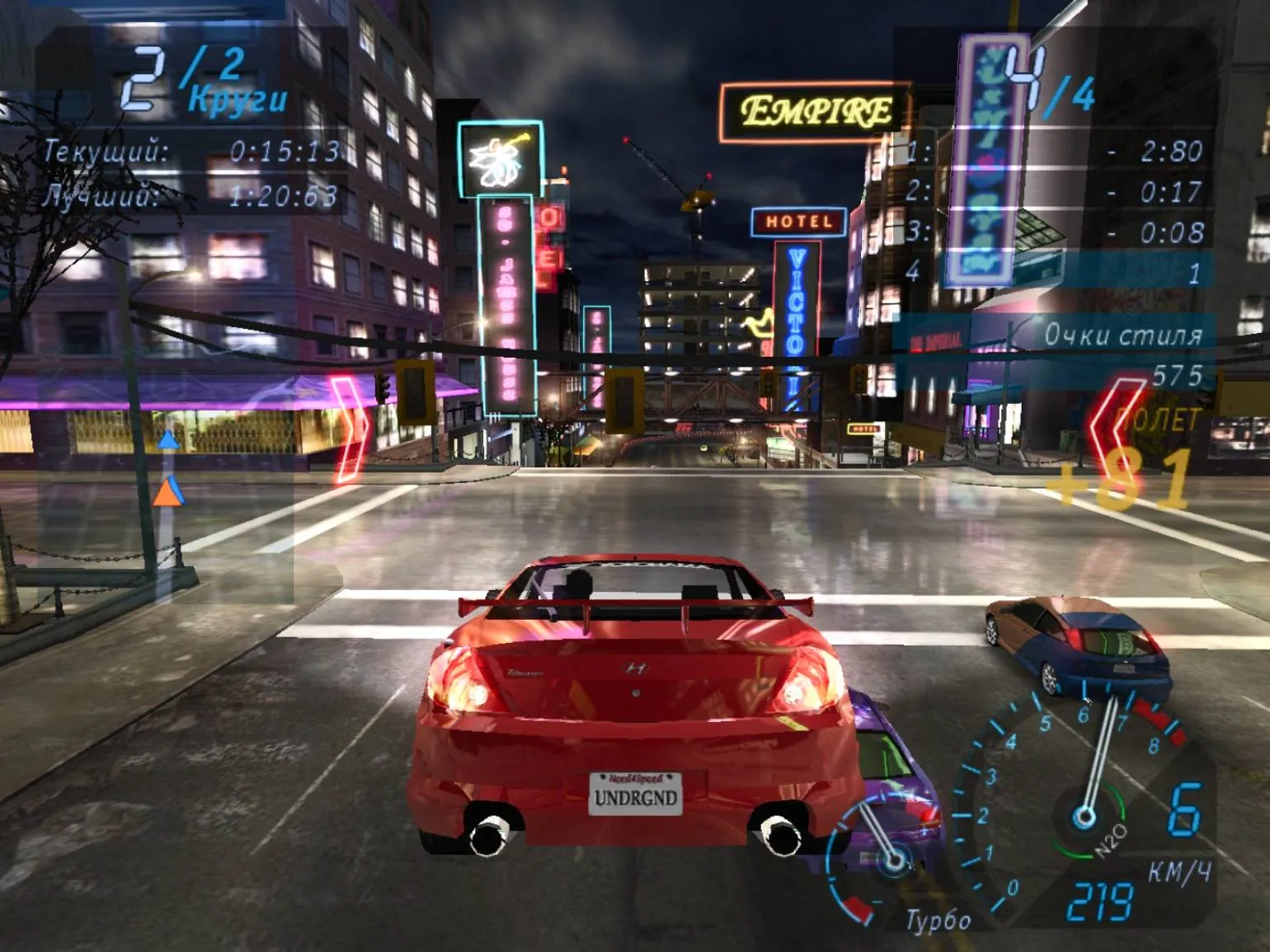
Need for Speed: Underground was memorable for its unique style and engaging gameplay. Players could earn new tuning parts for their cars not only by winning races but also by demonstrating their driving prowess. Drifting, jumping over bridges, and performing spectacular maneuvers earned style points, adding depth and variety to the game. Additionally, the emphasis on styling allowed players to customize their cars with neon lights and decals. This created a unique atmosphere and fostered a community of car customization enthusiasts, making Need for Speed: Underground a cult favorite among racing fans.
Underground introduced a storyline into its series that developed through cutscenes. Despite the simplicity of the story, it created the atmosphere of a night city in which street racers raced. Players had the opportunity to try two new modes: Drifting, focused on maintaining a drift, and Drag racing, requiring precise gear shifting on straight sections. These innovations significantly enriched the gameplay and made it more exciting for street racing fans.
The game's soundtrack became an integral part of it. Although licensed tracks began to appear in Need for Speed: Hot Pursuit 2, it was Underground that is remembered for such hits as Static-X and Lil Jon & The East Side Boyz. Music played a key role in shaping the gaming experience and remained a vital element in each new PlayStation 2 installment. The tracks created a unique atmosphere, complementing the intense racing and heightening player emotions.
In a 2003 interview with IGN, actress and model Cindy Johnson, who participated in the game's creation, shared her impressions of the project. She assured that Need for Speed: Underground would be a true breakthrough for car and racing game fans, promising engaging gameplay and impressive graphics. Need for Speed: Underground brings unique elements to the world of virtual racing, giving players an unforgettable experience of speed and excitement.
If you enjoy stunning cars, breathtaking graphics, extensive customization options, drifting, and high-quality music, then you should definitely pick up Underground,” Johnson noted.
Need for Speed: Underground 2 continued the successful series, offering players an open world in the fictional city of Bayview. This game provided tuning fans with expanded options: they could now use more parts and modifications, including SUVs. This innovation added variety to the gameplay and allowed users to create unique cars that reflect their style. Customization options and city exploration became the main aspects that attracted players and strengthened the popularity of the series.
The soundtrack of Underground 2 has become more diverse, offering tracks for various musical preferences - from rock music to electronic music. Players could enjoy high-quality music during races, adding atmosphere and energy to the gameplay. The music selection offered something for everyone, making each race a unique and memorable experience.
The next significant milestone for the franchise was Need for Speed: Most Wanted, developed by EA Canada. This project successfully combined the elements that made players fall in love with the previous installments of the series—street racing, street culture, and thrilling police pursuits. Most Wanted achieved record sales, reaching 17.8 million copies sold. This game not only strengthened the franchise's position in the market, but also became a classic among racing fans, thanks to its exciting gameplay and high-quality graphics.
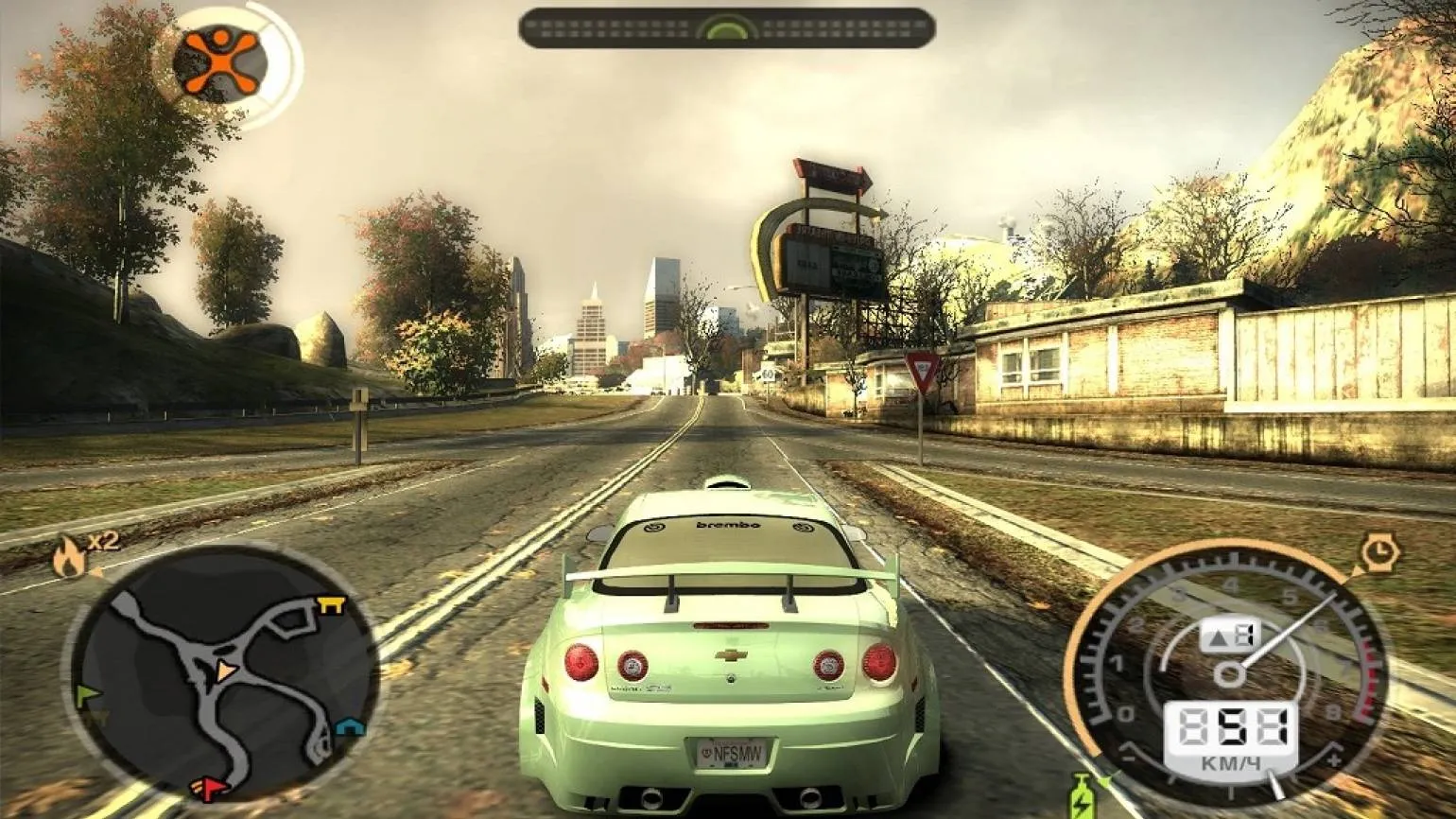
Most Wanted's storyline, in which the player must defeat nearly a dozen Rockport racers, has become one of the series' leading features. The climactic battle with Razor, who deprives the hero of his BMW M3 GTR, adds an element of surprise and serves as a powerful motivation to continue the adventure in the next installment, Need for Speed: Carbon. This game not only attracts attention with a gripping storyline but also offers players a unique experience in the world of street racing.
Most Wanted featured a high level of driving physics, which made the gameplay especially exciting. The graphics of the game, released on Xbox 360, were striking in their detail, and the dynamic lighting was a significant achievement for its time. This combination of realistic physics and impressive graphics contributed to the creation of a unique atmosphere that attracted players and left an indelible mark on the world of video games.
The Need for Speed series has faced criticism in its later releases. The shift to more realistic racing, as implemented in Need for Speed: ProStreet, did not satisfy many fans who preferred the arcade style of gameplay. This shift in game design led to a decline in interest in the franchise and caused disappointment among fans. Players expected a continuation of the arcade model, which was one of the reasons for the series' decline in popularity.
SimBin Studios, creators of the acclaimed GTR 2 simulator, successfully implemented the concept of more realistic racing. This confirms the continued interest in the racing simulator genre. A vibrant community of racers and dedicated fans demonstrates that the demand for high-quality and realistic racing games remains high. GTR 2 was an important milestone in the development of simulators, offering players a unique experience and deep development of driving mechanics.
New Horizons: Multi-Studio Development of Need for Speed
Since its inception, the Need for Speed series has undergone significant changes, including a change in development studios. A new era began in 2009, when Slightly Mad Studios, the developers of Need for Speed: Shift, joined the renowned EA Black Box and EA Canada. This game stood out thanks to its unique engine, based on a multi-core architecture, which provided realistic handling and advanced physics. With each new installment in the series, the developers strive to improve graphics, gameplay, and player interaction, making Need for Speed one of the most popular racing franchises in the world.
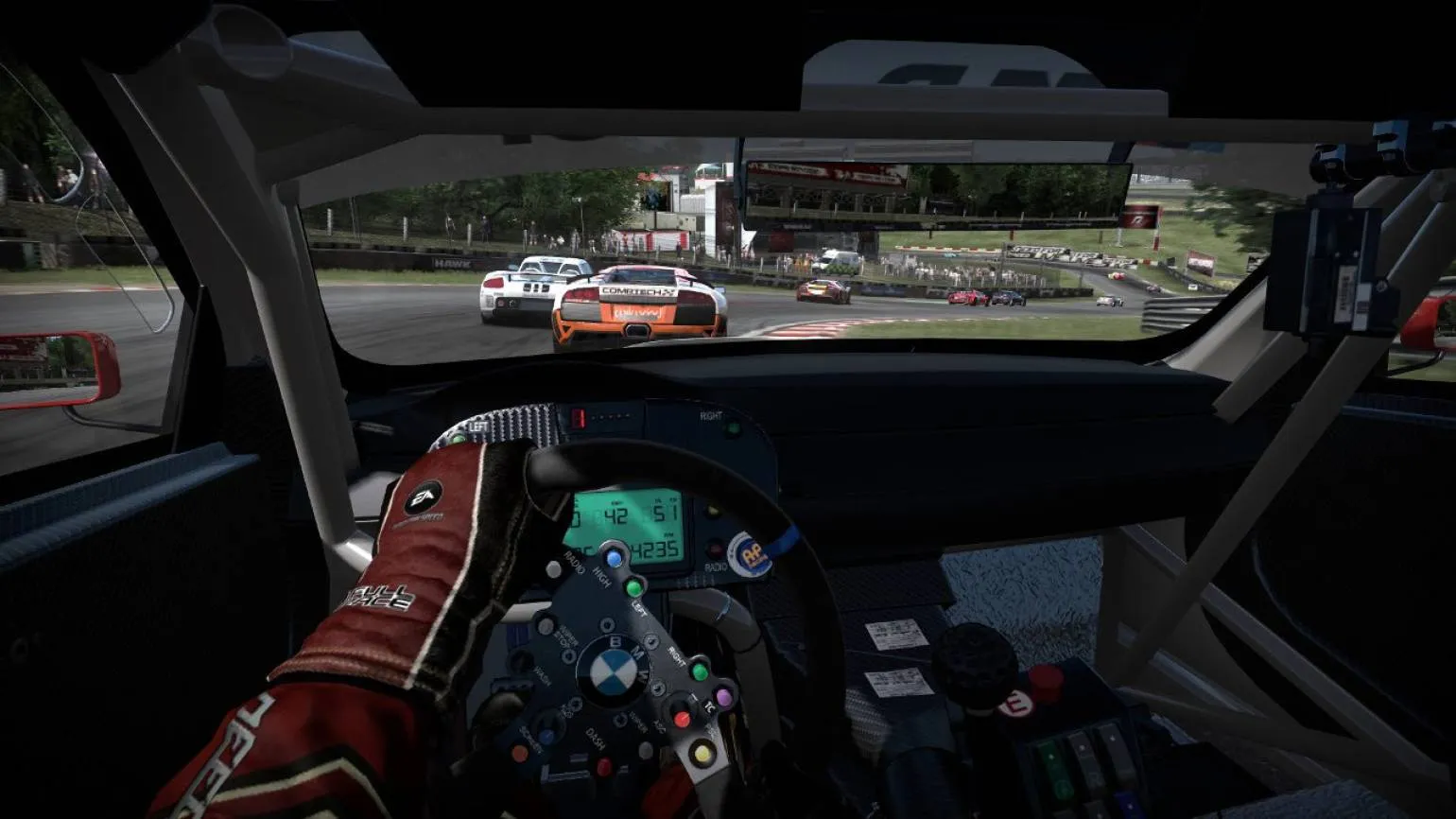
Keith Munro, vice president of global marketing at EA, emphasized in 2009 that Shift shifted the focus from visual aesthetics to the driving experience and adrenaline of racing. Players were able to enjoy a cockpit view, which had not been featured since the release of Porsche Unleashed. This innovation added additional depth and realism to the game, improving overall gameplay and interaction with the car.
Shift attracts simulation fans with a wide variety of tracks, including both fictional city streets and legendary race tracks such as Silverstone and the Nürburgring. The game features 19 unique tracks and more than 60 cars of various classes, allowing players to choose and customize their cars for the best results. This diverse content creates engaging gameplay and high replayability, making Shift one of the best games in the racing simulator genre.
Despite its success, the Shift franchise once again faces a shortage of new ideas. Developers are forced to constantly alternate between reboots and sequels, which sometimes leads to a lack of originality and shortcomings in technical execution. It is important to seek innovative approaches and fresh concepts to renew interest in the series and attract new players.
In 2010, Criterion Games released Need for Speed: Hot Pursuit, a reboot of the iconic 1998 game. The project became a real hit, receiving an 88 score on Metacritic. Hot Pursuit demonstrated what an arcade racing game with chase elements should look like and left a noticeable mark on the Need for Speed series. The game offered players a thrilling experience, combining high-speed racing and dynamic police pursuits, making it one of the most exciting in the genre.

After a string of failures, including Need for Speed: The Run, EA Black Box, known for its Underground subseries, was shuttered. The Run disappointed players with inadequate artificial intelligence and technical issues, despite an attempt to present an unusual cinematic story. The studio's closure marked the end of a failed franchise that had once enjoyed great popularity among racing game fans.
In 2012, Need for Speed: Most Wanted was rebooted, which, unfortunately, turned out to be average in quality. Despite some merits, such as the inclusion of the Russian supercar Marussia B2, the project suffered from a lack of innovation and fresh ideas. Players expected more innovations and unique mechanics that could revitalize the franchise and make it more appealing. Ultimately, the reboot failed to meet fans' expectations, which negatively impacted the game's overall rating.
The next game in the series was Need for Speed: Rivals, created by Ghost Games. This game introduced the AllDrive concept, which ensures a smooth transition from single-player to multiplayer races. Despite high expectations from players, the game received criticism for its lack of originality and a limitation of 30 frames per second, which affected the overall impression of the gameplay. Nevertheless, Need for Speed: Rivals continued the traditions of the series, offering spectacular races and the ability to interact with other players in an open world.
The developers introduced mechanics from the soulslike genre into the game, which was an interesting innovation. Players had to reach the garage to save their earnings. This element of risk proved to be an important aspect of the gameplay and was later repeated in Need for Speed: Unbound. The introduction of such mechanics has enriched the gaming experience by adding tension and strategy to the process, allowing players to better understand their actions and make more informed decisions.

Need for Speed: Losing Its Status as the Premier Arcade Racing Franchise
Since the advent of the PlayStation 4 and Xbox One console generations, the Need for Speed series has faced numerous challenges. Game releases have become less frequent, and the quality of the projects has often raised questions among fans. The main reasons for these difficulties were increased development timelines, a lack of resources, and weak sales, which did not meet the expectations of publisher Electronic Arts. This negatively affected the franchise's reputation and player interest in new releases.
In 2015, the Need for Speed franchise was rebooted with a game of the same name, seeking to revive interest in the series. However, despite the developers' ambitious intentions, the new game failed to surpass its predecessor, Underground 2. The project focused on night racing, a large car fleet, and car tuning options, but unfortunately, these fresh ideas were not implemented. This left players feeling that the game failed to offer anything fundamentally new, and interest in the franchise began to wane again.
The game's graphics were high quality, showcasing detailed vehicles and impressive weather effects, developed on the Frostbite 3 engine, which had already proven itself in Battlefield 4. However, despite the visual achievements, the game faced a number of serious issues that negatively impacted the overall experience.
One of the game's main issues was its requirement for a constant internet connection, which deprived players of the ability to pause the game. Furthermore, the police AI was underdeveloped, which negatively impacted the overall experience. Need for Speed featured two control modes: drift and control, but most races were drift-focused, resulting in a lack of gameplay variety. This lack of engaging gameplay quickly distracted players and dampened their interest in the project.
The game's open-world locations lacked depth and couldn't compete with the variety of activities featured in Forza Horizon 2. The musical score also left much to be desired: despite striving to recreate the atmosphere of Underground 2, the soundtrack failed to live up to fans' expectations. To improve the gaming experience, more content would have been necessary to make the world more vibrant and immersive.
As new Need for Speed installments were released less frequently, approximately every two years, the game continued to underperform. For example, Need for Speed: Payback was criticized for its microtransactions and lack of originality. While Need for Speed Heat significantly improved the overall situation, it also introduced some flaws, such as the low density of activities in the game world. These aspects remain important topics of discussion among fans and critics eager to see the series return to its former glory.
By 2022, sales of the Need for Speed series had declined to 3-4 million copies, leading to the dissolution of Ghost Games, the studio previously responsible for developing games in the franchise. The latest installment in the series is Need for Speed Unbound, developed by Criterion Games with support from Codemasters. This game continues the tradition of the series, offering players an exciting racing experience and improved graphics.
Unbound radically transformed the art style of the game, integrating elements of comics and cel-shading. Activating nitrous oxide now allows cars to acquire bright, saturated colors, and flights are accompanied by graffiti stylization, adding dynamism and energy. The developers paid special attention to street racing culture, drawing on in-depth research and interviews with street racers to create an atmosphere as close to reality as possible. This makes the game more exciting and appealing to street racing fans. Kieran Crimmins, Creative Director of Unbound, emphasized that their game embodies the dream of a street racer who risks everything to win the race. The team strives for maximum realism, exploring street racing culture through documentaries and footage featuring real racers. This allows players to immerse themselves in the unique atmosphere of street racing and understand all the intricacies of this exciting world. Unbound's gameplay is an improved version of Heat, with an emphasis on drifting and arcade physics. The Lakeshore location boasts a vast landscape and dense road network, significantly increasing the racing experience. Advanced vehicle control and realistic physics create a unique sense of speed and maneuverability, allowing players to enjoy thrilling drifting moments.
The game's wanted level system remains problematic. Players must be careful not to attract police attention, otherwise, night racing can turn into a real nightmare. The game features five phases of law enforcement response, ranging from simple roadblocks to an intense manhunt for the player. This adds an element of strategy and tension, forcing players to carefully plan their actions to avoid clashes with the police and successfully complete races.
In September 2024, the Need for Speed series will celebrate its 30th anniversary. During this time, the developers spent a long time searching for its unique niche, and when they succeeded, the game gained a devoted fan base. However, over time, interest in the series declined, which negatively affected its financial performance. Even various studios that tried to regain its former popularity were unable to achieve significant success. This was influenced by several factors, including changes in the gaming market and audience preferences.
- After the decline in interest in street racing, EA was unable to find a new niche for NFS. Street racing and confrontations with the police became less appealing, and experiments often drew criticism from players. Ultimately, Forza Horizon took the leading position in arcade racing.
- The physics and car handling in recent games in the series have been controversial. Since 2013, the use of the Frostbite engine has resulted in cars frequently losing momentum and skidding on turns, which has displeased many players.
- Many modern games in the series lack a unique style. They are mostly remakes and sequels that offer nothing new. Each new installment should surprise, but instead, it replicates popular trends.
- A significant portion of players believe that the licensed music in recent games is inferior to the rock component of the older games. Music from classic NFS games created the atmosphere, while new tracks only sound in the background during races.
Read also:
Artificial intelligence (AI) plays a key role in controlling the movement of cars and their behavior Traffic jams on the streets of virtual gaming cities. Modern technologies make it possible to create realistic models of urban landscapes, where AI processes traffic data and interacts with other vehicles.
Systems based on AI algorithms are capable of analyzing various factors, such as speed, traffic density, and the behavior of other drivers. This allows not only to simulate vehicle behavior but also to optimize routes, making the gaming experience more engaging and realistic.
Developing such technologies requires deep expertise in machine learning and computer vision. AI learns from data on real-world traffic situations, helping it make more informed decisions in the virtual space. Thus, AI becomes an integral part of creating dynamic and living game cities, allowing players to immerse themselves in an atmosphere where cars drive and stand in traffic jams, just like in real life.
Game designer from scratch to PRO: 7 key steps to success
Want to become a game designer? Learn 7 steps to a career in the gaming industry! Read the article.
Learn more