Contents:

Who are you in the world of game development? Find out in our free course ➞ You'll try out 3 professions in practice: game designer, 2D artist, and Unity developer. Create your first Mario-style game. Click here for details.
Learn moreIn 2020, the Super Mario series celebrated its 35th anniversary, and in February 2021, another iconic Nintendo franchise, The Legend of Zelda, celebrated its anniversary. The first game in the Zelda series is considered one of the founders of the action-adventure genre. Subsequent parts of the franchise have had a significant influence on the development of role-playing games and modern blockbusters. These games not only shaped the genre, but also continued to inspire developers around the world, setting new standards in game design and narrative.
In honor of the anniversary of The Legend of Zelda series, we invite you to look back at its development, considering key games from the very first part with a top-down view to the massive Breath of the Wild, which was released in 2017 on the Nintendo Switch platform. In this review, we will focus on the first five significant games that laid the foundation and defined the character of the entire series.
The Legend of Zelda - 1986
The Legend of Zelda series, like Super Mario, was created by Japanese game designer Shigeru Miyamoto, who is considered one of the most outstanding specialists in the gaming industry. Miyamoto began his career at Nintendo as an artist, but soon demonstrated his talents for developing game concepts and creating unique worlds. These worlds continue to generate significant revenue for Nintendo, confirming The Legend of Zelda's status as one of the most successful and influential game series in history.

The first game in the Legend of Zelda series was developed by game designer Shigeru Miyamoto developed the game for the NES in 1986, just six months after the release of Super Mario Bros. The story centers on Link's adventure to save Princess Zelda and the fictional world of Hyrule. The game was inspired by Miyamoto's childhood memories of exploring the forests around Kyoto. One day, while hiking, he discovered a cave he longed to explore. This sense of excitement and curiosity about the unknown became the foundation for the gameplay in The Legend of Zelda, which emphasizes caves, dungeons, and open-world exploration. The game marked the beginning of one of the most famous and beloved series in the world of video games, becoming a model for many subsequent projects in the adventure game genre.
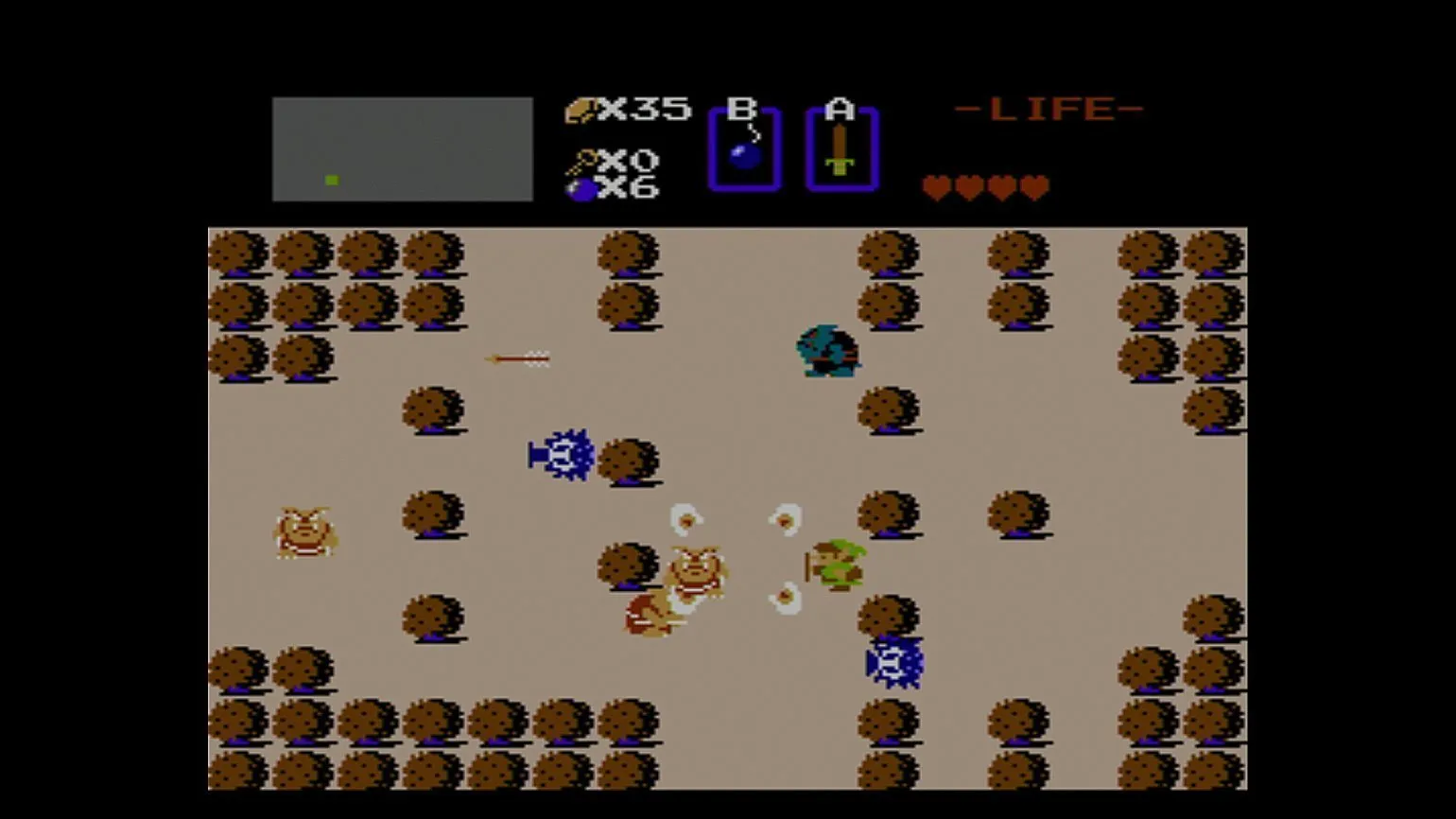
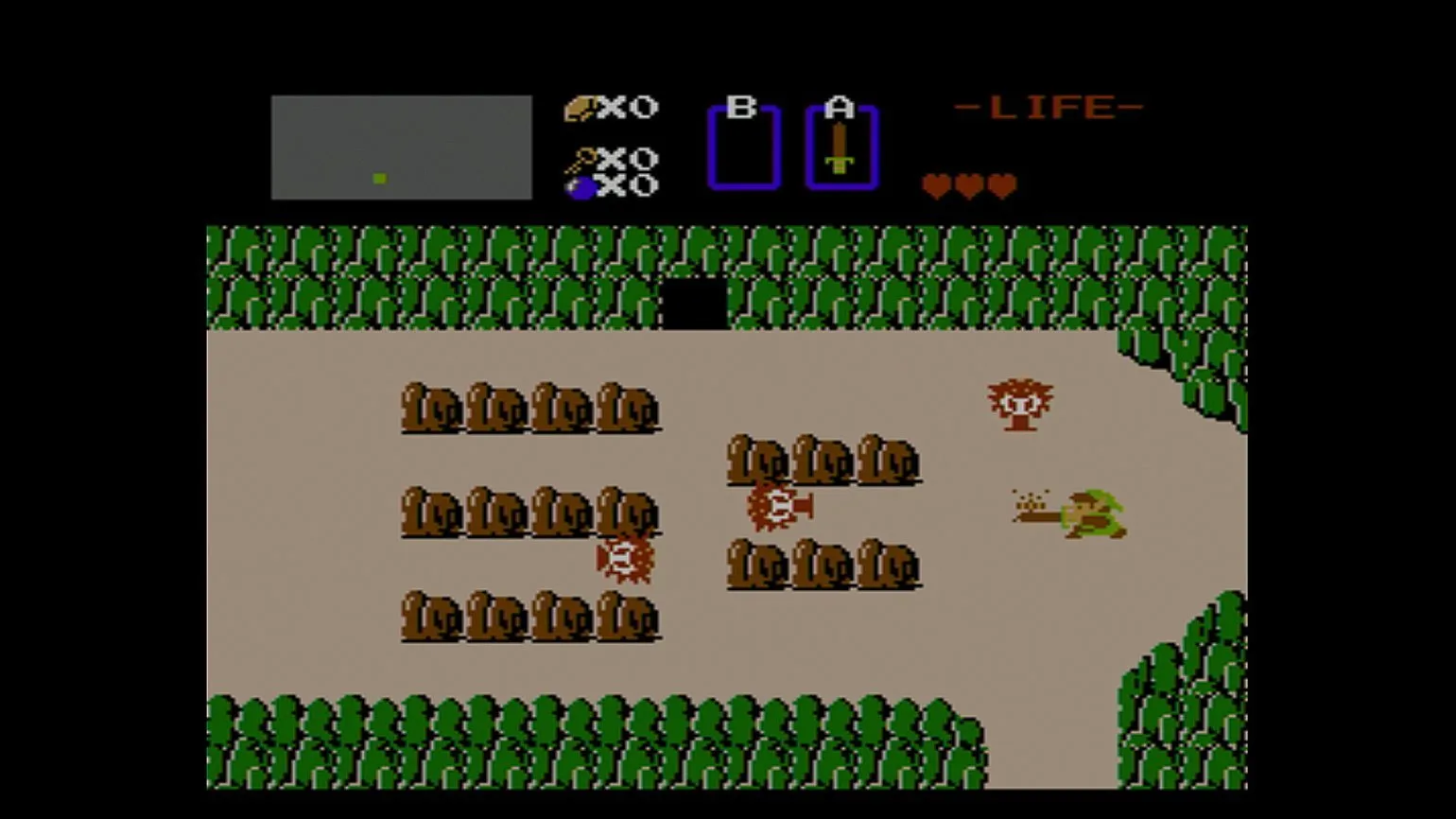
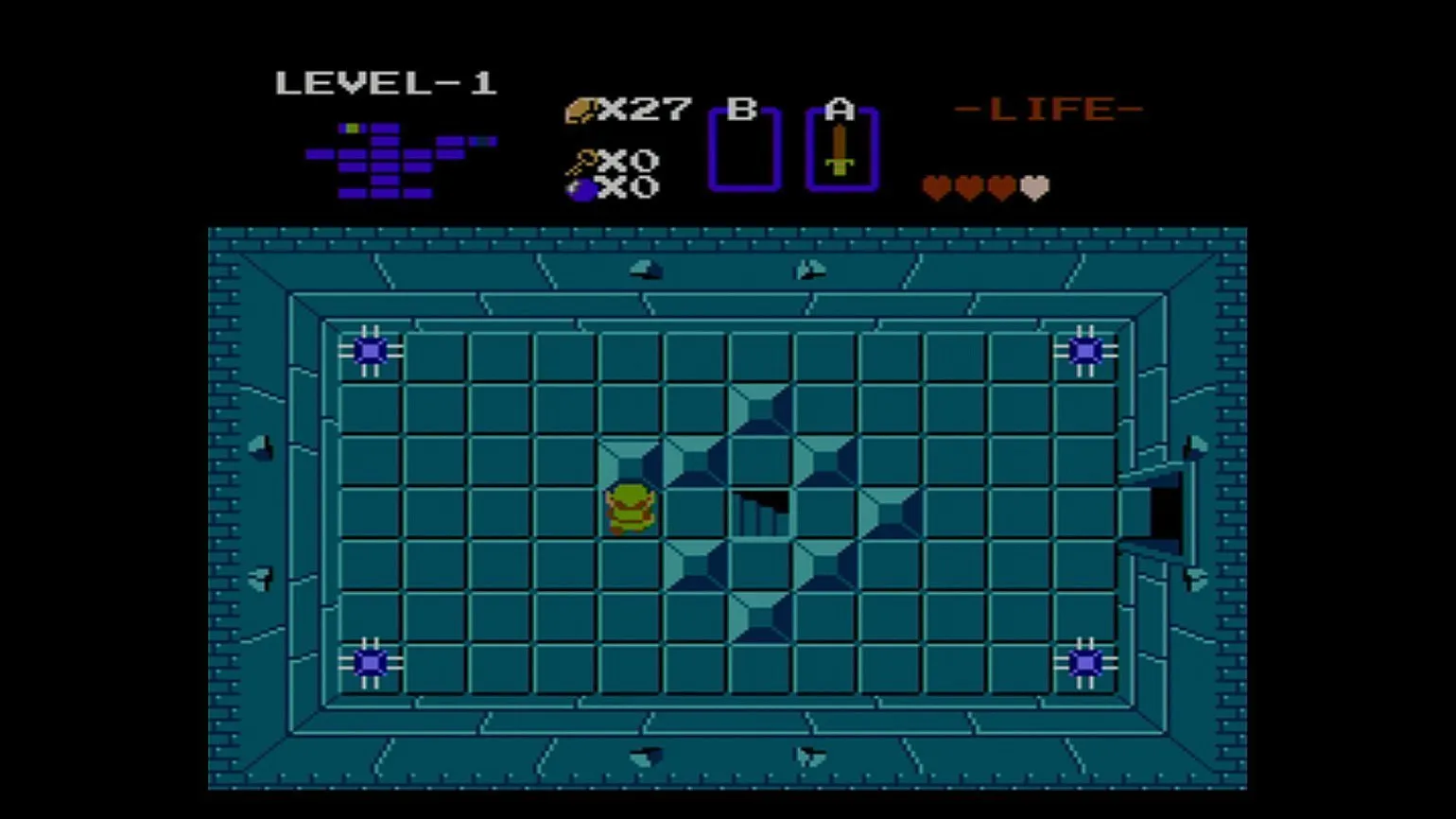
The first game in the Zelda series is radically different from Super Mario Bros. The Legend of Zelda is an action-adventure, not a platformer, with an overhead perspective instead of a side view. Unlike Mario, the protagonist, Link, can move freely in any direction, allowing him to explore a vast fantasy world. Link, dressed in a green tunic, belongs to the elf-like Hylian race. Despite their differences, Link and Mario share a certain similarity: both characters strive to rescue a princess. The plots of most Zelda games are based on classic monomyths. The protagonist must overcome numerous trials to achieve their goal, transforming in the process and restoring balance to the universe. An ordinary boy finds himself at the center of amazing events and becomes a true hero. In this concept, I sought to develop a game that would immerse the player in a vast world, allowing them to explore various locations and learn about the rich history of the environment, noted Shigeru Miyamoto. The gameplay space is filled with unique characters and quests, creating a sense of true adventure. The player will not only enjoy the gameplay but also gain a deeper understanding of the world they inhabit, its culture, and traditions.
In the late 1980s, 8-bit Hyrule impressed with its scale and the level of freedom it offered players. Each user could choose which part of the map to explore first. Completing the game in one sitting was challenging, so the developers decided to implement a save function, making The Legend of Zelda one of the first games to do so. Link's adventures in Hyrule were memorable not only for the engaging gameplay but also for the melodic music. At the time, video games already featured a variety of musical motifs, but after the release of the first Zelda, other developers began to more carefully craft high-quality music and sound design in their projects. This marked an important step in the development of video games, where music and sound began to play a key role in creating atmosphere and engaging players.
The Legend of Zelda was originally planned as a role-playing adventure, but during development, Shigeru Miyamoto and his team abandoned traditional experience and character progression systems. As a result, they created a new genre—the action-adventure game. In this game, the hero develops their abilities by finding unique items hidden throughout the levels. The developers also developed a special menu for storing collected items, which can be considered an early example of an inventory system in video games. Today, such menus have become a standard, but at the time it was a bold and innovative step in the field of game design.

Of course, I am ready to help you with editing the text. Please provide the text you wish to change.
In creating the first The Legend of Zelda, Shigeru Miyamoto sought to capture the spirit of adventure that was characteristic of computer role-playing games of the time. Players actively shared their achievements and experiences, discussing the strength of their characters. This interaction and exchange of information inspired Miyamoto to create a unique game world that has become iconic in the history of video games. His approach to development helped breathe new life into the genre, introducing elements of exploration and interaction, which made Zelda one of the most iconic series in the gaming industry.
The Legend of Zelda became a true bestseller for the NES console, with total sales reaching 6.5 million copies by 2019. This iconic project had a significant influence on the development of the adventure game genre and continues to be popular among gamers of all ages. Unique gameplay and a memorable atmosphere have made The Legend of Zelda a classic, attracting both new players and industry veterans. Interestingly, The Legend of Zelda offered virtually no explanation, leaving players to figure out key mechanics and important decisions on their own. This was a deliberate choice by the developers, but they feared that not all players would be able to understand how to progress through the story. Therefore, Shigeru Miyamoto decided to include a guide with every cartridge containing hints and tips. Furthermore, in the game's introduction, the main character, Link, holds a sign that reads, "See the instruction manual for details." This decision became an important part of the gameplay and helped many players understand the world full of mysteries and adventures.
Zelda II: The Adventure of Link — 1987
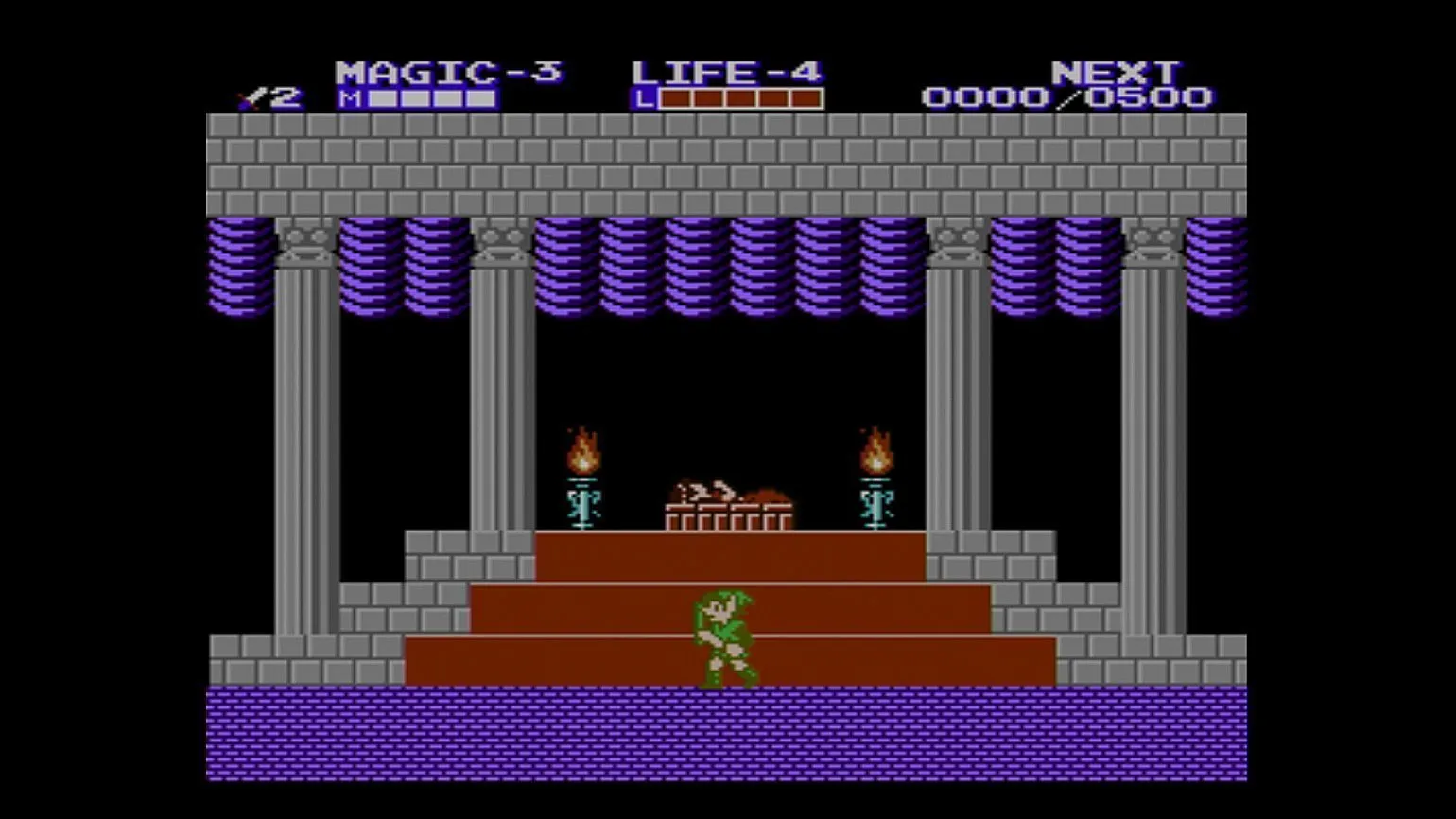
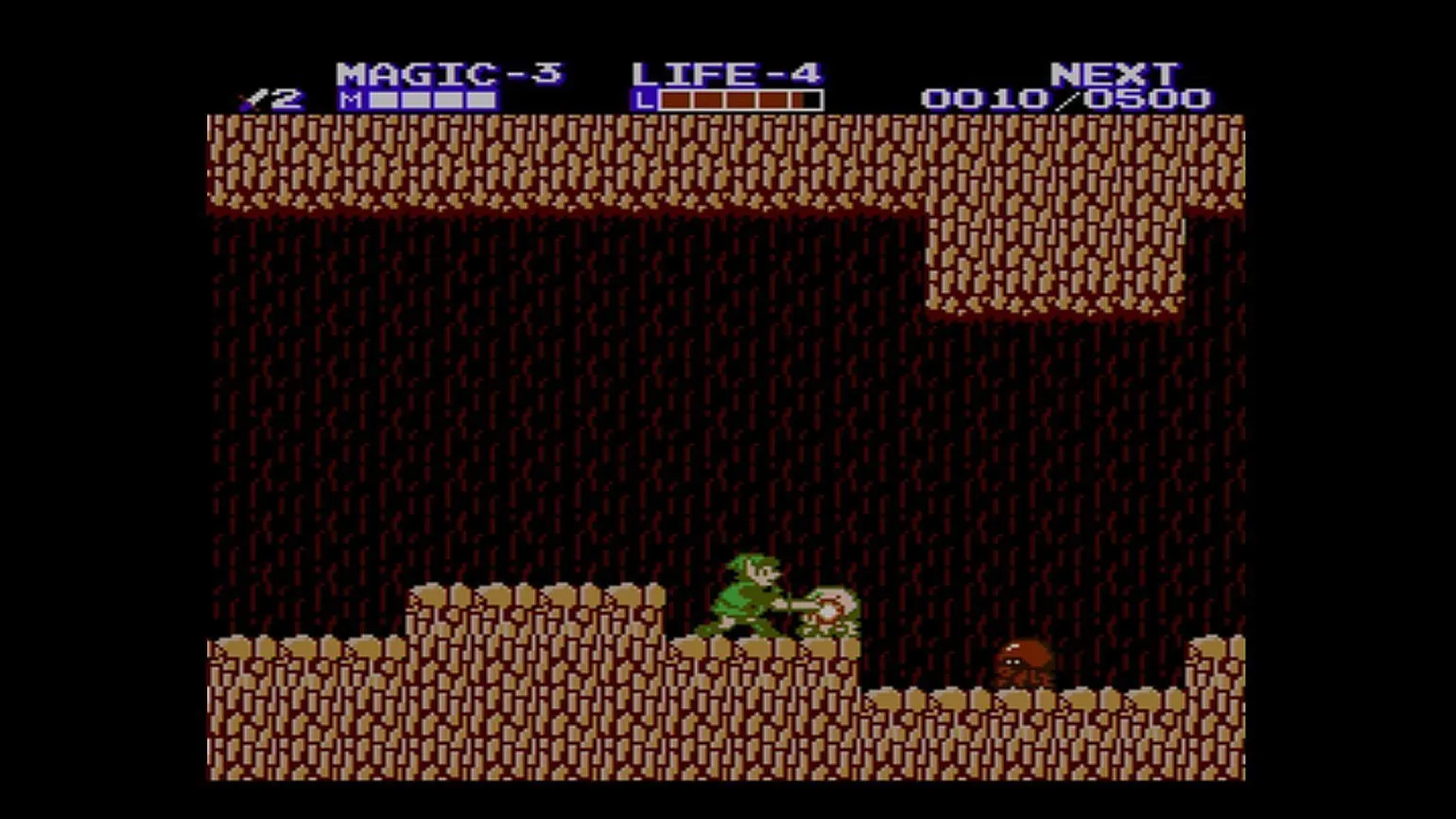
In 1987, the sequel to the famous game The Legend of Zelda, Zelda II: The Adventure of Link, was released on the NES console. This second part differs significantly from the first: platforming elements were introduced into the game, and the perspective was changed - now it is shown from the side, while the camera moves up only when the main character Link moves along the global map. The developers also implemented the classic character leveling system typical of traditional RPGs, which added a new level of interaction with the game. In Zelda II, the difficulty was significantly increased, making it accessible only to the most experienced players. The game's plot became more mature and dark: Link must not only save the princess, but also wake Zelda from eternal slumber. This unique combination of RPG and platforming elements made Zelda II: The Adventure of Link a landmark in video game history, captivating both longtime fans and new players.
Most of the changes in the game can be attributed to the fact that its original creator, Shigeru Miyamoto, was not actively involved in the development, holding the position of producer. Game designer Tadashi Sugiyama served as the main supervisor of the project. This may have influenced the creative direction and concept of the game, which in turn was reflected in its final result.
Zelda II: The Adventure of Link achieved sales of just over 4 million copies, making it less successful compared to other parts of the series. Despite criticism caused by the change in the game's perspective, the story of The Adventure of Link found a positive response from many players. Particular attention was paid to new gameplay features, including Link's ability to transform into a bee to overcome obstacles such as keyholes in locked doors. These innovations added variety to the gameplay and made it more exciting.

The Legend of Zelda: A Link to the Past - 1991
The third part of the famous series The Legend of Zelda was released in Japan in 1991, shortly after the release of the 16-bit console Super Nintendo Entertainment System. The Legend of Zelda: A Link to the Past captivated players with its groundbreaking graphics, meticulously crafted visual style, and deeply developed gameplay. It became a landmark in the world of video games and is still considered a classic, influencing subsequent titles in the genre.
A Link to the Past is a return to the classic gameplay formula of the first game, enriched with new elements. In this game, players control Link as he explores a vast world, overcomes challenging dungeons, and discovers useful artifacts, such as a boomerang, which allows him to retrieve otherwise inaccessible objects, and boots for faster running. Link also solves logic puzzles and battles powerful bosses to ultimately rescue Princess Zelda. This game not only restores the spirit of the original but also adds modern mechanics, making it relevant for new generations of players.

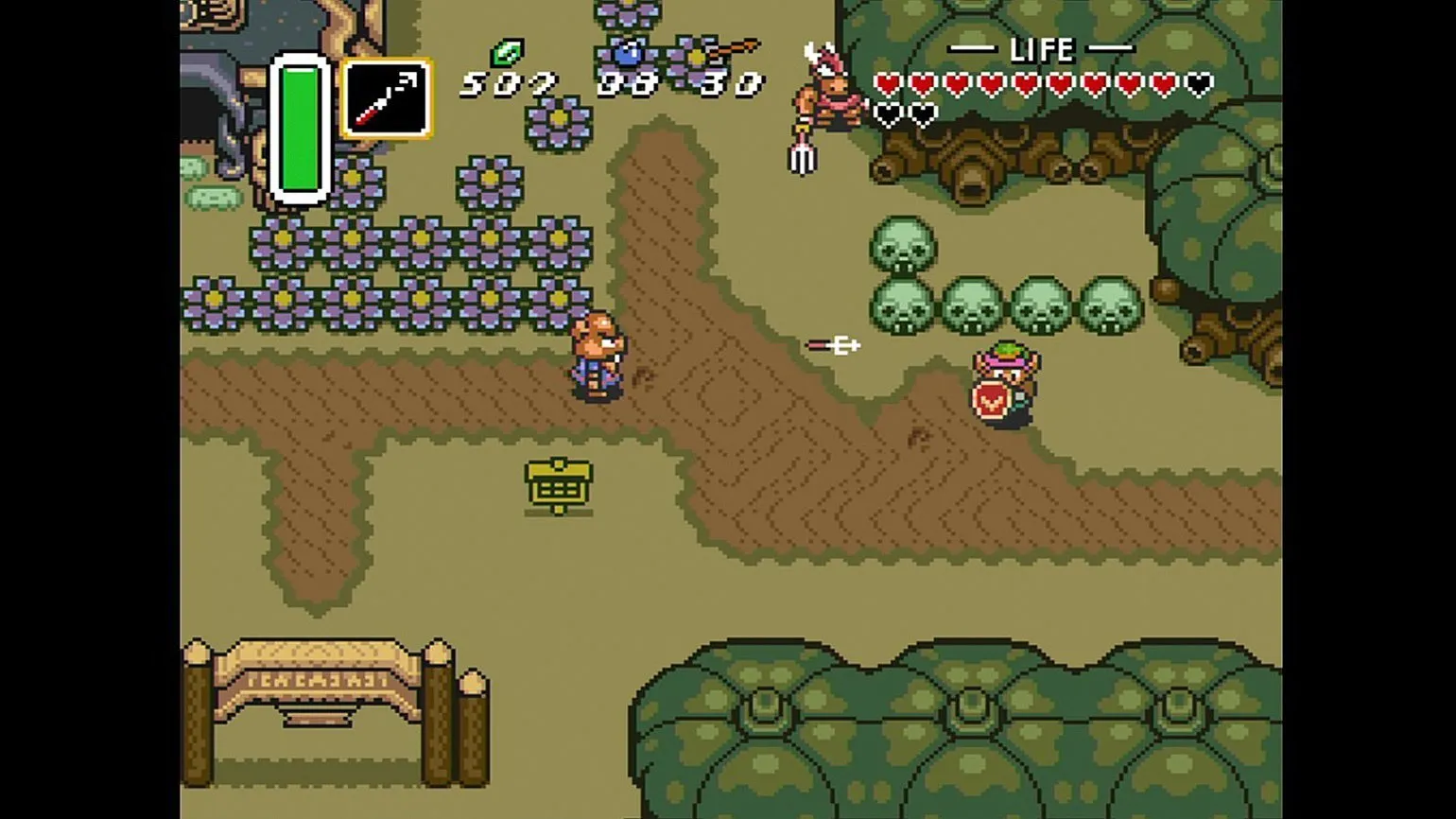
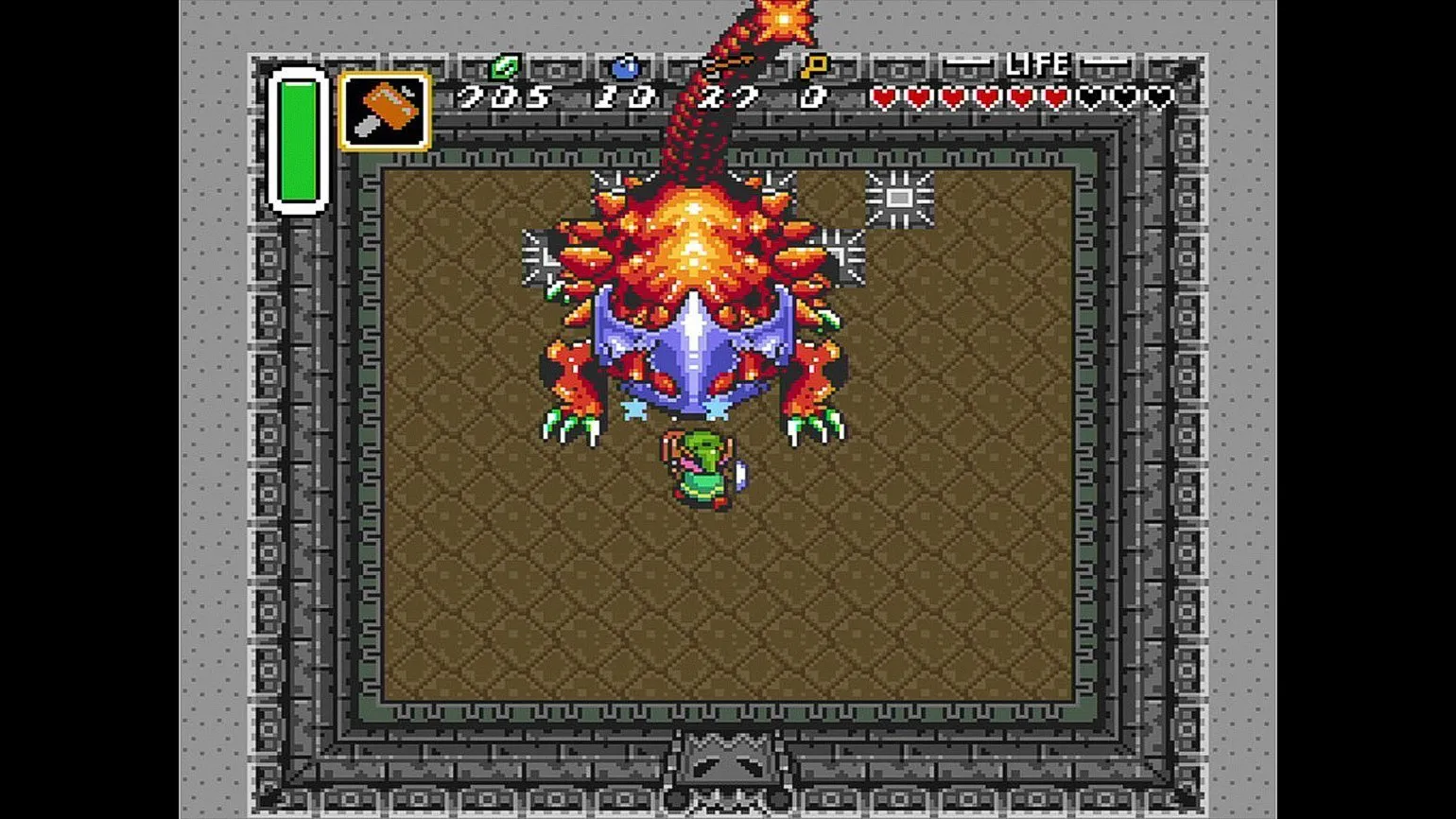
One of the key innovations of the third part of the Zelda series was the mechanics of time travel. The game A Link to the Past for the first time allows the player to travel between different time periods at will, and not only as part of story missions. This mechanic is seamlessly integrated into the overall narrative, a rarity for video games in the early 1990s. Thus, A Link to the Past not only expanded the gameplay possibilities but also offered a unique experience of interacting with the world that became iconic for the entire series.
The third part of The Legend of Zelda finally established the formula that defines the series to this day. The core of the game lies in the skillful combination of multiple elements from various genres. Games in this franchise feature action, platformers, quests, and puzzles. Players must explore a vast world, find items and fight bosses, solve engaging puzzles, and complete side quests. Some parts of the game also feature inventory management elements and the need to monitor the character's condition, adding a survival element.
Adventure in The Legend of Zelda offers players freedom, but at the same time skillfully limits Link's progress through the world. Accessing unexplored locations often requires finding an item located elsewhere. The game's setting is primarily a traditional fantasy with a unique style reminiscent of both Disney cartoons and the works of Hayao Miyazaki. This balance between freedom and exploration creates a captivating experience that appeals to both new and experienced players.
The Legend of Zelda: A Link to the Past continues to be one of the highest-rated games on the platform, according to the aggregator Metacritic, where its rating is 95 out of 100. Despite the fact that sales of the third part barely exceeded 4.6 million copies, it is not inferior to its predecessor in popularity. As a result, A Link to the Past took a place among the best-selling games for the Super Nintendo Entertainment System (SNES), confirming its significance in the history of video games.
After the third part, The Legend of Zelda series will take a step into the world of Nintendo Game Boy portable consoles with a game called Link’s Awakening. In 2019, a remake of this game was released for the Nintendo Switch console. Zelda's return to major platforms wouldn't happen until 1998 with the release of the first 3D installment in the series, Ocarina of Time.
The Legend of Zelda: Ocarina of Time — 1998
In the late 1990s, as the transition to full 3D graphics in video games became apparent, developers of popular game series began adapting their projects to the new capabilities offered by modern consoles. However, many failed to preserve the original features of their games when transitioning to 3D space. One of the few who succeeded was Shigeru Miyamoto. In 1996, he reinvented the platformer genre with Super Mario 64 for the Nintendo 64. This project became a landmark and marked the beginning of a new era in the gaming industry.
Two years later, Miyamoto and his team completed development of The Legend of Zelda: Ocarina of Time, the first 3D game in the renowned Zelda series. For this project, Miyamoto again served as producer, but focused more on the development itself. The project was overseen by five talented designers: Toru Osawa, Yoichi Owada, Eiji Aonuma, Yoshiaki Koizumi, and Toshio Iwawaki. These games not only pushed the boundaries of what video games could do, but also set the standard for future projects in the genre, leaving an indelible mark on the history of the gaming industry.
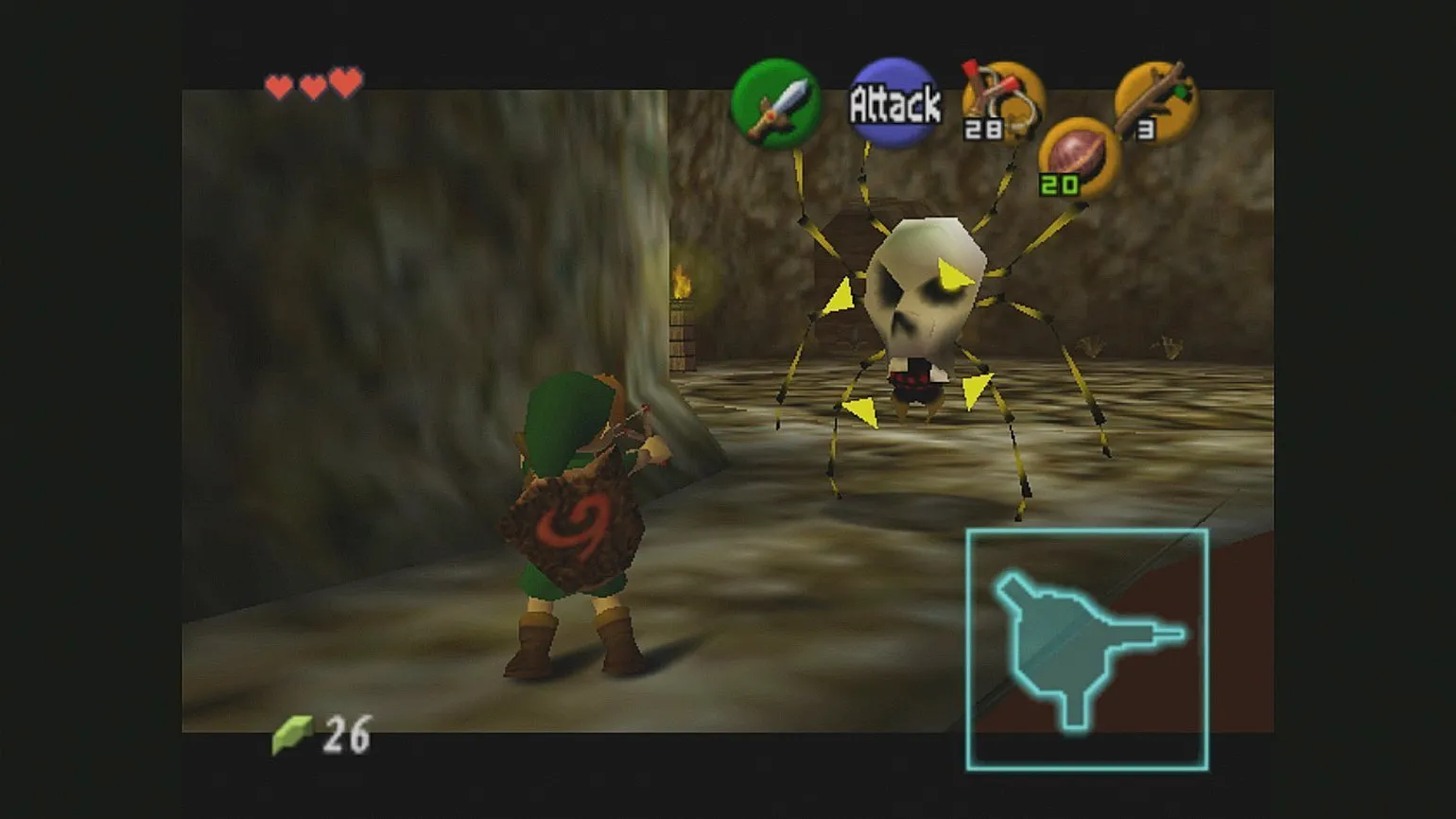
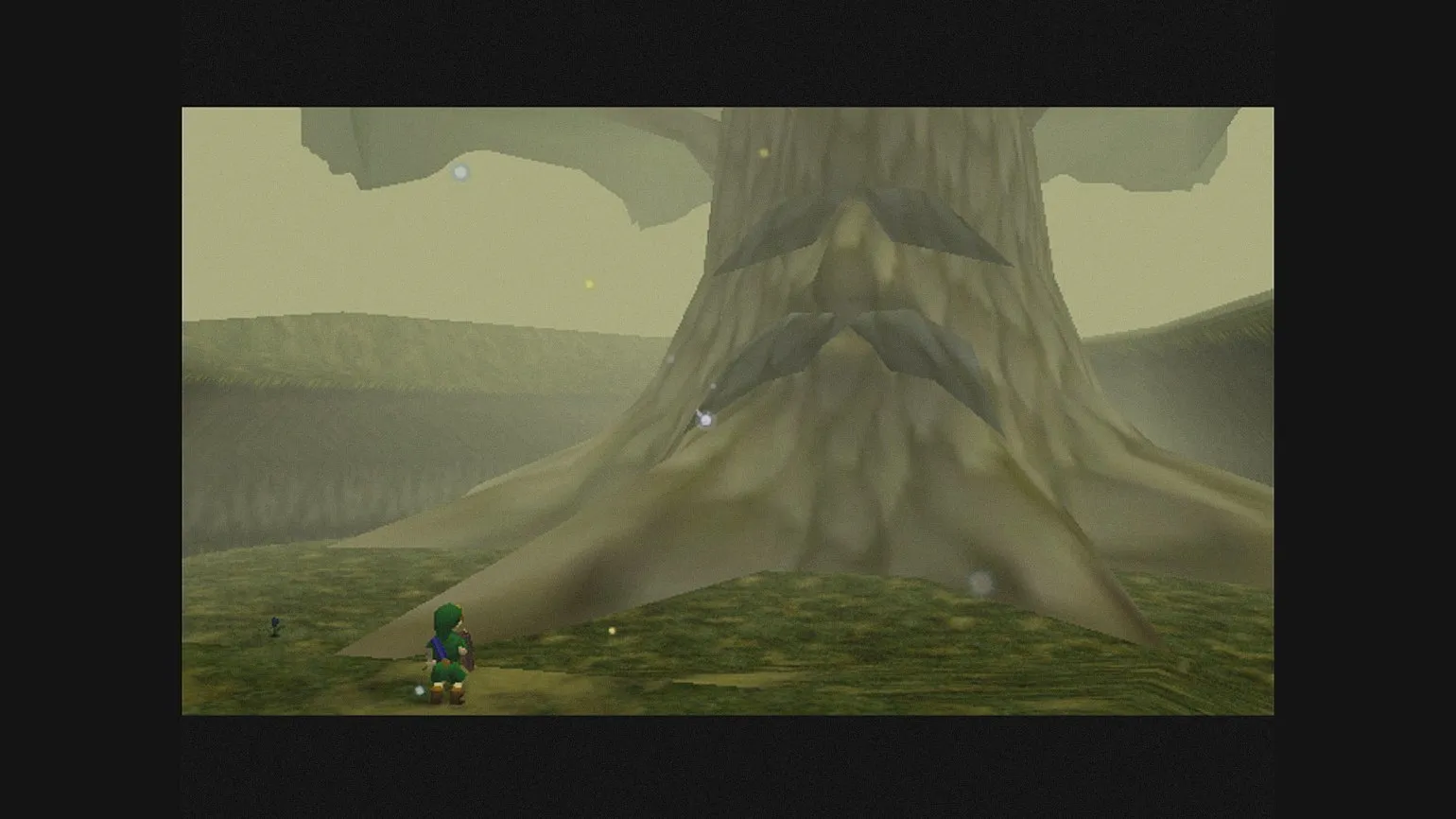
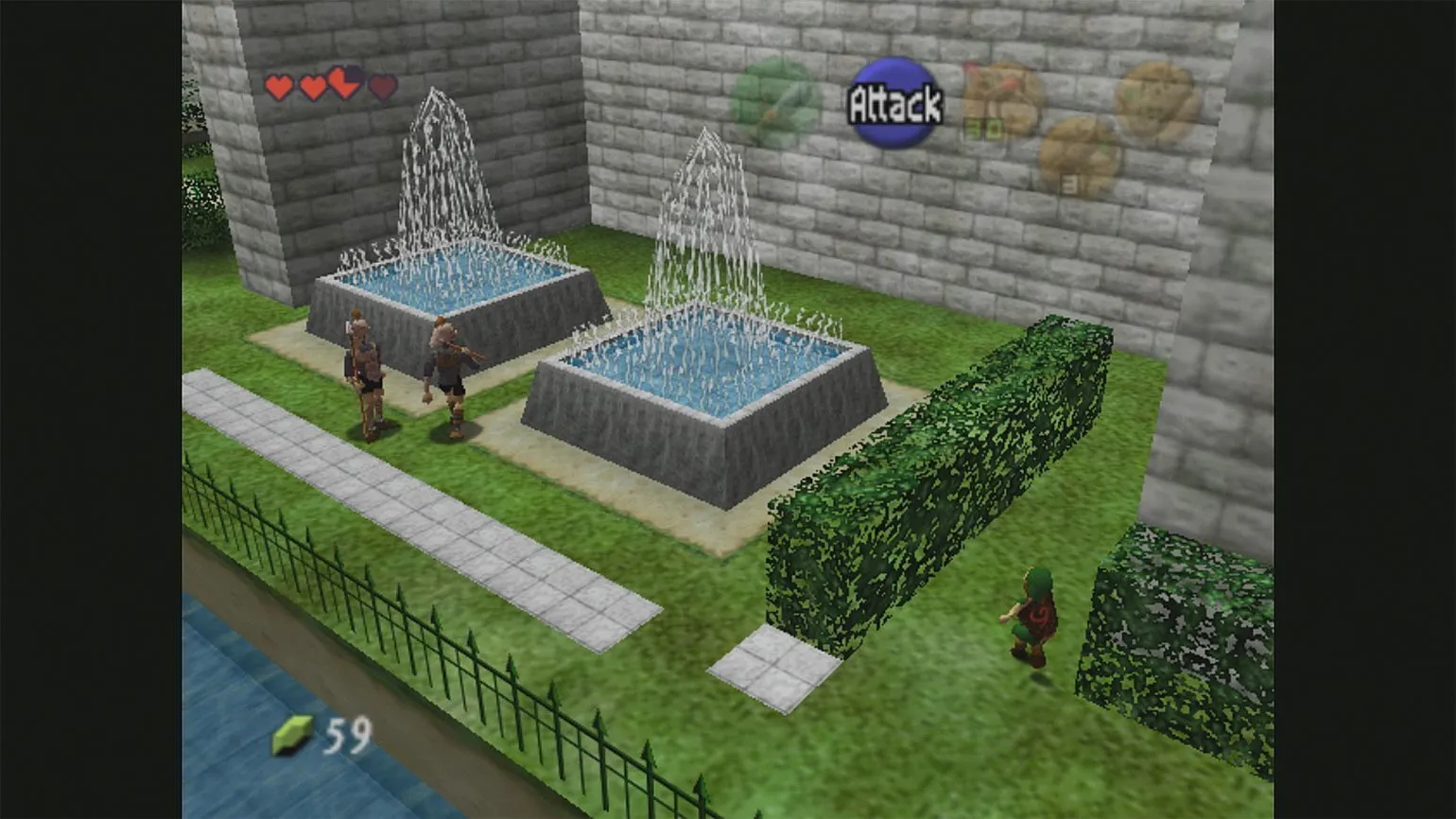
The game Ocarina of Time ranks first in the Metacritic ratings and many authoritative gaming publications, recognized as the best game in history. It is even more innovative compared to previous parts of the Legend of Zelda series, introducing mechanics that are actively used in modern games. One such innovation is the camera lock-on system, which has become standard in games like Dark Souls. In Ocarina of Time, projectile weapons automatically target enemies, and the protagonist, Link, navigates obstacles automatically, greatly simplifying gameplay. Players can also travel through time, with each time period offering a unique atmosphere. For the first time in the series, Link can explore the vast world on horseback. A key element of the gameplay is the ocarina, which allows the hero to manipulate time, travel between locations, solve puzzles, and even alter weather conditions. Ocarina of Time not only set new standards for the genre but also had a significant influence on the subsequent development of video games.
The Legend of Zelda: Ocarina of Time is a unique gaming experience, featuring a variety of innovative mechanics that were revolutionary for their time. Many players encountered these elements for the first time, prompting questions like, "What is this?" and "How is this possible?" This underscores the game's significance in video game history and its influence on subsequent titles. Developer Eiji Aonuma noted the importance of these mechanics, which not only expanded the boundaries of the genre but also left a deep mark on video game culture. Ocarina of Time continues to inspire new generations of gamers and developers, remaining a classic that remains relevant.
The Legend of Zelda: Ocarina of Time has sold nearly 8 million copies to date. This iconic Nintendo title remains one of the most popular and influential games in history, capturing the attention of both new players and fans of the series. Strong sales confirm its status as a classic and its influence on the adventure game genre.
Robin Williams, the renowned actor and comedian, named his daughter Zelda after the famous princess from The Legend of Zelda series. This choice of name underscores his love of video games and the culture associated with them. When the updated version of Ocarina of Time was released for the Nintendo 3DS handheld console, Williams starred in a promotional video with his daughter, which became a highlight for fans of the game. This collaboration not only strengthened the ties between the worlds of film and video games but also demonstrated the unique influence of the gaming industry on popular culture.
The Legend of Zelda: Majora's Mask - 2000
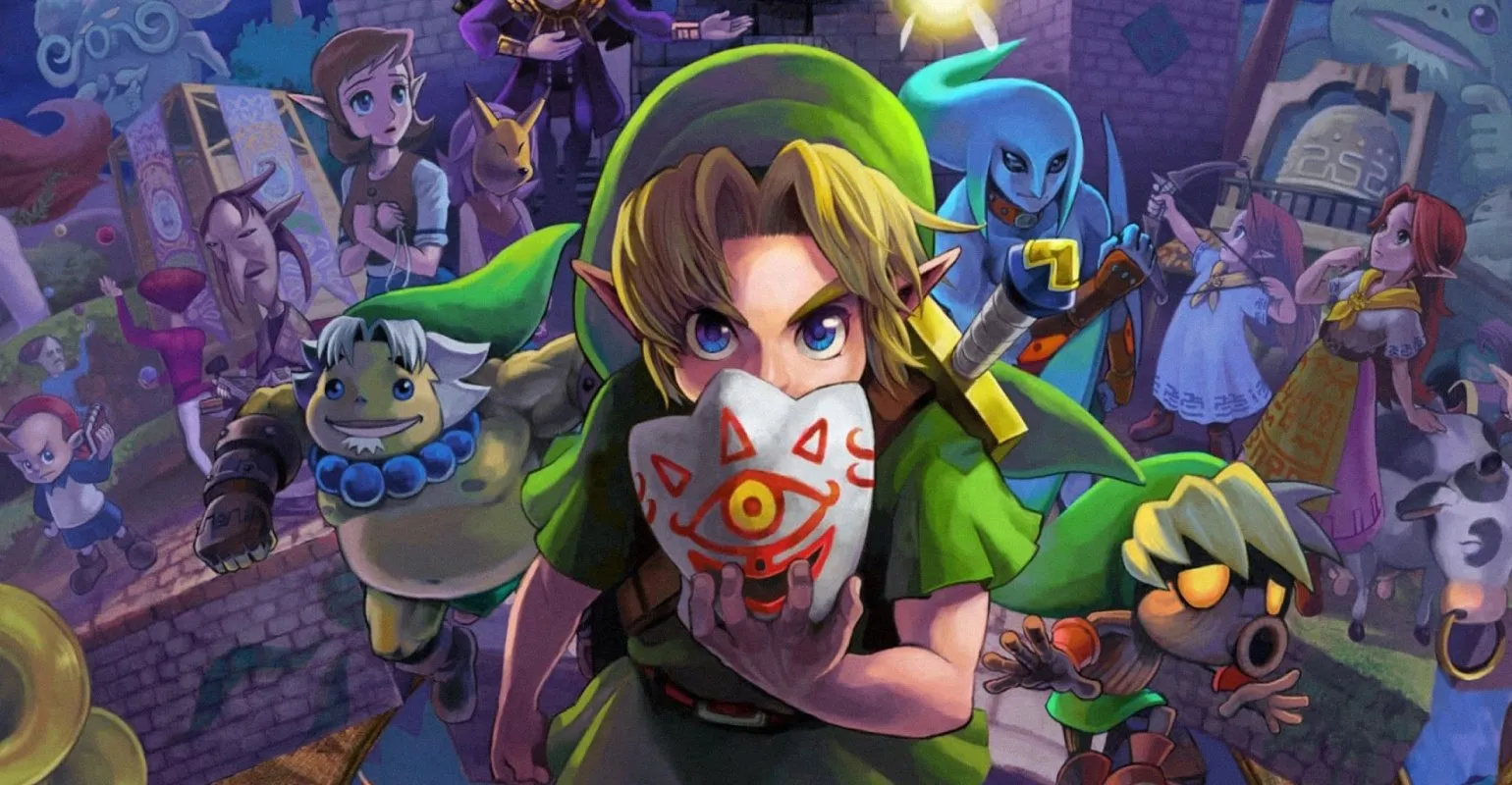
The Legend of Zelda: Majora's Mask was released in 2000, just two years after Ocarina of Time. The game was developed by Eiji Aonuma, who continues to produce Link and Zelda projects to this day. Shigeru Miyamoto once again served as producer. Majora's Mask uses the same engine as Ocarina of Time, but the gameplay is significantly different from its predecessor, offering unique mechanics and atmosphere, making it an unforgettable experience for fans of the series.
One of the key gameplay mechanics in Majora's Mask is the variety of magical masks. These masks grant Link unique abilities and significantly expand his gameplay options, allowing players to adapt to various situations and overcome obstacles. Each mask has its own characteristics, making the gameplay more engaging and varied.
The games in the series are known for their unique mechanics of using items to solve a variety of problems. We thought it would be interesting if Link could acquire new abilities through different masks. This would add depth to the gameplay. That's why we've added the ability to transform Link into Deku, which allows him to fly, Goran, which allows him to move on land, and Zora, which allows him to swim underwater, significantly expanding the gameplay possibilities and making the adventure more exciting.
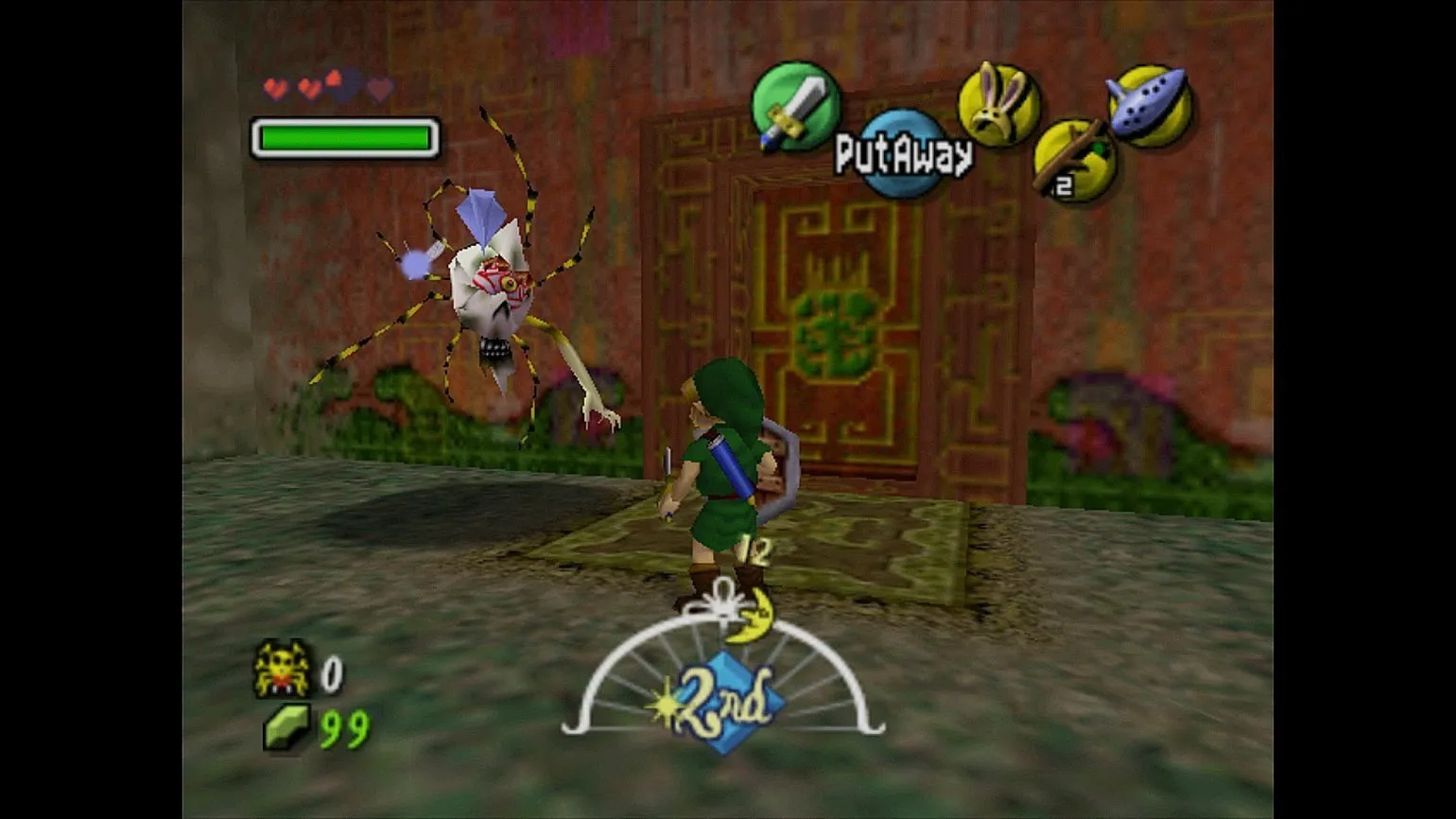
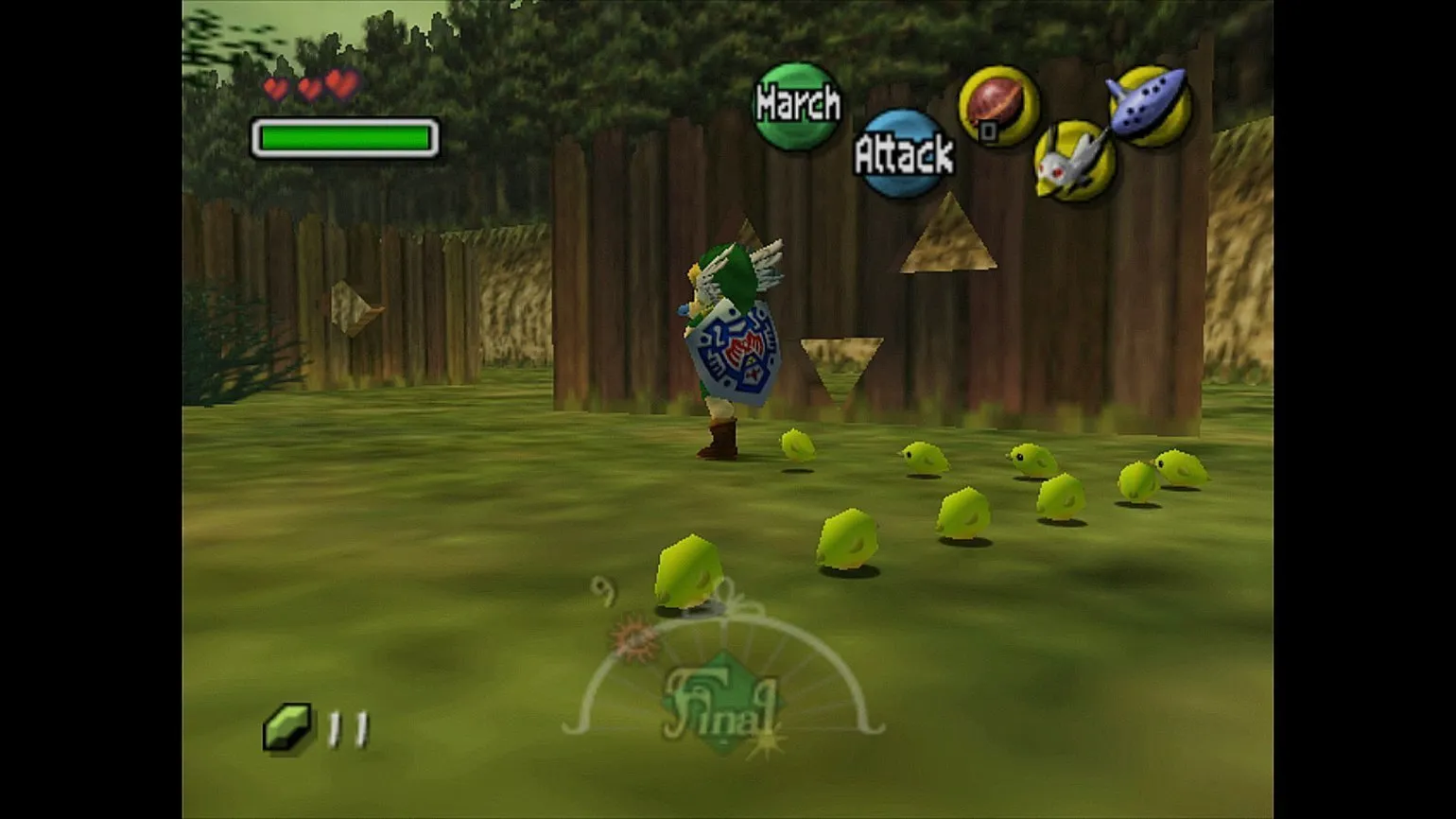
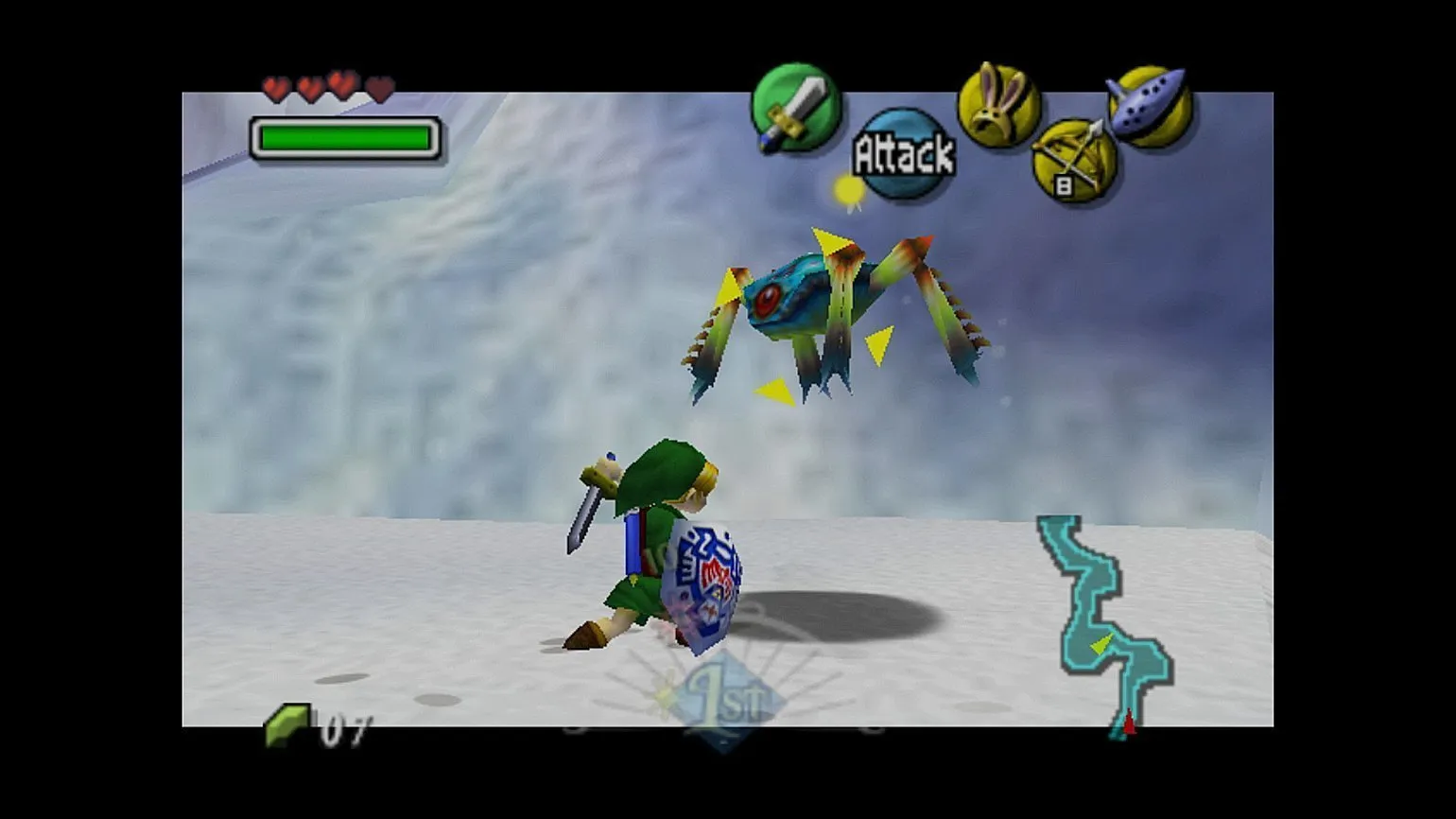
The game’s style has changed significantly. Aonuma and his team have created one of the darkest and most surreal parts, which at times evokes fear and a feeling of discomfort. The plot tells of a world that is doomed to destruction in three days, but Link has the ability to rewind time to find a way to save it. Each three-day cycle gives the hero the opportunity to either move closer to their goal or further away from it, adding dynamism and tension to the game.
The Legend of Zelda: Majora's Mask is recognized as one of the greatest video games according to Metacritic, where its rating reaches an impressive 95 points. To date, sales of this part of the legendary series exceed 3 million copies. This game stands out for its unique atmosphere, innovative gameplay, and memorable story, which makes it a favorite among both old fans and new players.
Following the release of Majora's Mask, The Legend of Zelda series once again returned to portable consoles. The Legend of Zelda: Oracle of Seasons and The Legend of Zelda: Oracle of Ages were released on the Game Boy Color, and The Legend of Zelda: Four Swords appeared on the Game Boy Advance. The next significant game in the series was The Wind Waker, which was released in late 2002. It is with this game that we will begin the second part of our series dedicated to the history of The Legend of Zelda.
Who are you in the world of game development? A mini-course for those who want to make games.
In this free mini-course, you'll try your hand at being a game designer, 2D artist, or Unity game developer, and choose the profession that's right for you.
Find out more