
Contents:

Profession Producer Games: 7 Steps to Success in the Industry
Learn MoreKey Features of Metaverses
Matthew Ball, an influential venture capitalist and one of the pioneers of the metaverse concept, identifies seven key characteristics that shape this phenomenon. These characteristics help us understand how metaverses impact various aspects of our lives and business, as well as their potential for the future development of technology and user interaction.
Metaverses represent a unique space where existence continues indefinitely. They operate continuously, without stops or completions, allowing users to immerse themselves in worlds where time loses its meaning. This infinity of existence opens up new horizons for interaction and creativity, allowing you to create and explore endless possibilities.
Synchronicity: All events happen in real time, allowing users to interact with the world around them simultaneously. This synchronous communication improves the user experience and increases engagement, as each participant can instantly respond to changes and events occurring within the system. This makes interaction more dynamic and natural, creating a sense of shared presence and activity. Unlimited participation in the metaverse: There is no limit to the number of users simultaneously present in the virtual space. According to statistics, over 50% of Roblox players actively interact with their friends in the game. This underscores the importance of social interactions and shared gaming experiences in modern virtual worlds. The endless possibilities for communication and collaboration make the metaverse attractive to users of all ages, fostering unique communities and strengthening friendships.
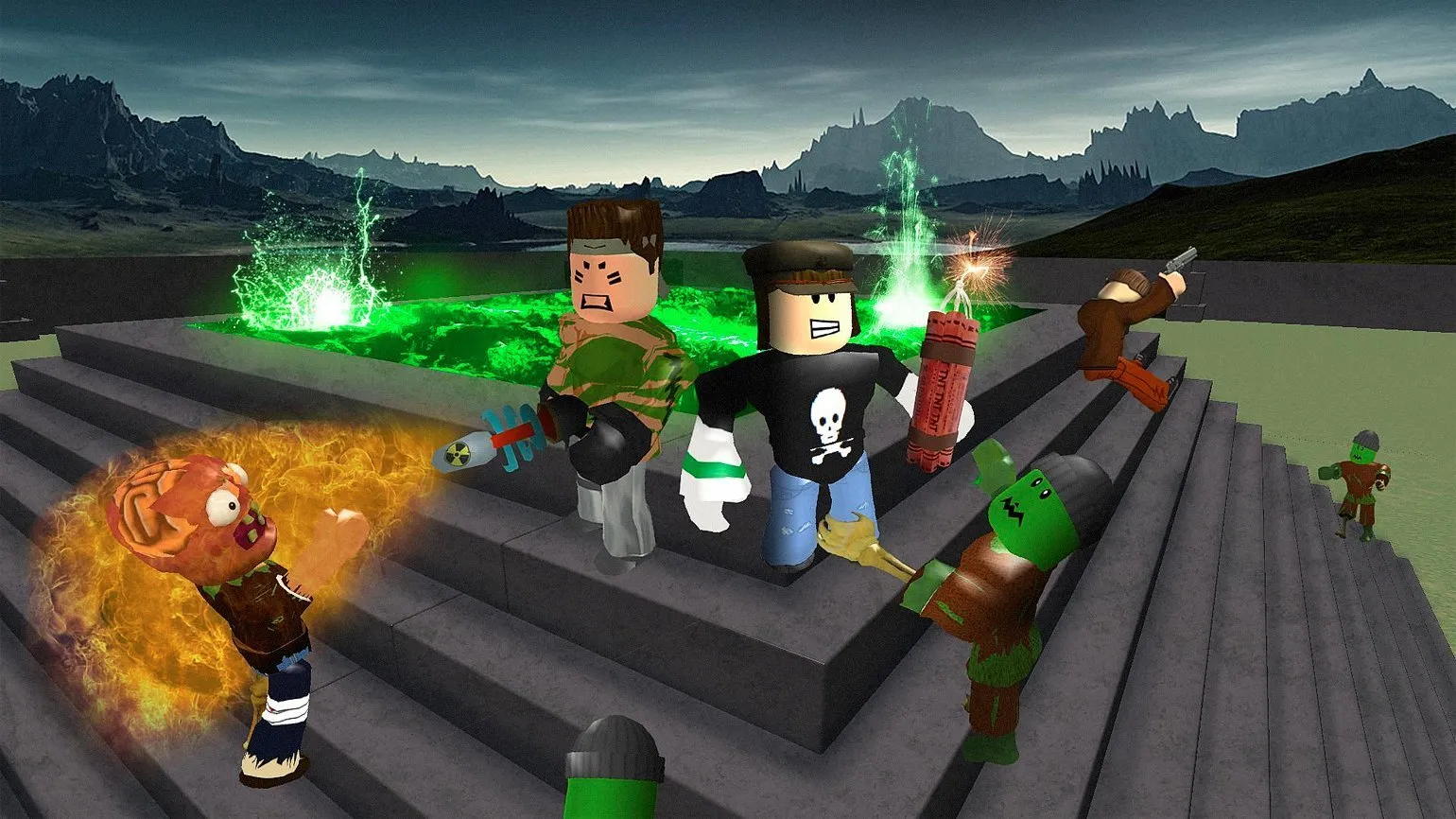
A functioning economy in metaverses allows users and businesses to earn digital currency by creating content or completing various tasks. This creates additional value for the virtual community, activating economic activity and encouraging user participation. The result is a dynamic ecosystem where every transaction and interaction contributes to the development of both individual participants and the entire metaverse.
Virtual currencies are digital money that can be used for purchases, investments, or exchanged for real money. In Roblox, the minimum withdrawal amount is 100,000 robux, which is equivalent to $1,000. However, it is worth keeping in mind that due to the developer's fee, the user only receives $350. It is important to understand that when using virtual currencies, you need to pay attention to the exchange terms and fees to manage your funds as efficiently as possible.
On the Decentraland platform, the price of digital land plots can reach $2.4 million, demonstrating the significant economic potential of metaverses. This market is attracting the attention of investors and users due to its unique opportunities for creating and monetizing virtual real estate. The development of blockchain technology and the growing interest in virtual worlds are opening up new horizons for businesses and individuals in the digital economy.
A Single Digital Whole: The metaverse unites the physical and digital worlds, encompassing both open and closed platforms, as well as private and public networks. For example, Roblox is not only a game engine but also a multifunctional platform that serves as a creative space, a shopping hub, and a social network. This allows users to interact, create content, and exchange ideas in a single digital space. The metaverse is becoming an essential element of the modern digital experience, providing new opportunities for social interactions and commerce.
Content interoperability is a key aspect of the metaverse, allowing content created on different platforms to be used within a single ecosystem. Matthew Ball emphasizes that, for example, a skin from Counter-Strike can be transferred to Fortnite or shared with a friend via Facebook. This opens up new horizons for users and creates a more integrated experience of interacting with digital content. The ability to share the same content across different games and social networks strengthens the community and increases the appeal of the metaverse to users.
User-generated content (UGC) plays a key role in the development of metaverses. In games like Fortnite, participants can develop emotes, costumes, and gameplay mechanics, significantly expanding the possibilities for interaction and self-expression. The Roblox platform, in turn, offers powerful tools for creating their own games, allowing users to express their creativity and share their creations with a wide audience. Thus, user-generated content not only enriches the gaming experience but also fosters the formation of active communities within virtual worlds.
Decentralization is a key aspect of any metaverse. It represents the collective creation of millions of users, allowing the platform to be governed not only by a single corporation but also by the community. This enables a more democratic approach to development and governance, where every voice matters. Decentralization allows users to contribute to content, participate in decision-making, and influence the future of the metaverse. This approach helps create a more diverse and engaging virtual space where community interests come first.
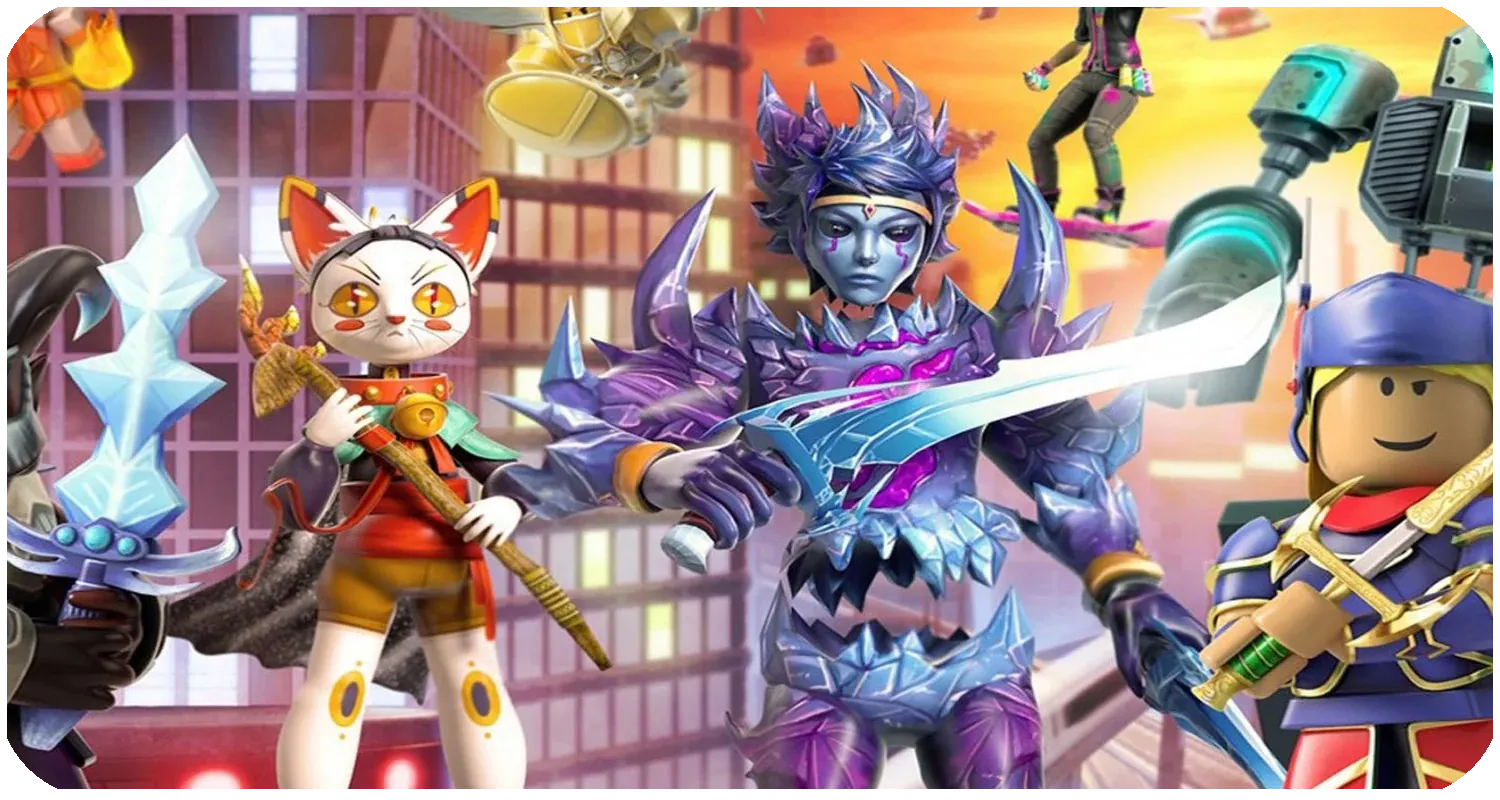
For a deeper dive into the concept of metaverses, we recommend reading our articles. They will provide you with up-to-date information and help you better understand how metaverses work, their capabilities, and their future development prospects.
The secret to Roblox's success lies in its ability to attract users through original content created by the players themselves. The platform provides tools for game and app development, allowing users to express their creativity and create unique game worlds. This makes user-generated content a key driver of Roblox's growth and popularity.
Metaverses like Roblox demonstrate the importance of community engagement in building a successful ecosystem. Users not only play games created by others but also actively participate in their development, creating a sense of belonging and interaction. This collaboration between developers and players fuels growth and innovation in virtual worlds, making them more engaging and diverse.
Thus, Roblox's success can be attributed to its unique model, which allows users to not only consume content but also actively create it, which in turn creates a dynamic and ever-evolving gaming environment.
The Metaphysics of Virtual Worlds: MMORPGs as Part of the Metaverse?
The metaverse is more than just a game or a set of quests. Unlike classic MMORPGs such as World of Warcraft or Lineage, the metaverse is not limited to a specific goal associated with game mechanics. It offers broad opportunities for self-expression and user interaction. In the metaverse, users can create unique virtual spaces, interact with other participants, and engage in various social, cultural, and economic activities. This is a space where reality and virtuality intersect, allowing people to realize their ideas and find new forms of communication. The metaverse opens the door to new formats of entertainment, education, and business, creating unique opportunities for users worldwide.
The metaverse shares many similarities with massively multiplayer online games (MMOs). Users actively interact in vast virtual worlds, creating communities where they find both friends and rivals. In these digital spaces, players develop their reputations and mine resources, making their experience engaging and varied. Thus, the metaverse continues to evolve the concept of MMOs, offering new opportunities for interaction and self-expression in a digital format.
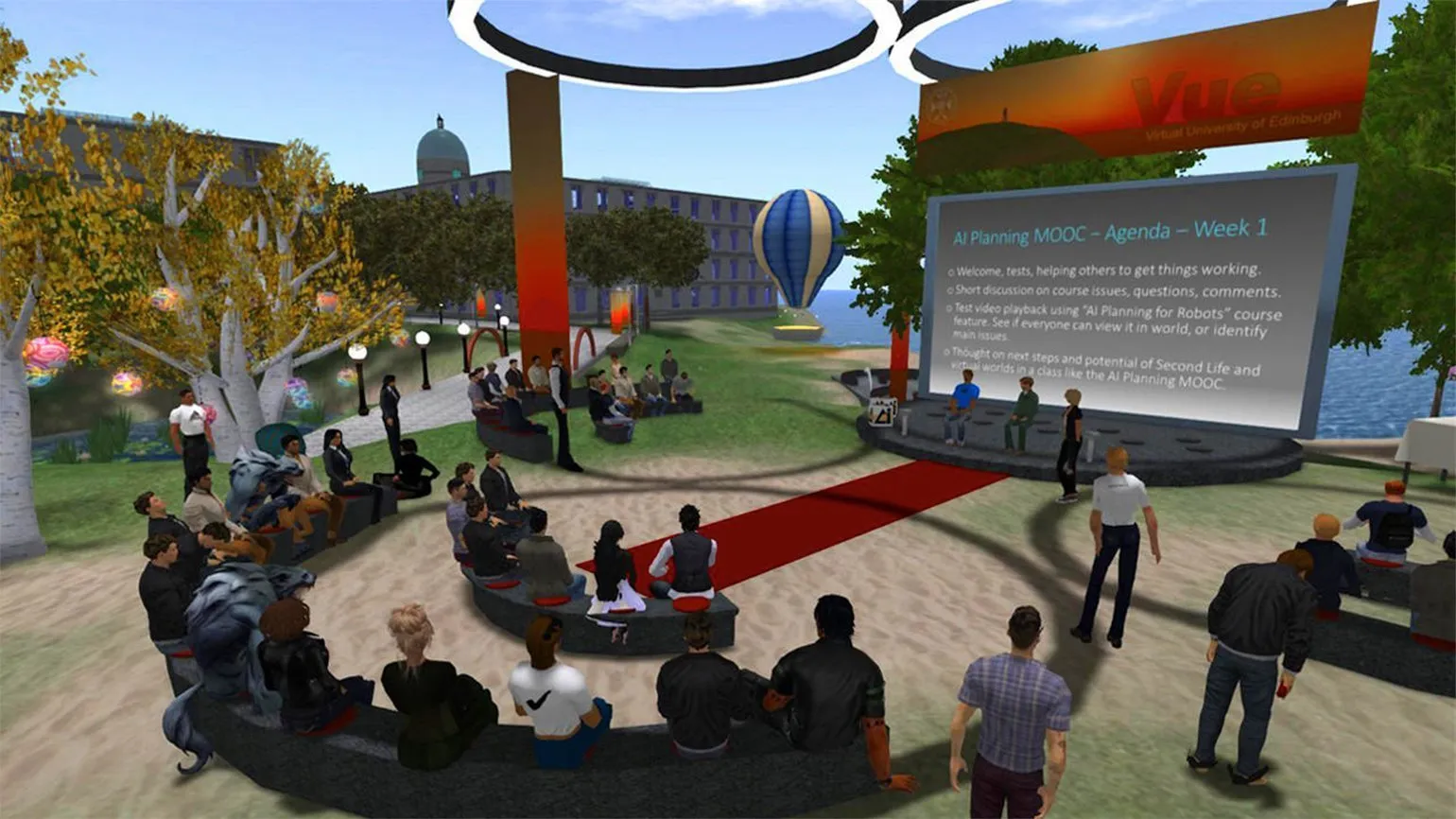
One of the first examples of a virtual space that predates the concept of the metaverse is Second Life. Launched in 2003, this platform offered users a unique experience that lacked game tasks, the need to level up characters, or collect points. Second Life allowed users to create their own avatars, interact with other participants, and explore a variety of virtual worlds. This created the foundation for the development of social interactions in the virtual environment and was an important step in the evolution of digital spaces that we know today as metaverses.
Users can immerse themselves in construction and design, explore virtual worlds, create art and goods. They can participate in communities of interest and communicate using text and voice chat. This provides unique opportunities for creativity and interaction.
Game elements continue to evolve and integrate into a wide range of capabilities. In the virtual world of Second Life, for example, users can create unique areas for role-playing games and virtual battles. This includes diverse styles, such as Westerns or futuristic combat systems, allowing players to immerse themselves in exciting scenarios and interact with other participants. The diversity of game mechanics in such spaces opens up new horizons for creative expression and social interaction.
The metaverse is not just a gaming environment, hardware, or online experience. It is a concept similar to how World of Warcraft, the iPhone, or Google are simply parts of a larger digital space. The metaverse promises to be the next stage in the development of this space, uniting diverse technologies and protocols. It creates new opportunities for interaction, business, and entertainment, forming a unique, interconnected digital world.
The metaverse is a multifaceted ecosystem where user interaction goes beyond traditional gaming. It opens up new horizons for communication, creativity, and business initiatives. In this virtual reality, users can not only have fun but also collaborate, create unique content, and find new avenues for commerce. The metaverse connects people from all over the world, enabling them to interact and share ideas in real time. It is a space where technology and creativity merge to shape the future of digital collaboration.
Metaverse Applications: New Horizons for Business and Education
Metaverses represent limitless possibilities for many aspects of our lives. According to Mark Zuckerberg, users will soon be able to "teleport" into virtual spaces, which will radically change approaches to communication, work, and entertainment. These digital worlds promise to transform not only social interactions, but also business models, educational processes, and the way we consume content. Metaverses are becoming a key element of the future, opening new horizons for creativity and innovation.
Imagine that instead of traditional video calls, your colleagues could meet in a virtual office where they could see documents and projects in real time. This innovation significantly accelerates decision-making and improves collaboration efficiency. Virtual offices create a unique collaborative atmosphere, allowing participants to easily discuss ideas and make changes to projects on the fly. Using such technologies not only improves communication but also contributes to increased team productivity.
David Baszucki, founder of Roblox Corporation, notes that the metaverse will open up new possibilities for 3D meetings, marking a significant advancement in business communication and creative collaboration. This innovative platform will enable companies to organize large-scale events, enhancing interaction between participants and creating a unique collaborative environment. The metaverse has the potential to change the approach to business communications, setting new standards for interaction in the virtual space.
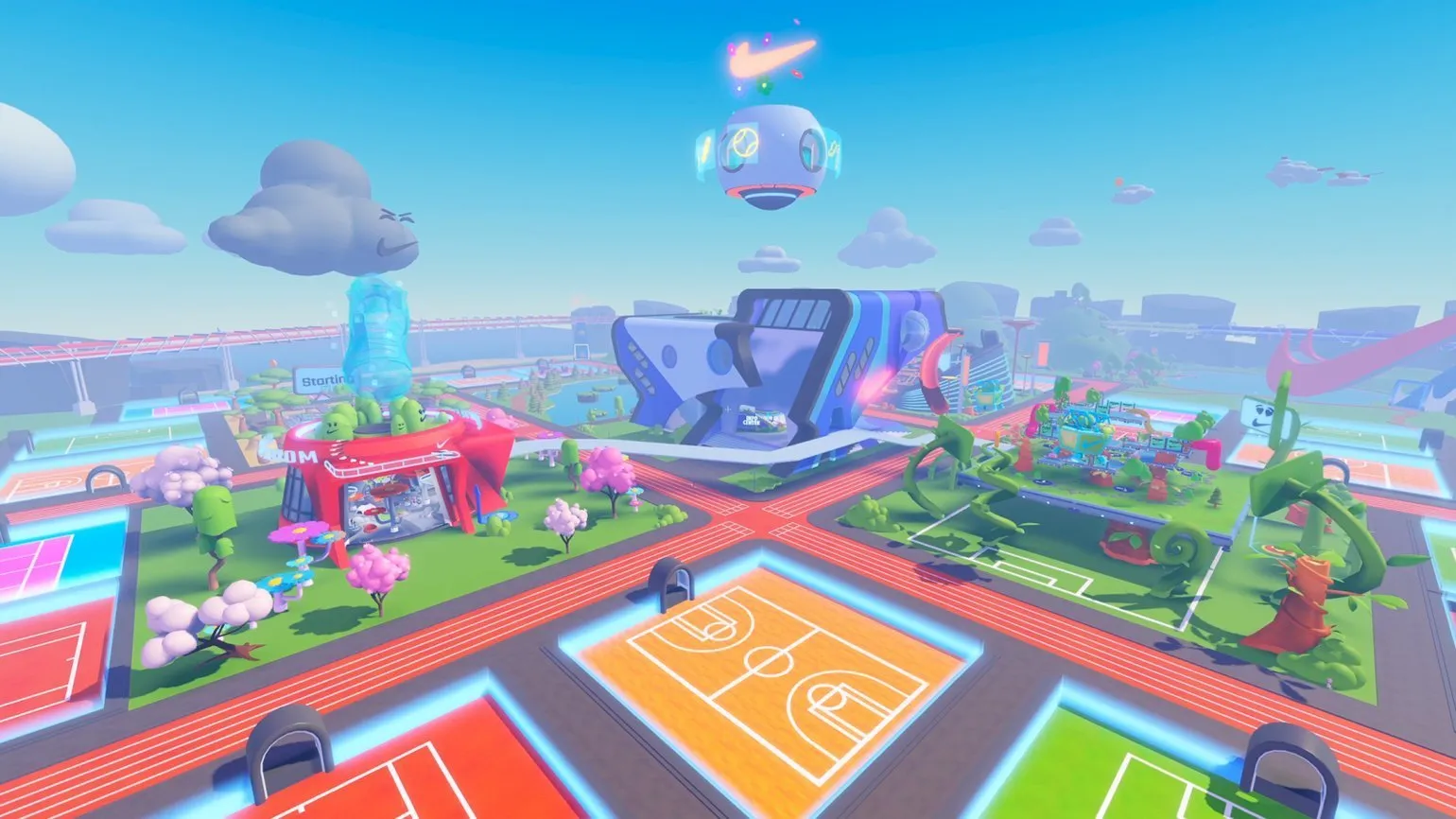
Major companies, including Nike, are actively exploring virtual spaces, creating presences in games like Nikeland in Roblox. In 2019, Nike collaborated with Fortnite, pairing Air Jordan sneakers with characters in the game. This highlights the dynamic labor market and the emergence of new professions related to online activities. Virtual worlds are becoming an important part of marketing strategies, offering unique ways to engage with audiences and expanding horizons for creative professionals.
In recent years, there has been a significant increase in the popularity of virtual events. Weddings, business meetings, concerts, and film premieres are now increasingly being held online. A striking example of this trend was the 2020 Lil Nas X concert in Roblox, which attracted 33 million viewers. This incident clearly demonstrates the enormous potential of online events and their ability to bring people together, regardless of geographic location. Virtual events not only expand their audience but also open up new opportunities for interaction and engagement among participants.
Virtual spaces are transforming modern education. The Roblox platform offers a unique opportunity to learn programming in the Lua language, allowing users to develop their own games and applications. This approach can become the foundation for the formation of a new generation of talented developers capable of creating innovative solutions in the world of technology. Using gaming platforms to teach programming opens up new horizons and makes the learning process more engaging and interactive.
The Roblox Corporation internship program in Silicon Valley provides young developers with a unique opportunity to develop skills in programming and project management. This makes education more accessible and relevant to modern industry requirements. Program participants gain practical experience in a dynamic environment, which contributes to their professional growth and increases their competitiveness in the job market.
David Bazooka argues that the future of education lies in creating immersive environments where classes will take place in virtual spaces. This will allow students to explore science through interactive simulations, making the learning process more engaging and effective. Virtual classrooms will open new horizons for exploring complex topics, providing practical application of theory. Thus, education will adapt to modern technology, providing students with unique opportunities for a deep understanding of subjects.
Metaverses open new possibilities for sports activities, providing users with a unique fitness experience. Apps like Supernatural offer workouts in virtual studios that combine visual and audio effects. This not only makes classes more engaging but also motivates users to achieve their fitness goals. Virtual reality can create an environment that promotes greater engagement and increases training effectiveness.

Metaverses are opening up new horizons for businesses, including the concept of virtual restaurants, where users can order food and have it delivered to their homes. The Seoul government is actively developing its metaverse for administrative services, highlighting the growing interest in integrating digital technologies into everyday life. Such innovations not only improve customer experience but also create new business models that drive economic growth. The introduction of the metaverse into various sectors, including services, entertainment, and commerce, promises to transform traditional approaches to interactions between businesses and customers.
How Metaverses Transform Technology: Impact on Software and Hardware
Metaverses have a significant impact on various aspects of technology, including software and hardware. A prime example is Roblox, which attracts over 200 million users thanks to its low system requirements. This makes the platform accessible to a wider audience, contributing to its popularity and growth. Metaverses like Roblox open up new horizons for user interaction, content creation, and the development of virtual economies, which in turn requires the constant improvement of technologies and tools for developers. Yaroslav Kravtsov, founder of Workshop 15, notes that Roblox's accessibility is a key factor in its popularity. The platform works effectively on a variety of devices, including PCs, mobile phones, and consoles. Even older devices can run the game without problems, making it appealing to a wide audience. Roblox offers a unique gaming experience accessible to users with varying technical capabilities. In 2022, Microsoft plans to launch its metaverse with the integration of Mesh mixed reality technology into the Microsoft Teams platform, which currently has 250 million unique monthly users. This innovation will allow users to collaborate on work tasks in virtual offices using virtual and augmented reality devices. Access to a 2D format is also provided for those who do not have the necessary devices. The launch of the metaverse will be a major step in the development of remote work and collaboration, providing users with new opportunities for interaction and productivity in the digital space.
Microsoft CEO Satya Nadella showcased the potential of cutting-edge technologies by visiting various sites, including a COVID-19 ward at a British hospital and a Toyota plant. These visits demonstrated how innovative developments can be applied to healthcare and the manufacturing sector, highlighting the importance of digital solutions in today's environment.
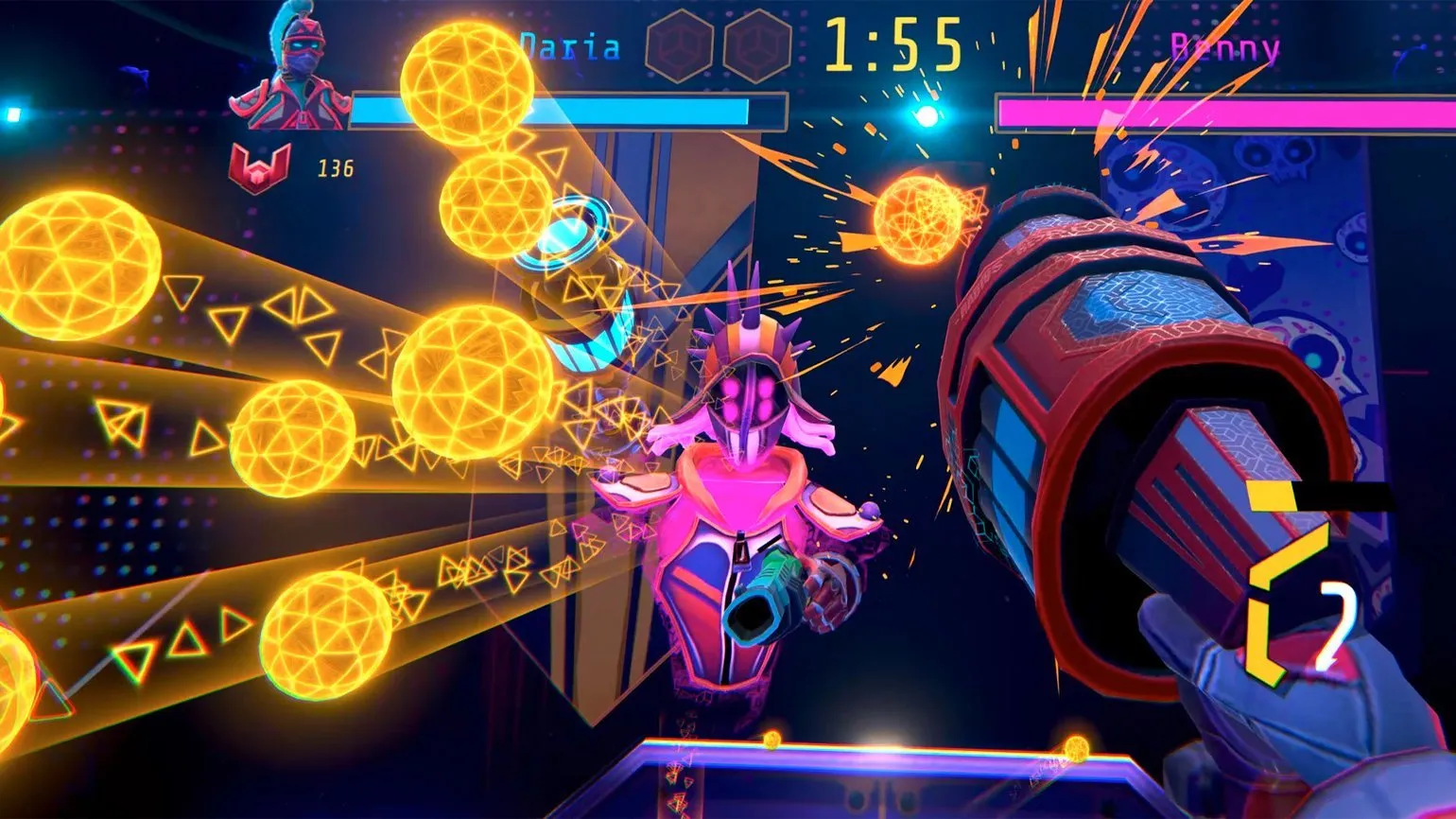
Meta is actively developing new advertising formats for virtual reality. As part of this initiative, the company has begun testing an advertising system in the VR shooter Blaston, created by Resolution Games. This opens up new opportunities for advertisers, allowing them to integrate their products into immersive gaming experiences and engage with users on a new level. Embedding advertising in VR games can significantly increase the effectiveness of advertising campaigns and attract the attention of the target audience.
Meta is working on Project Cambria, a mixed reality headset with facial expression and eye tracking capabilities. This advanced headset is designed to enhance the user experience by offering realistic avatars and high image quality. Project Cambria promises to be a significant step forward in mixed reality technology, giving users new ways to interact in virtual spaces.
Yaroslav Kravtsov emphasizes that modern metaverses are primarily aimed at crypto enthusiasts, while Meta aims to attract a wider audience of users. This is not just a new startup, but a significant step toward transforming the daily lives of millions of people, offering innovative sources of entertainment and opportunities for interaction. Metaverses have the potential to change our perception of the digital world, opening new horizons for social interactions and business communication.
In partnership with Carnegie Mellon University, Meta is researching technologies aimed at "understanding the world through touch." This project involves developing thin robotic skin capable of transmitting tactile sensations when interacting with virtual objects. This innovative technology will significantly improve the level of immersion for users in virtual reality, opening up new horizons for application in various fields, including gaming, medical rehabilitation, and education.
The Future is Here: What is the Metaverse?
The term "metaverse" first appeared in Neal Stephenson's novel "Snow Crash," published in 1992. In this novel, the metaverse is described as a three-dimensional virtual reality in which users can exist as digital avatars. This virtual universe is controlled by large corporations and serves as a refuge from the harsh reality. The protagonist, who works as a pizza delivery boy, is transformed into a famous hacker and samurai warrior in this digital space. The concept of the metaverse continues to evolve, attracting the attention of both developers and users, and is becoming relevant in light of modern technologies and trends in the field of virtual reality.

Modern interpretations of the metaverse concept have generated controversy. Journalist Wes Fenlon, in his article "The Metaverse is Nonsense" for PC Gamer, expresses doubts about the possibility of creating a full-fledged metaverse. He believes that this is just another attempt to improve the internet. Fenlon emphasizes that instead of revolutionary changes, we are only seeing the evolution of existing technologies and platforms. Such opinions raise important questions about the real value and prospects of the metaverse in the future.
According to experts, many tech companies are striving to realize ambitious ideas about the metaverse, but their plans remain without real achievements. Fenlon notes that the science fiction worlds created by authors such as Gibson and Stevenson offer characters a much wider range of possibilities than simple interaction with a computer. In reality, the internet remains a space where the main interaction occurs through typing on a keyboard. This highlights the need to focus on real innovations that can take digital interactions to the next level.
At the Facebook Connect conference, John Carmack, CTO of Oculus, expressed the opinion that despite significant investments in development, the final product will not necessarily change the way we interact with technology. Carmack emphasized that innovation may not always lead to revolutionary changes in the user experience. This opinion is relevant in light of current trends in virtual and augmented reality, where user expectations may not match the actual capabilities of the technology.
There are optimistic prospects for the development of the metaverse. David Baszucki, the founder of the Roblox platform, argues that the metaverse can become as significant a breakthrough in online communication as the telephone and the Internet. He emphasizes that the metaverse has the potential to unite people from different social backgrounds and create a digital civil society. From Baszucki's point of view, this new space can provide unique opportunities for interaction, creativity, and sociocultural exchange.
I agree with the opinion of Tim Sweeney, the founder of Epic Games, who emphasizes that healthy competition is a fundamental element of the metaverse. Sweeney emphasizes that an open and cost-effective environment governed by multiple participants will be able to shape a positive future for all users. It is important that the metaverse develops as an inclusive platform where innovation and diversity of ideas contribute to its growth and sustainability.
He emphasized that the key is that the metaverse is created not by a single company, but by the collaboration of millions of users. This will allow everyone to contribute through content and design, which will ensure diversity and innovation in this virtual space.
Platforms such as Fortnite, Minecraft, and Roblox are showing the first signs of a metaverse, but we are still on the way to its full realization. These games provide users with unique opportunities for interaction and creativity, but a true metaverse requires a deeper unification of virtual spaces, technologies, and social interactions. The development of such platforms can become the basis for a more complex and integrated ecosystem, where users can freely move between different worlds and interact with each other in a single virtual space.
Reading is an important aspect of our lives. It not only develops us intellectually but also enriches our inner world. It's important to choose quality literature that deepens knowledge and broadens horizons. Modern technology allows you to access books and articles anytime, anywhere. Online resources and electronic libraries are becoming indispensable assistants for book lovers. Don't forget that regular reading improves concentration and critical thinking. Join the reading community, share your impressions, and discover new horizons in the world of literature.
- Interview with Yaroslav Kravtsov. Part 1.
- The Future of Interactive Characters in Video Games
- Zombies: From Haiti to Call of Duty
Game Producer: 5 Steps to a Successful Game Project
Want to become a game producer? Learn how to turn an idea into a successful project with 5 proven steps!
Learn more