Contents:

Who are you in the world of game development? Find out in our free course ➞ You'll experience three professions in action: game designer, 2D artist, and Unity developer. Create your first Mario-style game. Click here for details.
Learn moreNintendo's uniqueness is reflected in its history, filled with both successes and failures. Over a hundred years ago, the company began its journey producing playing cards. In the 1960s and 1970s, Nintendo shifted its focus to producing toys that were distinguished by their originality and unusualness, and, as a rule, were more successful than unsuccessful. This ability to adapt and innovate was a key factor in Nintendo's rise to prominence in the video game industry.
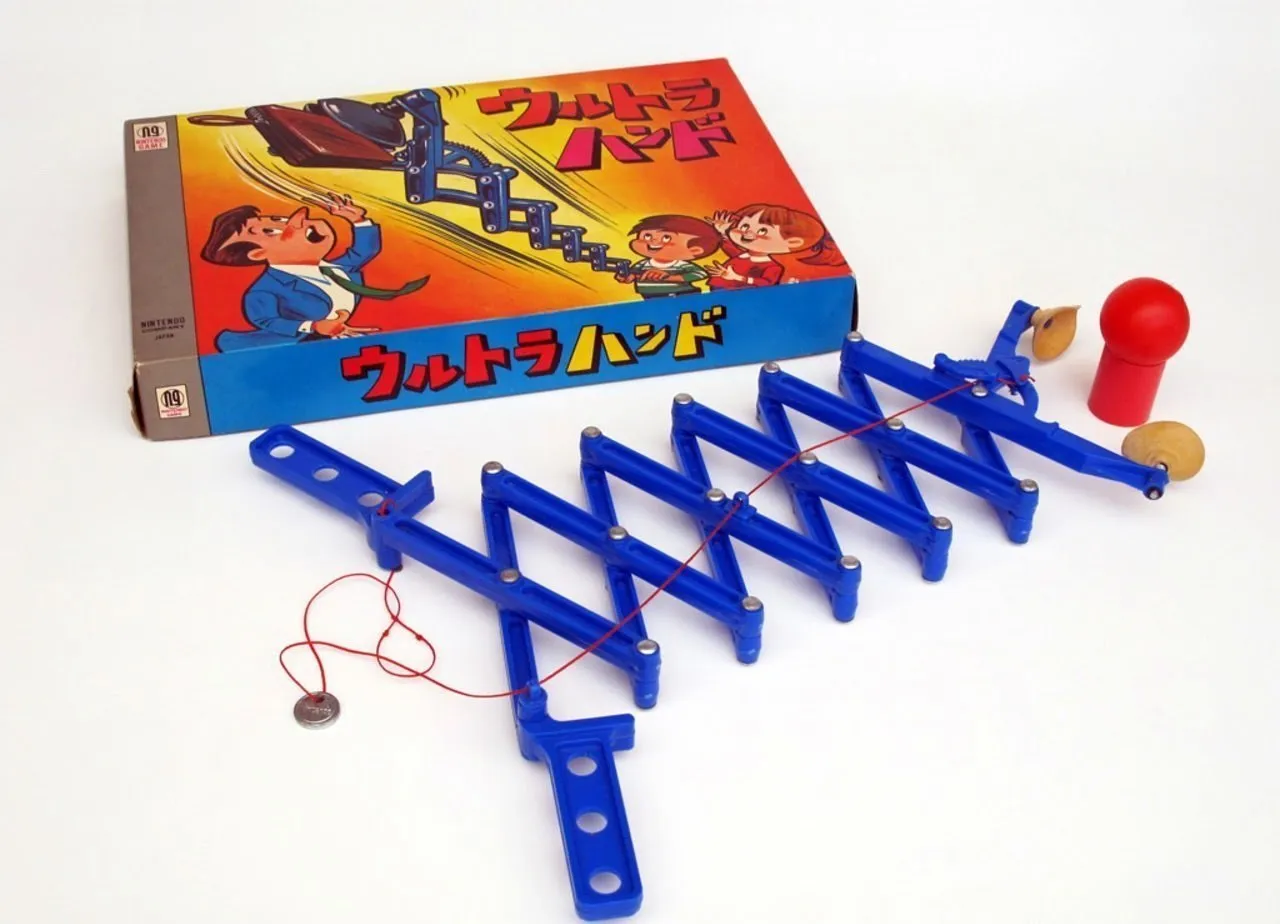
One of Nintendo's first toys was the Ultra Hand, developed in 1966 by the distinguished engineer Gunpei Yokoi. This talented specialist later went on to create the Game & Watch portable console, co-develop the iconic Game Boy, and produce numerous exclusive Nintendo games. The Ultra Hand, which functions like a pair of scissors and resembles a cartoon hand, attracted children and made the toy very popular. In 1969, Gunpei Yokoi introduced another interesting toy, the Love Tester, which quickly gained popularity among young people seeking to determine the compatibility of their relationships. These toys played a vital role in Nintendo's history and laid the foundation for the company's subsequent innovations.
Nintendo is known to a wide audience as a developer of successful video games and consoles. The company became famous for its experiments with various devices for game consoles. Many of these attempts were unsuccessful, but some became iconic and set new trends in the gaming industry. It was Nintendo's "toy" legacy that had a significant influence on its further experiments and innovations.
This article presents an overview of unusual and original accessories and peripherals from Nintendo, which had a significant impact on the development of modern technology and the formation of world pop culture. We will consider both successful and failed projects that became iconic for the video game industry. These devices not only changed the approach to gaming, but also left their mark on the history of technology.
Konami Laser Scope
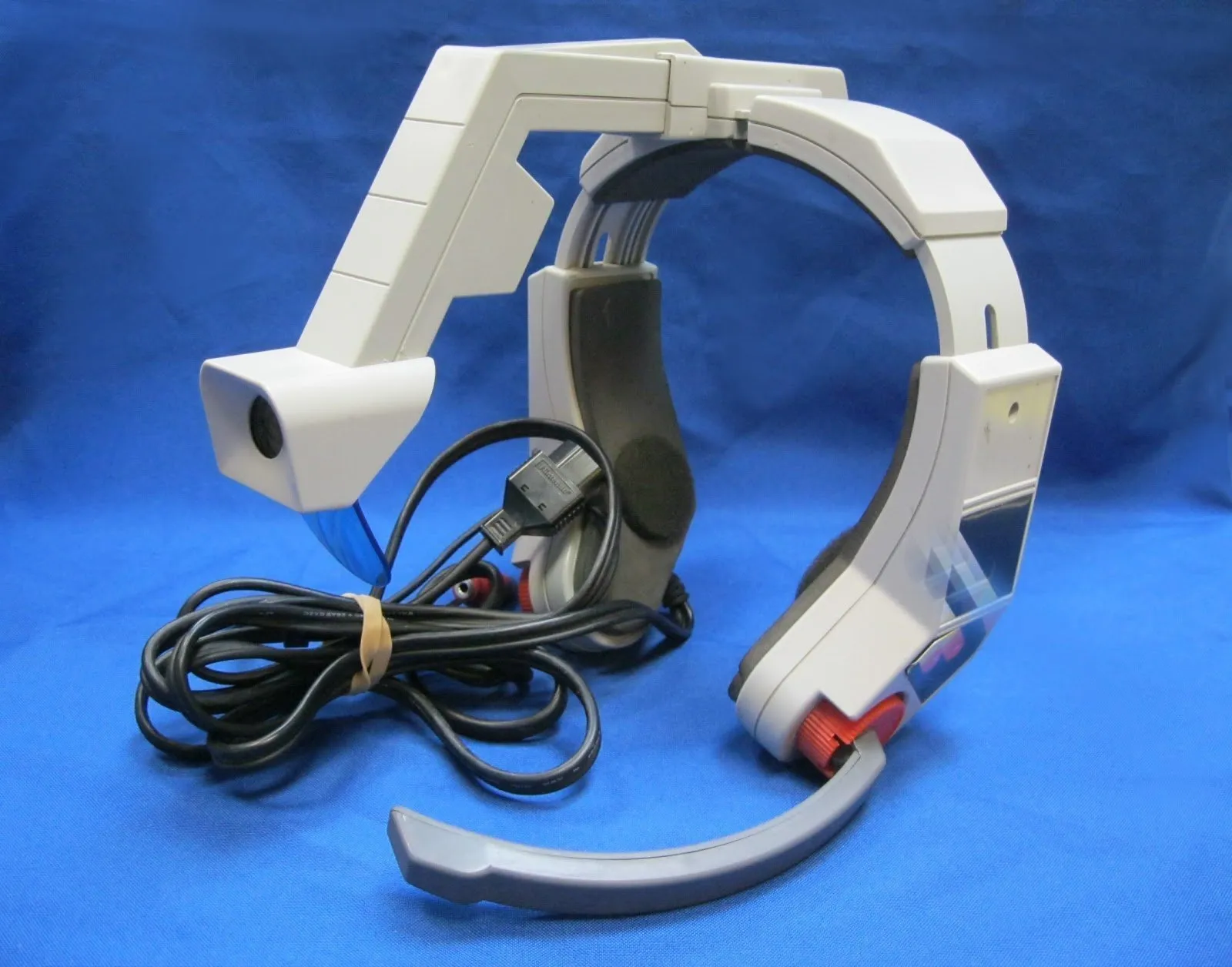
The Konami Laser Scope is a unique cyberpunk-style gaming accessory that is worn on the head. This device was originally designed for use with the action game Laser Invasion from Konami. However, over time, it was integrated with other shooters that support the NES Zapper light gun. This gadget not only adds interactivity to the gameplay but also allows players to immerse themselves in the atmosphere of high technology and futuristic gaming.
The Laser Scope is controlled by voice commands. Saying the word "Fire" fires a shot, and the command "Run" makes them run. However, the device's microphone proved overly sensitive, making it difficult to use due to its sensitivity to extraneous sounds. Nevertheless, the stylish design of the Laser Scope continues to inspire fans of cyberpunk of the 1980s and 1990s, remaining a symbol of the era.
Power Glove
The Power Glove is a futuristic gadget that could become a part of the cyberpunk world described in the novels of William Gibson. This unique accessory combines elements of high technology and virtual reality, which makes it popular among fans of modern games and retro gadgets. The Power Glove not only evokes associations with cyberpunk, but also serves as a symbol of the desire for innovation in the field of gaming technology.
Developed by engineers, the Power Glove was supposed to be a revolutionary device in the gaming industry, giving users the ability to control games with motion. However, in practice, the gadget could not effectively read the movements of players, which made it inconvenient to use. As a result, the Power Glove failed to succeed in the market and failed in sales.
The glove has several buttons and a d-pad, which provides convenient control. The device features two integrated speakers with a 40 kHz frequency, which is inaudible to the human ear. Control is achieved by transmitting sound from the glove's speakers to a mount mounted on the TV. This mount detects the signals and locates the device. However, the technology was unsuccessful, as the extra noise interfered with gameplay, creating problems for users.
Two unique games were developed for the Power Glove: the puzzle game Super Glove Ball and the action game Bad Street Brawler. The glove also supported playing standard NES games, but poor implementation made the experience awkward and uncomfortable.
Interesting fact: Although the Power Glove is an official Nintendo accessory, it was developed by the famous toy company Mattel. This device was one of the first attempts to integrate motion control technology into video games, which opened up new horizons for the gaming industry.
The Power Glove has left a noticeable mark on world pop culture. The glove appears in various music videos and films. A striking example is the comical and grotesque action movie Kung Fury, where the hero named Hackerman uses the Power Glove to manipulate time. In addition, there is a popular musical group Power Glove, which created the soundtrack for the shooter Far Cry 3: Blood Dragon, saturated with retro elements. This project highlights the influence of the Power Glove on modern art and entertainment, inspiring both musicians and filmmakers.
R.O.B. The Robot
R.O.B. Released in 1985, R.O.B. The Robot was a unique accessory for the NES console. This toy robot attracted users with its original design and interactive capabilities. Two games, Gyromite and Stack-Up, were developed for R.O.B., which utilized its functionality and allowed players to interact with the device. Despite its limited availability, R.O.B. has left a significant mark on video game history and is a cult classic in retro gaming.
While the games and R.O.B. The Robot itself did not achieve widespread popularity, the product became a key marketing tool for Nintendo. It played a vital role in promoting the new 8-bit console at a time when the gaming industry had almost fully recovered from the 1983 recession. In 1985, it was extremely difficult to imagine a new gaming device without interesting accessories, and R.O.B. helped draw attention to the console and its games, which contributed to Nintendo's successful return to the market.
The R.O.B. The Robot toy became a true magnet for American children eager for exciting games. This unique gadget attracted attention due to its unusual capabilities. The well-known blogger AVGN dedicated one of his video reviews to it, in which he exposes the absurdity and shortcomings of this device. R.O.B. The Robot is not only interesting as a part of gaming culture, but also provokes many discussions about its true value in the world of video games.
NES Zapper
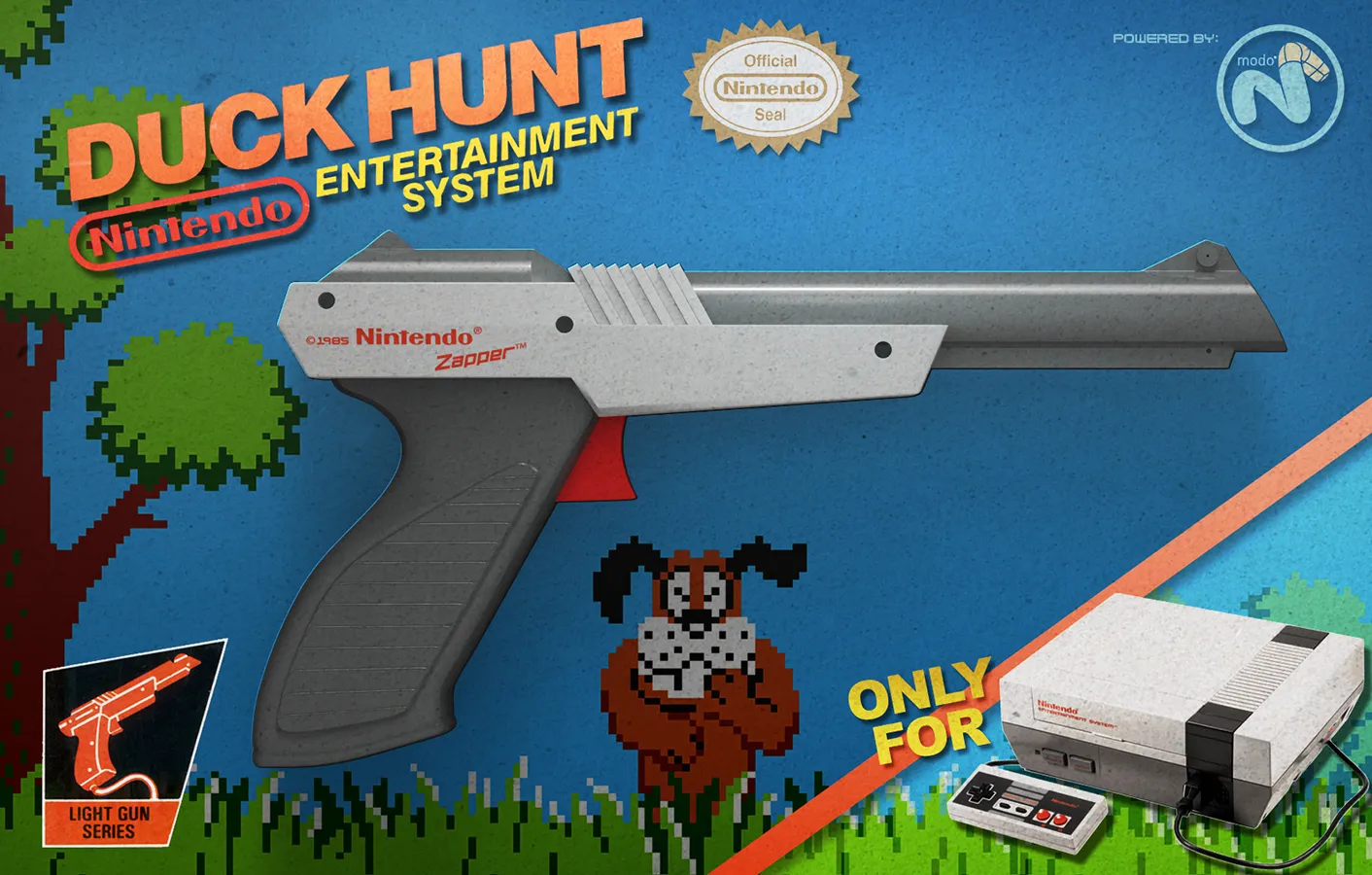
The NES Zapper was also known in Russia in the 1990s, when this light gun was sold with the pirated, but popular in our region, Dendy console. However, the NES Zapper was originally designed for the Nintendo Entertainment System (NES). This unique accessory allowed players to interact with games using a light beam, which added a new level of gameplay. Its popularity in Russia reflected the rapidly growing interest in video games during this period.
In the mid-20th century, there were many light shooting galleries in the United States and Europe, including Russia. However, the NES Zapper was one of the first devices to bring this entertainment to home television screens, changing the gameplay experience and expanding the possibilities for interactive entertainment.
The NES Zapper is based on vacuum photocell technology, which was developed nearly a century ago. The structure of any lighted shooting range includes a target with a photocell and a barrel, which is the light source. The player hits the target when light hits the photocell during a shot. One of the first commercial machines to use this technology was the Seeburg Ray-O-Lite, introduced in 1936. This innovation became the basis for further development of gaming technology and made a significant contribution to the evolution of video games.
For home shooting, the system was modified: illuminated targets appeared on the TV screen, and a photocell was integrated into the NES Zapper gun. This improved player interaction with the game and made the process more exciting. Users could now enjoy realistic shooting right in their own homes, significantly increasing the popularity of games using this device.
With the advent of modern televisions and technology, interest in the NES Zapper light gun has significantly declined. However, many gamers who grew up in the 1980s and 1990s will forever associate their video game memories with the NES Zapper. This unique accessory allowed players to have fun shooting ducks in the legendary Duck Hunt, the second-best-selling NES game of all time. The NES Zapper remains a symbol of an era when video games were just beginning to gain popularity and create unique experiences for players.
NES Power Pad
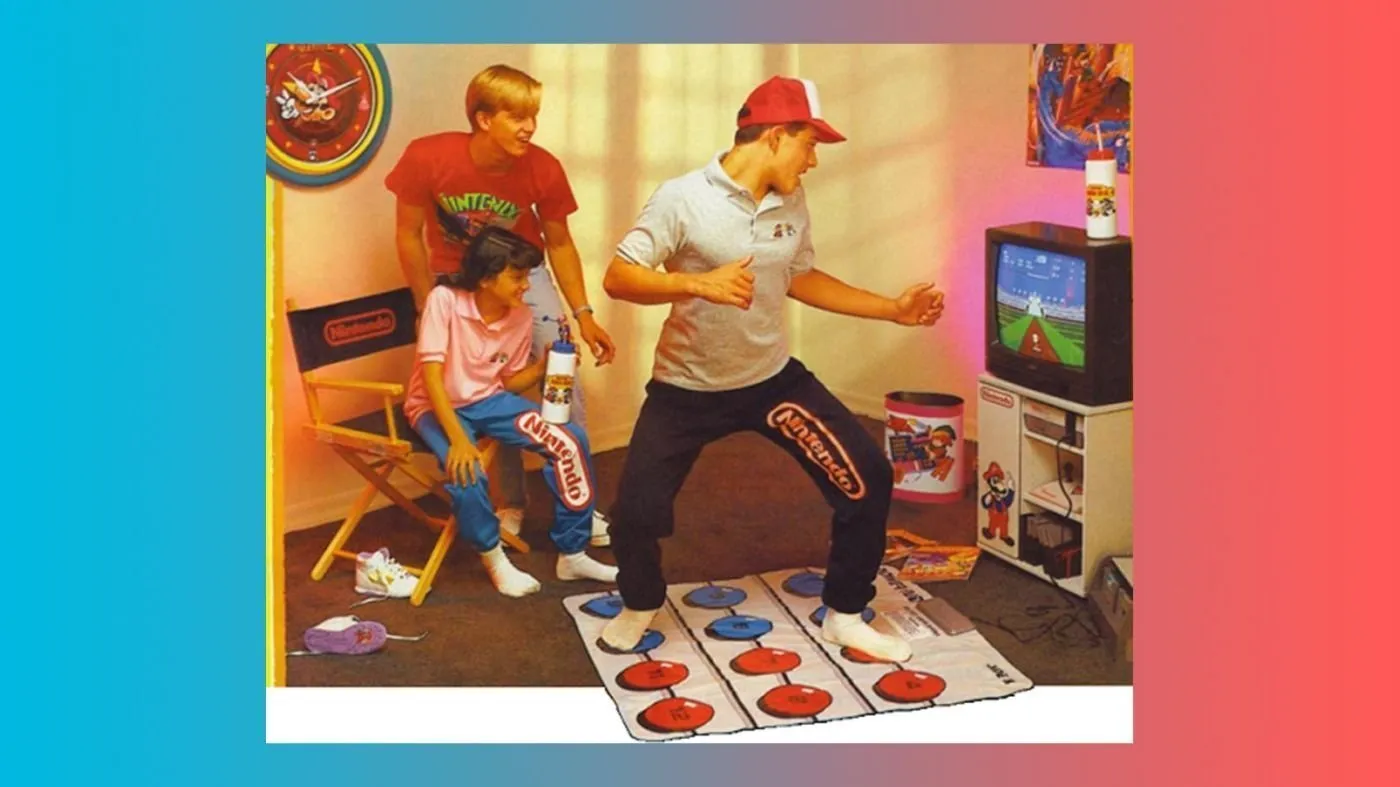
The NES Power Pad pioneered arcade dance games by offering a unique control method via twelve buttons located on the pad. Players must jump and watch the TV screen to successfully interact with the controller. The most famous game to support this accessory is World Class Track Meet, in which players compete in Olympic competitions. In addition, the NES Power Pad is compatible with ten other games released for the NES console, making it an interesting addition for video game enthusiasts.
The Power Pad was developed by the Japanese company Bandai, initially under the name Family Trainer. The device was released for the Famicom console in Japan, and then its sales began in the United States. Nintendo acquired the rights to this accessory for the North American market and successfully sold 500,000 copies of the device.
Super Nintendo Super Scope
Following the successful launch of the NES Zapper accessory for the 8-bit NES console, Nintendo engineers and designers decided to create a new accessory for the more powerful SNES console. Thus, the Super Scope was born - a bulky and unusual gadget reminiscent of a futuristic bazooka. This accessory allowed players to fight monsters of varying sizes and powers, offering a new level of interaction and immersion in gaming. The Super Scope was not only an interesting addition to the gaming system, but also a fascinating tool for creating unique gaming moments.
When using the Super Scope, you need to look through a special eyepiece for precise aiming and shooting. This bulky device was unable to achieve the success comparable to the Zapper due to its large size and the lack of compatible popular games. The Super Scope's most memorable projects include Battle Clash and Yoshi's Safari, which demonstrate the accessory's potential. Despite its shortcomings, the Super Scope remains an interesting example of an attempt to introduce innovative technology to the gaming industry.
In the 1990s, Russian TV presenter Sergei Suponev featured the unique Super Scope accessory on his popular program "Dendy - New Reality." In this show, he introduced young audiences to games and accessories for gaming consoles such as Dendy, Sega, Game Boy, and Super Nintendo. The program became a true milestone in the history of video games in Russia, helping to popularize console gaming and broaden the horizons of young players.
Game Boy Camera and Game Boy Printer
The Game Boy Camera and Game Boy Printer were released in 1998, during the final years of the Game Boy console's popularity. At the time, cell phones with cameras did not yet exist, making these devices unique for their time. The Game Boy Camera allowed users to take low-quality photos, while the Game Boy Printer allowed these images to be printed on special paper. These accessories became iconic for fans of the console and opened up new possibilities for creativity and self-expression in an era when digital photography was just beginning to develop.
The Game Boy screen is black and white, while the Game Boy Color displays only a limited number of colors. Accordingly, the Game Boy Camera creates photos exclusively in grayscale, black and white. This accessory provided users with a unique photography experience, and the Game Boy Printer allowed the resulting images to be printed, which seemed like a real miracle at the time. The Game Boy Camera came with several simple minigames, such as "Space Fever II," "Ball," "DJ," and "Run! Run! Run!" These games added variety and allowed users to enjoy the new capabilities of their device.
In 1999, the Game Boy Camera entered the Guinness Book of World Records as the "world's smallest digital camera." Over time and technological advancements, this record, set by Nintendo, has been surpassed. The Game Boy Camera has become a landmark device in the history of digital photography, demonstrating the company's innovative approach to portable technology. Despite the fact that modern cameras significantly surpass it in characteristics, the game remains a symbol of the era when compactness and uniqueness of technology came first.

Virtual Boy
Virtual Boy is not just an accessory, but a fully-fledged gaming console deserving of attention. It was the first home gaming system capable of displaying true 3D graphics. Released in 1993, this console turned out to be one of Nintendo's most significant failures. The company managed to sell only about 800,000 units, which is an extremely low figure, even by the standards of that time. Despite innovative technologies such as stereoscopic 3D and a unique design, Virtual Boy failed to gain popularity among users, which led to its rapid disappearance from the market.
Virtual Boy is a unique gaming helmet that is placed on a table in front of the user. You can't put it on your head; instead, you need to sit in front of the device and look at small screens, similar to those used in an optometrist's office. Control is carried out using a special gamepad. The console features a red-and-black monochrome screen, with all games displayed in a limited color scheme consisting solely of red and black shades. This unusual approach to gameplay creates a unique interaction that sets the Virtual Boy apart from other gaming consoles of its time.
The Virtual Boy was one of the most awkward gaming consoles, failing to fully immerse players in the virtual world, the primary goal of VR devices. Instead of the expected 3D experience, it provided only stereoscopic images, limiting interaction and gameplay perception.
The Virtual Boy console has a limited selection of games, most of which are developed by Nintendo's internal studios. Weak sales of the device discouraged third-party developers, negatively impacting the diversity of content. One of the few successful projects for the Virtual Boy was the original platformer Virtual Boy Wario Land, which stands out for its creativity and unique gameplay. This game showcased the console's capabilities and remains a shining example of its potential in the world of video games.
Virtual Boy was developed by engineer Gunpei Yokoi, who later left Nintendo to start his own company. Sadly, the developer died tragically in an accident in 1997, when he was only 56 years old. His contribution to the video game industry remains significant, and the Virtual Boy was an interesting, if not entirely successful, experiment in 3D gaming.
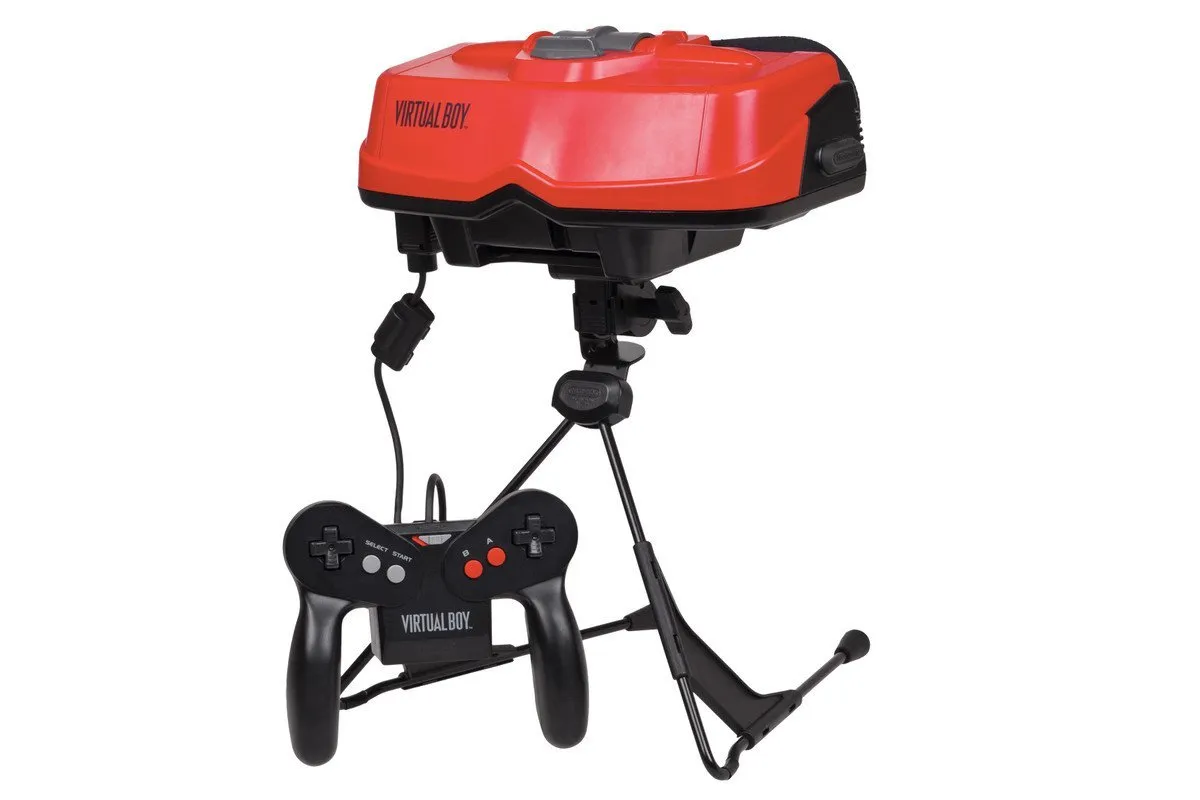
Despite its failure, the Virtual Boy has become a prized collector's item over time. This unique portable gaming console, released by Nintendo, attracts attention due to its rarity and historical significance. Collectors prize the Virtual Boy for its innovative technology and the unique gaming experience it offered in its day. Interest in this console continues to grow each year, making it a coveted item in the collections of gamers and retro game enthusiasts.
DK Bongos
The DK Bongos drum-shaped controllers were designed for three installments of the popular rhythm game Donkey Konga on the Nintendo GameCube console. The first release of this cult series took place in 2004. In addition, the platformer Donkey Kong Jungle Beat also used these unique controllers, which added a new level of interaction with the game. DK Bongos have become an integral part of gaming culture and are remembered by many Nintendo fans.
The drum gameplay in Donkey Konga is reminiscent of the mechanics of the Guitar Hero series, where players must hit a set rhythm. However, Donkey Konga adds a unique element—the clapping action—which makes the game more interactive and varied. This combination of rhythmic gameplay and active participation creates an engaging experience for players of all ages.

Rumble Pak
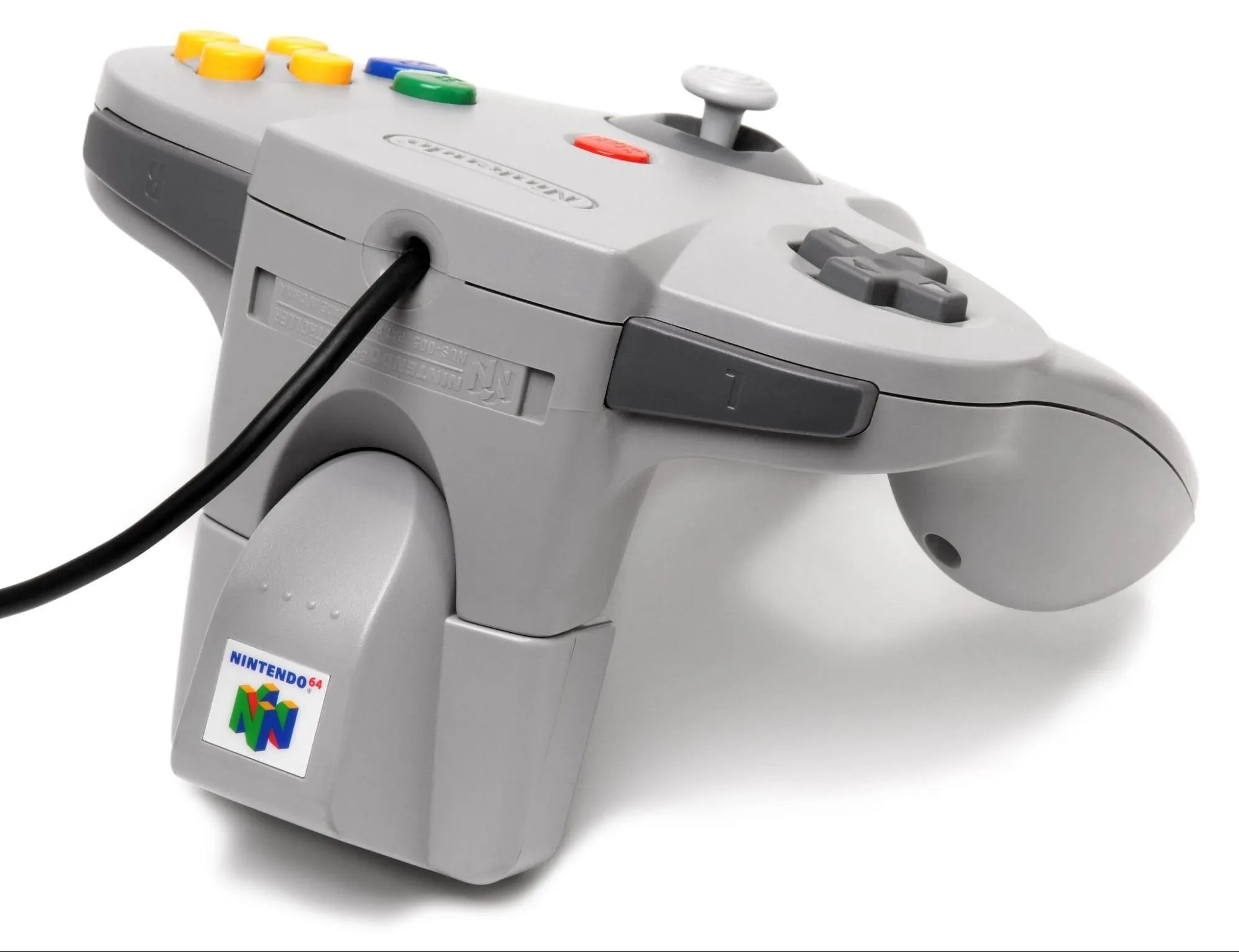
The removable Rumble Pak attachment transformed the Nintendo 64 gamepad into the world's first controller with vibration. This innovation significantly improved the gaming experience, adding a sense of realism and immersion to the virtual world. Vibration became the standard for subsequent gaming systems, changing the approach to controller design and interaction with games.
All modern game controllers from popular consoles now come with built-in vibration. In 2017, Nintendo introduced enhanced HD Rumble technology for the Nintendo Switch Joy-Con, which provides players with a deep and realistic haptic experience. More recently, Sony developed similar technology for the PS5 DualSense controller. This controller offers even more advanced haptic feedback, allowing users to feel every bump in the road. Vibration and haptic feedback technologies have significantly enriched the gaming process, creating a more immersive experience for players.
Nintendo Labo
In 2018, Nintendo Labo cardboard construction kits for the Switch console were released. These construction kits allow you to create various objects, such as a mini piano, a fishing rod, or a motorcycle handlebar, which can then be used in games on the console itself. One of the interesting kits is the "Robot", which includes a special backpack with strings that function as controls for controlling the robot on the TV screen. Nintendo Labo offers a unique experience of interaction with games, combining creativity and technology, which makes it attractive to users of all ages.
Despite initial doubts, the Nintendo Labo project continues to enjoy stable interest among users. Perhaps the success of Labo lies in an effective advertising strategy. A striking example is the video in which the composer of "Game of Thrones" Ramin Djawadi performs the series' theme song on a cardboard piano, highlighting the uniqueness and creativity of this product.
Who are you in the world of game development? A mini-course for those who want to make games.
In this free mini-course, you'll try yourself as a game designer, 2D artist, or Unity game developer and choose the profession that's right for you.
Find out more.