Table of Contents:
- The Birth of a Video Game Icon
- The Making of the First Tomb Raider
- Lara Croft Reborn: The Long-Awaited Sequel
- Lara Croft: Rise to Video Game Stardom
- Challenges and Achievements: Lara Croft's Journey
- Reawakening Memories: The Fifth Chapter of Tomb Raider
- The Challenges of an Ambitious Project: The Collapse of Tomb Raider 6
- Reviving the Tomb Franchise Raider
- Tomb Raider: A Remake for the Anniversary of the Series
- The Evolution of Tomb Raider: Underworld
- A Complete Reimagining of the Series: A New Era of Tomb Raider
- The Success and Evolution of the Concept of Rise of the Tomb Raider
- The Completion of the Trilogy: A New Stage in the Adventures of Lara Croft
- The Future of the Tomb Raider Series
- Tomb Raider: Journey to the World of Adventures
- Why Tomb Raider is Still Relevant?
- Often Asked Questions

Game designer From Zero to Pro: 7 Steps to Success in the Industry
Learn MoreThe Birth of a Video Game Icon
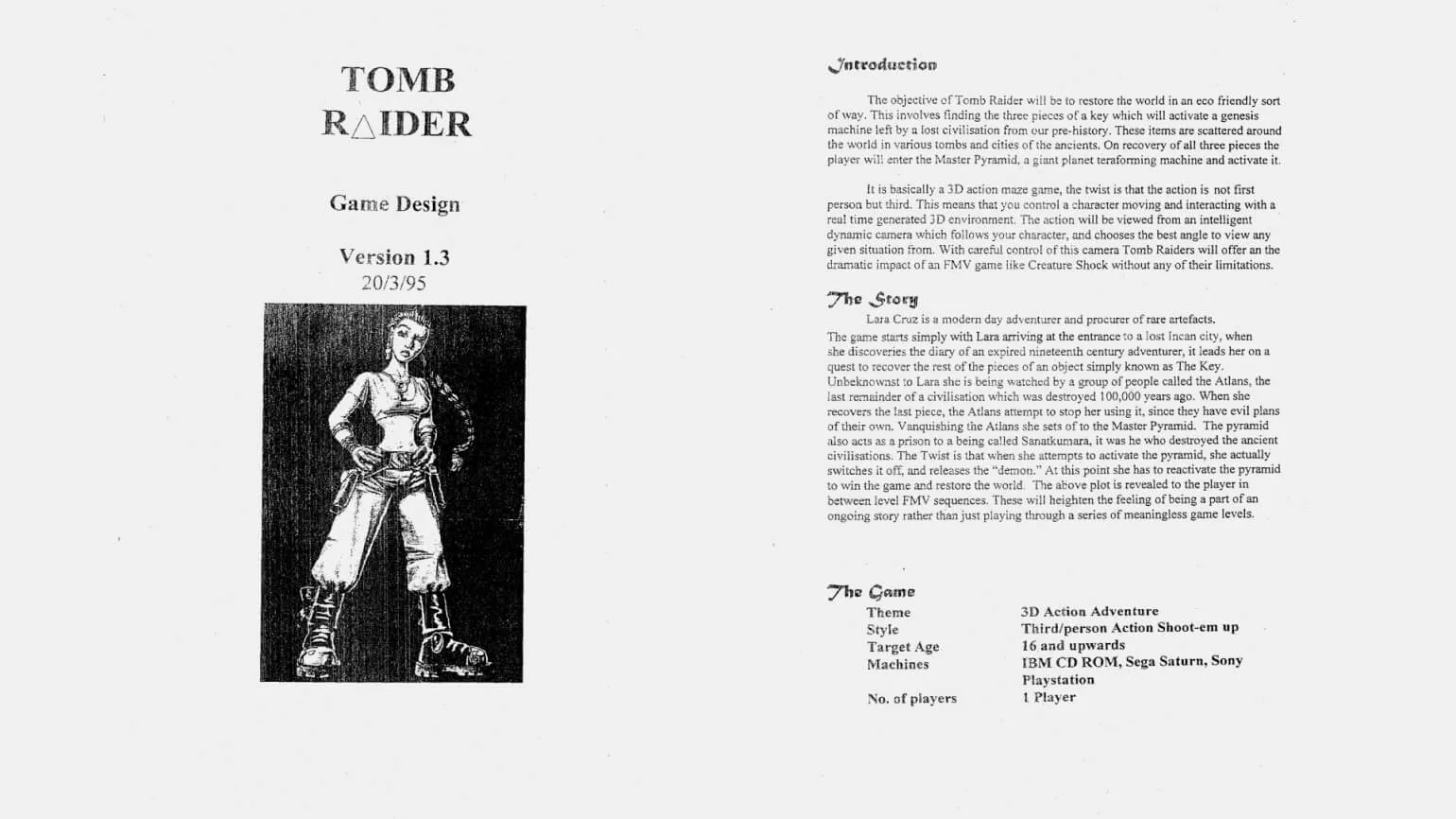
In 1994, the video game world was introduced to the BC Racers racing game, after which designer Toby Gard of Core Design began working on a project that would later become a significant milestone in the gaming industry. He drew inspiration for his creation from the famous Indiana Jones film series, developing a concept for an action-adventure game starring an archaeologist. However, the initial image of the character turned out to be too similar to Spielberg's hero, which could lead to legal problems. To avoid these risks, the team made a bold decision to choose a woman as the protagonist, which was quite a risky move at the time. This choice not only refreshed the genre but also opened new horizons for the representation of strong female characters in video games.
Since the early 1990s, the video game industry has undergone significant changes, rapidly evolving and introducing unique characters that could become its icons. At the time, masculine action heroes dominated the screen, while vibrant and strong female characters without sexualized overtones were rare. This made such decisions especially bold and memorable, opening new horizons for character development in games. As a result, the characters created during this period have become not only icons of their era but also laid the foundation for a more diverse and inclusive approach in modern game design.
The developers decided to create the image of a confident and courageous woman in an action adventure game to appeal to an adult audience. The result was the creation of a character named Laura Cruz, a Latin American mercenary with exceptional skills in hunting ancient artifacts and surviving in extreme conditions. Laura became a symbol of strength and independence, which made her a central figure in the game project and allowed it to stand out from the crowd of similar games.
Research confirms that Swedish singer Neneh Cherry influenced Lara Croft's character. Comparisons of photographs of Cherry and images of Lara from the early games reveal significant visual similarities. These similarities highlight how cultural icons can influence each other to form unique pop culture identities.
During development, the team encountered difficulty pronouncing the name "Laura," which led to its shortening. The surname "Cruz" was replaced with the more appropriate "Croft," inspired by a phone book. The result was the creation of Lara Croft, a British aristocrat with exceptional physical fitness and a passion for collecting ancient artifacts and searching for treasures around the world. This character became a symbol of adventure and exploration, captivating fans and creating a unique atmosphere in the gaming industry.
Creating the First Tomb Raider Game
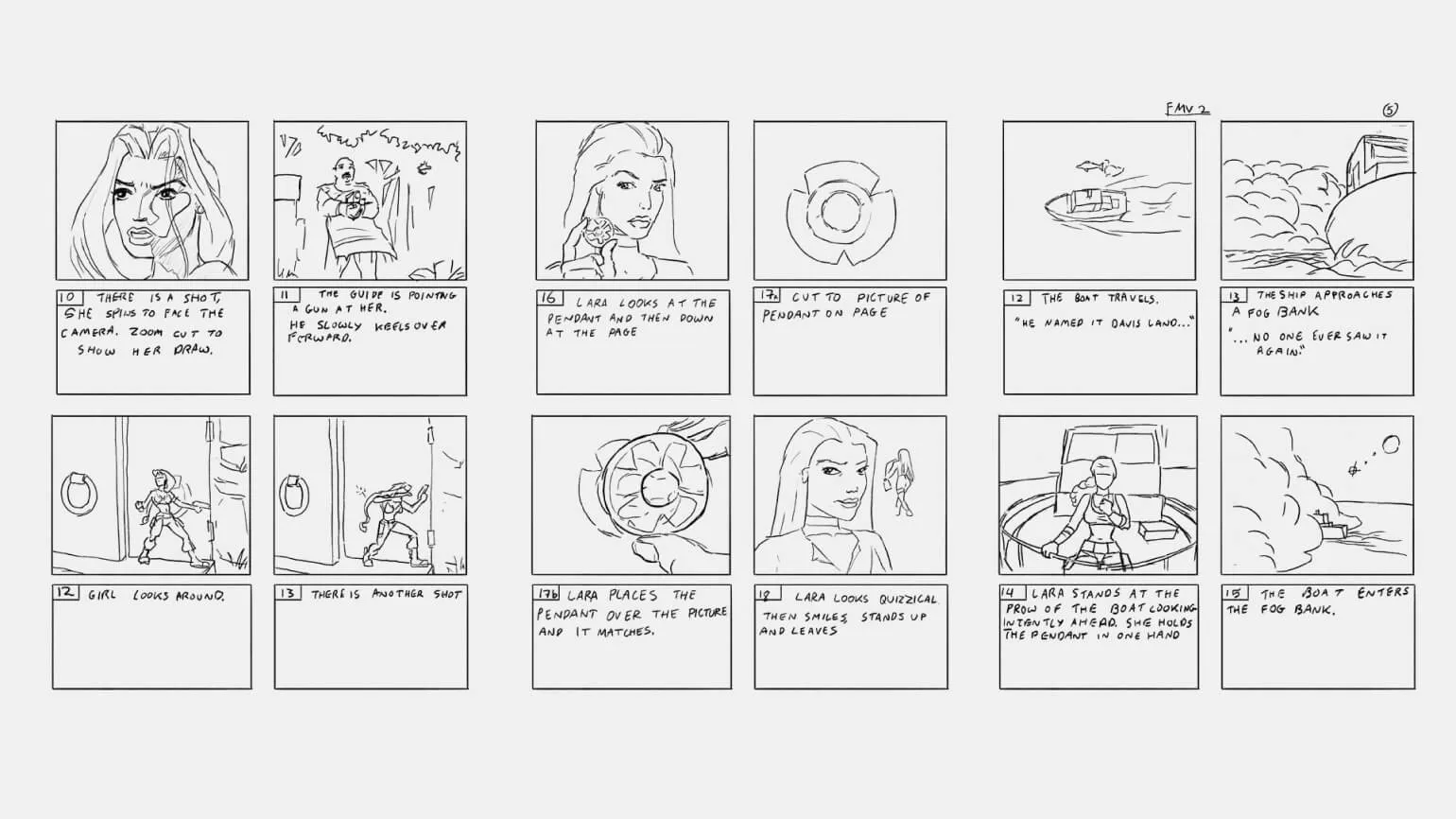
Developing a 3D game presented a significant challenge for the Core Design team. Gavin Rummery, game designer and programmer for the first two games, recalled that the initial concept proposed by Toby Gard seemed almost impossible, as there were no similar projects at the time. This unique idea required an innovative approach and significant effort to bring it to life. The team faced numerous technical and artistic challenges, which only emphasized the complexity of the task.
3D graphics certainly revolutionized first-person shooters, but it was a true breakthrough for the adventure genre. Prince of Persia served as a primary inspiration for the developers. Although it featured a side-scrolling perspective, its innovative animation mechanics and interactions with the environment opened up new horizons for game design and became a milestone in the development of 3D graphics in games. As a result, adventure games began to use 3D elements, which significantly improved immersion and player interaction with the game world.
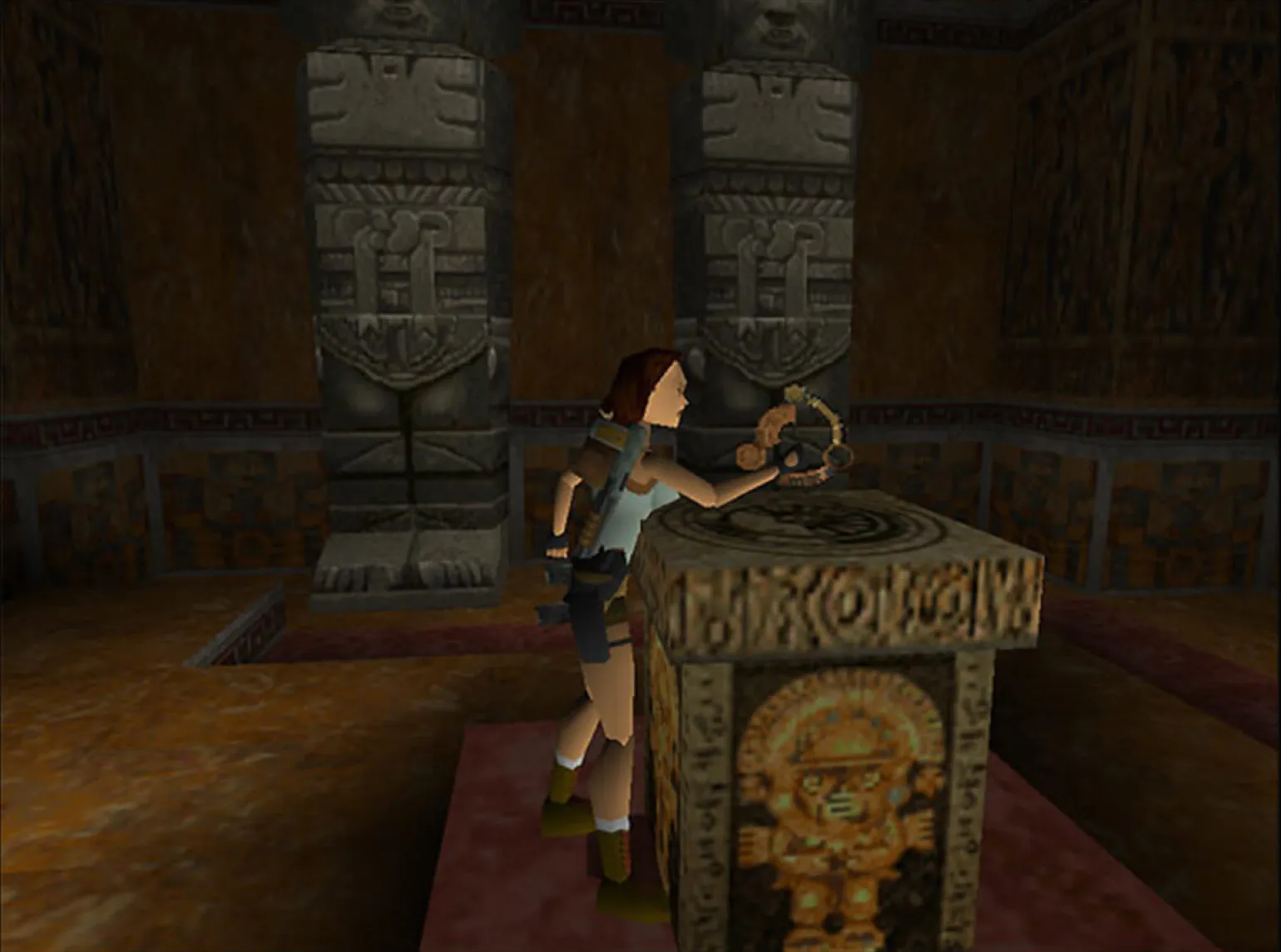
The developers were tasked with creating a unique 3D world in which Lara could actively interact. This required significant effort and overcoming a number of technical limitations. The development process included detailed graphics, realistic physics, and well-thought-out interaction mechanics, which ultimately resulted in a captivating and immersive gaming experience.
Initially, the levels were developed in 3D Studio, but Rummery created a custom editor that significantly simplified the process of creating complex locations for level designers, including Heather Stevens and Neal Boyd. This new editor has significantly accelerated the workflow and improved the quality of game levels, making it an indispensable tool in the industry.
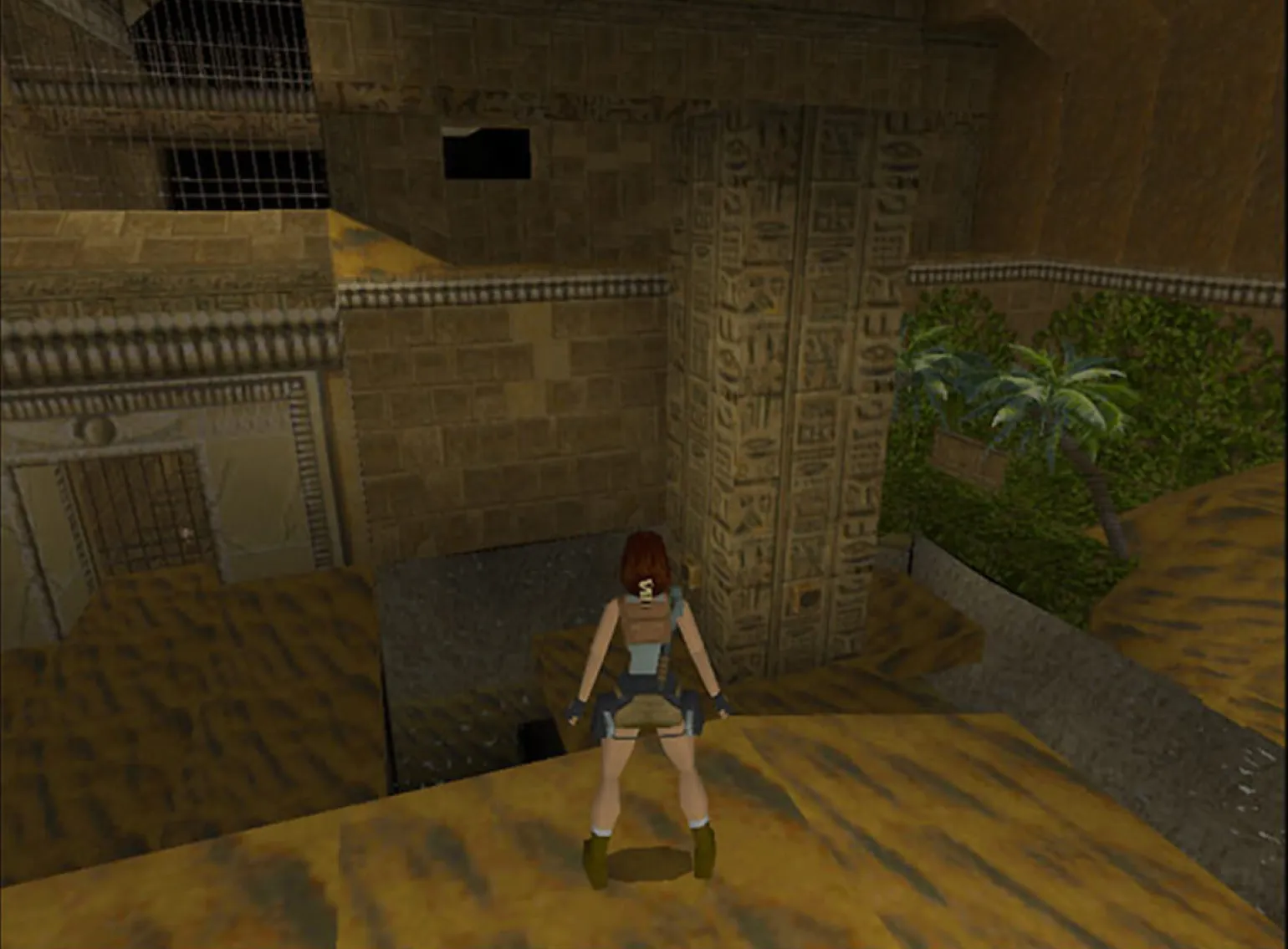
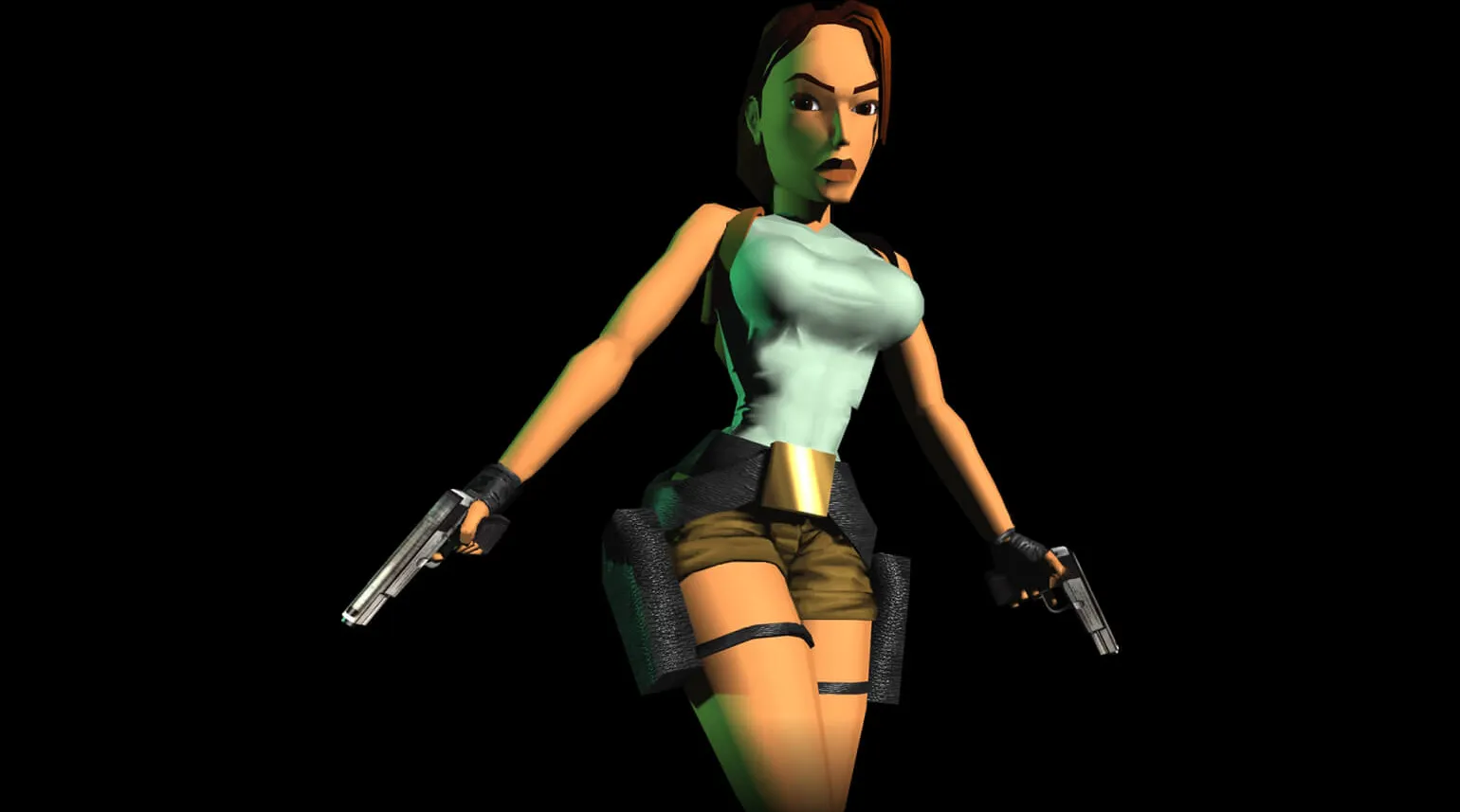
Original model Despite her limited polygon count, Lara Croft possessed distinctly hypersexualized traits, which aligned with Toby Gard's vision of a strong and independent woman. This image could challenge existing stereotypes about female characters in video games, attracting the attention of both male and female audiences. Lara Croft has become a symbol of change in the industry, breaking new ground for female characters and promoting more diverse representation of women in games.
Toby Gard paid significant attention to Lara Croft's animation, which helped create the illusion of a real character with whom players could emotionally connect. The game included an Easter egg—the ability to perform a handstand—which allowed players to test the developers' reactions and added an element of humor to the gameplay. This attention to detail and interaction helped make the character more lifelike and relatable to the audience, which in turn contributed to the game's popularity.
Due to technical limitations, the team had to change Lara's hairstyle from a braid to a bun to fit the polygon limit. This decision allowed the character model to be optimized while maintaining its visual appeal and distinctive features.
The gameplay is based on logical interactions that depend on the state of the protagonist, Lara. Programmer Paul Douglas developed an advanced control system, including aiming and head rotation mechanics. These elements provide a deeper and more realistic gaming atmosphere, allowing players to interact with the world around them on a new level.
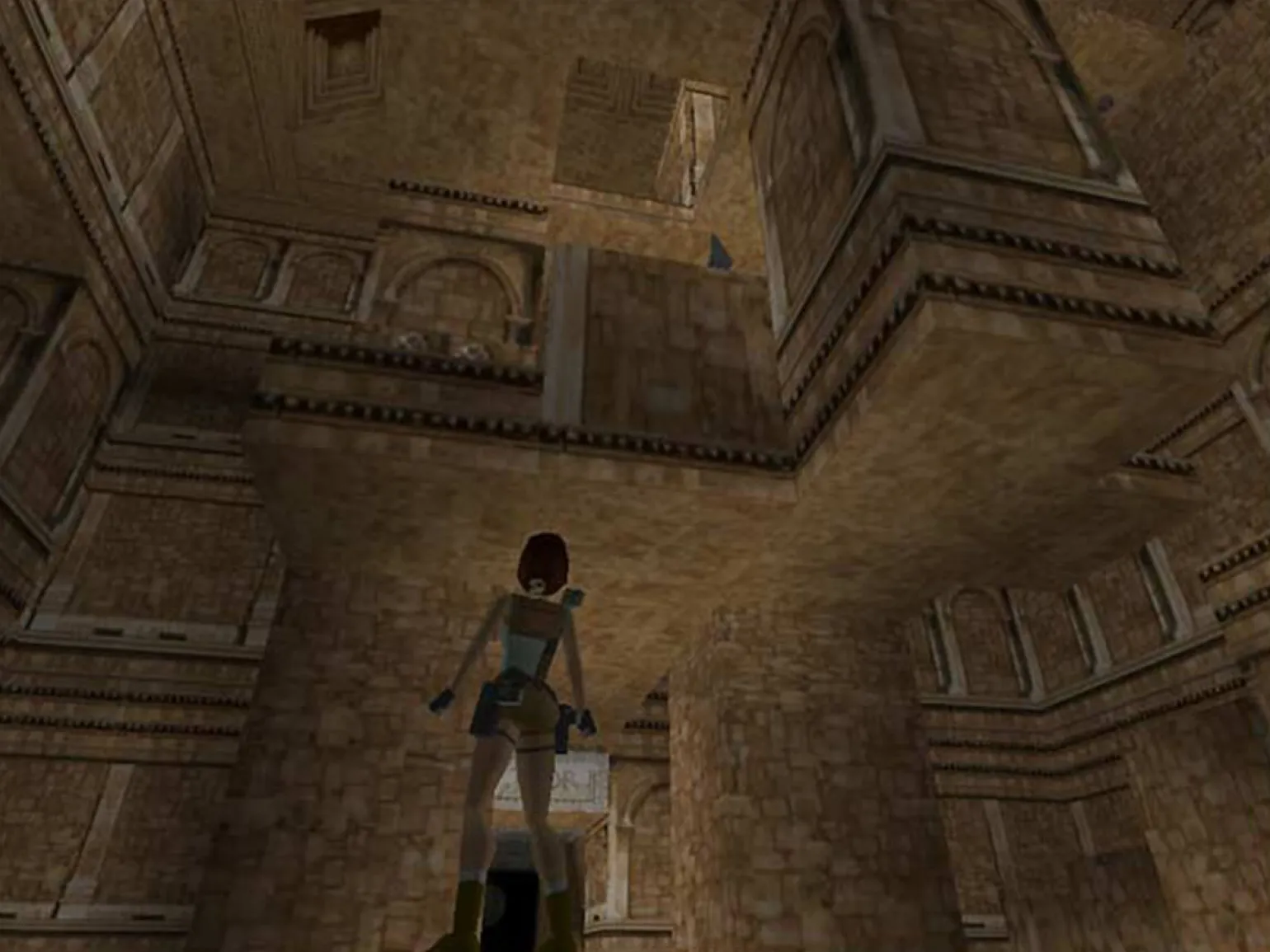
In the game A unique level, Lara's House, was developed to serve as a tutorial for players. This level allows players to master the basic mechanics of control and interaction with the game world. Lara's House has become an integral part of the series and has been included in subsequent installments, providing players with a smooth transition to more challenging missions.
Composer Nathan McCrea created the music for Tomb Raider with only three weeks to write the soundtrack. His work not only created a unique atmosphere for the game's various levels but also became a defining element of the franchise's signature style. McCree's musical compositions effectively highlight gameplay moments, enhancing the player's immersion in the world of Lara Croft's adventures.
The developers faced time constraints and decided to bring in additional specialists to improve the quality of the project. In particular, artist Stuart Atkinson was invited to work on enemy animations, which significantly enhanced the game's visual appeal before its release.
Tomb Raider was developed for the PC, PlayStation, and Sega Saturn platforms, with the Sega Saturn receiving a timed exclusive. Released in October 1996, Tomb Raider quickly gained popularity, selling 7 million copies. This game became a cult classic, launching a successful franchise and significantly influencing the adventure game genre.
The game's plot centers on Lara Croft's search for an ancient artifact across various corners of the world, such as Peru and Egypt. This game caused a real sensation, and its successful launch came as a surprise to the developers. An intriguing story, fascinating locations, and exciting adventures made the game popular among players and critics. Lara's ability to uncover the secrets of ancient civilizations drew attention to her character and laid the groundwork for subsequent installments in the franchise.
This success led to internal discord within Core Design. Toby Gard and Paul Douglas decided to leave the company after discussions about the future of the series, as the developer's policy shifted to requiring annual releases of new Tomb Raider games. This shift in strategy had a significant impact on the franchise's future development and its reception among fans.
Gard and Douglas found themselves under pressure from management, who sought to persuade them to remain on the team, even offering them official membership. Nevertheless, Gard remained true to his principles, and this decision became key in his career.
Lara Croft Reborn: The Long-Awaited Sequel
The Tomb Raider sequel was a significant event in the video game industry, as the developers at Core Design set out to not only continue Lara Croft's story but also improve on the elements that were unfinished in the first part. With the heroine's growing popularity, fans eagerly awaited the release of the second part, which took place less than a year after its announcement. Improved graphics, new gameplay mechanics, and a deeper story made Tomb Raider II a real breakthrough, cementing the success of the franchise and winning the hearts of players around the world.
The developers introduced an improved version of the game engine, which opened up new possibilities for creating larger levels with open spaces. Lara can now navigate the game's environments not only on foot but also using various vehicles. This innovation was demonstrated using an ATV, animated by Stuart Atkinson. He successfully created the effect of controlling the vehicle, integrating it with the heroine's movements. Such changes have significantly enriched the gameplay, offering users new ways to explore the world.
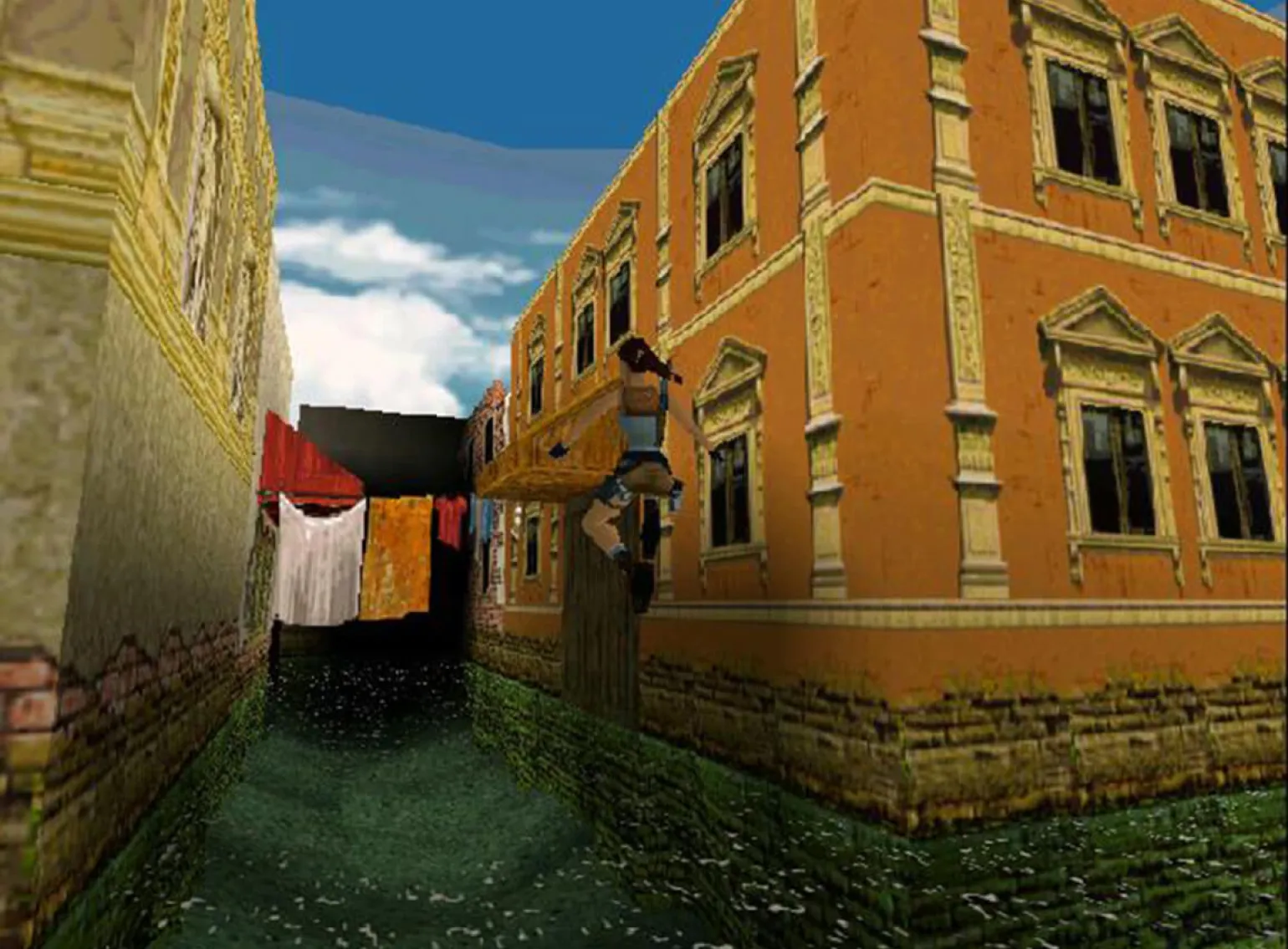
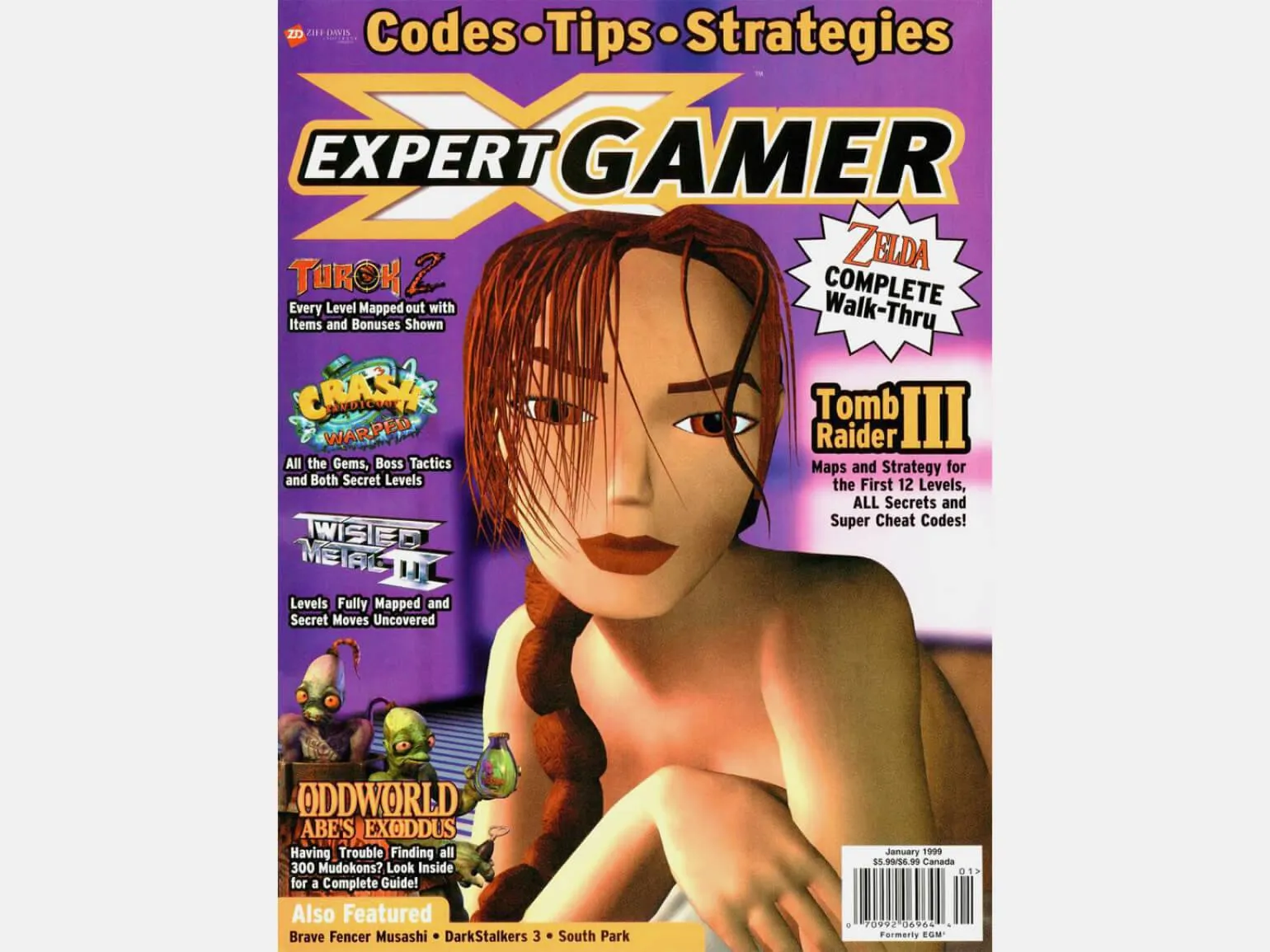
In the game Tomb Raider 2, Lara Croft underwent significant changes that made her appearance more appealing and realistic. The character model was improved, providing a more detailed rendering. Additionally, the heroine received a new hairstyle, further adding variety to her appearance. Hair animations reacted to the environment and Lara's state, contributing to a deeper immersion in the gameplay. These changes were important steps in the development of the series, emphasizing the developers' desire to improve the quality of graphics and the realism of game mechanics.
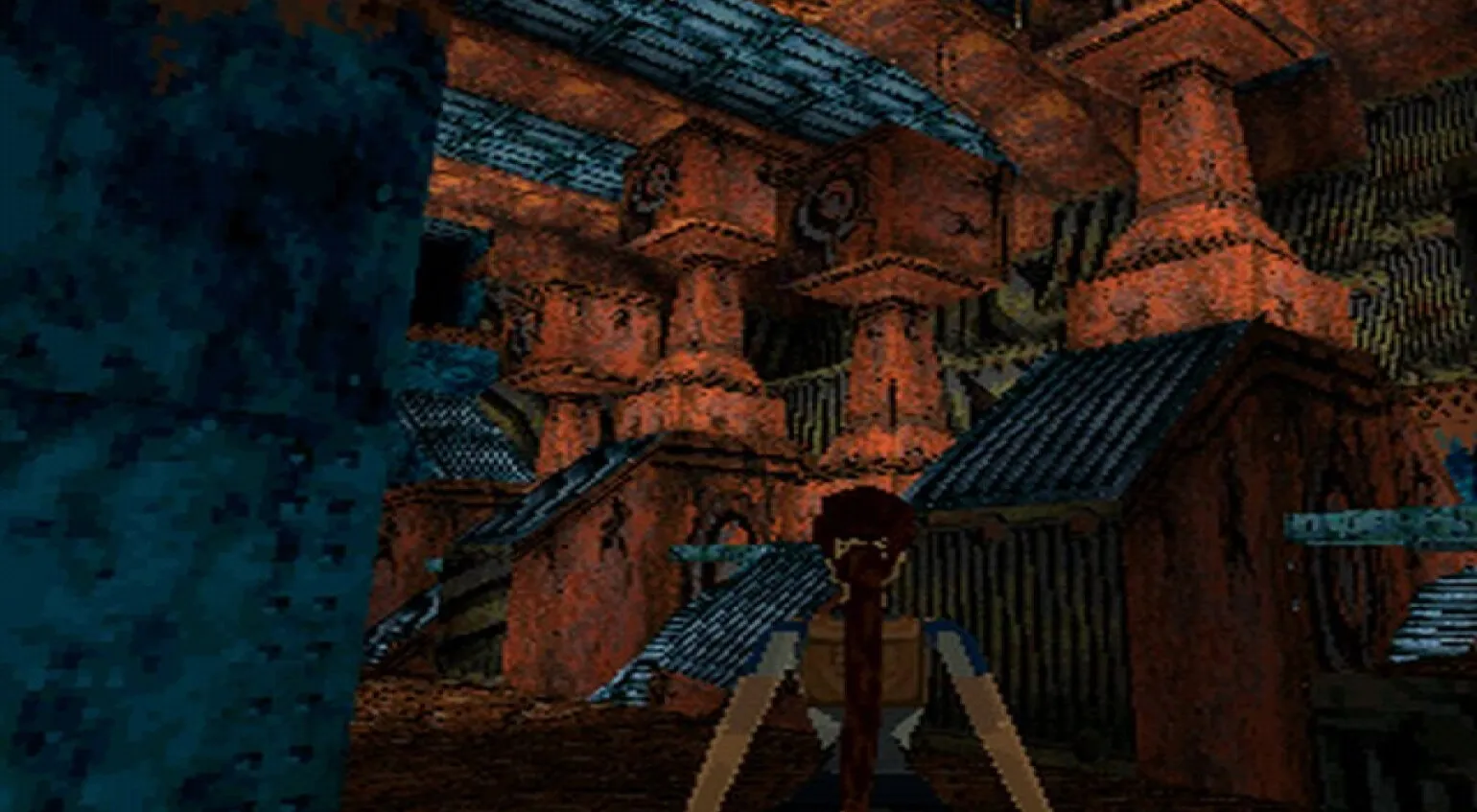
An aggressive marketing strategy focused on Lara Croft's image fueled rumors of special modified content that would allow the heroine to undress. Tired of constant questions about this, the developers decided to get ahead of the situation. In the game's final cutscene, Lara heads to the shower and, turning to the player, provocatively asks if they think they've seen enough. She then fires a shotgun into the camera, finally putting the rumors to rest. This discovery became a striking example of how developers can use humor and irony to respond to audience expectations and fantasies.
At the beginning of the game, a butler NPC appeared in the estate and constantly followed Lara around, adding additional challenges to the gameplay. His strange noises and clinking cups on a tray irritated players, and many found a way to trap him in the freezer, which became a popular meme in the gaming community. This element of the game not only increases the level of tension but also demonstrates the creativity of players who seek original ways to interact with the environment.
Tomb Raider 2 achieved the same success as the first game in the series, with sales reaching approximately 7 million copies. Lara Croft has become an iconic brand that has extended beyond video games, actively promoting various products and appearing in music videos. The game's success not only cemented the character's popularity, but also became the basis for an expanding franchise, including films and comics.
Лара Крофт: Восхождение к славе в мире видеоигр
После успешного запуска первых двух частей популярной серии, команда Core Design столкнулась с усталостью и необходимостью продления сроков разработки. Изначально планировалось, что создание игры Tomb Raider 3 займет не менее двух лет. Тем не менее, продюсеры настояли на ускорении процесса и отводили на проект всего один год. В результате этого изменения в графике разработки команде пришлось адаптироваться к новым условиям, что повлияло на конечный продукт и его восприятие игроками.
Новая команда, состоящая из высококвалифицированных специалистов, привнесла новые идеи в проект. В ее составе дизайнер уровней Энди Сэндхэм, ранее работавший над FMV-вставками для Tomb Raider 2, и композитор Питер Коннелли, который стал основным музыкальным оформителем четвёртой части. Эти изменения стали катализатором для воплощения свежих идей и значительных улучшений в проекте.
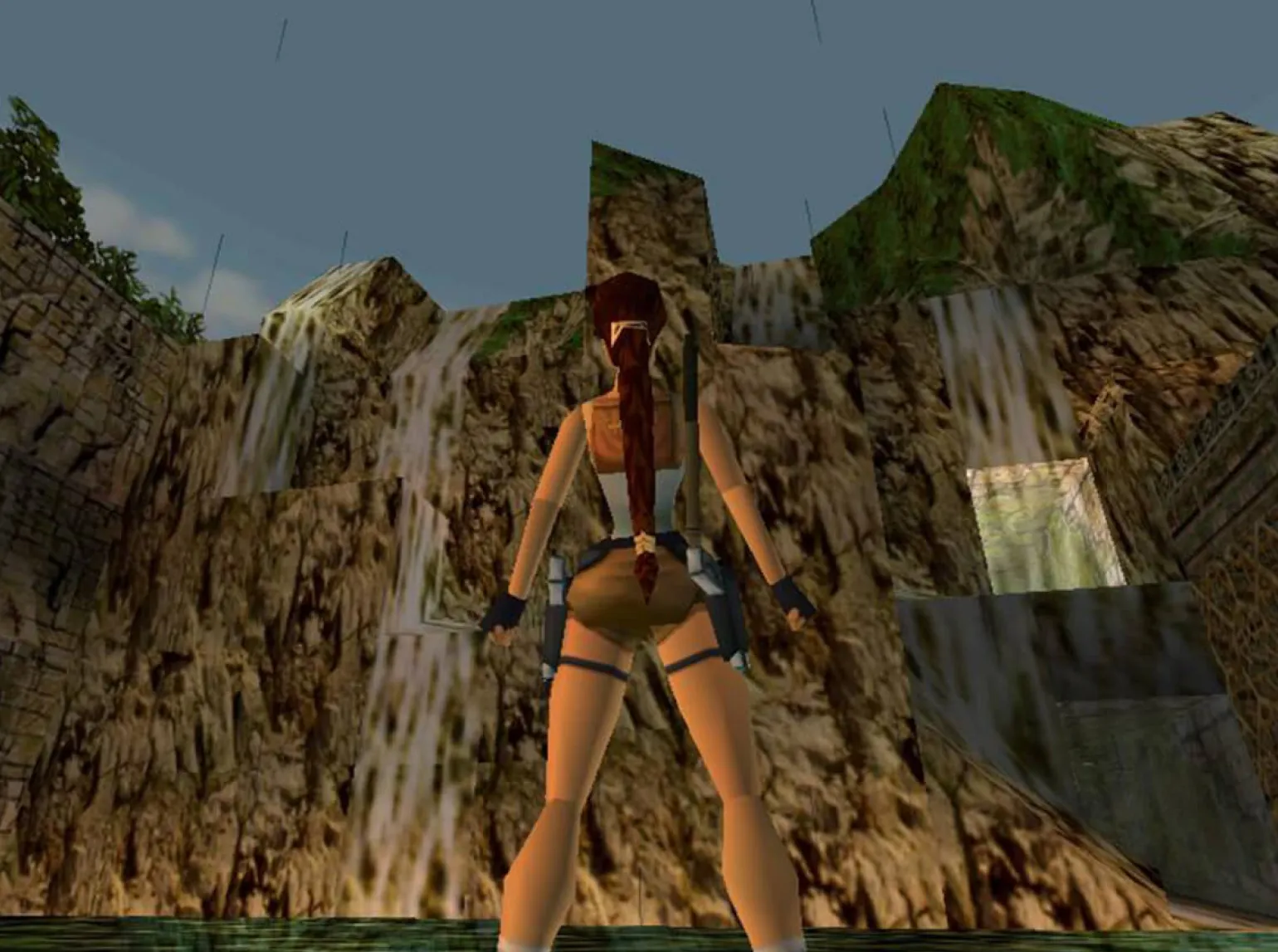
The release of Tomb Raider 3: Adventures of Lara Croft in 1998 became A milestone in video game history, the game featured five episodes in which Lara Croft explored diverse locations around the world, from India to Antarctica. Players were able to choose the order in which to play three intermediate levels: London, Nevada, and a Pacific island, adding an element of freedom and variety to the gameplay. Tomb Raider 3 continued the tradition of its predecessors, offering a captivating storyline, engaging gameplay, and challenging puzzles, making it one of the most memorable games of its time.
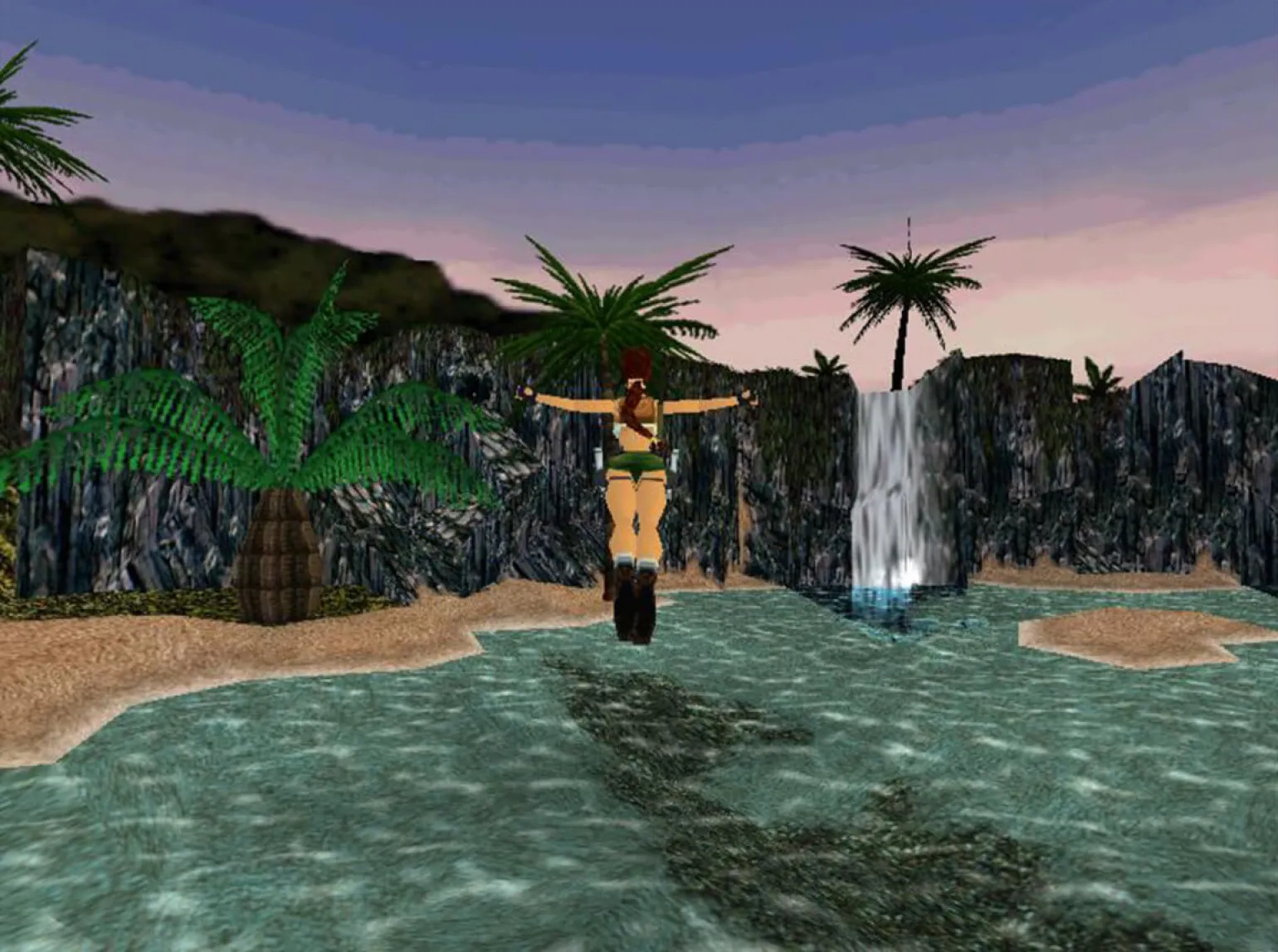
The third installment of the game places a primary emphasis on action. Lara Croft now has access to an expanded arsenal, including iconic weapons like the Desert Eagle pistol, MP5, and rocket launcher. The new sprint mechanic not only speeds up level progression but also allows for effective avoidance of hazards like falling rocks. Thanks to this, players can enjoy dynamic battles and tense moments, which makes the gameplay even more exciting.
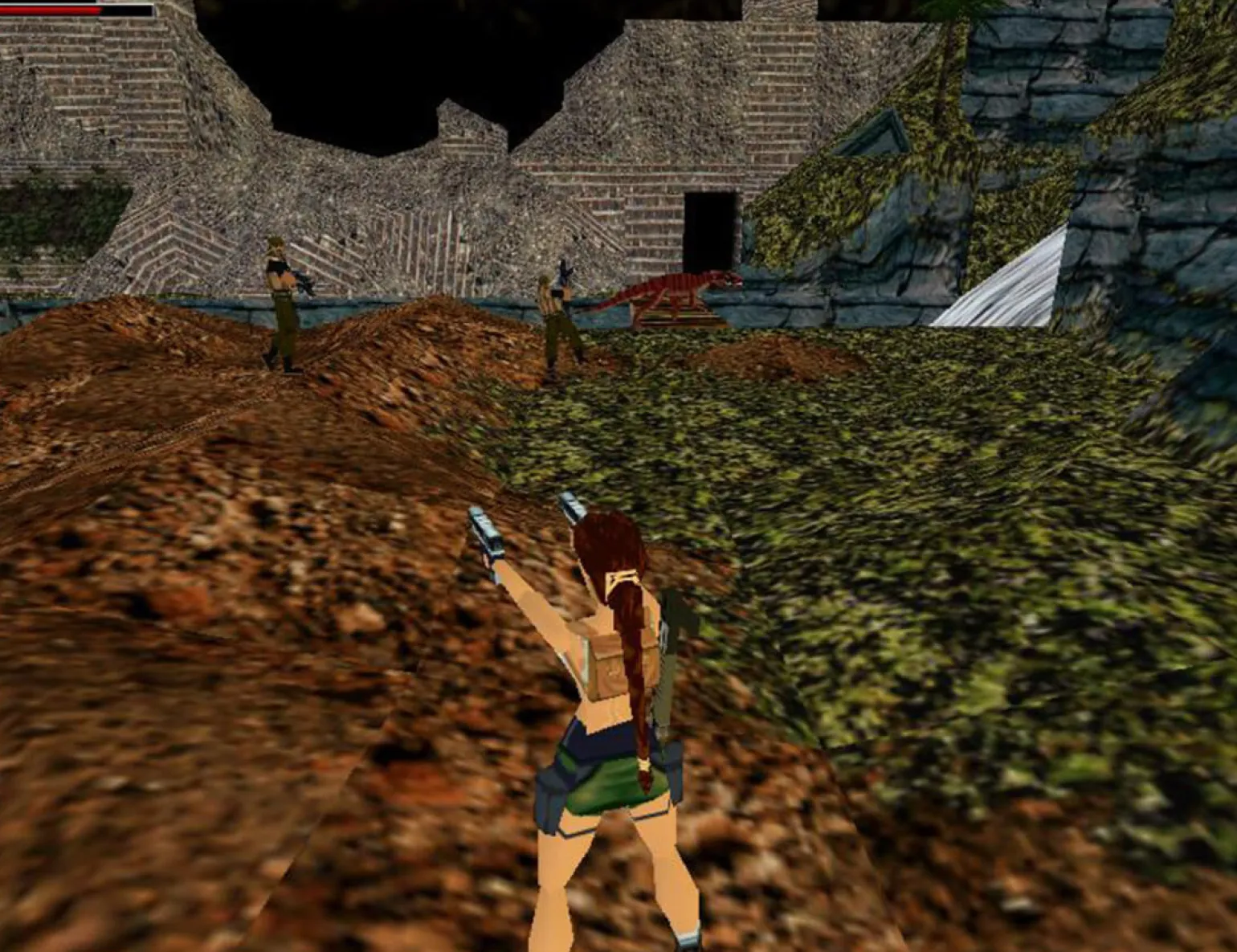
The developers significantly improved enemy AI, adding a tactical element to the gameplay. Enemies can now call for reinforcements and block passages, requiring more deliberate actions from the player. In certain levels, Lara finds herself unarmed, forcing her to act cautiously and avoid enemy detection. Dynamic environmental elements, such as quicksand and piranha-infested pools, make the gameplay even more tense and engaging, emphasizing the need for a strategic approach to every situation.
While Tomb Raider 3 failed to match the sales records of its predecessors (6 million copies), it nevertheless demonstrated sufficient success to justify the announcement of a fourth installment in the series. The Core Design team entered a new, intense year of development, full of anticipation and hope for further achievements in creating an iconic game. This project became an important stage in the history of the franchise, opening new horizons for the adventures of Lara Croft and expanding her universe.
Challenges and Achievements: Lara Croft's Journey
The development of Tomb Raider 4: The Last Revelation was a key stage in the evolution of the Tomb Raider series. The studio set itself the goal of creating a more cinematic gaming experience, implementing a large number of story cutscenes and FMV cutscenes. These innovations significantly increased player engagement and deepened their immersion in the story. Thanks to this, Tomb Raider 4 not only expanded the boundaries of the genre but also strengthened the popularity of the franchise, ensuring its stable place in the video game market.
The number of levels in the game increased significantly, and in some segments, players were able to enjoy the illusion of an open world. Lara Croft can now move freely between different locations, which in turn adds dynamism and depth to the gameplay. This innovation makes the game more engaging and varied, allowing players to explore and interact with the environment.
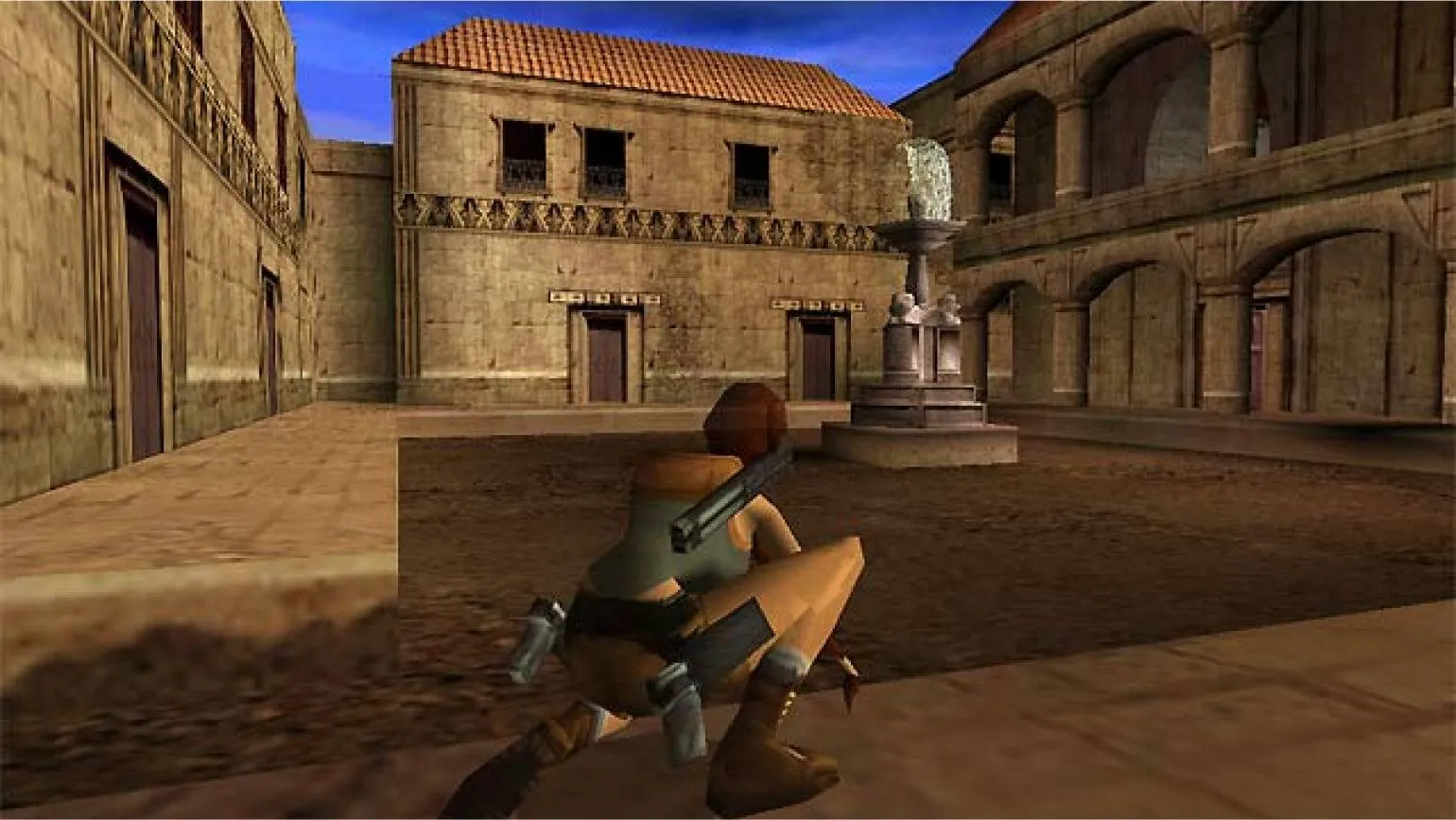
With the introduction of new gameplay mechanics, including the ability to swing on ropes and climb poles, levels became more varied and engaging. The development team used scanned images from historical books to create unique textures, significantly improving the game's visuals. This not only increased the realism of the surrounding world, but also made the gameplay more immersive and interesting for players.
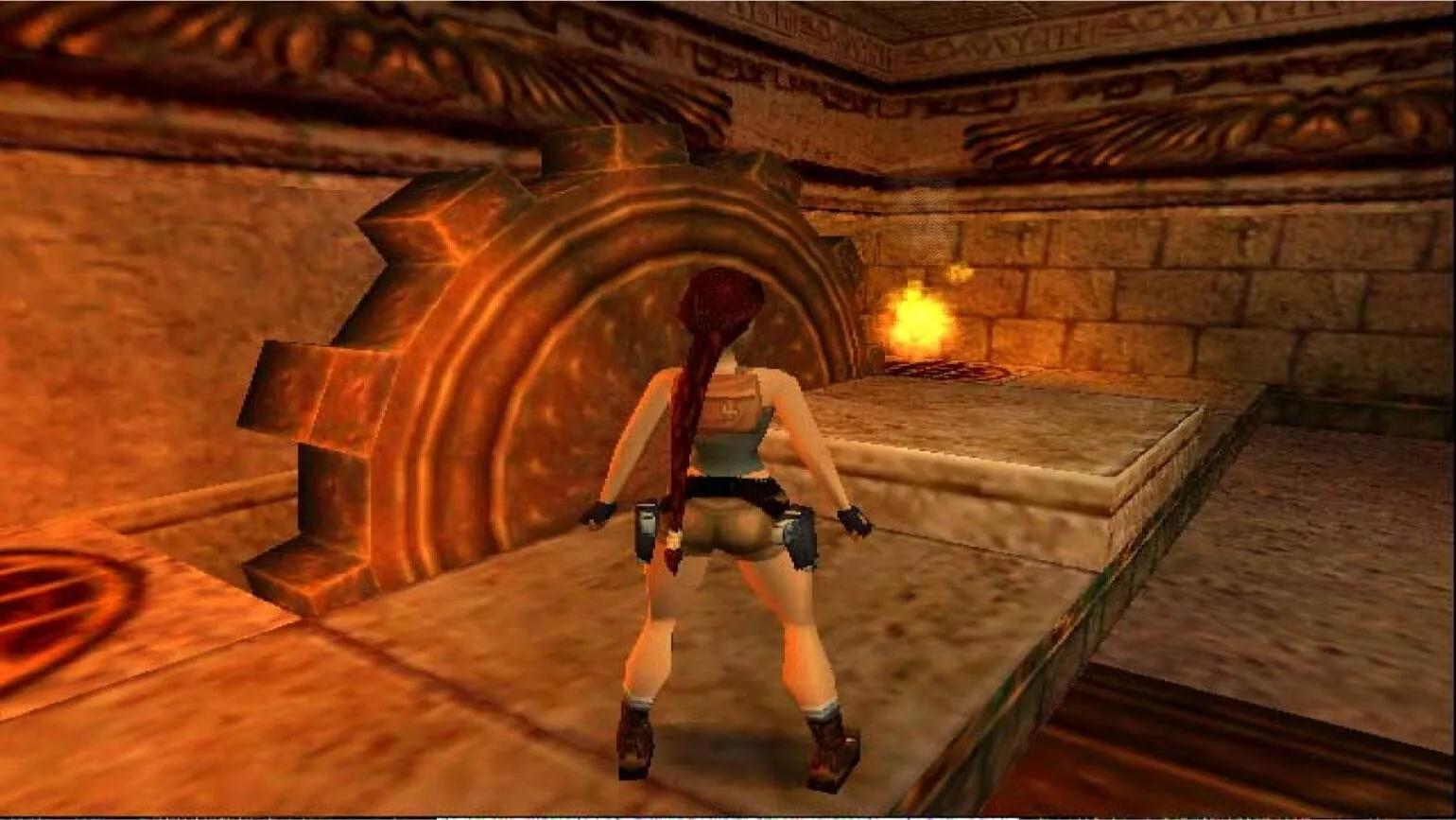
The new game introduces a crafting mechanic that allows you to combine items in your inventory. For example, the crossbow can now be equipped with a laser sight, significantly improving accuracy. Additionally, Lara can use binoculars to scrutinize her surroundings in detail, helping her identify key elements to solve puzzles. This feature adds depth to the gameplay and promotes more engaging interaction with the game world.
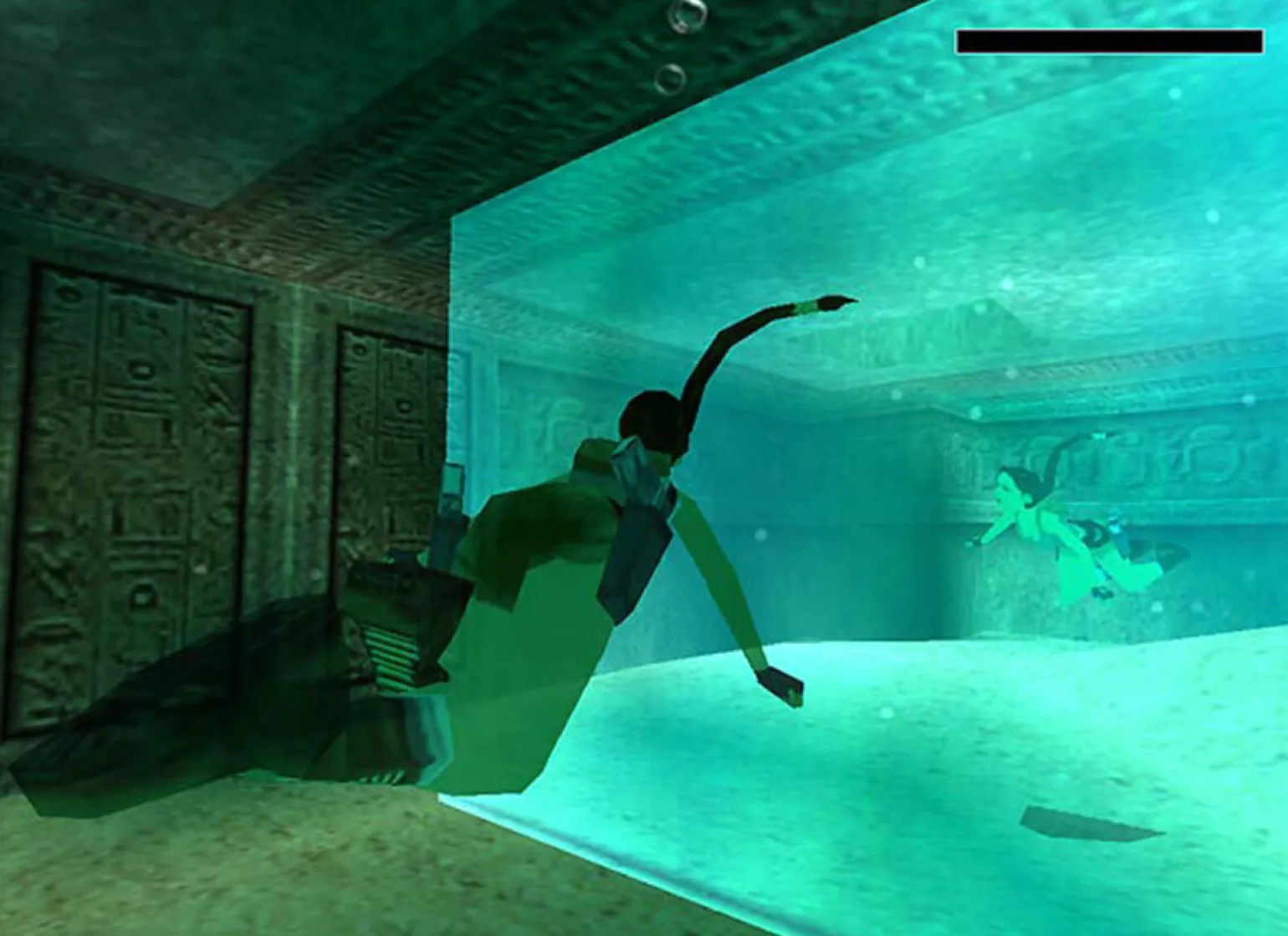
The Last Revelation was the first game to partially explore Lara Croft's past. The story begins with her traveling to Cambodia with her mentor, Werner von Croy, who would later become her rival. This evolving relationship between the characters adds additional depth to the story and allows players to better understand Lara's motivations. The game not only expands the Tomb Raider universe but also deepens the character, making her more layered and engaging for players.
Despite their ambitious goals and dedication to the project, the developers faced psychological pressure and burnout. This atmosphere within the team led to the unexpected decision to remove Lara from the story, a shocking turn for everyone involved. This decision highlights the importance of the team's mental state in game development and demonstrates how stress can impact the creative process and storylines.
The game's ending, in which Lara leaves the Great Pyramid, leaving Werner von Croy in a dangerous situation, became emblematic of the contradictions the developers faced. This moment highlights the complex moral choices and emotional consequences that arise throughout the story. By leaving a character in a critical position, the developers demonstrate not only tension but also depth, forcing players to consider the consequences of their actions. This ending sparks many questions and discussions among fans, making it an important part of gaming culture and narrative.
The studio's management reacted quite emotionally to the team's decision. Jeremy Heath-Smith, the studio's founder, insisted on Lara's return in the next game, despite the difficulties encountered and negative reviews from critics.
Interest in the game series began to decline, especially after the release of The Last Revelation. Sales of this game did not exceed 5 million copies, which was a disappointment for the developers. Critics noted the outdated game engine and the lack of innovation, which negatively affected the perception of the product. The team, striving to create a high-quality game under limited time, encountered difficulties that prevented them from achieving the desired result.
Awakening Memories: The Fifth Chapter in the Tomb Raider Story
The development team decided to resume work on the fifth part of the Tomb Raider series, called Tomb Raider: Chronicles, despite pessimistic forecasts. The main incentive for resuming the project was the desire for financial gain, since other departments showed no interest in further development of this game.
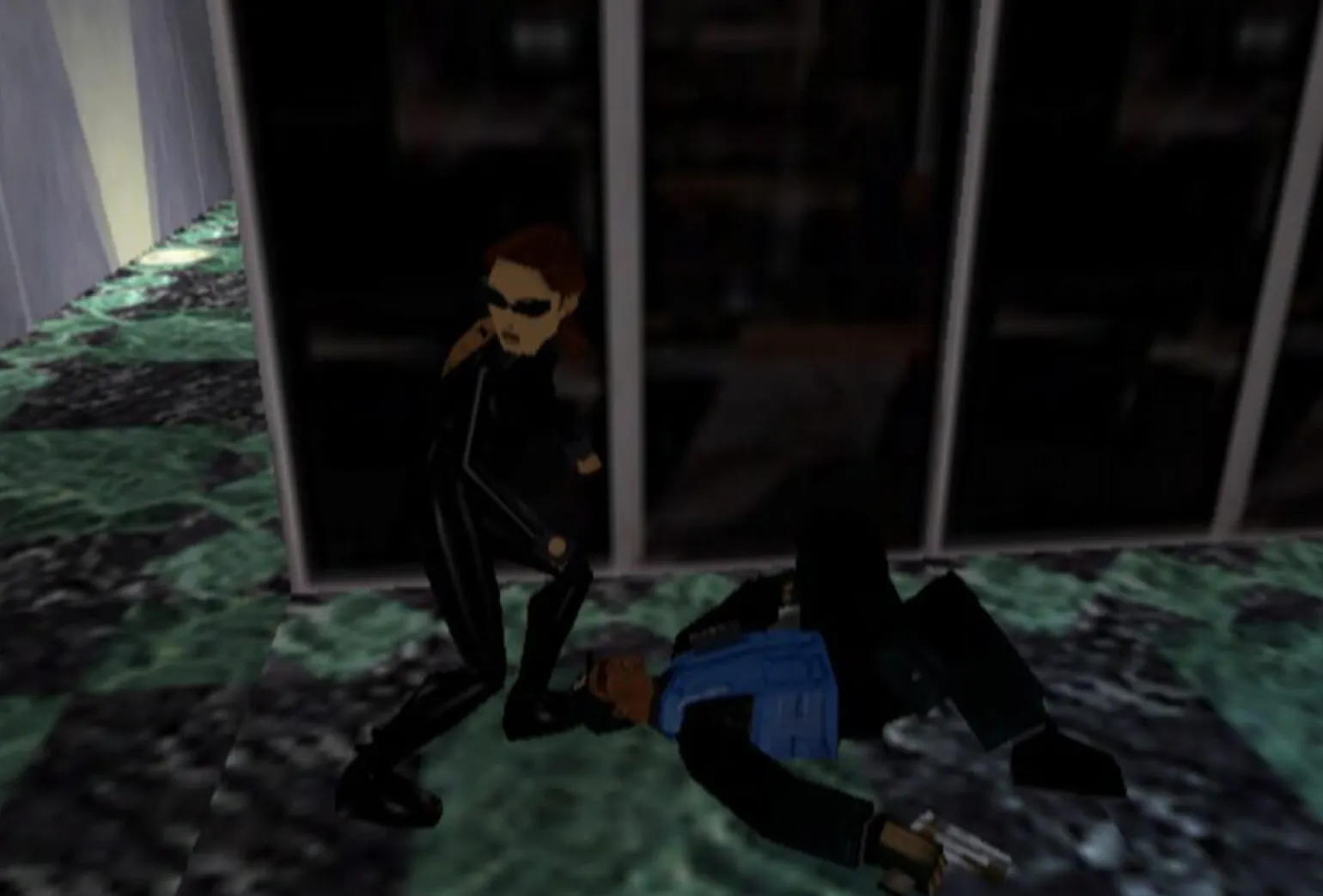
The team began development of the project with little enthusiasm. According to animator Sandham, the only one who remained positive was Phil Chapman. He worked passionately on creating animations illustrating Lara's defeats by new traps and enemies. This attention to detail and commitment to quality helped maintain the team's overall spirit throughout the development of the game.
Tomb Raider 5: Chronicles is a collection of previously unused episodes that were not included in previous games in the series. To create a logical structure, the developers abandoned the traditional linear narrative and opted for a flashback format. The plot focuses on the meeting of Lara's friends and loved ones in her mansion, who recount significant moments from her life. This approach allows players to gain a deeper understanding of Lara Croft's character and her adventures, adding new layers to familiar stories. Chronicles becomes an important addition to the franchise's overall narrative, enriching the fan experience and creating interesting connections between games.
Despite the introduction of new gameplay elements like the grappling hook and wall-running, the game continued to suffer from outdated mechanics and awkward controls. A level editor was introduced as an addition, allowing fans to create their own maps. However, despite these innovations, Chronicles failed to achieve commercial success, selling only 1.5 million copies.
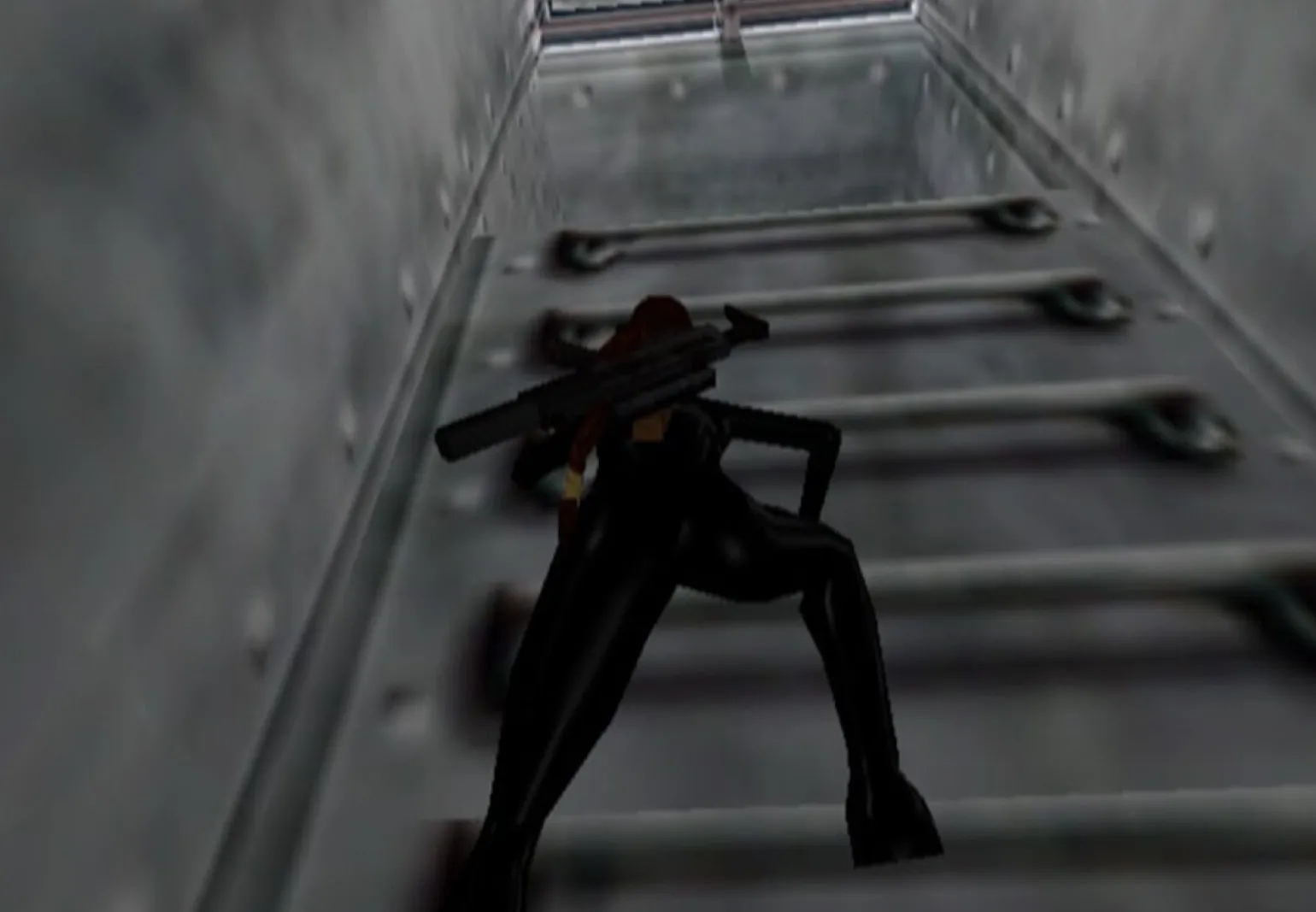
At first glance, it seemed the Tomb Raider franchise had come to an end. However, Lara Croft continued to remain in the spotlight thanks to her popularity across various media formats. In 2001, the film "Lara Croft: Tomb Raider," starring Angelina Jolie, premiered and grossed an impressive $274 million worldwide. This film adaptation not only revived interest in the game series but also cemented Lara Croft's status as a pop culture icon.
The release of PlayStation 2 brought modern technology and new features to the market, creating the perfect environment for the revival of the cult series. This console brought innovations to the gaming industry that contributed to the development and popularization of legendary games that had become classics.
Problems of an ambitious project: The collapse of Tomb Raider 6
After Core Design moved to a new office, the number of employees working on the Tomb Raider series increased from 12 to 60, and then reached 100 people. The updated team, which included screenwriter Murty Schofield, was set to quickly begin development of the new project, which was announced under the name Tomb Raider Next Generation.
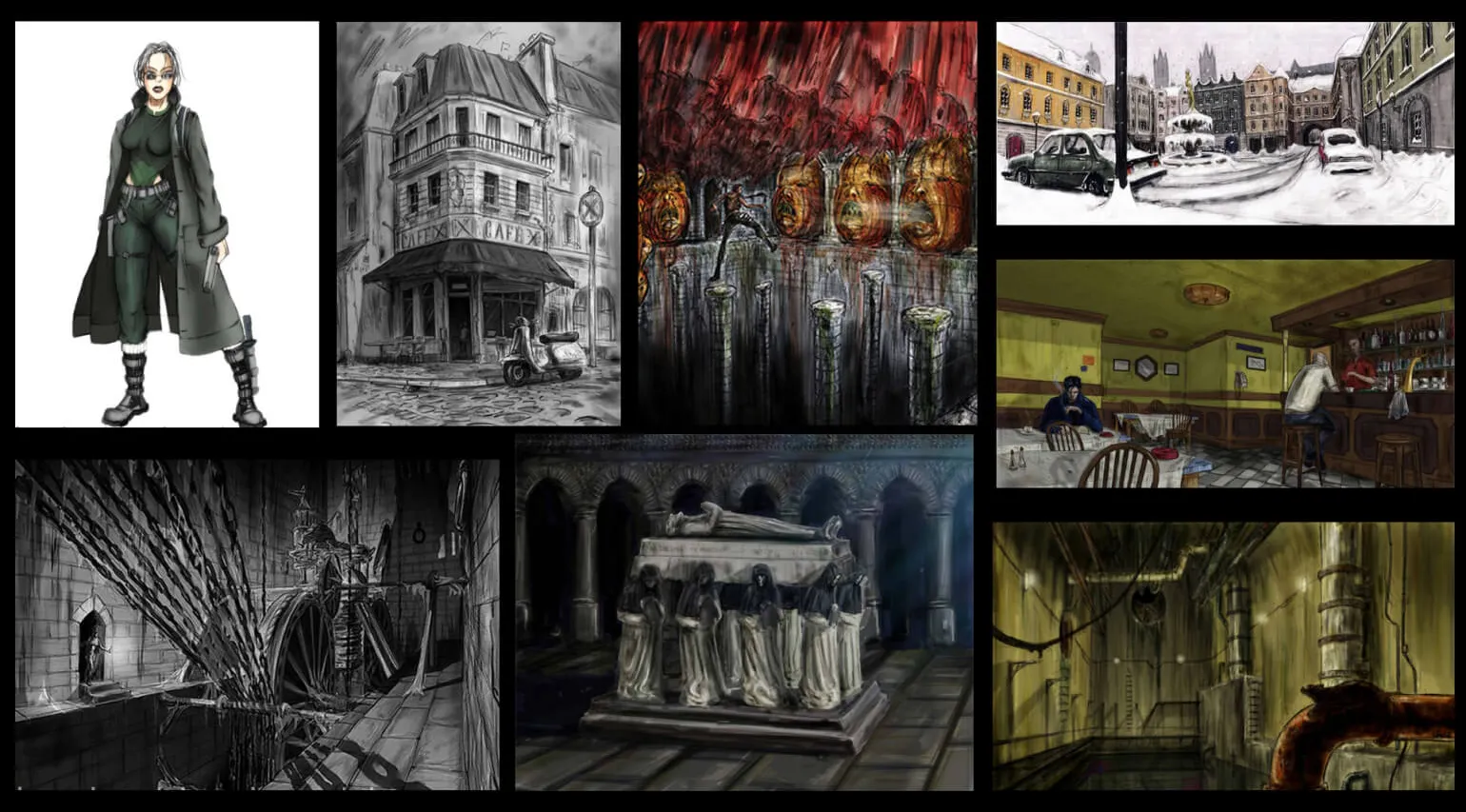
The developers announced the implementation of not only classic adventure game mechanics but also new elements, such as stealth, melee combat, non-linear dialogue, the ability to play as a companion, and a leveling system similar to role-playing games. Initially, the new story was planned as a trilogy, with the current game being its first installment. The project was later officially titled Tomb Raider 6: The Angel of Darkness. This game offers players a unique experience and expands the boundaries of the genre, combining elements of action and role-playing mechanics.
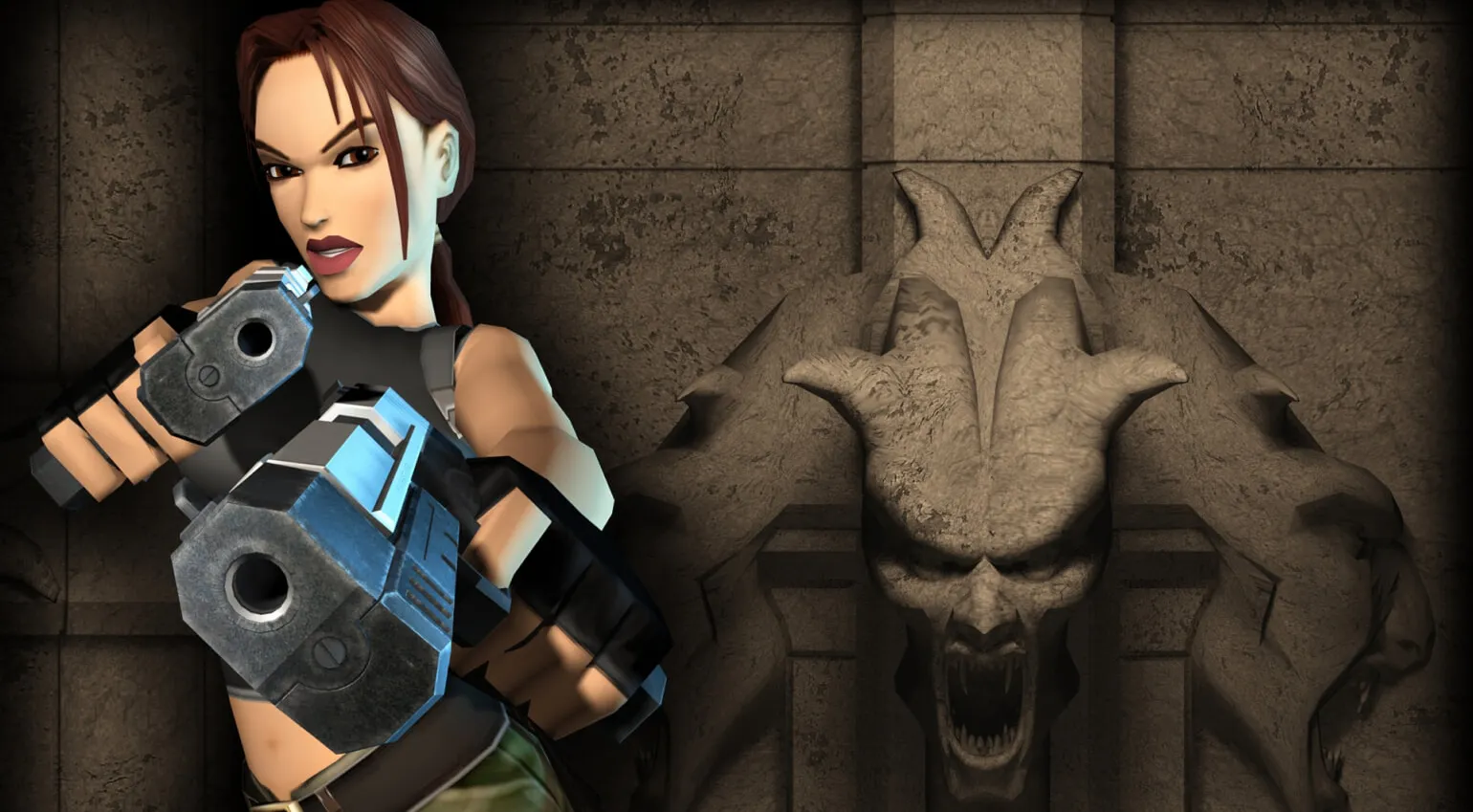
The Angel of Darkness, unlike its predecessors, faced significant challenges. Development of all game elements had to be started from scratch, which caused significant delays. Core Design, a studio with no experience with PlayStation 2, was unaware of the specifics of the next-generation console architecture. Although the project contained many ambitious ideas, Core Design's ineffective management structure led to slow progress. This became especially evident when Gavin Rummery returned to Core Design in 2002 as technical director, confirming the existence of systemic problems within the team.
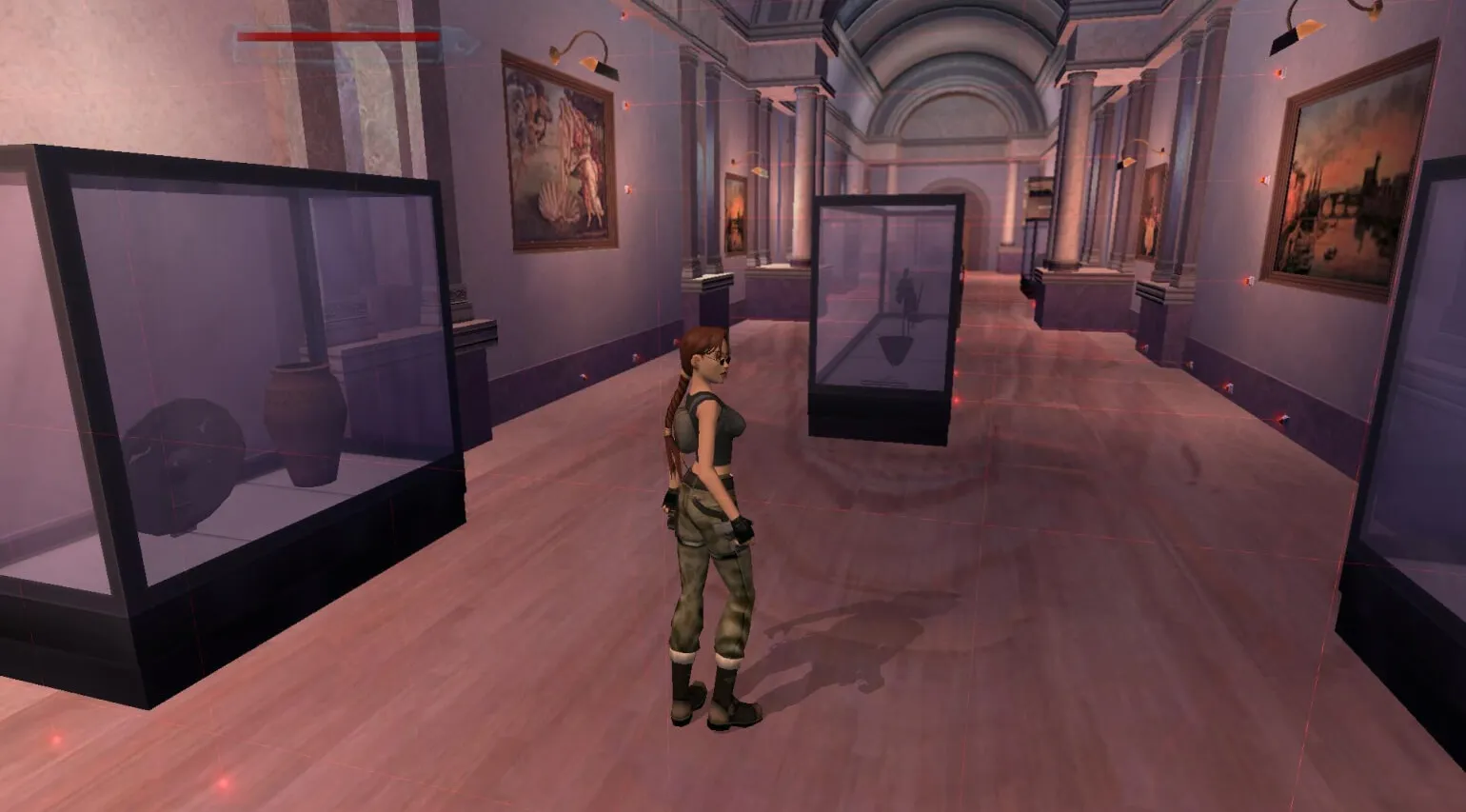
In an effort to meet deadlines and fulfill investor commitments, a significant amount of content had to be removed from the game. Many important elements were rushed. For example, just a month before release, Rummery was working on the controls for the PC version himself, as the team hadn't accounted for the differences between the DualShock controller and traditional keyboard and mouse controls. This resulted in some aspects of the gameplay not being optimally adapted for various platforms, which in turn affected the overall perception of the game.
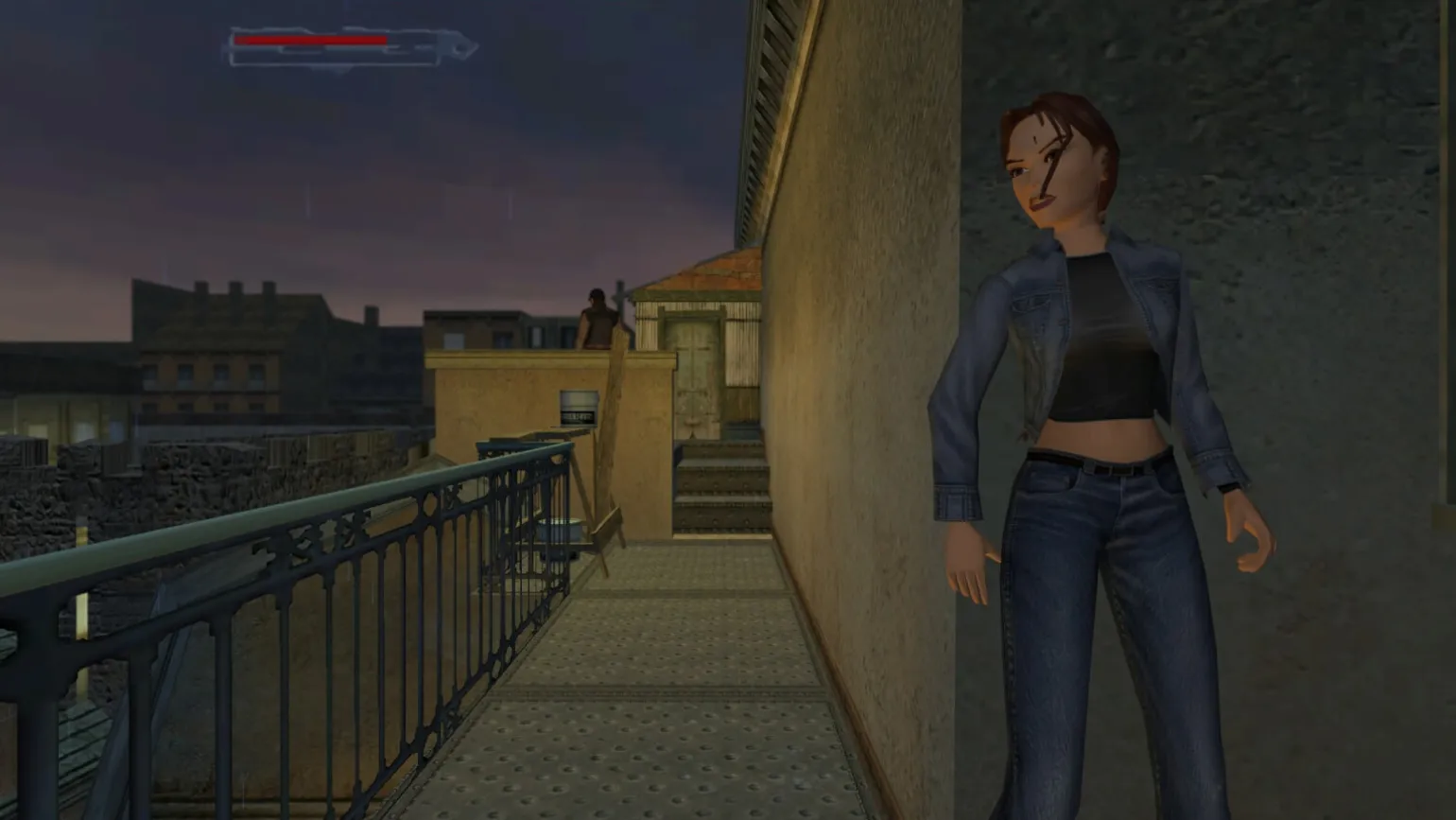
Core Design director Jeremy Heath-Smith recognized the project's problems and tried to convey to publisher Eidos Interactive that The Angel of Darkness wasn't yet ready. Despite his arguments, the publisher remained persistent, insisting on the game's release on schedule, regardless of its current state.
Core Design was largely uncooperative with the publisher throughout development, leading to poor communication. Heath-Smith responded to inquiries about a release date with generalities, further exacerbating the situation. As a result, Eidos decided to hand over the development of subsequent parts to other studios, which demonstrates the need for closer cooperation between the developers and the publisher for the successful completion of projects.
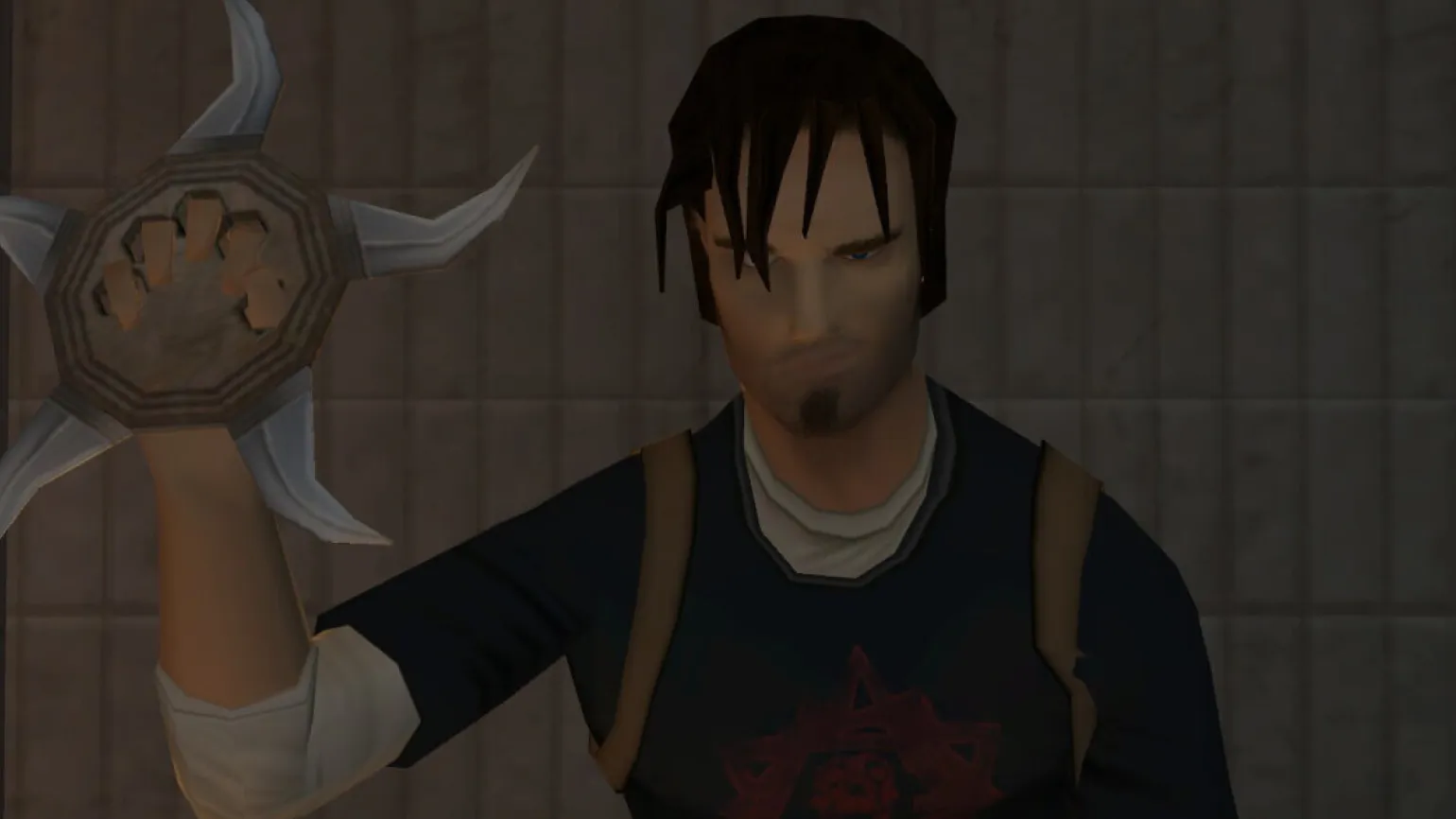
Unsurprisingly, Tomb Raider 6: The Angel of Darkness was a failure. Critics pointed to awkward controls, camera issues, and numerous technical flaws. Many fans of the franchise did not embrace the new look of Lara Croft, as well as the experimental attempts at mixing genres, which ultimately negatively impacted the game's reception.
The new dark atmosphere could have attracted audiences, and with proper polish, the game had every chance of becoming a real hit. However, sales amounted to only 2.5 million copies, which is significantly lower than the figures of its predecessor, Chronicles. В результате этого Eidos приняла решение отстранить Core Design от разработки будущих частей игры.
Возрождение франшизы Tomb Raider
Американская студия Crystal Dynamics взялась за перезагрузку знаменитой серии Tomb Raider. Команда осознавала, что у франшизы есть огромная база преданных фанатов, и риск неудачи был значительным. Тем не менее, опыт Crystal Dynamics в создании приключенческих игр, продемонстрированный в серии Legacy of Kain, внушал надежду на успешный результат. Перезагрузка Tomb Raider стала важным шагом для студии, стремящейся привлечь как старых поклонников, так и новую аудиторию, предлагая свежий взгляд на приключения Лары Крофт.
При разработке игры Tomb Raider: Legend команда Crystal Dynamics сосредоточилась на сохранении основных элементов, которые сделали серию культовой: акробатические трюки, стрельба из двух пистолетов и харизматичный образ Лары Крофт. В то же время, студия понимала необходимость внедрения новых идей для обновления игрового процесса. В этом контексте Crystal Dynamics пригласила Тоби Гарда в качестве консультанта. Его опыт и творческий подход не только помогли в создании Legend, но и сделали его одним из ключевых дизайнеров последующих двух игр в серии. Это сотрудничество стало важным шагом в развитии франшизы, позволяя сохранить дух оригинала и одновременно предложить игрокам свежие впечатления.
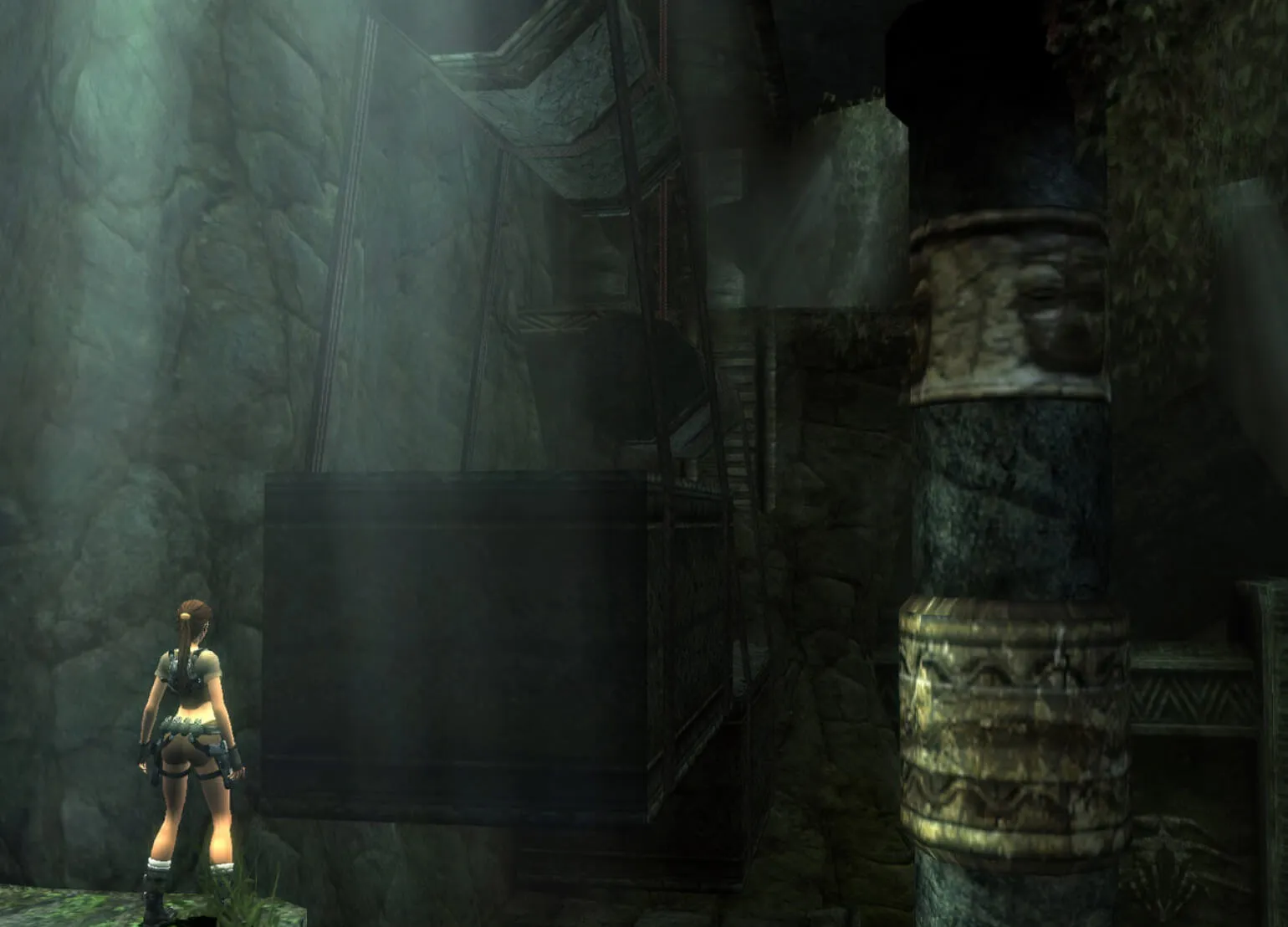
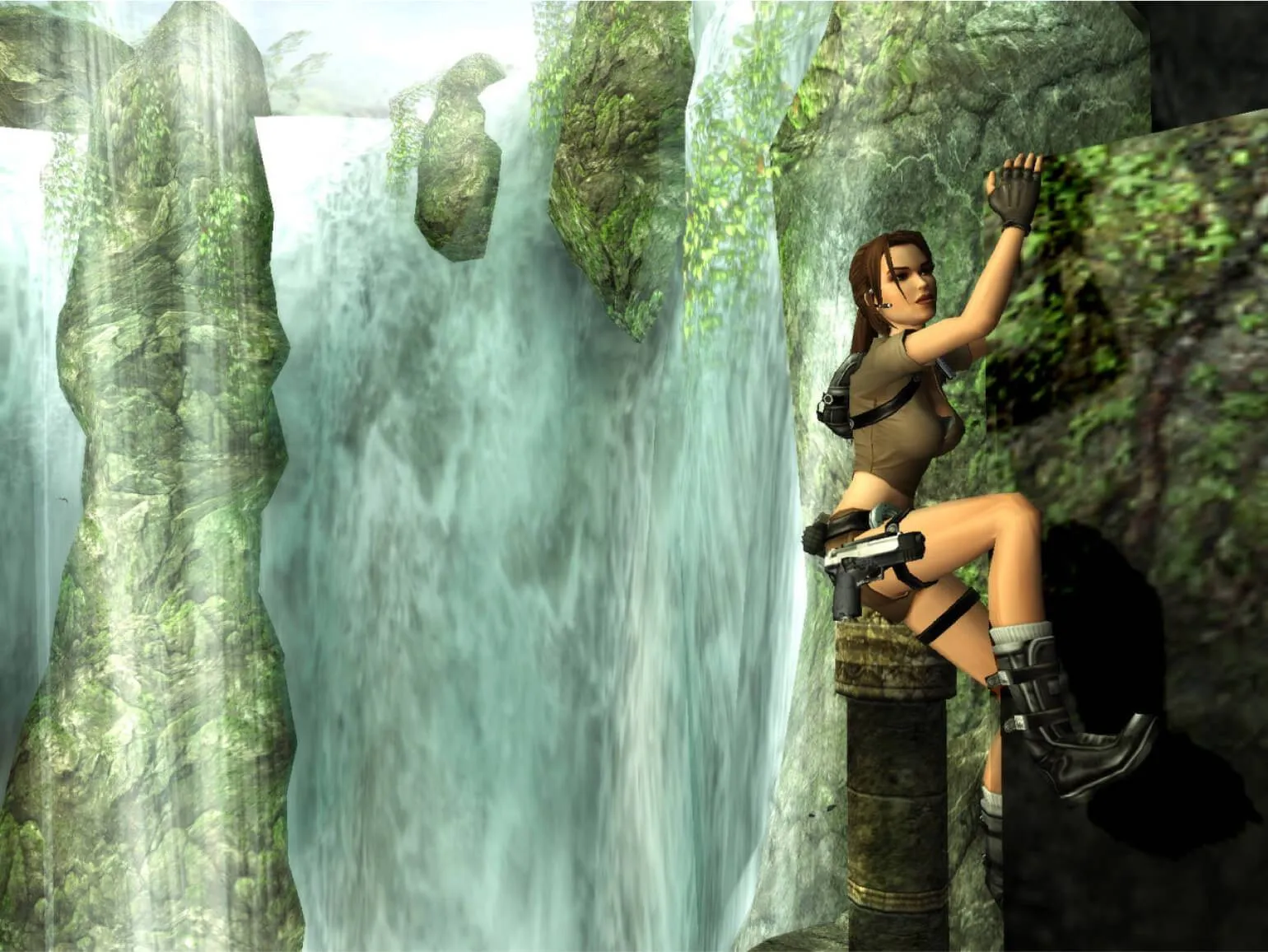
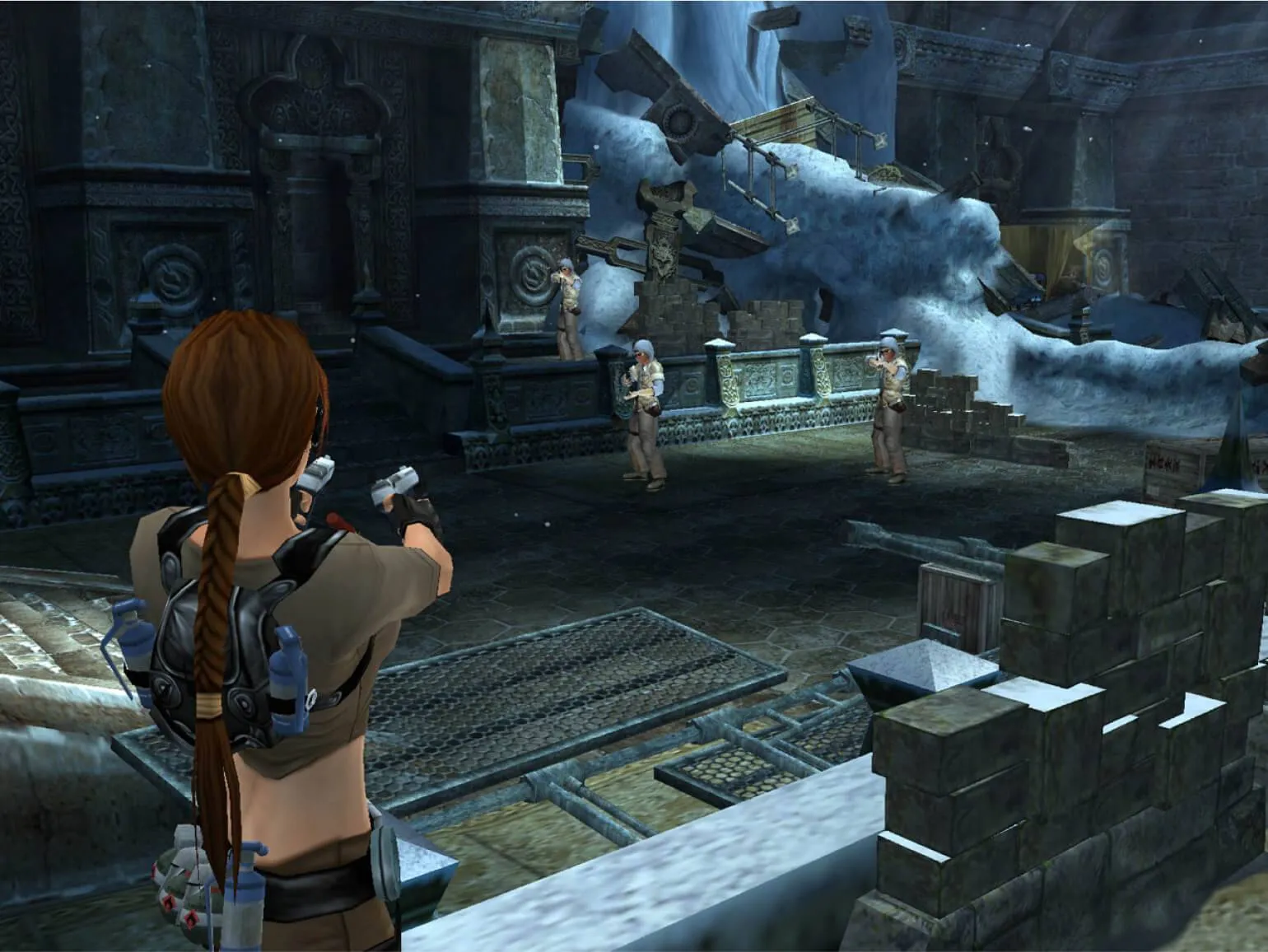
The developers sought to combine two directions: the classic series from Core Design and the successful films with Angelina Jolie, which significantly increased interest in the franchise. Collaboration with Toby Gard was an important step, allowing the introduction of new elements and avoiding simply copying outdated mechanics. This blend of old and new created a unique approach to gameplay, appealing to both fans of the original games and new players experiencing Lara Croft's story through the films.
Tomb Raider: Legend retains key gameplay mechanics, including physics-based puzzles, environmental exploration, and auto-targeting. Lara Croft's signature handstand remains, and quick-time action sequences (QTEs) add new layers of excitement and tension to the gameplay. These elements create engaging and varied gameplay, adding new levels of interaction and tension.
Fun fact: Legend utilized no mocap technology; all of Lara's animations were hand-crafted. The smoothness of Lara's movements was achieved through a unique interpolation system developed by the studio's programmers. Players could discover hidden secrets, which earned them a variety of bonuses, including new costumes. They also had access to fan modifications, creating additional looks for Lara. This added personality to the game and allowed players to immerse themselves more deeply in the world of adventure.
Tomb Raider: Legend significantly outsold its predecessors, reaching 4.5 million copies sold by 2009. While this figure did not set the records of the original game, it was enough to further develop the franchise. The success of Tomb Raider: Legend strengthened the series' position in the market and opened up new opportunities for the creation of subsequent games.
Tomb Raider: Anniversary Remake
To celebrate the tenth anniversary of the famous Lara Croft series, Crystal Dynamics released Tomb Raider: Anniversary, an updated remake of the original 1996 game. Since the release of Tomb Raider: Legend, the development team has been divided into two groups: one focused on the creation of the new project Tomb Raider: Underworld, while the other worked on Anniversary. This remake not only brings players back to the world of Lara Croft's adventures, but also updates the graphics, gameplay, and controls while maintaining the spirit of the original. Tomb Raider: Anniversary allows new and returning fans of the series to relive thrilling moments as they explore ancient tombs and uncover secrets.
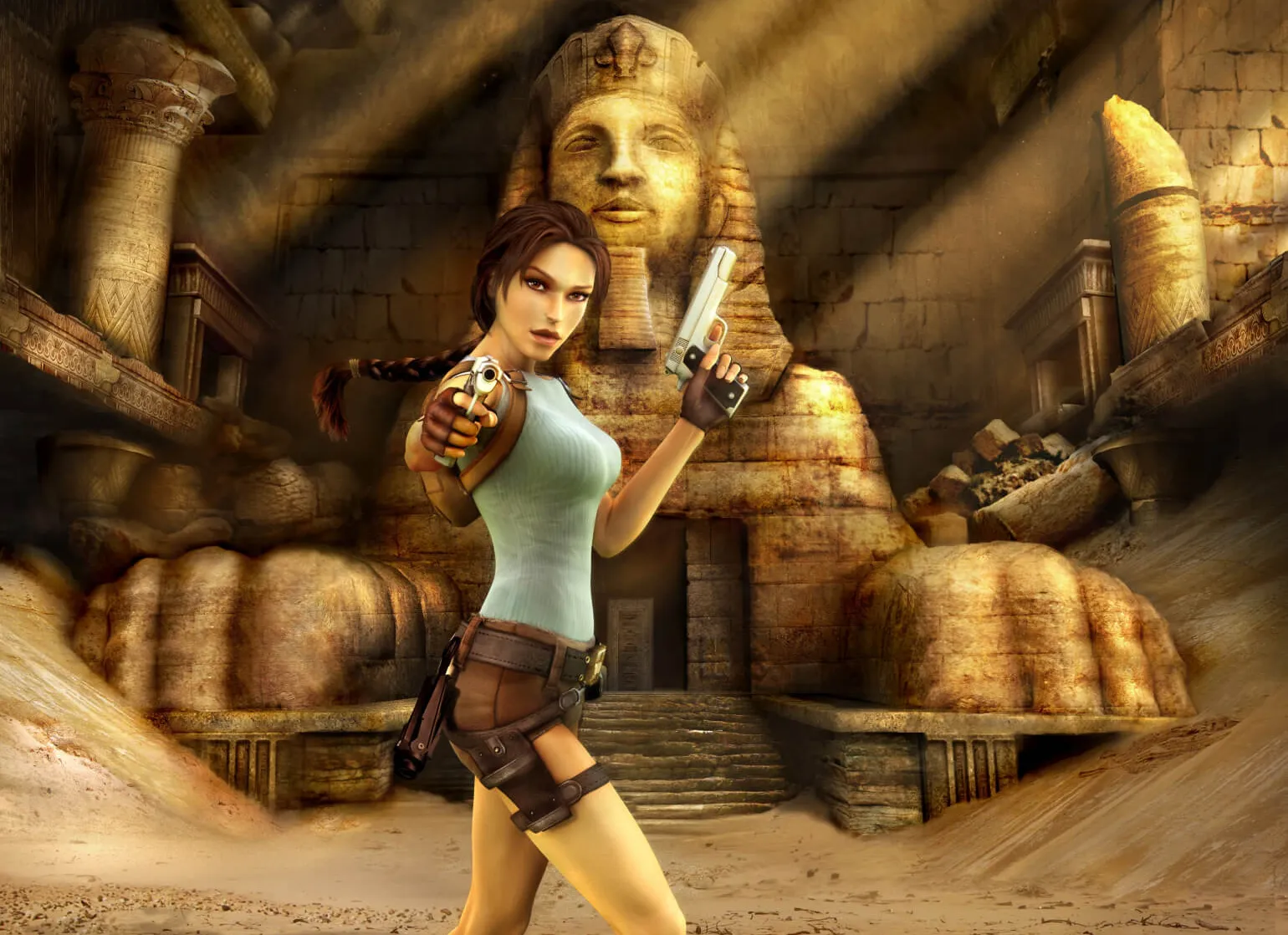
During the development of Anniversary, Core Design, part of the SCi Entertainment group, began working on its own version of the remake for the PSP. However, after the project was handed over to Rebellion, work on it was suspended. Former publisher Phil Chapman said the reason for the halt was the desire to avoid competition from third-party developers, which could have affected the further development of the game.
Crystal Dynamics' Tomb Raider: Anniversary is a unique take on the classic game. Unlike the original, the game features changes to the mechanics and level design, driven by Lara Croft's evolving acrobatic skills. However, the developers retained the original's atmosphere, allowing many fans to appreciate this new take on the beloved franchise. This modern version of the game not only attracts new players, but also returns old fans to the roots of Lara's adventures, offering them a renewed gaming experience while maintaining historical integrity.
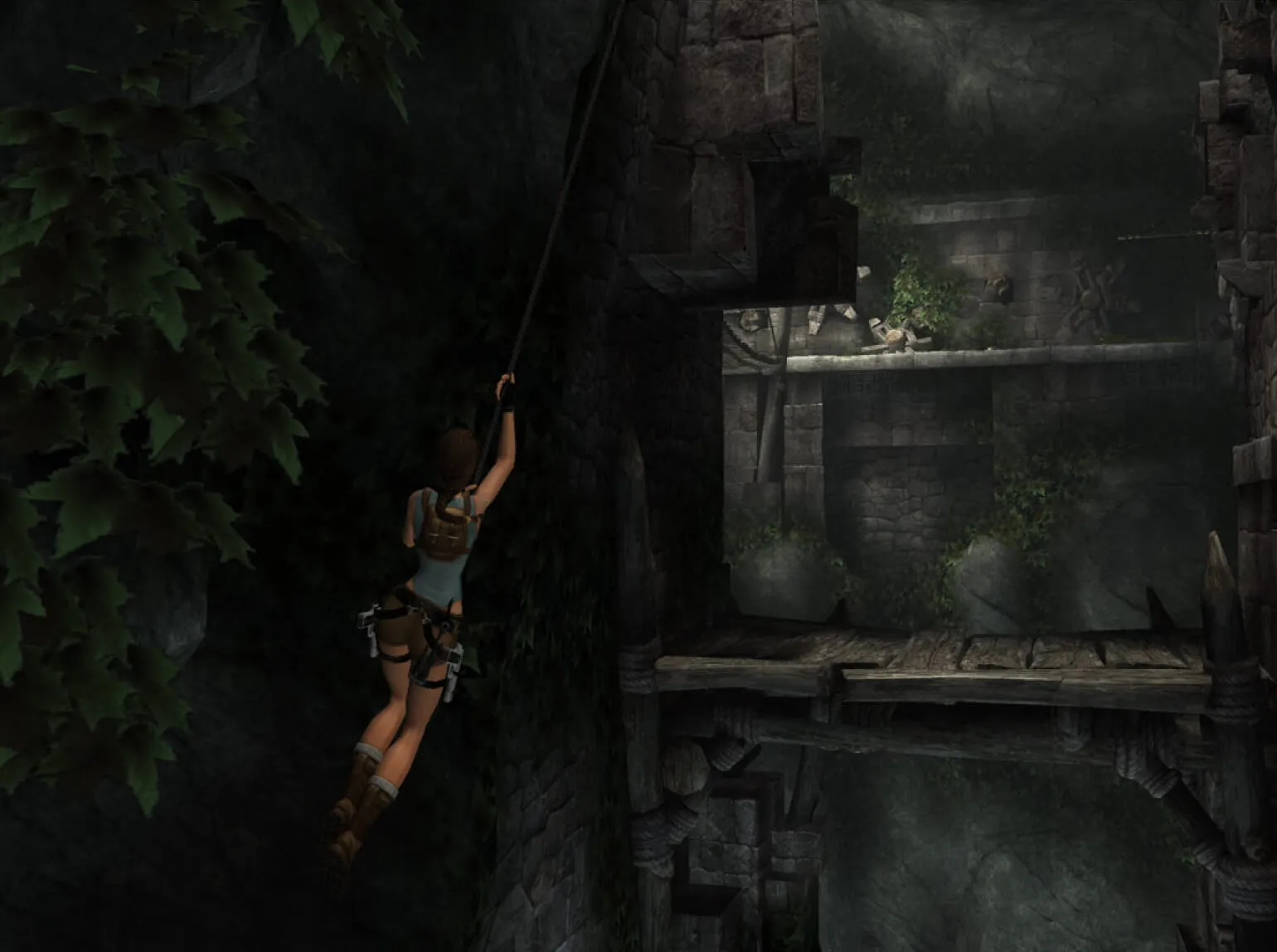
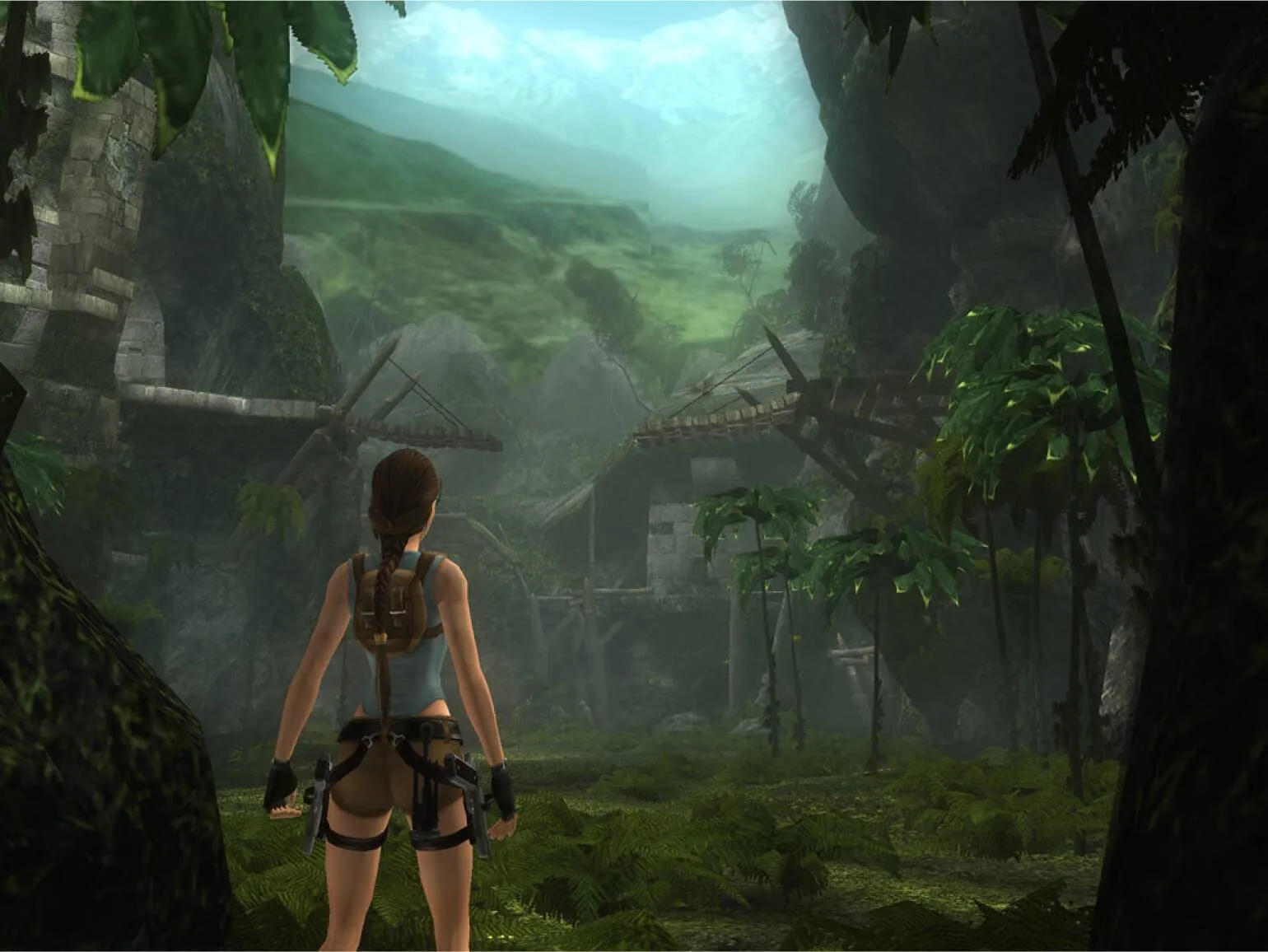
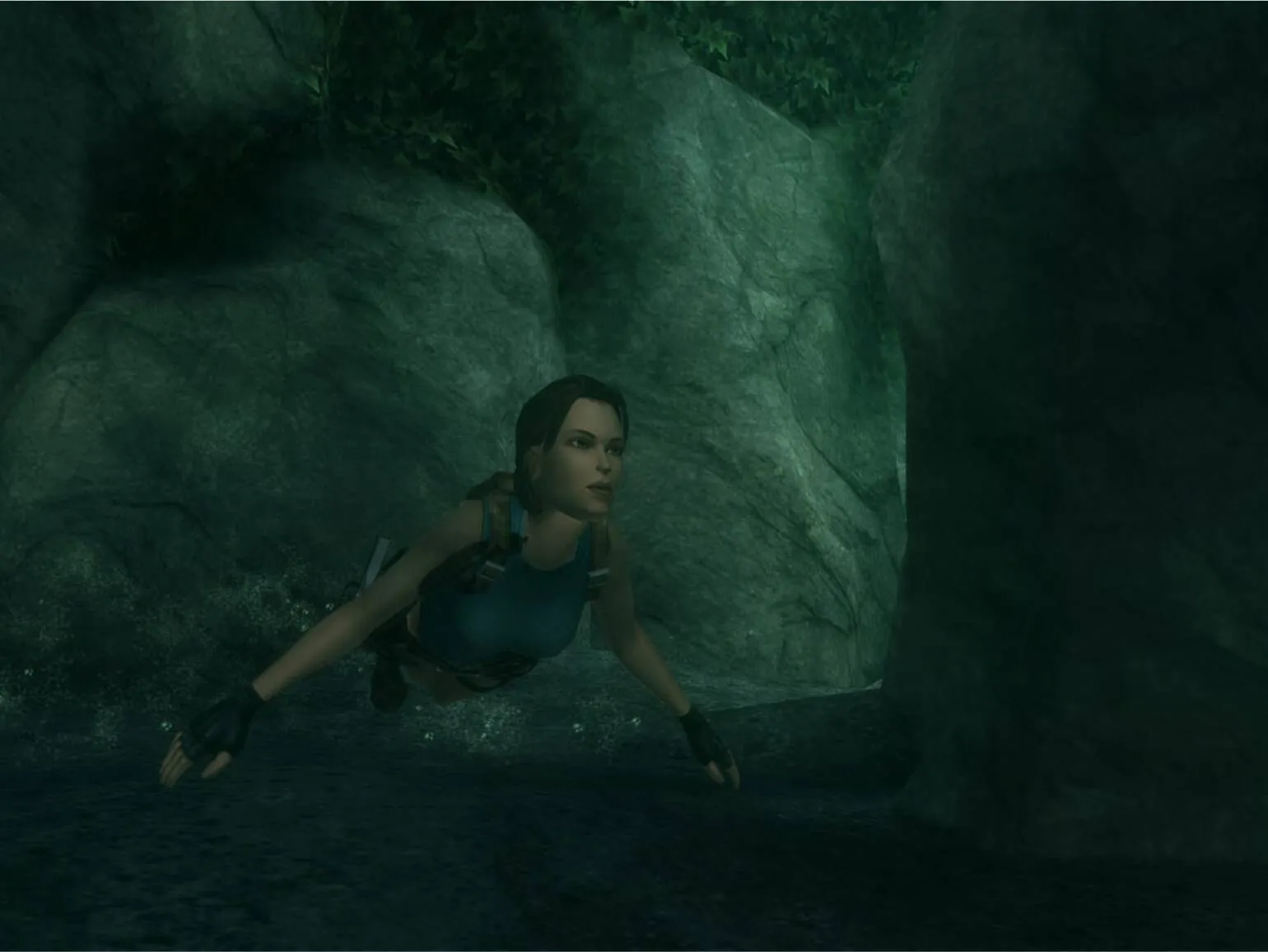
Despite positive reviews from critics, Tomb Raider: Anniversary failed to achieve significant commercial success. The game sold only 1.3 million copies, which is a disappointing result even compared to Tomb Raider: Chronicles. This is surprising, especially given the high quality of the remake and its contribution to the franchise. Tomb Raider: Anniversary deserves more recognition, given the innovations and improvements that were implemented into the game.
The Evolution of Tomb Raider: Underworld
Released in 2008, Tomb Raider: Underworld marked a significant milestone in the series’ evolution. The Crystal Dynamics team focused its efforts on the new gaming consoles – PlayStation 3 and Xbox 360. This part of the trilogy not only immerses players in fascinating underground locations but also reveals important aspects of Lara Croft’s biography, touching on themes of loss and drama. This gives the game a darker and more emotional character, making it one of the most memorable in the Tomb Raider series.
Animation creation for Underworld relies on modern mocap technologies. However, as creative director Noah Hughes emphasizes, the core moveset remains similar to previous games in the series. The gameplay also retained a traditional format, which has generated mixed reviews among players. Despite the use of new technology, many users note that the familiar gameplay style can be both appealing and off-putting.
Underworld, despite initial sales success and positive critical acclaim, including a BAFTA nomination, faced growing user dissatisfaction over time. Criticism focused on the outdated characterization of the main character, Lara, which did not meet modern gaming standards and audience expectations. It is important to consider that the development of gaming technology and changing player preferences require constant adaptation of characters and stories. This circumstance puts Underworld in a difficult position, requiring a rethinking of the approach to content creation to attract new audiences and satisfy existing fans of the franchise.
In April 2009, Eidos experienced a significant milestone in its history: the Japanese corporation Square Enix acquired the company and split the Crystal Dynamics team. One team focused on developing a new project within the Tomb Raider series, intended to compete with Uncharted. Meanwhile, another team began working on an arcade game requiring minimal time and resources. This redistribution of resources and focus across projects allowed Eidos to adapt to market demands and offer players a diverse gaming experience.
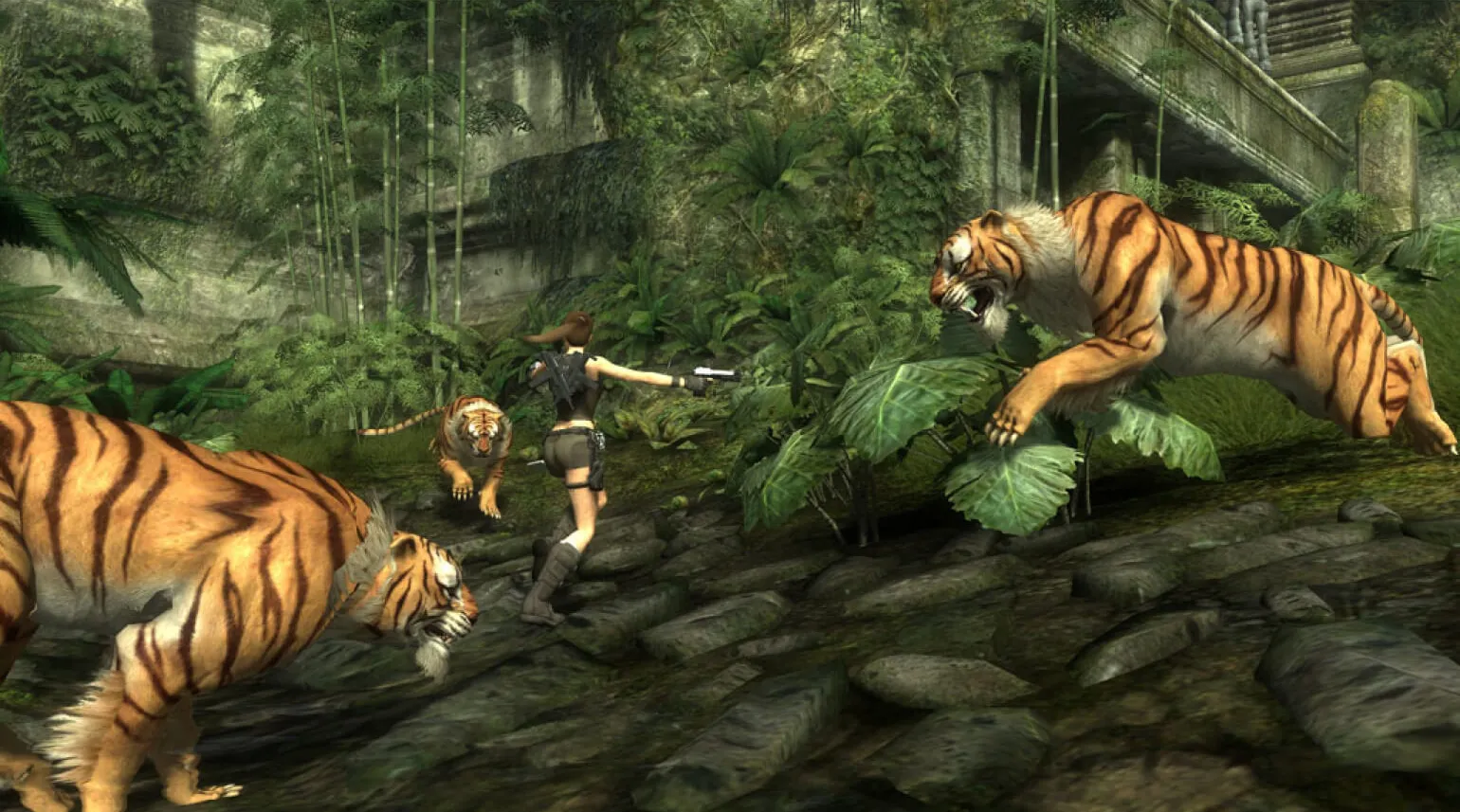
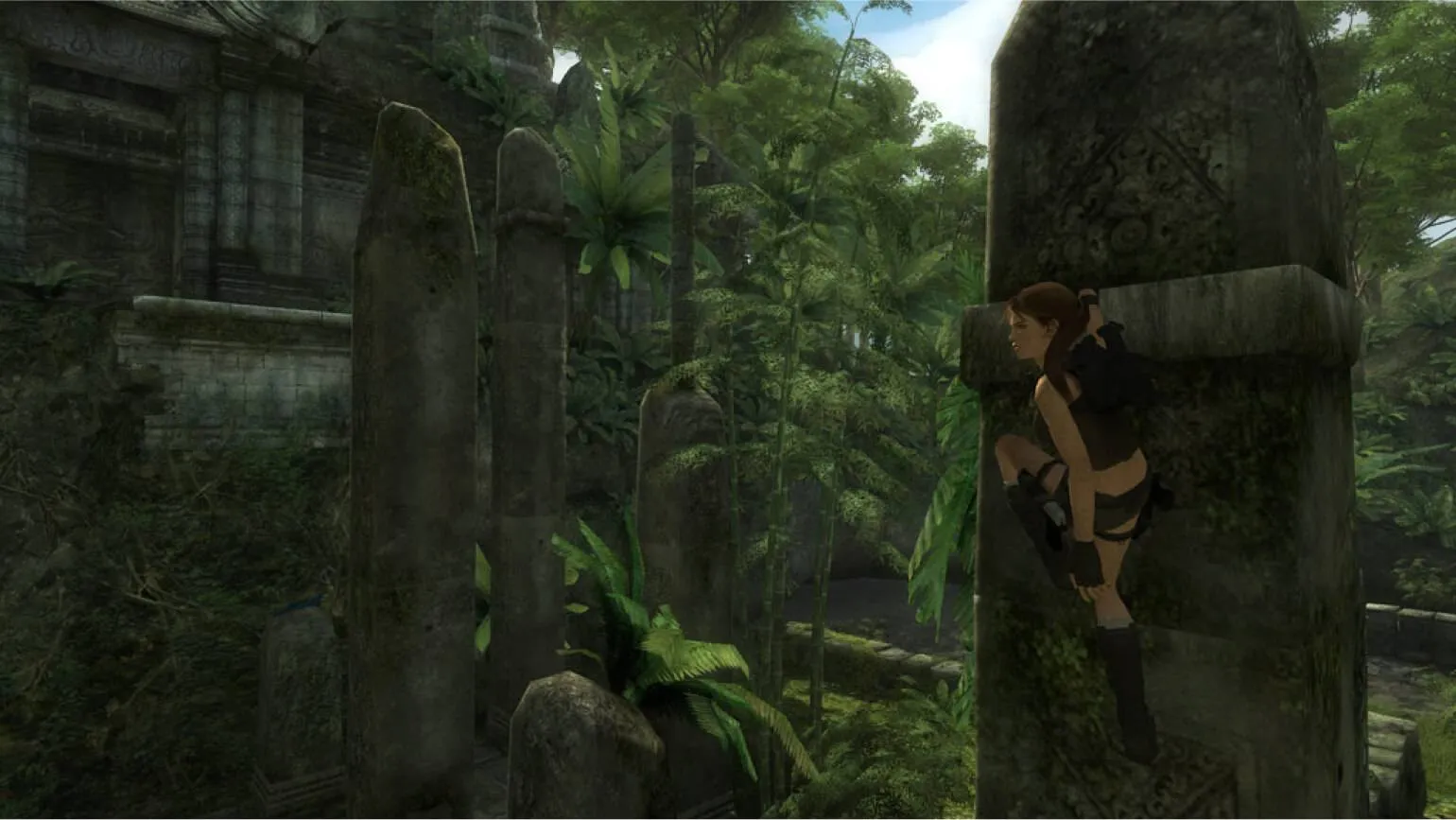
In 2010, the world saw Lara Croft and the Guardian of Light, a unique blend of action platformer and puzzle game. The game attracted a wide audience thanks to its engaging gameplay. While the graphics weren't up to par with modern standards, the project stood out for its engaging co-op mode and varied interactive challenges. The game's success is confirmed by the fact that digital sales of Lara Croft and the Guardian of Light have exceeded one million copies, which is an impressive result for games of this genre.
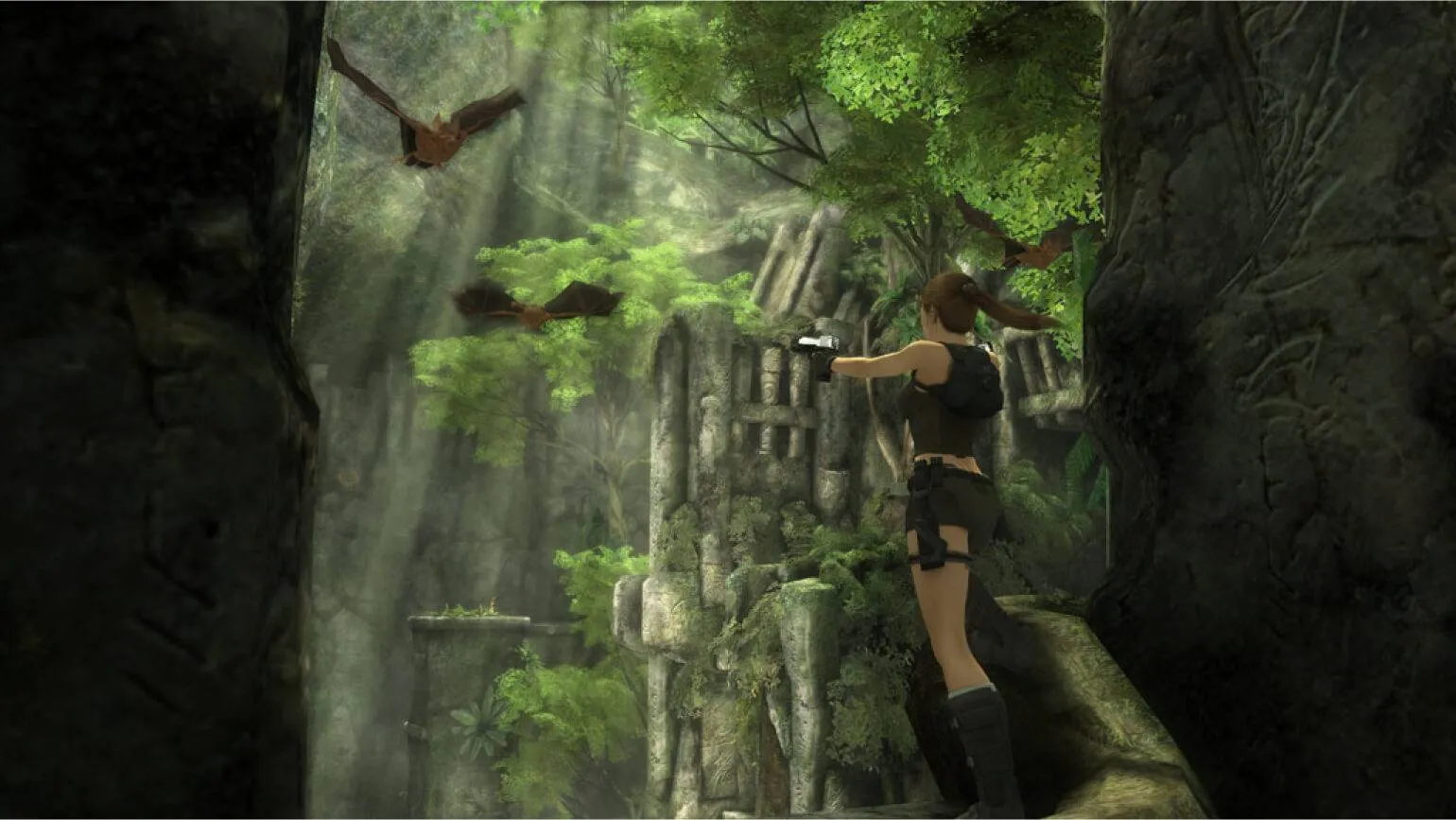
A Complete Reimagining of the Series: A New Era of Tomb Raider
Crystal Dynamics has decided to radically reboot the legendary Tomb Raider series. The main goal of the developers was not only to update the gameplay, but also to create a deeper emotional interaction between the player and the character. This was made possible by a new approach to the image of Lara Croft, which has become more multi-layered and realistic. The updated Lara Croft has her weaknesses and strengths, which allows players to better understand her motivations and experiences. This approach not only refreshes the series, but also makes it more appealing to a new audience, which emphasizes the importance of emotional connection in modern game design.
The script for the new game was handled by the talented Rhianna Pratchett, a fan of Lara Croft since childhood. She understood that the image of the heroine required an update. While Lara symbolized strength and intelligence, her sexualized image often clashed with modern ideals. Pratchett aimed to make Lara more realistic and relatable to a new generation of gamers, which would attract a wider audience and create a deeper connection with the character. This new approach to developing Lara Croft's character meets modern demands and expectations, emphasizing the importance of equality and diversity in the gaming industry. The game's new concept focuses on Lara's development as an explorer facing extreme conditions. Each trial she faces becomes a serious challenge rather than a simple distraction. This adds depth and realism to her character, allowing players to better understand her experiences and motivations. This approach not only enriches the story but also creates a more engaging and immersive gameplay experience, where players can experience all the challenges and dangers that Lara faces in her adventures.
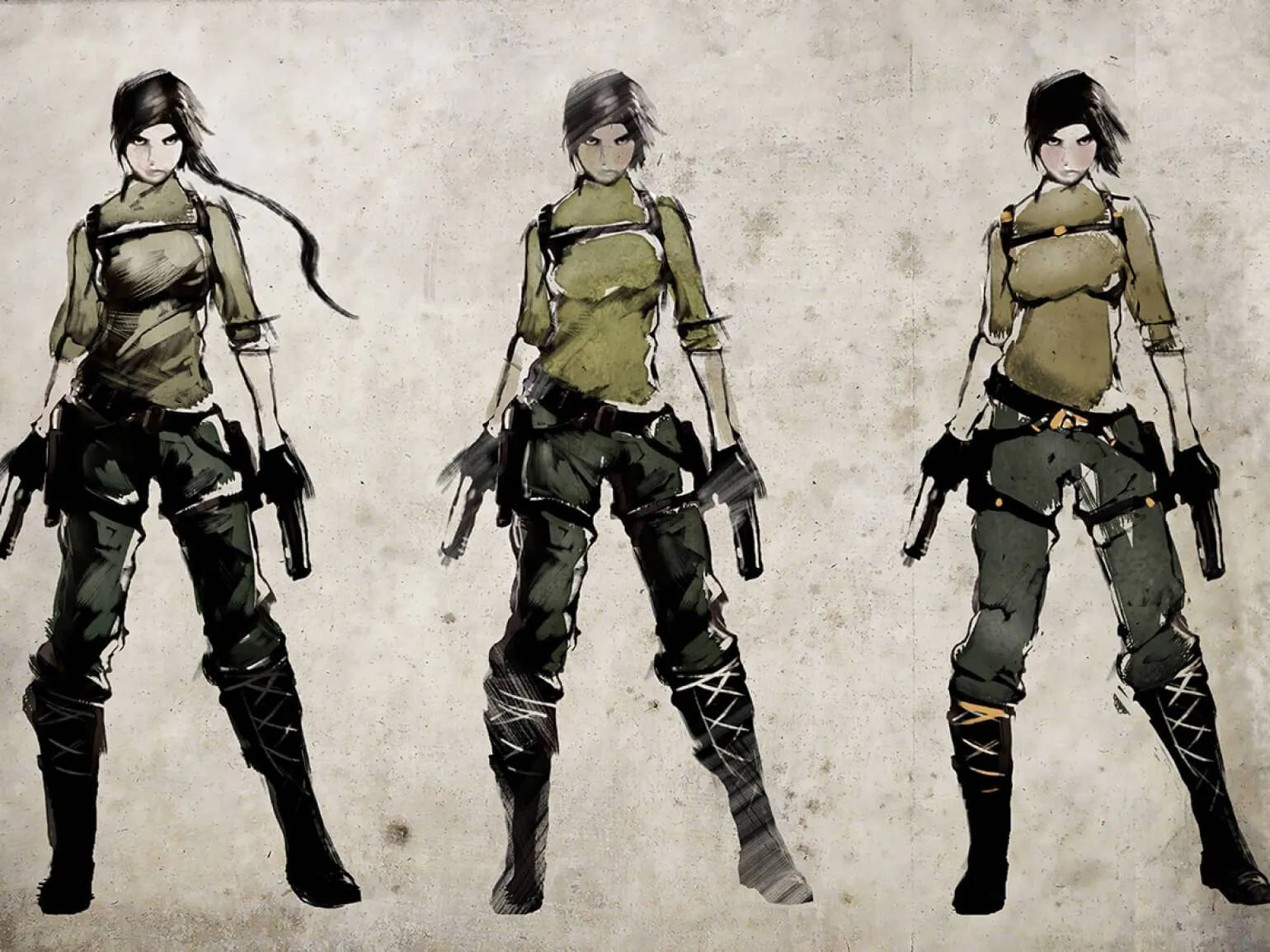
Gameplay has been reimagined with an emphasis on survival and character development, significantly changing the character of Lara Croft. Unlike previous games, where her curvy look was the standard, the new version offers a more realistic approach. Instead of tight shorts, she now wears practical trousers, emphasizing her adaptation to the harsh environment. Lara has adopted a bow as her primary weapon, adding strategic and tactical elements to the gameplay. These changes create a deeper and more complex character, and make the game more interesting and engaging for players seeking a true experience of adventure and survival in a dangerous world.
Over the course of the game, Lara Croft faces numerous challenges, including serious injuries, the struggle to survive in the harsh wilderness, and the loss of loved ones. This new approach to the character subverts conventional notions of her invincibility and demonstrates her vulnerability. Players see Lara overcome not only physical challenges but also emotional ones, which adds depth and humanity to her character.
Tomb Raider was released in 2013 and quickly gained popularity among adventure game fans. Despite borrowing elements from games like Uncharted, Tomb Raider retained its unique character and atmosphere, centered on the search for ancient relics. By 2021, the game had achieved an impressive sales of 14.5 million copies, making it the most successful in the series. Tomb Raider continues to attract the attention of players thanks to its gripping storyline and well-thought-out gameplay mechanics.
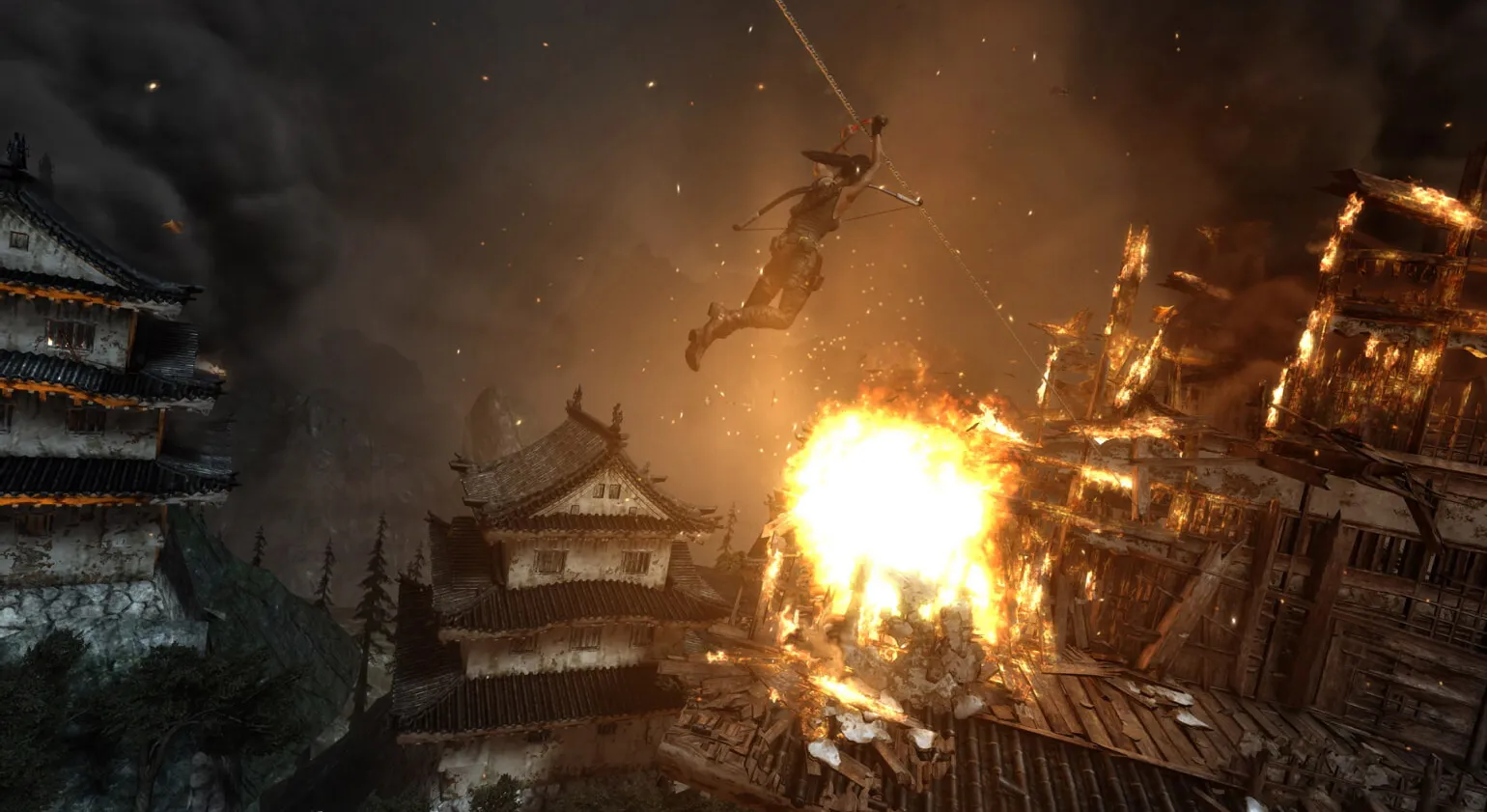
After a successful reboot, the developers sought To ensure that luck wasn't a fluke. In 2013, The Last of Us was released, setting new standards for action-adventure games with survival elements. Crystal Dynamics recognized the need to continue to develop its winning formula by adapting innovative mechanics and story depth. This realization pushed the team to create new projects that would meet the high demands of modern gaming and appeal to a wider audience.
In 2014, the isometric puzzle shooter Lara Croft and the Temple of Osiris was released, serving as a sequel to Lara Croft and the Guardian of Light. The game offered a simplified single-player campaign while maintaining engaging gameplay. However, critics expressed mixed opinions about the design, which focused on co-op play. Despite this, the project continues to attract the attention of players thanks to its unique mechanics and opportunities for co-op play.
Success and evolution of the concept of Rise of the Tomb Raider
During the development of the second part of the successful Rise of the Tomb Raider trilogy, the development team decided to maintain the main direction of the game, while emphasizing some important aspects. One of the key changes was the increase in the number of explorable tombs, which significantly enriched the gameplay. This decision allowed for deeper elements of exploration and adventure, making the game more engaging for fans and new players.
The game's plot has become even more multi-layered, bringing in both familiar Lara characters from the first part and new heroes. The developers significantly improved the crafting system, giving players the opportunity to collect a variety of ingredients to create unique equipment. This not only changes the appearance of the main character but also adds bonuses to her characteristics. The implemented weapon modification system unexpectedly increased the level of action in the game, unlike the first part, where the team tried to focus on the emotional component. Thus, players can expect a more dynamic and engaging gameplay experience, combining elements of exploration, crafting, and combat.
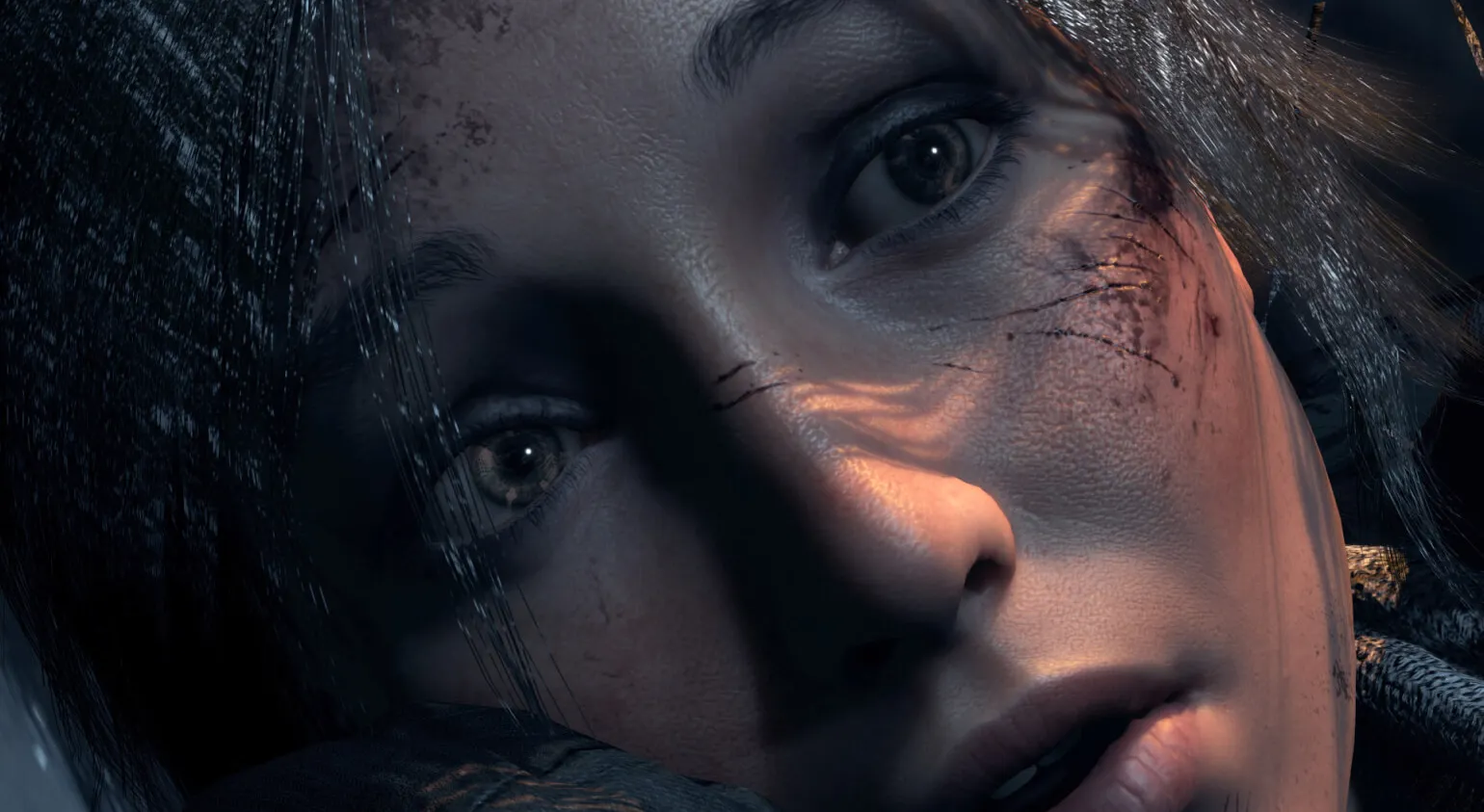
Разработка Rise of the Tomb Raider стала результатом совместной работы студий Crystal Dynamics и Eidos Montreal, которые известны своими успешными играми, включая Deus Ex: Human Revolution и перезапуск Thief. Изначально обе команды занимались дизайном уровней, однако вскоре каждая из них определила свои задачи, что способствовало синергии и в конечном итоге улучшению качества игры. Это сотрудничество позволило объединить лучшие практики и опыт обеих студий, что положительно сказалось на игровом процессе и художественном оформлении проекта.
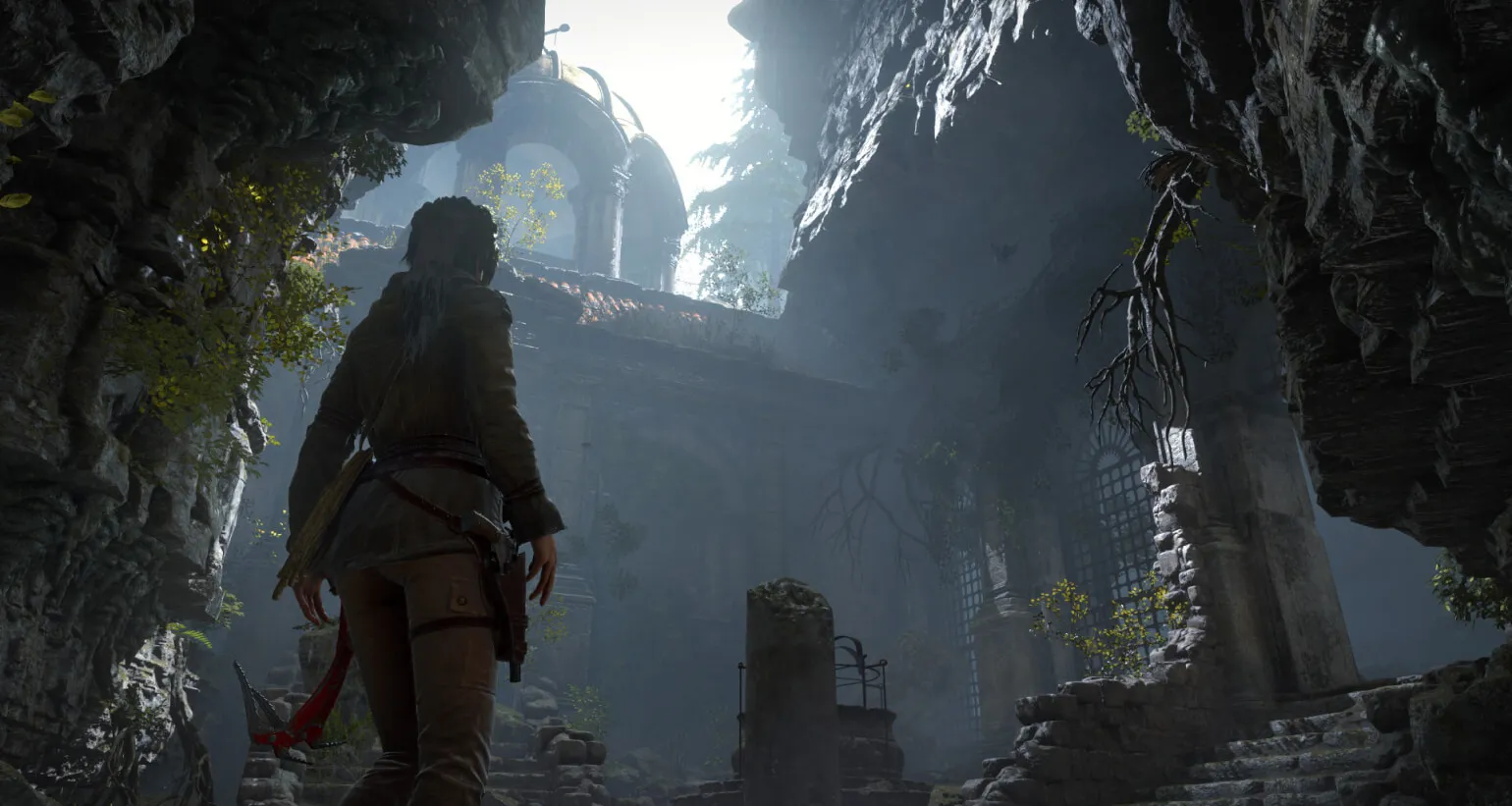
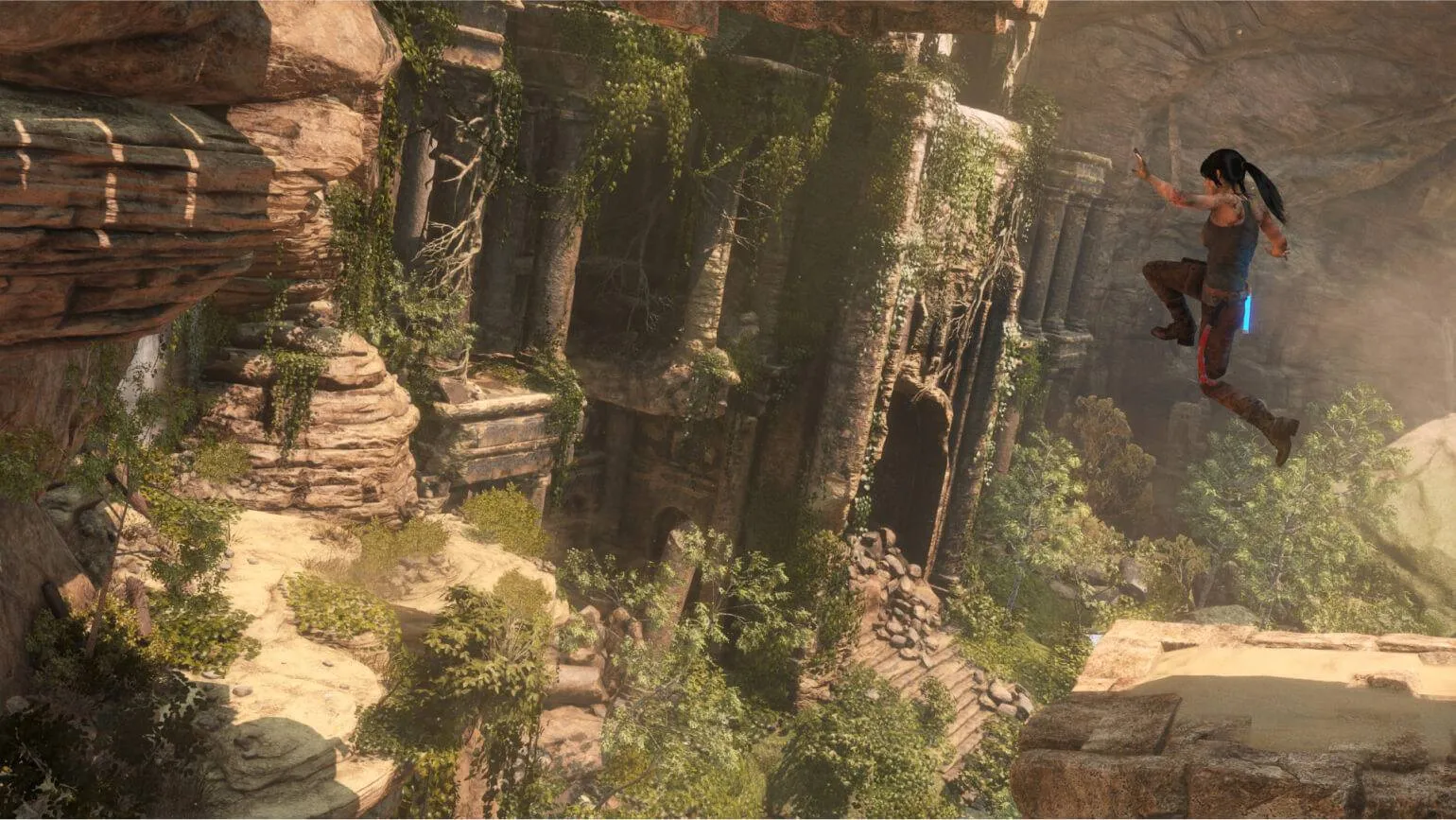
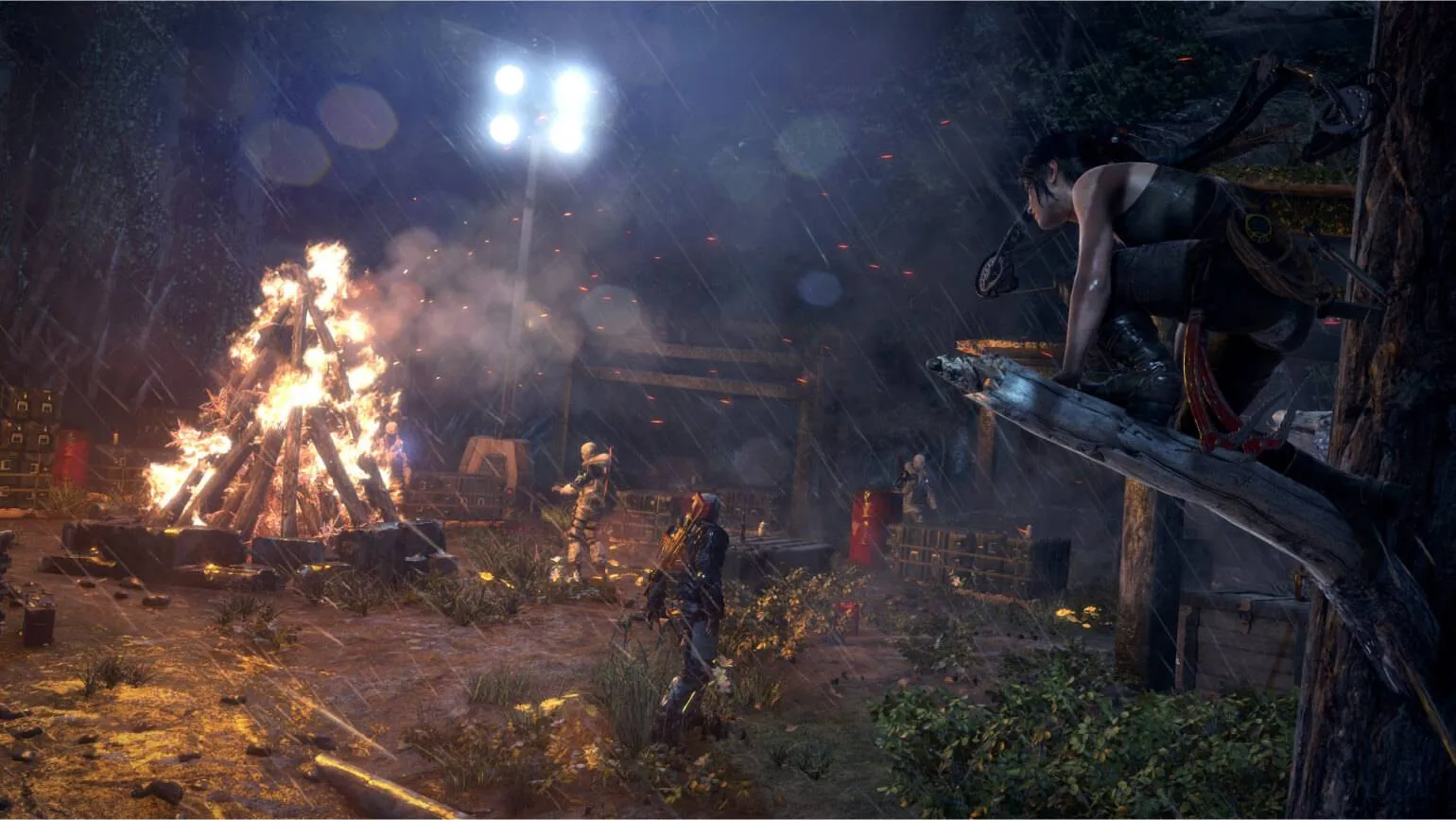
The game was officially released in November 2015, but it was overshadowed by a temporary exclusive for the Xbox 360 and Xbox One platforms. As of January 2016, sales of the game reached 1 million copies, which is significantly lower than the 3.6 million copies sold in the first part in the first month after its release. This circumstance influenced the perception of the new product and its commercial success.
After the release of Rise of the Tomb Raider on various platforms, sales figures increased significantly. By the end of 2017, the total number of copies sold approached 7 million. Given the sustained interest of players in the Tomb Raider franchise and regular price reduction promotions, sales of the game continue to grow to this day.
Completion of the trilogy: A new chapter in the adventures of Lara Croft
After the release of the previous part, development of the new game, Shadow of the Tomb Raider, began almost immediately. In this project, the Eidos Montreal studio acted as the lead developer, while the Crystal Dynamics team focused on working on Marvel’s Avengers. Shadow of the Tomb Raider continues Lara Croft's story, offering players new adventures and immersive gameplay. With each new release, the franchise expands its boundaries, introducing innovative mechanics and improving graphics.
The developers at Eidos Montreal set themselves the task of introducing innovative ideas into the game, rather than simply copying elements from previous installments. They understood that the conclusion of the trilogy had to make a strong impression on the series' loyal fans. This commitment to novelty and quality is an important aspect that underscores their approach to creating a unique gaming experience.
Shadow of the Tomb Raider became the most expensive project in the franchise's history, with a total budget of $135 million, including marketing costs. This significant investment underscores the developers' ambitious goals and their commitment to creating a unique gaming experience for fans of the series. The high budget also reflects the increasing demands on graphics quality, gameplay mechanics, and a compelling story, making Shadow of the Tomb Raider a significant contribution to the world of video games.
In this game, Lara Croft already has significant experience and developed skills, giving her confidence in challenging situations. Lead writer Jill Murray noted that it is important for Lara to understand her own strength to avoid becoming a villain. A key element of the plot is Lara's choice between avenging her father's death and saving the world from impending disaster. This internal conflict gives her character depth and layering, highlighting the importance of moral decisions throughout her journey.
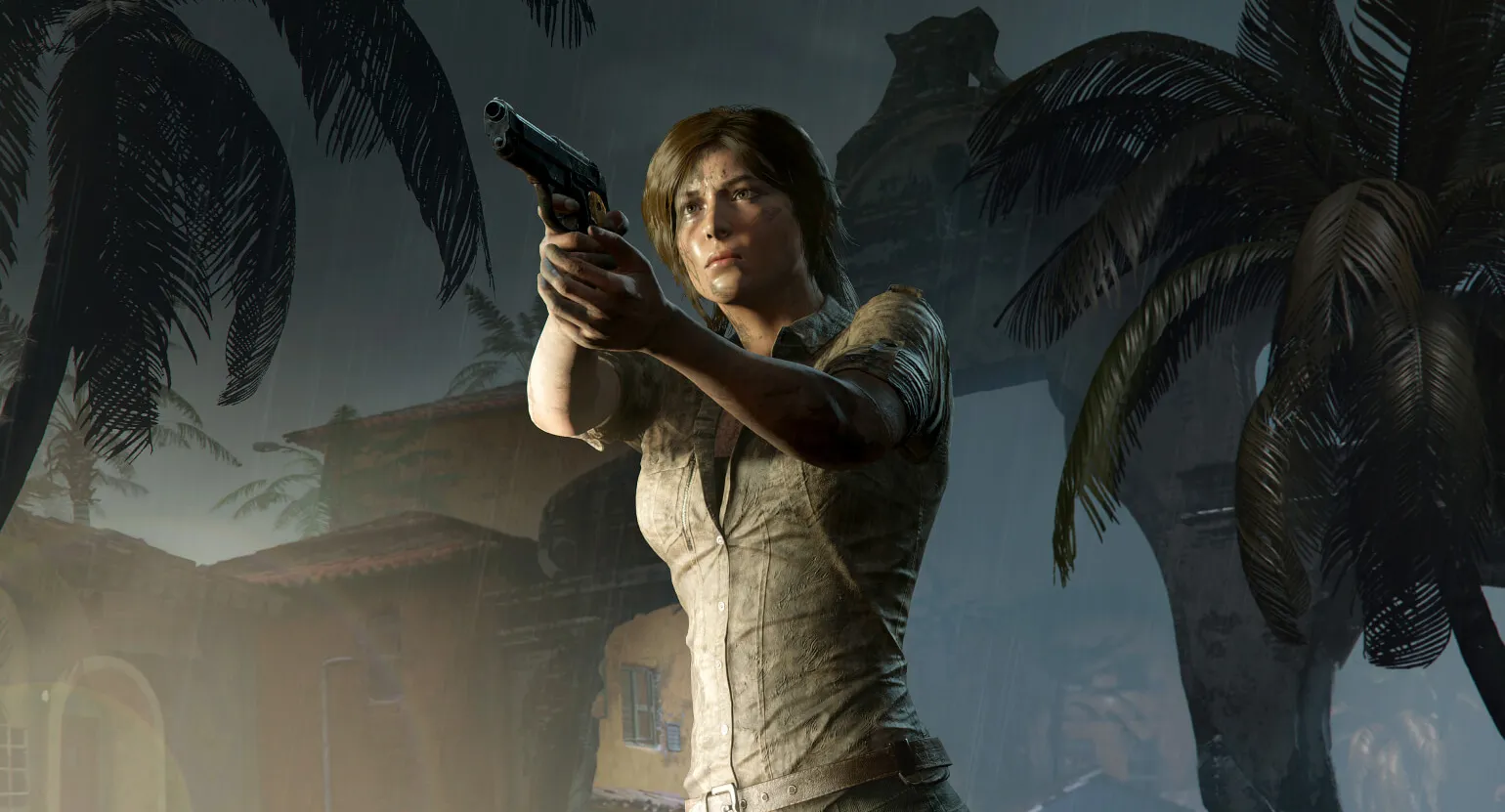
Survival elements find new expression in the Peruvian jungle, where Lara uses the environment to strategically eliminate opponents. Complex and varied puzzles make the gameplay more engaging and exciting. Players can enjoy not only dynamic battles but also intellectual challenges, which significantly enriches the gaming experience.
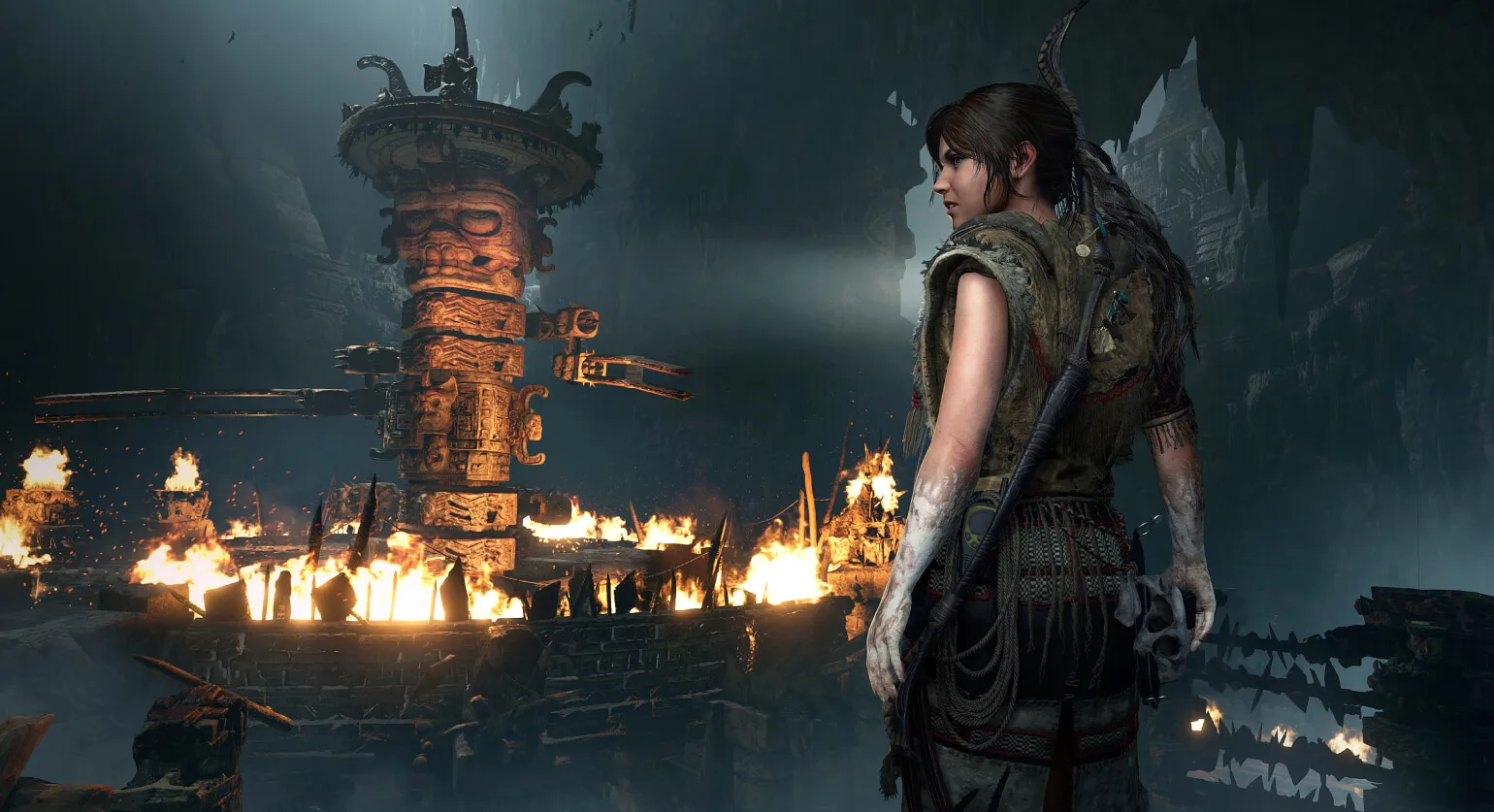
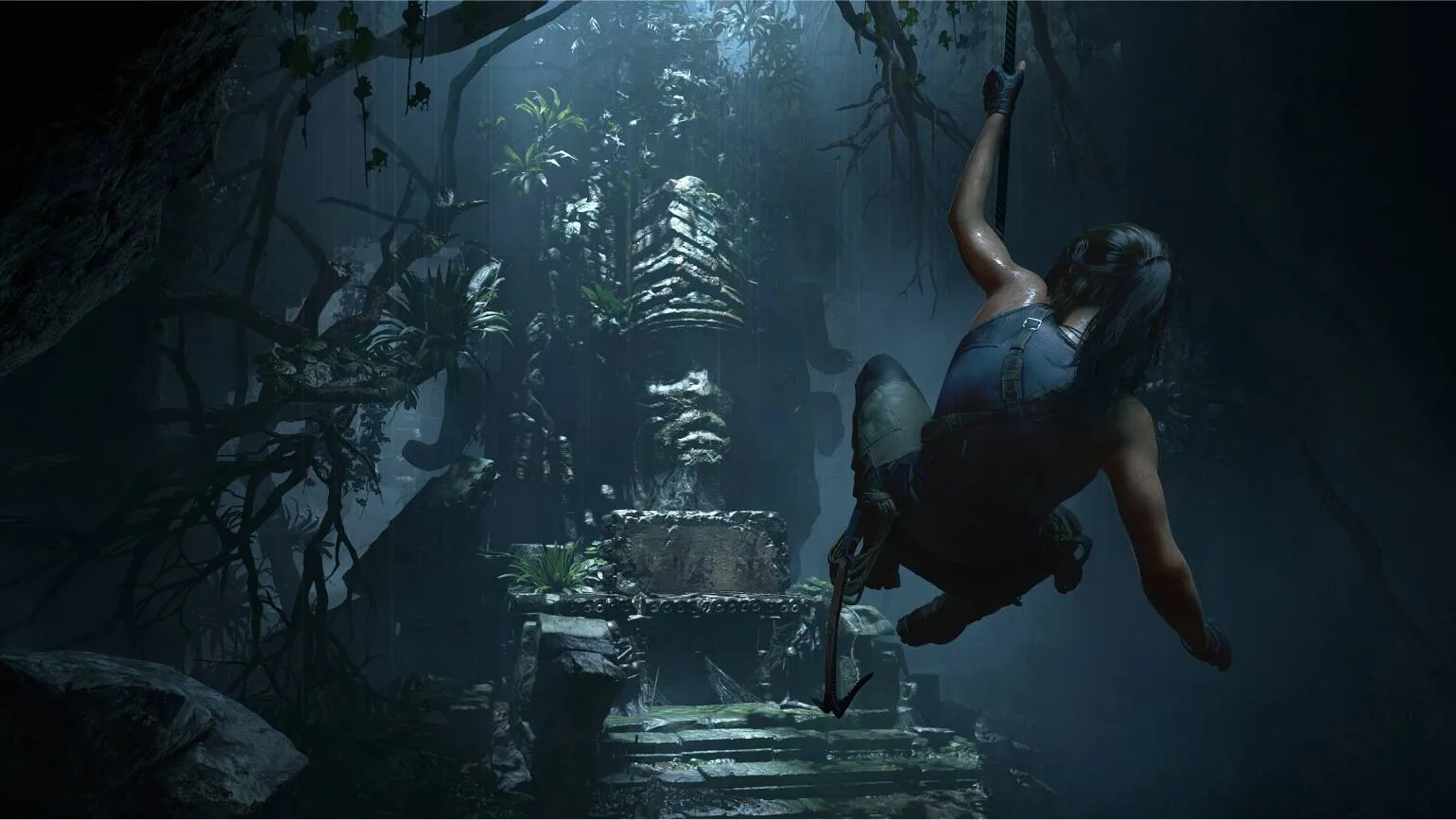
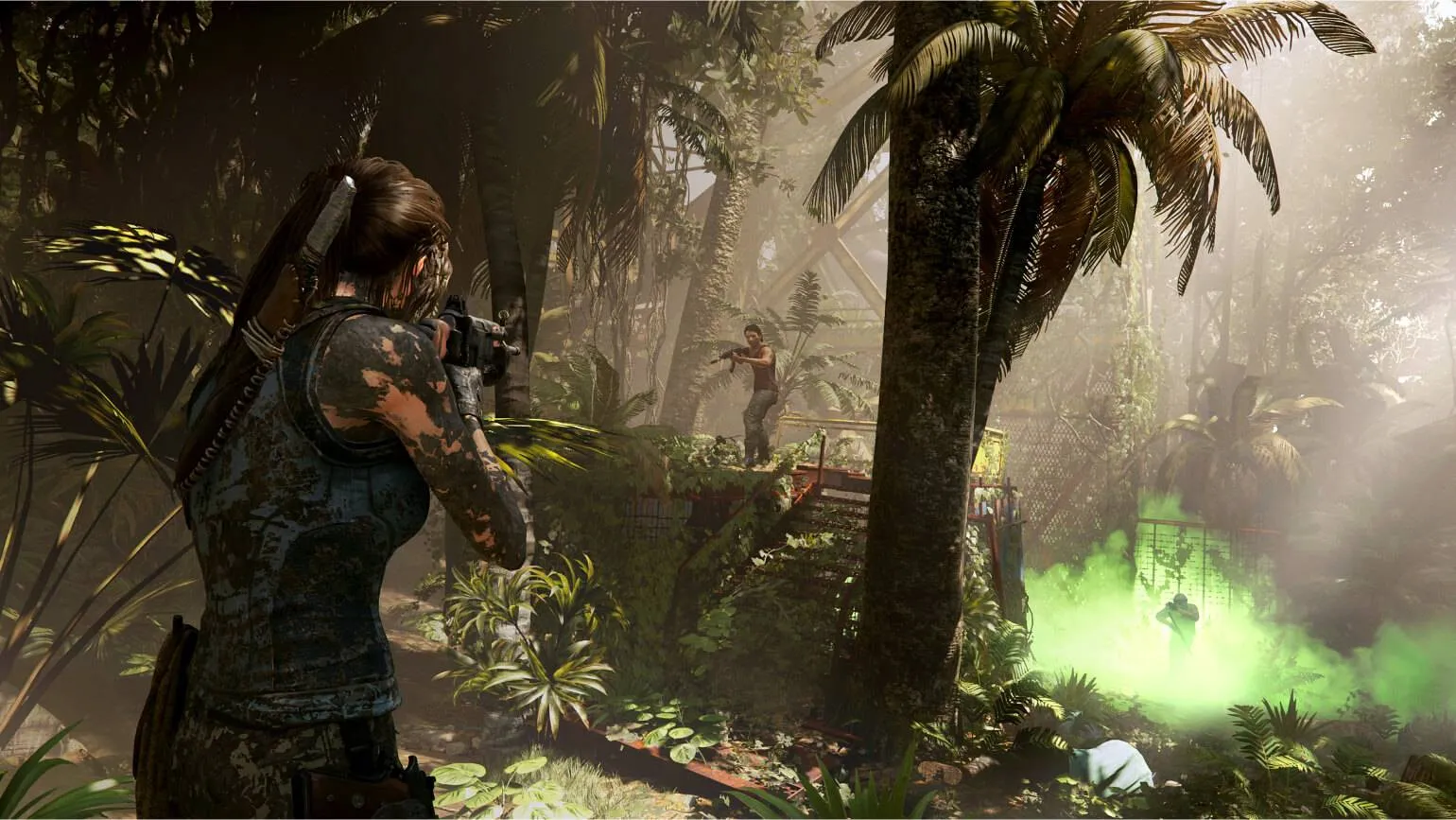
One of the key innovations in the game was the vast hub settlement of Paititi. In this lost place, Lara can interact with NPCs, receive a variety of side quests and acquire the necessary items for her adventure. Paititi offers players a unique atmosphere and the opportunity to delve into the game world, exploring various aspects of the story and improving their skills.
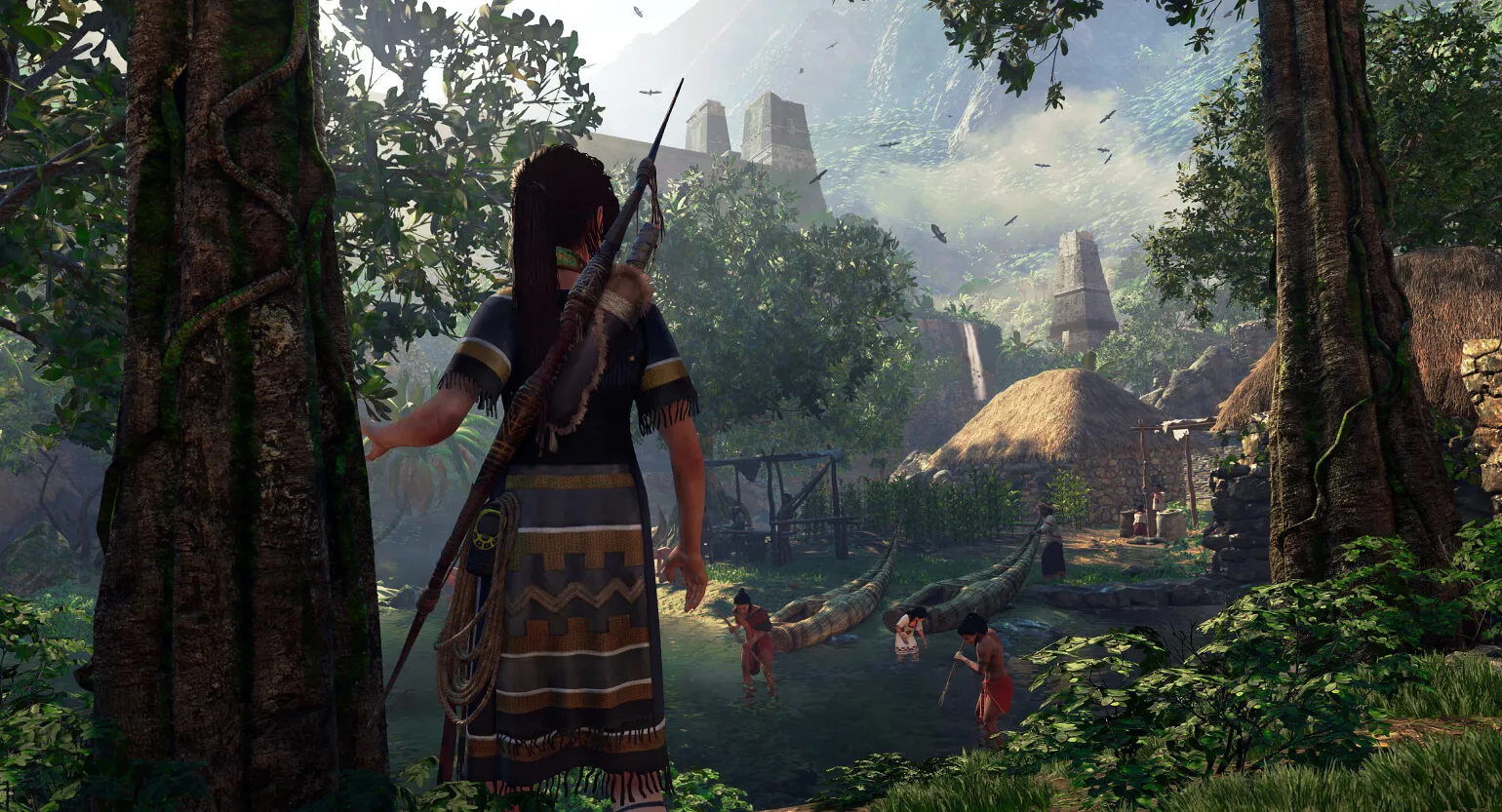
Shadow of the Tomb Raider was released in September 2018 and received generally positive reviews from critics. Experts noted significant improvements to the combat system, graphics, and detailed game world. However, some reviewers pointed out shortcomings in the storyline, which did not fully reveal Lara's character development. At launch, the game sold over 4 million copies, but by the end of 2021, this figure had more than doubled. Shadow of the Tomb Raider continues to attract players thanks to its engaging gameplay and deep immersion in the world of adventure.
In 2018, the film Tomb Raider: Lara Croft, starring Alicia Vikander and inspired by the 2013 reboot of the game, was released. Despite receiving mixed reviews from critics, the film achieved commercial success, grossing $274 million at the worldwide box office. However, plans for a sequel were cancelled when MGM lost the film rights.
The Future of the Tomb Raider Series
In May 2022, the Swedish company Embracer Group announced the purchase of several Western studios of Square Enix for $300 million. As a result of this deal, such renowned developers as Eidos Montreal and Crystal Dynamics joined Embracer's portfolio. The new owner saw enormous potential for developing popular franchises, including Deus Ex, Tomb Raider, Thief, and Legacy of Kain. The company's plans include the creation of remakes, remasters, and spin-offs, which promises to revive these legendary series and attract both old and new fans.
Following the completion of the deal in August, Crystal Dynamics entered into a partnership with Aspyr, a studio within the Embracer Group. As part of this collaboration, the development of multiplatform remasters of the classic Tomb Raider trilogy has been announced. The games are scheduled for release on February 14, 2024, which coincides with the canonical birthday of the famous heroine Lara Croft.
The remaster collection includes the three original games and significant expansions: Unfinished Business for Tomb Raider, Golden Mask for Tomb Raider 2, and The Lost Artifact for Tomb Raider 3. While the graphics remain low-poly, the textures have been improved and become more detailed. Lara Croft's model has been updated to more accurately capture her appearance, both in the original games from the 2000s and in FMV cutscenes. This approach not only preserves the atmosphere of the original, but also attracts a new generation of players who want to experience the classics in an updated format.
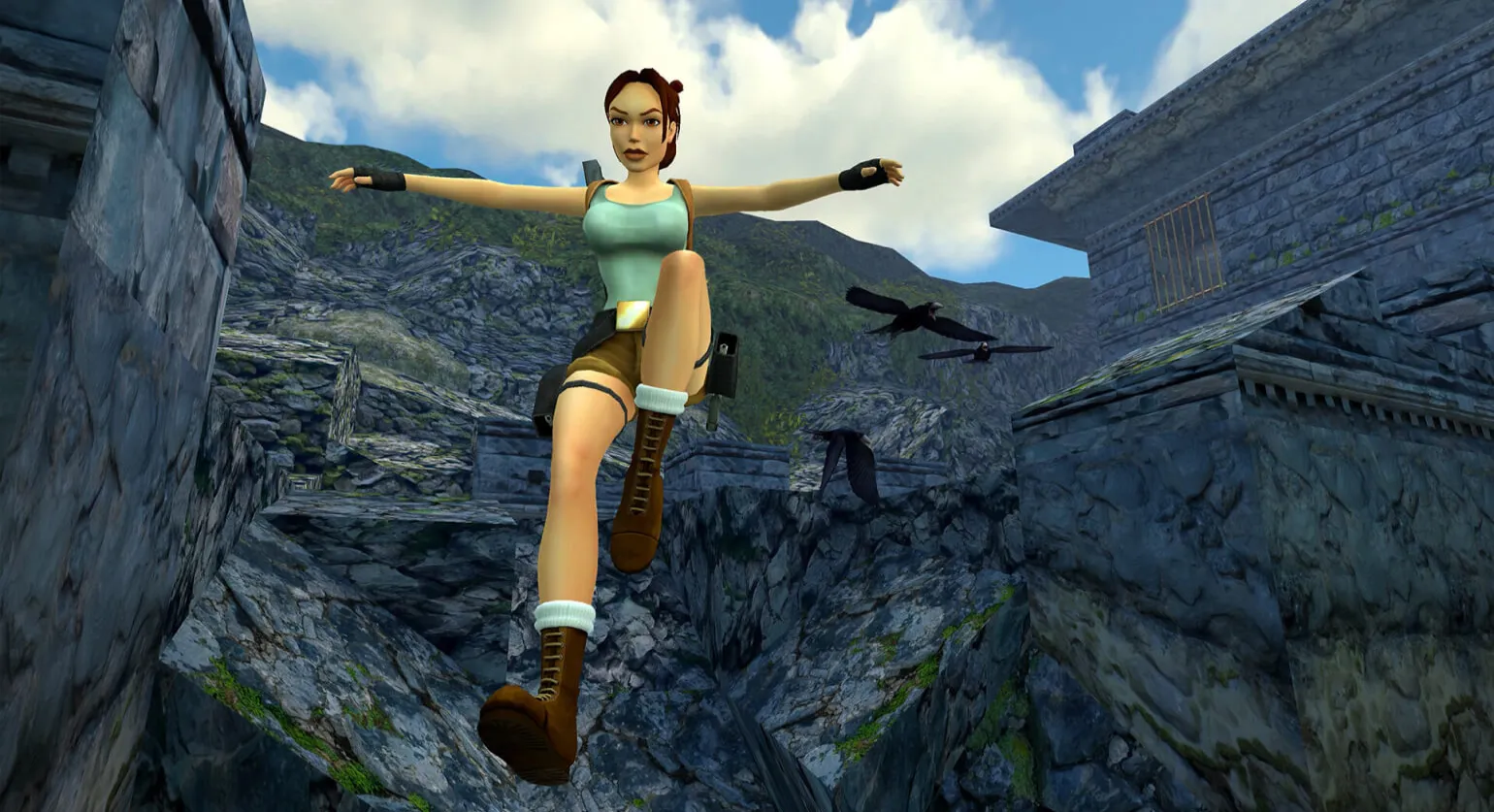
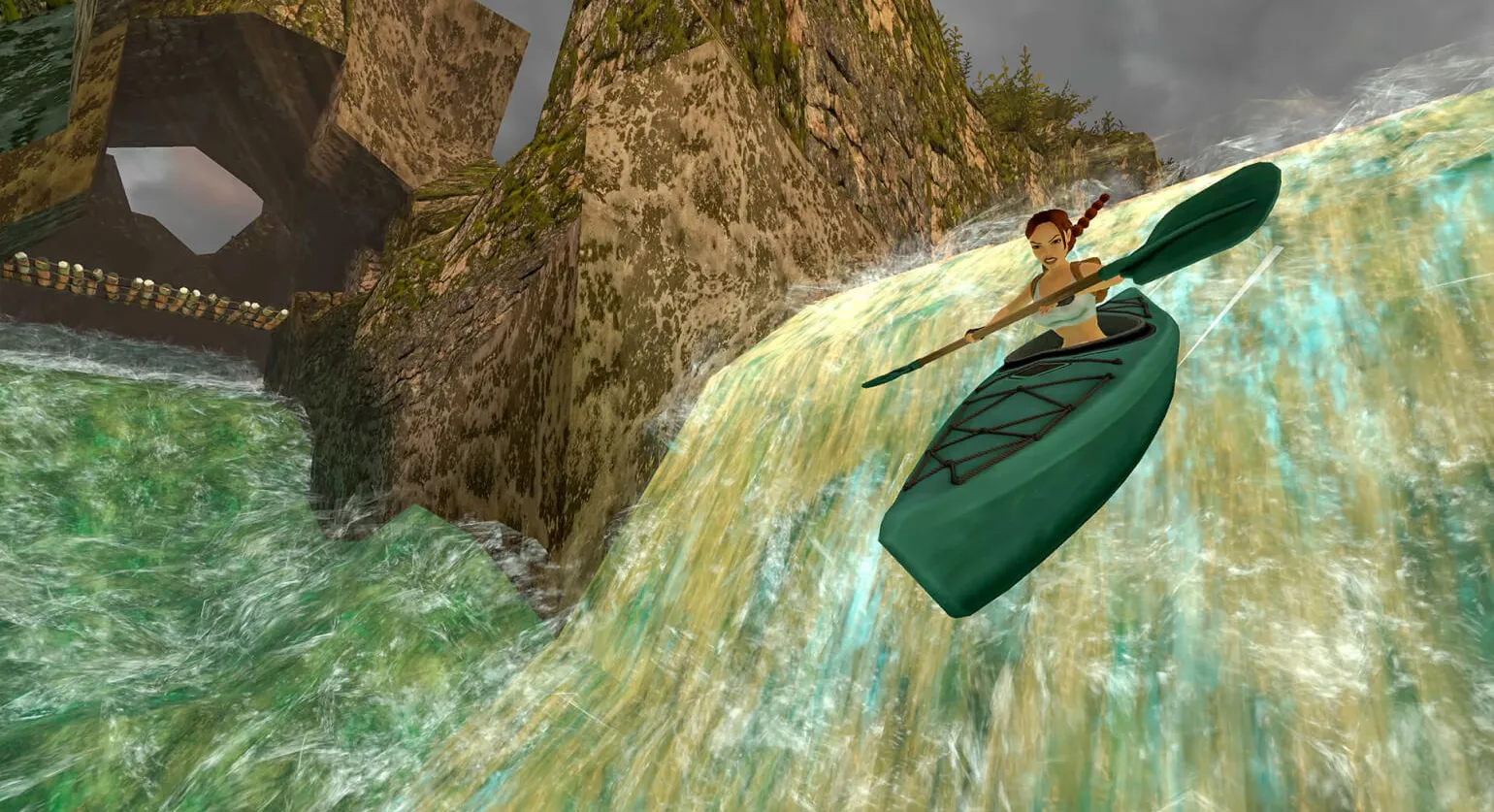
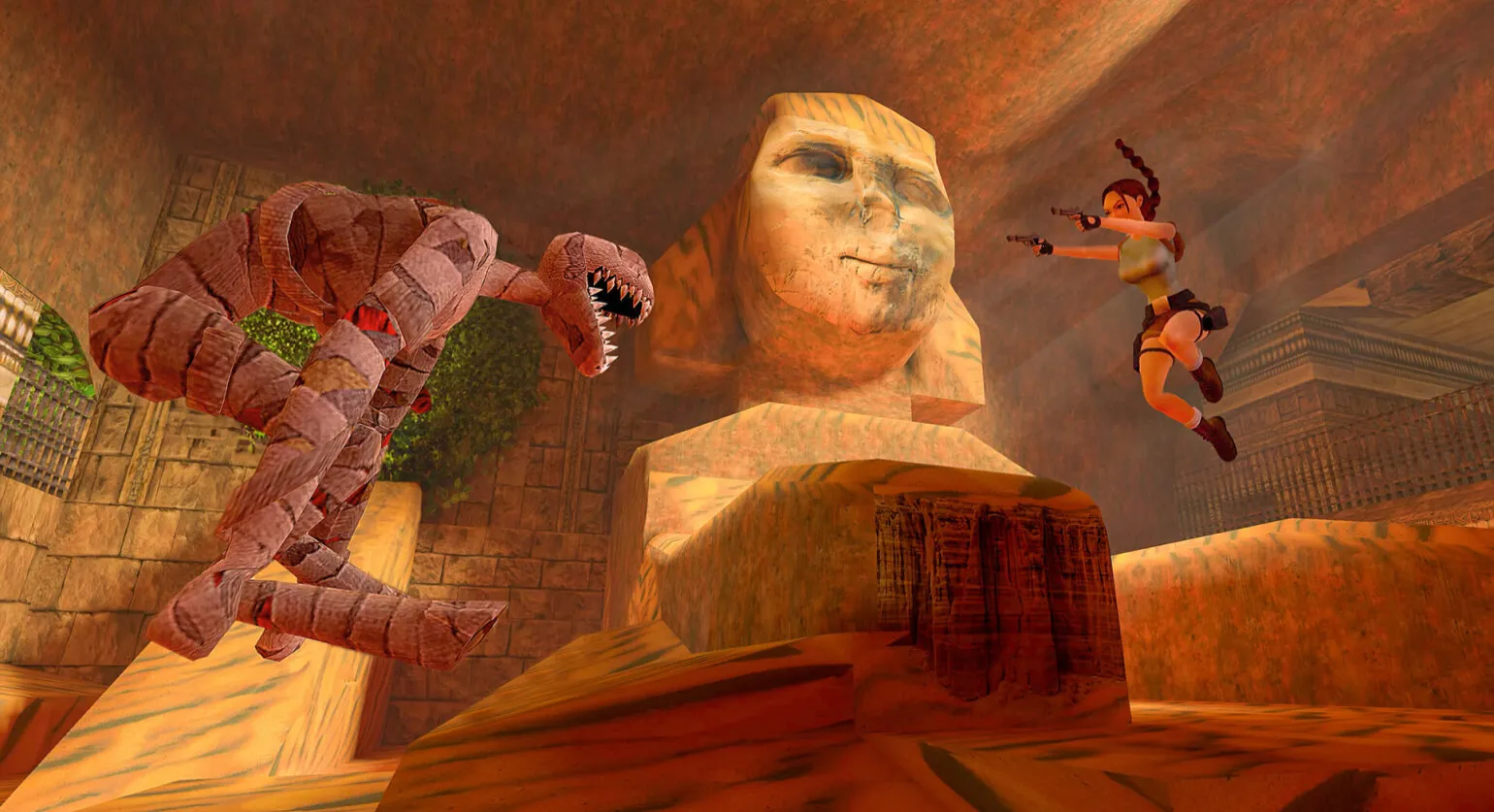
Tomb Raider 1-3 Remastered received high scores on Metacritic and Steam, where 89% of users expressed a positive opinion of the project. Embracer Group's annual report noted that the remasters exceeded expectations and were well received by audiences. A new remaster trilogy is currently in development, including Tomb Raider 4: The Last Revelation, Tomb Raider 5: Chronicles, and Tomb Raider 6: The Angel of Darkness. The release is scheduled for February 14. These updates promise to attract both long-time fans of the series and new players eager to experience the genre classics.
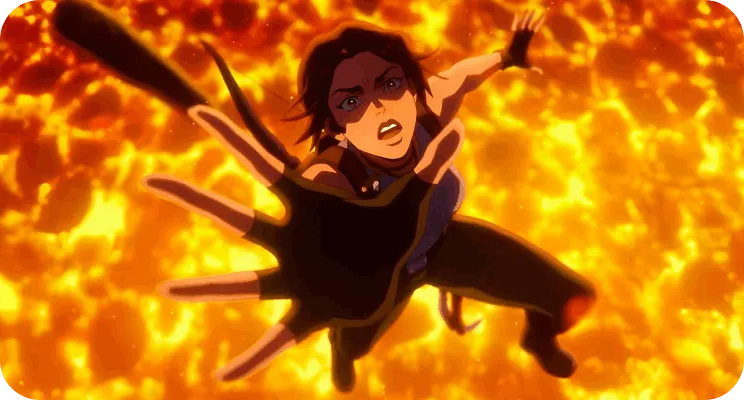
The first season of the animated series Tomb Raider: The Legend of Lara Croft on Netflix is expected to release in 2024. The series will continue the events of the rebooted trilogy from the 2010s and help fill in the gaps in the story of Lara Croft's origin. However, many fans have expressed dissatisfaction with the significant changes to the character's portrayal, which has sparked a wave of negative reviews. The series aims to reveal new facets of Lara's personality and deepen her backstory, which makes it important for fans of the franchise.
Read also:
The series "Tomb Raider: The Legend of Lara Croft" is A gripping adventure based on the popular video game franchise. The story centers on Lara Croft, a charismatic archaeologist and adventurer who embarks on dangerous expeditions around the globe. Each episode of the series immerses viewers in a world of mysteries and ancient artifacts, where Lara faces various obstacles and enemies.
The series' plot unfolds at a dynamic pace, combining elements of action, drama, and detective fiction. Lara Croft is a strong and independent character who struggles not only with external threats but also with internal conflicts. Each new challenge helps her discover her abilities and learn more about her past.
The series also emphasizes historical and mythological aspects, making it interesting not only for video game fans but also for lovers of high-quality content. Stunning visuals and thoughtful storylines create a captivating experience that keeps viewers eager for new episodes.
"Tomb Raider: The Legend of Lara Croft" is more than just an action series; it's a story about overcoming adversity, self-discovery, and the importance of friendship. It attracts the attention of both longtime fans of the franchise and new viewers discovering the world of Lara Croft.
In early April 2022, at the State of Unreal conference, Crystal Dynamics announced the development of a new game in the legendary Tomb Raider series, which will use Unreal Engine 5. While specific details of the project remain unknown, Crystal Dynamics has announced a collaboration with Amazon Games, which will assist with the game's production and promotion. In an interview with IGN, Amazon Games Vice President Christoph Hartmann confirmed that work on the project is actively ongoing, but details have not yet been revealed. He only hinted at the presence of "great ideas," which is building anticipation among fans of the series. The new game promises to be a significant event in the world of video games and attract the attention of both old and new Tomb Raider fans.
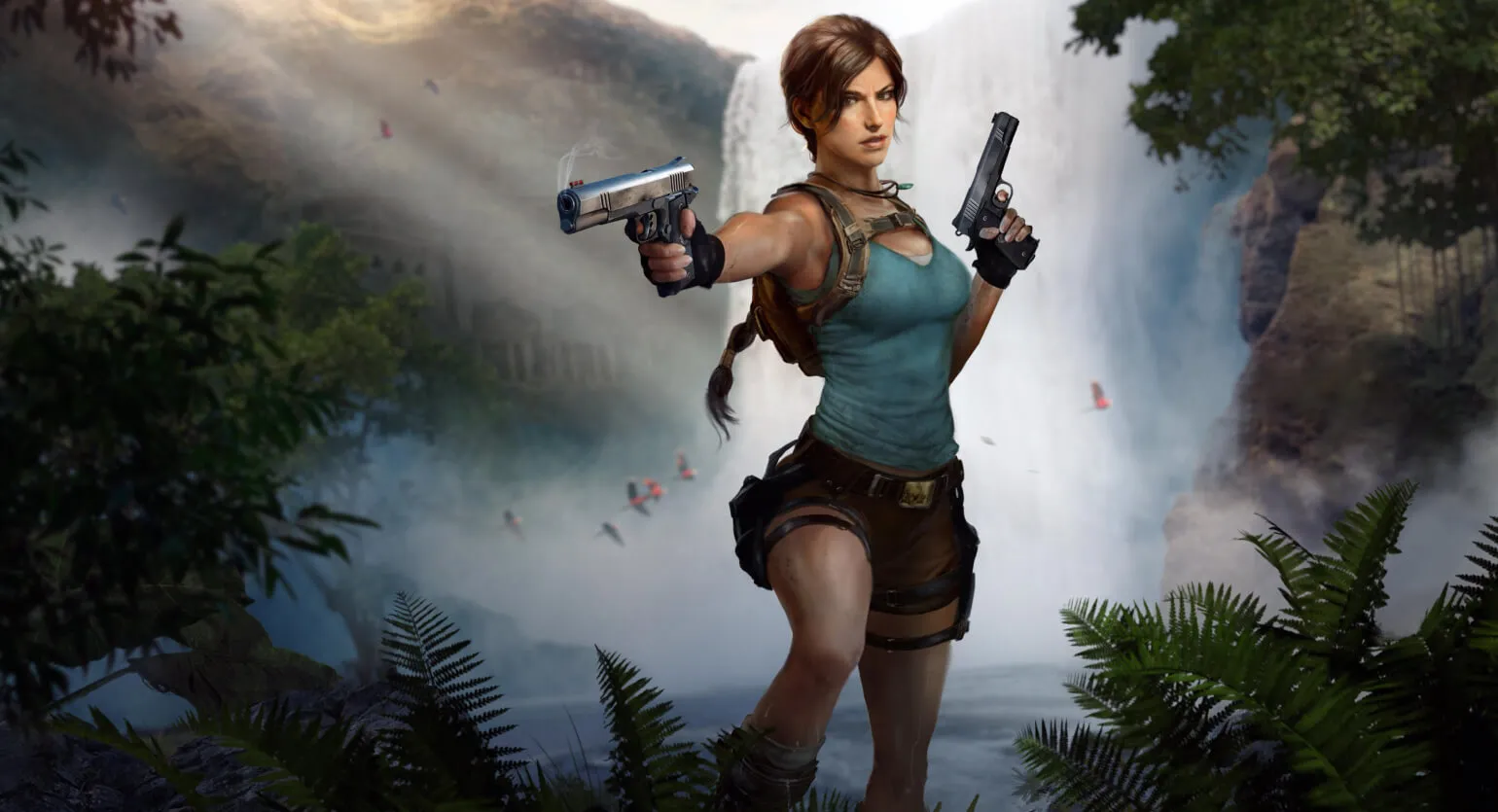
Amazon MGM Studios has announced a new live-action series about the adventures of Lara Croft. The project is written and produced by actress and screenwriter Phoebe Waller-Bridge. At the moment, the release date, details about the main character and storylines remain under the veil of mystery. The new series is expected to attract the attention of both fans of the original games and films, as well as new audiences interested in the adventures of this iconic heroine.
Tomb Raider: Journey to a World of Adventures
The Tomb Raider series occupies a prominent place in the world of video games and has become an icon for millions of players around the world. Since its inception in 1996, Lara Croft's adventures have overcome many challenges, including development difficulties, rights changes and various film adaptations. These transformations highlight the franchise's adaptability and diversity, making it relevant and engaging for new generations of gamers. Tomb Raider continues to inspire, offering compelling stories and innovative gameplay, ensuring its continued popularity in the video game market.
Tomb Raider continues to inspire and captivate players despite all obstacles. As of October 2024, combined sales of all games in the series reached a remarkable 100 million copies. This achievement confirms Tomb Raider's status as an iconic phenomenon in the video game industry. The series has not only left a significant mark on gaming history, but also continues to evolve, offering new adventures and exciting gameplay for fans around the world.
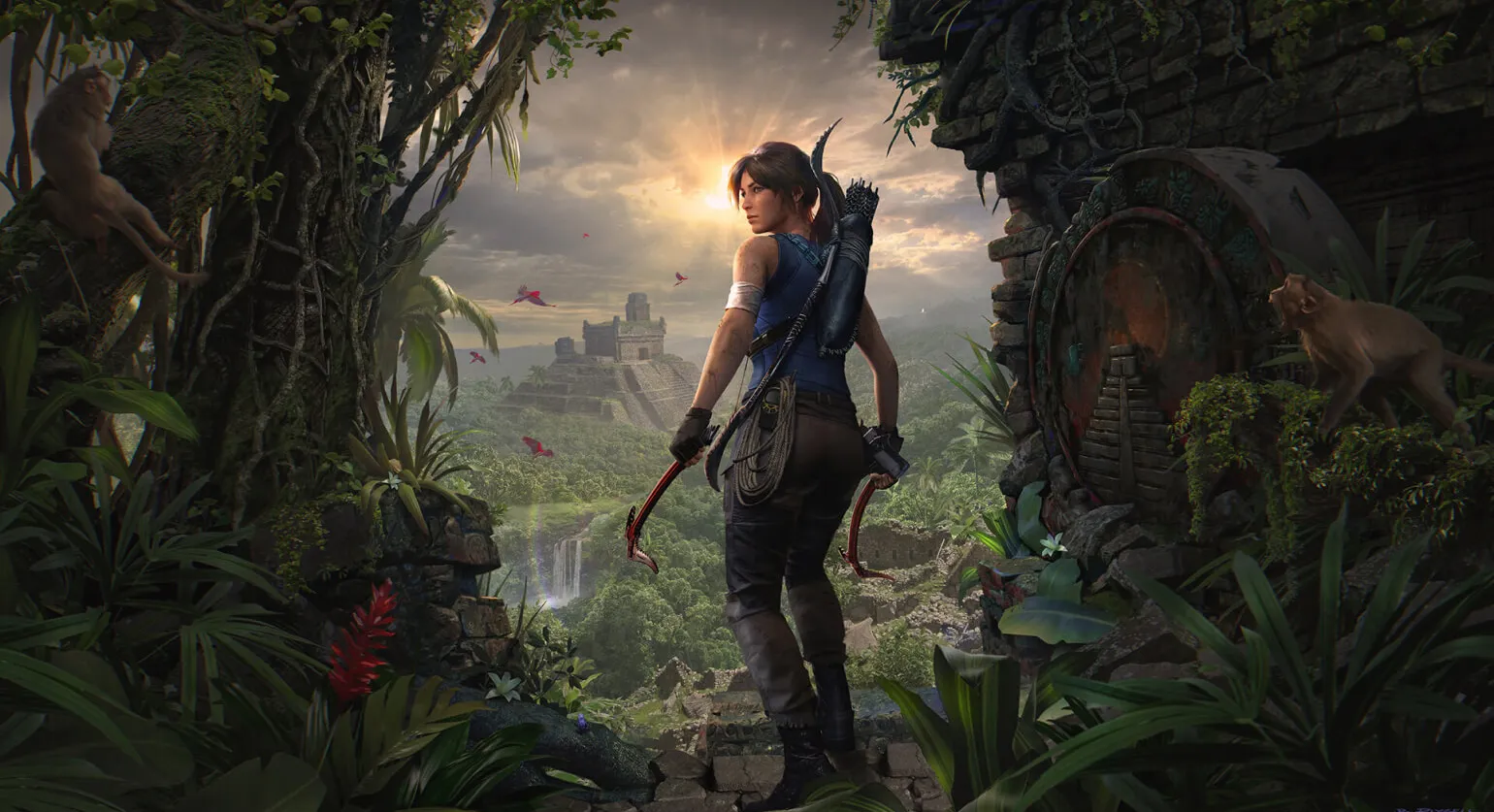
Next year, the series Tomb Raider will celebrate its 30th anniversary, a significant event for all its fans. Let's look at the evolution of this iconic game: its success lies in its ability to combine innovative approaches with respect for its heritage. This strategy provides new generations of players with the opportunity to explore uncharted worlds and discover ancient artifacts, while preserving the spirit of the original. 30 years of Tomb Raider is not only the story of Lara Croft's adventures, but also a testament to how the game adapts to changing audience demands while remaining true to its roots.
Why Tomb Raider Still Relevant?
Modern developments in the video game industry, including advanced graphics engines and virtual reality technologies, open up new possibilities for the Tomb Raider series. In 2023, the developers announced a new part that aims to return to its roots. The game promises to combine classic gameplay elements with modern mechanics, attracting both long-time fans and new players. The new Tomb Raider is expected to offer a gripping storyline, improved graphics, and innovative gameplay mechanics, making it a significant event in the world of video games.
Frequently Asked Questions
The main idea of the Tomb Raider game is an adventure exploration of ancient ruins and uncovering the secrets associated with myths and legends. The main character, Lara Croft, plays the role of an archaeologist who embarks on dangerous journeys around the world to find lost artifacts and solve mysteries. During her adventures, Lara encounters various obstacles, including enemies and natural disasters, which adds an element of action and tension. The game combines platforming, puzzle, and combat elements, making it unique in its genre. Tomb Raider не только предлагает увлекательный игровой процесс, но и погружает игроков в богатую историю, полную приключений и самопознания.
Серия игр сосредотачивается на захватывающих приключениях археолога Лары Крофт, которая погружается в изучение древних цивилизаций. Лара решает сложные головоломки и сталкивается с разнообразными врагами на своем пути. Каждый новый выпуск предлагает уникальные сюжетные линии и обширные миры для исследования, что делает каждую игру неповторимой. Игроки могут ожидать увлекательные испытания, которые требуют не только смекалки, но и стратегического мышления. Лара Крофт становится символом приключений и исследовательского духа, привлекая внимание как опытных игроков, так и новичков.
Новая игра серии Tomb Raider ожидается в ближайшие годы. Разработчик, компания Crystal Dynamics, активно работает над проектом и уже анонсировала его выход. В настоящее время точная дата релиза не объявлена, но фанаты с нетерпением ждут новостей. Ожидается, что новая часть продолжит историю Лары Крофт и предложит игрокам новые приключения и загадки. Следите за официальными новостями, чтобы первыми узнать о дате выхода и подробностях игры Tomb Raider.
Новая игра планируется к выпуску в 2025 году. В ней будут представлены значительные обновления и новые игровые механики, которые обеспечат игрокам более глубокое погружение в мир приключений. Ожидается, что этот проект привлечет внимание как опытных геймеров, так и новичков, предлагая уникальный игровой опыт и инновационные решения.
Геймдизайнер с нуля до PRO: 7 шагов к успеху в индустрии
Хотите стать геймдизайнером? Узнайте 7 ключевых шагов для старта карьеры в игре! Read the article.
Find out more