Table of Contents:
Learn: Game Designer Profession from Scratch to PRO
Learn MoreMany video game developer lectures, including GDC events, focus on effective approaches to creative problem solving. This creates the illusion that any idea can be realized in the gaming industry and even the most contradictory concepts can be combined. However, Alex Jaffe, a game designer at Riot Games, argues that some design problems are virtually insoluble, and their solution requires an unconventional approach.
In this article, the Skillbox Media "GameDev" editorial team examines what this problem means and how a game designer can effectively overcome it. We analyze key aspects that will help specialists in the gaming industry cope with emerging difficulties and find optimal solutions for creating high-quality game content.

Game designer Jaffe works at Riot Games, where he develops the fighting game 2XKO, formerly known as Project L. Before joining Riot Games, he held for many years Analyst at Spry Fox. He also has experience as a technical designer on the fighting game PlayStation All-Stars: Battle Royale. Jaffe brings a wealth of knowledge and skills to game development, making him a valuable asset to the industry.
Follow our Checkpoint Telegram channel. Here you'll find interesting materials about games, their development, and useful tips from experts in this field. We also share important updates to popular programs and software. Open comments allow you to suggest ideas for new publications or discuss any topics related to game development. Join our community and stay up to date with the latest news in the gaming industry.
Finding solutions is like wandering in the desert
At GDC, most lectures focus on solving specific design problems, such as developing a breathing system for characters, creating engaging stories, and marketing strategies. This approach to choosing topics is similar to searching for pearls in the ocean: there are many of them at the bottom of the reservoir, and the diver selects the most attractive one. GDC provides a unique opportunity for game industry professionals to delve into important design aspects and share experiences, which contributes to the development of innovative solutions and the improvement of the quality of games.
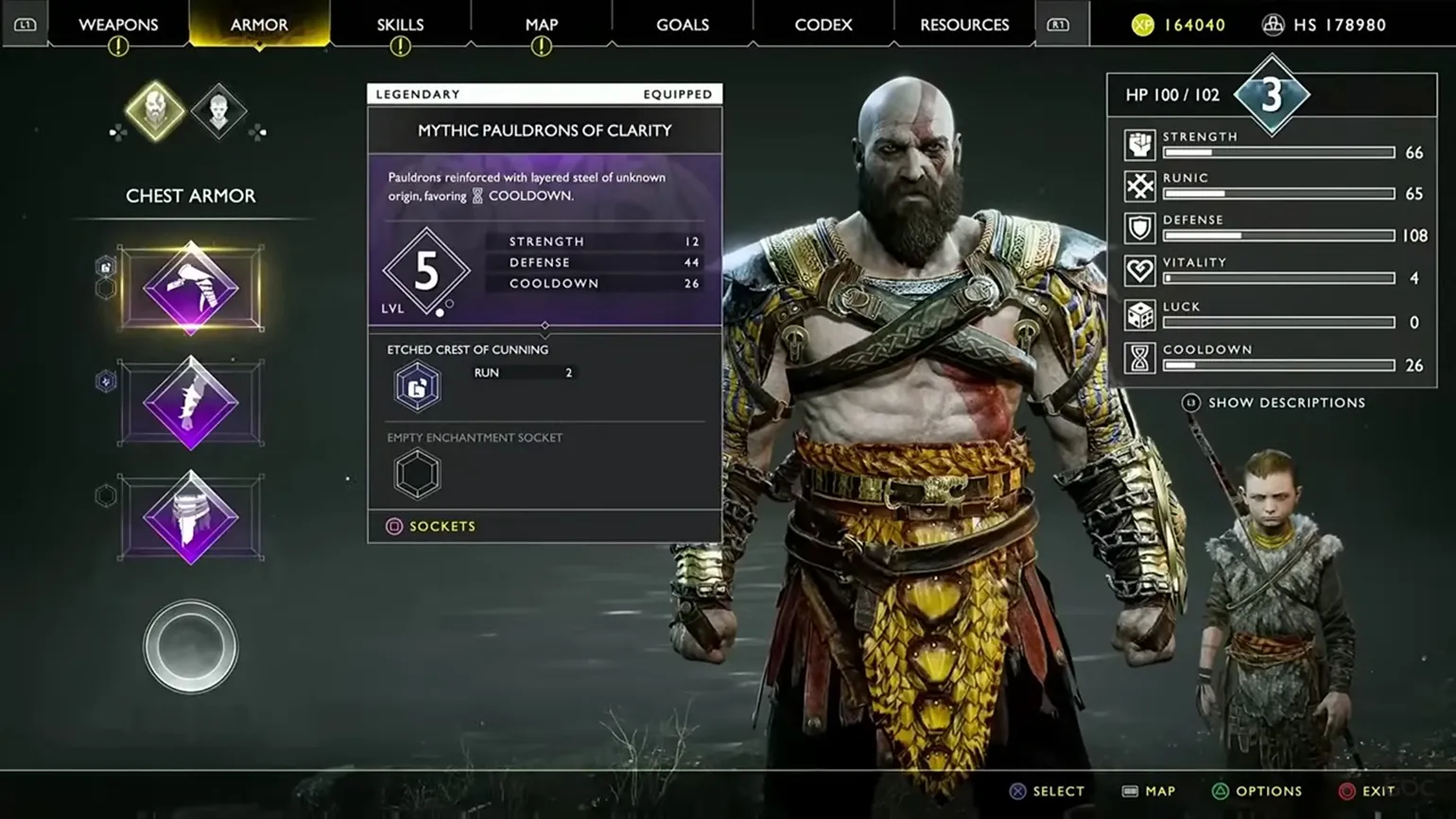
Game design can sometimes be a chaotic process, reminiscent of wandering through a desert in search of solutions. A designer can agonize over a single problem for months without making any progress. Such situations, according to Jaffe, are "cursed" problems. These difficulties can arise at any stage of game development and require a special approach to overcome them. It is important to understand that every failure is a step towards success, and sometimes you just need to pause or change your perspective to find a way out of a difficult situation.
Developers have always been drawn to complex puzzles. Jaffe attributes this fascination to his own experience: in his youth, he devoted a lot of time to solving difficult mathematical problems, which later led him to defend his doctoral dissertation on the topic of "Understanding Game Balance Using Quantitative Methods." This experience formed the basis for his work in game development, where analyzing and solving complex problems plays a key role.
What is a "cursed problem"?
To accurately understand these problems, it is necessary to understand how they arise and how they differ from standard complex design problems.
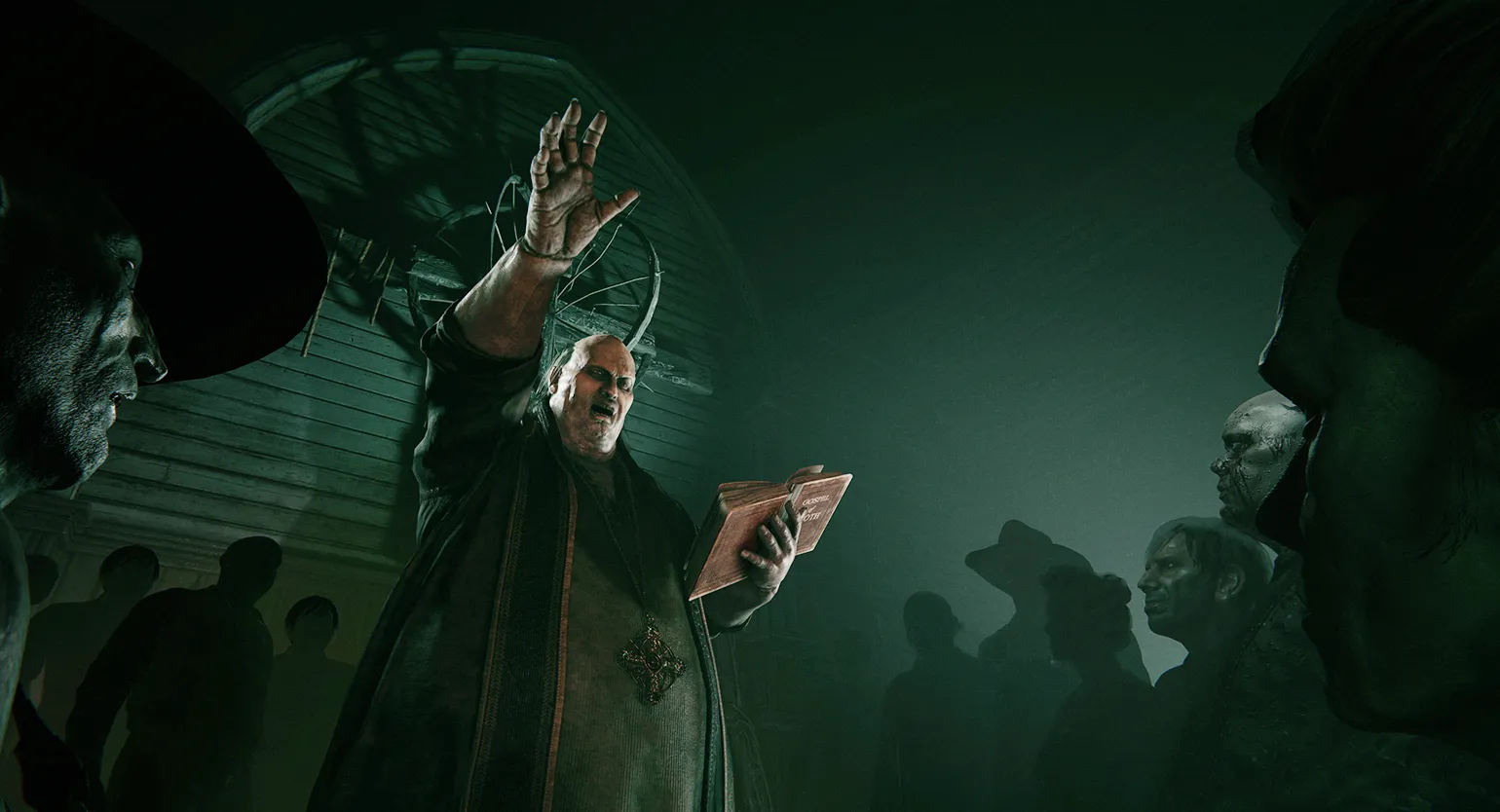
According to Jaffe, the basis of any game experience is the promise made to the player. This promise determines why the user starts the game. For example, in the horror game Outlast, players start the game to experience fear and a sense of vulnerability. This promise is present both in the player's mind and in the minds of the developers. It is this promise that designers focus on when trying to create an experience that will allow the player to feel certain emotions or feelings. Thus, a successful game is built around a clear understanding of player needs and expectations, which, in turn, influences the development and design of game mechanics.
The example of Outlast illustrates a key approach taken by horror designers: they deliberately avoided using weapons, as this would have given the character the ability to defend themselves. This choice contradicts the game's core principle, which is the hero's helplessness in the face of threat. This decision heightens the atmosphere of fear and tension, allowing players to focus on survival, avoiding enemies, and exploring murky locations. The removal of weapons in horror games like Outlast emphasizes the philosophy of defenselessness and creates a deeper immersion in the game atmosphere.
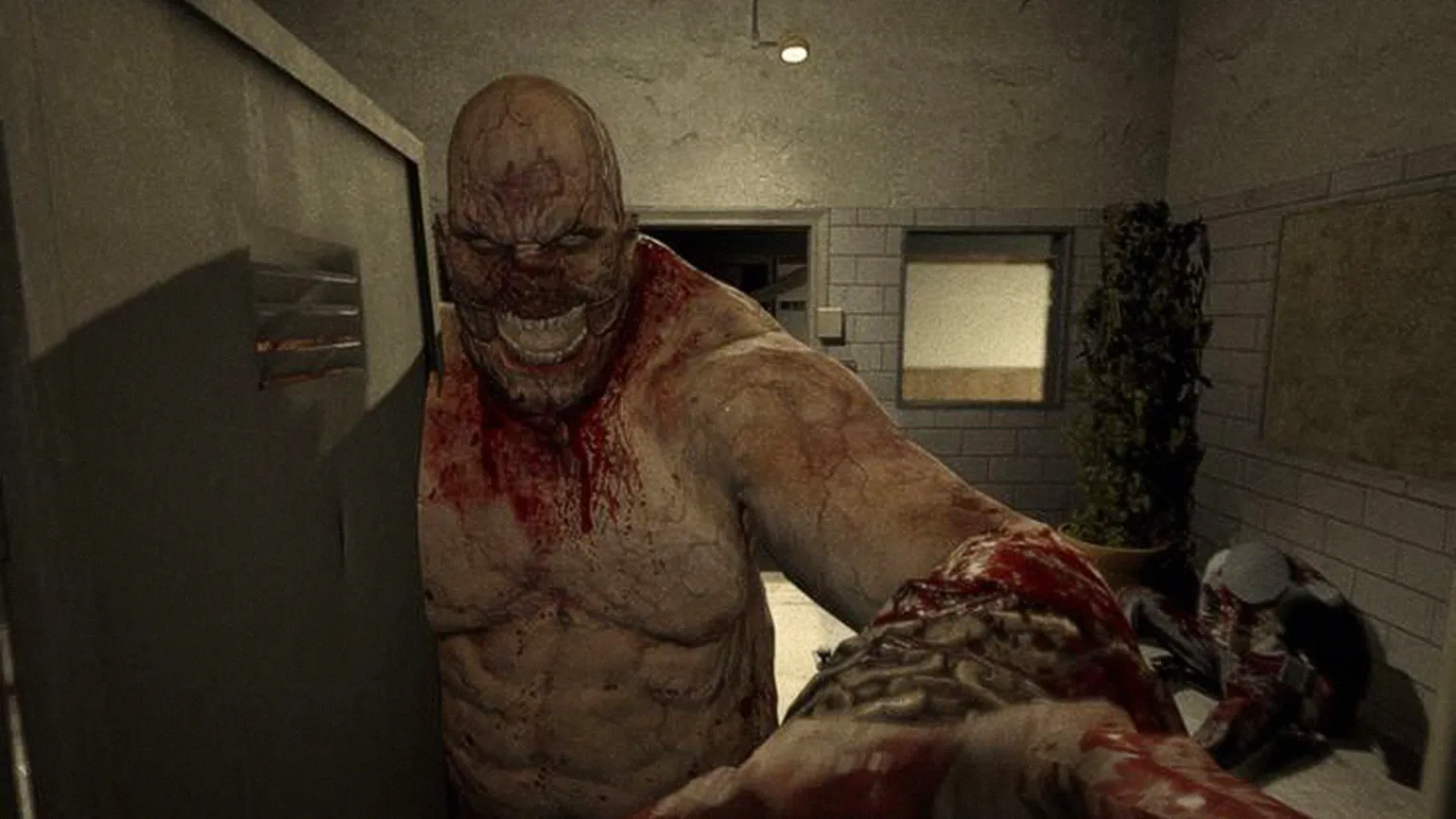
Computer games often feature multiple promises that can conflict with each other. When such conflicts arise, a so-called "cursed problem" occurs. This leads to dissonance, which causes players to act differently from the designer's original intentions. It is important to consider that harmony between gameplay and user expectations is a key aspect of a successful gaming experience.
Problems that can be called "cursed" arise from contradictions between core design promises. Direct solutions to these problems are impossible, as they are rooted in a conflict of principles. To eliminate this dissonance, it is necessary to reconsider at least one of the key game promises.

The promise to the player is not a universal term in the video game industry. Many game designers prefer to use other expressions to convey the feeling of a game. The most common formulations are "game experience" and "game fantasy." Alex Jaffe may have coined this new concept, as a single game can include many different promises. However, the gameplay may not have the abrupt transitions that make each of these promises obvious. This highlights the complexity and multi-layered nature of game design, where each promise can be perceived differently depending on the context and the player's perception.
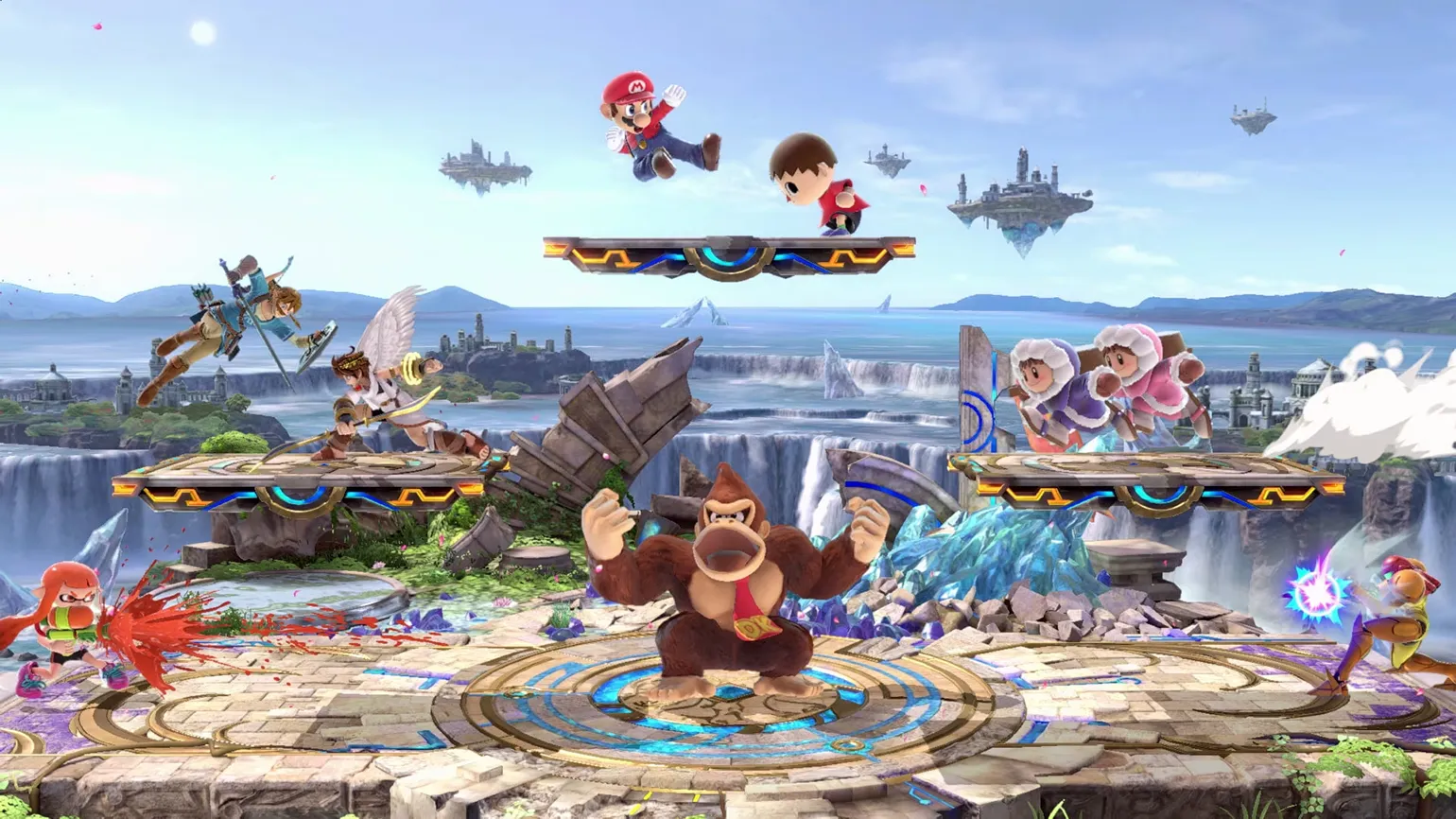
To better understand this concept in practice, Jaffe suggests considering a hypothetical game: a hardcore Street Fighter-style fighting game in which four players battle each other, each pursuing their own interests. This idea combines two key gameplay aspects: players strive to gradually master the game's mechanics and ultimately win the match.
At first glance, this situation seems straightforward, but in practice, one player often emerges as a particularly talented individual who regularly defeats their opponents. This necessitates the other players banding together to defeat the master. Jaffe describes this problem as an "every man for himself" policy. In such conditions, strategic cooperation becomes an important element of the gameplay, which emphasizes the importance of interaction between participants.
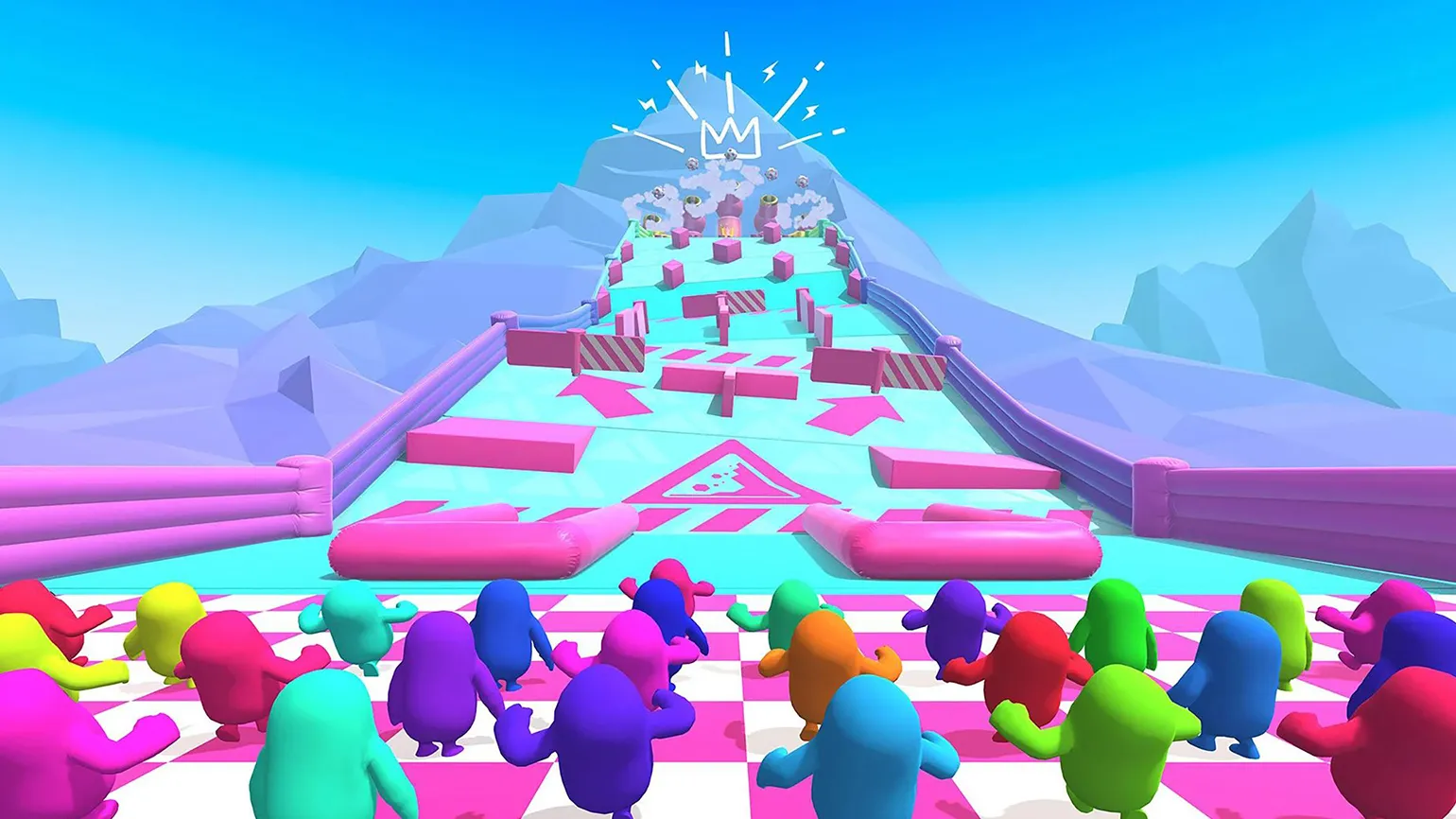
For many players, the desire to master game mechanics often conflicts with the desire to win. Achieving success in a game requires not only skill, but also the ability to form coalitions with other players. Thus, a fighting game becomes an analogue of Game of Thrones, where characters form alliances for their own interests. This problem is key and cannot be solved by maintaining both approaches.
Simplifying Game Promises
The most effective way to solve the "cursed problem" is to avoid a direct contradiction. This can be achieved by changing one of the game promises, which, in turn, will change the original concept of the game designer. Consider a hypothetical fighting game by Alex Jaffe: its design could be redesigned so that victory becomes a desirable rather than a mandatory condition. Focusing on the promise of skill development, this could be reframed as "the ability to periodically perform impressive combos." This could result in a more engaging game, even if it deviates from the designer's original vision. This approach not only maintains interest in the game, but also significantly expands its audience, which is an important aspect of successful game design.
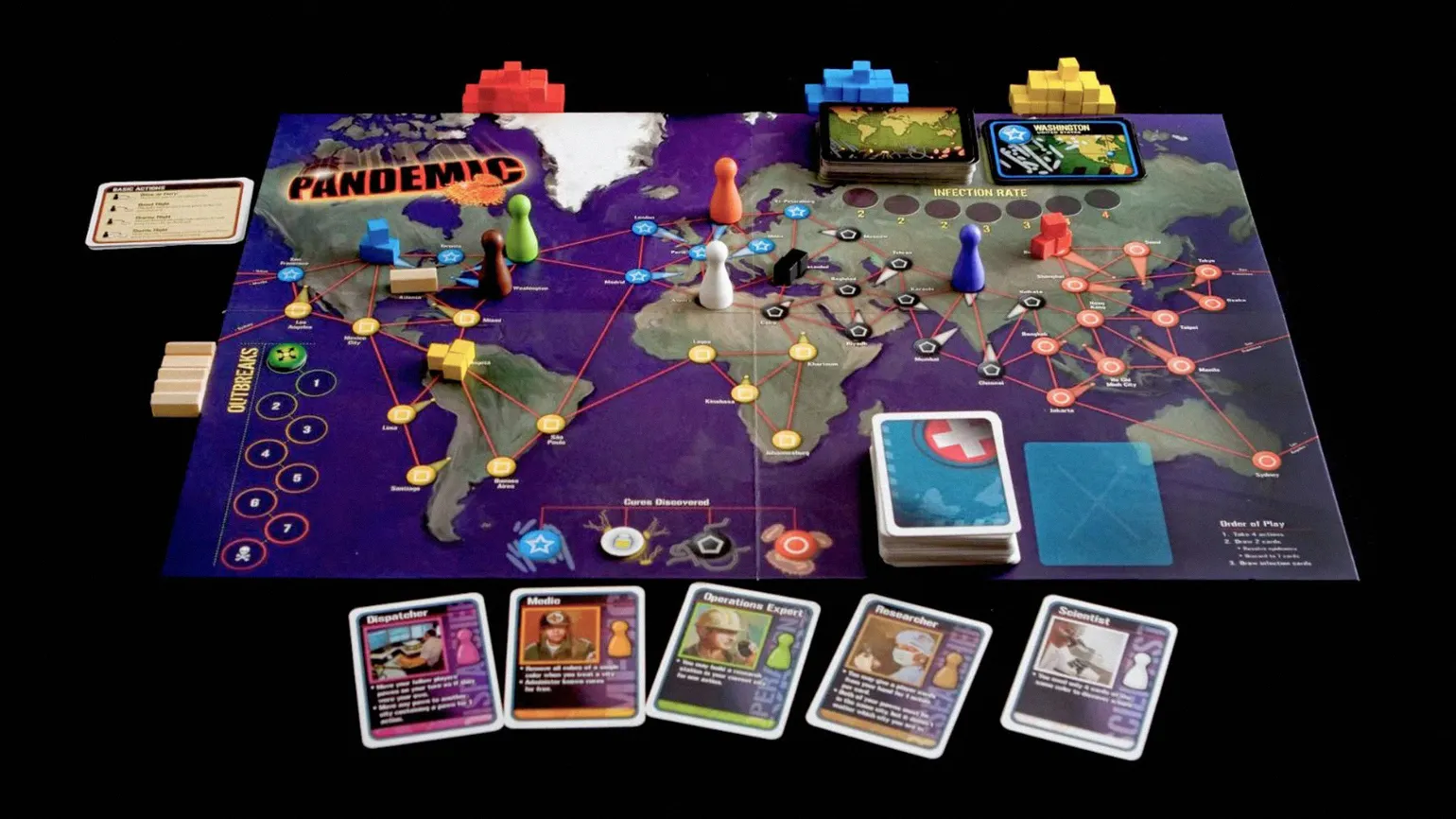
The "quarterback" problem is common in cooperative board games. Jaffe named it this way because one team can often become dominated by a single player who suggests optimal strategies and starting formations. While this may improve the chances of winning, it leads to the rest of the players becoming passive, acting like puppets and following the leader's instructions. As a result, the game loses its dynamics and interaction, which reduces the enjoyment of the process. To improve the gaming experience, it is important to strive for a more balanced participation of all players in order to maintain interest and variety in cooperative board games.
Cooperative board games create significant conflict. One of the main promises of such games is freedom of action, allowing players to act independently of each other and interact only at certain moments. However, at the same time, the goal of the game is to achieve victory, which requires centralized decision making. This contradictory element creates a unique gaming experience that forces participants to find a balance between personal initiative and team strategy, making each session exciting and tense.
How to Recognize a "Cursed Problem"
Problems that can arise during game development can significantly impact the entire process. It is important to recognize them early on to avoid negative consequences. Failure to identify these difficulties can delay the entire team's schedule and even lead to the cancellation or suspension of the project. Effective risk management and timely resolution of emerging issues are key to the successful completion of game development.
It is important to be able to distinguish between "cursed" problems and regular difficulties. If there is no fundamental contradiction between the game's promises, then the problem can most likely be solved. For example, in fighting games, overuse of the same effective move is often observed. In such cases, it is enough to work on the balance by reducing the effectiveness of the attack, adding a delay, or reducing the damage. These changes do not affect the core promises made to the player, while improving the overall gameplay.

Read also:
Creating an effective and engaging fighting game tutorial - using Mortal Kombat as an example 11
Creating a fighting game tutorial requires considering several key aspects to ensure it is not only informative but also engaging for users. Mortal Kombat 11, as one of the most popular games in the genre, offers numerous opportunities for creating high-quality training material.
The first step is to determine the target audience. Understanding the skill level of your viewers will allow you to tailor the content to their needs. Beginner players need basic tips, while experienced users may be looking for in-depth strategies and combos.
The next step is to structure the information. Start with the basics: explain character controls, basic mechanics, and key techniques. Make sure each step flows logically into the next so players can easily follow your recommendations. Don't forget to use examples from the game to demonstrate each technique.
Visuals are extremely important in creating a tutorial. Use screenshots and video clips from Mortal Kombat 11 to illustrate key points and techniques. This will not only make your content more visually appealing, but will also help players retain the information better.
It's also important to focus on audience interaction. Encourage users to leave comments and ask questions. This will create a community around your tutorial and allow you to improve it based on feedback.
Finally, don't forget about SEO optimization. Use keywords like "Mortal Kombat 11 tutorial", "fighting game tricks", and "Mortal Kombat strategies" to improve the visibility of your content in search engines. This will help attract more viewers and make your tutorial more popular.
Creating a fun and effective fighting game tutorial requires careful preparation and attention to detail. By following these guidelines, you can create content that will be useful and engaging for both new and experienced players.
Recognizing the fundamental conflict in game development can sometimes be difficult. For example, a developer might strive to create a game with millions of unique worlds. This ambitious idea implies two key aspects: a large number of locations and their appeal, as well as variety. Can this be considered a "cursed" problem?

Imagine a Pokémon Go-style game in which all rewards are location-based. This project combines two key aspects: earning rewards at specific locations at specific times and ensuring user safety. The question arises: are these ideas in conflict? It's important to consider how these concepts can be effectively implemented to ensure users feel comfortable and protected while receiving unique rewards for active participation in the game.

How to solve the "accursed problem"?
When it is impossible to fundamentally change the concept of a game, the so-called "accursed problem" arises. As Jaffe notes, a direct solution to this problem is unavailable, so it is necessary to weaken one of the key game promises. This will allow the project to adapt and cope with the difficulties that have arisen without losing player interest. It is important to find a balance between preserving the original idea and introducing changes that will make the game more attractive and convenient for users.
Most "accursed problems" in games have a similar structure, where a conflict arises between the game experience and the ultimate goal. This is evident in the examples discussed earlier. Cooperative board games promise an independent and collaborative experience, but the ultimate goal often leads to centralized decision-making. This contradiction can reduce the level of interaction and cooperation between players, which ultimately affects the overall perception of the game.
To solve such problems, Jaffe offers a specific framework. Let's imagine that between the player's start and their final goal lies a vast field filled with diverse game mechanics. "Cursed problems" arise when the optimal path to achieving the goal proves uninteresting or doesn't align with the designer's creative vision. This underscores the importance of creating engaging and varied game experiences that are not only effective but also inspiring for players. In his presentation, Jaffe presented several diagrams illustrating key aspects of gameplay. The first image shows a schematic representation of the game board. The second image depicts the player's path in the hypothetical fighting game Jaffe described at the beginning of the lecture, where players must collaborate to defeat a single master. The gray area of the game board corresponds to the developers' original intent. Red represents the area of "bad" play, which arises from a conflict of gameplay promises. When a "cursed problem" occurs, players often experience a gameplay experience completely different from what was intended. This issue highlights the importance of aligning game mechanics and expectations to ensure a positive gaming experience.
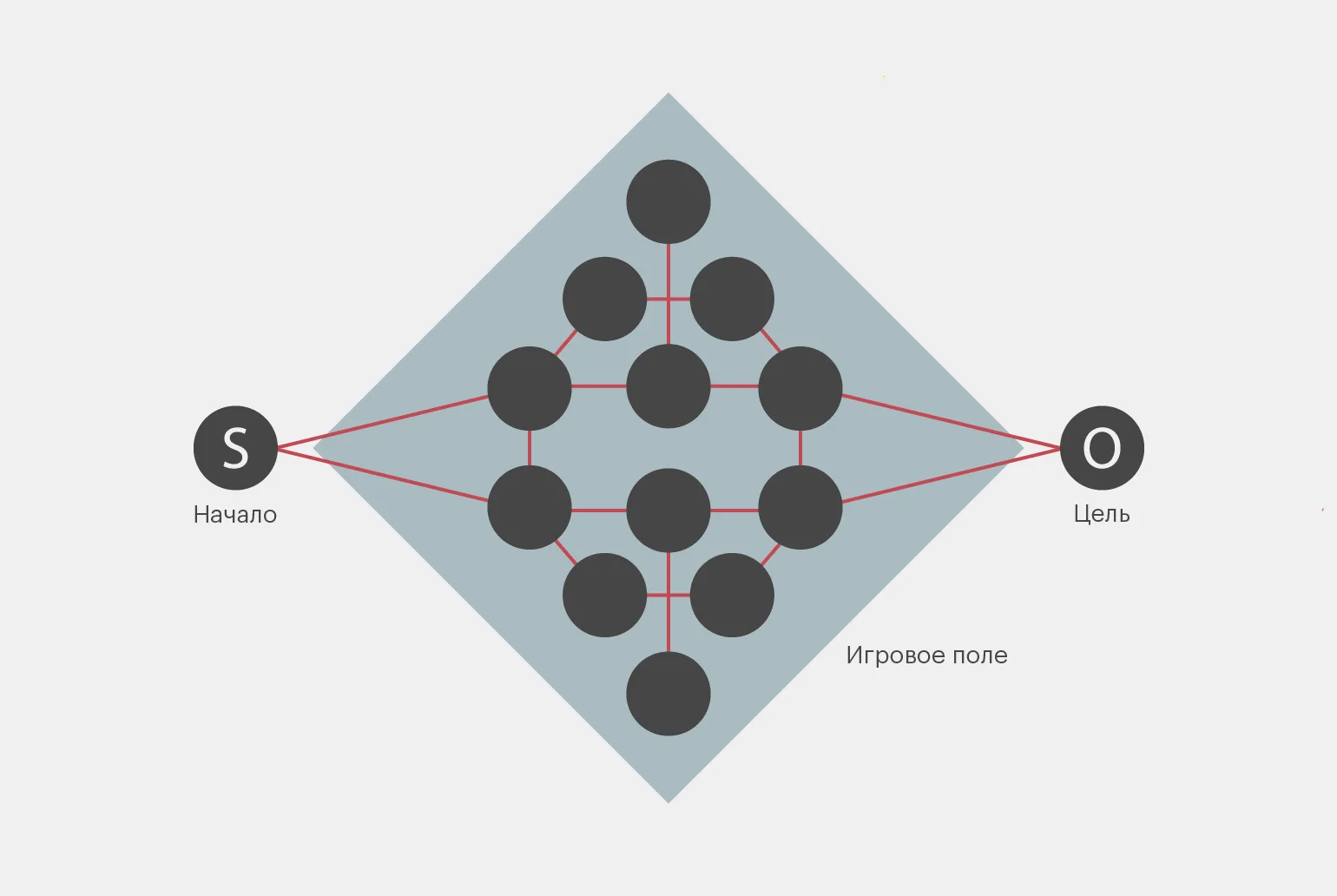
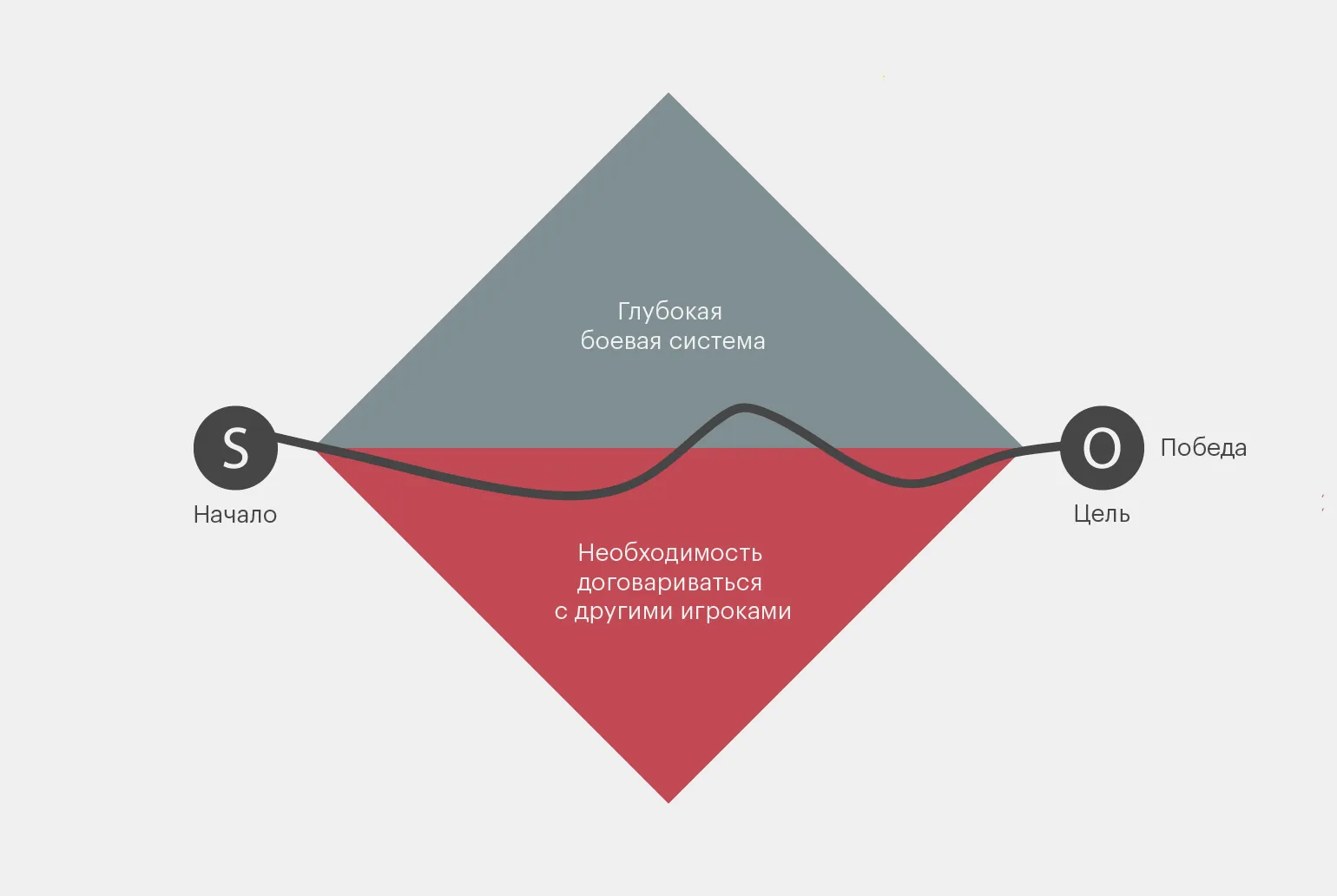
This diagram helps you better understand how to change the gameplay to overcome "The Cursed Problem." Jaffe identifies four key methods: "Barrier," "Gate," "Bait," and "Dessert." These approaches allow developers to tailor the gameplay experience, providing a smoother and more engaging experience. Each method has its own characteristics and can be used depending on the game's goals and mechanics.
Alex Jaffe examines approaches to solving "cursed problems" through the lens of his fighting game concept, which he discussed at the beginning of the lecture. In this game, four players battle in a single arena, acting alone. However, when one participant begins to win every fight, the remaining players team up to counter the leader. This scenario illustrates the dynamics of cooperation and adversity, emphasizing the importance of teamwork in solving complex problems.
One of the most effective approaches to solving the "cursed problem" is to restrict the player from pursuing alternative paths that don't align with the designer's intent. In multiplayer games, where each player acts independently, interactions between participants can be strictly controlled. This principle is implemented in Olympic sports, where, for example, during running, the performance of one athlete is independent of the actions of others. This helps create a fair playing environment and avoids unwanted influences, which contributes to a more transparent and equitable gameplay.
The designer can take a more subtle approach. According to Jaffe, battle royale games face a similar problem, but successfully circumvent it thanks to their expansive maps. Players can form coalitions, but due to time constraints, this is often impractical.
Jaffe's thesis is subject to debate. At the time of his lecture, instances of solo players in battle royale games forming arbitrary teams might have been rare. However, in the modern gaming landscape, particularly in games like Call of Duty: Warzone and Apex Legends, this phenomenon has become quite common. Interestingly, such situations highlight Jaffe's key idea: the genre's "cursed problem" creates a unique gaming experience that can contradict the developers' original intentions. This opens up new opportunities for interaction and strategy, making the game more engaging and unpredictable. These solutions can address the game's underlying problems, but always with the necessary compromises. Introducing barriers will inevitably impact player expectations. In these examples, the opportunity to interact with other users, an important aspect for players in multiplayer, is lost. Creating a comfortable gaming environment requires a careful balance between protection and freedom of interaction, as it is often this interaction that makes multiplayer games engaging and memorable.
Gates are a less restrictive obstacle that doesn't limit a player's choices but significantly complicates the process if they take an undesired route. In the context of a four-player fighting game, you might consider hiding the scoreboard from all participants. This will make it more difficult for players to determine the leader, creating an atmosphere where everyone can focus on the gameplay and enjoy the experience. This approach promotes a more free-flowing and relaxed gameplay, allowing participants to focus on their actions rather than the competition.
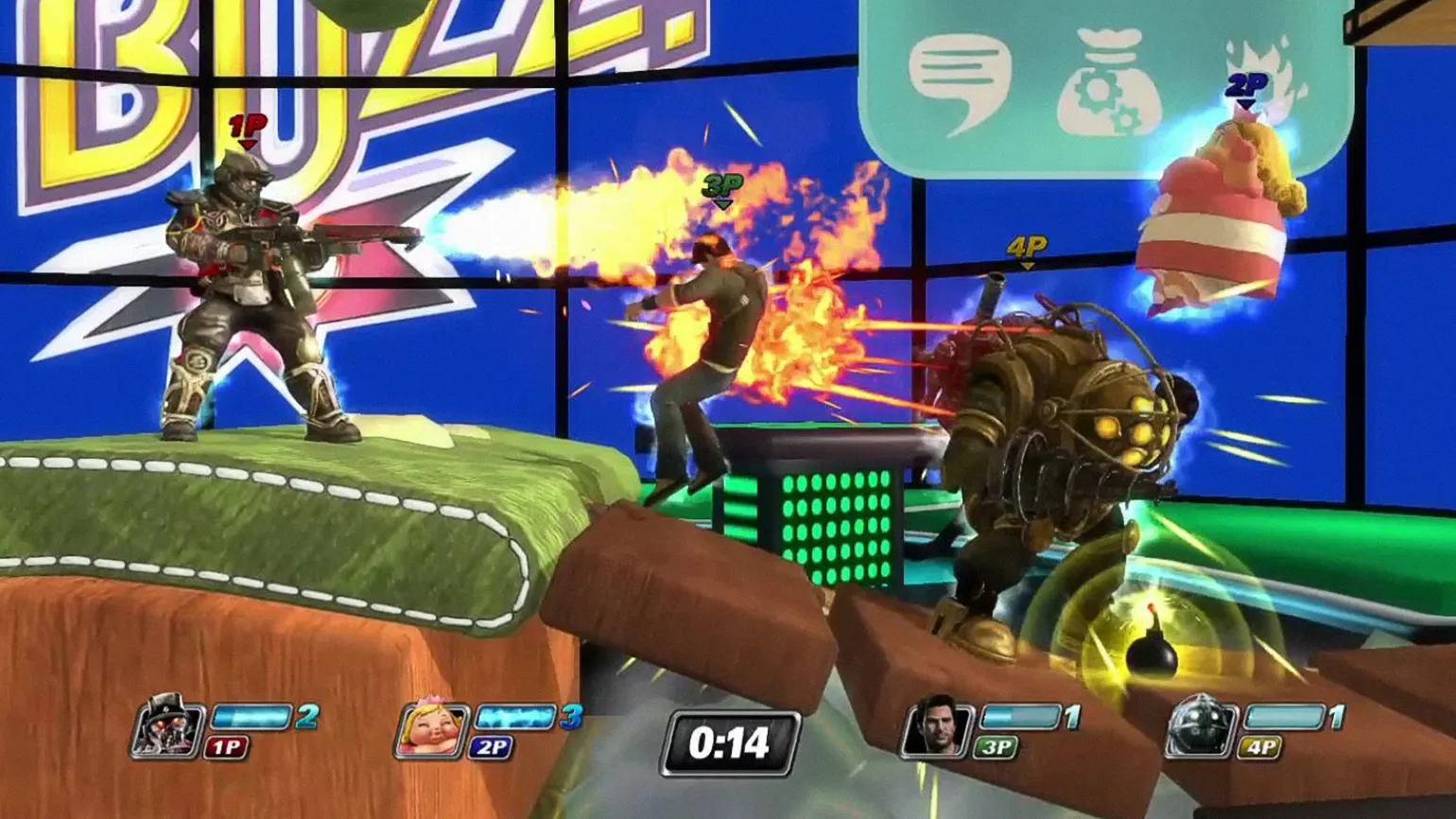
The decision to remove the scoreboard, as with the "hurdle," involves certain tradeoffs. Without it, players may feel less excitement about competing for first place, which may reduce the level of competition among users. This may negatively impact overall interest in the game, as the lack of a visible scoring system may reduce players' motivation to actively participate and compete.
The first two methods focus on limiting undesirable gaming experiences for users. However, there is an alternative approach: introducing positive motivation for players. For example, you can use "bait" - additional tasks that encourage the player to follow the plan developed by the game designers. These methods not only increase engagement but also promote deeper interaction with the gameplay. As a result, players are able to explore the game world more consciously, completing tasks that enrich their experience and increase their interest in the game.
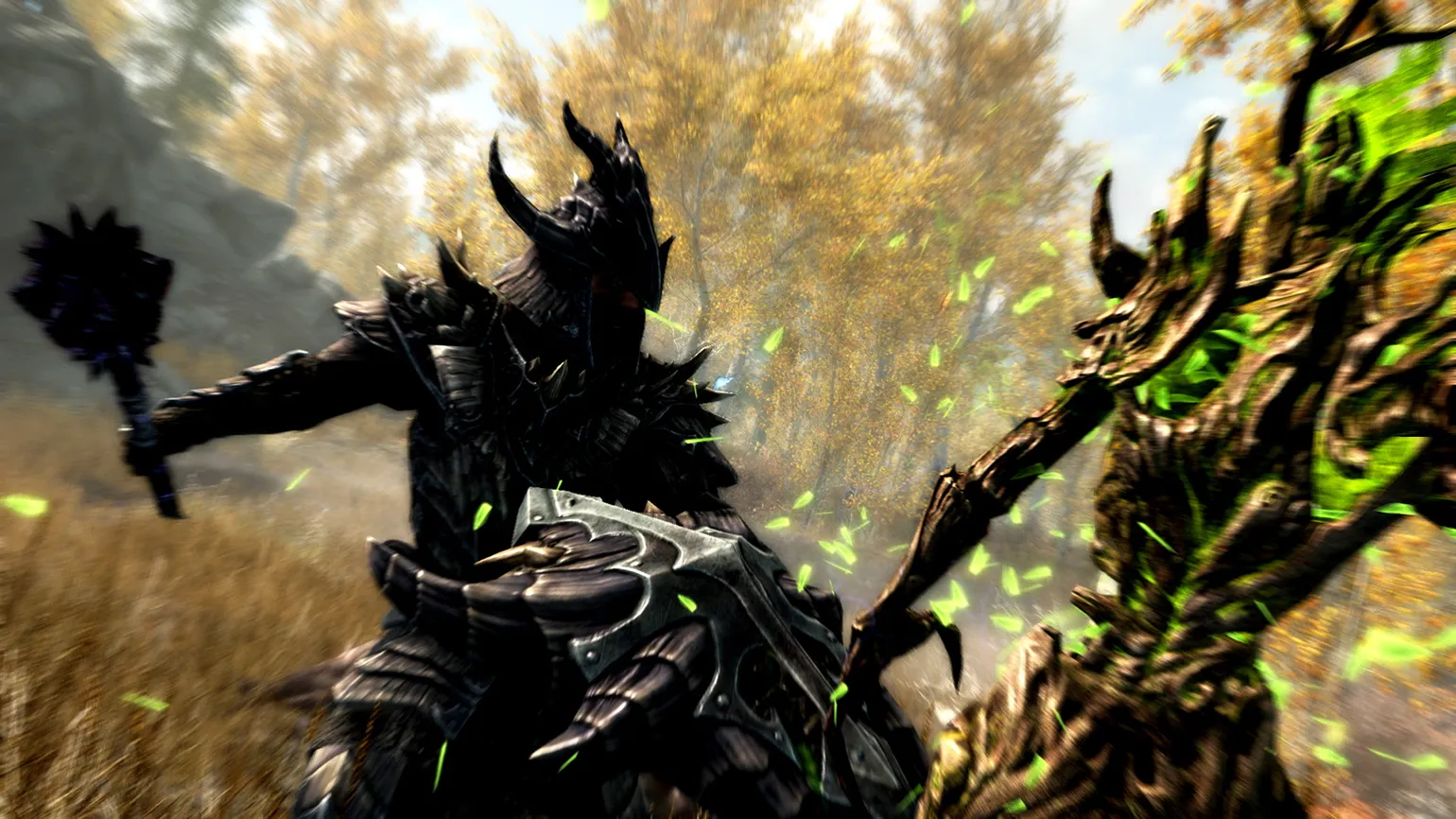
Fighting games can shift the focus from individual fights to large tournaments. This form of metagame motivates participants to perform at the very edge of their abilities, since success depends on long-term results. This is both the strength and weakness of this technique. Similar to the "gate" situation, players can lose intensity in individual fights, which affects the overall course of the tournament. Thus, strategy and planning become key factors for long-term success.
A designer may recognize that the "wrong" game experience is attractive to the audience. In this case, it is important to strengthen and improve this aspect. If players form coalitions to attack the strongest opponents, this can be developed into a fully-fledged game mechanic that becomes central to all participants in the battle. This approach will not only enrich the gameplay, but will also create additional opportunities for interaction between players, which in turn will increase engagement and interest in the game.
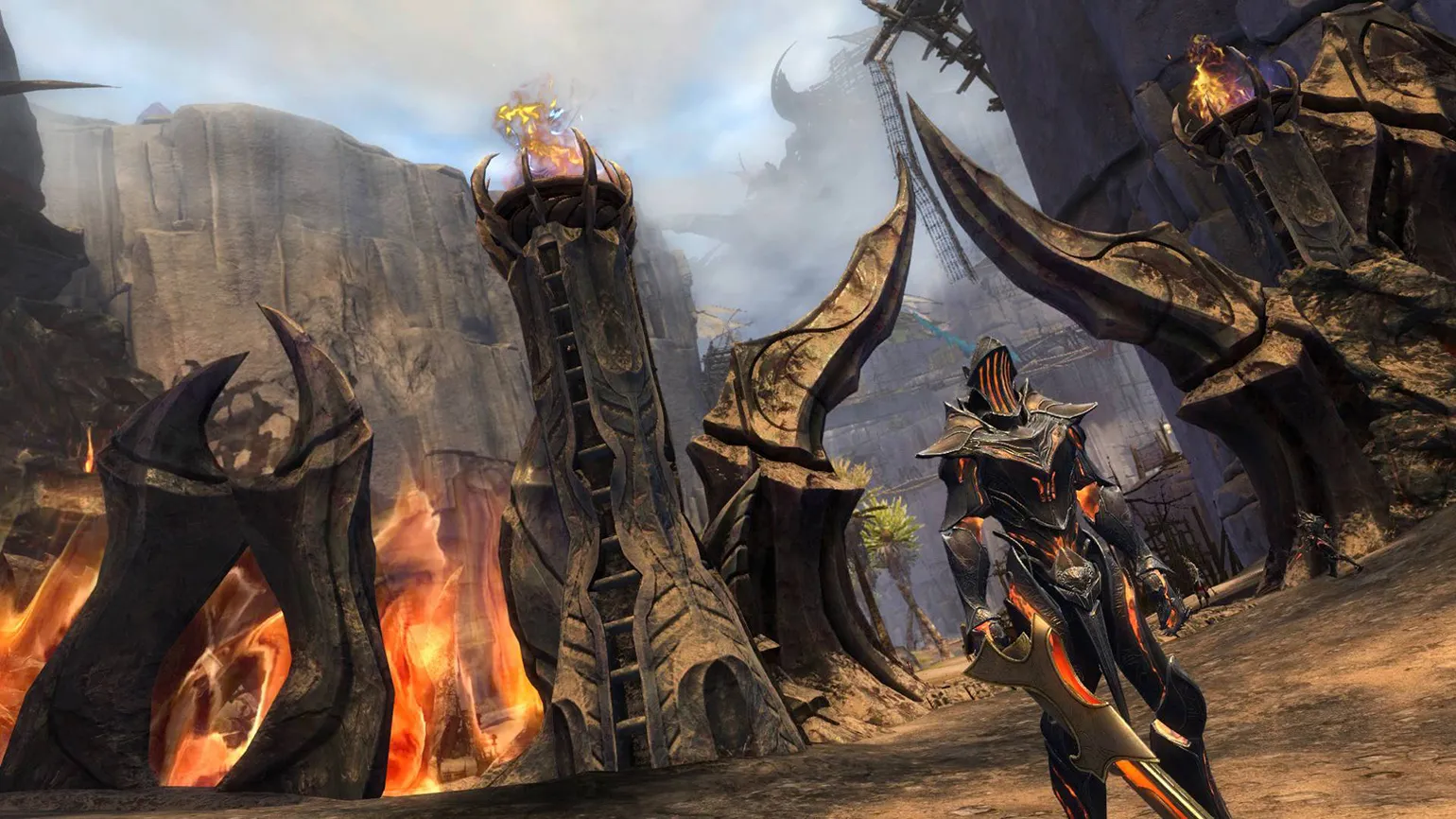
Simplifying game promises is a versatile tool that can be used to solve a variety of design problems. This is especially relevant in cases where a "cursed problem" arises. In such situations, simplifying game promises becomes the only effective solution. This method allows you to maximize the optimization of the gameplay and improve user interaction, which ultimately contributes to increased player satisfaction.
Examples of Workarounds for Popular "Cursed Problems"
For a deeper understanding of "cursed problems" and effective methods for overcoming them, Jaffe recommends using his techniques on two common examples. These examples will help reinforce the knowledge and apply it in practice.
Multiplayer games often face the problem of player abuse. Toxic users who insult other players try to assert themselves at the expense of others. Developers have a responsibility to respond to such displays of aggression, as ignoring these problems can negatively impact the gaming community. An effective solution is to immediately implement measures, such as blocking or banning such users, to create a more comfortable and safe environment for all players.
Designers have the opportunity to develop a communication system that helps prevent bullying. This is no easy task, as, according to Jaffe, abuse in co-op is rooted in the "cursed problem." Players strive to win, and losing often causes them frustration. While this is a natural reaction, it runs counter to the desire to create a comfortable and safe community for all participants.
To avoid conflicts in gameplay, an effective solution could be to implement a "barrier" that limits players' freedom of communication. Instead of free text entry, users could use alternative communication tools, such as tags or pre-written phrases. Similar mechanisms are already actively used in live-streaming games like Apex: Legends and Gran Turismo, and they help create a safer and more comfortable environment for all participants. These solutions help minimize negative interactions, contributing to a better overall gaming experience.
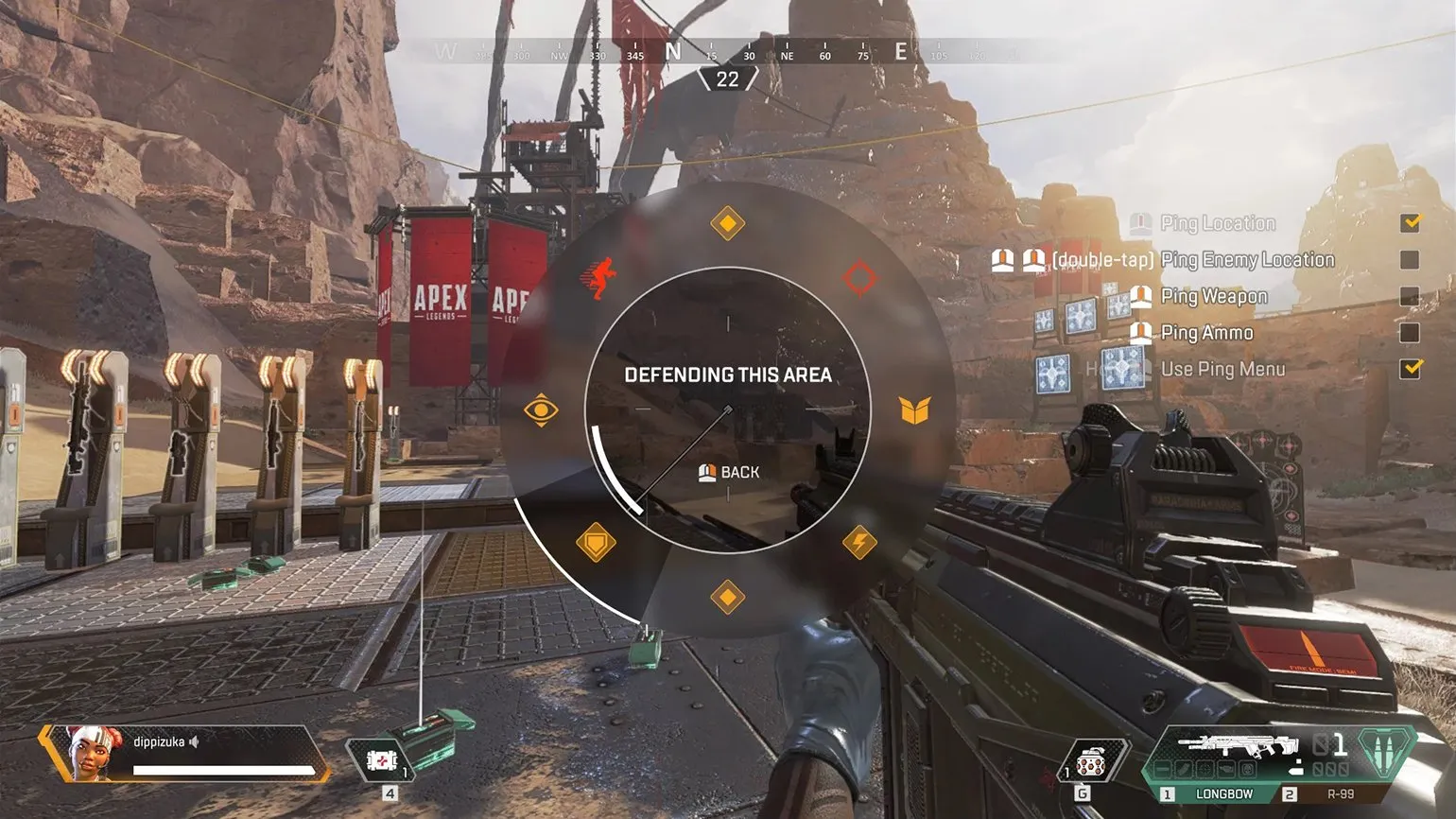
Less radical approaches can be taken, such as creating "gates" through game design. It's also worth dividing responsibilities within the team so that no one can be held solely responsible for a loss. For example, a shared points or currency pool could be introduced, making it more difficult to assess each player's individual contribution to the match's outcome. Such measures can improve team dynamics and increase motivation, creating a more cohesive gaming atmosphere.
The two techniques described by Jaffe illustrate a common problem known as quantifiable creativity. This problem arises when games that emphasize self-expression introduce elements of progression or success metrics. An example is The Sims, in which players can develop their characters by trying out different professions. However, achieving success in these professions requires advancing through career levels, which can limit players' creativity and self-expression.
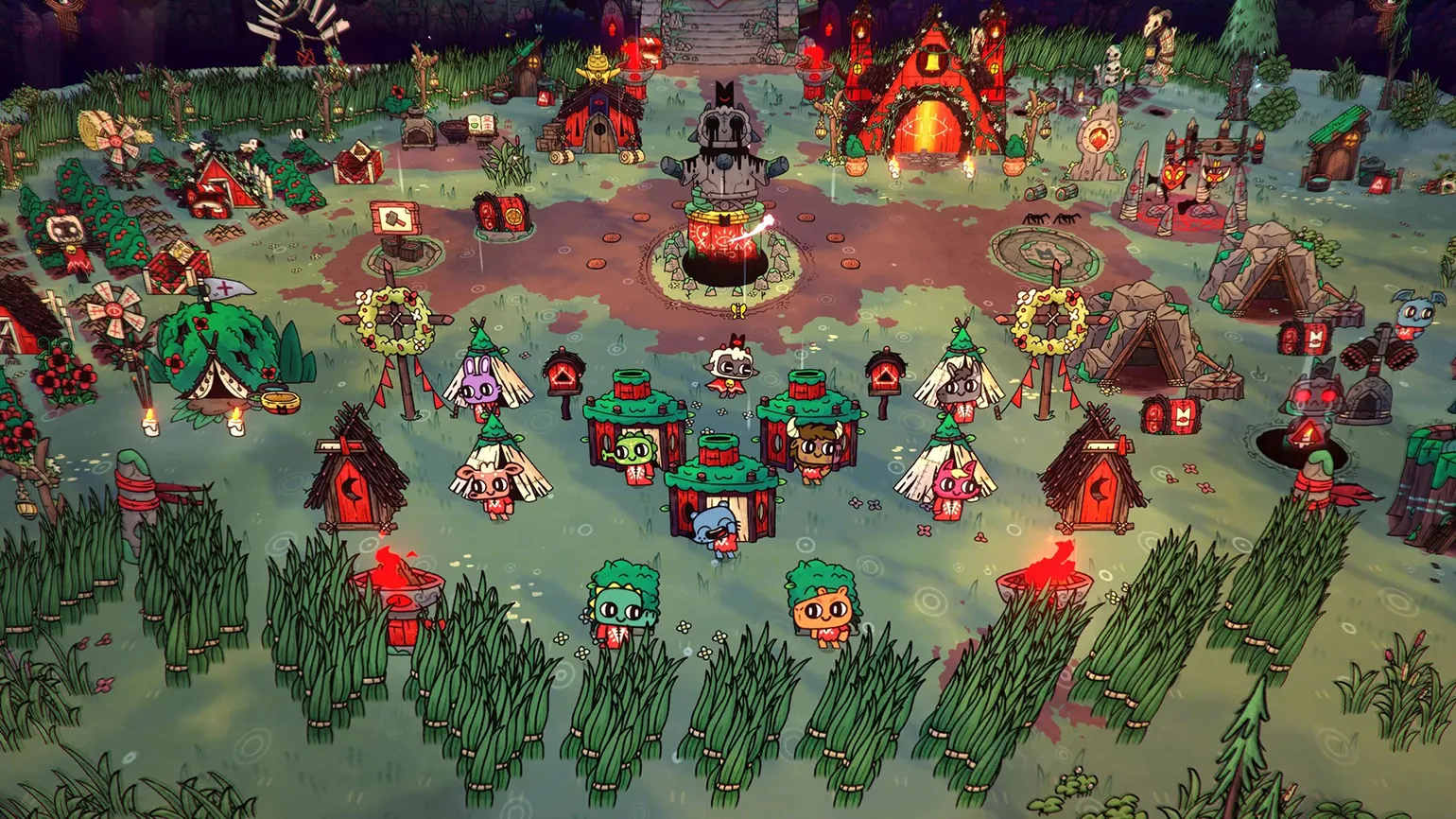
There's often a conflict between intrinsic and extrinsic motivations for players. People start playing for self-expression and enjoyment, but external factors such as achievements and quests begin to dominate. As a result, players can lose sight of their original goals and motivations for starting the game. It's important to find a balance between intrinsic desires and external demands to maintain interest and enjoyment.
This problem can be solved by introducing "bait." It's recommended to modify tasks in a way that encourages players to be creative. A prime example of this is Clash of Clans, where players often benefit from building unconventional structures to improve their defense. Attackers typically build their troops around the most common siege strategies. Implementing creative solutions can create unexpected situations for opponents.
The concept of "dessert" allows for focused problem-solving, which is the foundation of many complex strategies. In games like Civilization, players have the freedom to develop their countries, but intense competition with artificial intelligence requires finding optimal paths to success. This allows players not only to demonstrate creativity but also to develop effective strategies to achieve their goals.
"Cursed problems" are a fascinating area of game design. Their apparent insolubility can be frustrating for developers, but efforts to find solutions often lead to original and creative solutions. The gaming industry still has many unsolved "cursed problems" waiting to be solved. Here are a few examples that illustrate this phenomenon.
- Is it possible to create a system with balanced user content in multiplayer games?
- Is it possible to create a sense of genuine mystery and discovery in the internet age?