Contents:

The Gaming Industry: 5 Steps to Success
Find out moreCensorship in Video Games: The American Experience
In the 1990s, the need to introduce age ratings for video games was actively discussed in the United States, which was caused by a sharp reaction to the game Mortal Kombat. This event attracted attention not only for the game itself but also for its aggressive advertising campaign, spanning television, print, and the internet. Parents became concerned about their children being exposed to violent and gory content, sparking a public debate about the impact of video games on young people and the need to protect children from inappropriate content. These discussions led to the development of age rating systems to help parents navigate the video game choices for their children.
While Mortal Kombat was gaining popularity, Night Trap entered the market, facing harsh criticism for its explicit violence and negative stereotypes about women. Public outcry over these games led to hearings in the US Senate. Video game developers were faced with a choice: inform the public about the content of their products themselves or entrust this task to government agencies. This case became a turning point in the history of video games, highlighting the need for a responsible approach to content and its impact on society.
As a result of these events, the ESRB (Entertainment Software Rating Board) was founded in 1994 by the Interactive Digital Software Association. This independent body regulates the video game market in the United States, Canada, and Mexico. The ESRB's primary responsibilities include assigning age ratings to video games and protecting user privacy online. Through its activities, the ESRB plays a vital role in ensuring safety and responsibility in the video game industry.
Since the ESRB's founding, all developers seeking to release their game through official channels must submit their materials to this organization for evaluation. A committee consisting of representatives from various social groups decides on the appropriate age rating based on the game's content and features. The ESRB plays a key role in ensuring responsible video gaming by helping parents and players navigate age-appropriate content.
It's important to emphasize that all content must be presented in its entirety, as concealing prohibited scenes would be difficult. If violations are detected, the rating agency reserves the right to change a game's rating based on user feedback. This highlights the importance of adhering to content guidelines and standards to ensure a transparent and quality gaming experience.
- E (Everyone) — for all ages;
- E10+ (Everyone 10 and older) — for children aged 10 and up;
- T (Teen) — for teenagers aged 13 and up;
- M (Mature) — for adults aged 17 and up;
- AO (Adults Only) — for adults aged 18 and up.
The E and E10+ ratings allow only mild violence, usually presented in cartoon form, while other categories may contain strong language and graphic violence. The AO rating is assigned to games that contain explicit scenes and brutal violence, such as in the game Manhunt. Interestingly, the first game to receive an AO rating was The Joy of Sex, released in 1993, due to its pornographic content.
If a developer disagrees with the rating assigned to their game, they have the opportunity to appeal the ESRB's decision or amend the content by removing the controversial scenes. For example, The Punisher was initially rated Mature, but after some scenes were adjusted, it was moved to a less restrictive category. This highlights the importance of flexibility in the ratings process and the ability to adapt content for a wider audience.
ESRB licensing is a paid process, with costs starting at three thousand dollars and varying depending on the game's budget. Developers have the option of not submitting their games for rating, but in this case, no retailer will accept such a product for sale. This creates a self-regulatory mechanism within the gaming industry, allowing parents to use ratings as a guide when choosing games for their children. Thus, ESRB licensing plays an important role in ensuring safe gaming content for families.
European Experience in Rating Video Games
Unlike North America, where a single ESRB system is responsible for video game ratings, Europe uses a variety of content rating methods. The most common standard in most countries of the European Union is PEGI (Pan European Game Information). However, Germany adheres to its unique USK (Unterhaltungssoftware Selbstkontrolle) system, which adds diversity to the approaches to regulating video games. This diversity can influence the perception of games in different countries and create different conditions for their distribution.
The USK rating system was introduced in 1994, which makes it older than PEGI, created in 2001. In order for a game to be approved for release in Germany, it must pass an assessment by the Bundesprüfstelle für jugendgefährdende Medien (BPjM). This specialized body analyzes content for aspects that could be dangerous for young people, including racism and violence. The rating process ensures the protection of minors, contributing to a safer gaming environment.
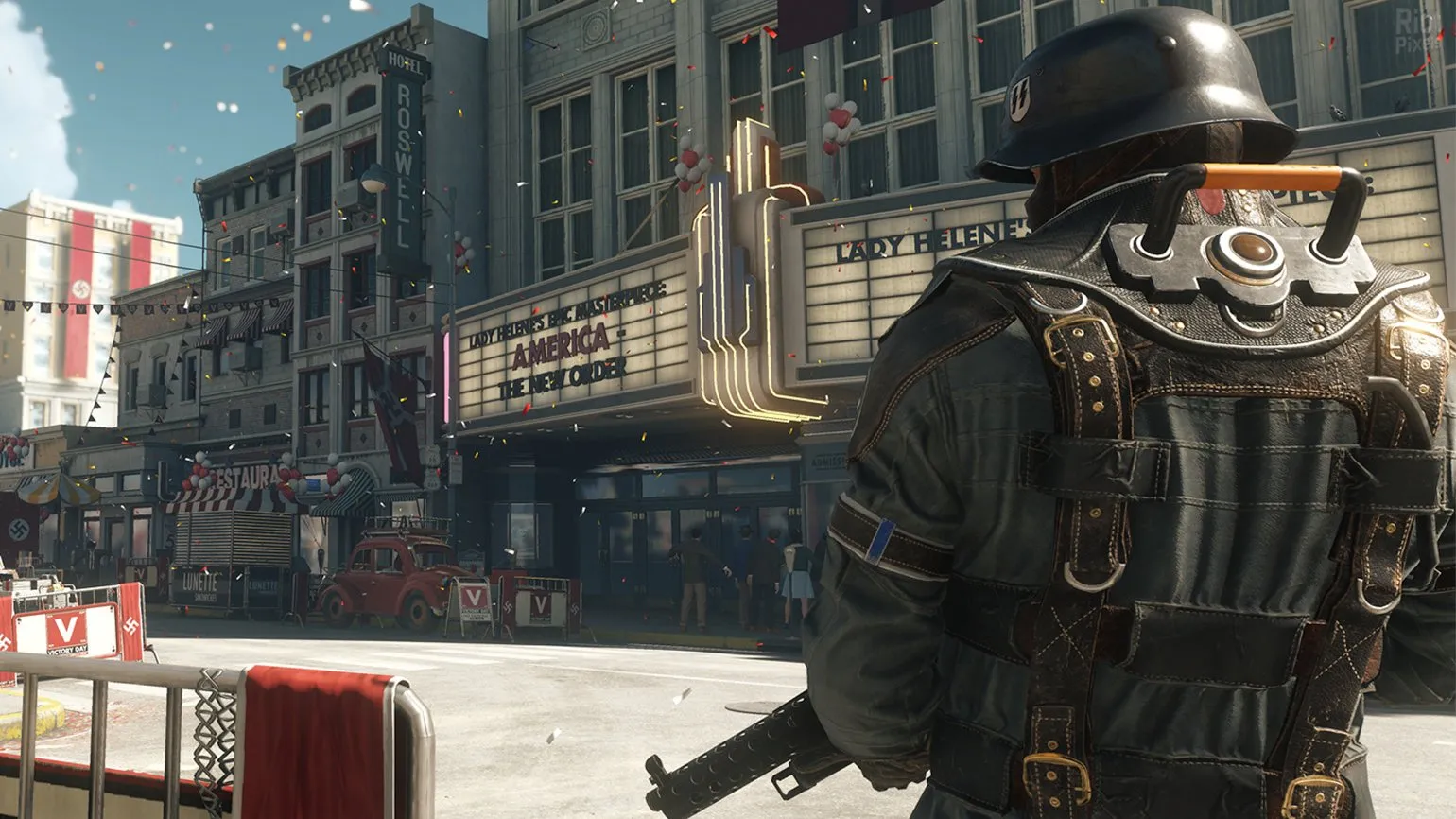
In Germany, game content is often significantly altered due to strict content requirements. For example, in Wolfenstein 2: The New Colossus, German players noticed that Adolf Hitler was missing his moustache. The game rating process is carried out by representatives of the USK, who play the games and compile reports for an internal committee, ensuring transparency in the certification process. A game license in Germany starts at €1,200.
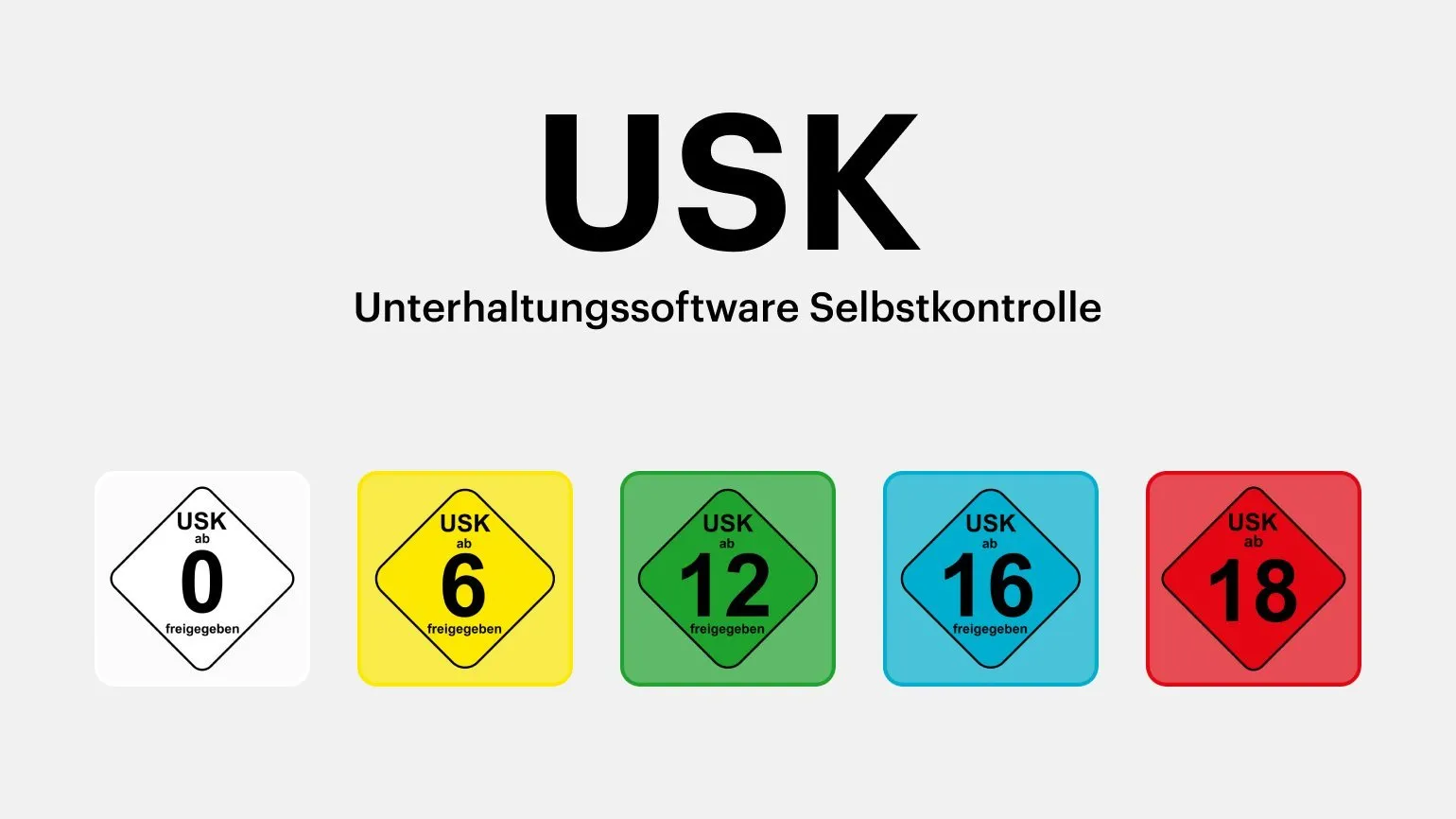
The German USK (Unterhaltungssoftware Selbstkontrolle) system uses a specific gradation to classify video games. This rating system helps parents and players navigate the content of games and their age-appropriateness. The USK divides games into several age groups, allowing users to choose content that is appropriate for their age and moral values. The main goal of this system is to ensure a safe gaming experience and to inform about the potential risks associated with game content.
- 0+. No age restrictions.
- 6+. Family-friendly games with simple competitive elements.
- 12+. No or minimal violence.
- 16+. Possible violence.
- 18+. Frequent scenes of severe violence and human rights violations.
PEGI, which covers almost the entire European Union, has its own criteria for rating video games. This system is gradually replacing other previously existing classification methods, providing a more uniform approach to determining age categories and game content. PEGI plays an important role in informing consumers about the content of games, which promotes more responsible choices when purchasing and using video products.
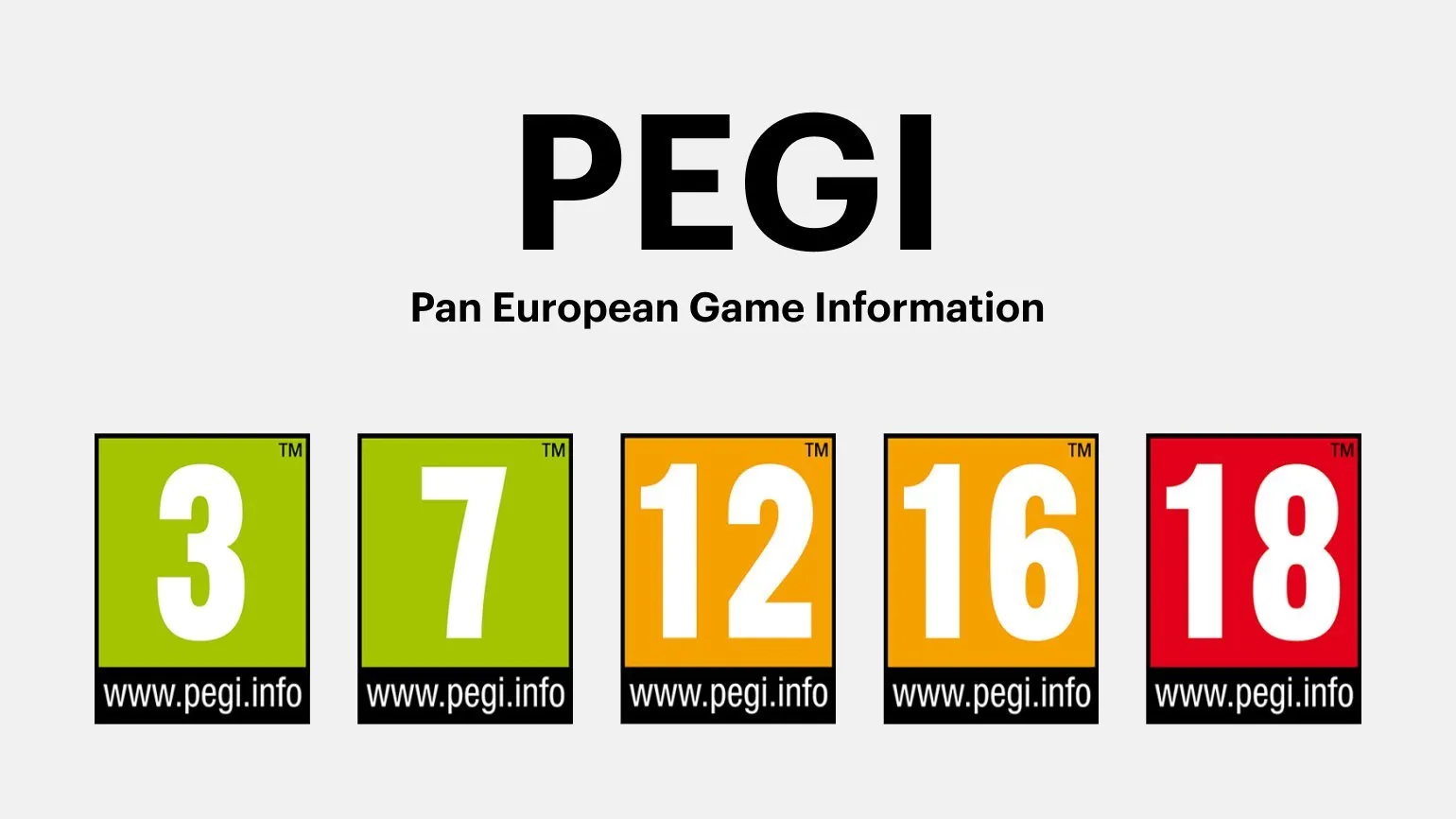
PEGI assigns age ratings to video games based on their content. The rating takes into account factors such as violence, strong language, sexual themes, and fear. Basic age categories include 3+, 7+, 12+, 16+, and 18+. These ratings help parents and players understand the intended audience for a game and make more informed choices. PEGI also provides short descriptions to give an idea of the game's content, promoting a safer gaming experience for everyone.
- 3+. Minimal violence in a comic context.
- 7+. Some frightening elements are acceptable.
- 12+. Mild scenes of violence and sexual innuendo are allowed.
- 16+. Moderate scenes of violence and sexual content.
- 18+. Explicit scenes of violence and drugs.
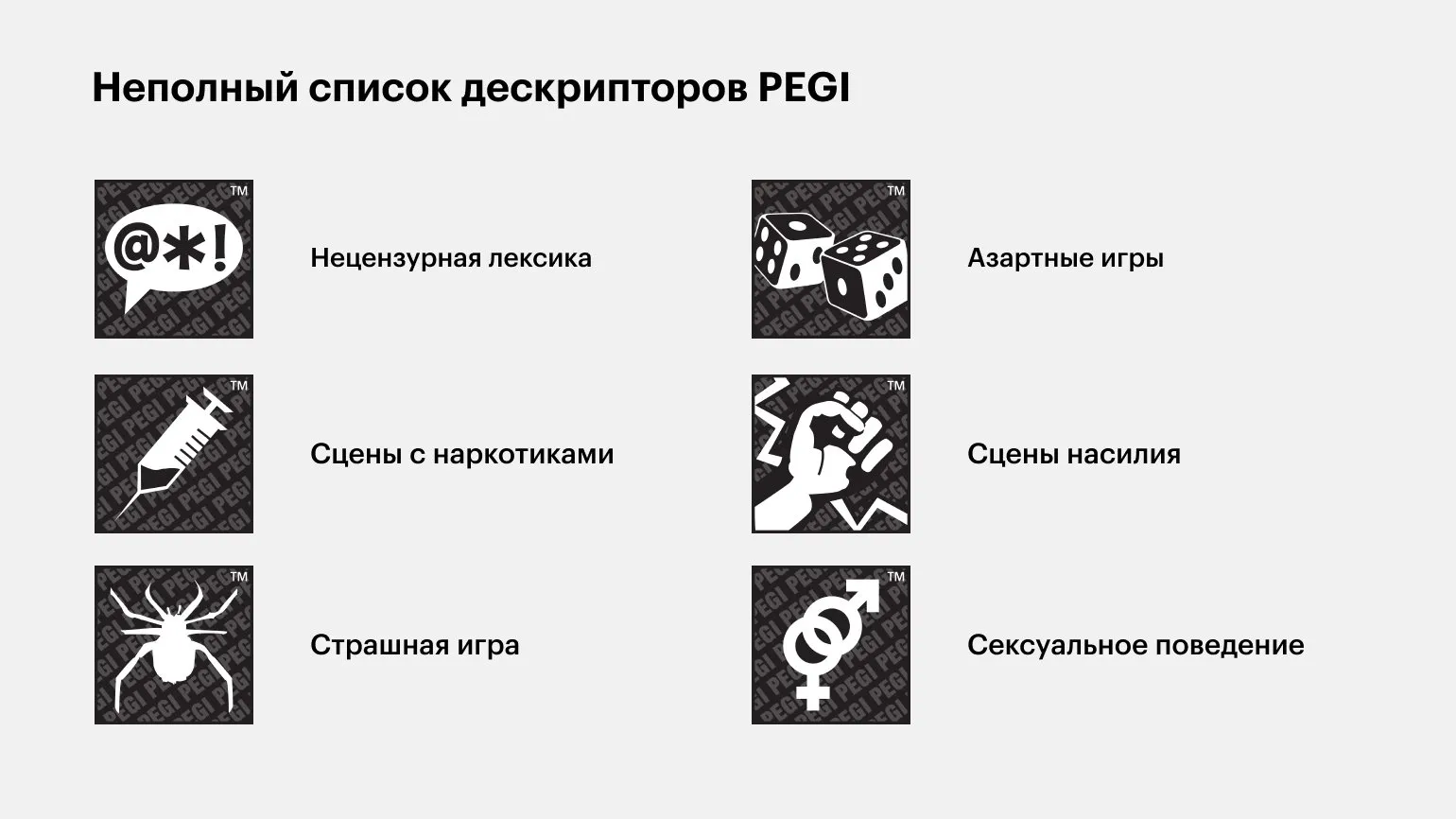
Each game rating may include additional descriptors that inform users about in-game purchases, the presence of foul language, and other potential risks. These descriptors help players and parents better understand a game's content and make informed decisions about purchasing or using it.
Obtaining a license under the PEGI system involves additional costs, ranging from $300 to $1,000. The fee is charged separately for each platform. This situation has attracted criticism from developers, who believe that "fees for rating a game for each console are unreasonable and may negatively impact indie developers," emphasizes Dr. Richard Wilson, CEO of TIGA. This raises questions about the accessibility and fairness of the licensing system for independent developers, who may face financial difficulties due to the high costs of certifying their games.
In response to the growing number of content rating systems and the complexity of their implementation, the International Age Ratings Coalition (IARC), which includes organizations such as PEGI and the ESRB, was founded in 2013. This coalition provides developers with the ability to obtain licenses for all participants on a single platform, simplifying the certification process and promoting compliance with age rating standards. With IARC, developers can effectively manage the ratings of their games and apps, ensuring compliance with various markets and building user trust. By submitting an application to IARC, copyright holders receive a unified rating for their content. However, a separate license is required to sell physical copies. This system significantly simplifies the content rating process, making it more accessible and convenient for developers. Proper ratings help ensure compliance with age categories and standards, which in turn promotes safe user access to games and apps.
Game Ratings in Asia: Features and Unique Aspects
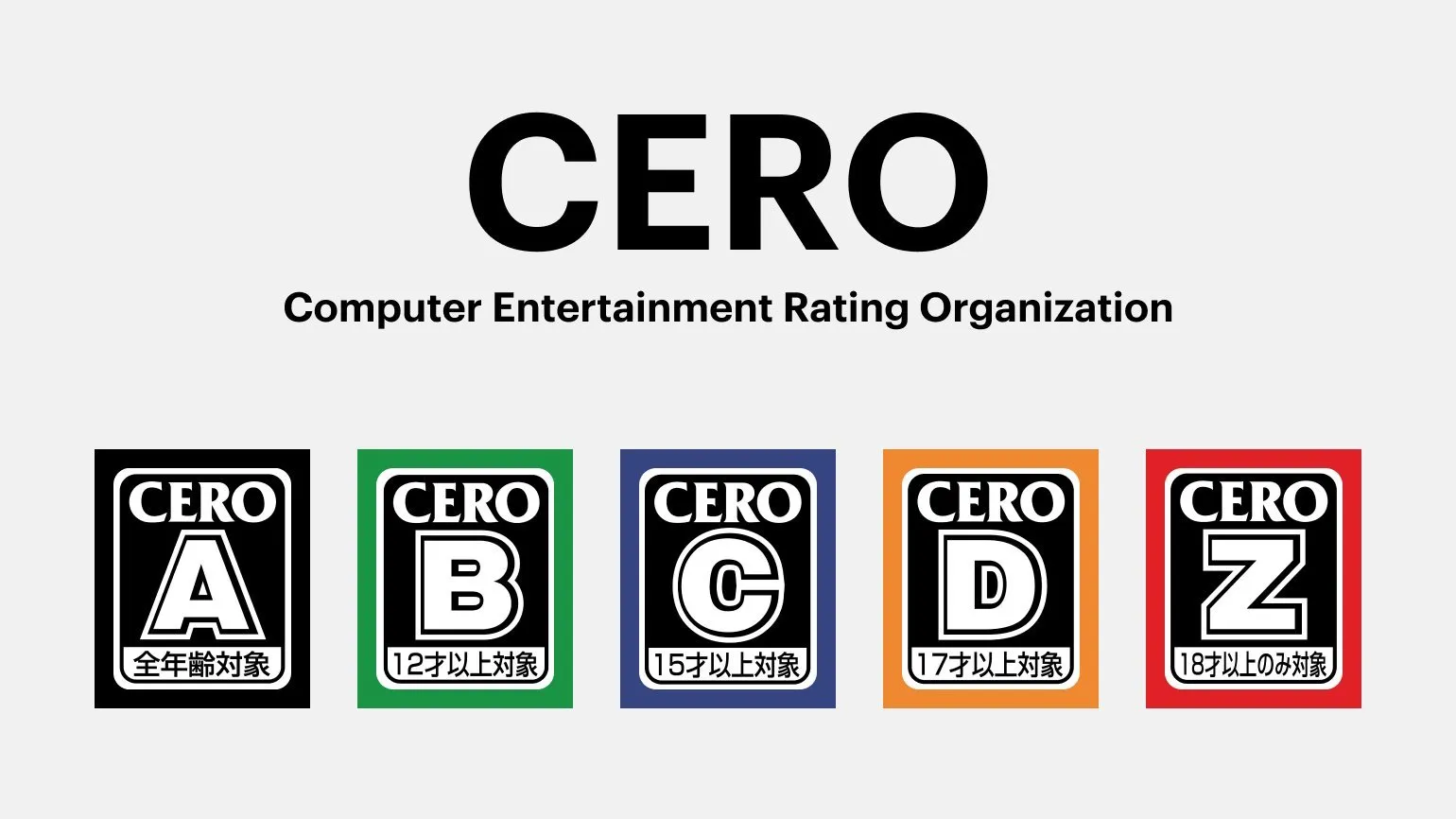
Japan is a leader in the development of rating systems for video games. The Ethics Organization of Computer Software (EOCS), founded in 1992 and recognized as the oldest in the world, operates in the country. In 2002, the Computer Entertainment Rating Organization (CERO) joined, significantly advancing the game rating system in Japan. Japanese ratings have unique characteristics that distinguish them from Western systems. These characteristics are rooted in cultural and social factors, making the Japanese approach to game ratings interesting to analyze and study. CERO and EOCS use a unique labeling system similar to academic ratings. This system allows for a more accurate assessment of product quality and performance. The labeling helps consumers easily navigate the offers and make an informed choice based on clear criteria.
- A — games suitable for all age groups;
- B — for players aged 12 and over;
- C — for users aged 15 and over;
- D — for persons aged 17 and over;
- Z — category 18+, intended for an adult audience.
The game labeling includes warning symbols that indicate the content of love and explicit scenes, as well as the presence of smoking, alcohol, drugs, violence, gambling and profanity. These symbols help players and parents become aware of potentially inappropriate elements in a game before they make a decision, allowing them to make informed choices.
It should be noted that even a Z rating does not guarantee that a game is protected from censorship. The Japanese system restricts the display of overly explicit scenes, even if the product is rated 18+. For example, in The Last of Us Part II, an explicit scene featuring the characters Abby and Owen was removed, demonstrating the impact of censorship on content despite the high age rating. This case highlights the importance of understanding the restrictions related to cultural norms and legal requirements in different countries.
To obtain a license, developers are required to submit all required materials to CERO. All documentation must be prepared in Japanese. The organization offers two payment methods: a one-time payment of approximately 2,000 euros or a membership that includes a license and an additional fee. The second option is more cost-effective for those planning to license multiple games, as the cost of each subsequent license will be reduced. This makes the licensing process more accessible and cost-effective for developers looking to enter the Japanese market.
Applicants must submit video footage between 15 and 120 minutes in length and no more than 4.5 gigabytes in size. The video must contain scenes of violence, erotica, and other elements requiring censorship. The recording must cover all game content, including locations, items, user interface, and cutscenes. This will allow us to demonstrate in detail the content of the game and its features, which is important for evaluating the project.

Features of the Russian age classification system
Russia has a unique age rating system called the Russian Age Rating System (RARS). Unlike similar systems in Western and Eastern countries, RARS is not a separate organization. Instead, it is a set of norms and rules that regulate children's access to information that potentially poses a threat to their development. This system is designed to protect the younger generation from the negative influence of content, providing parents and children with safer choices in the media world.
The RARS system was implemented on September 1, 2012, in accordance with the federal law "On the Protection of Children from Information Harmful to Their Health and Development." This system covers not only video games, but also films and literature, making it more universal and comprehensive compared to other similar systems. RARS ensures the protection of children by filtering content and preventing access to materials that may negatively affect their development. This is an important initiative aimed at creating a safe information environment for young people, which underscores its importance in modern society.
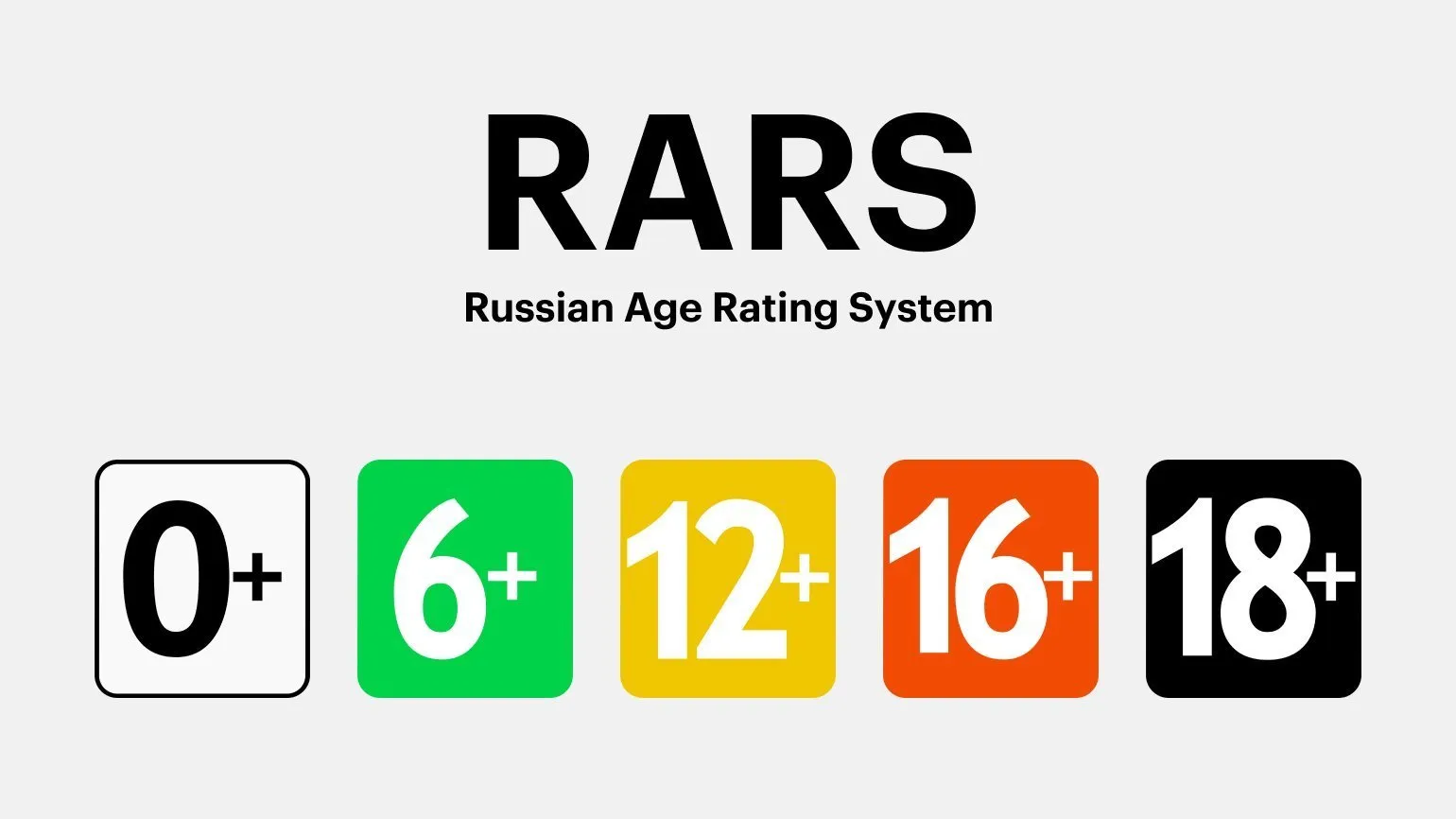
Initially, the Russian age rating system was planned to use the terms "denial of family values" and "threat to life and health," but these definitions were not implemented. Currently, the age gradation in the Russian system is as follows:
- 0+. For children under 6 years old. Episodes of unrealistic violence are allowed, if it is condemned, and good triumphs over evil.
- 6+. Minor illnesses, non-violent deaths, or disasters without consequences, as well as actions that are not justified or idealized, are permitted.
- 12+. Violence without injury, descriptions of sexual relations between a man and a woman, and references to cigarettes and drugs are permitted.
- 16+. Mild forms of scenes prohibited in previous ratings; swearing without obscenities is permitted.
- 18+. All scenes are unrestricted, unless they violate the law.
The RARS system does not set strict standards for labeling, which allows copyright holders to independently choose the design of the signs. Roskomnadzor recommends using different colors and fonts for covers and age signs. This leads to a variety of labeling, including variations in color, shape, and abbreviations, such as RARS or RSVR. This diversity allows each copyright holder to stand out, but at the same time, it can create confusion for users. It is important to consider that uniformity in labeling contributes to a better perception of information about the content, which in turn can affect its consumption.
With the introduction of the RARS system The Russian government has ceded control of the video game market to the industry itself. Unlike many other countries, Russia lacks a specialized oversight body to regulate game labeling. While Roskomnadzor may have an indirect role in this area, its mandate extends to a wide range of areas, including media and information technology. This leads to a lack of attention to video game regulation, which creates challenges for developers and players.
The Russian gaming industry enjoys greater freedom than the film industry. For example, the film "The Death of Stalin" was banned just two days before its premiere, while the game "Sex With Stalin" remains available on Steam with an "adult content" label. This highlights the differences in regulation and perception of content across media formats, despite criticism from state media. Differences in approaches to censorship can open up new opportunities for game developers, allowing them to explore more controversial topics and express ideas that might be inaccessible in film.
In Russia, discussions periodically arise about banning certain video games, such as Manhunt and Company of Heroes 2. These initiatives often arise amid public discontent expressed online. Requests to restrict access to such games become part of a broader public debate and attract the attention of national media. Discussion of video games in the context of their impact on society and youth continues to be a hot topic among politicians and experts.
Attempts to systematically regulate the gaming market continue to be unsuccessful. The government periodically initiates control measures, but none of these initiatives have achieved the expected results. The ineffectiveness of existing regulatory approaches demonstrates the need to develop more effective strategies to govern the gaming business and protect consumer interests.
The Gaming Industry: 5 Key Specialties for Beginners
Want to learn about a career in the gaming industry? Read about 5 specialties and opportunities to get started!
Find out more