
Who are you in the world of game development? Find out on a free course ➞ You will try out 3 professions in practice: game designer, 2D artist, and Unity developer. Create your first Mario-style game. Click for details.
Learn moreA person has a unique ability to interpret and complete reality. Each of us exists in an individual reality, formed from a combination of moral and ethical beliefs, cultural and religious aspects, and psychological factors. Games act as a model of this reality, where simplifications and conventions become part of the gameplay, and the player accepts them as a given. It is important to understand that games are not just entertainment, but a way to explore and understand the world around us through the prism of personal experience and perception.
Sergey Gimmelreich is the founder of ORC WORK studio. His experience and professionalism in design and architecture contribute to the creation of unique projects that meet the needs of clients. ORC WORK studio specializes in the development of innovative solutions in interiors and architecture, offering high-quality services and a personalized approach to each project. Thanks to the creative vision of Sergey and his team, ORC WORK has established itself as a reliable partner for the realization of the most ambitious ideas.
Game mechanics without conventions lose their significance. Yaroslav Kravtsov, head of Rising Wave Studio, emphasizes that game conventions function like rules: the developer establishes them, and the player accepts them. The key is clearly communicating these rules at the beginning of the game and strictly adhering to them throughout the entire gameplay. This creates predictability and clarity, which increases player engagement and improves the overall gaming experience.
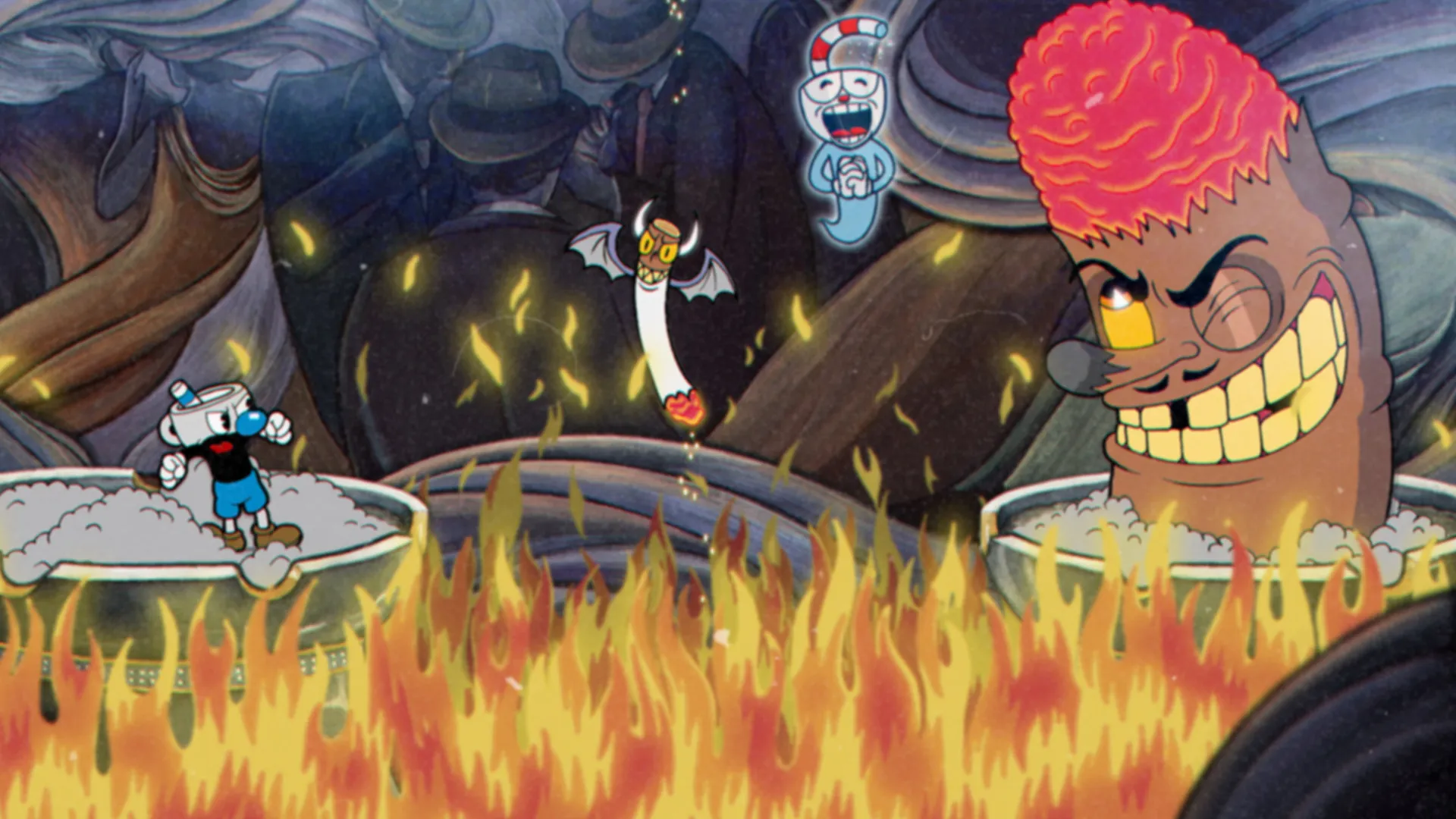
The term "game convention" refers to the distinction between game elements and real life. Game conventions have existed since the very beginning of video game development, even in the most simple projects, such as spaceship games. They arose primarily due to technical limitations and later evolved from the creative decisions of game designers. These conventions demonstrate that games don't always adhere to the laws of physics and reality, creating unique worlds and rules that can differ significantly from everyday life. Game conventions allow developers to introduce interesting mechanics and plot twists, making gameplay more immersive and engaging. Anton Tokarev is a lead game designer at Apella Games. His responsibilities include developing and implementing game concepts, as well as managing the game creation process. With his experience and creative approach, Anton makes a significant contribution to the development of the company's gaming projects. His knowledge of game design helps him create engaging and innovative games that capture players' attention. Apella Games, under the leadership of Anton Tokarev, continues to expand its position in the video game market, offering users original and high-quality products.
With advances in technology, game graphics have reached photorealism, and character animation has become incredibly realistic. Tokarev notes that games like The Last of Us: Part 2 and Red Dead Redemption 2 can be perceived as films due to their visual quality. This technological advancement has opened up new possibilities for game designers, allowing them to choose between hyperrealism and a focus on game mechanics. These choices influence the overall perception of games and their interaction with players, creating a unique experience in each of them.
I never asked for
Realistic settings in video games often constrain game mechanics. The more convincing the visuals and logic of the game world, the more noticeable the dissonance becomes when the player encounters yet another convention. It is important to find a balance between realism and game mechanics to ensure immersion and maintain player interest. Otherwise, the discrepancy between expectations and reality can lead to a decrease in engagement and enjoyment.
Examples of insurmountable obstacles and virtual walls are situations in video games where characters are limited in their actions. In 2007's The Witcher, protagonist Geralt is unable to jump, forcing the player to go around every fence, even if it is only waist-high. In Uncharted 2: Among Thieves, Nathan Drake faces a similar problem—he cannot pass under the boards blocking a doorway until they are removed with a weapon. These gameplay elements highlight the characters' limitations and add intellectual challenges for players, forcing them to seek alternative solutions.
Remember how in stealth games, after one guard spots the player, others immediately rush to the location. This phenomenon resembles telepathy, which irritates many gamers. Another common convention is flimsy wooden doors that players must pick or open with keys. In reality, simply hitting them would be enough to destroy them. In Fallout: New Vegas, such doors are hardly even considered fully functional, but the system still requires a high level of lockpicking skill. These moments highlight some design flaws that can reduce immersion in the gameplay.

Game designers are constantly searching for a balance between the requirements of the project and the expectations of players. In The Division, for example, creating a long-term progression system for character leveling becomes a key objective. However, the game's enemies are human, which creates interesting gameplay conventions. High-level bosses, while appearing like normal humans, can withstand powerful explosions and multiple shots, reminiscent of characters from the Terminator films. This may initially surprise players, but over time, they become accustomed to such mechanics. However, this solution isn't the only option. Alternatively, introducing alien creatures or significantly reducing the impact of progression on gameplay could be an alternative. Game designers, of course, consider all possible options and choose the best approach, taking into account the interests of the audience and the specifics of the project itself. Yaroslav Kravtsov is the head of Rising Wave, a studio that specializes in creating unique and innovative design and development solutions. Under his leadership, the team implements projects aimed at improving the user experience and achieving clients' business goals. Rising Wave has established itself as a reliable partner, offering high-quality web design and programming services. Yaroslav actively monitors new trends in the industry, which allows the studio to remain competitive and offer relevant solutions to its clients.
Feel the flow
Game design often uses conventions that, although not realistic, play an important role in creating dynamics and convenience. These elements contribute to a deeper immersion of players in the gameplay, making it more engaging and interesting.
The main focus in games should be on the healing mechanics. Players do not want to wait while a wounded soldier recovers in the infirmary for several months in real time. This can be off-putting and reduce interest in the game. The ability to "soak up" several bullets without serious consequences for the character's health is perceived by players much more positively. An effective healing system helps maintain the dynamics of the gameplay and maintain user engagement.
In Ghost of Tsushima, the wind serves as an excellent guide for players, pointing the right direction. This gameplay mechanic not only adds atmosphere but also improves navigation through the vast open world. Wind allows players to focus on exploration and interaction with the environment without the distraction of traditional map markers. This convention emphasizes the uniqueness of the gameplay and makes navigating Tsushima Island more engaging and intuitive.
Of course, I'm ready to help with text revision. Please provide the text itself, which you want edited and adjusted for SEO.
As games become more realistic, so do players' demands on the form and functionality of game world objects. However, there are certain conventions that help create a more comfortable gaming environment, excluding elements that make gameplay boring or inappropriate. Games can be viewed as interactive theater, where all elements are aimed at quickly evoking certain emotions in the player. Otherwise, waiting three real months for the carrot harvest on the farm would hardly be exciting. Thus, the balance between realism and gameplay is key to maintaining player engagement and creating a positive gaming experience.
Sergey Himmelreich is the founder of ORC WORK, a studio known for its innovative approach to design and architecture. Under his leadership, the studio implements projects that combine functionality and aesthetic appeal. ORC WORK strives to create unique spaces that reflect the individuality of its clients and meet modern requirements. Thanks to Sergey's experience, his team achieves high standards of quality and creativity in each project.
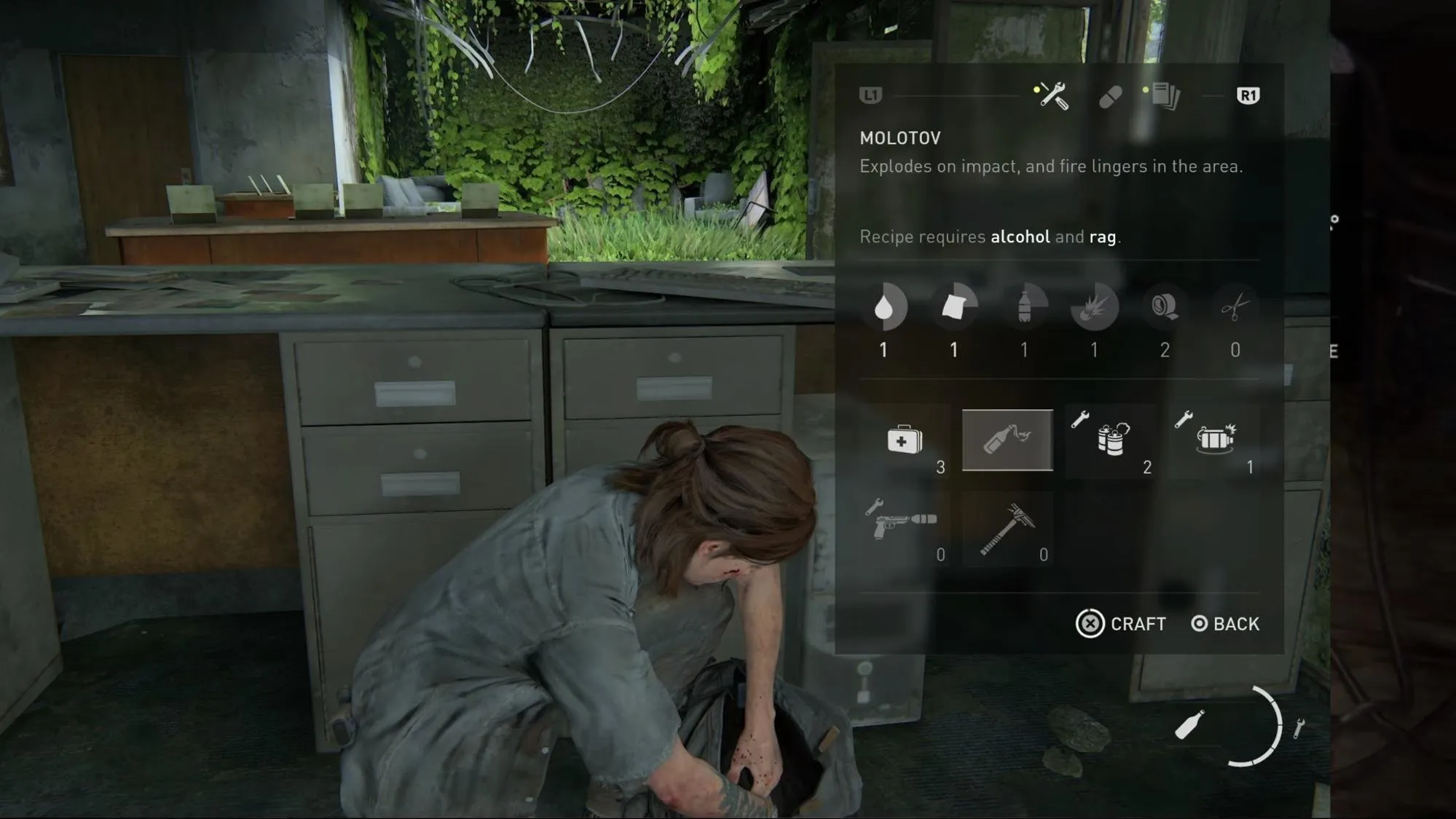
Interface conventions often serve not only a functional but also a decorative role, enhancing the immersion of the gameplay. The developers of projects such as The Last of Us: Part 2 and Red Dead Redemption 2 successfully integrated interfaces into gameplay to avoid player rejection. For example, before opening her inventory, the main character, Ellie, drops her backpack on the ground and begins to examine it. Meanwhile, Arthur Morgan from RDR 2 carefully searches cabinets and drawers, placing the items he finds into his duffel bag. This approach not only enhances interaction with the game world but also creates a more realistic perception of the characters' actions.
All these movements are carefully animated, creating a smooth and harmonious interaction. Unlike other games, where characters simply reach out to an object that then disappears, the animation here adds realism and depth to the gameplay. This attention to detail makes the gaming experience more engaging and immersive.
The development of games like The Last of Us: Part 2 and Red Dead Redemption 2 demonstrates an approach that enhances player empathy with characters and their stories. This allows for a deeper sense of gameplay dynamics and easier perception of interface elements that may seem implausible, such as targeting crosshairs or an ammo indicator in the corner of the screen. Importantly, for the player, what's happening on the screen becomes part of reality, and familiar elements of "arcade" gameplay contribute to the player's experience and do not disrupt immersion in the game world. This approach makes interaction with the game more engaging and emotionally rich, which, in turn, strengthens the connection between the player and the plot.
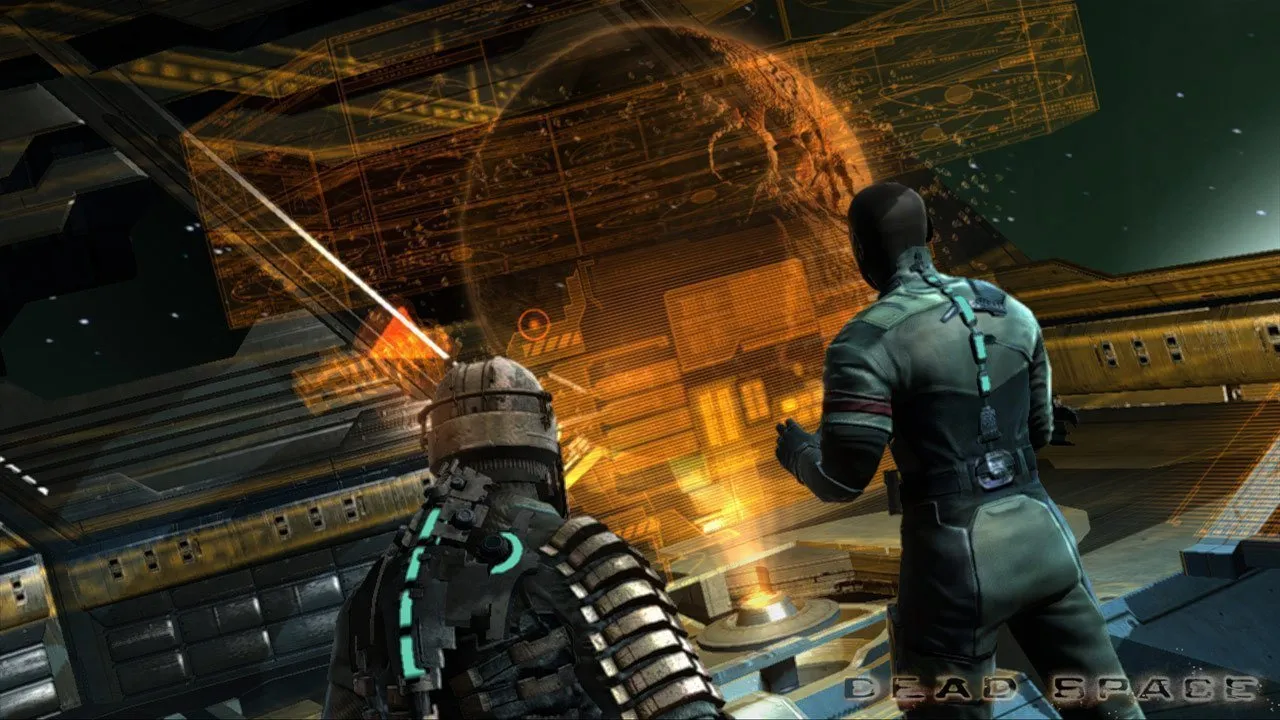
An alternative method is to use a diegetic interface. An example of this is the game Dead Space, in which all important stats are integrated into the game world. They are displayed on the screen thanks to the high-tech suit worn by the main character, Isaac Clarke. This approach not only enhances immersion but also makes interaction with the game more organic and natural. The diegetic interface allows players to focus on the story and gameplay, minimizing distractions.
The health bar is located on the character's back, and the ammo counter is integrated into the weapon screen. To check the inventory, Isaac projects a pop-up menu in front of him, allowing the player to interact with it in real time. The game does not pause, and the hero can be attacked at any time.
Initially, the developers planned for Clarke to be unable to move while aiming, as implemented in Resident Evil 4, which served as the main inspiration for Dead Space. However, during development, this idea was abandoned in favor of more dynamic combat. By breaking free from many conventions, Visceral Games has strengthened the emotional connection between the player and Isaac, creating one of the best horror games in the sci-fi genre. This dynamic not only increased the level of tension, but also made the gameplay more engaging and exciting.
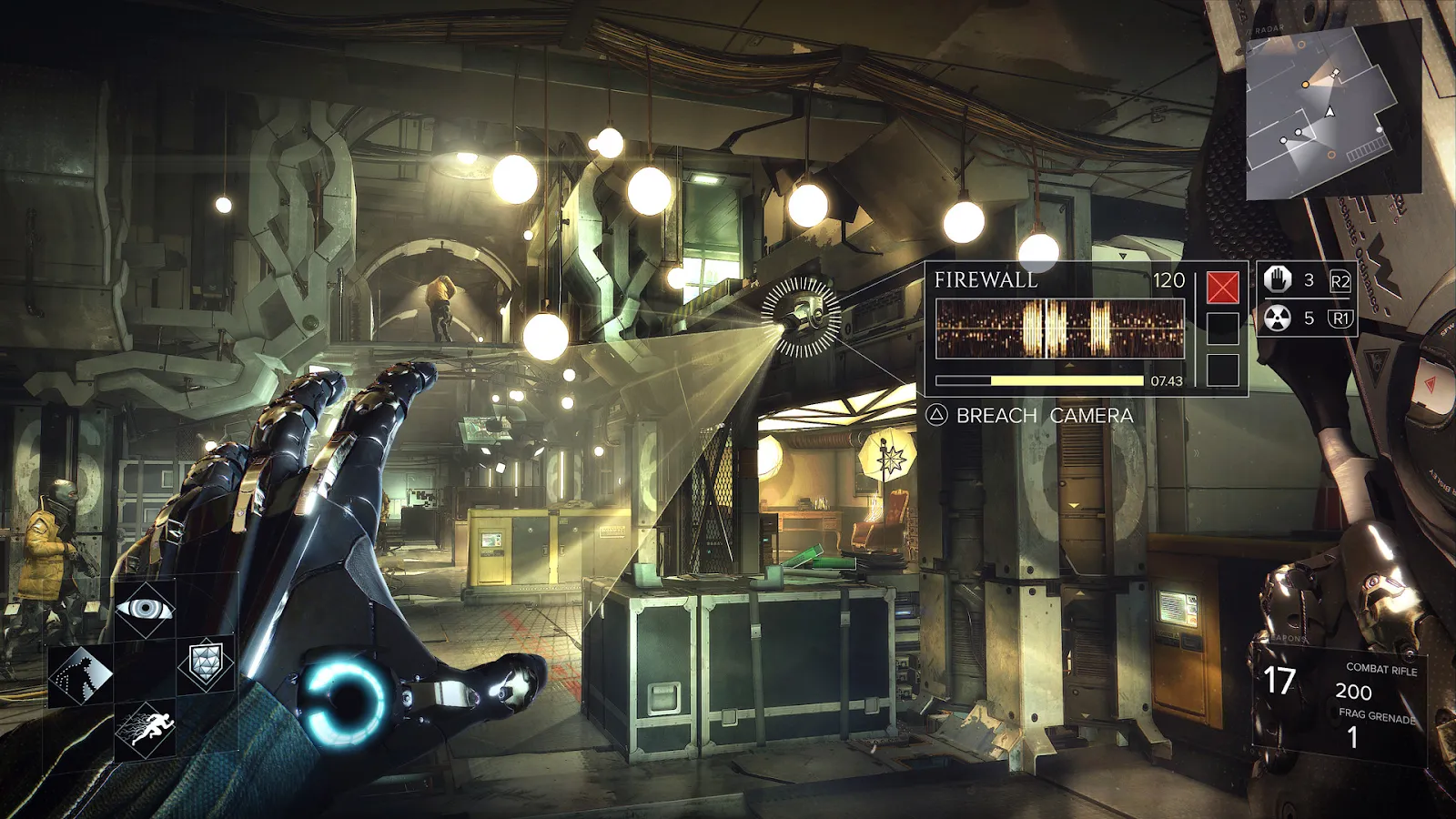
Developers sometimes use creative techniques to maintain player immersion in the gameplay. For example, in Deus Ex, the interface looks fairly standard, but the protagonist's unique abilities and various indicators are based on his body being equipped with modern military implants. This approach not only enhances the game's atmosphere but also allows players to gain a deeper understanding of the character's capabilities, creating a richer and more realistic experience of interacting with the game world.
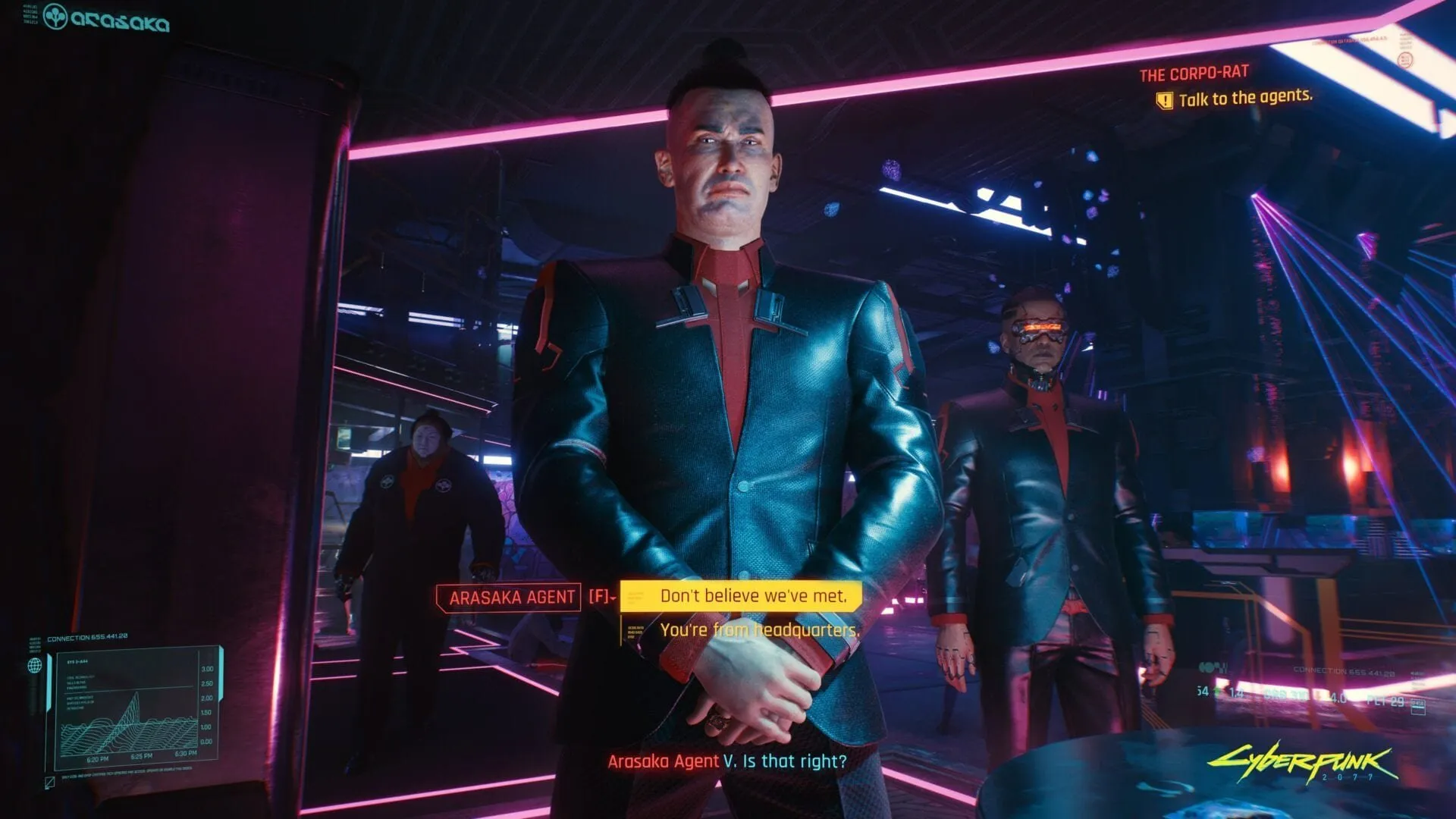
The recent game Cyberpunk 2077 also used a similar technique known as Smoke and Mirrors. This technique serves as a key tool for developers, allowing them to distract players from key aspects of the gameplay. The essence of this approach is to obscure more serious flaws or conventions by replacing them with less significant problems. Thus, Smoke and Mirrors becomes an important element in game development, allowing to create a more engaging and immersive gaming experience, despite possible shortcomings.
Hero
The Asian approach to creating gaming conventions differs significantly from European and American ones. Games from Japanese studios often feature bright explosions and spectacular visual effects, giant swords, impressive combos, and heroes with outstanding pathos. The game world is presented in rich colors and ornate details, creating a unique atmosphere that attracts players. This aesthetic becomes a vivid symbol of Japanese culture and style, emphasizing originality and creativity in game design. ... Instead, the emphasis is on dynamic gameplay, where the character can perform complex actions such as double or triple jumps. This creates a unique experience for players, allowing them to immerse themselves in the game and explore its mechanics.Anton Tokarev is a lead game designer at Apella Games. With his experience and creative approach to game development, he makes a significant contribution to the creation of engaging game content. Anton is responsible for the concept and design of game mechanics, as well as player interaction. His work helps Apella Games develop innovative projects that attract audiences and increase interest in the company's games.
The Asian gaming industry is characterized by contrasts that manifest themselves in the diversity of game mechanics and conventions. This diversity creates unique gameplay and attracts players from all over the world. Each gameplay element brings its own specifics, allowing developers to experiment and propose new ideas. As a result, Asian game development becomes a rich source of inspiration and innovation for the entire gaming industry.
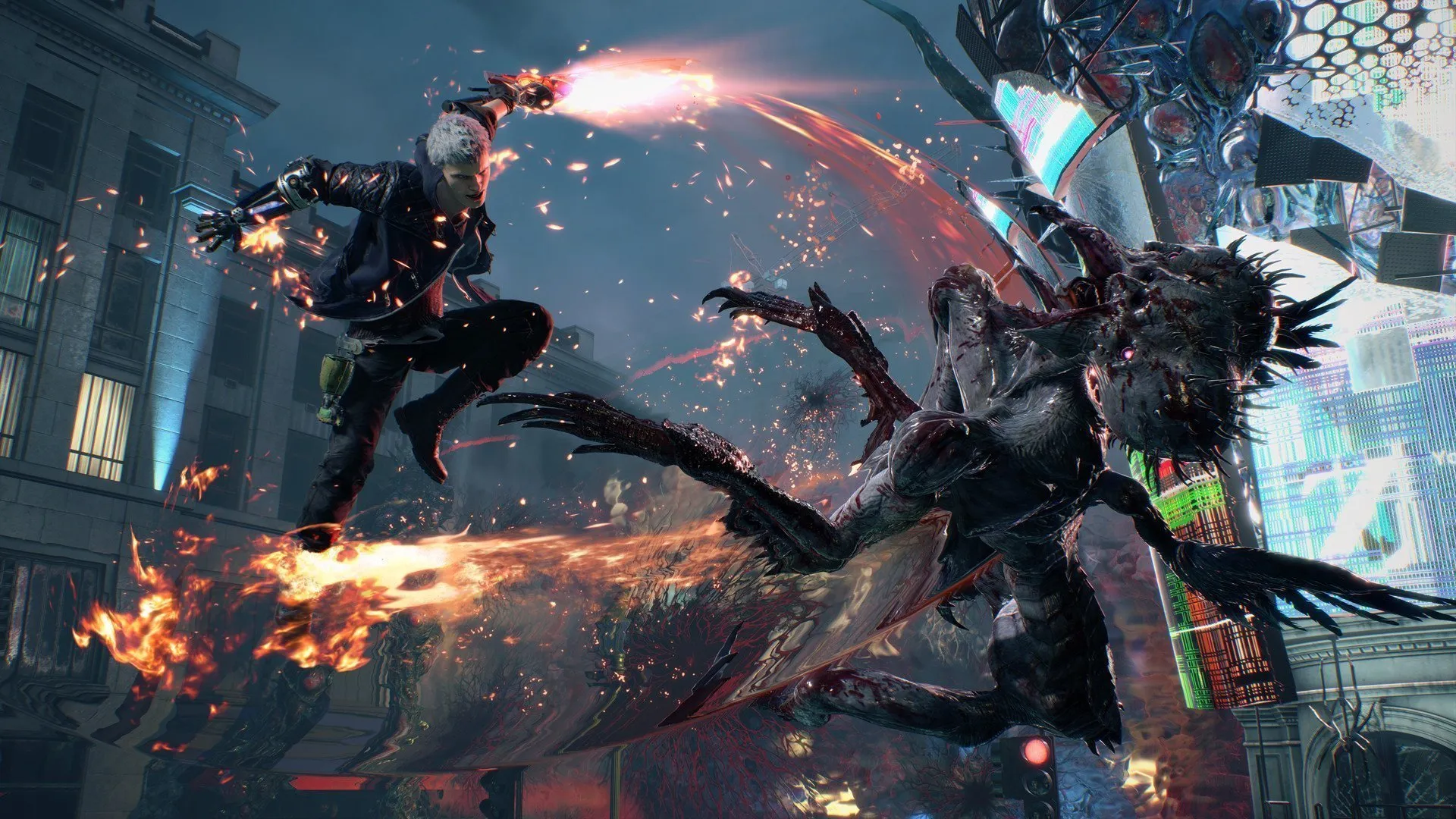
In Devil May Cry, the combat system gives players the opportunity to create a unique fighting style. The developers designed the interface to provide maximum feedback on the events on-screen. Players are surrounded by vibrant special effects, and character animations are theatrical, making the on-screen action feel far removed from reality. This does not interfere with immersion in the gameplay, but on the contrary, enhances it.
The Monster Hunter series of games is a shining example of successful interface and gameplay focused on combat. Players can focus on combat, receiving all the necessary information about damage dealt, damage sustained, and other actions in a convenient format. For many gamers, visually displaying damage numbers becomes a key element of the gaming experience and a motivator for playing. Monster Hunter effectively combines dynamic combat with an informative interface, making the game appealing to a wide audience.
Dark Souls demonstrates that gameplay assumptions can be effectively combined with high complexity. Imagine how the game would change if the developers eliminated the ability to respawn after death or abandoned a key element - souls, which serve as the main currency. These conventions became the basis of the Dark Souls gameplay and significantly impact the overall player experience. Retaining these mechanics emphasizes the uniqueness and complexity of the game, creating an atmosphere where every decision matters.
The Asian approach to game development allows creators to craft engaging stories when necessary. Competent assumptions easily justify what happens on-screen, which opens up new horizons for creativity. Game designers, unconstrained by the boundaries of realism, have greater freedom in shaping gameplay and narrative. They can experiment with mechanics and storylines without fear of players being turned off by implausible elements. This approach helps create unique gaming experiences that attract and engage audiences.
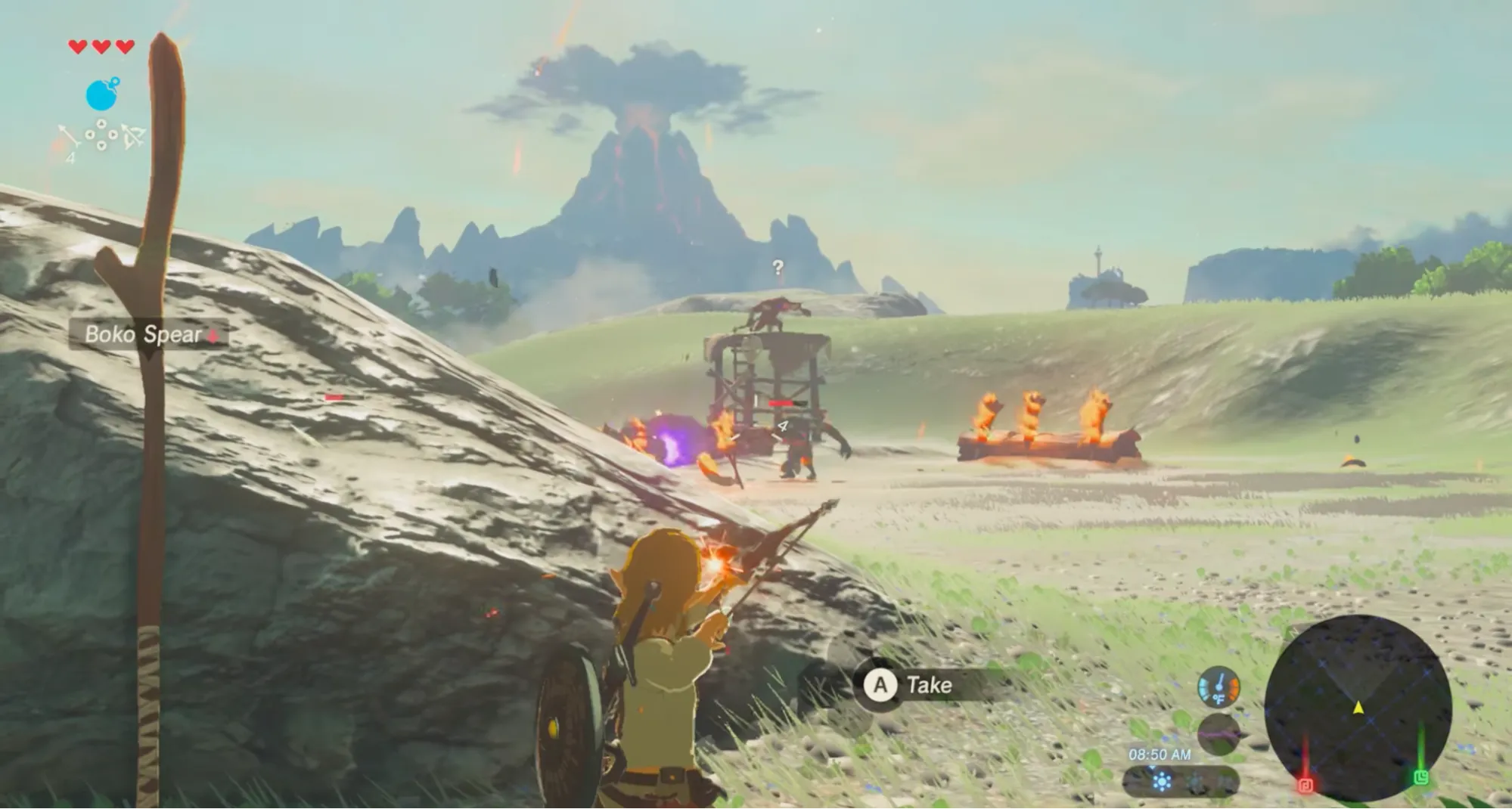
The Legend of Zelda and Super Mario series deserve special attention due to their unique concepts and mechanics, which contribute greatly to their popularity. These games are imbued with conventions, allowing players to immerse themselves in a variety of gameplay mechanics and enjoy the process. Anton Tokarev emphasizes that it is the abundance of gameplay elements that makes these games attractive and memorable for a wide audience.
If you are a fan of Nintendo games, then you're familiar with unique conventions that make gameplay more engaging. Super Mario Odyssey is a shining example of how to use game mechanics effectively to immerse players in the game without being distracted by convention. This title demonstrates Nintendo's mastery of creating engaging gaming experiences that combine innovative elements with classic game mechanics, allowing players to savor every moment of the adventure.
Anton Tokarev is a lead game designer at Apella Games. He helps create engaging and innovative game projects that capture players' attention. Anton has extensive experience in game development and is actively involved in the process of creating unique game mechanics and exciting content. His professional skills and creative approach allow Apella Games to remain competitive in the video game market.
In games like Super Mario Kart, many assumptions don't hinder, but rather encourage engaging exploration and interaction with the world. This game offers a lot of fun with dynamic flying, the ability to pick up items with a simple touch, and playful, extraordinary visuals. When a player is in a state of flow, they don't notice these conventions, and the game mechanics work to create vivid emotions and enrich the gaming experience. Thus, elements of the absurd and freedom of action become important components that make games more exciting and memorable.
Who are you in the world of game development? A mini-course for those who want to make games.
In this free mini-course, you'll try yourself as a game designer, 2D artist, or Unity game developer and choose the profession that's right for you.
Find out more.