Who are you in the world of game development? Find out on a free course ➞ You will try out 3 professions in practice: game designer, 2D artist, and Unity developer. Create your first Mario-style game. Click here for details.
Learn moreA werewolf is a mythical creature with the ability to change its appearance, including transformation through magic. A werewolf can become not only another creature, but also an atmospheric phenomenon, a plant, or an object. Most often, they are depicted as a person suffering from lycanthropy who turns into a wolf. In this article, we will consider how this terrifying image from folklore has been adapted and realized in virtual worlds, including video games and literature, as well as its influence on modern culture and public perception.
Werewolves in Myths
Our ancestors faced the need to defend themselves from predators. Human instincts are such that we still react to threats when we notice the characteristic features of dangerous animals. This reaction is hardwired into us at the genetic level and manifests as instinctive fear or wariness. Thus, even in the modern world, when the physical threat from wild animals is minimal, we continue to feel anxiety when encountering their visual characteristics.
The most famous image of the werewolf in folklore is the wolf-man, or werewolf. Myths about such creatures are common in regions where wolves inhabit, including ancient Greece and the Roman Empire, as well as in Europe, Asia, and North America. In Armenian epic poetry, the werewolf is referred to as mardagaylo, and in Lithuanian folklore, as vilktaki. Werewolves also appear in medieval poetry and Scandinavian sagas, confirming their significance in world mythology. These legends of the wolfman continue to inspire literature and art, maintaining interest in the image of the werewolf in modern interpretations.
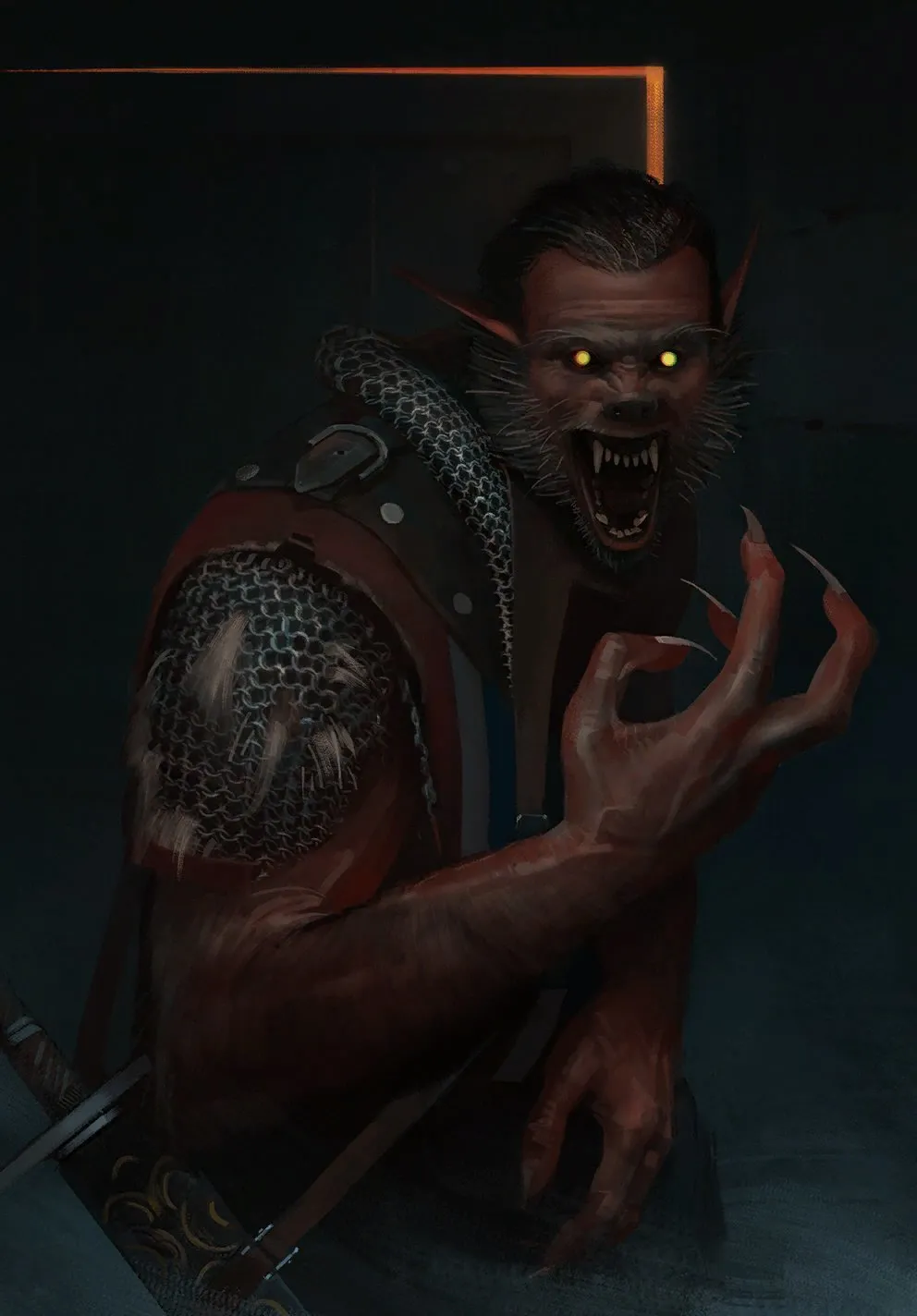
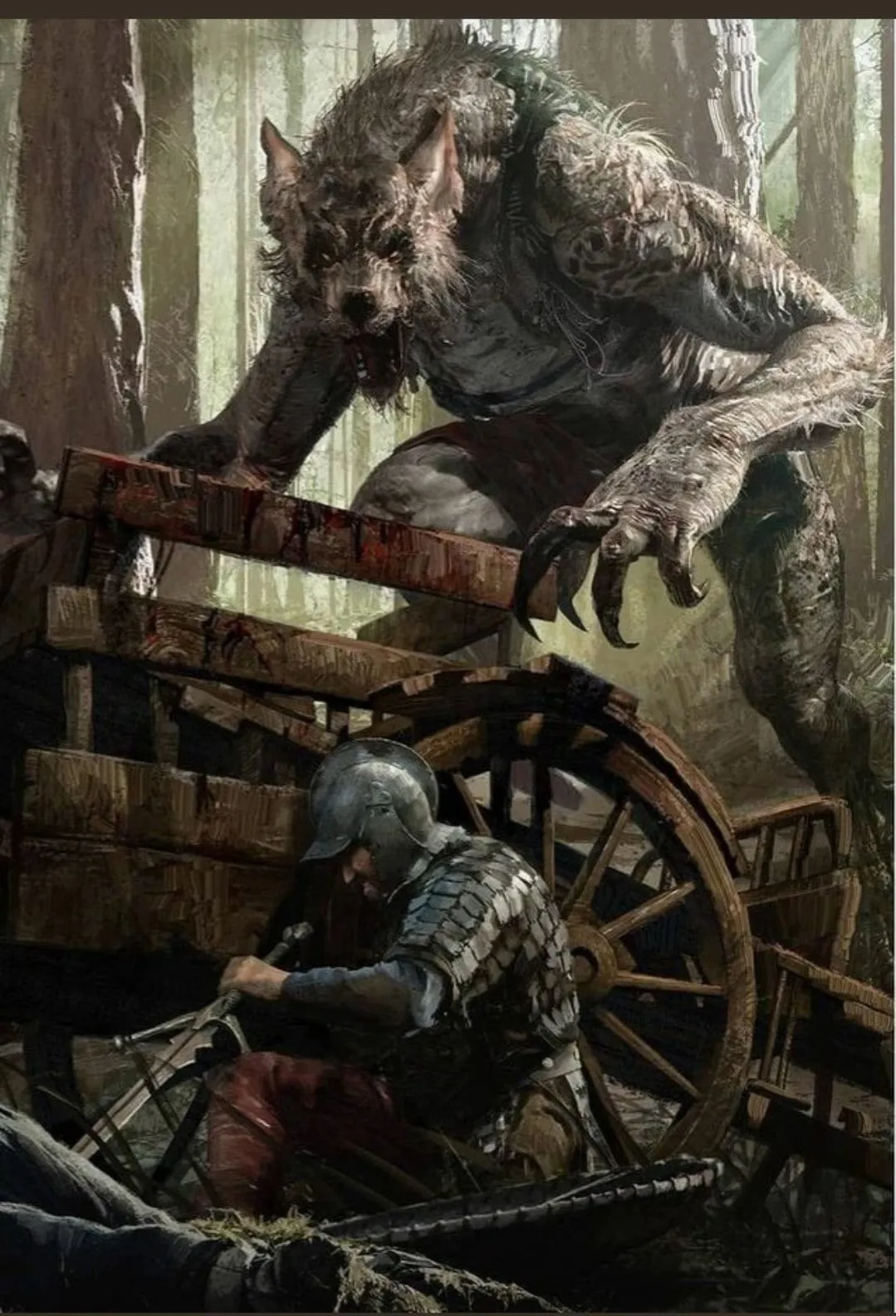
Vincent Mace is a renowned artist who created illustrations for the popular game The Witcher. His works, including art by Bruno Biazotto and Diego Perez for the game Gwent, impress with their style and depth. These works of art highlight the unique atmosphere of the world of The Witcher, bringing elements of fantasy and magic to it. Vincent Mace continues to inspire players and fans of the genre, creating memorable characters that linger in the mind.
The werewolf, known as a werewolf in Slavic folklore, plays a prominent role in The Witcher series. In the first game, players help Vincent Mace, the chief of the city guard, overcome his lycanthropy. In Episode II, werewolves become Geralt's adversaries, adding an element of menace and intrigue to the gameplay. In The Witcher 3, the theme of lycanthropy continues to develop: Ciri encounters a werewolf after escaping Crooked Ear Bog, and Geralt liberates a sacred grove in Skellige from the beast. These elements highlight the deep connection between mythology and the game's story, making The Witcher unique in the fantasy genre.
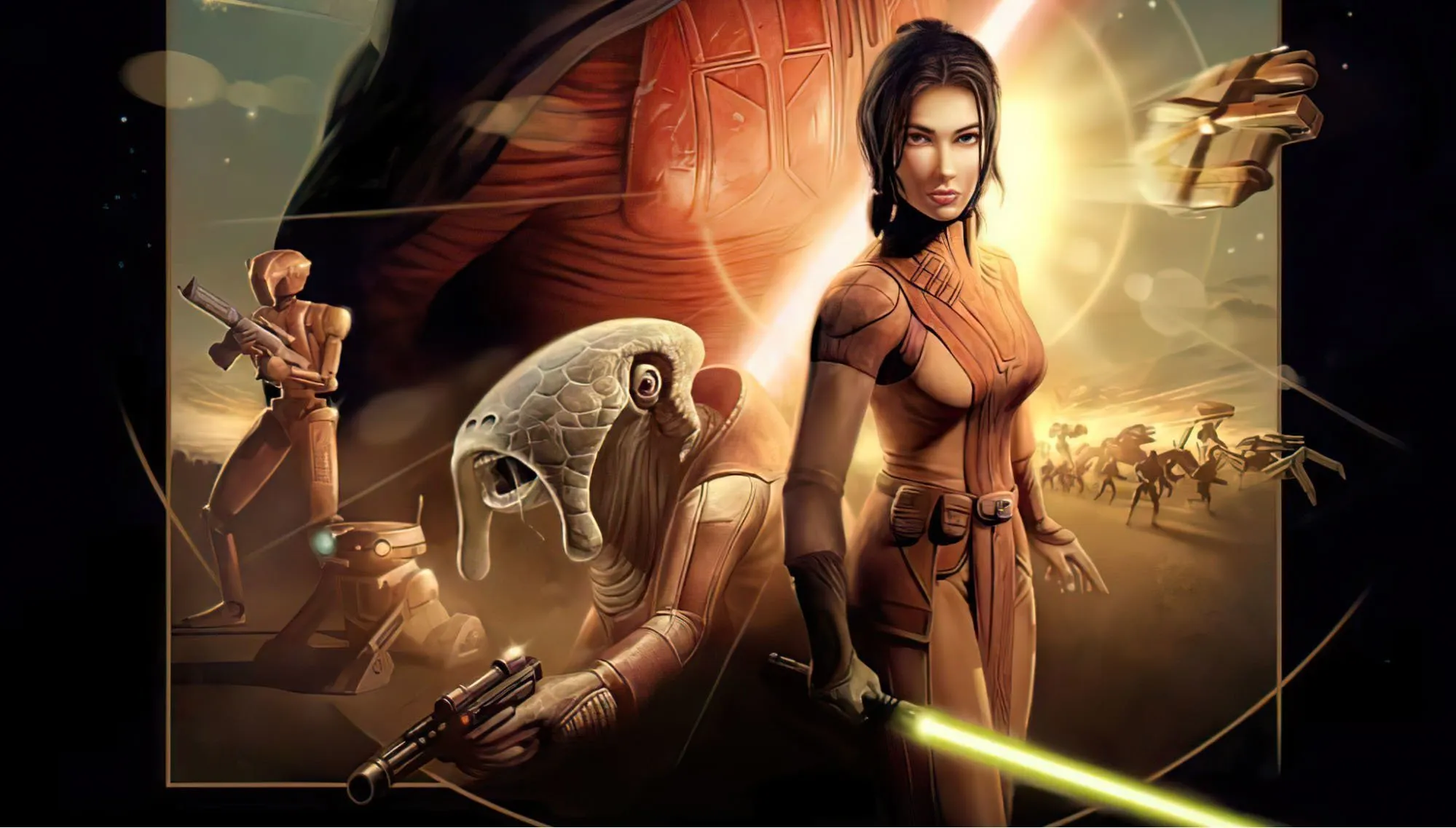
There are other legends about animal shapeshifters. Selkies, or Selkies, are seal-people and are part of Irish and Scottish mythology. The Selkath, meanwhile, are a race featured in the game Star Wars: Knights of the Old Republic. On the game's cover, a Selkath is depicted to the left of the Jedi. These creatures appear as anthropomorphic rays with a blue-green coloring. The Selkath inhabit underwater cities on the planet Manaan, lending the game a unique atmosphere and expanding its mythology.
Legends of werefoxes are well known in East Asia. In Chinese mythology, the Huli Jing is a spirit that can have both good and evil intentions. Korean mythology introduces us to the gumiho—a fox that lived for over a hundred years and gained the ability to transform into a human. These images embody the richness of the region's cultural heritage and also reflect profound philosophical and moral aspects related to nature and human relationships. Legends of werefoxes continue to attract the attention of researchers and fans of mythology, which underscores their significance in the culture of East Asia.

Of course, I need the text you want to rework. Please provide it, and I will help you with SEO adjustments.
Kitsune is a Japanese fox that occupies an important place in Japanese mythology and culture. With age and strength, a kitsune is believed to have up to nine tails, symbolizing its wisdom and power. In contrast to the mythical kitsune, the fox character Tails from the Sonic the Hedgehog series has only two tails, emphasizing his youth and inexperience. Thus, the kitsune is a more complex and multi-layered character than its Western counterparts like Tails, making it an interesting object of study in the context of Japanese mythology and culture.
Lycanthropy
According to myths, werewolves are classified into two main types. The first type are people who can transform into animals at will, using spells, rituals, or magical artifacts. They are able to change their form at any time of the day, not just at night, and retain the ability to think and be aware of their actions.
Lycanthropy is a disease in which a person transforms into an animal, especially during the full moon. People suffering from lycanthropy lose control of their transformations and are unable to remember their actions in animal form. This mysterious condition causes not only physical changes but also psychological consequences, making lycanthropes unique and dangerous creatures in mythology and literature.
In his book on horror theory, "Dance of Death," Stephen King singles out the werewolf among the most terrifying creatures, comparing it to the vampire and a nameless monster similar to Frankenstein. In this work, the author shares his understanding of the werewolf's internal conflict, using Robert Louis Stevenson's novella "The Strange Case of Dr. Jekyll and Mr. Hyde" as an example. King emphasizes that the werewolf represents the struggle between human nature and the beast, making it a particularly terrifying character in the horror genre.
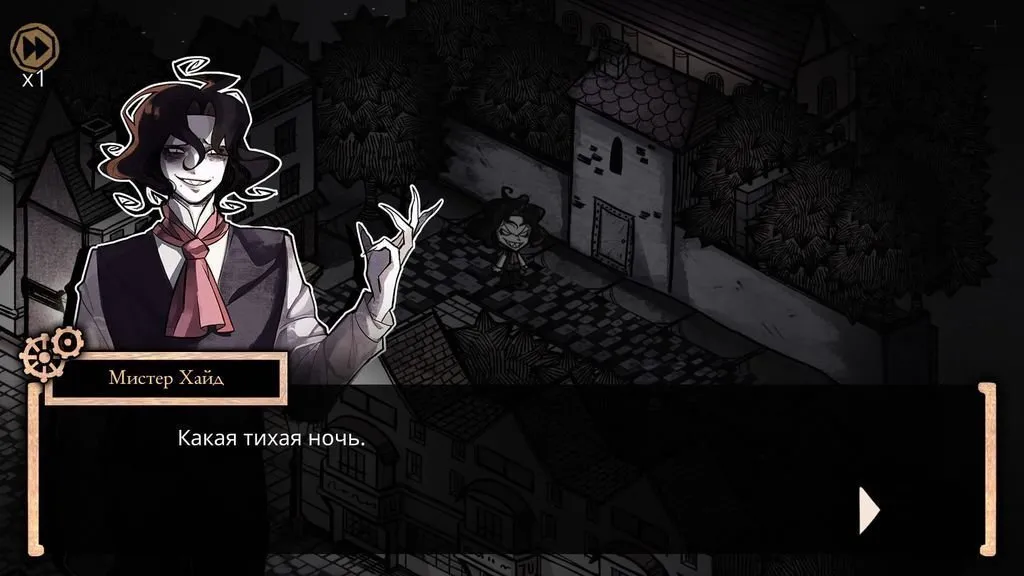
Stephen King explores the image of the werewolf through the prism of the conflict between Apollo and Dionysus, two key figures in Greek mythology. The Apollonian principle personifies reason, wisdom, and self-restraint, while the Dionysian principle represents primal chaos, fear, and intoxication. This approach allows for a deeper understanding of the internal contradictions of human nature and explores how these forces interact with each other. The werewolf becomes a symbol of this conflict, manifesting both light and dark sides, which makes its image multifaceted and polysemantic.
The story of Jekyll and Hyde can be seen as a symbolic conflict between the Apollonian and Dionysian sides of human nature. This myth of dual essence is reflected in numerous modern novels and horror films. A striking example is Alfred Hitchcock's film Psycho, where the protagonist is a Dionysian psychopath hiding under the mask of normality. As the story unfolds, his true nature, like a werewolf, gradually and frighteningly reveals itself, creating a profound atmosphere of tension and dread. This contrast between his outer appearance and inner drives makes Hitchcock's work a timeless example of exploring human nature and the dark sides of psychology.
Stephen King is a renowned master of horror, and his work "Dance of Death" occupies a special place in his oeuvre. This novel immerses the reader in a world where life and death intertwine in a captivating dance. Stephen King masterfully creates a tense atmosphere, forcing the reader to experience every moment along with the characters.
"Dance of Death" explores the themes of fear, loss, and the struggle for survival, making it not only captivating but also profound. King uses vivid imagery and emotionally charged descriptions to convey the full strength of his characters and their internal conflicts. This book attracts the attention of not only horror fans but also those interested in psychology and human emotions.
The Dance of Death also raises important questions about the nature of life and death, and what it means to be human in the midst of madness and chaos. Each character faces their own trials, and the reader explores the limits of human resilience along with them. As a result, The Dance of Death becomes more than just a horror novel, but a true exploration of human nature.
If you're looking for a book that will make you think and scare you at the same time, The Dance of Death is an excellent choice. Stephen King once again demonstrates his literary talent and ability to immerse the reader in a world where every step could be their last.
The first surviving Hollywood film about an unintentional monster is The Werewolf of London (1935). The plot centers on Wilfred Glendon, who falls victim to lycanthropy. The only means of salvation is an extract from the mysterious plant mariphase, but it suddenly disappears. Wilfred begins investigating the theft and suspects that his wife may have been responsible for the disappearance of the marifaza. This film became a significant milestone in the horror genre and continues to attract the attention of viewers with its mystical plot and atmosphere.
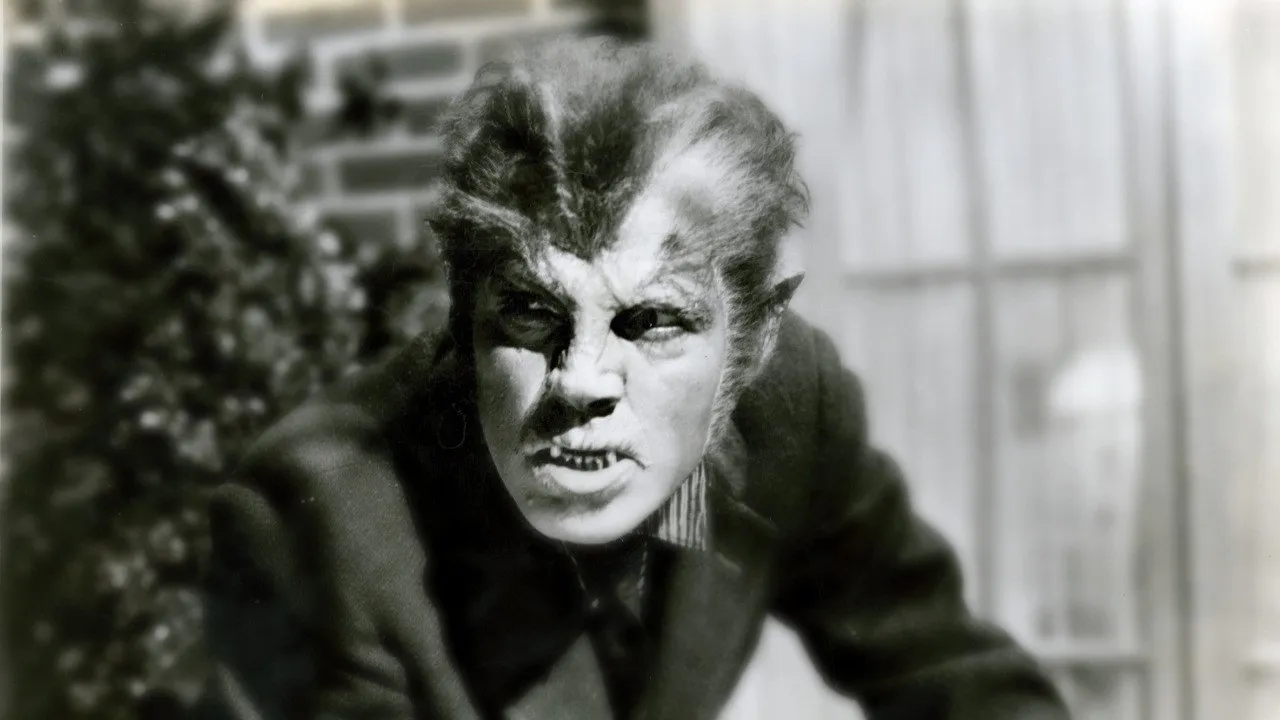
The protagonist, driven by jealousy, makes a fateful decision when his wife, Lisa, begins dating a childhood friend. At the film's climax, tension reaches a breaking point when a werewolf begins stalking his wife, adding drama and tension to the plot. This clash of feelings and an uncontrollable creature creates deep emotional conflicts, forcing the viewer to reflect on the nature of love and betrayal.
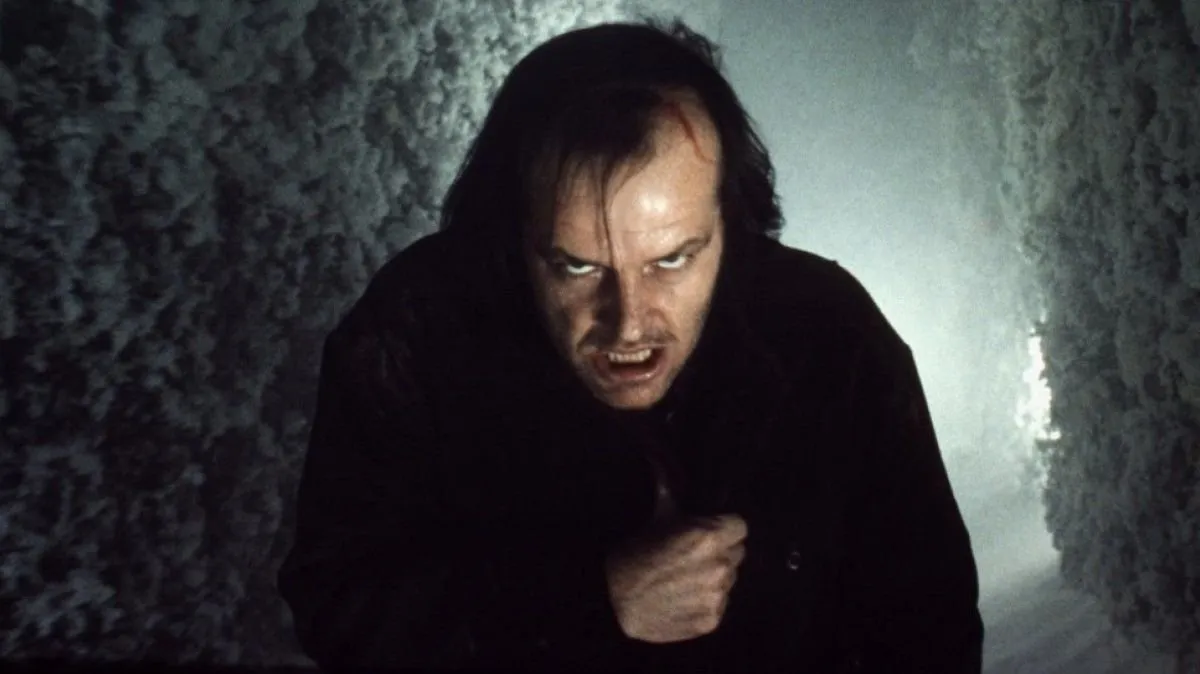
Jealousy, fear of violence, and a sense of loss of control—the werewolf taps into deep psychological fears. This character is frightening not only because of its predatory appearance, but also because of the emotions it evokes. Similar themes can be found in films far removed from the traditional theme of lycanthropy, such as Stanley Kubrick's The Shining, which also explores human fears and inner demons.
Transformation as a Gameplay Mechanic
In game design, the ability to transform into different forms is an effective tool for introducing new mechanics. In particular, werewolves often act as enemies for players. Their distinctive silhouette and large size are easily recognizable, allowing players to quickly react to their distinctive features in combat. This element not only adds dynamics to the gameplay, but also enriches the story, creating unique interactions and tension in battles.
In the 3D platformer Sonic Unleashed, the blue hedgehog known as Sonic gains a new form—the Werehog—that greatly enhances his abilities. As part of the promotional campaign, the game's official website released a cartoon, "Sonic: Night of the Werehog," based on the game's plot. This cartoon helps to dive deeper into the world of Sonic Unleashed and reveals the story of Sonic's transformation into the Werehog, as well as shows his adventures and fights with enemies.
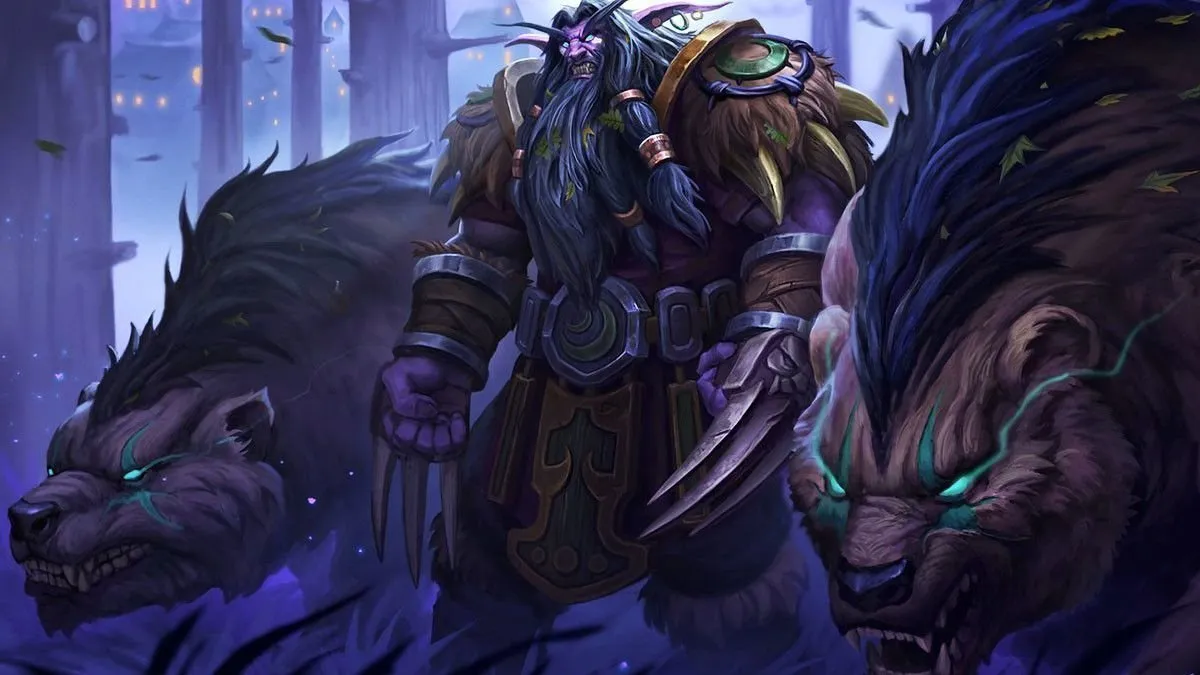
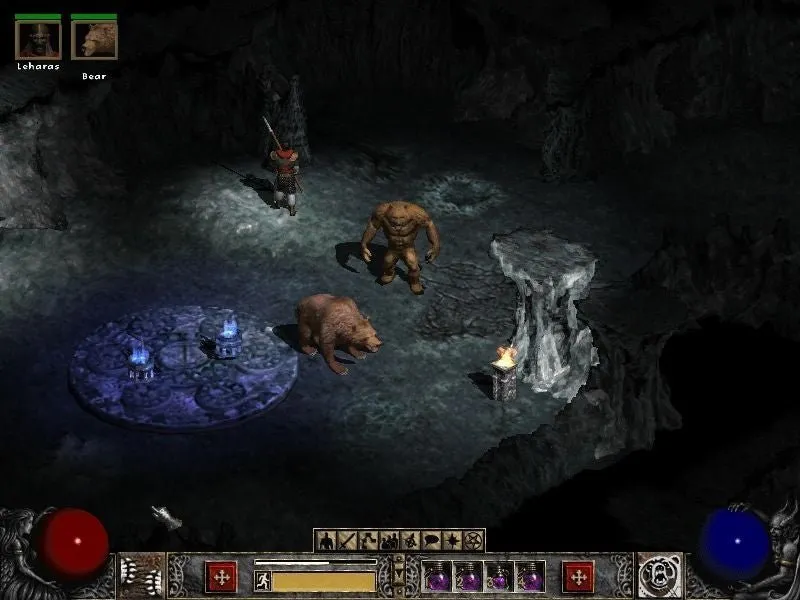
Druids in World of Warcraft have the unique ability to transform into various forms, such as bear, cat, seal, bird, and elemental. Each form has its own characteristics and vulnerabilities to certain types of damage, allowing players to adapt to different combat situations. Additionally, transformations allow for faster movement on land, water, and air, making druids versatile characters. Druids also play an important role in the lore of the Warcraft universe, where they first appeared in the strategy series. In the third installment of the game, Warcraft III, night elves can transform into bears and ravens, emphasizing their connection to nature and magic.
In The Elder Scrolls universe, lycanthropes are present in almost every game in the series. In TES II: Daggerfall, players can transform into wolves or boars. In the Bloodmoon expansion for the third game, the main storyline focuses on lycanthropy, with the player given the option to become a werewolf. However, this choice requires the player to kill at least one humanoid NPC every night, adding an additional element of complexity and moral choice to the game. Lycanthropy in The Elder Scrolls not only expands the character's capabilities, but also deepens the gameplay, introducing unique mechanics and storylines.

TES V: Skyrim offers players the unique opportunity to become a werewolf by completing the Companions storyline. In the game world, lycanthropy is treated as a disease, and if a player chooses to transform into a werewolf in a city, peaceful NPCs will flee in panic and guards will attack. While in beast form, weapons cannot be used, but claw attacks have a chance to stun enemies. The werewolf moves faster and can regenerate health by consuming the corpses of its enemies. This mechanic adds new tactical elements to combat and deepens interaction with the surrounding world.
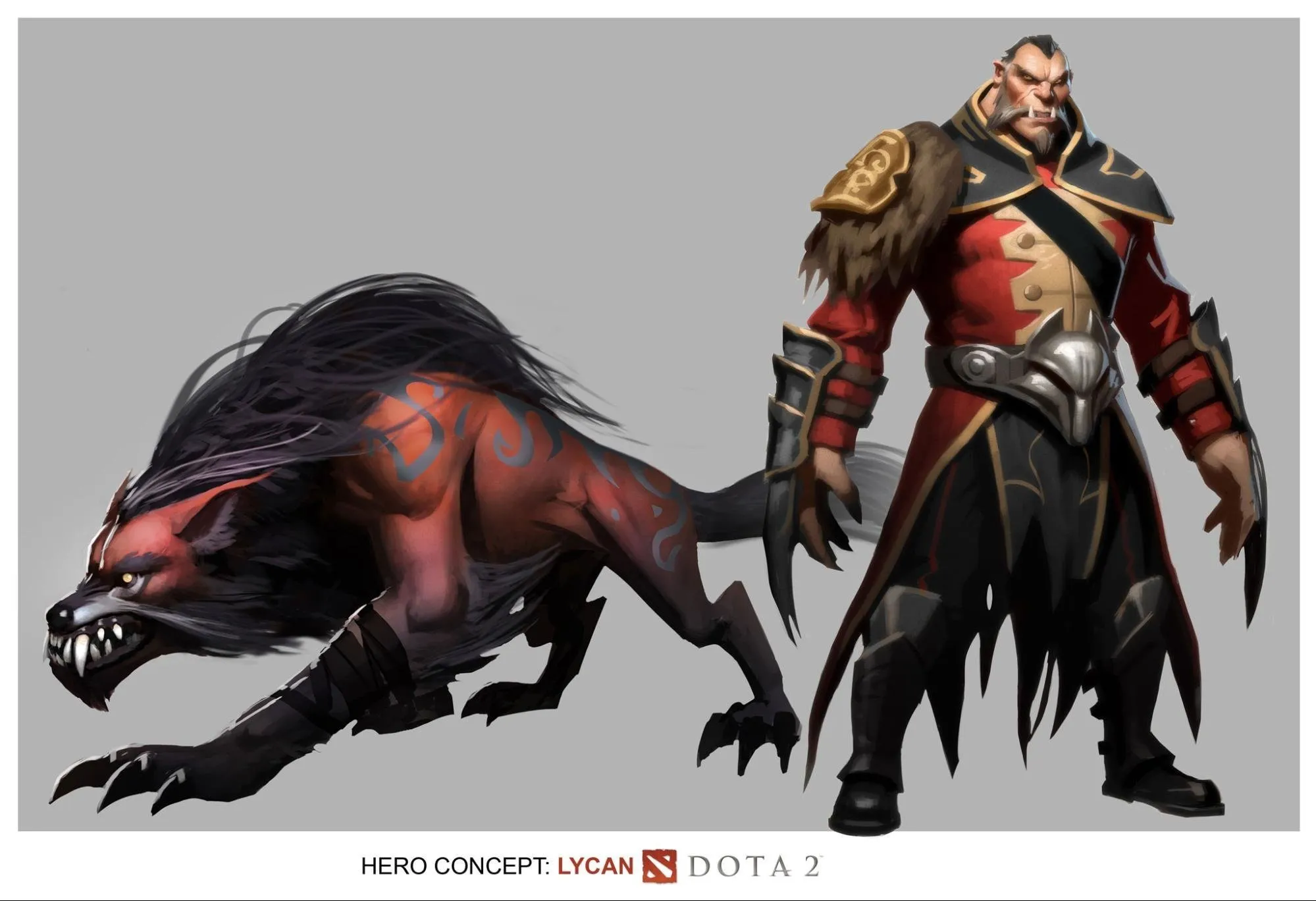
The werewolf is a popular character in the MOBA genre. In Dota 2, Lycan stands out, boasting high movement speed and the ability to summon wolves for support in battle. League of Legends also features a werewolf, Warwick. According to the game's lore, he was subjected to experiments, resulting in his body being enhanced using a complex mechanical system. These characters attract players with their unique mechanics and captivating abilities, making them indispensable in team battles.
In many expansions to The Sims series, players can transform into werewolves. In particular, in the third installment, an encounter with a wolfman causes fear in other characters, which can lead to them losing consciousness. Werewolves in The Sims add an interesting element to gameplay, allowing players to explore the unique interactions and effects associated with this life form.
In The Order: 1886, Lycans, also known as Half-Breeds, are the main adversaries of humanity, threatening its existence. These werewolves, with their terrifying appearance, enhance the gloomy atmosphere of Victorian England, creating a unique combination of horror and tension. Players will face these creatures in the fight for survival, which makes the game's story even more exciting and intriguing.
Not all werewolf games can boast of success. Many projects starring werewolves received low ratings and failed to attract audiences. For example, the beat 'em up Altered Beast received a score of only 40 from critics, while users gave it a 6.7 on Metacritic. Another example is Werewolf: The Apocalypse - Earthblood, which received a 56 rating from critics and only 4.9 from players. These facts highlight that not all werewolf-themed games can be considered successful.
Who are you in the world of game development? A mini-course for those who want to make games.
In this free mini-course, you'll try yourself as a game designer, 2D artist, or Unity game developer and choose the profession that's right for you.
Find out more.