Contents:
Learn: Game Designer Profession from Scratch to PRO
Learn MoreIt is important for game developers to effectively monetize their projects to not only cover costs but also secure funding for future games. With high development costs and limited consumer willingness to pay more than $60 for games, studios need to look for alternative ways to generate revenue. The implementation of additional monetization methods, such as in-game purchases, subscription models, and advertising, is becoming a key element of studios' financial strategies. This not only helps them remain competitive in the market but also successfully develop new projects in today's fast-paced environment.
Advertising is a common monetization method, especially in free-to-play games. However, using advertising in paid games can cause negative user reactions. For example, placing a banner that covers half the screen in a paid game can lead to player dissatisfaction. Therefore, it is important to find a balance between monetization and user experience to ensure a positive gaming experience.
In-game upselling is one monetization method that is becoming increasingly popular in the gaming industry. In this article, we will examine in-game purchases, how ethical they can be, and how to organize them so as not to displease players. It is important to strike a balance between commercial interests and meeting the needs of the audience to ensure a positive gaming experience. The right approach to implementing upsells can not only increase revenue but also improve user engagement if they are offered within reasonable limits and in a way that takes player interests into account.
The word "donation" is widely used in the gaming industry. Donations are financial support for game developers, which can take various forms. For example, you can become a patron of an indie studio, supporting its work on a regular basis, or make a one-time donation through crowdfunding platforms like Kickstarter. These forms of support help developers realize their projects and improve the quality of their games, providing them with the necessary resources for further development.
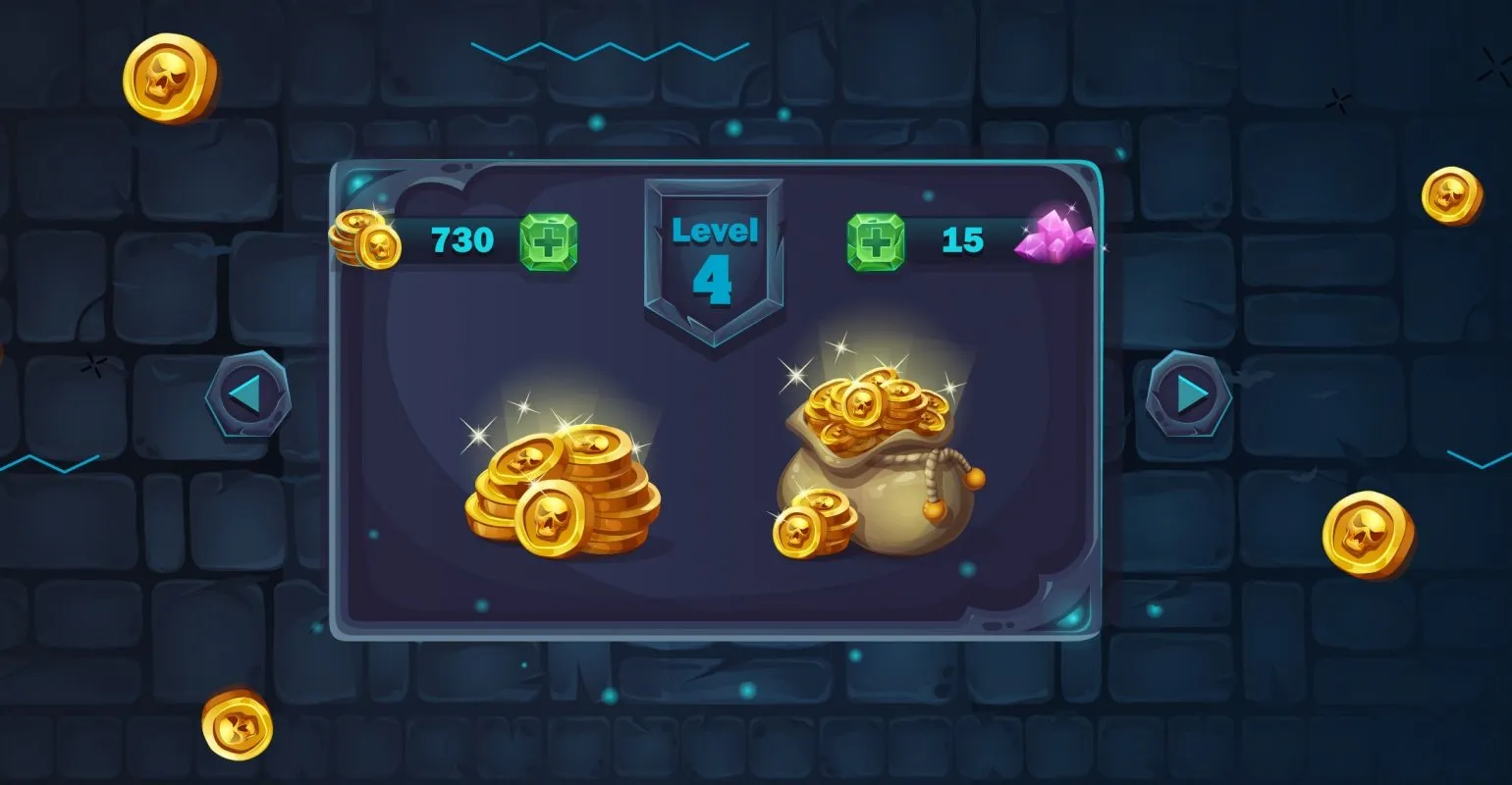
The term "donation" typically refers to in-game purchases that facilitate player progress in the game. This includes exchanging real-world currency for in-game currency, acquiring powerful items, and receiving various bonuses. Players who invest money to gain an advantage in the game are called donators. The importance of donations in modern games continues to grow, as it allows developers to finance projects and support their updates.
Multiplayer games often offer the option to purchase in-game items for real money. Such games are typically free-to-play, meaning players can enjoy the gameplay without having to pay for access. However, if purchases affect the game's balance and provide significant benefits, this can lead to a phenomenon known as pay-to-win, in which players willing to spend money have a distinct advantage over those who prefer to play without investing. It is important to understand how microtransactions can alter the gaming experience and impact the fairness of gameplay.
Many games, in addition to useful items, offer the option to purchase various cosmetic items for real money. These can include skins, costumes, hairstyles, accessories, and other visual items that allow players to personalize their characters and enhance the appearance of gameplay. Such purchases do not affect game balance but add uniqueness and individuality to each player.
Loot boxes are fixed-price boxes containing random items. Their popularity stems from the fact that players cannot know in advance what exactly they will receive for their money. This creates an element of surprise and excitement, which is a prime example of the Skinner box in the gaming industry. Loot boxes allow developers to increase user engagement and encourage additional purchases, making them an important aspect of modern video games.
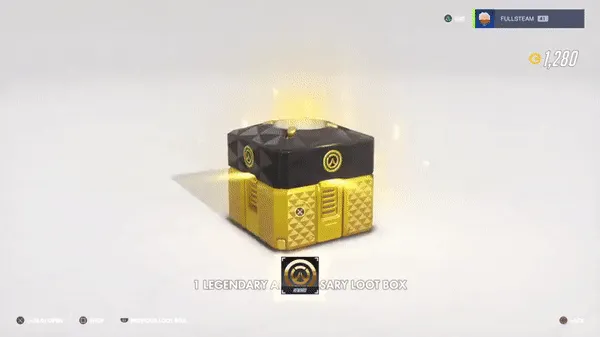
While loot boxes can't be considered an absolute evil, many developers go to great lengths to encourage players to purchase them in large quantities. As a result, some users, especially those susceptible to gambling or addiction, spend significant amounts of money on loot boxes. This situation raises questions about the morality of the gaming industry and the need to regulate such practices.
Improving the situation for both parties is possible. To achieve this, certain guidelines must be followed.
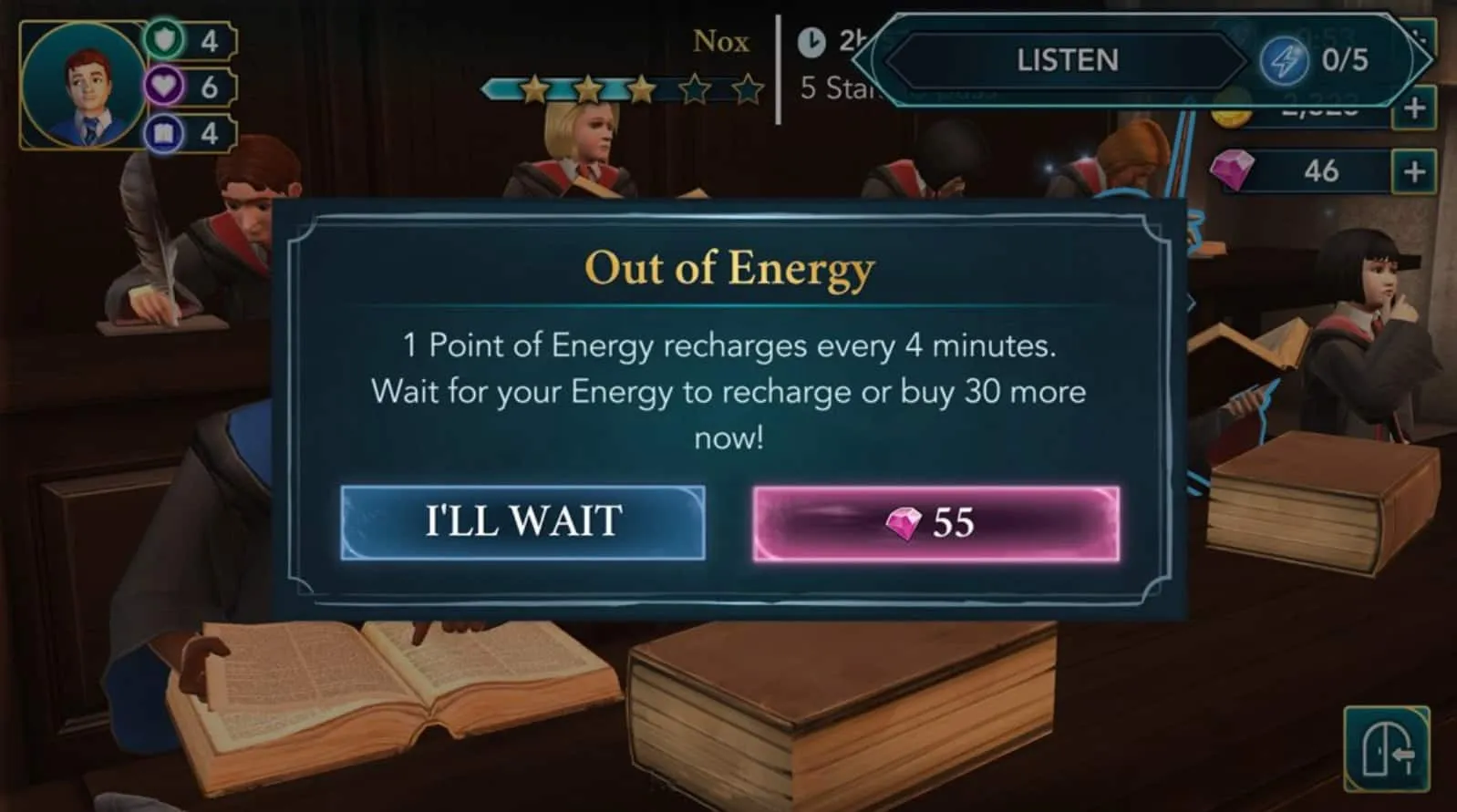
If your game requires additional investment to ensure a full gameplay experience, this indicates low product quality and manipulation of players. There are many games that can be played and succeed without spending money, but they create conditions in which players may be forced to spend money to avoid long and tedious waits. Game mechanics must be balanced so that everyone can enjoy the game without having to invest additional funds.
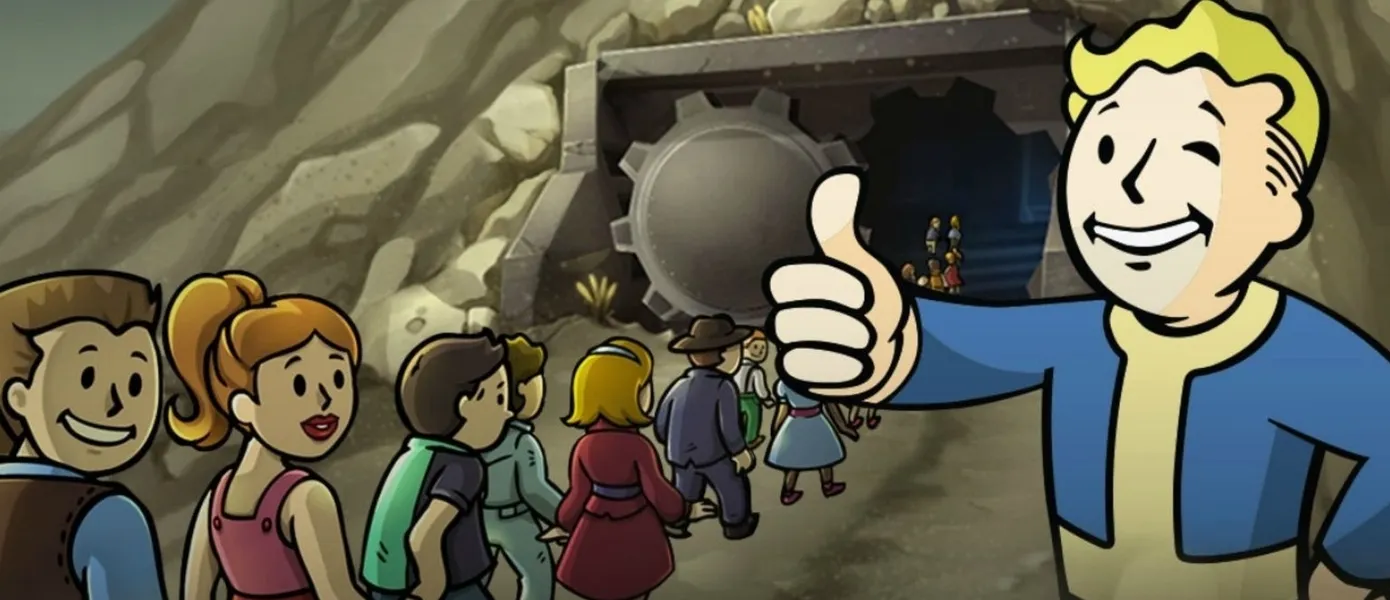
As a counterexample, consider the game Fallout Shelter. In this game, upgrading a shelter becomes a difficult task without making in-game purchases. Despite the fact that the leveling process requires a significant amount of time, players do not feel pressure, since the game does not involve competition with other participants.
Many players are willing to invest money in games, even if it does not bring them direct Practical benefits. For them, the ability to stand out among other gamers is important. This aspect becomes a key factor in emphasizing their individuality and status within the gaming community. Differentiating yourself through unique elements like skins, items, or avatars creates a sense of belonging and satisfaction, making the investment worthwhile.

If your game includes loot boxes, be sure to include the drop rates for each item. This will help players understand what to expect and avoid inflated expectations. Transparency regarding item drops fosters trust in the game and improves the user experience. Players value fairness and clarity, so providing information about the odds of receiving various items can positively impact their satisfaction and retention.
In Korea, game developers are required to display item drop rates, including loot from common NPCs. This requirement is aimed at increasing transparency in the gaming industry and protecting player rights. Displaying loot drop rates helps players better understand game mechanics and make informed decisions. This practice should be considered in other countries to create a fairer playing environment.
If your game allows players to play without investing money, it is recommended to restrict purchases to users under 14 or 16 years of age. Be sure to consult a lawyer on this issue. If you intend to develop pay-to-win games, set the age limit to 18+.
In-game purchases are usually not very expensive. This creates the impression that spending on a game is comparable to visiting a discount store. You can buy a few inexpensive items, but the total cost can add up significantly.
Many players do not track their spending, which can lead to unwanted spending. To help users manage their finances, it's recommended to implement a notification in the game that informs users of their current expenses: "You've already spent X rubles this week. Are you sure you want to make another purchase?" This will allow players to make more informed decisions and protect them from excessive spending.
Game Designer Profession from Scratch to PRO
A game designer creates the structure of a game. They think through the idea, rules, gameplay, and decide what emotions the plot will evoke in players. You'll master game design principles from scratch and learn how to work with popular engines like Unity and Unreal Engine. You'll learn how to retain player interest and monetize your games. We'll help you launch a career in the gaming industry.
Find out more