Contents:

Become a game developer in 1 year. Click here for details.
Learn moreA game designer is an important figure in a game development team, whose roles and responsibilities often remain unclear to the general audience. Many people think of game designers as celebrities, known worldwide. For example, the name Kojima immediately conjures up images of a gaming industry genius. However, beyond this elite group, there are many rank-and-file specialists whose work is equally important.
Game designers create concepts, develop mechanics, balance gameplay, and ensure an engaging experience for players. They develop scenarios and character interactions, and also work on the game's visual and audiovisual design. This requires creativity, analytical thinking, and a deep understanding of audience needs. The importance of game designers is hard to overestimate, as they form the foundation of gaming projects that become popular and beloved by players around the world.
The Harsh Everyday Life of Professionals
A game designer's responsibilities can vary significantly from studio to studio, especially when comparing small indie teams with large companies. Large studios have the opportunity to hire highly specialized specialists, focusing on the specific objectives of the project. At the same time, small teams most often need generalist game designers who are able to perform a variety of roles and fill gaps in the production process.
The main task of a game designer is to form a game focus, which is a brief description of the game that emphasizes its uniqueness and essence. For this purpose, a separate document is developed, serving as the starting point for the entire development process. An equally important aspect is the creation and detailed development of game systems, including game mechanics, interface features, and other elements beyond the core gameplay. Game systems also include administrative panels that provide control over various aspects of the game and facilitate user interaction.
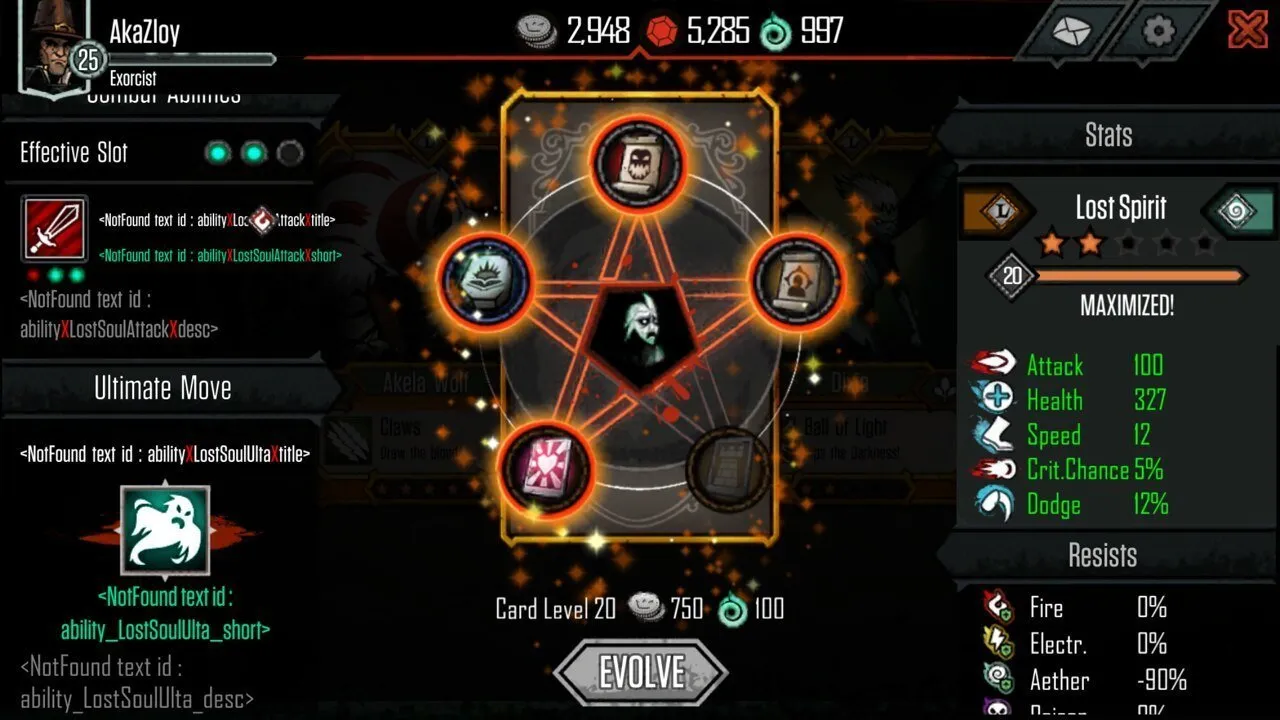
A game designer is also responsible for creating game objects and entities that fit the game's setting. This includes developing weapons, characters, equipment, resources, and other elements. Along the way, a game designer will need to balance gameplay, adjusting enemy parameters, player abilities, and other aspects to ensure a fun and balanced gaming experience.
A game designer must also constantly test their game: a developer who doesn't play their game is a poor developer, and a game designer should play their game almost more often than anyone else on the development team.
Game designers constantly interact with technical documentation and are in constant contact with the development team. This team may include narrative designers, scriptwriters, programmers, and other specialists. To successfully implement a project, a game designer must develop technical specifications for animators, visual effects specialists, sound designers, composers, artists, interface designers, and other process participants. This interaction and clear communication between all team members are key factors in achieving high-quality results in game development.
Key Player
A game designer is a key figure in the game development team, serving as the link between all project participants. Specialists in this field work at the intersection of multiple media, their primary task being to integrate various elements into a coherent product. To succeed, a game designer requires skills in programming, mathematics, audiovisual arts, psychology, and even neurophysiology.

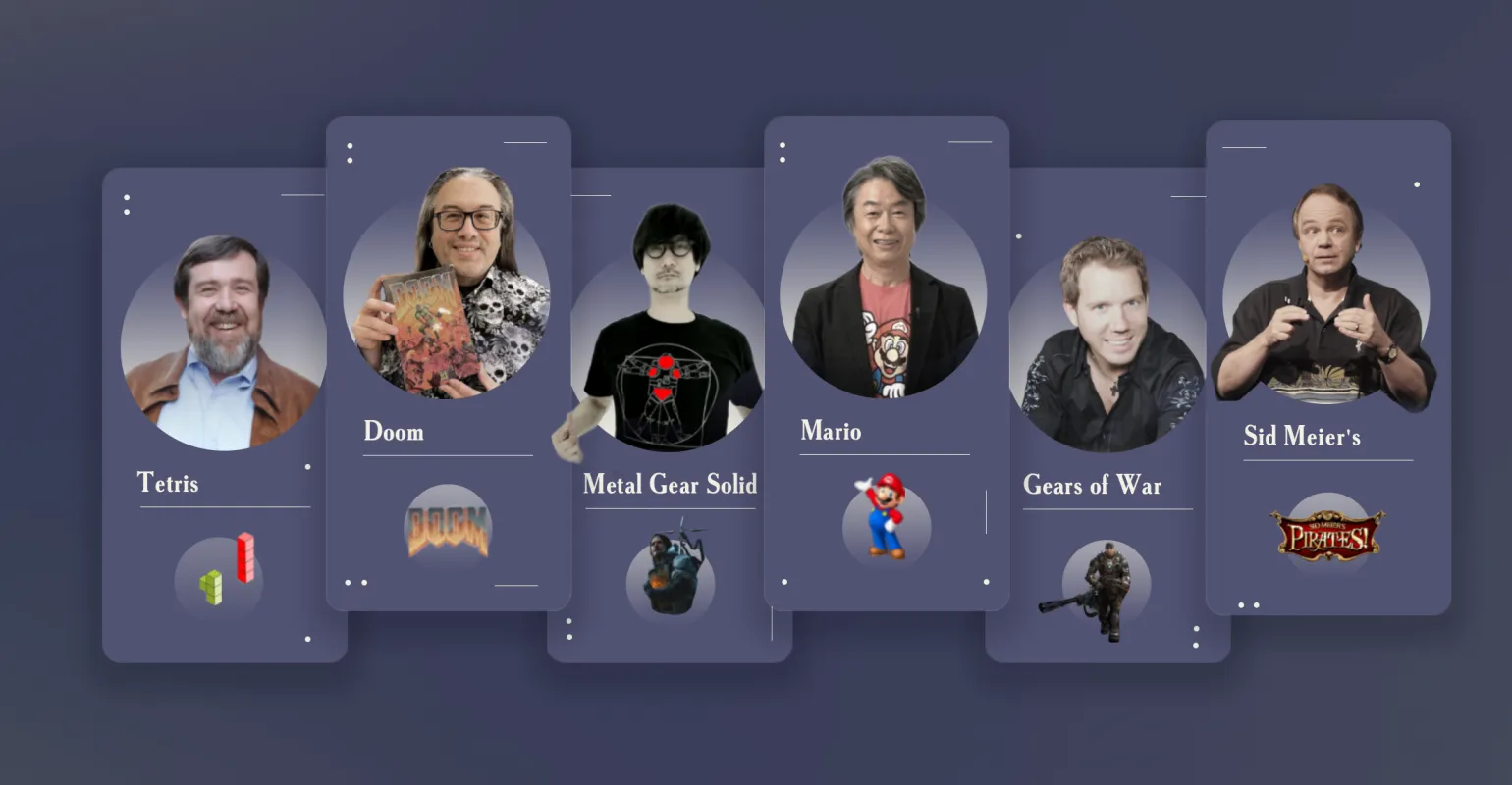
While working on this or that With some games, a game designer inevitably gains knowledge in the areas covered by the project—this could be military affairs, architecture, or, for example, a knowledge of ancient history. For example, in the famous Metal Gear Solid series, its ideologist and game designer, Hideo Kojima, is clearly fascinated by military themes. This is evident in the way the characters use weapons, in their speech, and so on.
In its time, it was the first Metal Gear that laid the foundations for the military stealth action genre. It's worth noting that Kojima didn't work on all the games in the series, but his projects clearly display his signature style with traditional touches of comedy and drama.
The legendary System Shock and many other projects by Warren Spector showcase the game designer's love of role-playing games, science fiction, and fantasy, as well as his approach to creating Deus Ex, Thief, and other now-classic games. The worlds and stories are meticulously crafted—the dialogue in Deus Ex still sets a high bar for cyberpunk works.
John Romero, a renowned video game developer, mastered several programming languages before creating the iconic Doom. He used his skills to create the level architecture during the development of this shooter. As a game designer for Doom, Romero also worked on documentation, programming, and voice acting.
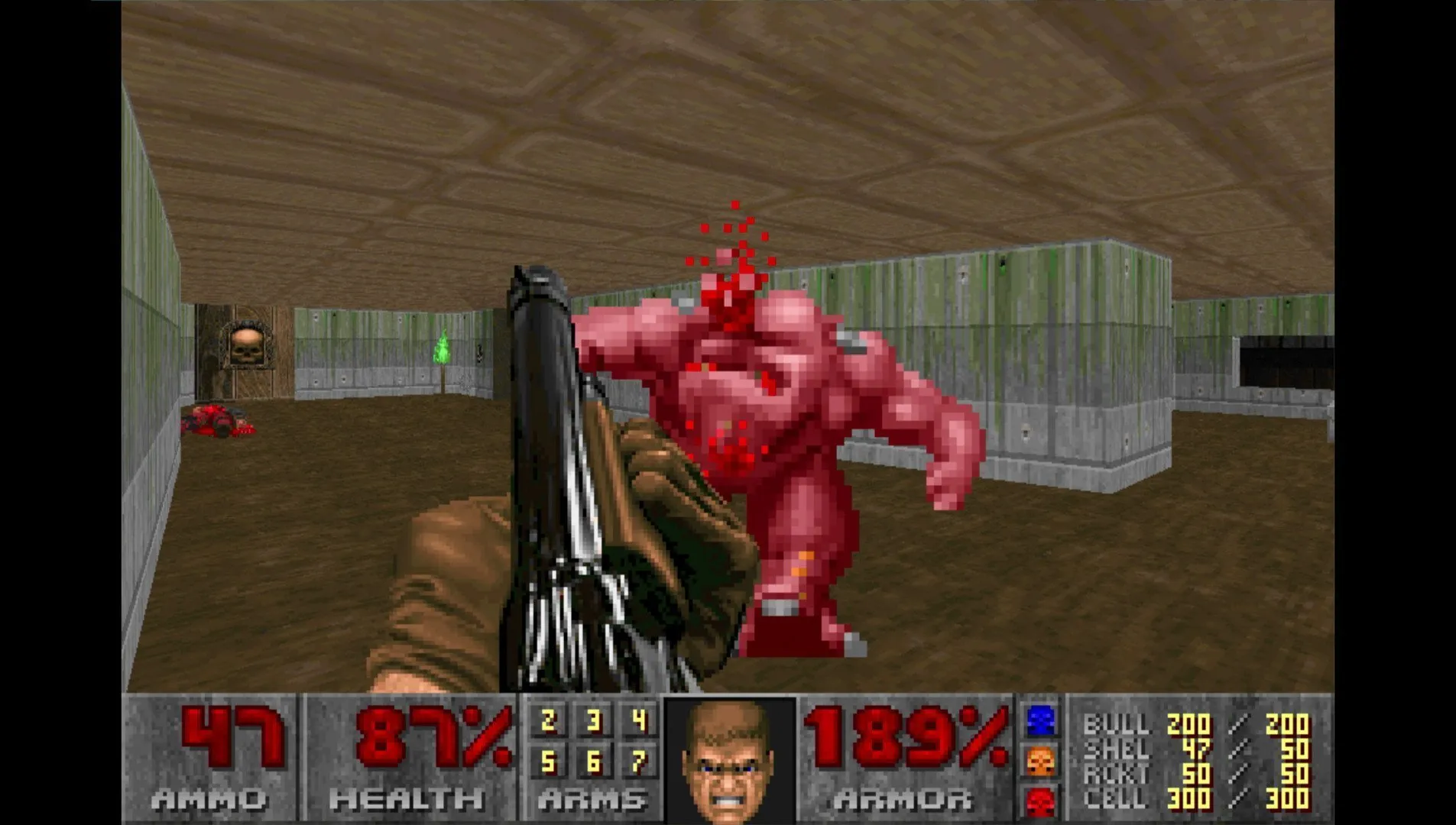
Game designers create unique game Worlds that require extensive and meticulous attention to detail, often invisible to players. Ideally, if a game feels cohesive and engaging, the development team has successfully accomplished its goal. However, inconsistencies such as poorly written dialogue, a weak plot, or poor balance can leave players confused, irritated, and even rejected. It's important that every detail of the game be thought through, as they shape the overall experience and satisfaction with the gameplay.
The Game Designer's Creativity — the Player's Experience
The game designer's work directly impacts the player's gaming experience. Every member of the development team, including the game designer, creates the conditions for creating a unique gaming experience. The slightest changes in gameplay mechanics can radically change the perception of the game and control players' emotions.
Shifting the game balance towards the player or opponents plays a key role in shaping the genre and creating an emotional experience. For example, God of War and Dead Space, being third-person projects, evoke completely different sensations. In God of War, the player expects large-scale and epic battles that fill them with a sense of power and triumph. At the same time, Dead Space immerses the player in an atmosphere of fear and tension, causing them to experience anxiety and a sense of hopelessness.
Essentially, God of War's balance model is skewed toward the gamer, while in Dead Space, the player experiences the misadventures of Isaac, confronting hordes of deadly necromorphs. For the player, what happens on the screen is reality, while for a game designer, everything comes down solely to numbers.
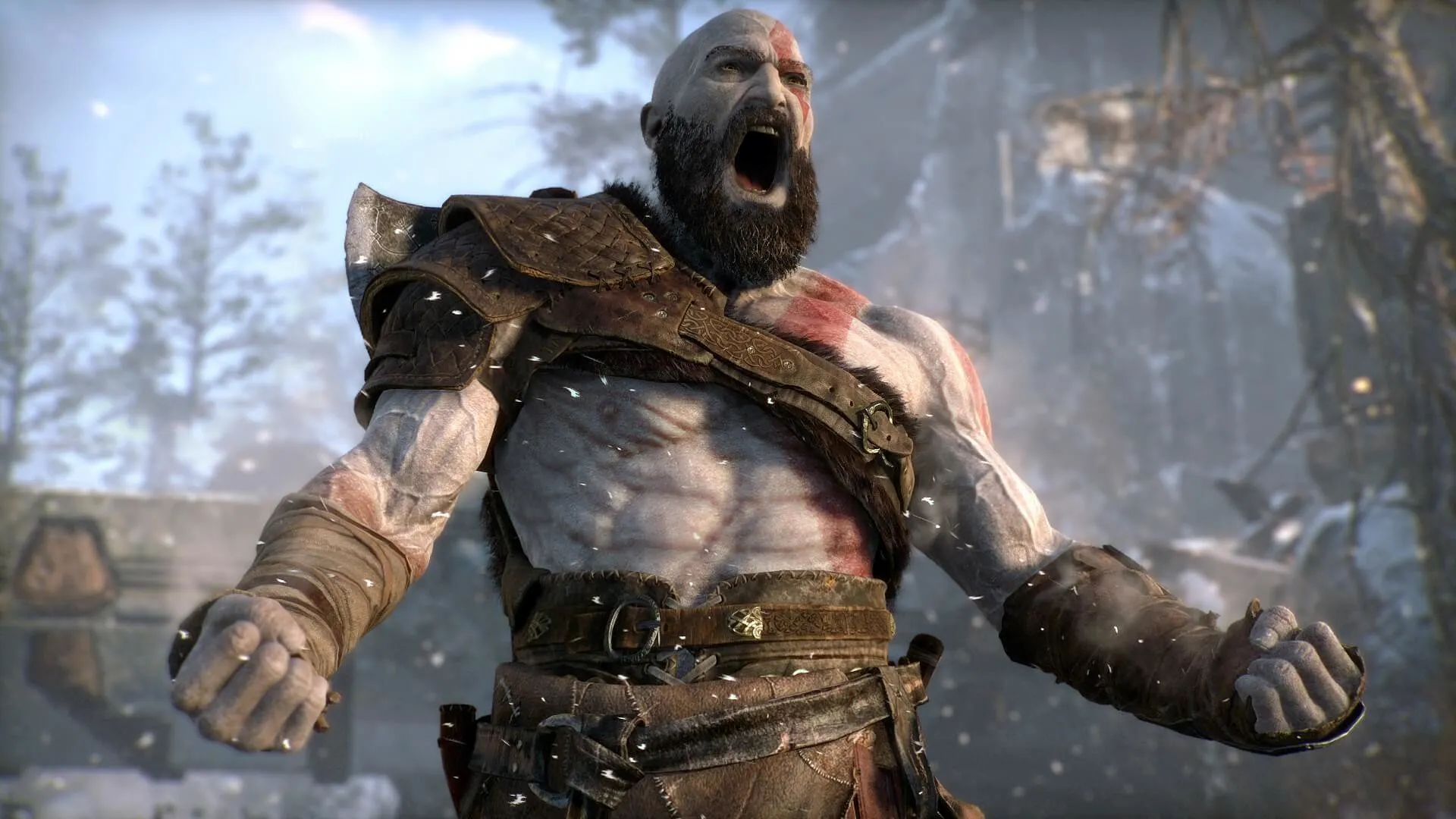
Creating a game experience is a complex process that involves not only the game designer but also a number of other specialists. A narrative designer is responsible for the emotional aspect of the game and the integration of the storyline, which allows players to become more immersed in the game world. A systems game designer works to create a unique game experience that aligns with the overall theme and mechanics of the project. A balancer, in turn, is responsible for developing points of tension, which helps maintain player interest. These roles interact with each other to create a holistic and engaging gaming experience.
Requirements and Realities
Today, game designer is a highly paid and in-demand profession in the industry. Studios are constantly searching for personnel, filling staff as needed: a single team can include several game designers at once, who are divided into entire areas of both humanities and technical focus. For example, some work on script integration, while others are immersed in the balancing process. Typically, teams of game designers are led by one most experienced designer who is knowledgeable in all areas.
Teamwork requires a high level of responsibility, adherence to deadlines, and the ability to complete what is started. The game development industry is a serious business today, and companies rely on profit from sales of their products. Games must be fully completed, playable, and contain a minimum of bugs.
Ideas are incredibly important, but without implementation, they are either worthless or worth very little. Therefore, it is essential to be able to bring ideas to life—both in a team and independently. This is the core value of the profession. If you aspire to a career in the gaming industry and are ready to master the necessary skills, your profession will become a tool for realizing your ideas.
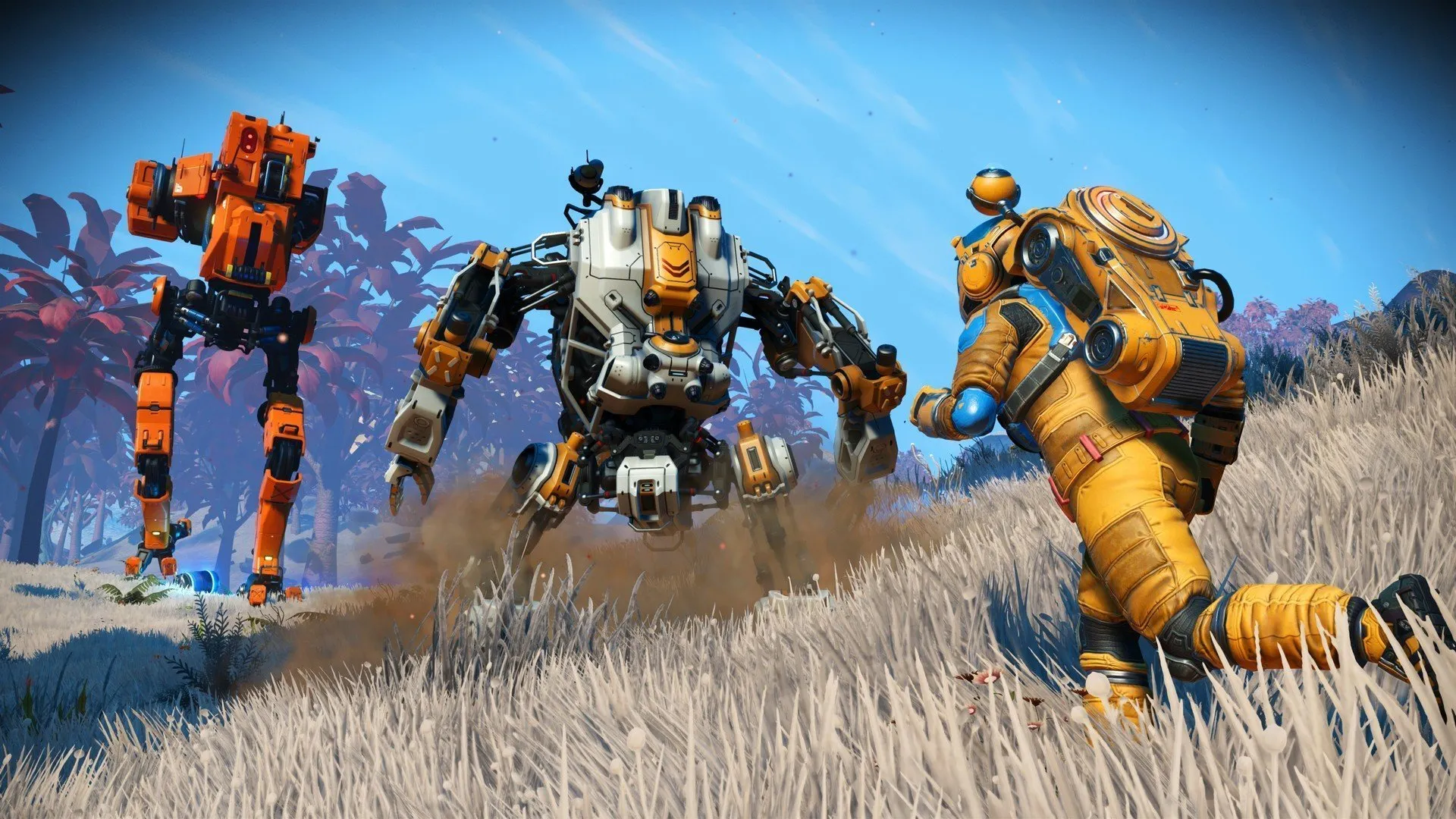
To become a game designer, it is important to thoroughly study literature on the topic, analyze various games and their mechanics, and create your own prototypes and scenarios. Practical experience and experimentation in various aspects of the profession will help you better understand your interests and directions for further development.
Future game designers come to their profession in different ways. Some of them receive a specialized education, others start as testers and gradually develop their skills and knowledge. The choice of direction of professional growth depends on the preferences of each specialist. This can be the development of game mechanics, level design, or story creation. Success in this field requires not only technical skills, but also creativity, the ability to work in a team, and constant self-improvement. It is important to follow trends in the gaming industry and be open to new ideas.
The work of a game designer is not only creativity and experimentation, but also a certain routine. This is a task of high analytical complexity that requires significant intellectual effort. A game designer must not only generate ideas, but also create a logically structured system that defines the gaming experience and the overall perception of the game. A professional in this field must be ready for constant analysis and adaptation to ensure an engaging and harmonious gameplay.
To summarize
The head of Schell Games and writer Jesse Schell in his book "Game Design. "How to Create a Game Everyone Will Play" describes video games as a multitude of emotions experienced by the player: a sense of freedom, friendship, responsibility, accomplishment, and other "gamey" experiences. "That's why we go through all this pain—to create experiences that can't be created any other way," the developer emphasized. And this quote, perhaps, perfectly describes the nature of a game designer's work.
The Path to Mastery: How to Become a Professional Game Designer from Scratch
You'll learn the fundamentals of game design from scratch and gain skills in working with well-known game engines like Unity and Unreal Engine. You'll also master techniques for maintaining player interest and game monetization. We'll support you as you begin your career in the gaming industry.
Learn more