Table of Contents:
Learn: Profession Game Designer from Scratch to PRO
Learn MoreModern gaming blockbusters are increasingly reminiscent of cinema. Cutscenes in games are difficult to distinguish from real footage, and actors masterfully convey the emotions and experiences of characters. The length of cutscenes is sometimes comparable to full-length films. This trend continues to gain popularity: game designers are increasingly collaborating with professionals from the film industry, and famous directors are actively involved in video game development. This fusion of arts makes game stories deeper and more immersive, attracting the attention of both gamers and film buffs.
Video game creators strive to make their projects more cinematic, and there is nothing wrong with that. High-quality scenes strengthen the connection between the player and the character, make the plot more exciting, and add context to the gameplay. However, in pursuit of cinematic style, video games risk losing their unique ability to tell stories unavailable to other forms of entertainment. This is especially true for procedural rhetoric. This artistic expression tool allows for narrative to be conveyed through game mechanics, processes, and algorithms, creating unique and interactive worlds. It's important to remember that it is precisely this ability that makes video games a unique art form, capable of offering players an inimitable experience.
In this article, we examine a powerful tool that emerged at the intersection of game design and screenwriting. This tool enables the creation of engaging and interactive stories that capture players' attention and immerse them in a unique gaming experience. We analyze its capabilities in detail, as well as its impact on the development of modern video games.
Subscribe to our "Checkpoint" Telegram channel. Here we share gaming news, discuss the development process, and provide helpful tips for developers. You will also find information about significant updates to popular software. We're open to communication: you can suggest ideas for new materials or discuss any aspects of game development. Join our community to stay up-to-date on current trends and exchange opinions with like-minded people.
Subscribe to our "Checkpoint" Telegram channel, where we create a cozy space for all game lovers. We share information about how games are developed, publish useful tips from developers, and talk about important updates in the world of software. Comments are open for your suggestions for new topics and discussions about everything related to game development. Join our community and stay up-to-date with the latest news in the gaming industry.
How to Bring to Life the Most Basic Story
Interesting game narratives can be found in the most unexpected places. The indie game Arcade Paradise, shown in trailers, creates the impression of a collection of classic arcade games. The player manages an arcade with slot machines, periodically immersing themselves in the gameplay and managing the business. Arcade Paradise offers a unique blend of arcade gameplay and management elements, making it appealing to retro game lovers and those who appreciate the creative approach of indie development.
When I launched the game, I expected to immediately dive into the promised gameplay. However, Arcade Paradise offers a slightly different experience. The game tells the story of a young student who is entrusted by his father to manage a laundromat so that he can learn the basics of adult life. At first, the player must perform routine tasks: sorting laundry, collecting trash, and cleaning toilets. Only later is a simple arcade game found by the hero in a storage room introduced. This approach creates a unique atmosphere, allowing the player to gradually immerse themselves in the world of business and entertainment.
At first, I felt like I, as a player, was being deceived. However, I soon realized that Arcade Paradise masterfully draws you into the story. The protagonist dreams of owning his own arcade, while his father actively opposes this desire and insists that his son do routine and unpleasant work. This conflict creates an interesting dynamic and makes the player empathize with the hero, which makes the gameplay even more exciting.

The game's story reflects the classic conflict between dreams and reality. It lacks unusual plot twists or dramatic moments. However, the game mechanics create a unique atmosphere that immerses the player in the game. Both the player and the protagonist strive for the same goal—to develop a business and enjoy arcade games. However, circumstances add complexity to their aspirations, making the game more engaging and exciting.
At first, the laundry business brings in significantly more income than several machines. The player must be distracted by the work, and this must be done as efficiently as possible, as if wet laundry remains untouched for too long, profits will be minimal. Sometimes a player has to pause while playing arcade games to focus on a more important task.
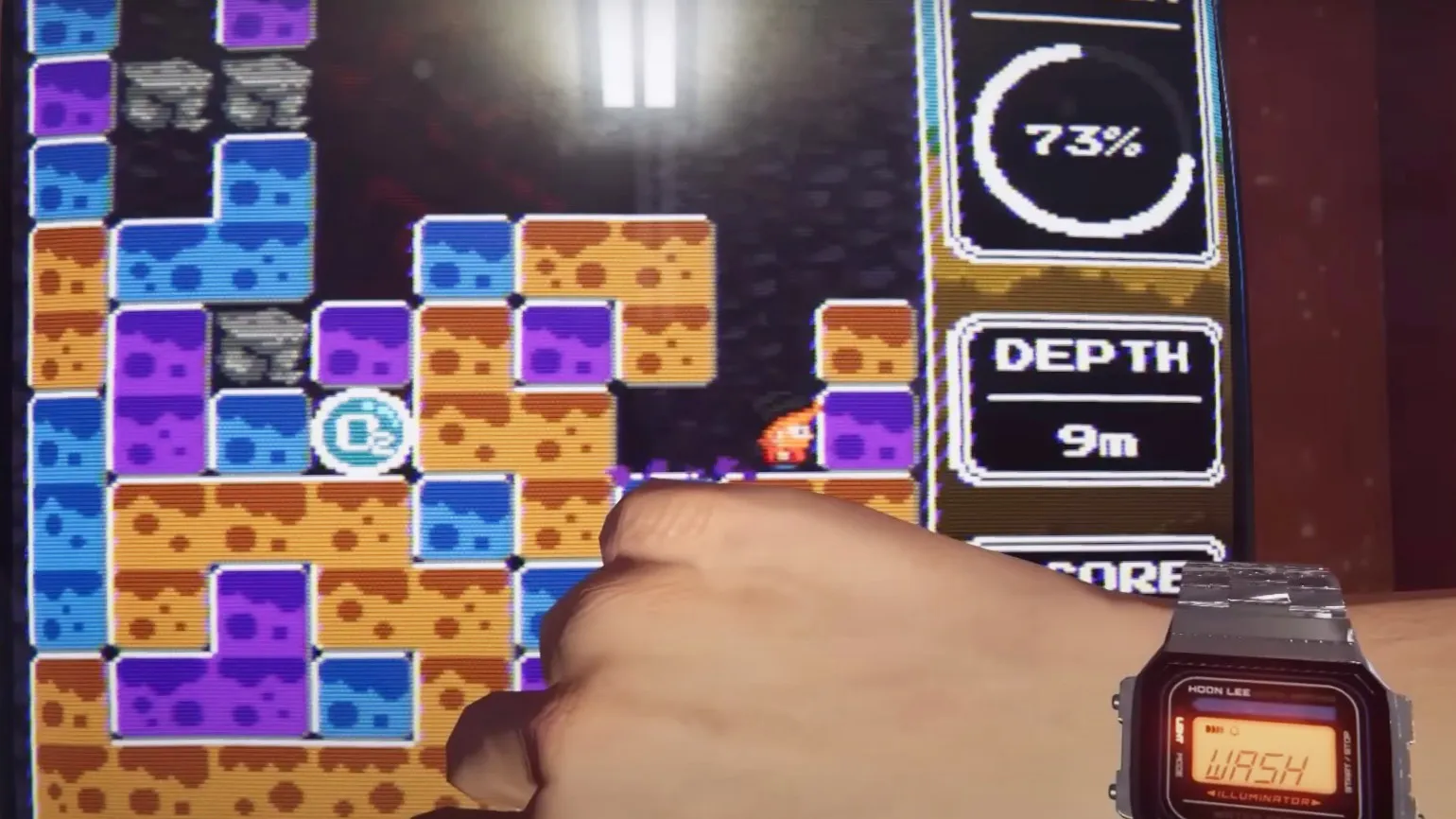
The game features a variety of mechanics. It's important to periodically clean up trash, as this affects the arcade's popularity. Leaving your character to play in the evening after the laundry closes won't work—they'll get tired and fall unconscious. Thus, a unique game within the main one is created: it is necessary to engage in the monotonous process of sorting laundry in order to free up time for exciting new arcade games.


The paternal instructions in Arcade Paradise, despite their simplicity, create a significant dramatic effect over time. The player realizes that the protagonist's father is in a losing position, since the hero himself was able to prove that making money is possible through games. This contrasting situation emphasizes the importance of following your dreams and overcoming stereotypes about traditional ways of earning money.
Why Procedural Rhetoric Is Important
Procedural rhetoric does play an important role in game creation. Some may argue that all narrative tools are equal and have no advantage over each other. However, it is worth noting that procedural rhetoric has unique possibilities that cannot be achieved through traditional methods, such as vivid description in literature or rhythm in music. It's important to understand that even without complex mechanics, it's possible to create an engaging gaming experience. Procedural narrative allows players to interact with the game world on a deeper level, creating unique stories and experiences that are impossible to replicate in static narratives. This makes it an important element in the development of modern games.

Learning new topics and ideas is an important aspect of personal and professional growth. It is important to stay up to date with current trends and news, which allows you to expand your horizons and increase your level of knowledge. Reading materials on various topics not only helps enrich your vocabulary but also develops critical thinking. Regular exposure to new sources of information helps improve analytical skills and make more informed decisions. Remember that quality reading is the key to successful development and self-improvement.
Creating a high-quality game without engaging mechanics is a difficult task. Mechanics are the foundation of gameplay and directly affect player interest. Even if the story and graphics are attractive, the lack of well-thought-out mechanics can quickly lead to boredom. Game mechanics such as controls, interaction with the environment, and character progression create engagement and maintain attention. Therefore, a successful game project requires a combination of engaging mechanics, a compelling story, and high-quality graphics. Without these, achieving a high level of player satisfaction will be difficult.
The success of interactive cinema confirms that video games can evoke vivid emotions using elements typical of other forms of entertainment. Cinematic techniques such as cinematography, color grading, and editing can effectively engage players, creating a unique experience. This highlights the importance of synergy between games and film, opening up new horizons for creativity and audience engagement. Interactive elements combined with high-quality visuals and sound design can create an unforgettable experience, which makes this genre increasingly popular and in demand.
Abandoning complex mechanics in video games is not mandatory. The uniqueness of video games' interactivity lies in their ability to convey story and emotion in a way that is unlike film, music, or fine art. This is worth appreciating, as modern technology opens up new horizons for creating experiences and makes it possible to revive forgotten ideas. Video games have the potential not only to entertain but also to evoke deep emotions, giving players the opportunity to actively participate in the narrative.
Reworkings of classic works should not be confused with straightforward remakes that merely try to capitalize on the success of the original. The art of retelling old stories in new ways enriches culture and creates new meanings. A striking example is Francis Coppola's The Godfather, which consistently ranks high among the best films of all time. At the same time, Mario Puzo's original novel, on which the film is based, does not enjoy the same popularity and recognition. This underscores the importance of interpreting and adapting history for modern audiences.
The difference in film reception stems from its unique format, which offered a fresh perspective on storytelling at the time. "The Godfather" is remembered primarily for its artistic merits. Marlon Brando's superb performance, masterful use of light in the frame, and a slow but tense rhythm created a unique atmosphere that made this film a cult phenomenon in the history of cinema.

Procedural rhetoric and innovative game mechanics give modern game designers the opportunity to reimagine classic plots. They can create their own unique versions of The Godfather, presenting familiar stories in a fresh and original format. This opens up new horizons for creativity and allows players to immerse themselves in familiar narratives from a new perspective.
An Old Story in a New Way
The third Witcher has become close to the status of The Godfather among video games, thanks to its unique combination of a high-quality plot and deep characters. It's important to note that this isn't just about the artistic merits of The Witcher 3: Wild Hunt, but also about its similarities to the story told in Mario Puzo's novel. Like The Godfather, Andrzej Sapkowski's stories about Geralt of Rivia gained widespread popularity after being successfully adapted into a different format. Thanks to a fresh approach to storytelling, The Witcher was able to explore its themes and characters in a new way, which is what made the game a cult classic.
One of the key themes of Andrzej Sapkowski's novels is the ambiguity of crucial choices. No matter what the witcher does, there will always be someone left in a difficult situation. How can this idea be effectively conveyed so that it evokes an emotional response in the reader? One could create a compelling episode in which both sides of the conflict have well-thought-out motives, vividly describing the consequences of Geralt's choice. An alternative approach is to make the player the judge in this situation. In this case, he is emotionally involved in the fates of the characters and realizes his responsibility for their suffering, which enhances the effect of interaction with the plot.
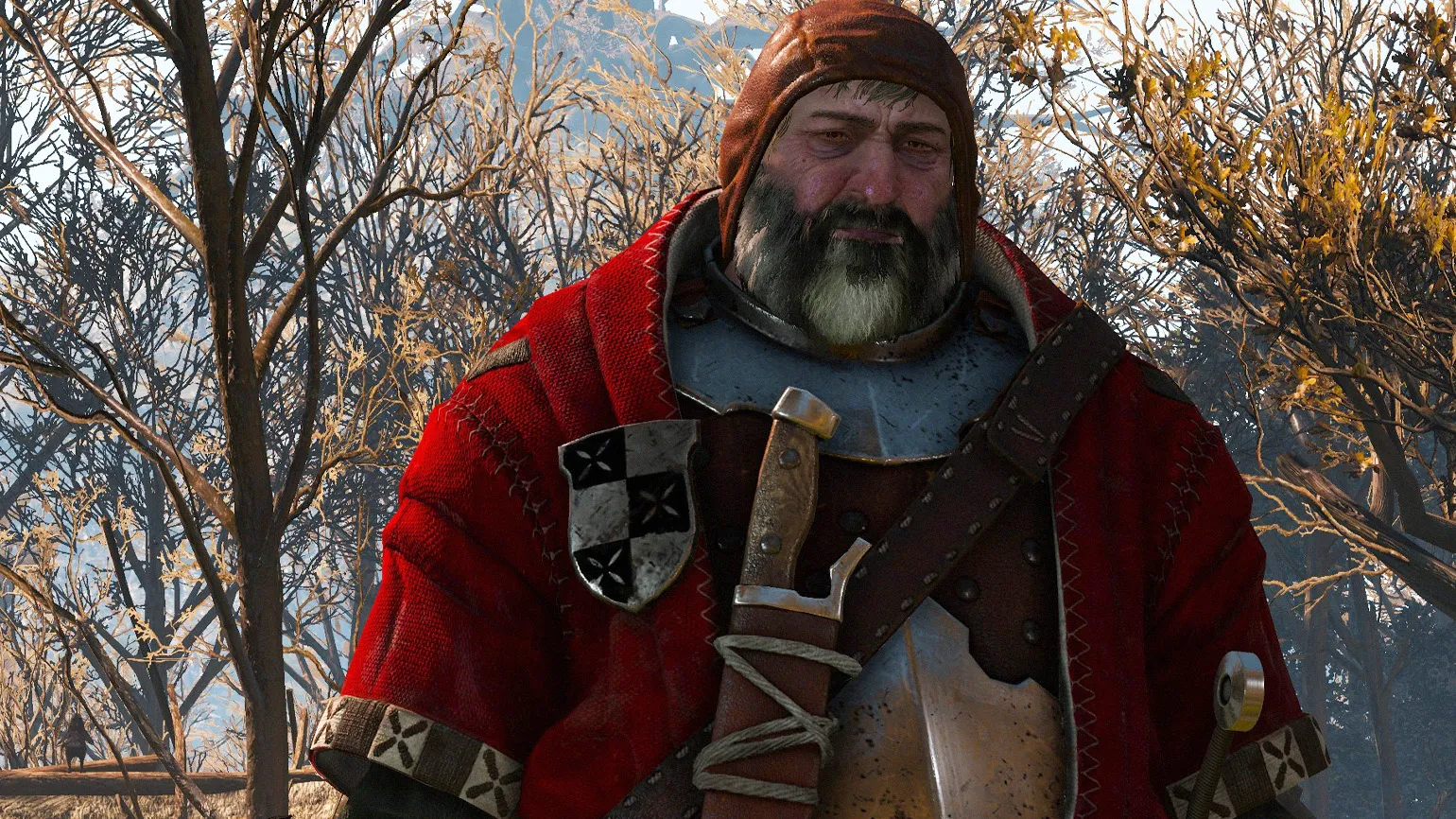
I recall the memorable quest "Games of Cats and Wolves." Geralt finds a village where a terrible massacre has occurred. All the inhabitants were killed, and only a little girl survived. During the investigation, it becomes clear that another witcher, dissatisfied with the payment for the contract to kill the Leshy, is behind the murders. This quest highlights the dark side of the Witcher world, where betrayal and violence occur even among monster hunters.
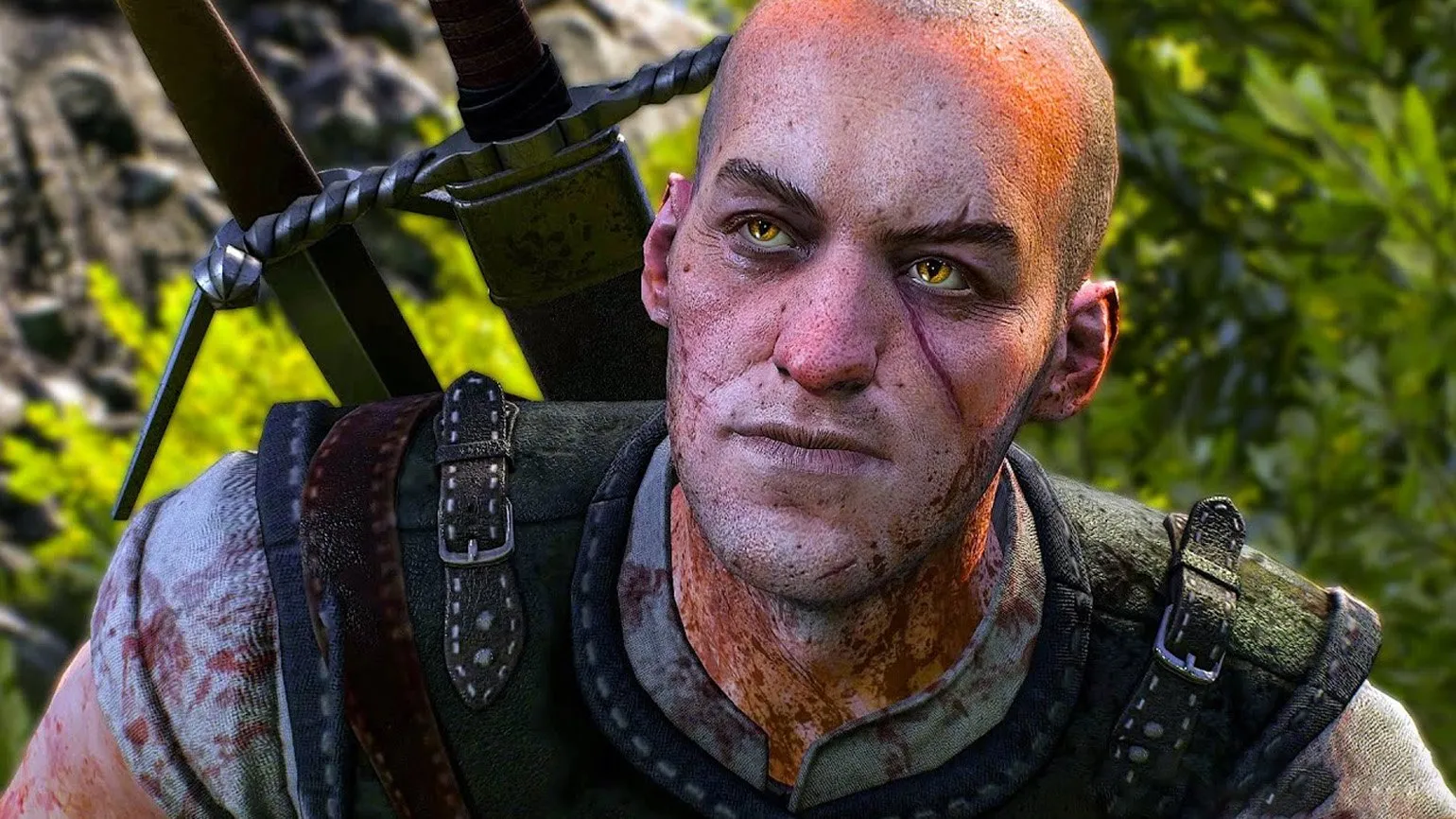
When Geralt meets his colleague, he explains the situation in detail. A high reward had initially been agreed upon. However, after completing the task, the village elder offered only 12 crowns, a paltry sum in the game world. Following a conflict, the parties again attempted to agree on payment, but at that moment, a pitchfork was thrust into the witcher's back, intended to kill him. He partially dodged the blow, and in a fit of rage, he massacred the entire village. Now Geralt faces a difficult choice: should he forgive the other witcher for his actions?
The moral dilemma is unrelated to the game's reward, which encourages the player to think more deeply about what happened. What would they do if they were in the protagonist's shoes? A well-developed conflict without an obvious resolution, the need to make a choice, and the understanding of the consequences of that choice highlight that the concept of morality is much more complex than it might initially appear. Such situations contribute to the development of critical thinking and emotional involvement, which makes the gaming process more intense and multifaceted.
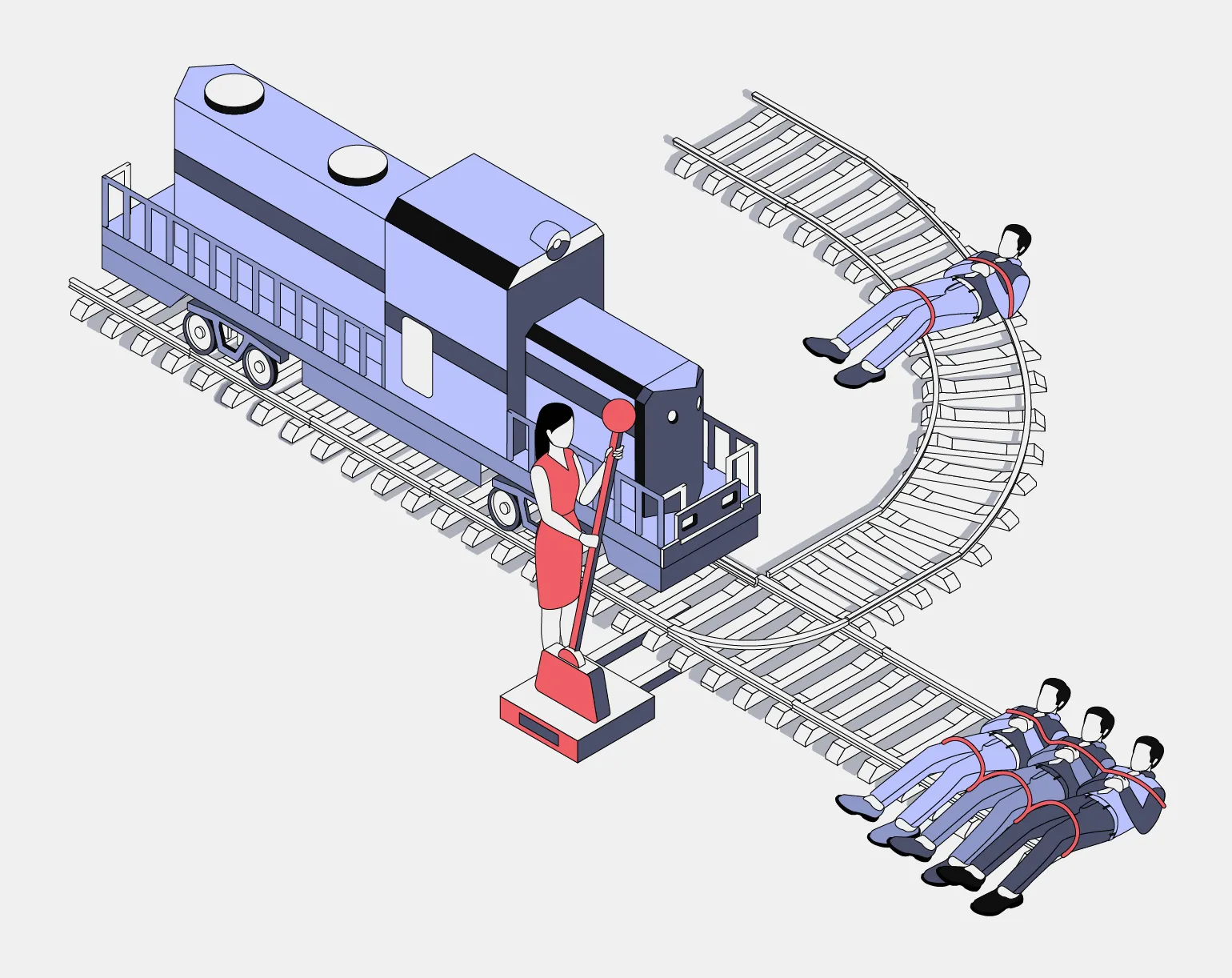
Ethical dilemmas became iconic in The Witcher 3, and many of them continue to be discussed even years after the game's release. Artfully designed quests convincingly convey the authors' ideas, forcing players to consider moral choices. While this approach doesn't make CD Projekt RED's games better than the original books, video games have a unique ability to tell stories that engage and provoke deep thought.
Reading is an important aspect of our lives that helps develop thinking, expand horizons, and gain new knowledge. Books, articles, and other sources of information enrich our experience and contribute to personal growth. Regular reading not only improves concentration and memory but also develops analytical and critical thinking skills.
Today, there are numerous resources offering a variety of reading materials. It is important to choose high-quality sources to ensure the information is relevant and useful. Reading specialized articles and literature helps deepen your understanding of a specific topic and improve your skills.
Remember that reading can be not only useful but also engaging. Immersing yourself in the world of books opens new horizons and allows you to experience unforgettable moments. So, make time to read and share your discoveries with others. This will not only enrich your experience but also help create a community of like-minded people interested in similar topics.
Read also:
Interactive Story Design: CD Projekt RED's Approach to Creating Game Quests
CD Projekt RED is known for its unique approach to creating interactive stories and game quests. Every element, from the plot to the interaction mechanics, is carefully crafted to immerse the player in the game world. An important aspect of design is the development of characters and their interactions, which helps create a deep emotional connection between the player and the story.
Quest development at CD Projekt RED includes the use of non-linear storylines, giving players the opportunity to make decisions that influence the course of events. This not only increases replayability but also makes each gaming experience unique. Additionally, attention to details such as dialogue and environments helps create an atmosphere in which players can become fully immersed.
The integration of various game mechanics, such as exploration and interaction with NPCs, makes quests more lively and interesting. CD Projekt RED also places an emphasis on creating a variety of quests that range from simple tasks to complex, multi-layered quests that require strategic thinking and planning.
Thus, CD Projekt RED's approach to the design of interactive stories and game quests is an example of how a deep understanding of game mechanics and plot structure can create a memorable experience for players.
Procedural Rhetoric Can Be Harmful
Procedural rhetoric, while it can add depth to a narrative, does not always make it more interesting. In some cases, it can even detract from the perception of the story. A prime example of this is the game 12 Minutes, which illustrates how the use of procedural rhetoric can lead to unexpected and not always positive results.
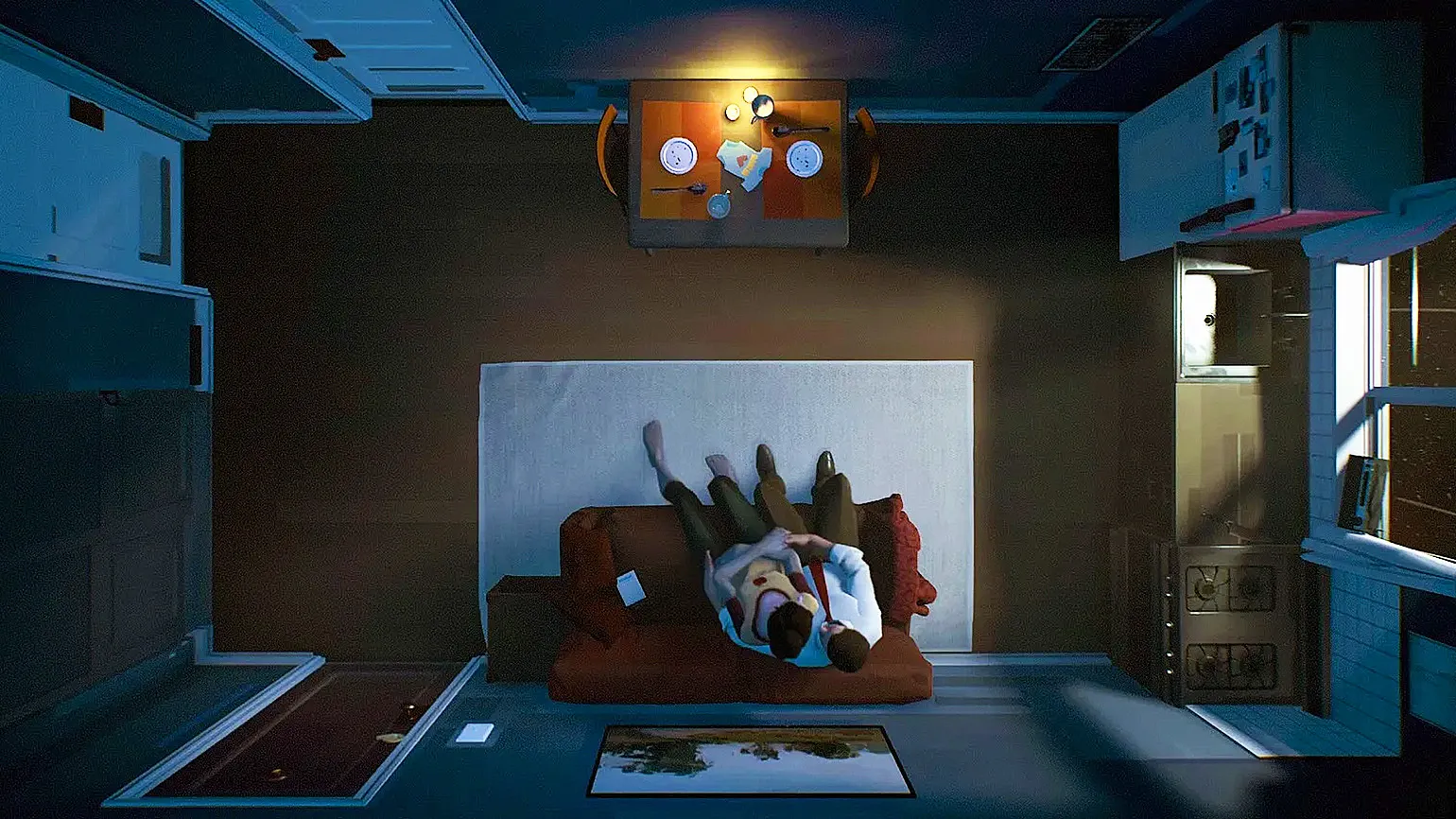
The developers aimed to create a sense of living in a time loop, which is an interesting concept with the potential for a unique narrative experience. However, this idea creates a conflict between immersive gameplay and a deliberately drawn-out narrative. This contradiction can make it difficult to understand the story and reduce the overall enjoyment of the game, which is important to consider when developing content.

For a story to work effectively, a game must have a certain monotony and tedium. Luis Antonio, the game designer of 12 Minutes, likely deliberately violated the cause-and-effect relationships, which complicates the process of solving the game's problems. Many reviewers of the game found it difficult to understand what exactly needs to be done to complete the game successfully, which caused them dissatisfaction. As a result, players are forced to play through the same scenarios over and over again, differing only in minor details. Although the screenwriter accomplished his goal, this resulted in the game becoming tedious and boring.
12 Minutes has the potential to become an impressive short film. Parallel editing of various time loops could clearly demonstrate how the same horrific event eventually turns into a monotonous routine. However, as a game, it can become tedious due to its repetitive gameplay.
Story and Gameplay Are Integral
12 Minutes clearly demonstrates that even the most compelling procedural rhetoric can undermine an interesting idea if the story and gameplay fail to synchronize. Failures in this interaction can significantly impact the overall experience of the game. However, if the concept is implemented correctly, the story of time loops can be not only fascinating, but also deeply penetrating, as shown in the game Returnal.
Critical plot spoilers for the game Returnal
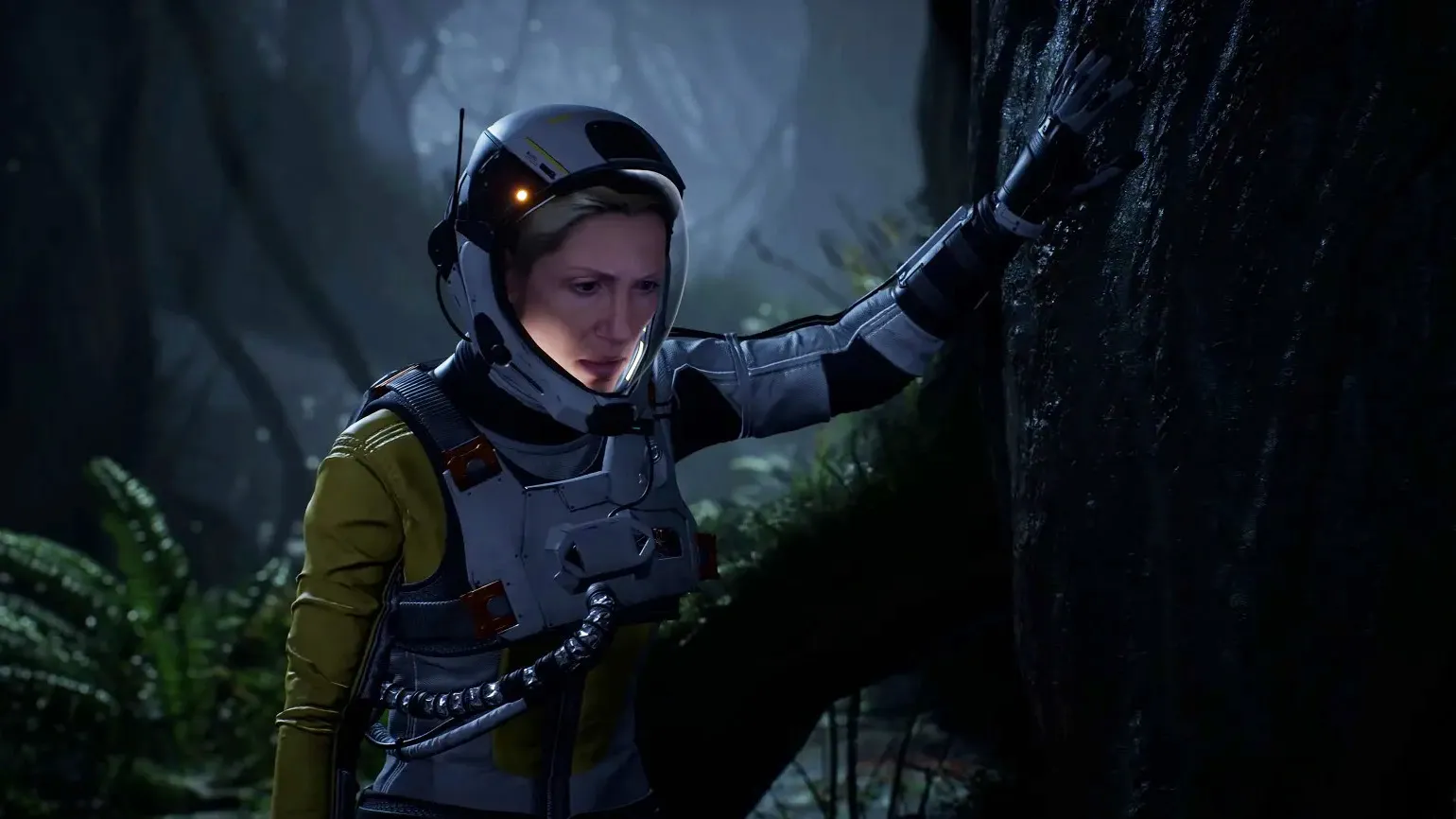
Returnal is a unique roguelike shooter that invites players to immerse themselves in an exciting and tense world. The main character, Selene, is stuck on the mysterious planet Atropos, where each time she dies, she starts her journey anew. The game's plot unfolds through exploration of the world, finding artifacts, and interacting with various creatures.
An important element of Returnal is the cyclical nature of time and space. Each new cycle brings changes to the environment, which creates unpredictability and dynamics of the gameplay. As Selene progresses, she encounters various mysteries related to her past and the reason for her stay on the planet.
Key plot points include the revelation of Selene's tragic story and her struggle with inner demons. Players discover that each of her returns is linked to deep personal losses and fears that she must overcome. The final revelation about the nature of Atropos and its connection to Selene challenges everything players have known up to this point.
Returnal not only offers engaging gameplay but also a deep storyline that touches on themes of lost hope, the cyclical nature of life, and self-identity. This game leaves players with many questions and reflections, making it a true work of art in the world of video games.
By the end of the game, it becomes clear that the gripping story of a ship crashing on an uncharted planet is merely a metaphor. In fact, Returnal explores the post-traumatic state of the main character, Selene, who has experienced many horrific events. Her mother, a strict woman obsessed with space, was determined to become an astronaut and forced her ambitions on Selena. This pressure led to the heroine's deep hatred for her mother, which became the primary driver of her internal conflict. Returnal not only immerses the player in gripping gameplay but also explores serious psychological themes, making the story more layered and emotionally charged.
The death of Selene's son, Helios, was the last straw for her. The metaphorical cutscenes of Returnal don't provide a clear answer to the question of the cause of his death, but it is clear that Selene experiences deep guilt. This feeling becomes the starting point of the plot. The main character, an astronaut, crashes on the Helios spaceship and finds herself in a hostile environment. She must descend deeper into the unknown, overcoming numerous obstacles and fighting for survival. Returnal offers a unique gaming experience, combining elements of science fiction and psychological drama, where each new attempt is a step toward understanding one's fears and finding salvation.
The developers chose the roguelike genre to convey the experience of mental illness that torments a person daily. The player, controlling the main character, Selene, encounters a cycle in which they must endlessly fight. Initial attempts to overcome difficulties often end in failure. However, with each new attempt, the player gains confidence, because the structure of the game remains unchanged - only a few details change. This approach effectively illustrates the internal struggle and constant striving for improvement.
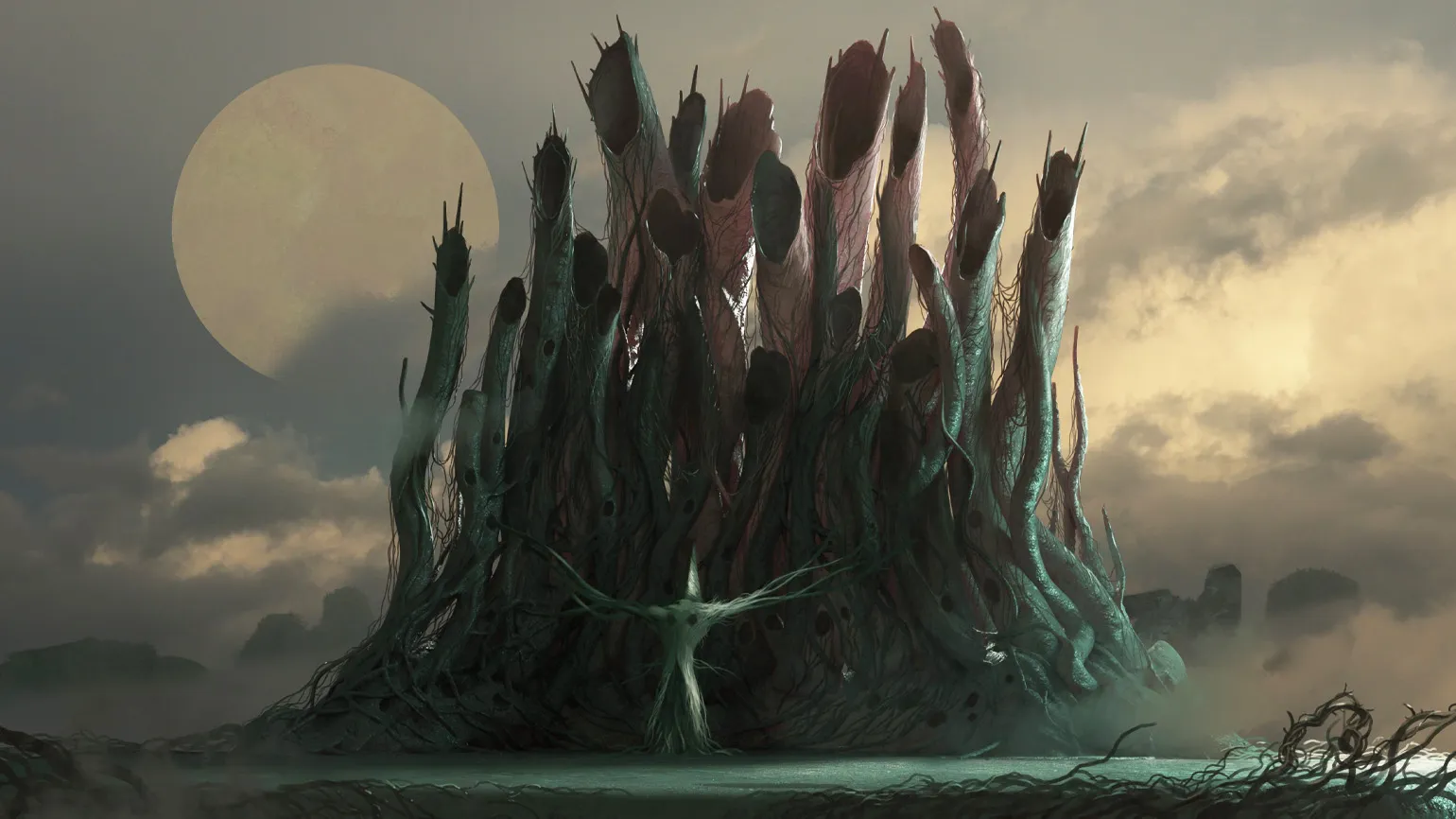
The game system and storyline complement each other, creating a deeply immersive gameplay experience. Players seeking to escape the monotonous cycle experience the burden of a constant struggle with obsessive thoughts of their guilt. This mechanic not only increases the emotional burden but also forces you to consider the consequences of your actions, which makes the gaming experience more intense and memorable.
Play Beyond the Game
Procedural rhetoric must be appropriate and contextually sound. By finding the right context and laying down a strong idea, you can create unique works that go beyond the gaming industry. A prime example of this is Hideo Kojima and his project Death Stranding. The game's announcement and marketing campaign were shrouded in an atmosphere of mystery, which attracted audience attention and built anticipation.
In one trailer for Death Stranding, a character played by Norman Reedus finds a child on the beach. In another trailer, director Guillermo del Toro finds himself on a World War II battlefield. The title Death Stranding can also have multiple interpretations. As a result, the project has become one of the most enigmatic in video game history. Even actor Mads Mikkelsen, who played one of the roles, admitted that he didn't fully understand the plot. This game attracts attention with its unusual concept and complex narrative structure, leaving players waiting for new discoveries and interpretations.
Death Stranding's plot, despite its complex presentation, is actually not as convoluted as it seems at first glance. At the heart of the entire carefully developed universe is a simple yet profound story about the importance of human connections. The game's creators could have conveyed this idea more clearly in trailers, but this is what makes the project unique. Death Stranding attracts attention with its complex narrative structure, which encourages players to think about social connections and their importance in modern society.
The multifaceted nature of Death Stranding's promotional materials attracted tens of thousands of players to discussions on forums, in the comments under videos and articles created with the goal of a shared understanding of the project. The game essentially began its existence even before its release. Whether or not players can grasp every reference in the trailers, it's important that they united around a common idea and developed numerous original theories. This process is a prime example of procedural rhetoric, demonstrating how the community actively participates in the interpretation and analysis of content.
Considering procedural rhetoric may seem like a criticism of large developers and publishers who avoid risks and experimentation. However, this is not entirely true. From a business perspective, focusing solely on procedural rhetoric can be extremely risky. Algorithms and rules are difficult to visualize in attractive screenshots, and creating trailers based on them is a significant challenge. Therefore, traditional methods of attracting attention to games will remain relevant. This is not only normal, but necessary. One of the main advantages of video games is their ability to combine various art forms. As a result, some projects can become iconic even if they lack distinct gameplay.
Developers should remember that they have a real superpower in their toolbox. Using accessible technologies and tools can significantly improve work efficiency and help solve complex problems. It's important to remember the opportunities offered by modern development tools, as they can significantly simplify the process of creating a high-quality product. Development requires a creative approach and the use of all available resources to achieve the best results.

Reading is an important aspect of personal and professional development. It not only enriches our vocabulary but also develops critical thinking, creativity, and analytical skills. Immersing yourself in books and articles allows you to gain new knowledge and ideas, which is especially important in a rapidly changing world. Improving your reading skills improves concentration and attention, and broadens your horizons. Therefore, regular reading should become an integral part of your life.
Dedicate time to reading, choosing a variety of genres and topics. This will not only help you develop your interests but also strengthen skills needed in various areas of life. Don't forget to share your impressions of what you read, which will help you consolidate your knowledge and expand your communication horizons.
Reading is beneficial for both personal and professional development. Incorporate it into your daily routine, and you will notice positive changes in your thinking and perception of the world around you.
Read also:
Death Stranding 2 Trailer Analysis: Facts and Speculation About Hideo Kojima's New Game
With the release of Death Stranding 2 trailers, fans of the game were once again immersed in the world created by Hideo Kojima. In this article, we will look at the key moments and possible storylines that can be discerned from the presented materials. The first trailers show familiar locations and characters, which has sparked keen interest among fans.
Hideo Kojima continues to explore the themes of isolation and connection between people, which were characteristic of the first part of the game. The trailers also reveal new gameplay elements and mechanics, which opens up opportunities to improve the gameplay. In addition, the visuals and sound design have become even more impressive, which emphasizes the high quality of development.
Discussing the characters, it is worth noting the return of some familiar faces, as well as the introduction of new ones, which may significantly impact the storyline. Fans are theorizing about how new characters might interact with the main cast and how this will impact the story.
With each new trailer, anticipation for Death Stranding 2 grows, and fans can't wait to immerse themselves in this unique world again. We will be following the developments and updates from Hideo Kojima to learn more about the upcoming project.
Game designer profession from scratch to PRO
A game designer creates the structure of the game. They think through the idea, rules, gameplay and decide what emotions the plot will evoke in players. You'll master game design principles from scratch and learn how to work with popular engines like Unity and Unreal Engine. You'll learn how to retain player interest and monetize your games. And we will help you start a career in the gaming industry.
Find out more