Contents:

Who are you in the world of game development? Find out in this free course ➞ You will try out three professions in practice: game designer, 2D artist, and Unity developer. Create your first Mario-style game. Click here for details.
Learn moreA concept artist plays a key role in the game development process, creating the first sketches of locations and characters. During the initial stages of development, the game designer creates technical specifications, which serve as the basis for the concept artist's work. By visualizing the project's ideas, the artist offers their vision, which helps create the game's unique style and atmosphere. Later, the illustrations created by the concept artist become the basis for the development of 3D models, textures, animations, and levels, which ultimately forms a holistic gaming experience.
The Skillbox Media editorial team continues its series of articles about the specializations of digital artists. We discussed the concept artist profession with Anton Morozov, creative director of BH Studio, and Valery Zrazhevsky, head of the Skillbox courses "Concept Art in Film" and "The Concept Artist Profession." In this article, you will learn about the key aspects of the concept artist’s work, their role in the process of creating games and films, as well as the necessary skills and prospects in this in-demand field.
- Professional Basics;
- Differences between 2D and concept artists;
- Are 3D skills required for concept art;
- What role do imagination and working from life, talent and ability, quality and speed play;
- What is the competition in the field of concept art based on;
- Internal barriers of artists;
- Differences between concept art in games and film.
Professional Basics
Concept artists play a key role in the film and gaming industries, developing Visual content for various projects. Their work often includes creating illustrations for books and comics, architectural visualizations, and sketches for advertising campaigns. The responsibilities of concept artists vary depending on the field and the specifics of the specific project. For example, in comics, illustrations must be aesthetically pleasing and fit harmoniously into the story, while in the gaming industry, design emphasizes functionality and user interaction. Concept artists, thanks to their talent and skills, help shape the visual identity of projects and create unique images that attract the audience's attention.
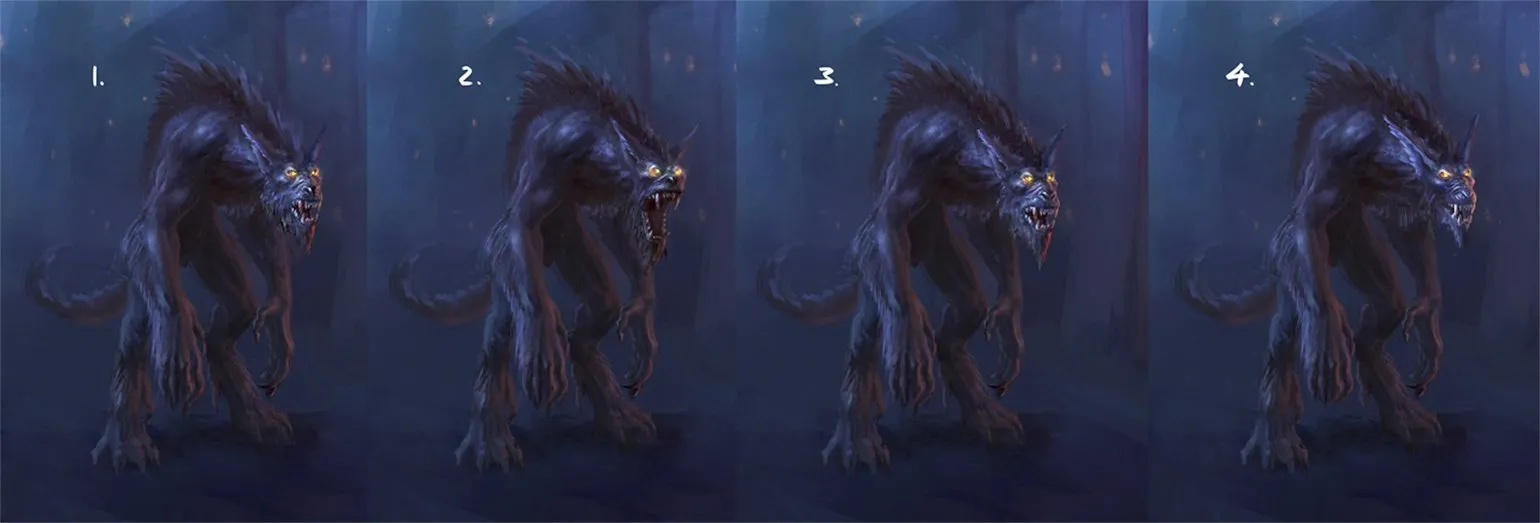
When developing visual design for games, artists are guided not only by their own vision and preferences but also consider many other aspects. Character designers meticulously develop the facial expressions, backstories, and personalities of the characters, as well as their role in the game world. Creating the environment is an important aspect, considering how the location functions, how dynamic the gameplay will be, and how the player will enter and exit the location. Art direction also plays a key role in creating atmosphere—it is necessary to establish specific emotions that the player should experience upon entering the location. Such details make the gaming experience more immersive and memorable.
In the gaming industry, a concept artist is responsible for implementing the technical specifications provided by the game designer. This solution must include an original idea, a clear implementation, and meet the technical constraints of the project. The artist may use a variety of tools, such as Photoshop for sketching, ZBrush for 3D modeling, or PhotoBash for combining images. It is important that the final product is not only visually appealing but also functional within the context of gameplay.
Recently, there has been a rise in the popularity of themed 3D kits, for example, featuring castles or knights. These sets contain numerous presets, allowing for quick assembly and refinement. This approach is especially effective in the film industry, where artists must create photographic-quality 2D images within tight deadlines. This allows the film crew to get a clear idea of how a specific shot in the film should look. Using 3D kits significantly simplifies the visualization process and speeds up pre-production, making them an indispensable tool for professionals.
Anton Morozov is the creative director of BH Studio, a company specializing in the development of innovative design and marketing solutions. Under his leadership, the BH Studio team creates unique projects that help clients stand out in the market. Anton has extensive experience in managing creative processes and implementing strategies aimed at achieving high results. His approach is based on a deep understanding of client needs and current industry trends. BH Studio, under the leadership of Anton Morozov, continues to develop and implement new ideas, which makes the company one of the leaders in its segment.
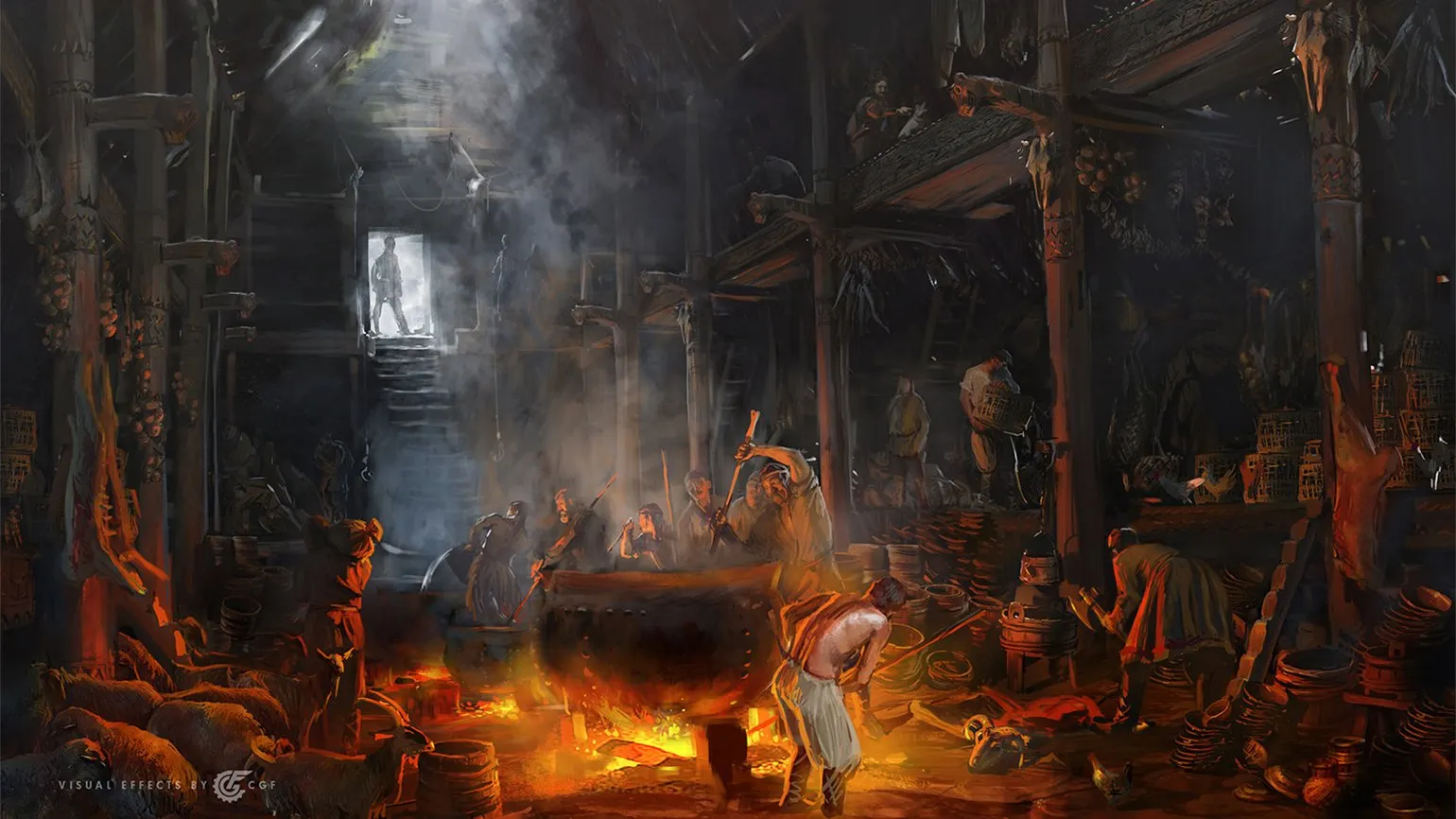
For a successful start with A concept artist needs basic skills: an understanding of composition, perspective, and anatomy, as well as the ability to work with light and shadow. It is also important to be able to select and combine textures and colors. These elements are the foundation for creating high-quality, professional conceptual images. By mastering these principles, an artist will be able to effectively convey their ideas and visualize unique worlds.
I recommend that aspiring concept artists focus on developing their skills in drawing the human figure and understanding perspective in 2D. An art education can be helpful, but is not required. Many successful artists lack formal education, but compensate for this with their passion and dedication to the profession. They work hard, accumulating experience that becomes the foundation of their craft.
Valery Zrazhevsky, a concept artist and course director at Skillbox, offers unique educational programs in digital art. His experience and professional skills allow students to gain a deeper understanding of the processes of creating conceptual design. Valery's courses cover key aspects of art and design, including illustration techniques, character and environment creation. The training takes place in a comfortable environment where each student can develop their creative abilities and gain the practical skills necessary for a successful career in the industry. Valery's unique approach to teaching helps students unlock their potential and learn to effectively work with modern concept art tools.
Differences Between 2D and Concept Art
A concept artist and a 2D artist are two interconnected professions in the digital art field, each fulfilling a unique role. A 2D artist is responsible for creating visual content that is directly perceived by the user. This can be characters, interface elements, environments, and other graphic elements. While a concept artist develops sketches and visualizes ideas, they create technical specifications that other specialists use to create the final content. For example, a concept artist draws a character, and a 2D artist then turns this sketch into a fully-fledged model that will be used in the game. Thus, both professions play an important role in the visual content development process, ensuring the high quality and originality of the final product.
Anton Morozov is the creative director of BH Studio. His responsibilities include managing the creative team and developing innovative concepts for the studio's projects. Thanks to his experience and creative approach, BH Studio successfully implements a variety of advertising campaigns and designs that attract attention and leave a lasting impression. Anton actively monitors the latest industry trends and uses them to create unique solutions that meet client needs. His professionalism and creativity make him an important figure in the BH Studio team, contributing to the development of the brand and improving the quality of the services provided.
Does a concept artist need 3D skills?
It is important for a modern concept artist to master the basics of 3D modeling to improve their work efficiency. Knowledge of lighting control tools helps freely experiment with the atmosphere and visual representation of concepts. This significantly facilitates the process of presenting finished projects to clients, which, in turn, contributes to the successful implementation of ideas and improved communication with clients. Mastering these skills will not only expand an artist's creative horizons but also enhance their competitiveness in the marketplace.
Concept art and 3D graphics should not be separated, as they are closely related. To be a successful concept artist, 3D skills are essential. Over the course of my twenty-year career, I've noticed that 3D graphics are only now beginning to appear in my work, and I'd like to use it even more. In the modern world of art and design, integrating 3D technology into concept art is becoming an important aspect, allowing for the creation of more realistic and expressive visualizations. Therefore, mastering 3D skills opens new horizons and opportunities for artists striving to be competitive in this field.
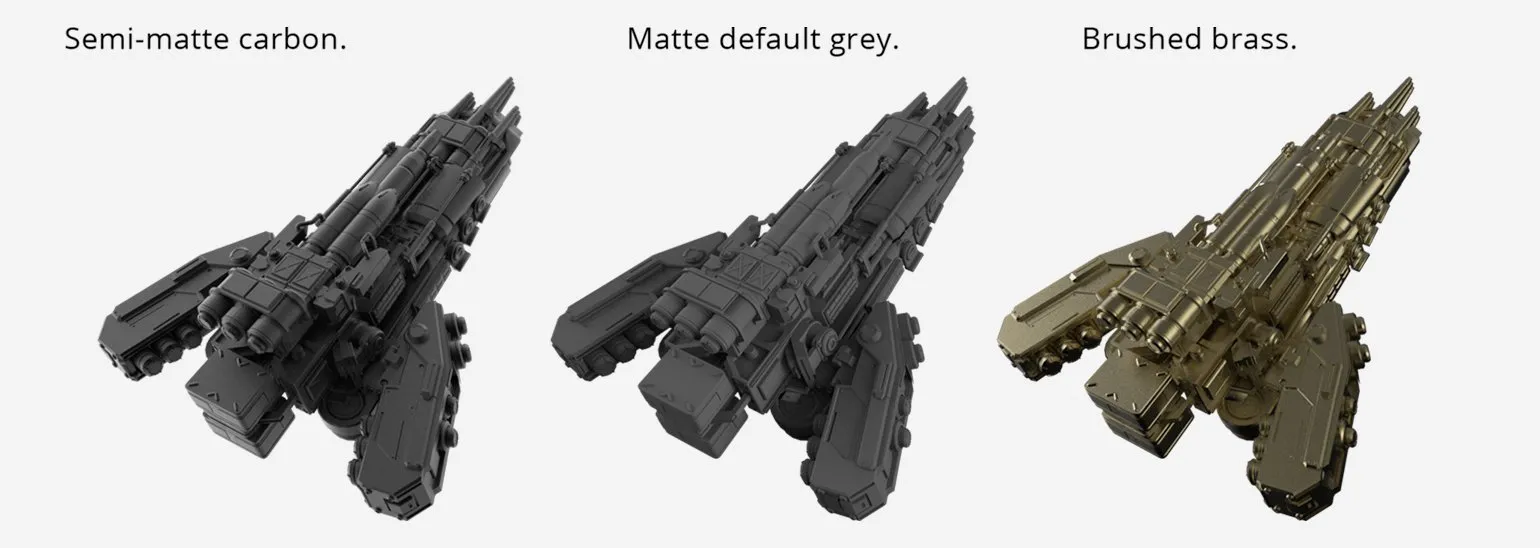
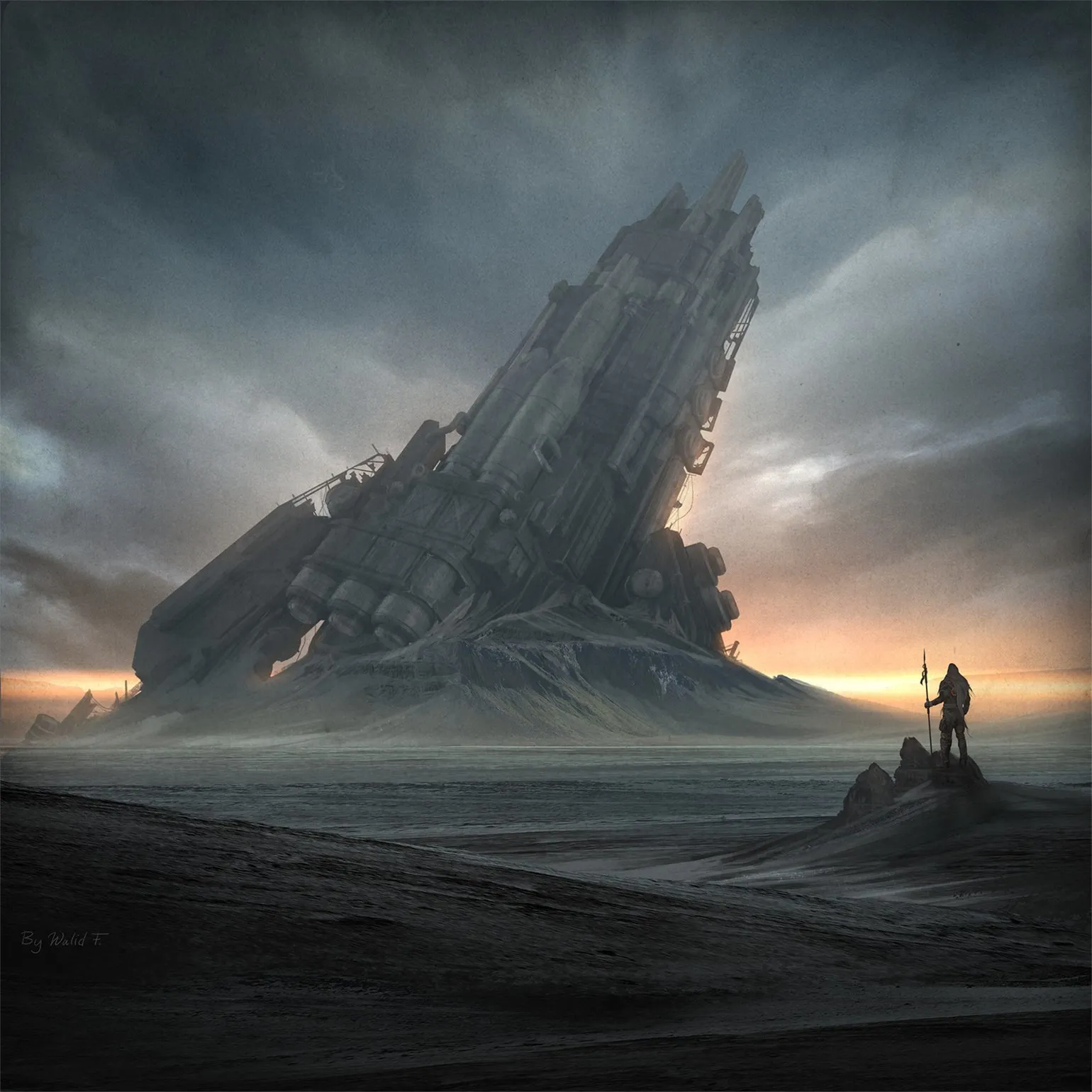
Valery Zrazhevsky is the director of Skillbox courses, where he offers training in "Concept Art in Film" and "The Concept Artist Profession." His experience and expertise in concept art allow students to gain a deeper understanding of the processes involved in creating visuals for the film industry. Courses cover key aspects of a concept artist's work, including character, environment, and visual effects development. The curriculum combines theoretical knowledge with practical skills, allowing students to effectively develop their talents and prepare for a successful career in concept art. Working with 2D graphics requires a significant investment of time redrawing elements. Using 3D tools significantly speeds up this process. Thanks to asset libraries containing numerous 3D models, you can assemble concepts faster. These libraries contain a variety of elements, including environments, weapons, and clothing, significantly simplifying and increasing efficiency. The use of 3D technology not only reduces the time spent on visual solutions but also opens up new possibilities for creativity and design. Swedish CG artist Walid Feghali shared his experience using 3D graphics using one of his concepts as an example. The work below was created for a music album cover. To realize it, the artist developed and rendered a 3D model of a ship, then exported it to Photoshop, where he added details and environments, achieving a more expressive visual effect. This approach demonstrates how the integration of 3D modeling and 2D illustration can significantly improve the quality of an artwork.
Fantasy and drawing from life
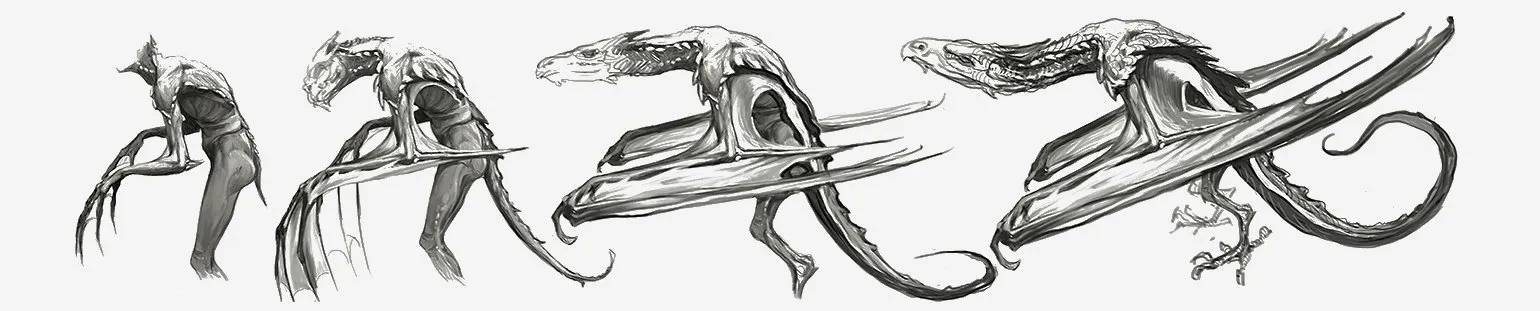
Concept art is a unique direction in art that differs from traditional painting. While a painter, portraitist, or landscape artist may create works based on real-life objects and scenes, a concept artist faces different challenges. Not every portraitist can become a successful concept artist, as this specialization requires specific qualities. A concept artist is someone with a rich imagination and the ability to fantasize. In fields such as film and game development, imagination plays a key role. For example, a good landscape artist may be excellent at drawing nature, but for a concept artist, this is not enough. When creating science fiction images, the artist must invent worlds and creatures based on their imagination, as drawing from life becomes impossible.
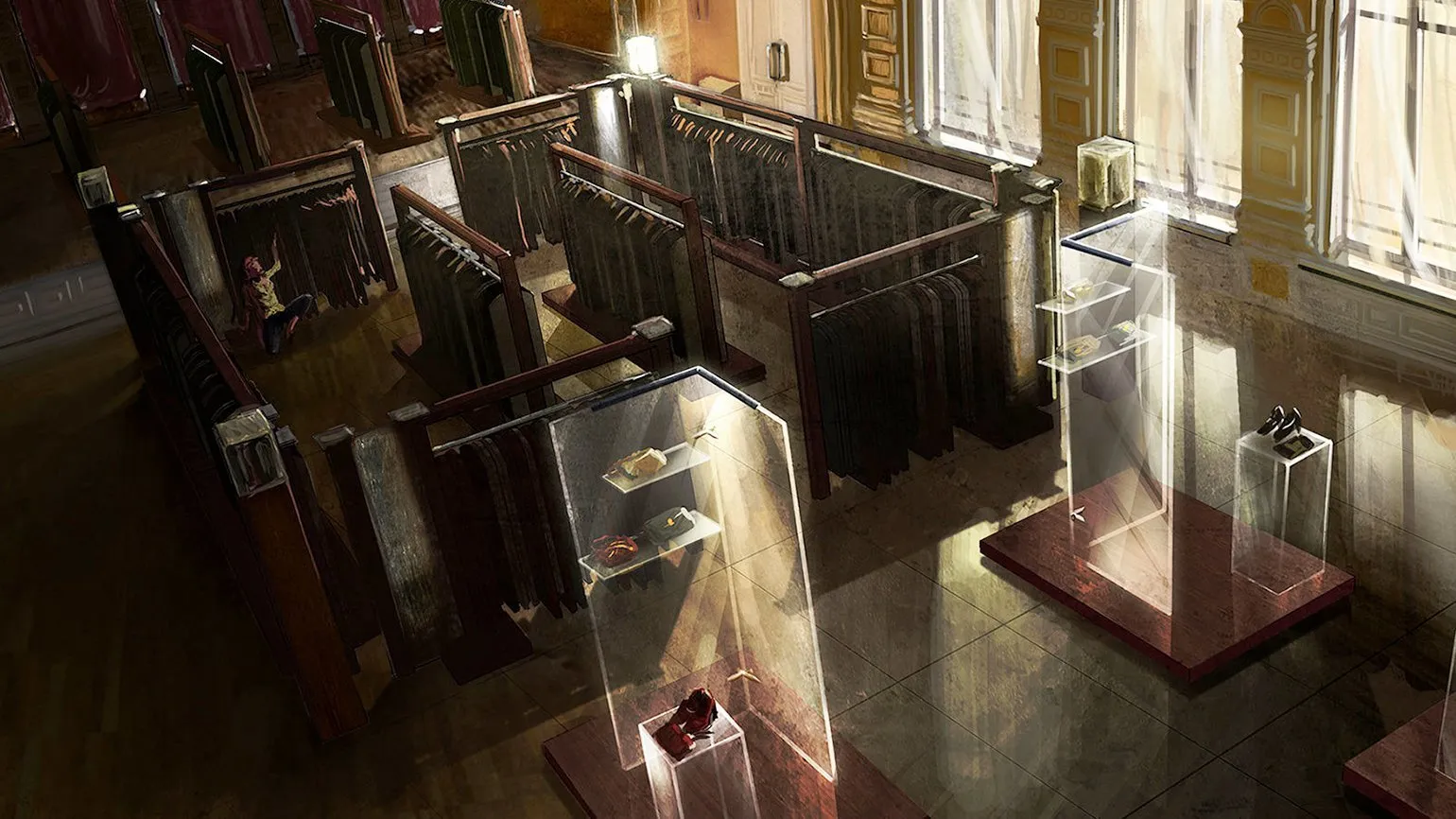
Skills in working with life play an important role in the artistic process. Simply inventing forms and images is not always the right approach. The combination of imagination and practical experience in drawing from life leads to significant results. These are key aspects that contribute to the artist's development. Visiting museums and studying the work of other artists also significantly accelerates progress and inspires new creative ideas.
Valery Zrazhevsky is a concept artist and course director at Skillbox. He has extensive experience in visual art and design, allowing him to effectively teach students. Under his guidance, students gain the skills necessary to create unique concepts and artwork. Valery actively shares his knowledge and experience, which contributes to the development of creative thinking and professional skills in students. The courses he teaches are focused on contemporary trends in art and design, making them relevant and in demand in the labor market.
Talent and abilities
Teachers can determine the presence of abilities in a person by his ability to copy without preliminary training. If a person is able to accurately reproduce images from life, this indicates a certain ability, although it is not necessarily a sign of talent. For example, if someone can replicate other people's illustrations well without using a computer, this already speaks of their ability. It is important to note that ability also manifests itself in the speed of assimilation of new knowledge: such people grasp information more quickly. Talent, in turn, is a more complex set of qualities. If you gather a group of ten capable people, only one among them may be truly talented.
Ability certainly provides a certain advantage, but the main factor in success remains hard work and passion for the chosen field. It is said that genius is 10% talent and 90% persistent work. If you put diligence into a craft for which you have a predisposition, the results will not be long in coming. This will certainly be noticed by viewers and clients. Success comes to those who combine natural gifts with constant work on themselves and their craft.
Valery Zrazhevsky is a concept artist and head of educational courses at Skillbox. His experience in conceptual art and teaching allows students to gain valuable knowledge and skills. Valery actively shares his experience, helping to develop the creative potential and professional abilities of course participants. Training under his guidance incorporates current practices and methods, making Skillbox courses in demand among future art and design professionals.
Not only quality matters, but also speed
Study artbooks dedicated to photorealism, for example, for The Last of Us or Elysium. These works make extensive use of photobashing. It is important to work efficiently and quickly. Artists collect photographic materials and ready-made 3D models to create high-quality concepts, which allows for the formulation of clear technical specifications. We recommend paying attention to the work of Jama Dzhurabaev. He shares methods for quickly and efficiently creating conceptual art.
Anton Morozov is the creative director of BH Studio, responsible for creating unique and innovative solutions in design and marketing. Under his leadership, the BH Studio team develops projects that attract attention and stand out from the competition. Anton actively implements modern trends and technologies, allowing the company to remain at the forefront of the industry. His experience and vision help create effective strategies aimed at achieving set goals.
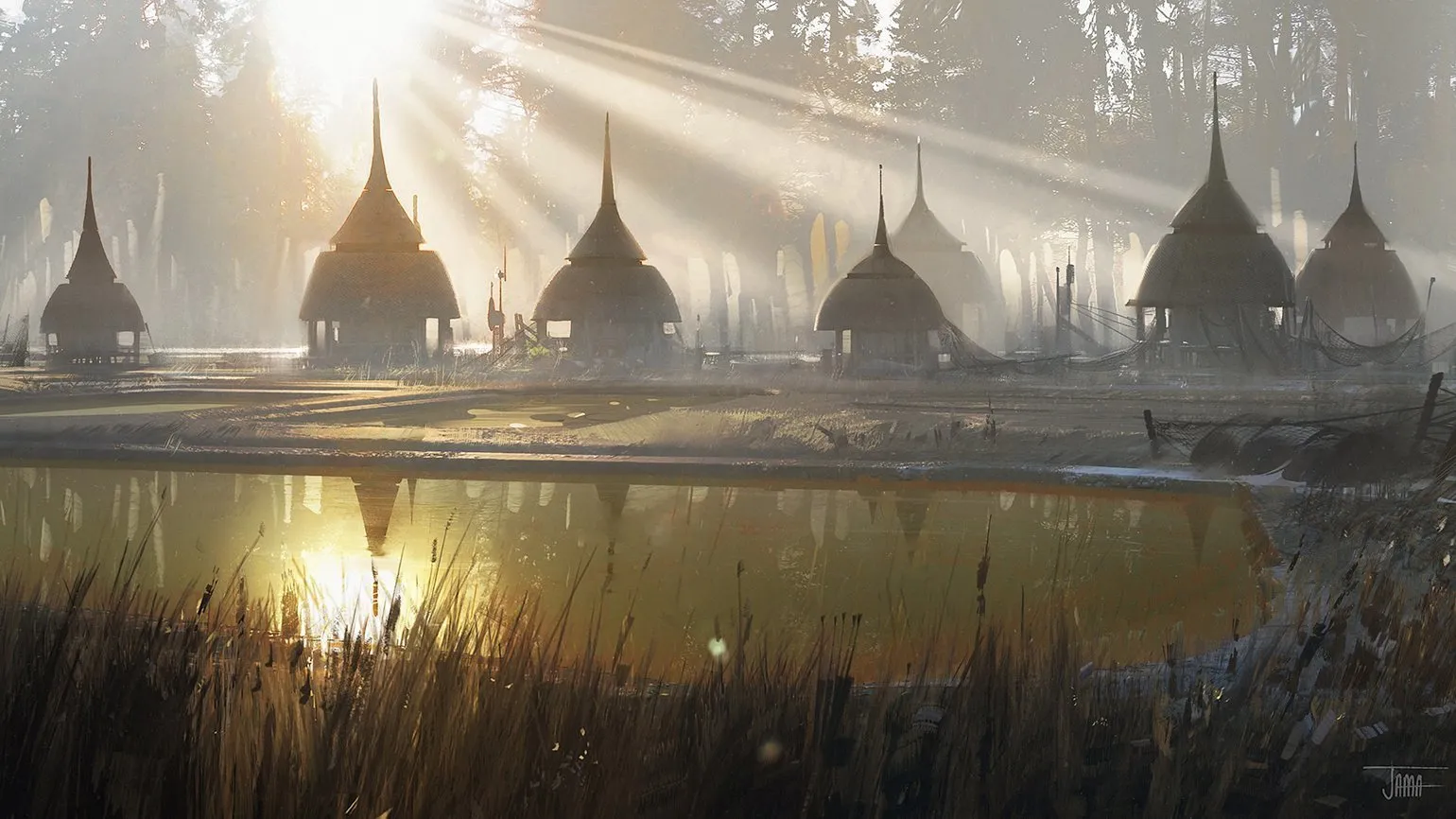
Speed plays a key role not only in drawing, but also in the learning process. Quickly mastering new tools, adapting to industry changes, and learning from inspiring masters—all of these are becoming important competitive advantages. Effective learning and a commitment to rapid development contribute to success in creative endeavors.
During my studies, I noticed an interesting trend: in the first year, students demonstrated varying levels of artistic skill, but by the fifth year, their abilities had leveled out. A good art educational institution strives to bring all students to a uniform level of mastery. The question arises: does everyone truly have the same potential? A strong artist's obvious talent allows them to quickly master the material and advance in their career. While a student who only reaches the required level by the fifth year certainly demonstrates perseverance, their slow pace can become an obstacle to further professional development.
Valery Zrazhevsky is a concept artist and course director at Skillbox. He has extensive experience in artistic design and visualization. Valery shares his knowledge and skills with his students, teaching them modern methods and techniques of concept art. His courses focus on developing creative abilities and training specialists capable of creating unique visual solutions in various fields, such as film, games, and advertising. Valery actively integrates current industry trends into his training, allowing students to be competitive in the job market.
Competition in Concept Art
To successfully compete in concept art, it is necessary to strictly meet deadlines. This field is highly competitive, and employers are always looking for talented artists. It is important to maintain motivation and constantly develop and improve your skills. I watched my sons learn to draw from high school, and I saw how some students who seemed weak later achieved significant success in drawing. This emphasizes that persistence and practice can lead to impressive results.
Valeriy Zrazhevsky is a concept artist and course director at Skillbox. With industry experience, he shares his knowledge and skills with students, helping them master the fundamentals of conceptual art. Zrazhevsky teaches students how to create visual solutions for a variety of projects, from video games to film. His courses focus on developing the creative thinking and technical skills necessary for a successful career in design. With a deep understanding of processes and modern technologies, Valeriy inspires new artists to create unique and memorable work.
Analyzing industry trends and tracking the demand for modern tools and skills are key to successful development. It is important to understand what skills are in demand in the market and how they are changing over time. This allows you not only to remain competitive but also to effectively adapt to changes in the professional environment. In a dynamic market, constantly updating your knowledge and skills is essential for success.
I began my career in animation and learned Photoshop in the early 2000s, when many professional artists without a technical background began transitioning to digital art. This new profession quickly became my passion. At that time, Russia had a thriving animation and film industry, and there was a shortage of Photoshop specialists, which made me highly sought after.
Valery Zrazhevsky is a renowned concept artist and course director at Skillbox. His professional experience and deep knowledge of conceptual art allow students to master the skills necessary for successful work in the industry. Under Valery's guidance, students gain valuable practical knowledge and develop creative thinking, which contributes to their career advancement in design and art. The course he teaches aims to develop a comprehensive understanding of visual content creation and the development of a unique artistic style.
Pay attention to details that can make your work stand out. A prime example is the concept art of Ubisoft art director Pascal Blanchet, characterized by vibrant acidity, contrast, and saturated colors that fill the space. The viewer immediately understands that the action takes place on distant planets or in a future where everything works differently. Using such visual techniques helps create a unique atmosphere and a memorable style.
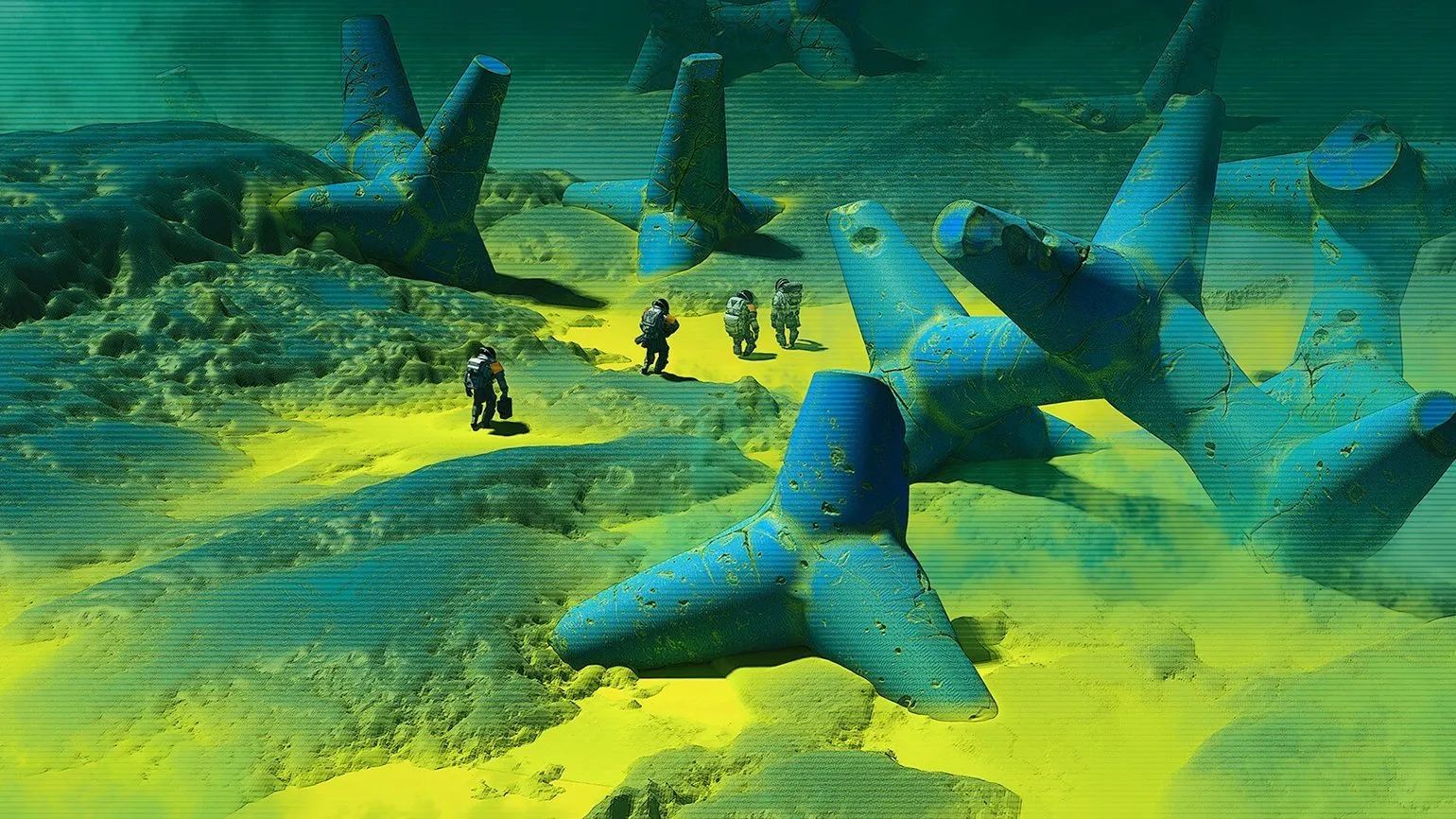
Luck plays a significant role in an artist's career, especially when it comes to landing the right project at the right time. However, finding success requires not only circumstances but also talent and professional skills. When all elements come together, an artist has the opportunity to realize their potential and become a true master of their craft. Thus, the combination of luck and skill is key to shaping a successful career in the arts.
Artists undergo a unique process of learning and development. Many experience setbacks while searching for projects, and this should be understood, as it is an integral part of the profession. Successful artists are usually better able to cope with these difficulties. It is important to remember that luck can smile on anyone – you can be noticed, and this can lead to opportunities to work in prestigious places, which can be a significant step forward in your career.
Valeriy Zrazhevsky is a concept artist and course director at Skillbox. His experience and professional skills in conceptual art allow students to gain a deeper understanding of the fundamentals of visual design and develop their creative abilities. Under Valery's guidance, students gain unique knowledge and practical skills that will help them successfully implement projects in art and design. Valery actively shares his experience, making Skillbox courses especially valuable for future professionals. Soft skills are an important advantage for professionals in any field. It's important to understand how open you are to communication, how comfortable your colleagues are working with you, and how proactively you seek out clients and new projects. These aspects play a key role in a successful artistic career. In a separate article, we examined in detail the importance of soft skills for artists and their impact on professional development.
Internal Barriers of Artists
The realism of your artwork depends largely on studying real life. Observing the world around you is an important part of the creative process. Even when stylizing, this aspect cannot be ignored. Every artist at some point turns to real life, because life itself offers the most interesting images and plots that are difficult to imagine.
I observe that many students are afraid of using real life, afraid that someone will think they can't draw. However, this is absolutely not true. Use real life as a source of inspiration, explore and analyze the materials around you. The presence of real life in your work does not make you less of a professional artist. On the contrary, it demonstrates your desire to grow and develop in art.
Valery Zrazhevsky is a concept artist and course director at Skillbox. His experience and professional skills in conceptual art make him a valuable mentor to students. Valery shares his knowledge and practical techniques, which helps develop the creative abilities of course participants. At Skillbox, he helps develop the skills needed for a successful career in the visual arts industry.
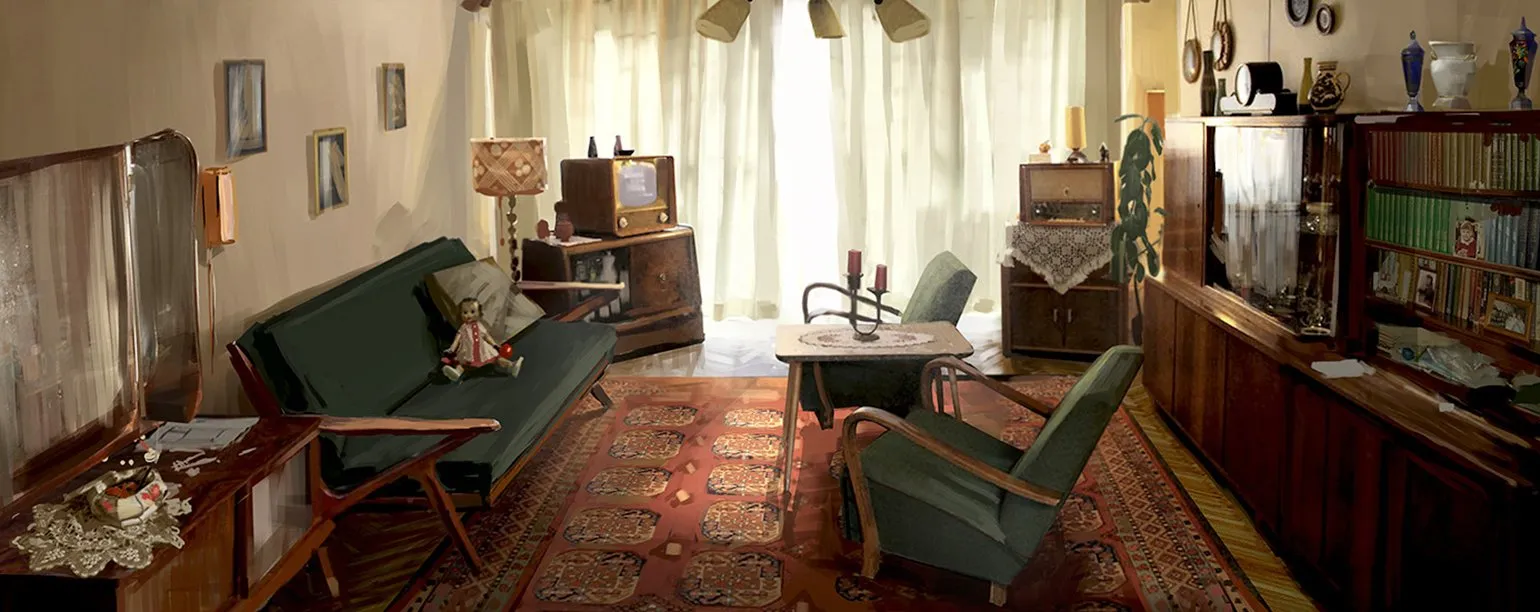
Many artists face the barrier of narrow specialization when Certain elements are captured better than others. For example, early in your career, you might discover that your style is particularly adept at capturing sci-fi characters. However, if you focus solely on this genre, your portfolio risks becoming monotonous. Don't rest on your laurels. It's important to push your boundaries, experiment with new settings, and develop a diverse set of skills. This will not only enrich your creative output but also help you become a more versatile professional in the art world. Diversity in your work will attract the attention of potential clients and create a more complete picture of your abilities.
I've worked on various projects with Timur Bekmambetov, who has a wide range of ideas that require concept art. My work with him was 24/7, including night shifts and weekends. It was challenging at first; I rarely saw my family. However, I soon adapted to the fast pace of work. This intense work helped me overcome my narrow specialization. The doubts that previously held me back, such as, "I've drawn this before, I know it will turn out well; but I haven't worked on another project—it might turn out worse," disappeared. I learned to create concepts for everything moving and still. The internal barrier was removed—I realized I was capable of drawing anything.
This experience became an important stage in my professional growth. Working intensively, I was able to develop my skills and increase productivity. I recommend that beginners not shy away from challenging work. Finding yourself in a studio with a constant stream of tasks that require quick implementation will significantly accelerate your development. There aren't many professionals willing to spend days at home, at least not among artists.
Valery Zrazhevsky is a professional concept artist and course director at Skillbox. He has extensive experience in artistic design and visualization. Under his guidance, students gain valuable knowledge and skills necessary for a successful career in the digital art industry. Valery actively shares his experience, which makes Skillbox courses relevant and in-demand. His approach to teaching combines theoretical foundations and practical tasks, allowing students to develop creative thinking and professional skills.
Concept Art in Games and Film
The work of a concept artist in the film and gaming industries is to visualize ideas, but each of these fields has its own specific characteristics. One of the key responsibilities of a concept artist in film is to create keyframes that help convey important aspects such as camera focus, lighting, composition, and other significant details. There is a specialized role known as a Keyframe Concept Artist that focuses specifically on this task. Concept artists play a vital role in the visual style development process, allowing the team to better understand the project's intent and create vivid imagery for the viewer.
Keyframe art for games plays a vital role in creating the first impression of a project for potential players. These visual concepts convey the game's atmosphere, introduce the viewer to its setting and main characters, and can also hint at significant events in the plot. Effectively executed key art can attract attention and engage the audience, which in turn contributes to the game's popularity.
The film industry has a significantly higher pace of work than game development, where the atmosphere is more relaxed, but the quality requirements approach hyperrealism. In my experience, in game development, the team has more time to complete tasks. In film, deadlines are extremely tight, and only those who can handle this pace remain in this industry. Video game development can take anywhere from three to ten years. While pre-production on a film takes only two months, post-production can last about a year.
Valeriy Zrazhevsky is a concept artist and course director at Skillbox. His experience in artistic design and illustration makes him a valuable specialist in the industry. Valery shares his knowledge and skills with his students, teaching them modern methods of creating conceptual art. Participating in Skillbox courses allows students to develop their creative abilities and master in-demand design skills. Thanks to Valery's teaching experience, students get a unique opportunity to immerse themselves in the world of concept art and design.
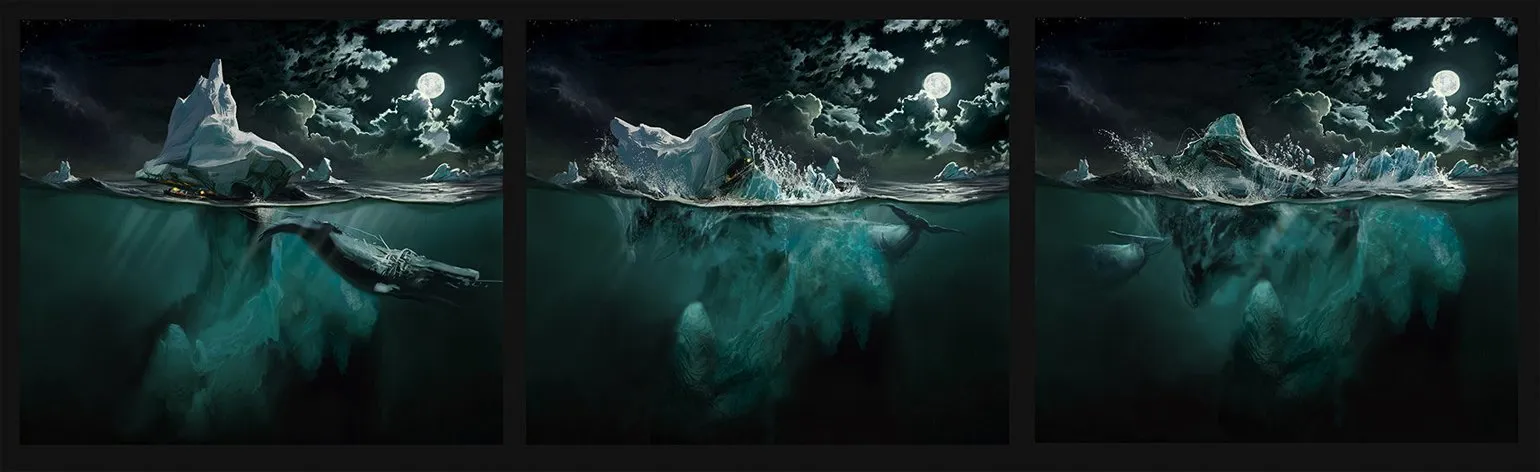
When I came to the film industry after working in animation, I was able to adapt and maintain the required pace thanks to the experience I gained. Concept artists typically collaborate with VFX companies rather than directors, which allows for a slower workflow and more evenly distributed workload among several artists. In my case, I worked directly with the directors, and I completed the tasks alone. Compared to concept art for games and films, film has a more noticeable freestyle and speed of execution. Game concepts typically require more detailed development.
Valery Zrazhevsky is a concept artist and course director at Skillbox. His experience and knowledge in concept art enable students to master key skills and techniques. Valery places particular emphasis on developing creative thinking and developing an individual style in his students. His courses cover various aspects of an artist's work, including character creation, environment creation, and visual storytelling. The classes are focused on the practical application of knowledge, helping students successfully implement their projects in the industry. Valery's experience working on large-scale projects makes training at Skillbox even more valuable and relevant for future concept art specialists.
Who are you in the world of game development? A mini-course for those who want to make games.
In this free mini-course, you'll try yourself as a game designer, 2D artist, or Unity game developer and choose the profession that's right for you.
Find out more.