Learn: The Profession of Narrative Designer
Learn MoreA narrative designer is a key specialist in game development, responsible for creating the story and narrative in games. They use a variety of tools to achieve their goals, and text is just one of them. The role of a narrative designer on a team can vary depending on a specific project, including developing dialogue, building storylines, and creating unique characters. The main task of a specialist is to integrate narrative into the gameplay to ensure a deep and engaging interaction between the player and the game.
Narrative designers Anton Radus from Beresnev Games and Vitaly Aleksashin from Banzai.Games helped us explore the nuances of the profession. Their experience and knowledge allowed us to better understand the specifics of work in this field, as well as the importance of a narrative approach in the development of game projects.
Characteristics of the profession
A narrative designer plays a key role in the development of game concepts, turning simple destruction of monsters into a full-fledged interaction with the game world. Players begin to not just complete levels, but have unique experiences, form connections with characters, and observe the development of their hero. The main task of a narrative designer is to create engaging and dynamic elements that not only tell a story but also move the plot forward, providing players with deep immersion in the gameplay. An effective narrative structure helps strengthen emotional connections with players and makes games more memorable.
Pure narrative design is a field that not everyone can tackle early in their career. Most often, newcomers encounter roles as a screenwriter, where they create stories, develop characters, and write dialogue, or as a game designer. To become a valuable member of the team, it is essential to have a deep understanding of the game development process. You need to study game mechanics, set up quests and cutscenes, and write texts and scripts. A comprehensive understanding of these aspects will allow you to be more valuable to your team and successfully implement narrative concepts in games.
Anton Radus is a narrative designer at Beresnev Games. In his role, he is responsible for creating engaging stories and original characters, which makes games more engaging for players. His experience and skills in narrative development help shape unique stories that immerse players in the worlds created by the Beresnev Games team. Anton actively works to ensure that each project is characterized by depth of storytelling and attention to detail, which helps increase interest in the company's games.
Storytelling elements in games are varied, and a narrative designer fulfills many roles. One key task is the development of game systems, where game design plays a significant role. In games, the story is presented through various narrative mechanics, allowing for deeper immersion of the player and creating a unique interaction experience. The combination of narrative and gameplay contributes to the creation of engaging and memorable stories that make the game more appealing to the audience.
A narrative designer must clearly understand the difference between their role and that of a scriptwriter. A key aspect of a narrative designer's work is the ability to combine elements of game design and level design. A significant part of their job involves conveying the story not only through dialogue but also through the environment and game mechanics. In some cases, a narrative designer may not even write dialogue at all. Unfortunately, many Russian studios don't always realize this, and aspiring designers can develop a distorted understanding of their role, which can quickly lead to disillusionment with the profession. To avoid this, it's important for studios to develop an understanding of the value of narrative design and its multifaceted nature.
Vitaly Aleksashin is a narrative designer at Banzai.Games. He specializes in creating engaging stories and character development for video games. With his experience and creative approach, Vitaly makes a significant contribution to the development of gaming projects, helping them stand out from the competition. His work is characterized by depth and originality, which makes Banzai.Games games more engaging for players.
Florence excels in skillfully conveying its story through visual imagery and game mechanics. Every element, including everyday actions like brushing your teeth, is transformed into a minigame. Descriptions are no substitute for first-hand experience—immerse yourself in the game and sense the emotion and meaning conveyed through interactive elements. This approach makes Florence a unique experience in the world of video games, emphasizing the importance of interaction in storytelling.
Anton Radus is a narrative designer at Beresnev Games. In his role, he is responsible for creating engaging and deep stories that enrich gameplay and immerse players in unique worlds. His work includes developing storylines, creating characters, and interacting with game mechanics, helping to make each game memorable. Anton strives to create original content that will engage and evoke emotional reactions in players, thereby enhancing their engagement with the gaming experience.
How does a narrative designer work?
Previously, writers were involved in game development mainly at the final stages, when dialogue and other in-game text needed to be written. In some cases, writers might not be involved in the development process at all. For example, the Belgian studio Larian developed the plot of its first RPG, Divine Divinity, just three days before release, relying on ideas generated during a brainstorming session among the programmers. This highlights how spontaneous the creative process can sometimes be and how it operates outside of conventional frameworks.
In a documentary about the making of Divinity: Original Sin, Larian Studios' lead writer, Jan van Dosselaer, shared that a fellow writer joined him midway through the development of the first game. Prior to this, he had been working on the story and its presentation independently. By the time Divinity: Original Sin 2 was underway, the team had expanded to eight narrative designers, significantly expanding the possibilities for creating a deep and engaging story. This change reflects the team's growth and increased resources dedicated to developing the narrative aspect of Larian Studios' games.
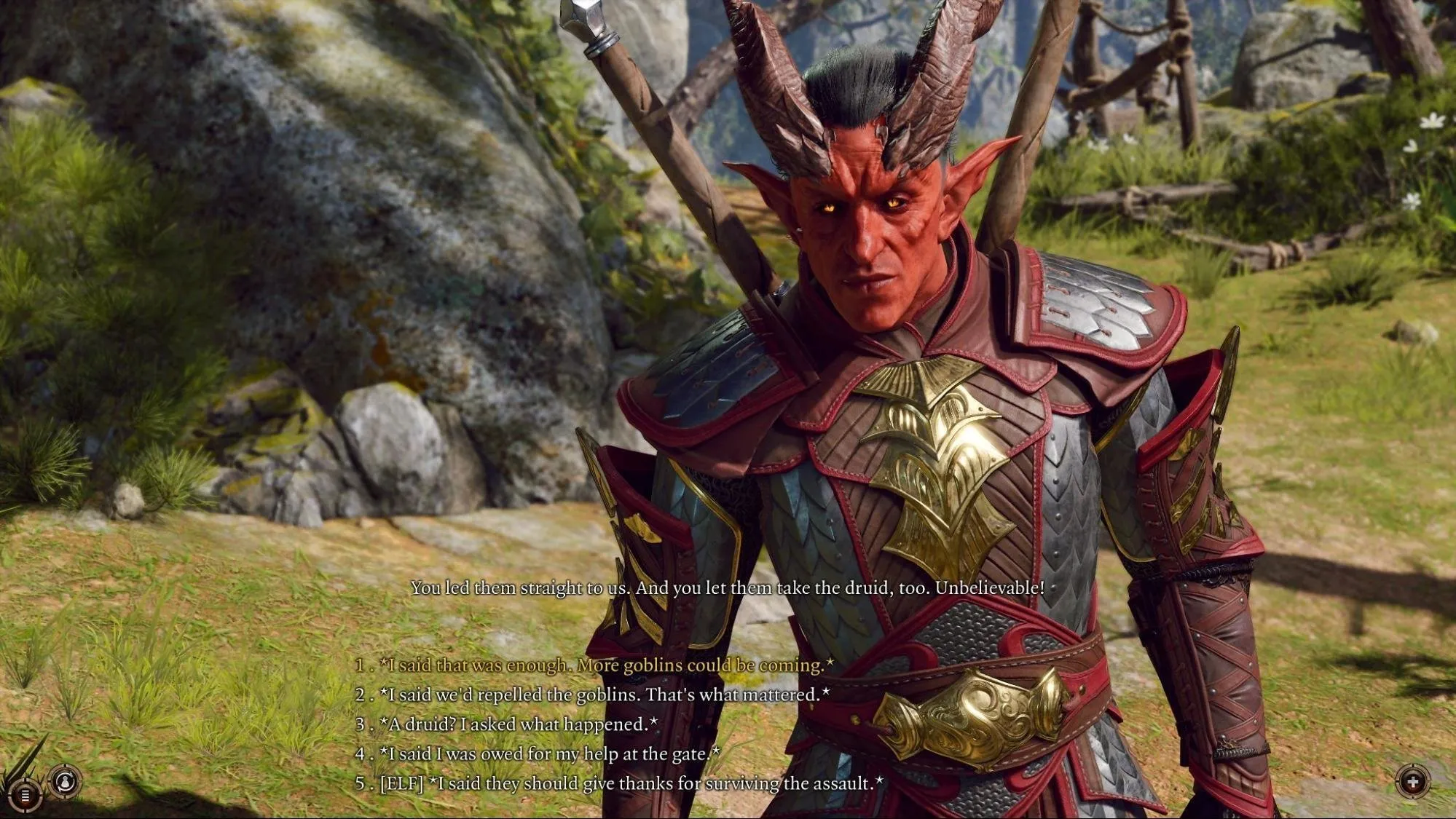
Script and other texts for Baldur's Gate III are being developed by Larian's Dublin division. Studio head Swen Vincke sought to employ native English speakers to work on the texts to ensure high-quality and natural dialogue. This decision underscores the importance of localization and cultural context in creating an immersive experience for players.
Writing skills are key to the profession of a narrative writer. This specialist creates texts in various formats that play a vital role in shaping the game world, character design, and quest development. Narrators are also responsible for writing dialogue trees, which ensures a deep and engaging storyline in a game. Developing writing skills helps a narrator effectively convey ideas and emotions, which makes gameplay more engaging and memorable for players.
Of course, I'm ready to help rewrite the text. Please provide the source text for editing and SEO optimization.
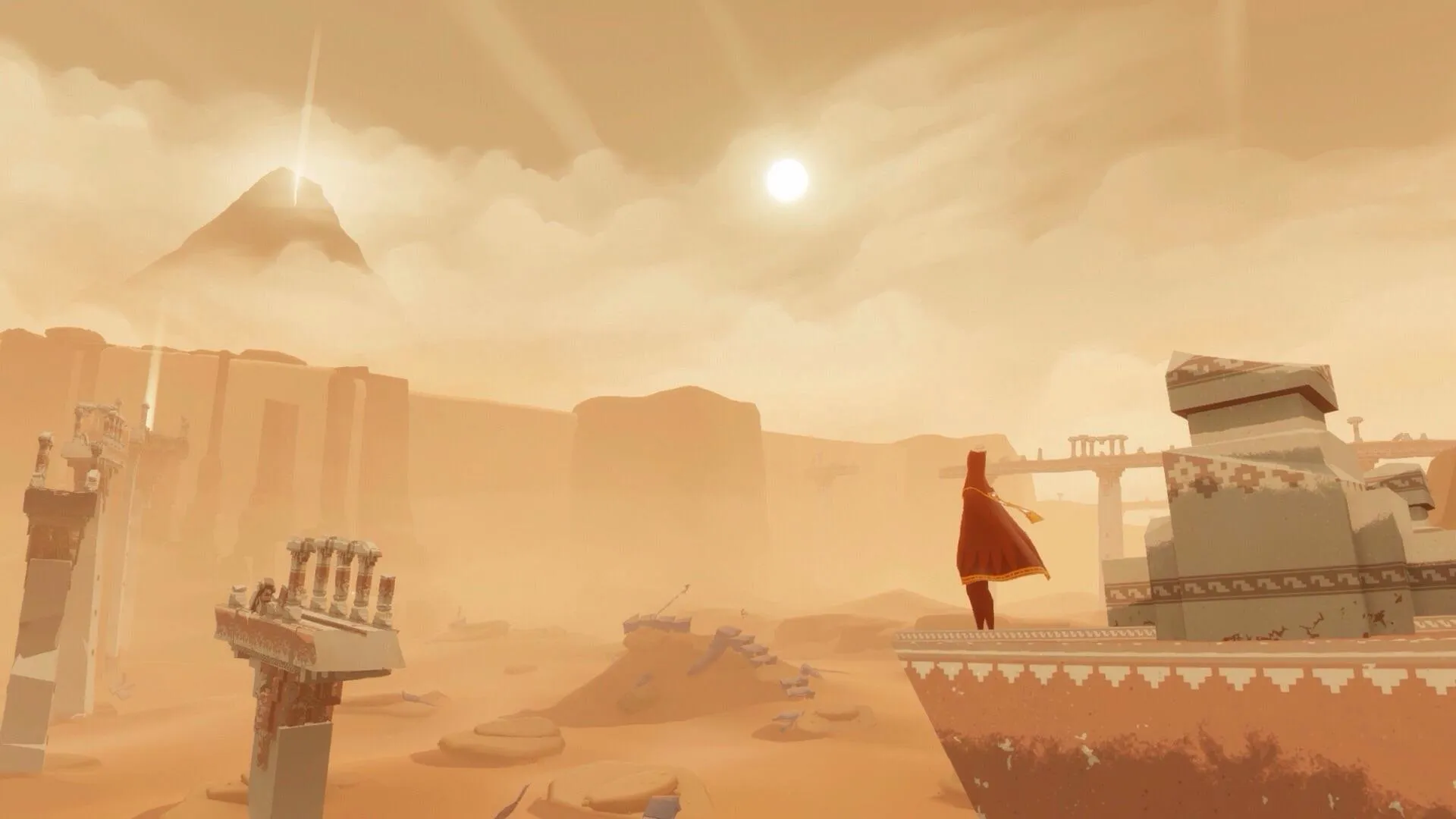
Use a minimal amount of text to convey your idea. While text isn't always the most effective storytelling tool, it shouldn't be ignored entirely. For example, the team behind Journey managed to convey their story without words. Meanwhile, the developers of Disco Elysium wrote over a million words, five times the length of War and Peace. In both cases, the principle holds: the first story could be told without words, while the second was impossible. The success of both games highlights the importance of choosing the right approach based on the context. Your job is to determine the best approach to your game's story.
Anton Radus is a narrative designer at Beresnev Games. His professional practice focuses on creating engaging and profound stories for video games. His experience and creative approach help him develop unique narrative structures that capture players' attention. With his attention to detail and understanding of game mechanics, Anton successfully integrates storylines with gameplay, making the company's projects more engaging and memorable. At Beresnev Games, he continues to develop his skills, collaborating with a team of talented developers and artists to create high-quality game content.
The narrative designer plays a key role in selecting references, which is an essential part of their job. The artist's brief is passed on to the narrative designer, who is responsible for uniting all game elements into a logical and consistent structure. This requires a deep understanding of both visual and narrative aspects to create a harmonious interaction between the plot and graphics. The correct selection of references helps ensure the integrity of the game world and promotes deeper player engagement.
References selected by the narrative designer create a cohesive game world. Character design, location architecture, and item placement—every detail conveys a small story to the player, harmoniously fitting into the setting and supporting the plot. These elements not only enrich the gaming experience but also contribute to immersion in the story, making interaction with the game world more engaging and memorable. Proper use of references helps create an atmosphere that captures attention and keeps players interested throughout the game.
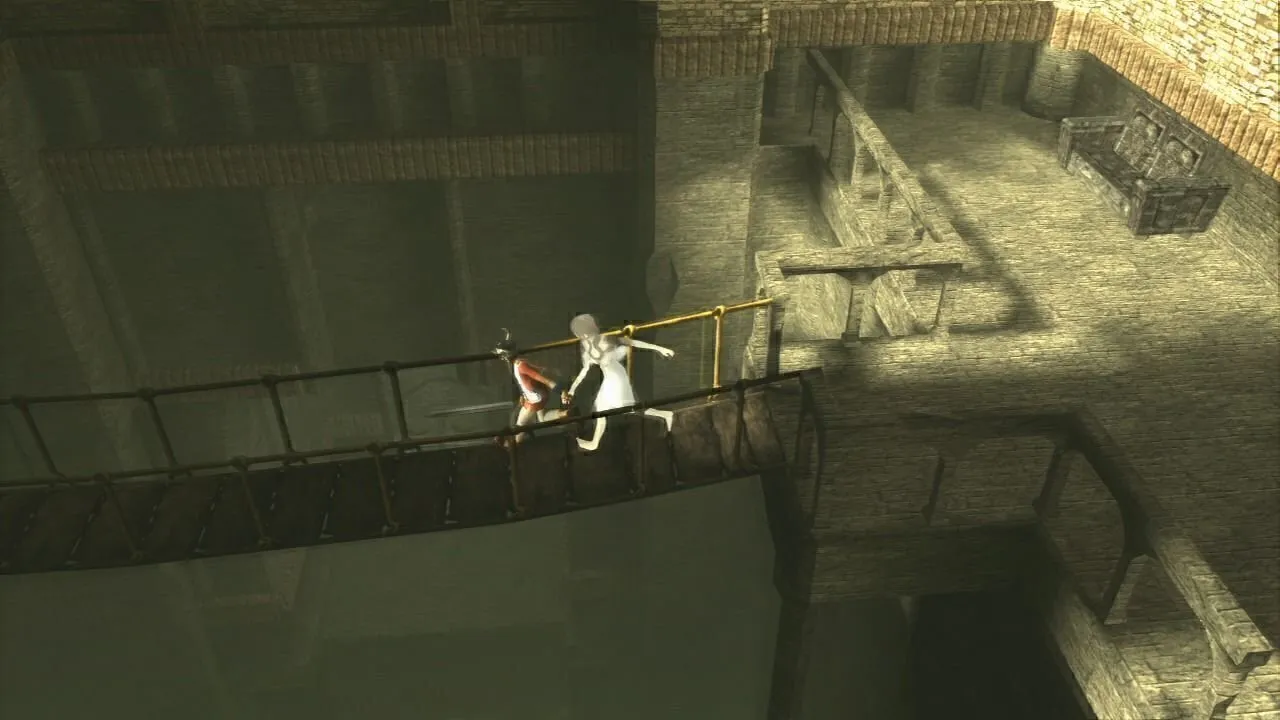
Ico and other games by Japanese game designer Fumito Ueda are a shining example of effective interactive storytelling. These games feature simple stories, yet highly emotionally engaging players. Interestingly, the protagonist and his companion communicate in different languages and don't understand each other. All interactions in the game are based on non-verbal cues, and the hand-holding mechanic becomes a key element of the gameplay. These approaches create a unique gaming experience that is memorable.
Anton Radus is a narrative designer at Beresnev Games. In his role, he is responsible for creating engaging stories and character development, which contributes to a unique gaming experience. His experience in developing narratives allows Beresnev Games to create deep and memorable stories that captivate players. Anton actively utilizes modern approaches to narrative design, which makes the company's projects competitive in the market.
A narrative designer plays a key role in creating an audiovisual experience, participating in the selection of music, character voiceovers, and sound effects. It is important that the sound matches the atmosphere of the scene and enhances immersion. The persuasiveness of the character's voice, the chosen language, and the quality of the voiceover influence the perception of the character and their story. Sound can also be used to develop unique narrative mechanics, which enriches the gameplay and creates a deeper connection between the player and the story. Effective use of audio elements helps create atmospheric and memorable moments in a game, enhancing the overall narrative experience.
The 'Show, don't tell' principle, widely used in film, has evolved into a more active approach in the gaming world: 'Don't just show - involve!' Players should be able to not just observe events, but also actively participate in them. This is one of the key advantages of video games as a media format. A narrative designer must closely monitor moments when the game's interactivity decreases and address such shortcomings in a timely manner. A common problem is lengthy cutscenes. Instead of showing the hero finishing off a mortally wounded partner, give the player the opportunity to pull the trigger and make their own decision. This will not only increase engagement, but also make the gameplay more dynamic and emotionally charged.
Anton Radus - Narrative designer at Beresnev Games. He creates unique stories and scenarios for video games, allowing players to become deeply immersed in their worlds. Combining creativity and knowledge of game mechanics, Radus develops engaging narratives that capture attention and sustain player interest throughout the game. Thanks to his efforts, Beresnev Games projects are not only entertaining but also memorable thanks to carefully crafted characters and plots.
Narrative Designer Profession
You will learn from scratch how to create scripts for games, invent characters, write dialogue, and convey ideas through gameplay. You can earn money in game development and implement the game project you've always dreamed of.
Find out more