Contents:
Learn: Profession Producer
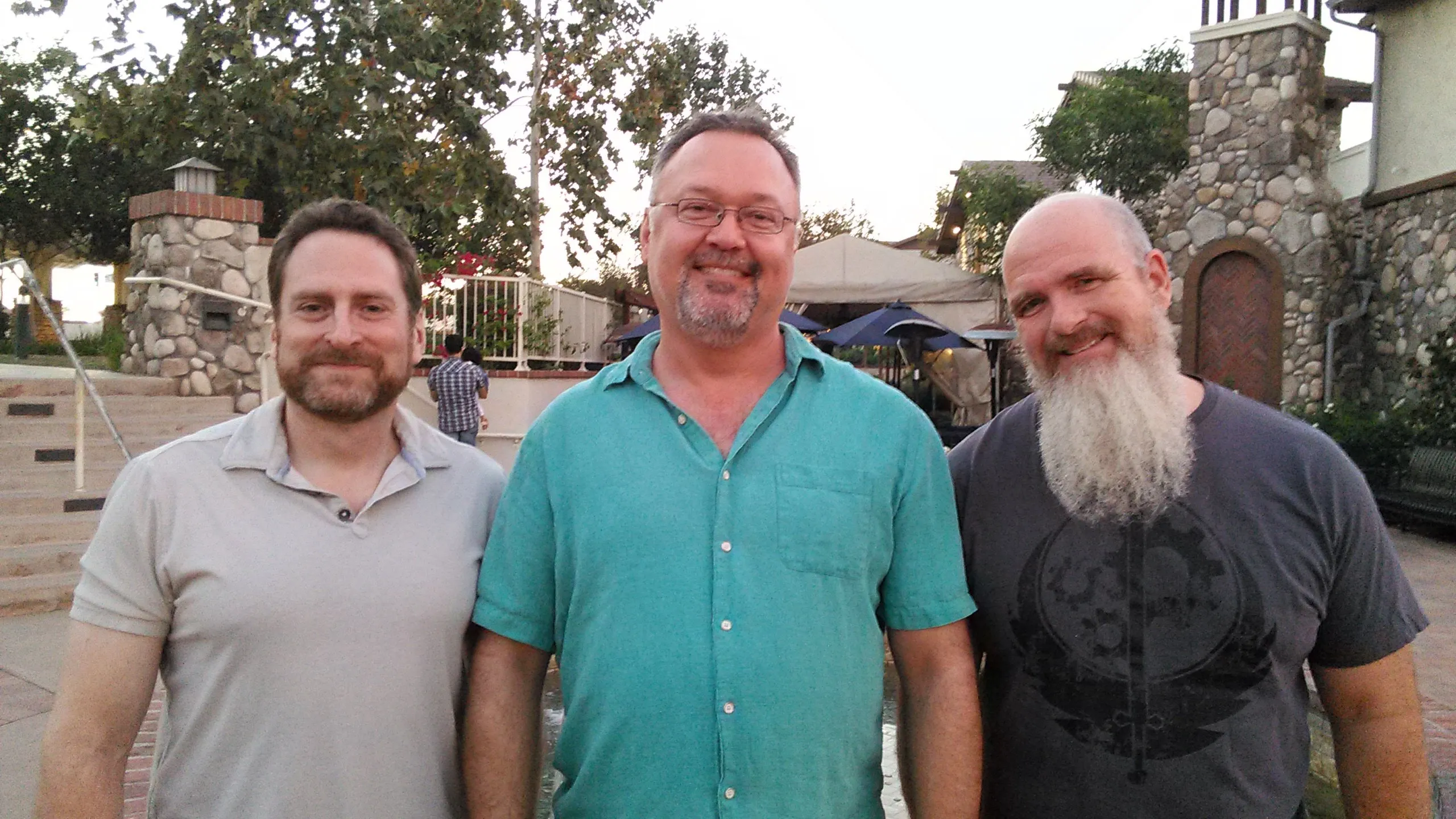
Learn moreOn November 16, 2004, Vampire: The Masquerade — Bloodlines, developed by Troika Games, was released. Troika Games was founded in 1998 by three former employees of Black Isle Studios, which operated under the Interplay brand. Founders Leonard Boyarsky, Tim Cain, and Jason Anderson became known for their contributions to the first installment of the famous Fallout game. Bloodlines continued the tradition of role-playing games, combining a deep storyline, atmospheric gameplay, and an original system of interaction with the surrounding world, which made it a cult work among fans of the genre.
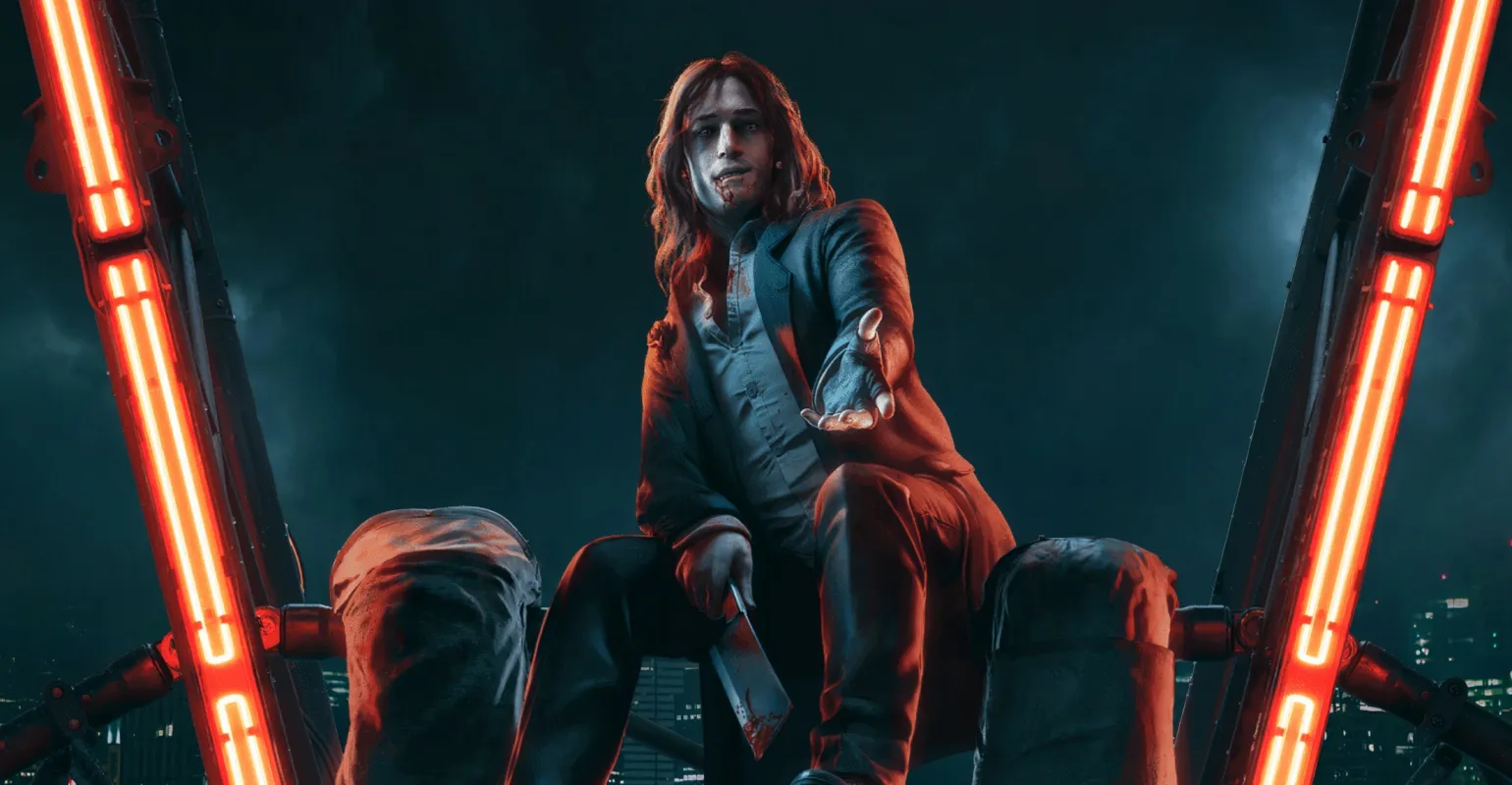
Bloodlines was released alongside Half-Life 2, one of the iconic games of the 2000s. Both projects used Valve's Source engine. A new and still underdeveloped toolkit, the developers' high ambitions, bugs at the outset, and a poor launch time impacted sales, which totaled only 72,000 copies, with revenue reaching only $3.4 million.
Over time, Vampire: The Masquerade — Bloodlines has gained a cult following among players. The fan community continues to actively develop the game, creating new patches and expansions. In this article, we explore the reasons why a game that won the hearts of many faced such difficulties in its development.
Challenging Conditions for Working with the Source Engine
Nowadays, shareware game engines with detailed instructions and accessible support have become popular in the game development industry. Unity and Unreal Engine are especially worth noting. At the beginning of the 21st century, open-source engines became a real novelty for developers, providing the opportunity to create high-quality games without significant financial investment. These platforms provide a wide range of functionality, allowing developers to implement their ideas and create unique gaming projects.
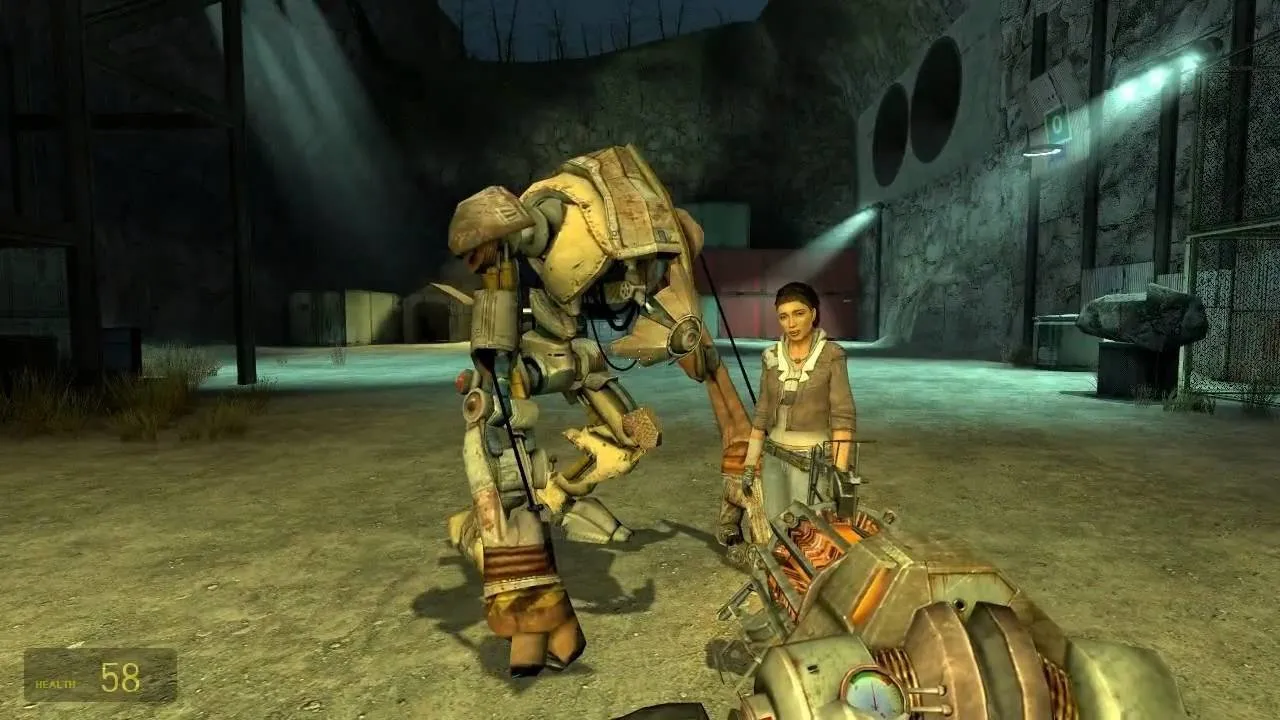
Troika Games began developing Bloodlines in November 2001. Valve's new Source engine wasn't yet fully mastered, even by the developers themselves. Valve, led by Gabe Newell, was simultaneously refining the engine while developing Half-Life 2. Troika Games found itself using unfamiliar code and tools, which complicated the development process. The studio had only one source of support—Valve—and a lack of engine documentation added to the difficulties. Not all tools worked correctly. For example, the Faceposer editor, designed for creating facial expressions, skeletal animation, and choreography for scripted scenes, only became functional in early 2004. More detailed information about Valve technologies can be found in a separate article.
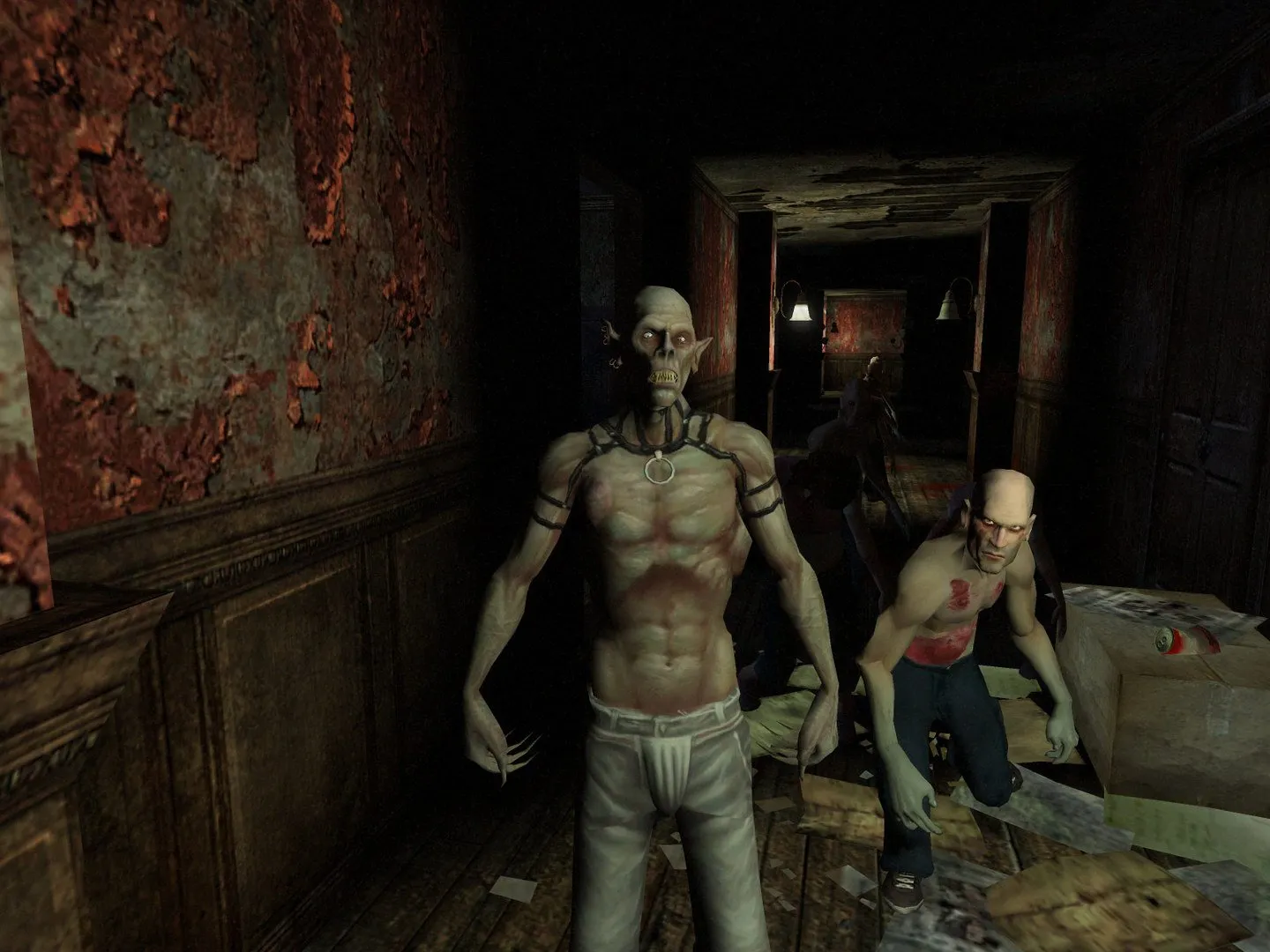
Despite the existing technical difficulties, the Bloodlines game demonstrated at the time of release impressive graphics. The project utilized parallax texturing, per-pixel shading, and realistic animation of character movements and facial expressions. However, compared to Half-Life 2, Troika's game still lacked visual effects and could not boast the same advanced physics.
Troika Games' Ambitions
The game's scale is significant, underscoring the developers' lofty ambitions, driven by its choice of setting. The fictional universe of World of Darkness, and in particular the board game Vampire: The Masquerade, has had a significant influence on the development of the role-playing game genre. This is the first board game in which the protagonists act as antagonists—characters who oppose those whom the protagonists usually fight in other games.
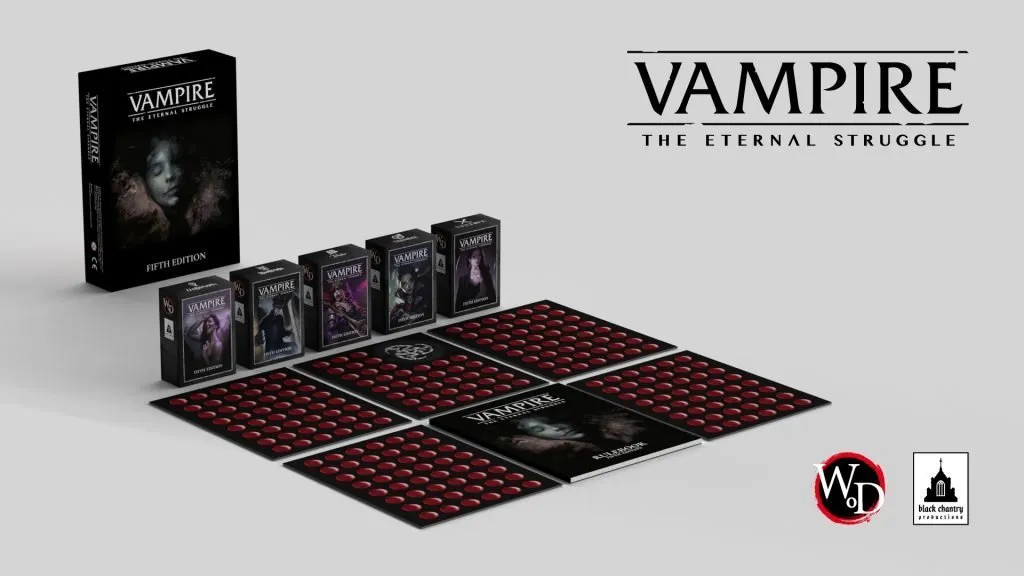
The tabletop RPG "Vampires" features unique mechanics that require players to confront not only external enemies but also internal demons. The game's rules require players to drink blood, adding an element of strategy and depth to the gameplay. The original version of the tabletop game was released in 1991 and became a landmark in the RPG world. The game of that era radically changed the approach to character creation: now, not only actions but also the choice of who the player decides to play as became critically important. The game designers strove to create not only a physical reality but also a nuanced psychological and social portrait of the hero, making "Vampires" a cult game for lovers of deep storytelling and complex moral choices.
Troika Games sought to adapt tabletop role-playing game elements into a computer RPG. As a result, Vampire: The Masquerade – Bloodlines achieved cult status thanks to its deep storyline, well-developed characters, engaging presentation, and captivating quests. The game became a landmark example of how to successfully combine RPG and tabletop gameplay elements, captivating both genre fans and new players.
Based on Troika's tabletop version, the video game features seven clans with unique abilities. Bloodlines was designed as a highly nonlinear game with an emphasis on role-playing. NPCs react to the player's actions differently depending on the reputation of the clan they belong to. The nonlinearity of the plot is also emphasized by the presence of five different endings, which adds depth to the gameplay and allows each player to experience a unique experience.
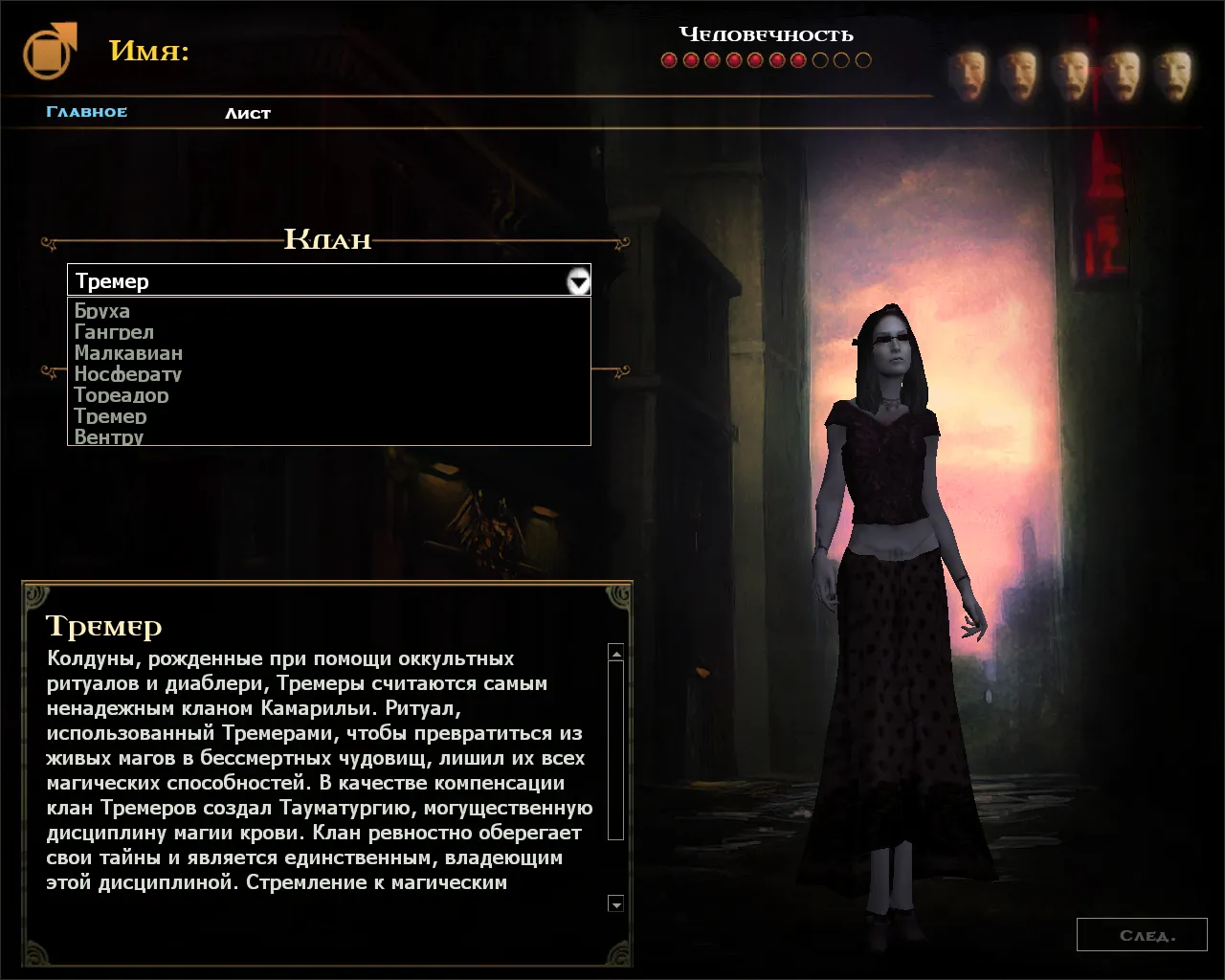
Troika aimed to combine elements of a classic computer role-playing game with first-person shooter gameplay. Vampire: The Masquerade — Bloodlines features stealth, melee combat, and gunplay, as well as a high level of variability. The successful implementation of these components allows the game to be classified as an immersive simulator. We have already discussed the difficulties of this genre in previous materials.
The developers demonstrated their ambitious intentions by unveiling plans for a multiplayer mode. However, this aspect of the game was ultimately cut.
The scope of a game often turns out to be excessive. When a game tries to cover too many possibilities, it can lead to many of them being poorly implemented. This happens when designers set high standards and are not willing to abandon certain ideas. Sometimes, the reason is overpromising to the publisher, such as implementing sneaking and melee combat mechanics in an FPS. Adapting one game genre to a completely different one requires significant effort, including creating new animations, designs, and artificial intelligence. At the initial stage, it's difficult to even estimate how much time will be required to develop a prototype and further refine it.
Brian Mitsoda is a narrative designer known for his work on Vampire: The Masquerade - Bloodlines. His contributions to creating a gripping story and deep characters have had a significant influence on the development of role-playing games. Bloodlines has become iconic thanks to its unique blend of gothic atmosphere and complex moral choices, allowing players to immerse themselves in the world of vampires and their intrigues. Mitsoda applies his skills to creating captivating narratives that remain relevant to this day. His work inspired many developers and players, emphasizing the importance of storytelling in video games.
Bad Release Timing
The failure of Bloodlines was due not only to its internal problems, but also to poor decisions by publisher Activision. One of the key factors was the lack of an advertising campaign, which significantly reduced player awareness of the project. Initially, the release of the vampire RPG was planned for the spring of 2005, but the game ultimately came out in February 2004, which could have also negatively affected its perception.
The release of the game was moved up: Activision decided to release the project on the same day as Half-Life 2 - November 16, 2004. Analyzing the release calendar, one can see that the role-playing game about vampires had almost no chance to stand out against other significant releases of that period. The competition was fierce, and many players might have overlooked this game due to the strong competition.
GTA: San Andreas will be available on October 26th. This cult classic captivates players with its gripping storyline, open world, and variety of options. In San Andreas, players can explore a vast state, complete missions, interact with characters, and customize their vehicles. The game's release date is generating great excitement among fans of the series, who are eager for new adventures in a familiar world. Don't miss your chance to immerse yourself in the unique atmosphere of GTA: San Andreas starting October 26th.
Halo 2 will be released on November 9th. This first-person shooter is a sequel to the renowned Halo series and continues the story of Master Chief. The game includes many new features, graphical enhancements, and an expanded multiplayer mode that allows players to battle each other in a variety of modes. Halo 2 has become a significant milestone in the development of the genre and continues to attract the attention of video game fans around the world. Don't miss your chance to dive into the exciting world of Halo 2, which promises an unforgettable experience. Need for Speed: Underground 2 will be released on November 9th. This game continues the popular series, bringing new features and improvements to the world of street racing. Players will be able to explore a vast open world, customize their cars, and participate in various competitions. Need for Speed: Underground 2 places an emphasis on customization, allowing players to create unique cars that reflect their style. Don't miss your chance to dive into the exciting world of street racing and experience the adrenaline rush that this game offers. Metroid Prime 2: Echoes will be released on November 15th. This game continues the exciting story of the Metroid series, offering players new adventures and unique mechanics. In Metroid Prime 2: Echoes, players will be able to explore dark and light worlds, encounter new enemies, and uncover many secrets. The game combines elements of action and exploration, while maintaining the signature style of the series. Expect enhanced graphics and engaging gameplay that will attract new and experienced players alike. Don't miss the November 15th release date.
Half-Life 2, released on November 16th, is one of the most iconic video games in history. Developed by Valve, this game continues the story of the first Half-Life, offering players innovative gameplay, a deep story, and impressive graphics for its time. In Half-Life 2, players take on the role of Gordon Freeman, who fights against the alien regime and their allies. The game has received numerous awards and critical acclaim, becoming a cult classic in the world of video games. With its unique mechanics and thoughtful level design, Half-Life 2 remains relevant and beloved among fans of the genre.
Vampire: The Masquerade – Bloodlines will be released on November 16th. This game is a sequel to the iconic RPG based on the world of vampires. In Bloodlines, players are immersed in the dark atmosphere of urban vampire society, where they must make crucial decisions that impact the story and their characters. Enhanced graphics and new mechanics are expected, making the game even more exciting for fans of the genre. Don't miss the release of Bloodlines on November 16th to once again delve into the world of intrigue and mystery of vampire culture.
Call of Duty: Finest Hour was released on November 16th. This game is the first installment in the renowned Call of Duty series on consoles and offers players a unique first-person military shooter experience. In Finest Hour, you will be able to immerse yourself in the atmosphere of World War II, fighting on various fronts and completing a variety of missions. The game features a high level of detail, a gripping storyline, and multiplayer modes, making it attractive to fans of the genre.
Metal Gear Solid 3: Snake Eater, a game that was released on November 17th, is one of the most significant projects in the world of video games. It continues the story of the legendary character Naked Snake, immersing players in the atmosphere of the Cold War. In this exciting adventure, users will be able to explore vast jungles, complete a variety of missions, and encounter unique enemies. The game offers innovative stealth mechanics and a rich story, making it a must-have for fans of the genre and the entire Metal Gear series. Prepare yourself for the unforgettable moments and gripping plot twists that made Metal Gear Solid 3: Snake Eater a cult classic.
A recent successful example of how not to allow games to compete is the release of Valheim. Developer Iron Gate delayed the game's launch from December to February to avoid clashing with Cyberpunk 2077. Valheim became a surprise hit thanks to its well-chosen release date: February 2021 saw few major releases. We discussed this game in detail in a separate article, where we examined its key features and popularity.
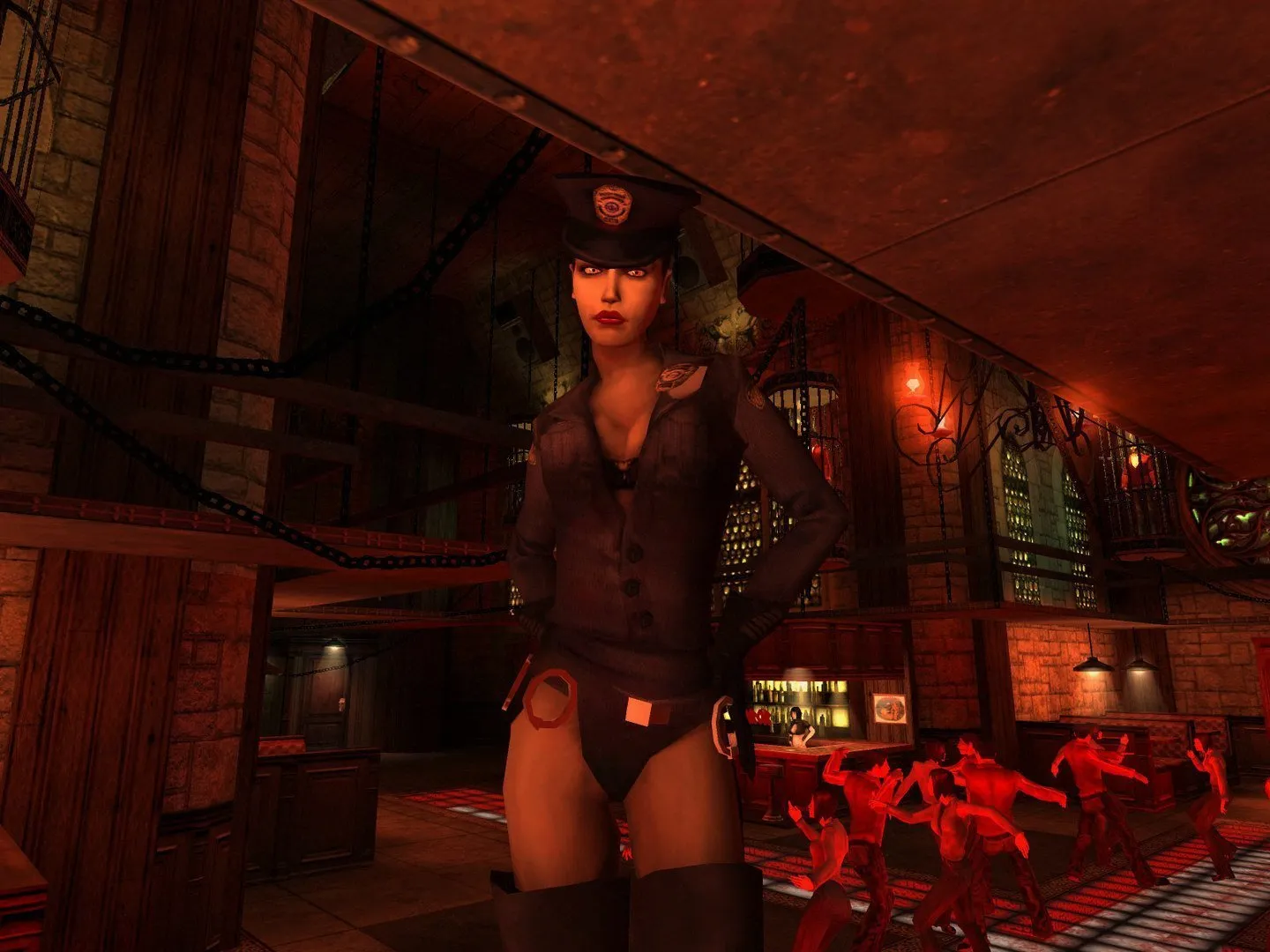
Unfinished version on release
Vampire: The Masquerade — Bloodlines had been in development for three years when the publisher gave Troika a tough ultimatum: finish the game within a few months or abandon its release. Information about the release date change appeared on November 10th, just a week before the official release of the project.
The developers announced that they needed to finish the project within a few months, which would inevitably lead to rework. During this period, it became clear that their game was no longer a priority for the publisher.
Brian Mitsoda is a renowned narrative designer who made significant contributions to the development of Vampire: The Masquerade — Bloodlines. His work on the project not only defined a unique narrative style but also deepened player interaction with the world of vampires. Mitsoda focused on creating rich storylines and deep characters, making Bloodlines a cult title among fans of the genre. His approach to dialogue writing and quest construction was highly praised, contributing to a captivating and memorable gaming experience. Brian Mitsoda continues to be a key figure in the video game industry, inspiring a new generation of developers to create quality content.
The game launched with numerous bugs, some of which prevented players from completing Bloodlines. As a result, the developers were forced to remove some content, leading to a significant increase in action in the final part of "Vampires" compared to the first half of the game. This also negatively affected the storylines, which became less consistent and developed.
The Curse Has Reached the Sequel
In 2019, a sequel to the vampire RPG was announced, published by Paradox Interactive and developed by Hardsuit Labs. The second part of the game was supposed to move the action to Seattle, offering players a deeper and more immersive gameplay, according to trailers and statements from the developers. Expectations for the game were high, as fans hoped for improved mechanics and expanded gameplay options, which would make immersion in the world of vampires even more exciting.
In the summer of 2020, key members of the Bloodlines 2 team left the project, which affected its release date. The game's release was delayed until 2021, but Hardsuit Labs was then removed from development. As a result, Paradox handed the project over to another team, the name of which remains unknown. Currently, the sequel to Bloodlines 2 has no set release date, causing concern among fans of the series.
As with the first game, much of the created content was rejected. Writer Chris Avellone, known for his work at RPG studios Interplay, Black Isle, Obsidian, and Owlcat Games, worked on Bloodlines 2 for two and a half years. However, in 2018, he left the project after his contract expired. According to his statement, Hardsuit Labs did not use any of the elements created by Avellone for the RPG. This situation highlights the challenges of development and maintaining an author's vision in modern projects.
Writing is not just a process; it is a part of life. Even if I knew that all my efforts would be in vain, I would continue writing. This activity brings satisfaction and allows me to express my thoughts. Although I can’t return to the past, I understand that there is no point in dwelling on failures. I have worked on projects where the costs were significantly higher, and this has taught me to appreciate every creative moment. Writing is a path worth taking, no matter the circumstances.
Chris Avellone is a renowned screenwriter who worked on the Vampire: The Masquerade — Bloodlines 2 project. His experience and creative approach to scriptwriting have made a significant contribution to the development of the gaming industry. Bloodlines 2 continues the tradition of the first part, offering players a deep story and unique characters. Avellone’s works are known for their attention to detail and well-developed world, which makes him an ideal candidate to create a captivating story within this iconic franchise. The script for Bloodlines 2 promises to be rich and multi-layered, which will attract both fans of the first part and new players interested in the world of vampires.
Why did Troika Games close?
The first game in the Bloodlines series, despite all its shortcomings, has achieved cult status. The fan community continues to thrive, and enthusiasts independently refine the project and create new patches, maintaining interest in the game.
Bloodlines attracts players with a gripping storyline and ample role-playing opportunities. Particular attention should be paid to the dialogue, rich in dark humor, which allows you to manipulate NPCs using skills of intimidation, persuasion, and seduction. This element of interaction adds depth and variety to the game, making every decision important and significant for the development of the plot.
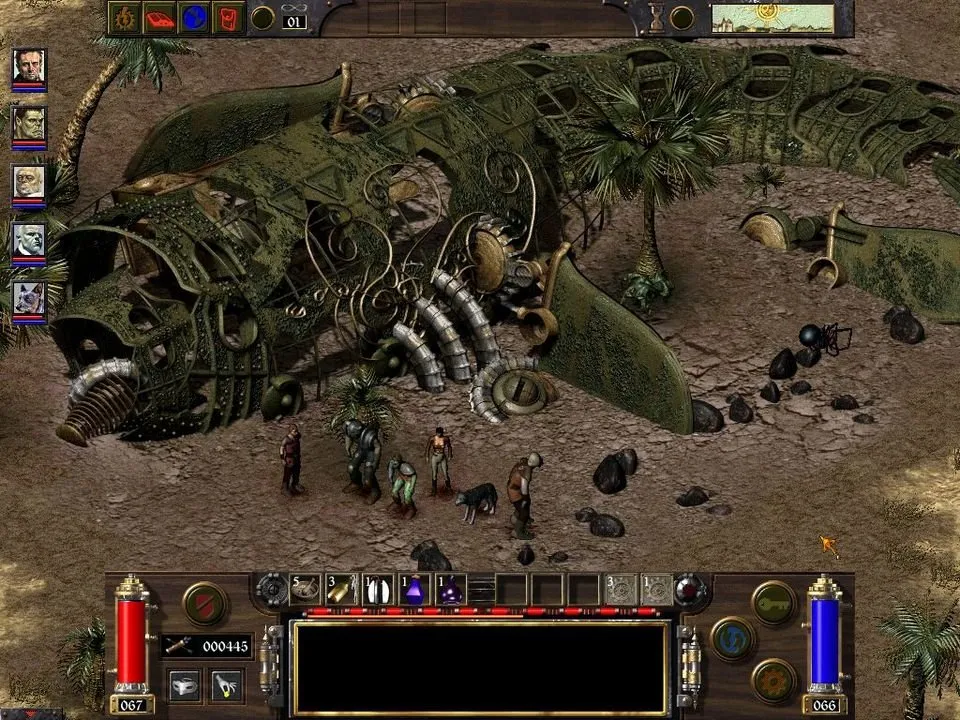
The irony is that Troika Games released only three games in its short history. One of them was Arcanum: Of Steamworks and Magick Obscura, released in 2001 with the support of Sierra On-Line. The game sold 234,000 copies, generating revenue of $8.8 million. Arcanum became a landmark project in the role-playing game genre, combining elements of steam technology and magic, which made it unique among other games of the time.
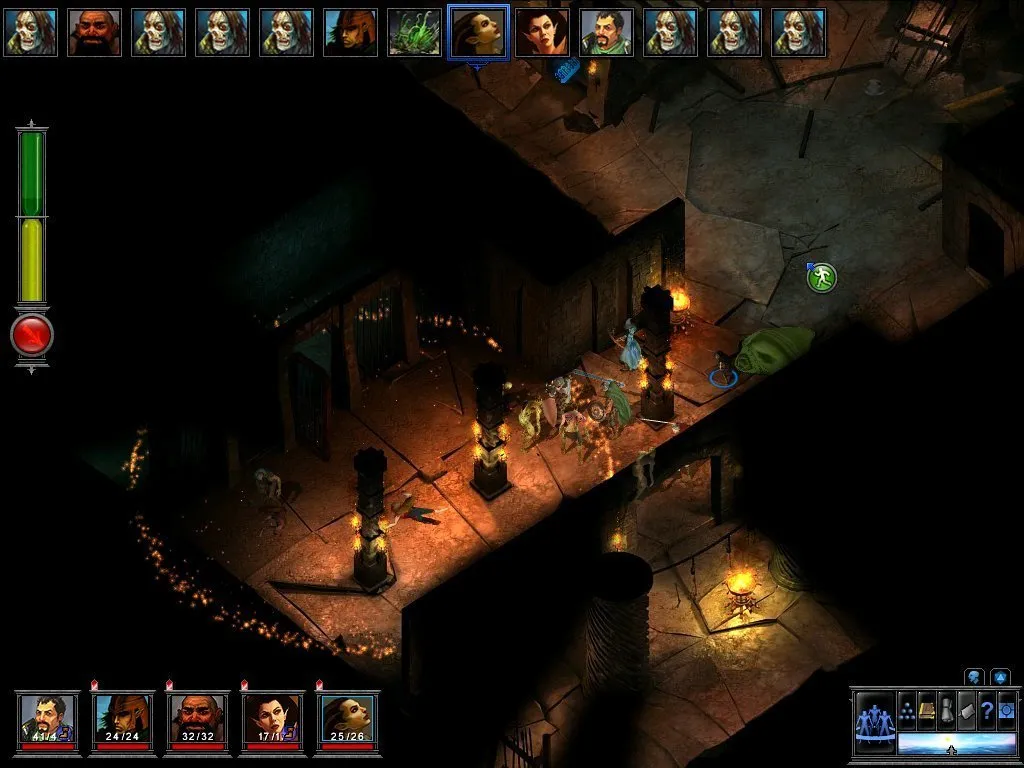
Role-playing The Temple of Elemental Evil was released in 2003 by Atari. 128,000 copies were sold during its run, generating revenue of $5.2 million. Troika, the studio that developed the game, was experiencing negative growth, with each new game showing lower sales than the previous one. Meanwhile, Vampire, published by Activision, generated $3.4 million in revenue for the publisher.
Each of these RPGs received positive reviews from critics but failed to generate the necessary income for the studio to continue its existence. Interestingly, the publisher of the project changed with each new game.
In February 2005, Troika Games ceased to exist. The reasons for its closure were low sales and the studio's negative reputation, known for its buggy games. These factors made it significantly more difficult to attract funding for new projects, which ultimately led to the company's closure.
The Vampire: The Masquerade franchise continues to live on despite the uncertain status of Bloodlines 2. In September 2021, the free-to-play battle royale game Bloodhunt was released. While Bloodhunt adheres to the basic conventions of the genre, it doesn't fully capture the atmosphere of the tabletop game that inspired the entire series. Players can immerse themselves in the world of vampires, but many note that the RPG elements and deep character development typical of the tabletop version are absent. Nevertheless, the franchise continues to attract attention, and fans are hopeful for further development of the series.
I urge abandoning features that cannot be implemented within the established deadlines. Removing some ideas allows you to focus on the most important aspects and avoid overloading the team. Unfortunately, many in the gaming industry don't realize this. This is especially true for role-playing games: their publishers and fans expect gameplay to last anywhere from fifty hours to infinity, but creating quality content for such a lengthy game is often impossible.
Brian Mitsoda is a renowned narrative designer who worked on Vampire: The Masquerade - Bloodlines. His contributions to this iconic project played a key role in shaping the game's unique atmosphere and deep story. Mitsoda is known for his mastery of compelling characters and nuanced dialogue, making the game a truly unforgettable experience for fans of the genre. Vampire: The Masquerade – Bloodlines continues to be a significant milestone in the world of video games, and Brian Mitsoda's work underscores the importance of narrative design in the gaming industry.
One can only wonder what Troika Games' world would have been like if the vampire RPG had been released in the spring of 2005, as originally planned. Perhaps we really do live in a reality reminiscent of "The Masquerade," where vampires hide their dark secrets from mortals. The game's intriguing concept and deep world-building could have changed the perception of the RPG genre and left a significant mark on video game history. Troika Games' creative potential could have certainly been fully realized if the project had been released as planned.
Game Producer Profession
You will learn how to turn an idea into a game project - from the first prototypes to release. Learn to develop concepts, manage a development team, and release products that will delight users and generate profit.
Learn more