Contents:
Learn: Profession Game Designer from scratch to PRO
Learn moreIn recent months, Embracer Group has attracted the attention of many interested in the gaming industry. The company has become one of the leaders in the process of laying off employees, closing internal studios, and canceling unannounced projects. Discussion of the holding's strategy reached its peak after the announcement that the development of a new installment in the Deus Ex series was terminated, which caused a wide resonance among gamers and industry experts. Embracer Group continues to be at the center of discussions about the future of the gaming industry, and its actions can significantly impact the market.
Initially, Embracer Group's management planned to significantly expand the company's influence in the gaming market by acquiring numerous studios. However, the company has now changed its course, and it has begun to optimize its assets. In this article, we will analyze the reasons why Embracer acquired dozens of game studios, and also find out why now is the time to optimize their operations.
How it all began
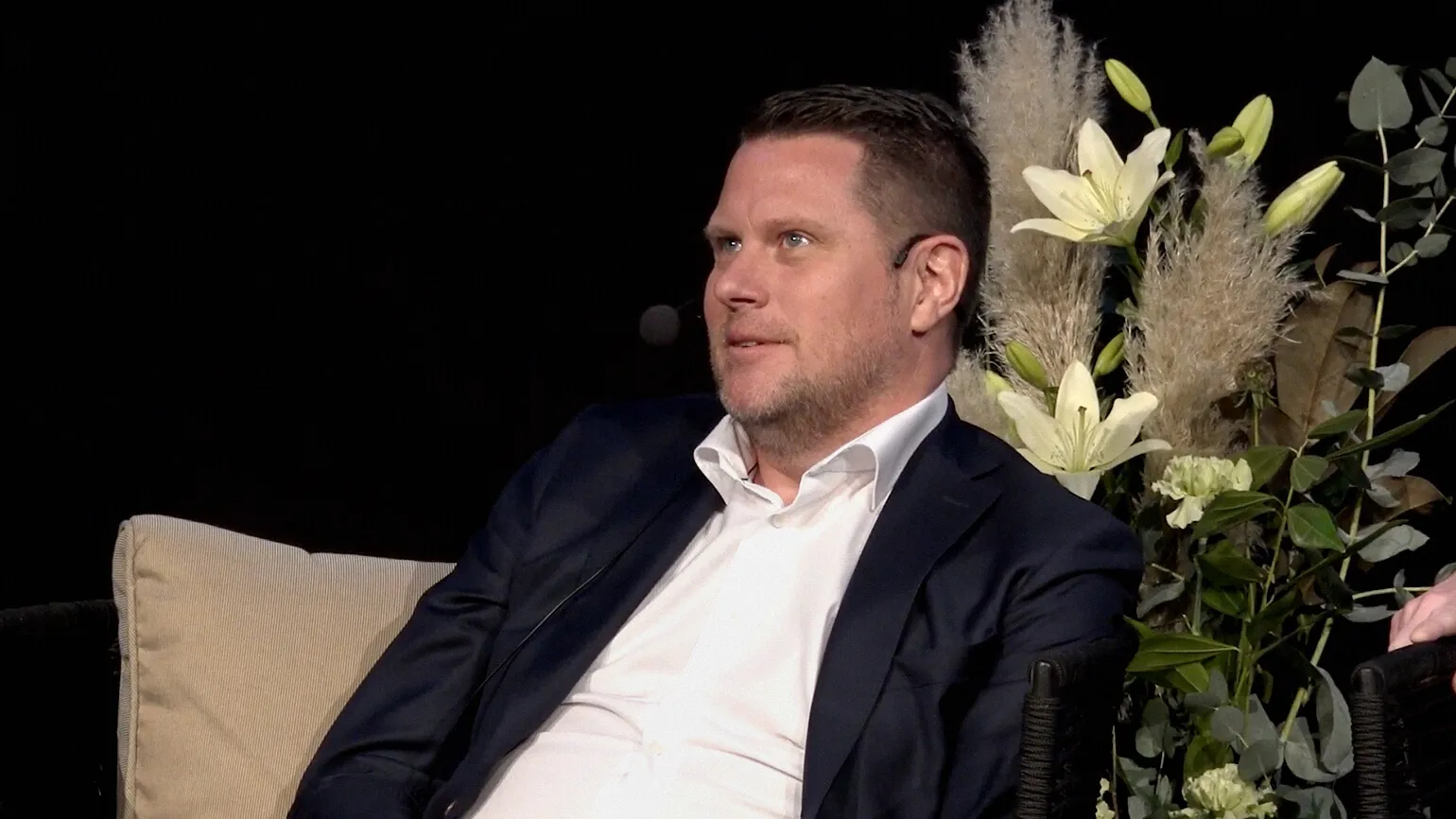
Embracer Group is a Swedish holding company formerly known as Nordic Games Licensing and THQ Nordic. Founded by Lars Wingefors, who has been operating in the video game industry since the 1990s, Embracer Group is actively developing the gaming business and investing in new projects. The holding company is known for its portfolio, which includes many popular game franchises and studios, which makes it a key player in the video game market.
Wingefors's career has had its ups and downs. However, by 2011, he managed to find a successful niche for himself and his company. Nordic Games began acquiring small gaming companies that were in difficult financial straits. This move not only expanded the game portfolio, but also revitalized brands that needed a new lease of life. Thus, Vingefors has strengthened his position in the gaming market, demonstrating the ability to find opportunities even in the most difficult situations.
The company's first significant acquisition was JoWood Entertainment, which was in bankruptcy proceedings at the time. Nordic Games Licensing immediately acquired the rights to over 50 intellectual properties, including well-known series such as Gothic, How to Annoy Your Neighbor, Spellforce, and Painkiller. The company's management immediately defined strategic directions: focusing primarily on the most popular franchises while simultaneously developing new projects.
In 2013, a significant acquisition occurred when Nordic Games Licensing acquired virtually all of the intellectual property (IP) of bankrupt publisher THQ for a total of $4.9 million. The acquired assets included well-known game series such as Darksiders, Red Faction, Titan Quest, and Destroy All Humans. This acquisition was a significant step for Nordic Games, significantly expanding their portfolio and strengthening their position in the video game market.
Vingefors described the acquisition as "a new beginning for all of Nordic Games" and noted the company's willingness to collaborate with developers of popular games to create sequels. However, the businessman avoided launching expensive projects, preferring to focus on safe re-releases of well-known titles like Darksiders. This decision allowed Nordic Games to minimize risks and strengthen its position in the market, as well as draw attention to classic games that still interest the audience.
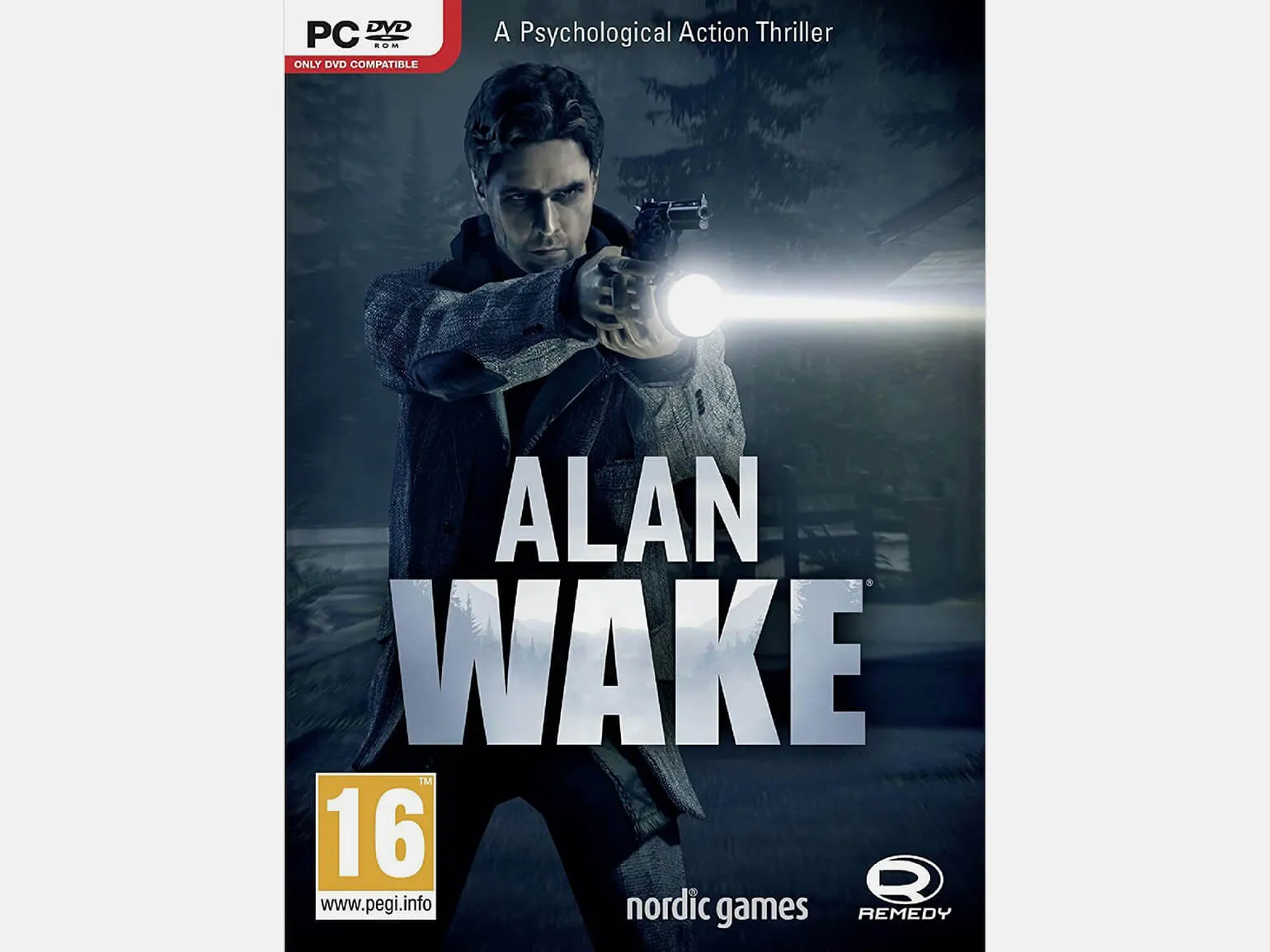
In 2016, Nordic Games Licensing acquired the rights to the THQ brand and rebranded as THQ Nordic. This announcement attracted significant attention from both the gaming industry and gamers, fueling interest in the products and titles released under this name. THQ Nordic continues to build on the THQ brand's legacy by bringing players new and familiar game franchises.
By the mid-2010s, Vingefors' holding company had amassed an impressive portfolio of rights to popular AA games. However, the company wasn't content to rest on its laurels. In February 2018, it made its largest acquisition yet, buying Koch Media Holding for nearly $150 million. This strategic merger allowed Vingefors to strengthen its market position and expand its game offerings, significantly increasing interest in the company among gamers and investors.
THQ Nordic incorporated the media company of the same name, now known as Plaion, as well as publisher Deep Silver. Recent changes also saw the company acquire rights to popular game series such as Metro, Saints Row, and Dead Island. Just a few months after these acquisitions, THQ Nordic reported an impressive 673% increase in profits, underscoring the success of its strategies and the continued success of its portfolio.
In the fall of 2019, THQ Nordic changed its name to Embracer Group. This decision was made to eliminate confusion with its subsidiary THQ Nordic GmbH and to more clearly represent its organizational structure as a holding company. The renaming emphasizes the company's commitment to clarity and simplification of interactions with partners and clients.
Embracer Group, a holding company, became successful thanks to its ability to acquire numerous companies during the low-interest rate environment of the 2010s. Investors readily financed these deals, which contributed to the growth and expansion of the business. During this time, the term "era of free money" emerged in the economy, reflecting the availability of capital. Embracer Group's management actively attracted investment to implement its ambitious expansion and development plans, which helped strengthen the company's position in the market.
Embracer Group's strategy reached its zenith in the early 2020s, when the company actively began acquiring the rights to AAA games and large gaming studios. This strategy was not limited to the gaming industry; the holding company also acquired Dark Horse Media, which includes a well-known comic book publisher. These steps allowed Embracer Group to significantly expand its influence and strengthen its position in the entertainment market.
Largest acquisitions after 2018
By 2023, Embracer Group will have more than 130 internal studios and over 15,000 employees in more than 40 countries. Wingefors's main goal was not only to expand the business but also to leave a significant mark on the video game industry. At the same time, developers from the acquired studios note that Embracer provides them with significant freedom in the creative process, which has a positive impact on the quality and innovation of their projects.
This section presents the holding's key acquisitions made after 2018.
- February 2019 - Warhorse Studios, known for Kingdom Come: Deliverance.
- May 2019 - Piranha Bytes, which developed the Gothic, Risen, and Elex series.
- August 2019 - Gunfire Games, which launched the Remnant series.
- February 2020 - Saber Interactive with all its internal studios.
- August 2020 - 4A Games, which developed the Metro series.
- February 2021 - publisher Gearbox Entertainment, with its internal studios best known for the Borderlands series. That same month, Embracer acquired Aspyr, a company that worked on ports of games to various platforms.
- May 2022 — acquisition of several studios and IP from Square Enix for $300 million. The deal included the rights to the iconic Tomb Raider, Deus Ex, Thief, and Legacy of Kain series, as well as studios from Crystal Dynamics and Eidos Montreal.
- August 2022 — Middle-earth Enterprises, which owns part of the rights to The Hobbit and The Lord of the Rings.
Some acquisitions in the gaming industry were relatively inexpensive, such as the acquisition of 4A Games for €45 million. However, other deals required significant financial investments. In particular, the acquisition of the French board and card game publisher Asmodee cost €2.7 billion. These investments highlight the growing value and potential of the gaming industry, where companies are willing to spend large sums to expand their portfolios and strengthen their market position.
Embracer Holding actively sought to establish itself as a leading player in the gaming industry, developing and releasing projects of various scales. However, in 2023, the situation turned out differently than expected.
Why it all went awry
After 2022, the gaming industry faced a decline in confidence in its development. The global economy is experiencing rising inflation, which has negatively impacted financial flows. Investors, previously willing to invest funds on favorable terms, have become more cautious and stopped providing capital at low interest rates. This circumstance creates new challenges for game developers and entertainment companies, forcing them to adapt to changing market conditions and seek new sources of financing.
In May 2023, Embracer announced the collapse of a $2 billion deal that had been in the works for more than seven months. Media outlets later reported that negotiations were underway with Savvy Games Group, an investment company founded by the Saudi Arabian Sovereign Wealth Fund. Importantly, SGG previously partnered with Embracer in 2022, when it invested over $1 billion, securing an 8.1% stake and 5.4% voting control in the holding company. The reasons why the deal fell through remain unknown.
The consequences were not long in coming. In June 2023, Embracer Group announced a significant restructuring. It emerged that the company's continued expansion had been supported primarily by multiple investments, as the holding company was not yet capable of generating stable and significant profits on its own. This occurred despite the presence of an impressive portfolio of iconic gaming IP.
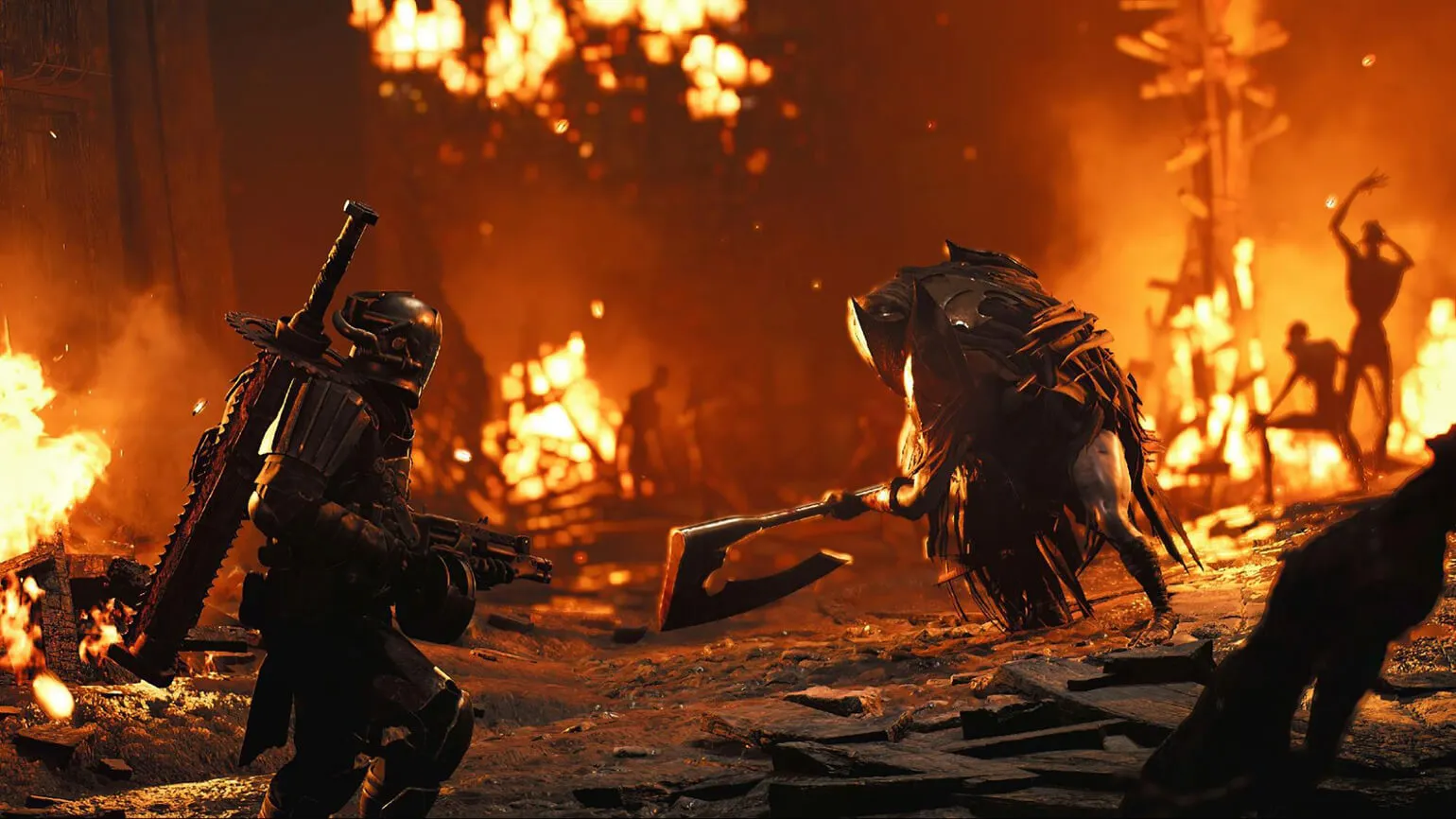
Embracer Group released successful projects such as Dead Island 2 and Remnant 2, but this was not enough to sustain growth. Analysts point to the company's lack of experience in the mass production of AAA games, which could pose a serious obstacle to its further development. The success of individual releases does not compensate for the need to create a full-fledged portfolio of high-budget games capable of attracting a wide audience and ensuring financial stability.
Embracer Group's management decided to cease active external investments and reduce expenses and debt obligations. As a result, it was announced that several internal studios were closing and some unannounced games were canceled. These measures are aimed at optimizing the company's financial structure and increasing its resilience in a changing market.
Consequences of a Fallen Deal
The first victim of Embracer's restructuring was Volition, a 30-year-old studio known for such series as Saints Row and Red Faction. Since 2015, the studio's affairs began to deteriorate: the Agents of Mayhem and the Saints Row reboot projects did not live up to expectations. The team made efforts to improve the second game by releasing major free updates and DLC, but this was not enough to restore its former popularity.
Embracer Group openly admitted that the new Saints Row game did not live up to expectations, especially in terms of critical and fan reaction. Nevertheless, many players were sad to part with the developers who created iconic games such as Saints Row 2 and Red Faction: Guerrilla. These projects left a significant mark on the video game industry and filled fans' hearts with vivid memories.
Soon, it became known that Embracer had laid off staff at Gearbox Publishing. Despite this, the studio successfully released Remnant 2, which sold one million copies in its first week of release, exceeding the holding company's expectations. Information on the scale of layoffs has not yet been disclosed.
In November, Lars Wingefors reported positive results from Embracer's restructuring. During the quarter, the holding company laid off approximately 900 employees, representing 5% of its total workforce. According to the company's CEO, the main goal of these changes is to create a leaner and more efficient business structure. The restructuring is aimed at streamlining processes and increasing Embracer's competitiveness in the market.
In December 2023, the video game industry experienced significant layoffs at New World Interactive, known for the shooter Insurgency, and at Lost Boys Interactive, which collaborated on Tiny Tina's Wonderlands. Additionally, Free Radical Design, creator of the TimeSplitters series, closed. These events highlight ongoing changes in the gaming sector, driven by economic factors and shifting demand for different game genres.
2024 has had a tense start for Embracer's internal studios. In mid-January, fans began expressing concerns about the possible closure of Piranha Bytes. Soon after, the studio confirmed the difficulties, but emphasized that they were continuing their work and were actively looking for partners to continue developing games.
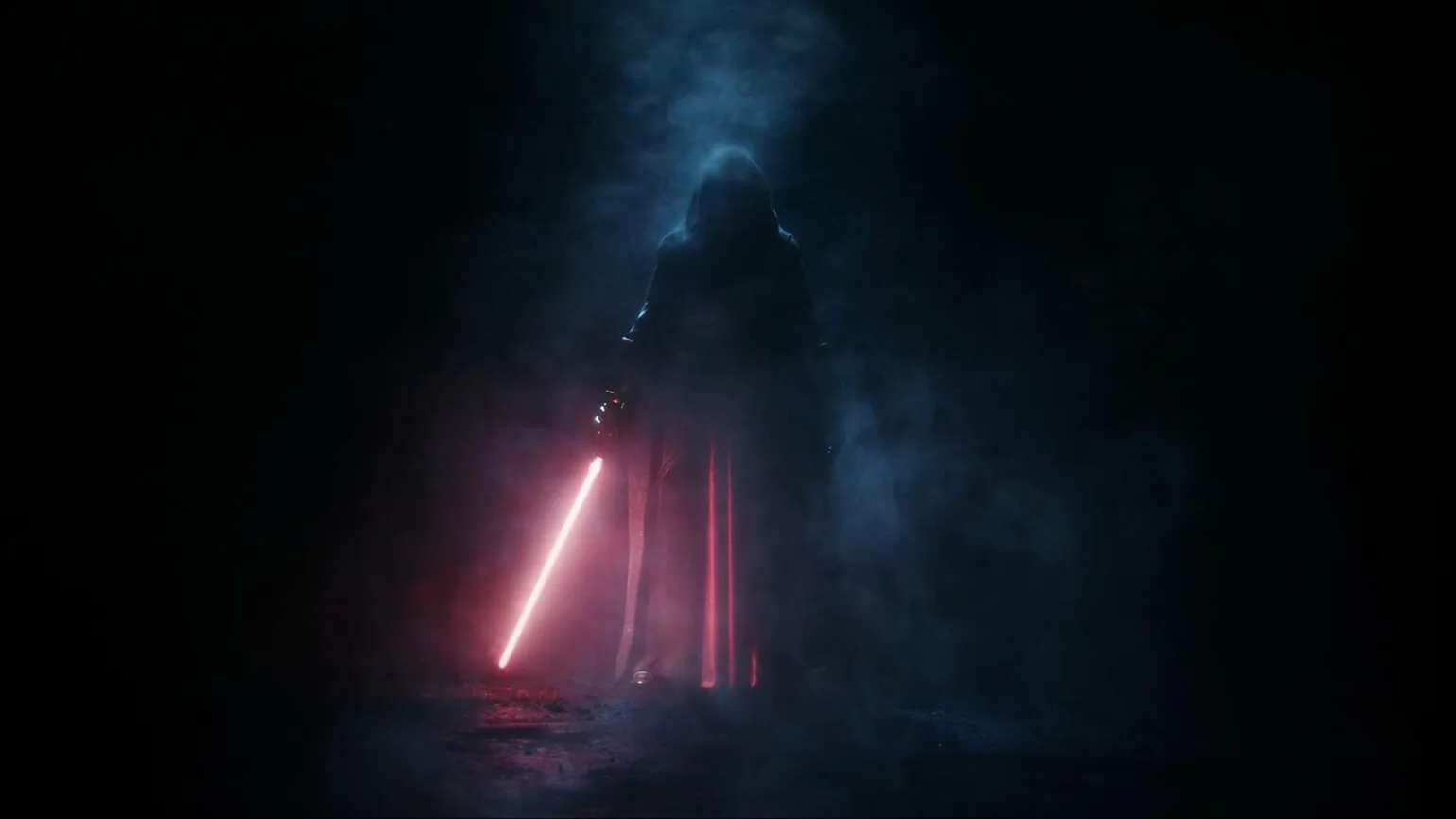
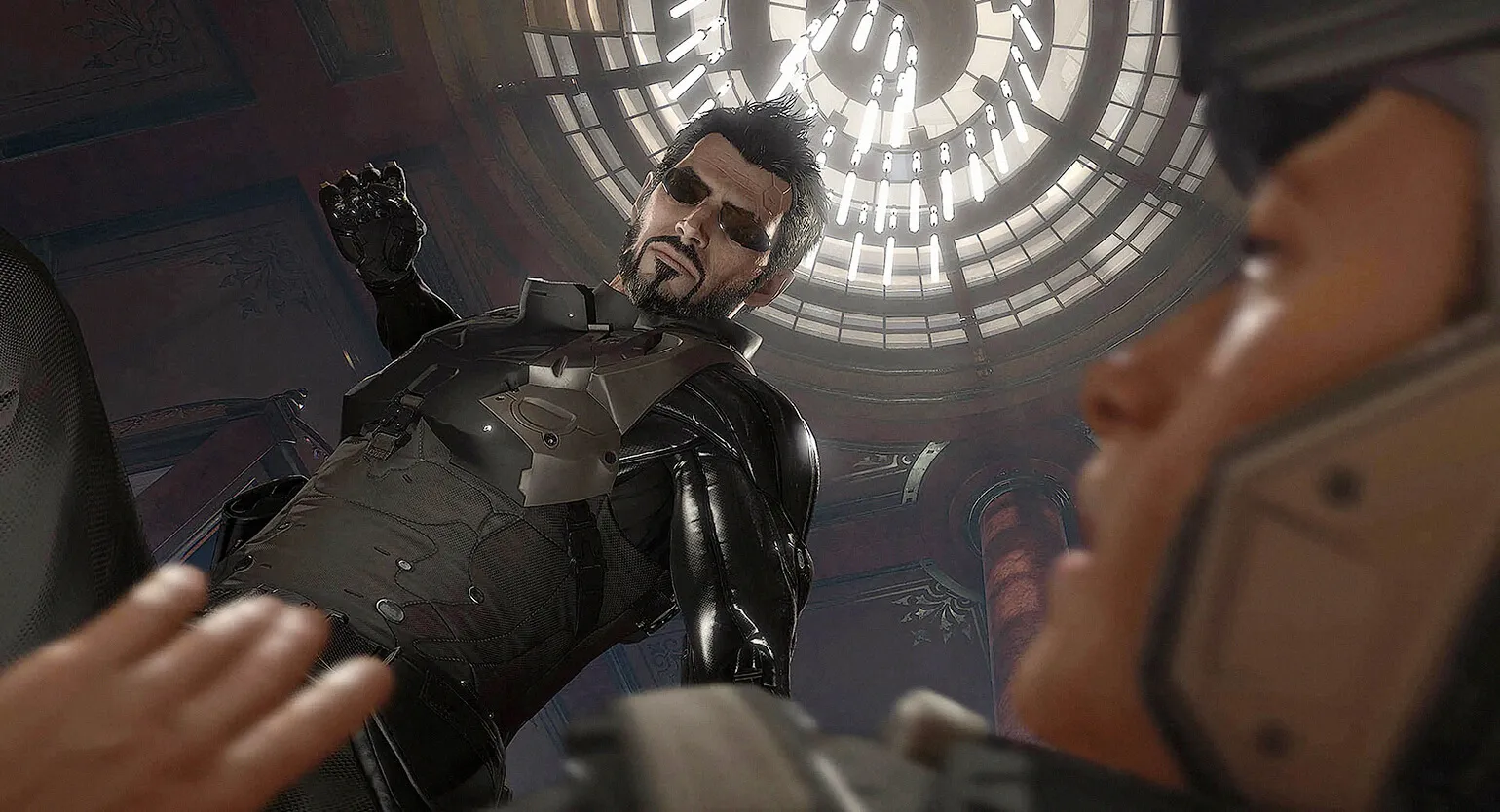
The cancellation of the next part of the Deus Ex game has caused a strong reaction in the gaming industry, especially against the backdrop of the layoffs of 97 employees at Eidos. According to information provided by Jason Schreier of Bloomberg, the development of this project lasted about two years. After the game’s closure, the studio decided to focus on creating new content based on original intellectual property. This decision highlights current trends in the gaming industry, where developers are increasingly looking for new ideas and unique concepts to attract audiences.
Information about the canceled Deus Ex game remains unclear, but Adam Jensen’s voice actor has mentioned that the project could have focused on a different character. He has not been contacted in the past two years to discuss a possible return to the role. This raises questions about the future of the series and what new stories could be presented to fans.
Following the cancellation of the Deus Ex project, Embracer Group has become the target of criticism among gamers, who have begun calling the company an "evil corporation." Reddit is actively discussing the negative consequences that users believe Embracer has caused to the gaming industry. Many participants note that the company has caused significant damage, comparable to the actions of EA, which closed several iconic studios over the past 25 years. This raises serious concerns about the future of popular gaming franchises and the fate of the developers who worked to create unique content.
Restructuring at Embracer is ongoing, and it is possible that news of additional layoffs and studio closures will soon appear. The holding company has accumulated numerous problems that need to be addressed. This situation clearly demonstrates the consequences of endless expansion without a clear contingency plan. It's important to remember that business growth must be accompanied by a strategic approach and preparedness for potential challenges to avoid future crises.
Development of highly anticipated games continues despite industry layoffs. In particular, Crystal Dynamics, in partnership with Amazon and The Initiative, is actively working on a new installment in the Tomb Raider series.
Subscribe to our "Checkpoint" Telegram channel. Here you'll find an atmospheric space dedicated to games and their development. We share helpful tips from industry professionals, discuss important updates to popular software, and explore the game creation process. The comments are open to your ideas and suggestions, as well as to discuss all aspects of game development. Join us to stay up to date with the latest news and trends in the world of gaming.
Game designer profession from scratch to PRO
A game designer creates the structure of a game. They think through the idea, rules, gameplay and decide what emotions the plot will evoke in players. You'll master game design principles from scratch and learn how to work with popular engines like Unity and Unreal Engine. You'll learn how to retain player interest and monetize games. And we'll help you start a career in the gaming industry.
Learn more