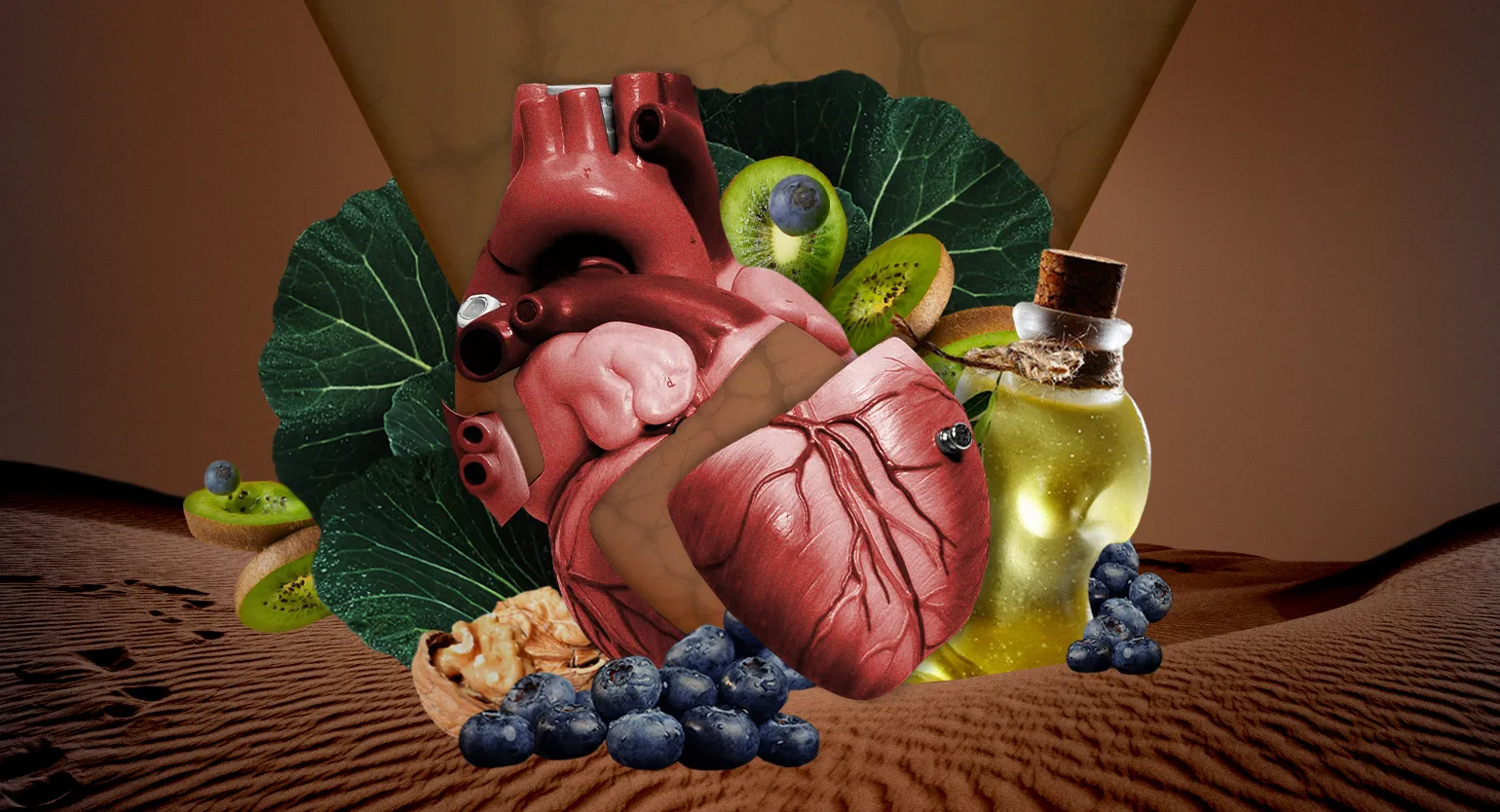

Free test: which digital profession is right for you? Find out the answer in 15 minutes and try your hand at a new specialty.
Find out moreHow nutrition affects the heart
Heart disease is more common in people who adhere to a Western-style diet, which is characterized by a high content of calories, sugar, and saturated fat. This diet contributes to the accumulation of excess weight and the formation of cholesterol deposits in the arteries. This, in turn, increases the risk of heart attacks, strokes, heart rhythm disturbances, and other serious health problems. In contrast, people who choose an Eastern diet experience these conditions significantly less often. Proper food choices and a balanced diet can be the key to heart health and the prevention of cardiovascular disease. Let's compare the two diets. We'll examine their characteristics, advantages, and disadvantages. This will help you make an informed choice based on your needs and goals. Proper nutritional choices can significantly improve overall health and increase energy levels. We'll cover key aspects such as health effects, diet composition, and recommendations for following it. By following the principles of the Eastern diet, you can achieve significant results in maintaining health and improving overall well-being. The Eastern diet is based on fresh, natural ingredients such as vegetables, fruits, grains, and legumes. This diet emphasizes variety and balance, which helps normalize metabolism and maintain an optimal weight.
The Eastern diet also includes healthy fats, such as olive oil and nuts, and avoids processed foods and excess sugar and salt. It promotes better digestion and a stronger immune system. Drinking green tea and other herbal infusions is an integral part of this diet, helping to remove toxins and improve the overall health of the body.
By following an Eastern diet, you can not only improve your physical health but also achieve harmony in life, which is an important aspect of Eastern nutritional philosophy.
- improve the condition of the arteries;
- lower blood pressure;
- normalize the heart rate (pulse);
- strengthen the heart muscle [1].
The heart and blood vessels function in a close relationship. When the heart muscle weakens, blood flow through the vessels slows, negatively impacting circulation. At the same time, if the vessels are in a state of spasm, this leads to increased blood pressure and increases the load on the heart. The condition of the vessels directly affects the nutrition of the heart, which emphasizes the importance of their health for the overall health of the cardiovascular system. Proper heart and vascular function are key to maintaining normal circulation and preventing various diseases.
Health experts emphasize the importance of a balanced diet, which is clearly represented by the Mediterranean diet. In the 1960s, a significant study was conducted in which scientists compared the diets of residents of Greece and Italy with the dietary habits of people in the United States and northern Europe. The results showed that residents of the Mediterranean region have a significantly lower incidence of cardiovascular disease. The researchers concluded that this is due to a high consumption of fresh vegetables, fruits, whole grains, nuts, olive oil, and certain types of fish. The Mediterranean diet not only promotes good health but also reduces the risk of chronic diseases, making it an excellent choice for anyone who cares about their well-being.
Which foods are good for the heart and blood vessels
Following a diet doesn't mean giving up your favorite dishes, but rather making conscious choices in favor of certain foods. Priority should be given to those that saturate the body with essential nutrients and help maintain heart health. In this context, we present a list of 12 heart-healthy foods that will help improve your well-being and support the cardiovascular system.
Regular consumption of leafy vegetables such as spinach, kale, and sorrel significantly reduces the risk of cardiovascular disease, according to research by American cardiologists. These vegetables are rich in vitamin K, which plays a key role in protecting blood vessels and improving blood circulation. Furthermore, leafy greens contain nitrates, which are often perceived as negative. However, nitrates are natural plant components, similar to vitamins. They can have a positive effect on heart health if the nitrogen content during cultivation is within normal limits. It's important to remember that moderate amounts of nitrates can be beneficial for the cardiovascular system.

Read also:
Vitamin K plays an important role in the body, ensuring normal blood clotting and maintaining bone health. Including foods rich in vitamin K in your diet can significantly improve your overall well-being. Below is a list of 30 foods that contain high levels of vitamin K. Green leafy vegetables such as spinach, kale, and broccoli are excellent sources of this vitamin. Also worth considering are foods like Brussels sprouts and kale, which are not only delicious but also healthy. Additionally, avocados and green tea provide vitamin K intake. Some fruits also contain vitamin K. For example, kiwi and grapes can be a healthy addition to your diet. Other foods that contribute to vitamin K include eggs, meat, and dairy products. Nuts and seeds such as walnuts and soybeans are another important source of vitamin K that can be easily included in your daily diet. Eating a variety of foods rich in vitamin K will help you maintain health and improve your quality of life. Note that vitamin K comes in two forms: K1 and K2. Vitamin K1 is found primarily in plant foods, while K2 is found in animal foods and fermented foods. Make sure your diet is varied to get all the forms of vitamin K you need for optimal health.
A study conducted by Edith Cowan University found that eating just one cup of vegetables daily can significantly reduce the risk of cardiovascular disease. Scientists analyzed health data from more than 50,000 Danish residents over 23 years. The study results showed that people who regularly consumed nitrate-rich vegetables had systolic blood pressure that was, on average, 2.5 mmHg closer to normal. Furthermore, the risk of developing cardiovascular disease in this group was 12–26% lower. Increasing vegetable consumption can be an important step in maintaining heart health and reducing the risk of disease.
The American Heart Association strongly recommends including at least two servings of vegetables daily. One serving of leafy greens is equivalent to two cups of raw or one cup of cooked lettuce, kale, or spinach. Eating these vegetables helps improve cardiovascular health and provides essential vitamins and minerals. Regularly including vegetables in your diet helps maintain optimal energy levels and promotes overall well-being.
A study conducted by researchers from the University of East Anglia and the Harvard T.H. Chan School of Public Health found that consuming one cup (26 grams) of blueberries daily improves heart health. The study involved 115 people who were randomly divided into three groups. The first group received 26 grams of freeze-dried blueberries per day, the second group received 13 grams, and the third group received a placebo in powder form. After 6 months, participants in the first group had more elastic artery walls, indicating a reduced risk of heart attacks and strokes in the future. Participants in the second group, who consumed half as many blueberries, did not see significant changes. The results of this study highlight the importance of blueberries in the diet for maintaining cardiovascular health.
Research shows that blueberries have significant health benefits due to their anthocyanin content. These natural pigments give the berry its rich dark color and help slow the progression of atherosclerosis, as well as improve vascular function. Regular consumption of blueberries can have a positive effect on cardiovascular health, making them an important component of a balanced diet.
Many people avoid eggs due to their cholesterol content, leading to a misunderstanding of their role in the diet. This position is misguided, as eggs are a valuable source of nutrients. They contain high-quality protein, vitamins, and minerals that promote overall health. Furthermore, research shows that moderate egg consumption is not associated with increased blood cholesterol levels in most people. Eggs can be part of a balanced diet, helping to improve metabolism and maintain energy. Rather than eliminating eggs completely, it is worth considering their proper inclusion in the diet to reap all their beneficial properties.
- Eggs are one of the foods that are beneficial for health in general and for the heart in particular. Egg white contains the essential amino acid lysine, which is essential for the synthesis of carnitine [12]. Carnitine helps deliver fatty acids to myocardial cells. Here, the acids are "burned" for energy. Carnitine also helps fight excess weight, which means it helps "remove" one of the risk factors for heart disease and vascular disease [13].
- The fats in egg yolks do not increase blood cholesterol levels the way, for example, trans fats in fast food do. In addition, the body needs cholesterol, but it should be consumed in small quantities with food. So, people with high blood cholesterol levels should limit the number of eggs [14].
The Australian Heart Association recommends limiting egg consumption to one per day or seven eggs per week. This recommendation is based on research that shows a link between egg consumption and blood cholesterol levels. Moderate egg consumption can be part of a balanced diet, but it is important to consider individual health characteristics and follow doctor's recommendations.
Buckwheat is an important element of a gluten-free diet and has many beneficial properties. It is rich in fiber, which helps slow the absorption of cholesterol and glucose in the blood, which is especially useful for maintaining normal sugar and cholesterol levels. Buckwheat also contains rutin, which plays a key role in maintaining cardiovascular health. Although the exact mechanism of action of rutin is not fully understood, scientific studies have shown that it helps improve arterial elasticity, increase blood flow, and strengthen capillaries. Rutin also fights free radicals, which can damage blood vessels and contribute to high blood pressure. Including buckwheat in your diet can be a great way to maintain health and prevent cardiovascular disease.

Read more:
Gluten: What is it and should you be concerned about it?
Gluten is a protein found in some grains, such as wheat, barley, and rye. It plays an important role in cooking, giving dough its elasticity and texture. Despite its prevalence in foods, there are many myths and misunderstandings about gluten.
For most people, gluten is harmless and can be part of a balanced diet. However, for some people with celiac disease or gluten intolerance, this protein can cause serious health problems. Celiac disease is an autoimmune disorder that causes damage to the small intestine when gluten is consumed.
It is important to note that a gluten-free diet is not necessary for most people and can even lead to nutrient deficiencies if not planned properly. If you suspect you have a gluten intolerance, it is worth consulting a doctor for an accurate diagnosis.
Thus, gluten is a common component of many foods and is not something to be concerned about unless you have a medical condition. A varied and balanced diet, tailored to your individual needs, is important for good health.
Oats are a source of a unique type of soluble fiber known as beta-glucans. In 1997, the U.S. Food and Drug Administration (FDA) officially recognized the beneficial effects of beta-glucans on cardiovascular health. These compounds help lower blood cholesterol levels, which in turn reduces the risk of cardiovascular disease. Including oats in your diet can be an important part of a healthy lifestyle that promotes cardiovascular health.
Consuming 3 grams of beta-glucans daily for 8 weeks can reduce low-density lipoprotein (LDL) levels by 15%. LDL, known as "bad cholesterol," is the main carrier of cholesterol in the body. This reduction in LDL levels may help improve cardiovascular health and reduce the risk of cardiovascular disease. Beta-glucans, naturally occurring polysaccharides, may be beneficial as part of a diet for maintaining healthy cholesterol levels. Including beta-glucans in the diet may be an effective strategy for those looking to improve their cholesterol levels and overall health. Cholesterol is classified as "good" and "bad" depending on the types of lipoproteins that transport it. Atherogenic lipoproteins promote the buildup of cholesterol in arteries, which increases the risk of cardiovascular disease. In contrast, anti-atherogenic lipoproteins help remove cholesterol from the body, thereby reducing the likelihood of developing heart disease. Understanding these two types of cholesterol is important for maintaining health and preventing disease. The proper balance between "good" and "bad" cholesterol plays a key role in overall cardiovascular health.
- Atherogenic low-density lipoproteins (LDL) can accelerate atherosclerosis: they carry cholesterol from the liver to the tissues, but along the way they are retained in the vessel walls, increasing the size of the atherosclerotic plaque [19]. The cholesterol that LDL transports is called "bad."
- Anti-atherogenic high-density lipoproteins (HDL) slow down this process, so the cholesterol they carry is called "good."
To maintain cardiovascular health, it is not enough to simply lower the level of "bad" cholesterol. It is also important to increase the level of "good" cholesterol, which is transported by high-density lipoproteins (HDL). Increasing HDL helps improve the overall health of the cardiovascular system and reduces the risk of disease. Optimizing your "good" cholesterol levels can be achieved through proper nutrition, physical activity, and a healthy lifestyle.
Small high-density lipoprotein (HDL) molecules play an important role in maintaining cardiovascular health. They help remove cholesterol from the bloodstream by transporting it to the liver. In the liver, cholesterol is processed and partially excreted in bile and feces. This natural process helps maintain optimal cholesterol levels in the body and reduces the risk of cardiovascular disease.
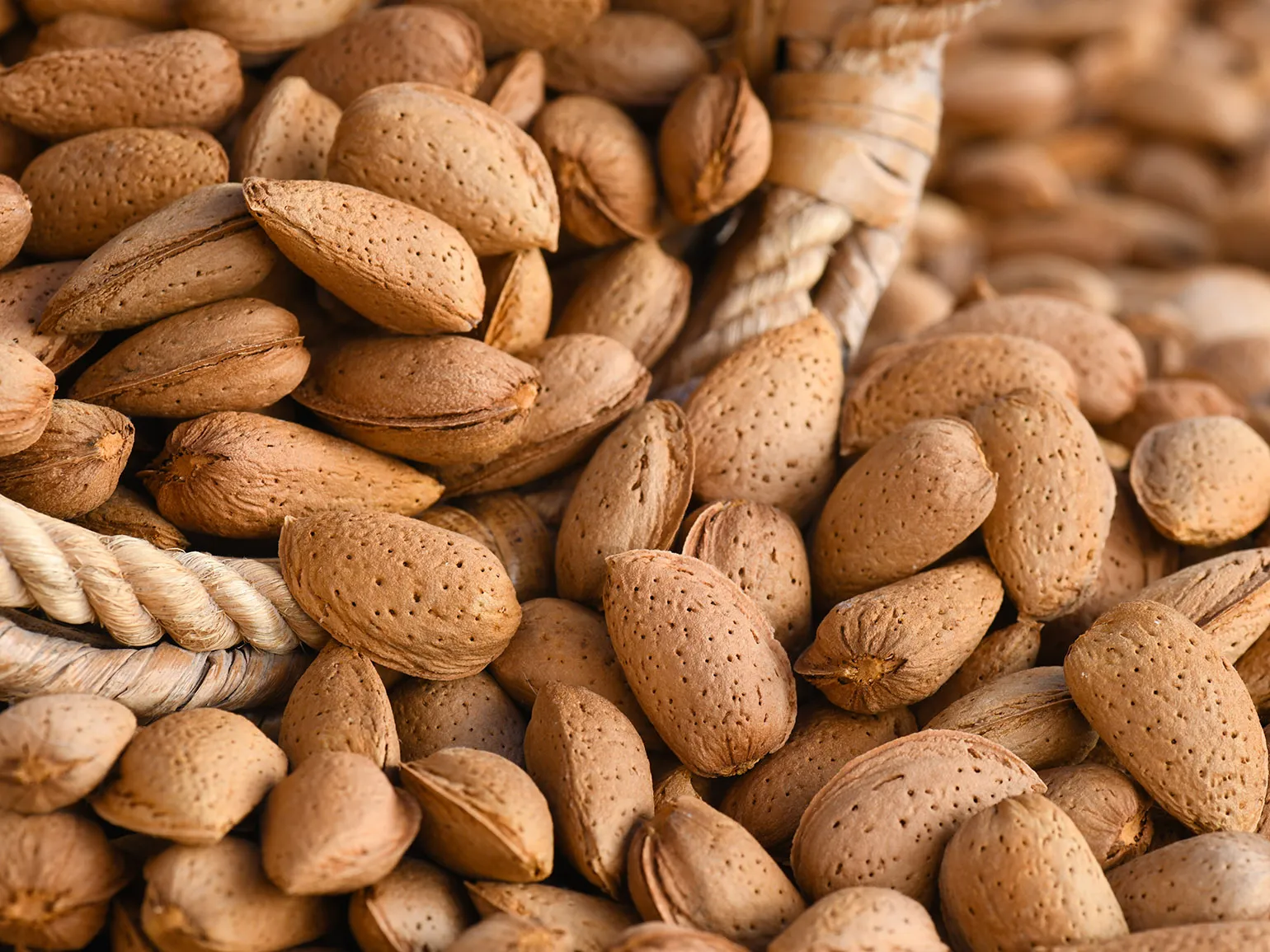
To increase your high-density lipoprotein (HDL) levels, it is recommended to increase your intake of unsaturated fatty acids and reduce your intake of saturated fatty acids. Almonds are an excellent source of healthy fats, which explains their beneficial effects on heart health. 100 grams of almonds contain about 40 grams of unsaturated fatty acids, which help protect blood vessels, while the amount of saturated fatty acids is only 4 grams. Saturated fats can contribute to the accumulation of "bad" cholesterol and the formation of plaque in the arteries. A study conducted by Pakistani scientists found that regularly consuming 10 grams of almonds daily for six weeks increased "good" cholesterol levels by 14% in 150 participants. Thus, including almonds in the diet may be an effective strategy for improving cardiovascular health.
Tomatoes, which are 90% water, contain virtually no fat or protein, but are rich in substances Good for the heart. Research conducted by scientists from Spain confirmed the benefits of tomatoes for the cardiovascular system. In the experiment, 40 volunteers consumed various dishes: raw tomatoes, tomato sauce, tomato sauce with added oil, and sugar water. The meals were taken at monthly intervals, which allowed them to evaluate changes in blood tests after each dish. The results showed that eating tomatoes in any form lowers "bad" cholesterol levels and increases "good" cholesterol levels. This effect is largely due to the presence of lycopene, the main antioxidant in tomatoes, which protects blood vessels from atherosclerosis. Interestingly, heat-treated (boiled) tomatoes contain more lycopene than fresh ones. Thus, regular consumption of both fresh and cooked tomatoes can help improve heart health. It is recommended to cook tomatoes with added oil, for example, in the form of a paste or stew. This promotes better absorption of the lycopene contained in tomatoes. Lycopene is a powerful antioxidant that has a positive effect on health. Cooking tomatoes with oil not only improves the absorption of nutrients but also adds a rich flavor and aroma to dishes.
Kiwi is considered one of the most nutritious fruits, rich in vitamins and antioxidants. Spanish scientists conducted a study to determine how regular kiwi consumption affects cholesterol levels. The study involved 1,469 people aged 20 to 80 years, and their diets were analyzed. The results showed that those who regularly eat kiwi have significantly higher levels of "good" cholesterol. Furthermore, kiwi helps maintain low blood glucose levels and reduce fibrinogen, a protein whose excess can lead to blood clots. Eating kiwi can be an important part of a balanced diet for improving cardiovascular health.
The American Heart Association recommends up to 2 servings of fruit per day. For example, one serving of kiwi is 2-3 fruits. Eating fruits such as kiwi helps maintain cardiovascular health and provides the body with essential vitamins and minerals. Regular consumption of fresh fruit can reduce the risk of cardiovascular disease and improve overall health.
Fatty fish are a source of beneficial omega-3 fatty acids, which play an important role in maintaining health. These acids have antioxidant properties and are necessary for the body to slow the process of atherosclerosis. Regular consumption of fish, at least one serving per week, is considered one of the key recommendations for creating a healthy diet. Including fatty fish in your diet helps improve cardiovascular health and overall strength.
Wild fish such as salmon, mackerel, sardines, and herring are heart-healthy foods. Their rich composition, including omega-3 fatty acids, helps improve cardiovascular health and reduce the risk of cardiovascular disease. Eating these types of fish can have a positive effect on cholesterol levels and blood pressure, making them an important part of a balanced diet. Why shouldn't wild and farmed fish be the same? Norwegian scientists conducted a study comparing the nutritional value of wild and farmed salmon. The results showed that farmed salmon has three times the fat content of wild salmon. However, this increase in fat is not due to omega-3 fatty acids. Instead, farmed salmon contains more omega-6 fatty acids. While omega-6s are also beneficial for the body, they should be consumed in smaller quantities and in the correct ratio to omega-3s. In farmed fish, this ratio is skewed in favor of omega-6s, significantly reducing its benefits. Excess omega-6 fatty acids can contribute to the development of cardiovascular disease. Therefore, wild salmon remains the healthier choice.

Reading is an important aspect of personal and professional development. It is not only a way to obtain information, but also an opportunity to expand horizons, develop critical thinking, and improve literacy. In today's world, where information is available in huge quantities, it is important to learn to filter and analyze what you read. Reading books, articles, and research helps generate new ideas and improve communication skills. So, take the time to read to enrich your knowledge and improve your quality of life.
Reading also develops imagination and creativity, allowing you to immerse yourself in different worlds and experience the emotions of the characters. It is not only a fascinating activity but also a powerful tool for personal growth. Regularly reading scientific and literary texts will help you stay up to date with the latest trends and discoveries in your field.
Remember to vary your reading: choose literature from different genres, explore new topics and authors to maximize your experience and knowledge.
Fish is an important component of a healthy diet and has many beneficial properties. It contains high-quality protein, essential amino acids, vitamins, and minerals, such as vitamin D and omega-3 fatty acids, which contribute to improved cardiovascular health and brain function. Regular fish consumption can reduce the risk of developing chronic diseases such as diabetes and heart disease.
However, not everyone is recommended to eat fish. Some individuals may experience allergic reactions to seafood or fish. Additionally, due to the high mercury content of some fish, pregnant women and children should limit their consumption of certain types, such as mackerel or tuna. It is important to choose fish from safe sources and follow the advice of health professionals.
Fish is not only delicious but also a healthy product, which, when chosen wisely and consumed in moderation, can become an important part of the diet.
According to experts from the College of Health and Human Sciences at Colorado State University, this problem can be easily solved by adding fish oil and other sources of omega-3 to fish food. As a result, farmed salmon may contain even more omega-3 than wild salmon. However, this decision is at the discretion of the producers.
Flaxseed is a source of fiber and omega-3 fatty acids, making it a valuable component of a healthy diet. These seeds are also rich in magnesium, with just 2 tablespoons of flaxseeds providing 19% of the daily requirement for this important mineral. Magnesium plays a key role in maintaining cardiovascular health. A magnesium deficiency can lead to high blood pressure and irregular heartbeat. Including flaxseeds in your diet helps improve overall cardiovascular health. Flaxseeds are a powerful source of nutrients and have numerous health benefits. They are rich in omega-3 fatty acids, fiber, vitamins, and minerals. Regular consumption of flaxseeds can support cardiovascular health, improve digestion, and help lower cholesterol. Flaxseeds also contain antioxidants, which help protect cells from damage and reduce the risk of chronic diseases. They can be added to a variety of dishes, such as smoothies, yogurts, salads, and baked goods. Eating ground flax seeds ensures better absorption of nutrients.
It is important to remember that to achieve the maximum benefits of flax seeds, they should be combined with a varied diet and a healthy lifestyle. Flax seeds are a simple and affordable way to improve overall health and add variety to your daily diet.
- improve the elasticity of the vascular wall;
- increase the production of nitric oxide, a vasodilator;
- help control blood sugar and cholesterol levels;
- relax the muscular wall of blood vessels;
- normalize heart rhythm [29].
Flax seeds can be easily ground using a coffee grinder or food processor. Then add one teaspoon of ground flax seeds to yogurt, applesauce, or oatmeal. This will increase the nutritional value of your dishes, enriching them with healthy omega-3 fatty acids, fiber, and antioxidants. Including ground flaxseed in your daily diet improves digestion and maintains healthy cholesterol levels.
Mayo Clinic experts recommend including four servings of raw, unsalted nuts per week to support heart and vascular health. Walnuts are especially beneficial due to their high fatty acid and fiber content. A study conducted by researchers from the University of Texas, led by Christina S. Petersen, revealed an additional benefit of walnuts: they help increase levels of the amino acid L-homoarginine, a deficiency of which may be associated with cardiovascular disease. Including walnuts in your daily diet can be an important step toward improving cardiovascular health and reducing the risk of heart disease.
To maintain heart and vascular health, it is recommended to increase vegetable oil consumption and reduce butter consumption. From a nutritional perspective, these products differ in their composition and impact on the body, despite both being classified as oils. Vegetable oil, rich in unsaturated fatty acids, helps lower cholesterol levels and improve cardiovascular function, while butter contains more saturated fats, which can negatively impact cardiovascular health. Choosing the right oils in your diet plays an important role in preventing cardiovascular disease and maintaining overall well-being.
- Butter retains its shape at room temperature because it is rich in saturated fatty acids. As we remember, they are what increase levels of "bad cholesterol."
- Vegetable oil remains liquid because it contains little saturated fat. However, the product is rich in unsaturated fatty acids, which help remove cholesterol from the bloodstream.
Completely eliminating butter from your diet is not the optimal solution. It can significantly enhance the flavor and texture of certain dishes, such as baked potatoes. However, for stovetop cooking, vegetable oil is preferable. Olive and canola oils are ideal for creating sauces, stews, and searing meats, providing dishes not only with a rich flavor but also with healthy fatty acids. Choosing the right oil, depending on the cooking method, can significantly affect the quality and health benefits of the finished dish.

If vegetable oil has become bitter in taste and has acquired a dark shade, its use is not recommended. These changes indicate the oxidation of beneficial fatty acids, which can negatively affect health. To avoid consuming spoiled oil, it is important to regularly check its condition and monitor the expiration date.
Free test: which digital profession is right for you?
IT, design, marketing or management? Find out the answer in 15 minutes. And then try your hand at a new specialty for free.
Find out more