
Contents:

Free test: which digital profession is right for you? Find out the answer in 15 minutes and try your hand at a new specialty.
Find out moreThe benefits of vegetables
Low-calorie foods are rich in vitamins, minerals, dietary fiber, and other nutrients. They are an excellent choice for those seeking to maintain a healthy lifestyle and control their weight. These foods help saturate the body with essential nutrients with a minimum of calories, making them ideal for a balanced diet. Including such foods in your daily menu will help improve overall health and increase energy levels.
According to recommendations from the World Health Organization (WHO), an adult should consume at least 400 grams of vegetables and fruits per day, which is equivalent to five servings. It is important to note that this norm does not include starchy foods such as potatoes. Regular consumption of vegetables and fruits helps improve health, reduce the risk of chronic diseases, and maintain an optimal weight. Including a variety of fruits and vegetables in your diet helps provide the body with essential vitamins, minerals, and fiber.
According to research, increasing fruit and vegetable consumption significantly reduces the risk of colon, esophageal, and stomach cancer. Including a variety of plant foods in your diet not only provides the body with essential vitamins and minerals but can also serve as an effective cancer prevention tool. A healthy diet based on fruits and vegetables plays a key role in maintaining health and reducing the risk of serious diseases.
Regular vegetable consumption helps reduce the risk of chronic noncommunicable diseases. These diseases include cardiovascular diseases, including atherosclerosis and coronary heart disease, as well as type 2 diabetes and obesity. Including vegetables in your diet helps maintain health and prevent the development of these dangerous conditions.
Vegetables play a key role in the functioning of the gastrointestinal tract. They help improve gastrointestinal motility, prevent constipation and facilitate the elimination of metabolic products, as well as toxins and heavy metals from the body. Regular consumption of vegetables helps maintain a healthy digestive system and overall well-being, which makes them an important part of the diet.
What vitamins are contained in vegetables
- Vitamin A, which is secreted in the body from beta-carotene contained in vegetables. The vitamin is necessary for the growth, development and regeneration of tissues, maintaining immunity and vision [4]. Sources: carrots, pumpkin, sweet peppers, parsley, dill.
- B vitamins are involved in the functioning of the nervous system, tissue regeneration, synthesis and metabolism of proteins, fats and carbohydrates, and ensure hematopoiesis [5]. English: Sources: beans, greens, lettuce, cabbage, spinach, peas.
- Vitamin K ensures normal blood clotting, protein synthesis, maintains bone health [6]. Sources: various types of lettuce, spinach, cucumbers, broccoli, peas, carrots.
- Vitamin C is a powerful antioxidant, prevents aging, the development of atherosclerosis, improves tissue healing processes, helps strengthen the immune system [7]. Sources: sweet peppers, black currants, kiwi, cauliflower and white cabbage, parsley, dill, tomatoes.
- Vitamin E has an antioxidant effect, prevents blood clots, the development of atherosclerosis, reduces dry skin and brittle nails, therefore it is used in cosmetics [8]. English: Sources: avocado, bell pepper.
What minerals are contained in vegetables?
- Potassium and magnesium, which are important for maintaining the functioning of the cardiovascular and nervous systems [9], [10]. Sources: potatoes, carrots, cabbage, peppers, spinach, celery.
- Calcium is necessary for strengthening bones and preventing osteoporosis, normal muscle function, transmission of nerve impulses, hormone secretion [11]. Sources: green vegetables and herbs such as cabbage, broccoli, sorrel, spinach, basil, parsley, dill.
- Phosphorus, along with calcium, is needed to maintain healthy bones and teeth, energy metabolism, and cellular protein synthesis [12]. English: Sources: soybeans, lentils, chickpeas, peas.
- Sodium and chlorine are important for maintaining water and acid-base balance in the body [13]. Sources: canned vegetables (olives, cucumbers, tomatoes, cabbage).
- Copper is necessary for the body to synthesize hemoglobin and tissue growth [14]. Sources: pumpkin, cabbage, corn, potatoes.
- Iron is involved in the production of red blood cells, regulates metabolism [15]. Sources: legumes, spinach, broccoli, beets, asparagus.
- Selenium is involved in the synthesis of sex hormones, has antioxidant properties [16]. Source: garlic.
- Zinc helps strengthen bones, synthesize protein, and heal wounds [17]. Sources: Asparagus, beets, Brussels sprouts.
What is fiber and why is it important for health?
Fiber is a complex carbohydrate and dietary fiber found in plant foods. While many believe that the main benefit of fiber is preventing constipation, its health benefits are much more extensive. Fiber promotes better digestion, helps control blood sugar levels, reduces the risk of cardiovascular disease, and maintains a healthy weight. It also promotes the growth of beneficial microflora in the gut, which has a positive effect on the immune system. Including fiber in your diet can significantly improve overall health and enhance your quality of life.
- creates a diverse and healthy gut microbiome;
- reduces the risk of colorectal cancer;
- maintains a feeling of fullness for a long time, which helps reduce the tendency to overeat;
- lowers cholesterol;
- controls blood sugar.
An adult needs to consume 25 to 30 grams of fiber per day. However, many Russians do not achieve this level due to an insufficiently varied and balanced diet. Providing the body with fiber is important for maintaining health, as it helps normalize digestion, lower cholesterol and maintain stable blood sugar levels. Increasing fiber intake can be achieved by including more fruits, vegetables, whole grains and legumes in the diet.
Among vegetables, the leaders in fiber content are green peas, cabbage, carrots, corn, broccoli and pumpkin. Not only are these vegetables rich in fiber, but they also promote digestion, support gut health, and help control blood sugar levels. Including these vegetables in your diet can significantly improve overall health and provide the body with essential nutrients.
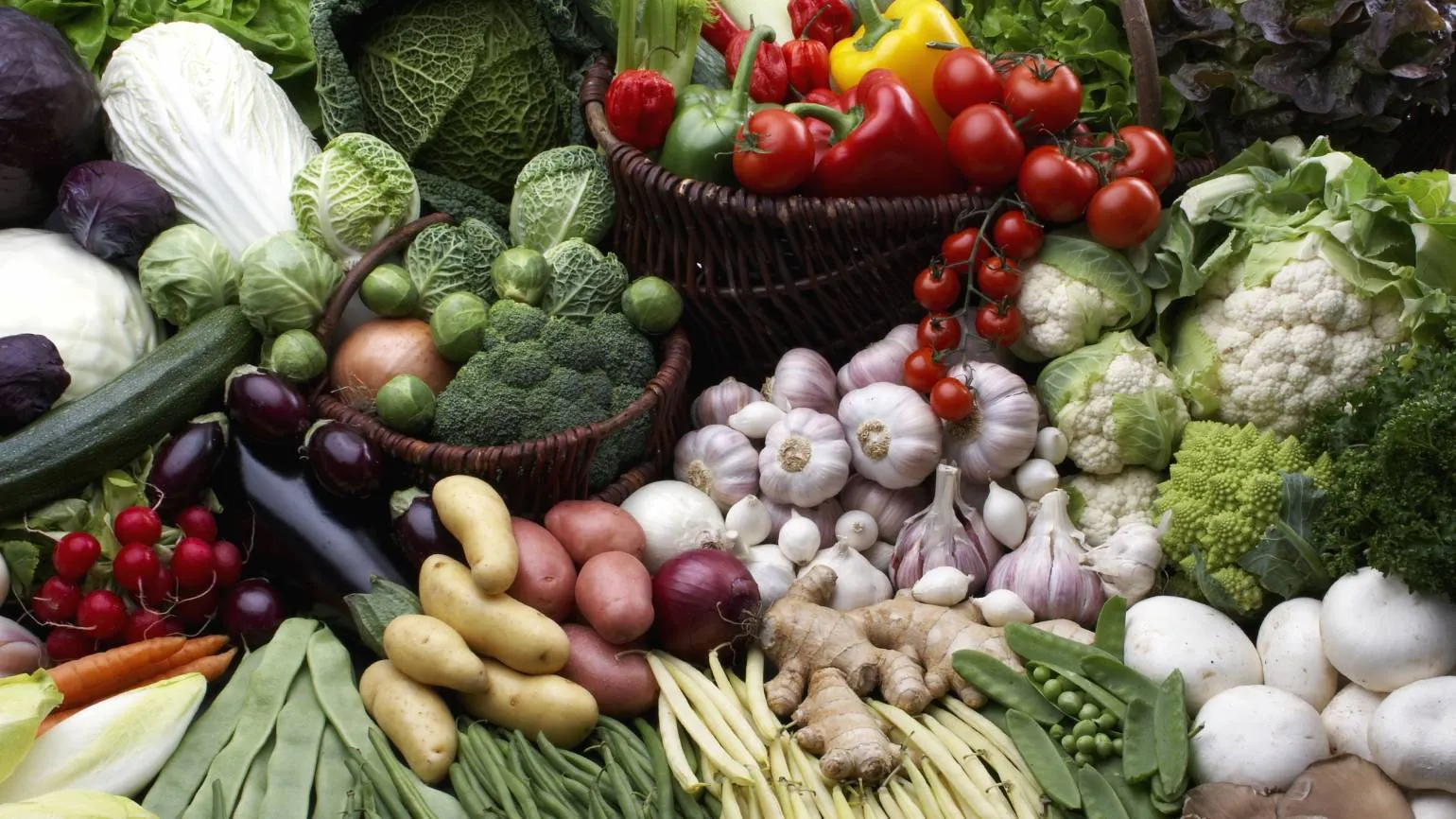
Some grains, cereals, and nuts contain more fiber than vegetables. For example, buckwheat contains 10 g of fiber per 100 g of product, while oats contain 10.7 g. This emphasizes the importance of variety in the diet. To ensure optimal fiber intake, it is recommended to include vegetables, grains, and nuts in the diet. This will help maintain a healthy digestive system and overall well-being.
List of the most useful vegetables
Nutritionist Anastasia Danilenko highlights the most useful vegetables that are rich in nutrients and readily available in our regions. These vegetables are real leaders in the content of vitamins, minerals, and antioxidants, which makes them indispensable in the diet. Including these vegetables in the daily menu helps improve health and strengthen the immune system. The right choice of vegetables can significantly improve the quality of nutrition and provide the body with the necessary elements for a full life.
- Spinach is a source of calcium, vitamins K and C, iron, and antioxidants. Like other leafy vegetables, spinach is rich in vitamin B9, or folate, which is important for hematopoiesis. This substance is prescribed during pregnancy planning and in early pregnancy to prevent fetal malformations [19].
- Lettuce contains vitamins K, E, PP, C, B vitamins, and many minerals: iron, manganese, selenium, copper, and zinc. Eating lettuce helps strengthen the immune system and support gastrointestinal function.
- Broccoli is rich in vitamins C, K, folate, and phosphorus. Like other cruciferous vegetables, it contains sulforaphane, a substance that has an antibacterial effect, that is, it suppresses the proliferation of bacteria in the body [20].
- Brussels sprouts contain vitamin K, vitamin C, potassium, B vitamins, as well as antioxidants - quercetin, carotenoids and flavonoids.
- Cauliflower is good for its content of vitamins C, K, PP, as well as macro- and microelements: potassium, selenium, copper and manganese, iron, fluorine, phosphorus.
- Beets are rich in vitamin C, manganese, folate and antioxidants. It has a mild diuretic and laxative effect.
- Turnip has antibacterial properties, and it also contains a lot of vitamin C and antioxidants.
- Jerusalem artichoke is a record holder for potassium content. Also contains inulin, which helps control blood sugar levels.
- Tomatoes are a source of beta-carotene, vitamin C, and the antioxidant lycopene. Studies have shown that regular consumption of tomatoes as part of a balanced diet can reduce the risk of cardiovascular and neurodegenerative diseases [21].
- Carrots, along with tomatoes, contain beta-carotene (a precursor of vitamin A), antioxidants lutein and zeaxanthin, which are necessary for the functioning of the retina.
- Green peas are rich in vegetable protein, which can be especially useful for people on a vegetarian or vegan diet. They also contain fiber, which helps ensure regular bowel movements and normal functioning of the digestive tract.
- Bell peppers are a storehouse of vitamins, including E, B2, B5, B9, PP, C. And microelements - zinc, iron and potassium. 100 grams of bell peppers contain double the recommended amount of vitamin C.
How to Eat Vegetables Properly
Eating raw vegetables can come with a number of risks that need to be considered. First, raw vegetables can contain pathogens, such as bacteria and parasites, which can cause food poisoning. Thoroughly washing and peeling vegetables can reduce this risk, but it doesn't always eliminate it completely.
It's also important to consider the heat treatment of vegetables. Steaming, baking, or boiling vegetables not only helps kill harmful microorganisms but also makes some nutrients more readily available. For example, heat treatment improves the absorption of lycopene in tomatoes and beta-carotene in carrots.
Canned vegetables can be a good alternative to raw foods, especially during the winter when fresh vegetables are limited. However, it's important to remember that preservatives and salt may be added during the canning process, which affects their nutritional value. When choosing canned vegetables, it's best to choose products without artificial additives.
Proper storage and handling of vegetables will help minimize risks and preserve their beneficial properties, which is an important aspect of a healthy diet.
Excessive consumption of raw vegetables, exceeding recommended doses, can lead to unpleasant gastrointestinal symptoms such as bloating, flatulence, and bowel irregularities. These problems arise due to the high content of crude fiber, which is dietary fiber that is not digested and maintains its structure throughout its passage through the gastrointestinal tract. To avoid discomfort, it is important to maintain a balanced diet and take into account individual characteristics.
It is not recommended to consume raw vegetables on an empty stomach, as they can irritate the gastric mucosa. Such vegetables include onions, garlic, and hot peppers. It's best to postpone their consumption until after meals, when the stomach is already prepared for digestion.
Doctors strongly recommend excluding raw vegetables from the diet during flare-ups of gastrointestinal diseases such as stomach ulcers, duodenal ulcers, Crohn's disease, and ulcerative colitis. Eating raw vegetables during this period can worsen symptoms and slow down the recovery process. During flare-ups of these diseases, it is important to follow a diet that is gentle on the gastrointestinal tract and promotes its recovery.
Vitamin C is susceptible to destruction when exposed to oxygen, so it is recommended to consume peeled and chopped vegetables immediately after preparation. Cooking vegetables in boiling water for more than 2-3 minutes significantly reduces vitamin C levels, leading to its almost complete disappearance. A similar situation occurs with other important nutrients, such as vitamin B9 (folic acid). To maximize vitamin preservation, it's best to use short-cooking methods or eat vegetables raw.
When choosing cooking methods, choose gentle methods that will help preserve the maximum amount of nutrients. These methods include steaming, stewing, and baking. It's important to note that vitamins A, E, and K are the most heat-stable, making them ideal for use in a variety of culinary recipes. Proper cooking not only preserves nutrients but also promotes overall health.
Some vegetables become more nutritious and digestible after cooking. These include carrots, potatoes, beets, zucchini, and eggplant. Cooking these vegetables activates their beneficial substances and improves their absorption. For example, boiling or baking carrots increases carotenoid levels, which are important for eye health. Similarly, processing potatoes makes their starch more digestible, and boiled beets retain their antioxidant properties. Steamed or baked zucchini and eggplant become softer and easier to digest, making them an excellent addition to the diet.
Canned vegetables can be a healthy addition to the diet if consumed in moderation, no more than 2-3 times a week. However, due to their high content of salt, sugar, vinegar, and spices, such products are not recommended for people with hypertension, stomach problems, or obesity. Given the potential negative health effects, it is important to choose less processed options and pay attention to the ingredients in canned goods. It is better to choose products without added artificial preservatives and flavor enhancers.
Excessive consumption of salted vegetables can cause edema, which increases the burden on the kidneys and heart. Consuming large amounts of salt leads to fluid retention, which negatively impacts health. Reducing the amount of salt in your diet can help prevent potential cardiovascular problems and improve overall well-being. Sauerkraut is an exception among fermented foods, as it retains a high content of vitamin C and fiber. The fermentation process that occurs in cabbage promotes the proliferation of beneficial bacteria, which positively impacts the health of the microbiome. Eating sauerkraut can promote improved digestion, a healthy immune system, and overall well-being.

Reading is an important aspect of personal and professional development. It not only expands your knowledge but also improves your critical thinking skills. Books, articles, and blogs provide unique ideas and perspectives that can be useful in various areas of life. Regular reading helps develop vocabulary and improves writing. Invest time in reading to enrich your inner world and improve your competitiveness in the job market. Discover new genres and authors to make your reading experience more engaging and varied.
Edema is the accumulation of fluid in body tissues, leading to an increase in the volume of certain areas. Its main causes include problems with the cardiovascular, renal, and lymphatic systems, as well as allergic reactions and inflammatory processes. Edema can occur as a result of poor diet, excessive salt intake, and lack of physical activity.
To effectively eliminate edema, it is important to determine its underlying cause. In most cases, it is recommended to increase physical activity, monitor fluid intake and diet, and limit salt intake. In some situations, medical attention may be required to diagnose and treat underlying health issues.
There are many ways to combat edema, including the use of compression stockings, massage, and special diets. It is also worth considering folk remedies, such as herbal teas with a diuretic effect. Taking the right approach to preventing and treating edema will help you maintain your health and prevent the problem from recurring.
How to Increase the Amount of Vegetables in Your Diet
Here are four simple recommendations that will help you achieve success. First, define your goals and create an action plan. This will allow you to focus on what is important and avoid unnecessary distractions. Second, regularly review your achievements and adjust your strategy. This will help you stay on track and adapt to changing conditions. Third, surround yourself with supportive people. Communication with like-minded people is inspiring and motivating. Finally, don't forget about your health. Physical and mental well-being play a key role in achieving your goals. By following these recommendations, you can significantly increase your productivity and self-confidence.
Often, our diet consists of only 3-4 familiar types of vegetables. However, if you carefully browse the vegetable section in the stores, you will be able to find a wide variety of vegetables available. A variety of vegetables will not only enrich your diet but also provide many beneficial vitamins and minerals. Try new types of vegetables, experiment with them in cooking, and improve your health through variety.
It is recommended to get at least one serving per day from each of the listed categories. This will help balance your diet and provide your body with the necessary nutrients. Dietary variety promotes better well-being and maintains health. Including different food groups in your daily menu will help you achieve optimal energy levels and strengthen your immune system.
- brassicas (cruciferous);
- leafy vegetables;
- green, red, and orange vegetables;
- onions, garlic, and peas.
Vegetable salads are usually prepared from different categories of vegetables. They can include both fresh and pickled ingredients, which allows you to create a variety of flavor combinations. Using seasonal vegetables can not only enhance the taste of a dish but also enrich it with nutrients. Vegetable salads are a great healthy choice and can be served as a side dish or as a main course. Experiment with unique flavor combinations! Salads, soups, and stir-fries are great ways to add variety to your diet and increase your vegetable intake. Adding fresh vegetables to your dishes not only enhances flavor but also enriches the body with vitamins and minerals. Use seasonal ingredients to create original recipes that will delight you and your loved ones. Adding finely grated vegetables to ground meat for cutlets or meatballs can significantly improve the flavor and texture of the dish. This approach not only increases the nutritional value but also adds juiciness and flavor. Vegetables such as carrots, zucchini, or onions are easily absorbed into the ground meat, enriching it with vitamins and minerals. Plus, it's a great way to hide vegetables from children who may not like them in their traditional form. Experiment with different vegetable combinations to add variety and health to your meals. Place a few thoroughly washed fruits in a bowl and eat them at every meal. They can also make a great and healthy snack – try a carrot munch between lunch and dinner. This approach will not only add variety to your diet but also provide your body with essential vitamins and minerals. Eating right with fresh fruits and vegetables helps you stay healthy and energized throughout the day.
Free test: which digital profession is right for you?
IT, design, marketing or management? Find out the answer in 15 minutes. And then try your hand at a new specialty for free.
Find out more