
Contents:

Thinking about a new profession, but don't know where to start? Find out what suits you: IT, design, game development, management or marketing. Take a free career guidance course.
Learn moreIn this article, you will get information about…
- what is fiber;
- how fiber differs from dietary fiber;
- is it true that fiber helps you lose weight;
- can fiber cleanse the body of toxins;
- how fiber affects cholesterol and glucose levels;
- what foods contain fiber;
- which foods are record holders for fiber content;
- how much fiber you need to get per day;
- how to distribute the daily fiber intake over several meals.
We launched the Telegram channel "How are you?", where we share knowledge about self-development, psychology, and effective Learning and career development methods at any age. Subscribe to receive helpful tips and motivation for personal growth and professional development.
What is fiber?
Fiber is a complex fiber found in fruit peels, leaves, and grain hulls. These fibers are high-density and resemble miniature ropes, consisting of numerous glucose molecules twisted into strong bundles known as microfibrils. A single fiber molecule can contain up to 10,000 glucose units, but due to their strength, these bundles are resistant to the action of gastric juice and other digestive enzymes, making them indigestible. Fiber plays an important role in maintaining a healthy digestive system and helps normalize metabolism.

For a long time, plant fiber in flour was perceived negatively. It was believed that it had no energy value, and bread made from such flour was not fluffy or attractive. As a result, manufacturers began removing "ballast" from grains using refining technology, which separated the outer layer of the grain and the germ shell from the nutritious part containing valuable starch. The result was refined, premium-grade flour. However, with the development of science, it became clear that "ballast" is actually beneficial, and its deficiency in the diet can lead to various health problems. Thus, the plant fiber found in flour plays an important role in maintaining overall well-being and proper functioning of the body.
Scientists have determined that the properties of fiber vary depending on its solubility in water. As a result of this research, two main forms of fiber were identified: soluble and insoluble. These two types of fiber have different effects on human health and digestive function. Soluble fiber helps lower cholesterol and stabilize blood sugar, while insoluble fiber improves bowel movements and prevents constipation. Understanding these differences will help you better utilize fiber in your diet to improve overall health.
Are fiber and dietary fiber the same thing?
In science, fiber is defined as cellulose. However, in the context of nutrition, dietary fiber also includes lignin, hemicellulose, and pectin, as well as excipients such as mucilage and gums. These components are commonly found together in various foods, leading to the terms "fiber" and "dietary fiber" often being used interchangeably in modern nutrition. Understanding the composition and role of dietary fiber is important for creating a balanced diet and maintaining health.
According to the World Health Organization (WHO), population health data plays a key role in developing effective public health strategies. WHO emphasizes the importance of regular population health monitoring and analysis to identify pressing problems and develop targeted programs. This allows countries to more effectively respond to health challenges and improve the quality of life of their citizens. The information provided by WHO forms the basis for making informed decisions and implementing innovative approaches in medical practice and policy.
Fiber, also known as dietary fiber, has many definitions, but they all emphasize one important property: these carbohydrates are not broken down by enzymes in the small intestine. Dietary fiber plays a key role in digestion and human health, helping to normalize bowel function and improve metabolism. Fiber consumption is associated with a number of benefits, including lowering cholesterol levels and regulating blood sugar. It is important to include a variety of fiber sources in the diet to maximize health benefits.
Carbohydrate intake recommendations for adults and children are based on the 2023 World Health Organization (WHO) guideline update. According to this guideline, carbohydrates should make up a significant part of the diet, providing energy and essential nutrients. It is important to choose complex carbohydrates, such as whole grains, fruits, and vegetables, which contain fiber and vitamins.
WHO also emphasizes the need to limit the intake of simple sugars, which can lead to excess weight and other health problems. For adults and children, it is recommended that the total proportion of calories from carbohydrates should be 45-65%. It is important to ensure a balanced and varied diet to ensure optimal intake of carbohydrates, which promote health and well-being.
Following these guidelines will help improve overall health and reduce the risk of chronic diseases.
All fiber is dietary fiber, but not all dietary fiber is considered fiber. Fiber plays a vital role in digestion and human health, promoting normal bowel function and improving metabolism. Understanding the differences between fiber and other dietary fibers will help you make more informed eating choices and improve your overall health.
Myths and Truths About the Benefits of Fiber
We explore the most common facts and myths about this compound.
Fiber is a prebiotic, which serves as food for gut bacteria. Unlike probiotics, which are live microorganisms, fiber does not contain these microorganisms, but promotes their growth and activity in the intestines. Eating fiber is important for maintaining healthy microflora and improving digestion.

Read also:
Probiotics are live microorganisms that benefit human health. They are often found in fermented foods such as yogurt, kefir, and sauerkraut. Probiotics help maintain healthy gut flora, improving digestion and strengthening the immune system. Research shows that regular probiotic consumption can help prevent and treat a variety of conditions, including diarrhea, irritable bowel syndrome, and inflammatory bowel disease. Probiotics can also positively impact mood and overall well-being, making them an important part of a balanced diet. Incorporating probiotics into your daily diet can be a simple and effective way to maintain good health. Soluble fiber swells in the stomach, filling a significant portion of it. When the stomach walls stretch, the brain receives a signal of satiety, leading to a feeling of fullness. This feeling lasts for a long time because the gel-like fiber leaves the stomach slowly. Including soluble fiber in your diet can help control appetite and maintain a healthy weight.
Fiber doesn't eliminate waste because it doesn't exist. The body produces metabolic waste products, which are excreted in urine and feces. However, slow bowel movements can impede the natural detoxification process. Consuming large amounts of sugary and meaty foods leads to the accumulation of harmful substances in the intestines. These foods feed bacteria, causing fermentation and putrefaction, which disrupts digestion. Introducing fiber into the diet promotes the growth of beneficial microorganisms, which helps restore the composition of the intestinal microbiota. It also normalizes the frequency of bowel movements and supports the body's natural detoxification process.

Read other materials on the topic:
Detox: what is it and why is it needed
Detox is the process of cleansing the body of toxins and waste that accumulate as a result of poor nutrition, polluted environment and stress. The main goal of detoxification is to improve well-being, increase energy, and maintain health.
Detox programs can include various methods, such as dietary changes, increased water intake, the use of special detox drinks and juices, as well as physical activity and stress-relieving practices such as yoga or meditation.
Detoxing is beneficial for maintaining normal organ function, improving digestion, clearing the skin, and boosting immunity. Regular detoxification courses promote not only physical but also emotional health.
It is important to remember that detox is not a panacea and does not replace a full medical examination. Therefore, before starting any detox program, it is recommended to consult a doctor.
The gel-like substance formed from soluble fiber slows the absorption of nutrients such as glucose and cholesterol. Products that beneficial bacteria form from dietary fiber also affect cholesterol levels. These molecules are known as short-chain fatty acids. Some of these acids can suppress the synthesis of "intrinsic" cholesterol in the liver. Proper consumption of soluble fiber in the diet can significantly improve lipid profiles and reduce the risk of cardiovascular disease.
In 2024, researchers from King's College London conducted an experiment involving 36 pairs of twins over 60 years old, or 72 people. Participants were divided into two groups: one group received dietary fiber supplements, and the other received a placebo, for 12 weeks. At the end of the experiment, the scientists analyzed stool samples from the participants and found that those who took dietary fiber had an increased number of beneficial gut bacteria, which may contribute to improved cognitive function. This is due to the fact that there is a two-way communication between the gut and the brain: the brain can influence the functioning of the gut, and vice versa. Moreover, the quality of reverse signaling depends on the state of the microbiota, which functions with a regular supply of soluble fiber. Thus, adding dietary fiber to the diet can have a positive effect on gut health and cognitive function, which is especially important for older adults.


Foods Rich in Fiber
The Western diet often includes large quantities of refined flour baked goods, while the consumption of vegetables, fruits, and grains remains low. As a result, the average person gets only 12–17 grams of fiber per day, which is half the recommended intake. When experts advise increasing fiber intake, they emphasize the importance of increasing dietary fiber in the diet to maintain health and prevent disease.
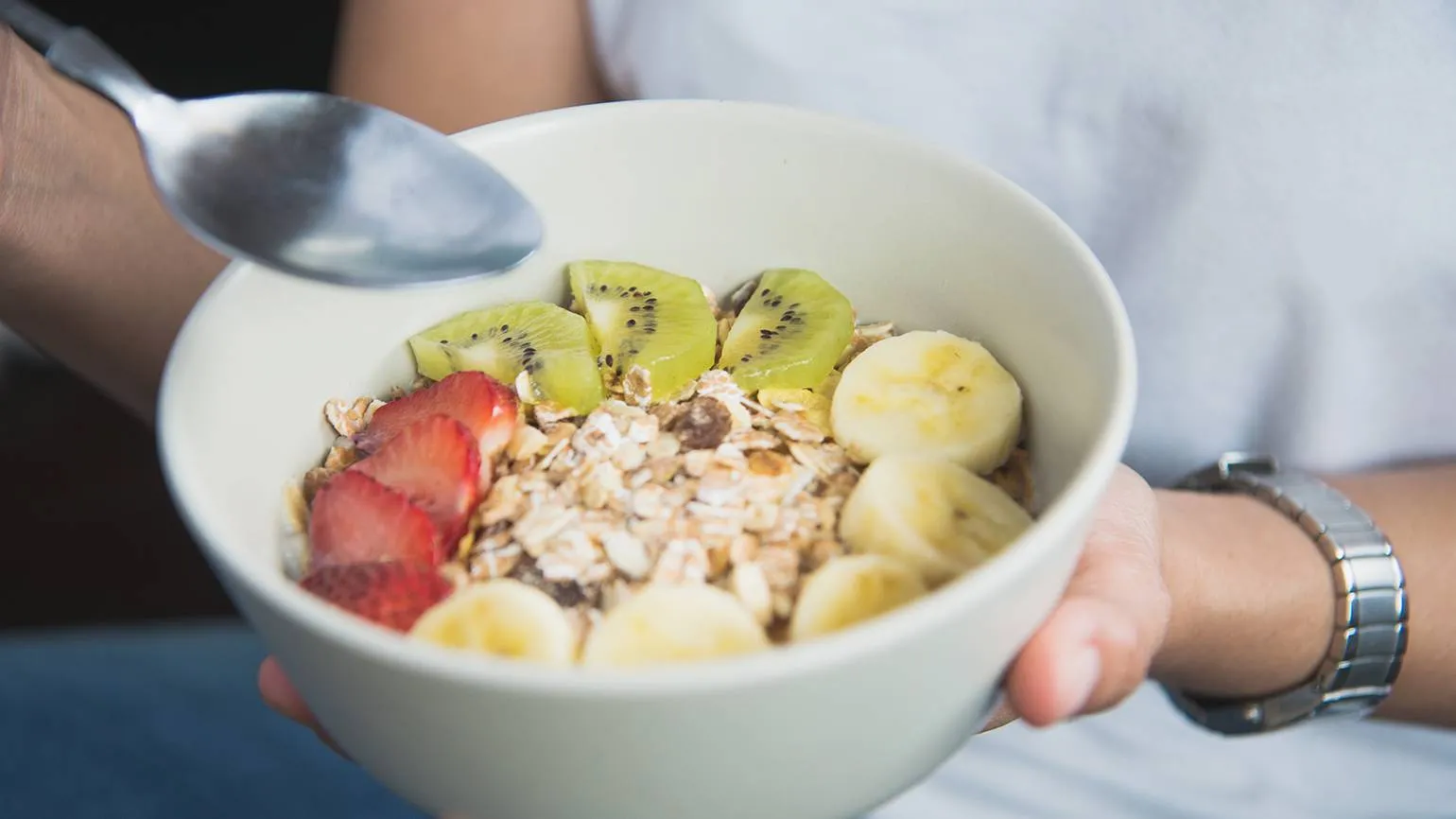
You can achieve your daily fiber intake by eating foods with different levels of fiber: low, medium, and high. It is important to vary your diet, including as many sources of fiber as possible, to ensure proper digestion and maintain a healthy body.
Fiber is an essential component of the diet and can be found in a variety of foods. A good source of fiber is any product that contains at least 3 grams of dietary fiber per 100 grams. This is about 10% of the recommended daily intake of fiber. Increasing fiber intake helps improve digestion, lower cholesterol, and maintain a healthy weight. Including high-fiber foods, such as vegetables, fruits, legumes, and whole grains, in your diet helps provide the body with essential nutrients and maintain overall health.
Memorial Sloan Kettering Cancer Center is a leading cancer research and treatment center. The Center offers advanced cancer diagnosis and treatment methods using the latest advances in science and medicine. Memorial Sloan Kettering specialists develop individualized treatment plans based on the unique needs of each patient. By incorporating the latest research and clinical trials, the center strives to provide the most effective and safe approaches in the fight against cancer. With highly qualified physicians and state-of-the-art technology, Memorial Sloan Kettering continues to be at the forefront of cancer care and research, providing patients with hope and support.
When choosing a whole grain product, it is important to consider several key factors. First, pay attention to the ingredients. The packaging should state "100% whole grain" or "whole grain." This ensures that the product contains all parts of the grain, which ensures its nutritional value.
Second, check the fiber content. Whole grain products are usually rich in fiber, which helps improve digestion and maintain normal blood sugar levels. Ideally, there should be at least 6-7 grams of fiber per 100 grams of product.
It is also important to consider the content of added sugars and fats. Avoid products high in these ingredients, as they can reduce the beneficial properties of whole grains.
Don't forget about variety. Include a variety of whole grain products in your diet, such as oatmeal, quinoa, buckwheat, and whole-grain bread. This will help you get the maximum benefit from their consumption.
Therefore, when choosing whole grain products, focus on the composition, fiber content, and the minimum amount of added sugars and fats. This will allow you to make healthier choices and improve your overall health.
Whole grain bread is an unrefined product containing all the natural parts of the grain: the husk, germ, and endosperm. When choosing whole grain bread, it is important to pay attention to the composition listed on the package. A true whole grain product begins with the word "whole grain" in the ingredient list. If this word appears second or third, it may indicate that the manufacturer has processed the grain and only added the bran and germ. By choosing whole grain bread, you provide your body with essential nutrients and fiber, which helps improve digestion and maintain health.
Most plant foods we eat daily contain 4 to 5 grams of fiber. Fiber is an important element of the diet, helping to normalize digestion and maintain health. Increasing fiber intake can aid in weight management and reduce the risk of various diseases. Including vegetables, fruits, grains, and legumes in your diet will provide the necessary amount of fiber and promote overall well-being.
The original text will be reworked with SEO in mind, while maintaining the main topic.
—
Memorial Sloan Kettering Cancer Center, a leading cancer center, offers cutting-edge cancer diagnostics and treatment. The center is actively engaged in research and development of new therapies, improving patient outcomes. Memorial Sloan Kettering specialists take a personalized approach to each patient, taking into account their unique characteristics and needs. Thanks to a multidisciplinary team of physicians and researchers, patients have access to the most advanced therapies and clinical trials. This makes Memorial Sloan Kettering an essential resource for those seeking reliable help in the fight against cancer.
To properly prepare fiber-rich legumes, vegetables, and fruits, follow a few simple guidelines. Start by thoroughly preparing the ingredients. Soak legumes for several hours or overnight to reduce cooking time and make them more digestible. After soaking, cook them until soft, adding herbs and spices to enhance the flavor.
Vegetables should be steamed or baked to retain the maximum amount of vitamins and fiber. If you prefer frying, use a minimum amount of oil and choose healthy cooking methods, such as grilling or stir-frying.
Fruits are best eaten fresh, but they can also be baked or added to smoothies for a boost of nutritional value. Pay attention to seasonal produce, as they contain more nutrients and are best suited for your diet.
Don't forget about variety. Combine different types of legumes, vegetables, and fruits to add the maximum amount of fiber and other beneficial nutrients to your diet. This will help maintain a healthy digestive system and improve overall health.
Frying, as well as the use of sauces and seasonings, can significantly reduce the dietary fiber content of foods. Instead, fats, sugars, or salt are added to the ingredients, which negatively impacts the nutritional value. It is recommended to choose fresh or minimally processed foods. This approach preserves the maximum amount of nutrients without adding unnecessary fats, sugars, and salt, which contributes to a healthier diet.
Foods containing more than 6 grams of dietary fiber per serving can be considered high in fiber. High fiber in the diet helps improve digestion, maintain gut health, and reduce the risk of chronic diseases. Including such foods in your daily menu will help provide the body with essential nutrients and maintain optimal well-being.
Memorial Sloan Kettering Cancer Center is one of the world's leading institutions dedicated to cancer research and treatment. The center offers a wide range of services, including diagnosis, treatment, rehabilitation, and patient support. An important part of Memorial Sloan Kettering's work is conducting clinical research aimed at developing new treatments and improving existing approaches.
The center's specialists utilize cutting-edge technologies and methods, enabling them to achieve high results in treating various forms of cancer. Furthermore, Memorial Sloan Kettering is actively involved in training medical professionals and conducting educational programs for patients. This ensures access to up-to-date information on the latest advances in oncology and enables patients to make informed decisions about their treatment.
An important aspect of the center's work is an individualized approach to each patient. A team of doctors, researchers, and nurses works collaboratively to develop an optimal treatment plan that meets each individual's unique needs. Memorial Sloan Kettering also provides psychological support services to help patients and their families cope with the emotional and psychological aspects of the cancer journey.
Thus, Memorial Sloan Kettering Cancer Center remains at the forefront of the fight against cancer, providing patients with high-quality medical care and support at every stage of their treatment.
How much fiber do you need: recommendations and norms
The World Health Organization (WHO) has presented recommendations for dietary fiber intake. According to these recommendations, a person should get fiber from vegetables and fruits in certain quantities. Dietary fiber plays an important role in maintaining health, helping to normalize the digestive system and reduce the risk of developing various diseases. Eating enough fiber is important for maintaining good health and overall health.
It is important to note that by fiber the World Health Organization (WHO) means the fiber found in natural foods, and not dietary fiber in the form of dietary supplements. Dietary fiber plays a key role in maintaining health, ensuring proper gastrointestinal function, aiding digestion, and preventing various diseases. Including fiber-rich foods such as fruits, vegetables, whole grains, and legumes in your diet is an important aspect of a balanced diet and promotes overall well-being. Authoritative associations recommend that adults on a 2,000-calorie diet consume 2 cups of fruit and 2.5 cups of vegetables. Similarly, the UK has developed the "Five a Day" program, which recommends consuming two fruits and three vegetables, each 80 grams. These guidelines are aimed at improving health and preventing disease by emphasizing the importance of a varied diet rich in vitamins and minerals.
How to Spread Your Daily Fiber Intake Over Several Meals
- Fruit and Vegetable Smoothie. Blend 1 banana (1 fruit), ½ cup blueberries or strawberries (1 more fruit), some spinach (80 g), ½ carrot and add water or almond milk for consistency.
- Oatmeal with Fruit and Nuts. Add diced apple (1 fruit) and ½ cup berries (such as strawberries or raspberries), as well as some nuts or seeds to oatmeal.
- Yogurt with Fruit. A portion of natural yogurt with sliced apple and some grapes or blueberries (1 fruit and ½ a serving).
- Carrot sticks with hummus. Sliced carrots (80 g) with a portion of hummus (chickpea sauce).
- Chicken and vegetable salad. Salad of fresh vegetables (tomatoes, cucumbers, lettuce, radish or carrot) with the addition of 80 g of chicken fillet, olive oil and lemon juice.
- Broccoli and potato puree soup. Make a creamy soup from broccoli (80 g) and potatoes with the addition of carrots (80 g), season with spices and add a little olive oil.
- Baked fish with vegetables. Bake fish (for example, salmon) with vegetables. Your choice of tomatoes (80 g), broccoli (80 g), and carrots (80 g).
- Pasta with tomato sauce and spinach. Make pasta with tomato sauce, adding spinach, garlic, tomatoes, and a drizzle of olive oil.
- Fruit with nuts. A serving of apple or pear (1 fruit) with a small handful of nuts.
- Vegetable sticks with yogurt. Chopped celery, carrots, and cucumbers (80 g) with light yogurt.
A reference list is an important element of any research or academic project. It allows readers to become familiar with the sources the author relied on while writing the work. A well-written reference list increases the credibility of your text and helps avoid plagiarism. Including a variety of sources, such as books, articles, online resources, and scientific journals, makes your work more thorough and informative. When compiling a bibliography, it's important to follow established formatting standards, such as APA, MLA, or GOST, depending on the requirements of your academic or research institution. This promotes consistency and makes it easier for readers to find information. Pay attention to the relevance and reliability of the sources you use, as this directly impacts the quality and value of your work. Cellulose is a complex carbohydrate that is the main component of plant cell walls. It plays a key role in nature, providing structural support and protection. Cellulose is not digested by the human body but performs important functions, such as improving digestion and maintaining normal intestinal function. In the food industry, cellulose is used as a thickener, stabilizer, and filler. In medicine, its properties are being studied to develop new dosage forms and treatments. Due to its unique properties, cellulose finds application in various industries, including textiles, paper, and construction.
McKeown N. M., Fahey G. C. Jr., Slavin J., and van der Kamp J. W. discuss the importance of dietary fiber in maintaining health in their article “Fiber intake for optimal health: how can healthcare professionals help people reach dietary recommendations?” The publication, published in BMJ (Clinical research ed.) in 2022, highlights the role of healthcare professionals in helping patients achieve recommended fiber intake levels. The article is available at DOI: https://doi.org/10.1136/bmj-2020-054370. Understanding the importance of fiber and actively engaging healthcare professionals in the nutrition process can significantly impact public health and disease prevention.
Ioniță-Mîndrican C. B., Ziani K., Mititelu M., Oprea E., Neacșu S. M., Moroșan E., Dumitrescu D. E., Roșca A. C., Drăgănescu D., and Negrei C. present a review of the therapeutic benefits and dietary limitations of fiber intake. The article, published in the journal Nutrients in 2022, examines important aspects of the influence of fiber on human health. The authors emphasize that the correct inclusion of fiber in the diet can significantly improve digestion, reduce the risk of chronic diseases, and promote overall well-being. The review is based on current scientific evidence and provides recommendations for optimal fiber intake depending on individual needs. DOI: https://doi.org/10.3390/nu14132641.
V. G. Radchenko, I. G. Safronenkova, P. V. Seliverstov, S. I. Sitkin, and L. A. Teterina in their work "Dietary Fiber in Clinical Practice" examine the important role of dietary fiber in gastroenterology and hepatology. The study, published in 2010 in the journal "Clinical Perspectives of Gastroenterology and Hepatology," emphasizes the importance of dietary fiber for maintaining digestive health. The authors analyze clinical data, demonstrating how proper intake of dietary fiber can contribute to the prevention and treatment of various diseases associated with the gastrointestinal tract. The mechanisms of action of fiber on cholesterol levels, glycemia, and the state of the intestinal microflora are discussed. This work is an important contribution to understanding the role of dietary factors in clinical practice and may be useful for both professionals and patients seeking to improve their health through proper nutrition.
Recommendations for carbohydrate intake for adults and children are based on the World Health Organization (WHO) guidelines. According to these guidelines, carbohydrates play a key role in the diet, providing the body with the energy it needs. It is important for both adults and children to get carbohydrates from healthy sources, such as whole grains, fruits, and vegetables.
WHO recommends that carbohydrates make up 45% to 65% of total daily caloric intake. Emphasis should be placed on complex carbohydrates found in natural foods. Added sugars and processed carbohydrates, which can negatively impact health and lead to excess weight and other diseases, should be avoided.
Age and physical activity levels should also be taken into account, as carbohydrate needs may vary. For children, it is especially important to ensure optimal carbohydrate intake to support growth and development. Adults are encouraged to manage the quality of carbohydrates in their diet, choosing more nutritious options, which contributes to overall health and a reduced risk of chronic diseases.
In conclusion, adhering to WHO carbohydrate intake recommendations will help maintain the health and well-being of both adults and children.
Gill S.K., Rossi M., Bajka B., et al. explore the role of dietary fiber in gastrointestinal health and disease in their article published in Nature Reviews Gastroenterology & Hepatology in 2021. The article, spanning pages 101–116, examines the mechanisms by which dietary fiber affects gut microbiota, its impact on gut function, and potential therapeutic benefits in various diseases. The study highlights the importance of dietary fiber in maintaining digestive health and its role in the prevention of intestinal disorders. DOI: https://doi.org/10.1038/s41575-020-00375-4.
In her methodological manual "Clinical Use of Dietary Fiber," M. D. Ardatskaya examines the importance and beneficial properties of dietary fiber in medical practice. Published in Moscow in 2010, the 48-page publication covers key aspects of using dietary fiber to improve health. The manual is intended for physicians and healthcare professionals, as well as anyone interested in nutrition and dietetics. The work presents scientific data, clinical recommendations, and practical advice on the use of dietary fiber to prevent and treat various diseases.
You can expand a list of information using various approaches. One of the most popular methods is to use HTML and CSS to create interactive elements. This allows users to easily expand and hide information, which improves the user experience on the site.
When implementing an expandable list, it is important to consider that proper HTML structure helps search engines better index the content. Each list item should be logically organized to ensure its accessibility and readability. Use the <ul> and <li> tags to create a list, and add ARIA attributes to improve accessibility.
A visually appealing design can be achieved with CSS by adding styles for the active and inactive states of the list. This will not only improve the appearance but also make the user experience more intuitive.
Thus, an expandable list can be effectively implemented using the right tools and techniques, significantly improving both user experience and SEO optimization of the web page.
Soliman G. A. in his article "Dietary Fiber, Atherosclerosis, and Cardiovascular Disease" discusses the importance of dietary fiber in the context of the prevention of atherosclerosis and cardiovascular diseases. In a 2019 publication in the journal Nutrients, the author emphasizes that adequate intake of dietary fiber can significantly reduce the risk of developing these diseases. The study shows that dietary fiber plays a key role in improving lipid profiles and reducing inflammatory processes in the body. As a result, increasing fiber intake may be an important strategy in maintaining cardiovascular health. DOI: https://doi.org/10.3390/nu11051155
Ni Lochlainn M., Bowyer R. C. E., Moll J. M. and others investigated the effect of gut microbiome modulation on muscle function and cognitive abilities in the PROMOTe randomized controlled trial. The study results will be published in Nature Communications in 2024. DOI: https://doi.org/10.1038/s41467-024-46116-y. This research highlights the importance of the gut microbiome for maintaining physical and cognitive function, opening new avenues for improving health through dietary changes and probiotic interventions.
MSD Manual: Fiber
Fiber, or dietary fiber, is an essential nutrient that plays a key role in maintaining human health. It is divided into soluble and insoluble fiber, each with unique properties and benefits for the body.
Soluble fiber, found in foods such as oats, legumes, apples, and carrots, helps lower cholesterol and improves blood sugar control. Insoluble fiber, found in whole grains, vegetables, and nuts, promotes digestion and prevents constipation.
The recommended daily intake of fiber is approximately 25-30 grams for adults. Including adequate fiber in your diet can improve overall health, reduce the risk of heart disease and diabetes, and help maintain a healthy weight.
It's important to remember that increasing fiber intake should be gradual to avoid gastrointestinal discomfort. In addition, when increasing fiber, you should also increase your fluid intake.
Fiber is an essential part of a healthy diet. Getting enough fiber can improve your health and well-being.
Memorial Sloan Kettering Cancer Center presents a guide to high-fiber foods. In this resource, you will find information about the importance of fiber for health and its role in the prevention of various diseases. High-fiber foods help improve digestion, maintain normal blood sugar levels, and reduce the risk of cardiovascular disease. Including foods such as vegetables, fruits, legumes, and whole grains in your diet can significantly improve your overall health. Check out our guide for tips on choosing and preparing high-fiber meals, and learn about the benefits fiber can offer your body.
How to make money in IT
Take a simple test to understand which direction in IT suits you best. Master Python and Java, mobile and web development, data analysis, neural networks, testing, and cybersecurity. Write your first programs and create a personal career plan to start in IT.
Learn more