Contents:
- Why is iron deficiency dangerous?
- What is ferritin?
- Symptoms of iron deficiency
- Causes of iron deficiency
- What foods contain iron?
- What helps iron to be absorbed?
- What interferes with iron absorption?
- How is iron deficiency diagnosed?
- Can these tests be taken without a doctor's prescription?
- What medications are available to replenish the deficiency? iron

Free test: Which digital profession is right for you? Find out the answer in 15 minutes and try your hand at a new specialty.
Learn moreWhy iron deficiency is dangerous
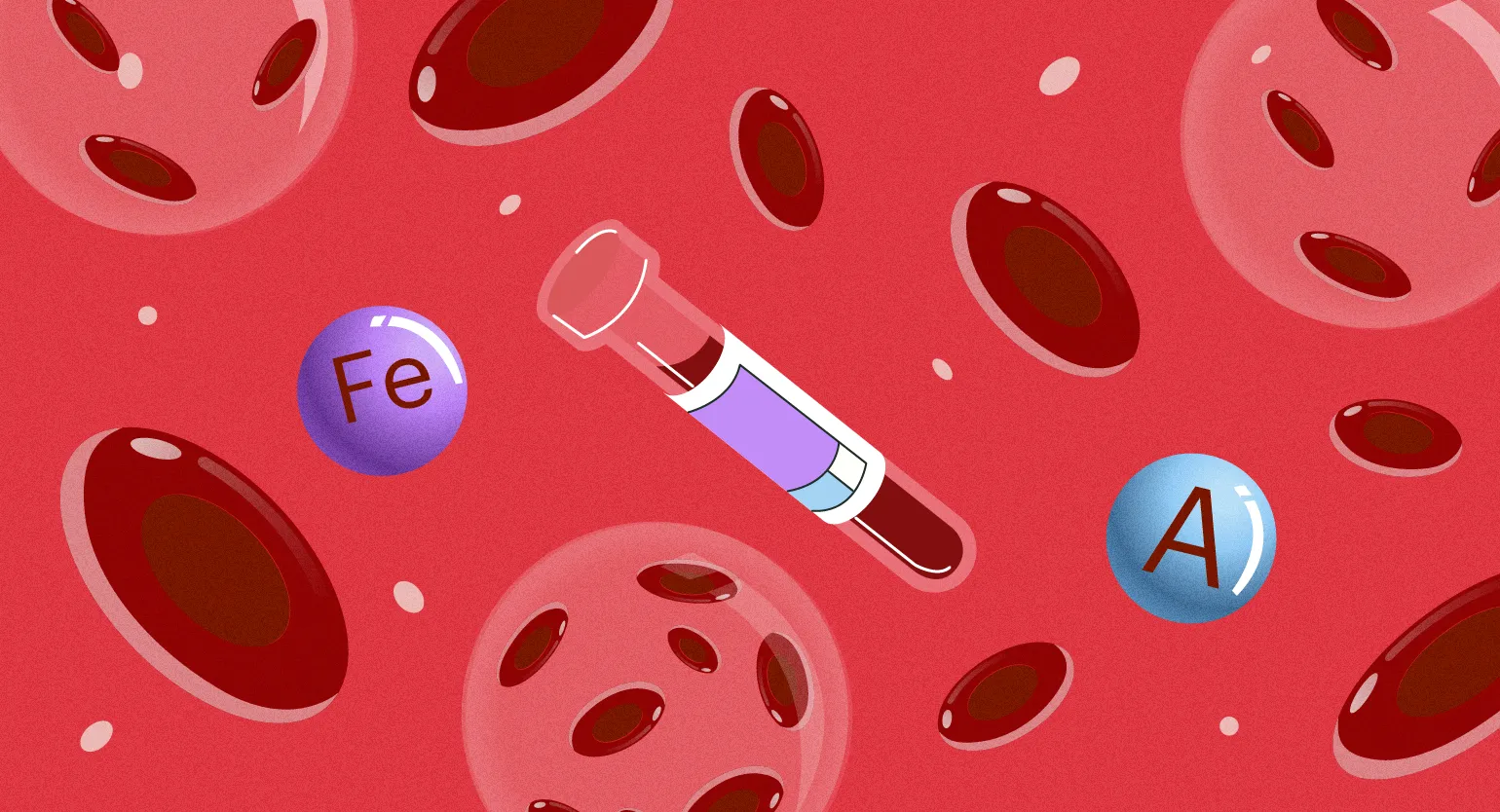
Iron is a key element necessary for the synthesis of hemoglobin, the protein that transports oxygen in the body. Without sufficient iron levels, problems with oxygen supply to tissues can occur, which negatively affects overall health. Maintaining optimal iron levels in the body is crucial for maintaining energy and preventing anemia.
A lack of iron in the body can lead to the development of iron deficiency anemia (IDA), which is a serious health threat. This disease can negatively affect the functioning of various body systems, leading to fatigue, weakness, and decreased immune defense. Low iron levels can also cause impaired concentration and memory, and in severe cases, lead to more serious complications. It is important to monitor your iron levels and consult a doctor for diagnosis and treatment if necessary. Regular consumption of iron-rich foods, such as meat, legumes, and greens, will help prevent the development of iron deficiency anemia and maintain good health.
- For pregnant women, it can negatively affect the development of the fetus.
- For children, this condition can impair the development of cognitive functions.
Anemia is a serious condition that can affect people of all ages and genders. It not only negatively affects overall health but can also aggravate existing medical conditions. It is important to pay attention to the symptoms of anemia, such as fatigue, weakness, and pallor, to seek timely medical attention and avoid complications. Proper nutrition and regular medical examinations will help prevent the development of anemia and maintain optimal health.
Every cell in our body requires oxygen to function properly. Oxygen deficiency has negative consequences, especially for the most vulnerable systems. For example, patients with thyroid disease, blood pressure problems, or intestinal problems experience a deterioration in their condition. The progression of iron deficiency anemia (IDA) can exacerbate these problems, increasing the number of weakened functions in the body. To maintain health, it is important to monitor oxygen levels and promptly seek medical attention if symptoms of deficiency occur.
What is Ferritin
Ferritin is an important protein responsible for iron storage in the body. It accumulates iron and releases it when needed, thereby ensuring normal cellular function and maintaining health. Blood ferritin levels can serve as an indicator of iron stores in the body, making it a valuable parameter in the diagnosis of various diseases associated with iron deficiency or excess. Adequate ferritin levels are essential for maintaining energy metabolism and proper immune system function.
Tests sometimes show normal iron levels in the blood, but ferritin remains low. This condition is called latent iron deficiency. It indicates that the body's iron stores are depleted. Without appropriate action, iron levels can continue to decline rapidly, leading to more serious health consequences. It is important to promptly address low ferritin and consult a doctor to prevent further complications.
Iron deficiency and low ferritin levels can lead to the development of iron deficiency anemia in just a few months. It is important to promptly identify and treat iron deficiency to prevent serious health consequences. Watch for symptoms such as fatigue, weakness, and pale skin, which may indicate iron deficiency. Regular blood tests will help monitor ferritin and iron levels, preventing the progression to anemia. Proper nutrition and possible iron supplements can significantly improve the condition and restore normal levels of these important micronutrients.
Symptoms of Iron Deficiency
Initial symptoms can vary depending on the disease or condition. They typically manifest as general signs such as fatigue, headache, mild fever, or discomfort. It is important to pay attention to changes in the body, as early detection of symptoms can lead to more effective treatment. If you notice any warning signs, do not delay a visit to your doctor for consultation and diagnosis. Remember that a timely response to the first symptoms can significantly improve the prognosis and quality of life.
- weakness,
- lethargy,
- apathy,
- poor health and sleep,
- problems with appetite.
Over time, new opportunities and initiatives may arise.
- chilliness, that is, a constant feeling of cold;
- dizziness, headaches, tinnitus and tachycardia - the body tries to compensate for the lack of oxygen and pump more blood through the heart;
- pale skin, dry hair and skin;
- metallic taste in the mouth;
- frequent acute respiratory viral infections, because anemia is associated with decreased immunity.
Reworked text:
We recommend that you familiarize yourself with additional materials.
The immune system is the body's complex defense system against infection and disease. It includes various mechanisms that help recognize and destroy harmful microorganisms, such as viruses and bacteria. The main components of the immune system are white blood cells, antibodies, and lymph nodes.
The functioning of the immune system depends on many factors, including genetics, lifestyle, and environment. Proper nutrition, regular exercise, and adequate sleep play a key role in maintaining and strengthening immunity. Some research suggests that certain vitamins and minerals, such as vitamin C, vitamin D, and zinc, may help improve immune function.
There are many ways to boost immunity, including eating a balanced diet, exercising, avoiding unhealthy habits, and managing stress. Regular preventative medical checkups and vaccinations against infectious diseases are also important.
To summarize, maintaining a healthy immune system is a complex process that requires attention to your health and lifestyle. By following simple recommendations, you can significantly boost your body's defenses and reduce the risk of disease.
Causes of Iron Deficiency
There are several causes.
The problem of abnormal uterine bleeding is especially relevant for women who experience heavy and/or prolonged menstruation. Such conditions can significantly impair the quality of life and require careful medical examination. It is important to understand that abnormal menstrual bleeding can be a symptom of various diseases, including hormonal imbalances, uterine fibroids, or polyps. Therefore, if you have this problem, it is recommended to consult a doctor for diagnosis and selection of the optimal treatment method. Taking care of your health and regular medical checkups will help prevent potential complications and maintain a high level of women's health.
Iron deficiency is observed in people prone to frequent nosebleeds, as well as those who suffer from gastrointestinal diseases. Such diseases include tumors of the colon and small intestine, stomach, esophagus, as well as gastric and duodenal ulcers and inflammatory bowel disease. These conditions can significantly increase the risk of developing anemia, making timely detection and treatment important.
Gastrointestinal (GI) diseases are the underlying cause of many health problems. These diseases include gastritis, peptic ulcers, pancreatitis, and cholecystitis. These conditions can cause a variety of symptoms, including abdominal pain, dyspepsia, and indigestion. Proper diagnosis and treatment of GI diseases are essential for maintaining overall health and preventing more serious complications. Seeing a doctor at the first sign of discomfort will help identify the problem early and begin appropriate treatment.
- celiac disease is a condition that occurs when the small intestine fails to produce enzymes responsible for digesting gluten;
- atrophic gastritis is a type of chronic gastritis;
- inflammatory bowel diseases, such as ulcerative colitis or Crohn's disease.
Gastric or intestinal resection can significantly impact nutrient absorption. After such surgeries, anatomical and physiological processes are altered, which can lead to inadequate absorption of vitamins and minerals. Patients who have undergone resection should carefully monitor their diet and possibly take supplements to prevent nutrient deficiencies. This approach will help maintain health and optimal functioning of the body.
Iron deficiency anemia occurs when the body does not receive enough iron, which is often due to a lack of iron-containing foods in the diet. This can occur when eliminating animal products, which is typical for veganism, raw foodism, or fruitarianism. It is important to understand that iron plays a key role in the body, participating in the formation of hemoglobin and maintaining health. To avoid deficiency, it is important to include a variety of iron sources in the diet. Also, keep in mind that plant foods contain less absorbable iron, so they should be combined with foods rich in vitamin C.
Doctors say that obesity can be a contributing factor to iron deficiency. Excess weight affects metabolism and nutrient absorption, which can lead to iron deficiency in the body. Furthermore, obesity is often accompanied by chronic inflammatory processes, which can reduce iron levels and its availability to cells. Therefore, it is important to control body weight and monitor iron levels to prevent the development of anemia and other related conditions.
- People who are overweight in most cases have reached this condition because they have become addicted to foods low in this element.
- In obese people, body weight and blood volume increase, which is why the body simply does not have time to replenish the necessary iron reserves.
- Furthermore, obesity leads to poor iron absorption.
Research confirms that vitamin and mineral deficiencies can negatively affect the health of people actively involved in sports. Athletes are at risk of lacking essential nutrients, which can lead to decreased physical performance and increased recovery time. It is important to maintain a balanced diet to maintain optimal health and achieve peak athletic performance.

Learn more about our content. We offer quality materials that will help you gain a deeper understanding of the topics covered. Our articles are written with current trends and reader needs in mind. We strive to provide you with relevant information that will be useful and interesting. Stay tuned for new publications and helpful tips. Read also:
Obesity is a disease characterized by the excess accumulation of fat in the body, which can negatively impact health. The primary method for determining obesity is the body mass index (BMI), which is calculated by dividing weight in kilograms by the square of height in meters. A BMI of 30 or higher indicates obesity.
Obesity is a serious health threat, as it is associated with the risk of developing various diseases, including cardiovascular disease, type 2 diabetes, high blood pressure, and some types of cancer. Furthermore, obesity can negatively impact quality of life by reducing physical activity and increasing the likelihood of psycho-emotional disorders.
It is important to understand that obesity is not just a matter of appearance, but a complex problem that requires medical intervention and lifestyle changes. Prevention and treatment of obesity include a balanced diet, regular exercise, and, in some cases, medication or surgery. Consulting with specialists will help develop a personalized plan that promotes weight loss and improves overall health.
What foods contain iron?
There are two main types of iron in the diet: heme and non-heme. Heme iron is found in animal products such as meat, fish, and poultry and is absorbed more efficiently by the body. Non-heme iron is found in plant sources such as legumes, nuts, seeds, and green leafy vegetables. Although non-heme iron is less well absorbed, it can be improved by combining it with foods rich in vitamin C. Given the importance of iron for health, especially for maintaining normal hemoglobin levels and preventing anemia, it is important to vary your diet and include both types of iron.
- Heme iron is divalent. It is better absorbed and can be obtained from poultry, fish, and the foods richest in it are organ meats and red meat: beef, lamb, veal.
- Non-heme iron is trivalent. It is found in plant foods - bran, sesame, buckwheat, soy, lentils, spinach, green vegetables, dried apricots. Because this type of iron is less well absorbed by the human body, vegetarians often suffer from anemia.
What helps iron be absorbed
The first important cofactor for iron absorption in the body is vitamin C. Doctors often recommend taking iron supplements with orange juice, as this promotes better absorption of the element. Vitamin C also has the unique ability to convert non-heme iron to heme iron, which increases its bioavailability and effectiveness.
Vitamin A is a key element for iron absorption. Studies show that people who consume vitamin A are able to extract three times more iron from foods such as corn, wheat, and rice, compared to those whose diet does not include this vitamin. This emphasizes the importance of vitamin A in the diet for improving iron absorption and, accordingly, increasing its levels in the body. Ensuring adequate vitamin A intake can significantly impact health, particularly in the context of preventing anemia and maintaining overall health.
Iron deficiency is often accompanied by vitamin B12 deficiency, leading doctors to prescribe both. However, in some cases, correcting the iron deficiency can simultaneously help increase vitamin B12 levels in the body without the need for supplementation. This is important to consider when treating anemia and other conditions associated with a lack of these vitamins. Proper diagnosis and a comprehensive approach to treatment can help avoid additional interventions and improve overall health.
What Interferes with Iron Absorption
Iron absorption inhibitors are substances that interfere with its absorption in the body. Such inhibitors include polyphenols found in various foods, such as cocoa, coffee, tea, and wine. These compounds can reduce the bioavailability of iron, which is important to consider when planning a diet, especially for those at risk of iron deficiency. Paying attention to food combining can optimize iron absorption and support good health. Calcium, found in dairy products, and phytic acid, found in seeds, grains, legumes, and nuts, can negatively impact iron absorption. These substances can bind with iron in the digestive tract, reducing its bioavailability. Therefore, it is important to consider their impact on the diet and combine foods to maximize iron absorption. Despite possible restrictions, you should not completely eliminate these foods from your diet. If you are diagnosed with iron deficiency, it is important to consult a doctor who can help you adjust your diet to restore normal levels of this important mineral.

Check out additional materials:
Nuts: benefits and harms
Nuts are a valuable source of nutrients and healthy fats. They are rich in protein, fiber, vitamins, and minerals, making them an essential component of a healthy diet. Regular consumption of nuts can help improve cardiovascular health, lower cholesterol, and maintain a healthy weight. Nuts such as walnuts, almonds, cashews, and hazelnuts contain antioxidants that help protect cells from oxidative stress. However, despite their many benefits, nuts also have some drawbacks. They are high in calories, and excessive consumption can lead to weight gain. Furthermore, some people may have an allergic reaction to certain types of nuts, making them dangerous for those who consume them. It's important to choose high-quality nuts and monitor portion sizes to avoid negative health consequences.
Therefore, nuts can be a healthy part of the diet if consumed in moderation and taken into account individual health needs.
How Iron Deficiency is Diagnosed
People experiencing symptoms of iron deficiency often consult a primary care physician. The doctor will order a complete blood count to determine hemoglobin levels. If these levels are low, the specialist will recommend additional testing for iron and ferritin levels. This allows for a more accurate diagnosis and the need for treatment of iron deficiency.

Revised text:
Learning new topics and gaining information are important aspects in the modern world. We recommend that you familiarize yourself with additional materials that will help deepen your knowledge and broaden your horizons. Reading various articles and publications promotes the development of critical thinking and improves analytical skills. Don't miss the opportunity to expand your knowledge and stay up-to-date with current events and trends.
Decoding tests involves interpreting the results of clinical and biochemical studies, as well as hormonal tests. A complete blood count (CBC) provides information about the composition of the blood, including hemoglobin levels and red and white blood cell counts, which helps determine the patient's overall health. A blood chemistry test helps identify disorders in the functioning of organs and systems by providing data on the levels of various substances, such as glucose, cholesterol, and enzymes. Hormonal tests play a key role in the diagnosis of endocrine diseases, allowing us to determine the levels of hormones such as thyroxine, cortisol, and insulin. Correct interpretation of these tests allows doctors to make more accurate diagnoses and develop effective treatment plans.
Can I take these tests without a doctor's prescription?
Yes, I can. However, the most important question is how to process and use the results.
Many people often have their iron and ferritin levels tested in laboratories and then, without consulting a doctor, purchase dietary supplements or medications at the pharmacy. However, it is important to understand that self-medication can lead to undesirable consequences. Before taking any supplements or medications, it is recommended to consult a healthcare professional. This will help avoid excess or insufficient iron levels in the body, which can negatively impact health. Correct interpretation of test results and an individualized approach to treatment are key to maintaining normal iron levels and overall well-being.
The effectiveness of dietary supplements remains unproven, and self-medication is not the optimal way to replenish essential nutrients. It is important to remember that using dietary supplements without consulting a doctor can lead to undesirable consequences. It is best to approach the health issue comprehensively, relying on professional recommendations and scientifically proven methods.
- Firstly, you will not be able to prescribe effective treatment for yourself, because the doctor calculates the dosage of the drug individually.
- Secondly, iron, as we discussed above, may simply not be absorbed, so doctors prescribe vitamins along with medications - this nuance is easy to miss when self-medicating.
- Thirdly, you will not know the cause of the deficiency, and this is important. The doctor will collect an anamnesis, if necessary, prescribe additional examinations (ultrasound, gastroscopy, colonoscopy) and refer you for consultation with more specialized specialists.
What medications are there to replenish iron deficiency?
Iron deficiency can be partially replenished by changing your diet, according to the World Health Organization. However, people often realize they have iron deficiency symptoms when simple dietary adjustments are no longer effective and require medication. It's important to recognize the signs of iron deficiency early to avoid serious health consequences.
Iron supplements come in a variety of forms, including IVs, oral medications, and injections. These methods of administration effectively replenish iron deficiency. IVs provide a rapid effect, while oral medications are convenient for home use. Injections may be recommended when other forms of treatment are ineffective. The choice of a specific form of medication depends on the patient's health status and the doctor's recommendations.
IVs have become popular as a means of addressing nutritional deficiencies, but their use is limited. Infusion therapy, which provides a sharp increase in iron levels, can place significant strain on the liver. Indications for the use of IV drips include the following situations:
- Pregnancy - when there is simply no time to wait for a slow recovery.
- Gastrointestinal problems when iron is not absorbed.
- Severe anemia.
- Intolerance to oral forms of drugs.
- If surgery is planned.
The dosage of the drug is calculated individually, taking into account the hemoglobin level, the patient's height, weight, and clinical indications. Correct dosage is important to achieve the optimal therapeutic effect and minimize the risk of side effects.
Oral iron preparations are taken orally and are available in various forms, such as tablets, capsules, and solutions. Due to the optimal dosage, iron preparations in these forms have high bioavailability and are better absorbed by the body. However, even with correct use, they can cause side effects such as nausea, vomiting, and diarrhea. Therefore, it is crucial to take such medications under medical supervision to minimize the risk of adverse reactions and ensure effective treatment.
It is important to see your doctor regularly during treatment. A specialist will be able to adjust therapy if it turns out that the previously prescribed medication or its dosage is insufficiently effective. This will optimize treatment and achieve better results.
Recovery of the deficiency may take several months. This process depends on various factors, including the amount of resources required and the effectiveness of the methods used. To achieve lasting results, it is important to consider all aspects and carefully plan your actions.
Some patients prefer to replenish iron deficiency intramuscularly, believing that this approach reduces the risk of intestinal side effects. However, doctors do not recommend this method of eliminating iron deficiency, as injections can lead to serious local reactions, including abscesses. Instead, experts offer safe and effective ways to correct iron levels that minimize health risks.
Free test: which digital profession is right for you?
IT, design, marketing or management? Find out the answer in 15 minutes. And then try your hand at a new specialty for free.
Find out more